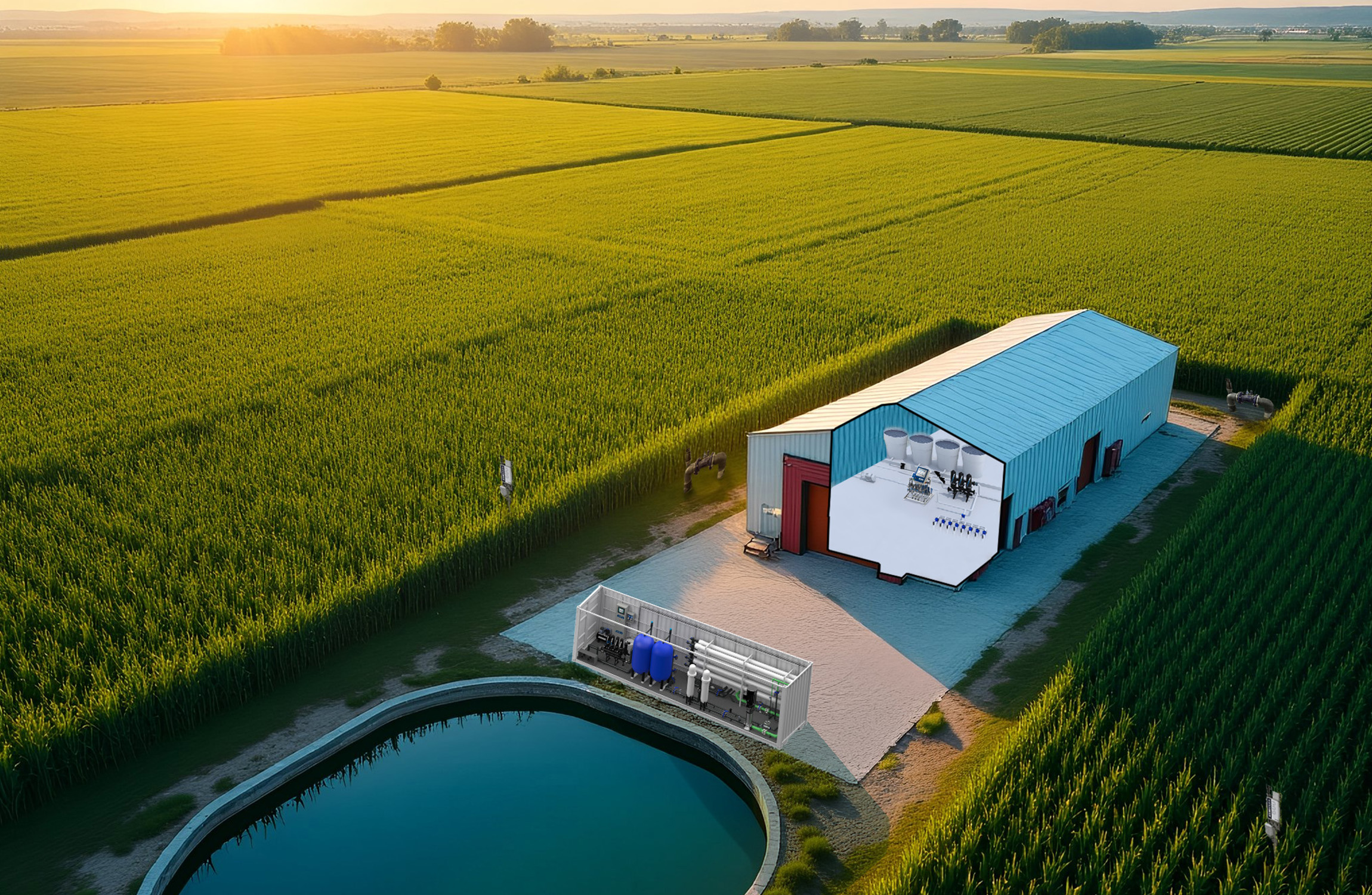
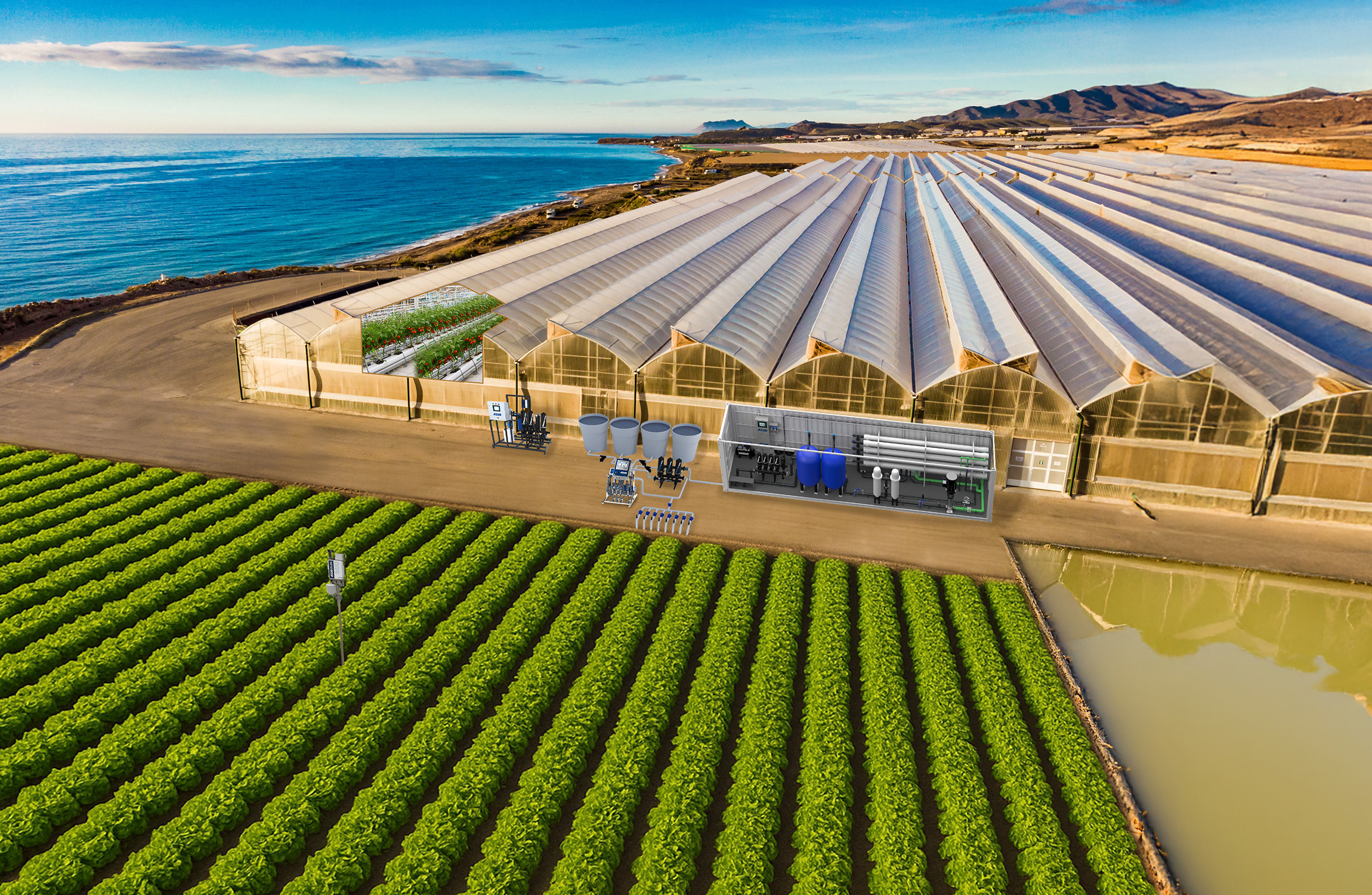
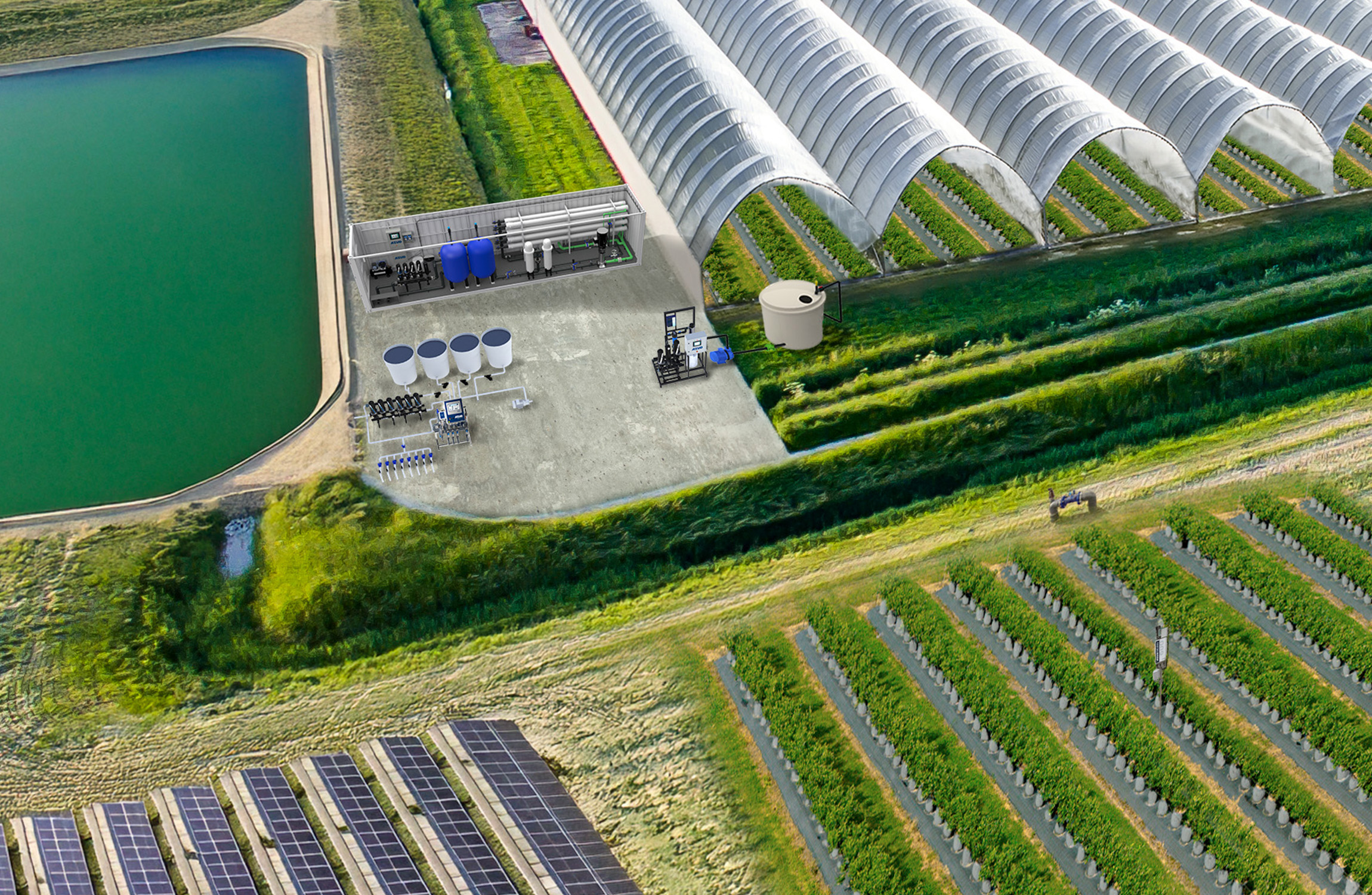
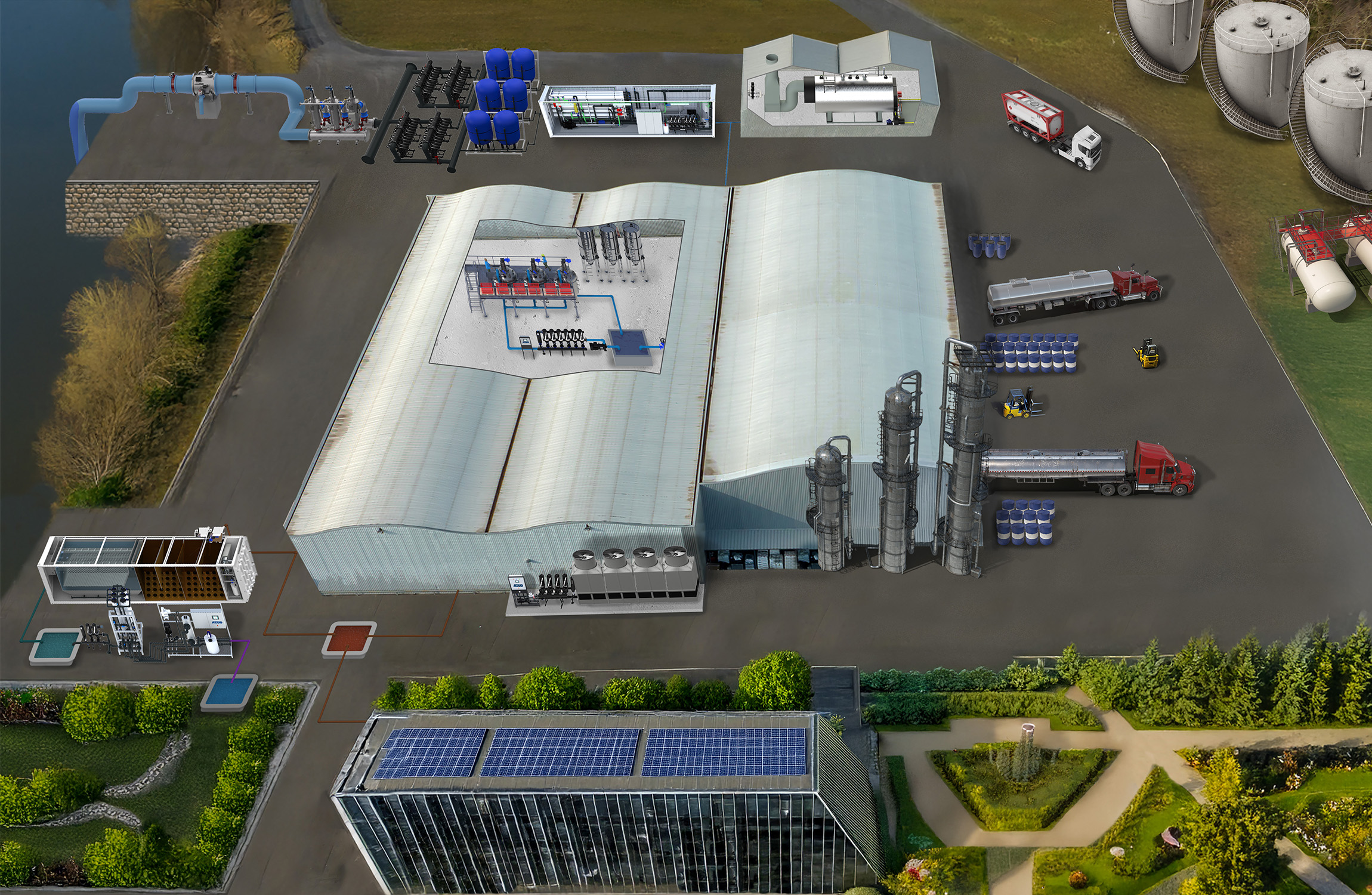

- Agriculture
- Irrigation
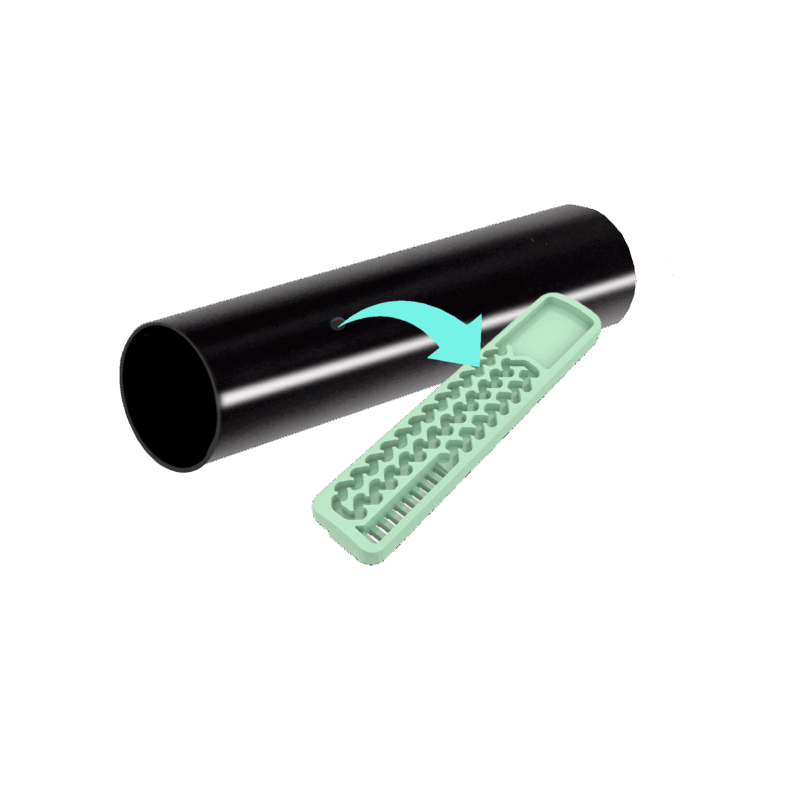
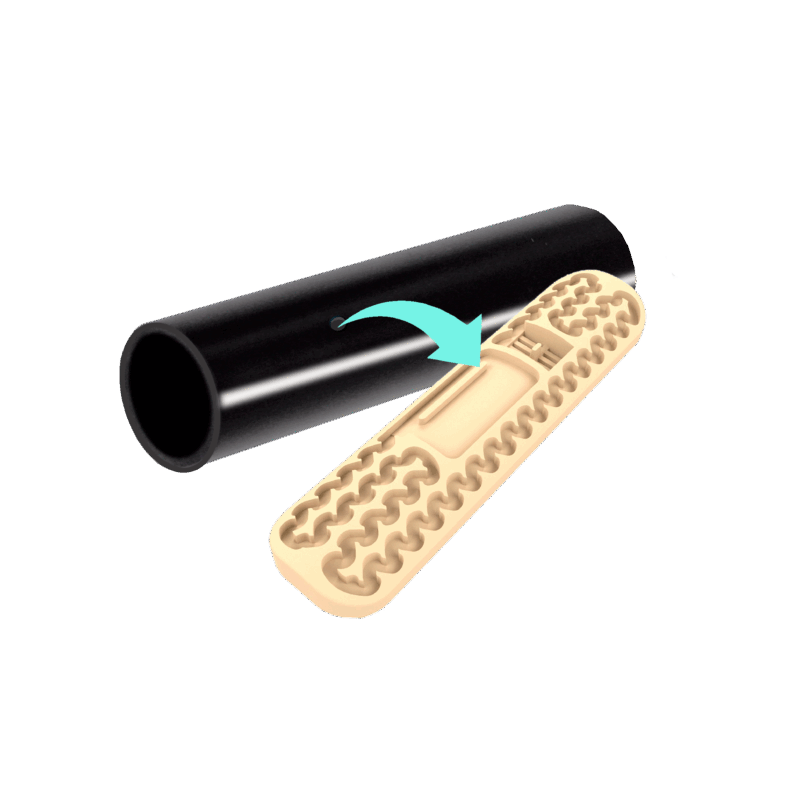
- Irrigation pipes with turbulent drip emitters
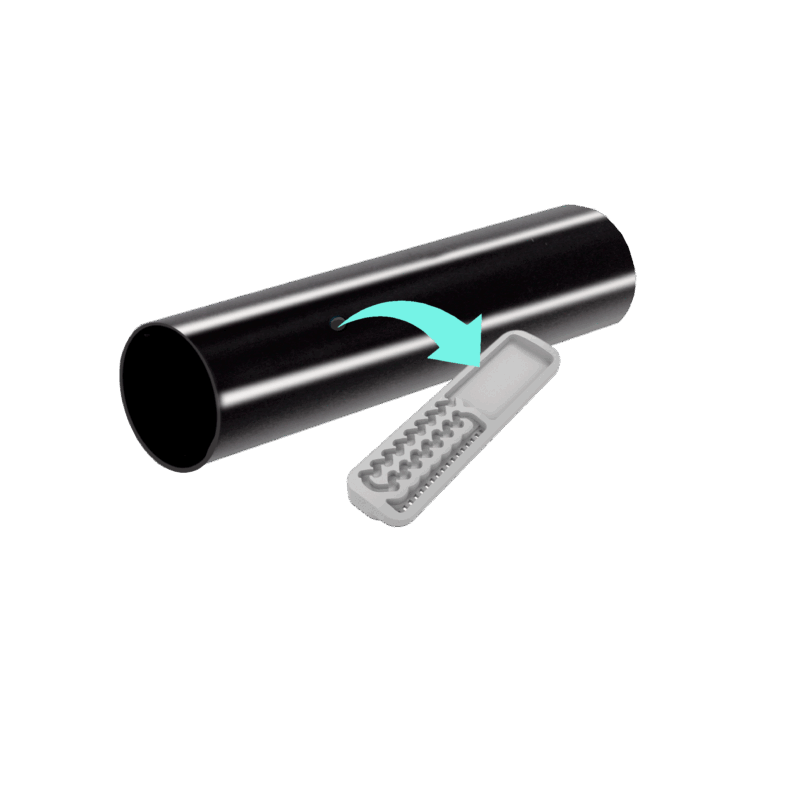
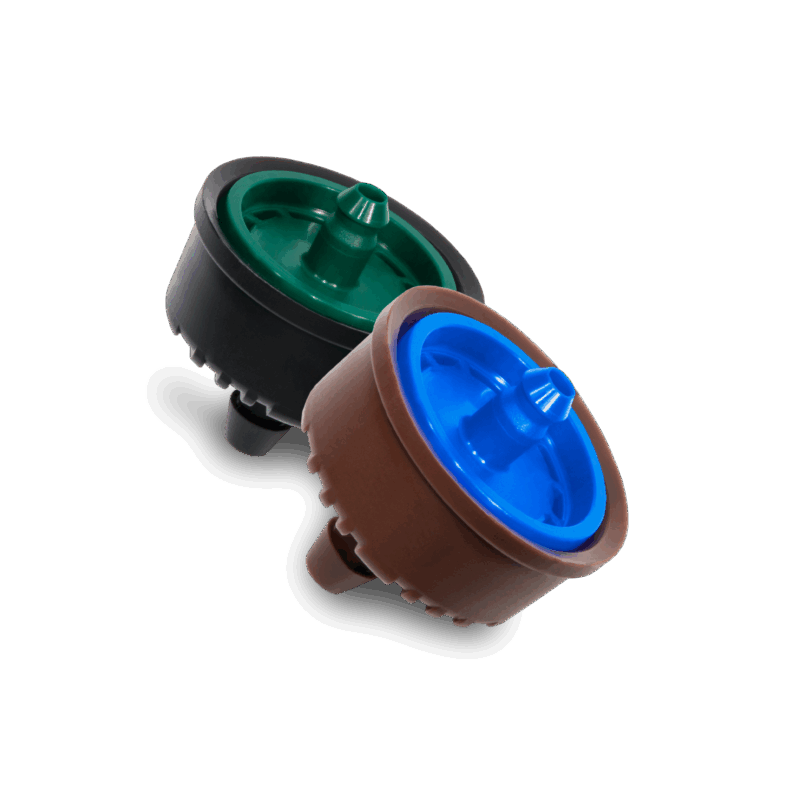
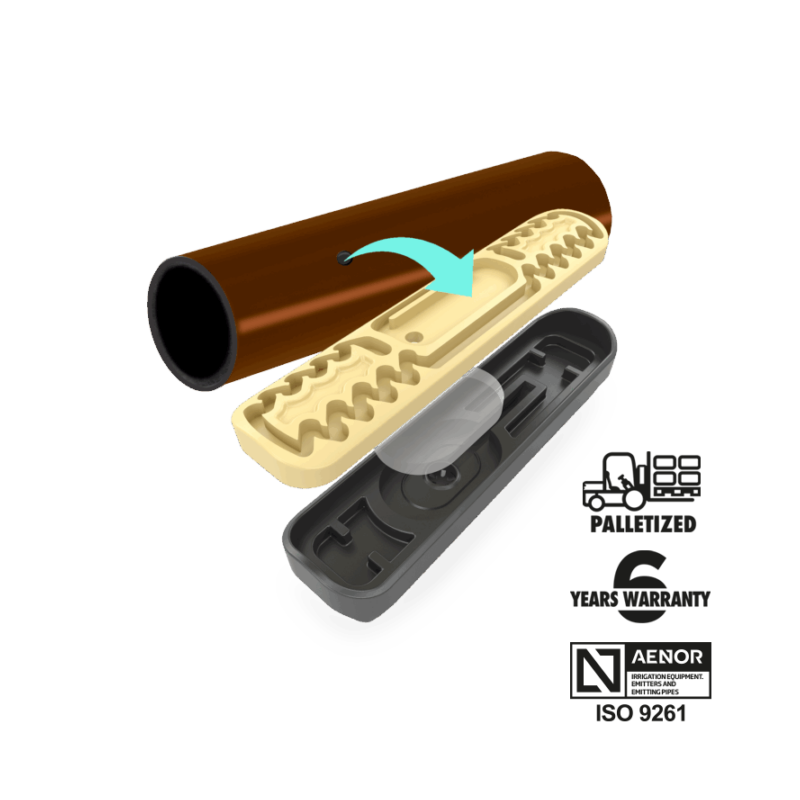
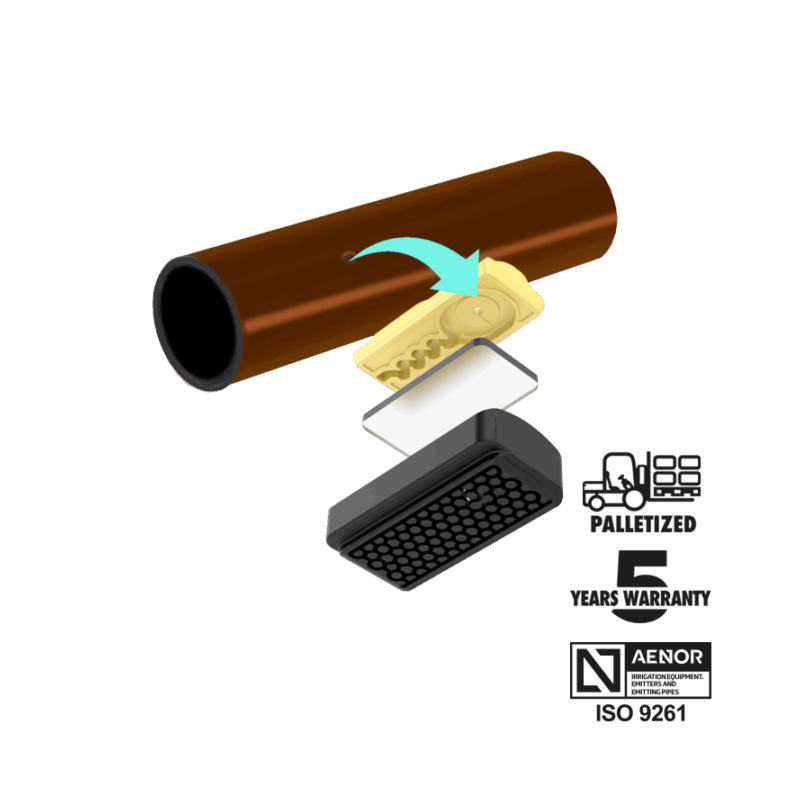
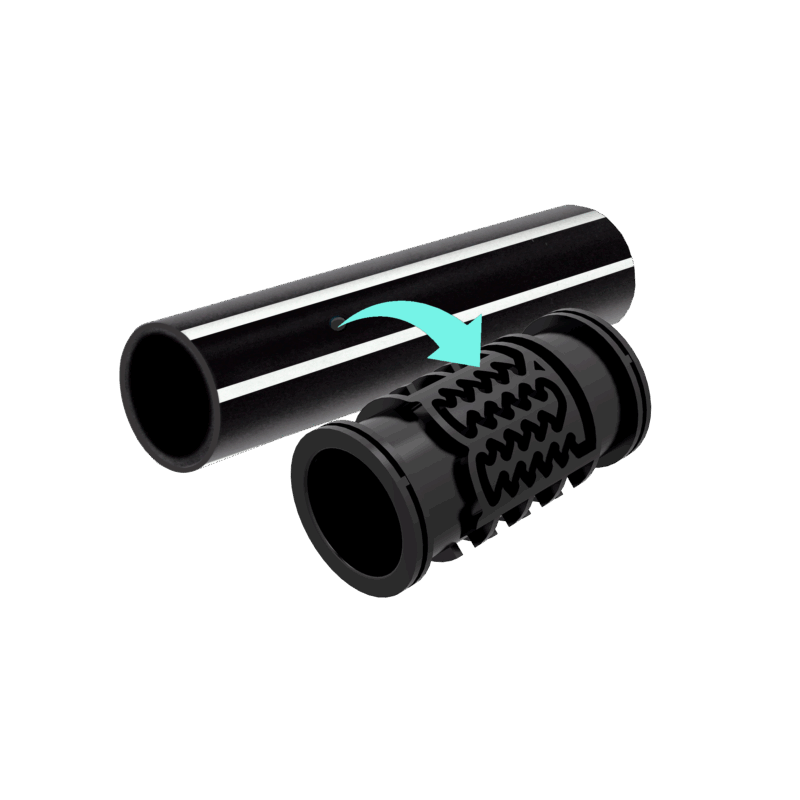
- Punctured drippers
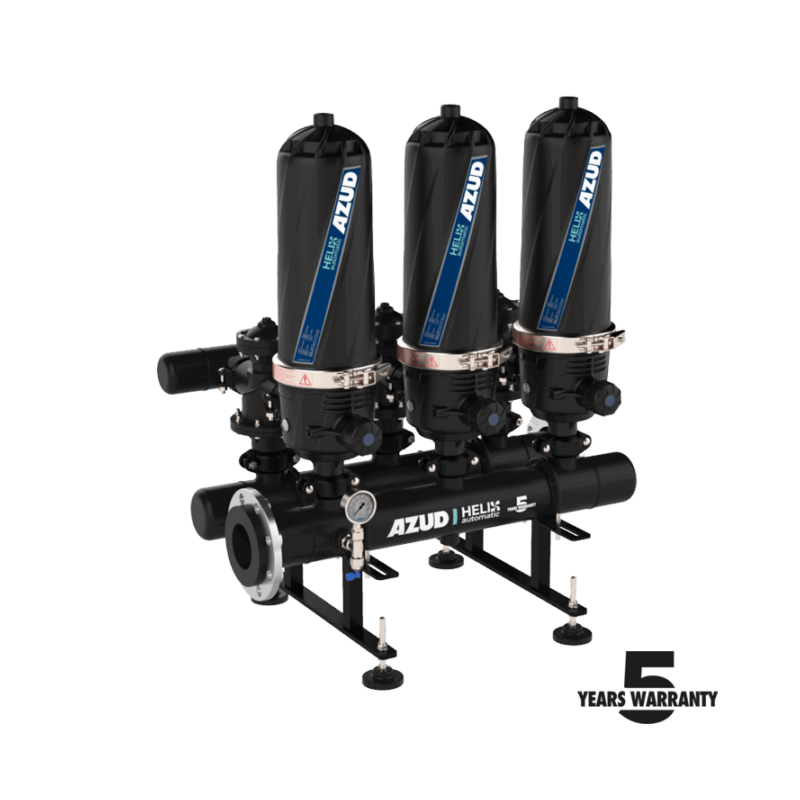
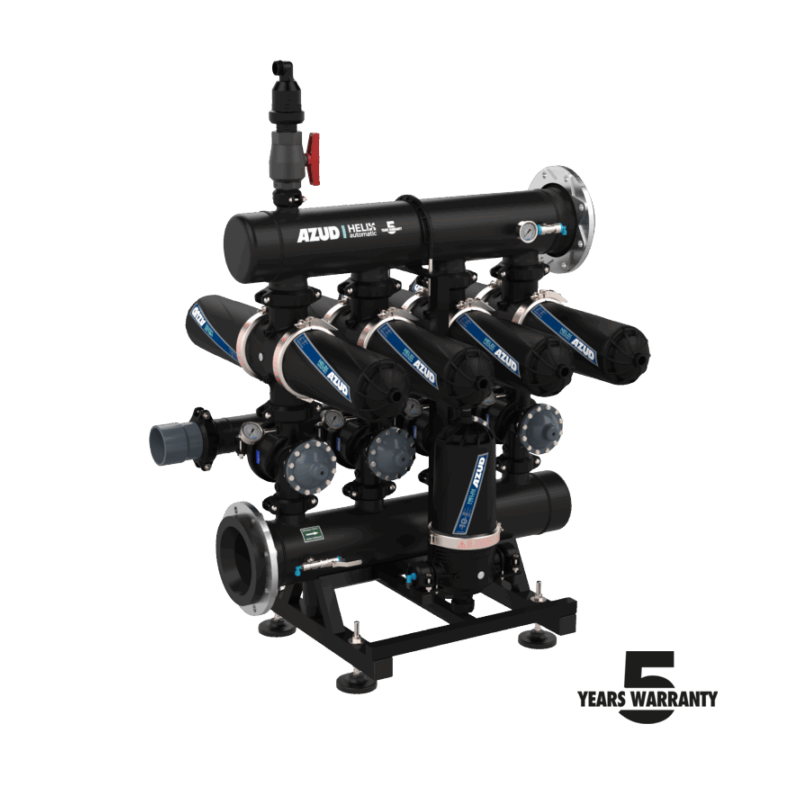
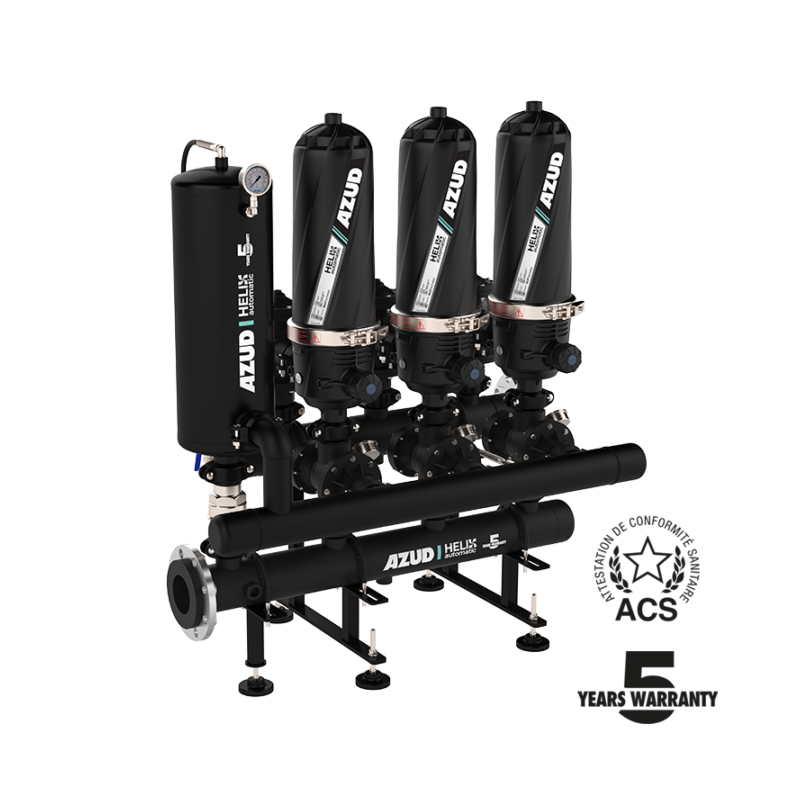
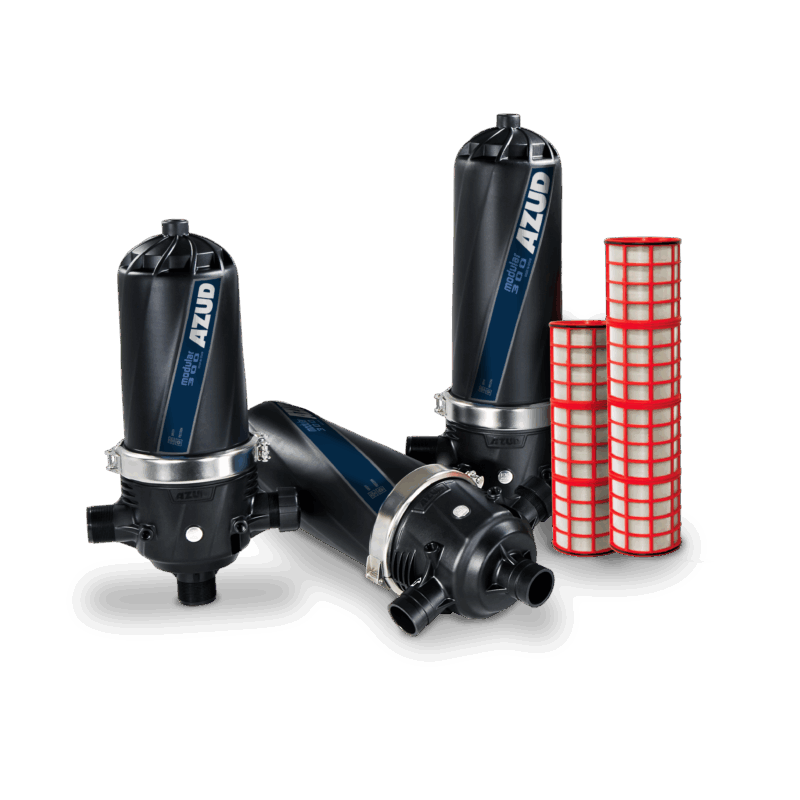
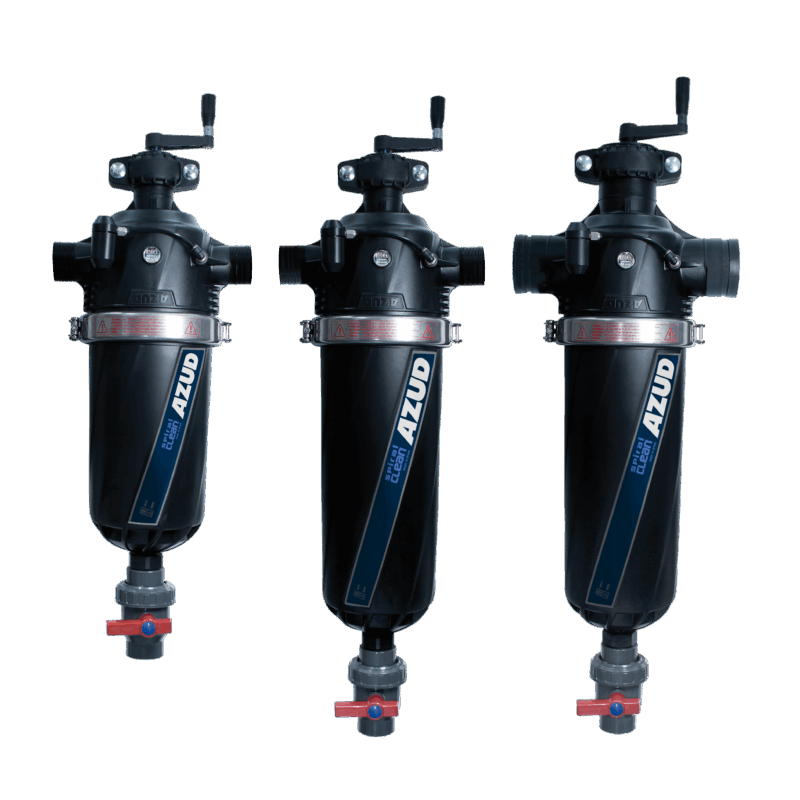
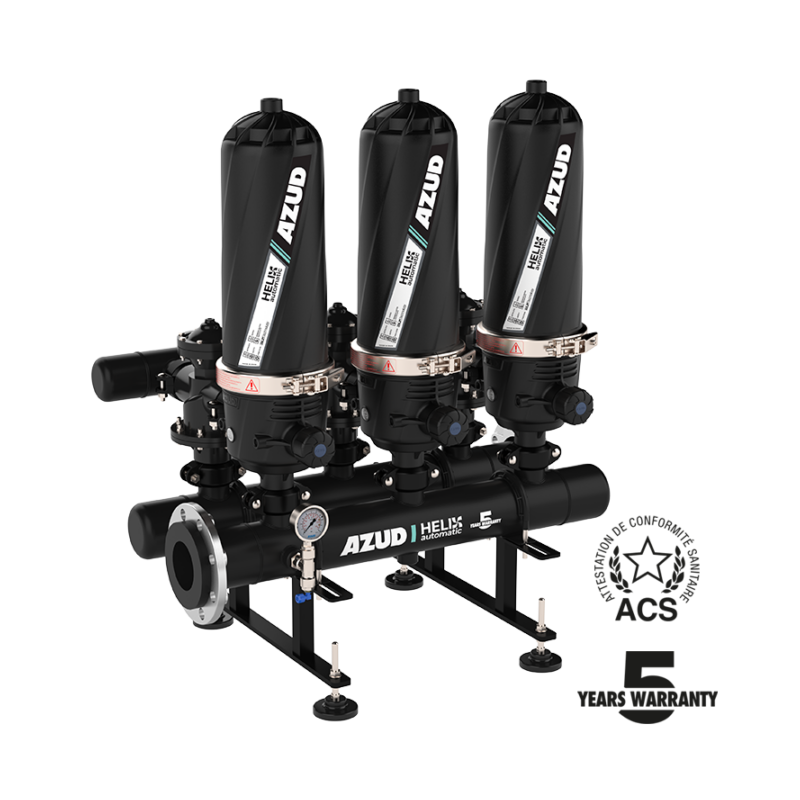
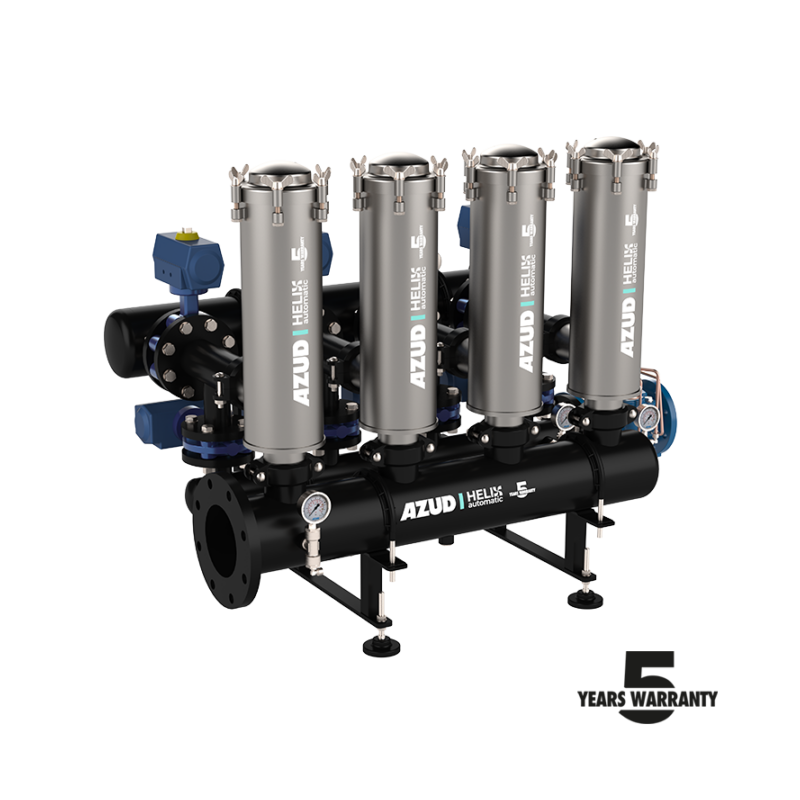
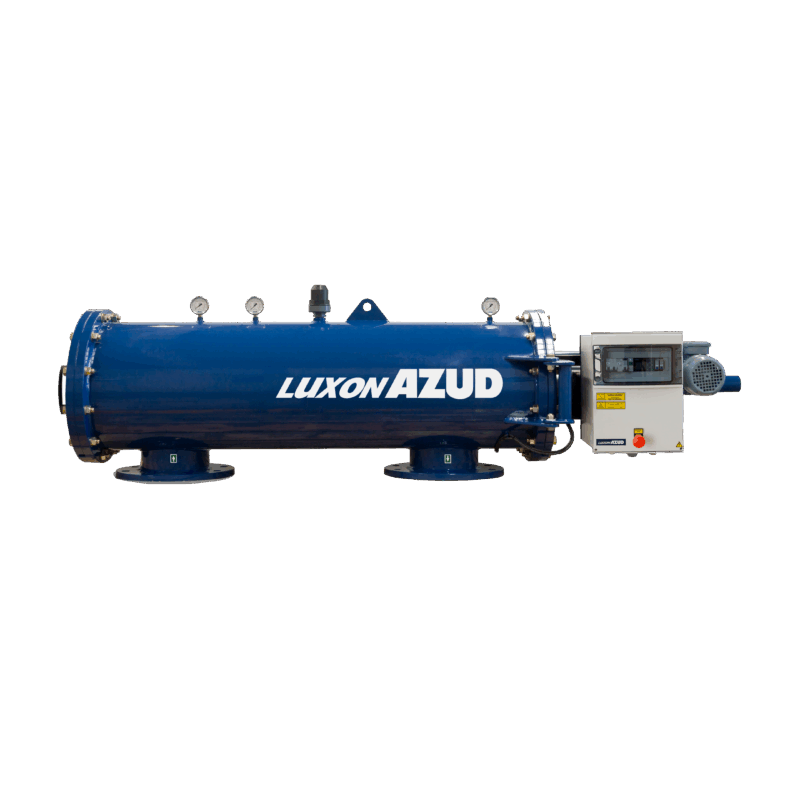
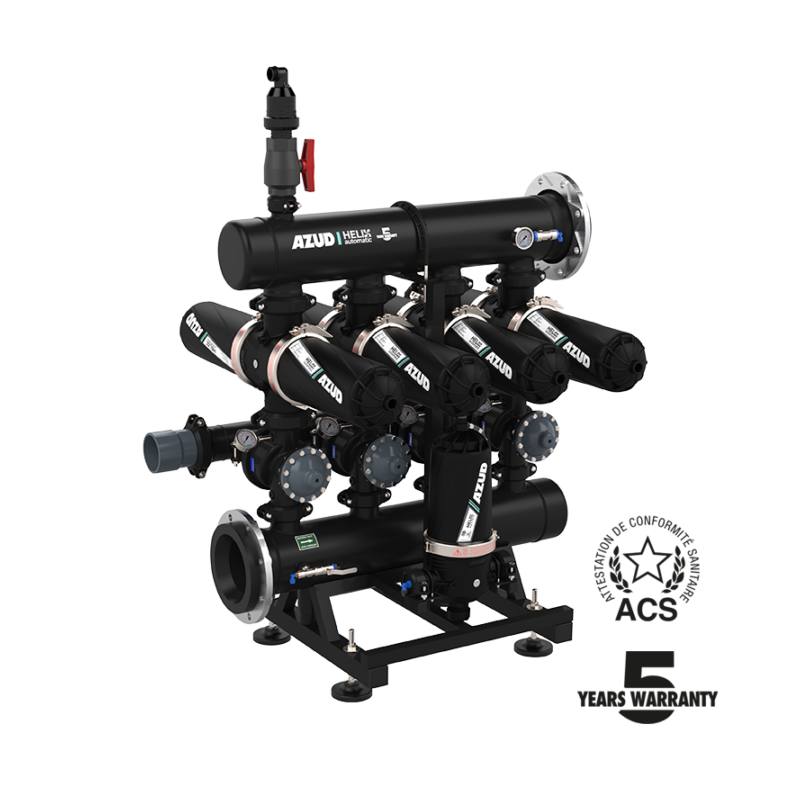
- Self-cleaning disc filtration equipment
- Filtration
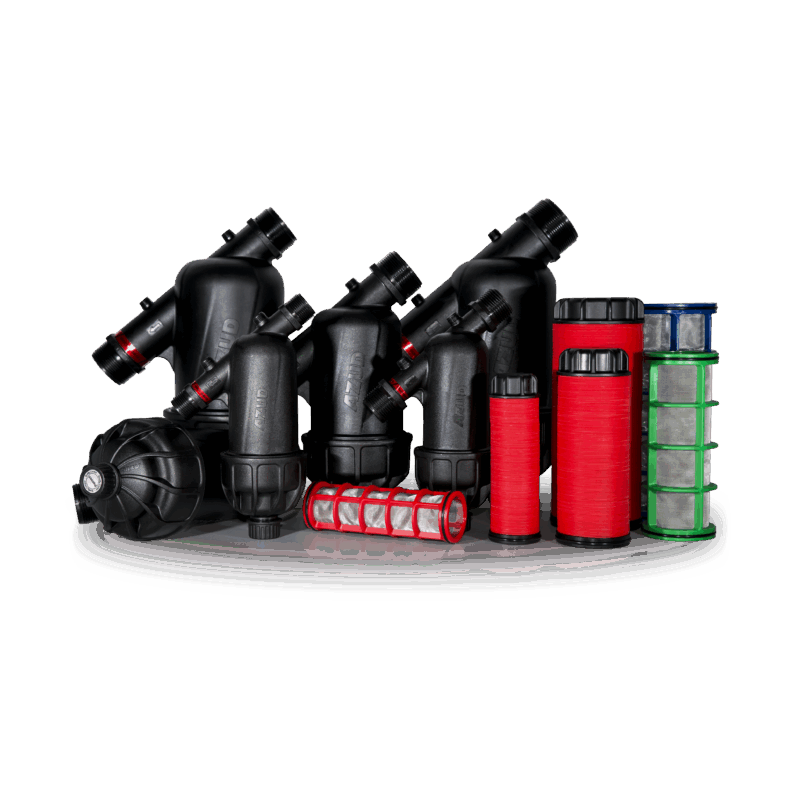
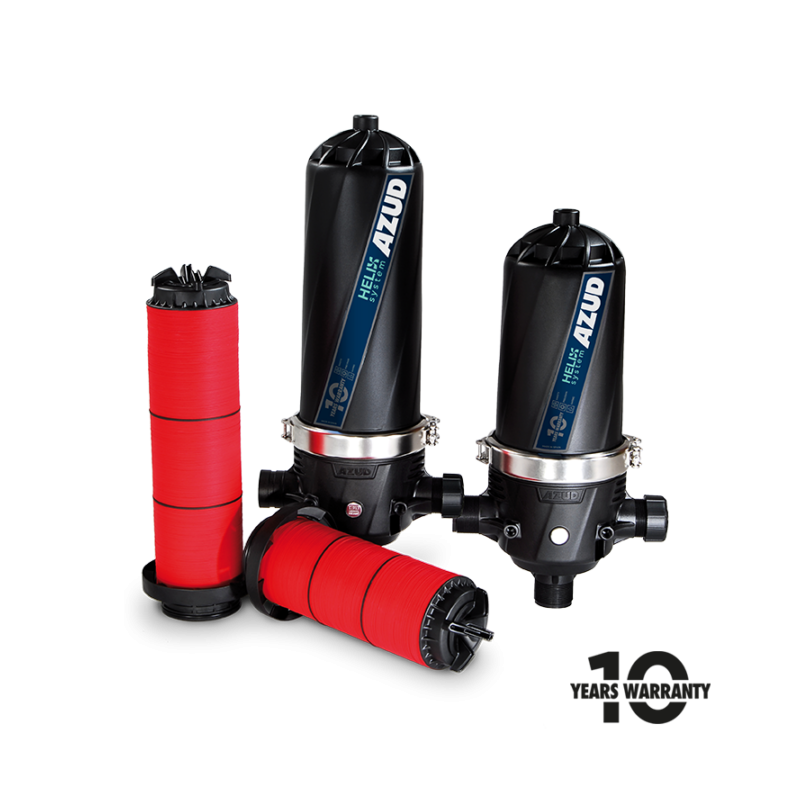
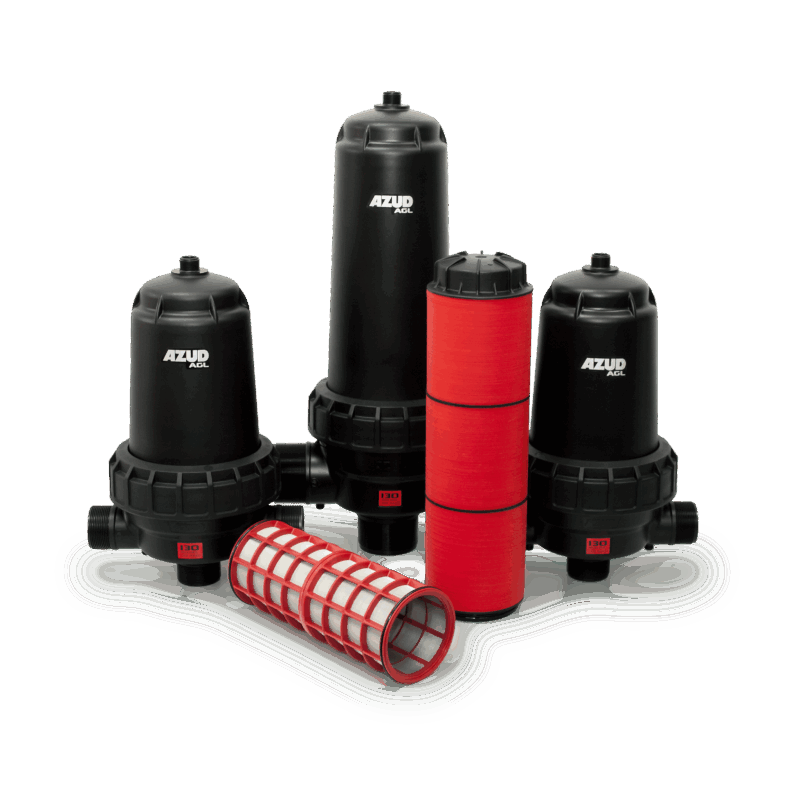
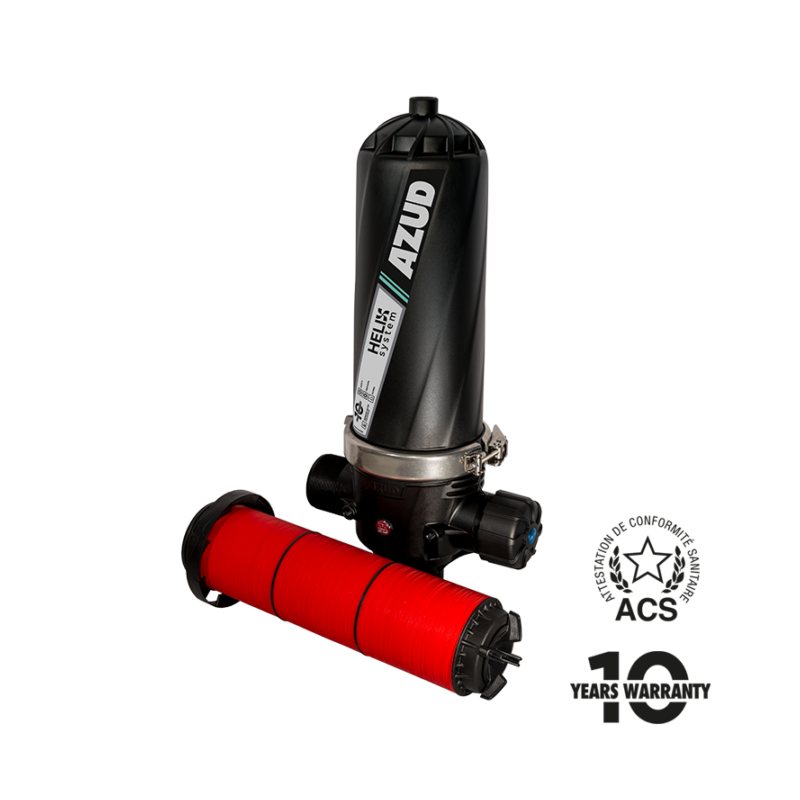
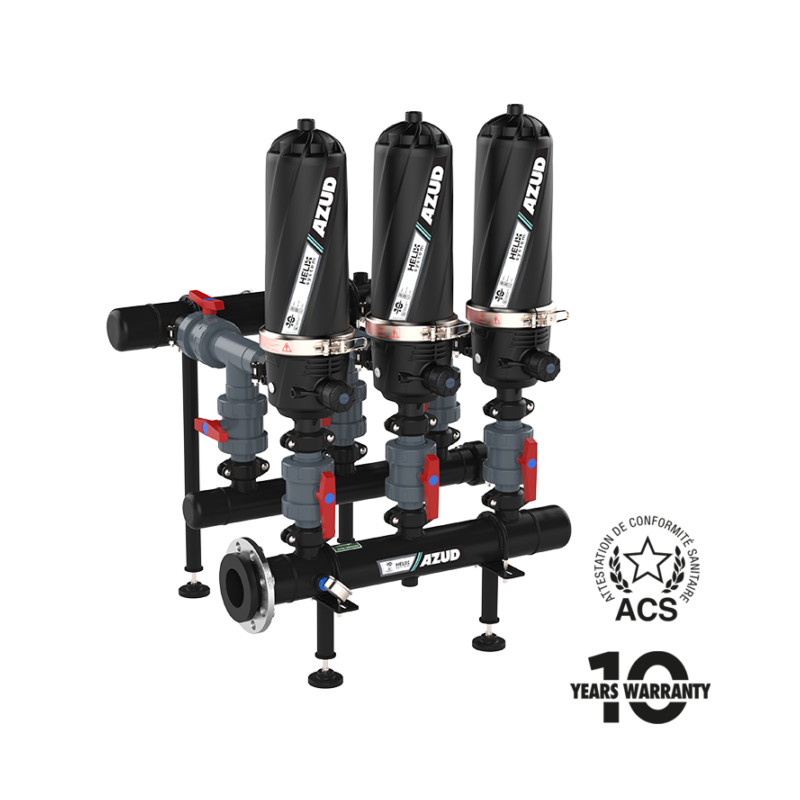
- Manual and semi-automatic disc/mesh filters
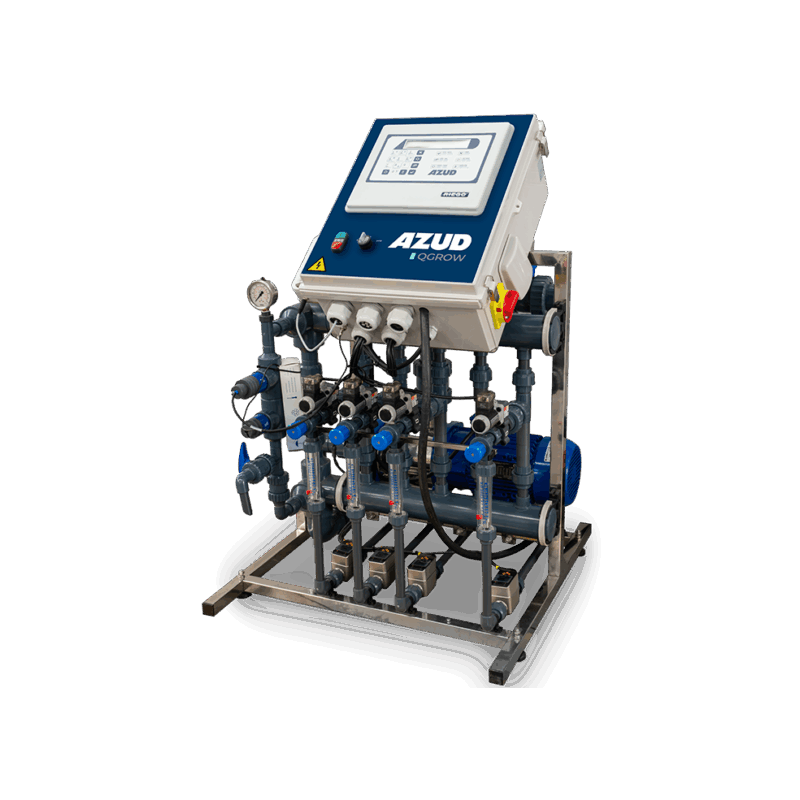
- Plant nutrition
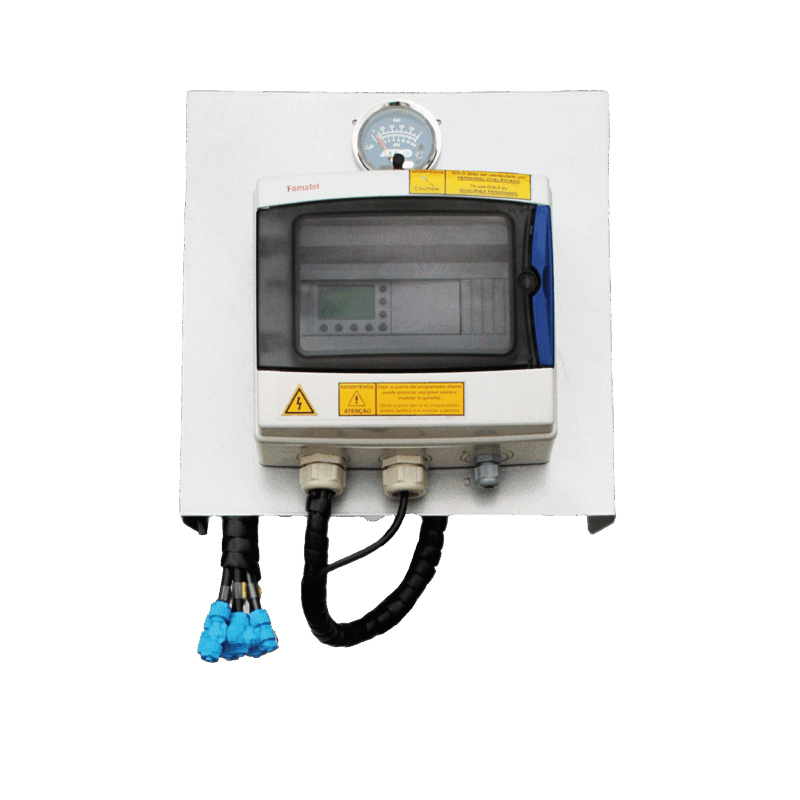
- Datalogger y visualización de datos
- Digital management
- Landscaping
- Irrigation
- Self-compensating drip irrigation pipes
- Punctured drippers
- Self-cleaning disc filtration equipment
- Filtration
- Manual and semi-automatic disc/mesh filters
- Water treatment
- Plant nutrition
- Industrial
- Municipal
- Residential
- Irrigation
- Self-compensating drip irrigation pipes
- Punctured drippers
- Self-cleaning disc filtration equipment
- Filtration
- Manual and semi-automatic disc/mesh filters
- Water treatment
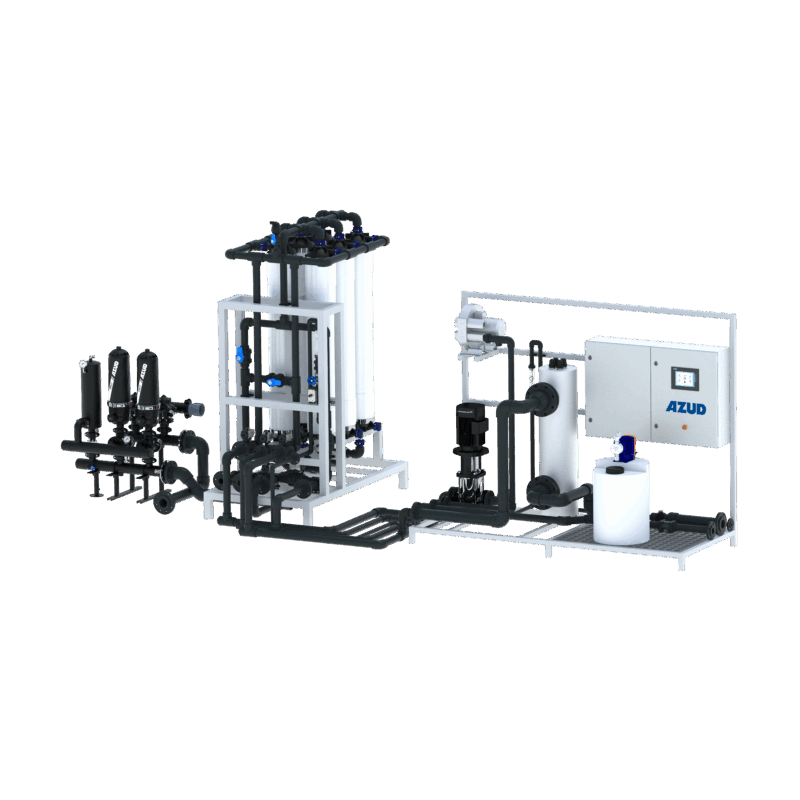
- Water reuse plants
- Mining
- Irrigation pipes with turbulent drip emitters
- Irrigation
- Filtration
- Self-cleaning disc filtration equipment
- Manual and semi-automatic disc/mesh filters
- Water treatment
- Water reuse plants
- Humanitarian