Corn Farming

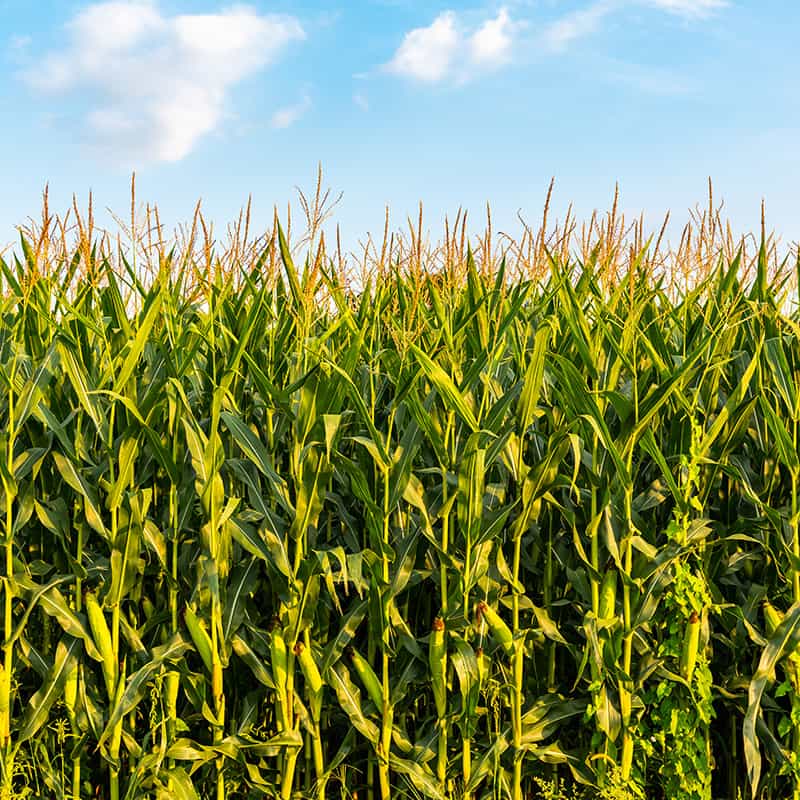
Corn is a crop belonging to the grass family that originated in Central America and has been cultivated for thousands of years. Global production is approximately 790 million tons of grain grown on 158 million hectares. The leading corn producers are the United States, China, and Brazil, which together account for about 62% of total global production.

Corn requires temperate climates during its growth phase. It needs large amounts of sunlight, and its yield is lower in humid climates. During the seed germination stage, the temperature should be around 20°C. Corn is not resistant to low temperatures or frost.

Corn can be grown in many types of soil; however, the following are recommended: soils rich in organic matter, deep, well-drained (to prevent waterlogging that causes root asphyxia), and soils with high salinity and good water-holding capacity.

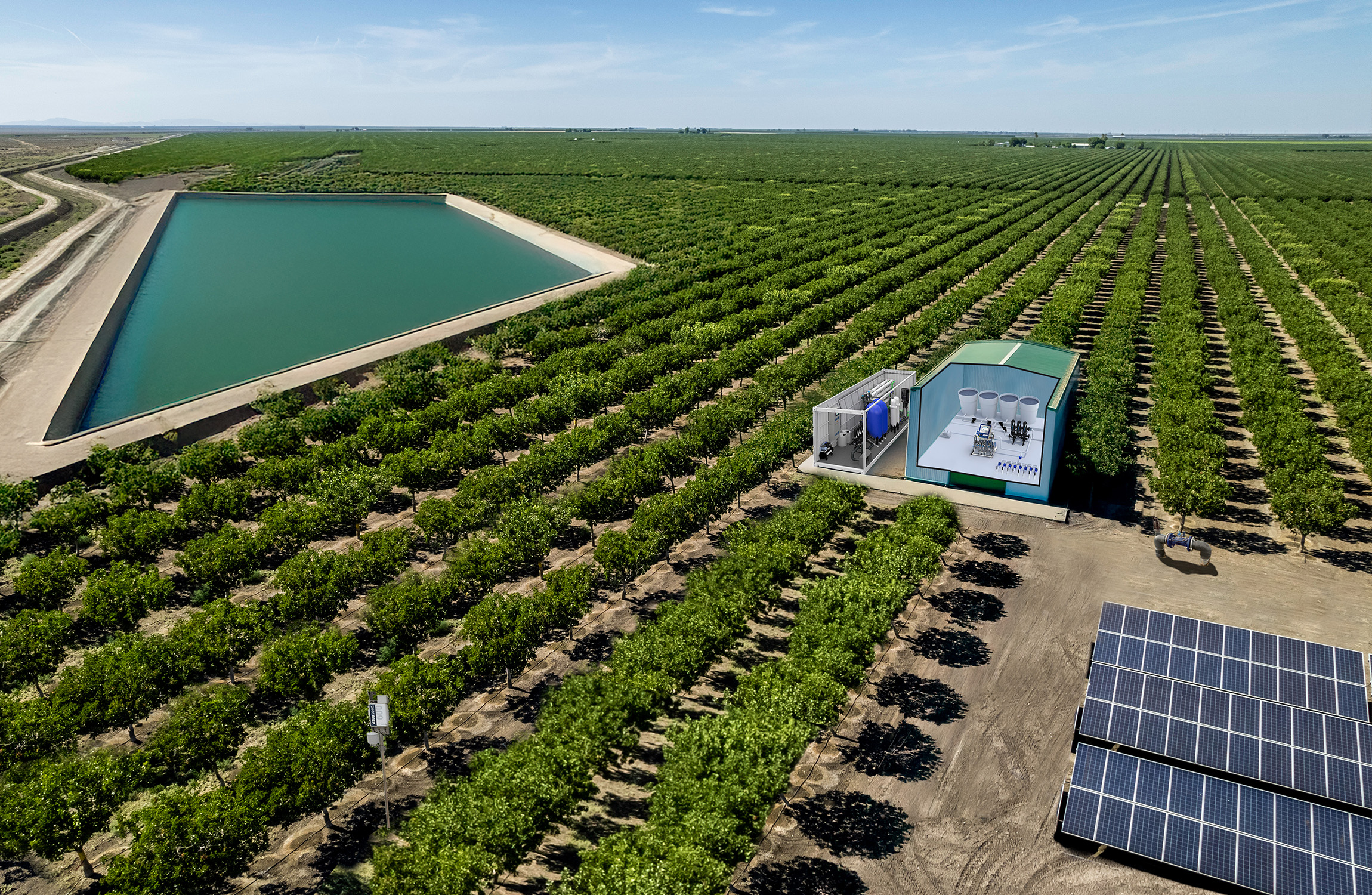
 

Learn about Irrigation systems for corn

There are various types of irrigation systems that can be used in corn cultivation. Each system has specific characteristics that make it more or less suitable depending on soil conditions, climate, and crop requirements.


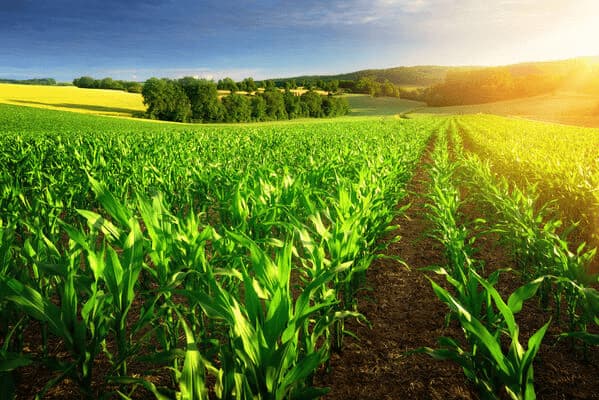
Depending on the variety grown, row spacing can vary between 1 and 1.5 m, and plant spacing between 20 and 25 cm.


Corn is a water-demanding crop, requiring about 5 mm of water per day.


Irrigation intensity varies throughout the growing season. During the germination stage, when the plants begin to emerge, less water is required, but constant moisture must be maintained. The vegetative growth phase is when the most water is needed, and it is recommended to irrigate about 10 to 15 days before flowering.

The flowering phase is the most critical period because fruit set and the amount of yield obtained depend on it; therefore, irrigation is recommended to maintain moisture and allow for effective pollination and fruit set.


Finally, to promote cob enlargement and maturation, the amount of water applied should be restricted.

Drip Irrigation Systems for Corn

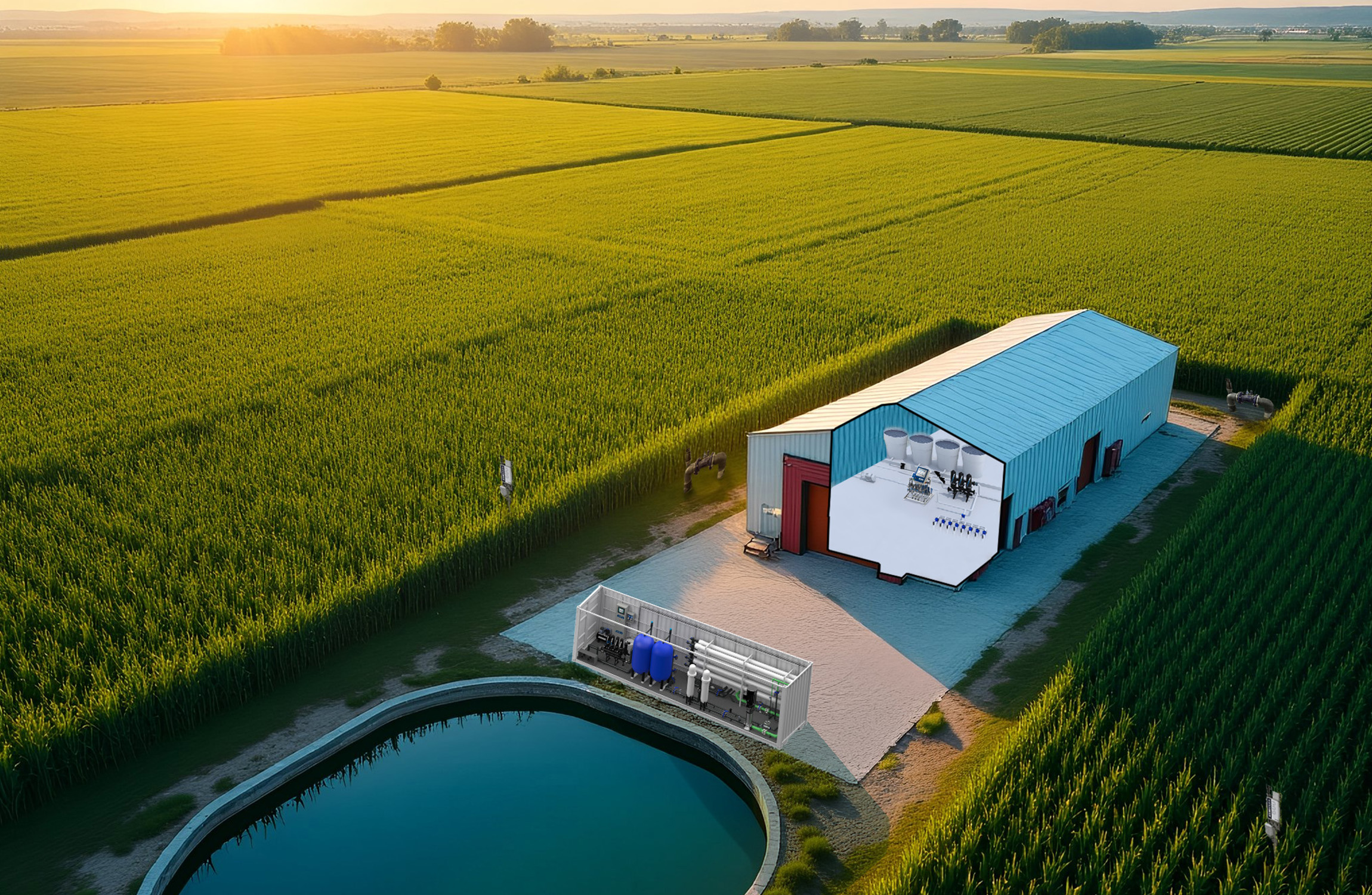
Drip irrigation is one of the most efficient systems for growing corn. This method delivers water directly to the base of the plant, minimizing evaporation and ensuring that the corn roots receive the appropriate amount of water. With drip irrigation, you can optimize water use and improve plant growth, especially in areas where water availability is limited.

Optimize your corn crop with an efficient Irrigation system

Using the right irrigation system can make all the difference in the productivity of your corn crop. A well-implemented system reduces water waste, improves nutrient distribution in the soil, and contributes to more uniform corn growth. In addition, with efficient irrigation management, you can reduce operating costs and achieve higher yields.

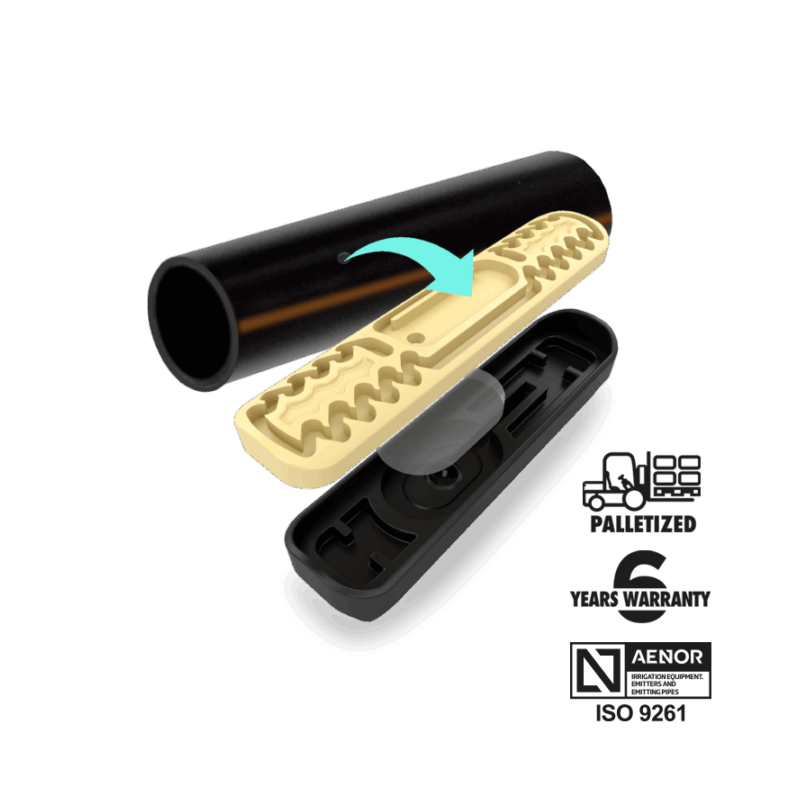
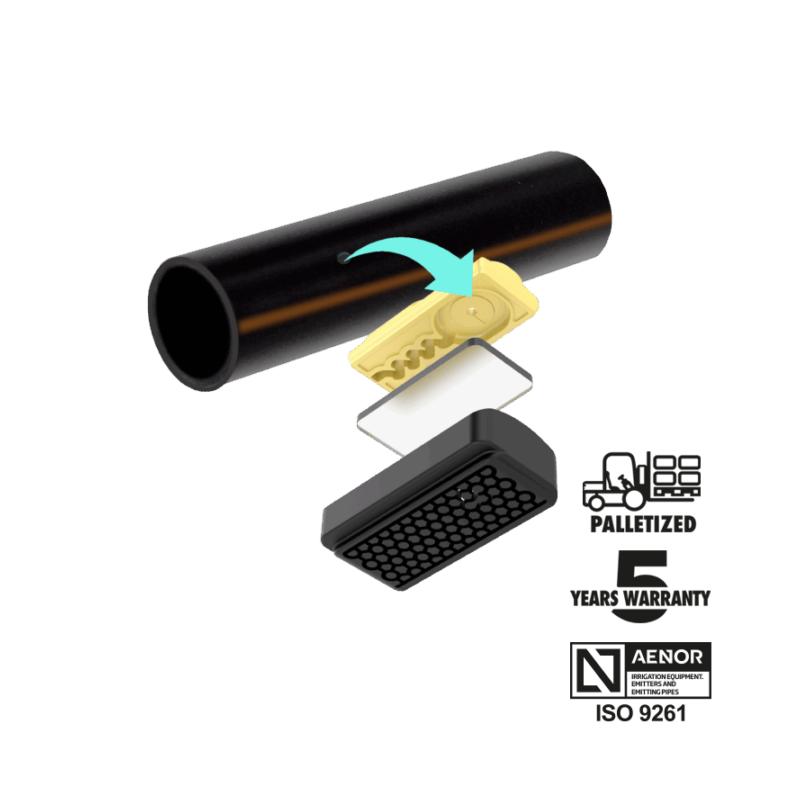
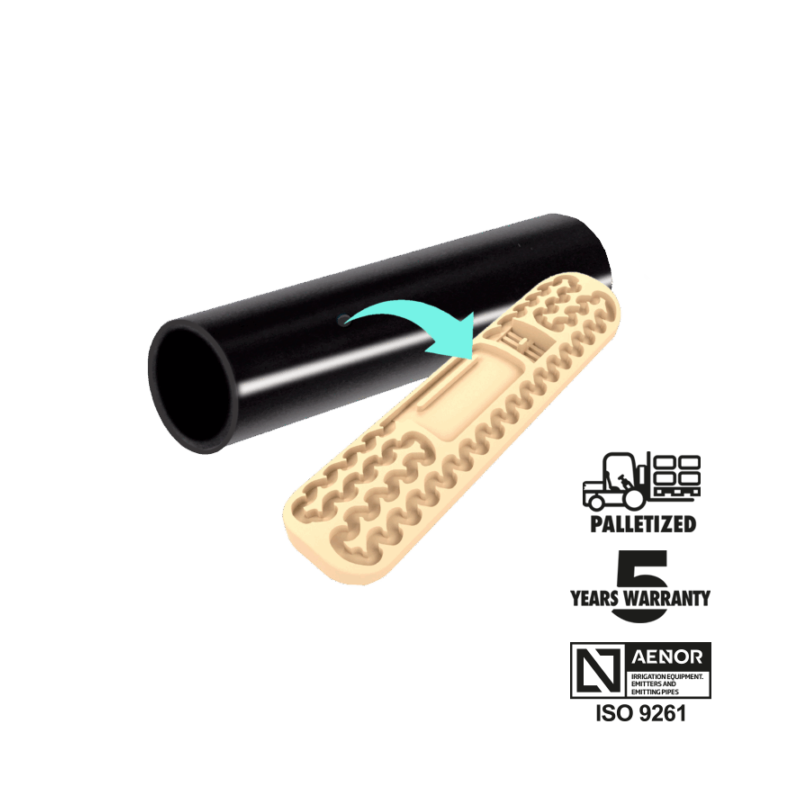
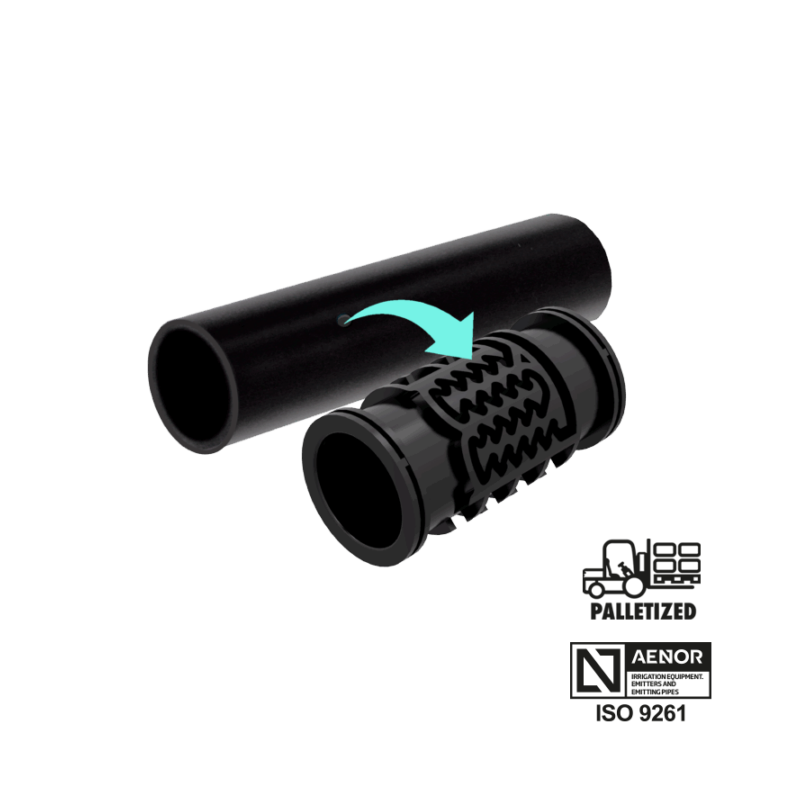
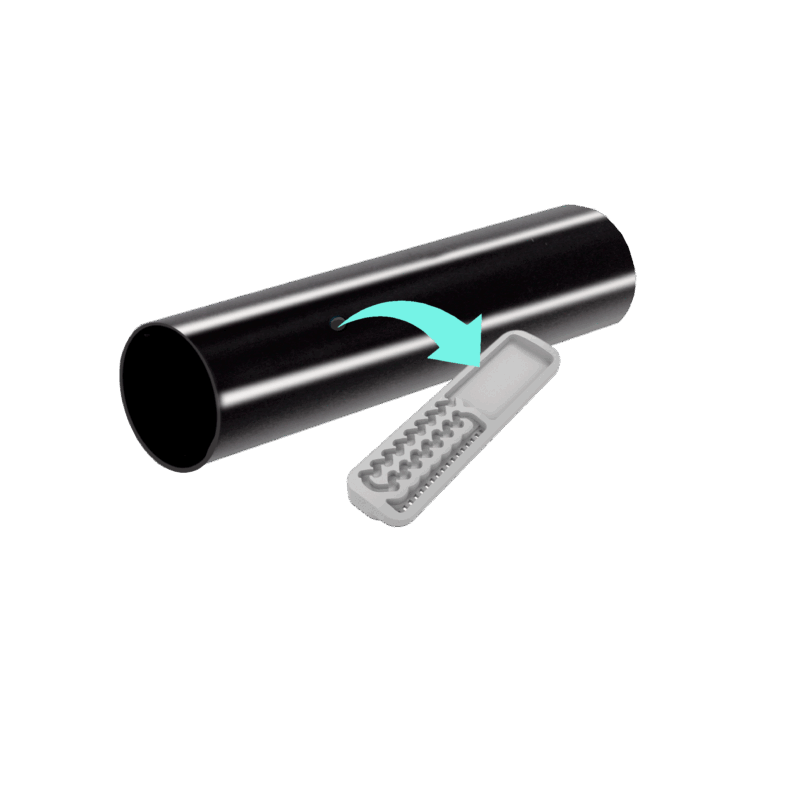
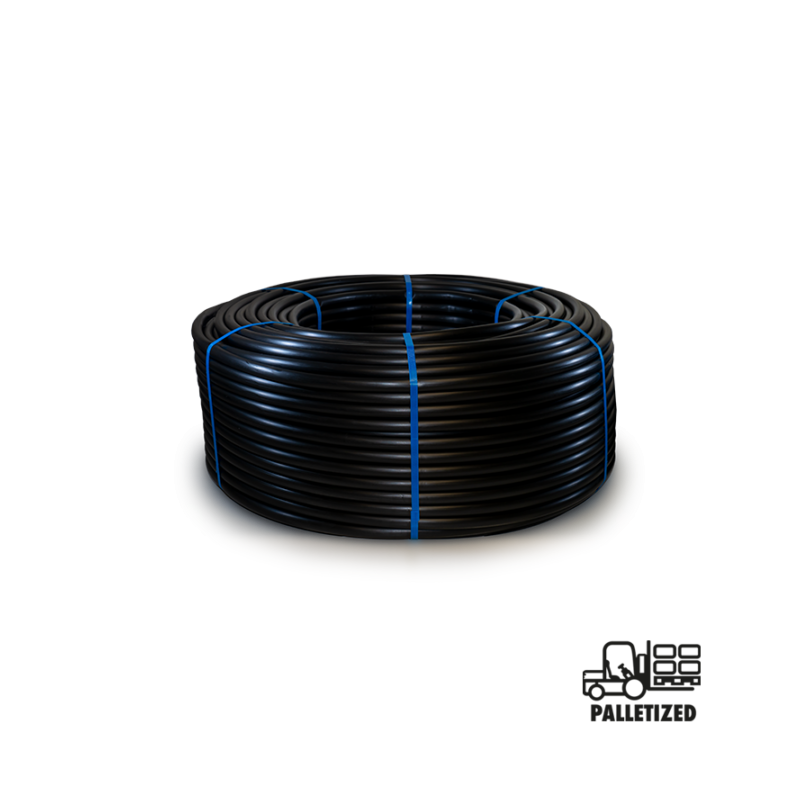
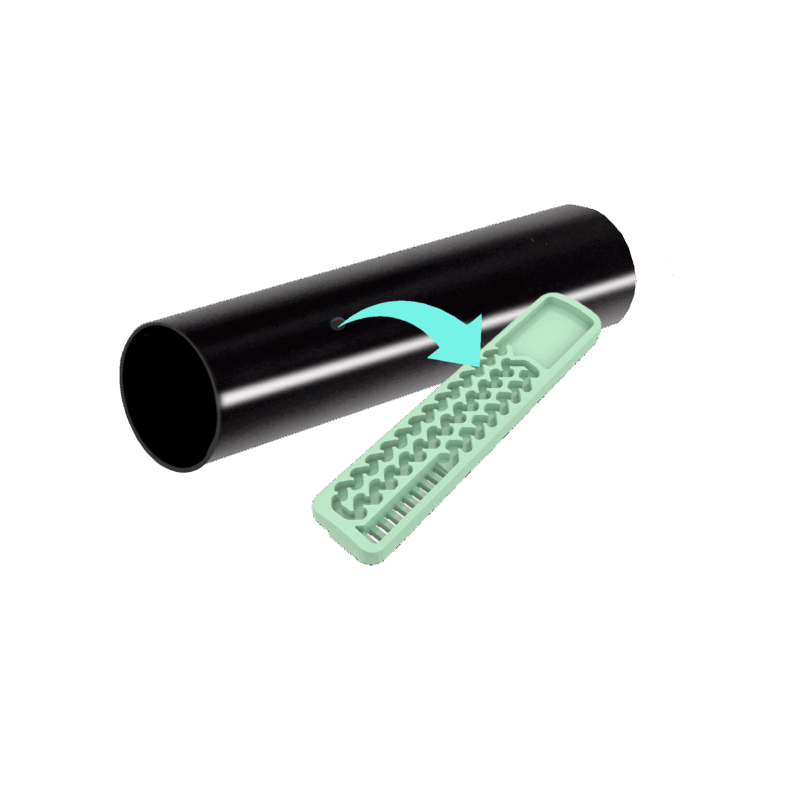
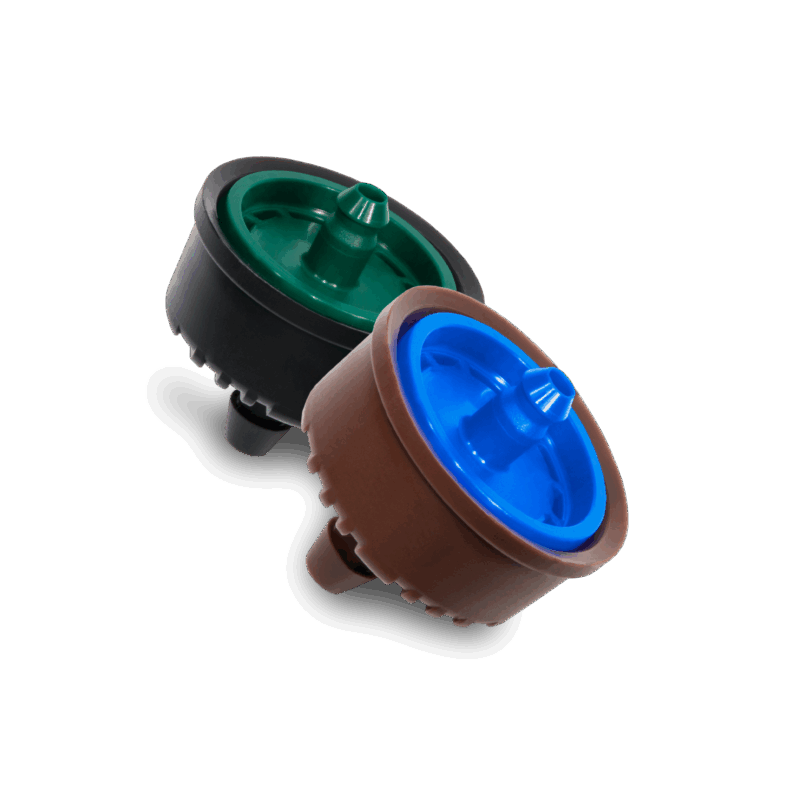
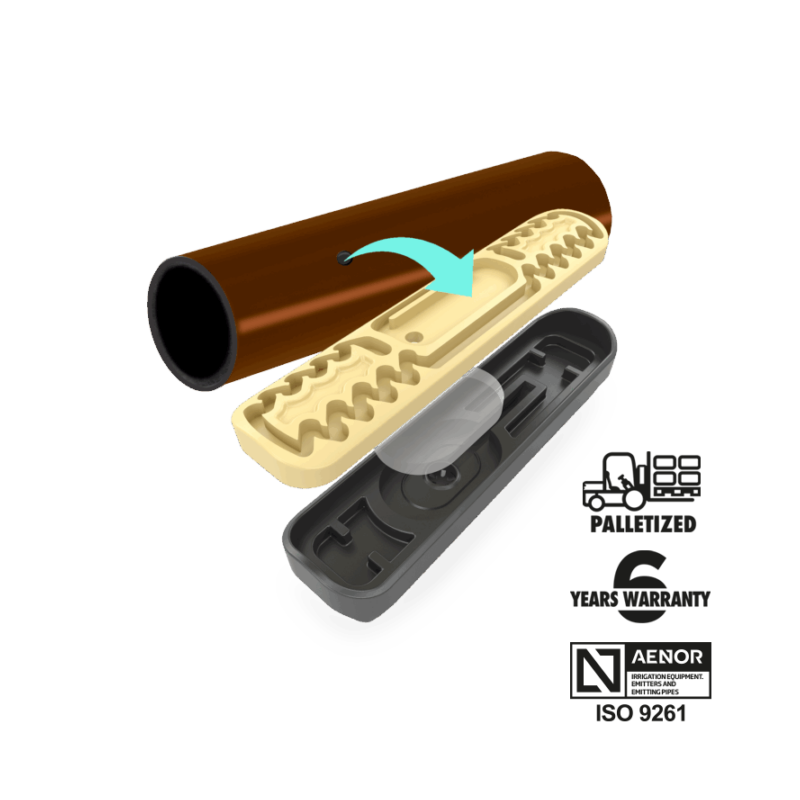
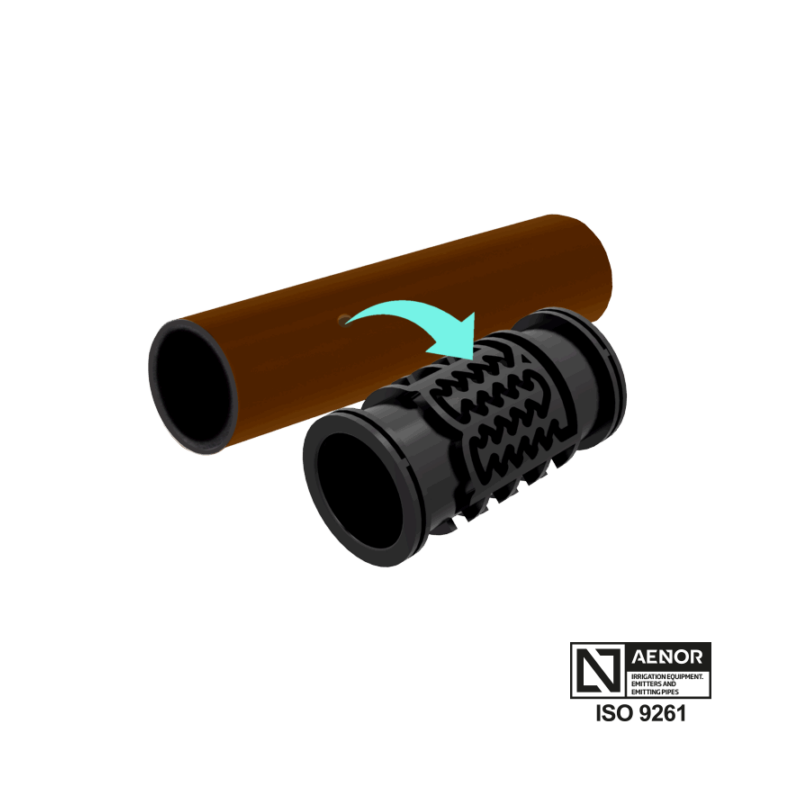
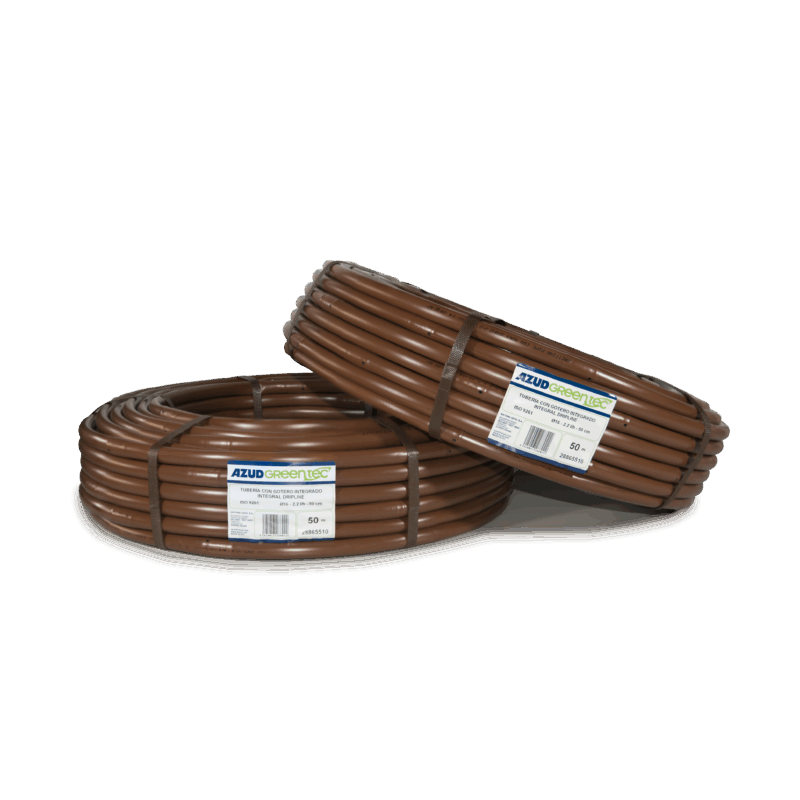
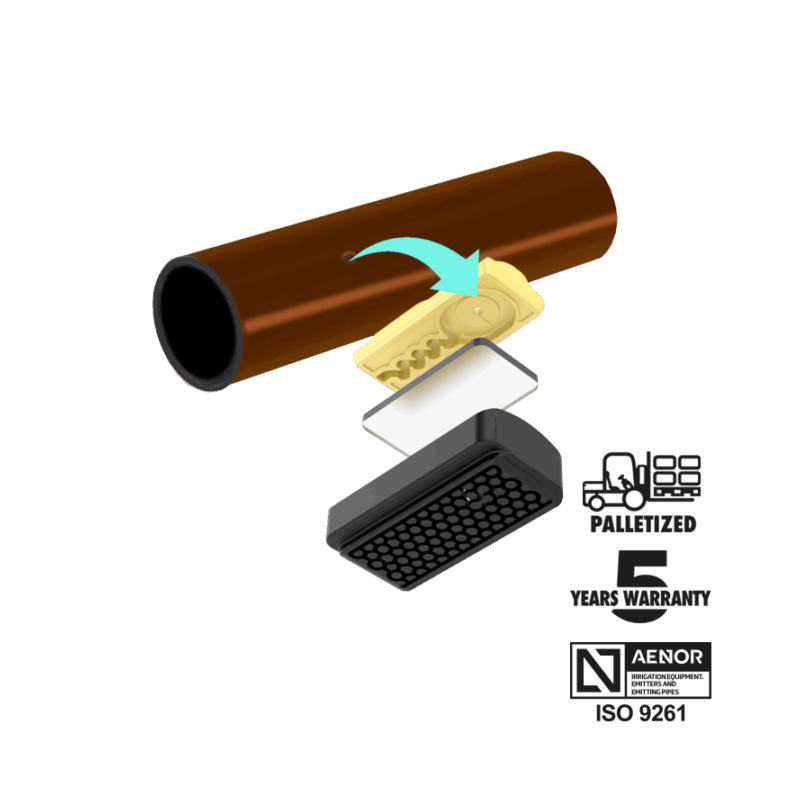
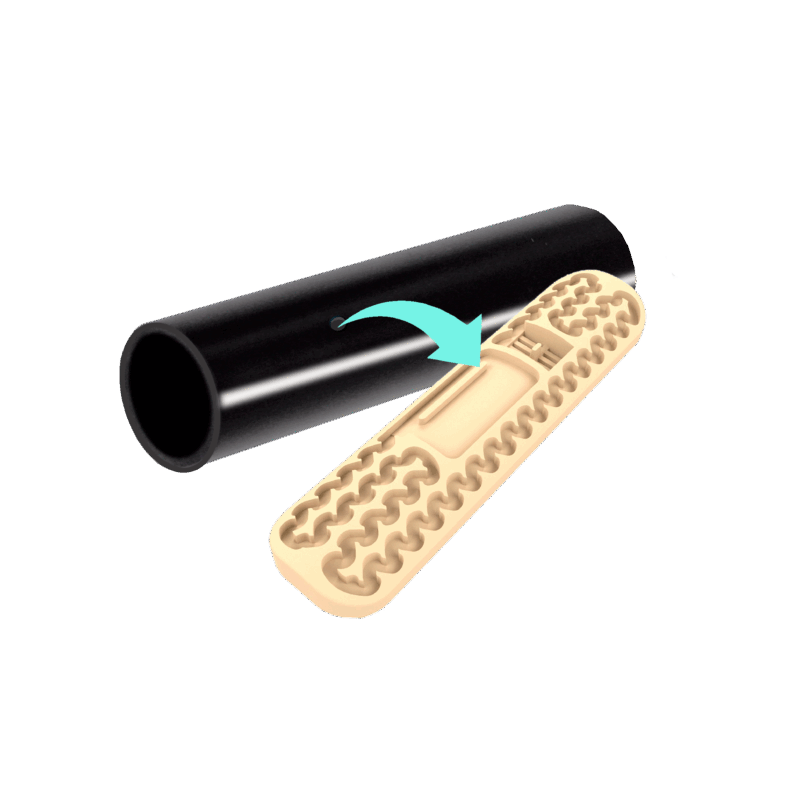
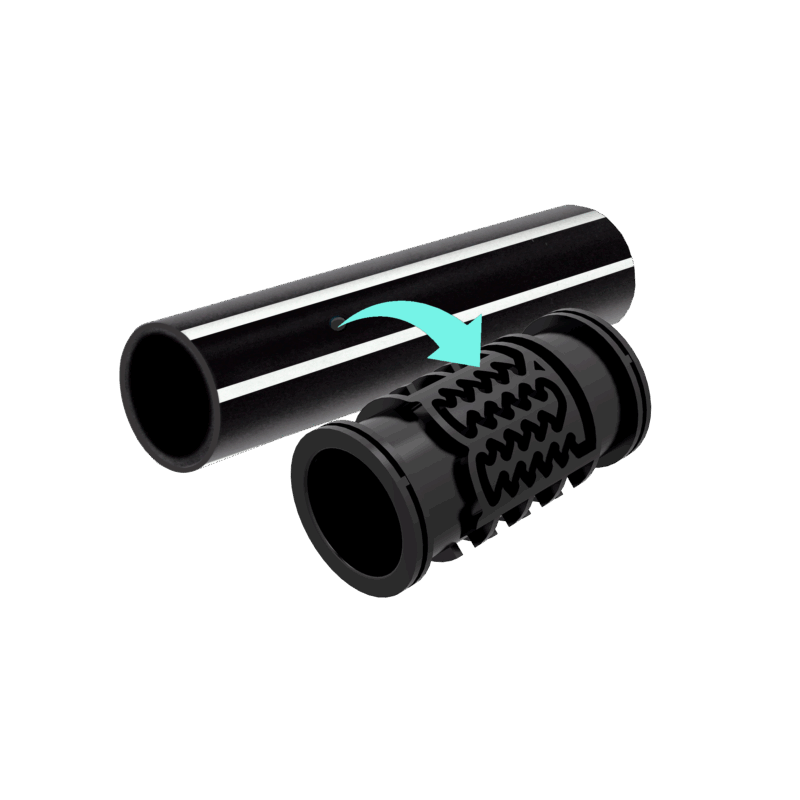
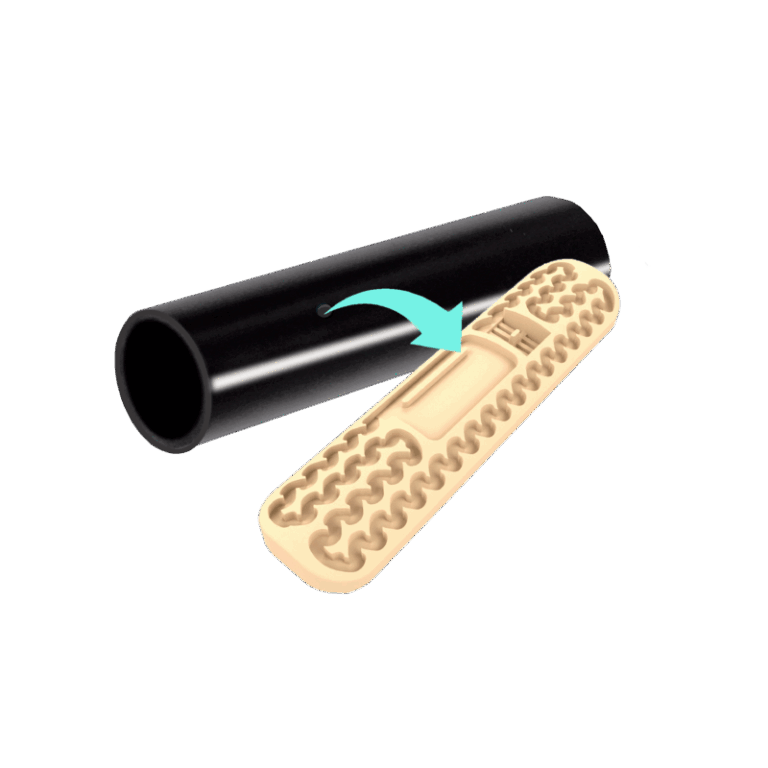
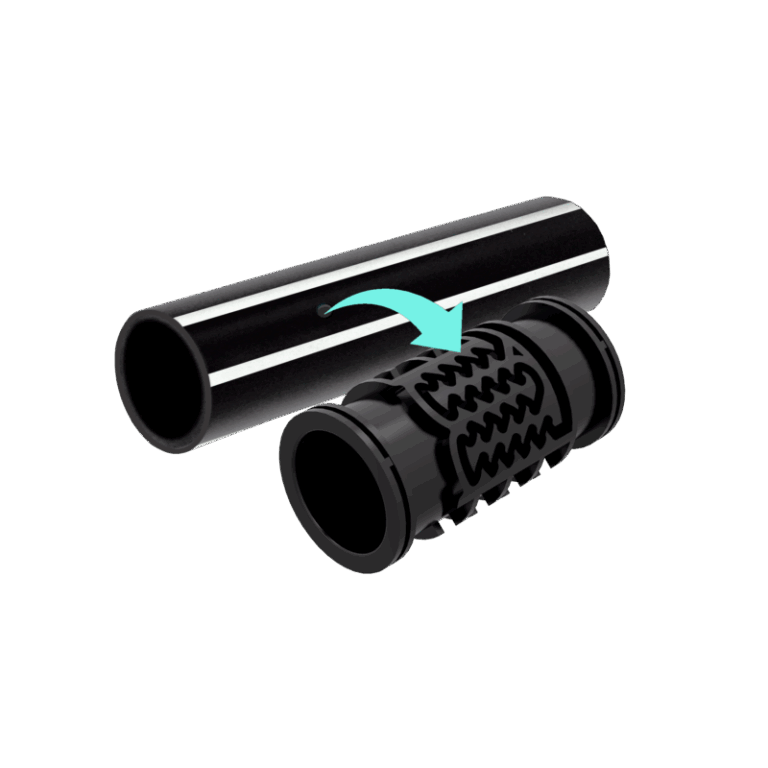
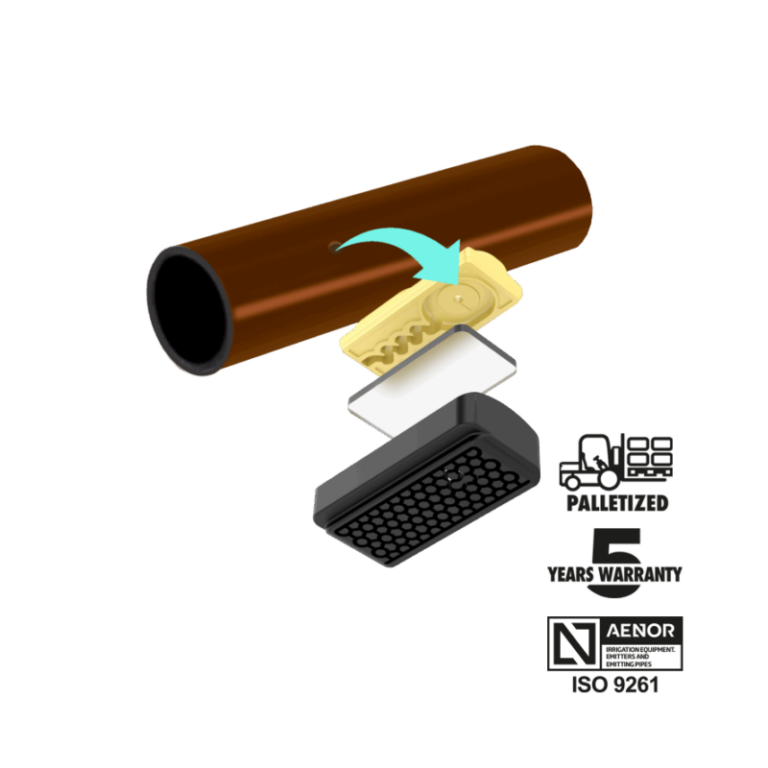
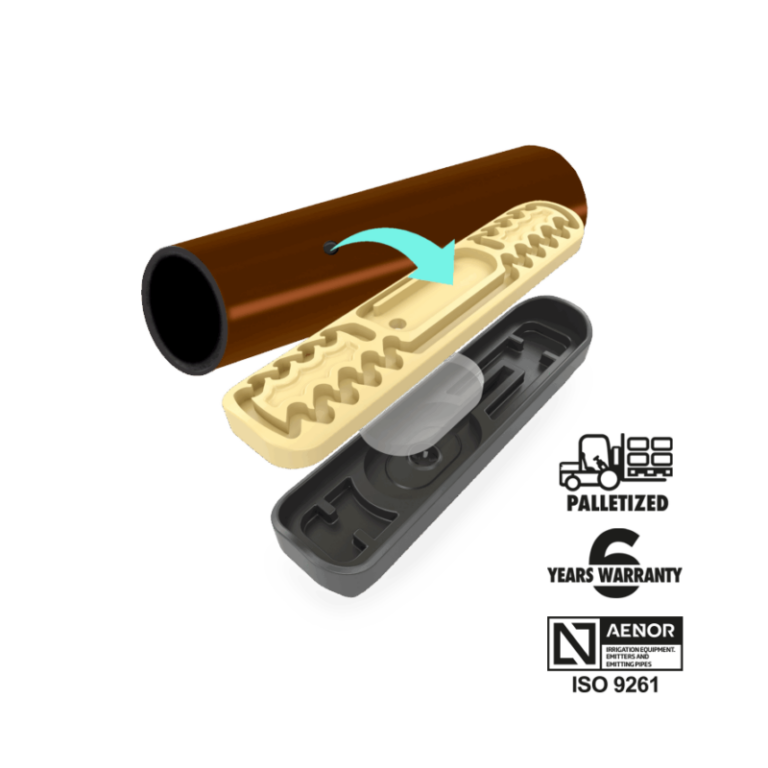
Drip Line Selection: A wide range of options ensures the right dripline is selected. The combination of dripper model, flow rate per dripper, and spacing between drippers not only ensures the water application rates specified in the irrigation strategy are met but also guarantees a large volume of moist soil available for root development in both surface drip irrigation and SUB-SURFACE DRIP IRRIGATION.

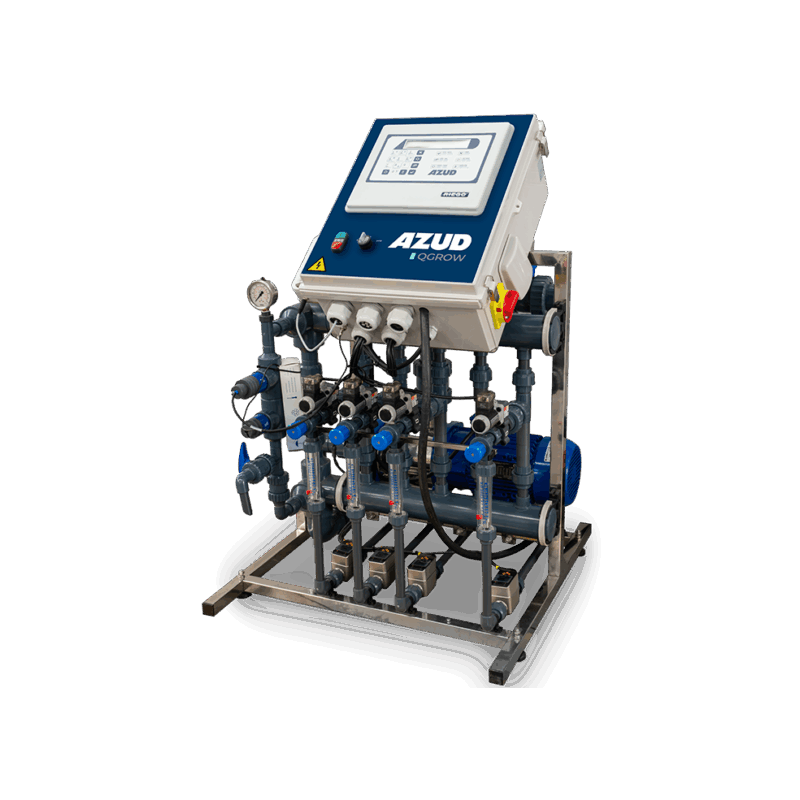
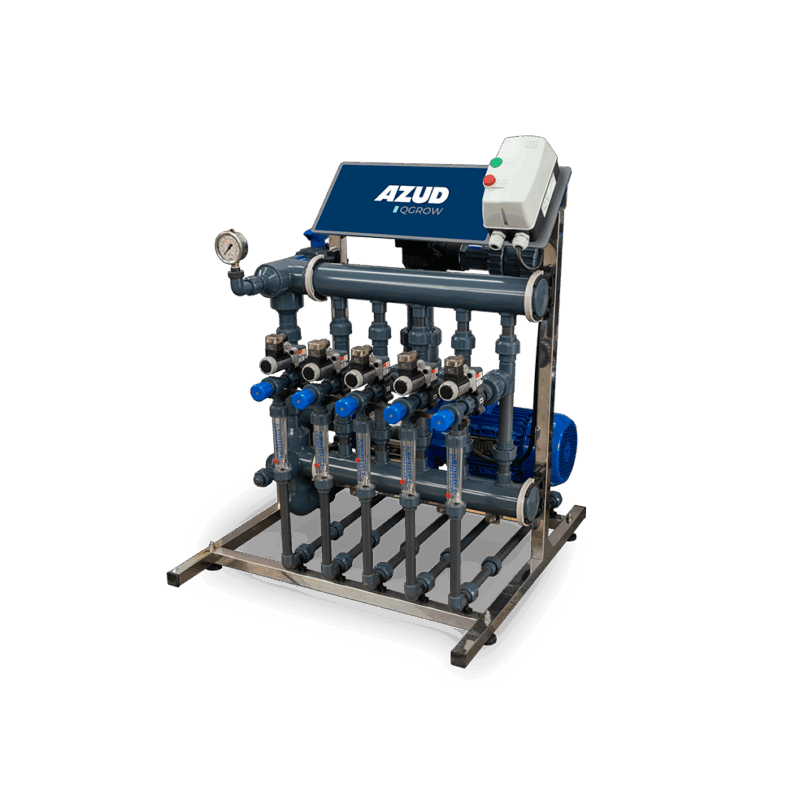
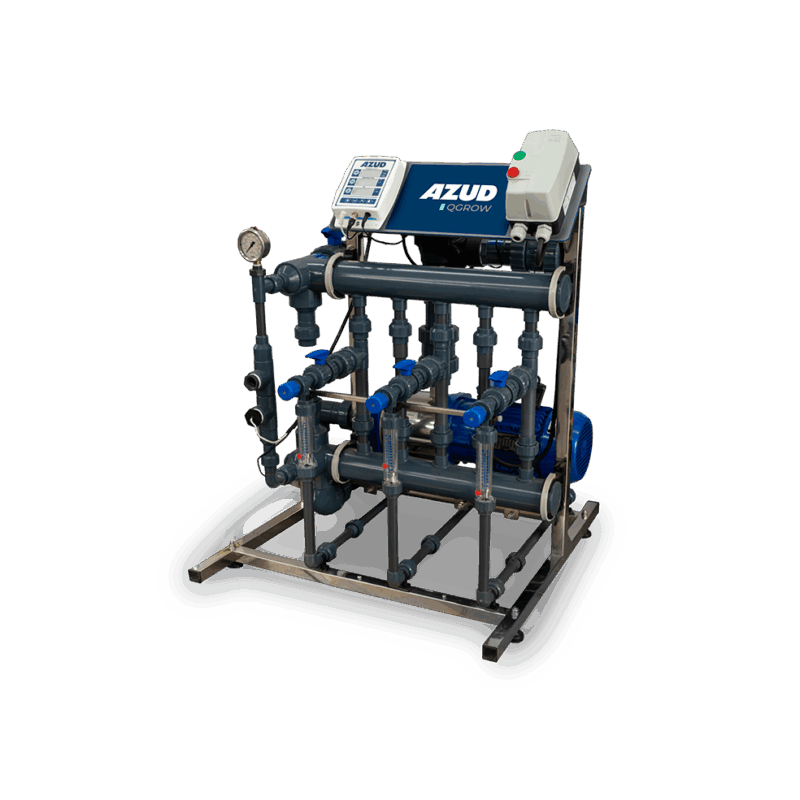
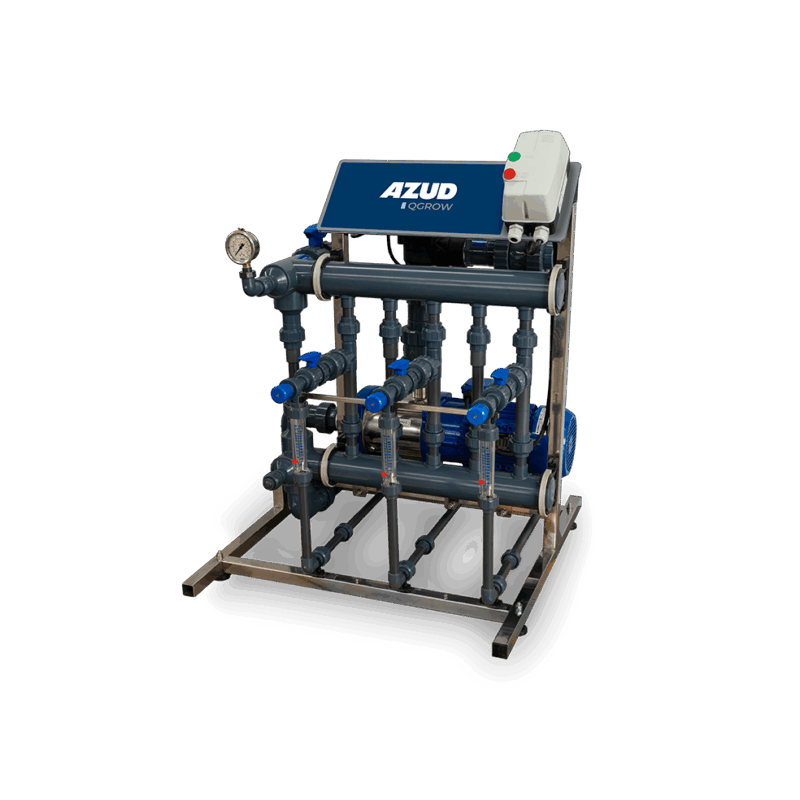
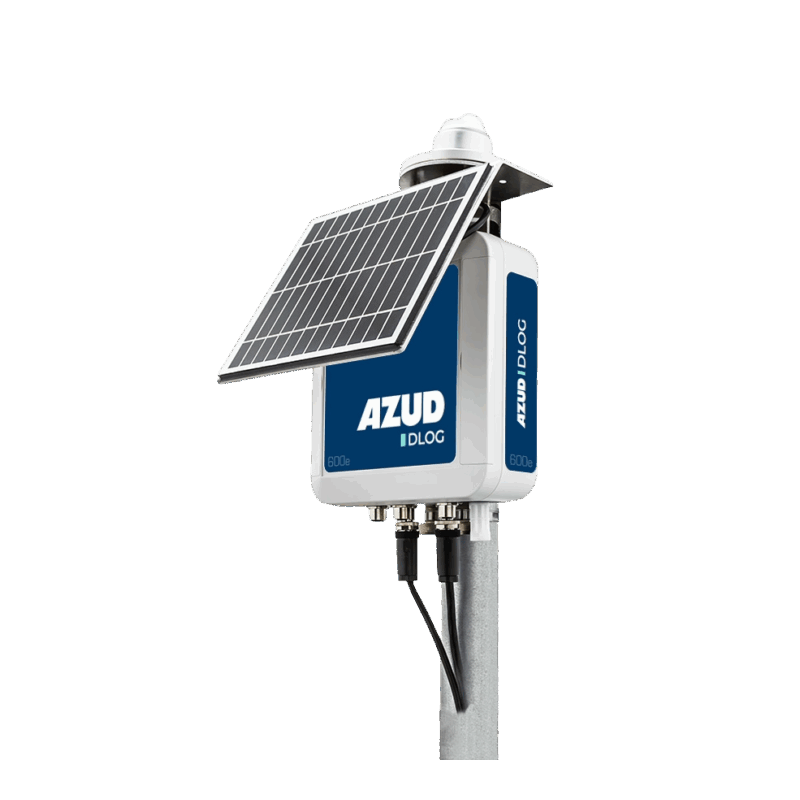
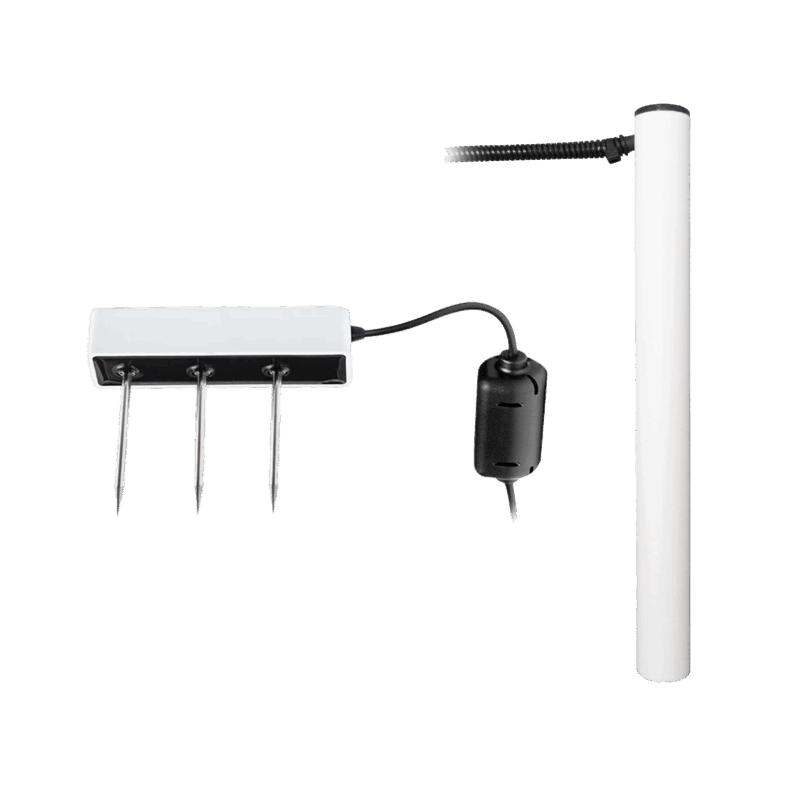
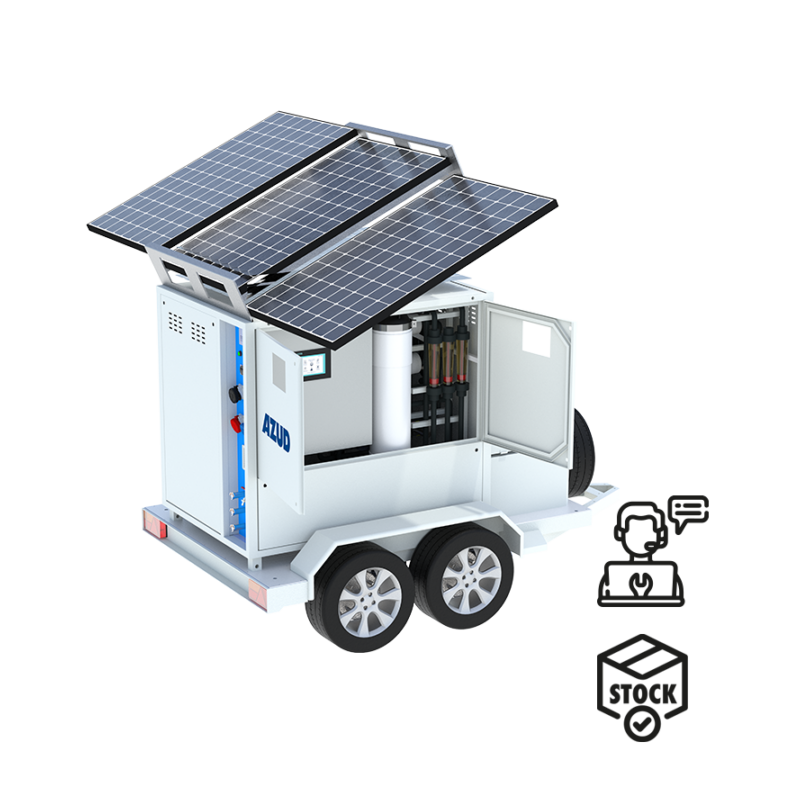
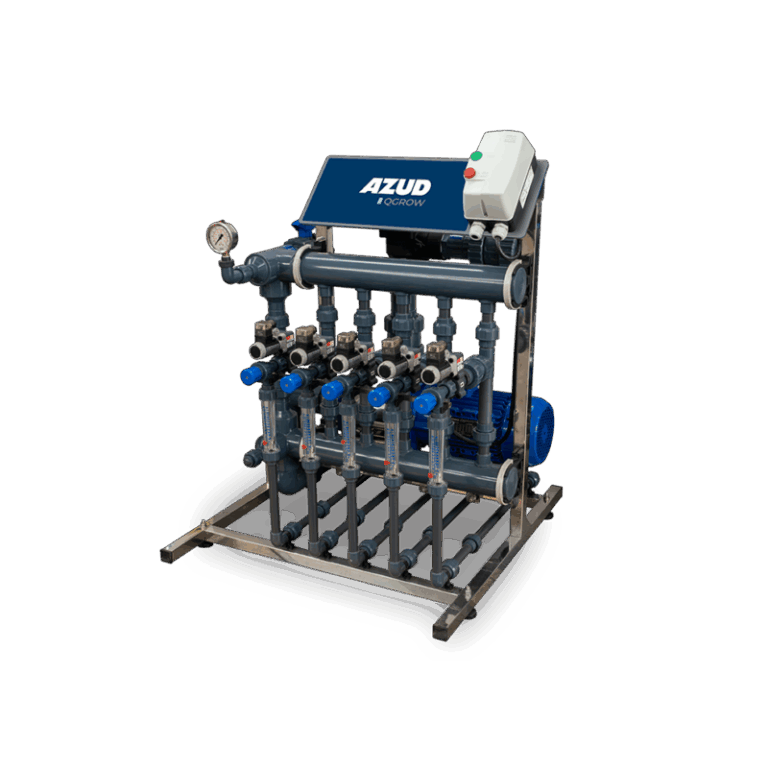
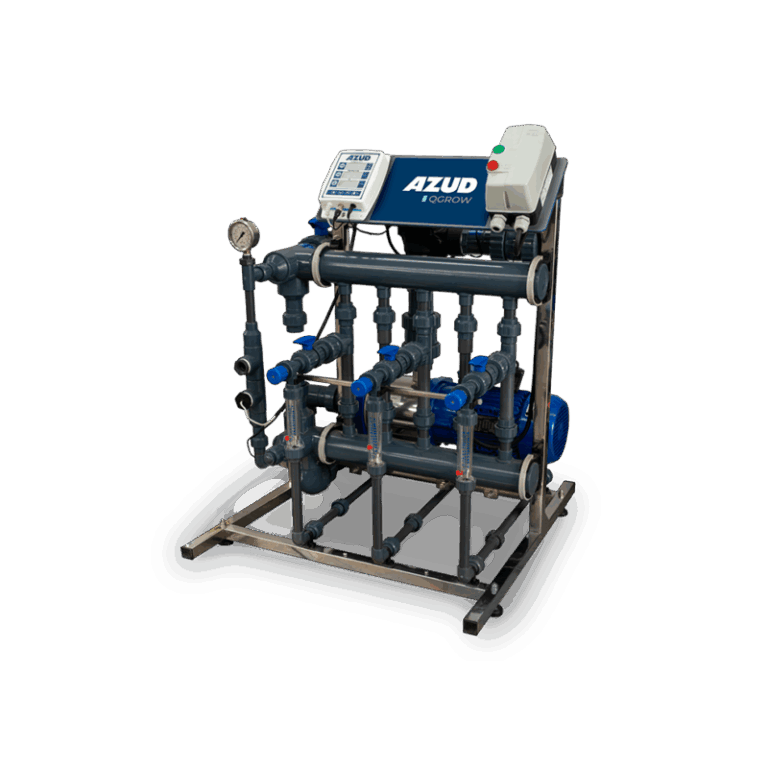
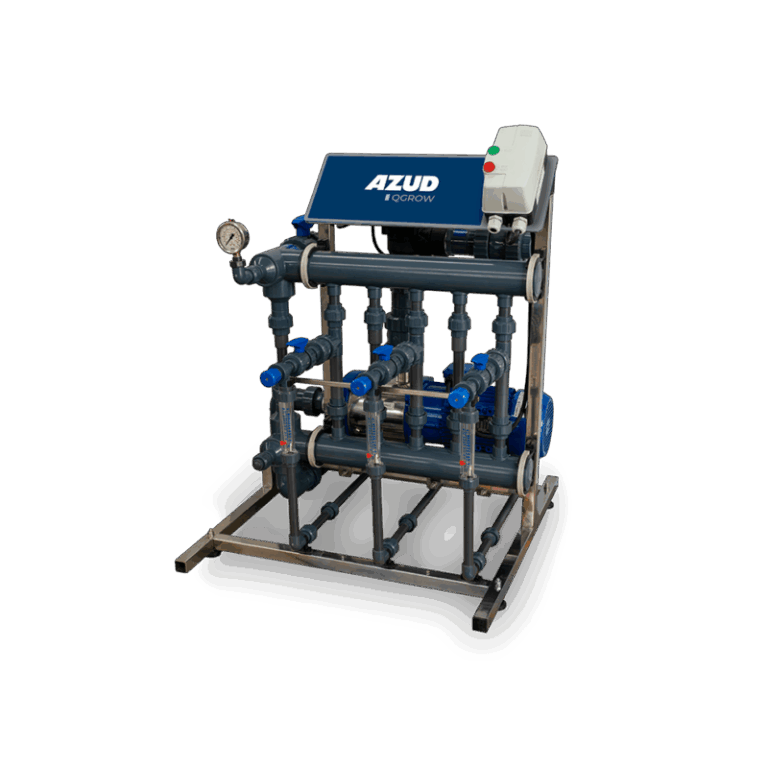
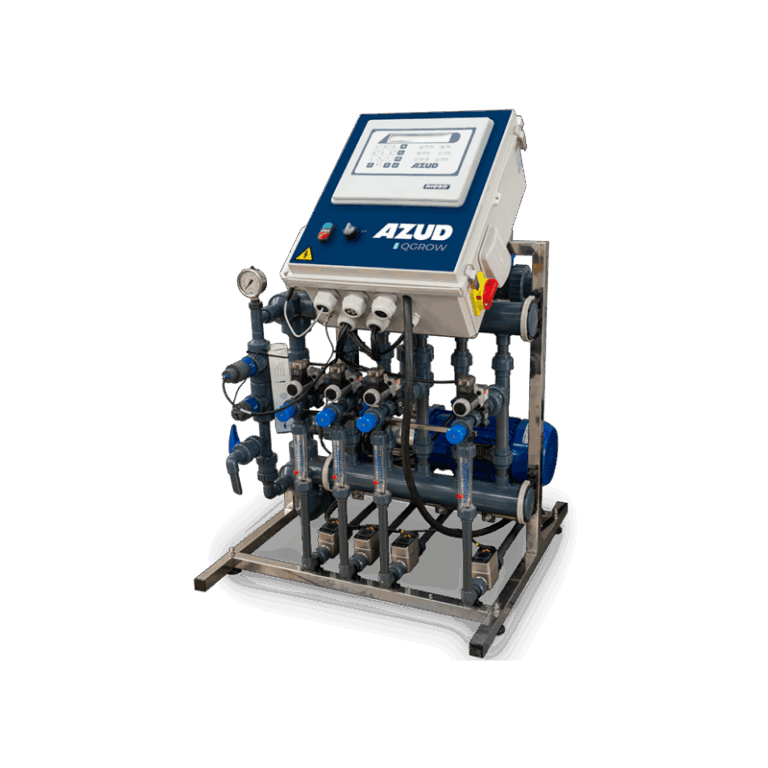
Plant nutrition: Along with the proper selection of dripline tubing, the use of AZUD QGROW equipment for precise management of water and nutrient inputs—based on data from soil, plant, and climate sensors—enables:

  • Good root system development in the early stages of the crop and proper Irrigation practices once the crop begins production.
  • Management of irrigation practices designed to avoid high soil moisture levels, to which the olive tree is highly sensitive.
  • Ensuring water and nutrient inputs that allow, under existing soil and climate conditions, an optimal balance between crop yield, productivity, and quality.
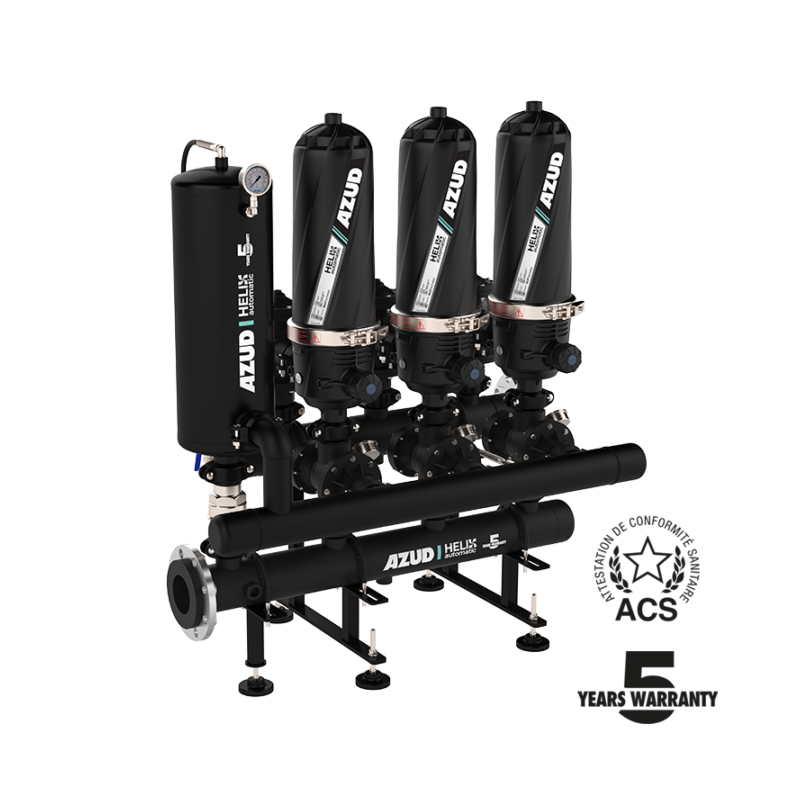
  • Implement specific irrigation practices autonomously based on the type of irrigation (surface localized irrigation or SUB-SURFACE DRIP IRRIGATION) and in the face of reduced water availability (supplemental irrigation, controlled deficit irrigation).

Frequently Asked Questions

When choosing an irrigation system for corn, you should consider the soil type, the terrain, the regional climate, and water availability. It is also important to evaluate the system’s initial and maintenance costs, as well as its efficiency and ability to meet the corn’s water needs at different stages of growth.
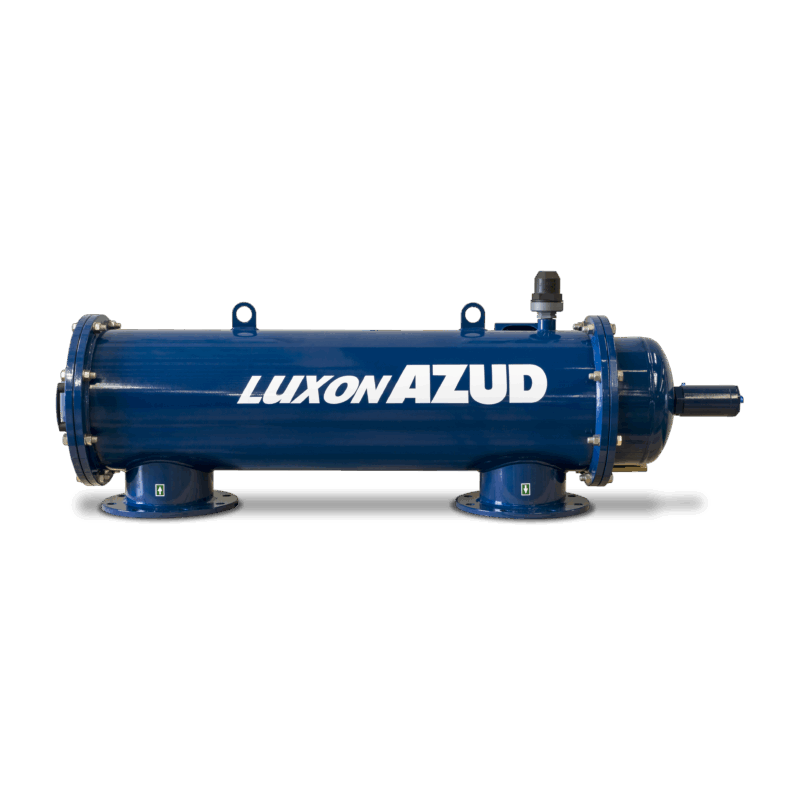
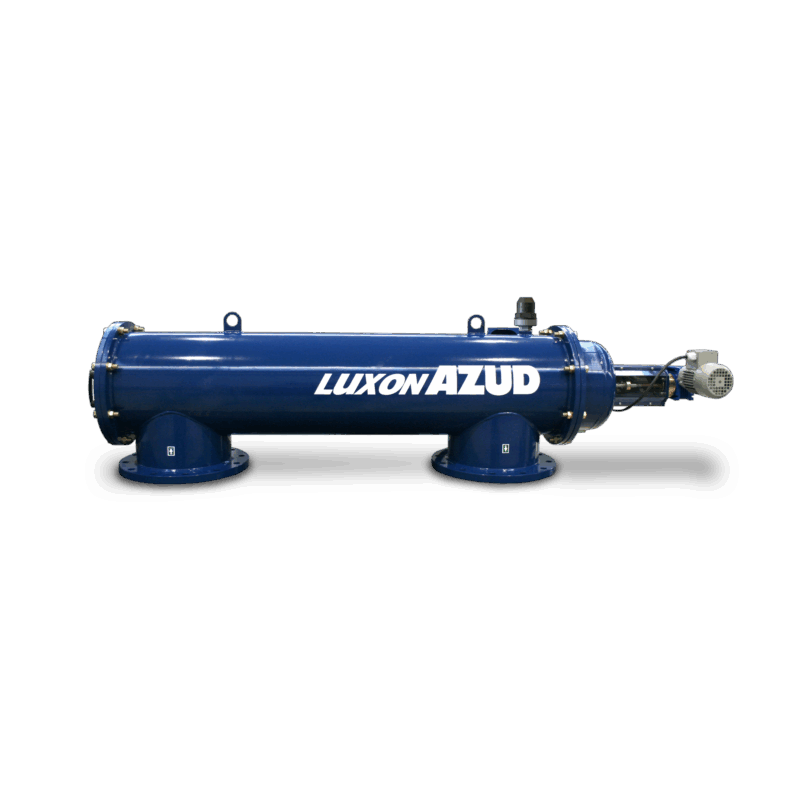
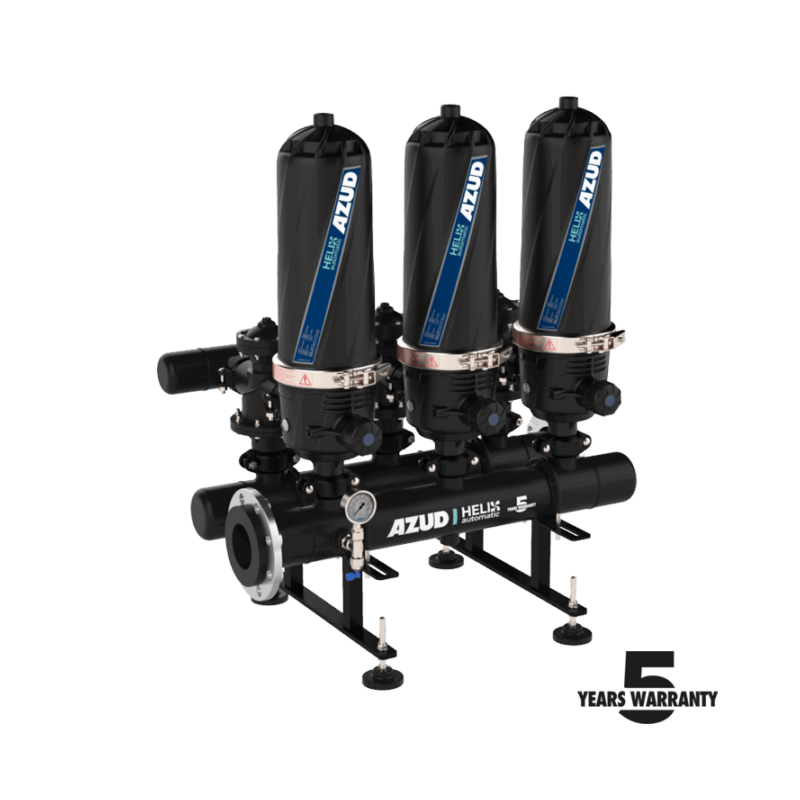
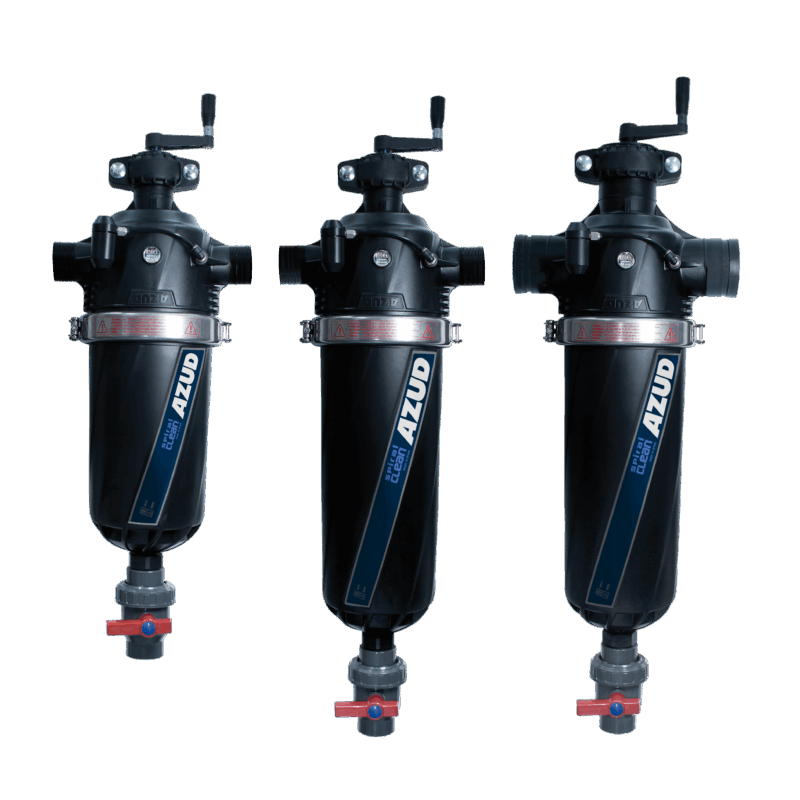
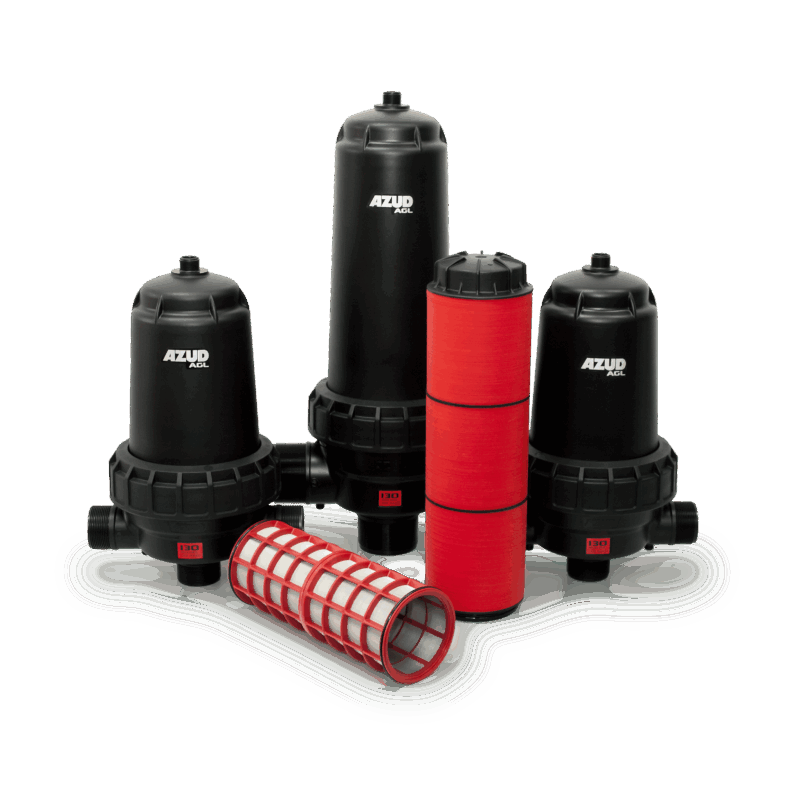
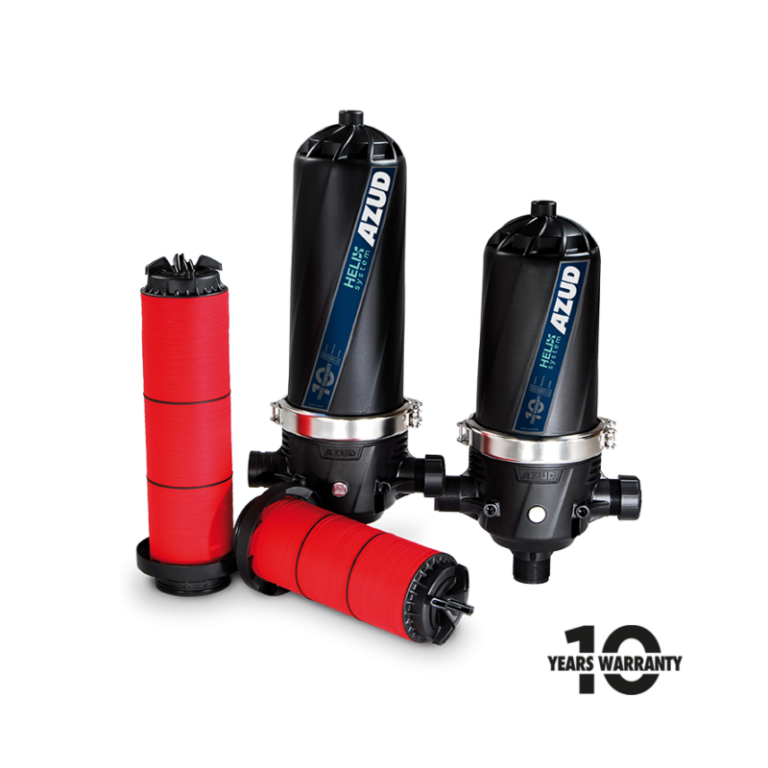
Irrigation systems for corn require regular maintenance to ensure proper operation. This includes checking and cleaning filters, inspecting and repairing drippers and dripline systems, and making sure there are no blockages or leaks. Proper maintenance ensures efficient water distribution and extends the system’s lifespan.

To optimize corn cultivation, it is essential to choose an irrigation system that maximizes water use efficiency and promotes uniform growth. Drip irrigation systems are highly effective. In addition, monitoring irrigation and adjusting it according to crop needs and weather conditions is key to achieving better results.

Success stories

Quarry reduces production stoppages by protecting washing machines

Learn more

DANGOTE minimizes the biofilm in your facility

Learn more

SHANGHAI HUANYANG optimizes UV disinfection

Learn more

KIA reduces water footprint by regeneration

Learn more

SOMACYL will regenerate wastewater using pre-filtration to protect the tertiary sector

Learn more
Related products