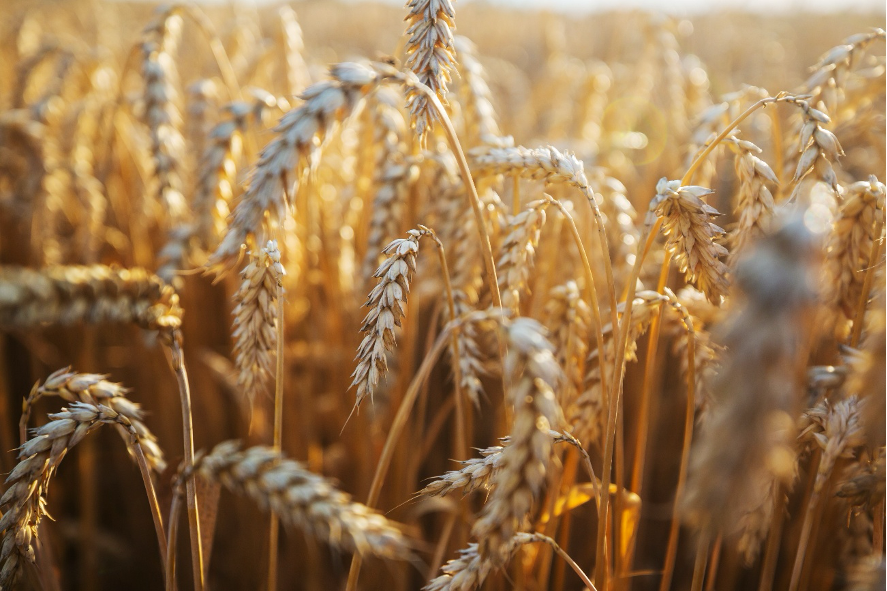
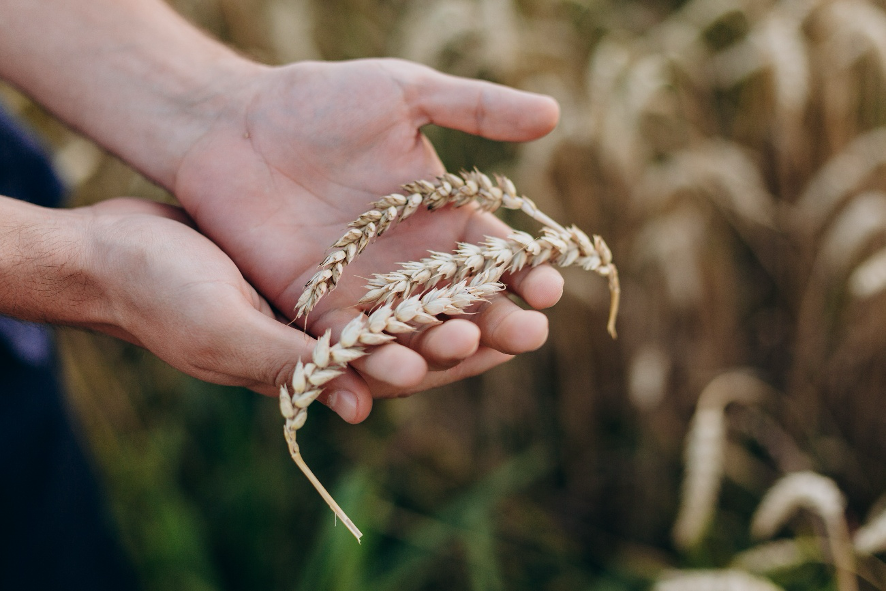
Wheat (Triticum aestivum) is one of the oldest crops in the history of agriculture. It originated in the Fertile Crescent, where it began to be cultivated more than 10,000 years ago, becoming one of the cornerstones of the development of the earliest agricultural civilizations.
Since its domestication, wheat cultivation has gradually spread throughout Europe, Asia, and North Africa, and later to the rest of the world. Its adaptability and high nutritional value have led it, over the centuries, to become one of the most widely cultivated and consumed cereals globally.
Today, wheat is grown in a wide variety of climates, from temperate regions to semi-arid zones. It thrives best in deep, well-drained soils with good structure, although it exhibits a high capacity for adaptation when water and nutrients are managed correctly.
Wheat can be grown as a rain-fed crop in certain regions, but Irrigation plays a key role in ensuring stable yields in areas with irregular rainfall or during particularly dry growing seasons.
The stages most sensitive to water stress are stem elongation, heading, and grain filling. A water deficit during these stages can directly affect the final yield and grain quality.
Proper irrigation management helps maintain the crop’s water balance, promoting uniform development and reducing the impact of adverse weather conditions.
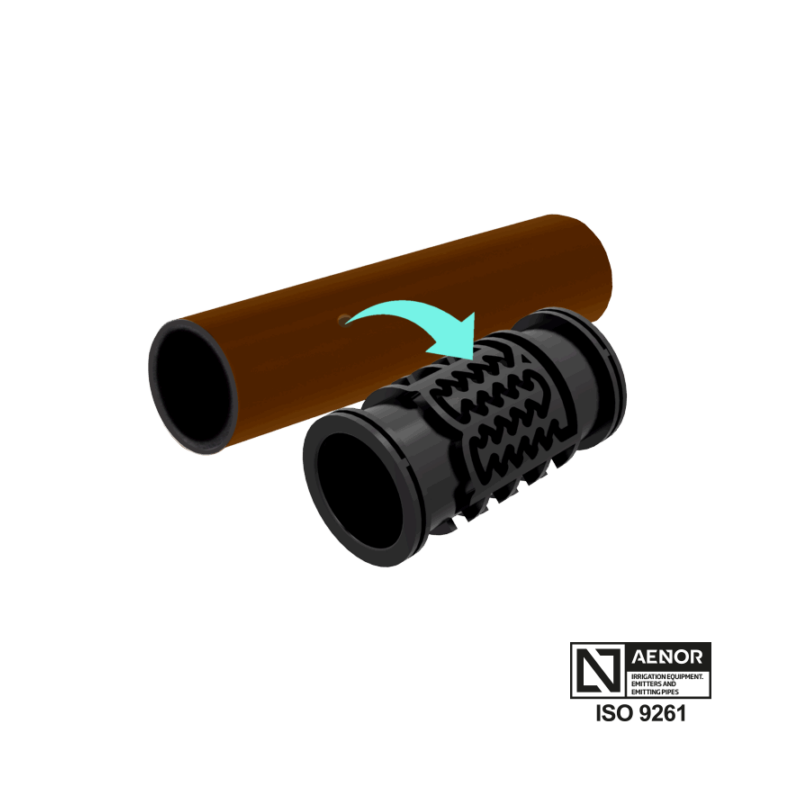
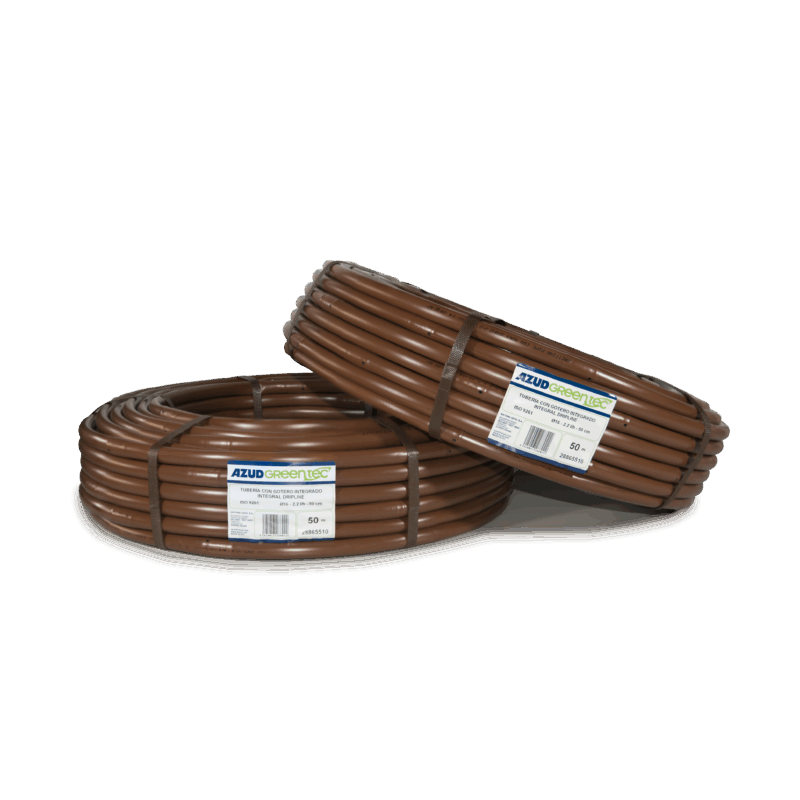
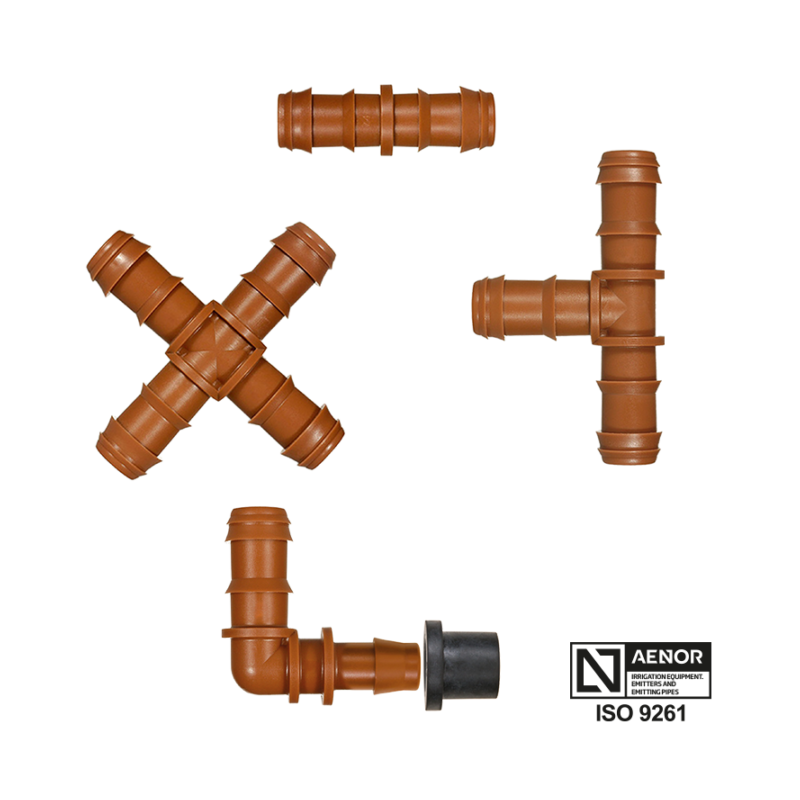
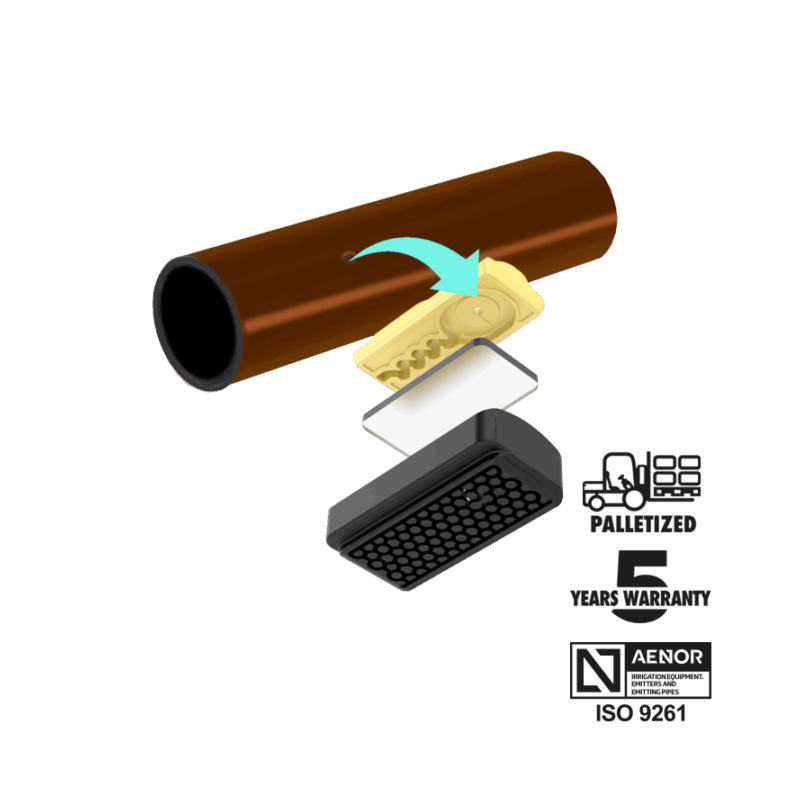
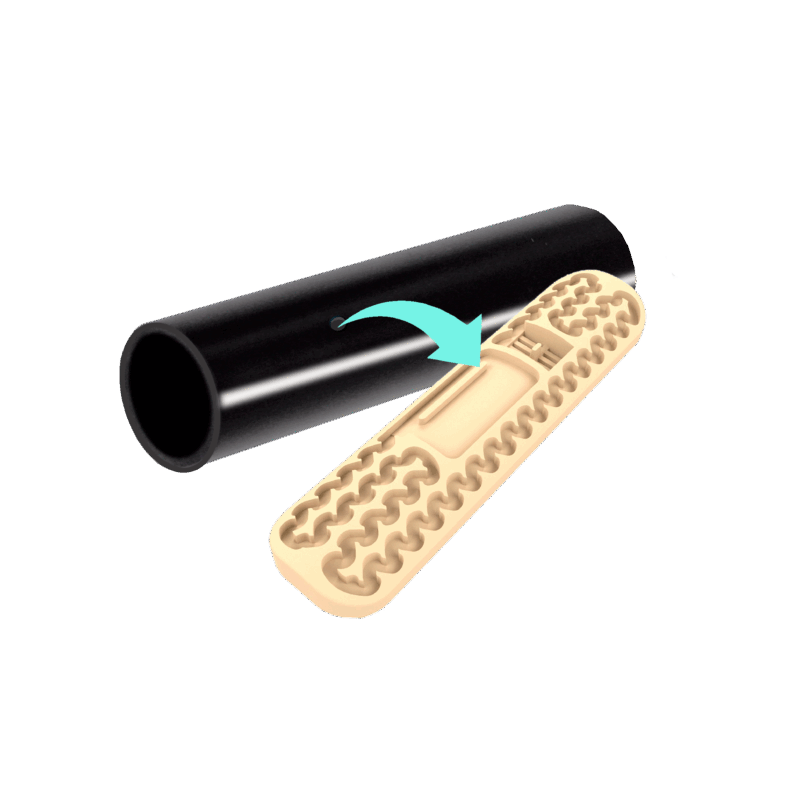
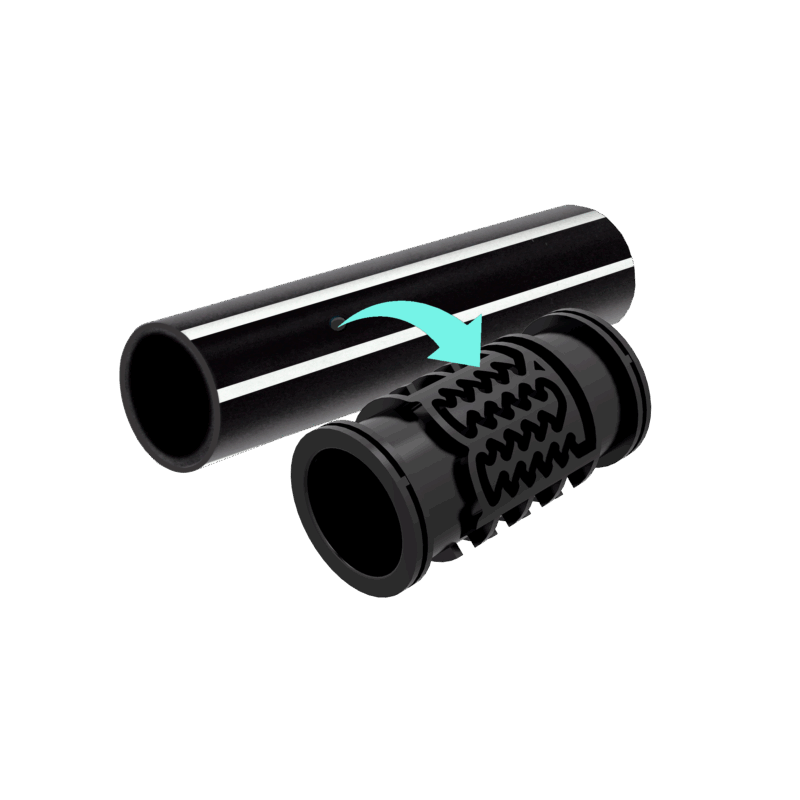
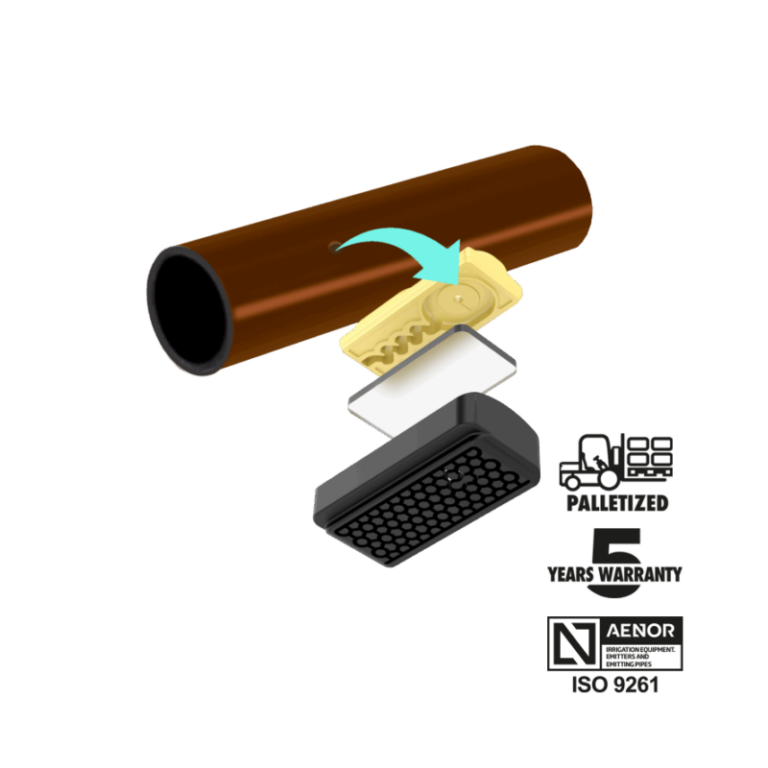
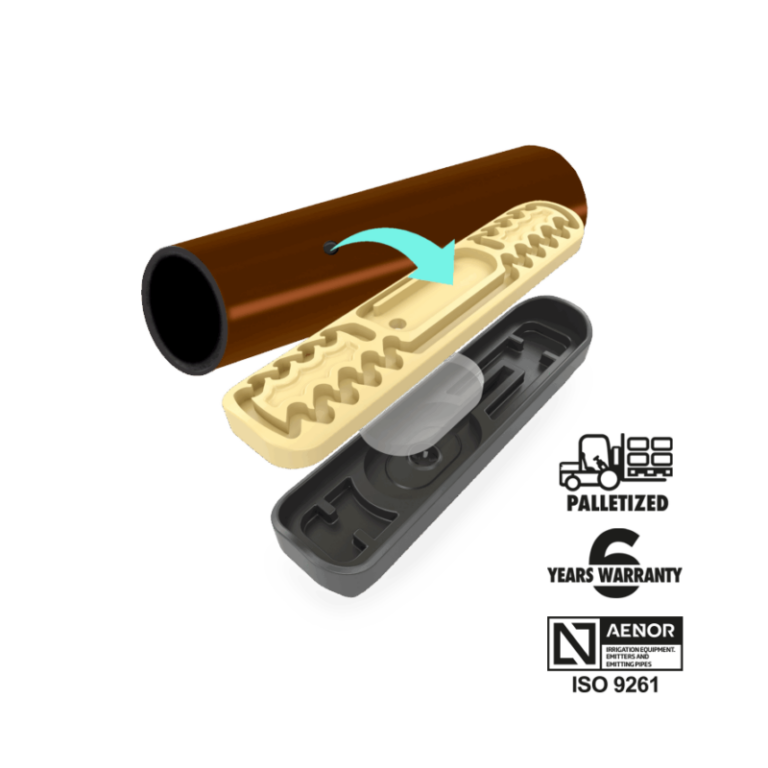
For extensive crops such as wheat, irrigation systems must prioritize efficiency, uniformity, and reliability over large areas. Sprinkler irrigation systems have traditionally been used, although drip irrigation is emerging as an increasingly attractive alternative for optimizing water use.
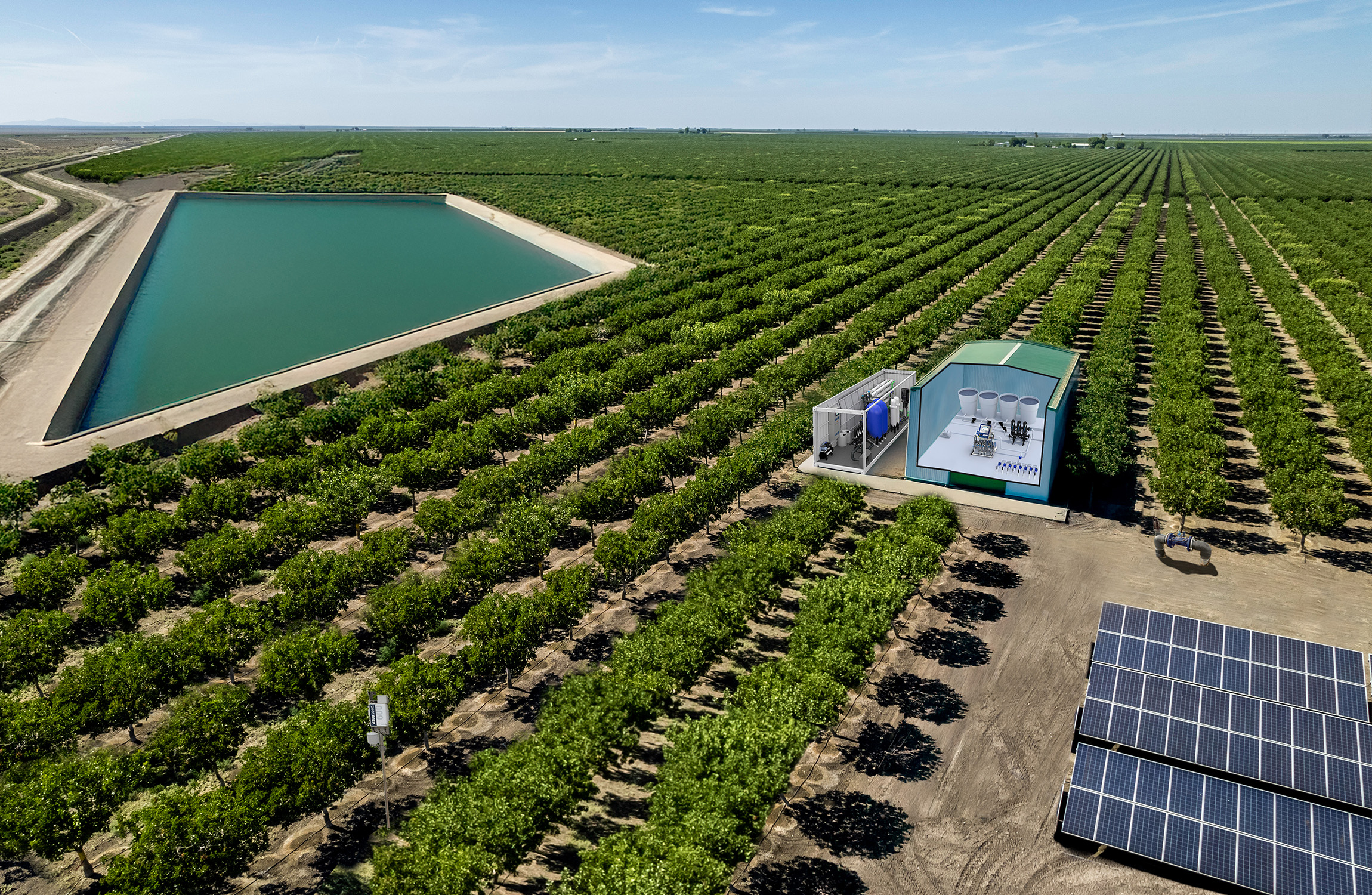
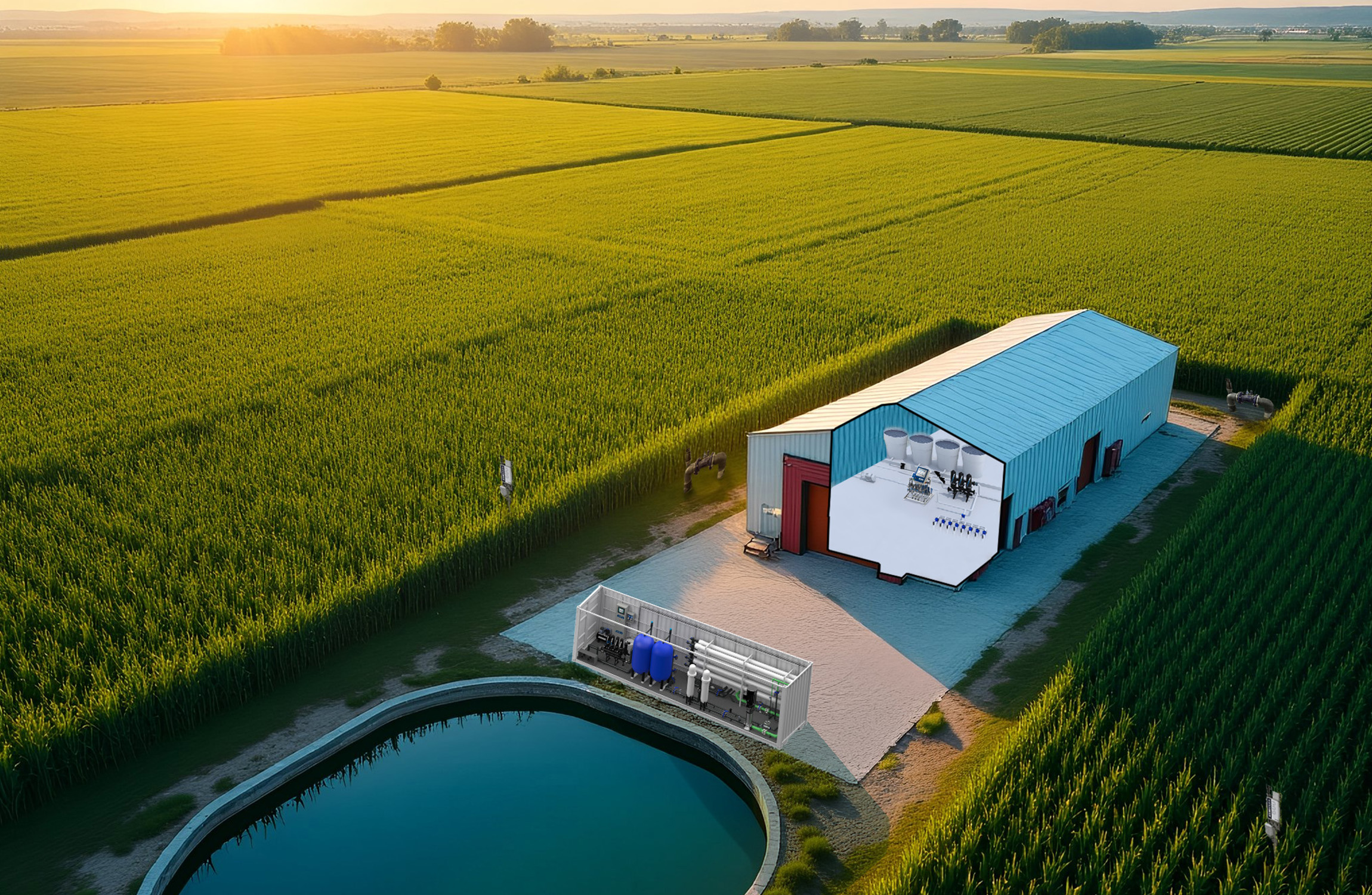
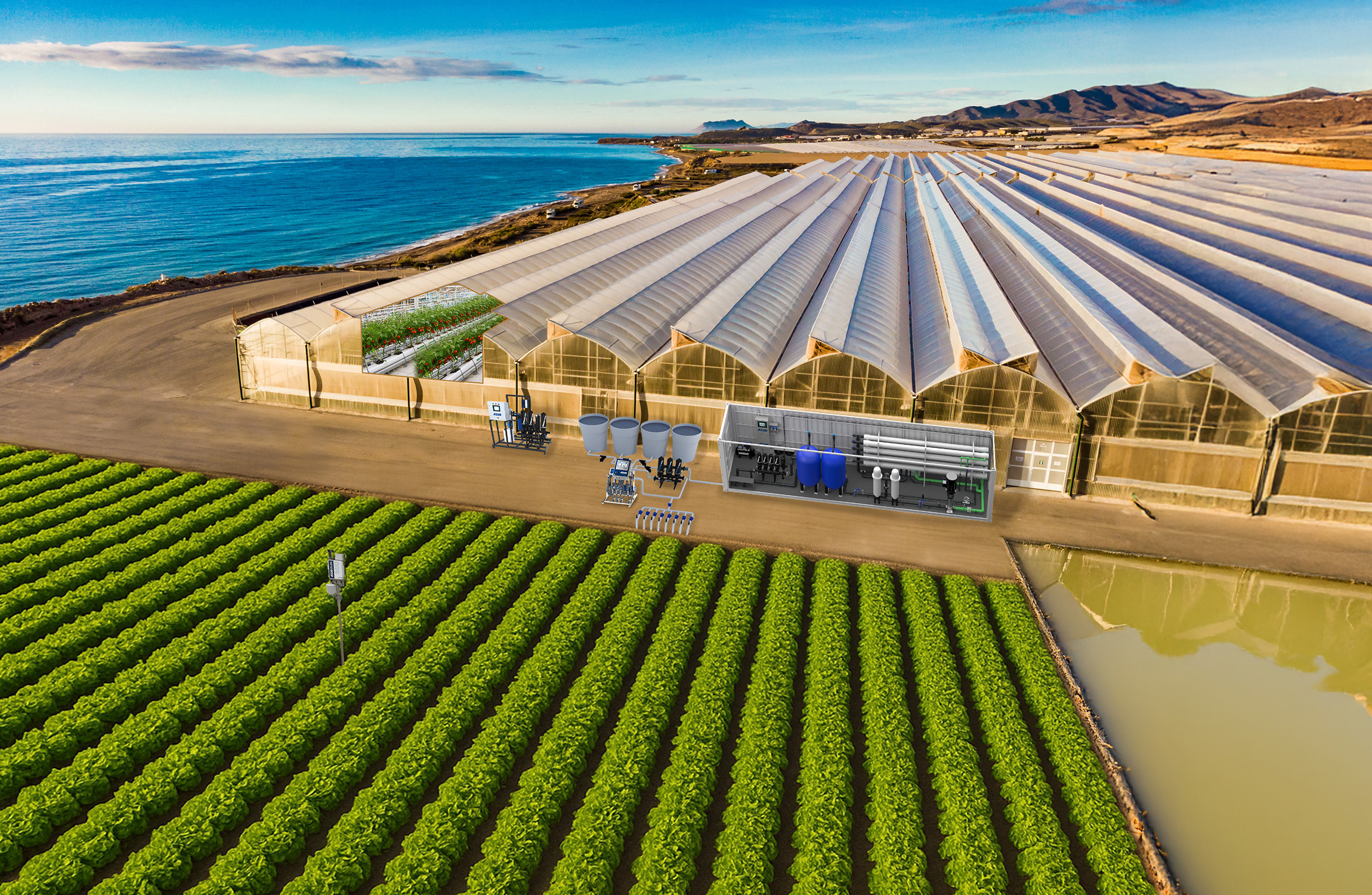
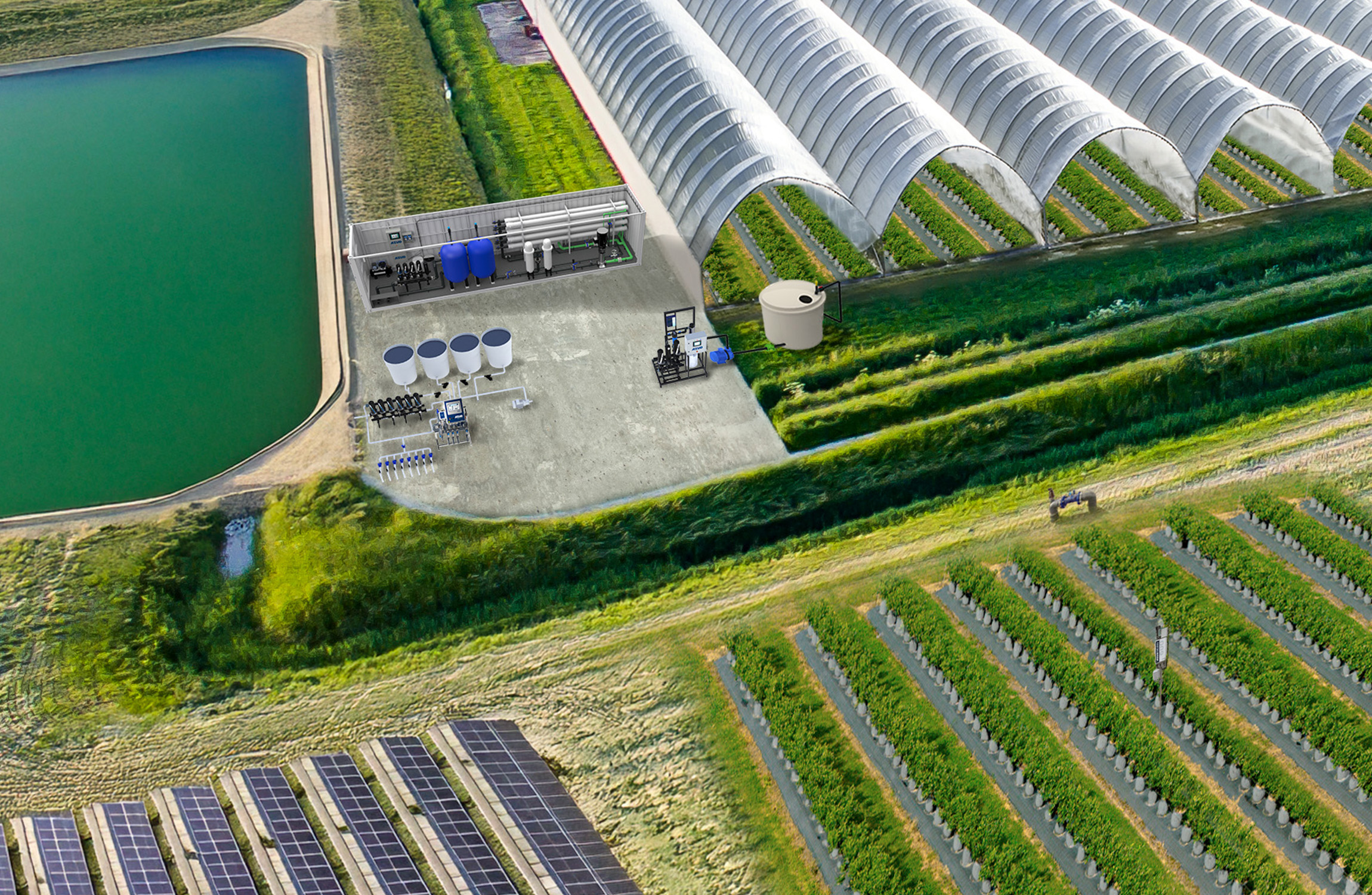
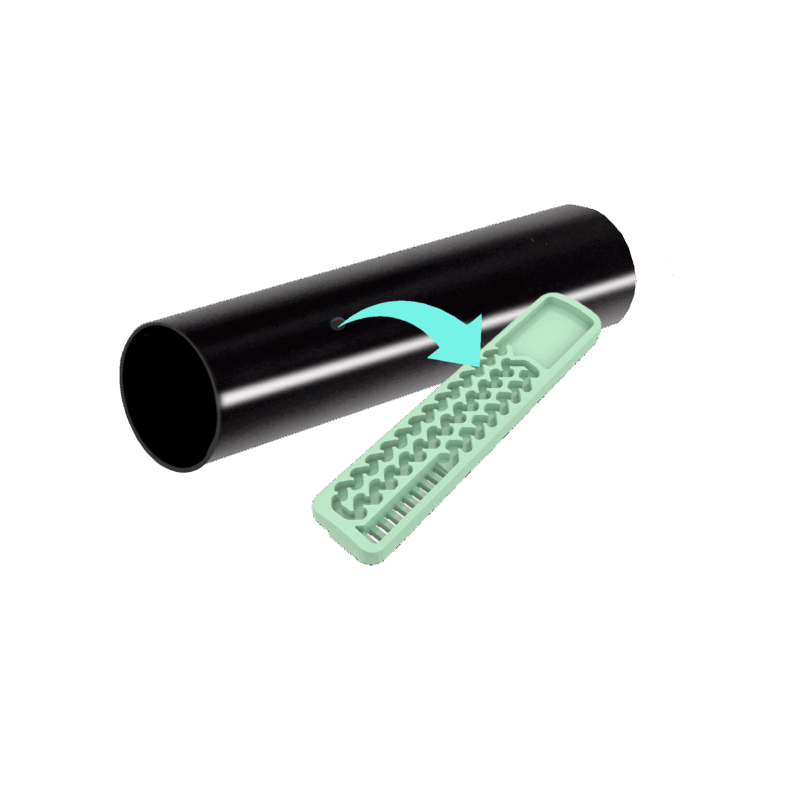
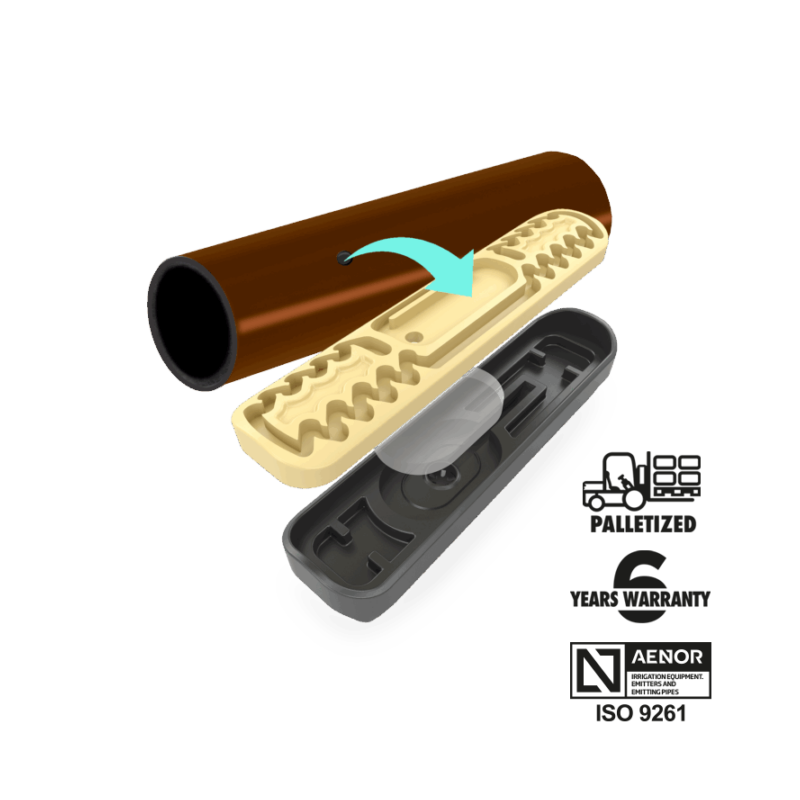
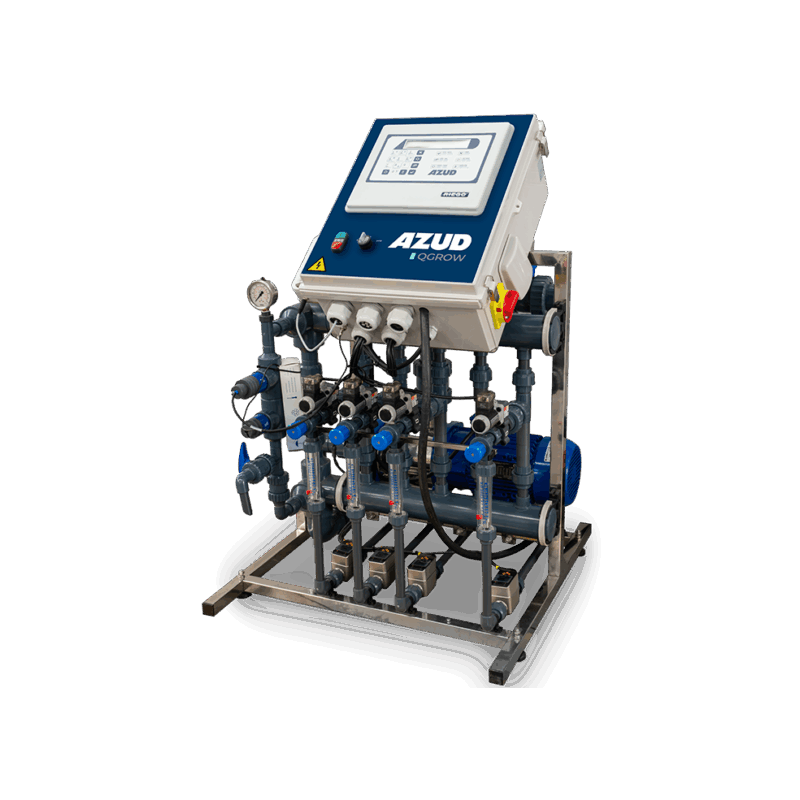
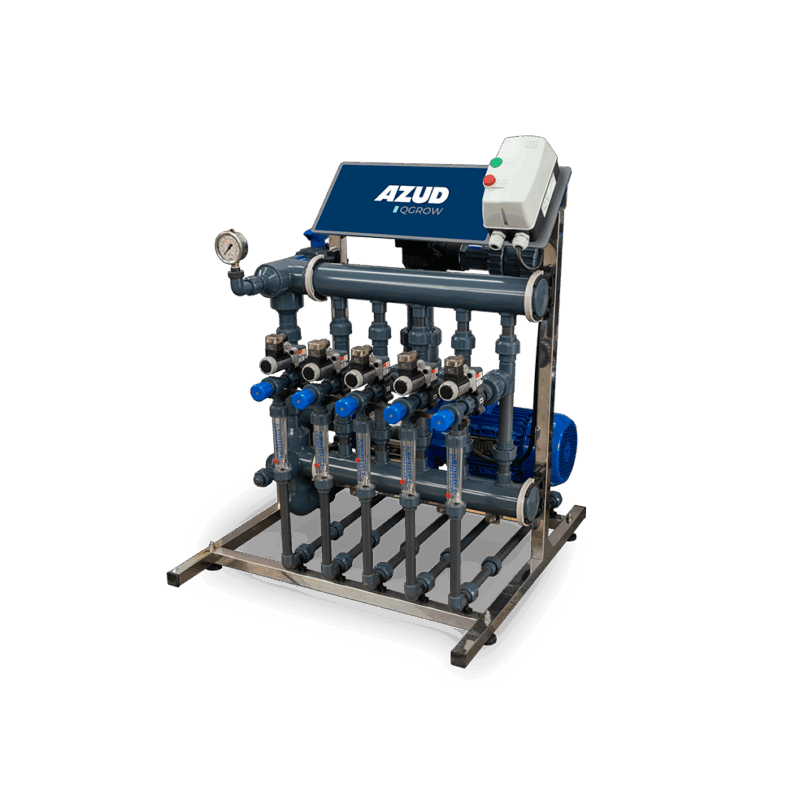
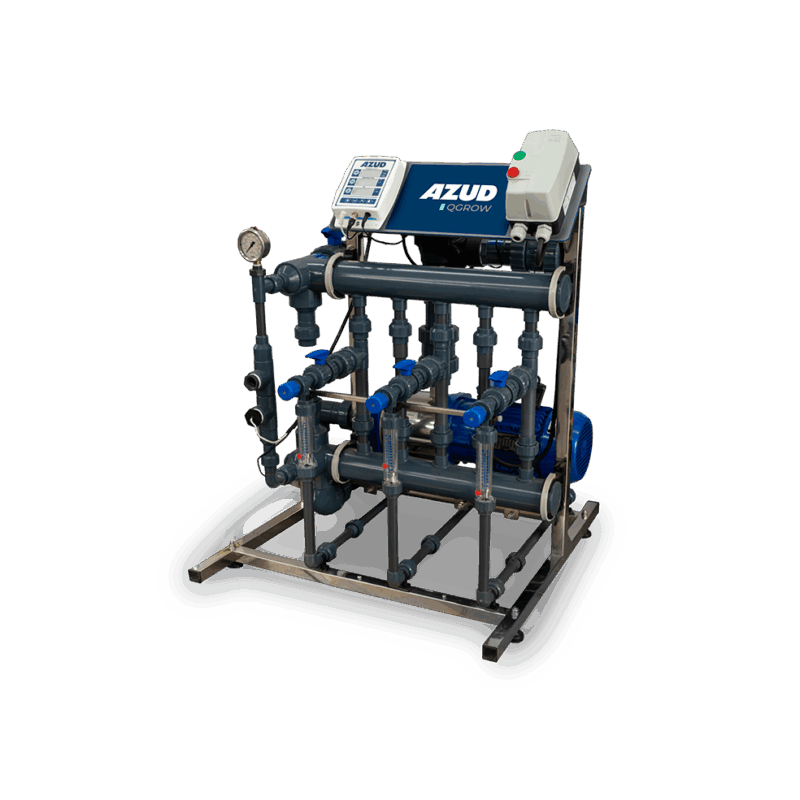
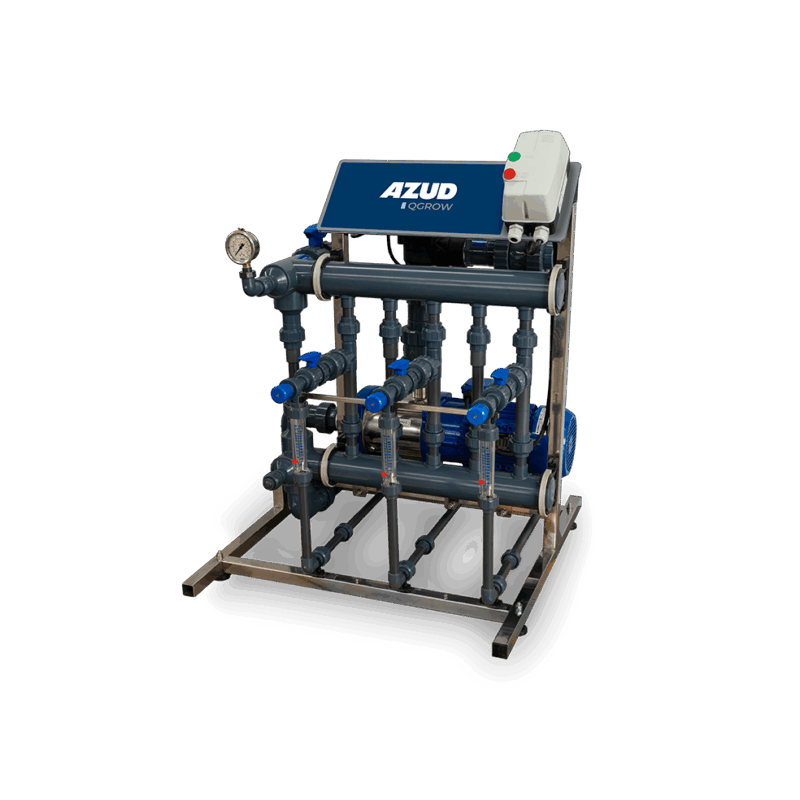
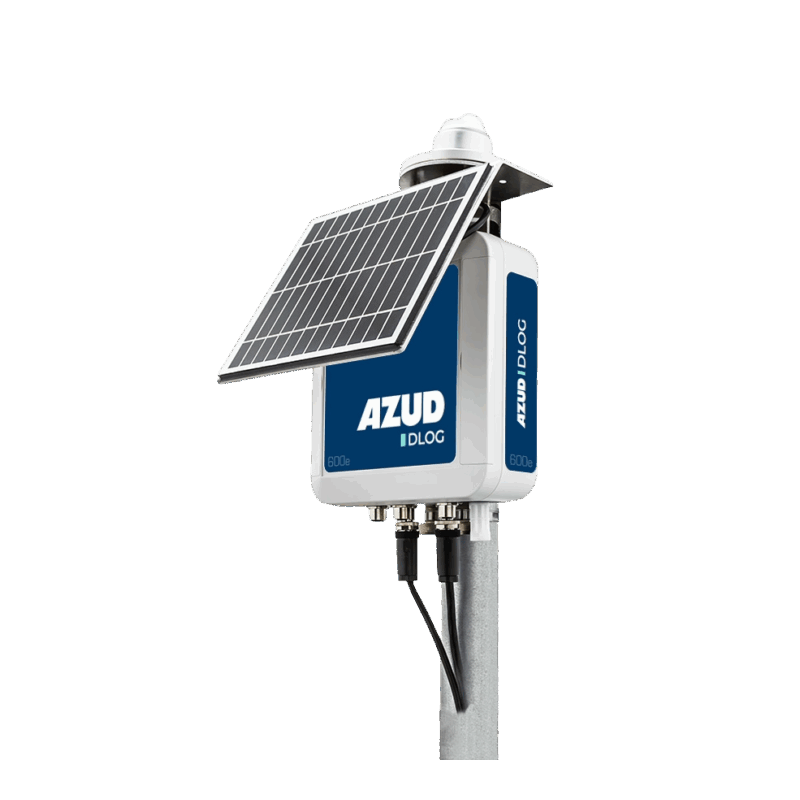
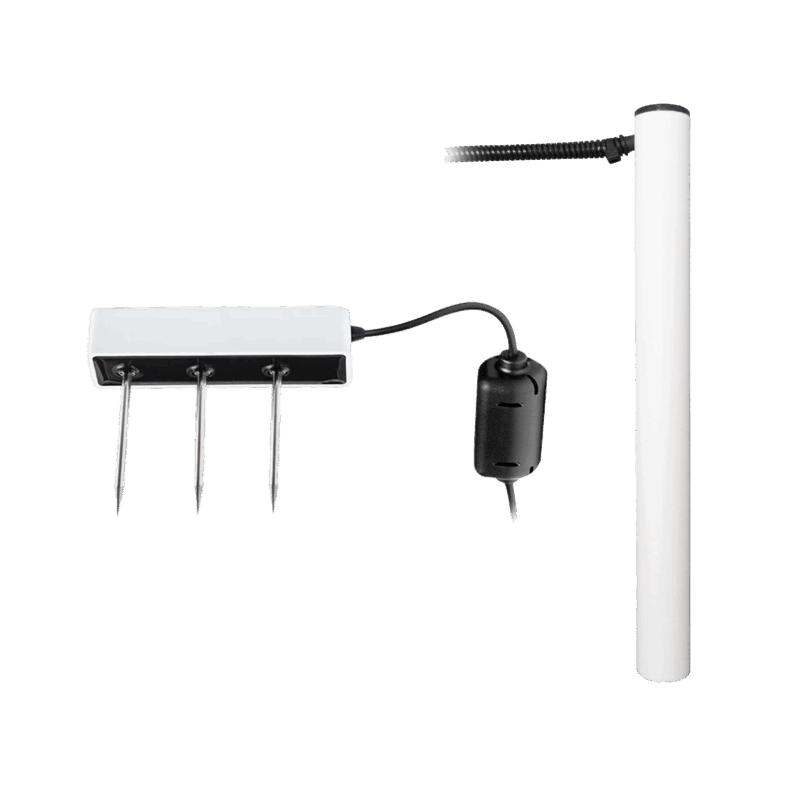
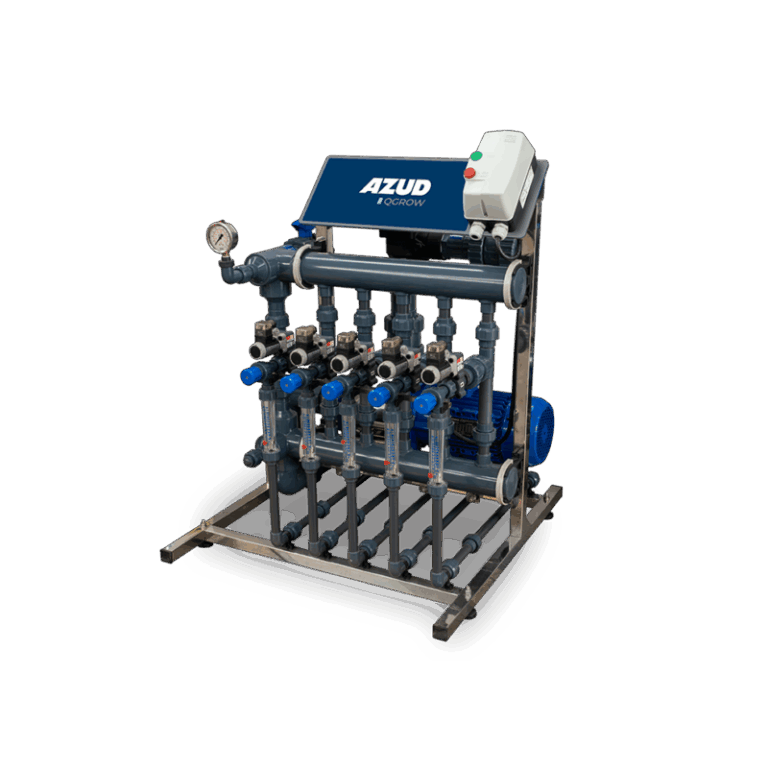
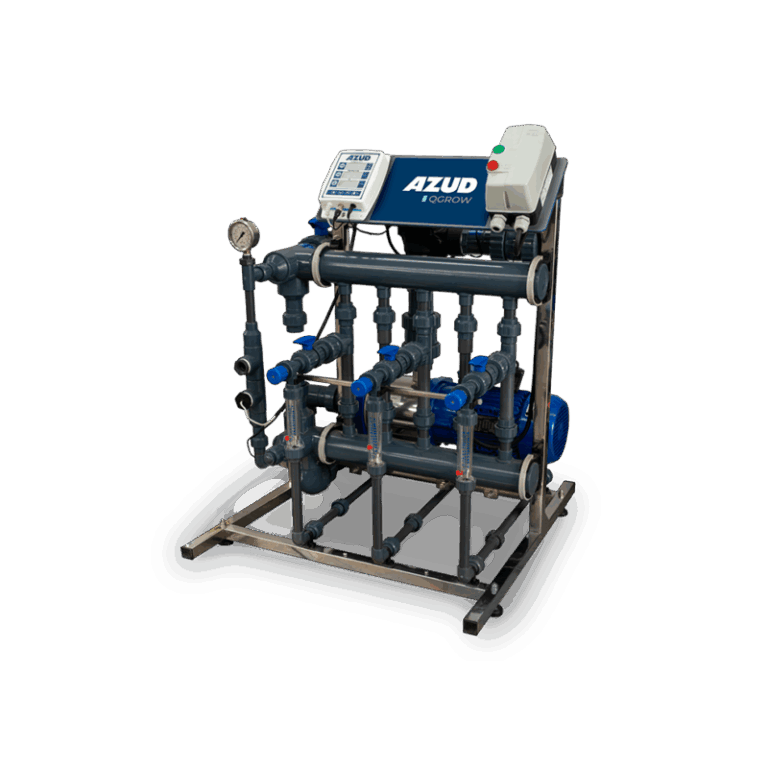
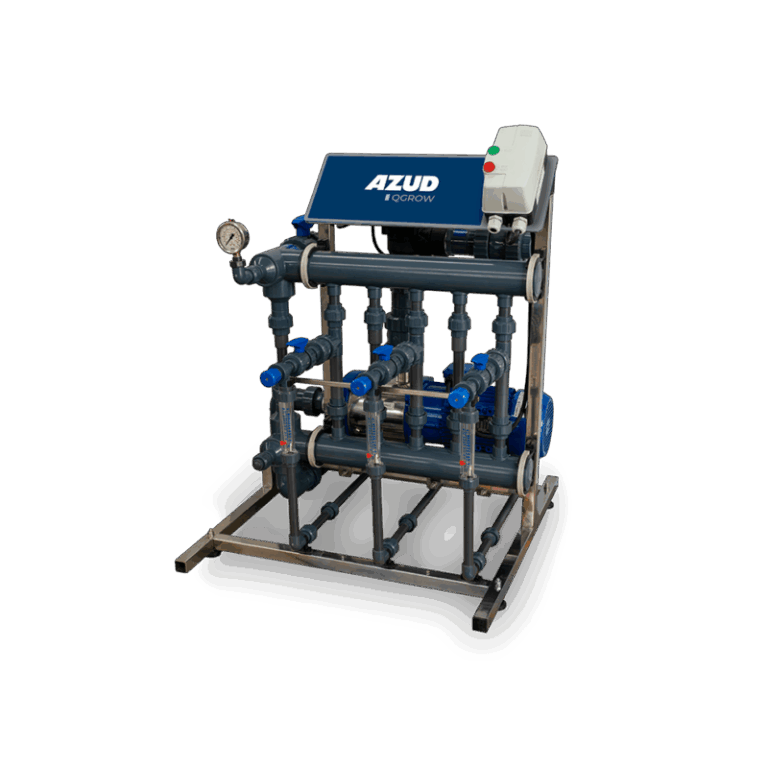
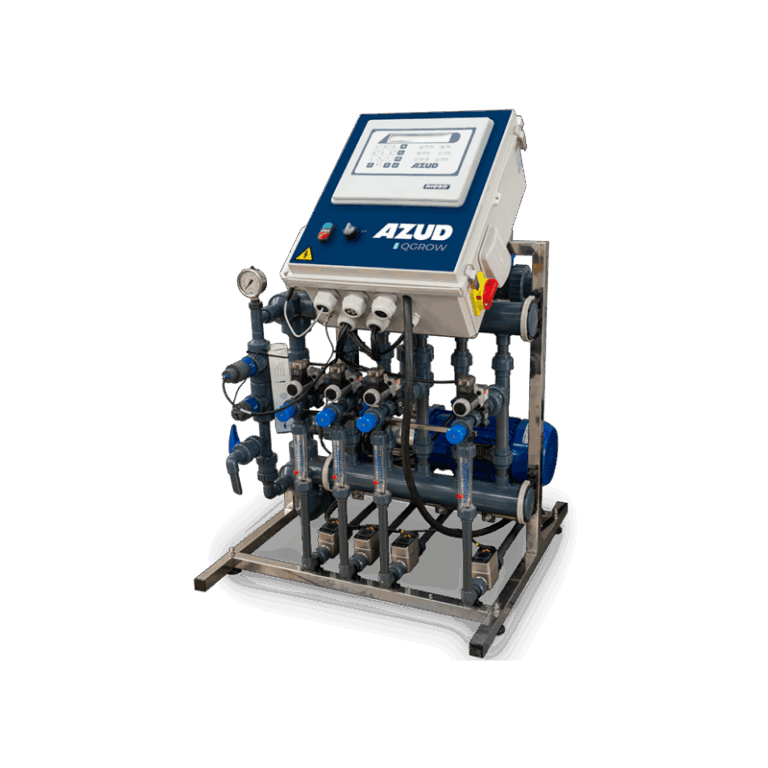
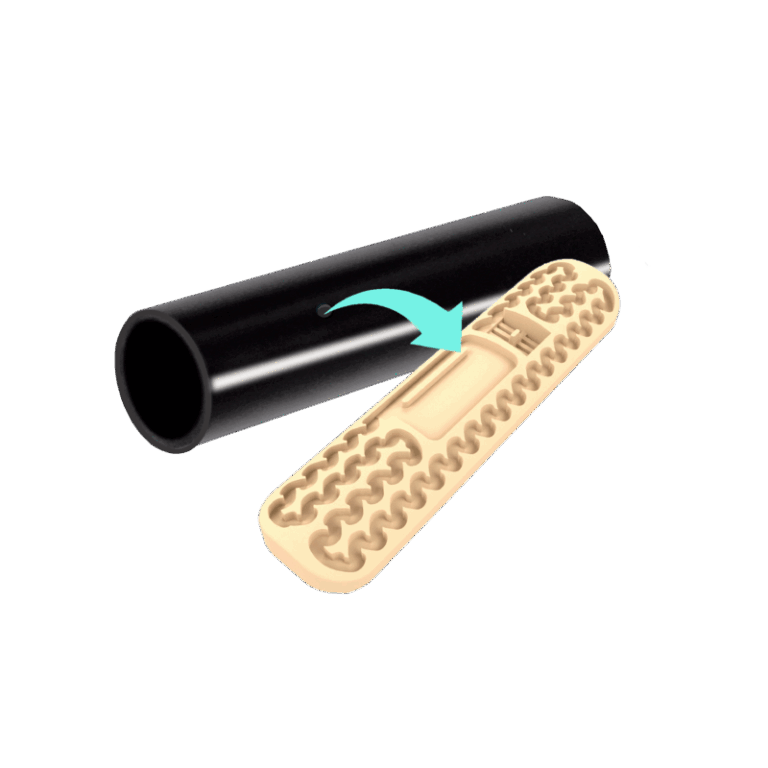
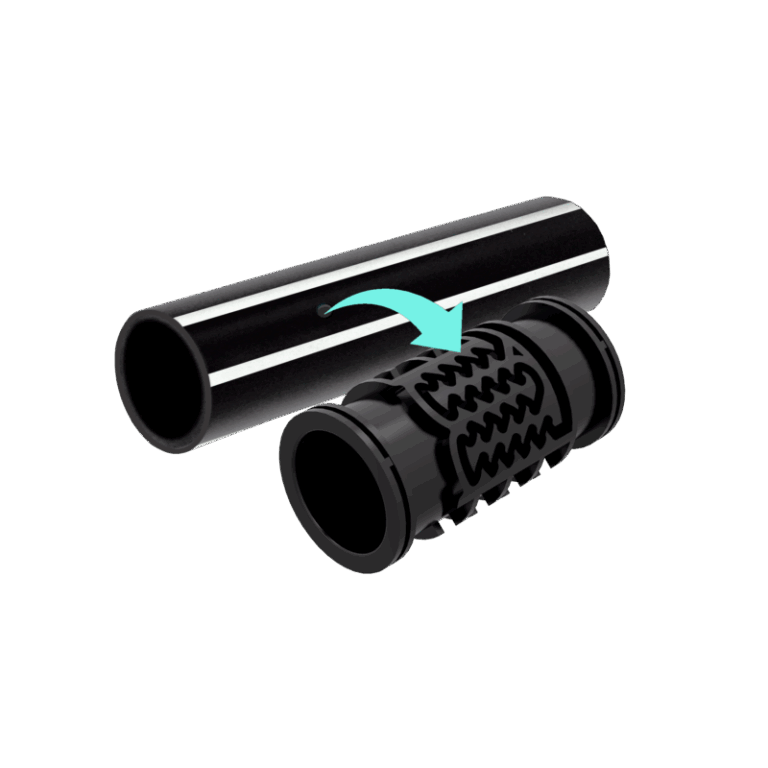
AZUD’s irrigation solutions allow the water management strategy to be tailored to the characteristics of each farm, ensuring uniform water distribution and greater control over water application based on the crop’s actual needs.
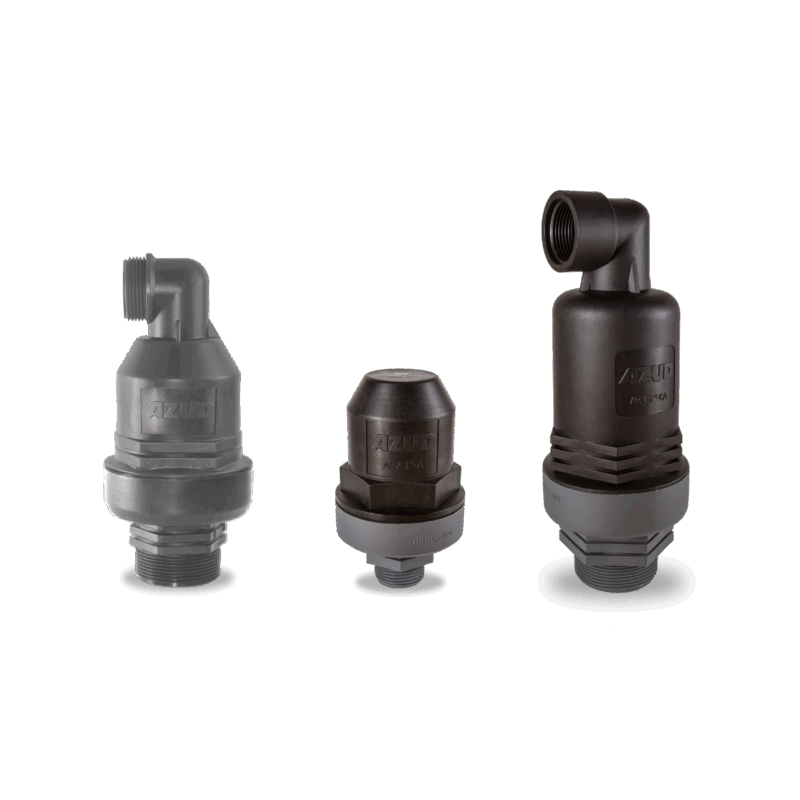
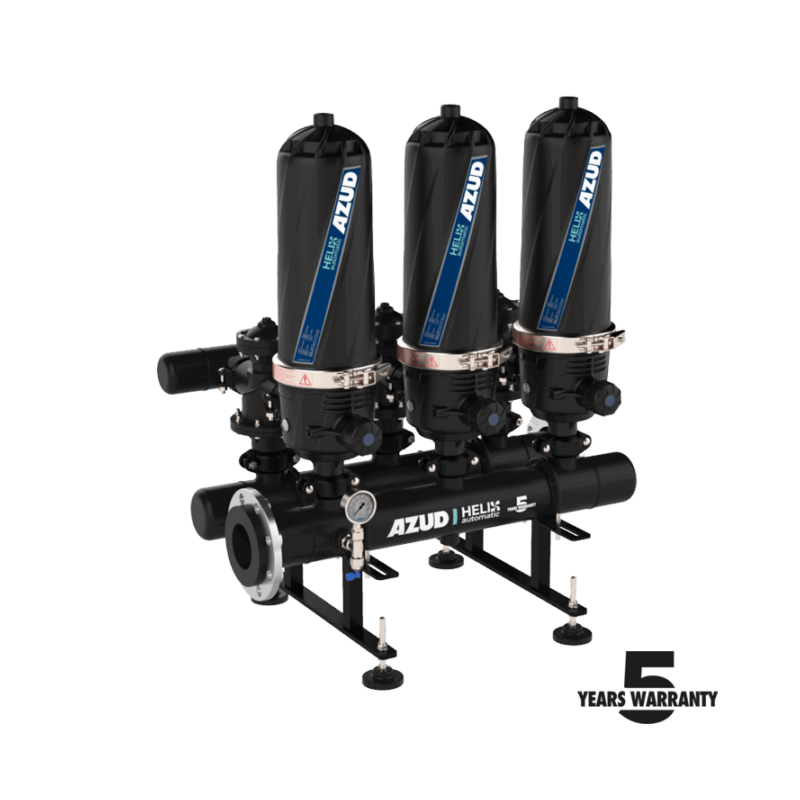
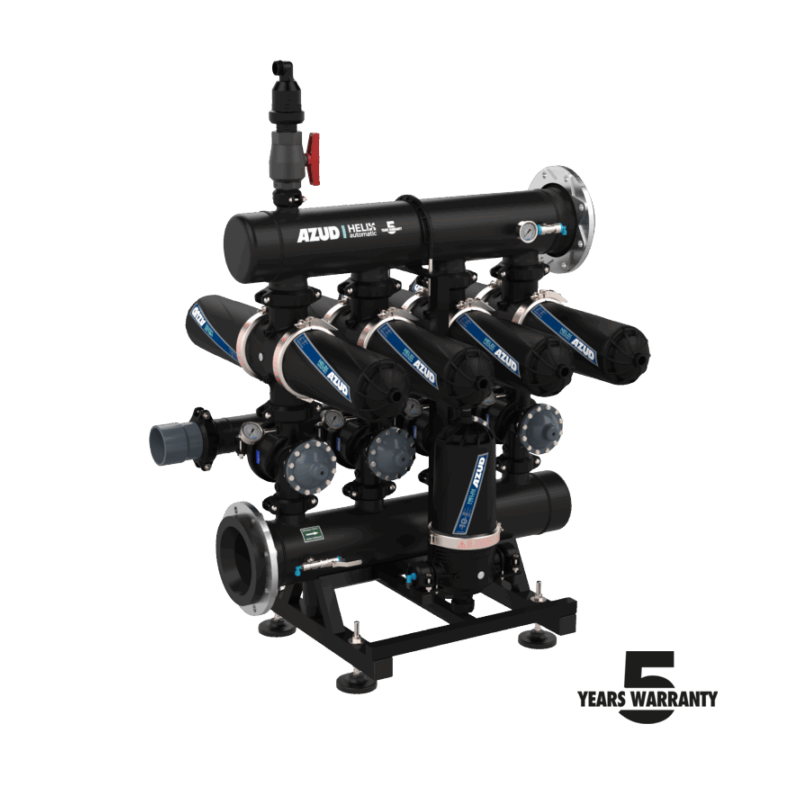
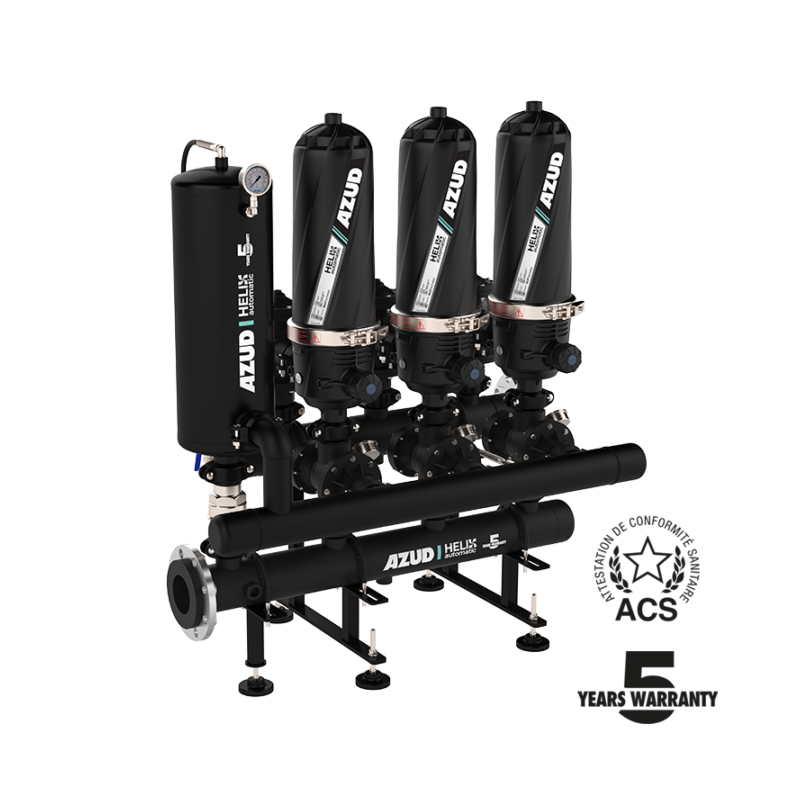
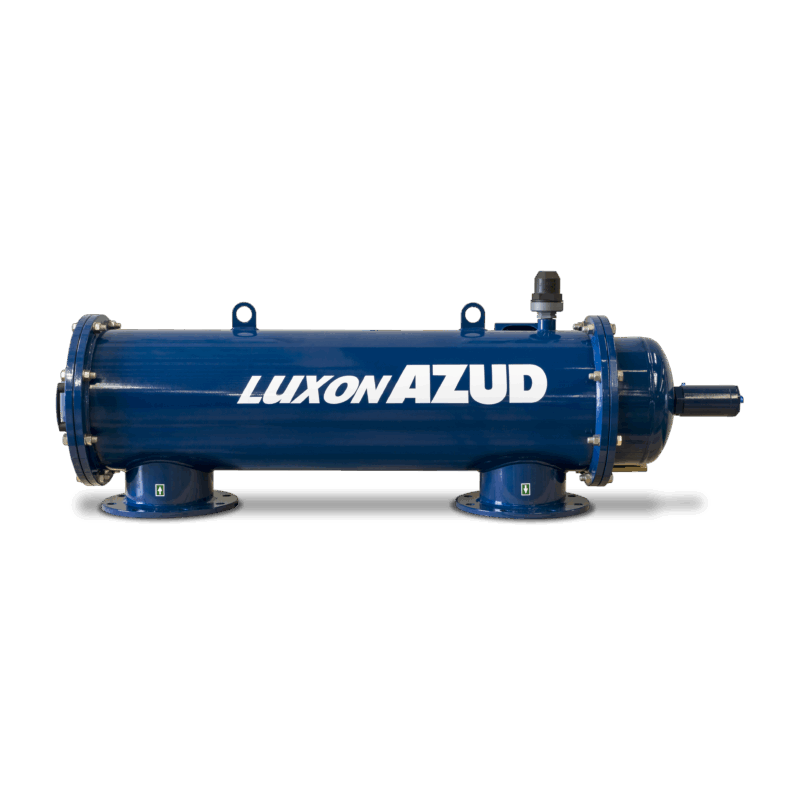
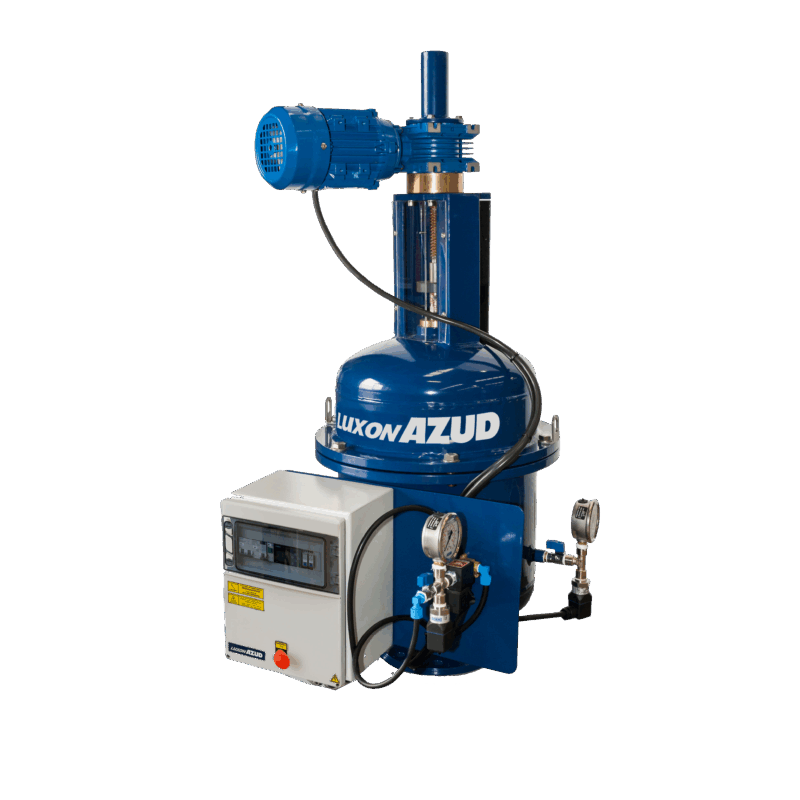
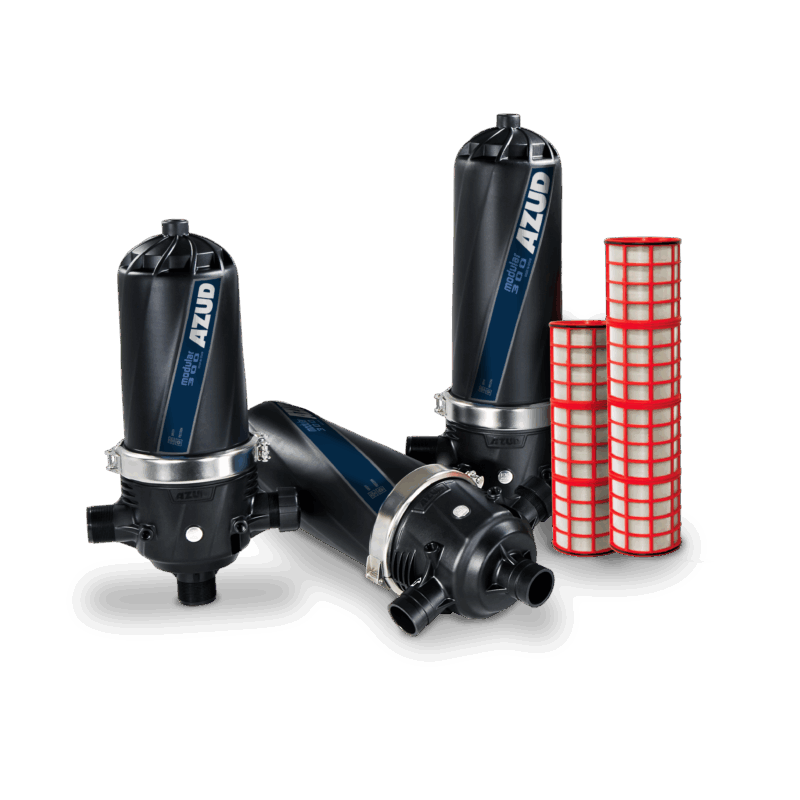
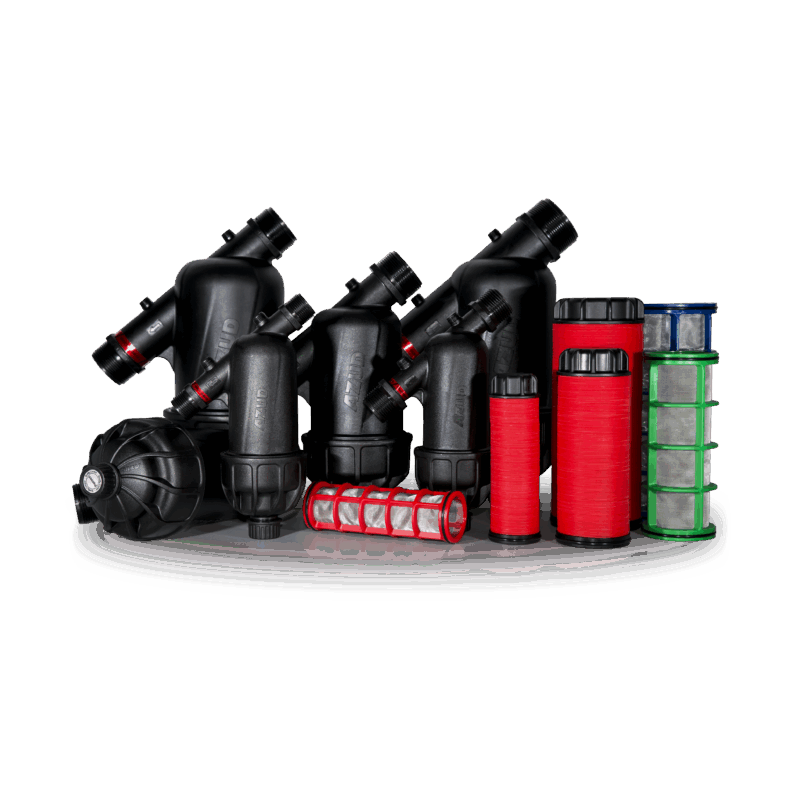
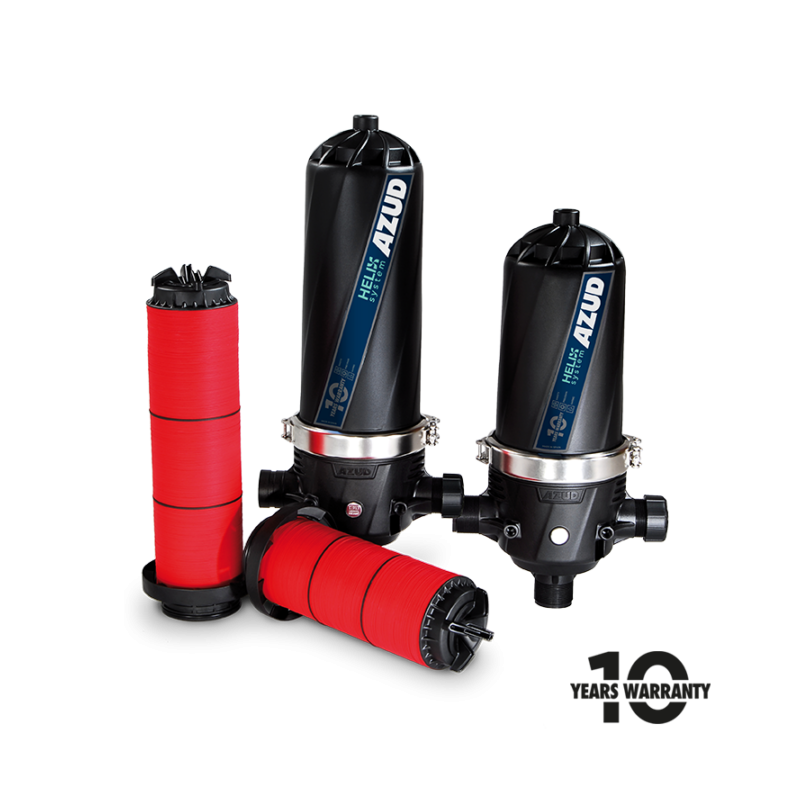
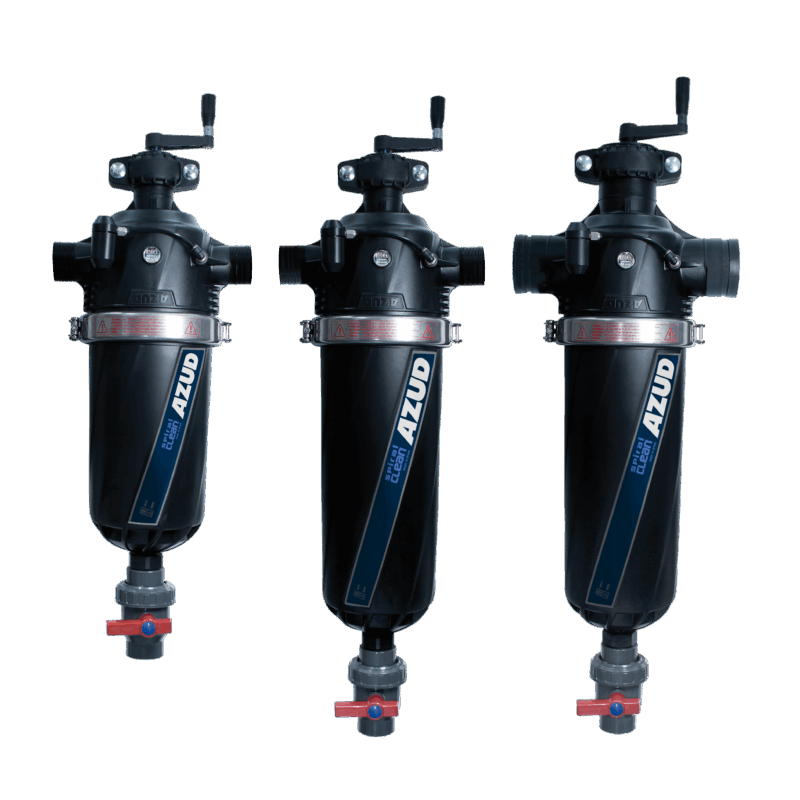
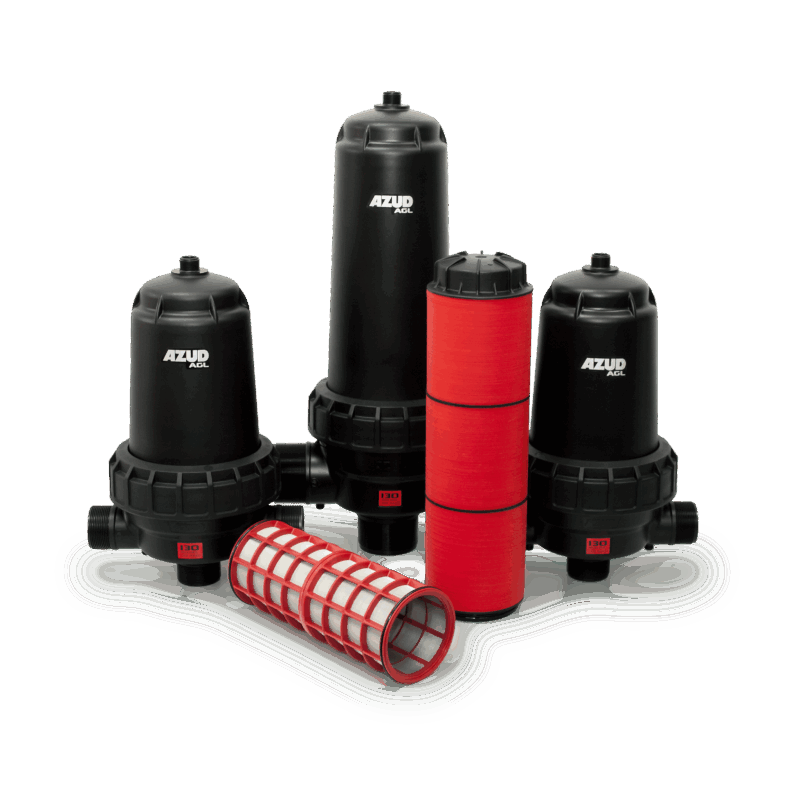
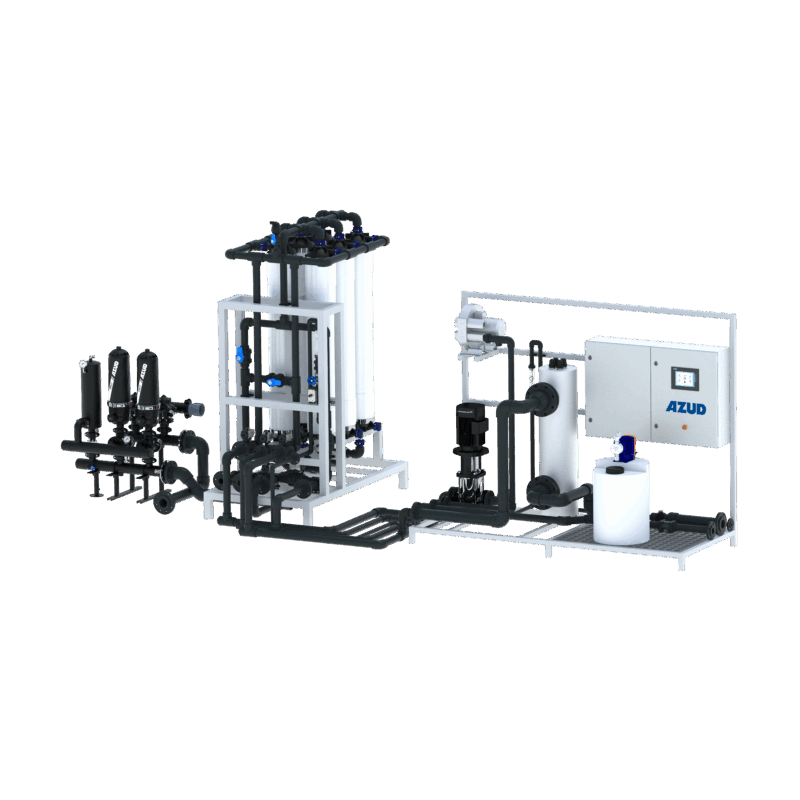
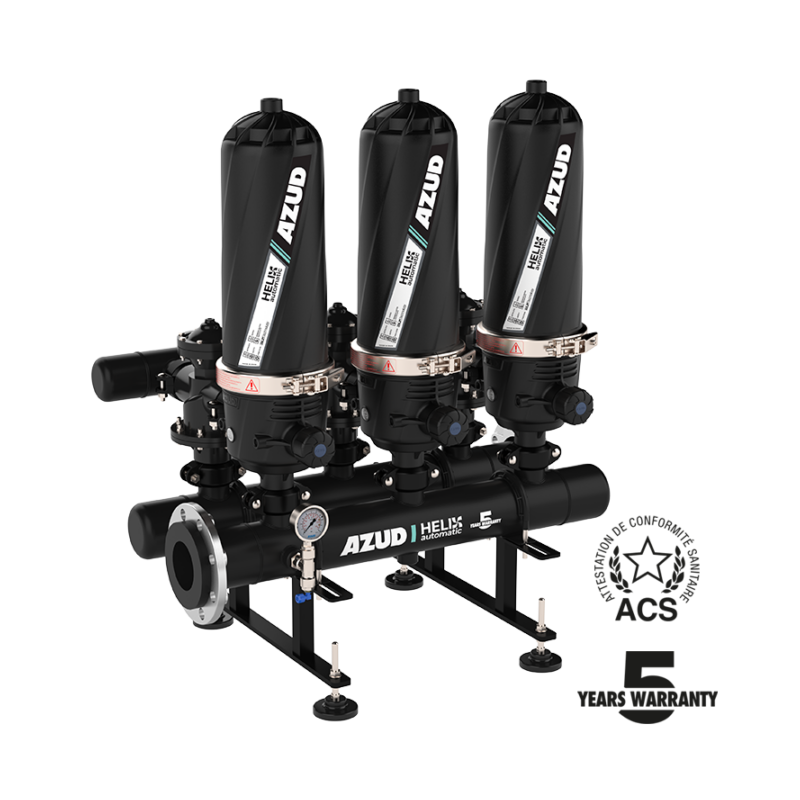
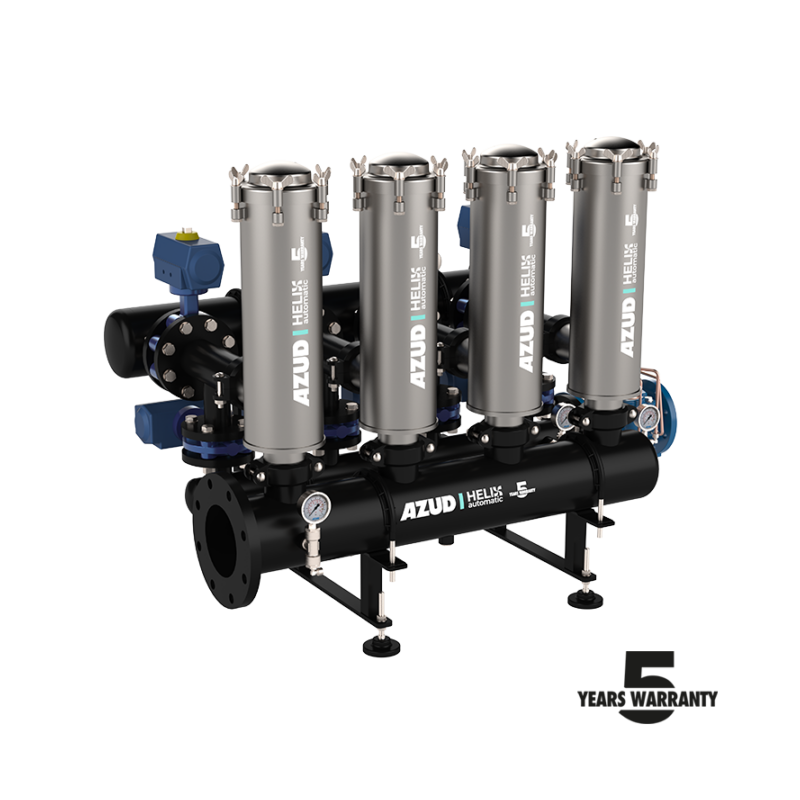
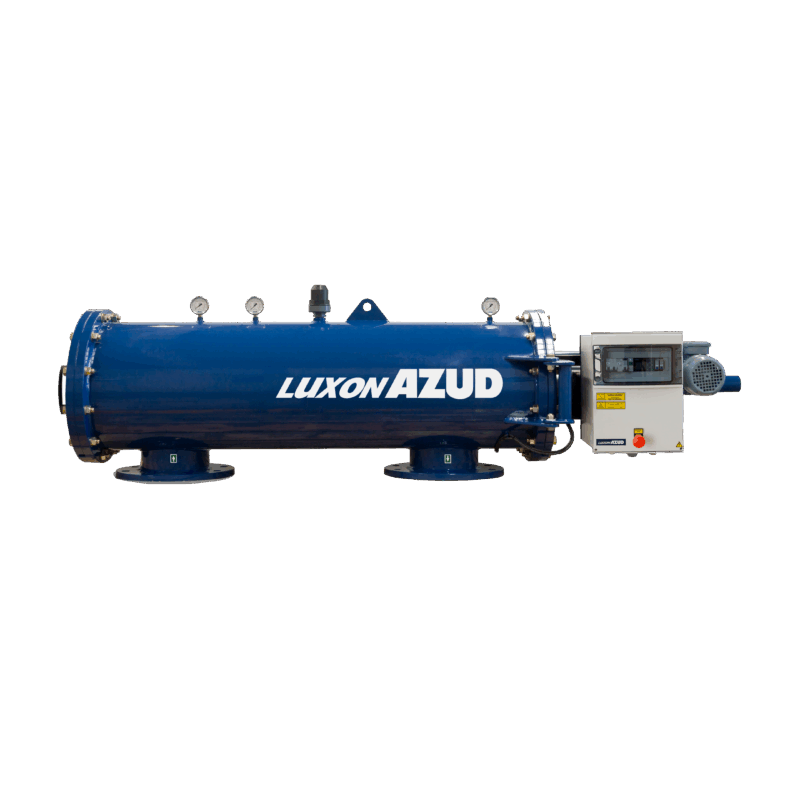
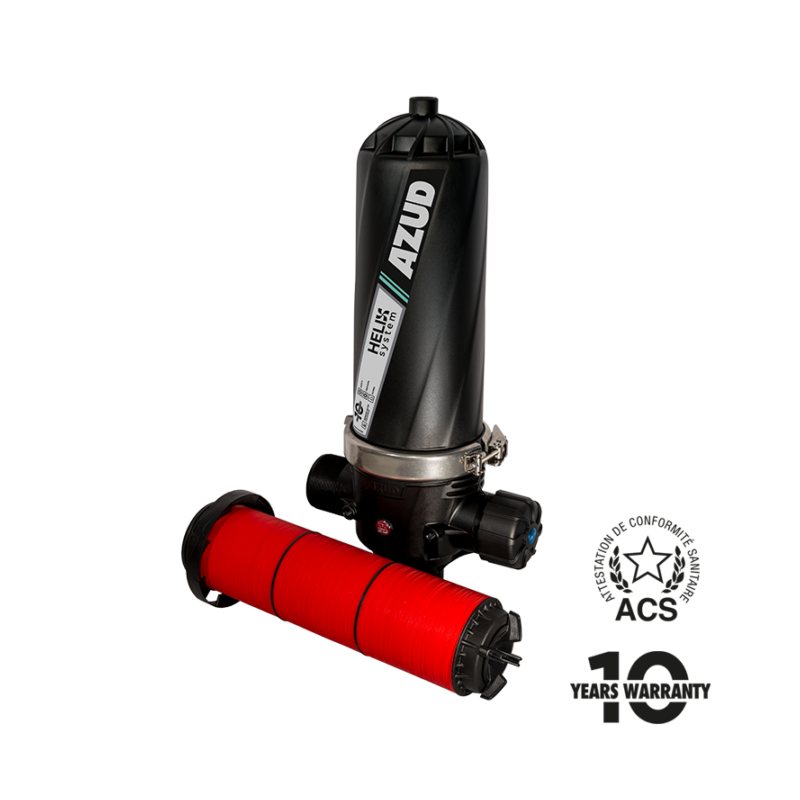
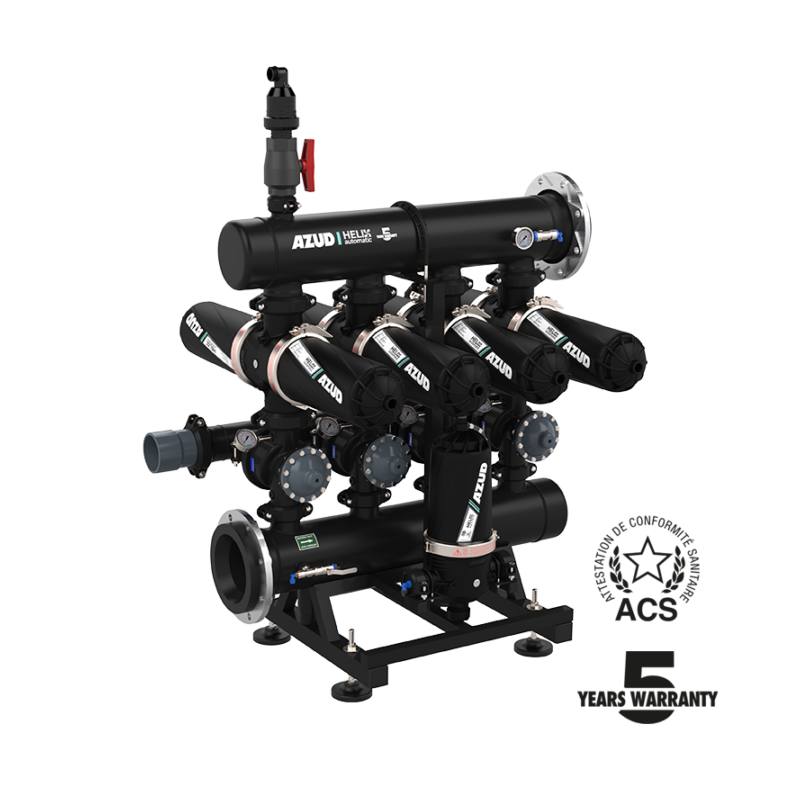
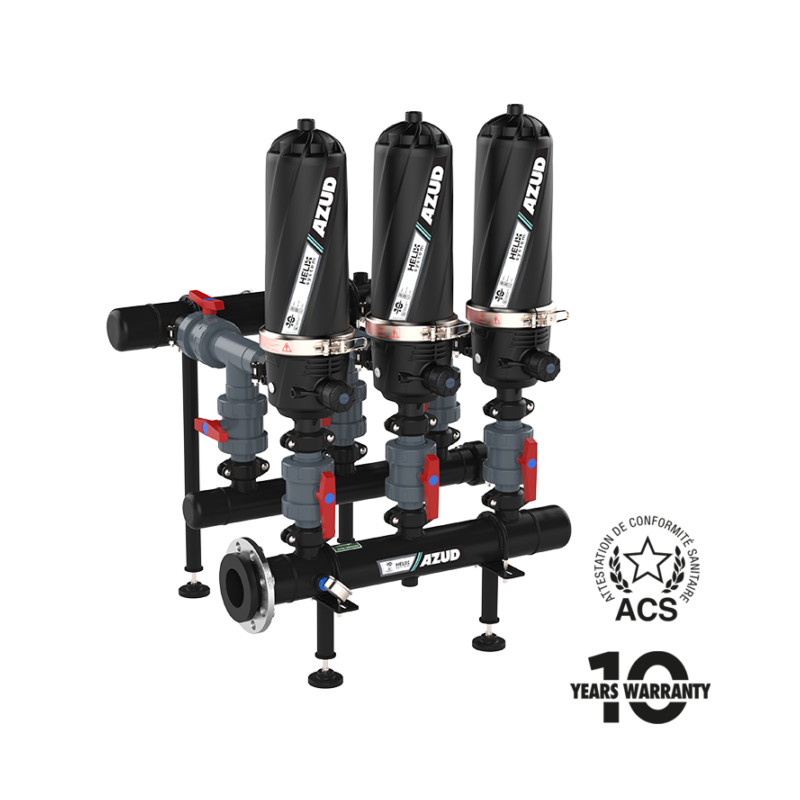
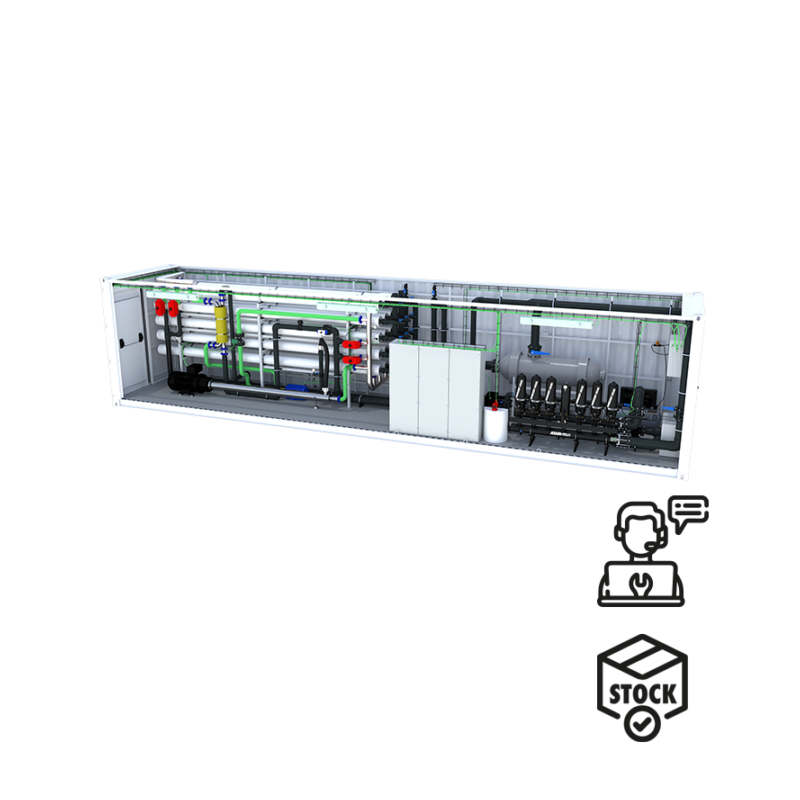
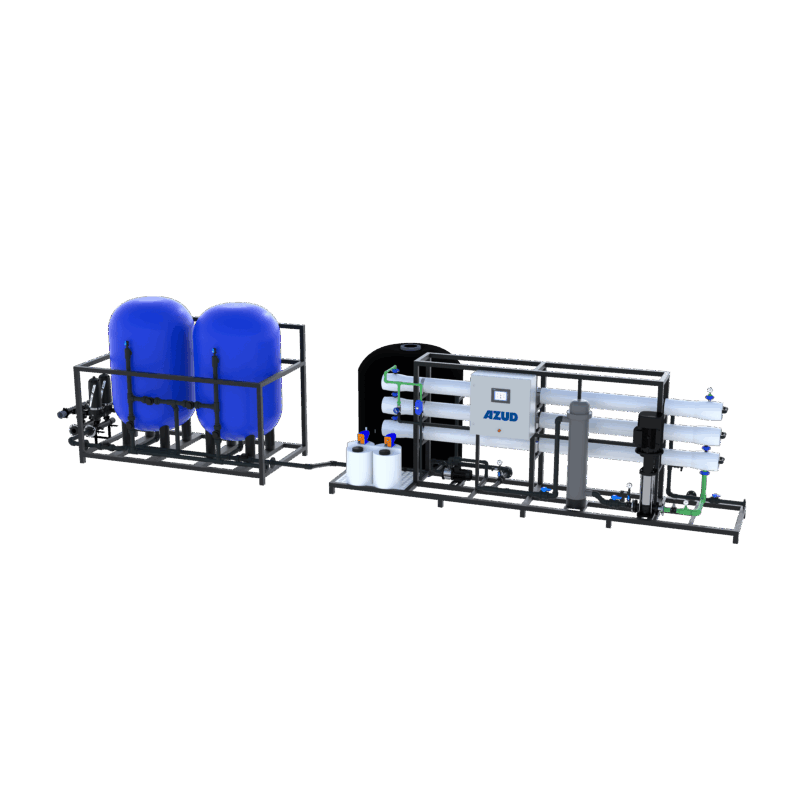
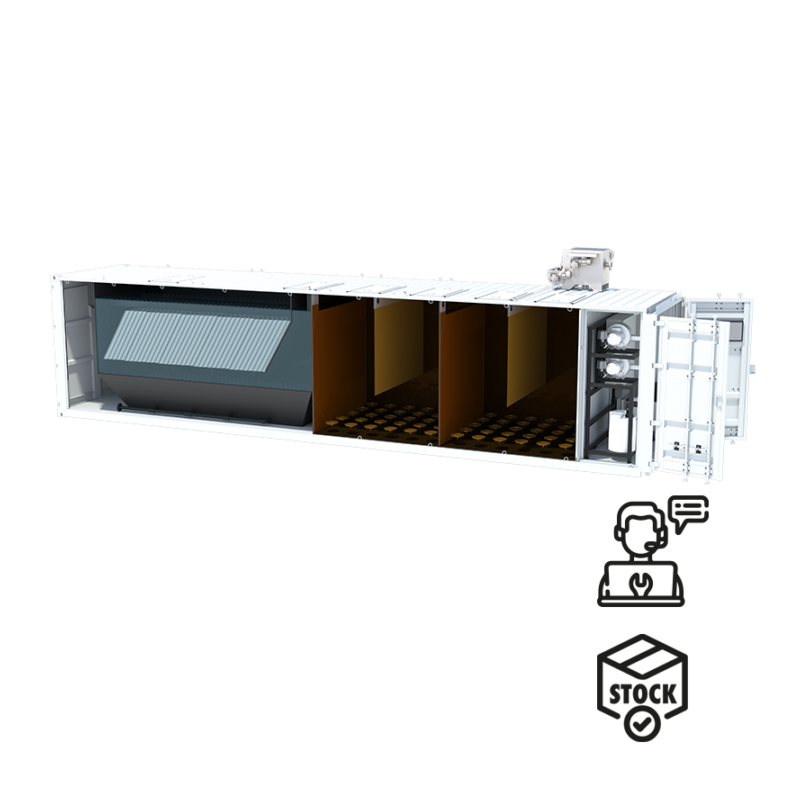
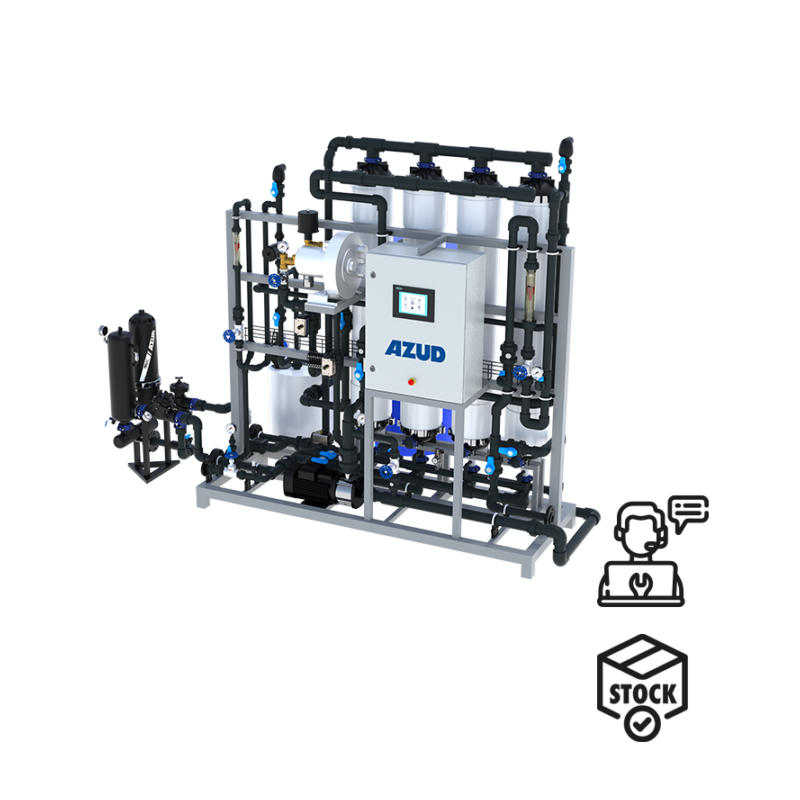
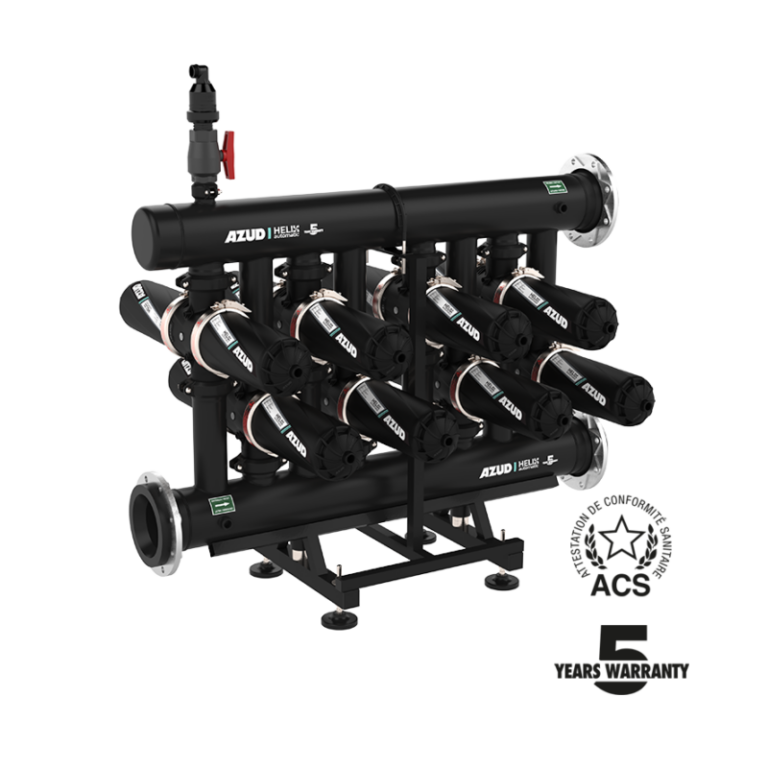
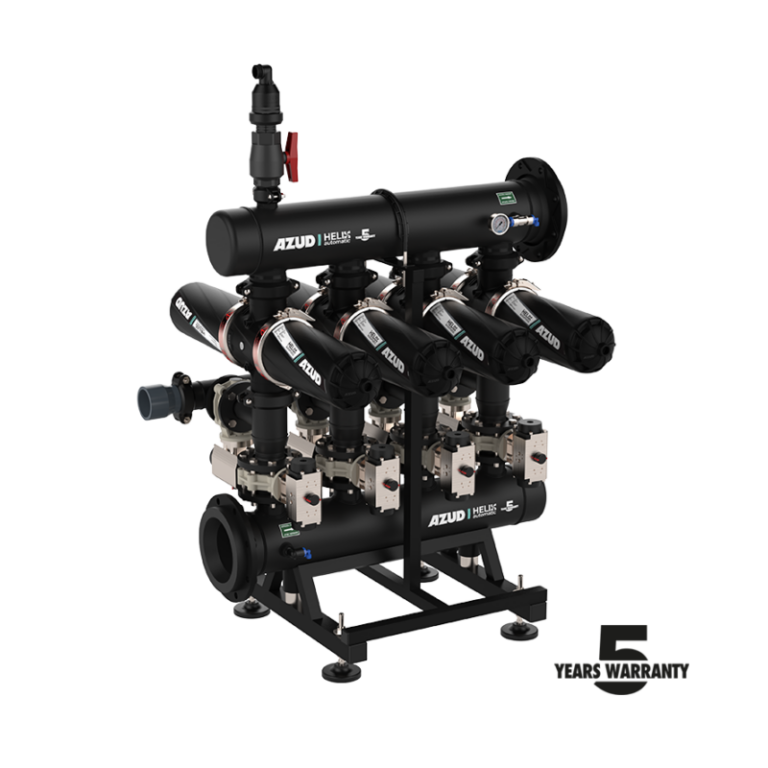
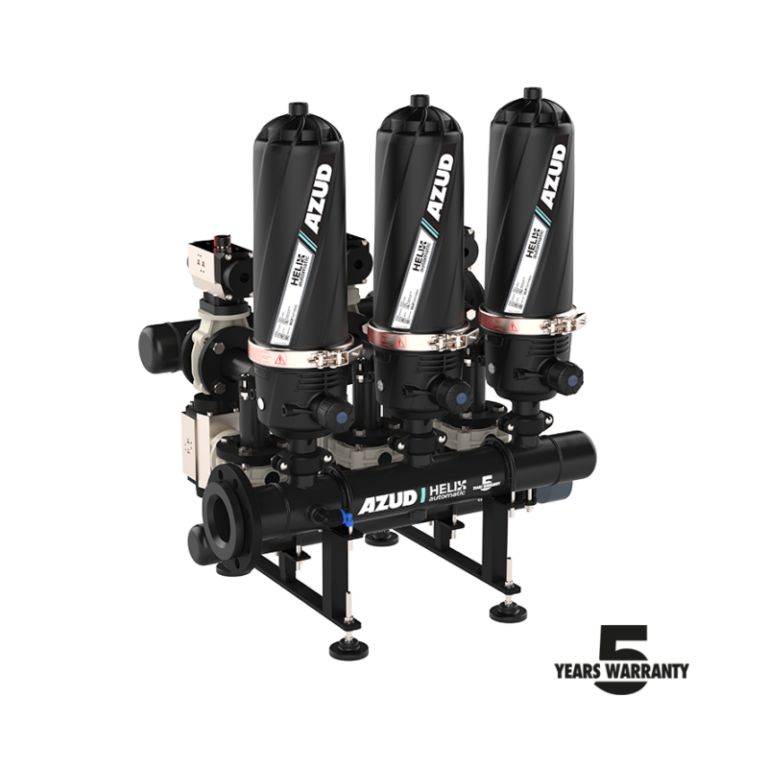
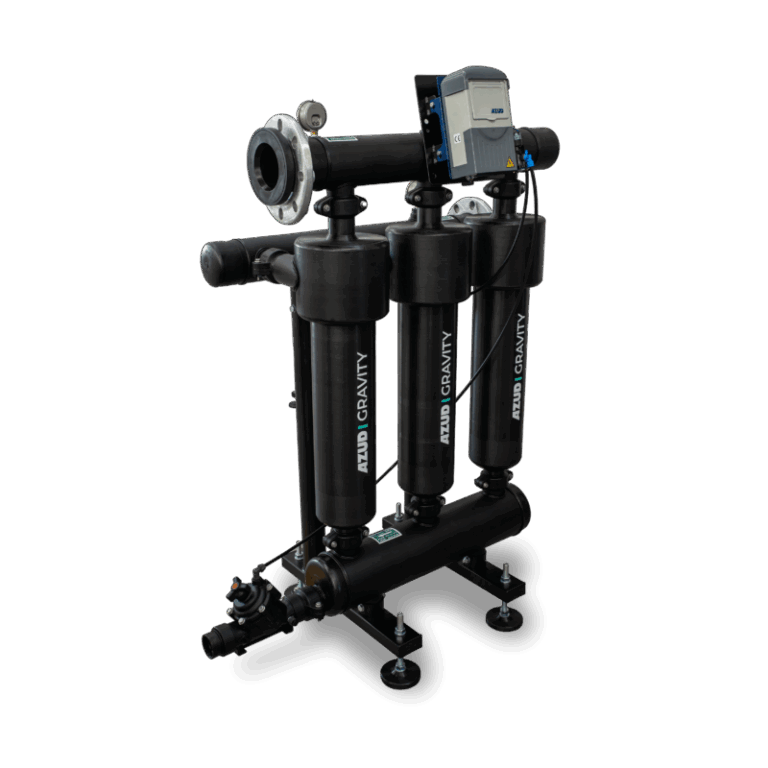
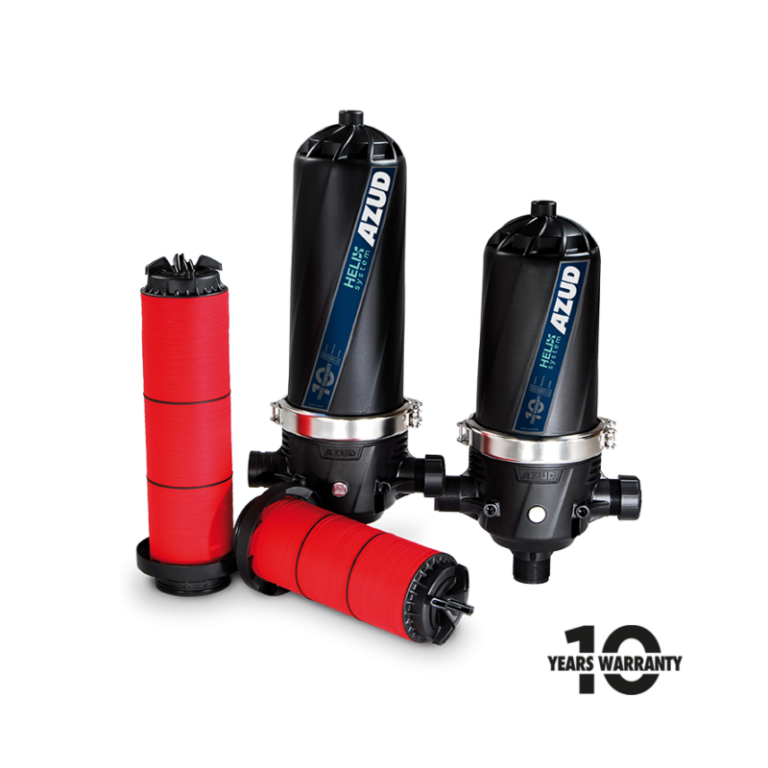
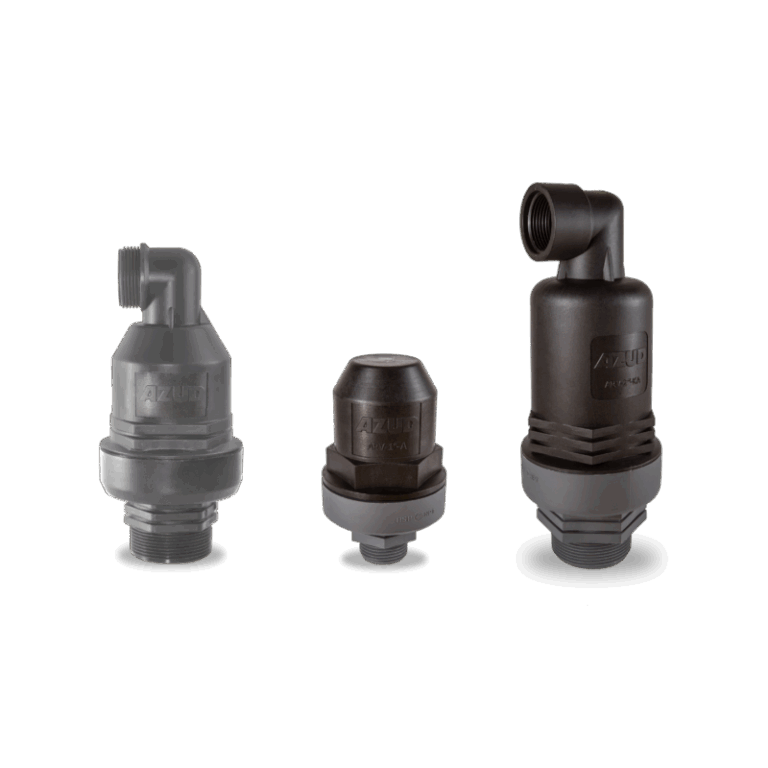
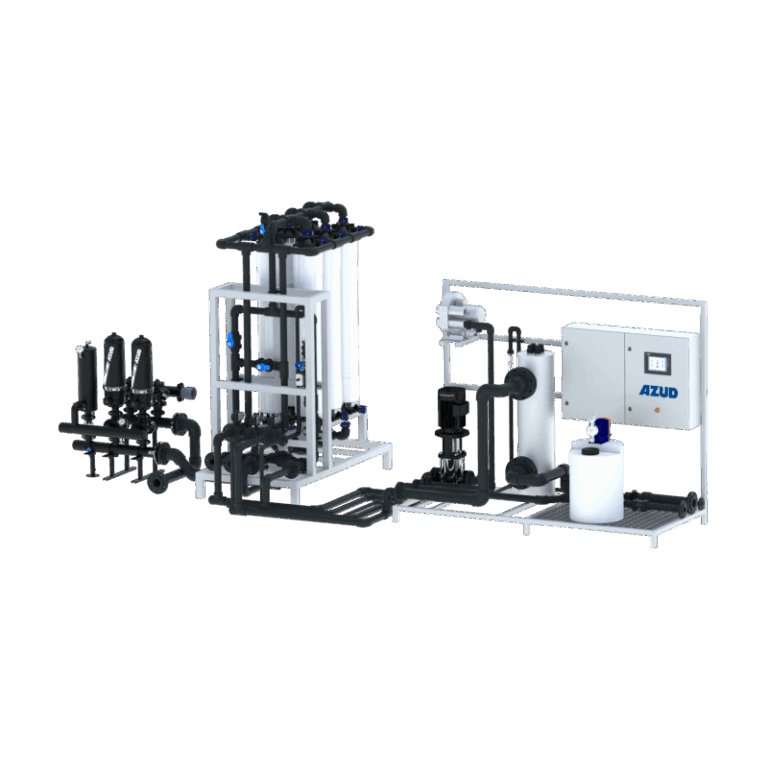
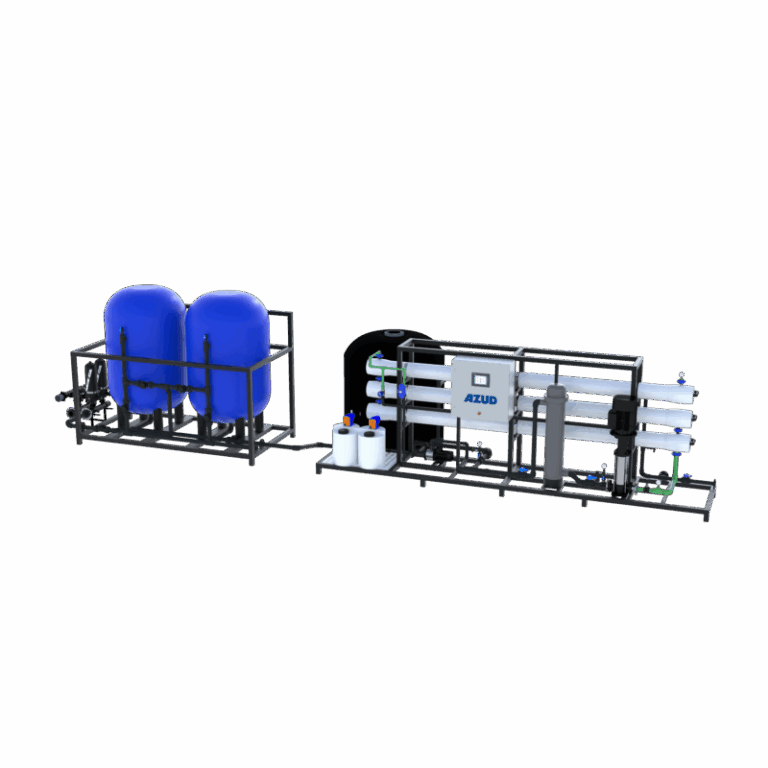
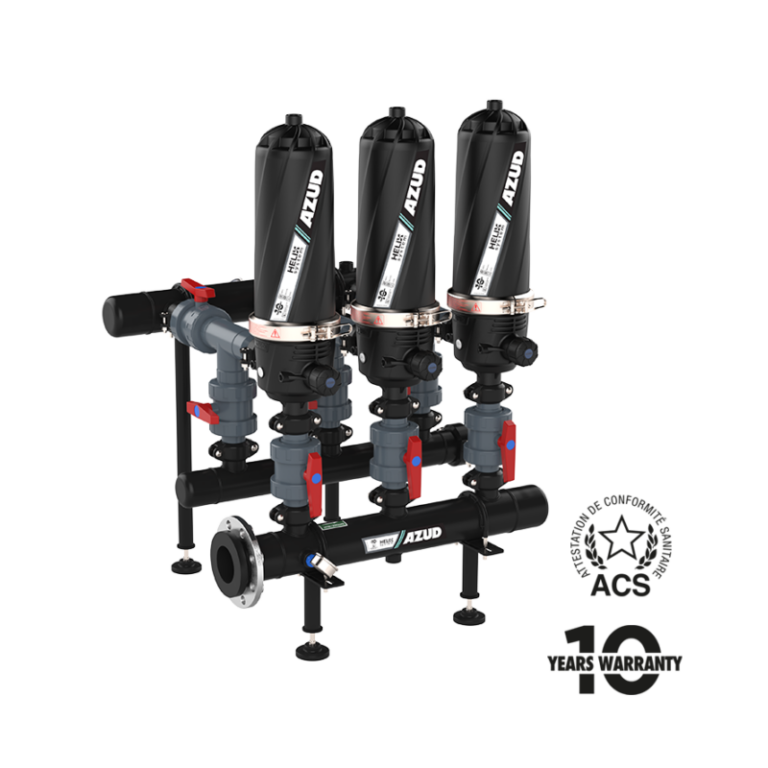
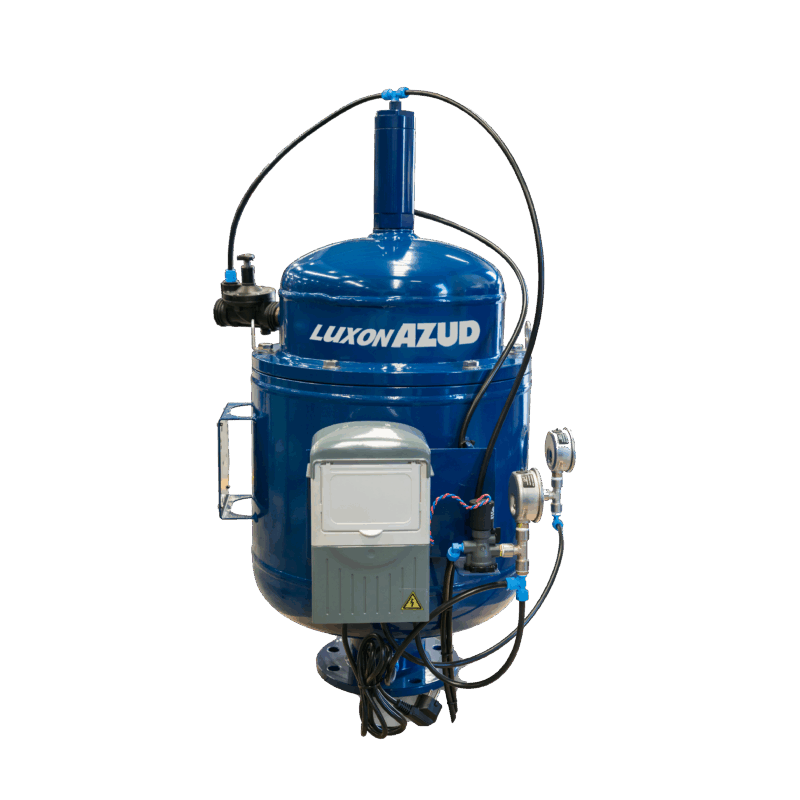
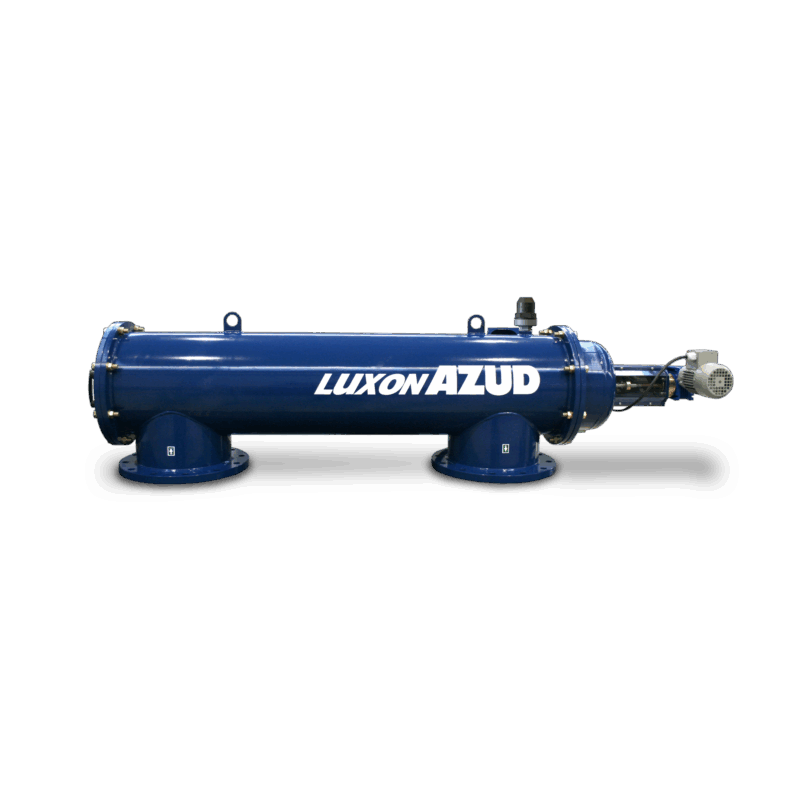
The use of AZUD filtration systems is key to ensuring proper irrigation operation and the longevity of the installation.
Direct benefits for your wheat crop
It will depend on the local weather conditions. In regions with irregular rainfall, Irrigation helps ensure more stable yields and reduce production risks.
The stages of ear formation, heading, and grain filling are the most sensitive to water stress.
The system will depend on the farm and water availability. Both sprinkler irrigation and drip irrigation can be viable options if managed efficiently.