




About Coffee Cultivation

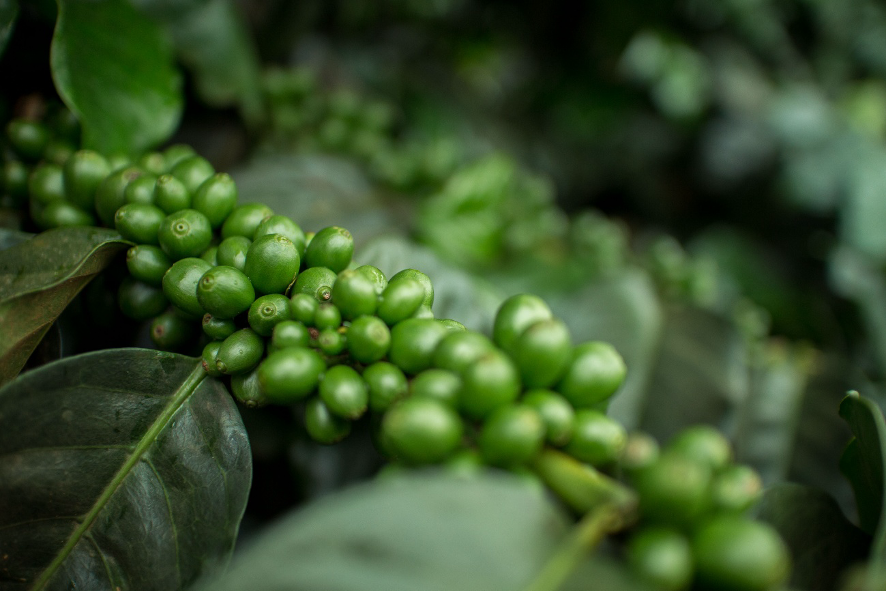
Coffee (Coffea arabica and Coffea canephora) is a woody plant native to Africa, specifically the mountainous regions of Ethiopia, where it was first cultivated for its stimulating properties and its social and cultural significance.

From there, its cultivation spread to Latin America, Asia, and other tropical regions, becoming one of the world’s most traded agricultural products.

Over the centuries, coffee has gained enormous economic and social significance, serving as a strategic crop for millions of small-scale producers. Varietal improvement and the adoption of modern agricultural techniques have made it possible to adapt its cultivation to different altitudes and production systems.

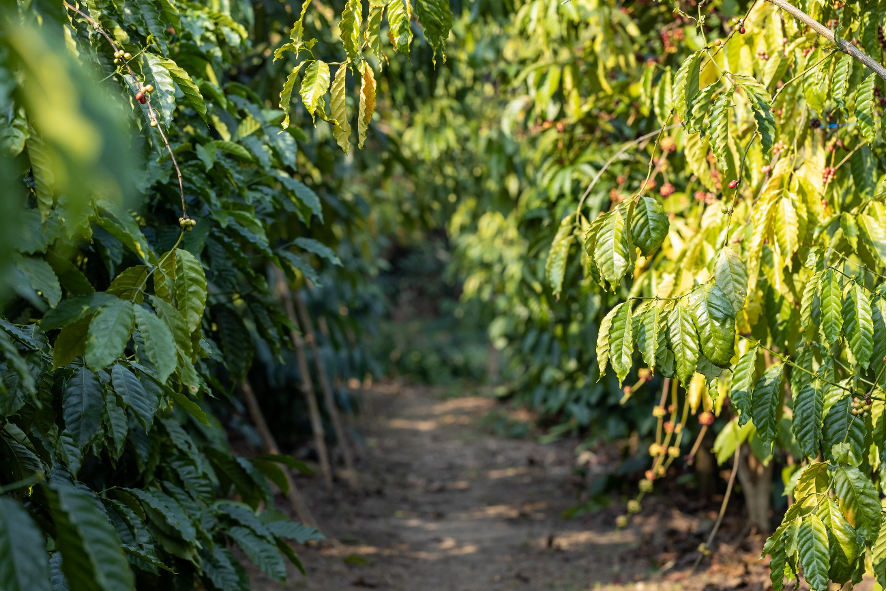
Coffee thrives in tropical and subtropical climates, with mild temperatures, good water availability, and no frost. It prefers deep, well-drained soils rich in organic matter, being sensitive to both water stress and excess moisture.

Irrigation and management of coffee crops

Irrigation management is a key factor in coffee cultivation, especially in regions where rainfall is not distributed evenly throughout the year. Prolonged water stress can affect flowering, fruit set, and bean development.
The flowering and fruit-filling stages are particularly sensitive to water management. Adequate water availability during these periods promotes more uniform flowering and better coffee quality.

Irrigation must be adapted to climatic conditions, soil type, and the farming system, avoiding waterlogging that can cause root problems.

Find the ideal system for Coffee Irrigation

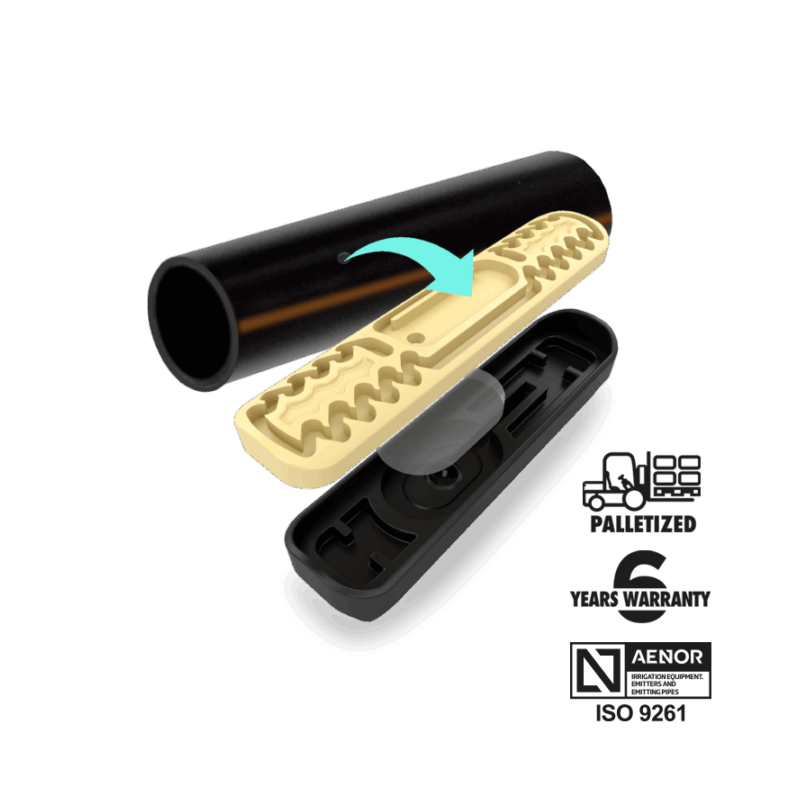
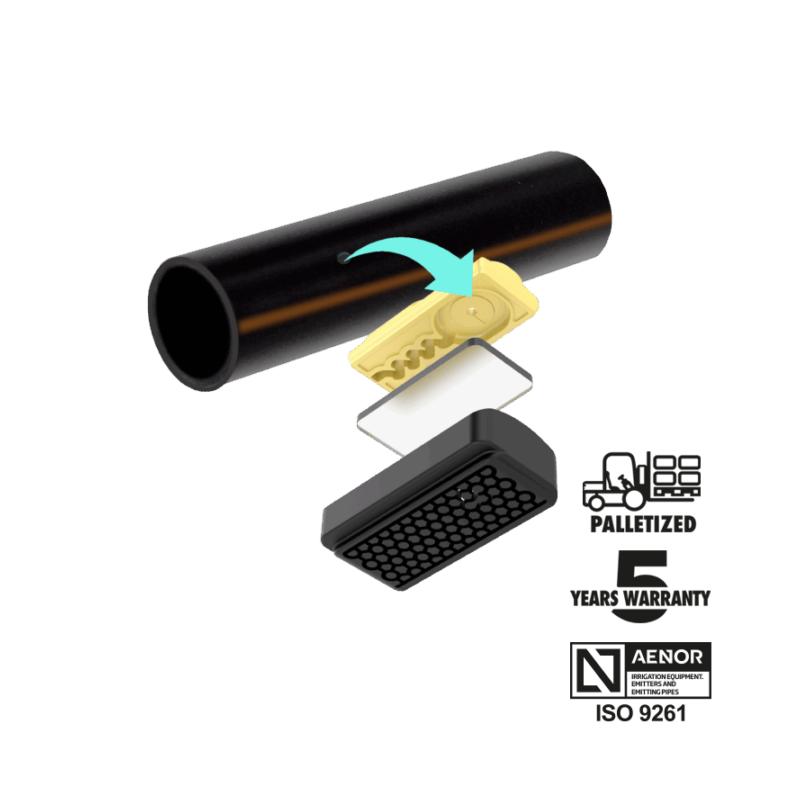
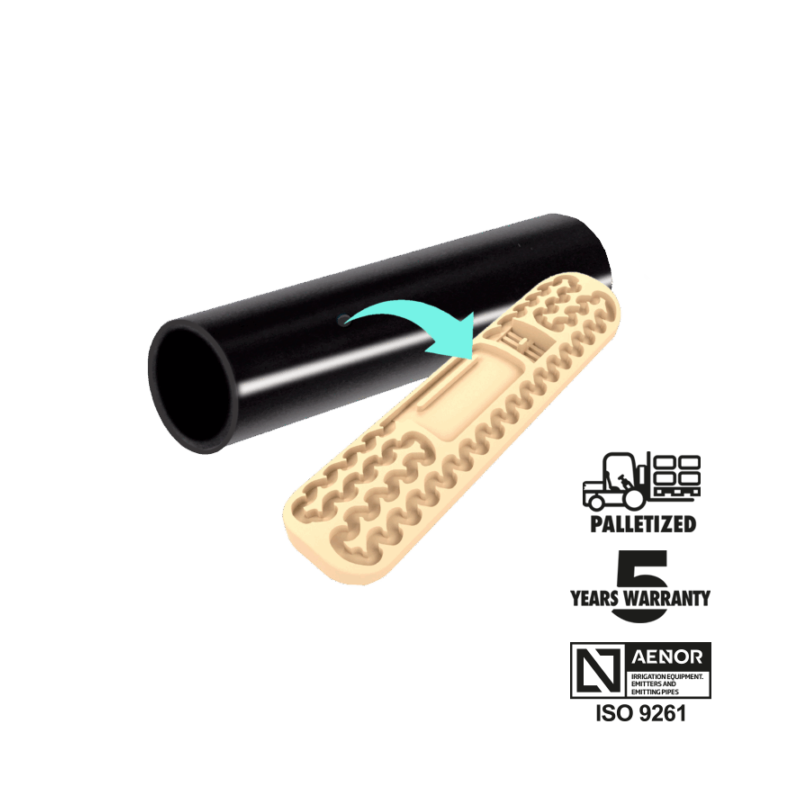
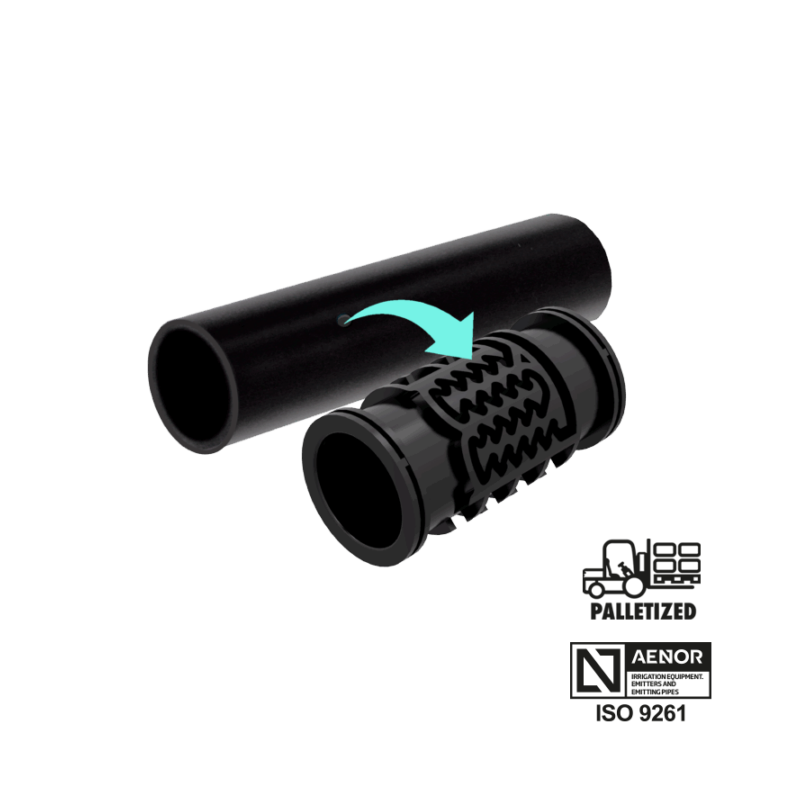
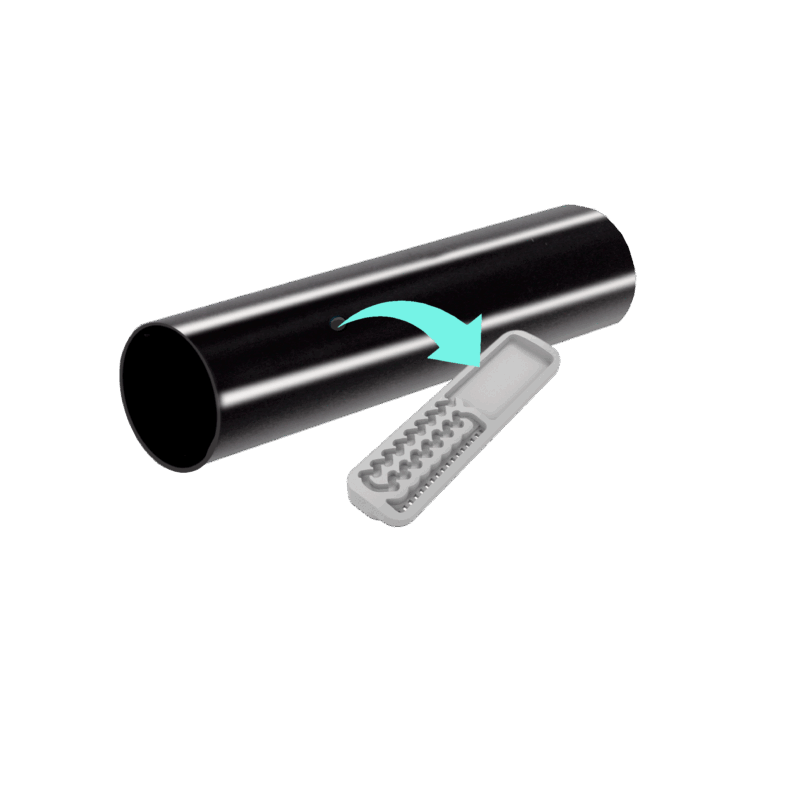
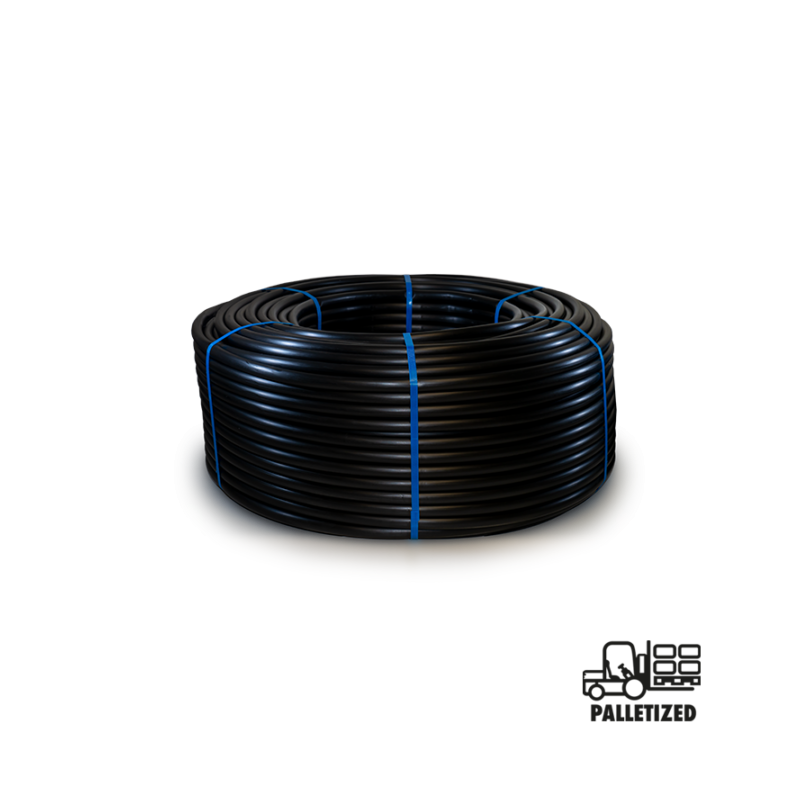
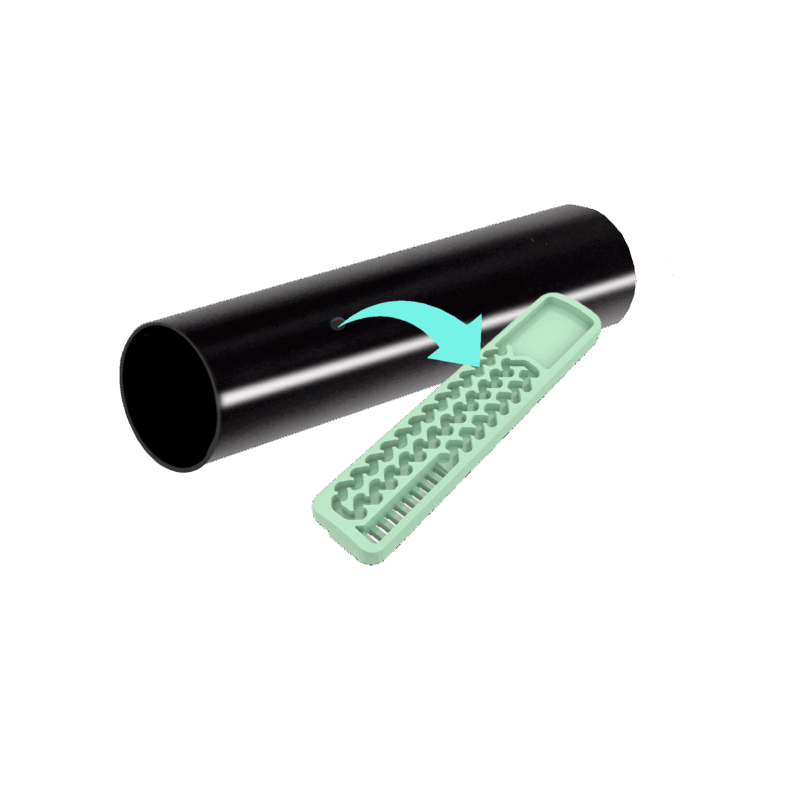
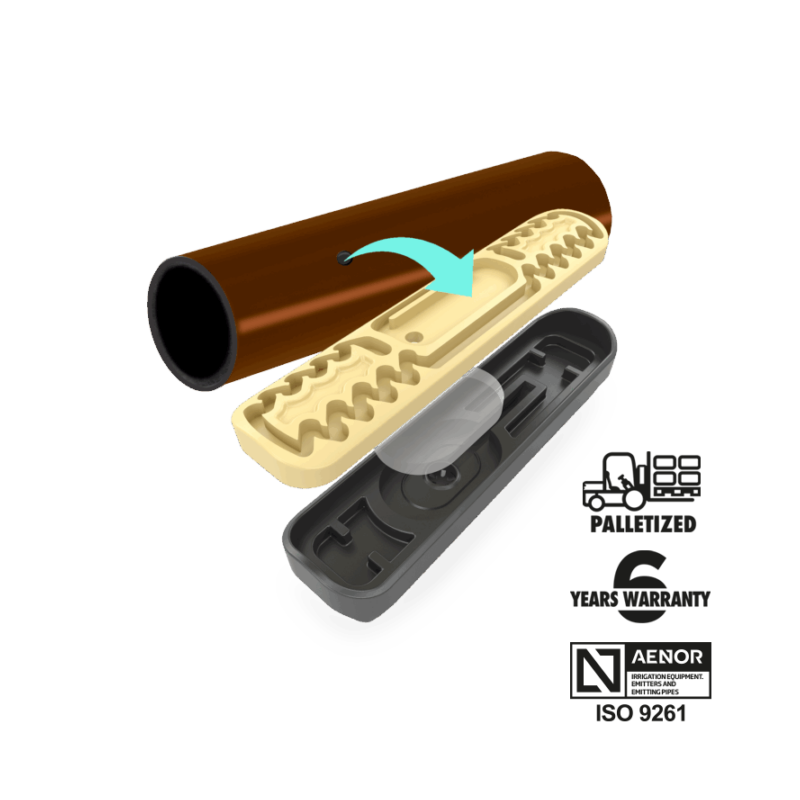
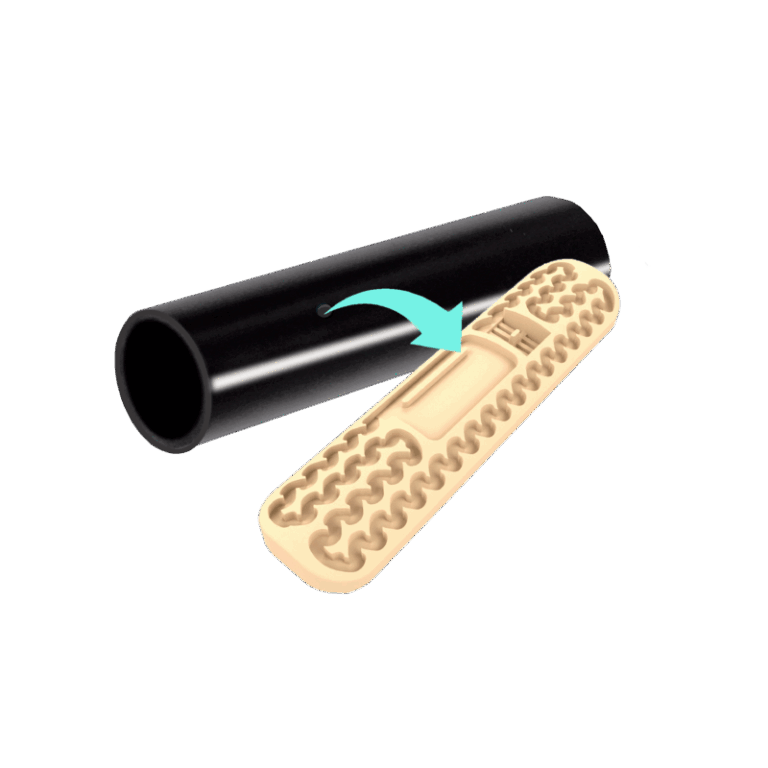
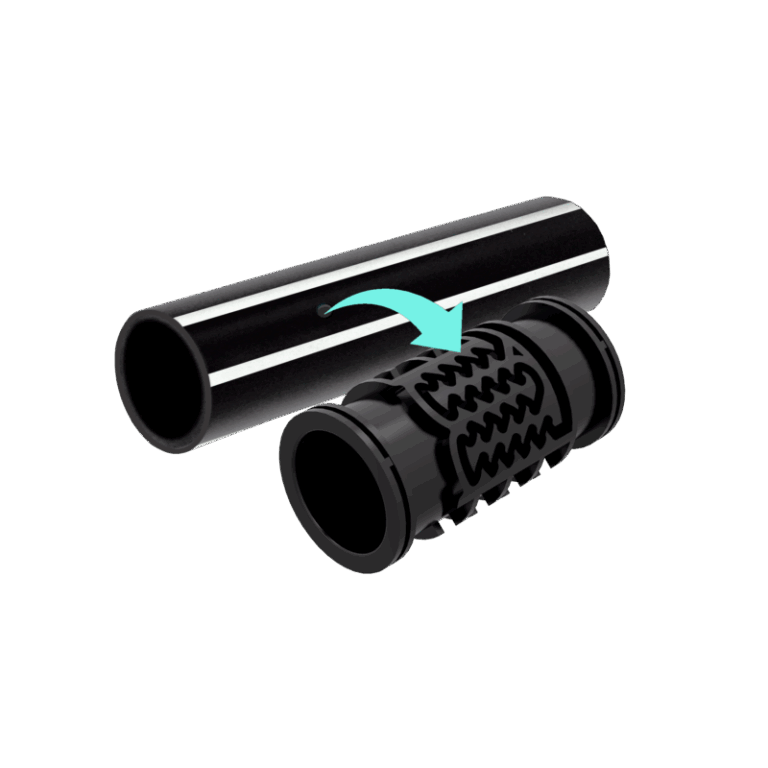
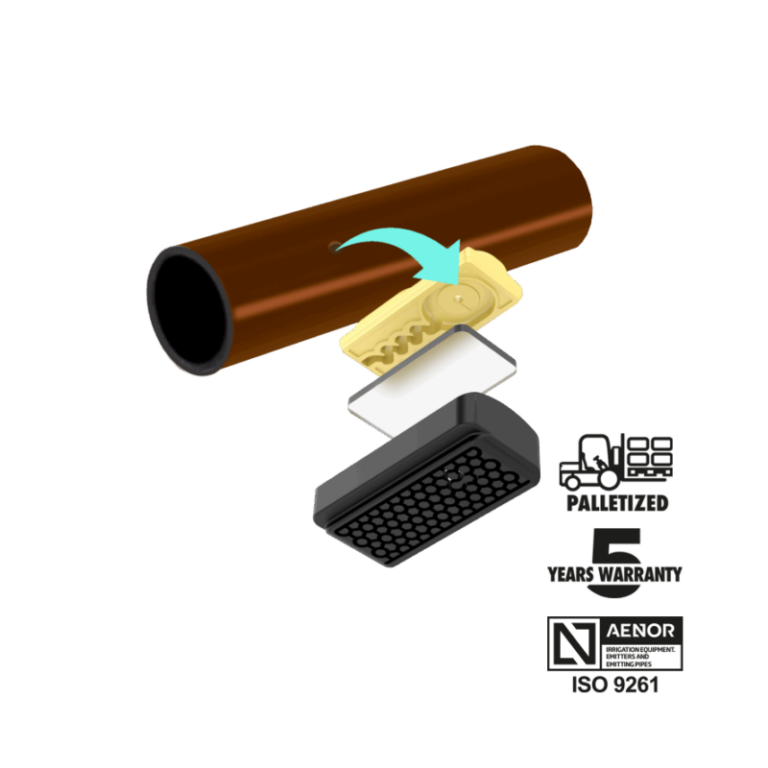
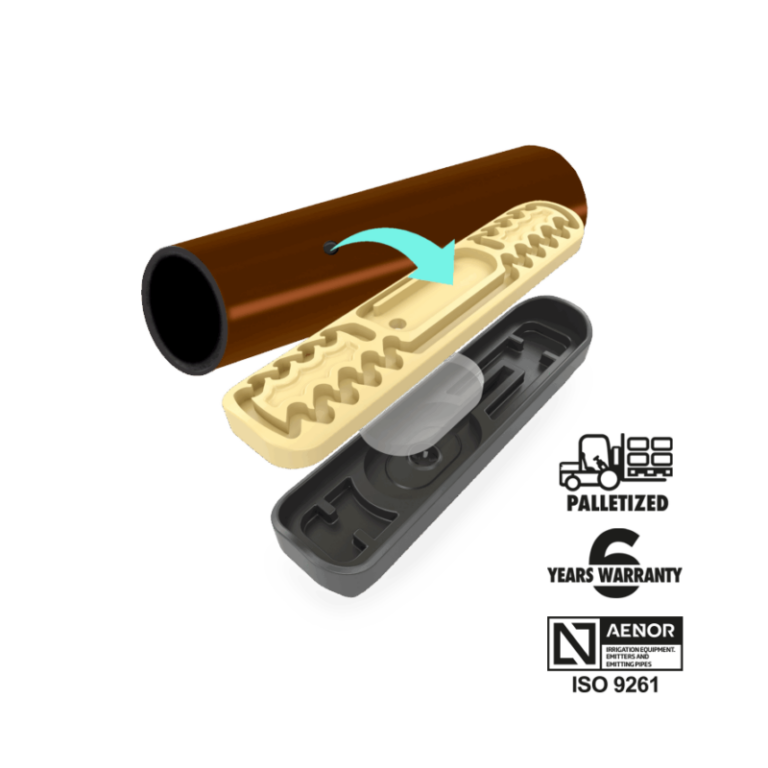
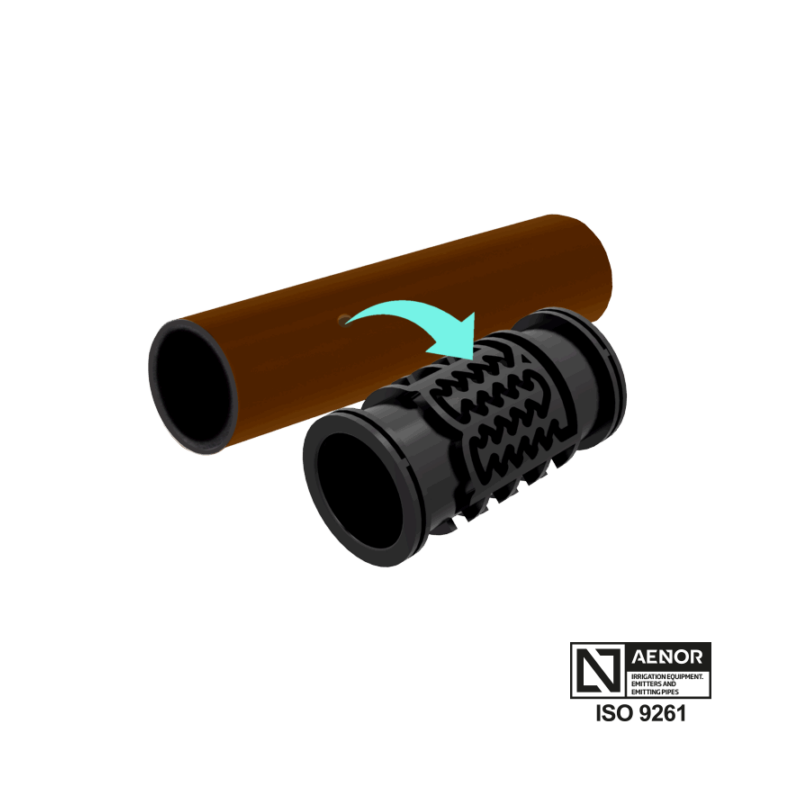
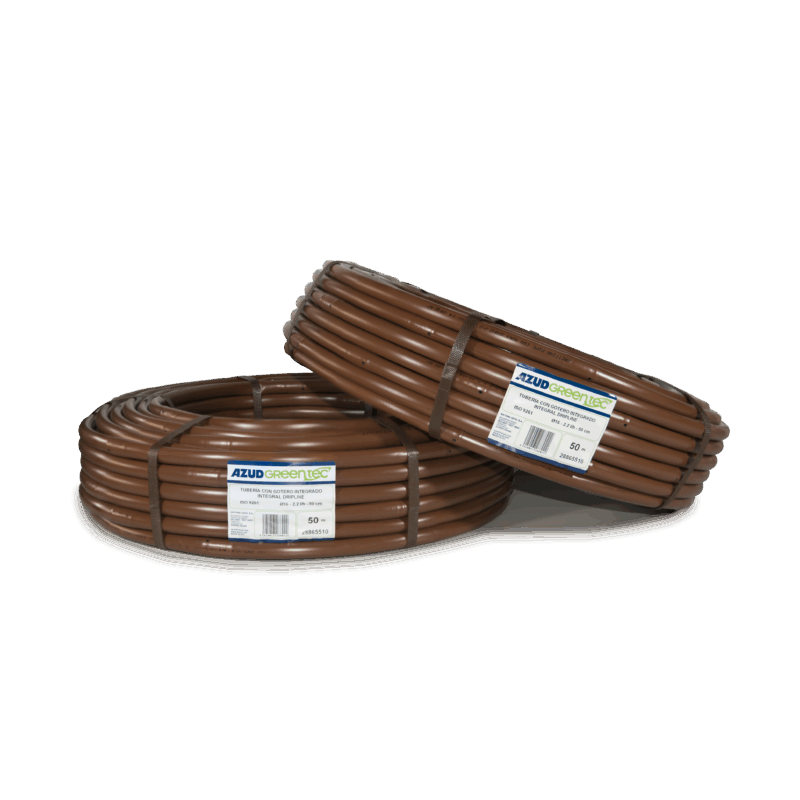
Drip irrigation is increasingly used in coffee cultivation, as it allows for localized and efficient water application, adapting to the crop’s needs and soil conditions.

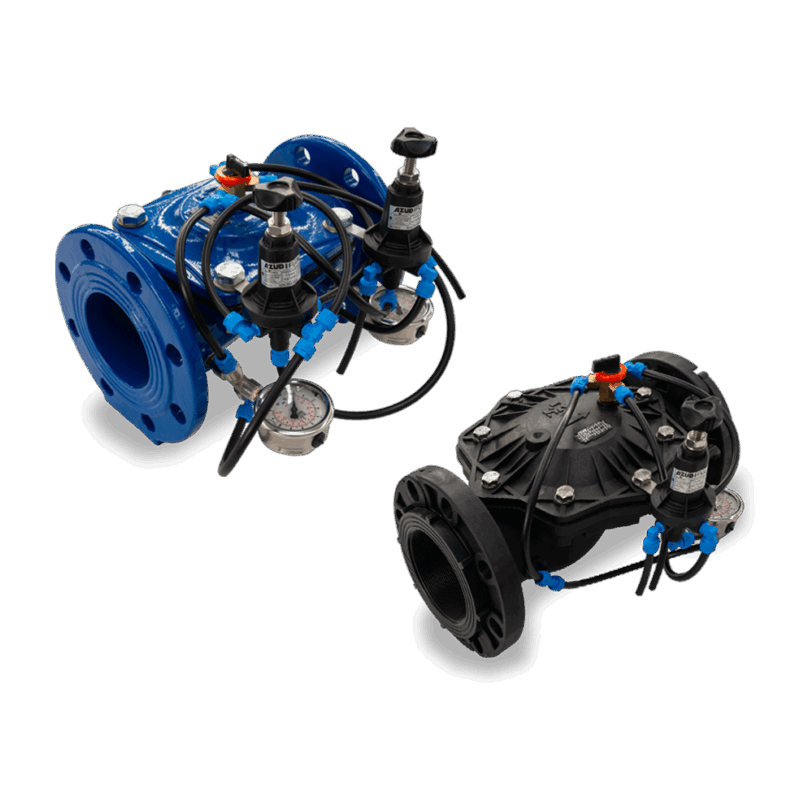
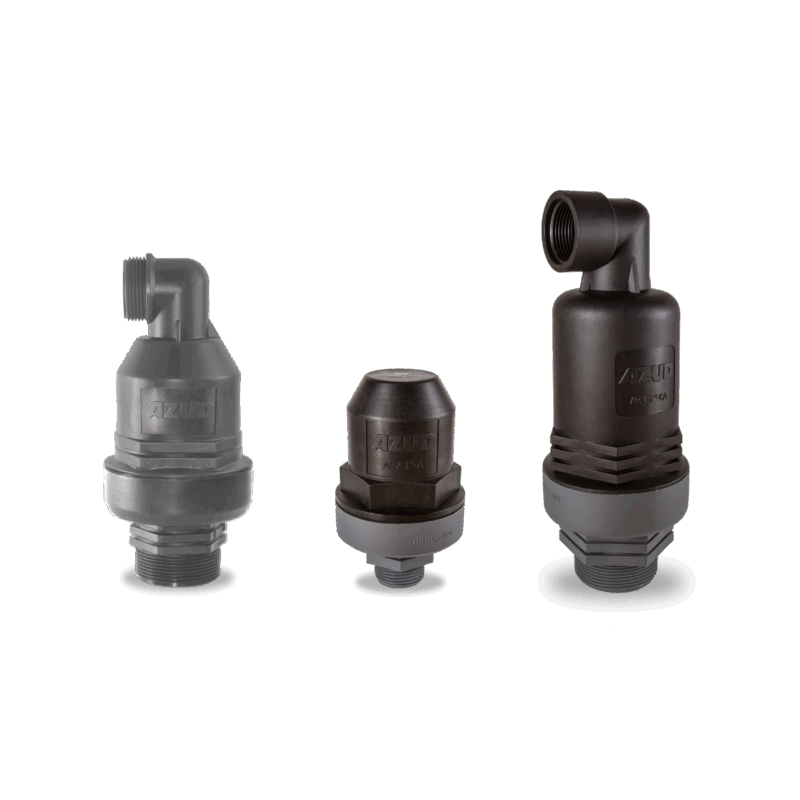
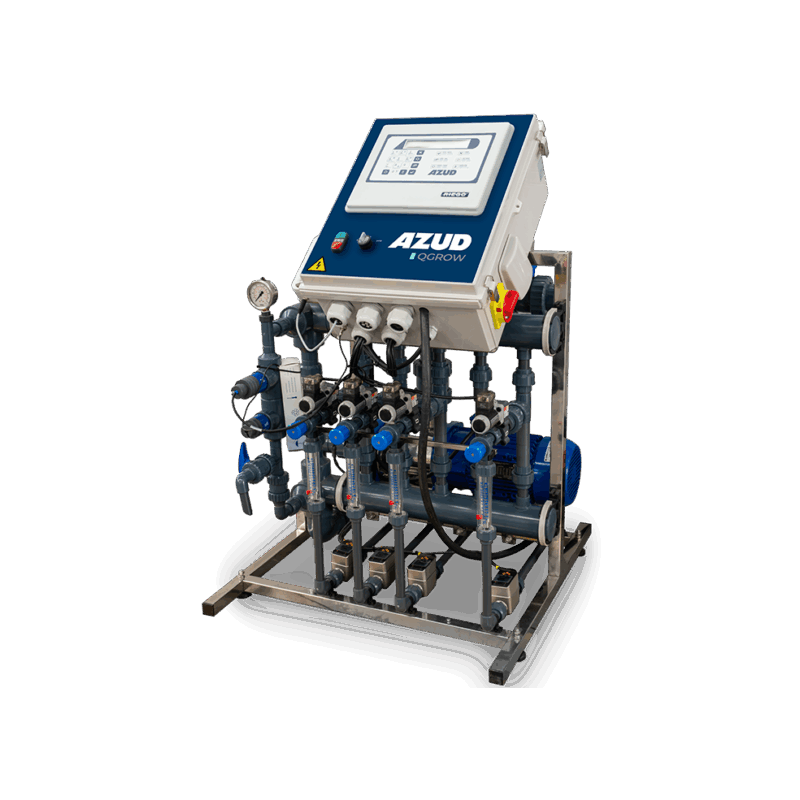
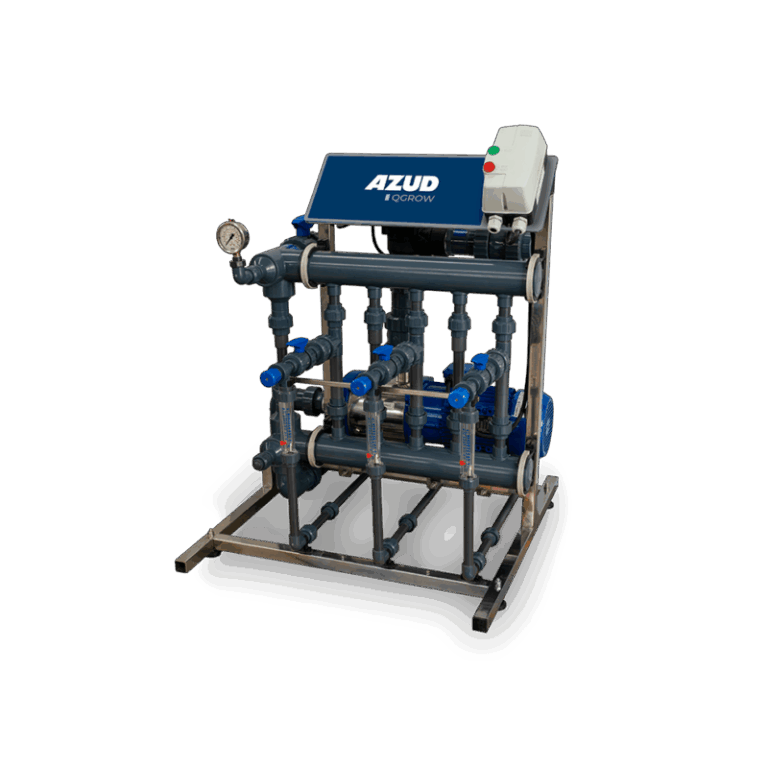
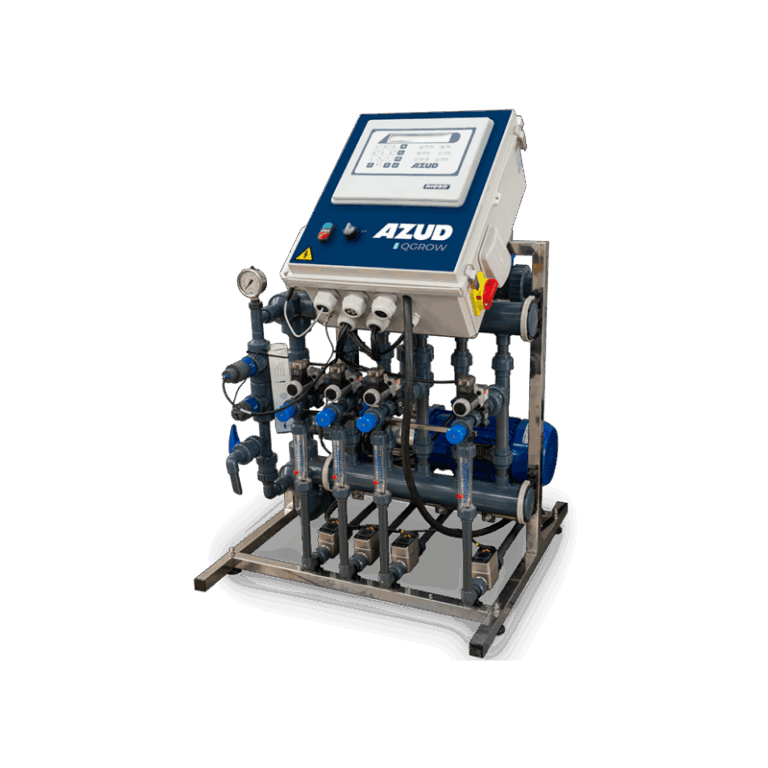
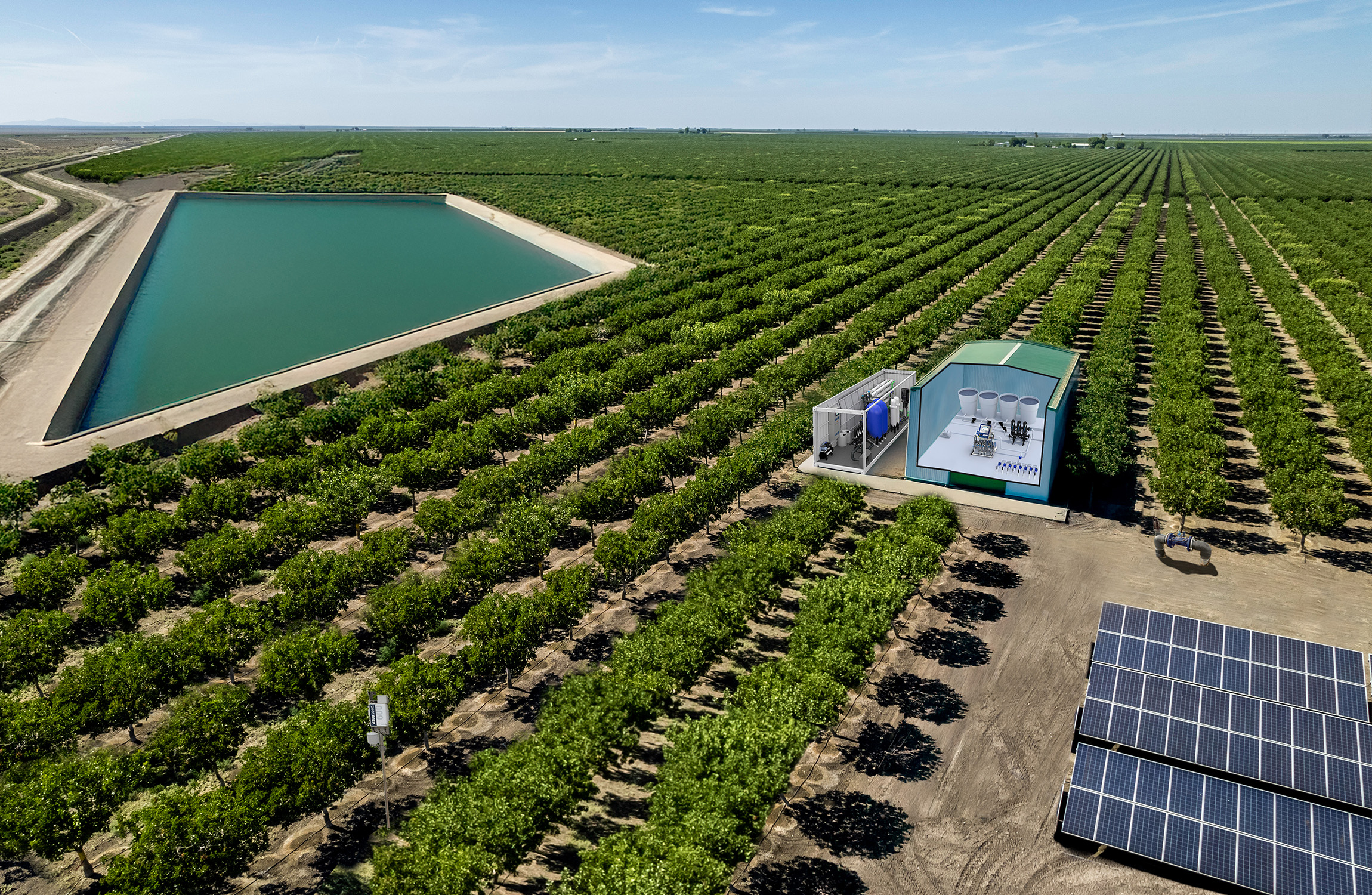
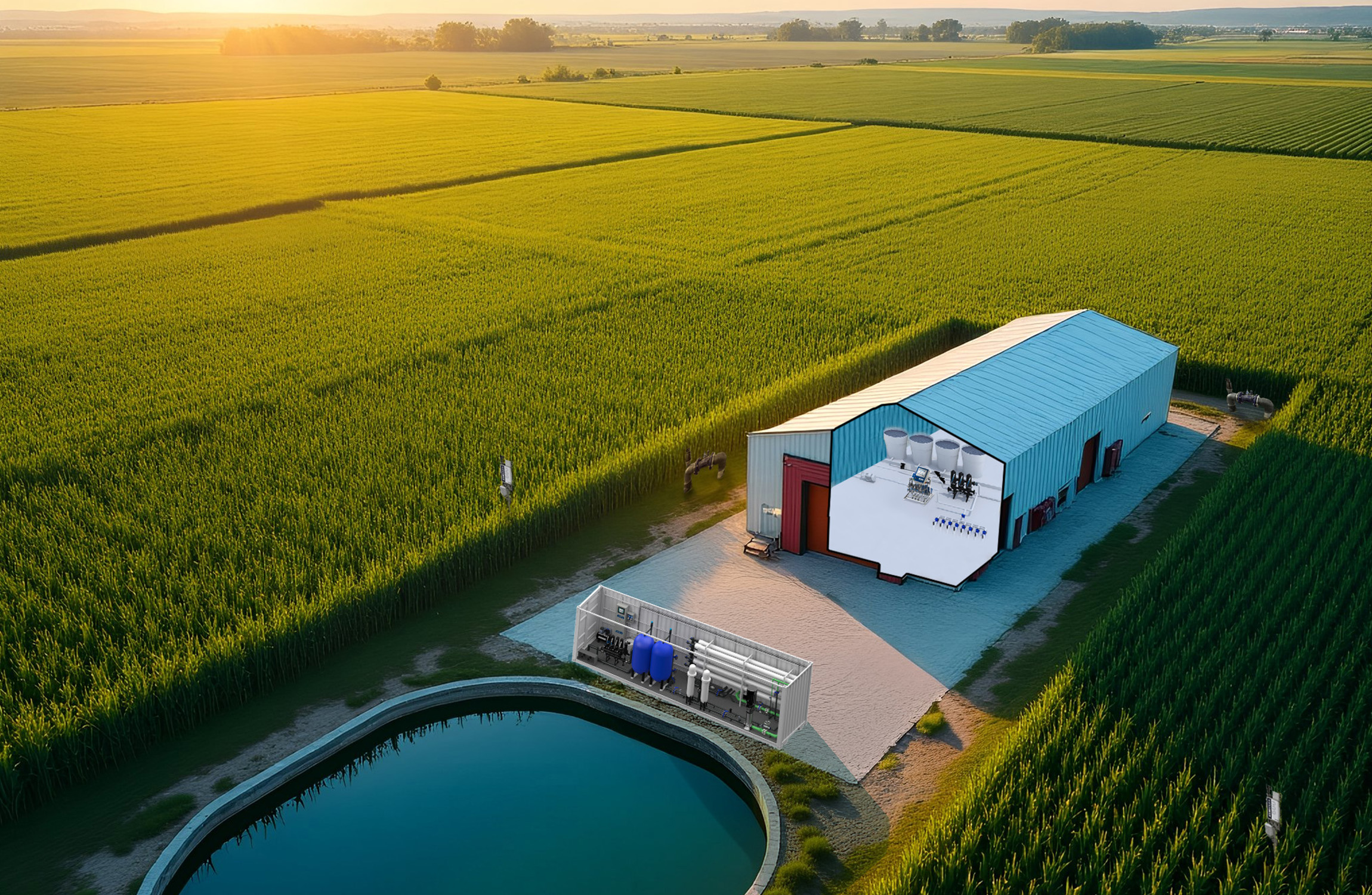
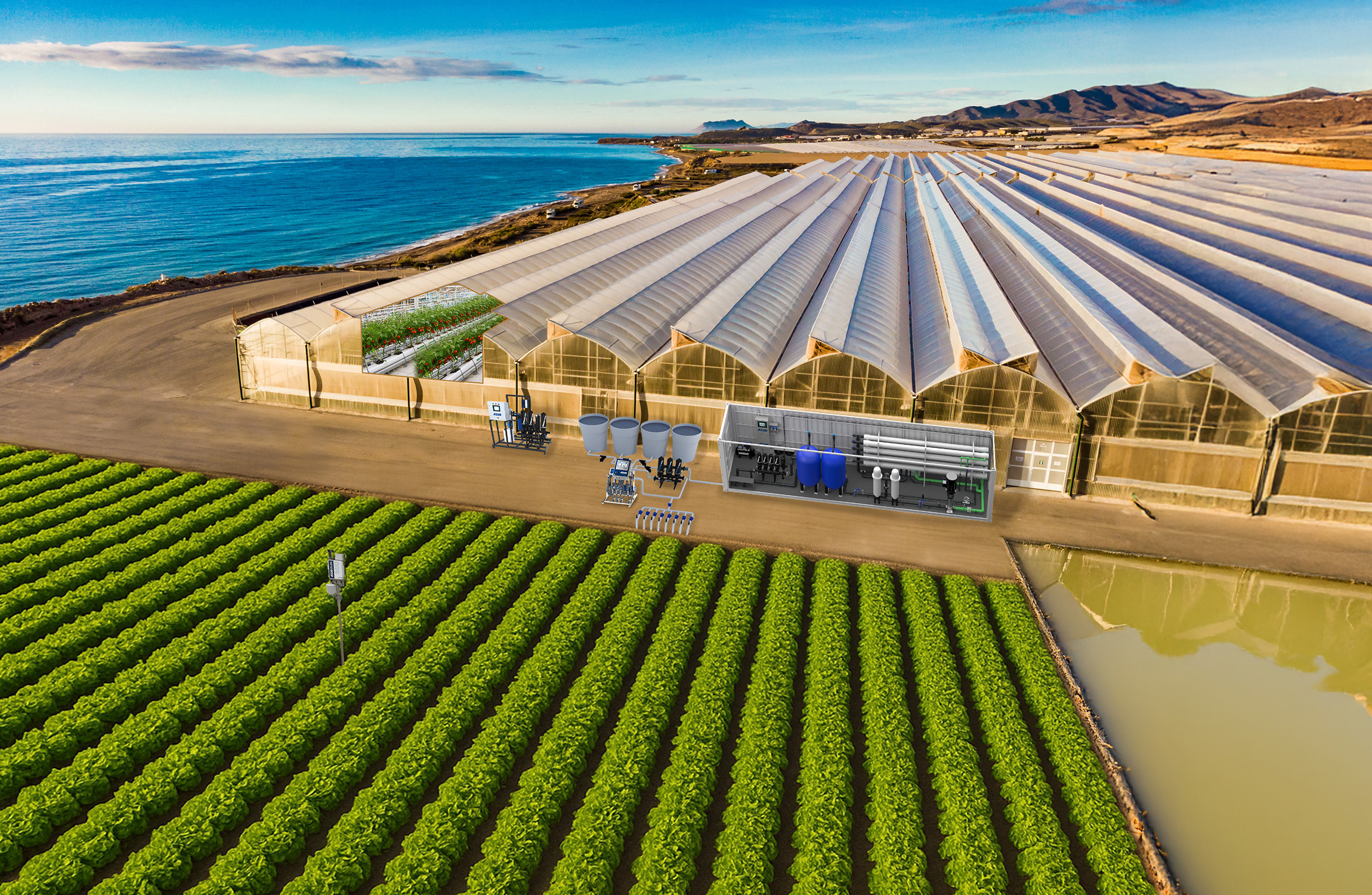
AZUD’s irrigation solutions enable precise water management, contributing to greater water efficiency and improved yield stability in coffee plantations.

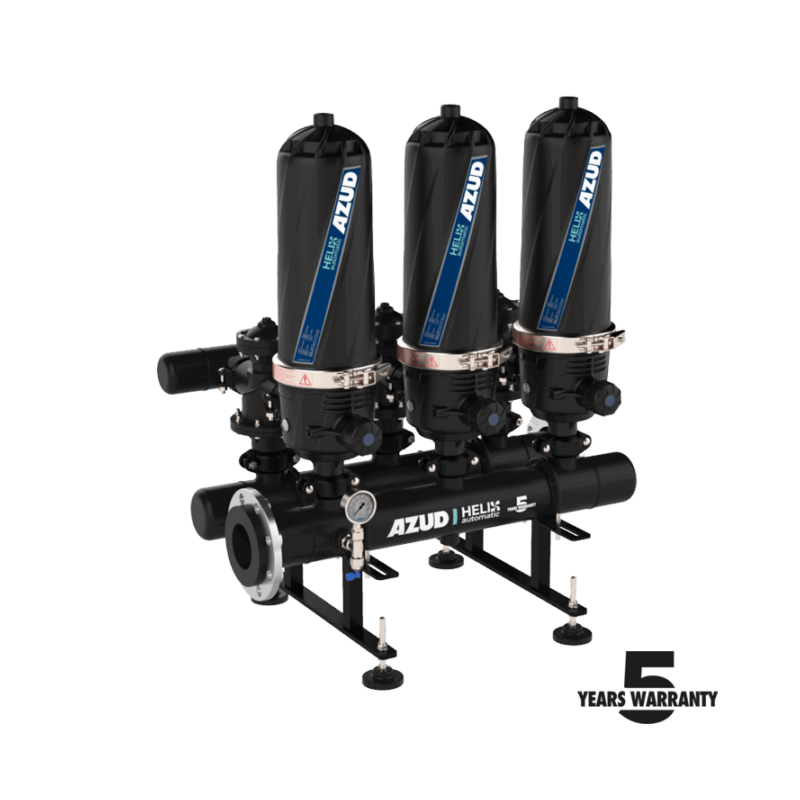
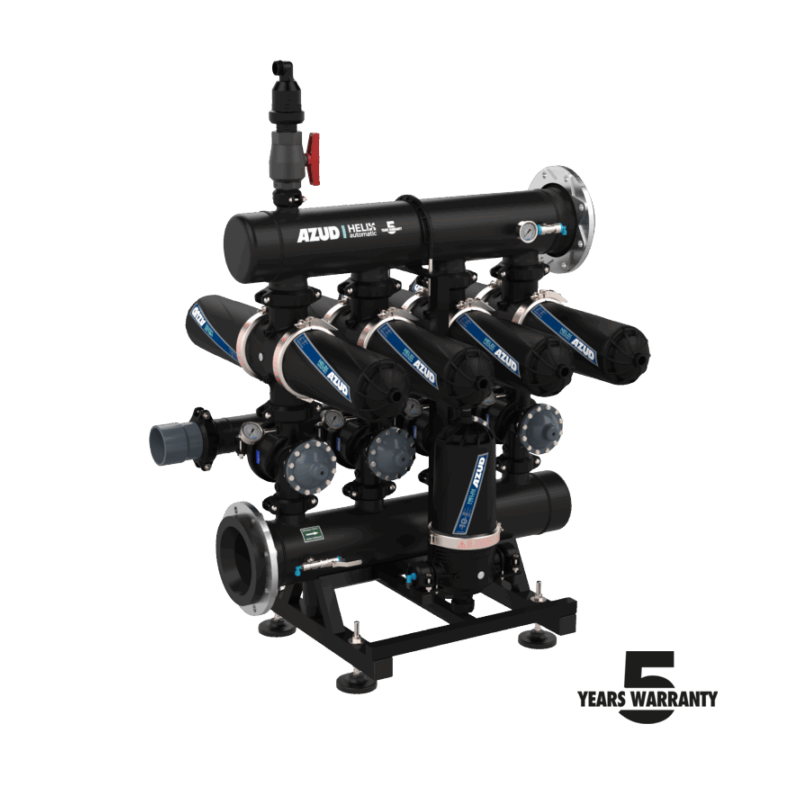
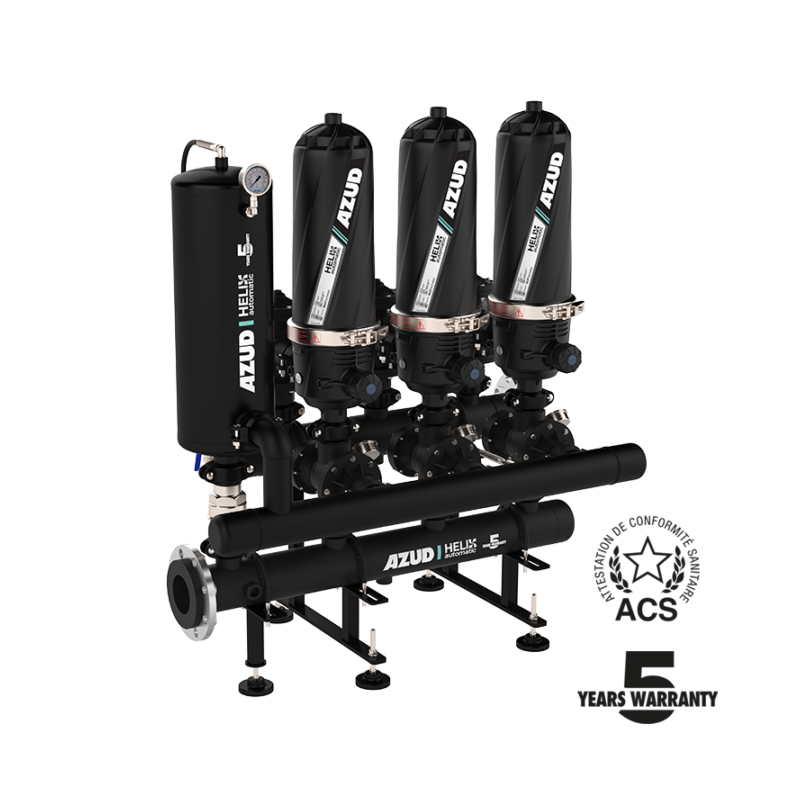
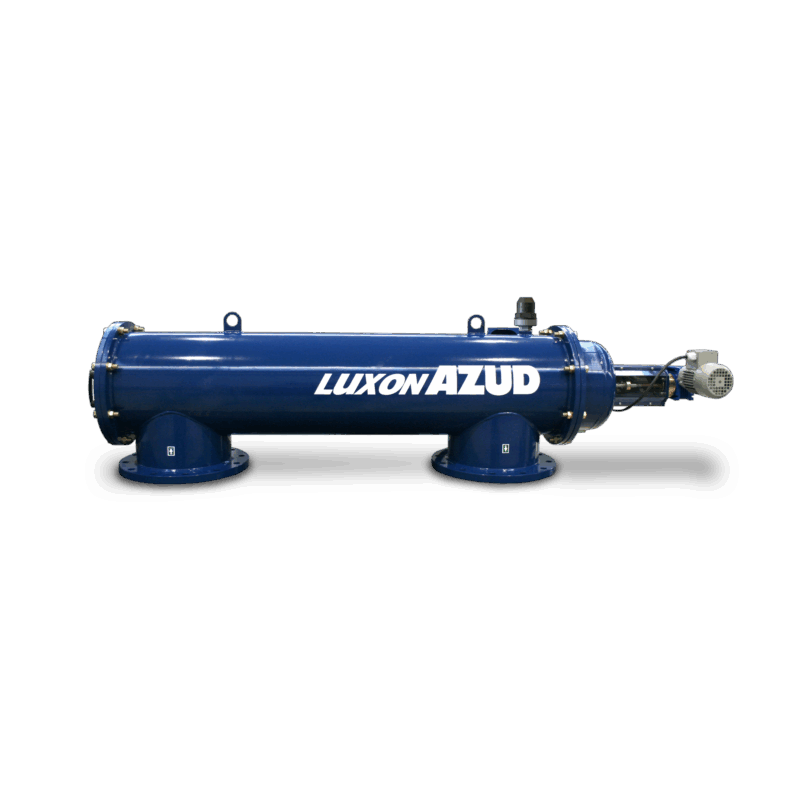
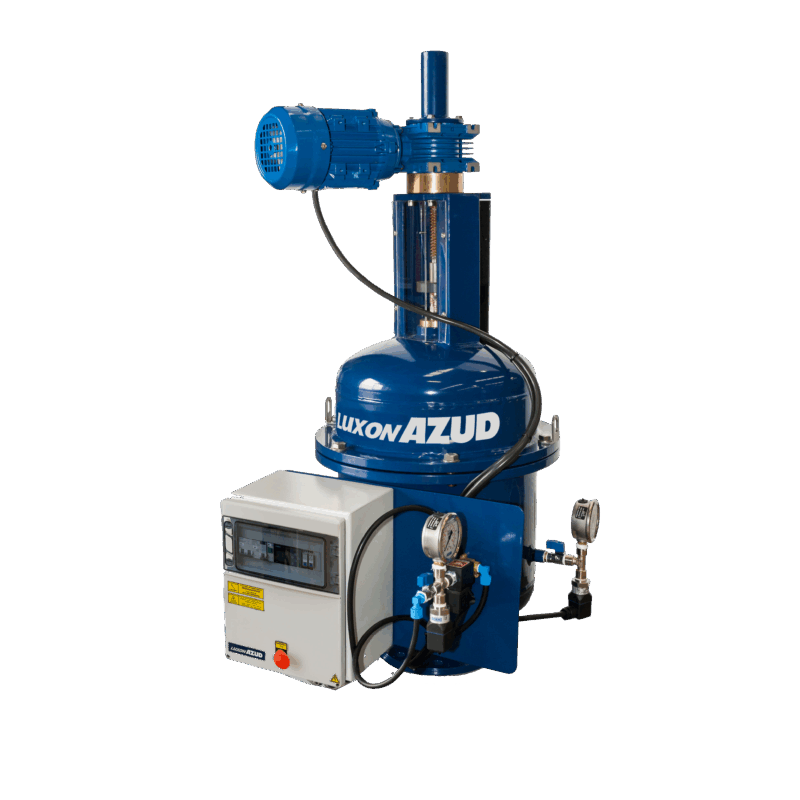
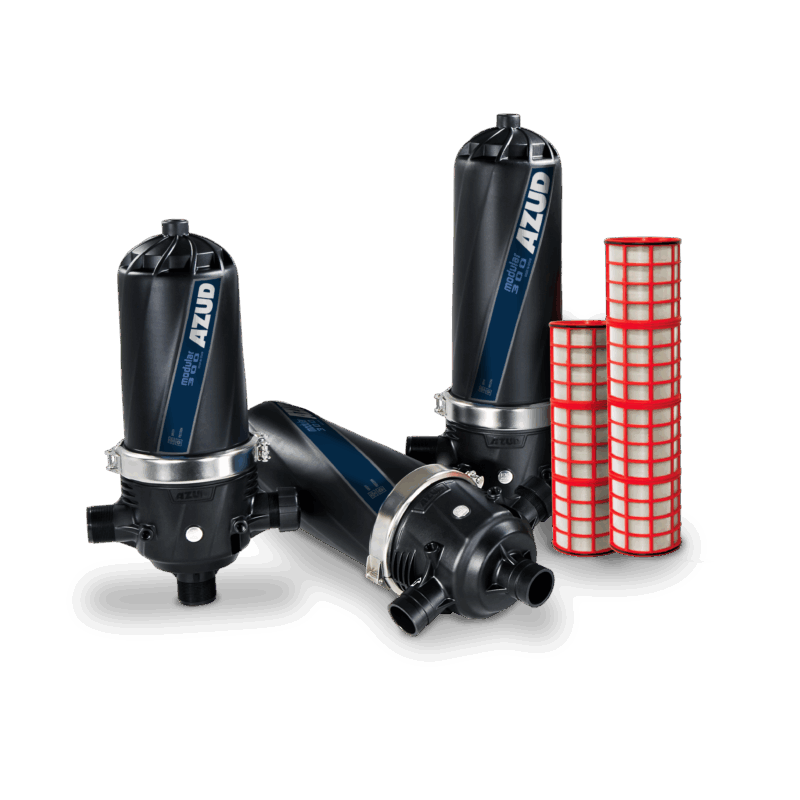
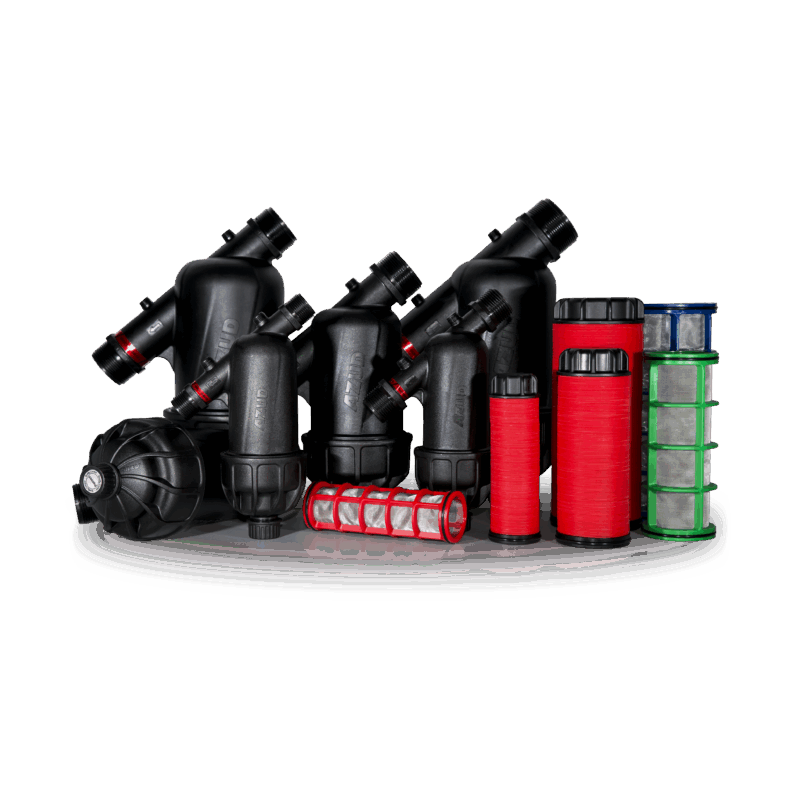
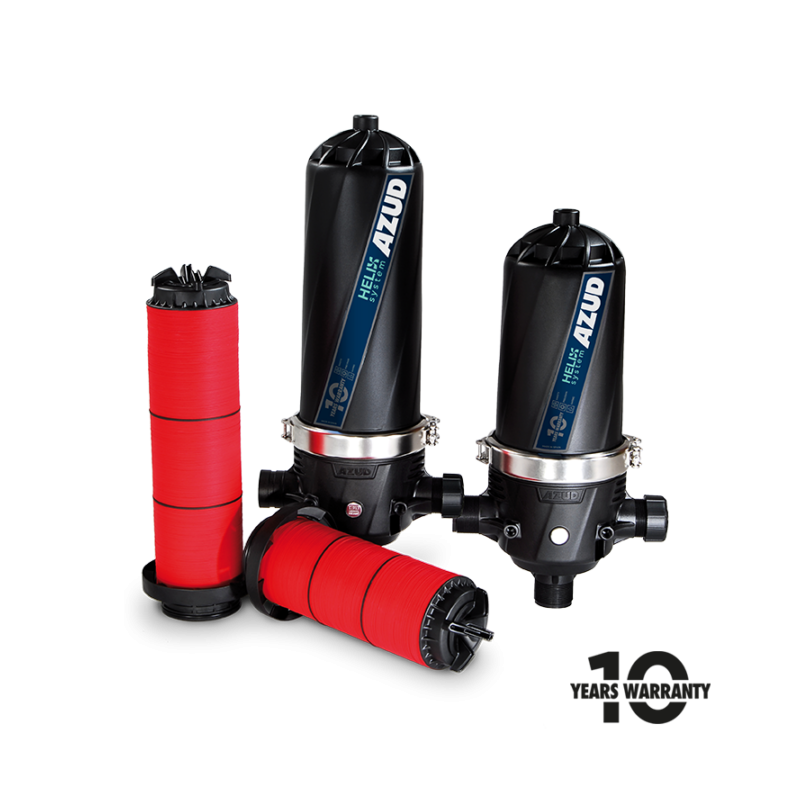
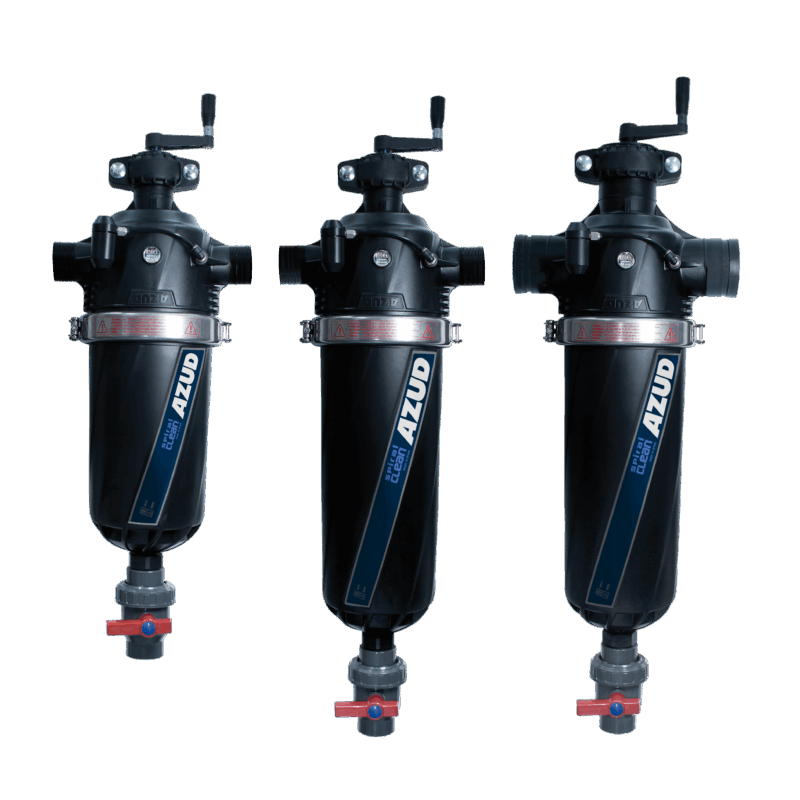
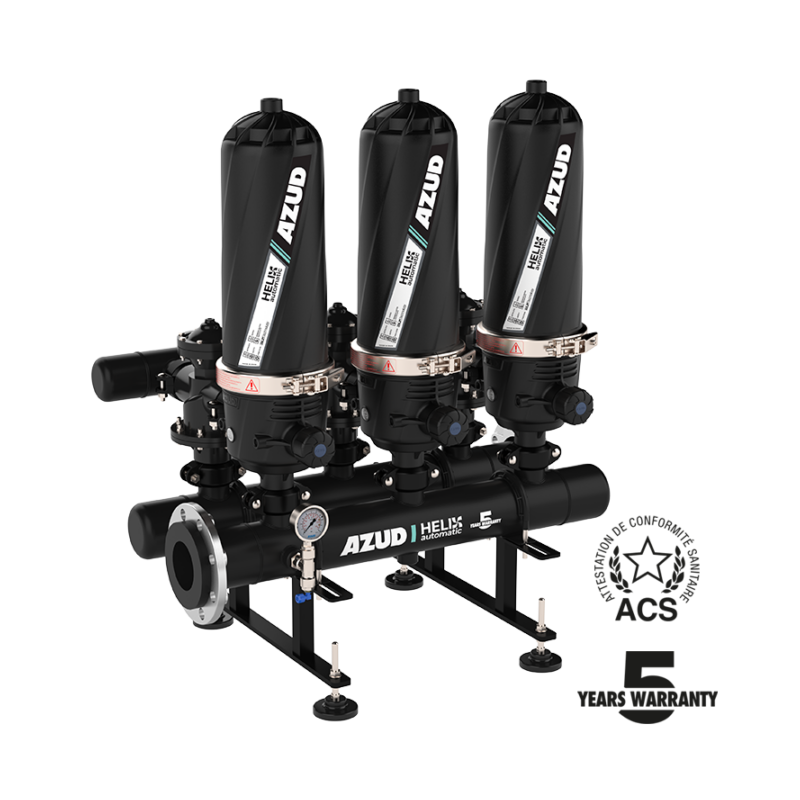
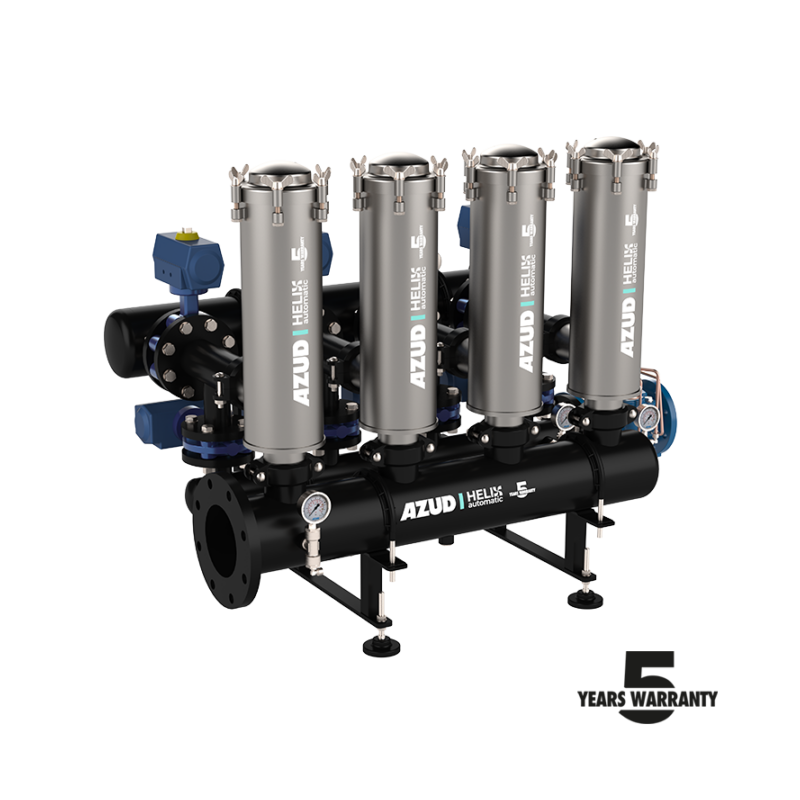
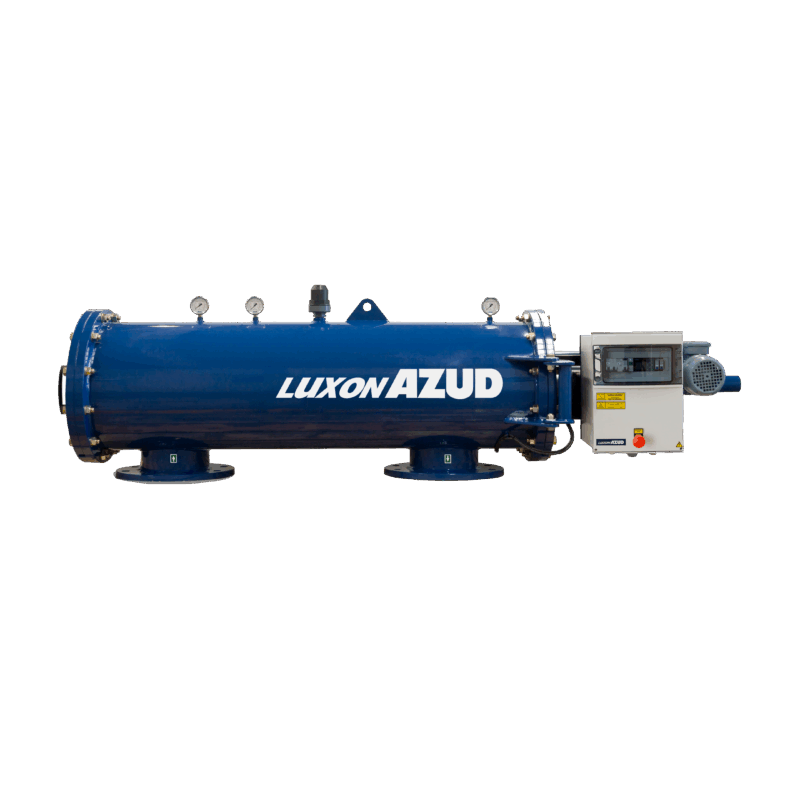
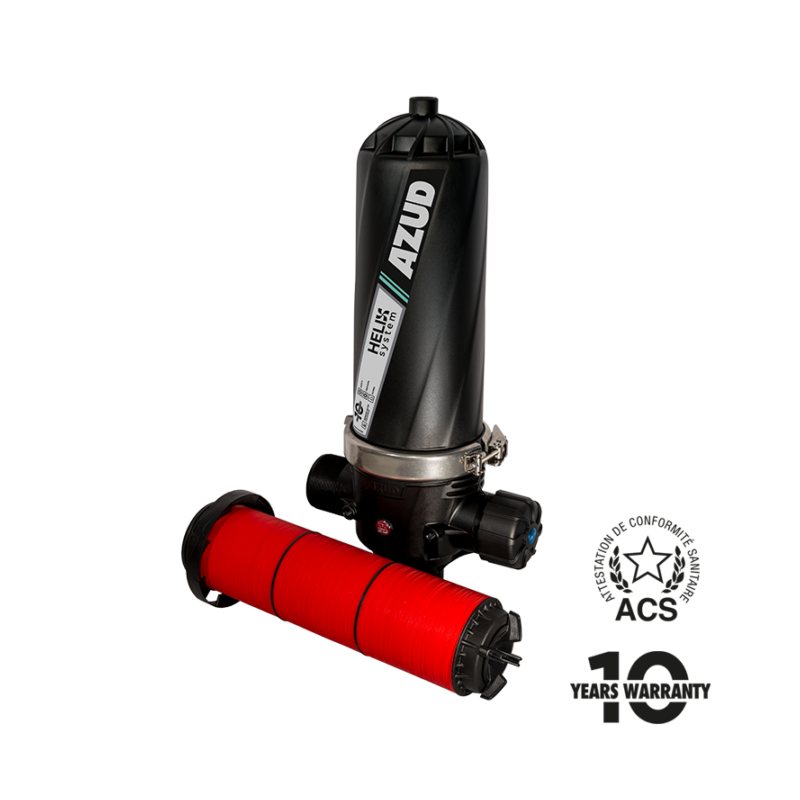
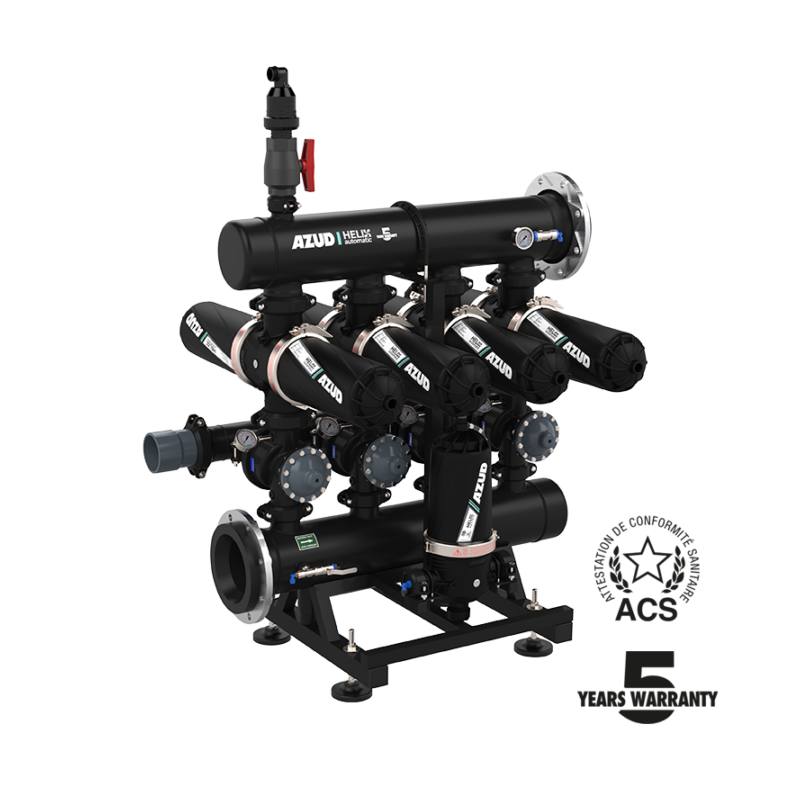
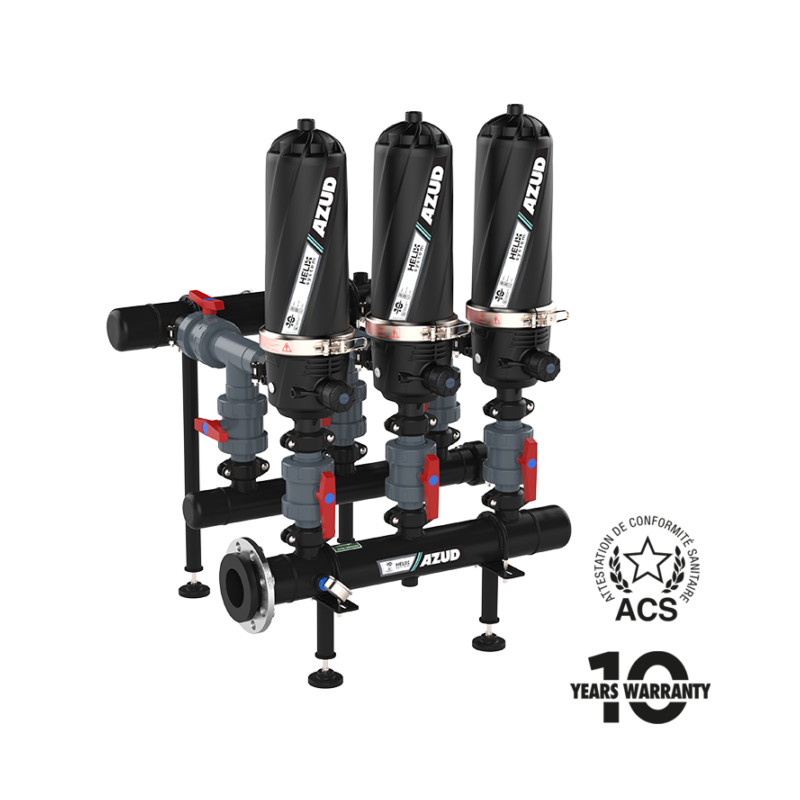
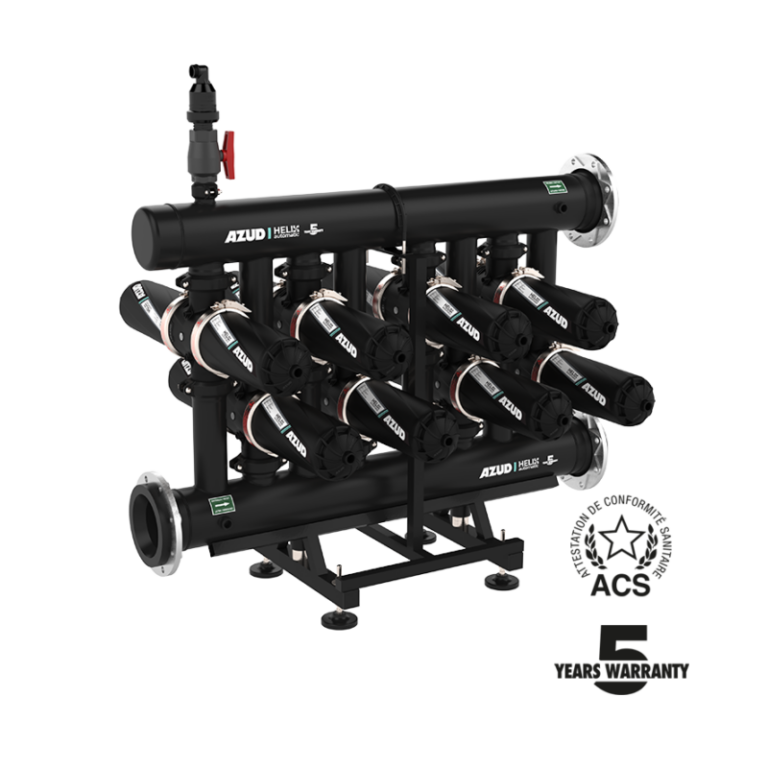
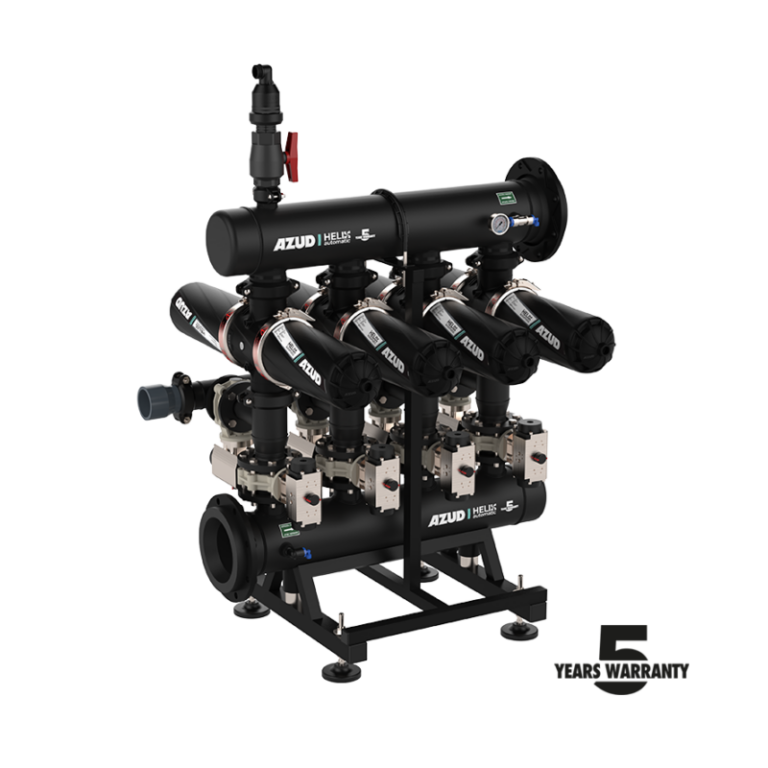
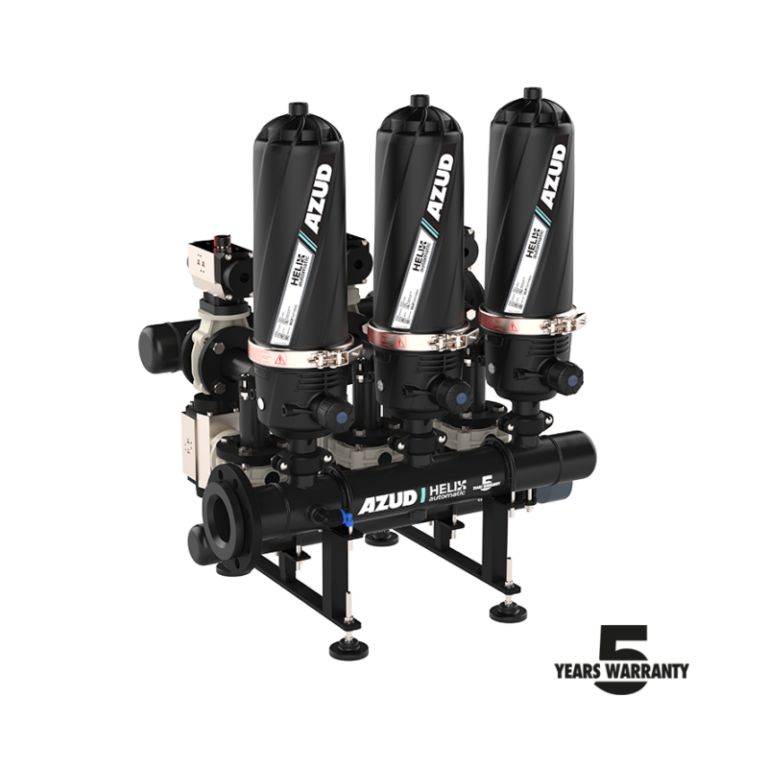
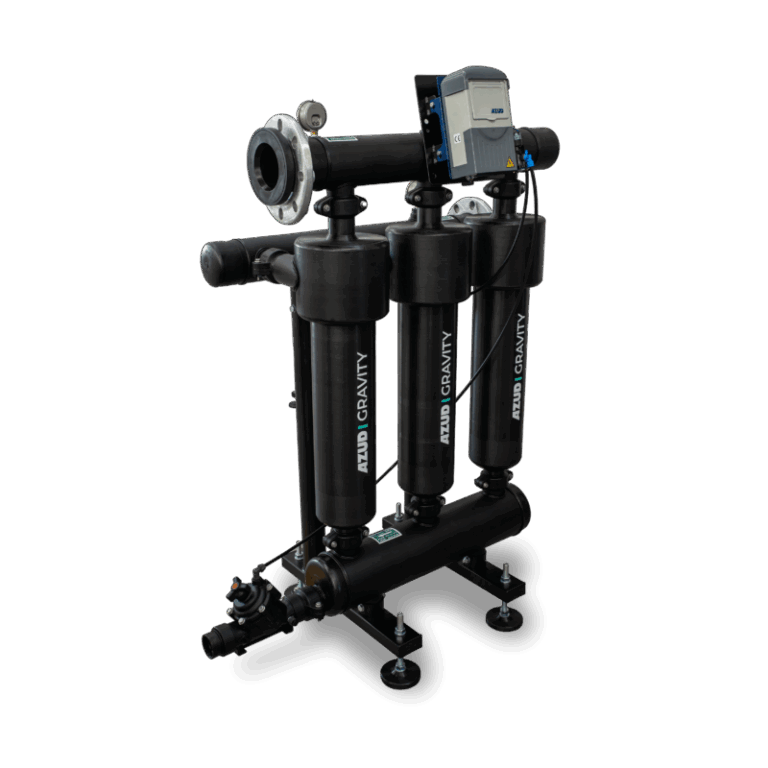
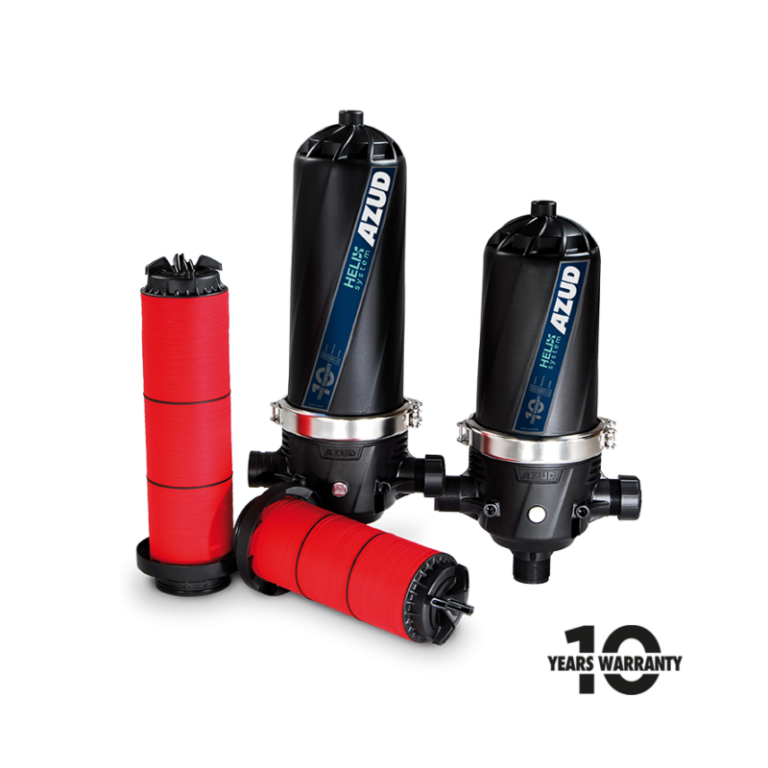
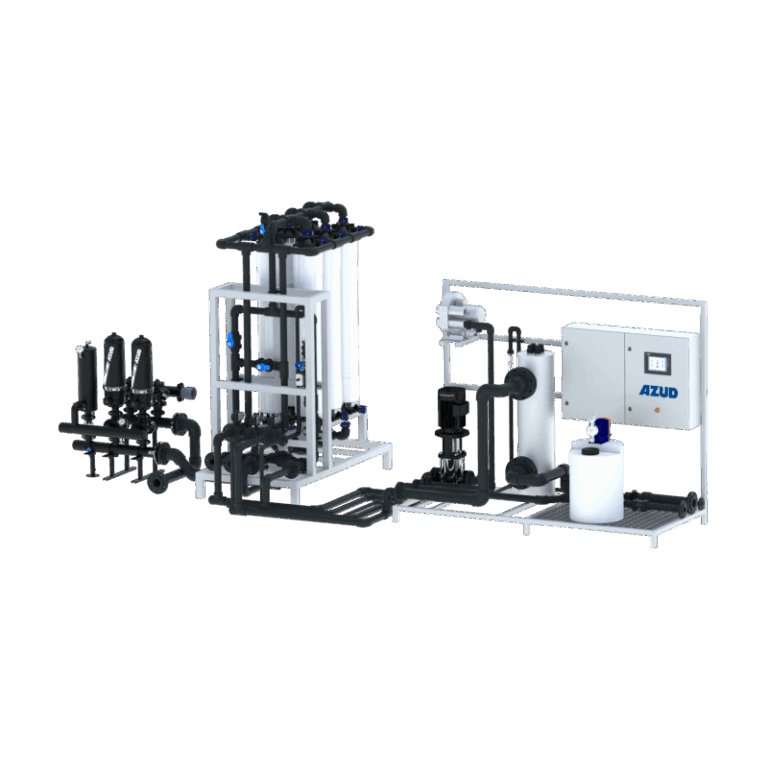
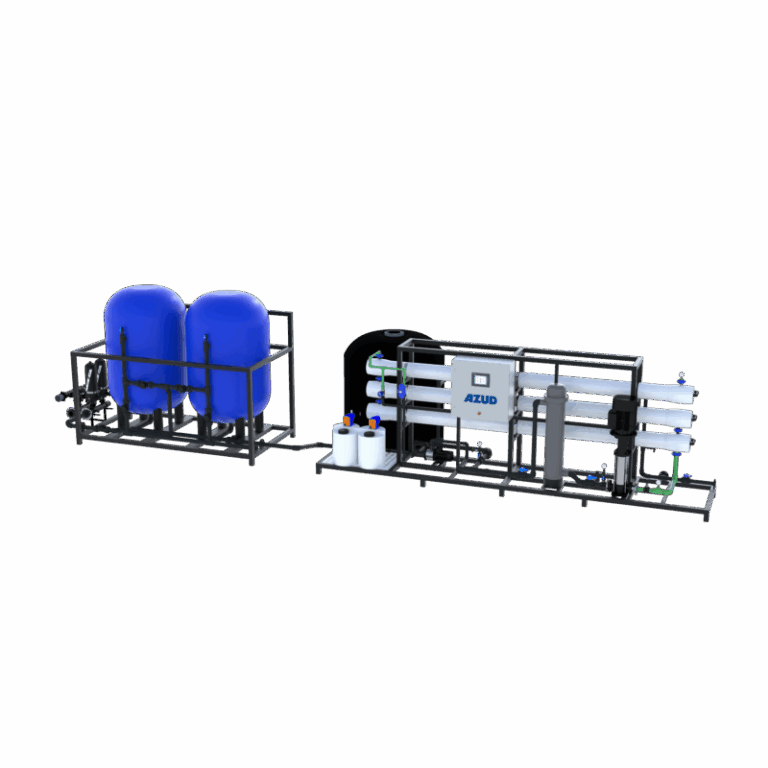
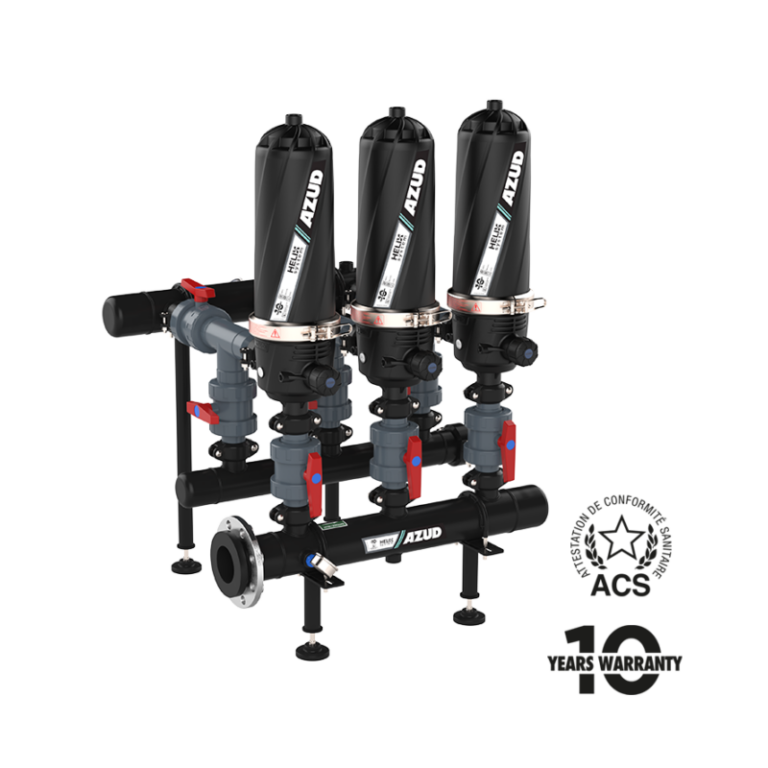
AZUD’s filtration systems help ensure irrigation reliability and protect the installation, which are key factors for farms located in tropical regions.

Direct benefits for your coffee crop

    • Greater uniformity in flowering and fruit development.
    • Reduced impact of water stress during critical phases.
    • Optimization of water use in tropical systems.
    • Improved bean quality and consistency.
    • Greater stability and consistency in production.

Frequently Asked Questions

It will depend on rainfall patterns. In areas with distinct dry seasons, irrigation is essential to ensure crop production.

The flowering and fruit-filling stages are the most sensitive to water management.

Drip irrigation allows for greater water control and improved water efficiency, especially in modernized plantations.

Success stories

Quarry reduces production stoppages by protecting washing machines

Learn more

DANGOTE minimizes the biofilm in your facility

Learn more

SHANGHAI HUANYANG optimizes UV disinfection

Learn more

KIA reduces water footprint by regeneration

Learn more

SOMACYL will regenerate wastewater using pre-filtration to protect the tertiary sector

Learn more
Related products