





About Cherry Tree Cultivation

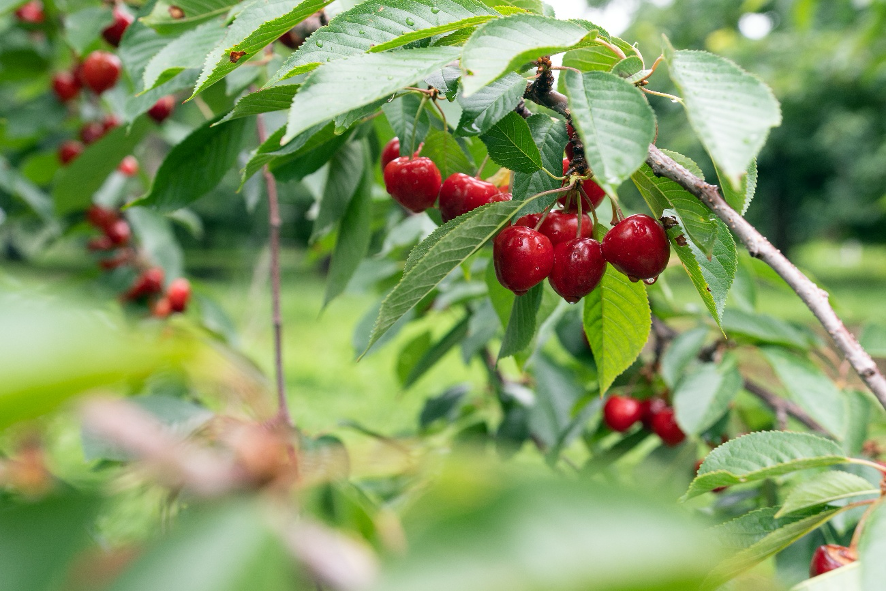
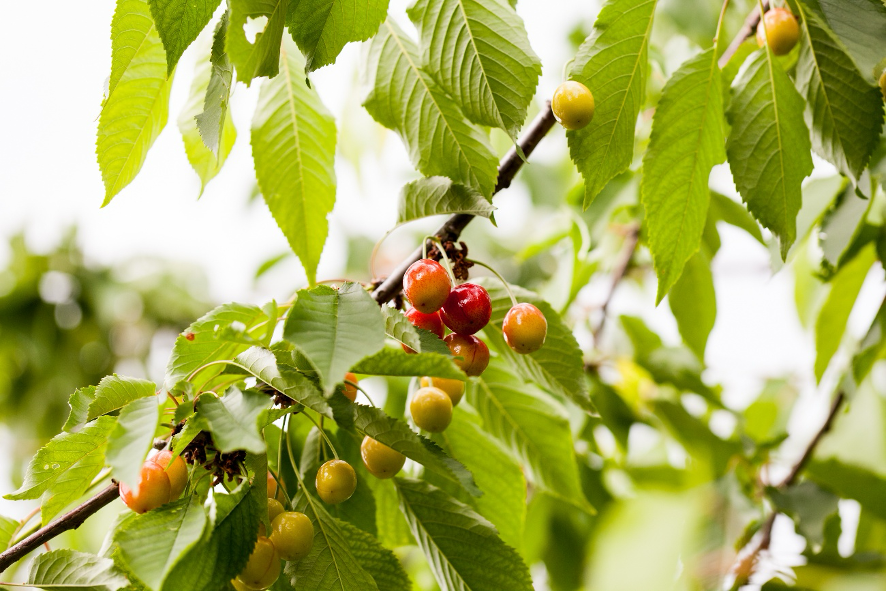
The cherry tree (Prunus avium and Prunus cerasus) is a woody crop native to Europe and Western Asia, where it has been cultivated since ancient times for the value of its fruit and its adaptability to temperate climates. Over the centuries, its cultivation has spread to numerous regions, establishing itself as a high-value fruit crop in fresh markets.

Today, the cherry tree is highly prized for the quality of its fruit and its short marketing window, making it a crop that is particularly sensitive to agronomic management.

Cherry trees require cold winters for proper budbreak and mild springs. They thrive best in deep, well-drained, and aerated soils, being particularly sensitive to waterlogging and root asphyxia.

Irrigation and cherry crop management

Irrigation management is critical in cherry cultivation, as it directly influences the size, firmness, and final quality of the fruit. Inadequate irrigation can lead to cracking, fruit drop, or vegetative imbalances
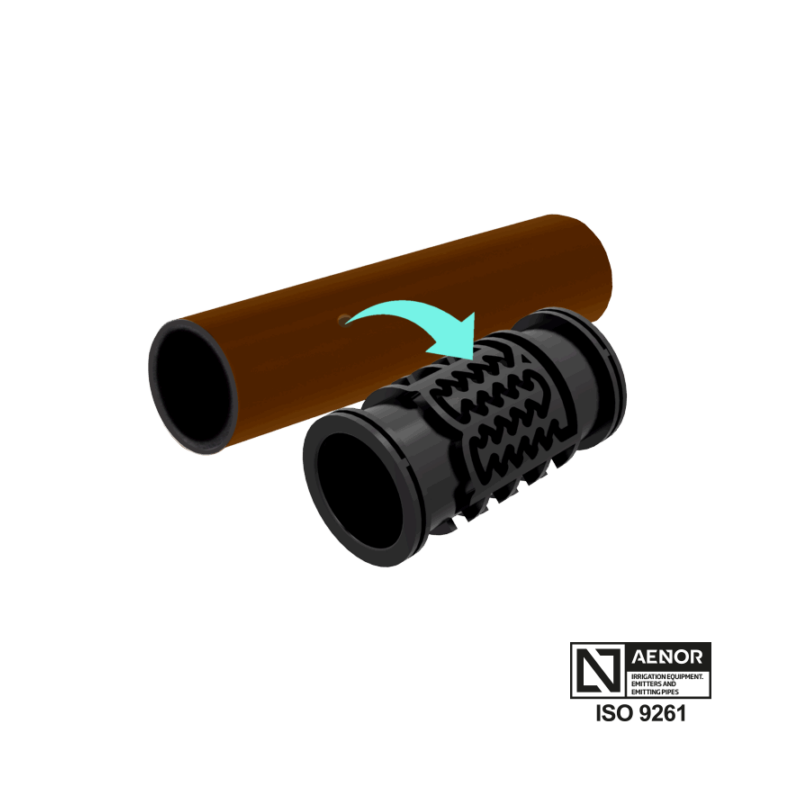
 

The flowering, fruit set, and fruit growth stages are particularly sensitive to water stress. Proper water management during these periods results in more uniform fruit with higher commercial value
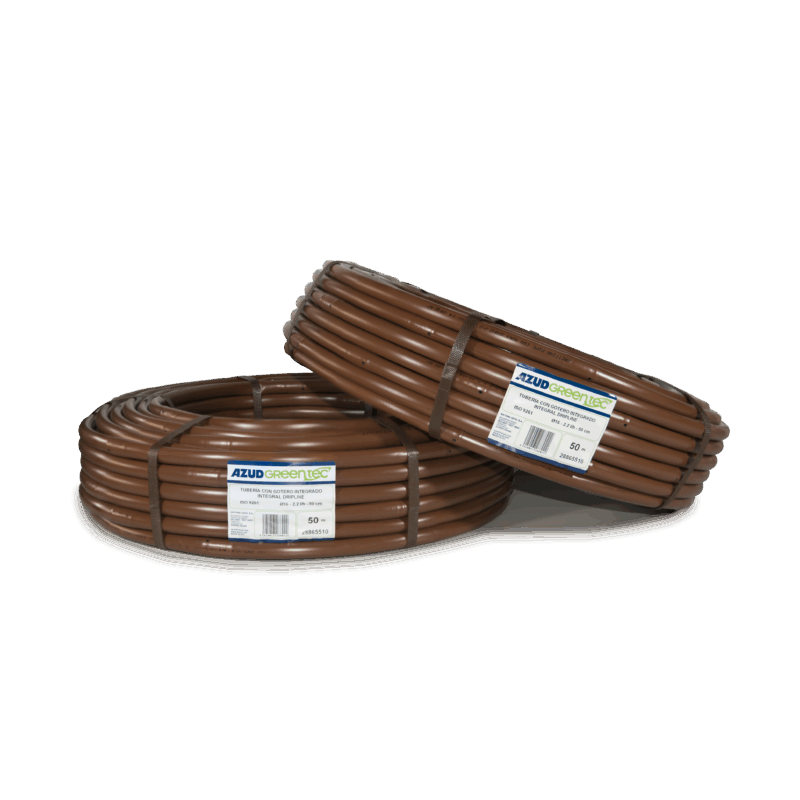
 

Irrigation must be adapted to soil type and climatic conditions, avoiding excess moisture that increases the risk of root diseases.

Find the ideal system for Irrigation of cherry trees

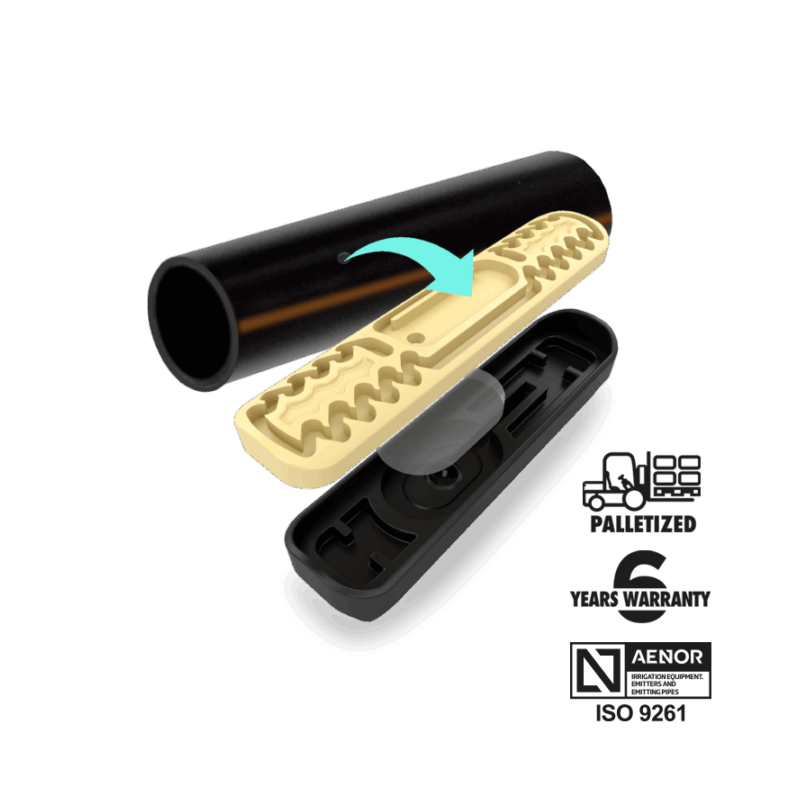
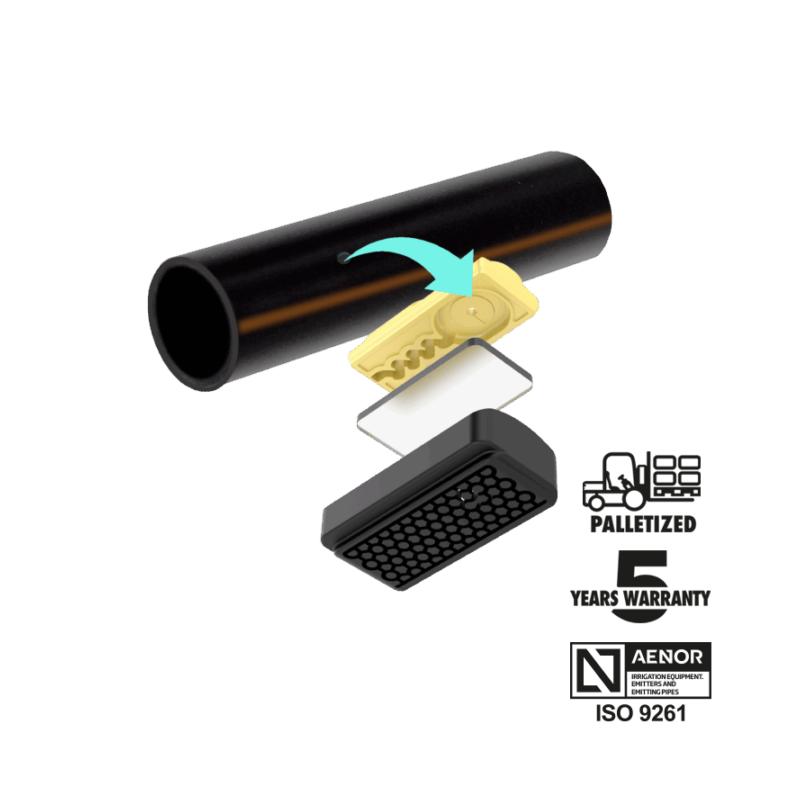
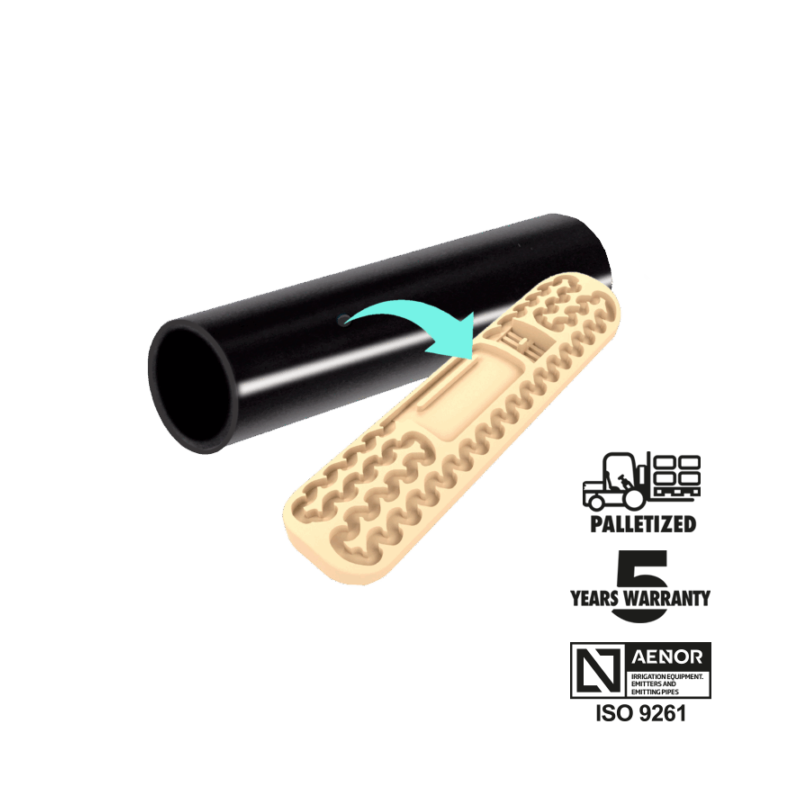
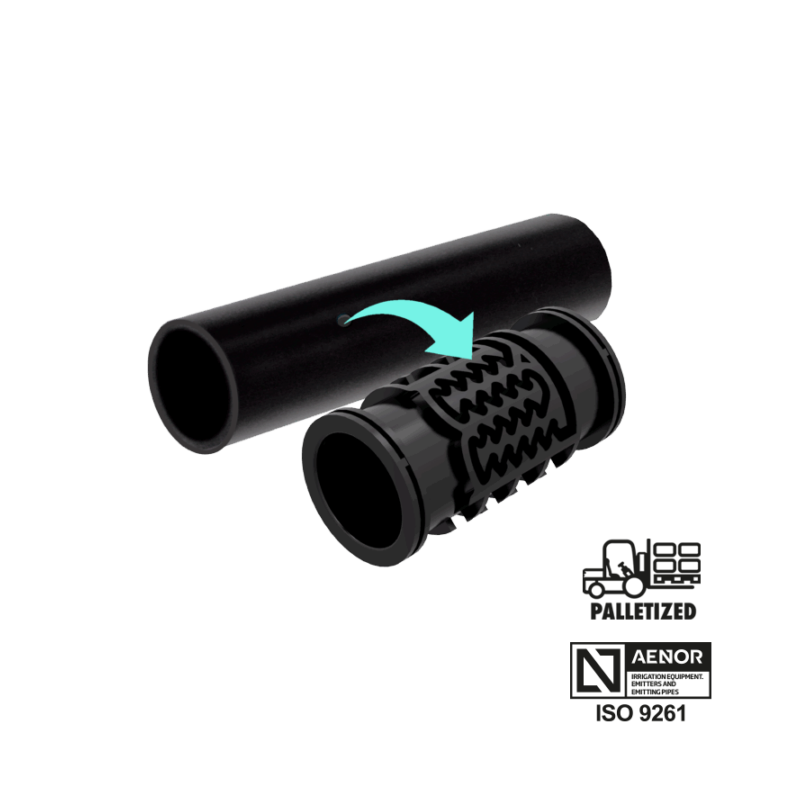
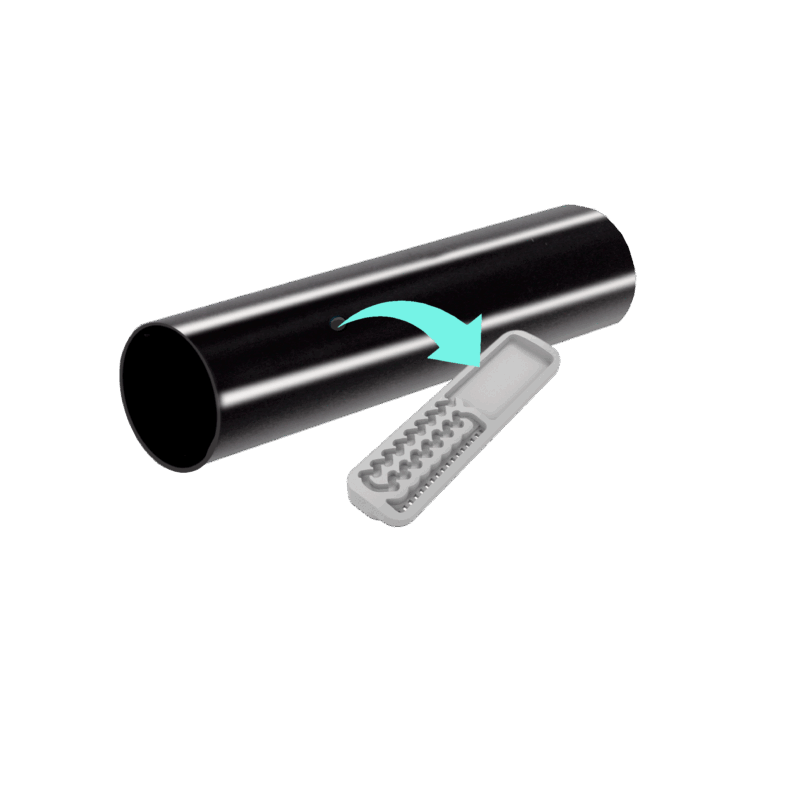
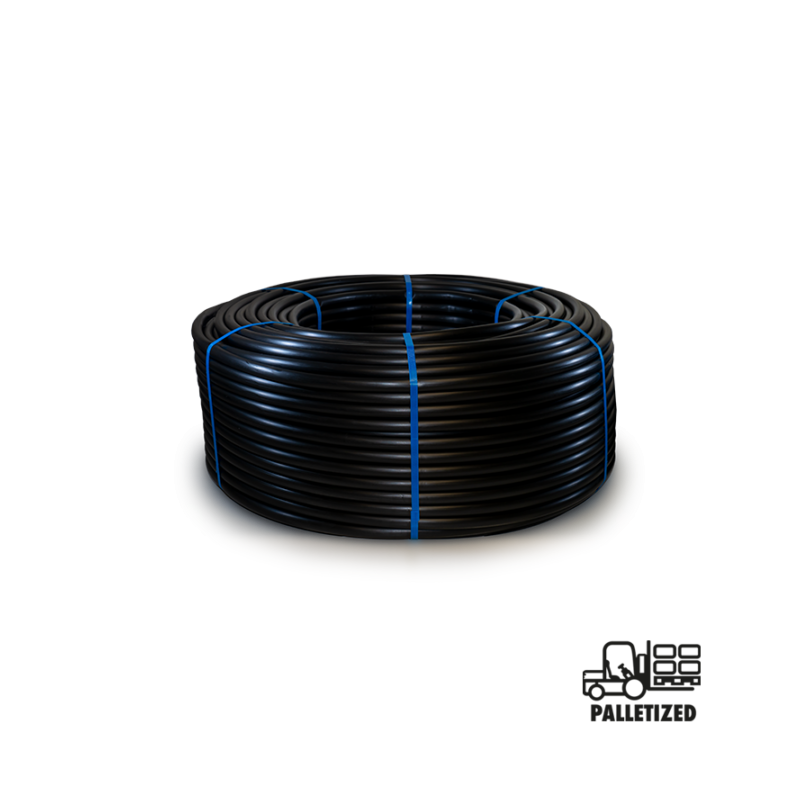
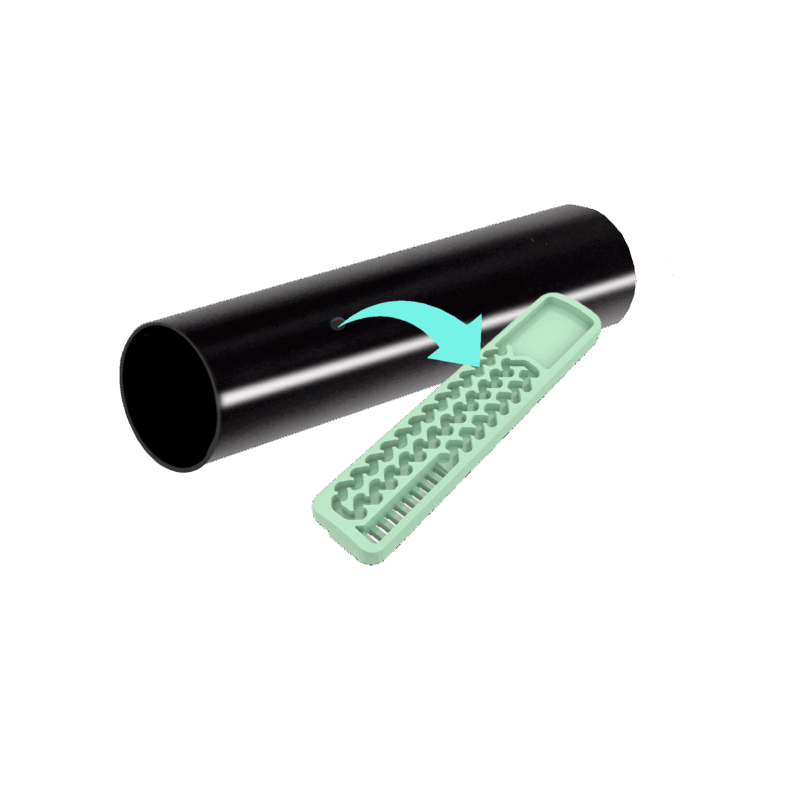
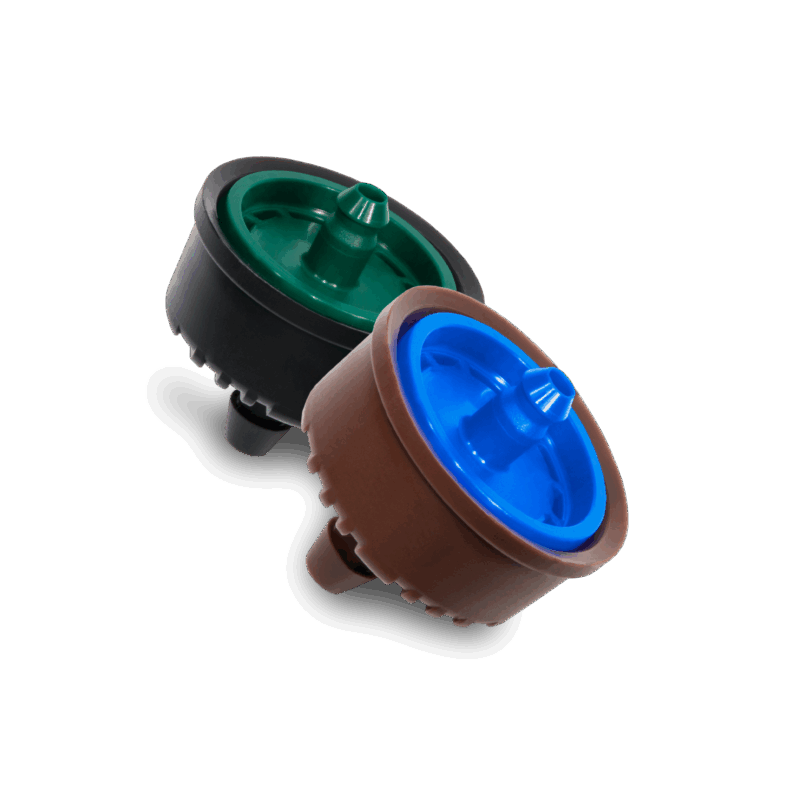
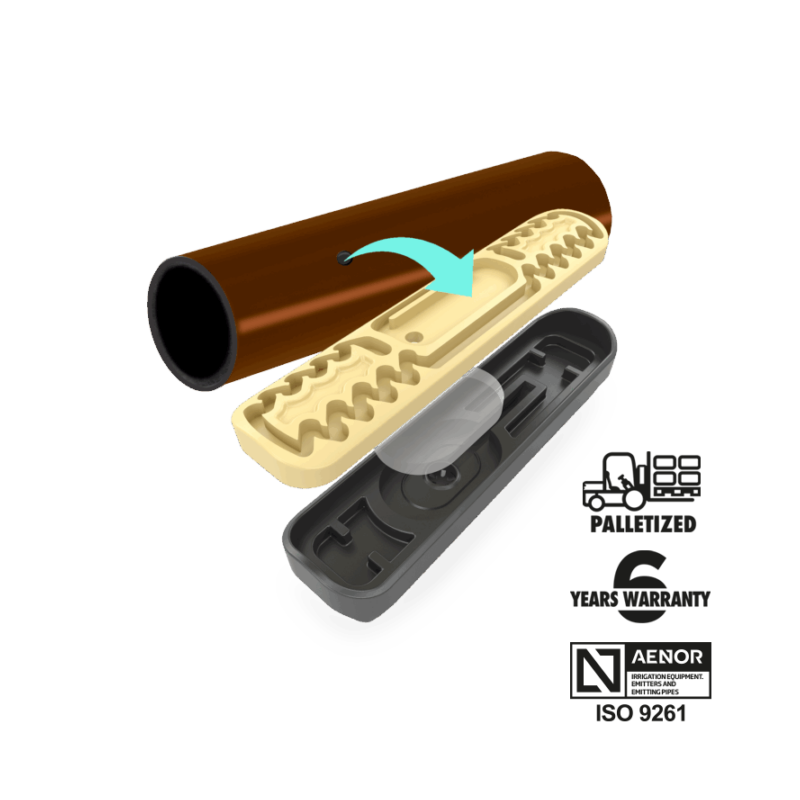
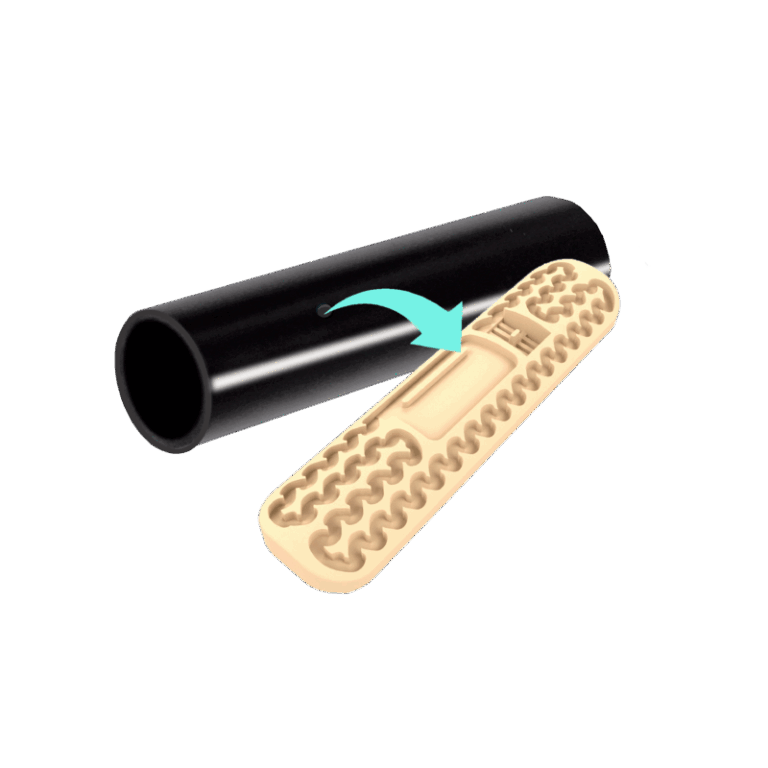
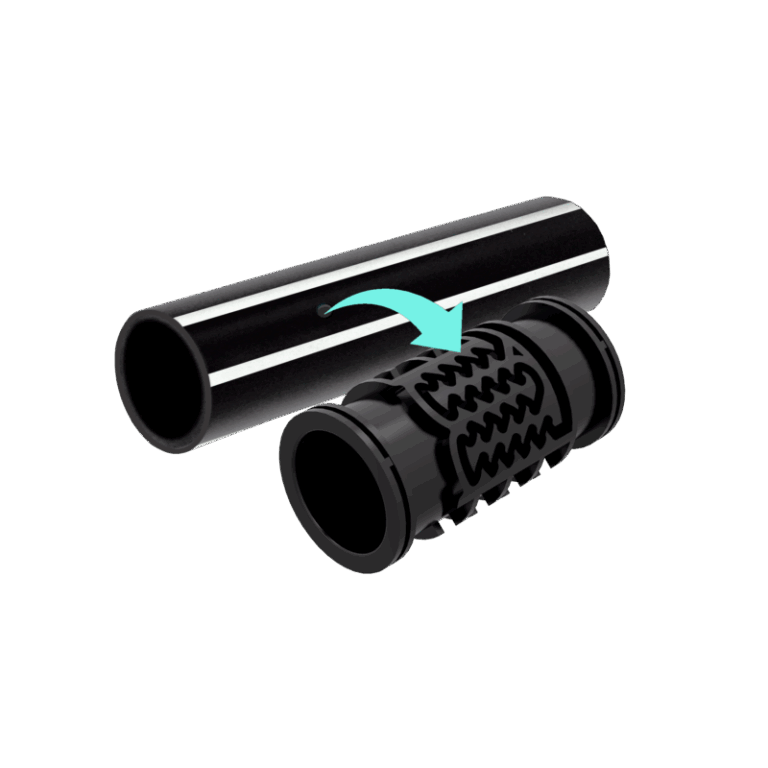
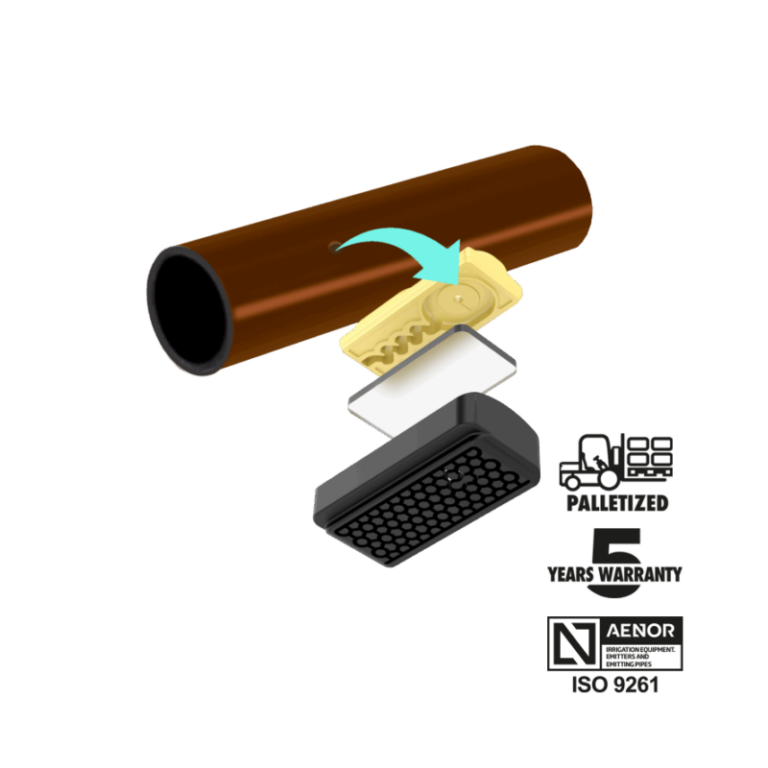
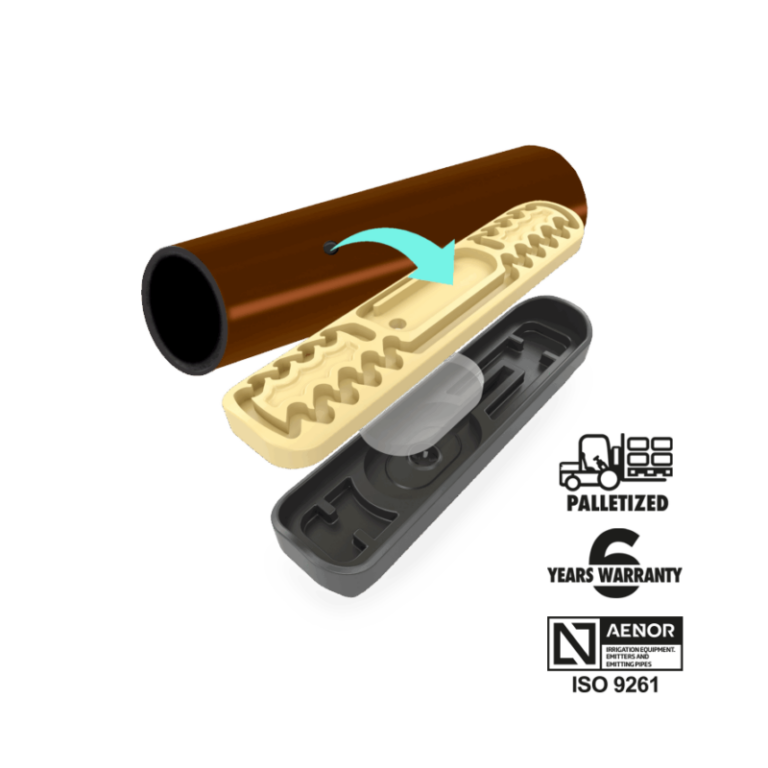
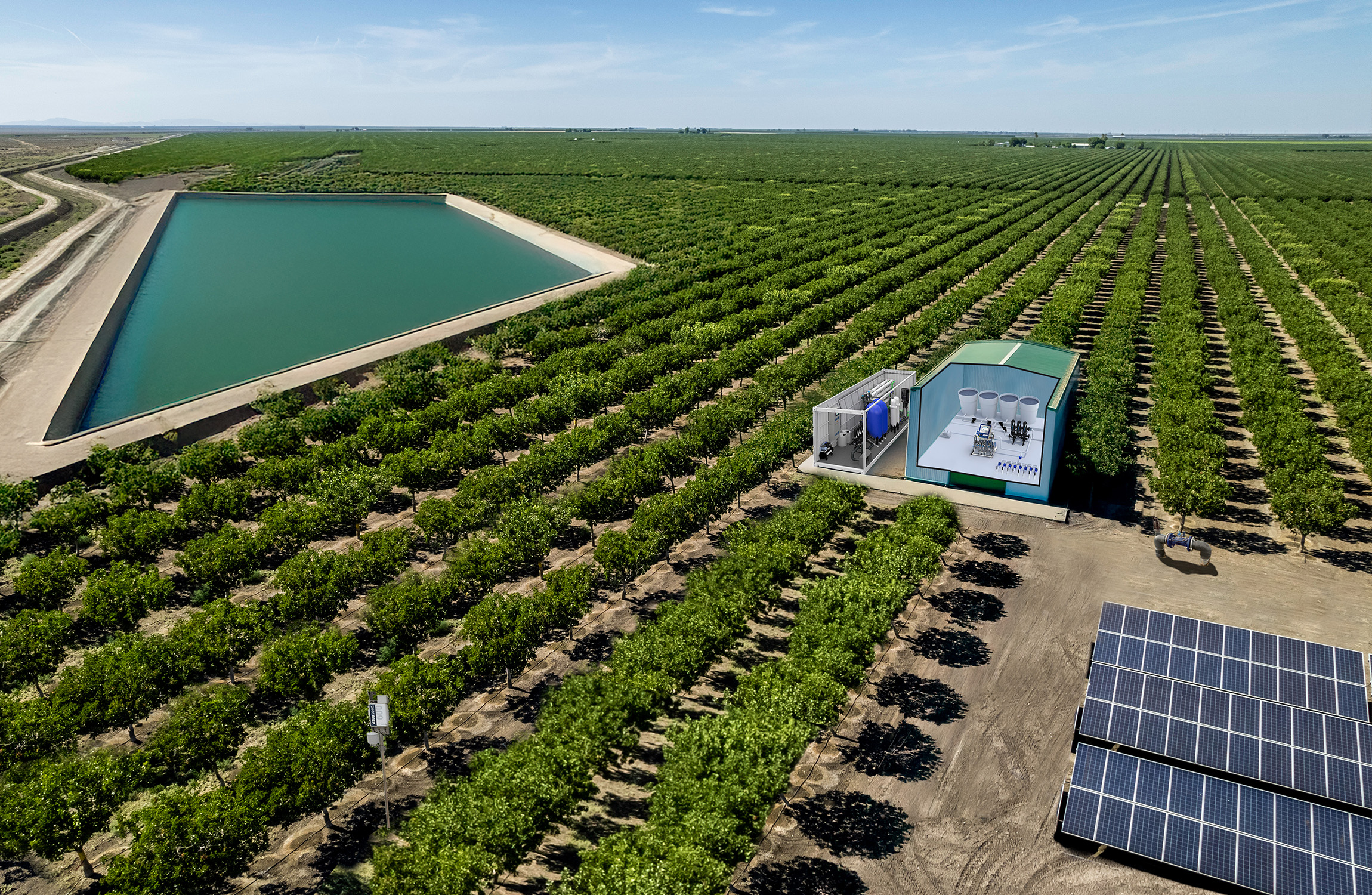
Drip irrigation is the most widely used system in cherry cultivation, as it allows for precise, localized water application, adapting to the tree’s needs at each stage of its growth cycle.

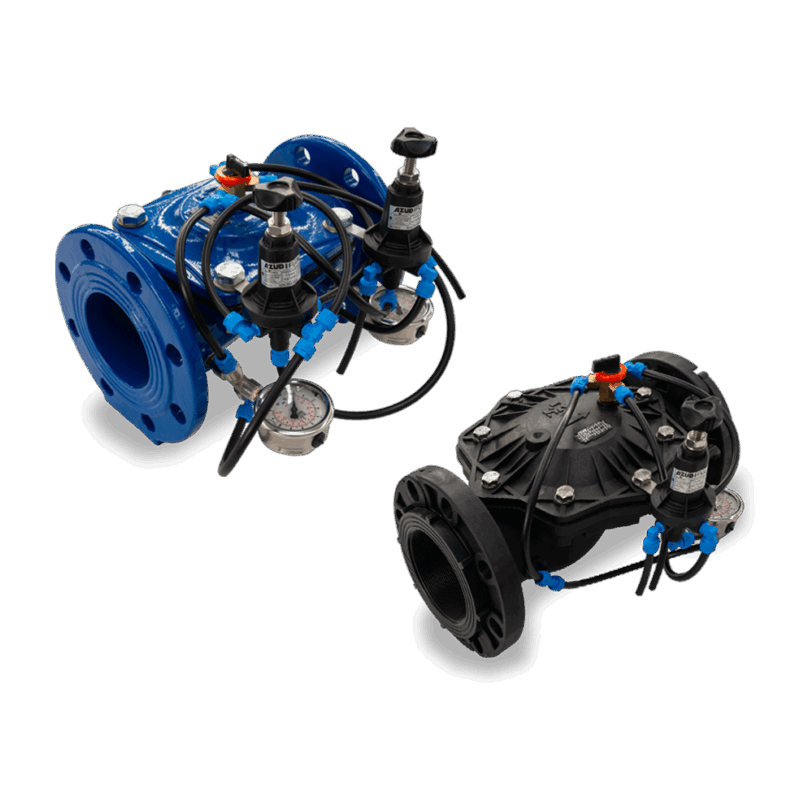
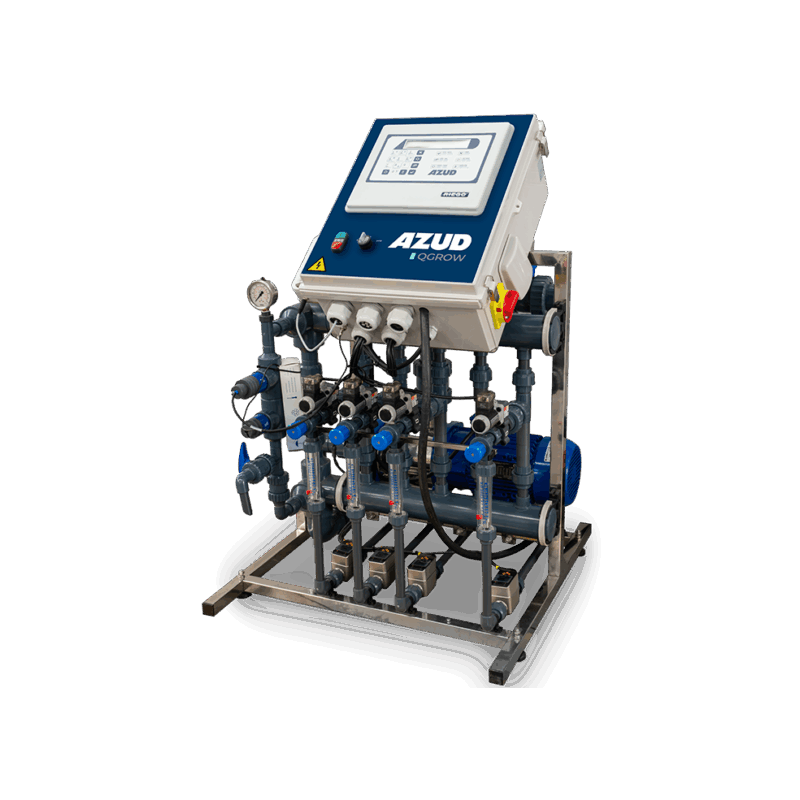
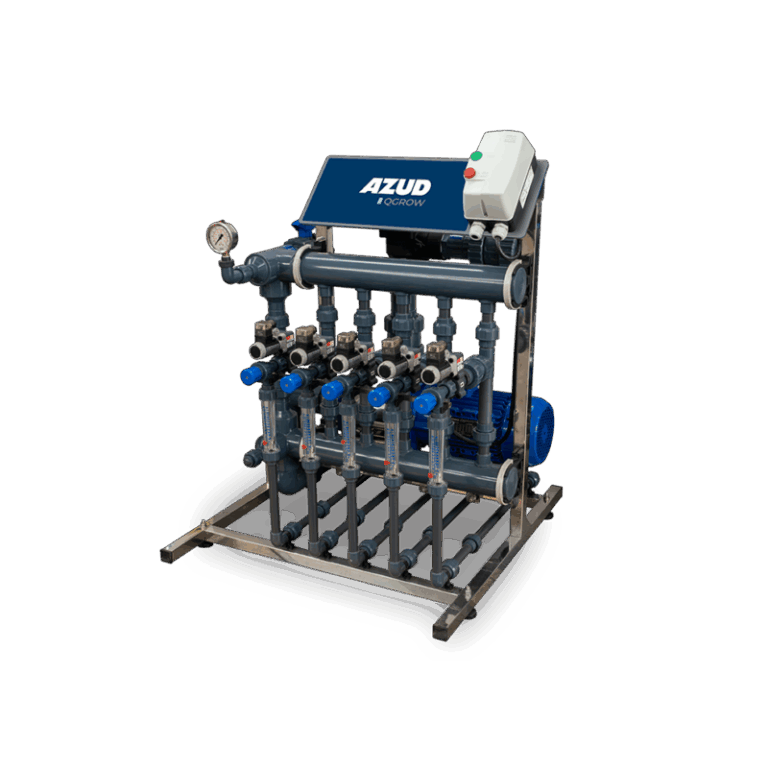
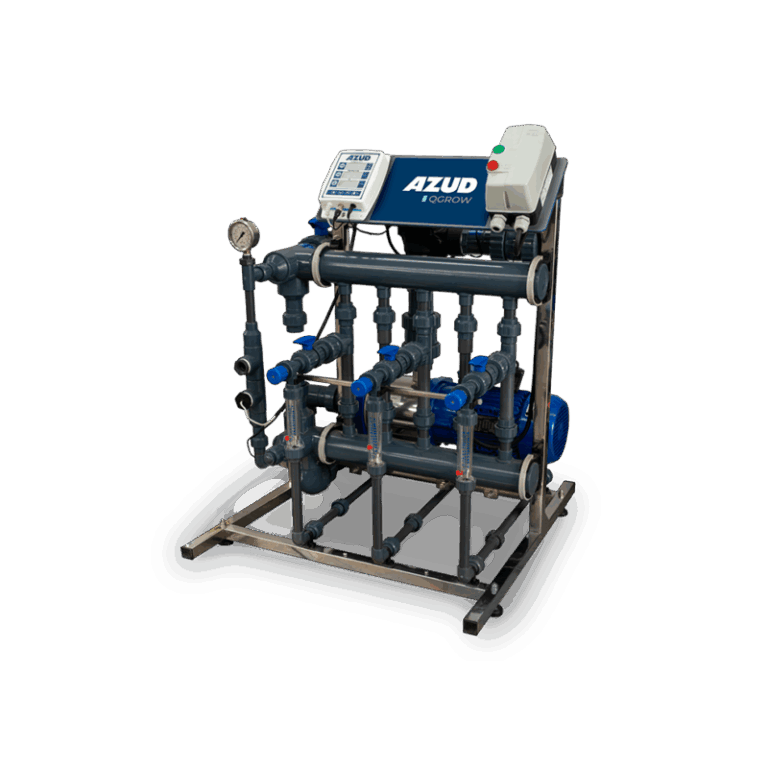
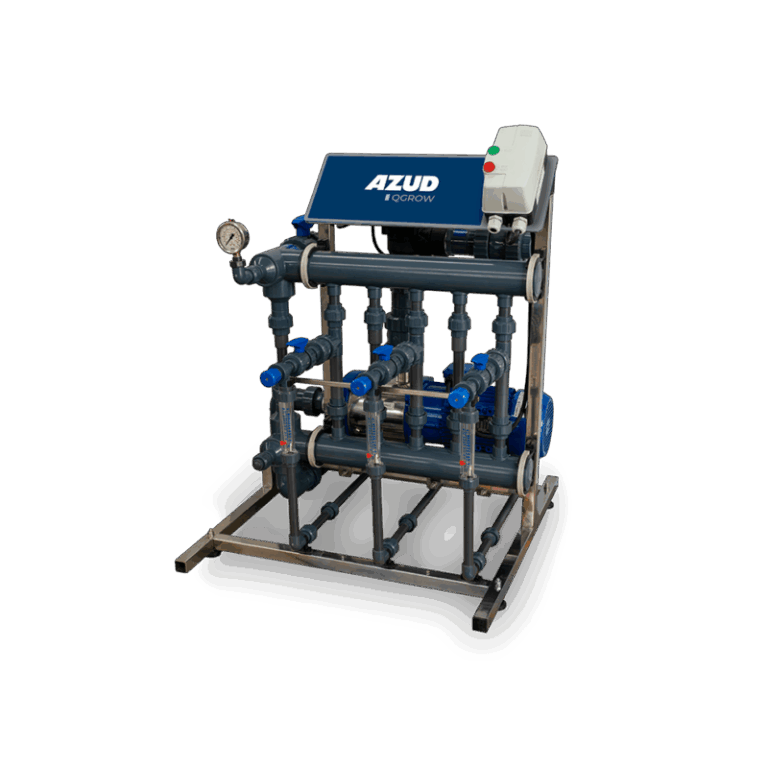
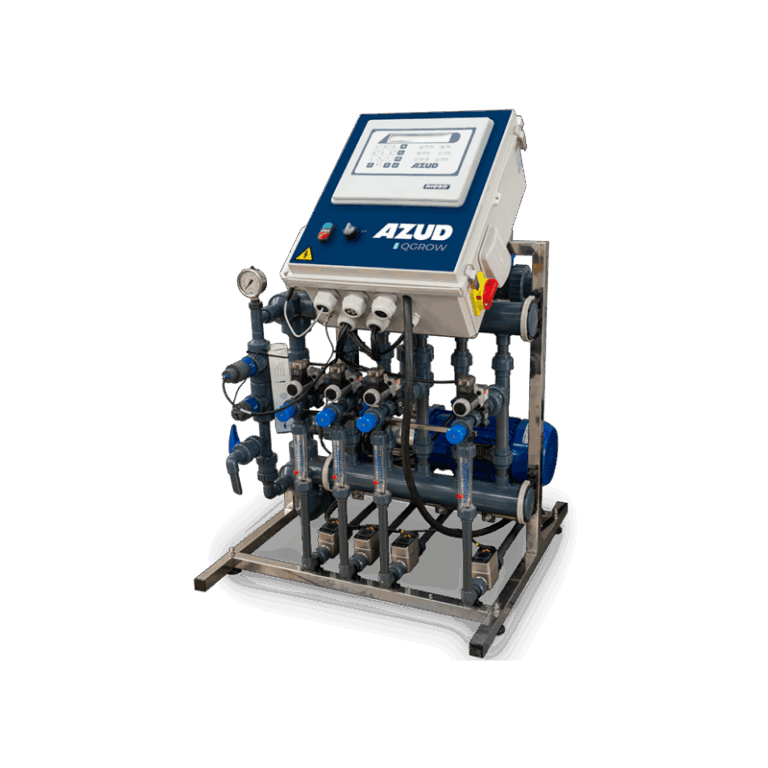
AZUD’s irrigation solutions facilitate uniform water distribution and greater control over water inputs, key factors for a crop so sensitive to moisture imbalances.

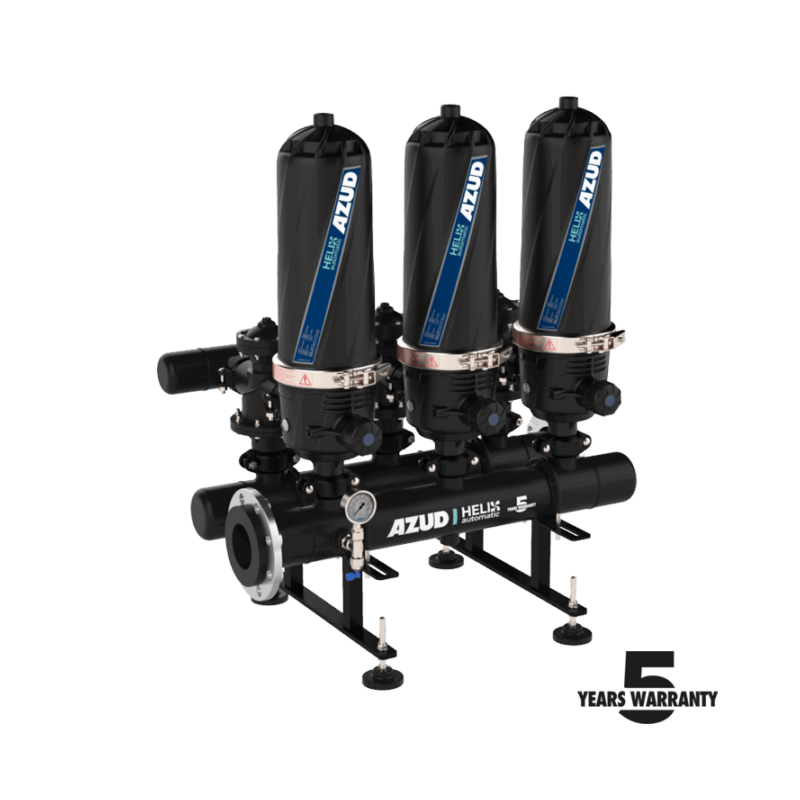
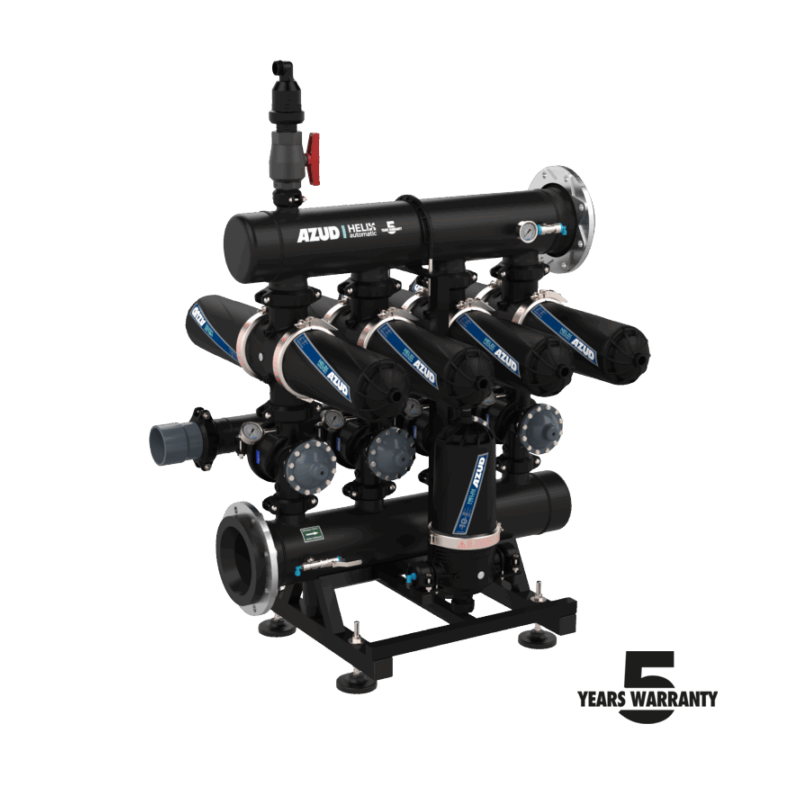
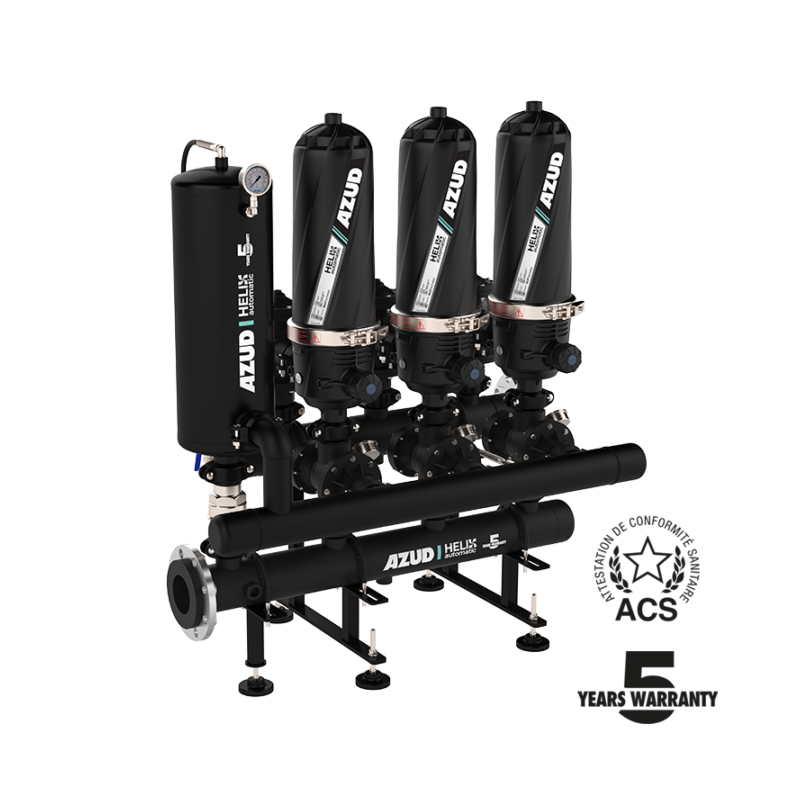
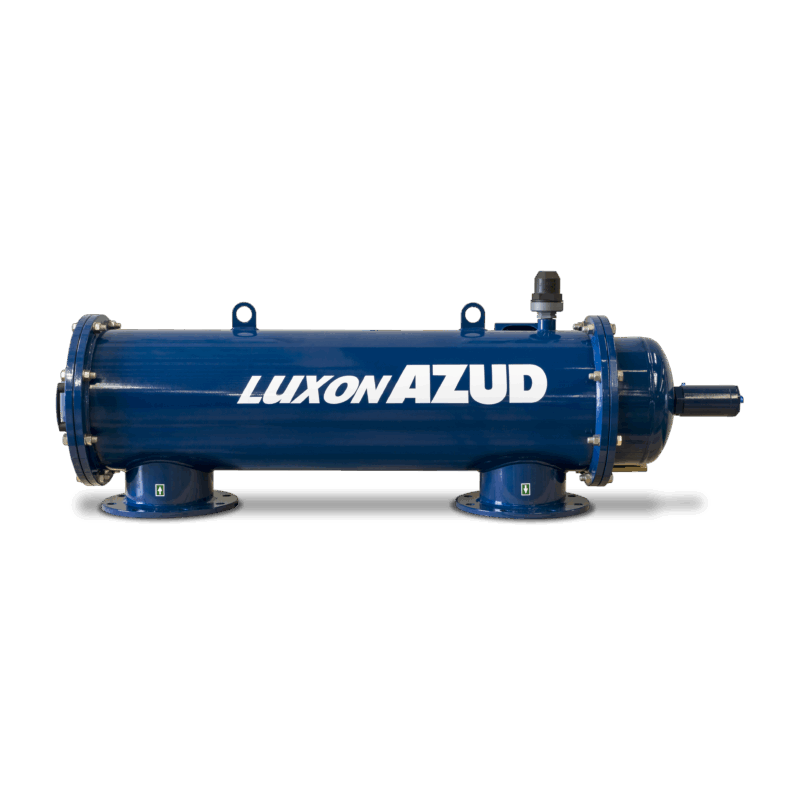
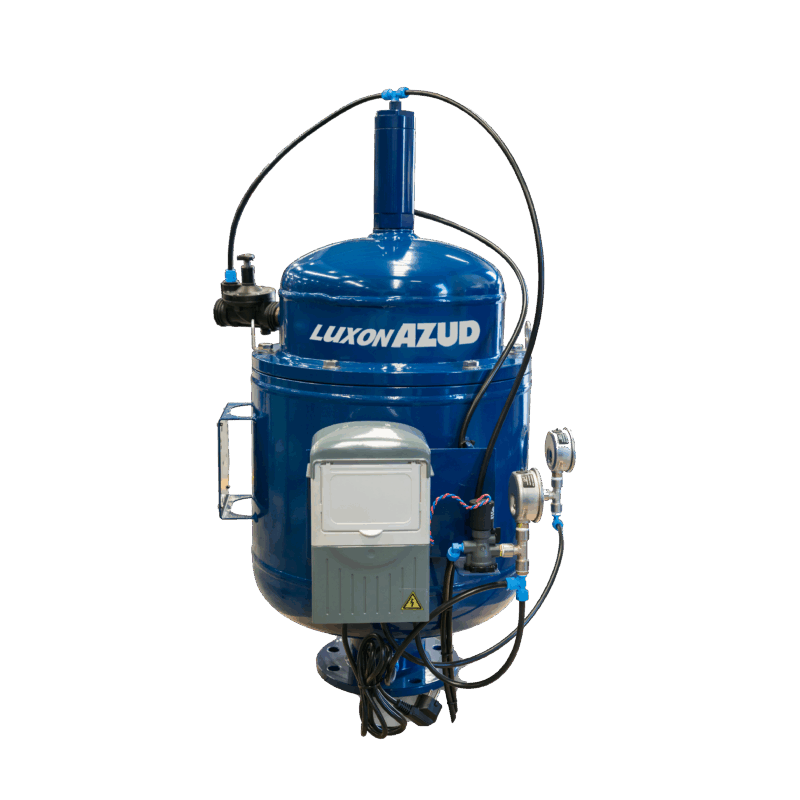
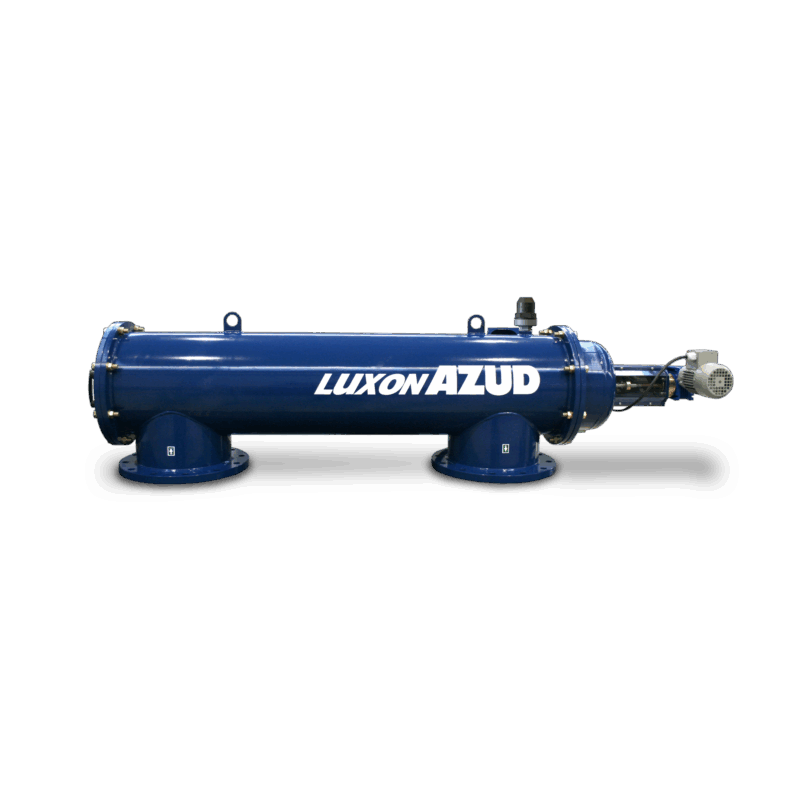
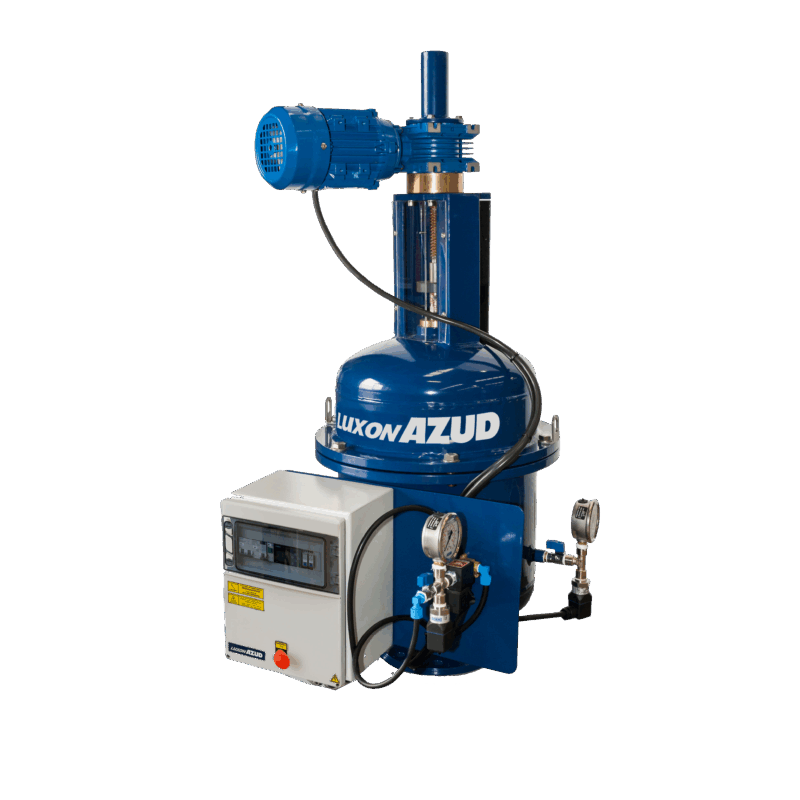
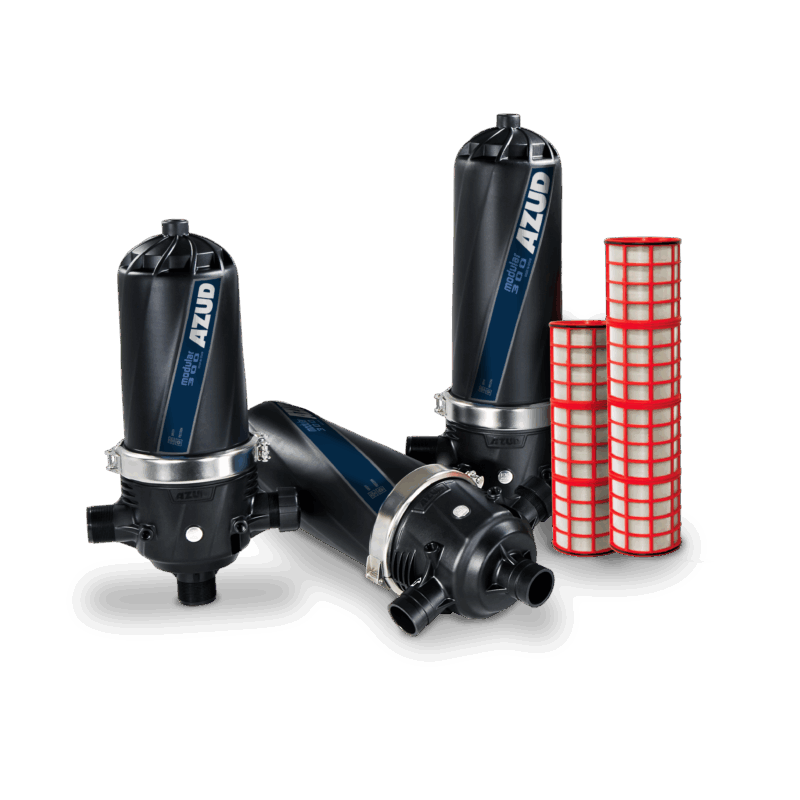
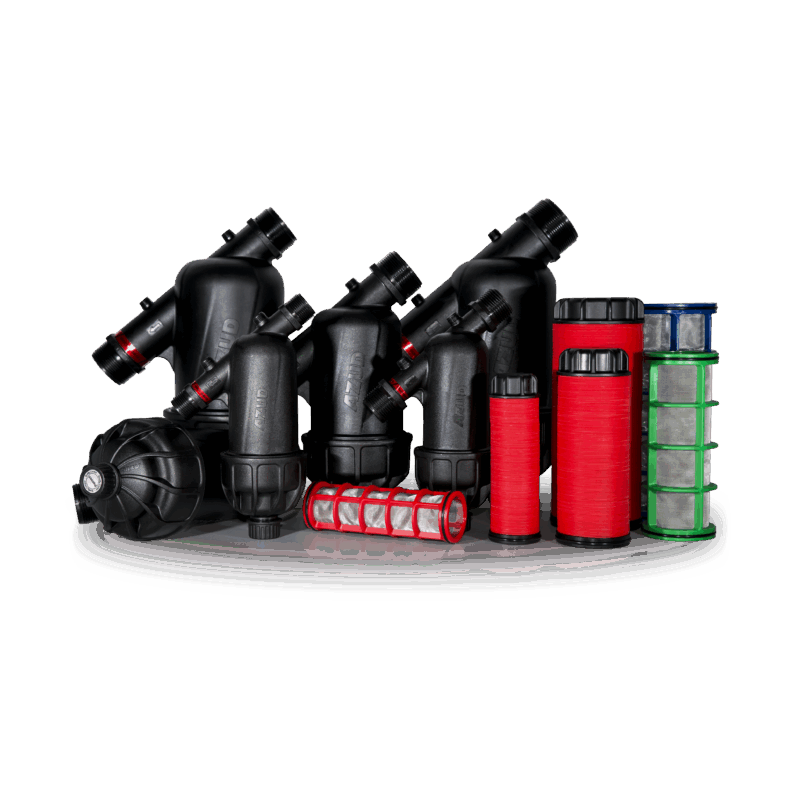
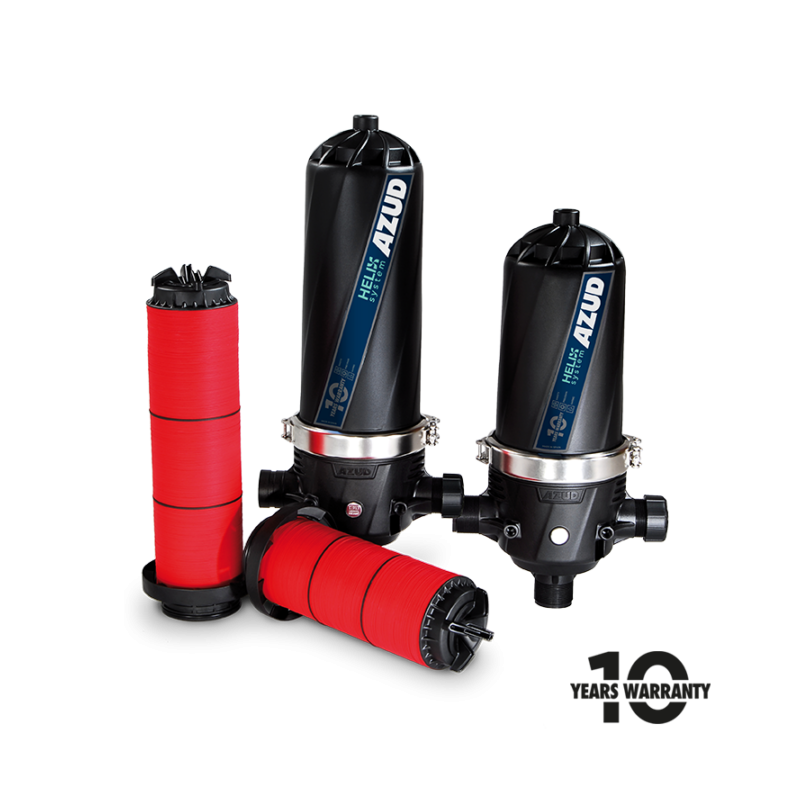
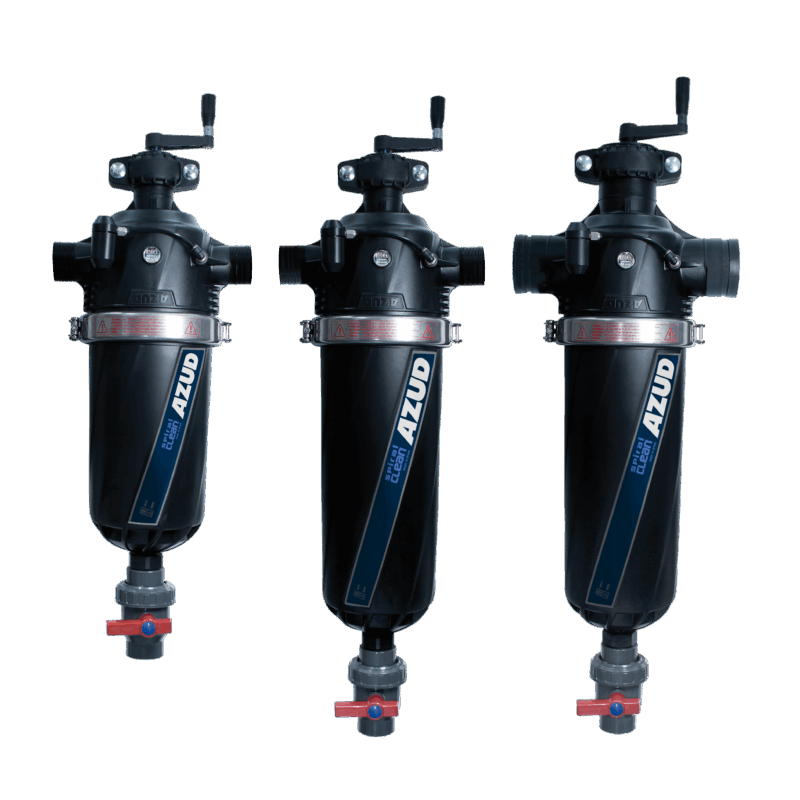
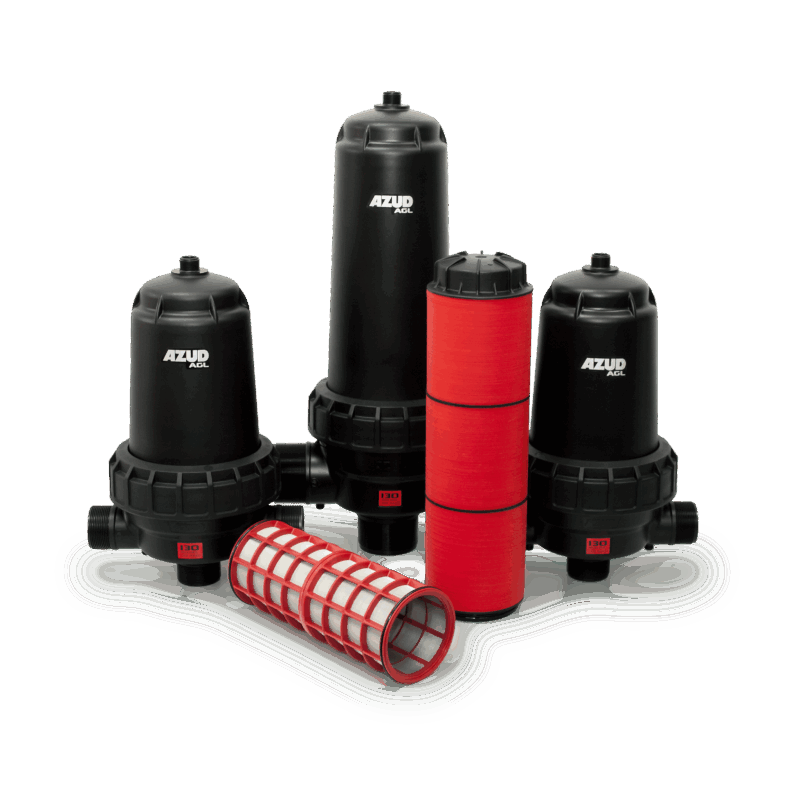
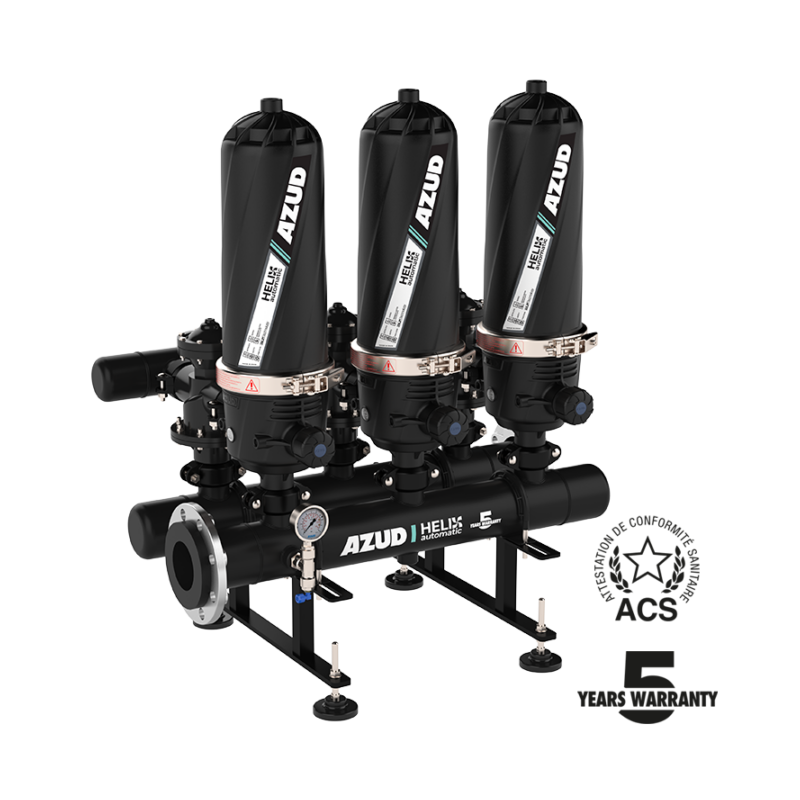
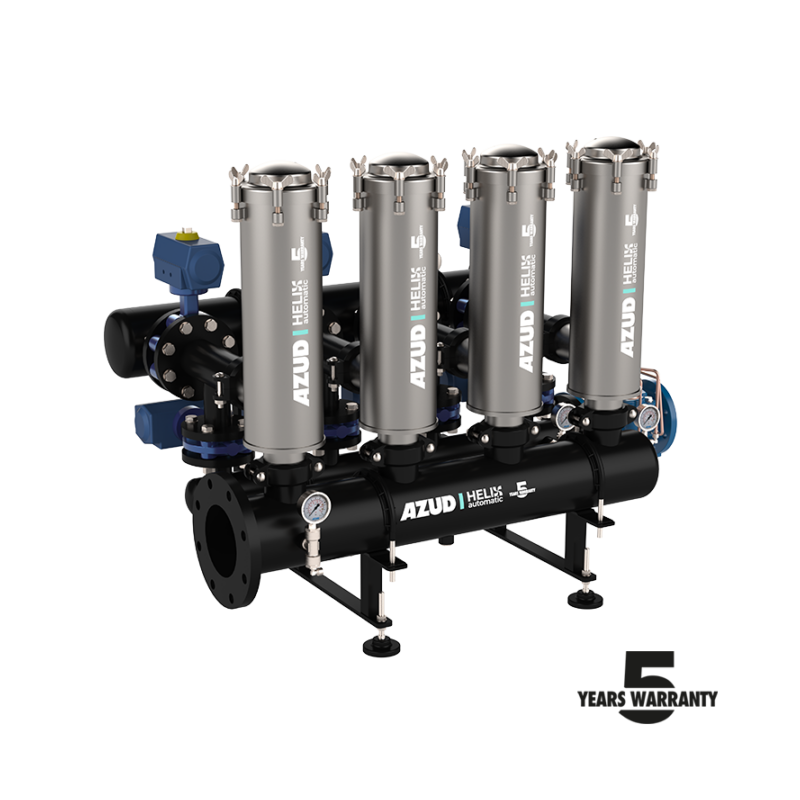
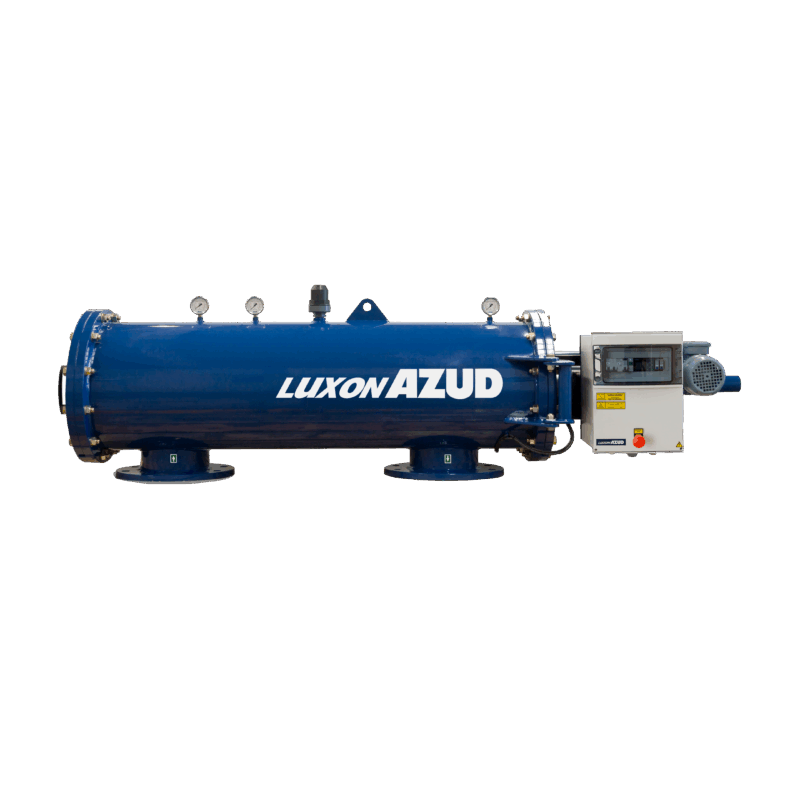
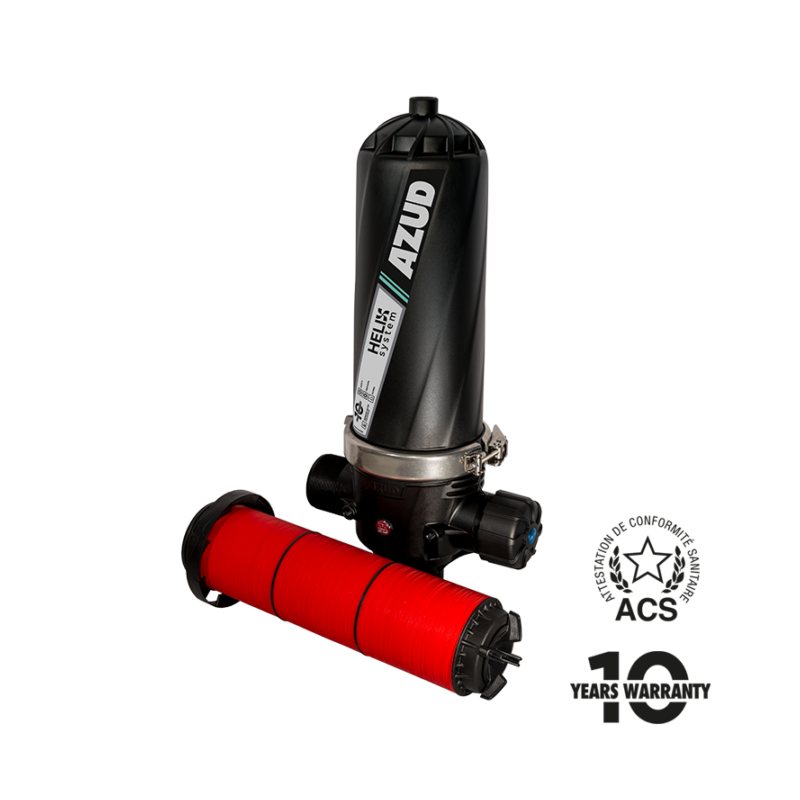
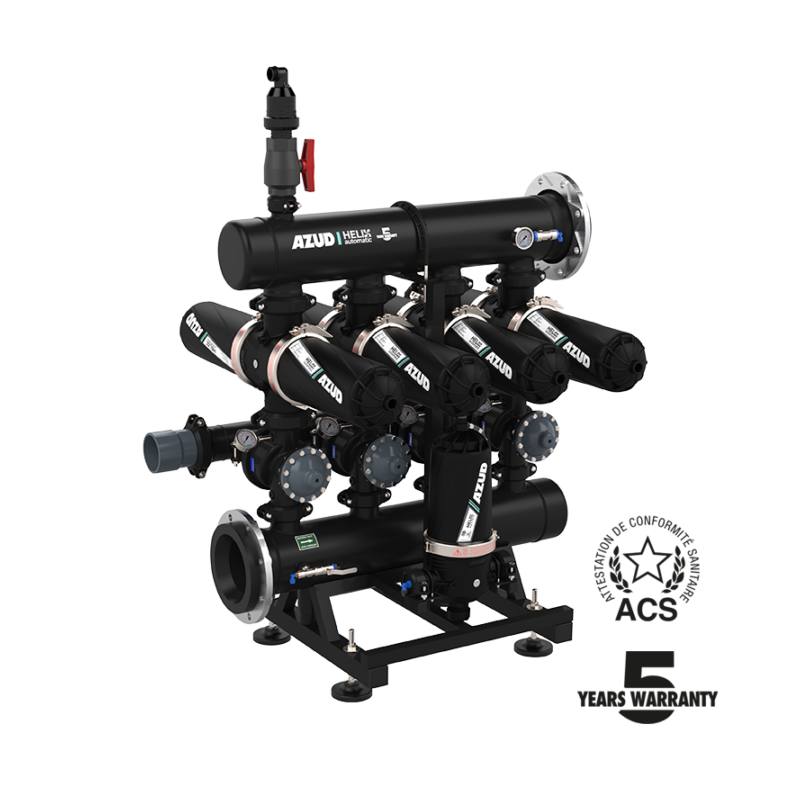
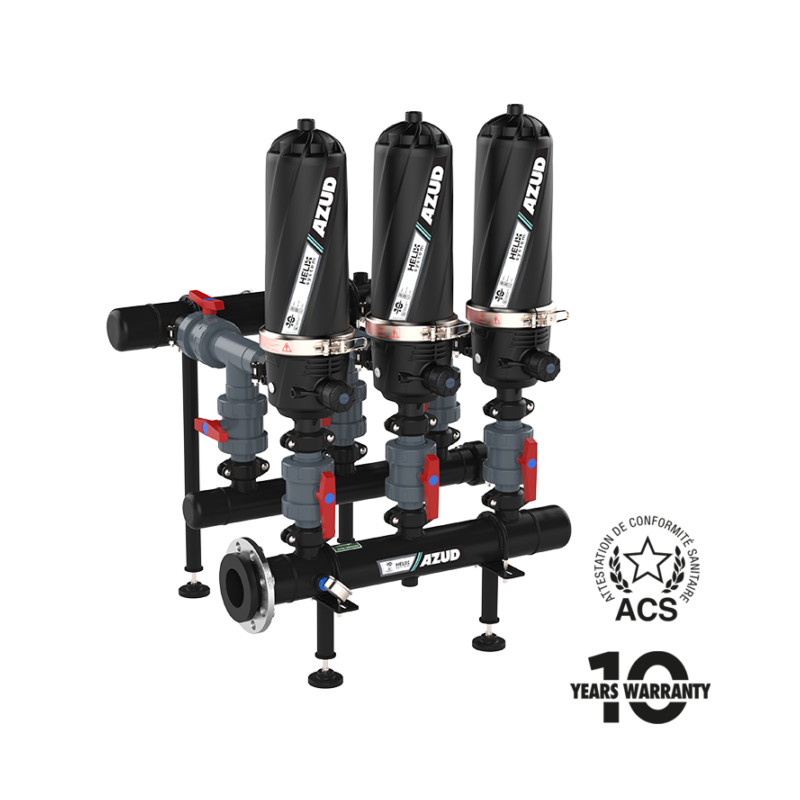
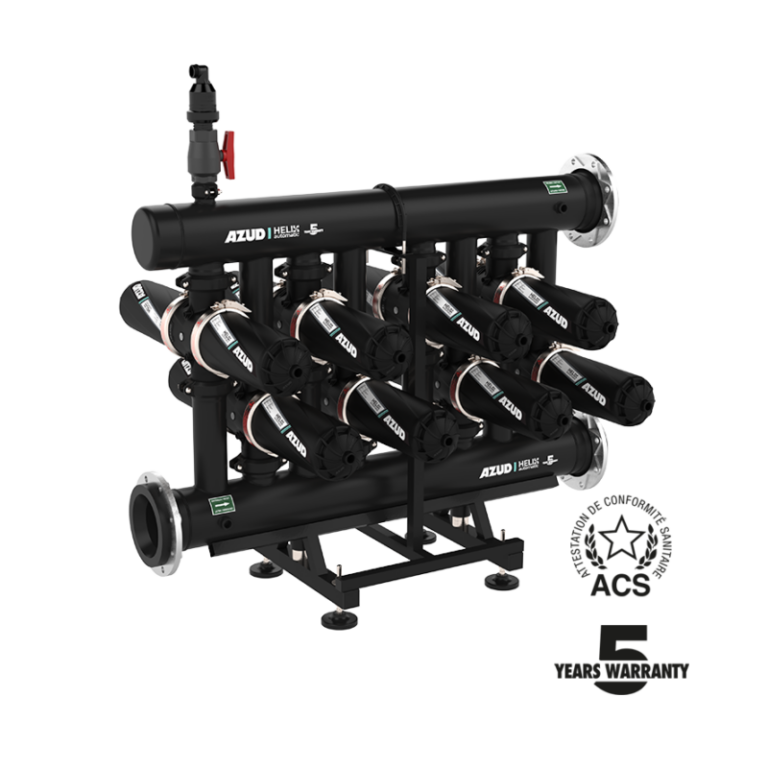
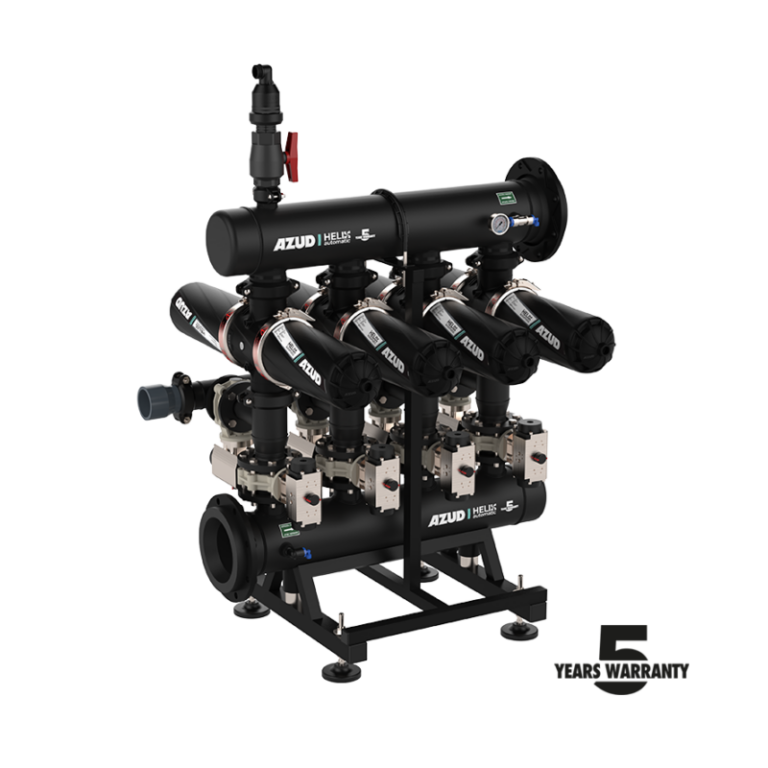
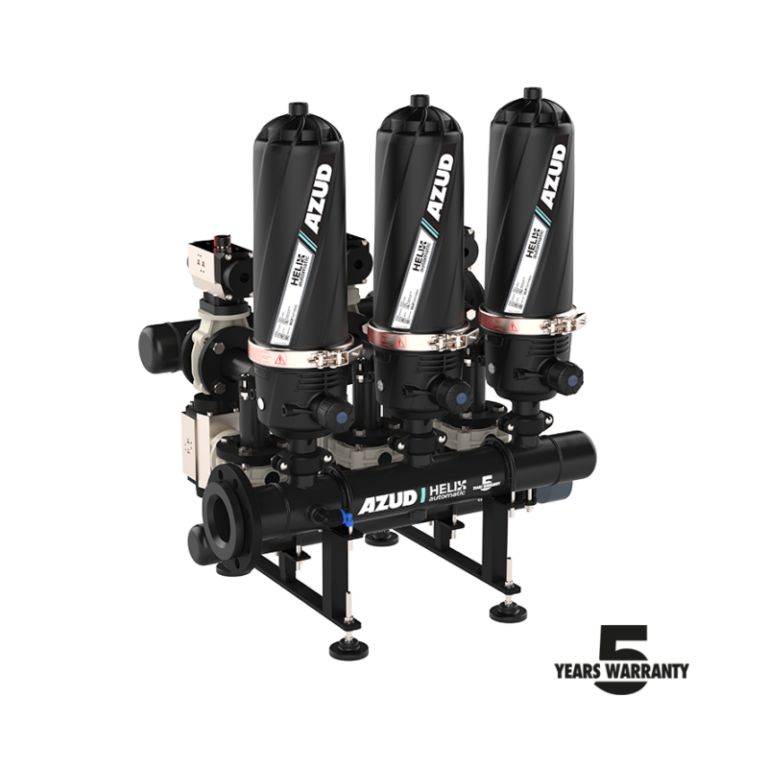
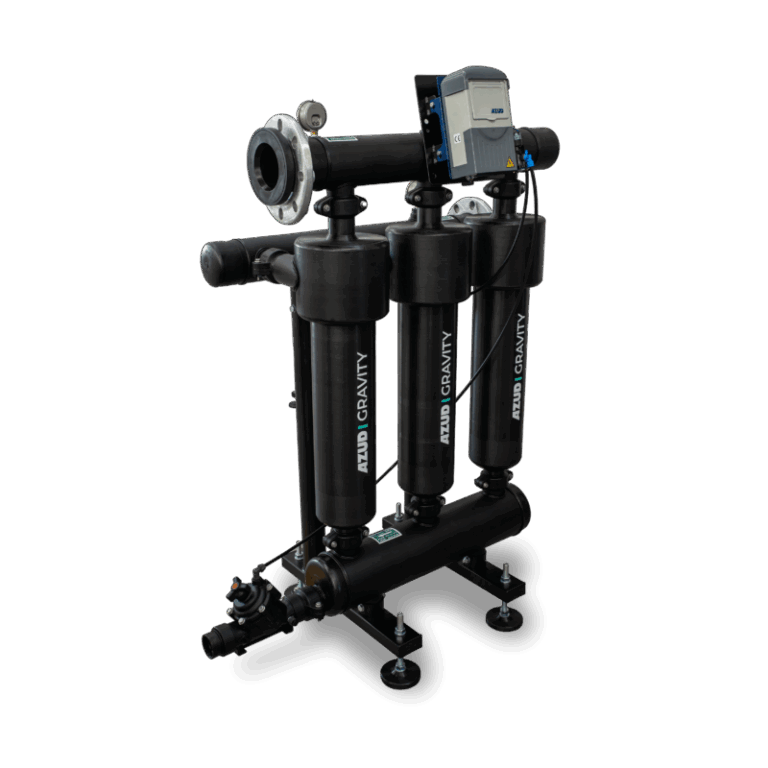
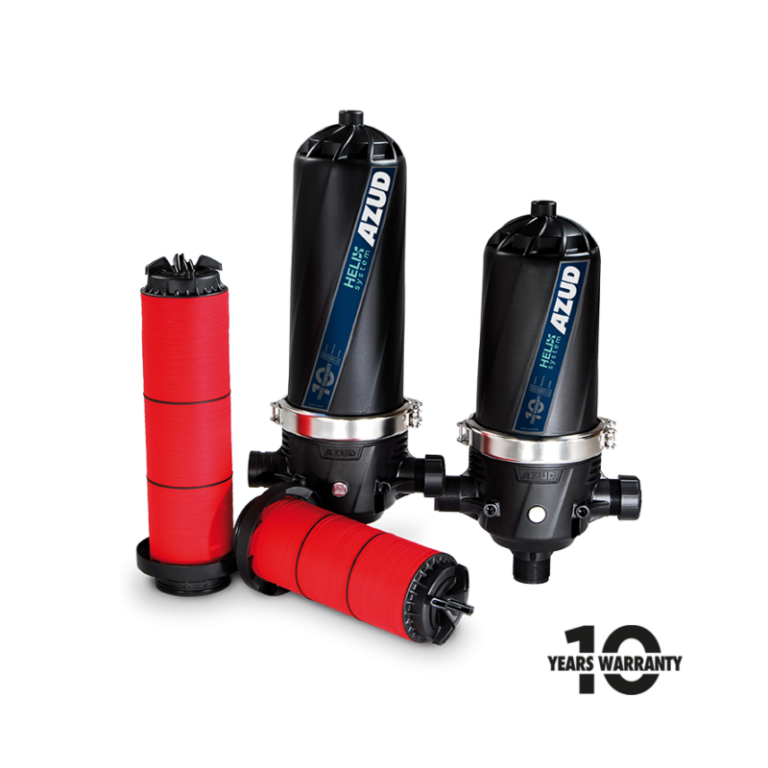
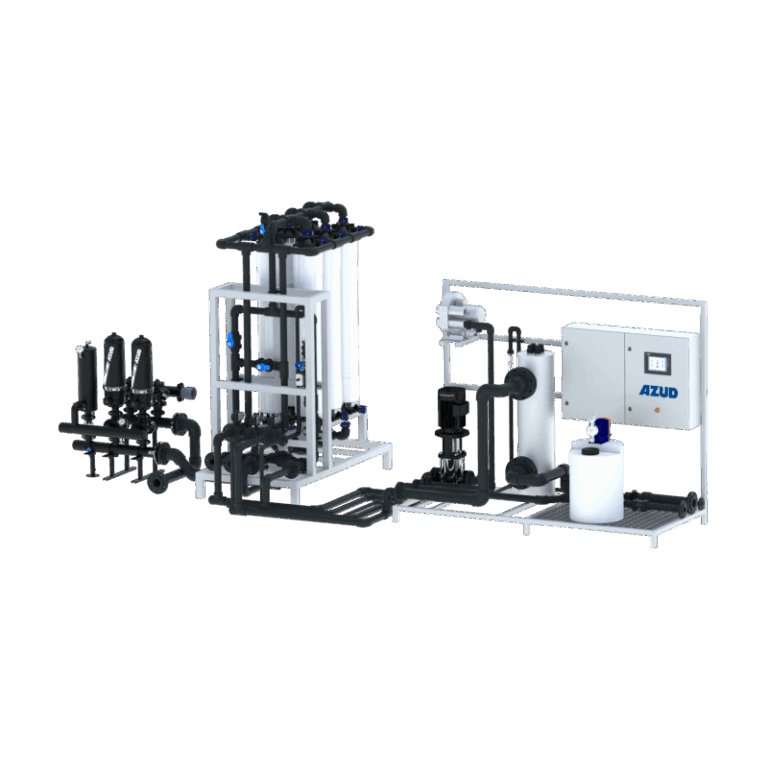
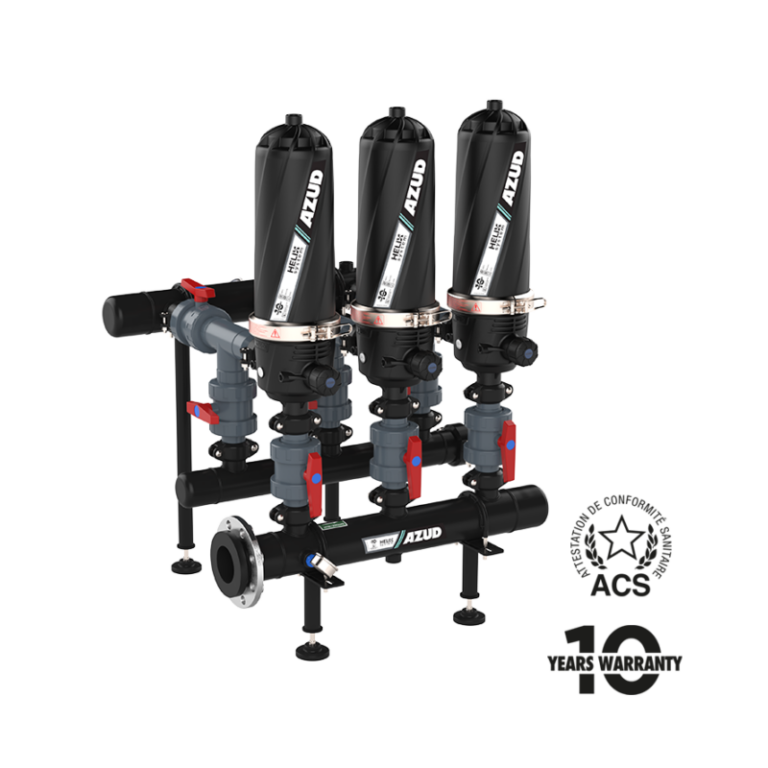
AZUD’s filtration systems help ensure irrigation reliability and protect the installation, reducing operational risks in woody plantations.

Direct benefits for your cherry crop

  • Improved fruit size, firmness, and uniformity.
  • Reduced risk of cracking associated with poor irrigation management.
  • Optimized use of water in high-value crops.
  • Greater yield stability and market quality.
  • Better control of the tree’s vegetative growth.

Frequently Asked Questions

Yes, irrigation has a direct impact on fruit quality and production stability.

The flowering, fruit set, and fruit development stages are the most sensitive to water management.

Drip irrigation is the most recommended system due to its precision and water efficiency.

Success stories

Quarry reduces production stoppages by protecting washing machines

Learn more

DANGOTE minimizes the biofilm in your facility

Learn more

SHANGHAI HUANYANG optimizes UV disinfection

Learn more

KIA reduces water footprint by regeneration

Learn more

SOMACYL will regenerate wastewater using pre-filtration to protect the tertiary sector

Learn more
Related products