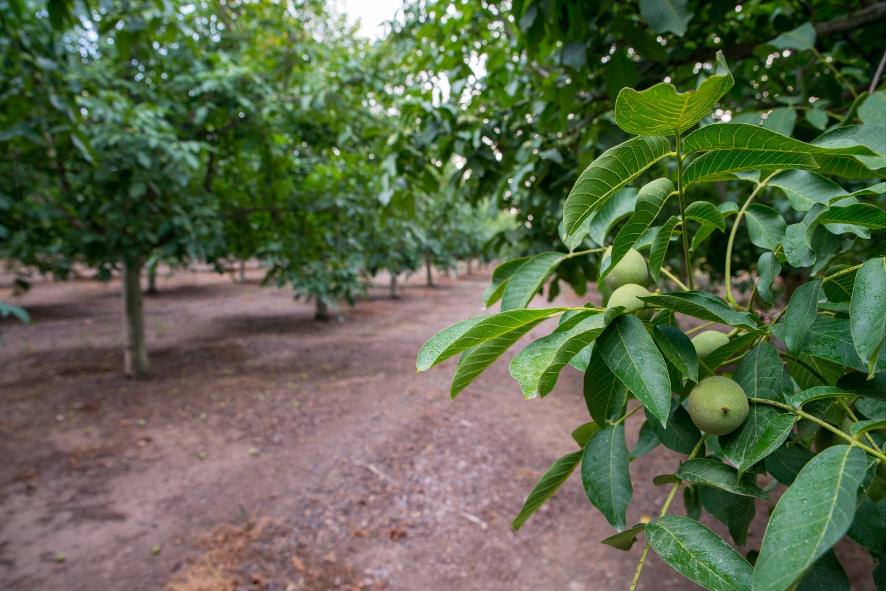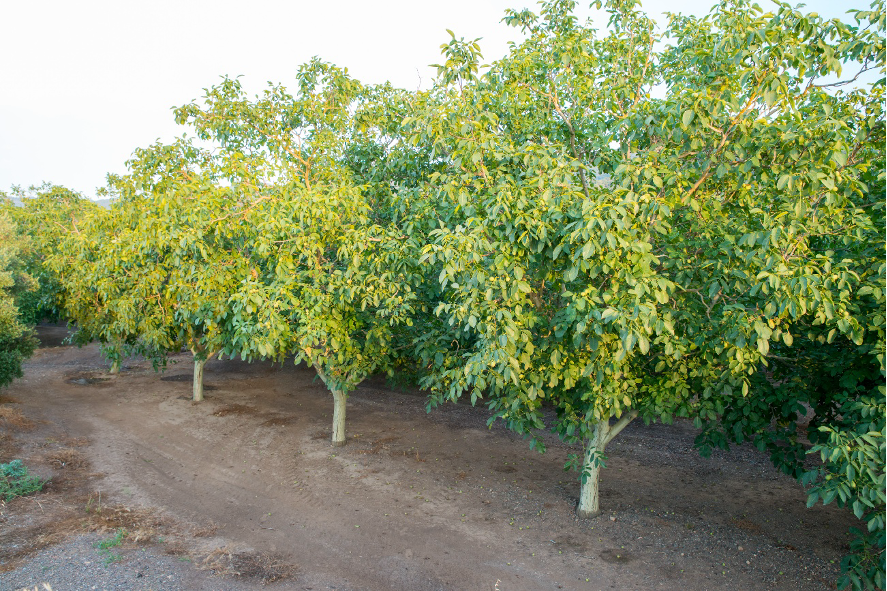





The walnut tree (Juglans regia) is a woody crop of great economic value with a long agricultural tradition. It originated in regions of Central Asia and the Near East, from where it spread to Europe and other parts of the world due to the nutritional value of its fruit and the quality of its wood.
Over the centuries, walnut cultivation has become established both for nut production and for forestry and ornamental uses. Today, demand for walnuts has driven the establishment of new, modernized plantations aimed at achieving consistent, high-quality yields.
The walnut tree thrives best in temperate climates, with cold winters and moderate summers. It requires deep, well-drained, and fertile soils, being particularly sensitive to waterlogging and root asphyxia.
Walnut trees have relatively high water requirements compared to other woody fruit trees, especially during the vegetative growth period and fruit filling. Improper irrigation management can affect both nut size and the consistency of production.
The stages of budbreak, vegetative growth, and fruit filling are particularly sensitive to water stress. A balanced water supply during these periods helps improve fruit size and reduce stress conditions that affect the tree’s development.
Irrigation should be adjusted to soil characteristics and climatic conditions, avoiding excess moisture that could cause root problems.
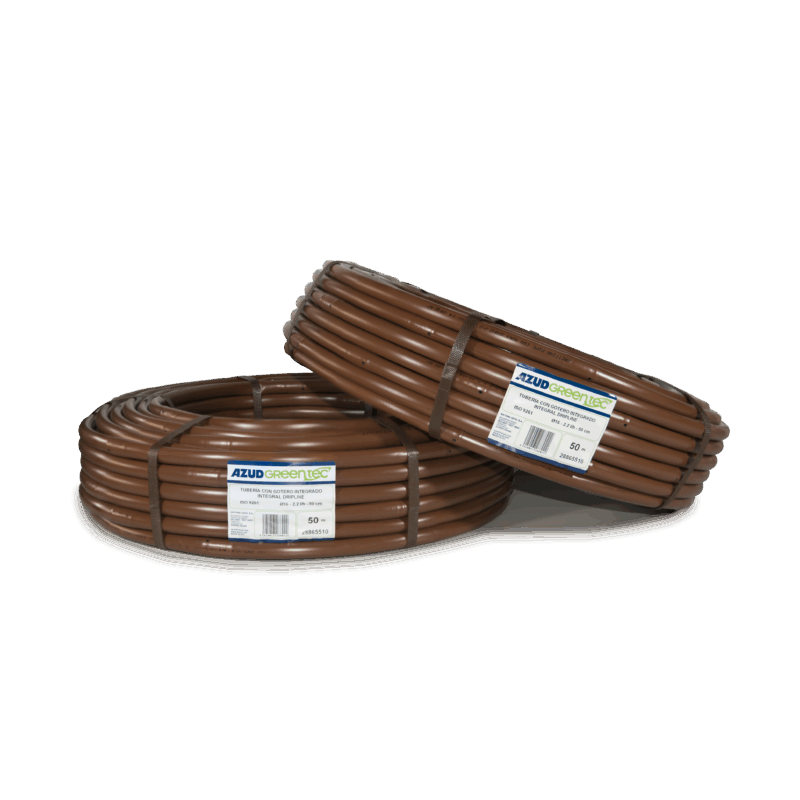
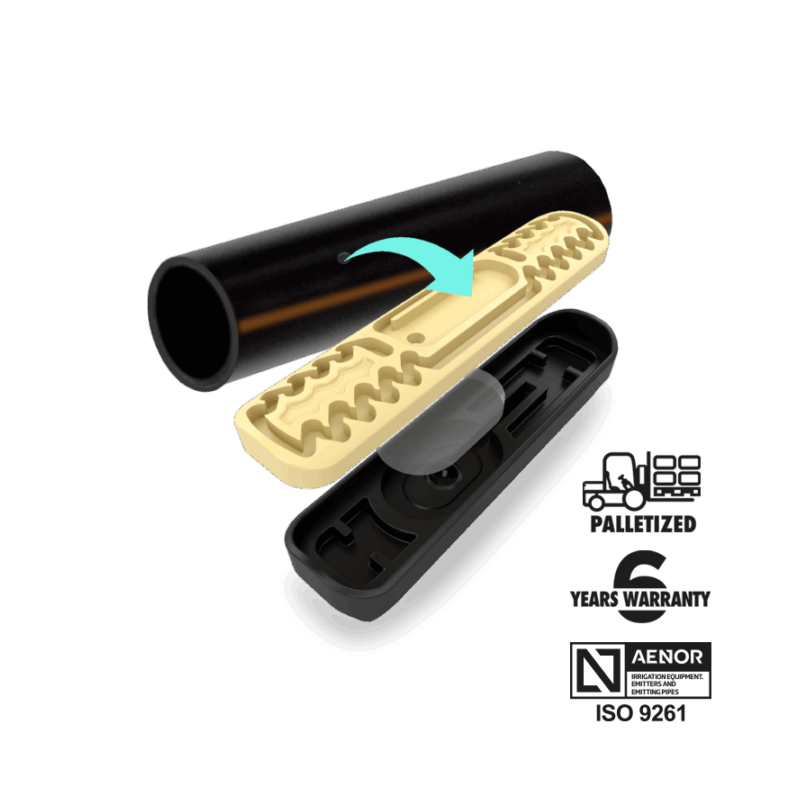
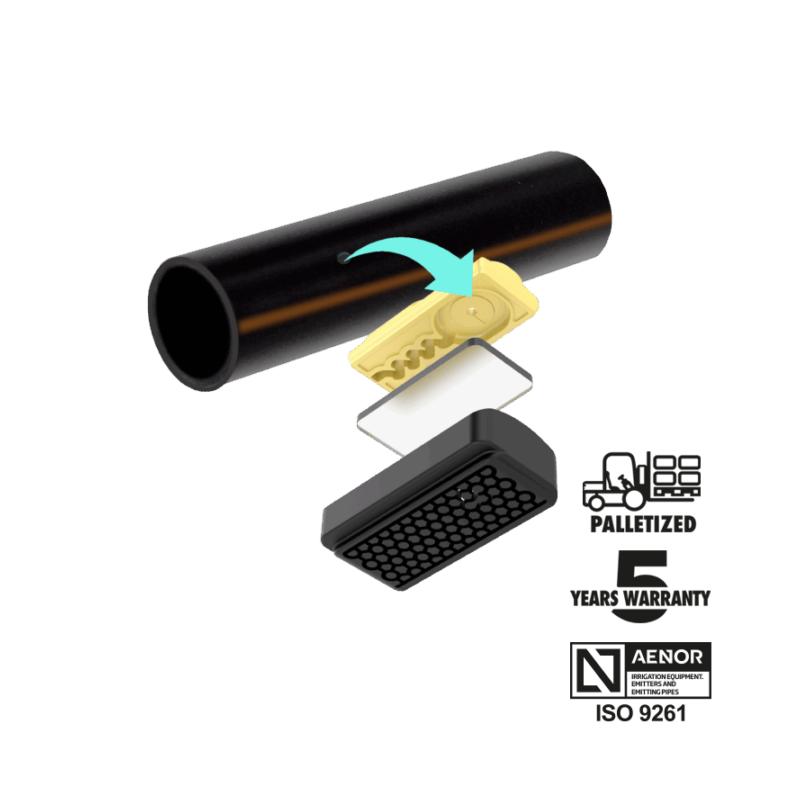
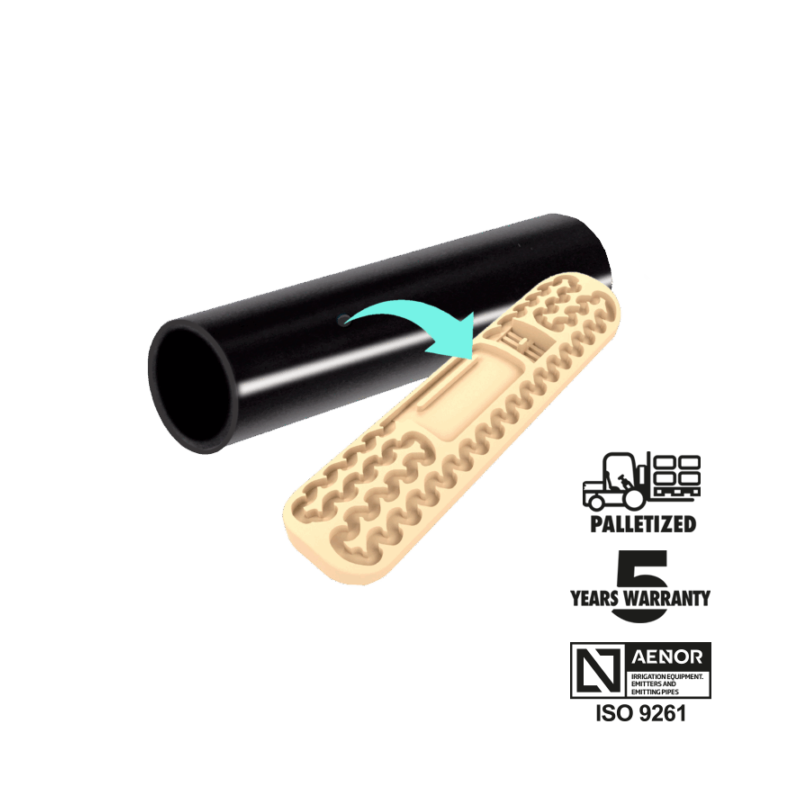
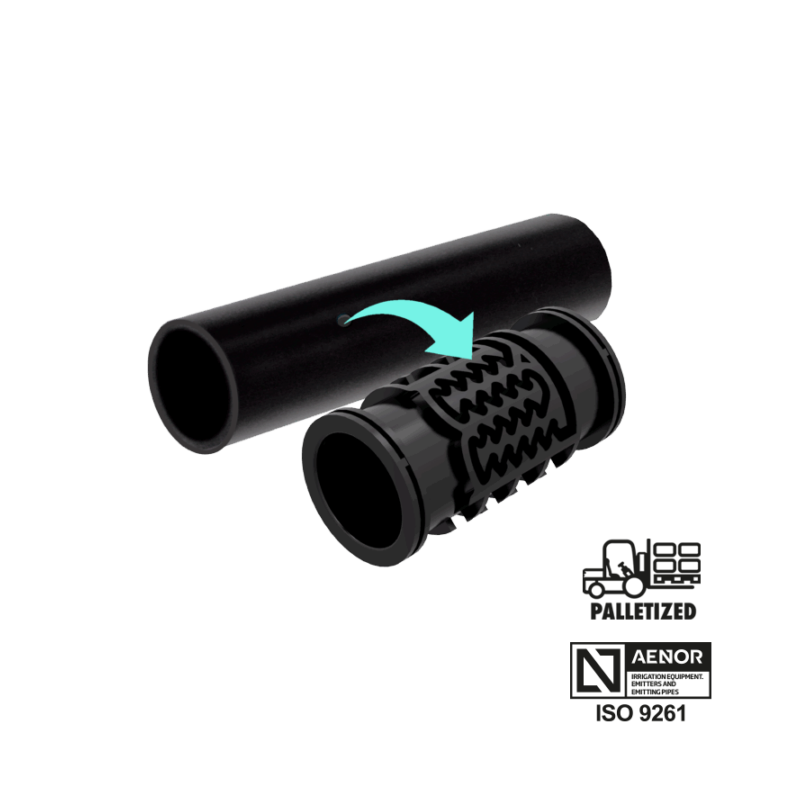
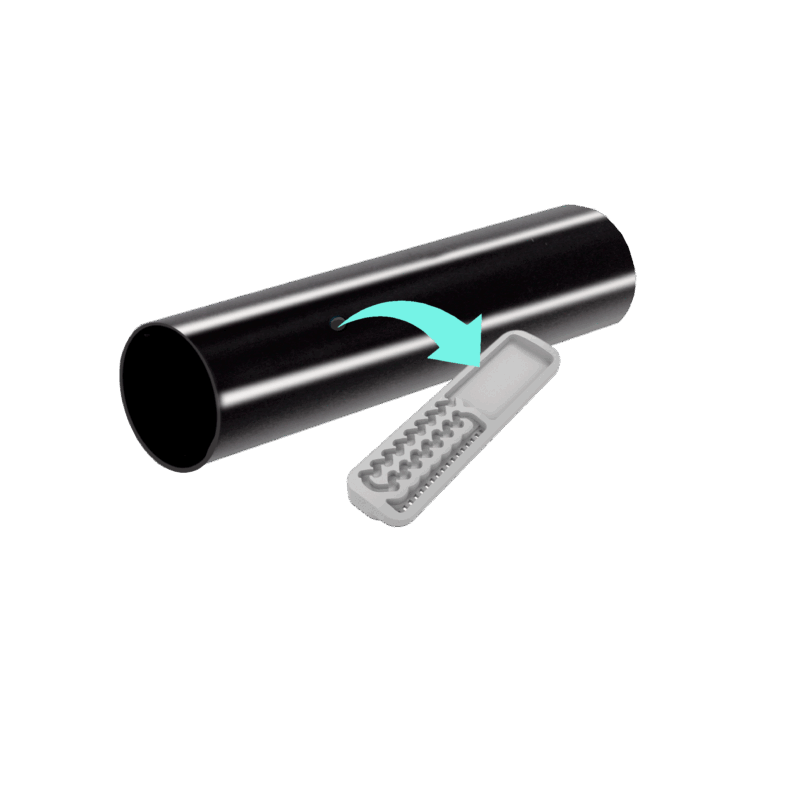
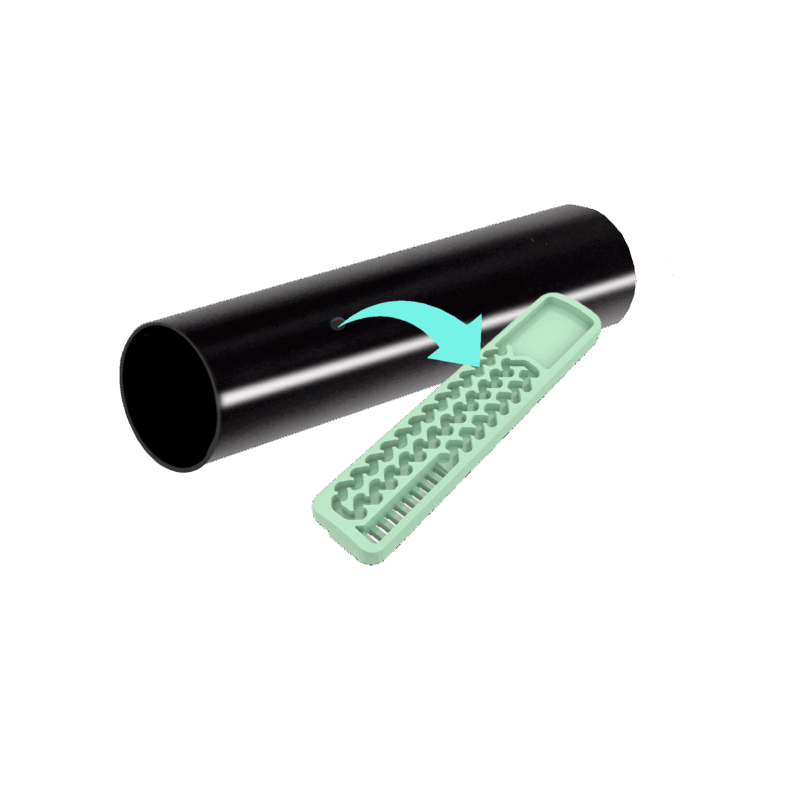
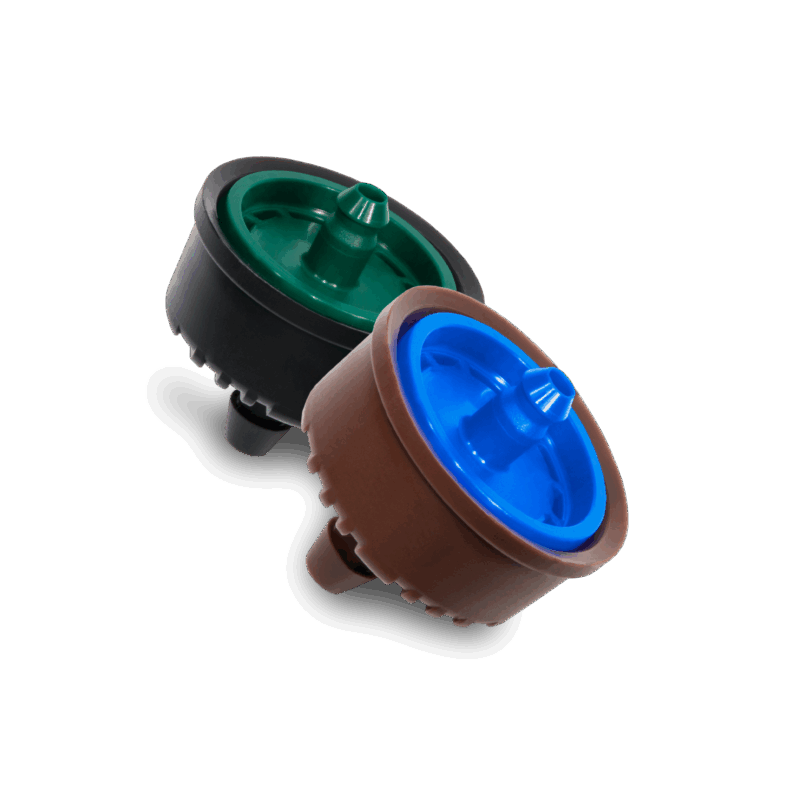
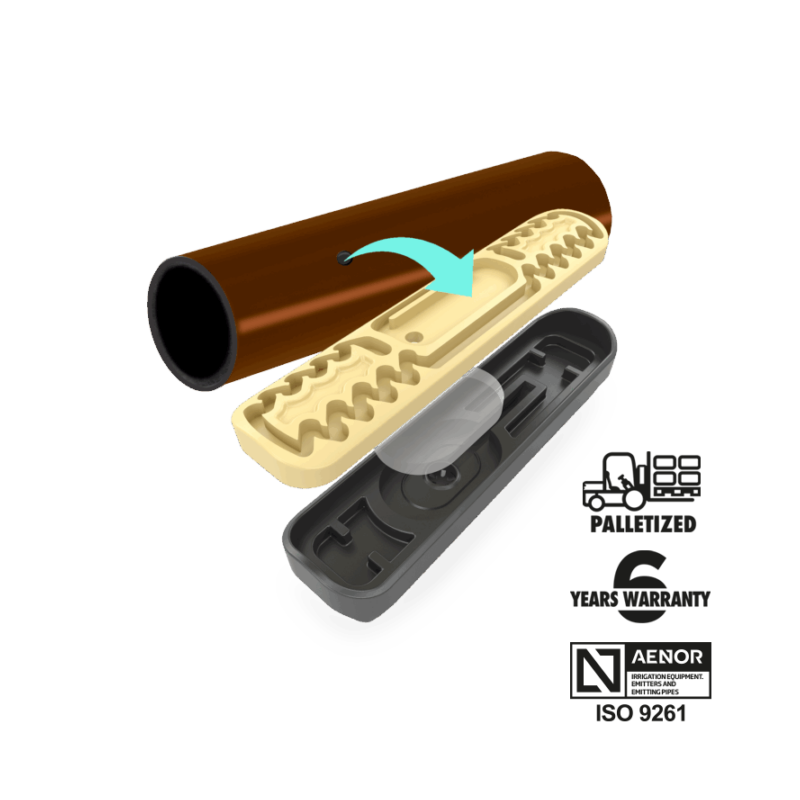
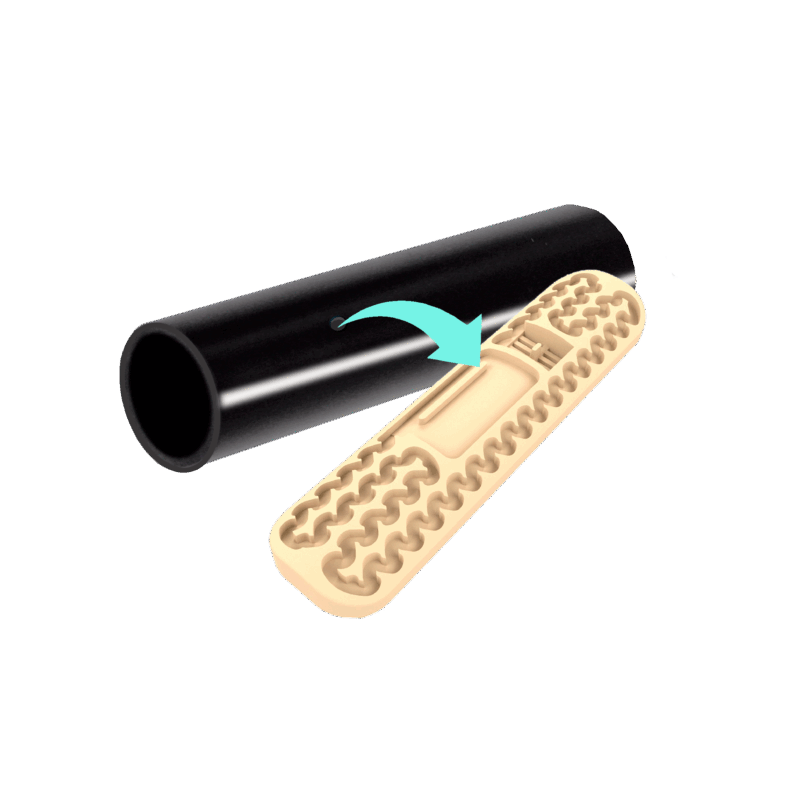
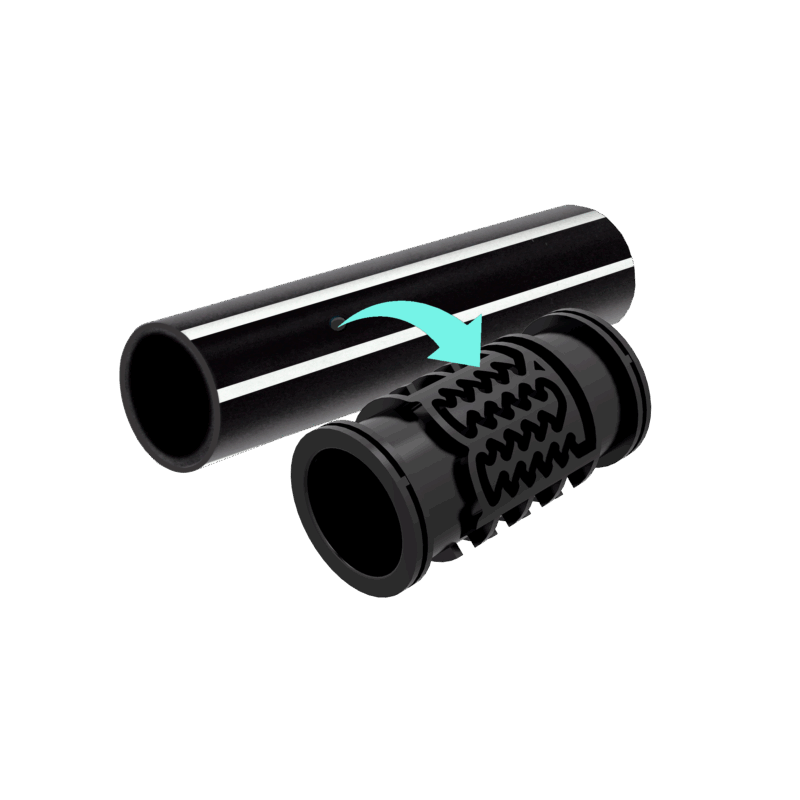
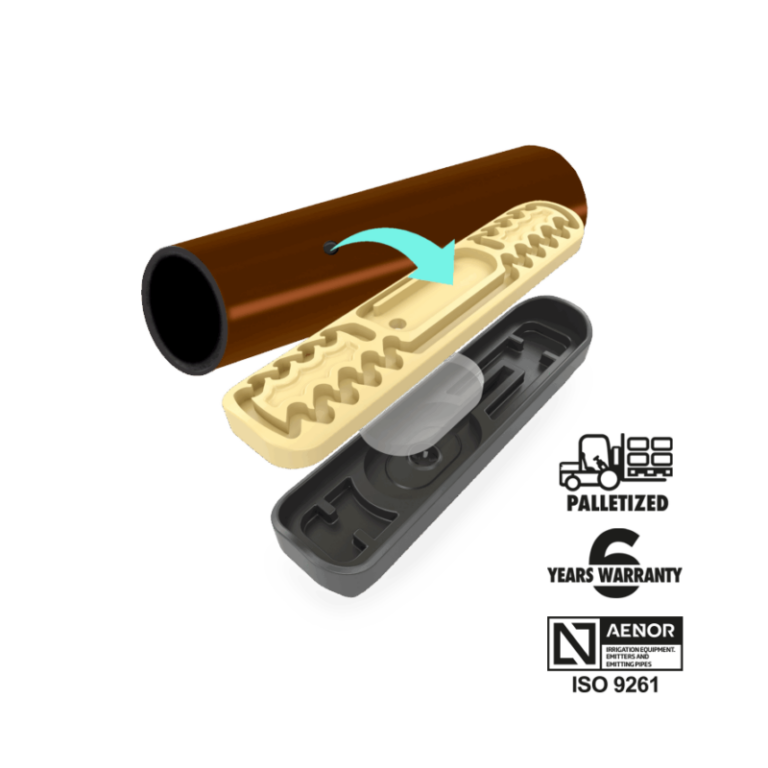
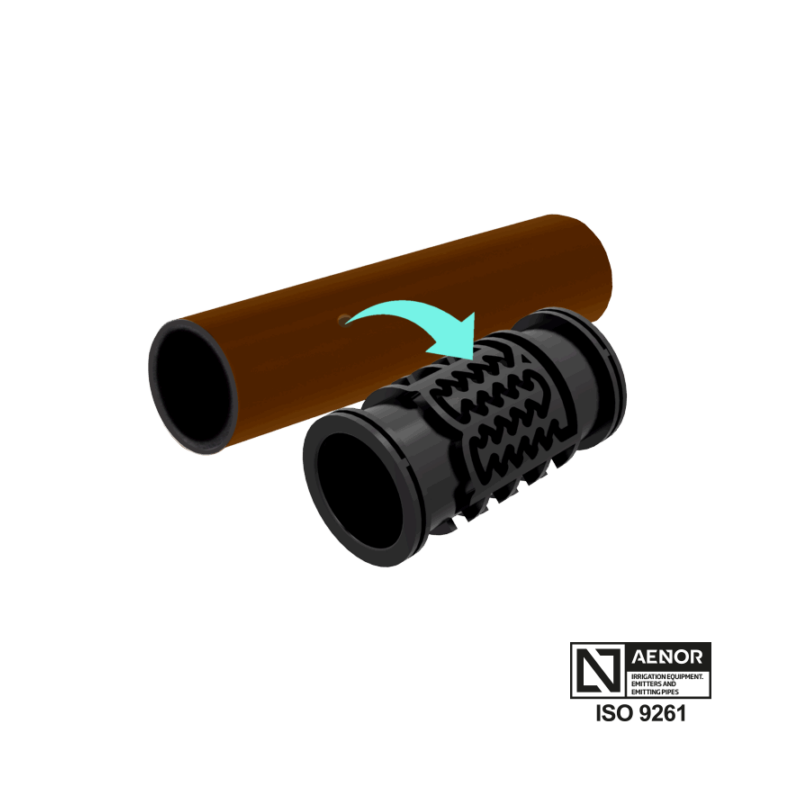
Drip irrigation is the most widely used system in walnut cultivation, as it allows for localized and efficient water application, adapting to the tree’s needs at each stage of its life cycle.
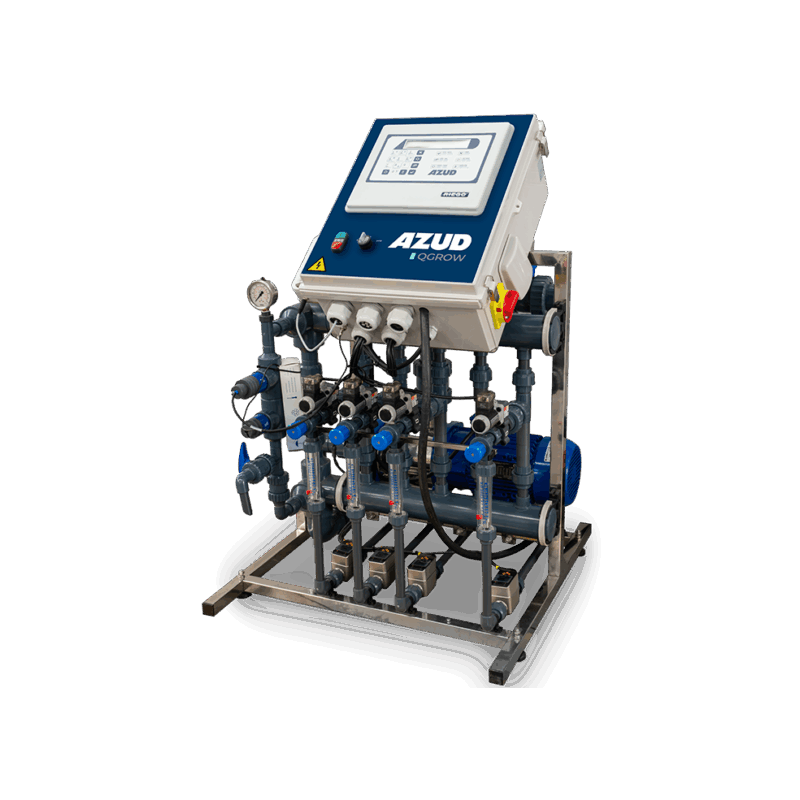
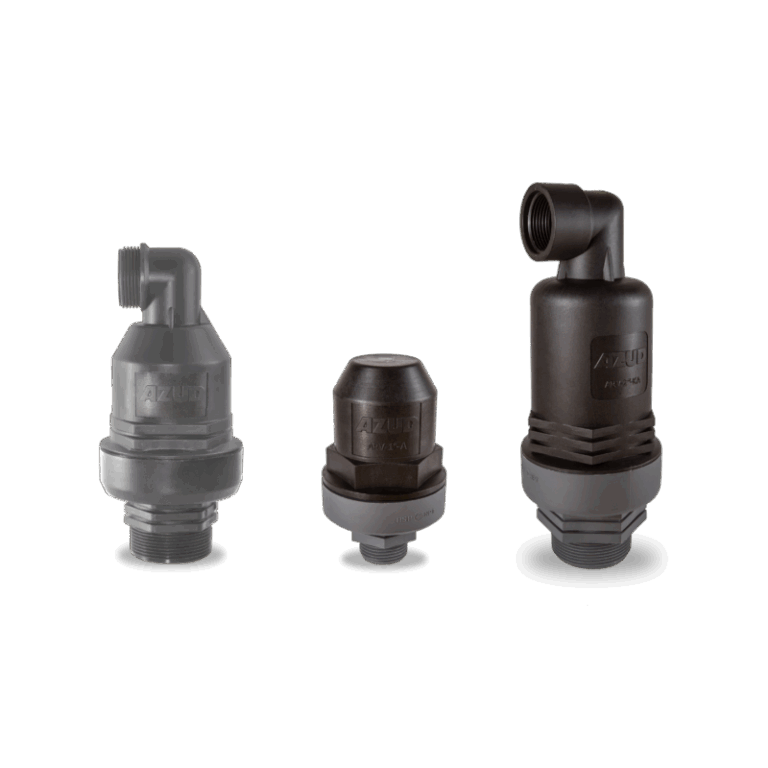
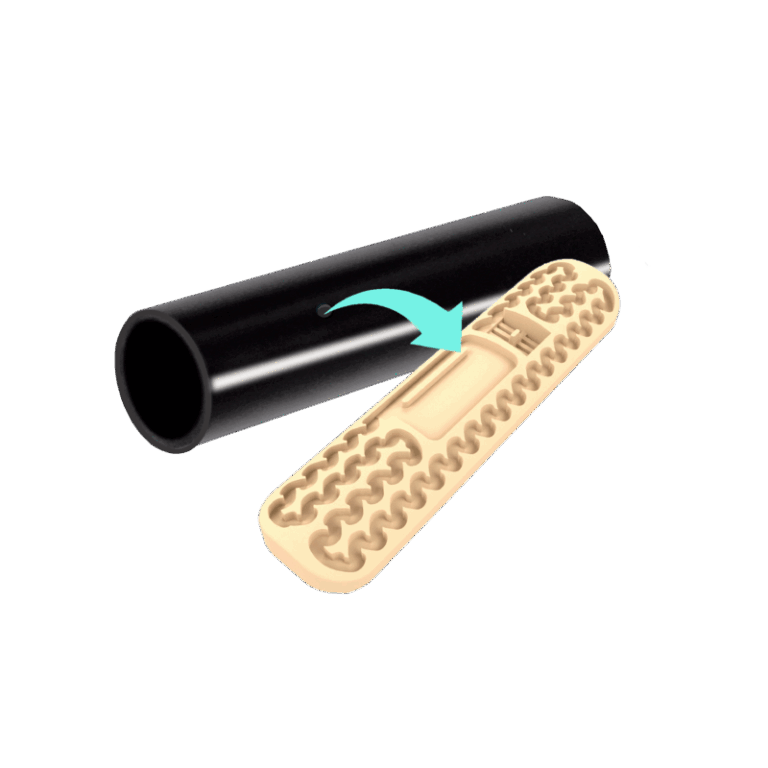
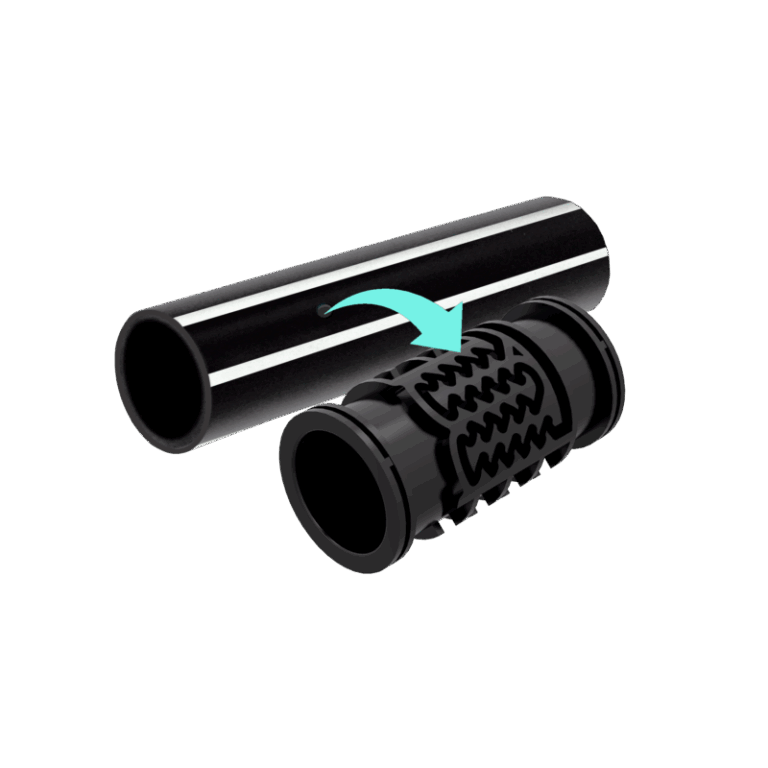
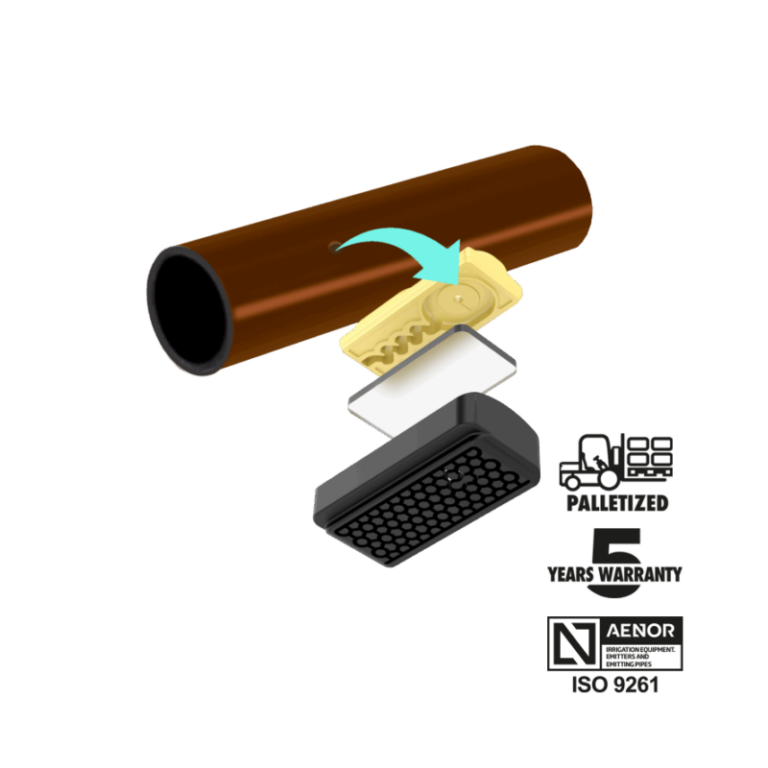
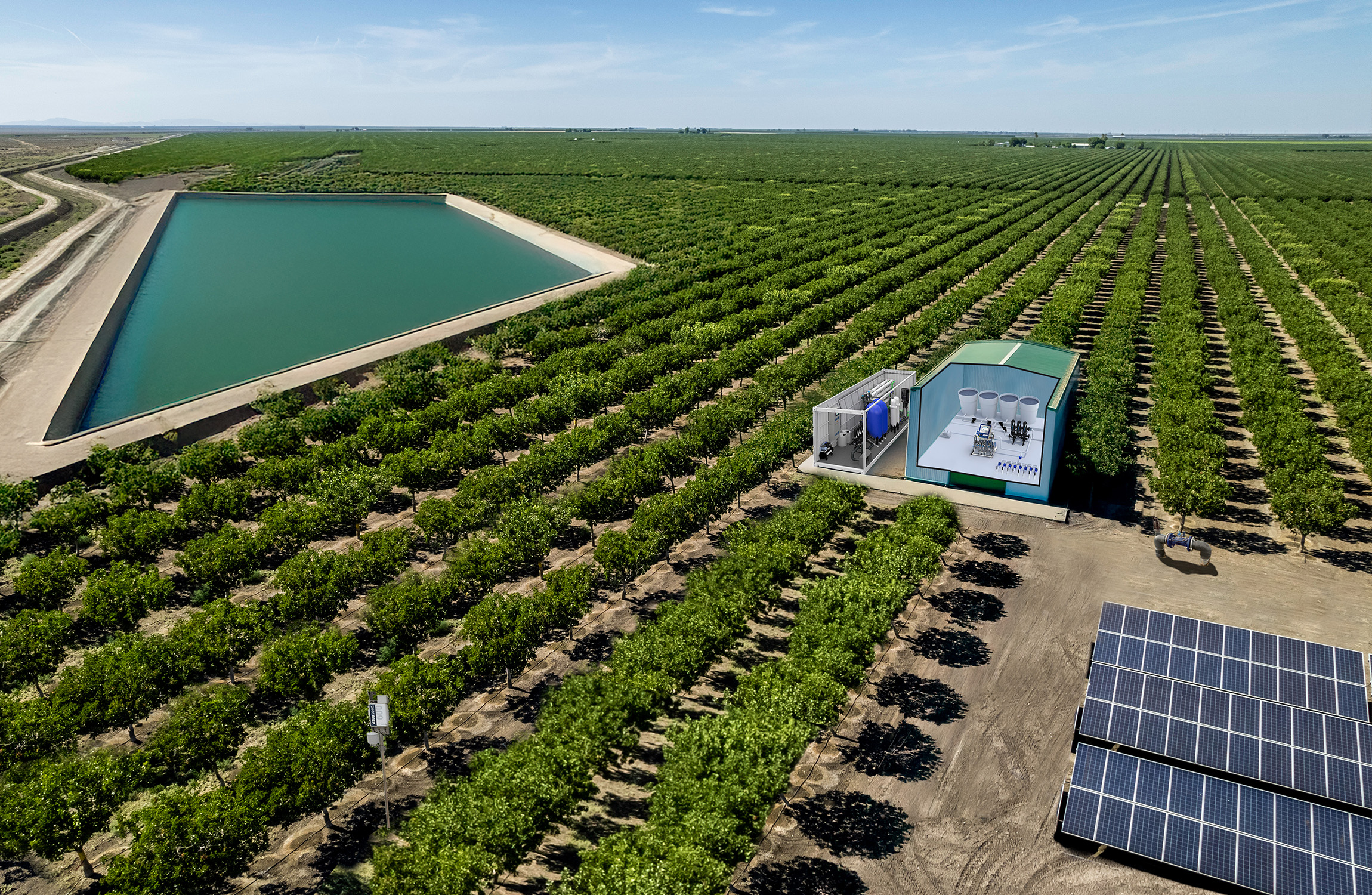
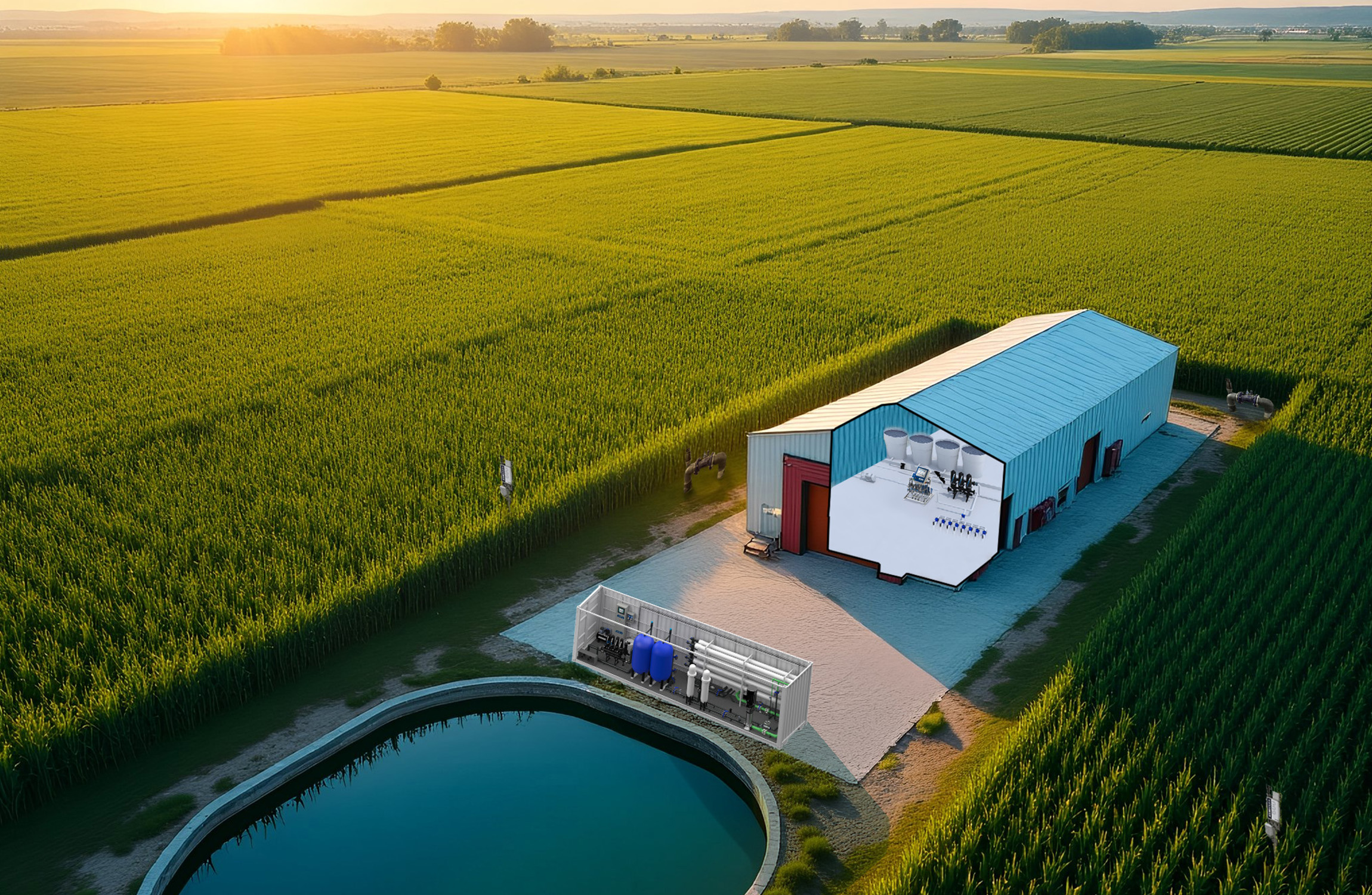
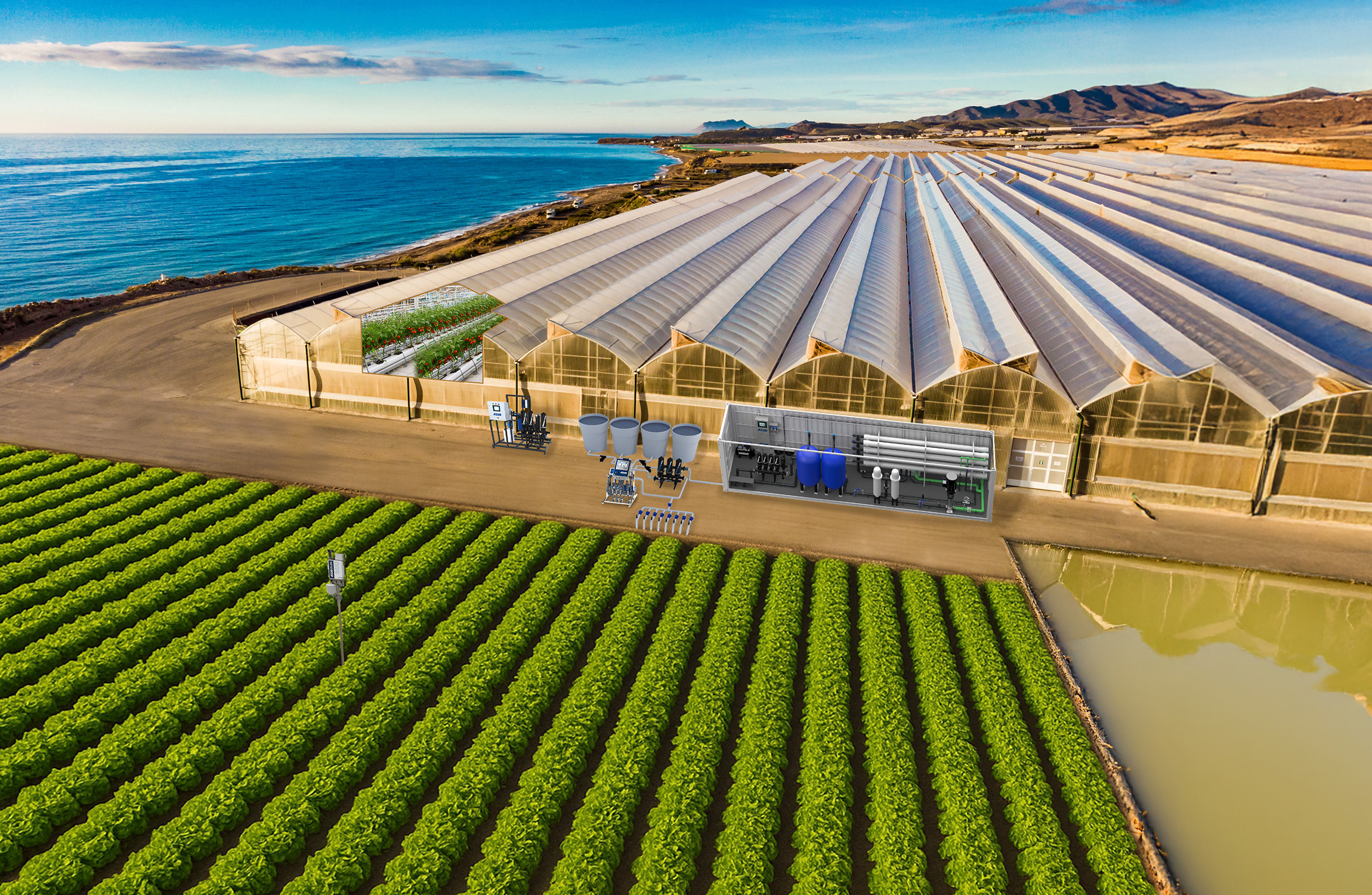
AZUD’s irrigation solutions enable the design of systems tailored to walnut orchards, promoting uniform water distribution and greater control over water resources in long-term operations.
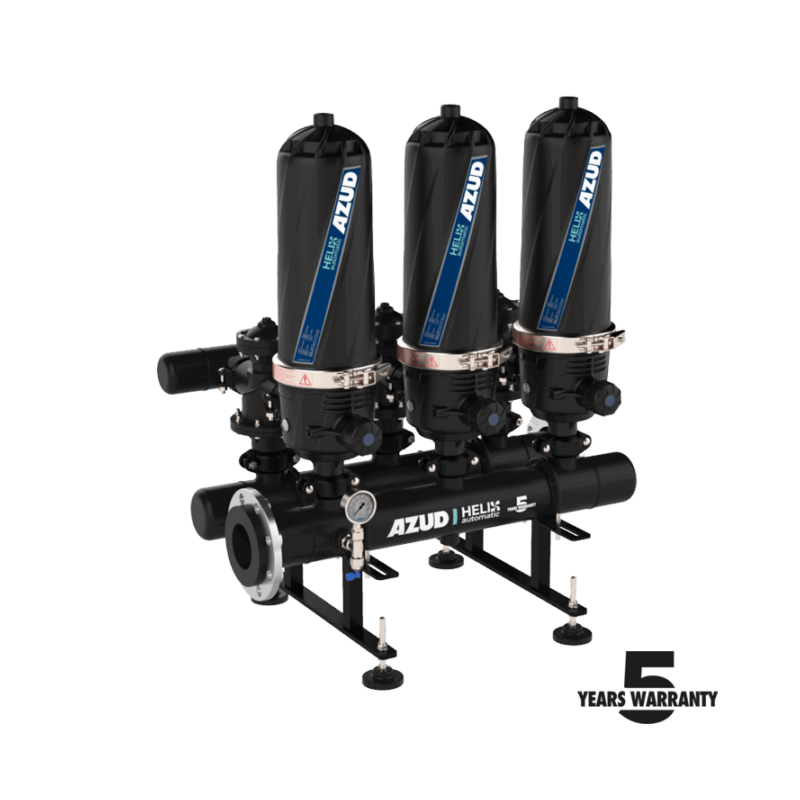
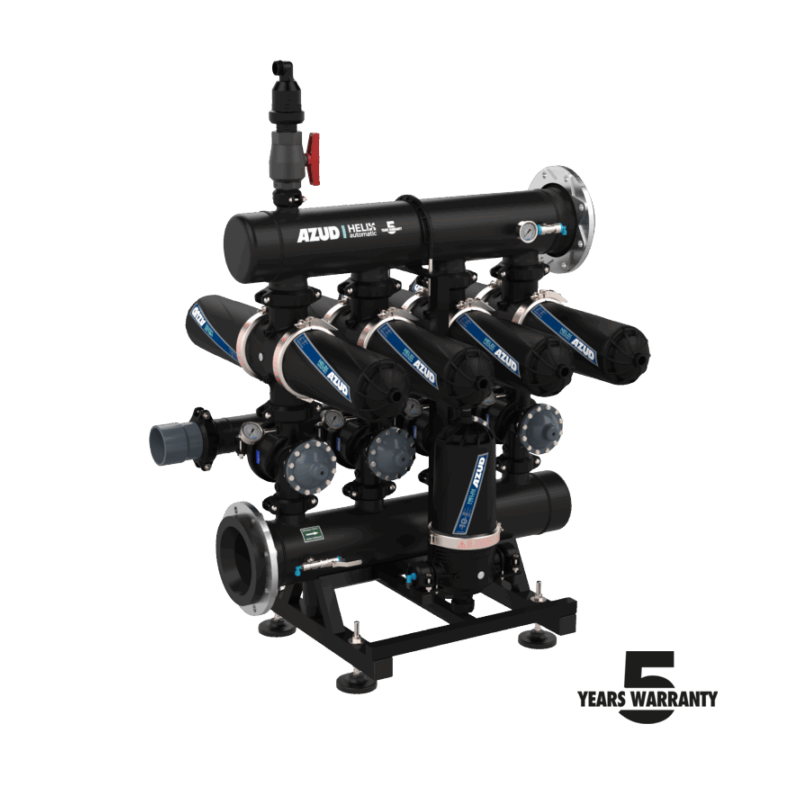
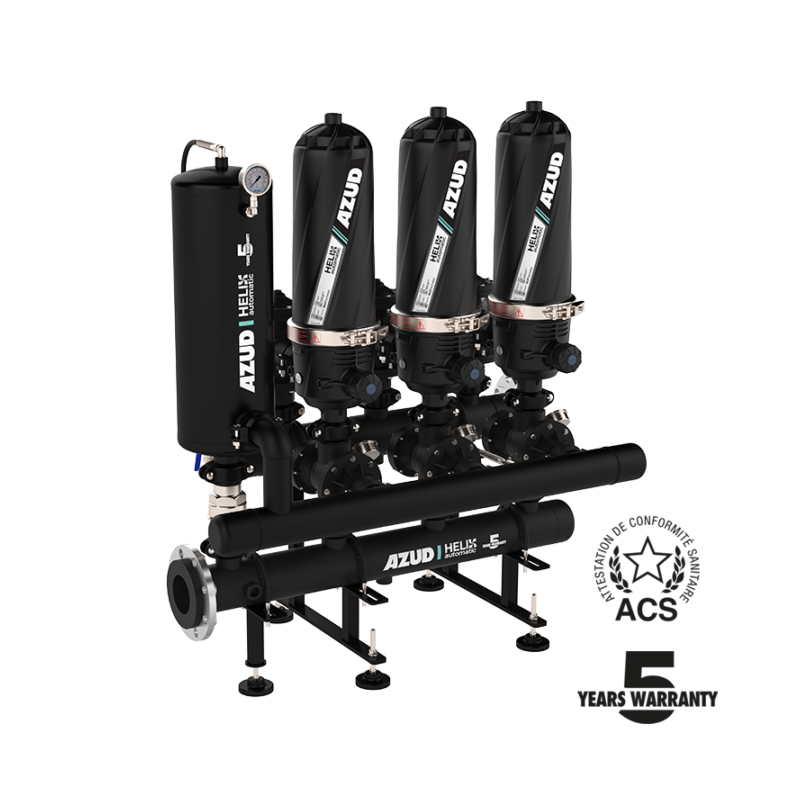
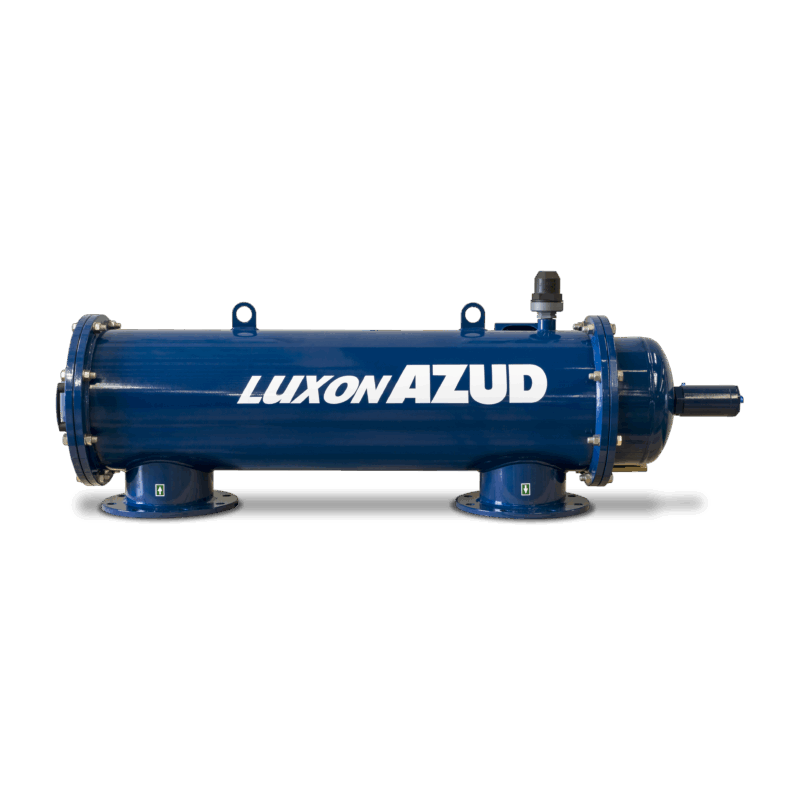
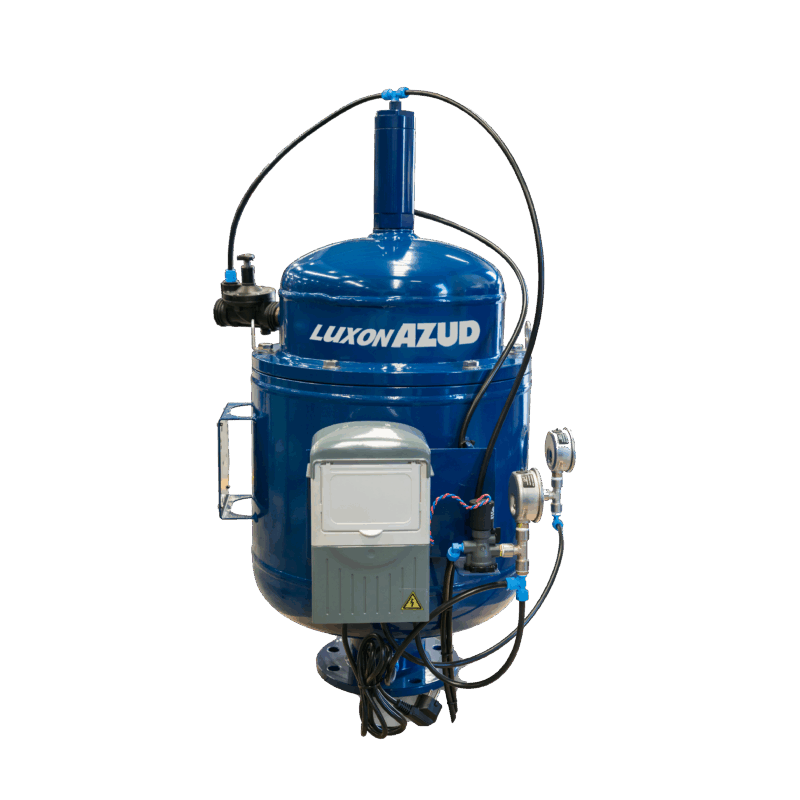
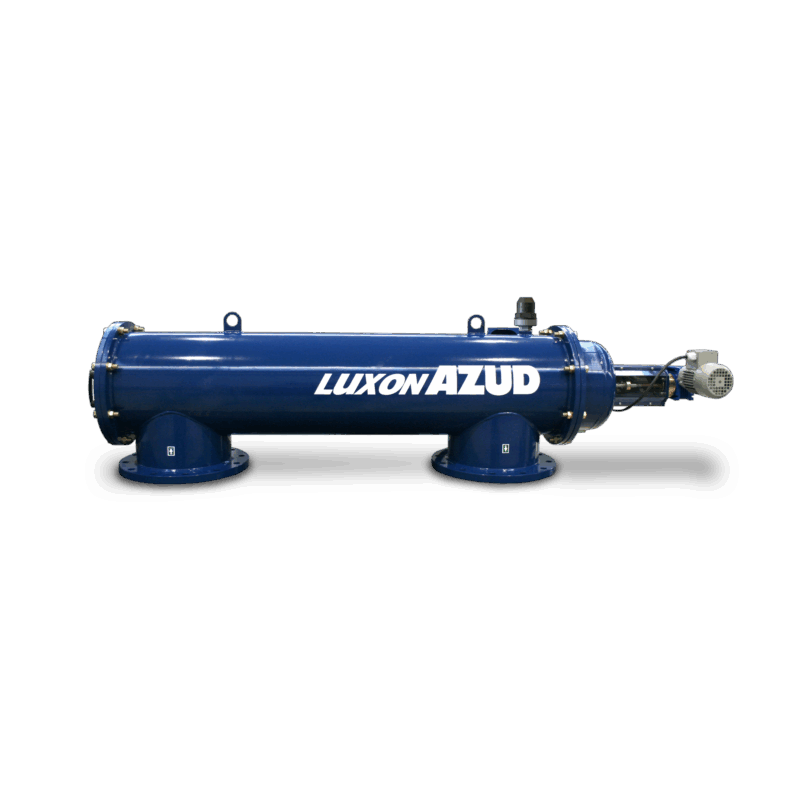
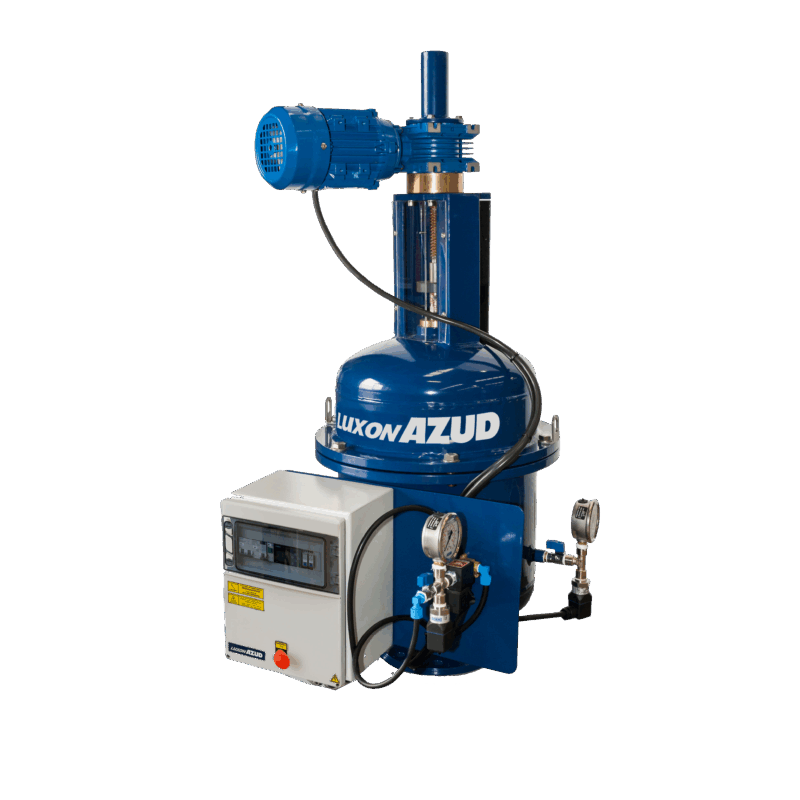
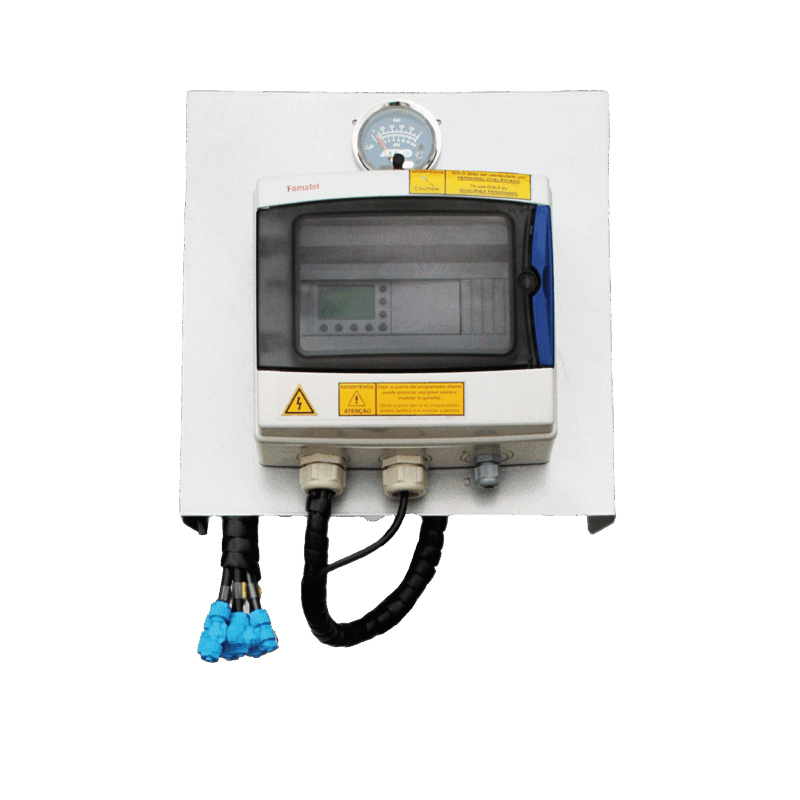
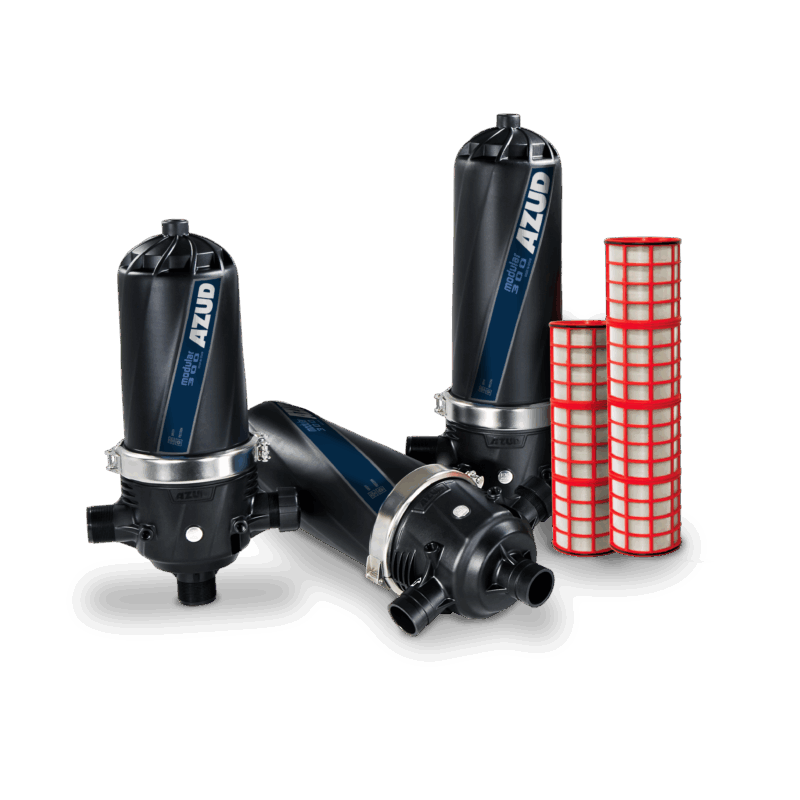
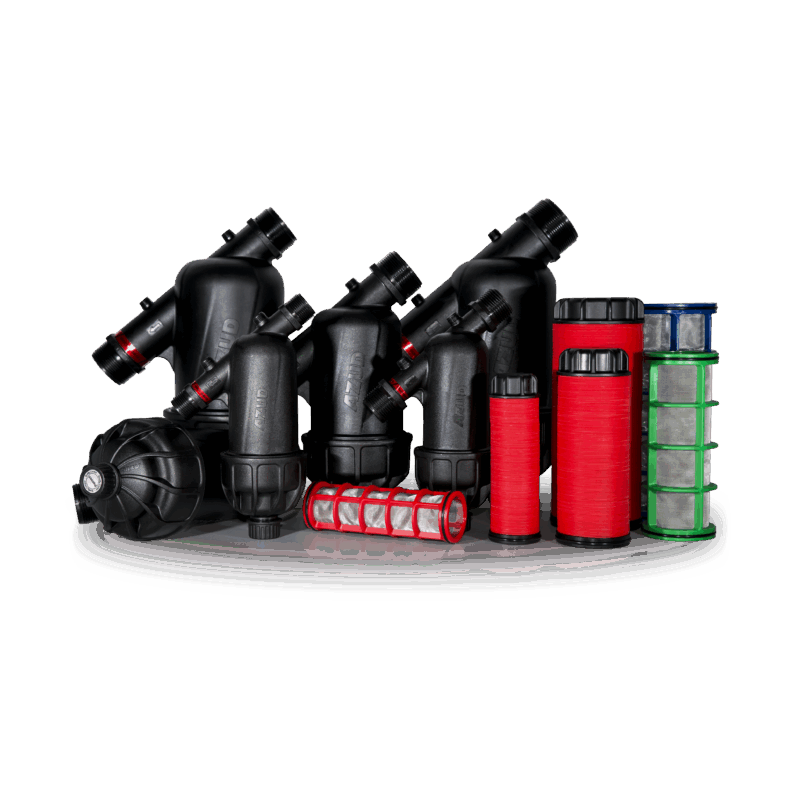
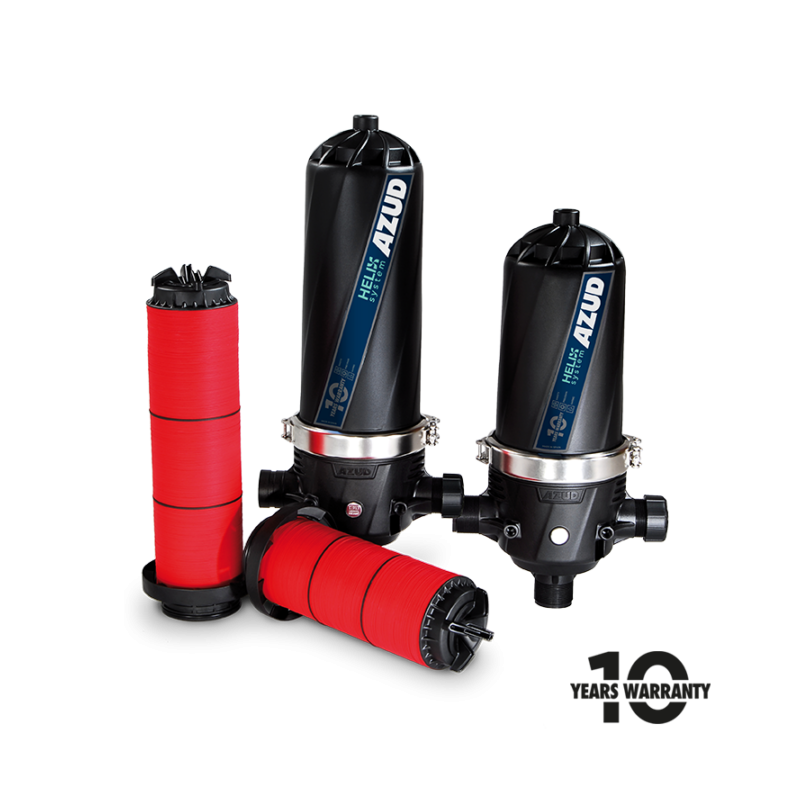
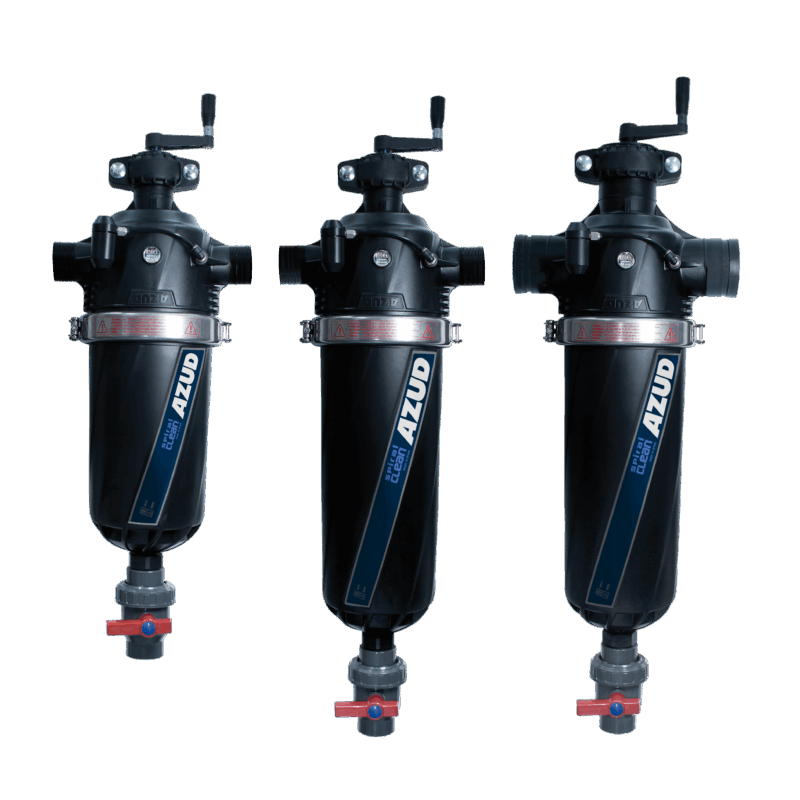
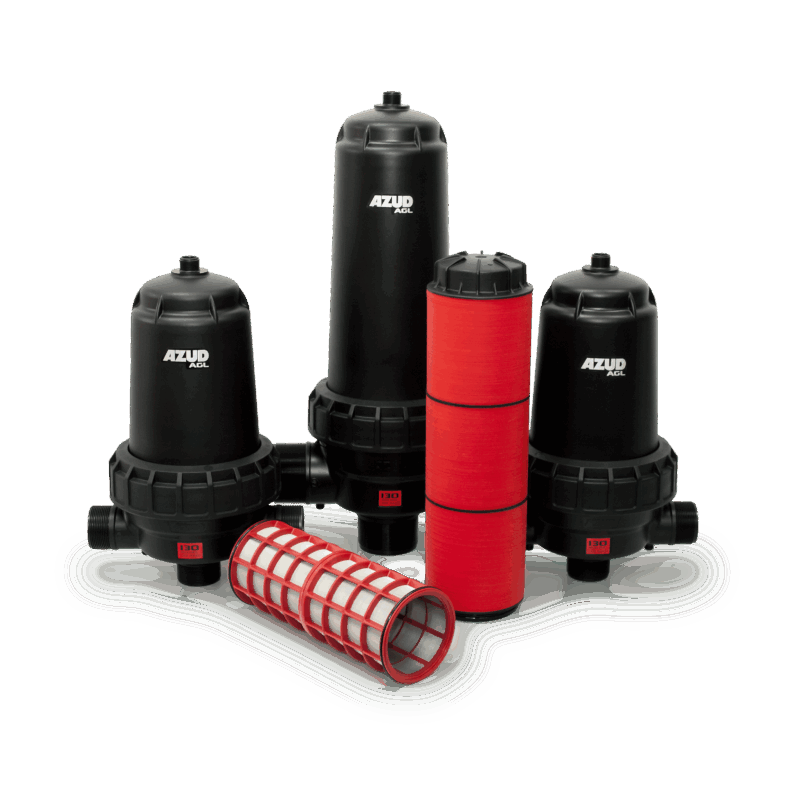
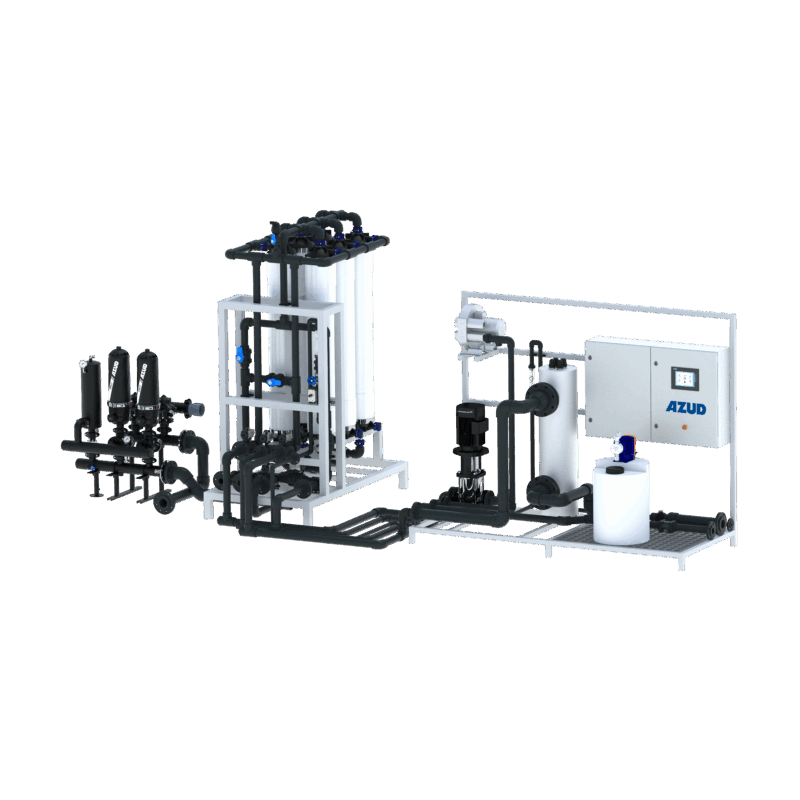
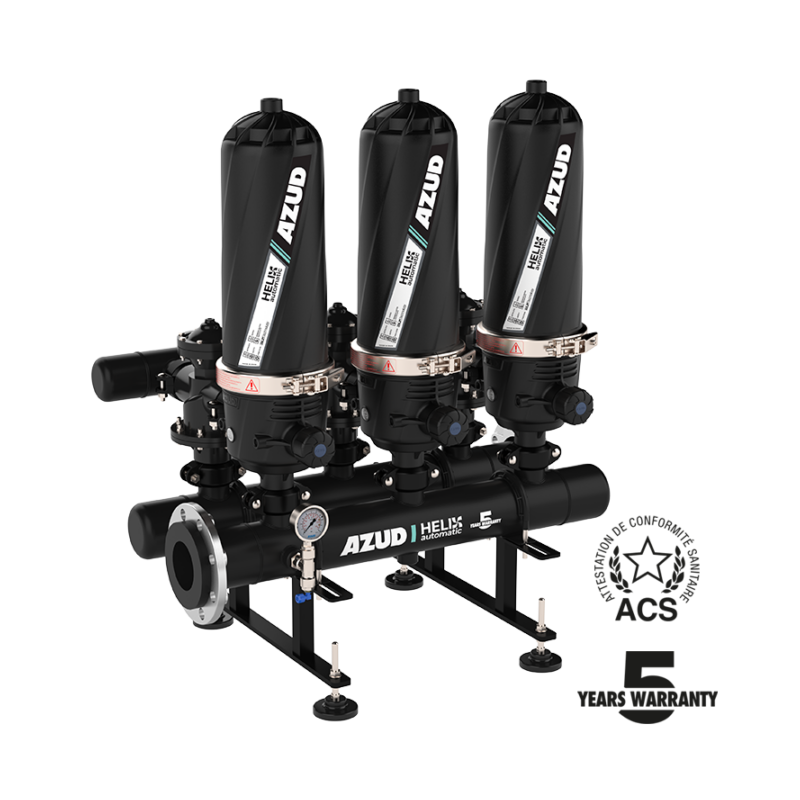
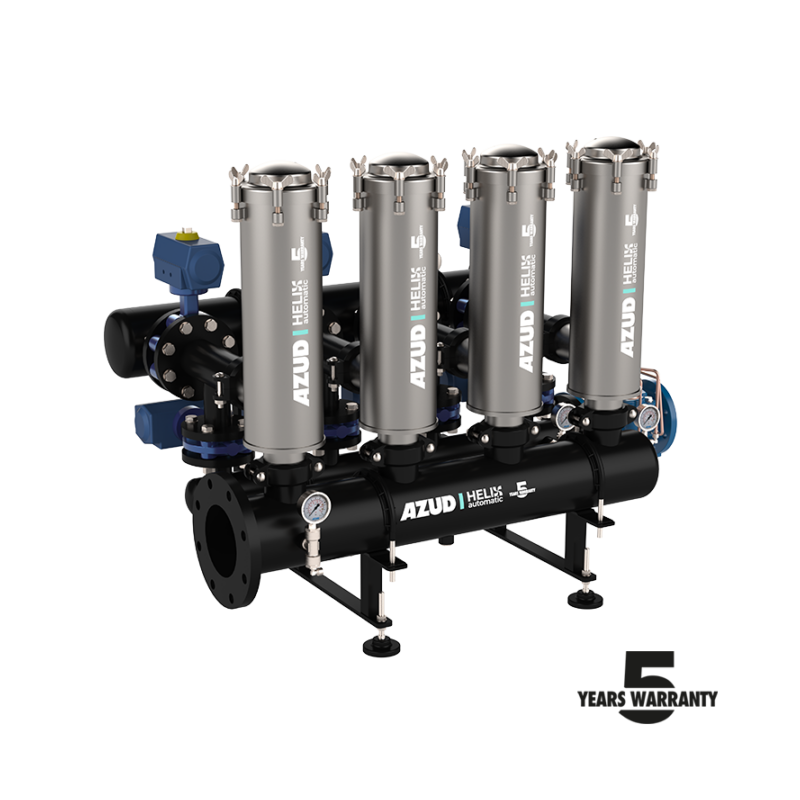
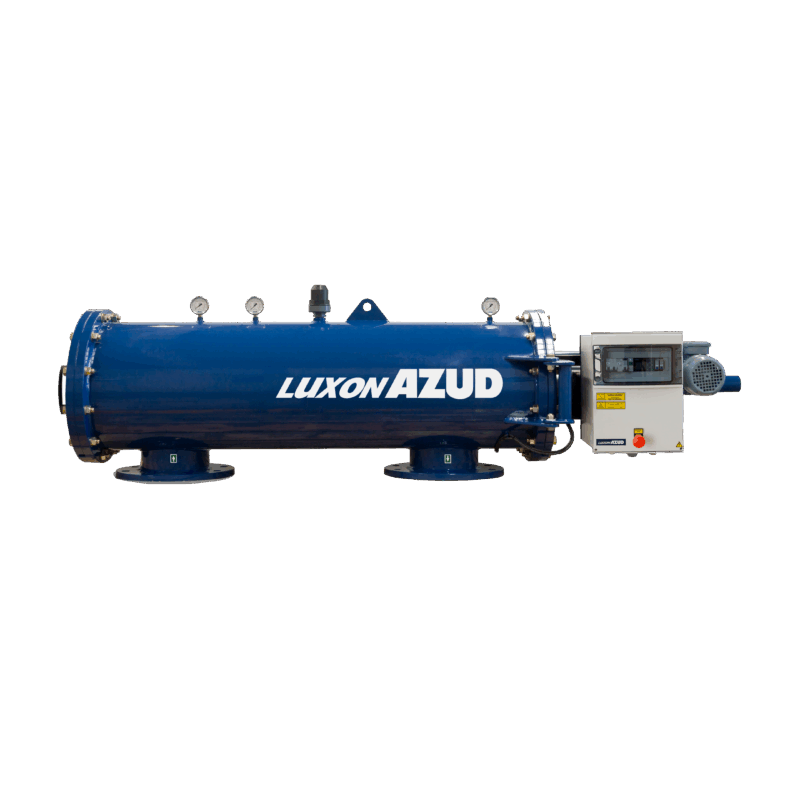
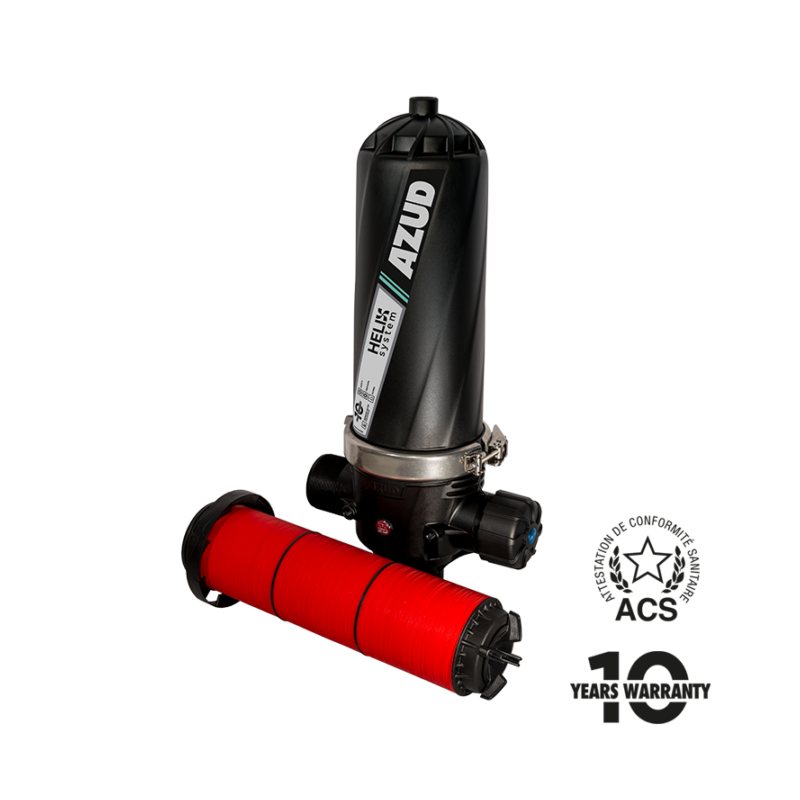
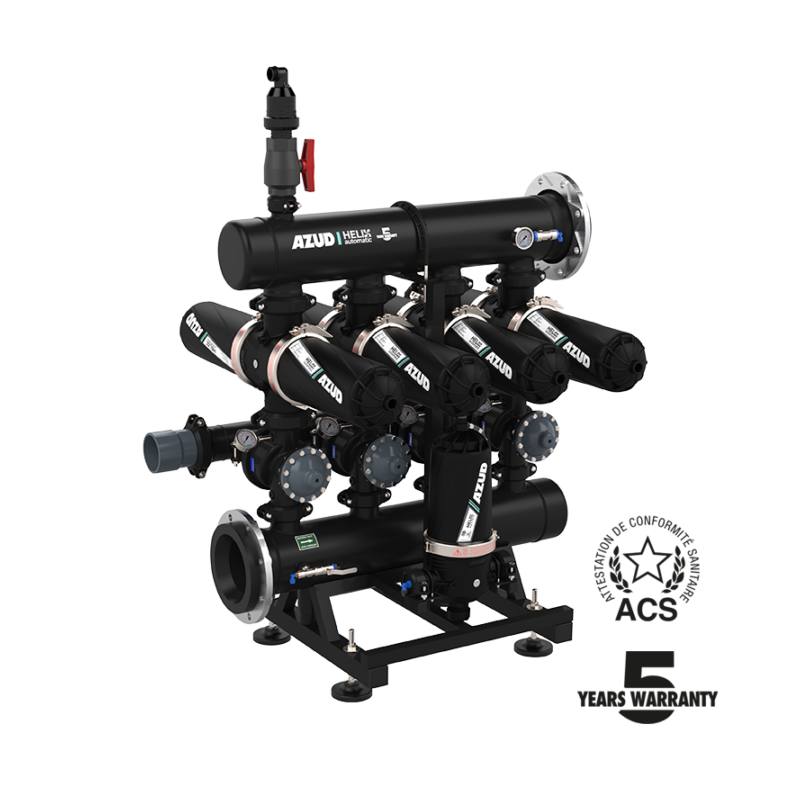
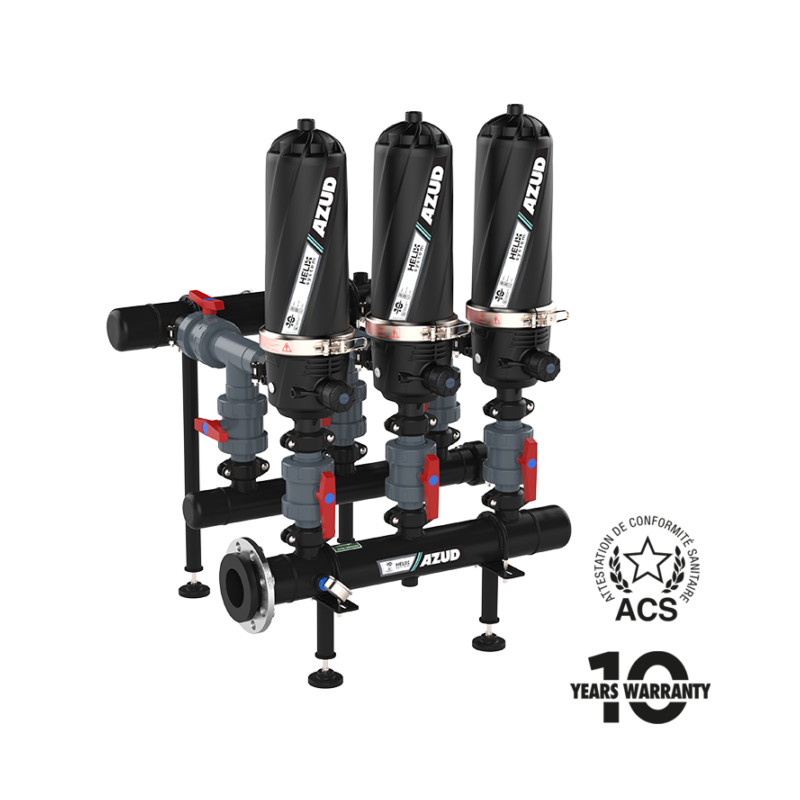
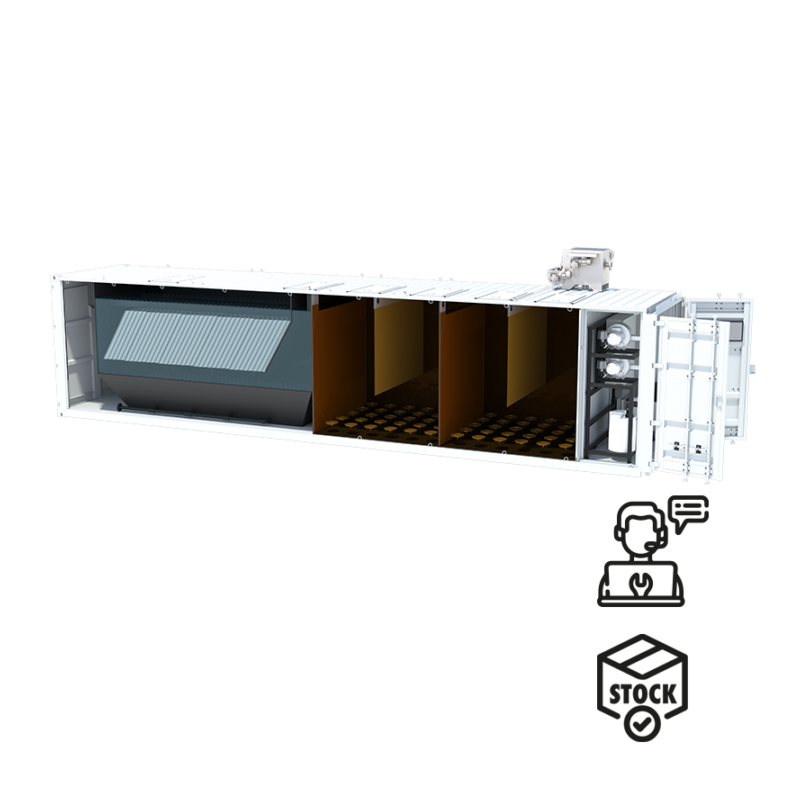
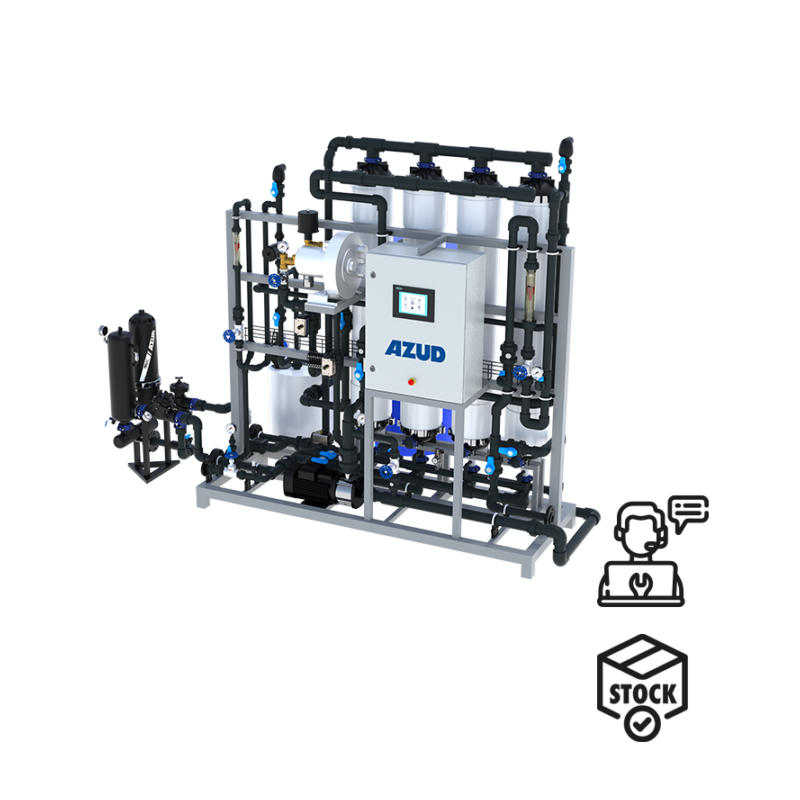
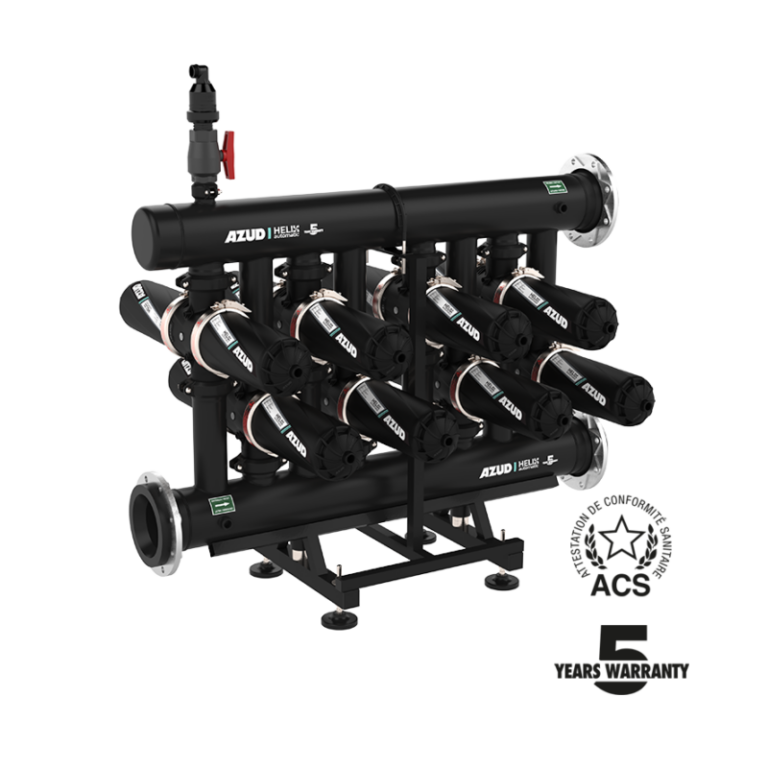
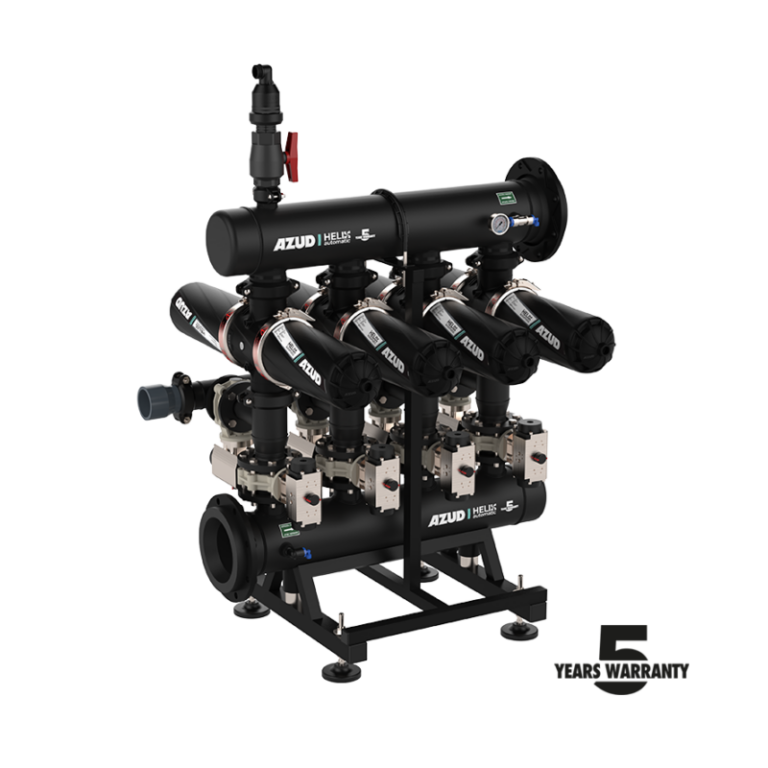
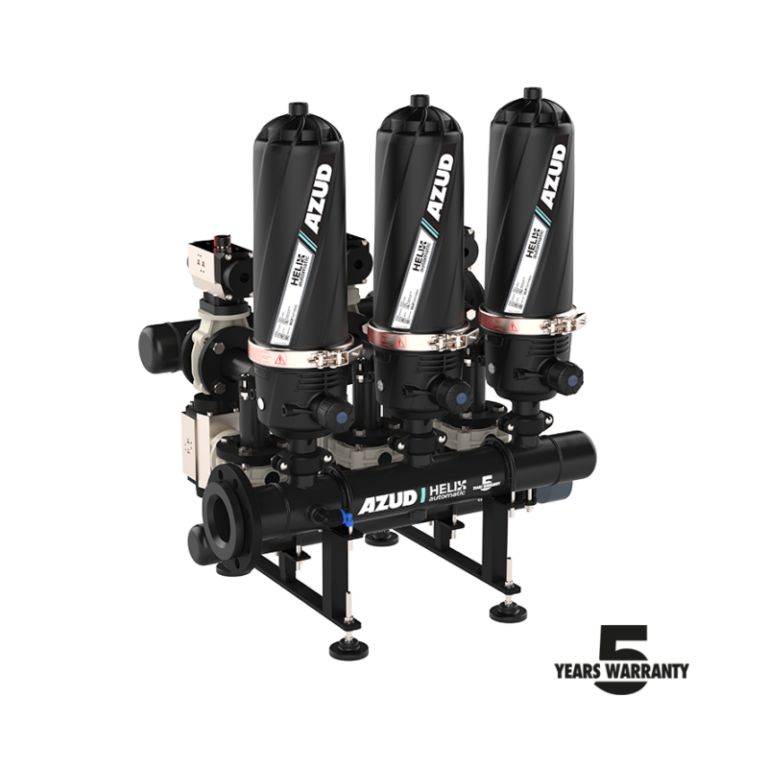
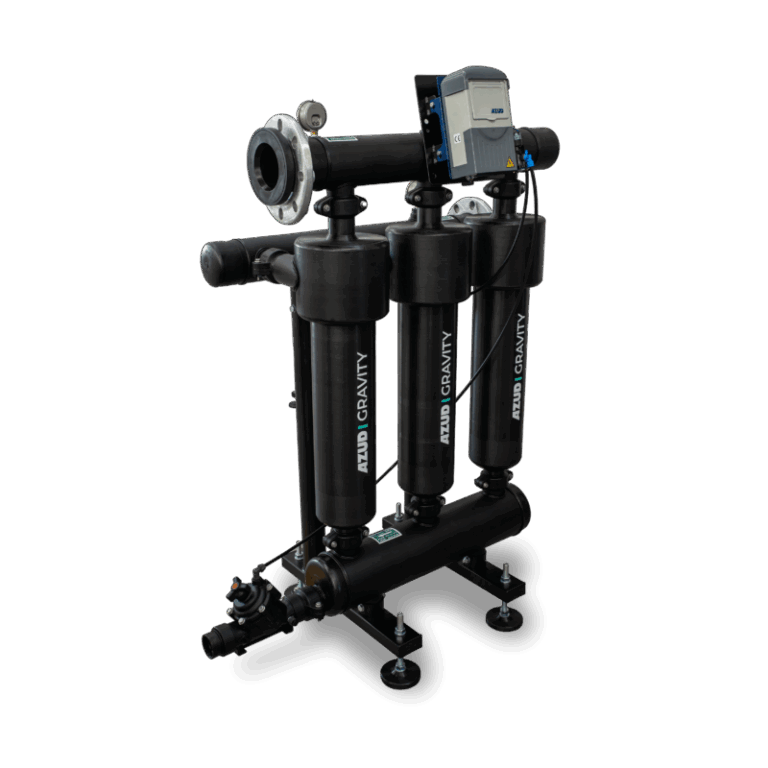
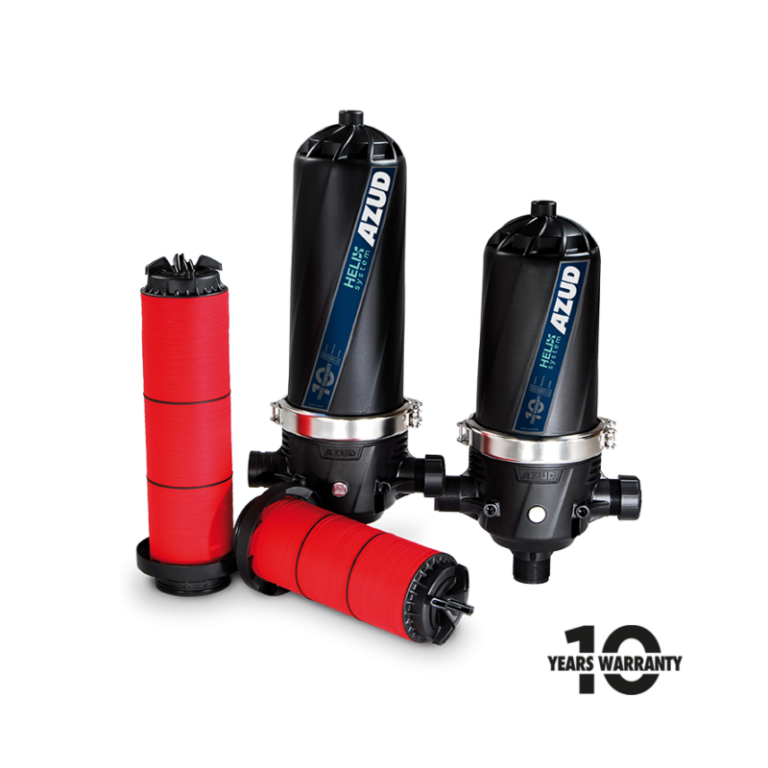
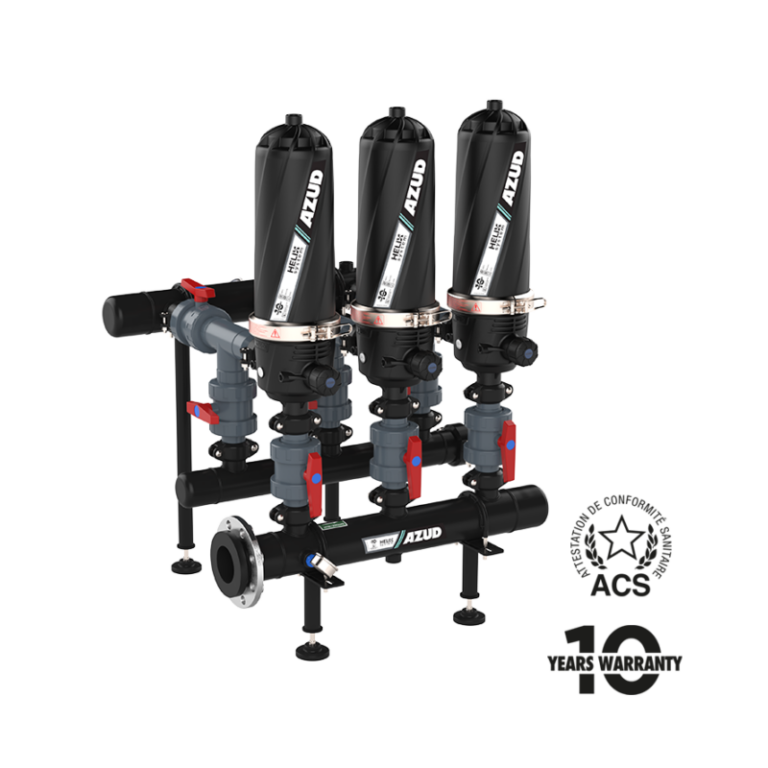
AZUD’s filtration systems help ensure irrigation reliability and the durability of the installation—key factors in woody crops requiring a high initial investment.
Direct benefits for your walnut crop
Yes, irrigation is essential to ensure the tree's healthy growth and a consistent, high-quality crop.
The stages of bud break, vegetative growth, and fruit filling are the most sensitive to irrigation management.
Drip irrigation is the most recommended system because of its efficiency and its ability to provide precise control over water application.