
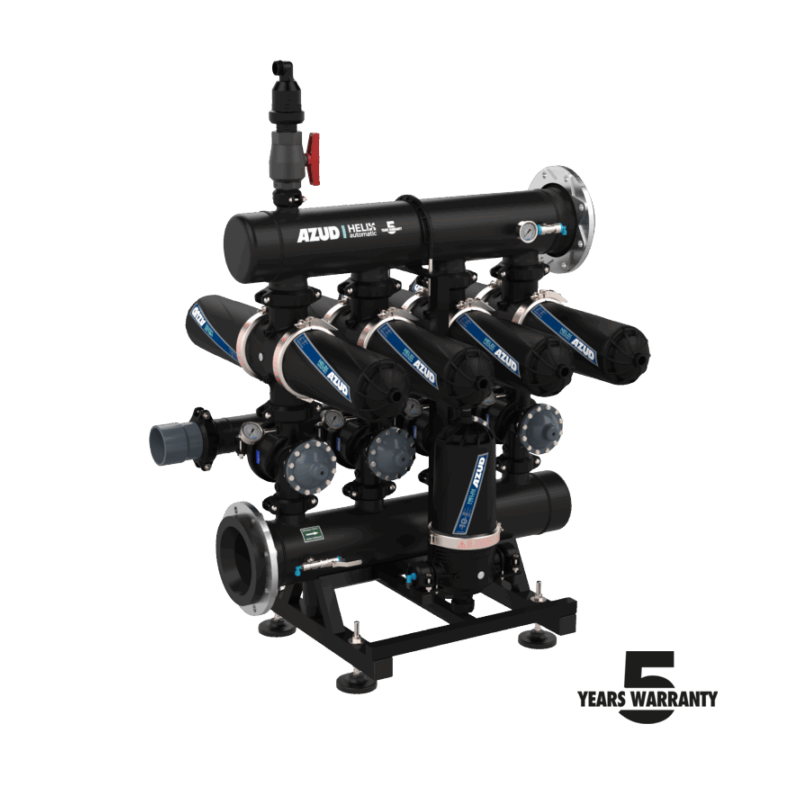
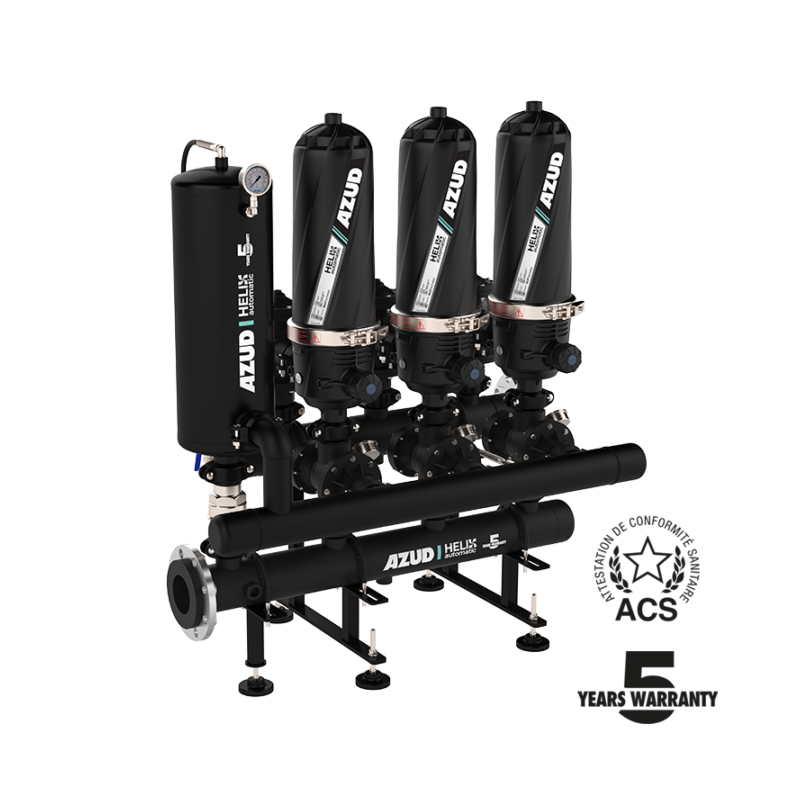
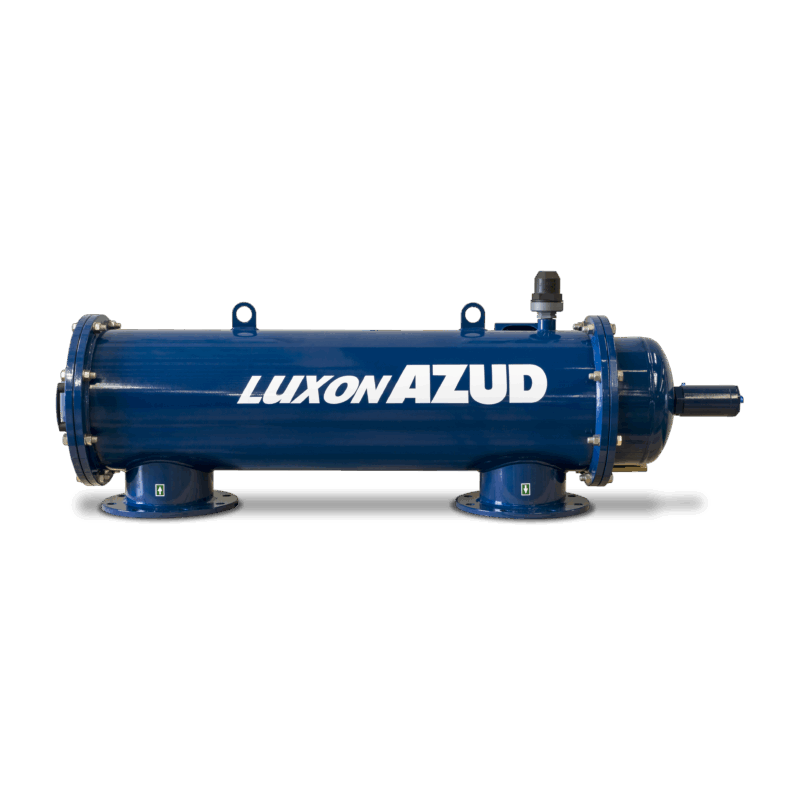
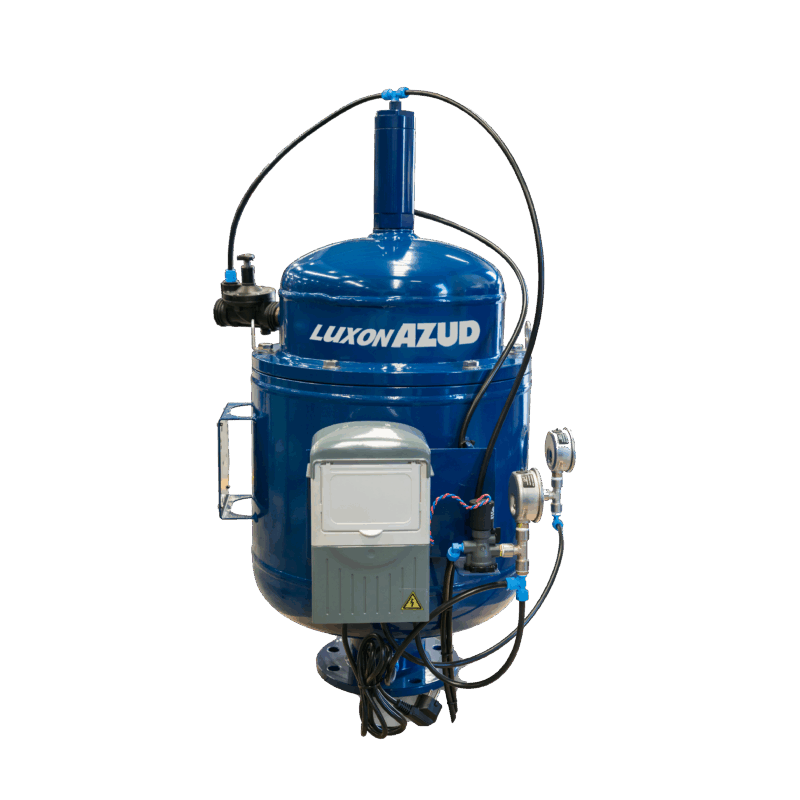
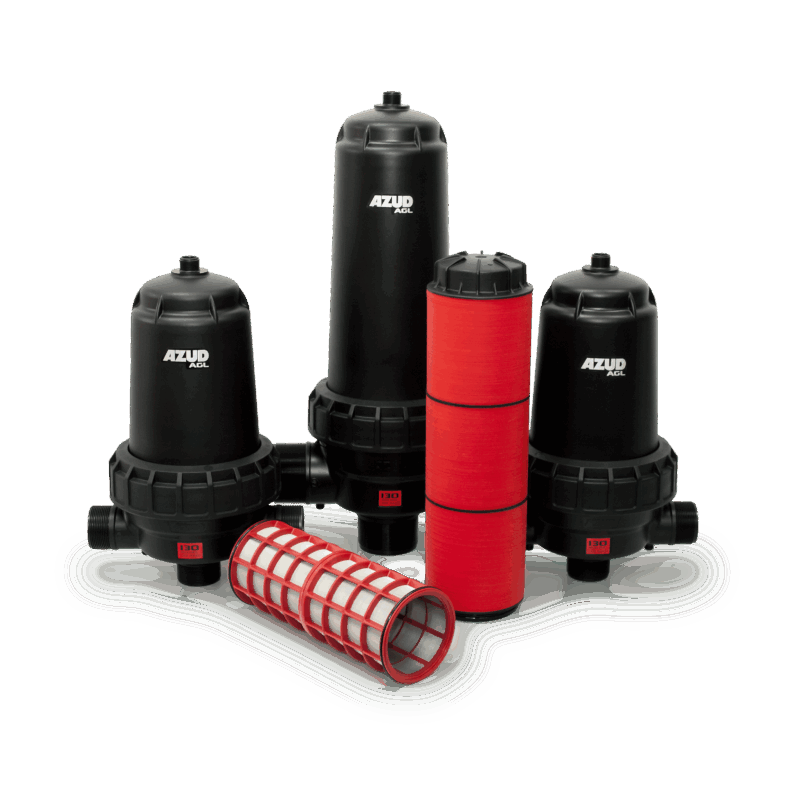
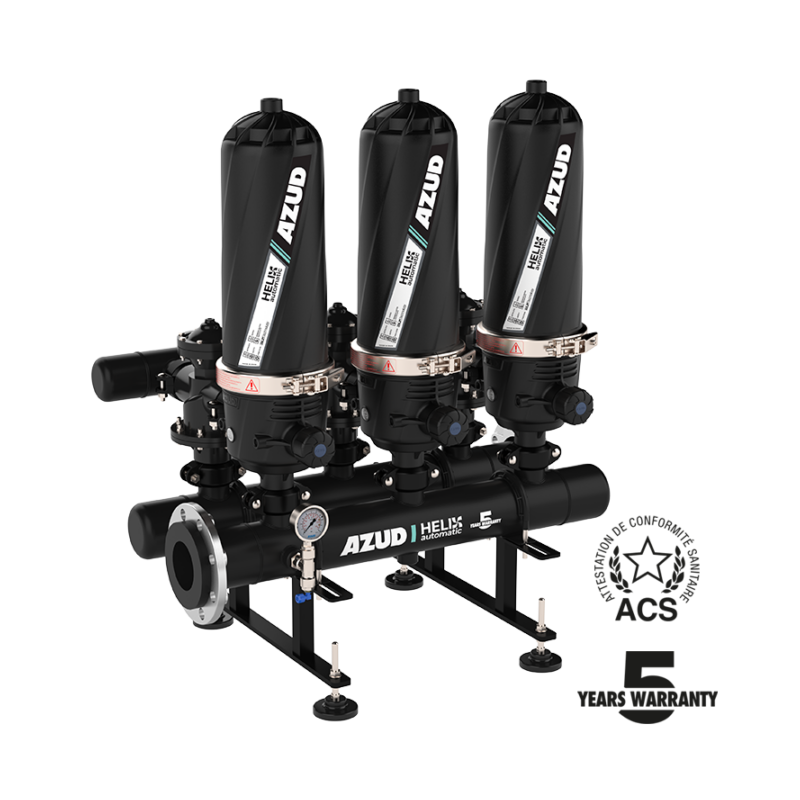
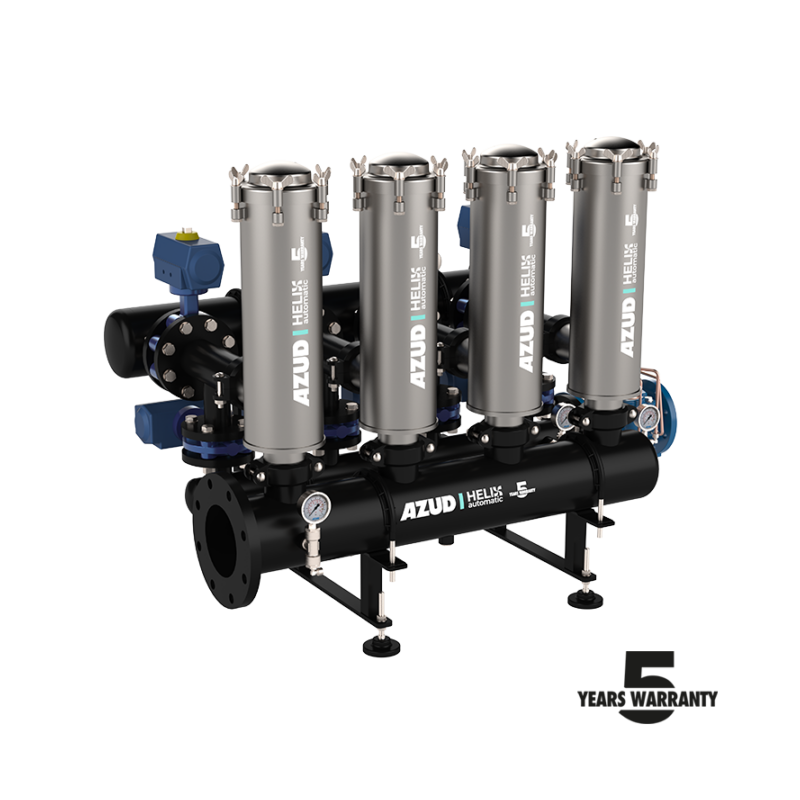
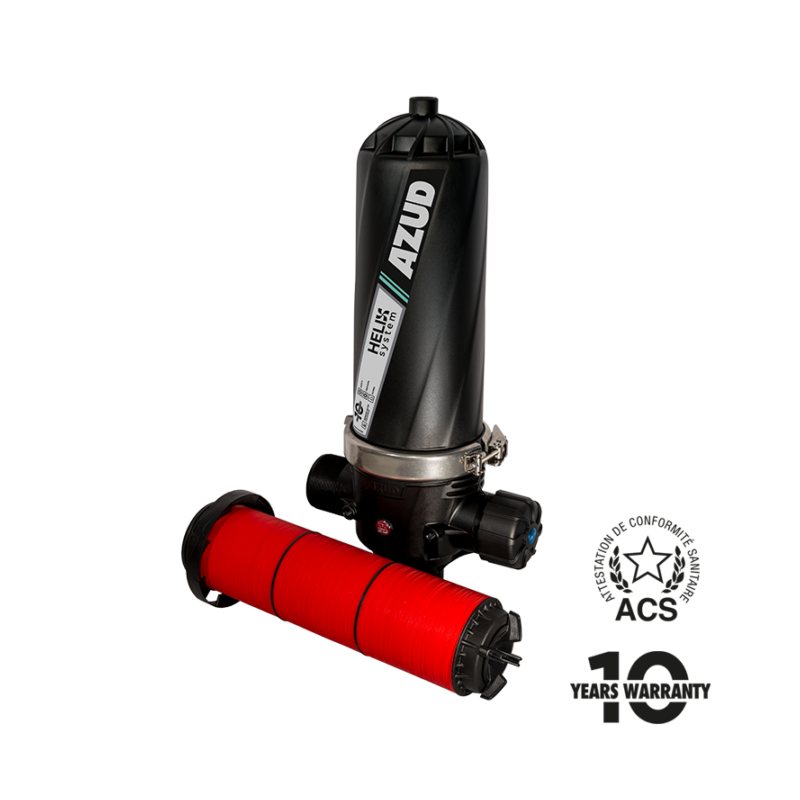
Filtration Systems Made of Plastic Material: Structural, Functional and Application Engineering Advantages
The versatility and broad spectrum of performance has allowed plastics to be present in all domestic environments and in the healthcare, architectural, aerospace, industrial and agricultural sectors
Characteristics and Functional Performance of Plastic Filtration Systems
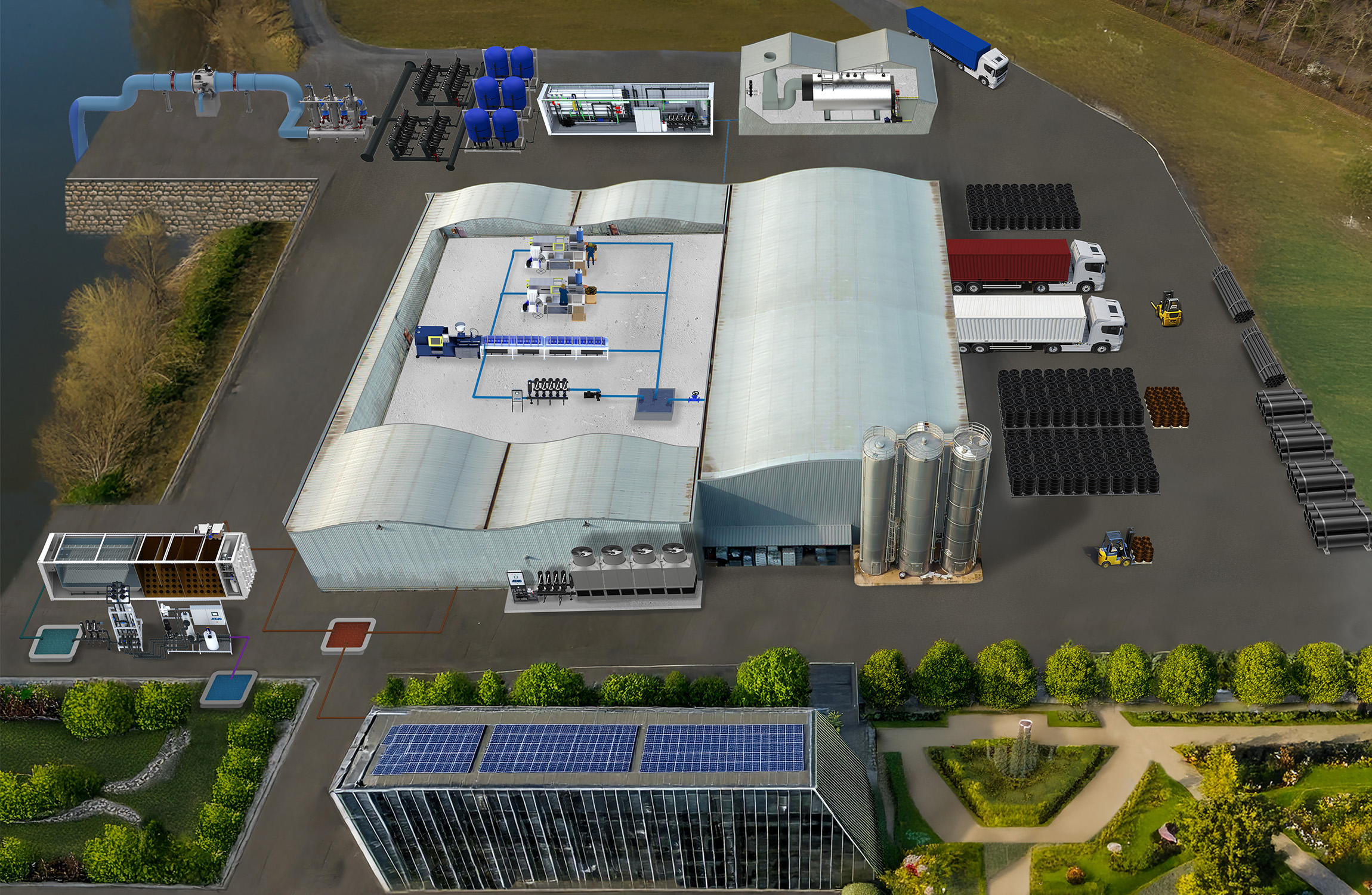
The wide range of technical plastics available for transformation into components by the injection molding process makes it possible to select the material with the most suitable characteristics and performance, according to the expected exposure conditions and the specific requirements of each component. The injection technique allows the manufacture of components with innovative shapes and specific surface finishes and, therefore, the development of products with highly functional designs aimed at optimizing their performance and achieving, from the aesthetic point of view, a customized brand image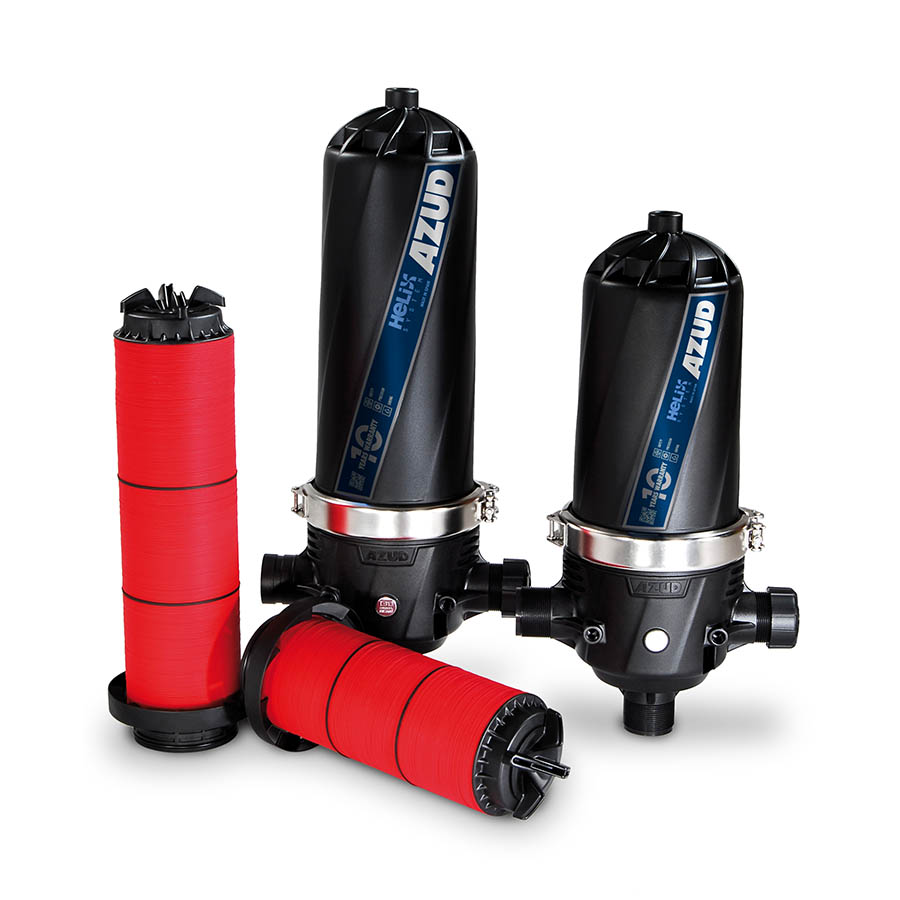
Advantages of Plastic Filtration Systems in Contact with Water
Characteristics and functional behavior of products made of engineering plastics in contact with irrigation water and chemicals: No corrosion. The surfaces of components made of engineering plastics do not require surface protection treatment after processing, as opposed to metallic materials that require internal treatment and external coating. They do not present corrosion against environmental conditions or contact with water or chemical products usually used for crop nutrition and maintenance of the Irrigation network. The low relative roughness together with the characteristics of the material used have a favorable impact on
High resistance to microbial aggression.
Surfaces in contact with water are not a suitable terrain for the establishment and colonization of microorganisms with proliferation capacity (fungi, bacteria, …)
Absence of incrustations.
The particularities of its surface finish minimize the risk of formation of any type of incrustation on the internal walls in contact with water
Abrasion resistance.
Low friction internal surfaces with high resistance to abrasion erosion generated by the friction of the particulate material of inorganic nature present in the water source. The specific characteristics and properties of each Material determine its hydraulic behavior and mechanical and chemical resistance to the exposure conditions which, together with the benefits of the design and transformation processes of these allow the development and manufacture of solutions adapted to the levels of demand required by the different applications in which filtration systems are required
Functional, Environmental and Application Engineering Advantages
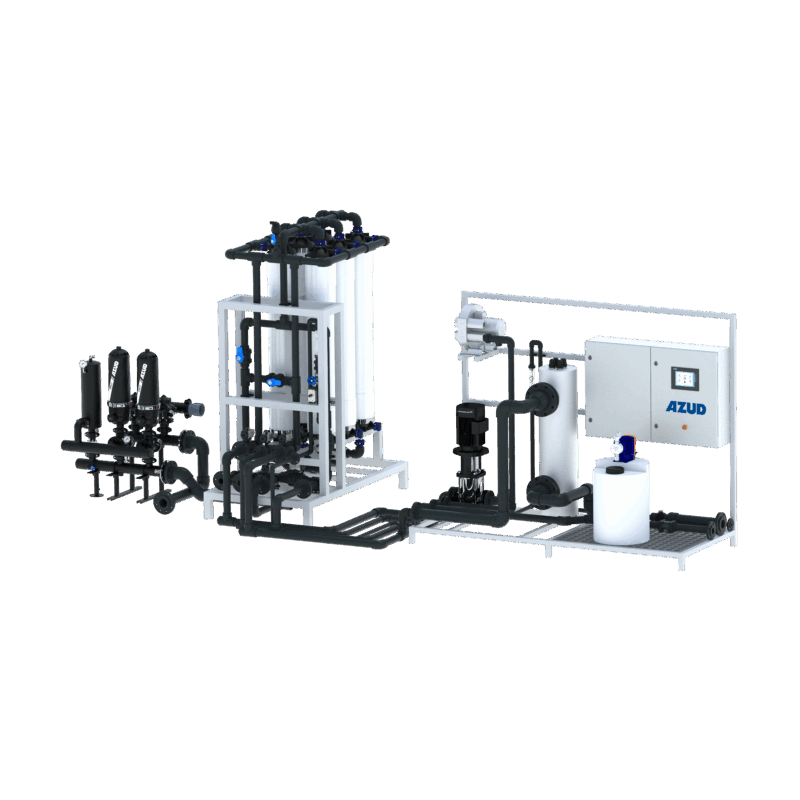
The main advantages of Filtration systems made of plastic materials, from a functional, environmental and application engineering point of view, are
Transportation, installation and operation.
Its low modulus of elasticity gives it a high resistance to impact which, together with its low relative weight compared to other materials and the modularity of the Filtration equipment, greatly facilitates transportation, installation and operation
Environmental exposure conditions.
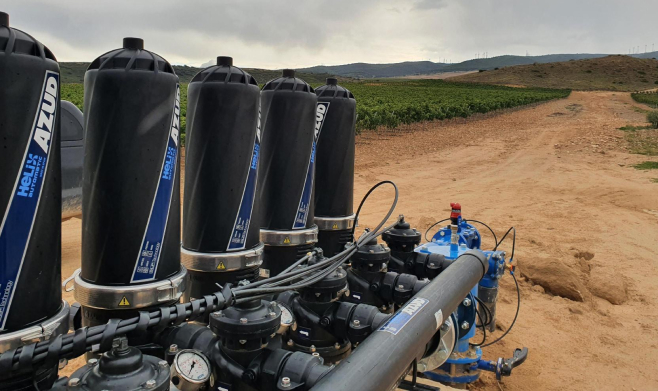
The specific behavior of each plastic material together with the use of antioxidant products that are incorporated into the plastic before its transformation process provide them with a high resistance to exposure conditions. The Filtration systems used for the protection of the emitting Driplines are subjected to environmental conditions with seasonal situations of high relative humidity and splashing, Temperature values in a wide range and high incident ultraviolet radiation
Service life and maintenance
Longer useful life, lower frequency and intensity of maintenance work and uncompromised filtered water quality due to the absence of deterioration of the surfaces in contact with the water and chemical products used
Mechanical operating conditions.
Its optimized design together with the use of suitable Materials guarantees a high resistance to operating pressure, high differential pressure values and those derived from the flow rate and quality of the available water (abrasion, corrosion)
Filtration Systems Application Engineering
The current trend is towards technical rigor and application engineering in decision making aimed at optimizing the use of less available resources and achieving greater water productivity. At the same time, there is a clear increase in environmental awareness and a change in the selection criteria of the functional components of the Irrigation system in which the functionality and useful life together with its ability to adapt to the new reality, aimed at
Crop nutrition.
Increased use of organic, non-synthetic crop nutrition products, which contain an insoluble fraction and solids that can cause problems in the distribution networks and a significant increase in the potential for clogging in the Driplines. The use of filtration systems compatible with the Dripline is a key factor in the use of organic products incorporation of Fertilizers upstream of the Filtration Systemthis allows the use of products with high nutritive capacity and their incorporation into the field installation totally free of particles that could compromise the uniformity of application and the useful life of the emitting Dripline
Soil microbiome
Greater knowledge of the benefits generated by an adequate development of the soil microbiota, of the actions to promote its development and conservation together with a notable increase in the use of microorganisms to favor the nutrition and health of the crop. The oxidizing reaction products used to clean the Irrigation system have a high biocidal potential that reduces the variety and concentration of soil microorganisms.
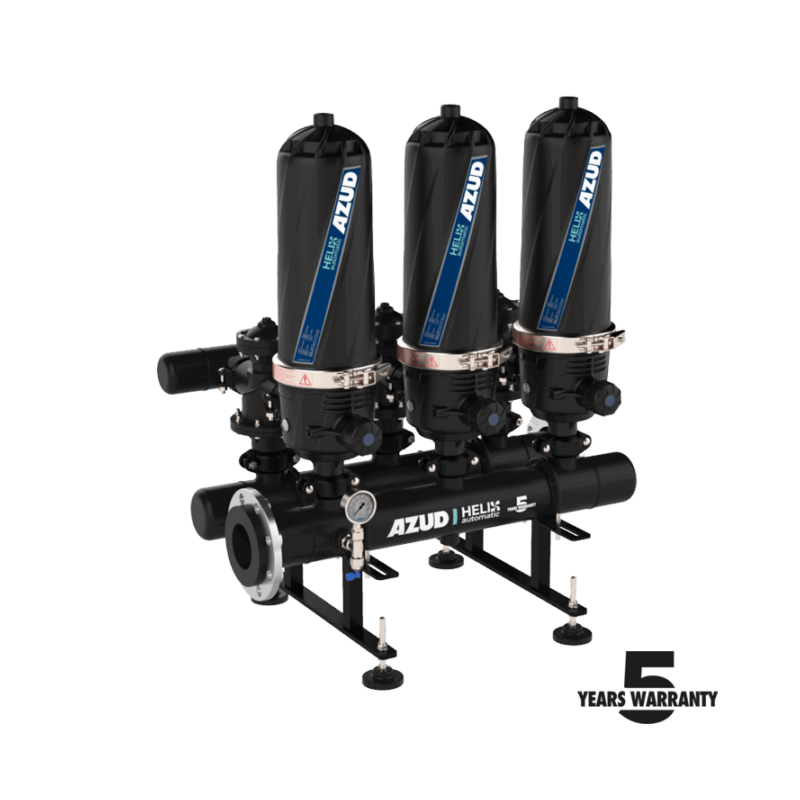
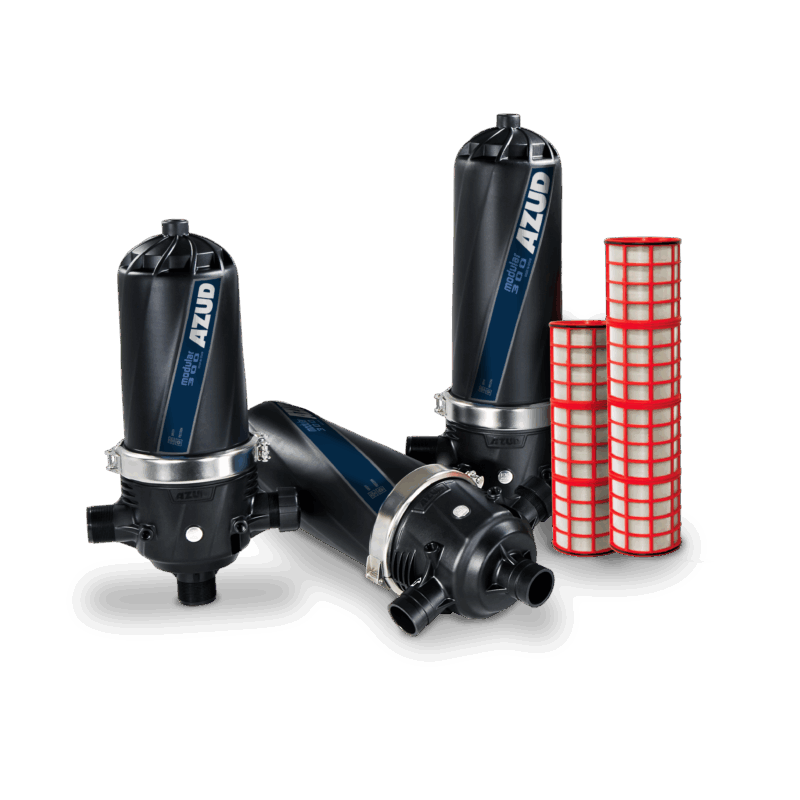
In order to reduce the use of chemical products with oxidizing reaction intended for cleaning the distribution network and Driplines that may compromise the soil microbiota, the selection of Filtration equipment with all its components in contact with water made of technical plastics and the choice of filtration media with more selective filtration degrees, a higher level of exigency in the selection of driplines with low clogging potential and greater rigor in the performance of maintenance tasks
Environmental impact of Irrigation practice.
Increased environmental awareness that conditions the adoption of new design criteria and a more rigorous selection of components together with an irrigation practice and maintenance work aimed at obtaining and maintaining a high uniformity of water application and increasing the service life of the emitting pipes.
All of this is aimed at reducing the environmental impact associated with agricultural activity, increasing water productivity to reduce the water footprint associated with the production of the plant organ with commercial value, and high uniformity of water application in the field to obtain a uniform crop response and a reduction of the carbon footprint