


Thewater purification is a topic that has gained relevance in recent times, especially in Spain. This sentence is essential as it reflects the core of theRoyal Decree 3/2023the new regulation for compliance in Spain that establishes the technical-sanitary criteria for drinking water quality, control and supply, which came into force in January of this year, has been in force since January of this year. Water purification faces constant challenges, and with the entry into force of this regulation, the panorama changes drastically. Water quality in Spain faces multiple challenges.The droughtaggravated by climate change,reduces water availability and quality. Surface sources, such as rivers and lakes, may be contaminated by industrial and chemical waste. In addition, in January 2023, Royal Decree 3/2023 established stricter standards for drinking water quality, protecting the health of the population and promoting a safe and sustainable water supply.Theentry into force of Royal Decree 3/2023 in January 2023 marked a significant advance in ensuring the quality of drinking water in Spain. This new legal framework replaces the previous RD 902/2018 and RD 140/2003 and transposes Directive (EU) 2020/2184
what changes does Royal Decree 3/2023 introduce?
Reduction of Maximum Contaminants Limits.
The new decreereduces the maximum limits of certain contaminants, such as arsenic, lead or trihalomethanes. This is because these contaminants can have a negative impact on human health
New Controller Parameters.
The decree incorporatesnew Controller Parameterssuch as the detection of microplastics or emerging substances
Emphasis on Prevention.
The Royal Decree strengthens the prevention of contamination of water for human consumption. It establishesmeasures to control pollution sourcessuch as sewage and industrial waste
Changes in the new turbidity regulations
TheRoyal Decree 3/2023 establishes in its article 36 that, for new or existing catchment intakes,prior to the water disinfection phase, at least one filtration must be carried out appropriate, in these cases
- a)Surface and spring water catchments;
- b) Subway catchments when the quality of the captured water has a turbidity greater than 1 Nephelometric Turbidity Unit (UNF) in more than 5% of the annual samples,must be installed filtration before January 2, 2024.
- c) Chen deemed necessary by the health authority necessary, according to the risk assessment.
AZUD Solutions to Improve Water Quality
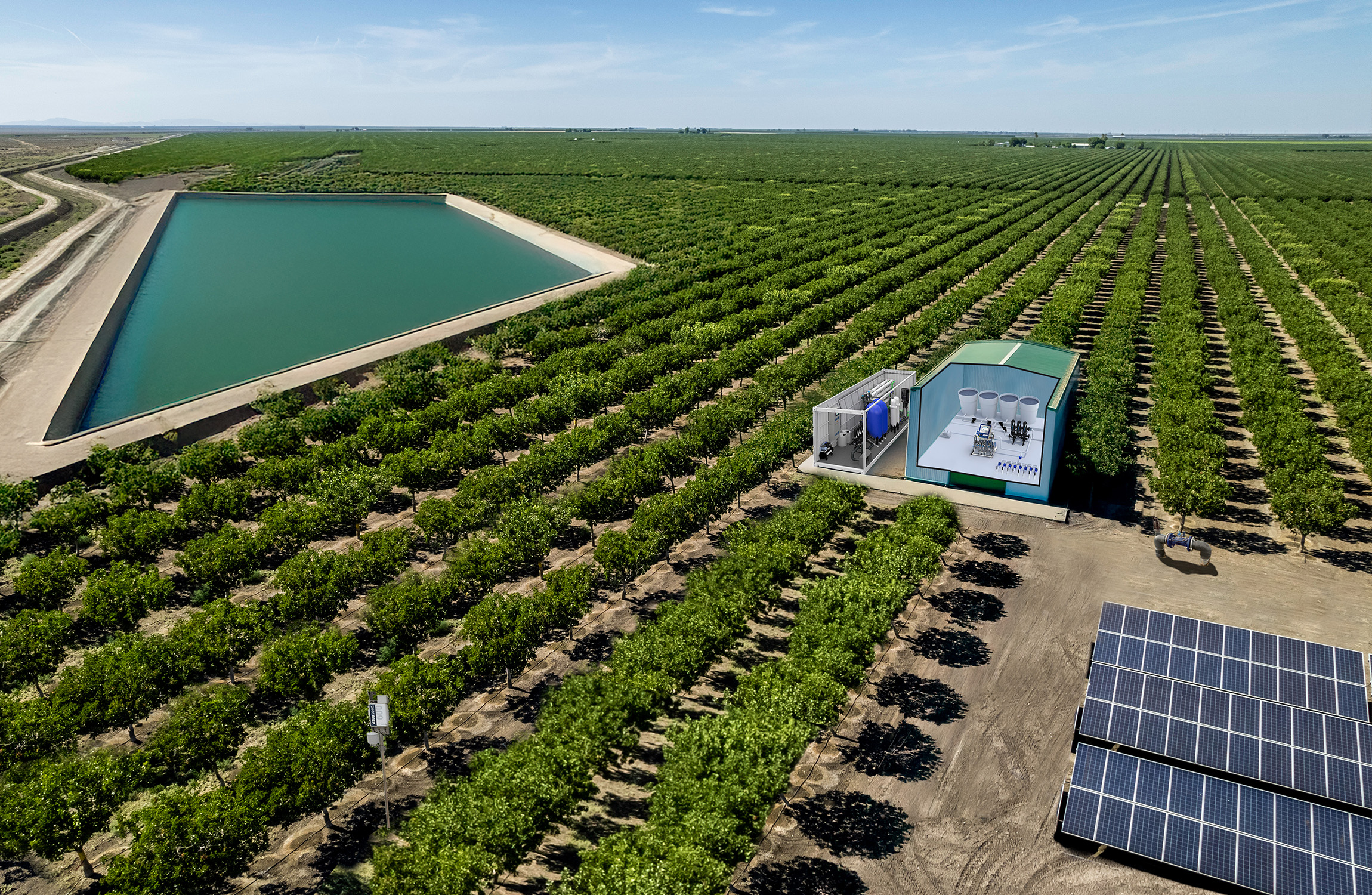
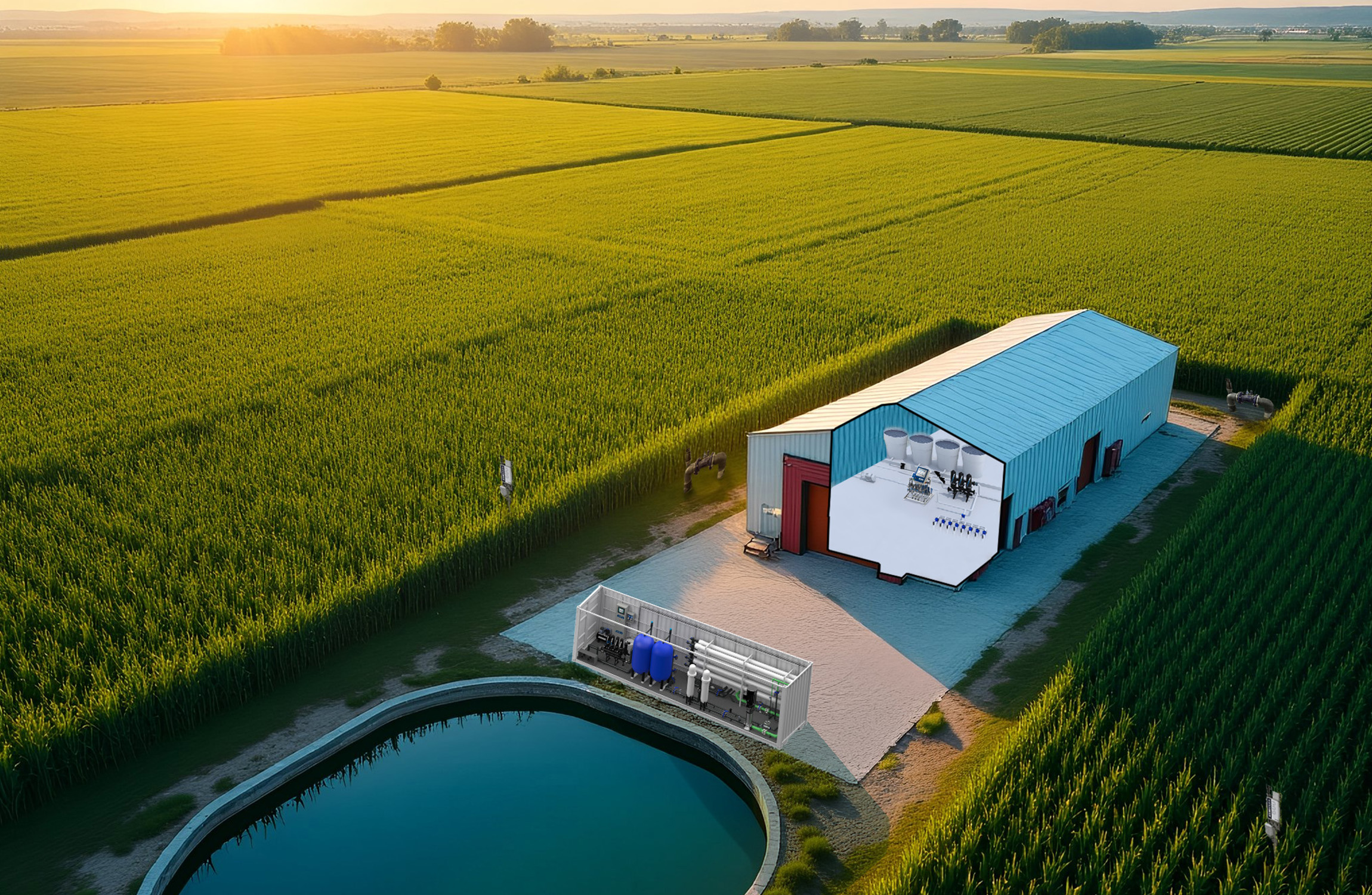
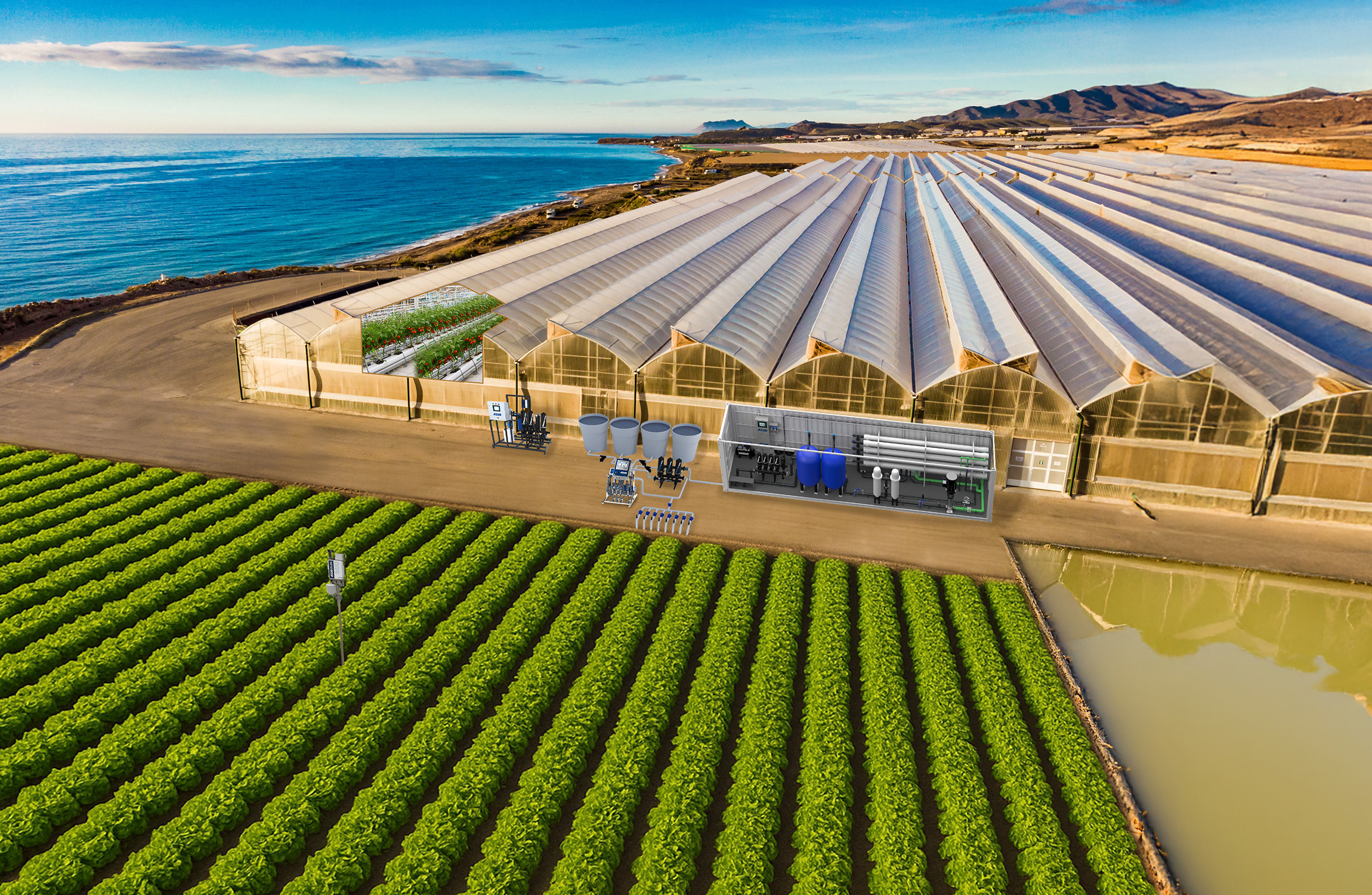
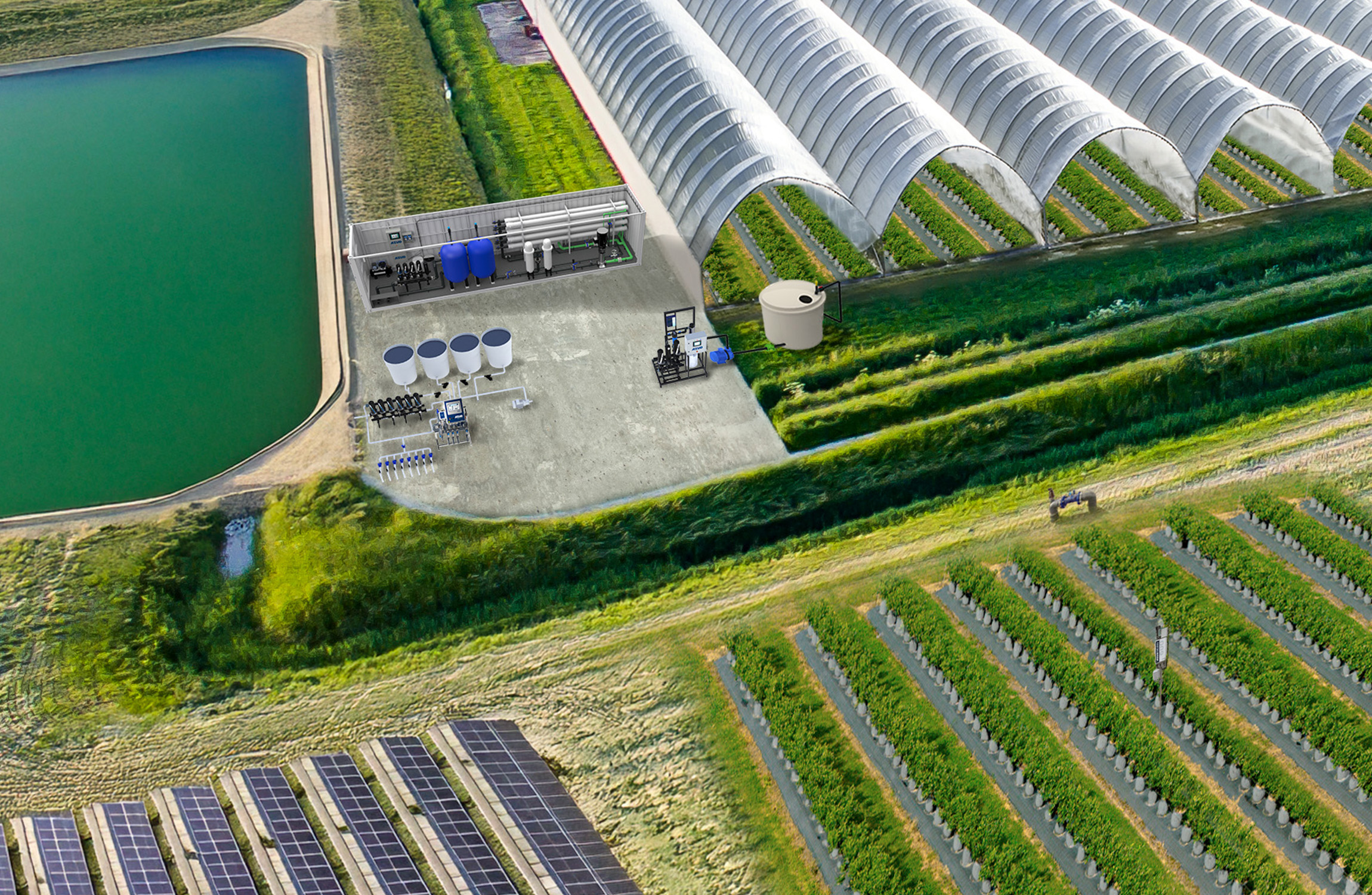
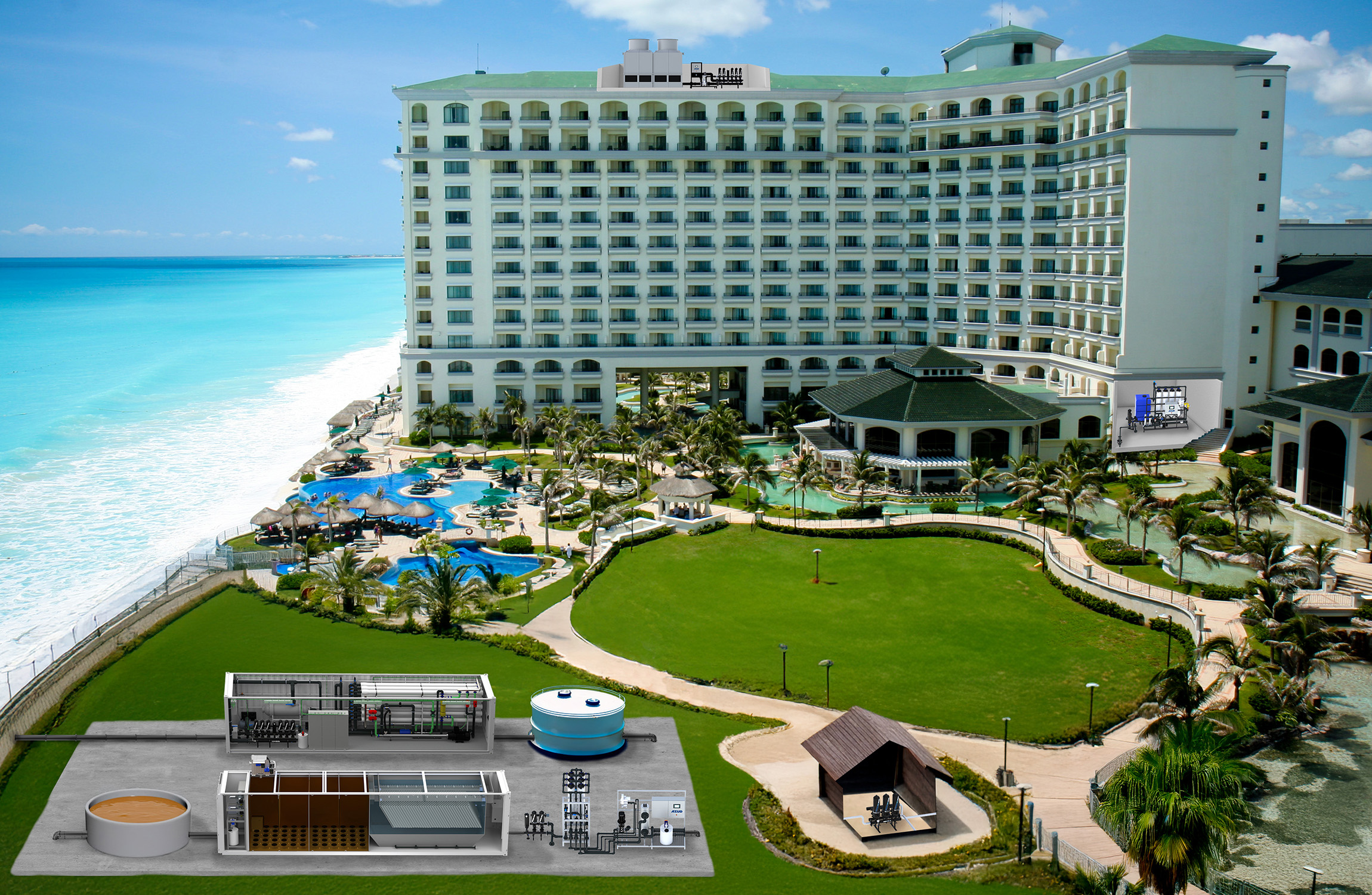
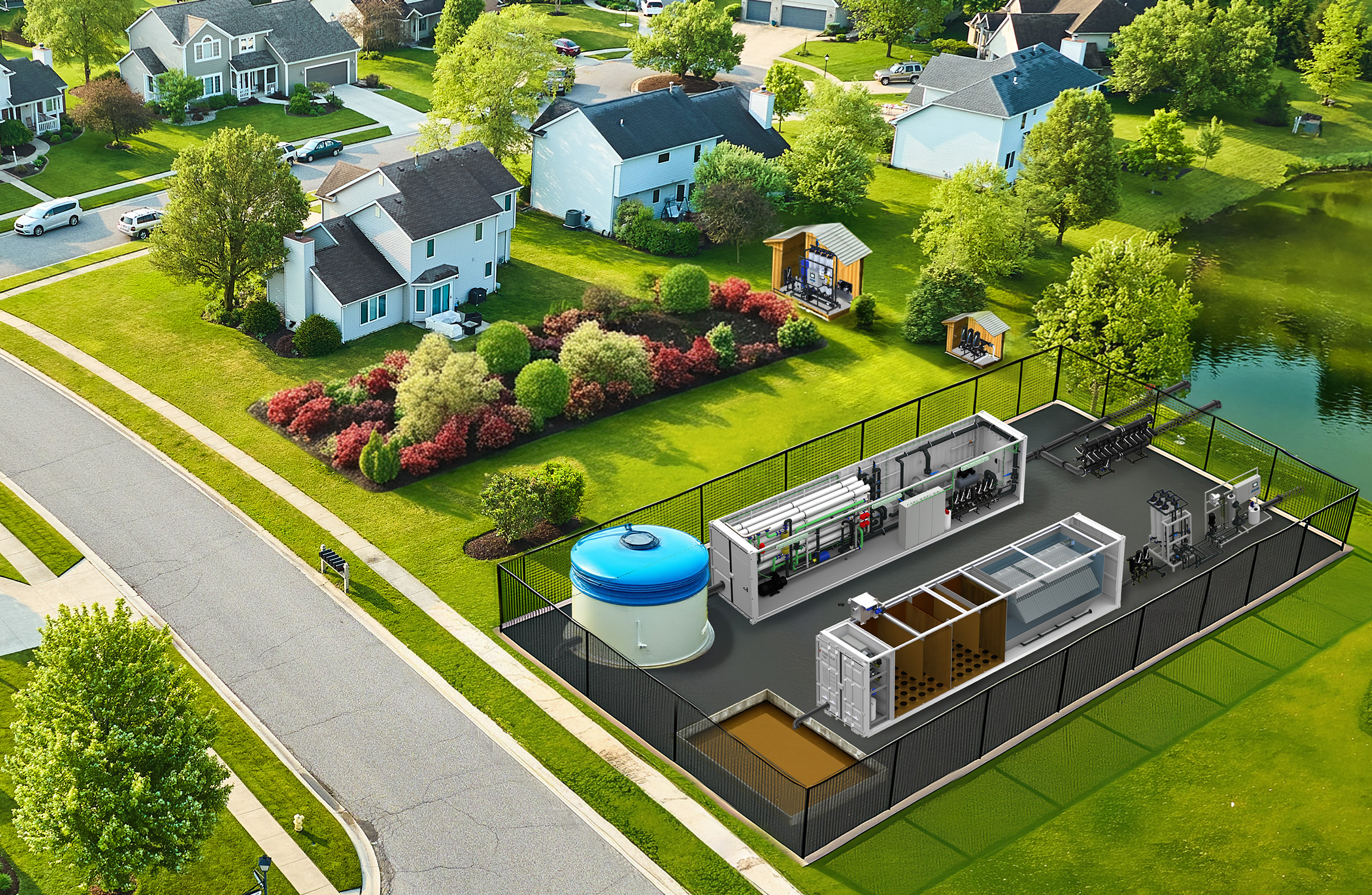
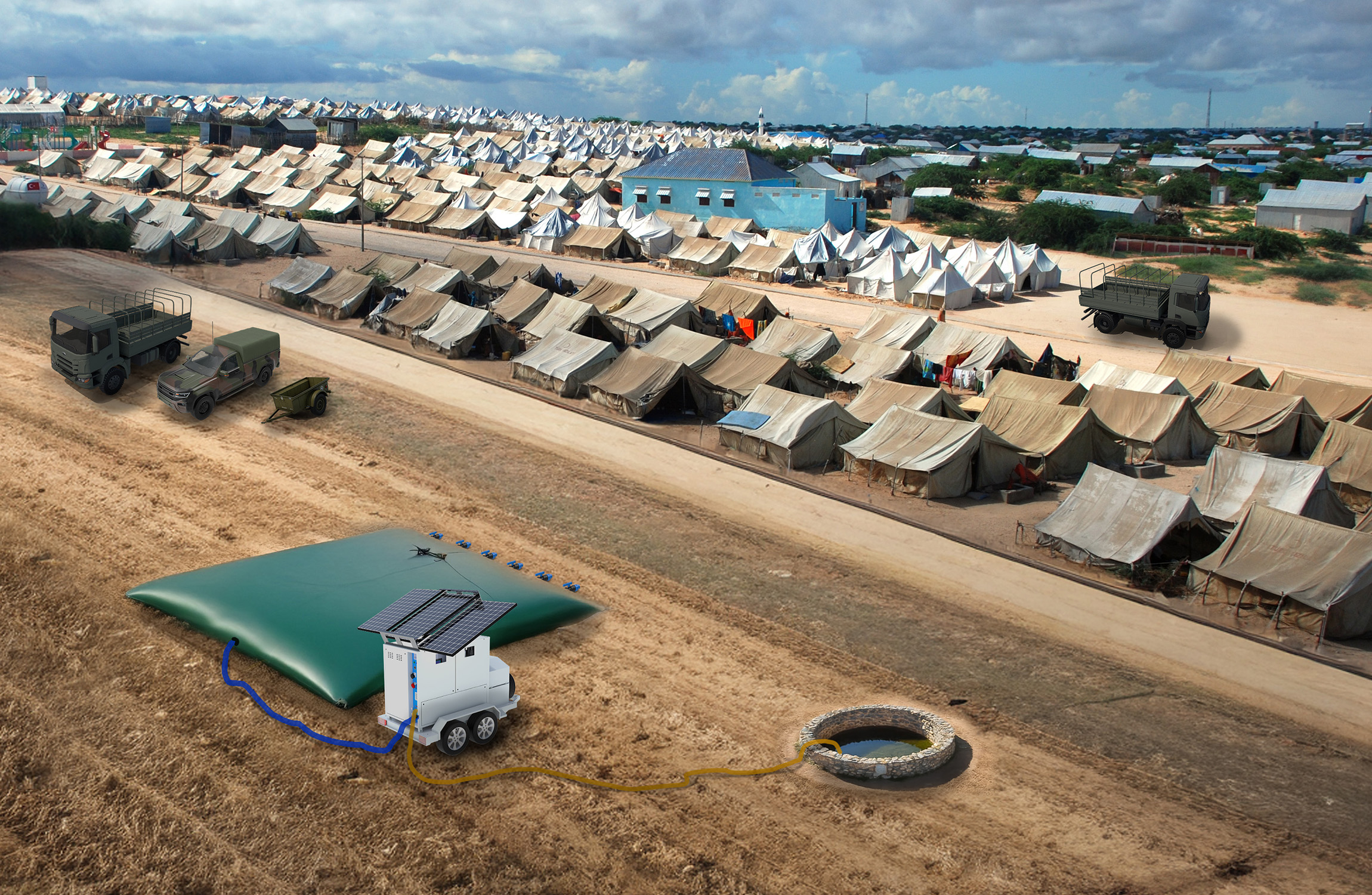
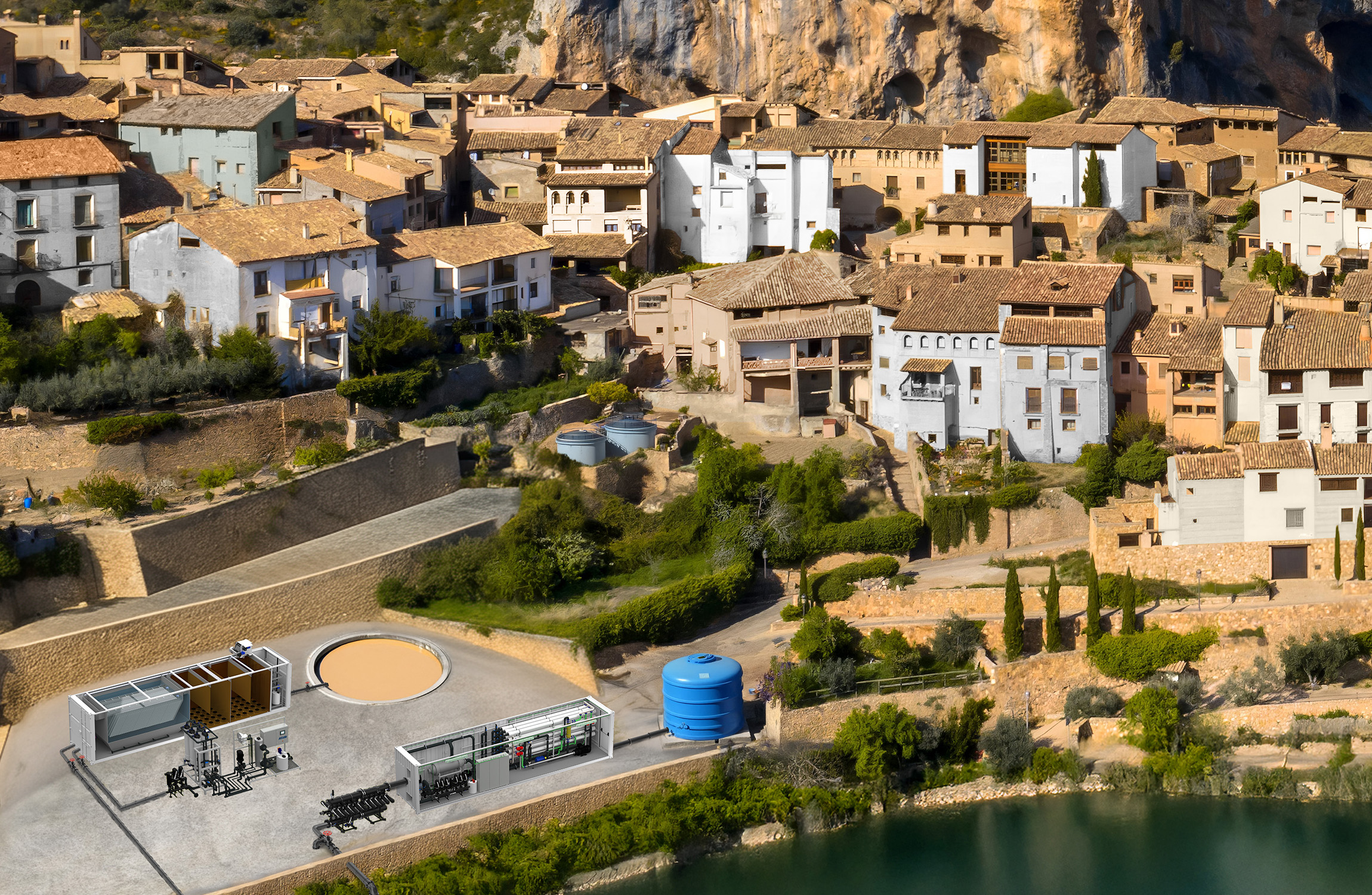
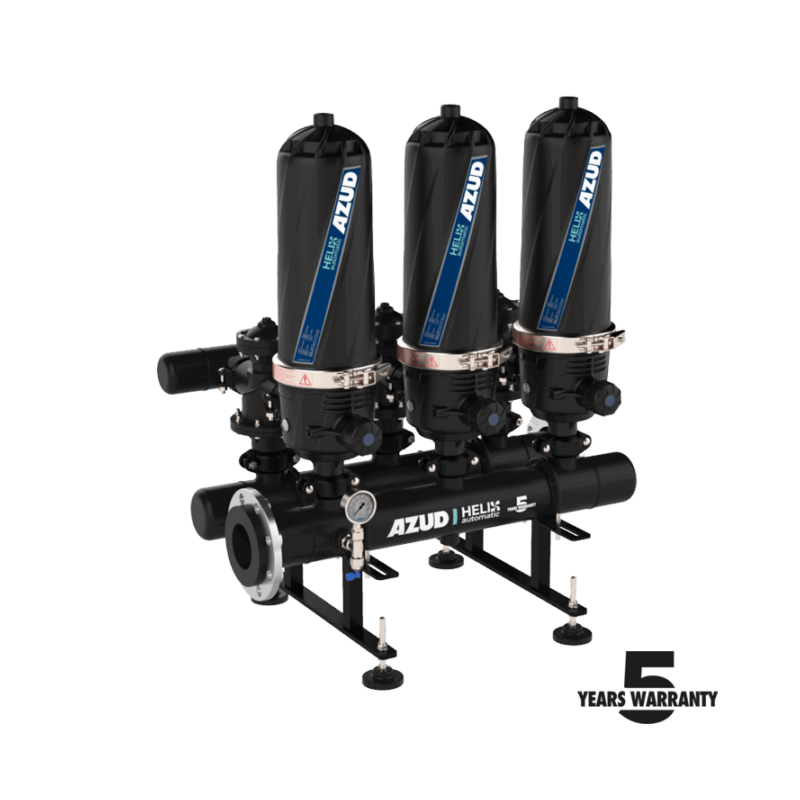
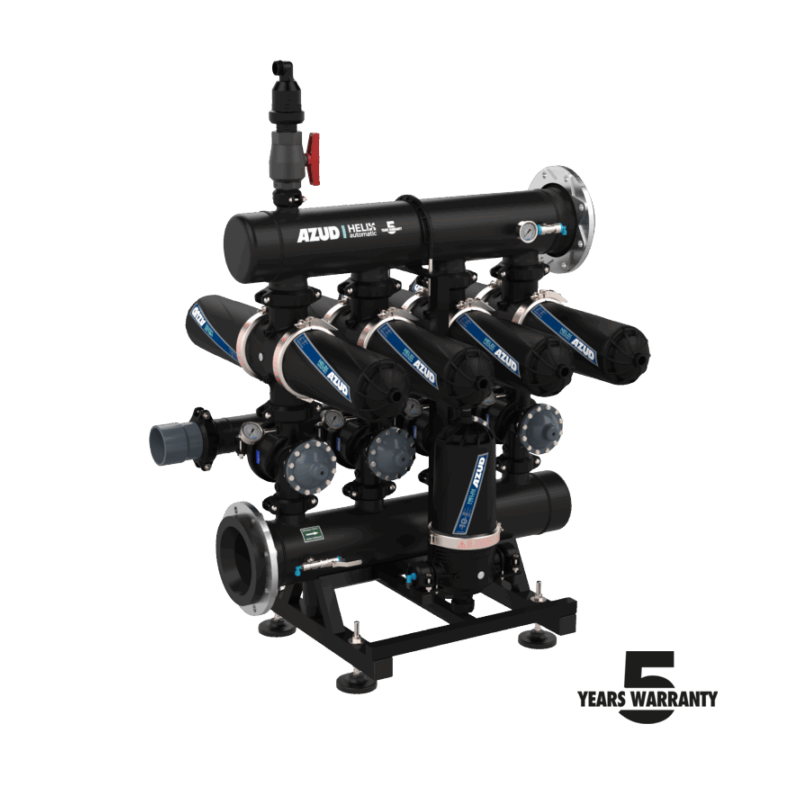
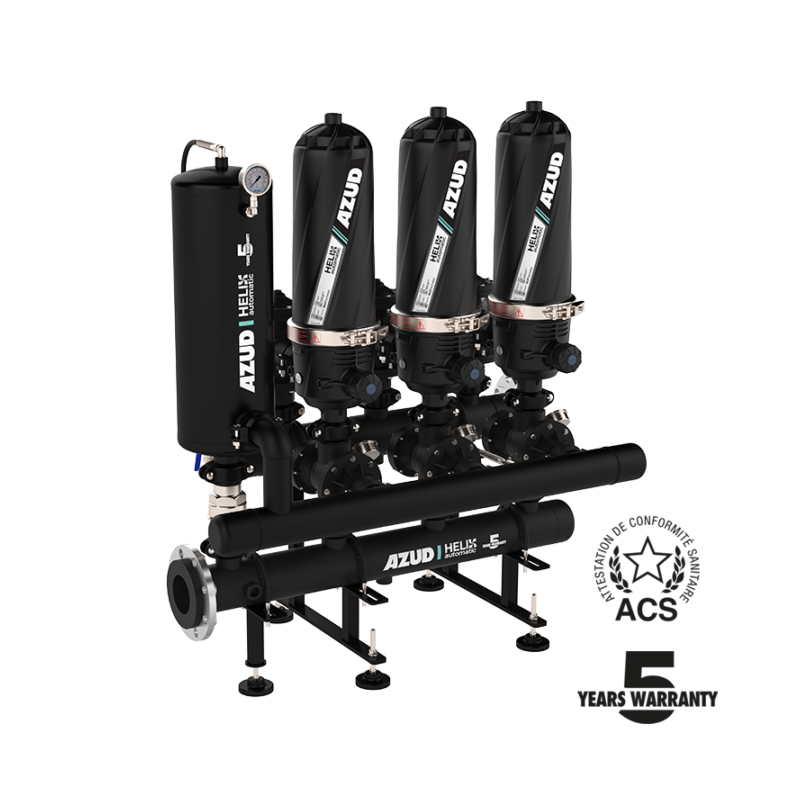
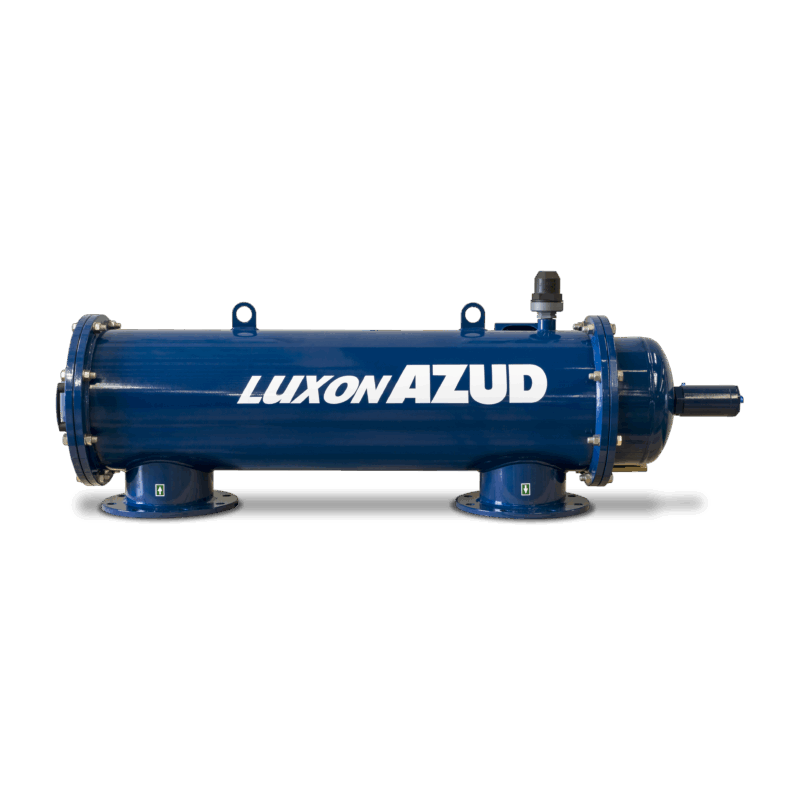
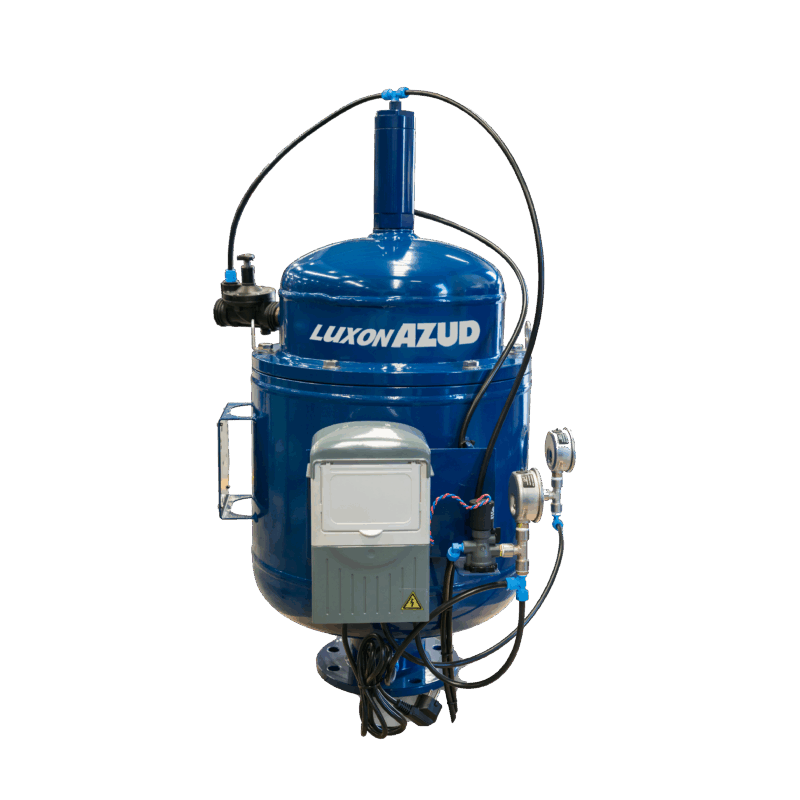
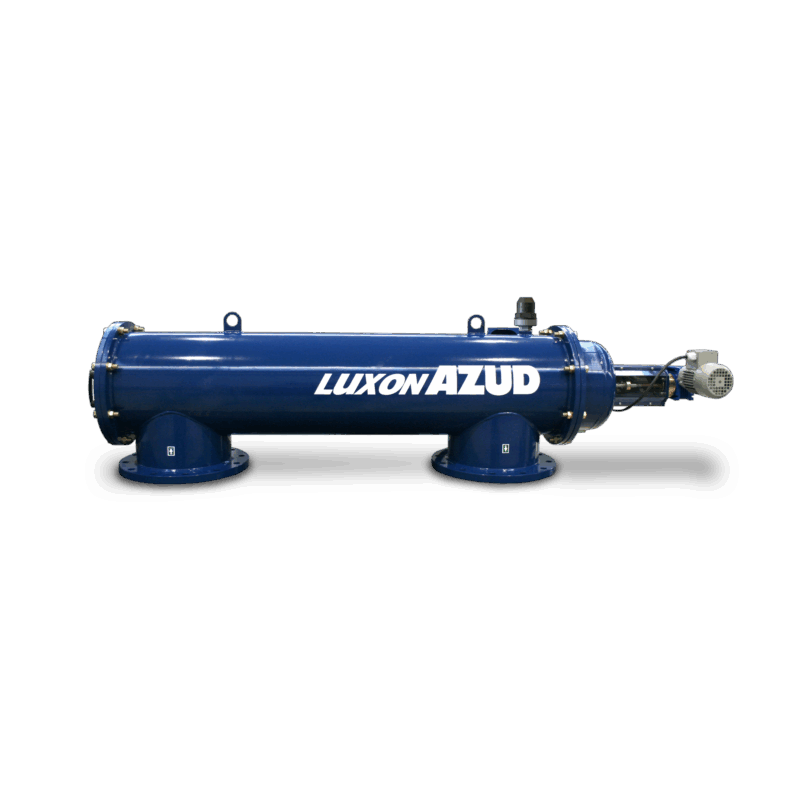
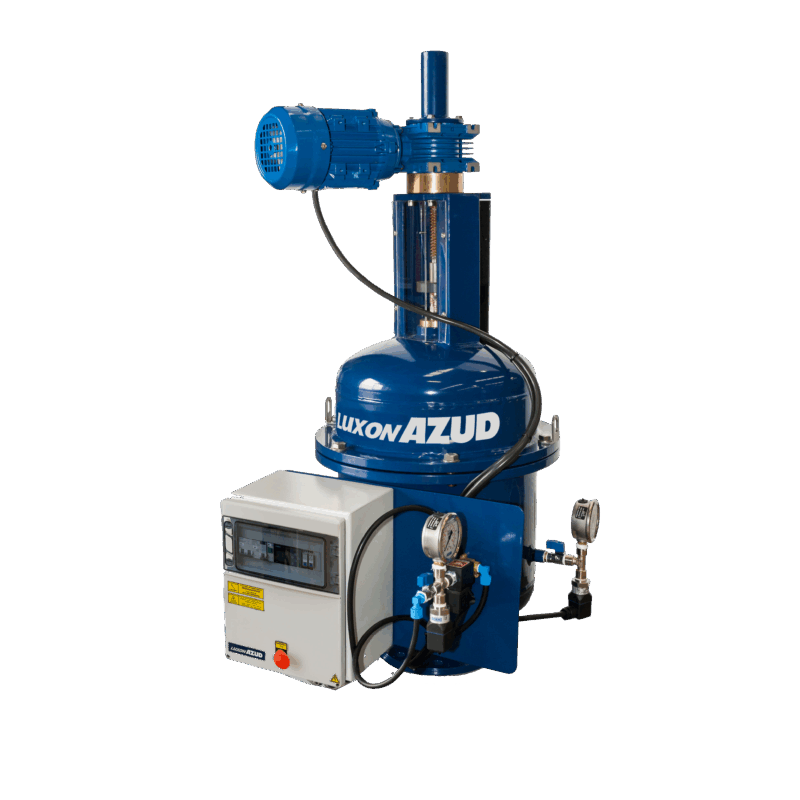
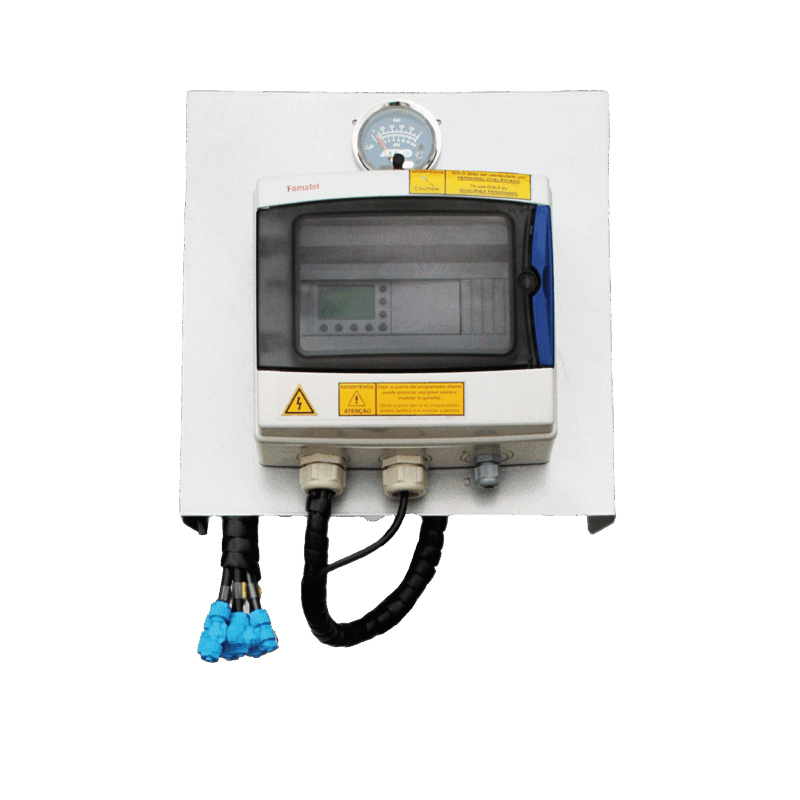
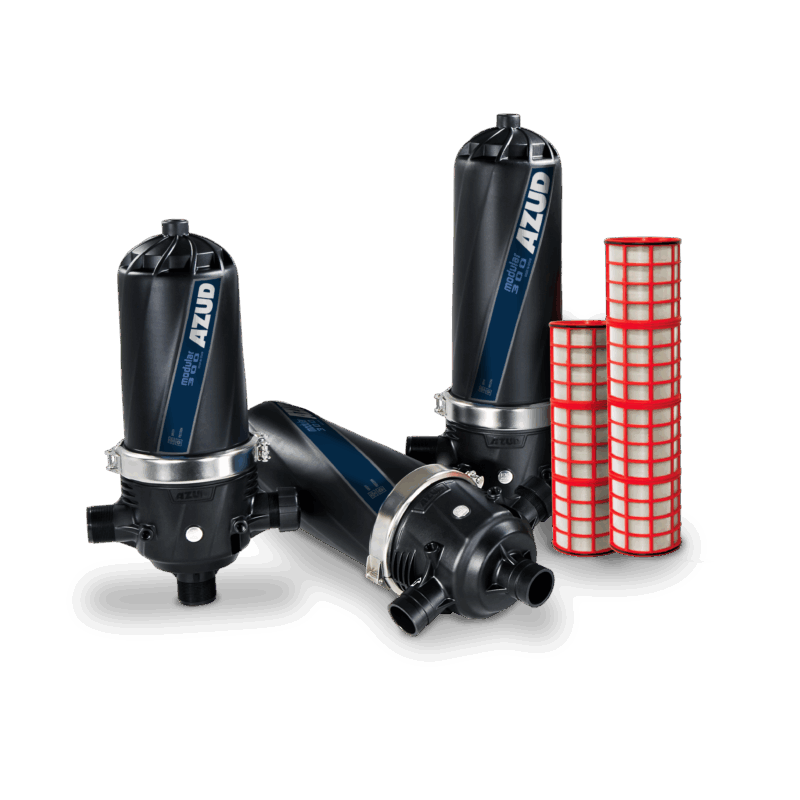
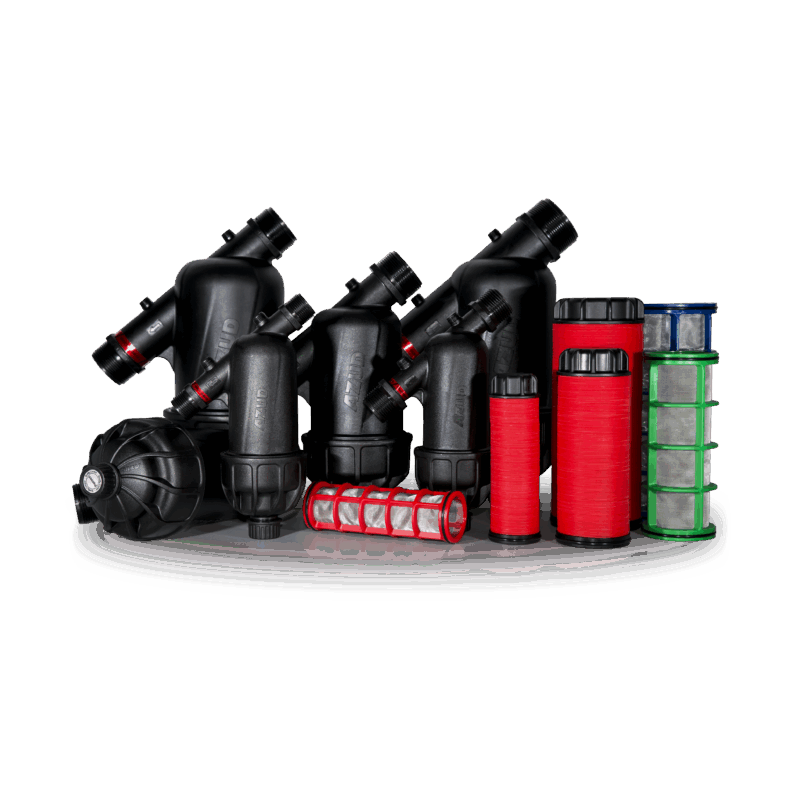
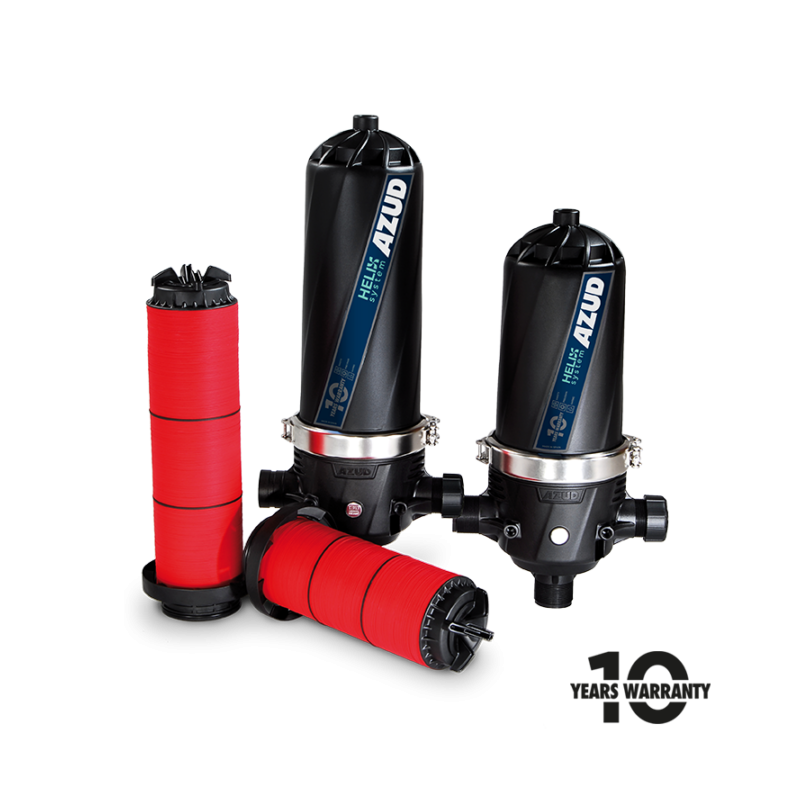
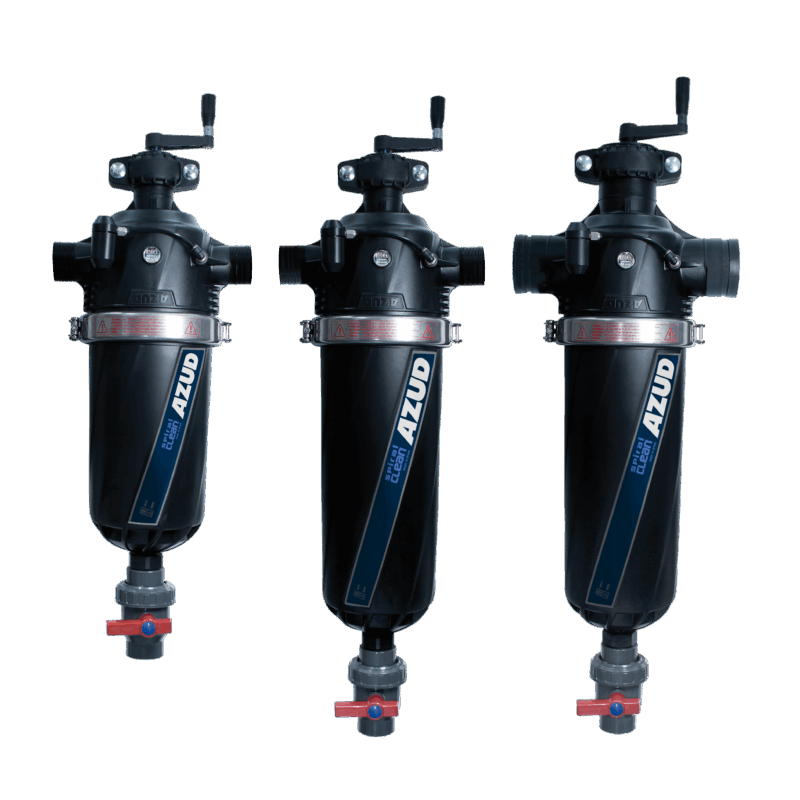
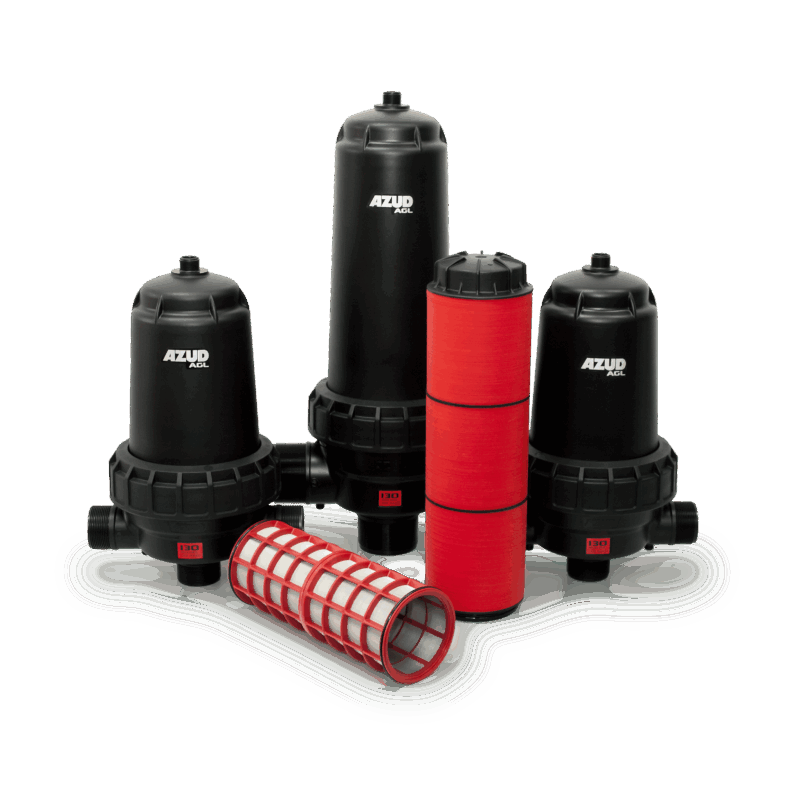
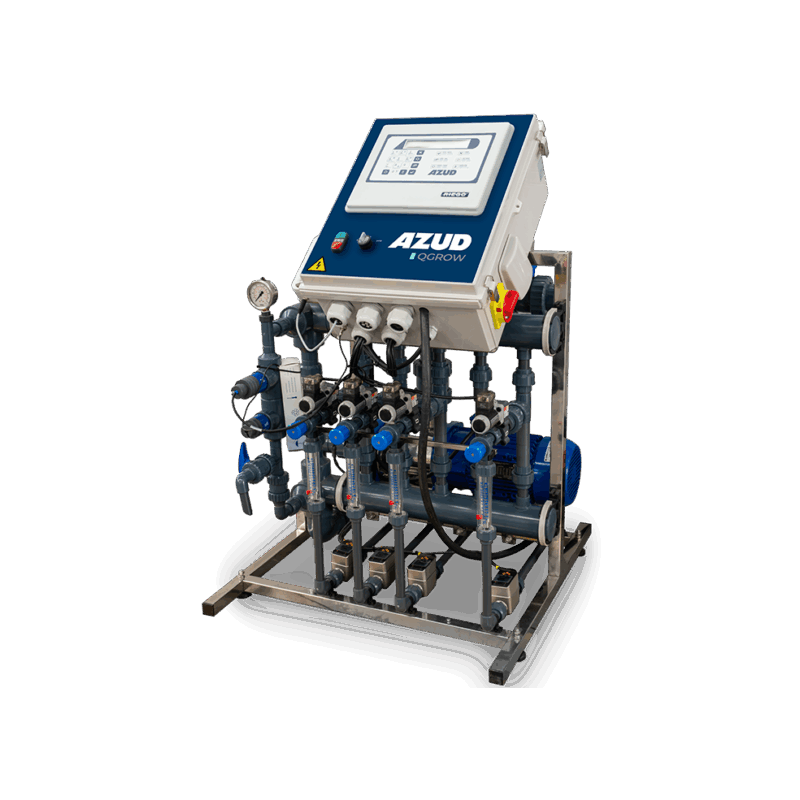
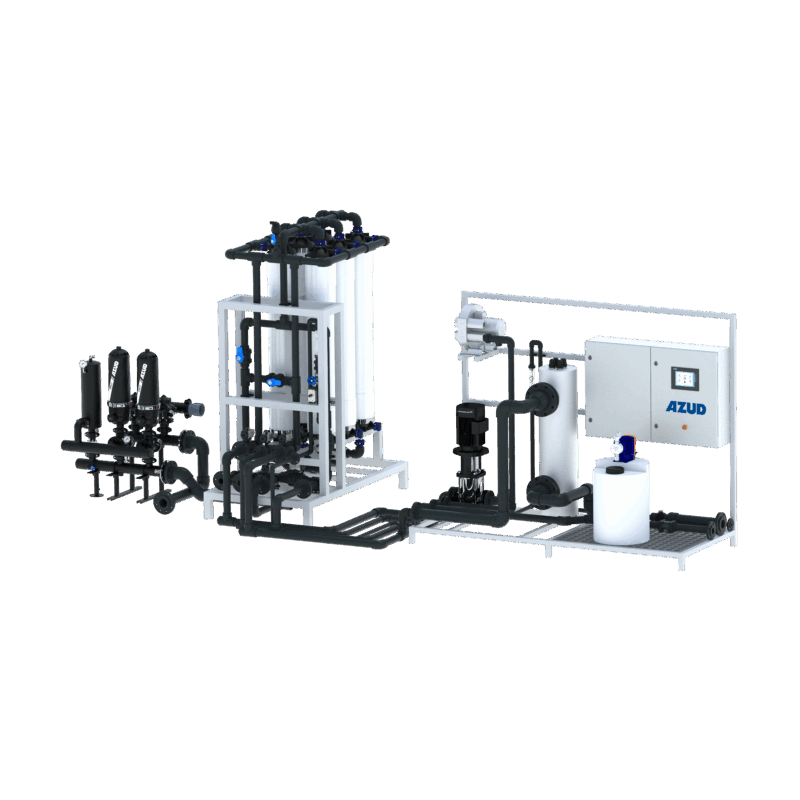
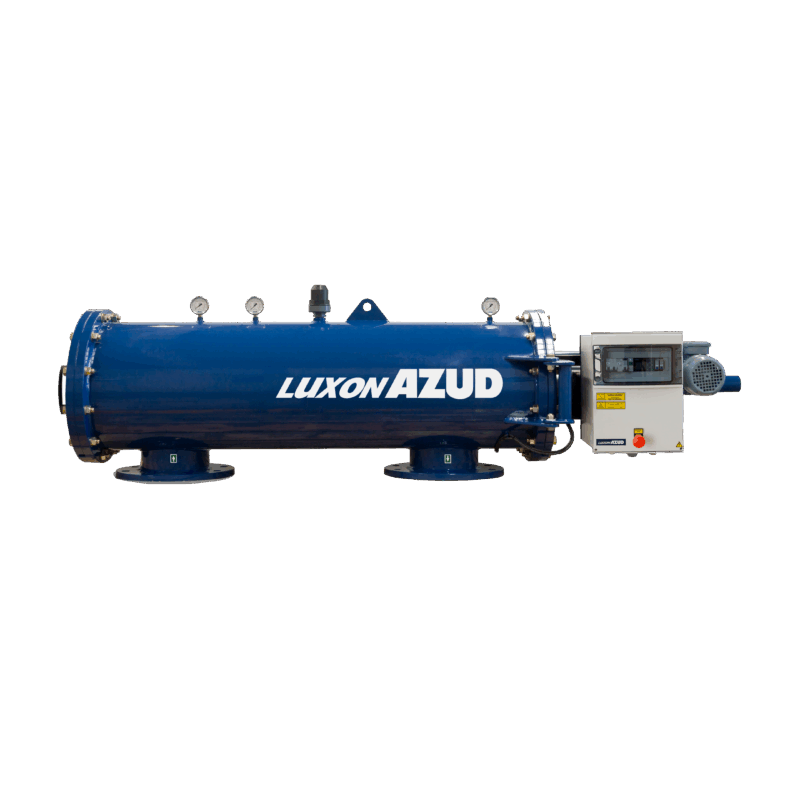
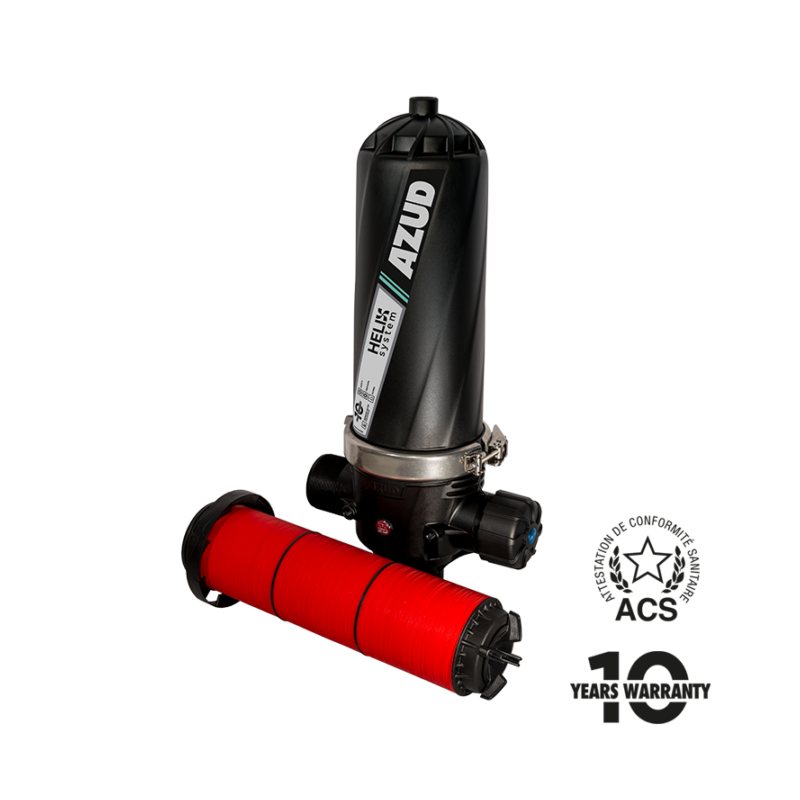
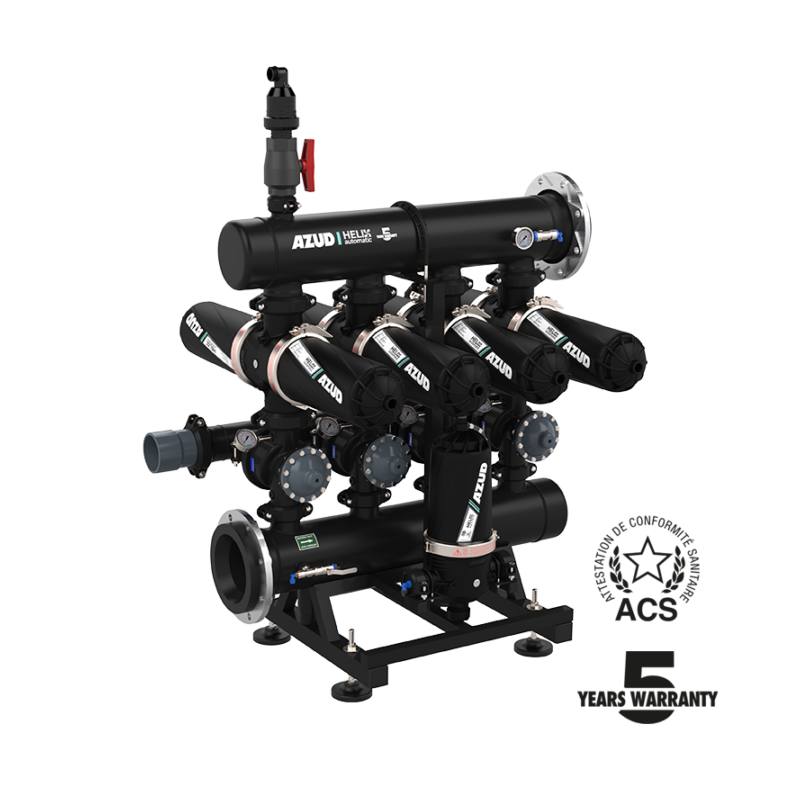
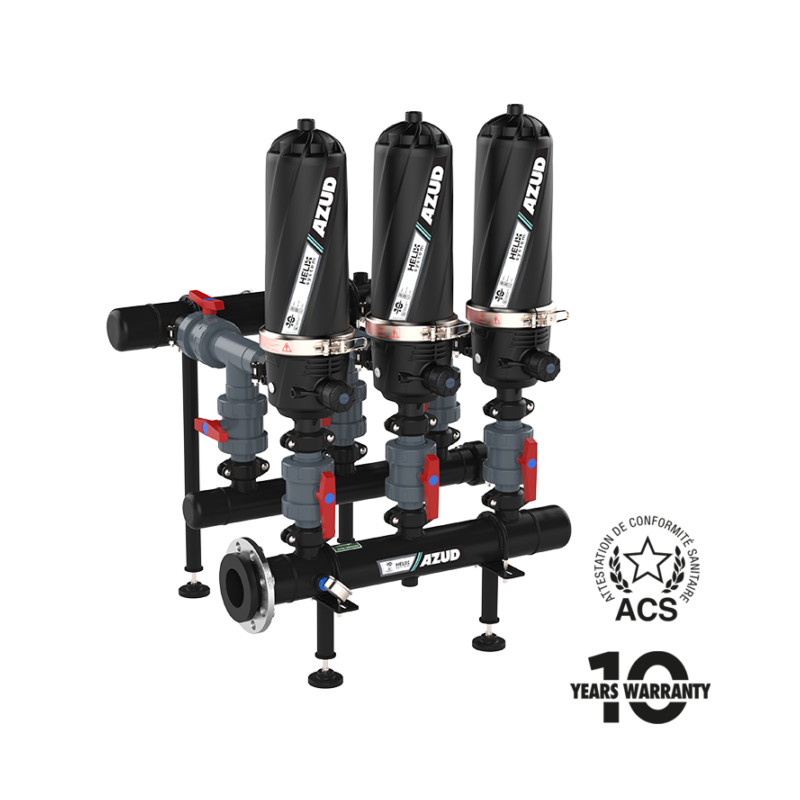
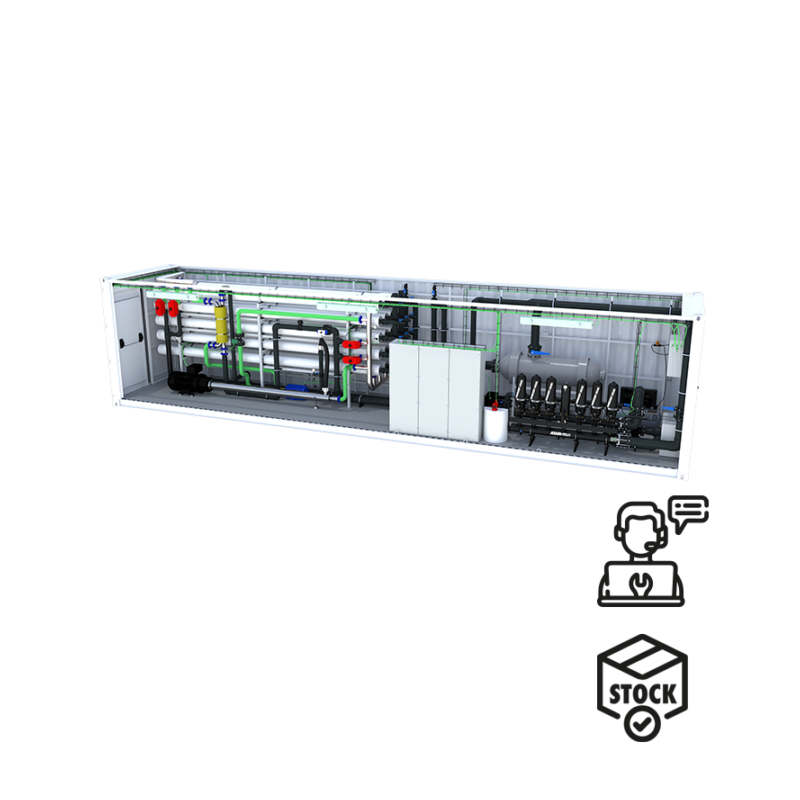
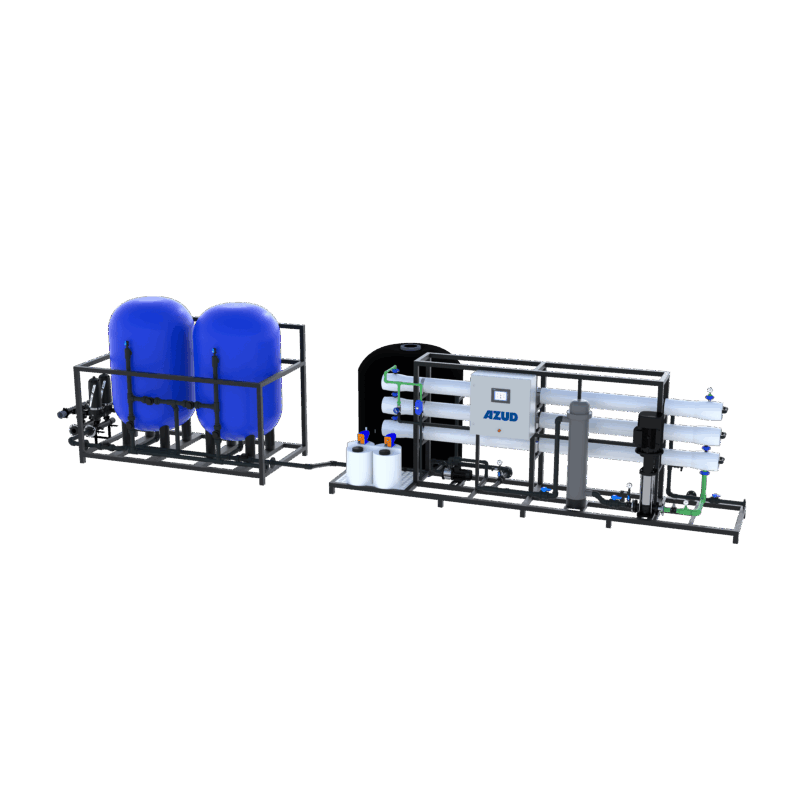
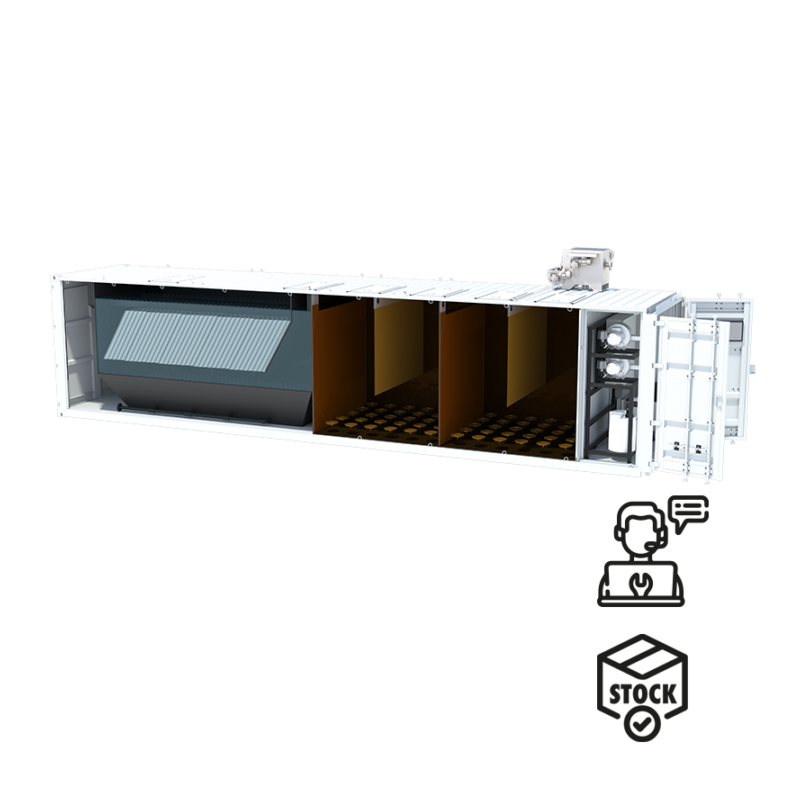
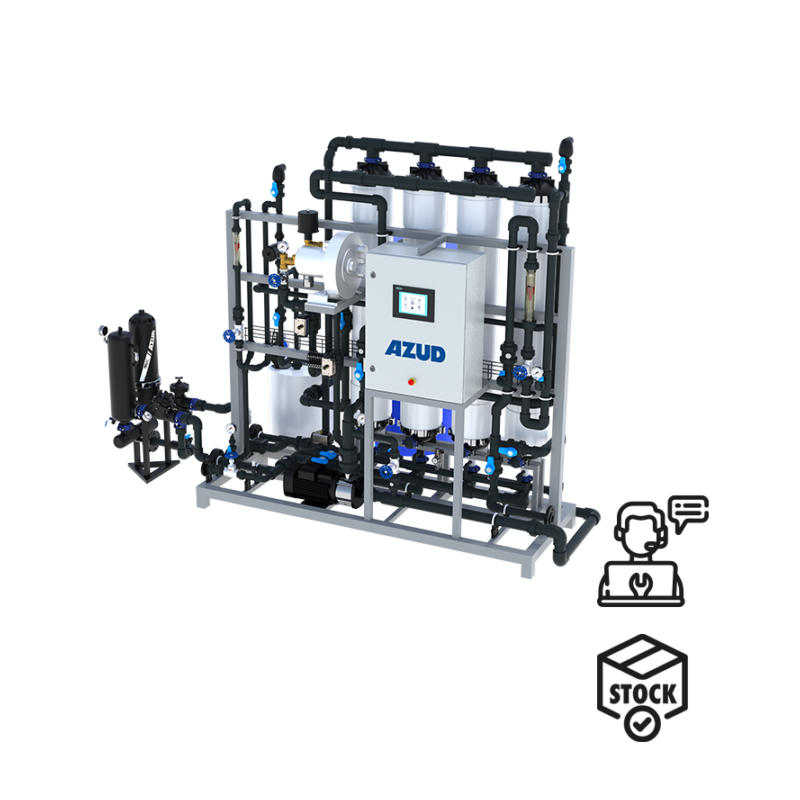
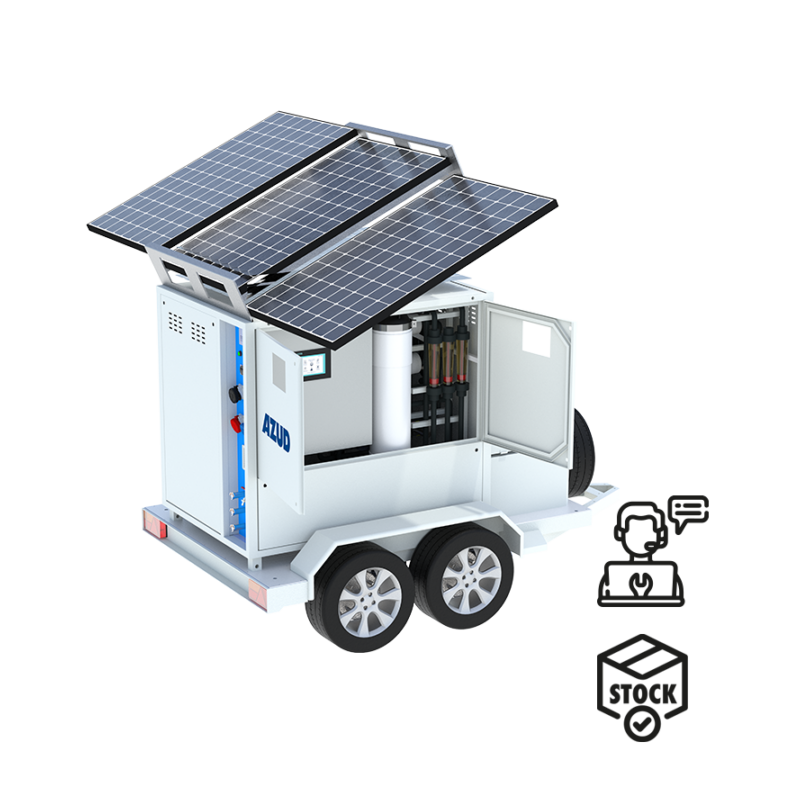
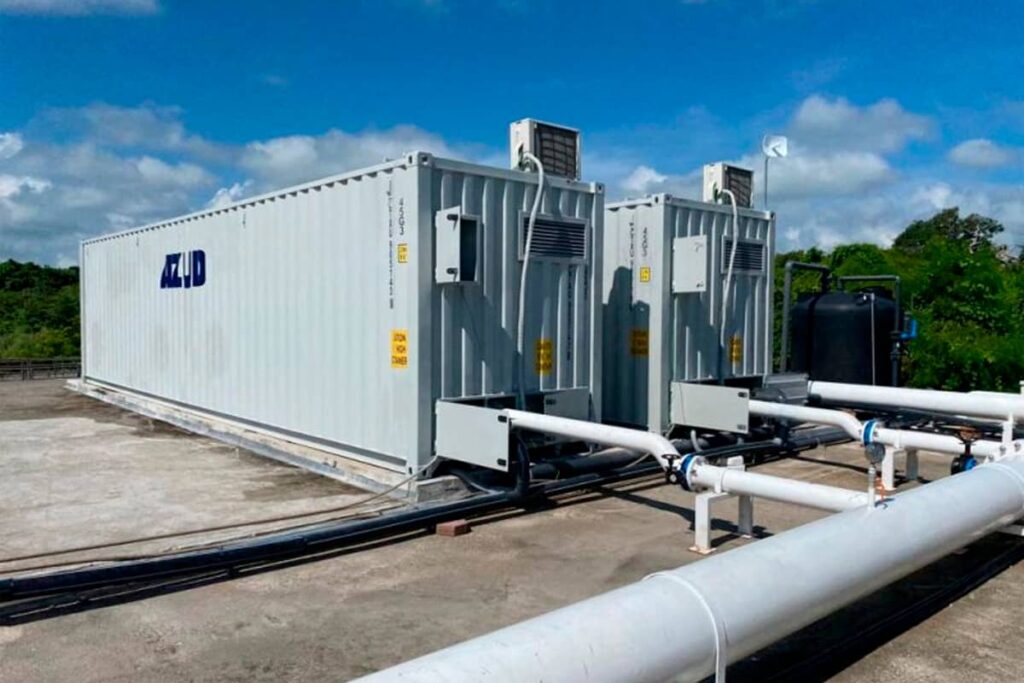
Thetechnological solutions play an essential role in adapting to these regulations. Specialized equipment, advanced Filtration systems and purification techniques become essential tools in this process. With drinking water purification as the main objective, it is imperative that both public institutions and private companies collaborate to ensure that the water reaching our homes is safe and of high quality. AtAZUD we understand the importance of ensuring the quality of drinking water. Our experience inwater treatment solutions enables us to offer effective alternatives to maintain water clarity and safety. Thanks to our vast experience in water treatment, we have developedcontainerized solutionsAZUD WATERTECH DW that meet today’s demands
- Filtration in existing facilities and new infrastructure.
- Ultrafiltration of surface water to improve turbidity.
- Specialized processes for thearsenic, nitrate and sulfate removal.
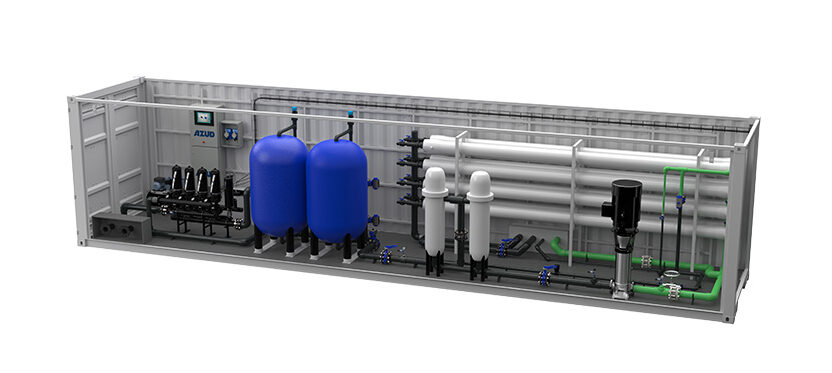
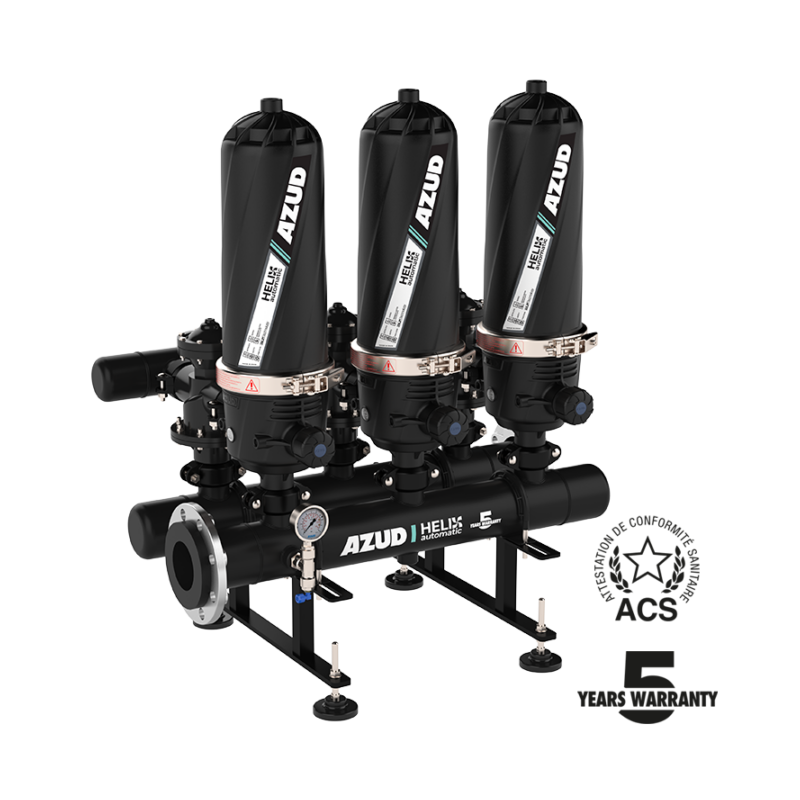
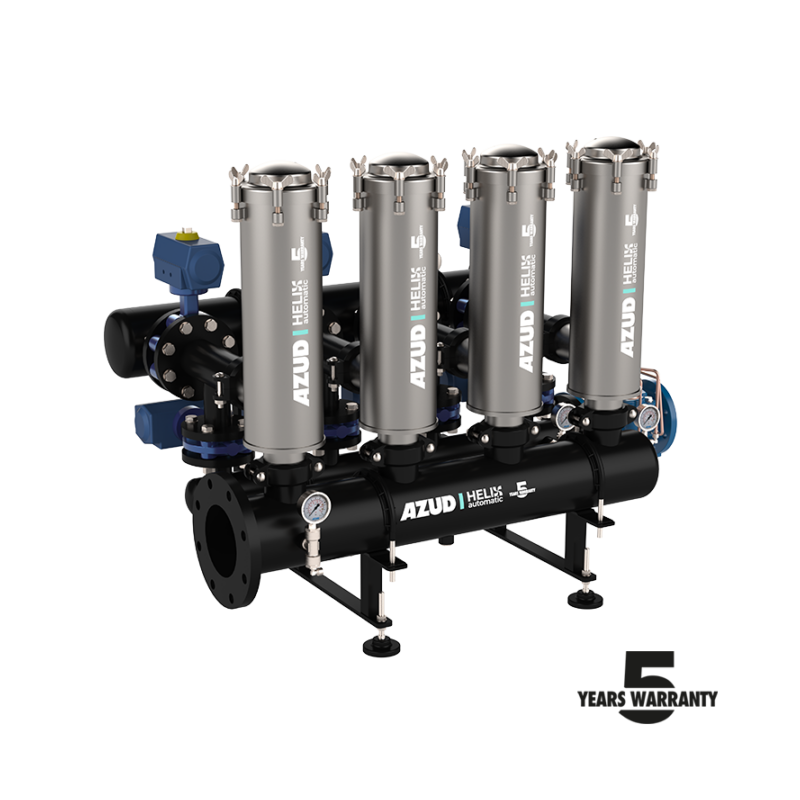
Our Model range of solutions includes systems thatcombine various technologiesfrom disc filtration, through zeolite beds, to ultrafiltration and reverse osmosis. With these solutions, we ensure that the water is not only safe to drink, but also complies with all current regulations, including the recent Royal Decree 3/2023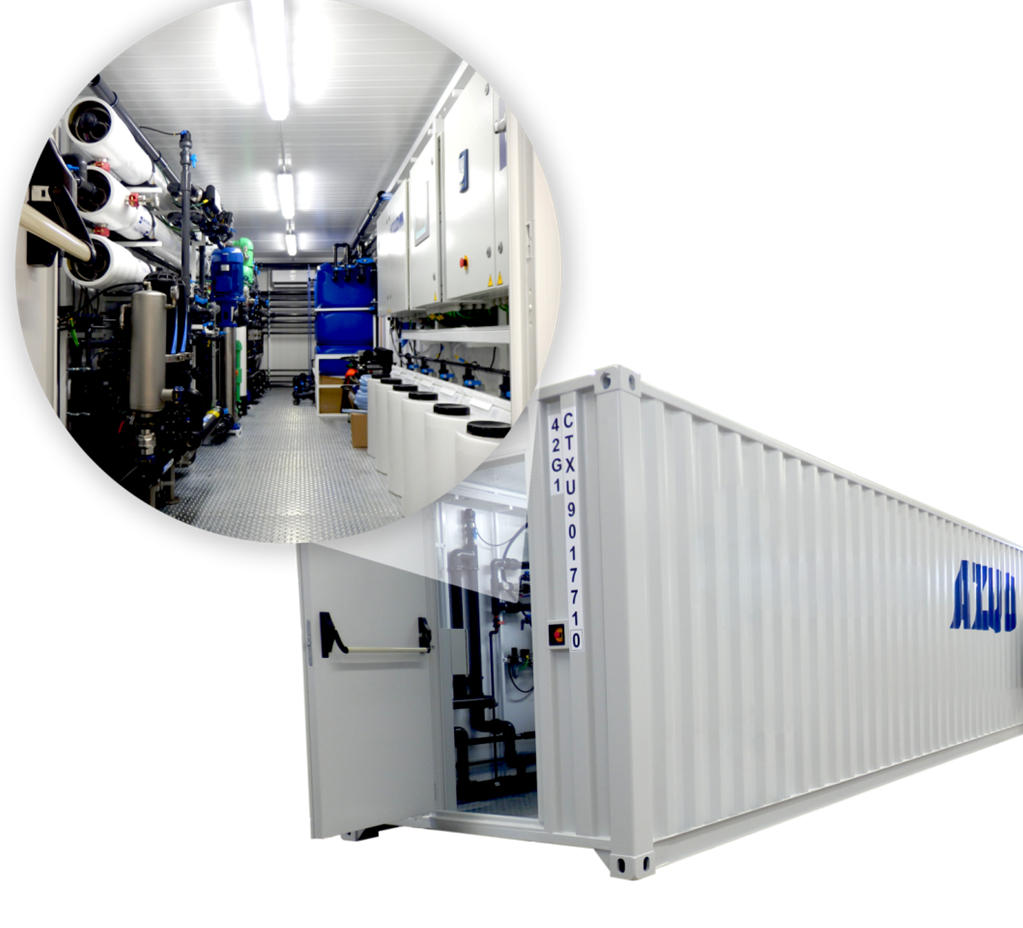
if you want to learn more about our containerized water treatment solutions or receive personalized advice from our team of experts,contact AZUD we look forward to serving you!