
Drinking water treatment is the process by which water is treated to make it safe and suitable for human consumption. It consists of the elimination or reduction of contaminants, microorganisms and substances that may represent a health risk. When choosing the treatments to be carried out in a DWTP (Drinking Water Treatment Plant), the first thing to know is the physicochemical and microbiological characteristics of the water collected. This can be surface, ground or sea water. We are going to share some key characteristics of each catchment
SURFACE WATER
Since surface water (from a river, lake or reservoir) has a higher content of microorganisms and suspended solids than groundwater, when surface water is used to obtain drinking water, it must be subjected to more intensive microbiological treatment than groundwater. The large fluctuations in temperature that surface water undergoes can influence the efficiency of the treatments used in its purification. For example, as the viscosity of the water changes with temperature, the permeability of the membranes towards the ions will vary and thus the quality of the effluent obtained. Compared to other sources of raw water, surface water has higher concentrations of emerging contaminants, such as pharmaceuticals or microplastics. Since Directive 2020/2184 limits the presence of some of these contaminants in drinking water, drinking water treatment plants using surface water in particular must have a treatment line capable of reducing their content (provided they do not comply with the regulations)
GROUNDWATER
Groundwater is characterized by its low content of suspended solids and turbidity, since it has already been filtered by the ground
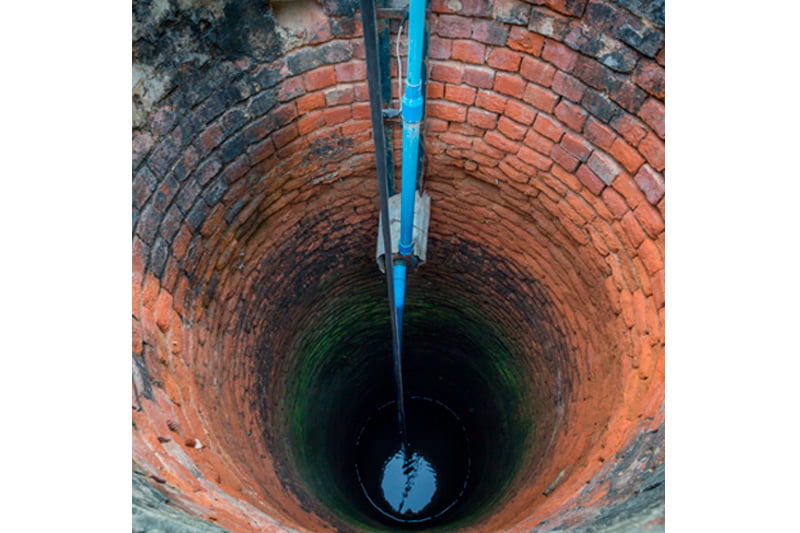
 
Among the physicochemical peculiarities that may be present and that influence the purification process, the pH and its higher content of dissolved species stand out
- pHin general, groundwater tends to be slightly acidic, with a pH below 7 as it acidifies as it passes through the soil layers (with abundant CO2). However, it may vary depending on the geology of the area.
- Dissolved mineralsgroundwater often contains iron and manganese from the rocks and minerals through which it percolates. In addition, under acidic conditions, the Aluminum present in the minerals can be released more easily and thus dissolved in the water.
- Nitratesgroundwater is the most likely to contain nitrates from agricultural and livestock activities.
- Sulfatessulfate content of a groundwater comes from its continuous contact with the soil and with sulfate-rich minerals such as gypsum or pyrite.
- Arsenicarsenic present in the rocks of some specific geological zones causes its incorporation into groundwater.
SEA WATER
Desalination is the process of obtaining drinking water from seawater. Seawater is the most expensive source of water to make potable due to the high amount of mineral salts, mainly sodium chloride, but at the same time it is an inexhaustible source, since it represents 97% of the earth’s water
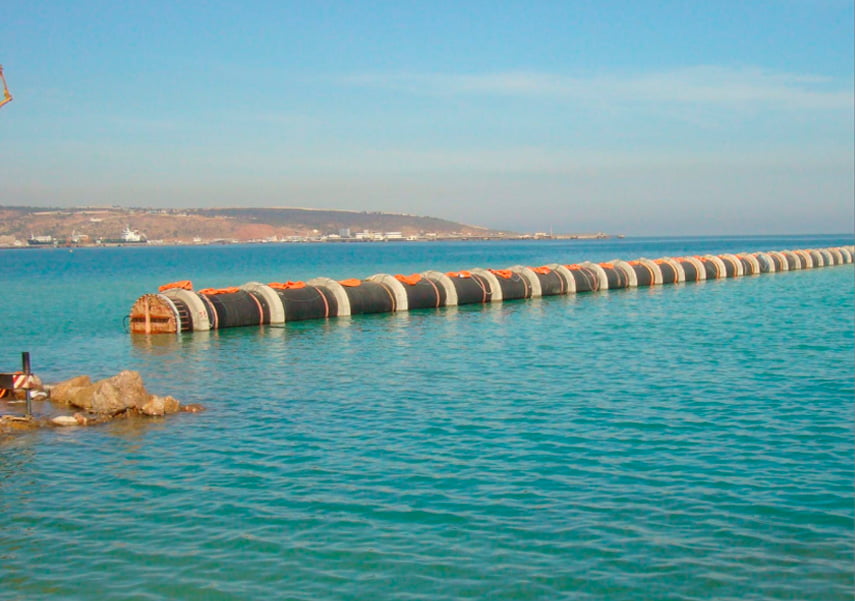
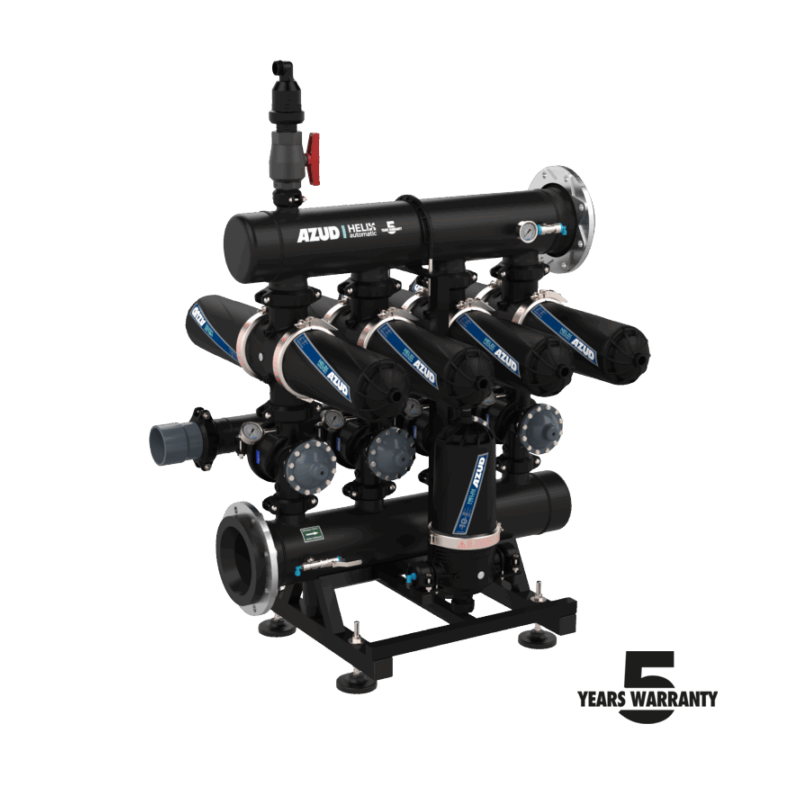
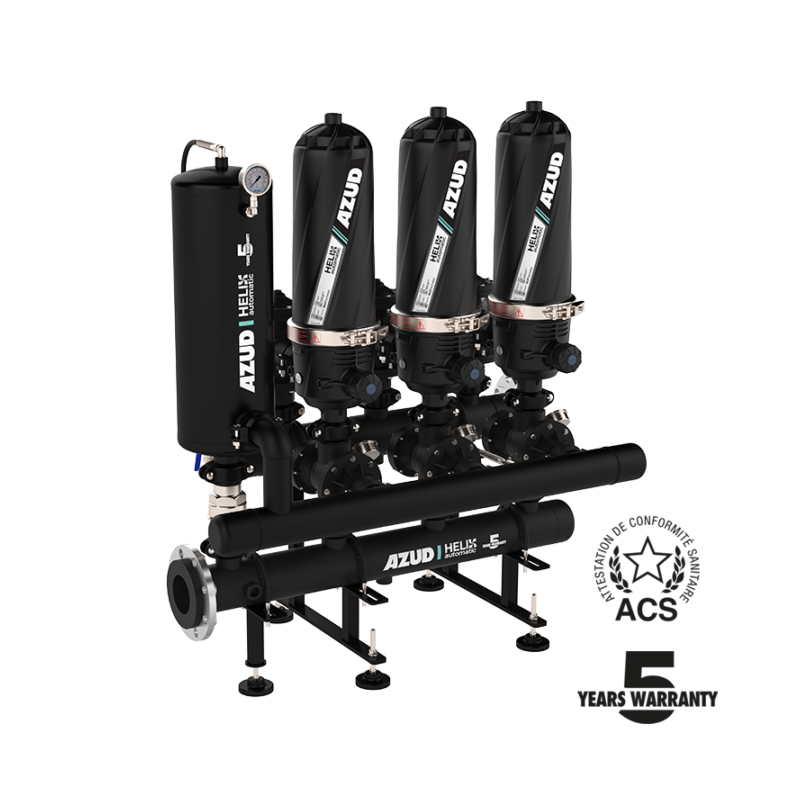
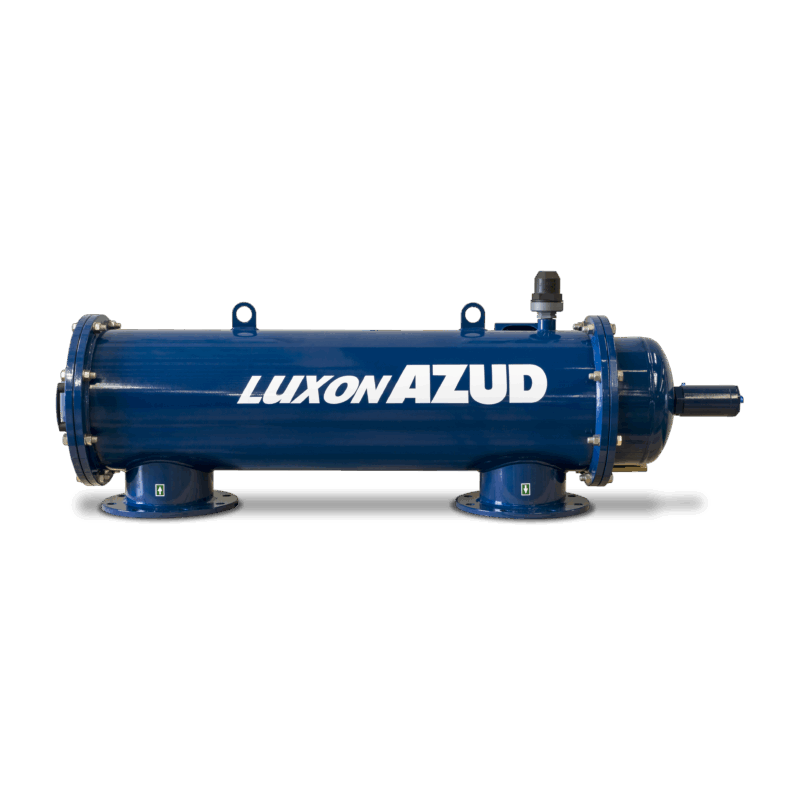
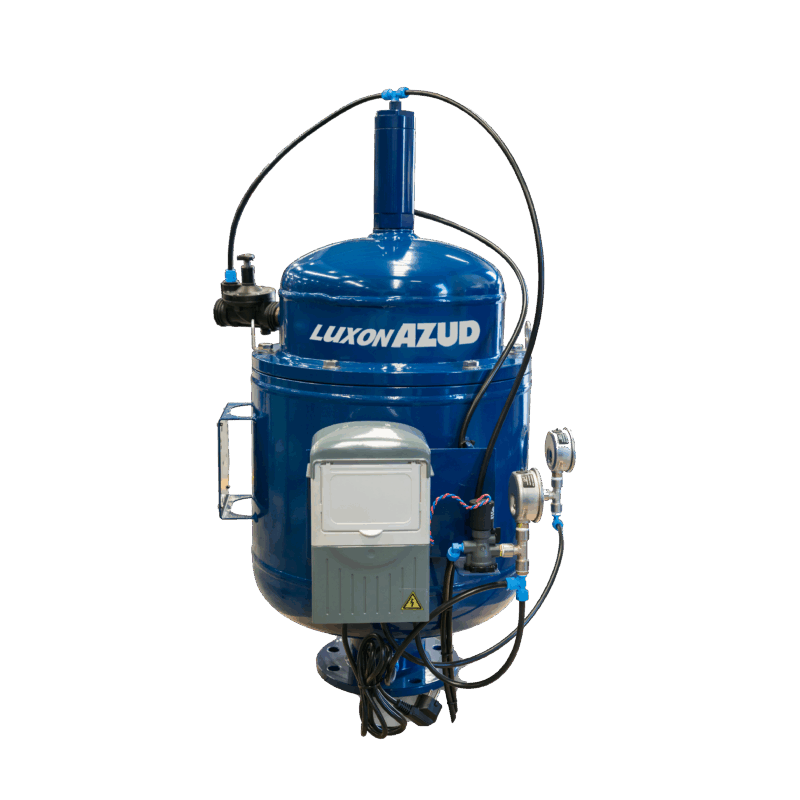
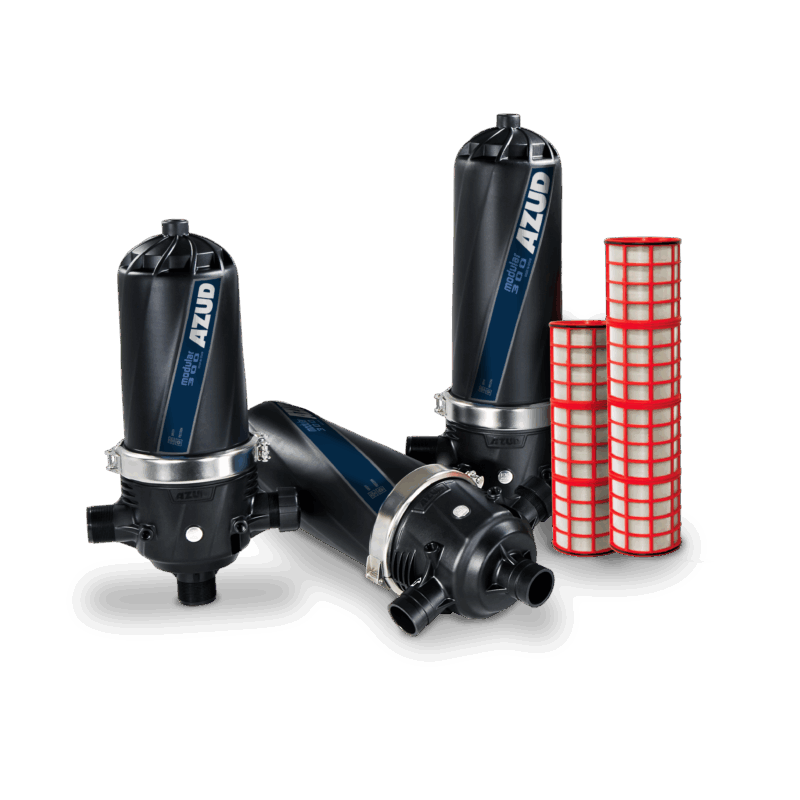
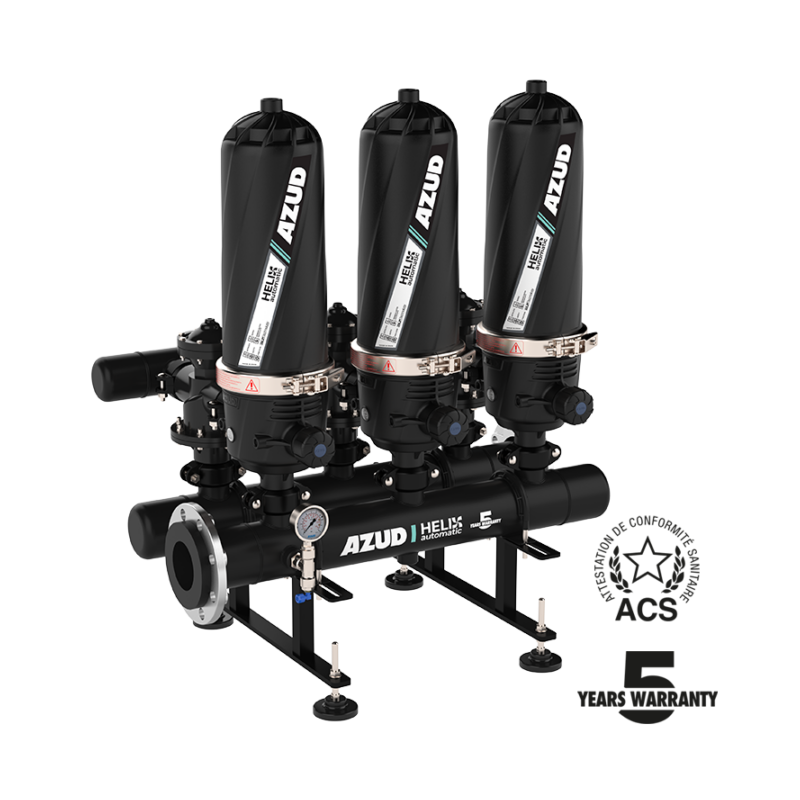
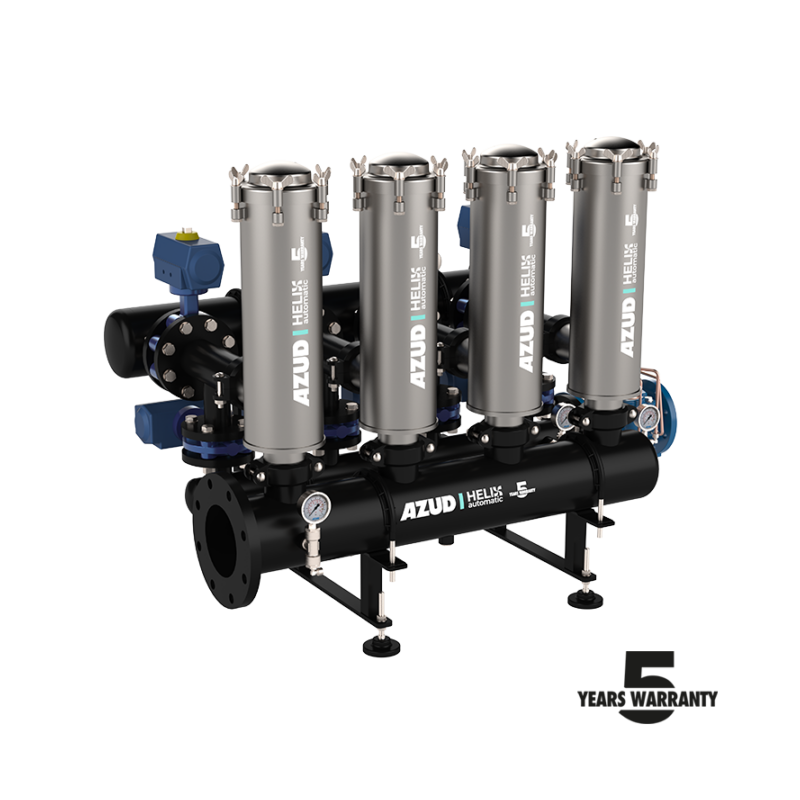
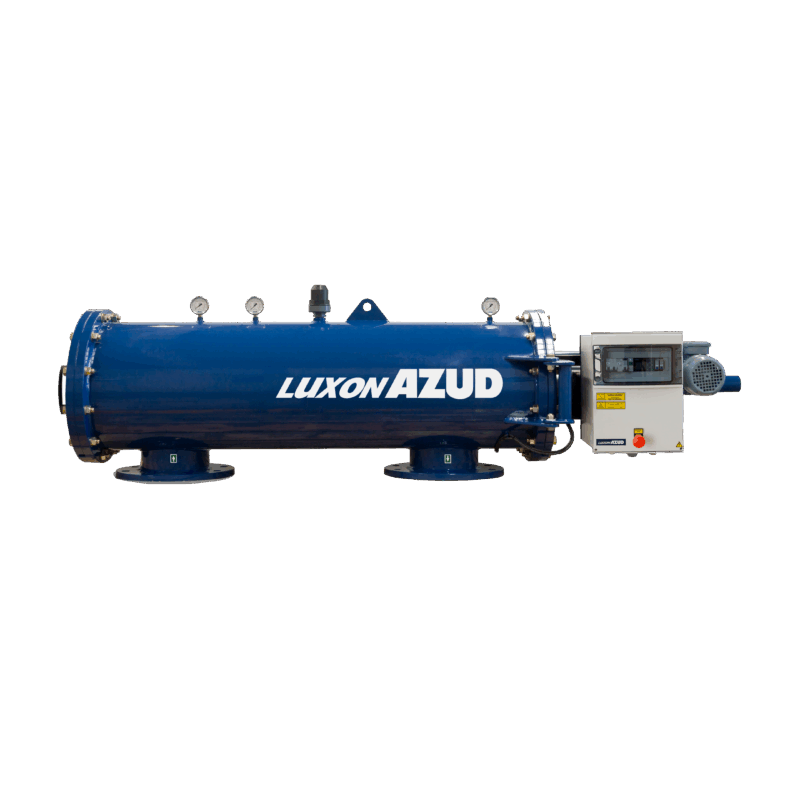
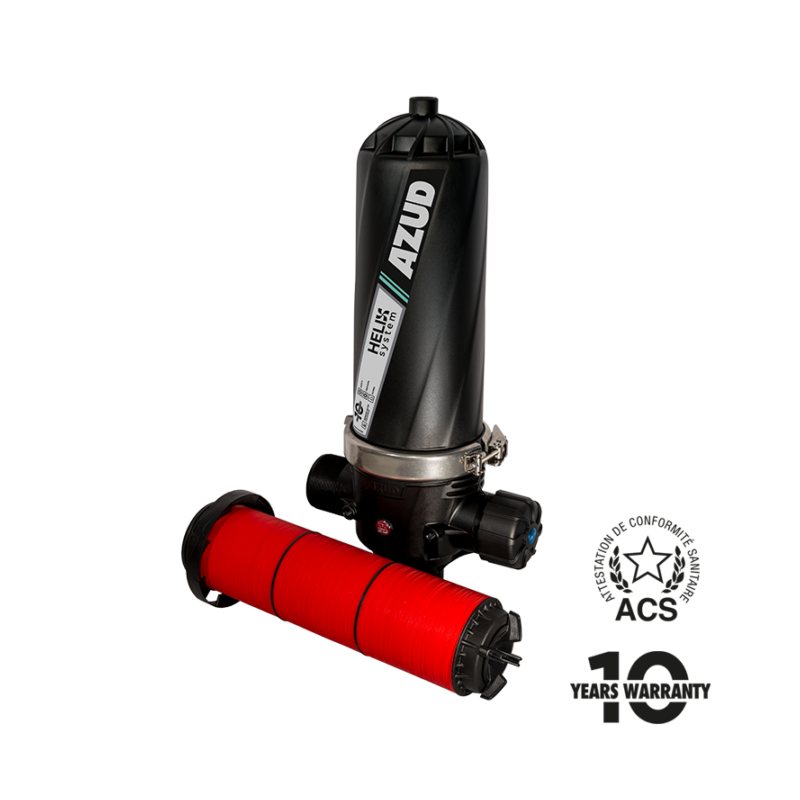
The suspended solids content of seawater is similar to that of surface water, but when ocean currents occur, the suspended solids and turbidity of the water increase as particles settled on the sea floor are removed. However, when sea currents occur, the suspended solids and turbidity of the water increases as the settled particles on the sea floor are removed. Sea currents can also transport nutrients, such as nitrates and phosphates, which promote algae growth. This growth can cause organoleptic alterations in the water and possible blockages in the DWTP, if it is not prepared. Therefore, it is essential to have an adequate pre-filtration system capable of protecting the reverse osmosis membranes from both high solids loads and the presence of algae of different types and sizes
WEIR SOLUTIONS FOR WATER POTABILIZATION
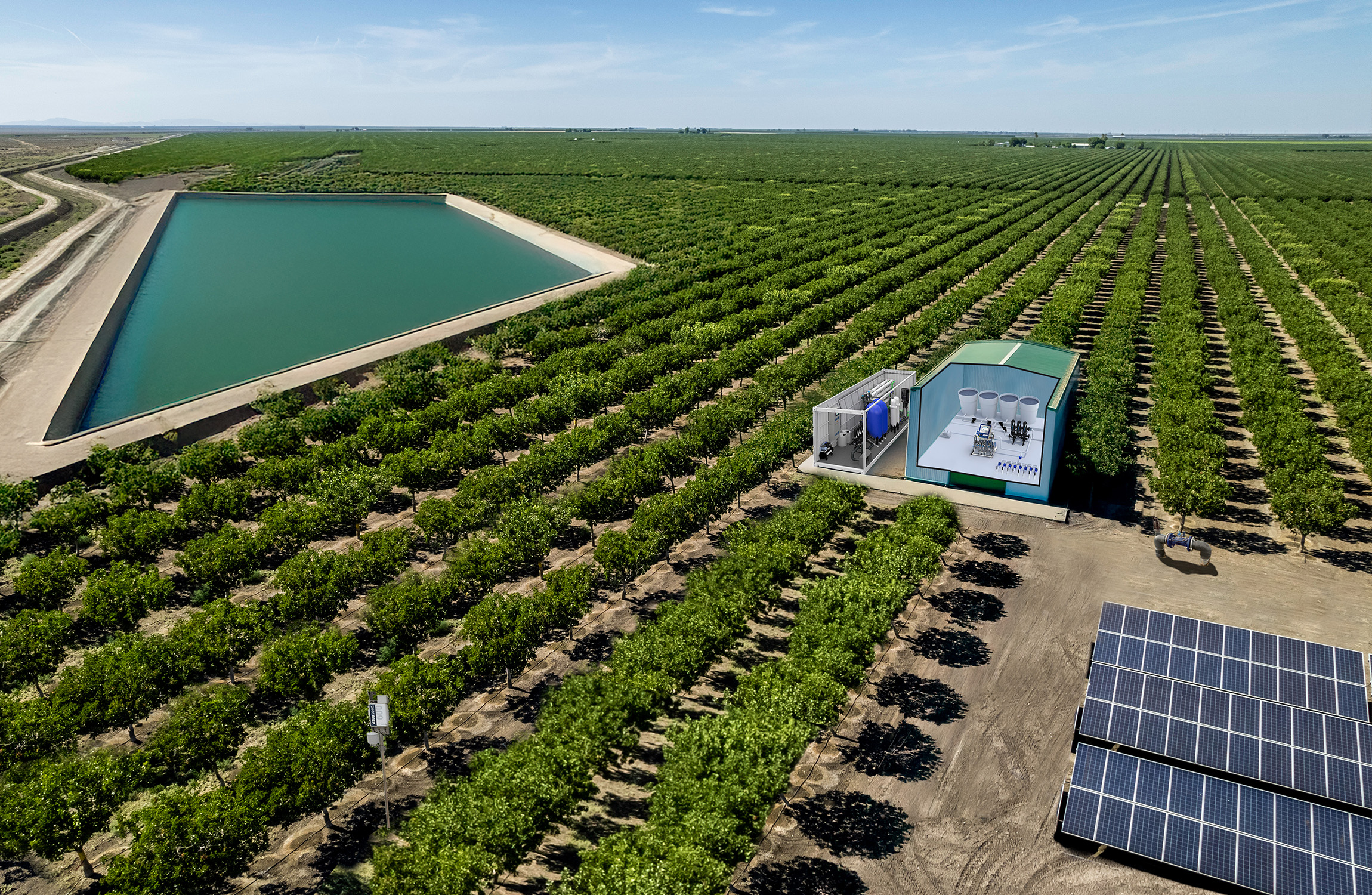
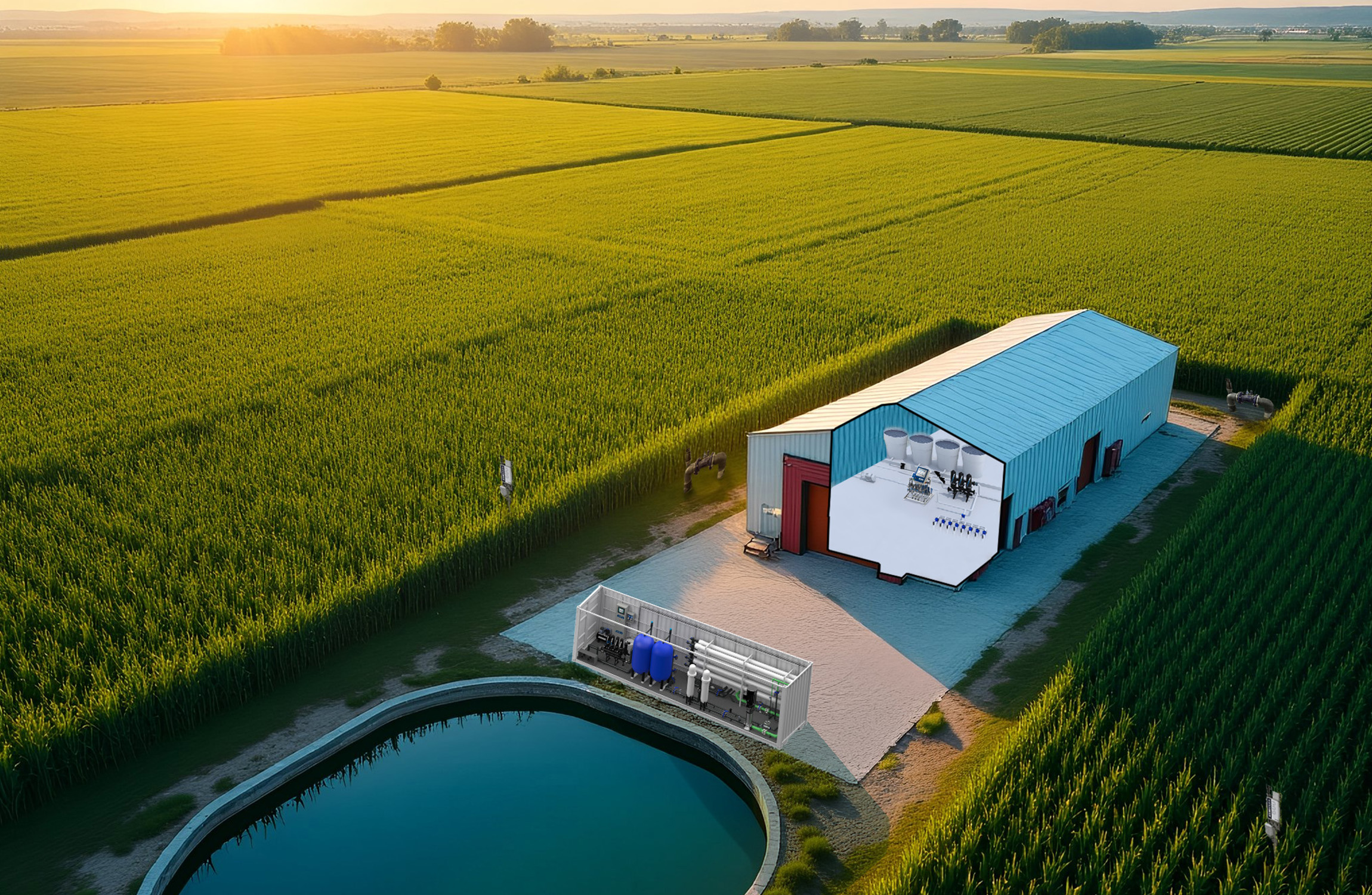
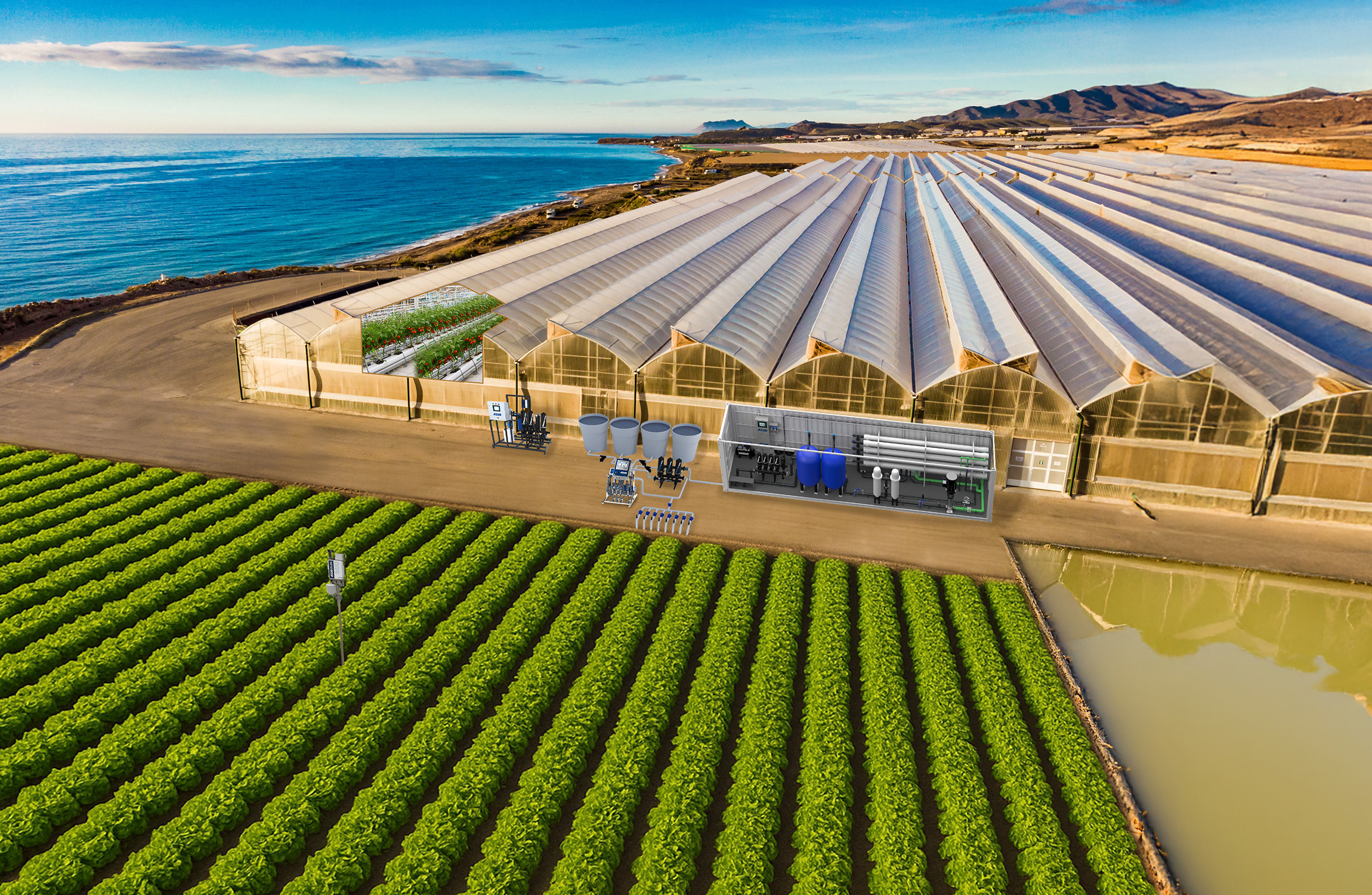
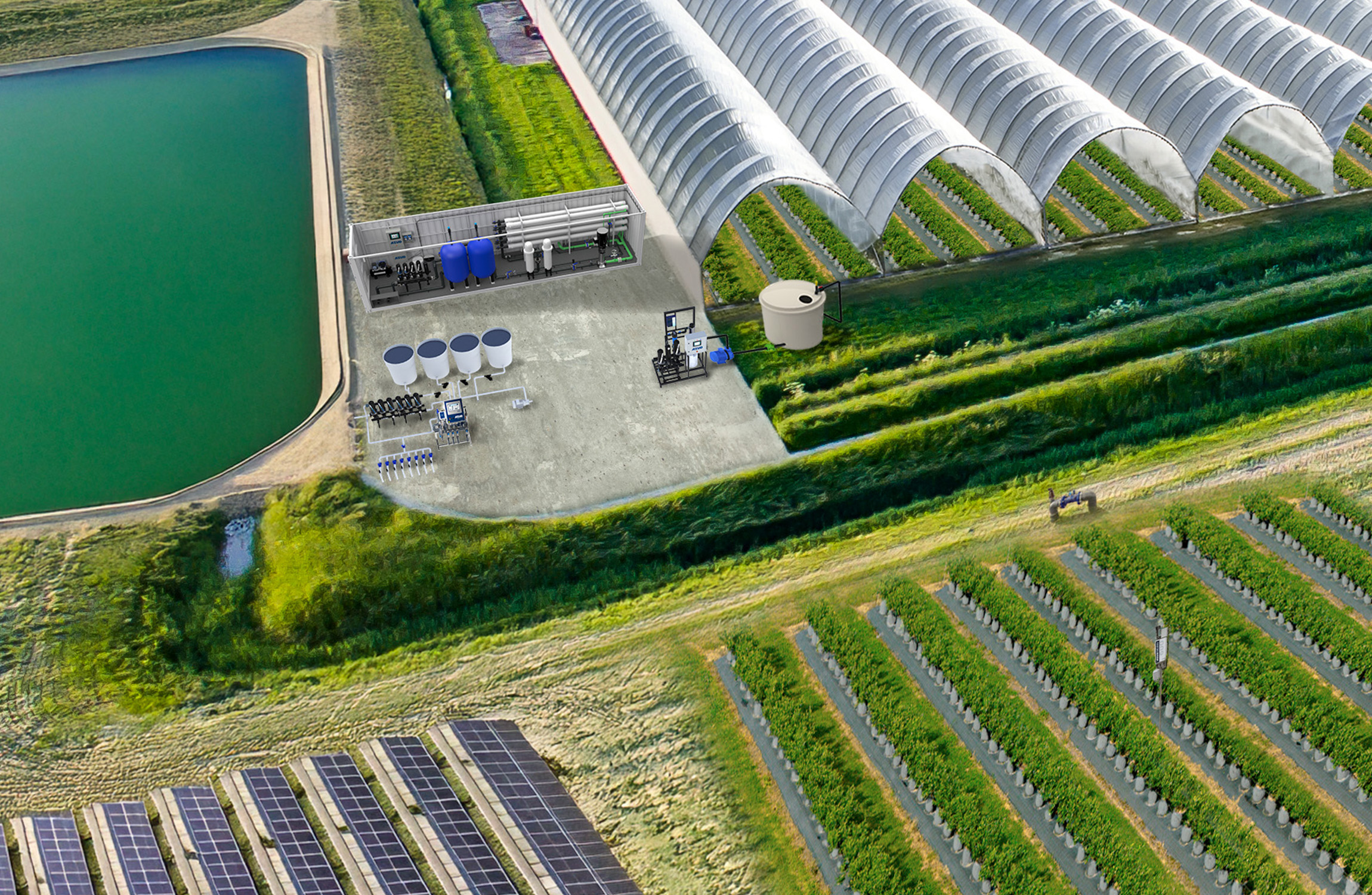
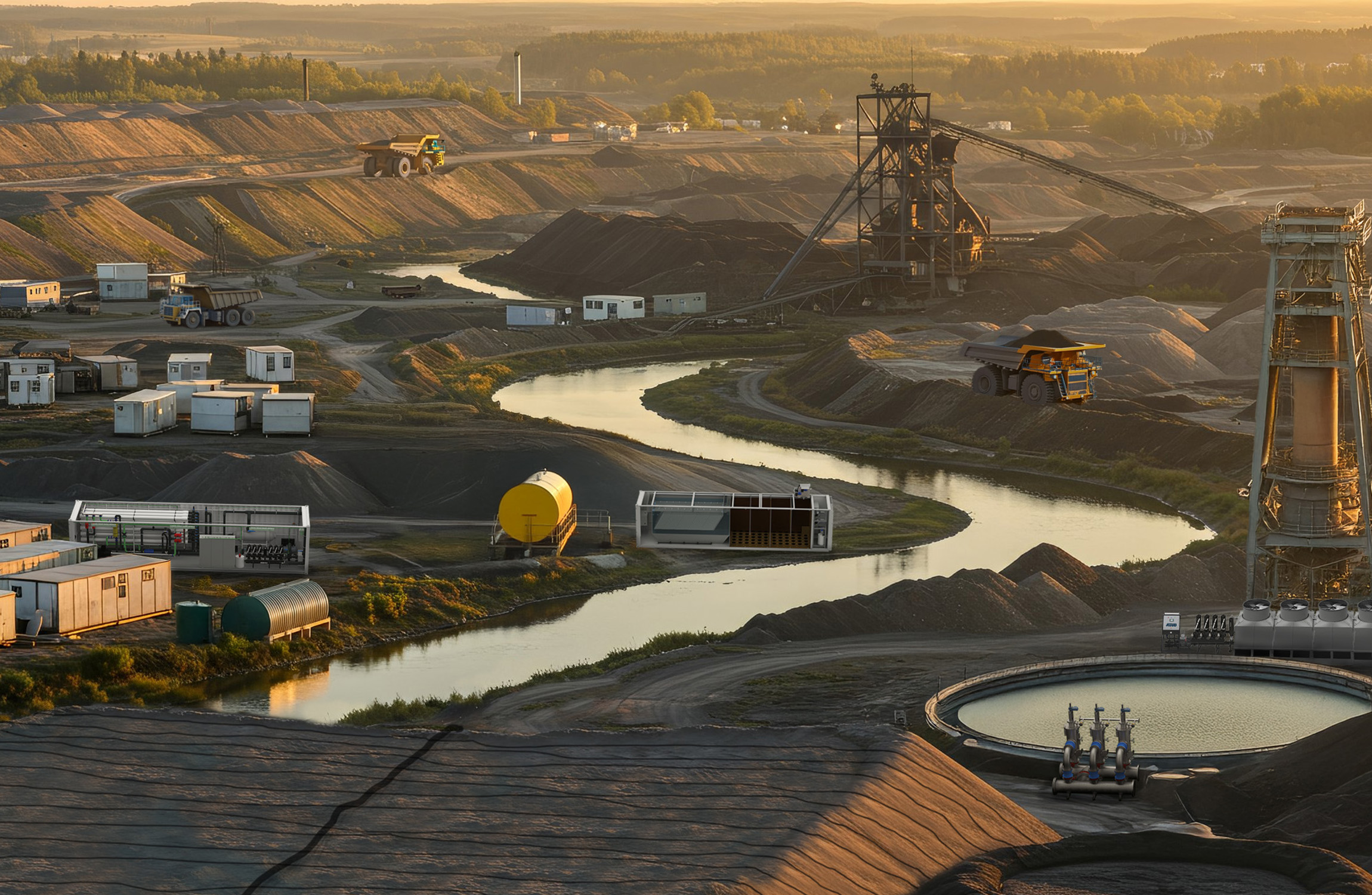
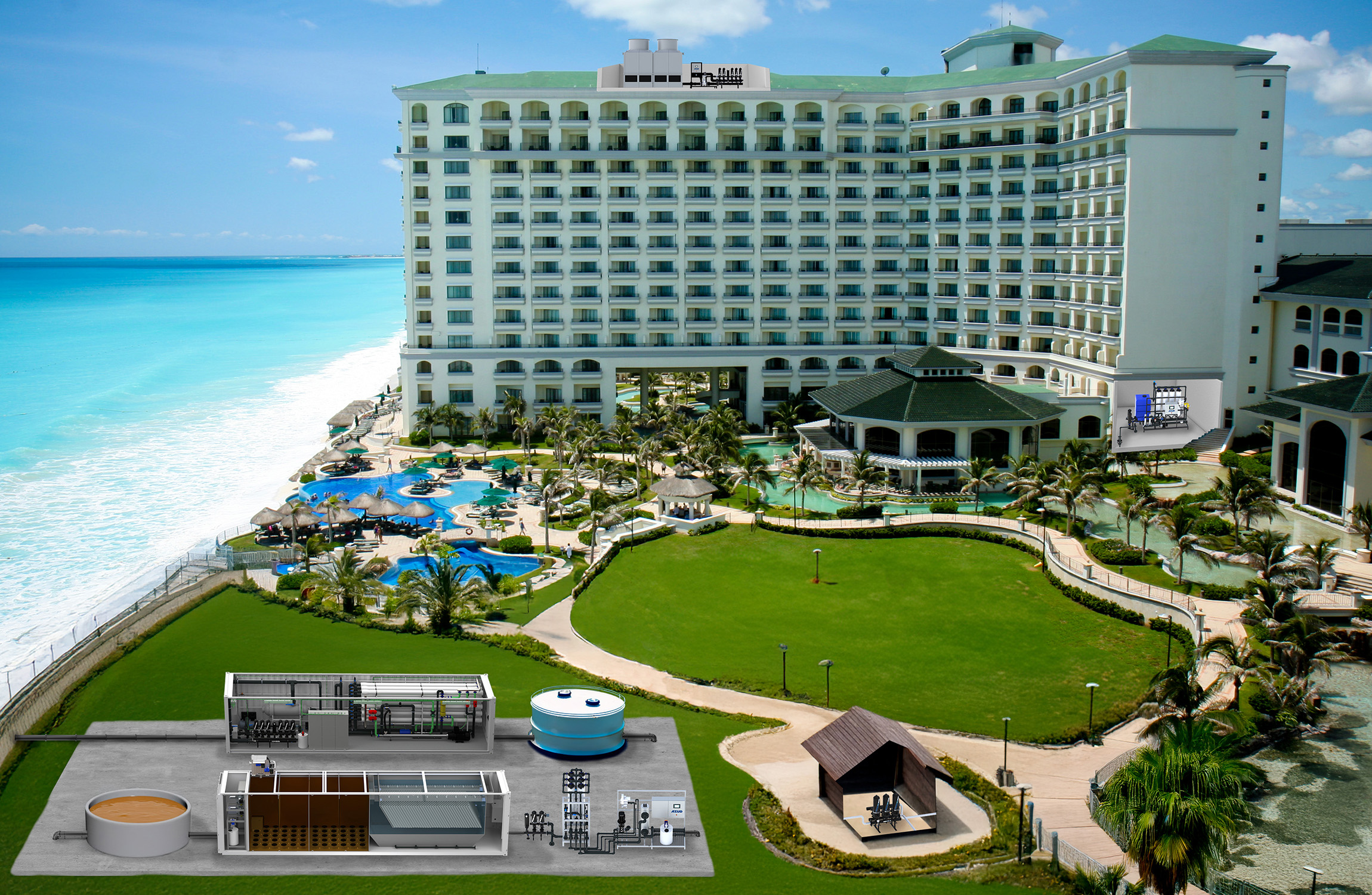
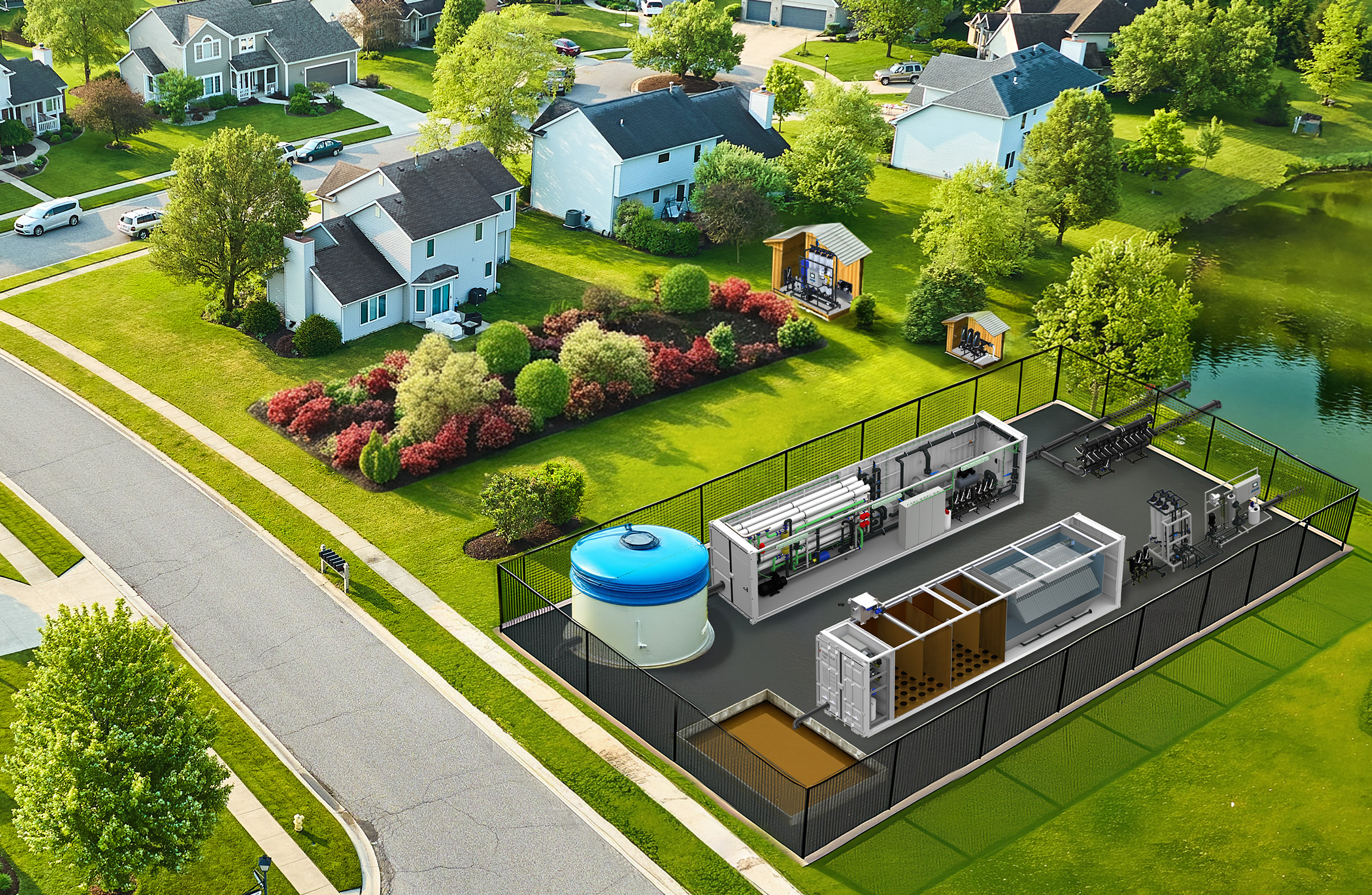
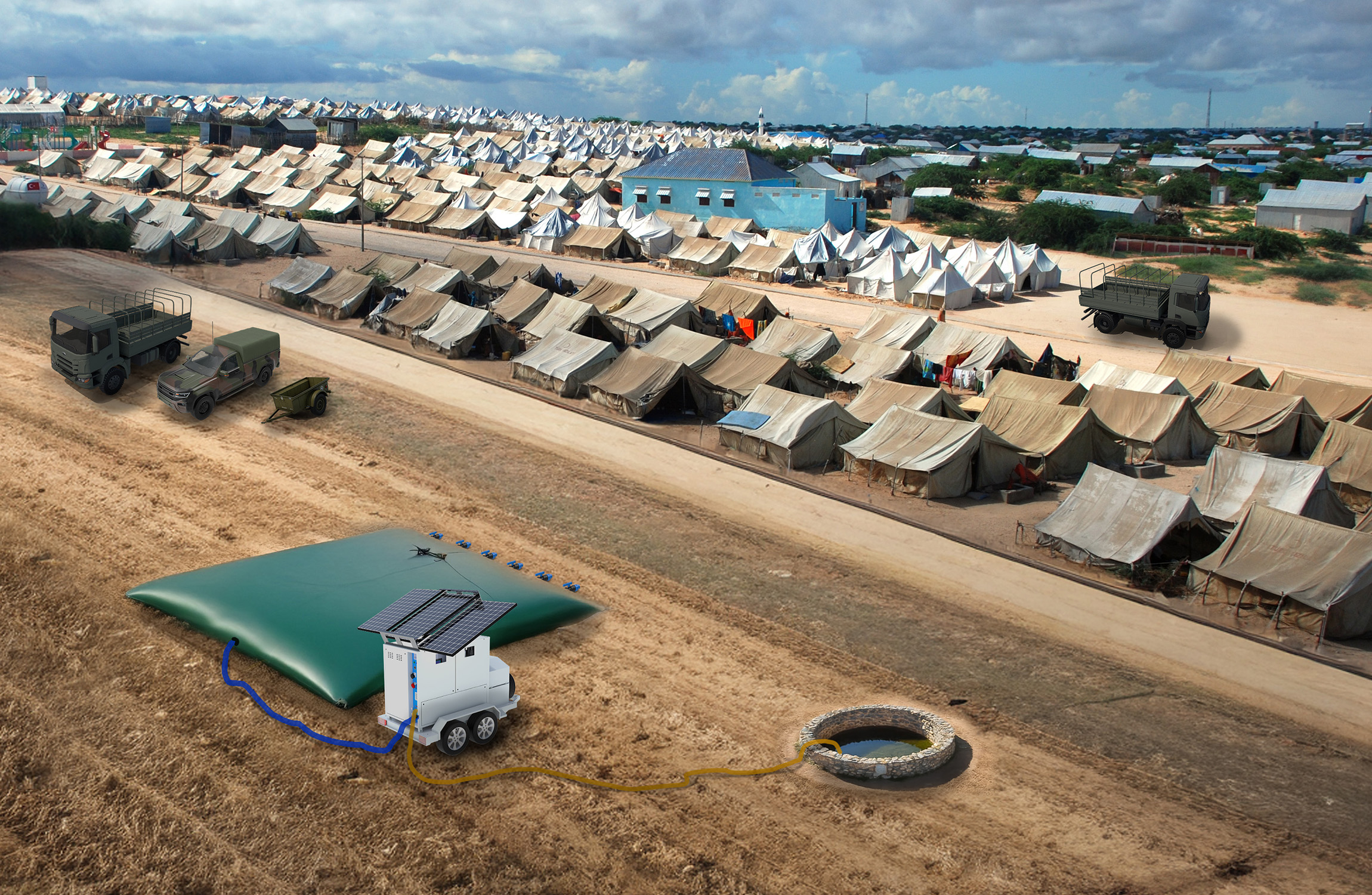
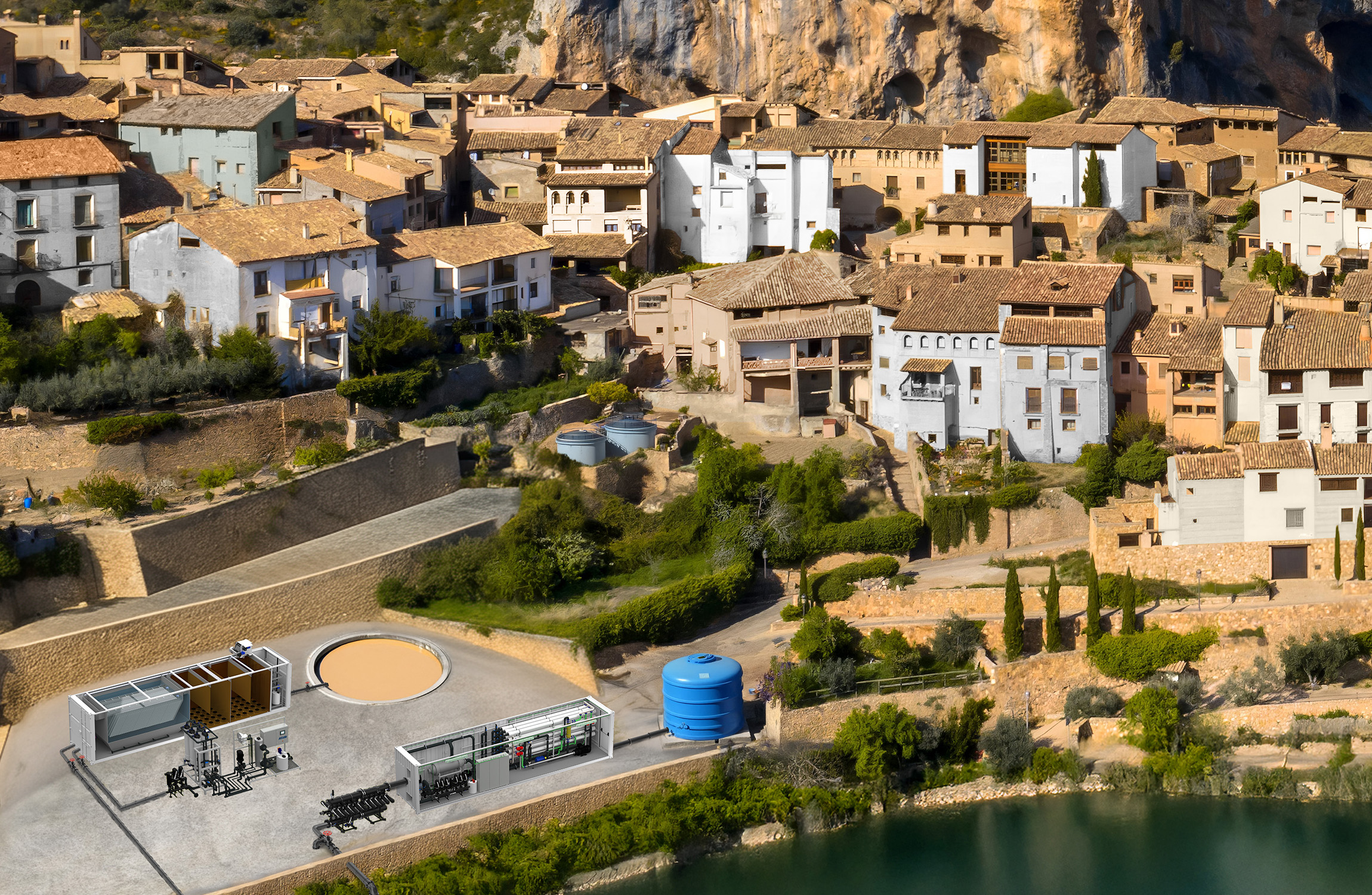
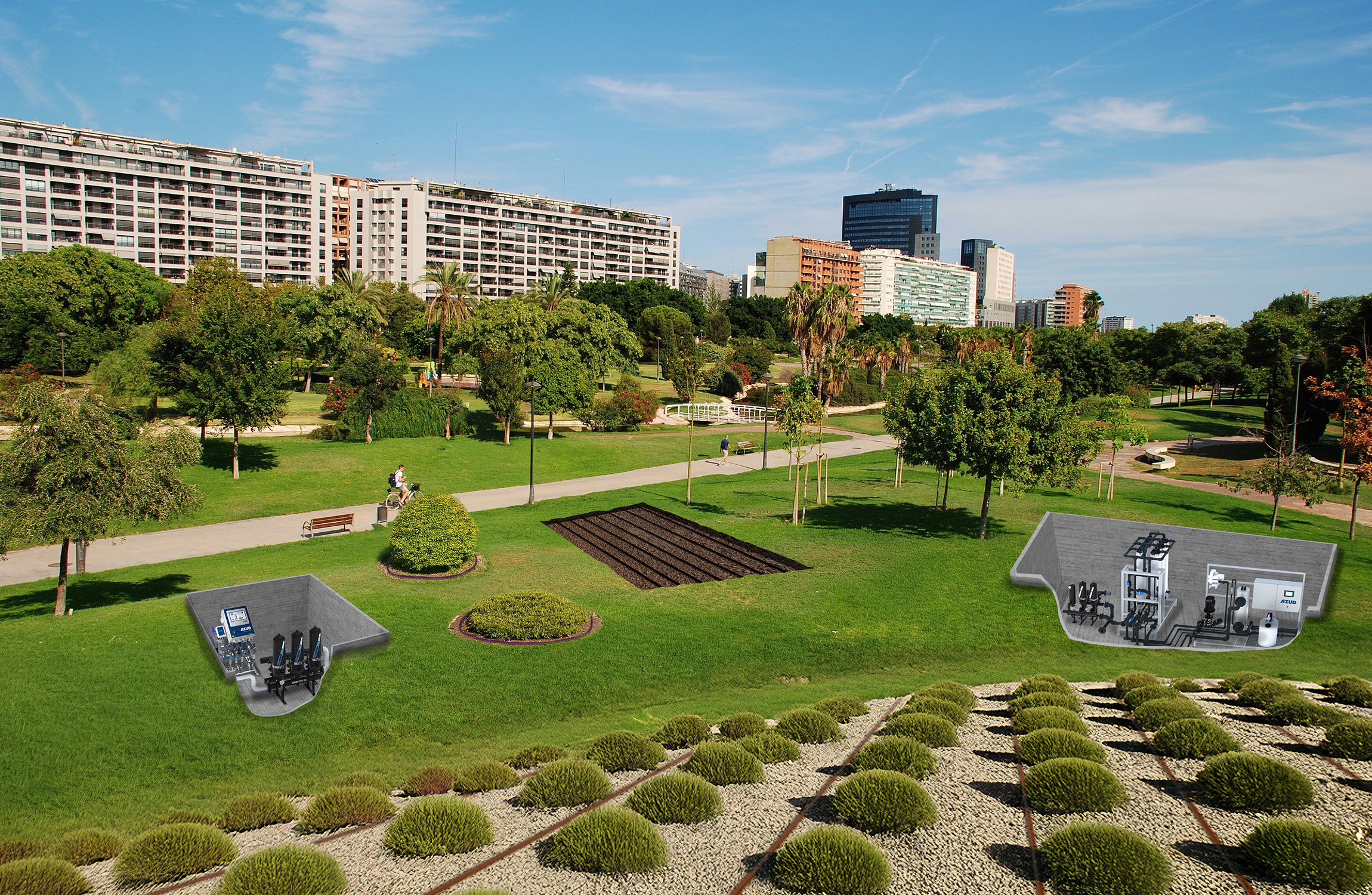
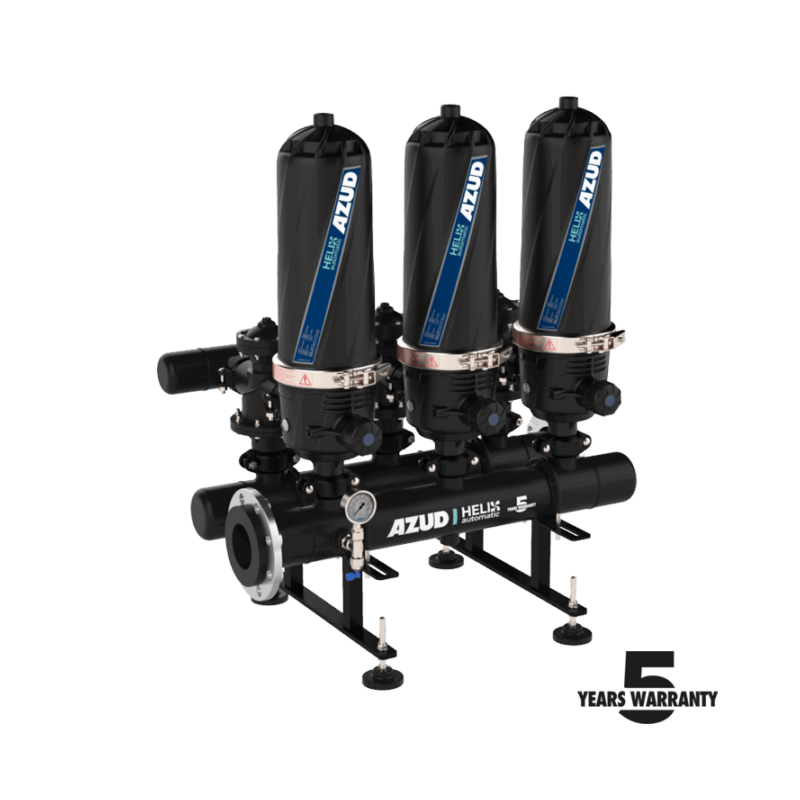
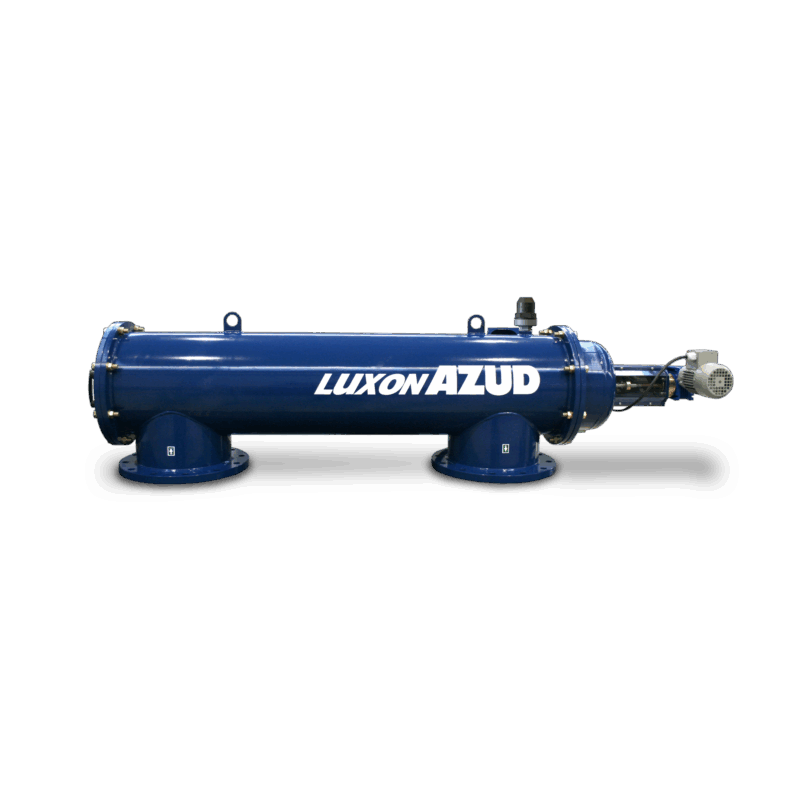
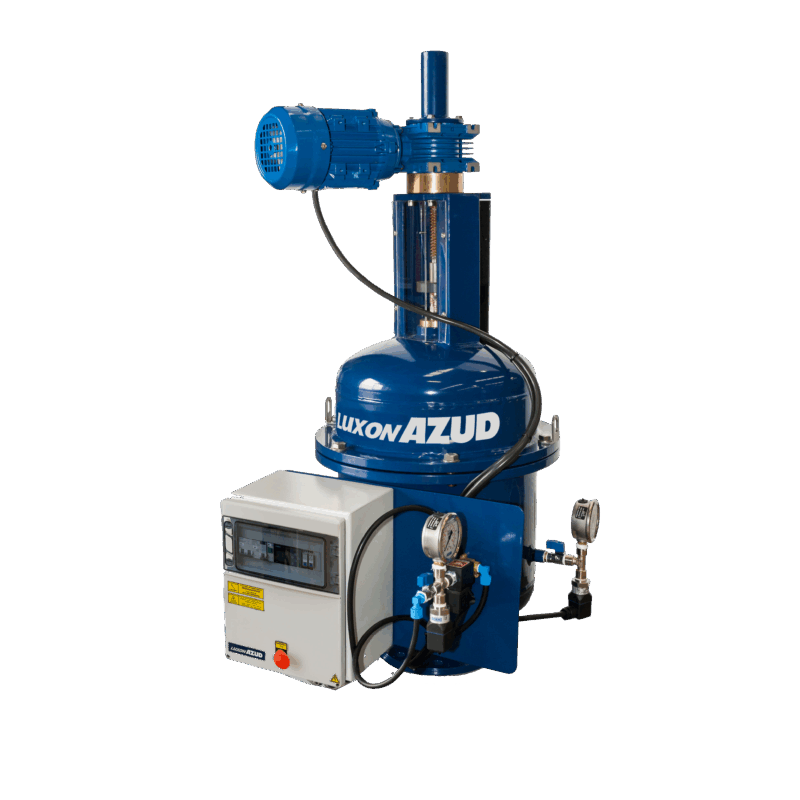
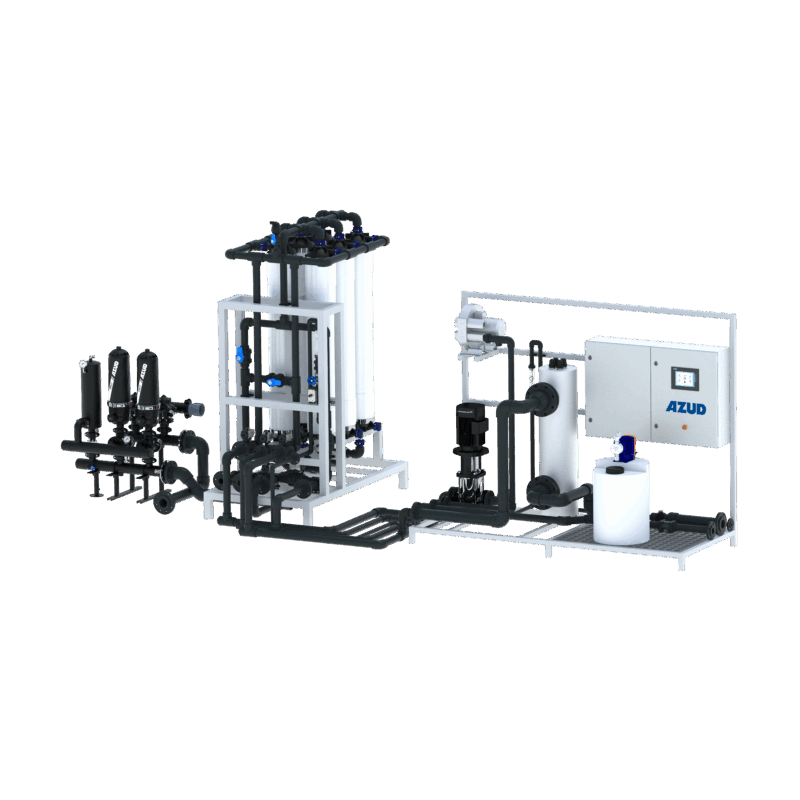
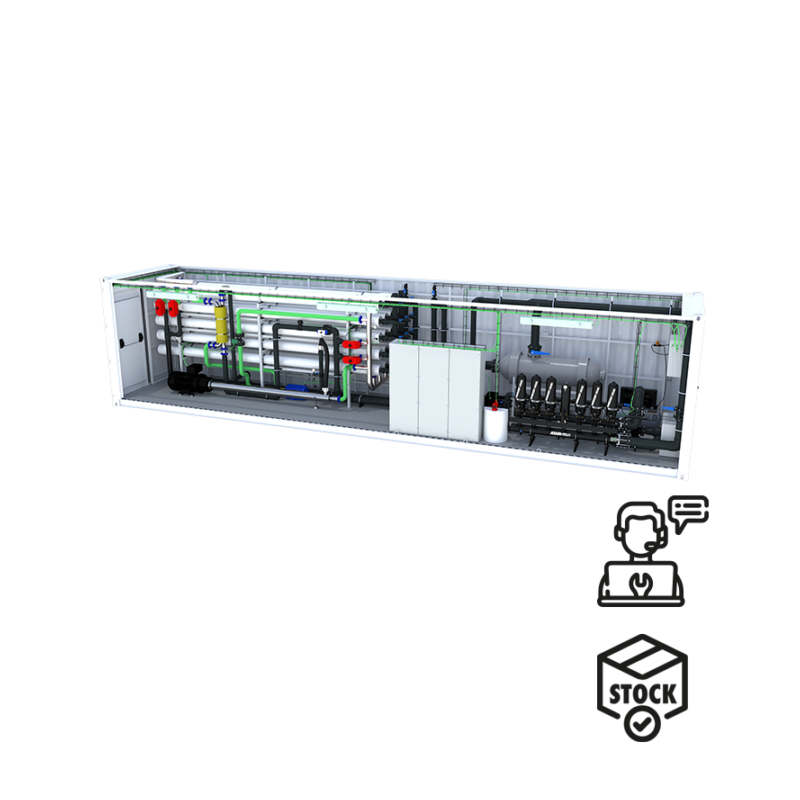
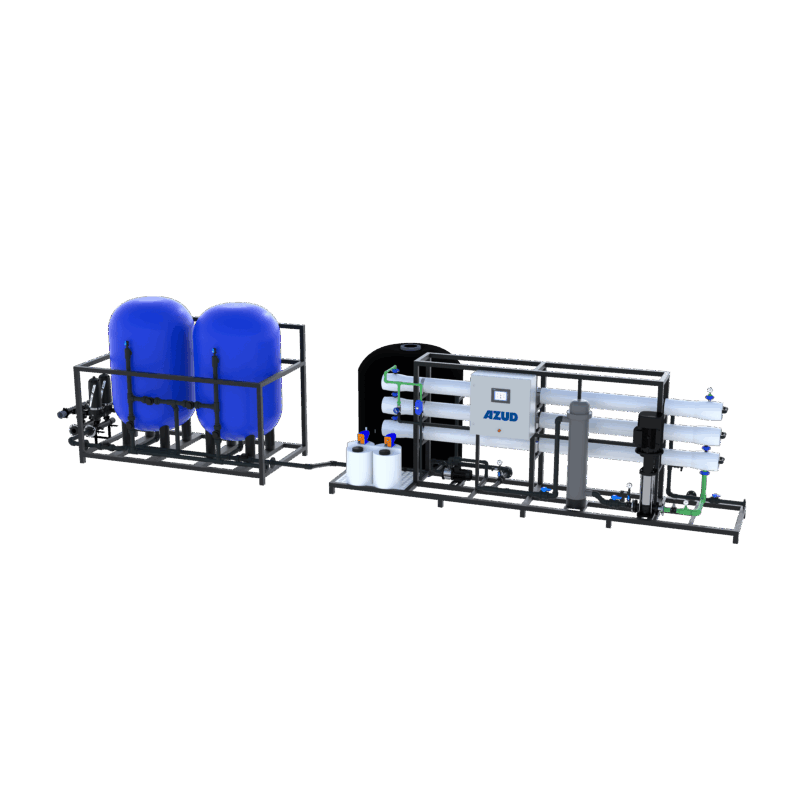
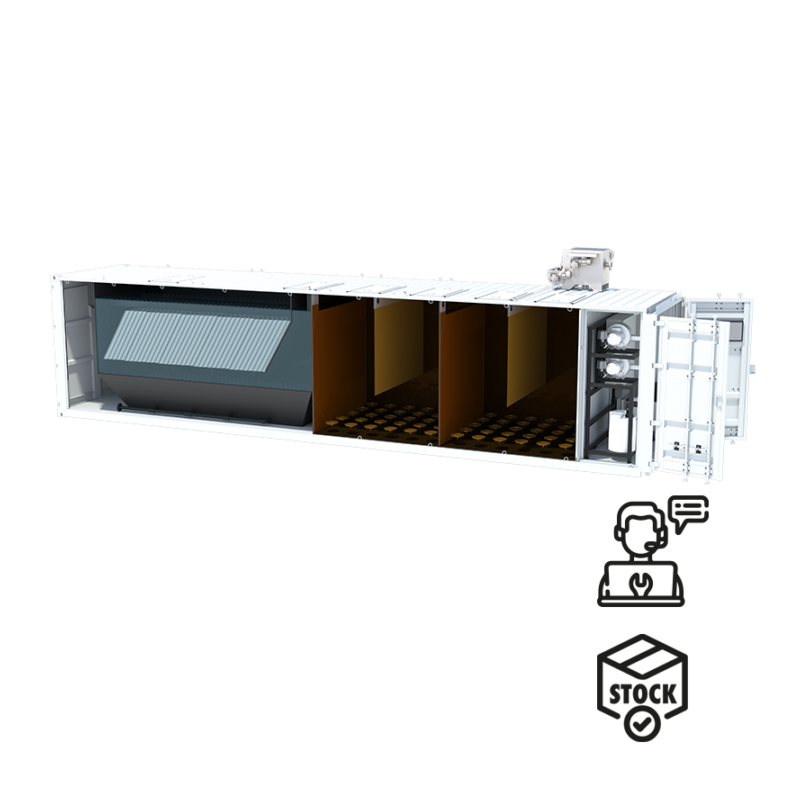
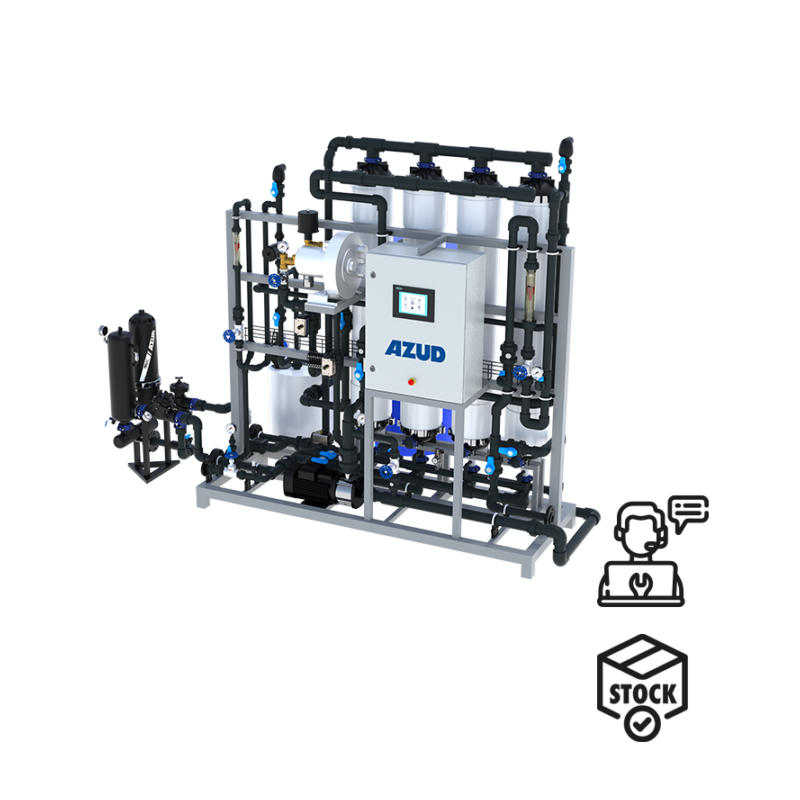
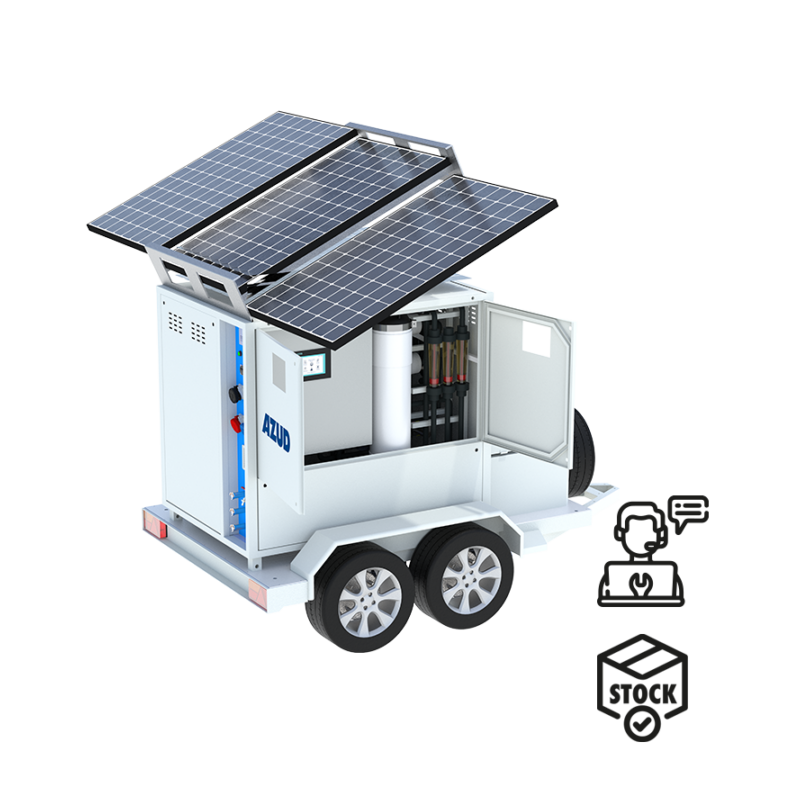
AZUD offers decentralized drinking water treatment solutions taking into account the composition and treatment needs of the collected water. We apply our knowledge and exhaustive study of the catchment, to offer containerized solutions with the necessary technology to make water drinkable in a reduced space without requiring civil works. Its rapid manufacture and start-up guarantees the immediate supply of drinking water in isolated municipalities or with difficult access to the centralized network and in situations of extreme drought. In addition, an operation and maintenance cost study is carried out, ensuring that it is a competitive option compared to conventional centralized water treatment plants