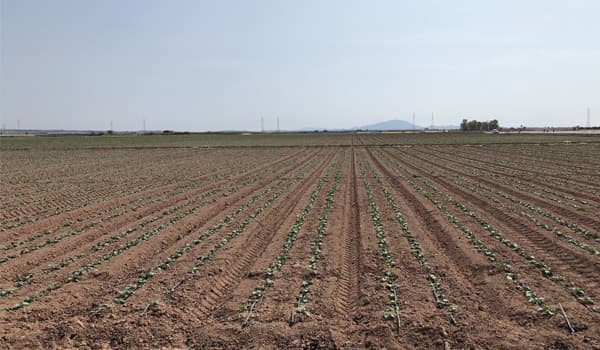
The price of electricity in the last few months has been aa significant increase in production costs in the agricultural sectorthis situation directly affects the profitability of the farms and puts the viability of many of them at risk,efficiency is key.
In anticipation that prices will not change in the short/medium term, here are some tips that will help youto reduce electricity Consumption of your Irrigation systems
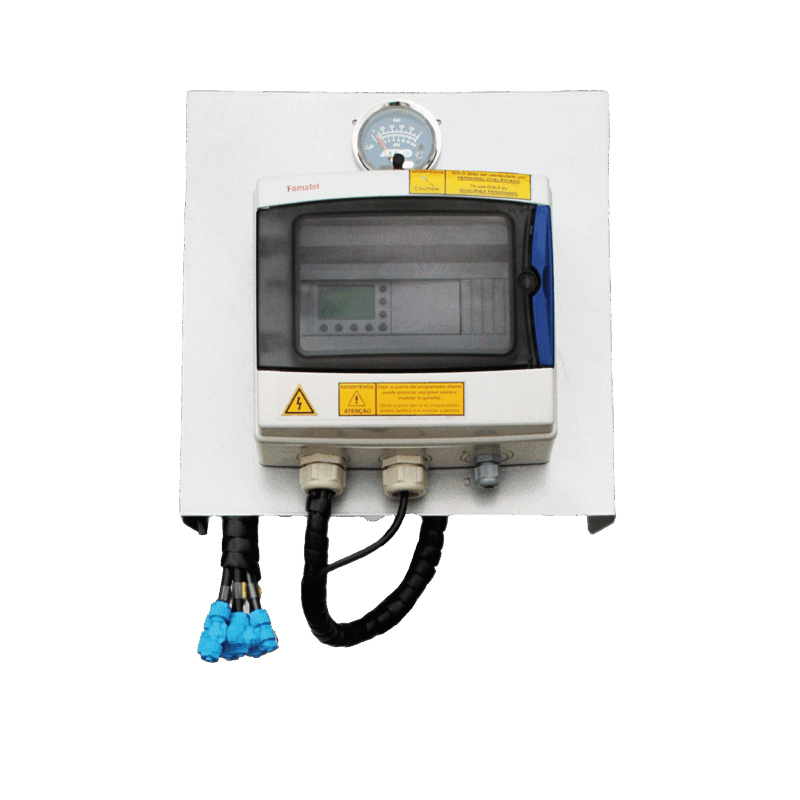
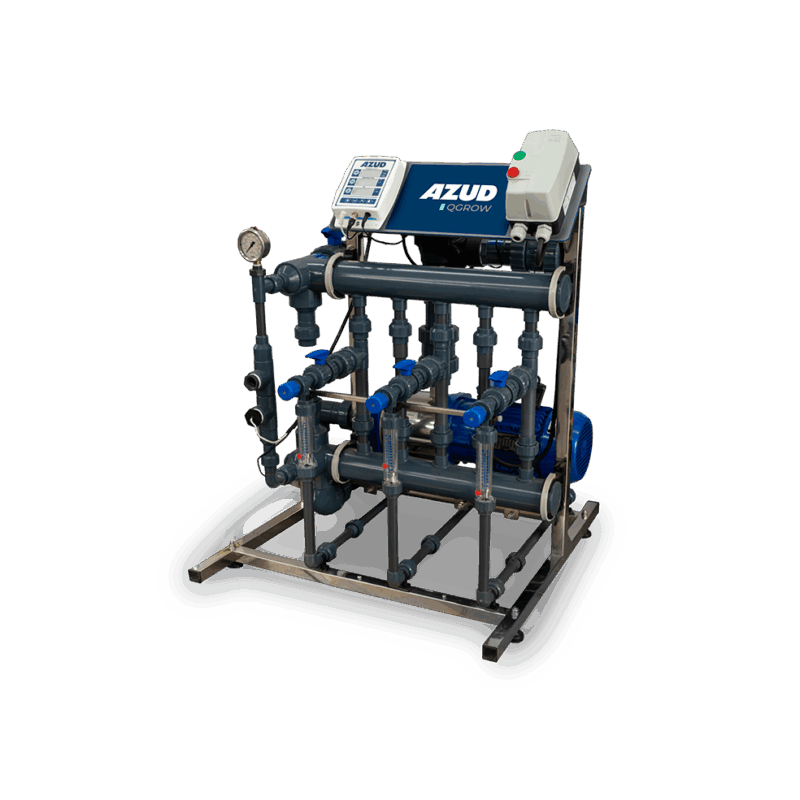
Automate the irrigation system
An Automated Irrigation Installationallows irrigation to be started and stopped without the need for a person to travel to the installationby implementing this measure, we can achieve a lower cost of electricity than during the daytimeelectricity bill savings of up to 40%.
Adjusts installation pressures
We recommend that you review the technical characteristics of the emitters andadjusting the pressures of the irrigation systems to minimum requirements in this way, we reduce the supply pressures to the irrigation network to the minimum pressure required at the most unfavorable point of the installation, which results in electrical savings
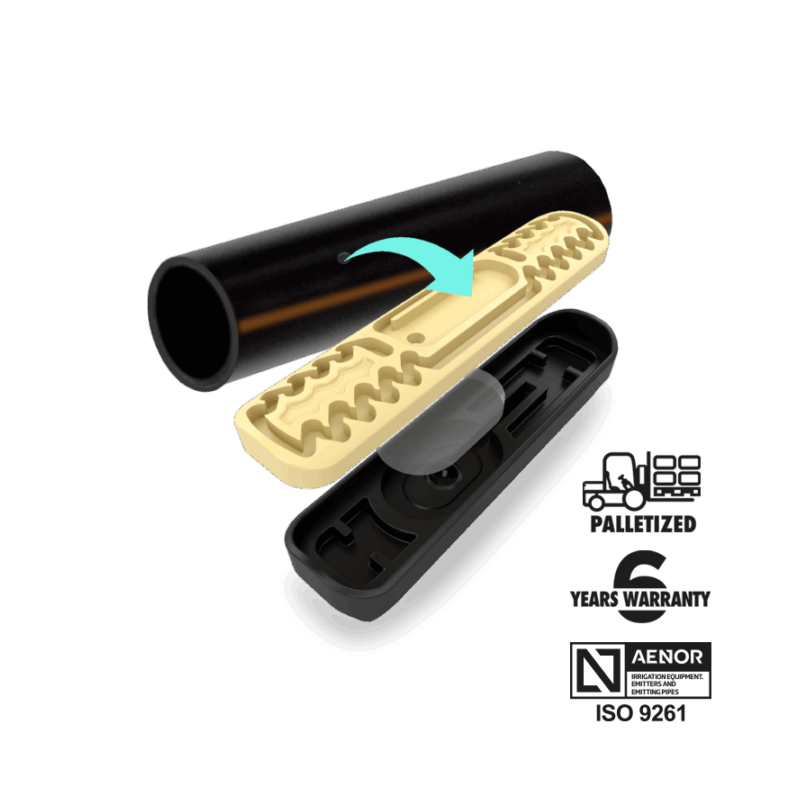
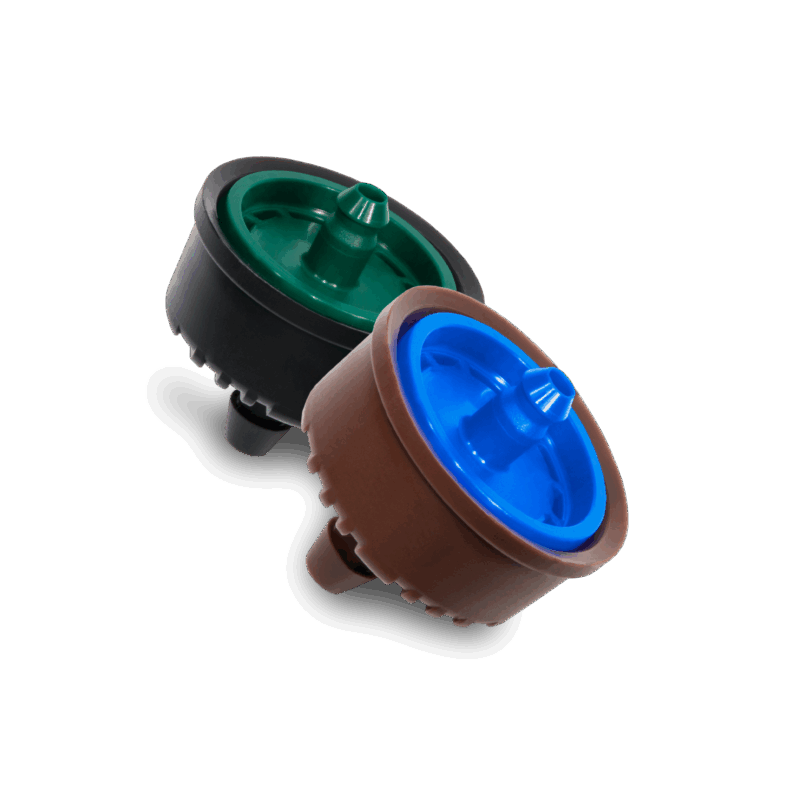
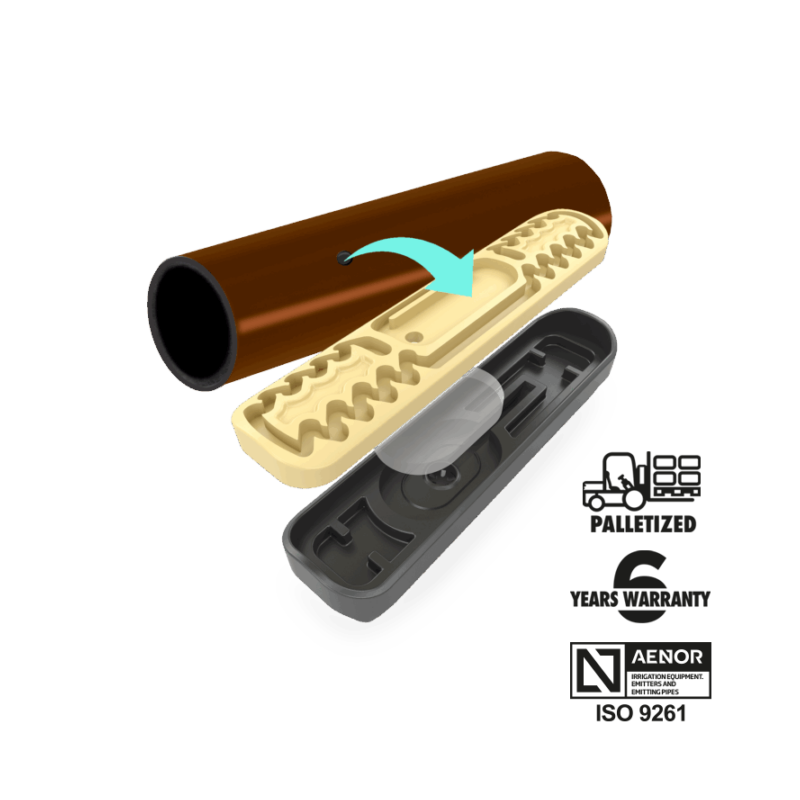
Uses low flow rate emitters
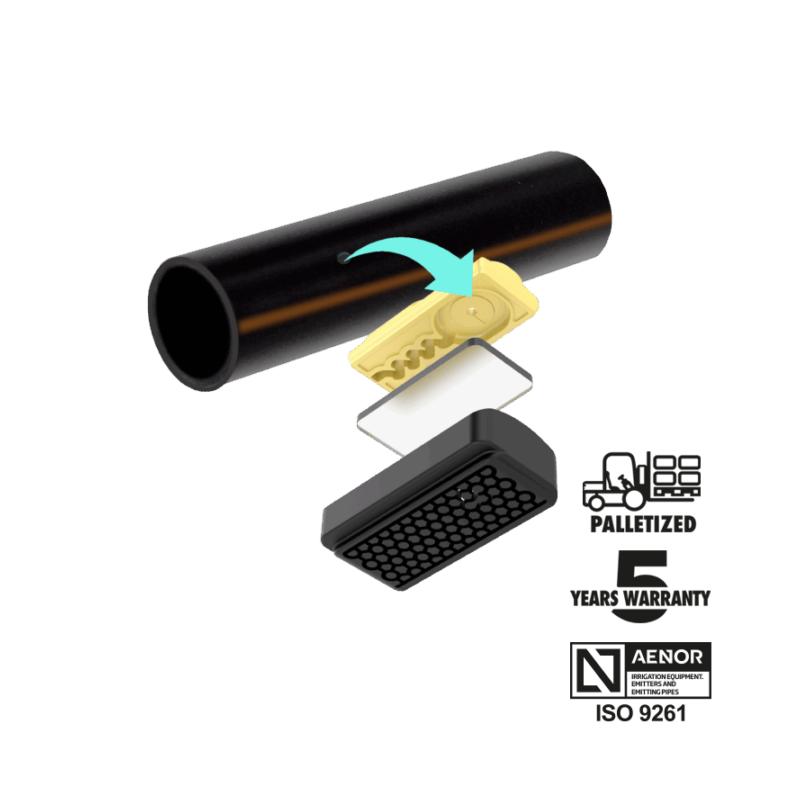
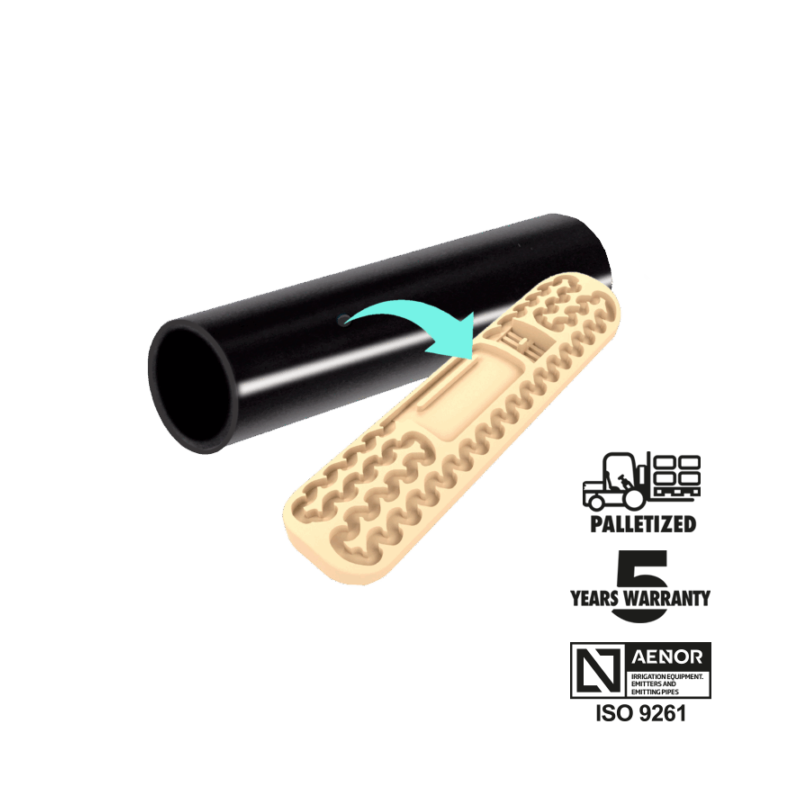
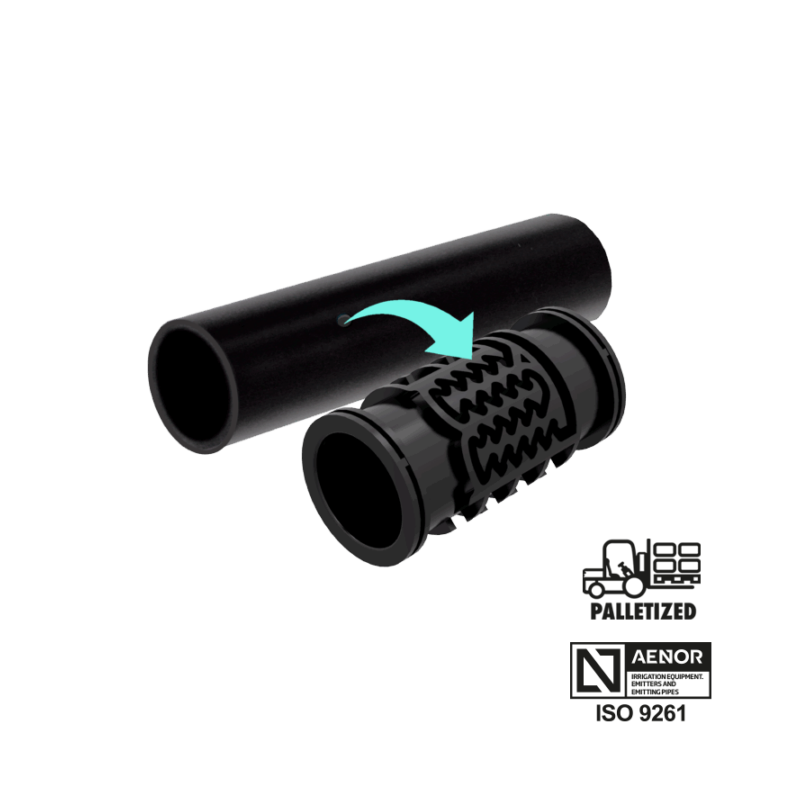
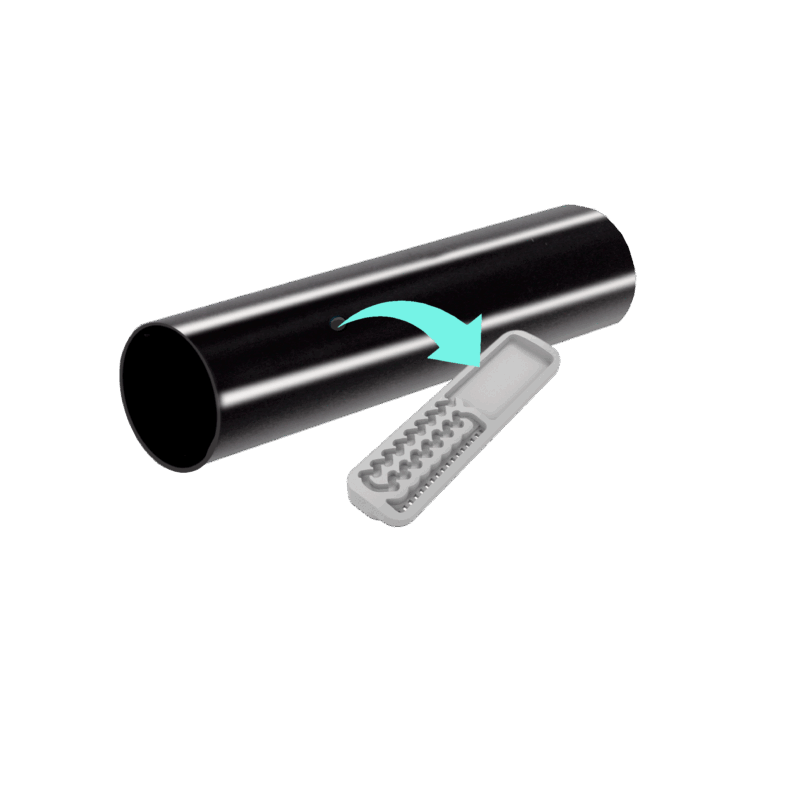
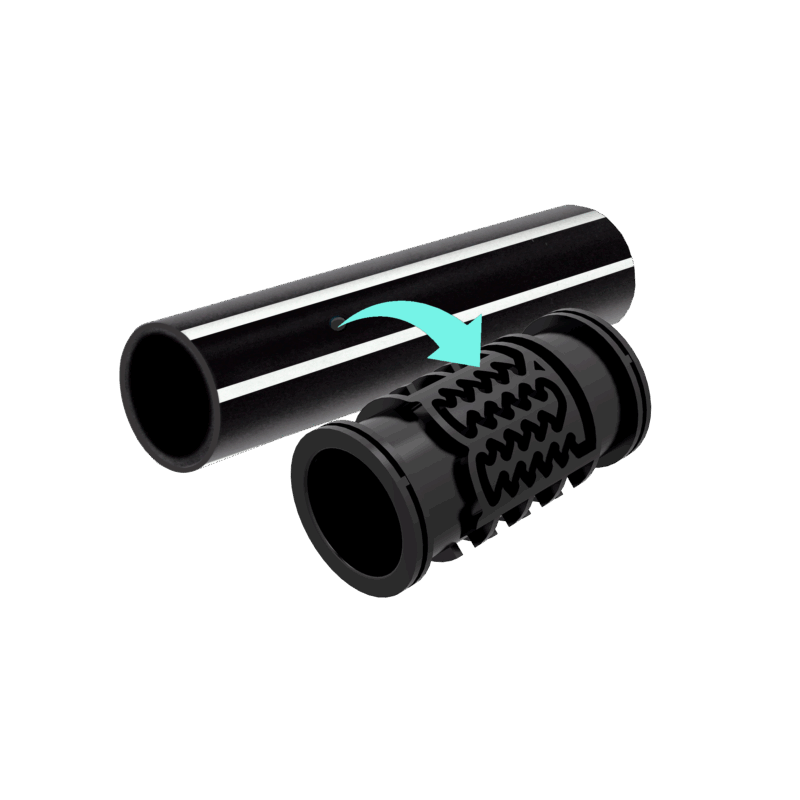
By using low flow rate drippers, the nominal flow rate of the irrigation systems is reduced,allowing the use of lower power pumping equipment and reducing electricity Consumption
Sectorizes the installation
A successfuldimensioning of the sectors flow rate can be reduced. The most interesting option would be to dimension the sectors to take advantage of all available valley hours
Check the length of the drip leg
Irrigation systems are frequently encountered in which the Lengths of the irrigation lines aredrip carrier branches are close to or equal to the maximum values recommended by the manufacturers. However, we must bear in mind that, even thoughthat sizing results in a lower initial investment cost, involves an additional energy costimportant in the medium and long term, as the energy required to reach the Operating pressures in the end sections of the Dripline is much higher
Uses larger diameter Driplines
With the use of branch irrigation diameters, branch, tertiary, secondary and primary pipespressure loss is reduced in the network andachieves greater uniformityconsumption is reduced
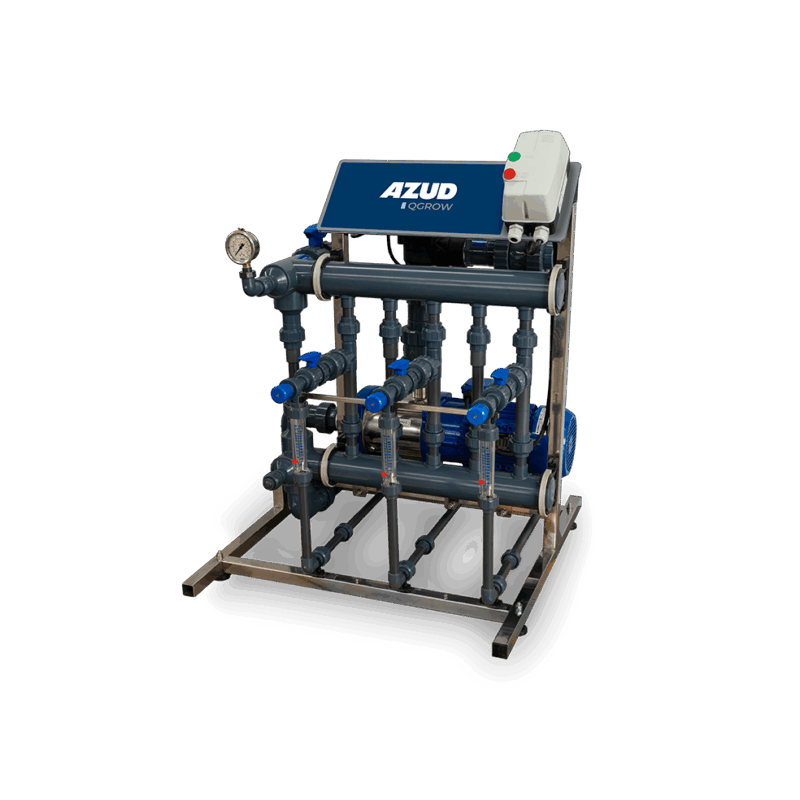
Uses variable frequency drives and variable speed pumping equipment
The Frequency inverter is an electronic device that regulates the power supply to the pumping equipment, adjusting its speed to the needs of the installation at any given moment. With this systemconsumption peaks are avoided and the characteristic curve of the pump is adjusted, resulting in asignificant energy savings.
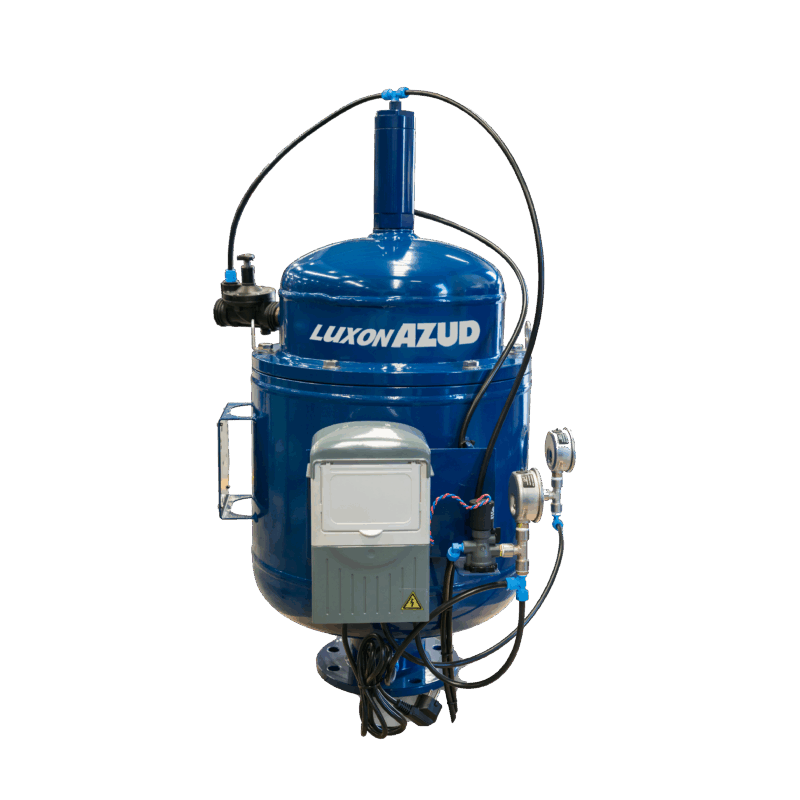
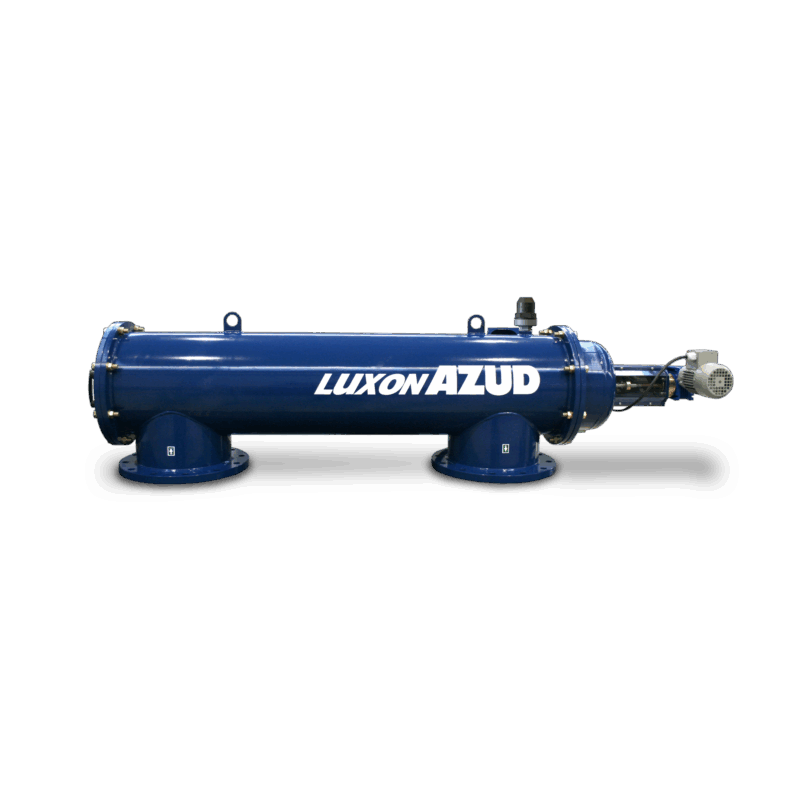
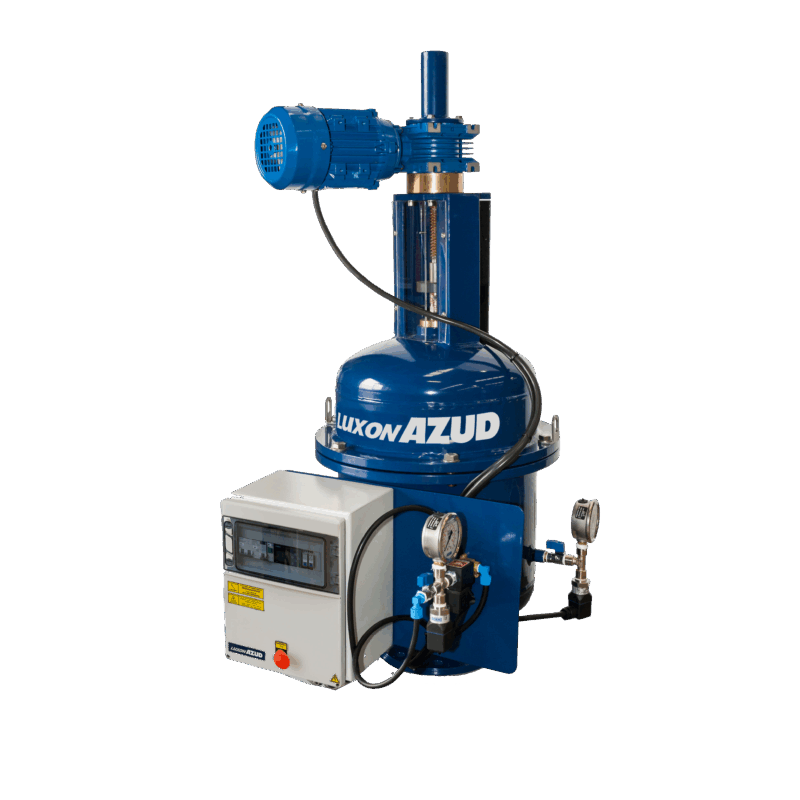
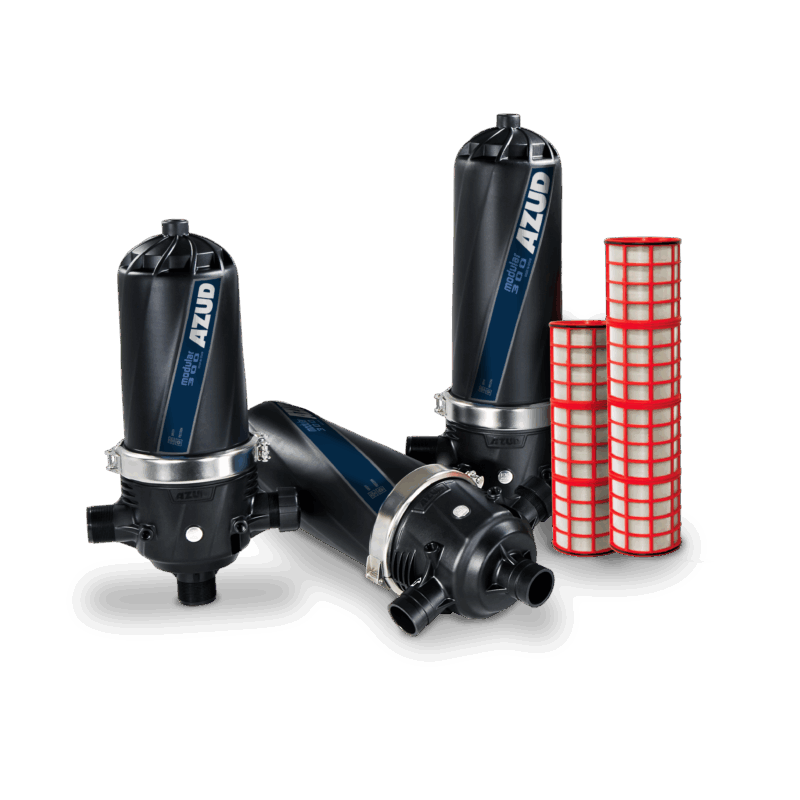
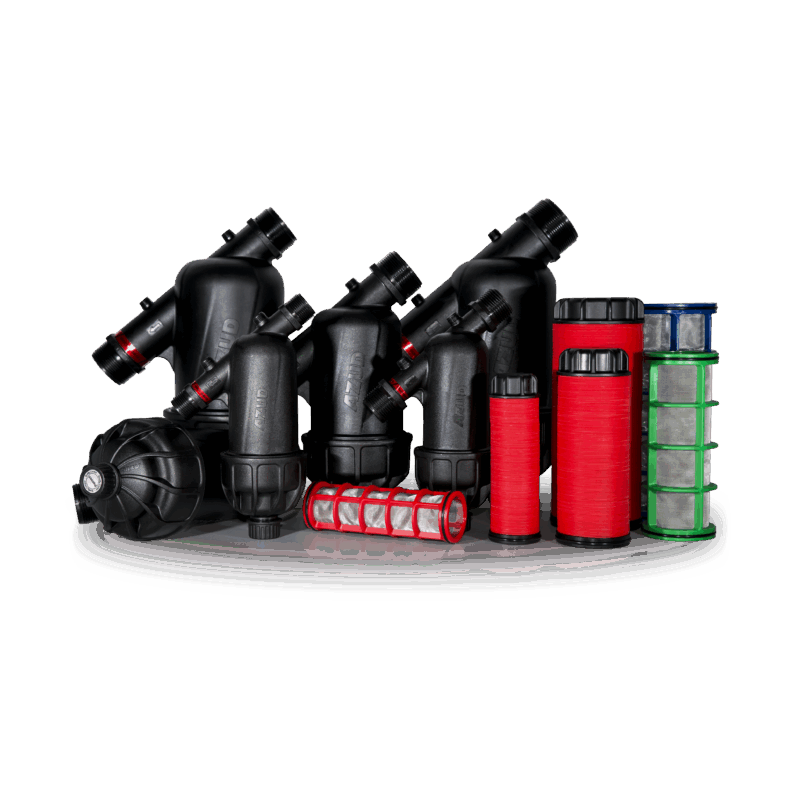
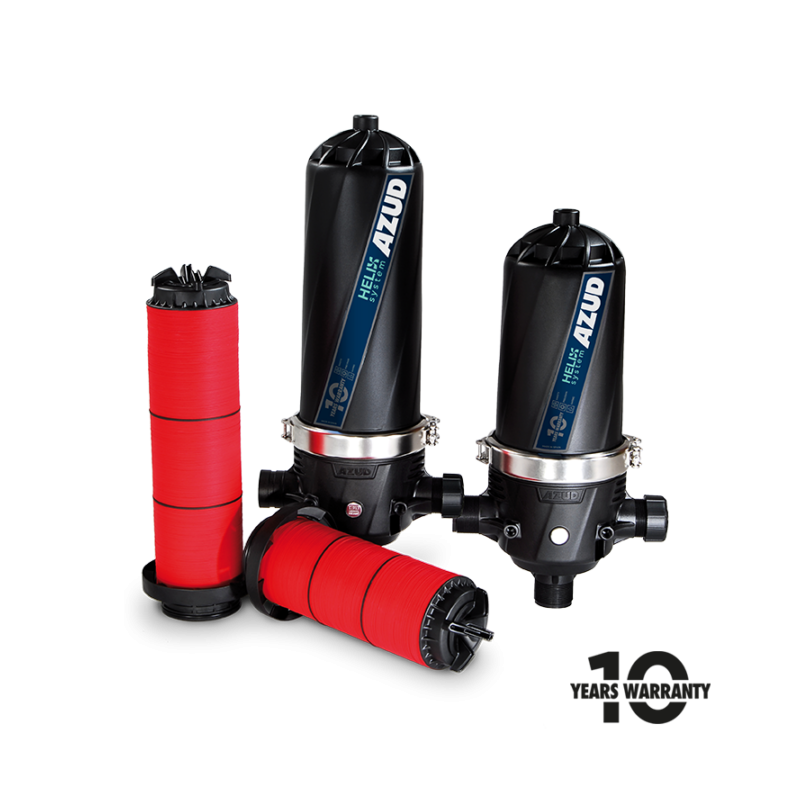
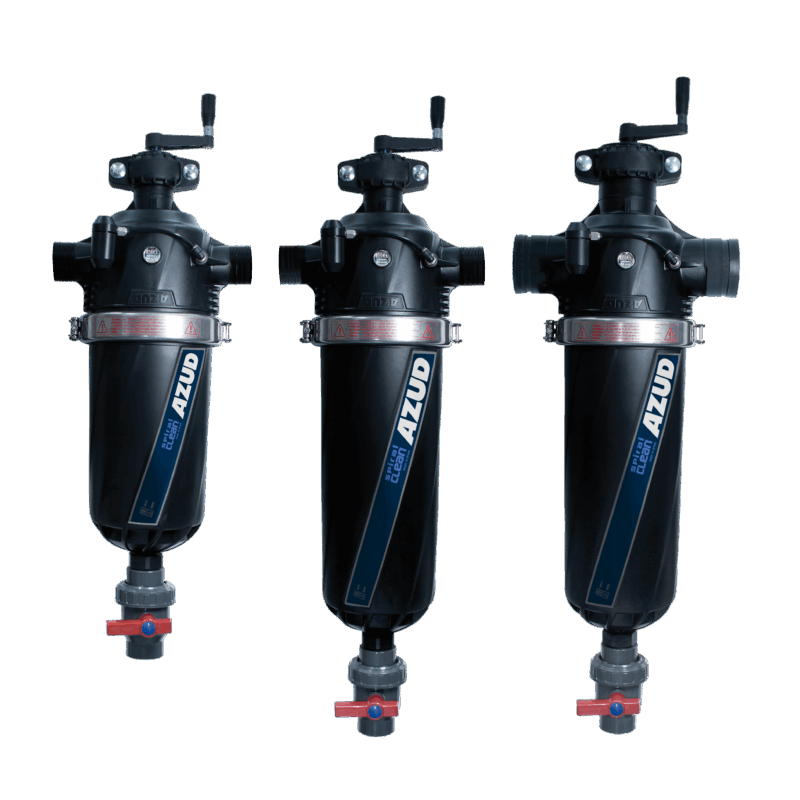
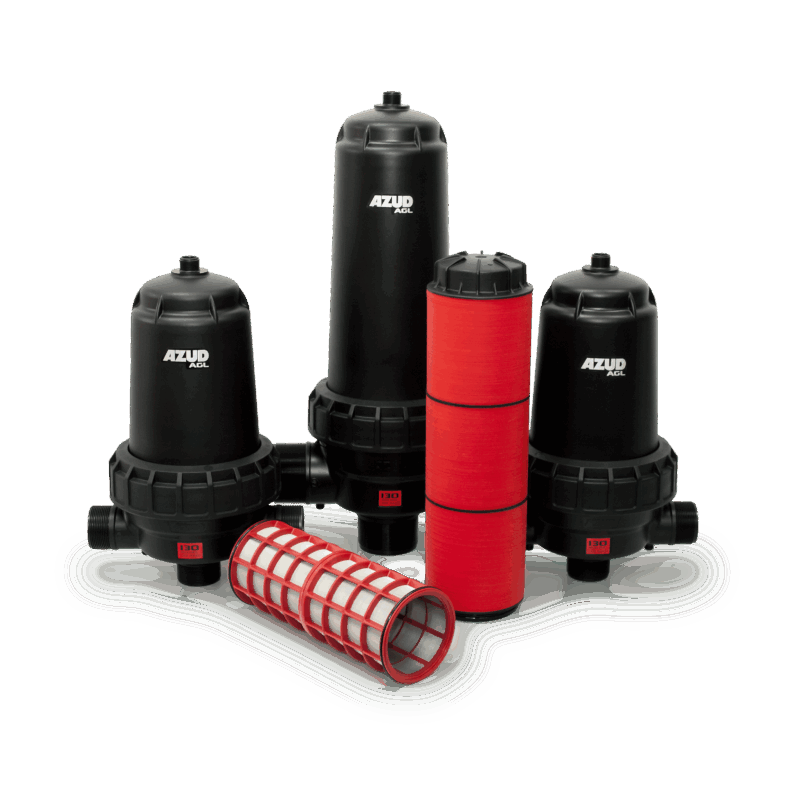
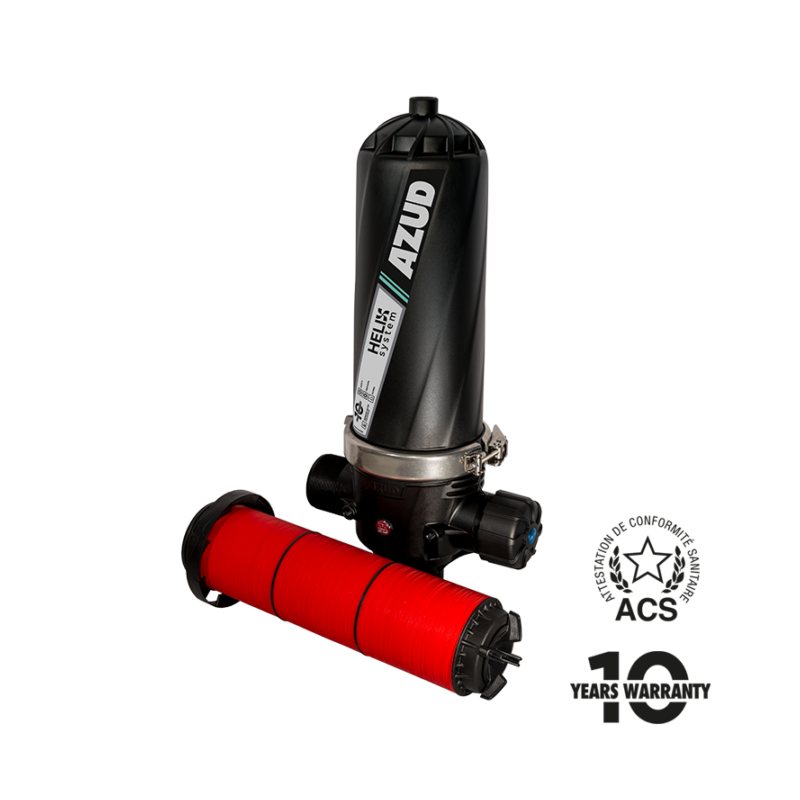
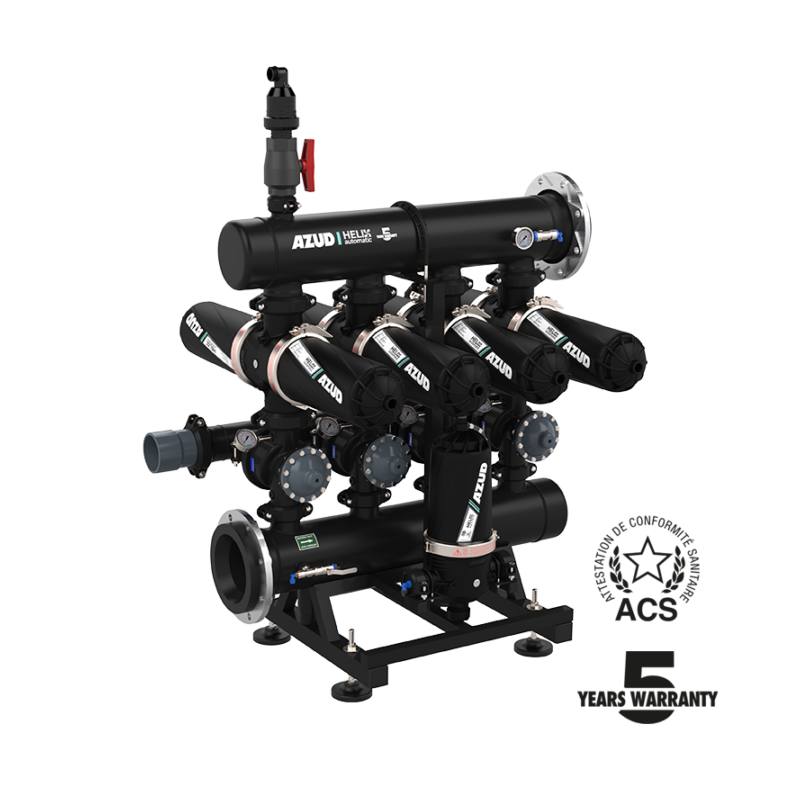
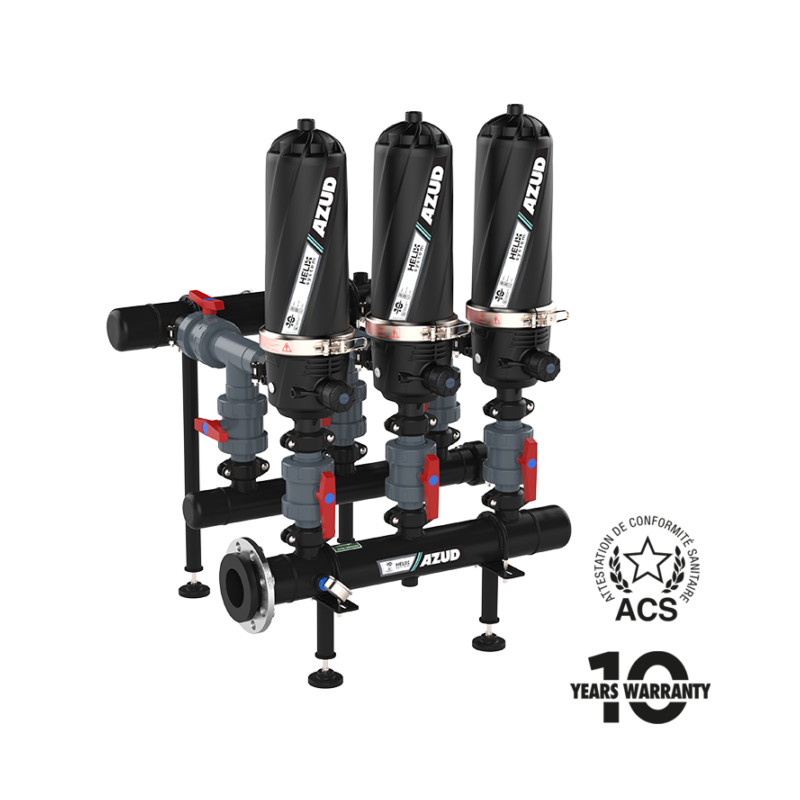
Install automatic and low pressure filtering equipment
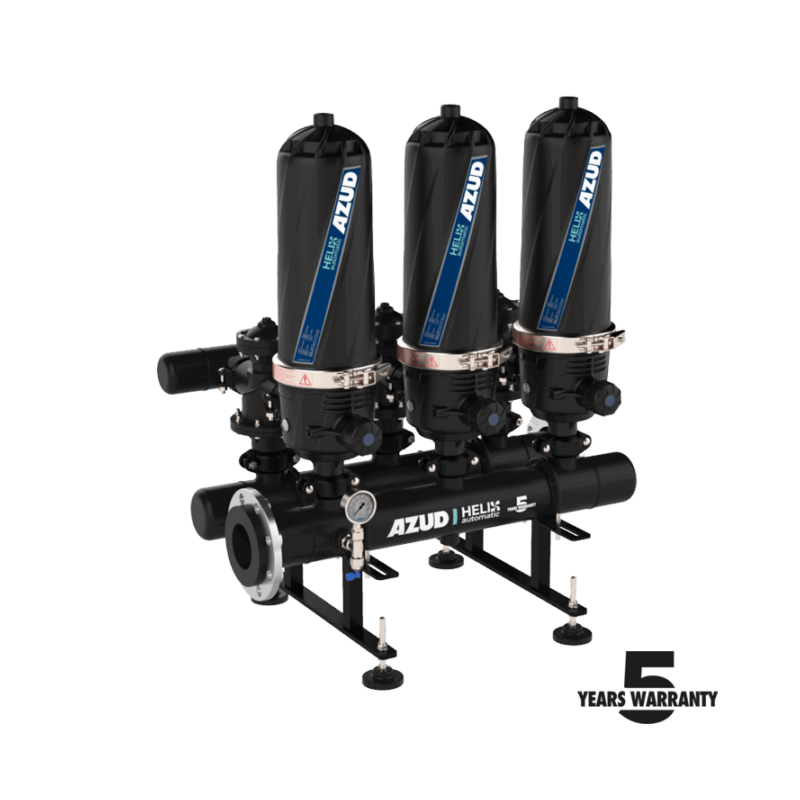
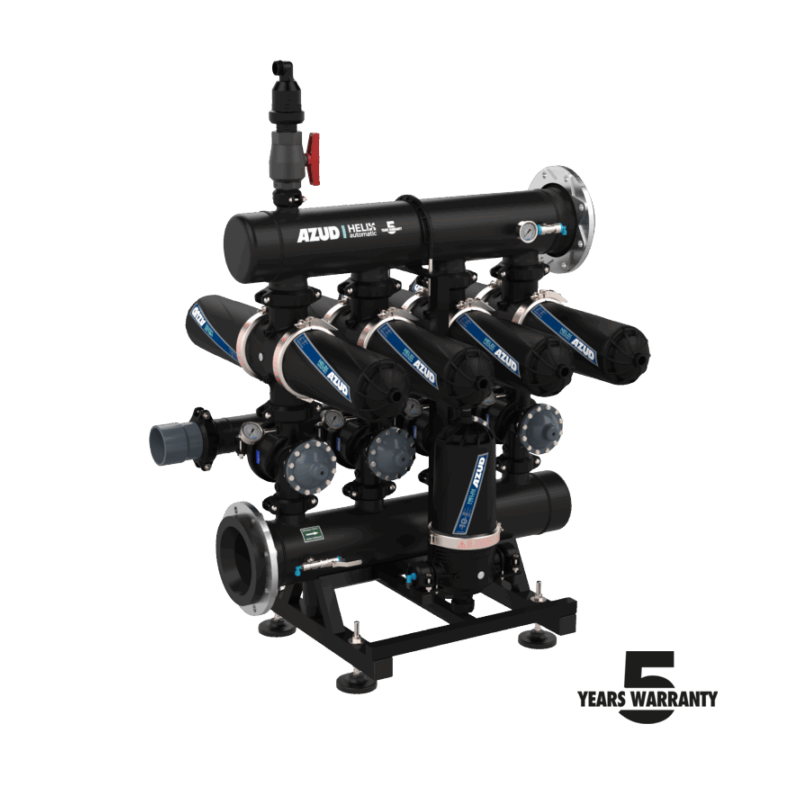
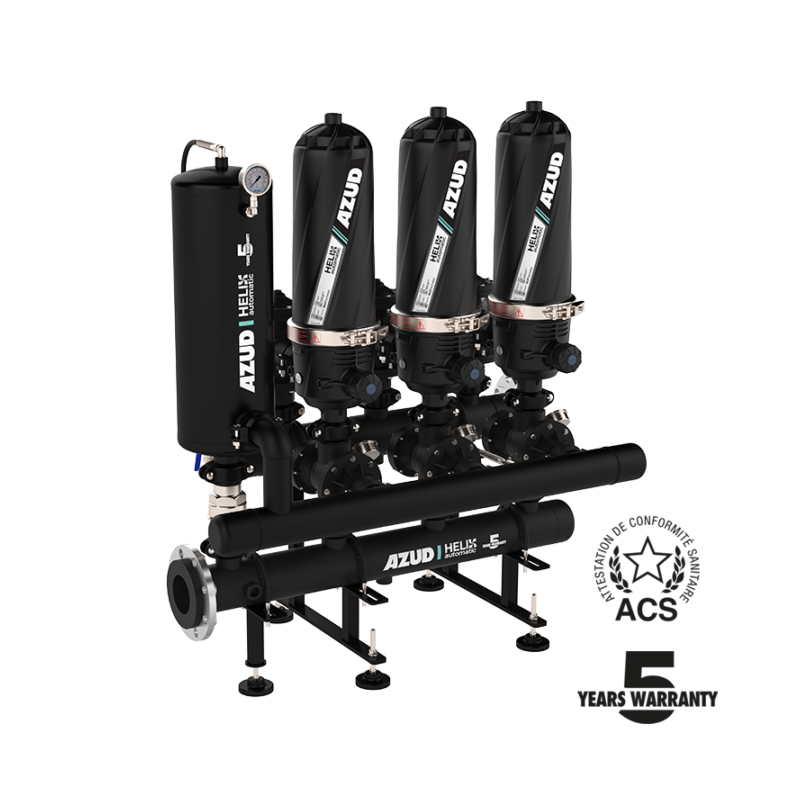
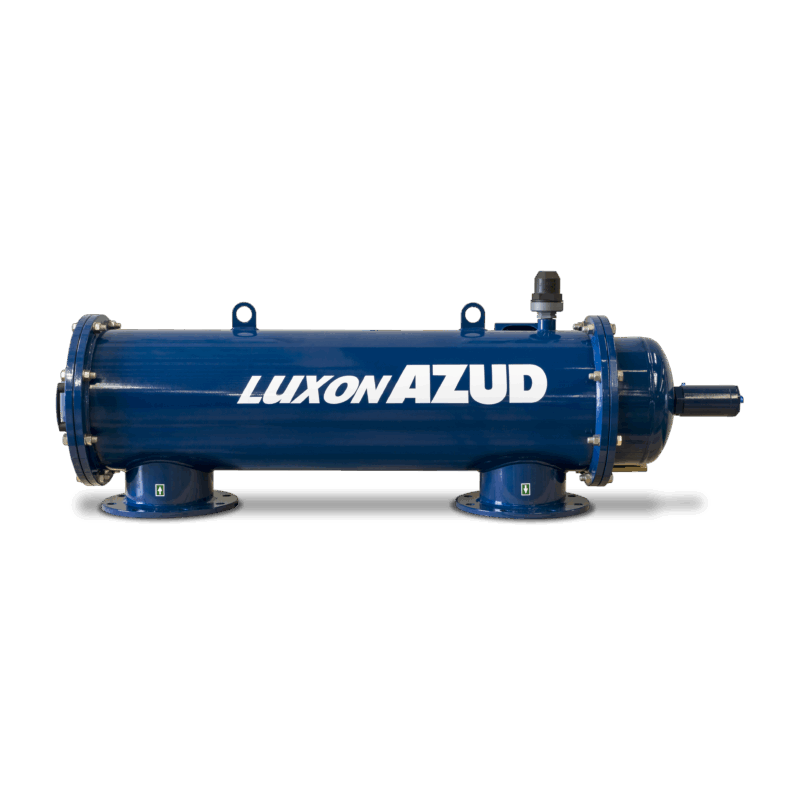
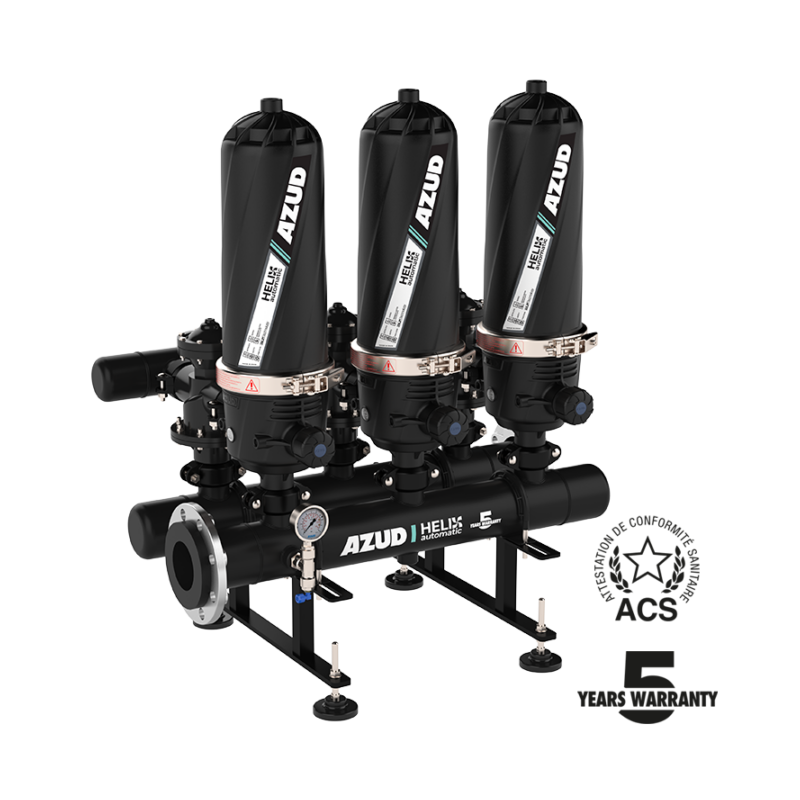
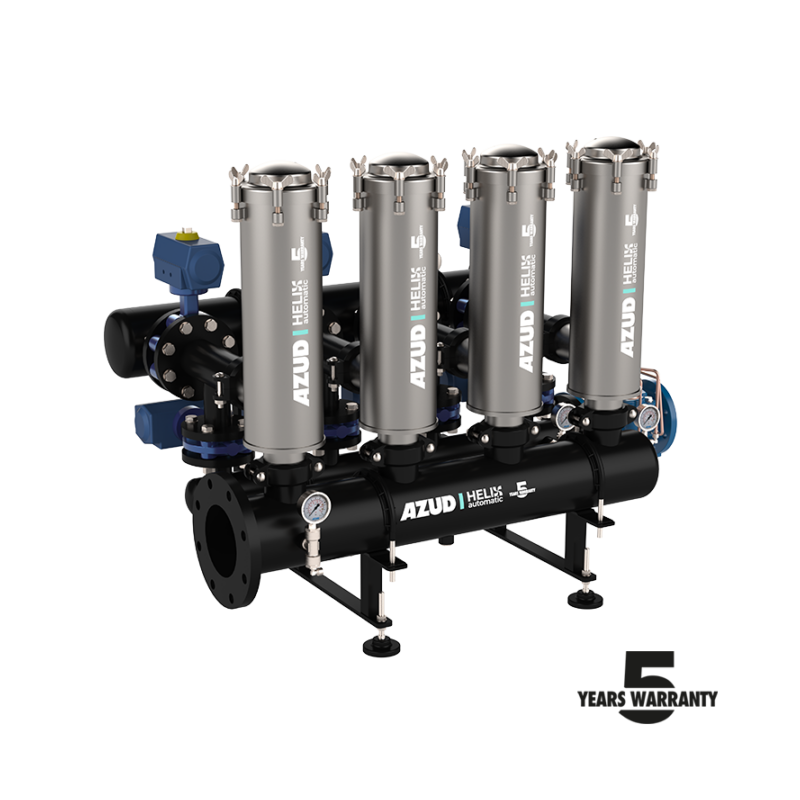
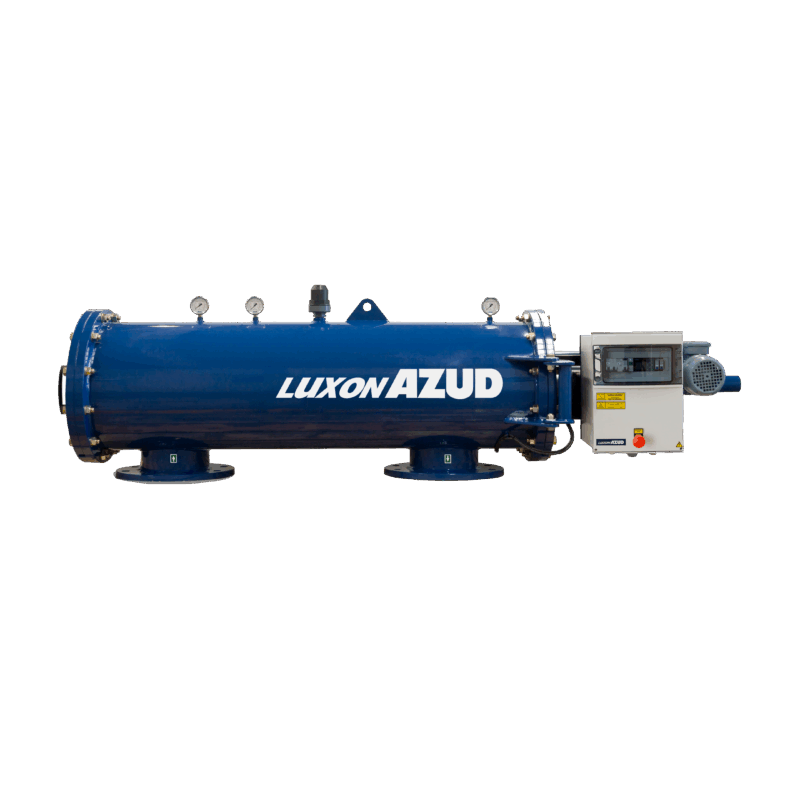
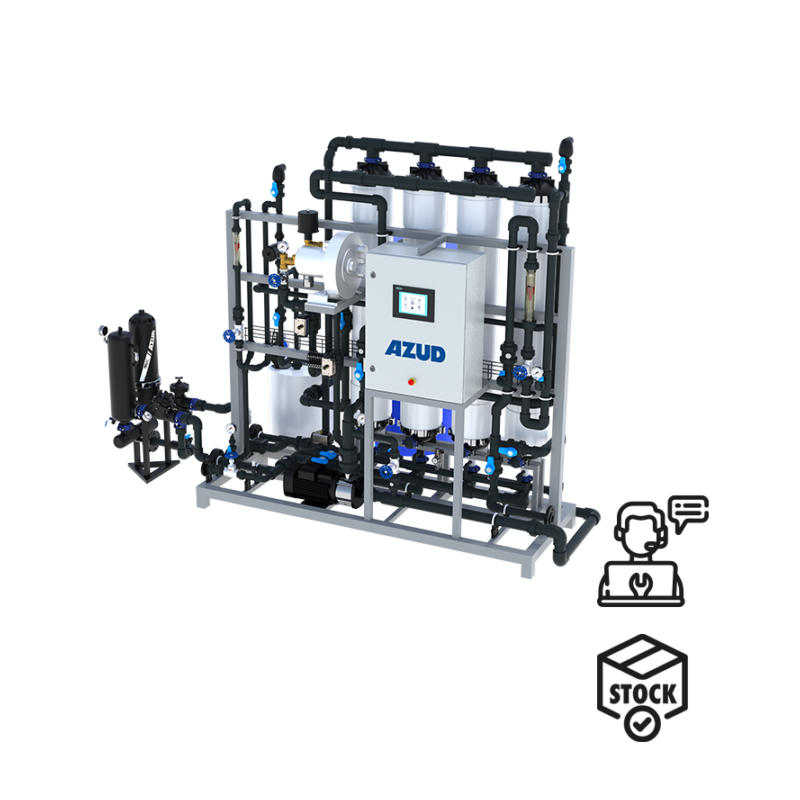
If you havemanual cleaning filtering equipmentthese can generate a greater loss of pressure due to dirt accumulation than automatic equipment, which must be compensated by the pumping equipment. This pressure loss must be compensated by the pumping equipment and this, consequently, increases the electrical Consumption of the installation. One of the main advantages of the automatic pumping equipment is that it can generate a higher pressure loss due to dirt accumulation than the automatic equipmentfiltration systems the main advantage of the automatic cleaning system is that the maximum Head loss is set at around 0.4-0.5 bar, which are the starting values for cleaning. Therefore, the pressure difference is always kept below these values during the whole irrigation period. Nowadays, there are self-cleaning disc filtration equipment on the market capable of self-cleaning with only 1.5 bar, which means an additional energy saving during the cleaning process
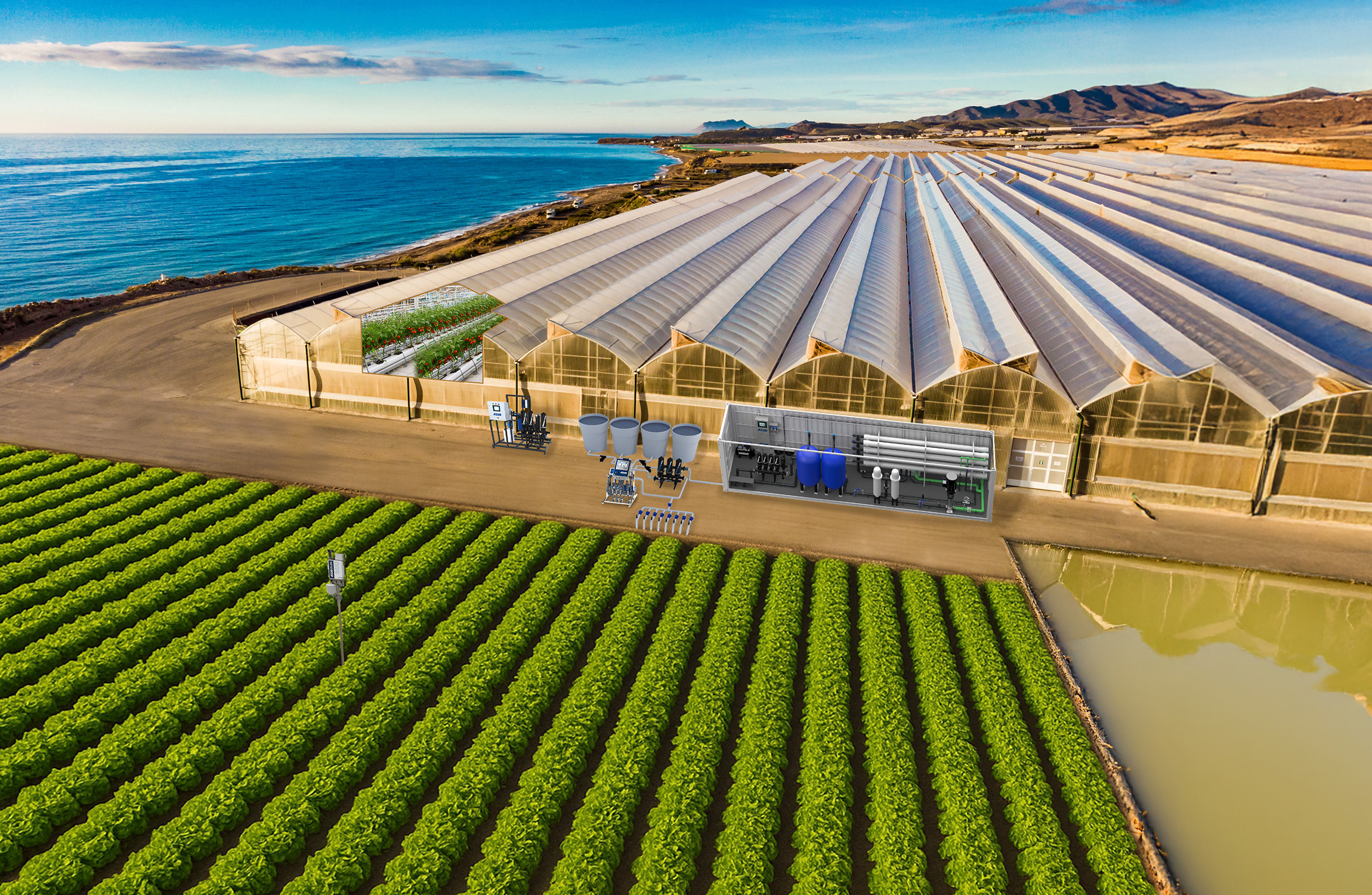
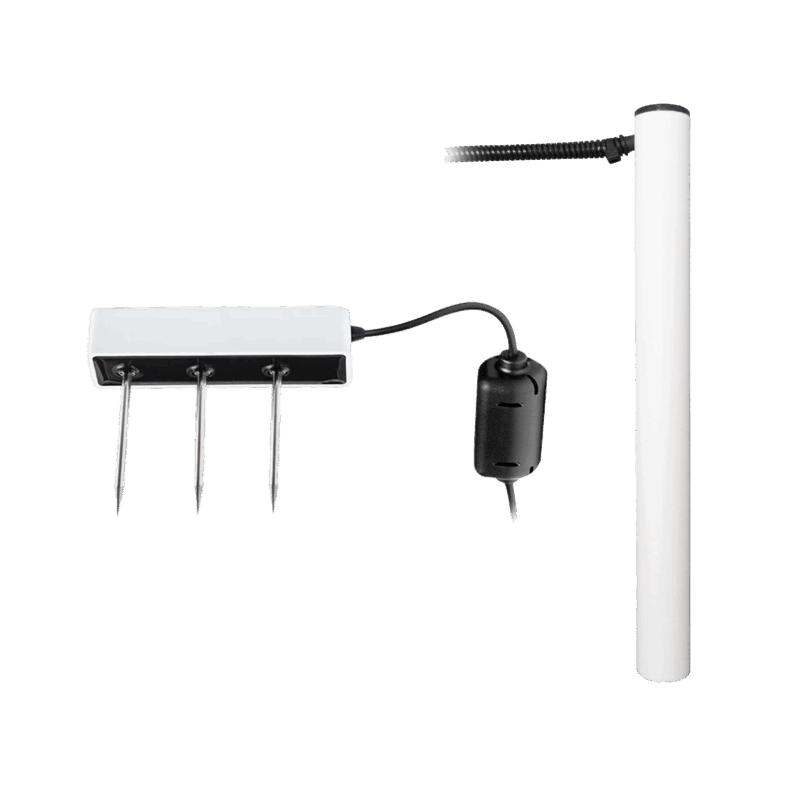
Places humidity probes to monitor the crop
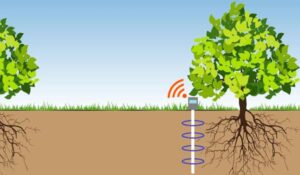
Thehumidity probes offerrelevant data allowing to adjust Irrigation thanks to theinformation and data that they offer can generate awater saving the lower the water consumption, the lower the electricity consumption
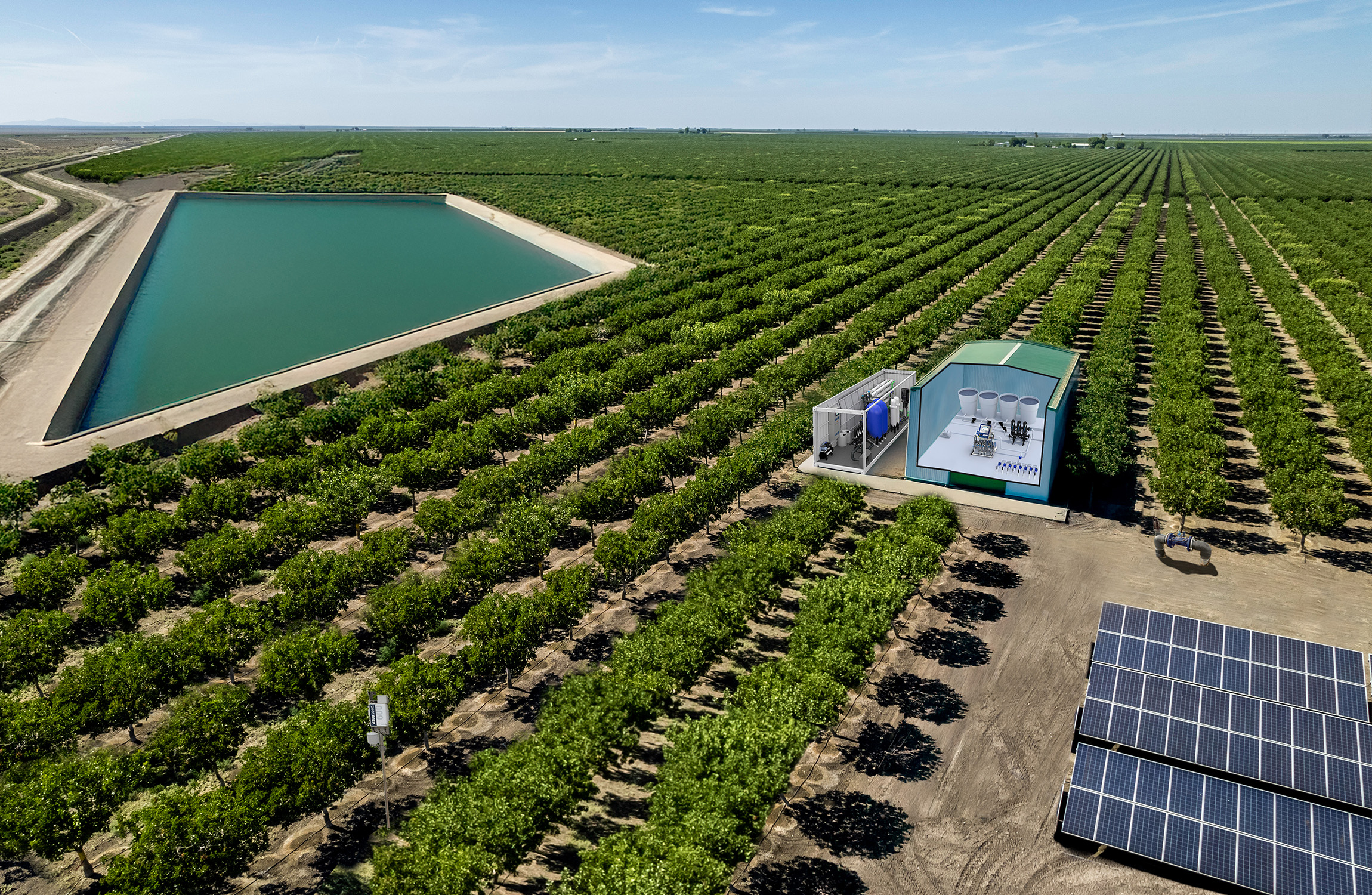
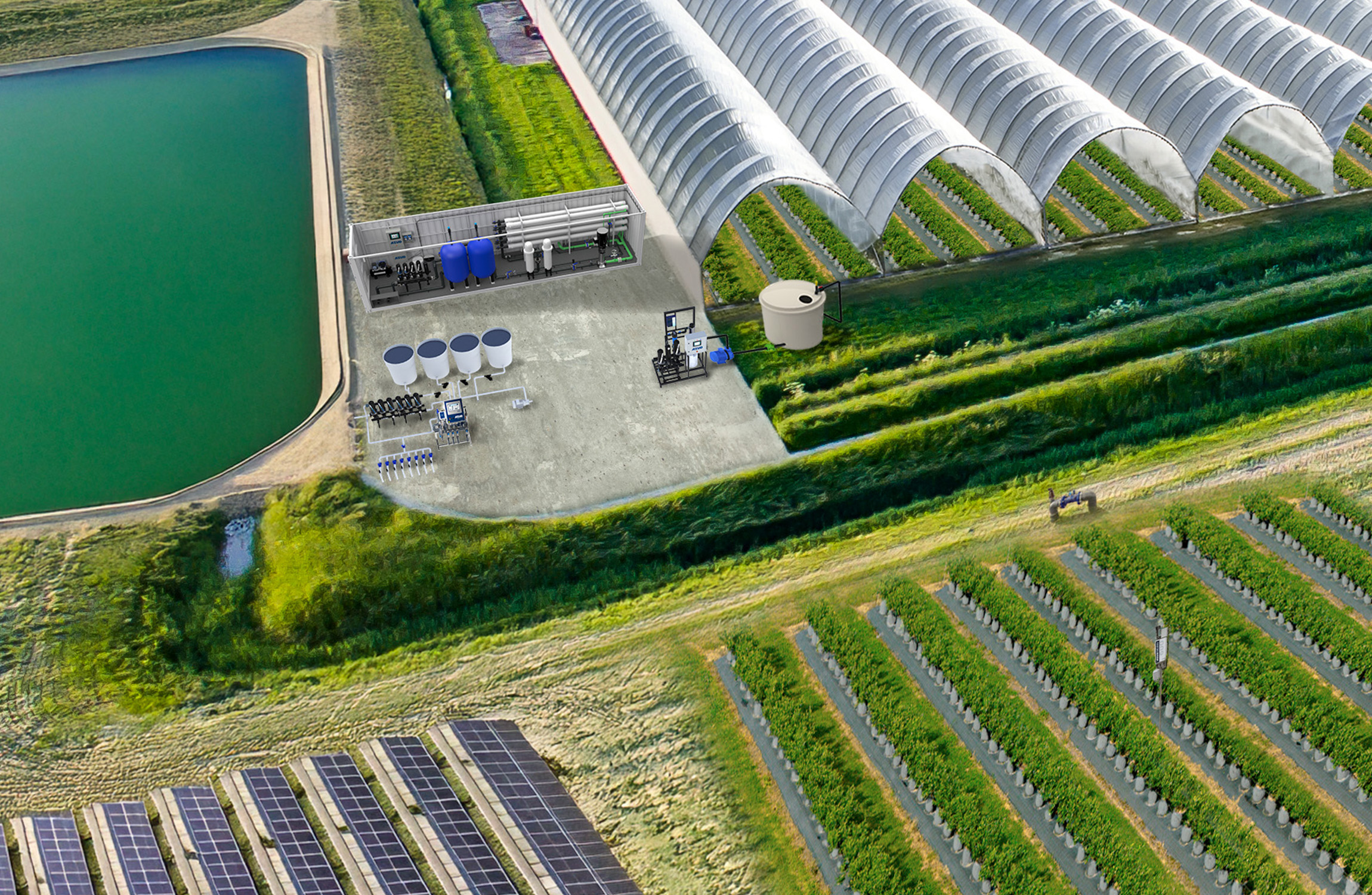
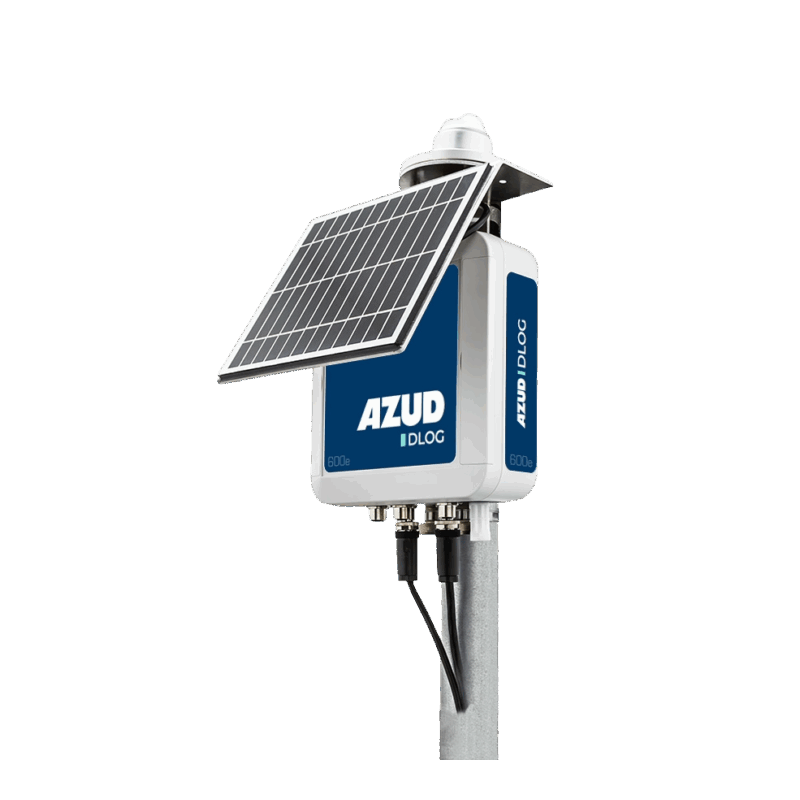
Uses photovoltaic solar energy
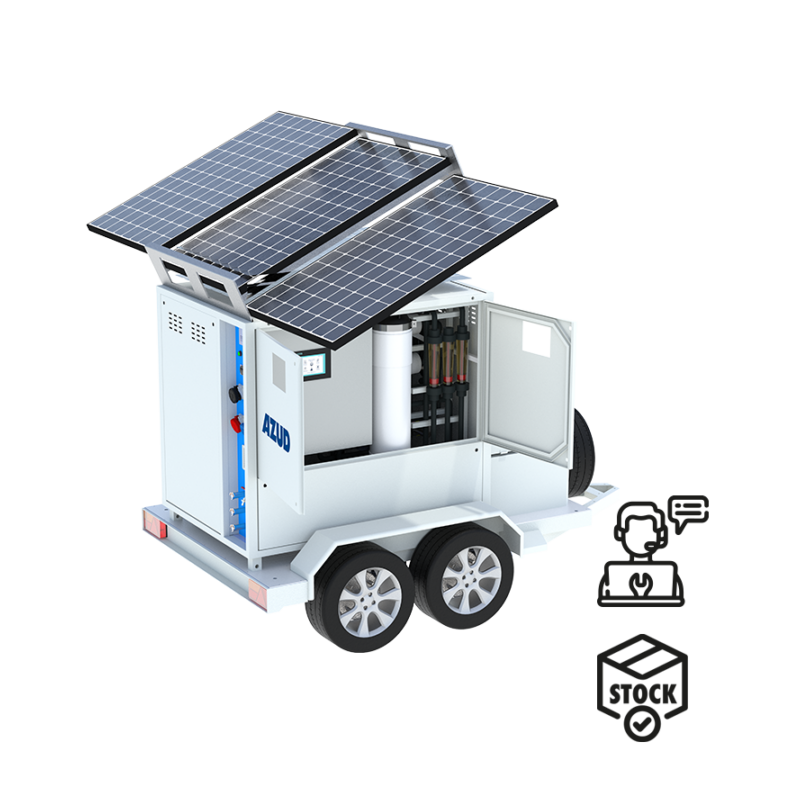
The Use of solar energy to supply an irrigation systems is undoubtedly one of the best options for both for profitability, as well as to influence the sustainability of production.
One of the main barriers to this alternative is the initial investment cost, but more and more people are becoming aware of the benefits of this alternativemultiple benefits in the medium and long term.
The installation could be amortized in 4 to 8 years, depending on the possibility of benefiting from the different subsidies offered by the Administration. In conclusion, there are many alternatives that you can implement to reduce the electrical consumption in an irrigation system andto obtain greater precision, sustainability and profitability of the operation.
If you want to know more about the solutions we offer at AZUD,do not hesitate to contact us here.