












what is Plant Nutrition?
Plant nutrition comprises the processes wherebyplants obtain and utilize the necessary nutrients for a successful crop, it is essential that the plants receive an adequate supply of nutrients for their growth, development and reproductioncomplete and balanced nutrition. Essential nutrients include carbon (C), oxygen (O), hydrogen (H), nitrogen (N), phosphorus (P), potassium (K), calcium (Ca), magnesium (Mg), sulfur (S), iron (Fe), manganese (Mn), zinc (Zn), copper (Cu), boron (B), molybdenum (Mo) and chlorine (Chlorine)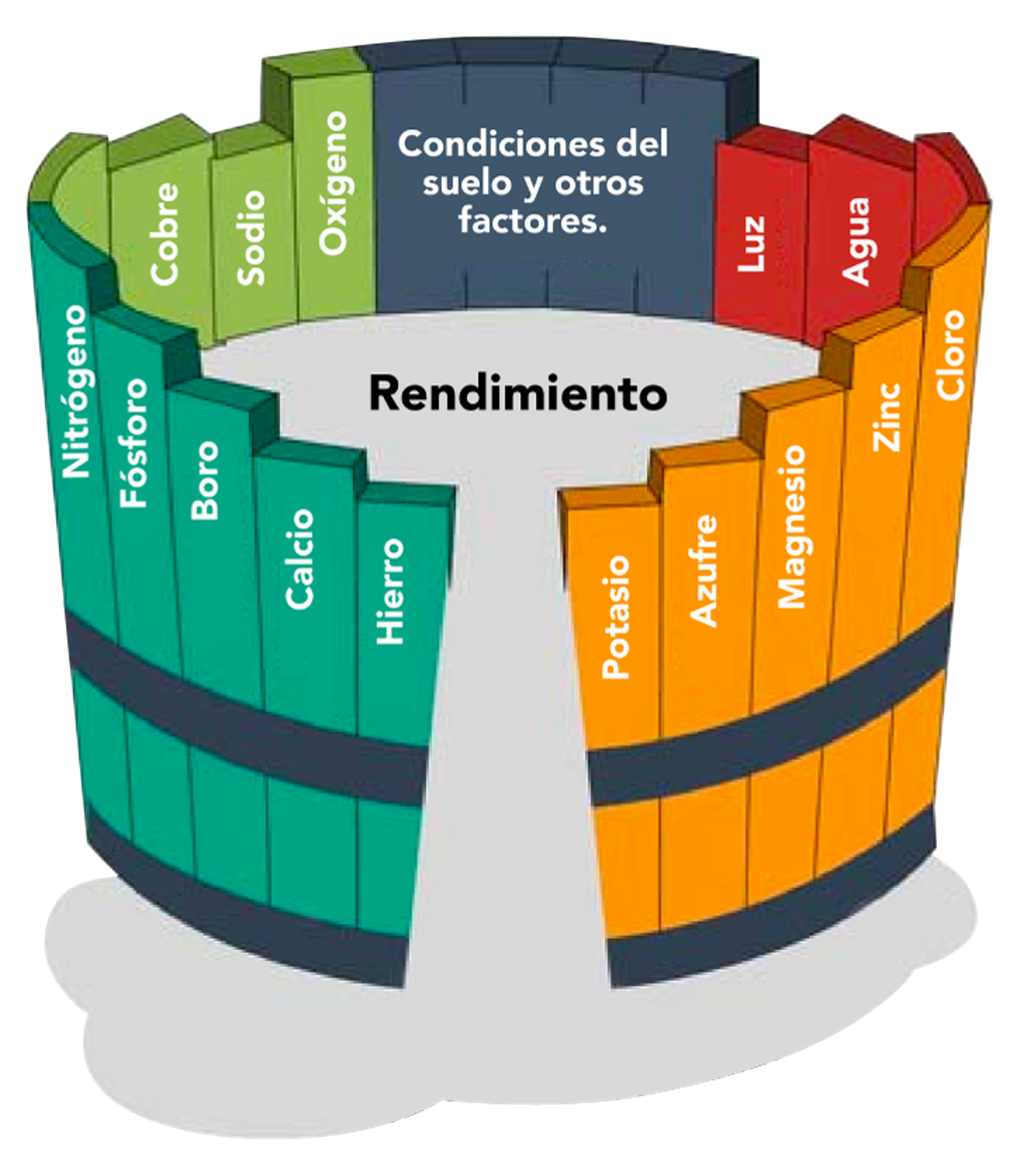
Theliebig’s law of minimum states that crop yield is limited by the nutrient element that is found in the least amount, and an excess of any other nutrient cannot compensate for that deficiency. In addition, an excess of certain nutrients can have negative effects on plant development and crop yields
Factors to take into account for proper plant nutrition
In order to achieve adequate Plant nutrition, it is essential to consider several factors. Among them are soil pH, electrical conductivity, Irrigation water and crop characteristics.Thesoil pH influences the availability of nutrients to plants by affecting the solubility of salts and, therefore, the availability of nutrients. Theelectrical conductivity of soil and Irrigation water is an indicator of Salinity, and an increase in Salinity can hinder the absorption of water and nutrients by the roots. In addition, it is necessary tosoil and water analysis to know the physical, chemical and microbiological characteristics, in order to determine the fertilization needs of the crops
Importance of soil pH in plant nutrition
Soil pH has a significant impact on the availability of nutrients to plants. Theacidity or alkalinity of the soil influences the solubility of salts and thus the availability of nutrients. The maximum solubility of fertilizers is found in a soil pH range between 6 and 7, which corresponds to slightly acidic soils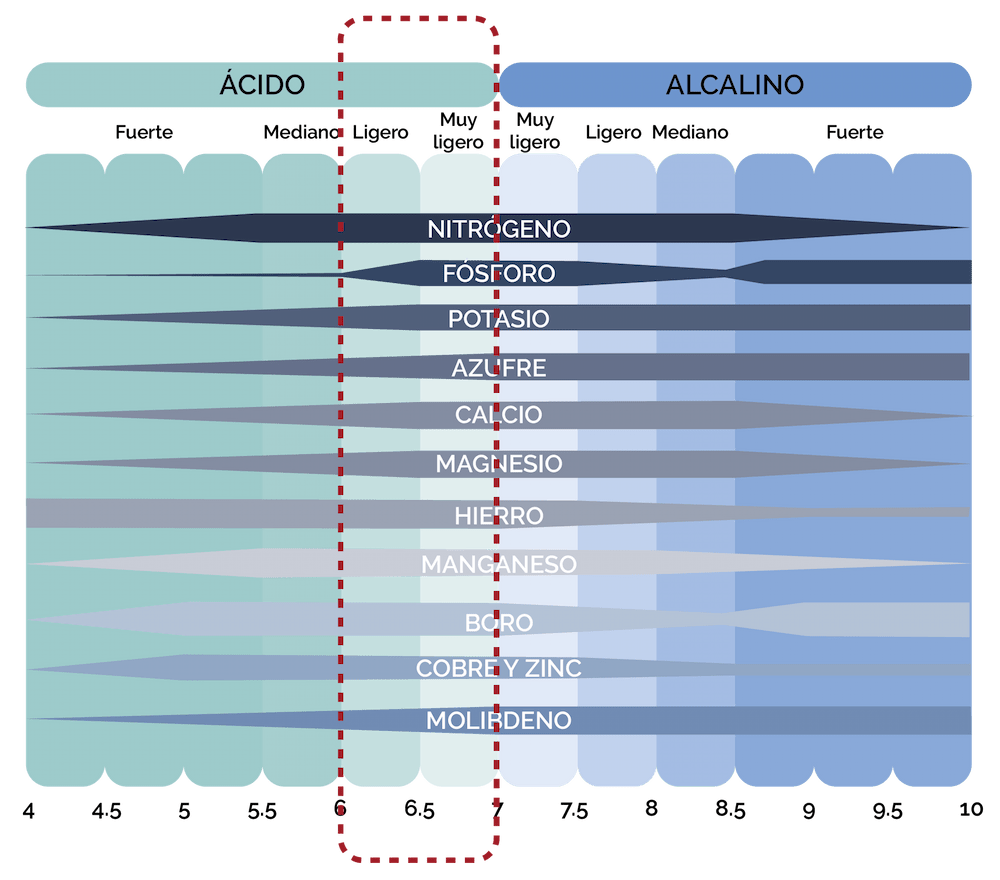
Importance of electrical conductivity in plant nutrition
The electrical conductivity of soil and Irrigation water is a key factor in Plant nutrition. An increase in soil Salinity, indicated by an increase in electrical conductivity, hinders water and nutrient uptake by roots. It is important to control electrical conductivity to avoid Salinity problems, especially those caused by ions such as sodium, Chlorine and sulfur
Importance of water, soil and plant variables for proper plant nutrition
Plant nutrition requires aintegrated approach that considers not only nutrients, but also soil, water and crop characteristics. Soil and water analysis is essential to understand the fundamental physical and chemical characteristics. In addition, soil solution and leaf analysis allows assessing whether nutrients are adequately reaching the parts of the plant where they are required. In the case of organic fertilization, it is also important to consider the microbiological part of the soil
Fertilizers groups for plant nutrition
There are three main groups of fertilizers according to their state and form of presentation: solid fertilizers (water-soluble), liquid fertilizers (solutions) and organic fertilizers
- Thesolid Fertilizers they can be granulated, pelletized, simple crystallized or compounded, and are usually salts.
- The fliquid ertilizers are preparations resulting from the dissolution of solid fertilizers in water, they are also salts.
- Theorganic fertilizers are based on organic matter of animal or vegetable origin, and can be in solid or liquid form.
Plant nutrition techniques
In modern agriculture, nutrients are mainly applied through fertilizers, and there are several application techniques on a farm. These techniques includescatteredthelocalized applicationthefoliar application and thefertigation. These techniques are complementary and can be used simultaneously on the same farm
Fertigation: the best technique for plant nutrition
Fertigation stands out as one of the best plant nutrition techniques. This technique offers several significant advantagesefficient absorption of nutrients by plant roots. By locating nutrients close to the roots, a higher absorption efficiency and an even distribution of nutrients throughout the plants is achieved.In addition, Fertigationhigh Frequency Nutrition during periods of plant activity, which is especially beneficial. The technique also reduces soil fertility-related constraintsfertigation also provides the following benefits: fertilizer and nutrient concentrations can be adjusted, an optimum pH and electrical conductivity range can be maintained in the soil, and continuous fertilizer application during irrigation. Fertigation also provides the following benefits cost savings associated with application machinery and is considered asustainable technique that avoids environmental contamination
Multi-channel or Multi-injection Fertigation
Multi-channel fertigation is a highly beneficial practice in which the following are usedsimultaneously supply various fertilizers, acids, bases, biostimulants, etcamong others,during Irrigation. This ensures a balanced nutrient solution and optimizes the pH and Salinity conditions to stimulate beneficial soil microorganisms. To achieve multi-injection, it is necessary to select a technology that avoids incompatibilities between fertilizers and allows rapid dissolution in the irrigation water. In addition, it is important to consider the maintenance and care of the irrigation emitters, which can be done through the technique of chemigation.
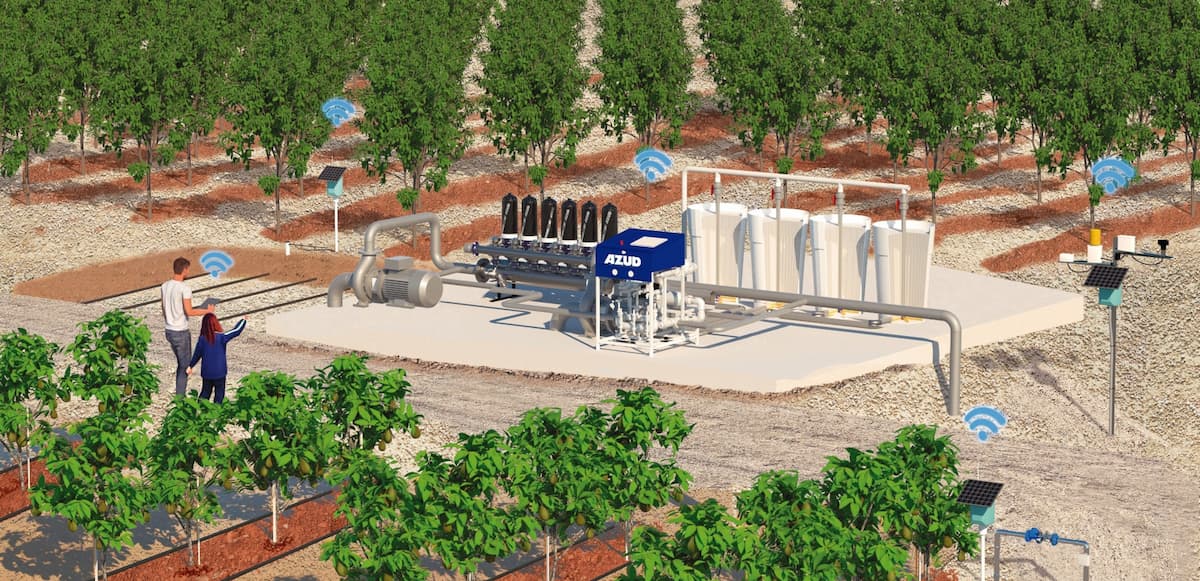
Metering technologies in multichannel fertigation
There are two types of dosage used in multichannel fertigation:hydraulic and electricalthehydraulic dosing is based on Mechanisms driven by the water energy of the Irrigation system, which does not require electrical installation. On the other hand, theelectrical dosing uses Mechanisms driven by an electric motor and offers greater precision and proportionality in dosing. Although electric dosing implies a higher initial investment and requires additional technical knowledge, it also provides greater feasibility in the automation and digitalization of fertigation processes
AZUD’s solutions in plant nutrition
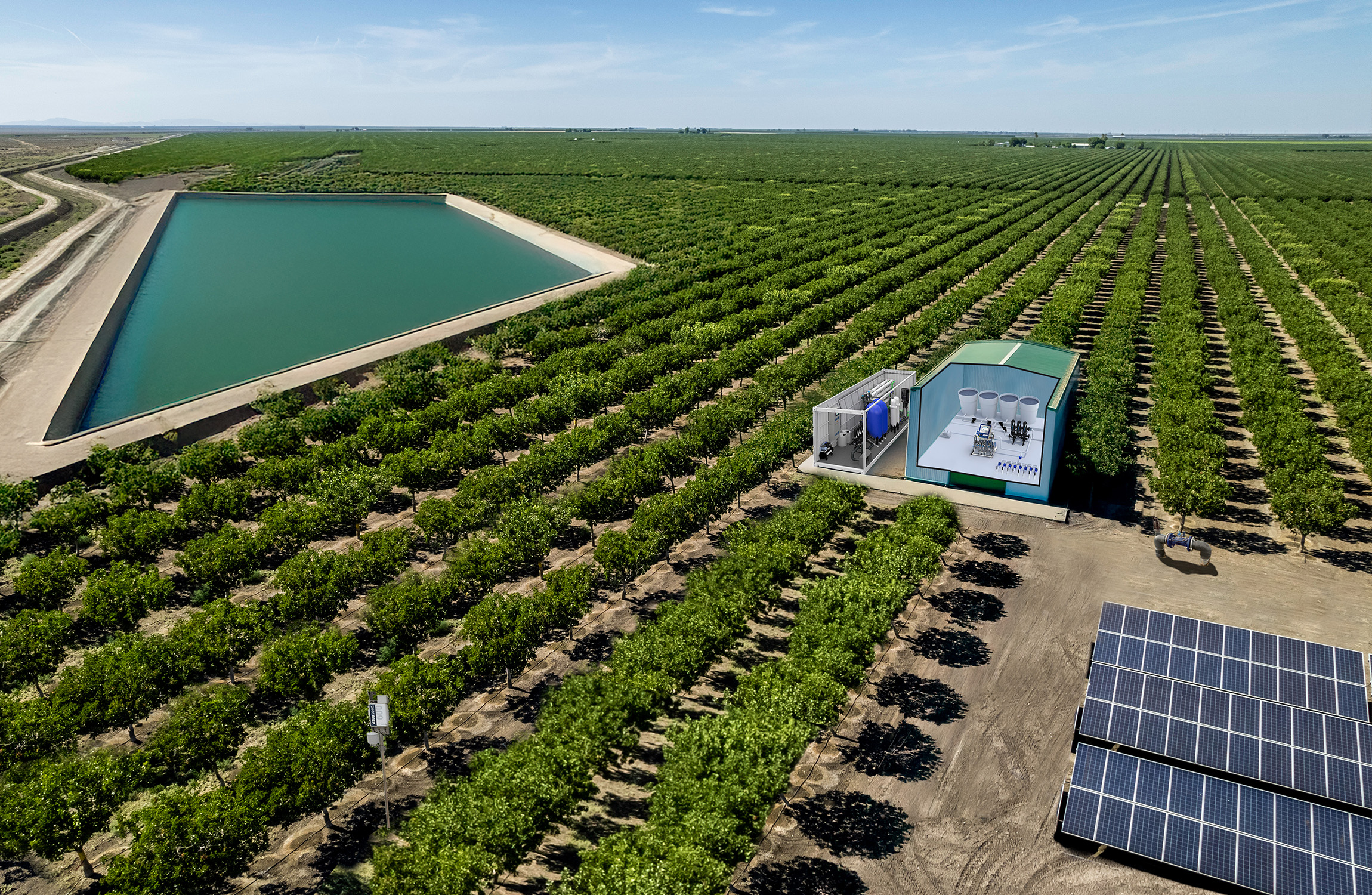
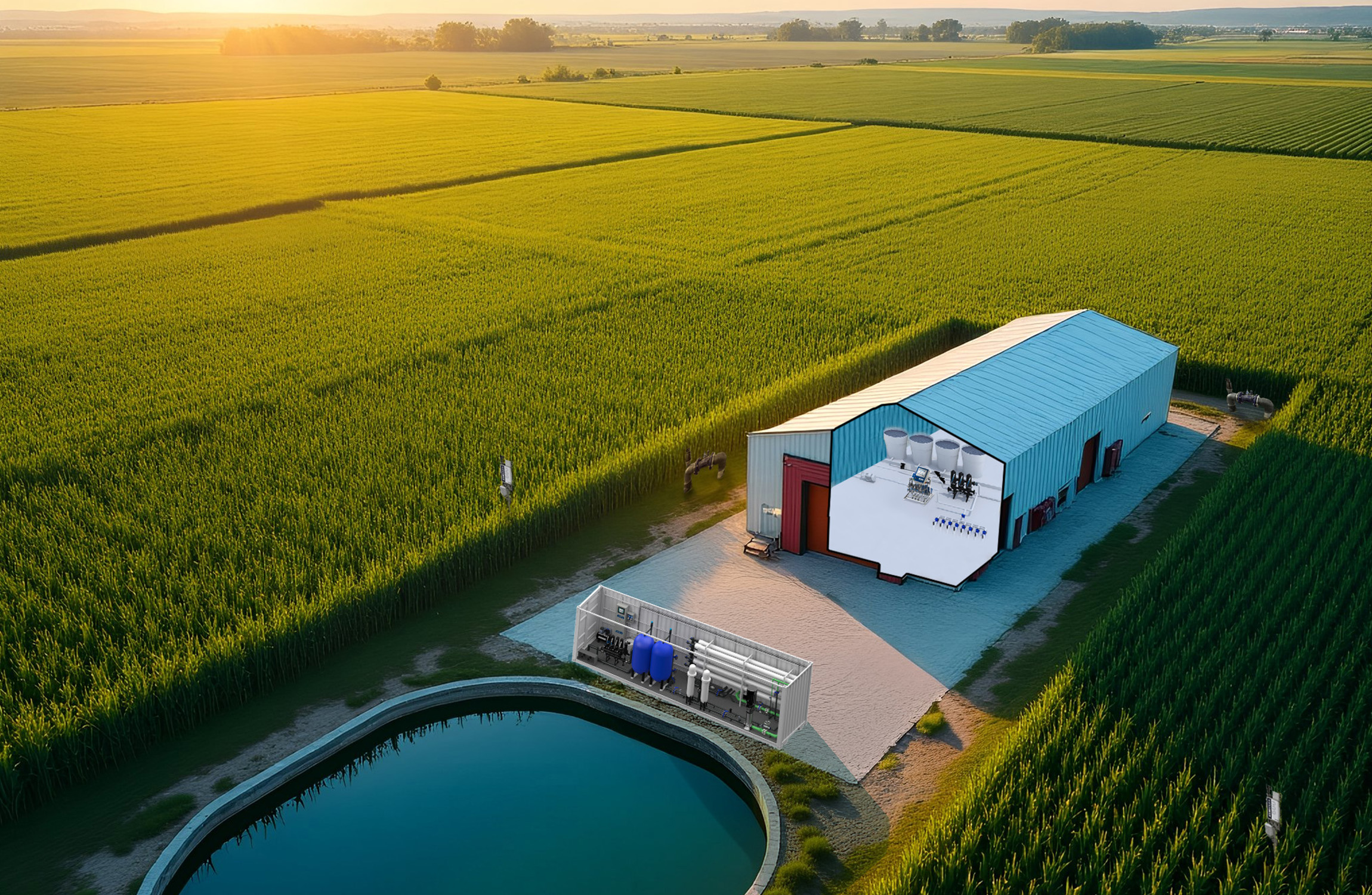
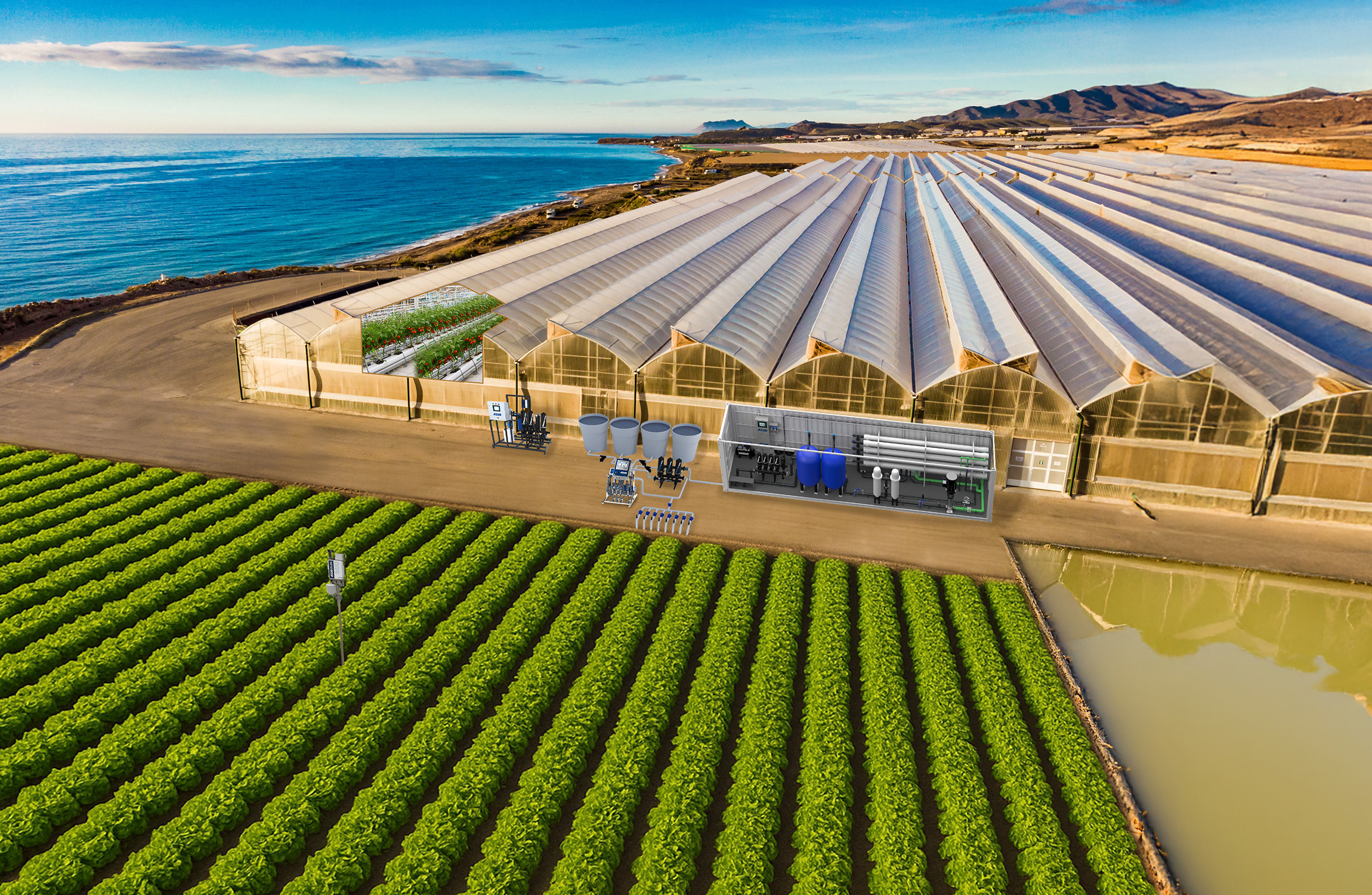
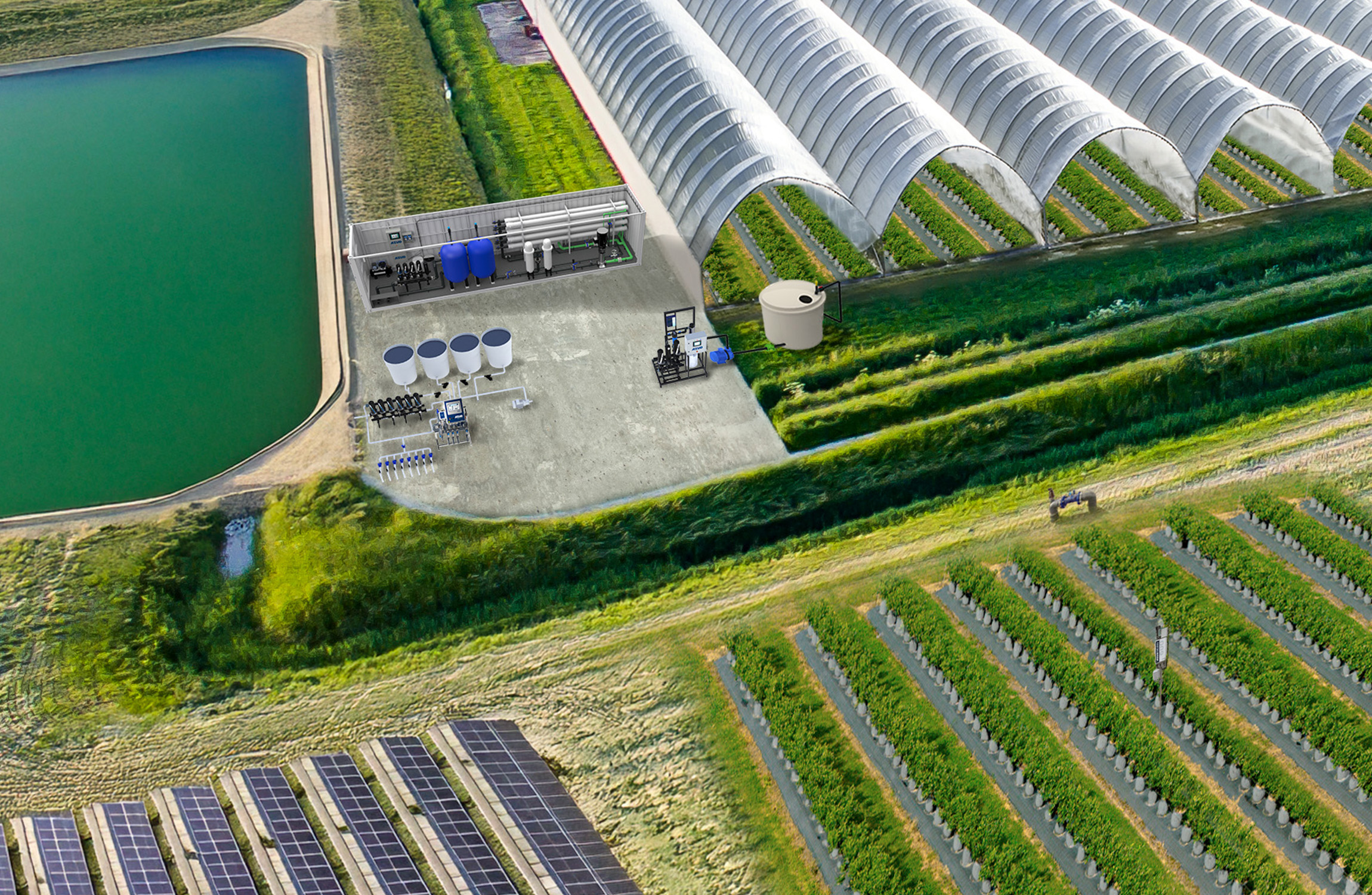
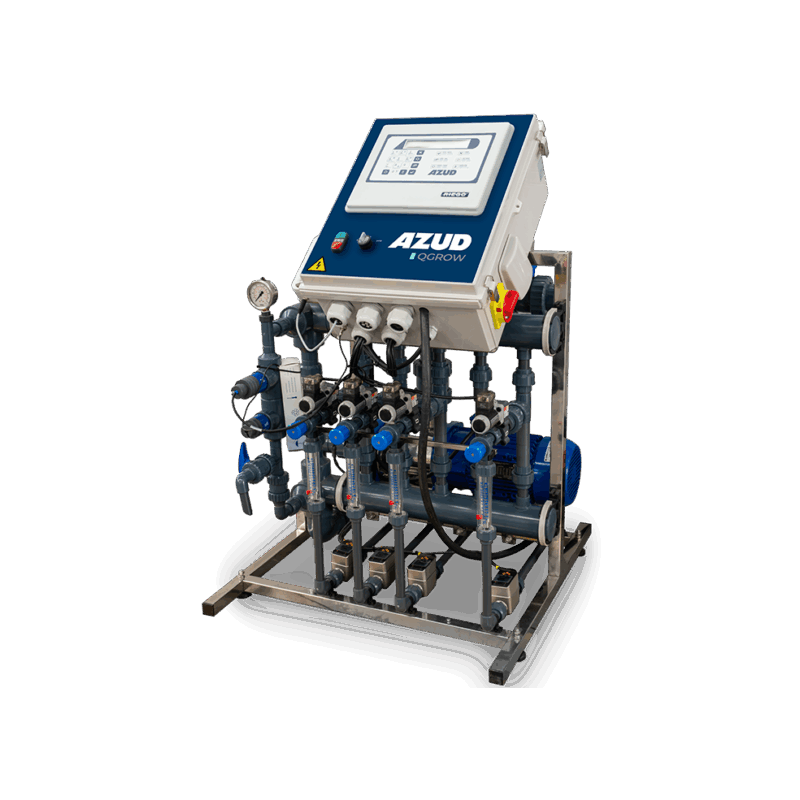
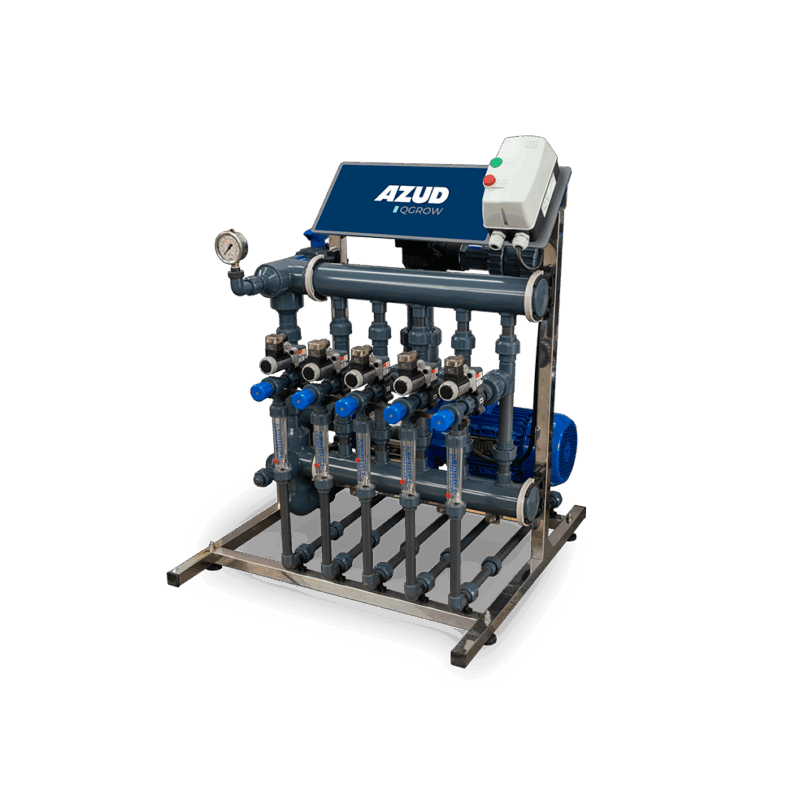
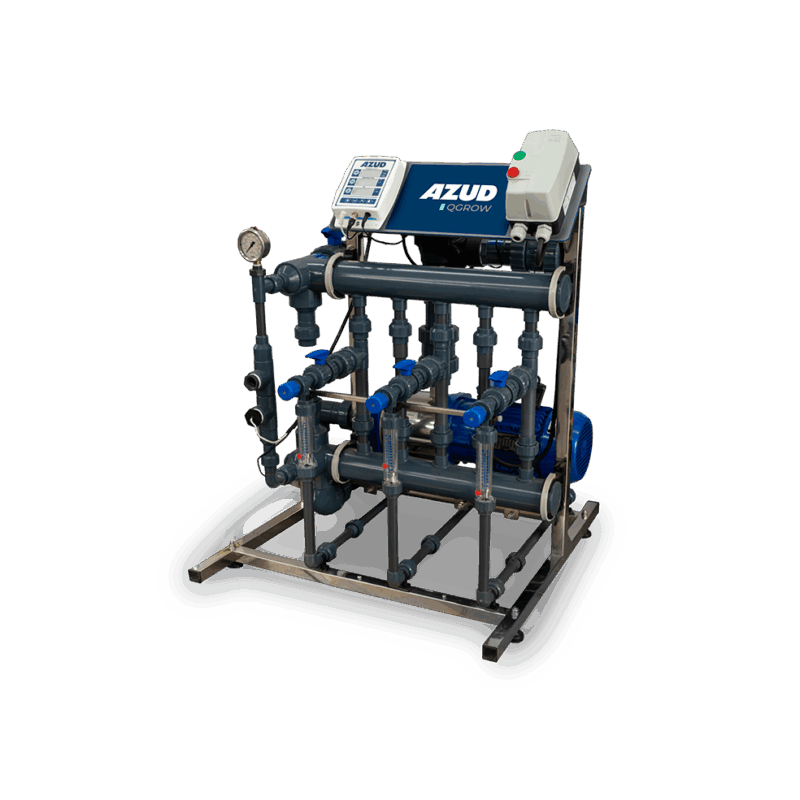
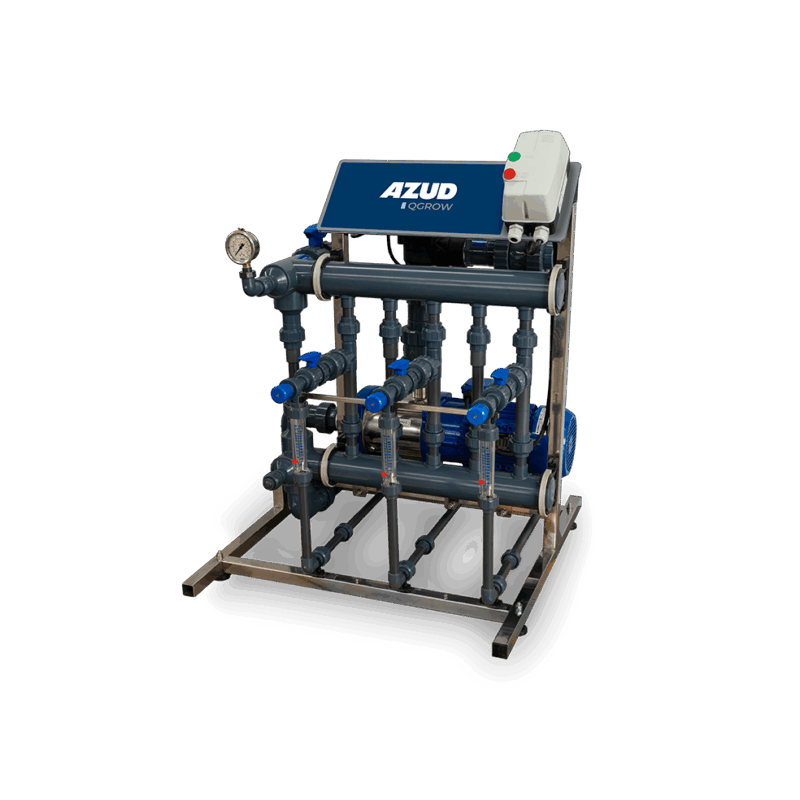
AZUD is a company that is committed to fertigation technology and offers advanced solutions in plant nutrition. Its electric multi-injection technology, such as theAZUD QGROW BS and theAZUD QGROW Vthe fertilizer dosing system allows a precise and balanced dosage of fertilizers, facilitating an efficient crop nutrition
AZUD QGROW BS
Multichannel Fertigation equipment that allows simultaneous and precise dosing of several fertilizers through Venturi injector technology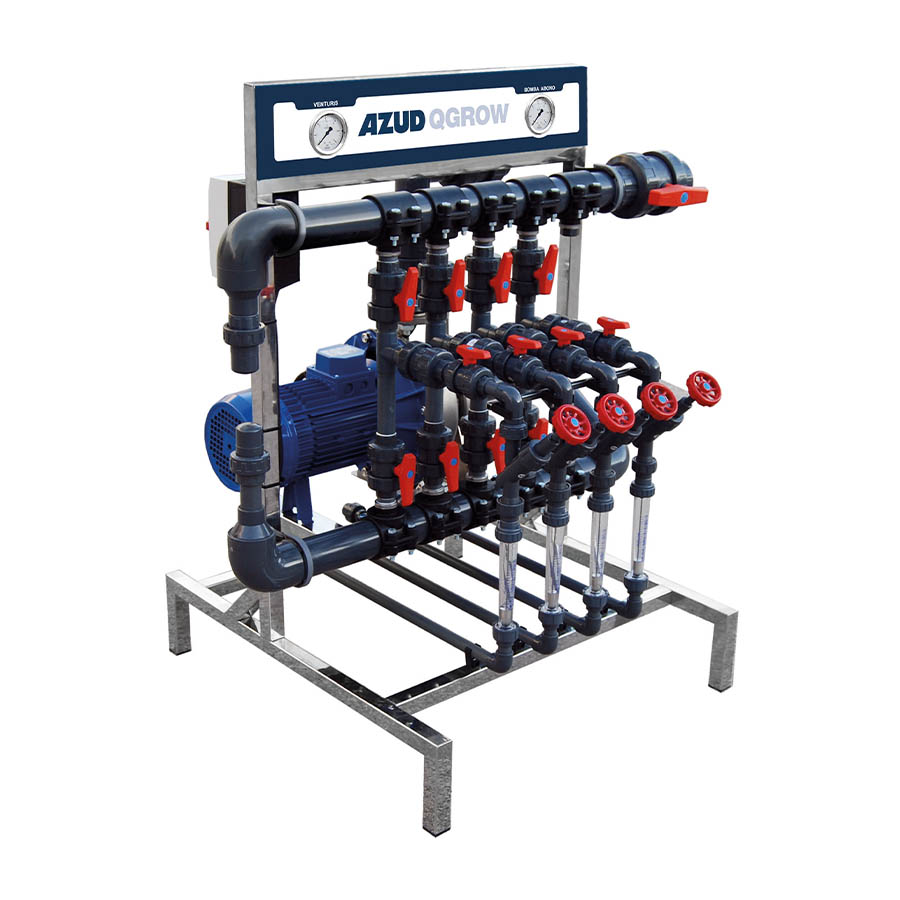
AZUD QGROW V
Multichannel Fertigation equipment with temperature, pH and conductivity parameters display. Like AZUD QGROW BS. it allows to dose several fertilizers simultaneously and accurately through the Venturi type injector technology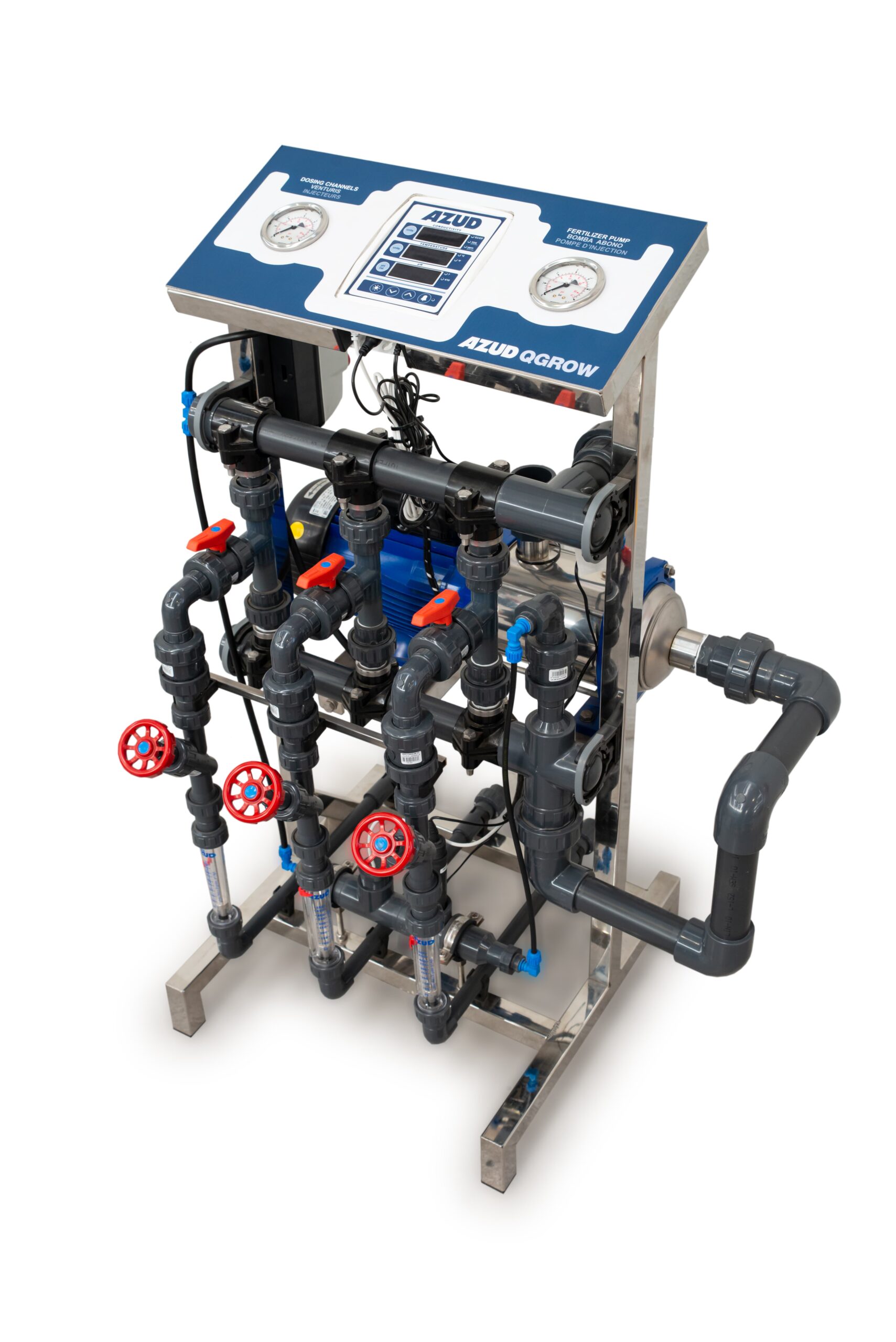
Why choose AZUD for proper plant nutrition in your crops?
Choosing AZUD guarantees optimal plant nutrition for your crops for the following reasons
- Versatility: AZUD offers versatile and adaptable solutions to the specific needs of each installation, from simple options to more complex and digitized systems.
- Ergonomics and adaptation to the user: AZUD equipment is designed with the user’s comfort and ease of use in mind, allowing both manual operation and automation.
- Extensive Irrigation knowledgeas a manufacturer and integrator of irrigation solutions, AZUD has a deep understanding of the needs of irrigation systems, which guarantees an efficient use of technology.
- Maintenance and technical service: AZUD offers a high quality technical and training service, providing advice both before and after the sale. In addition, its AZUD QGROW solution optimizes the maintenance of micro-irrigation Driplines, ensuring a correct operation of the system.
- Commitment to sustainability: AZUD prioritizes sustainability by avoiding fuel consumption and environmental pollution. It also offers renewable energy options for remote rural areas.
- Experience and guarantee: With extensive experience in the field of plant nutrition, AZUD is a reliable choice to ensure proper nutrition of your crops.