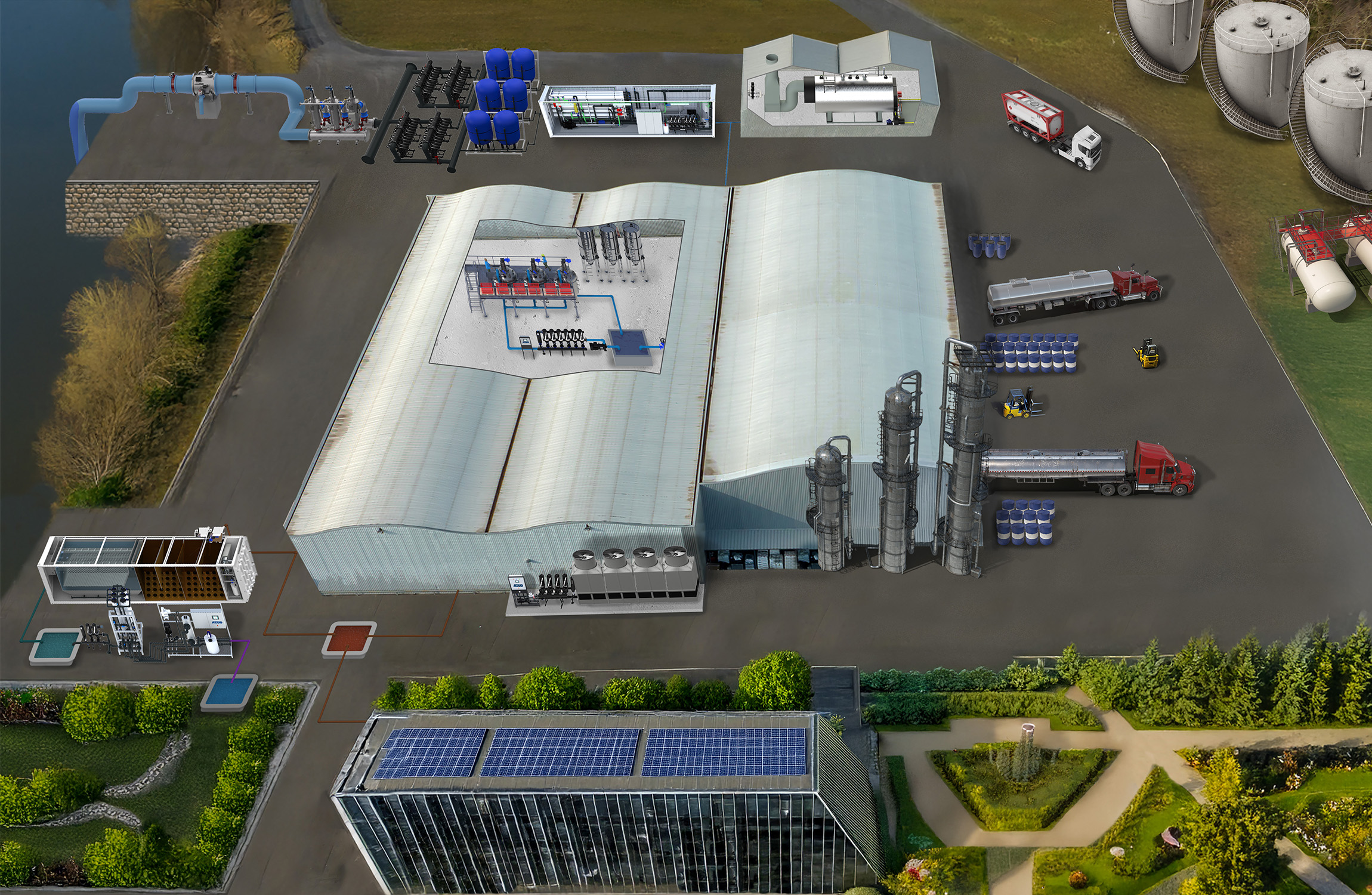
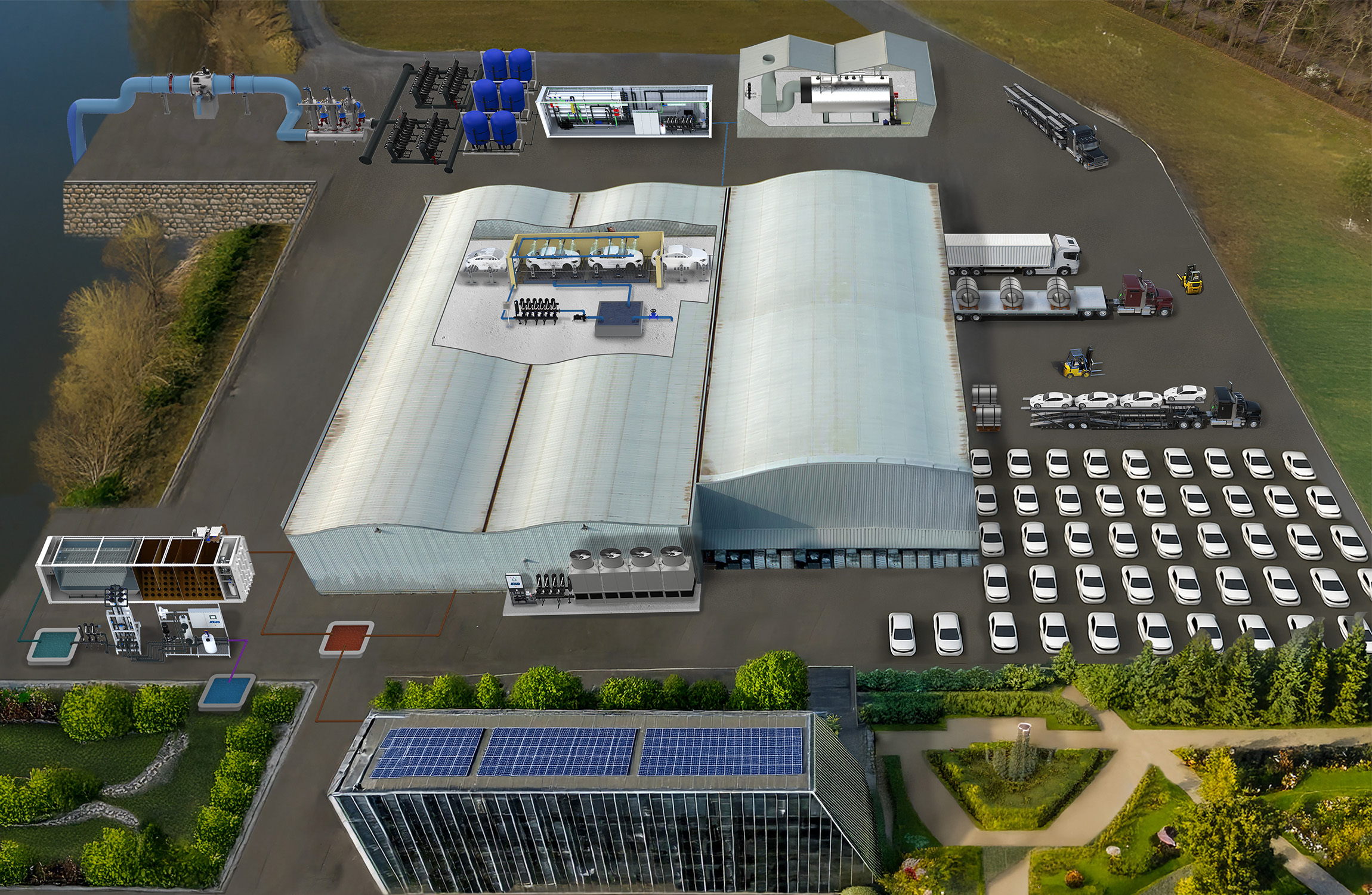
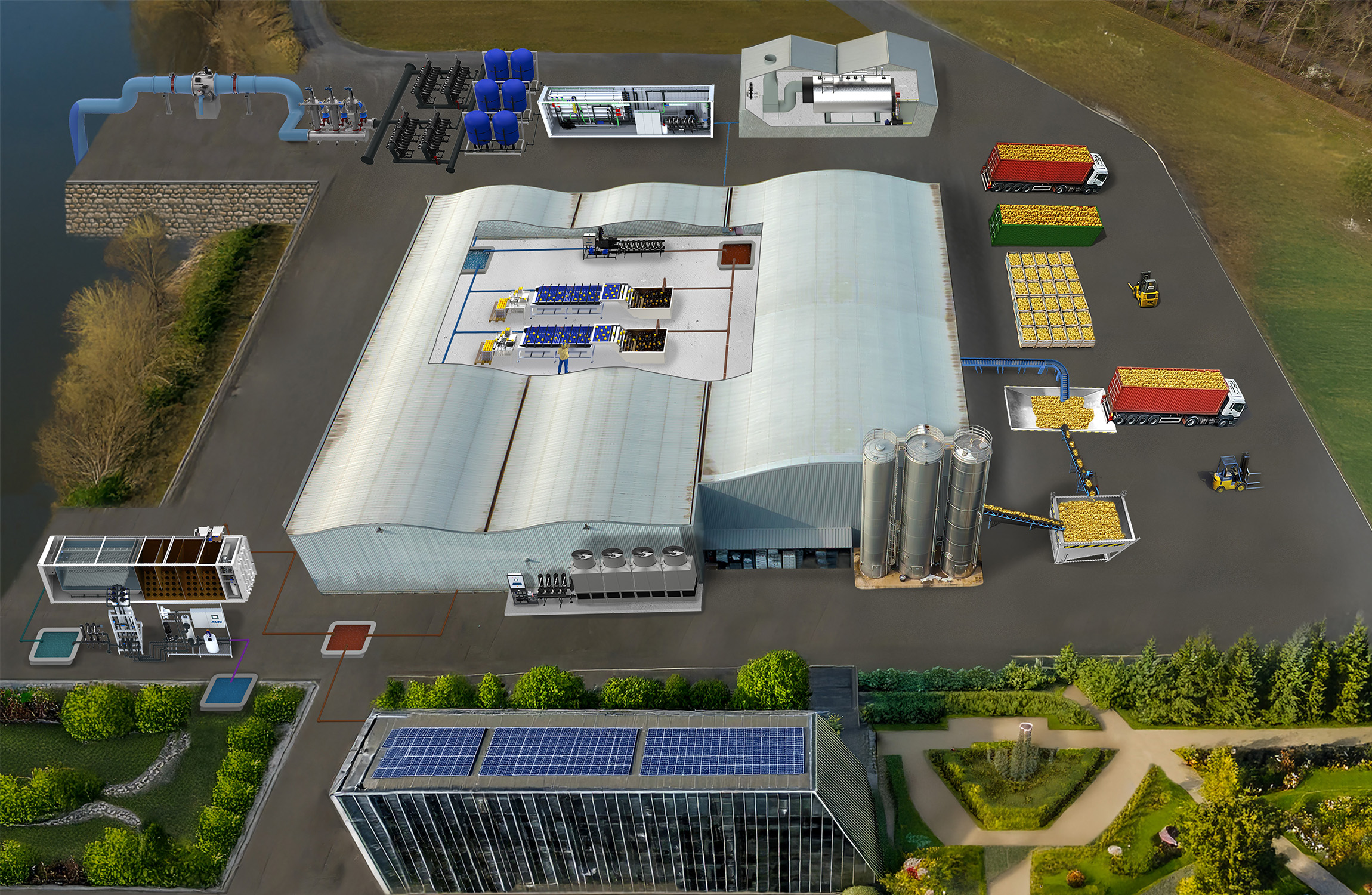
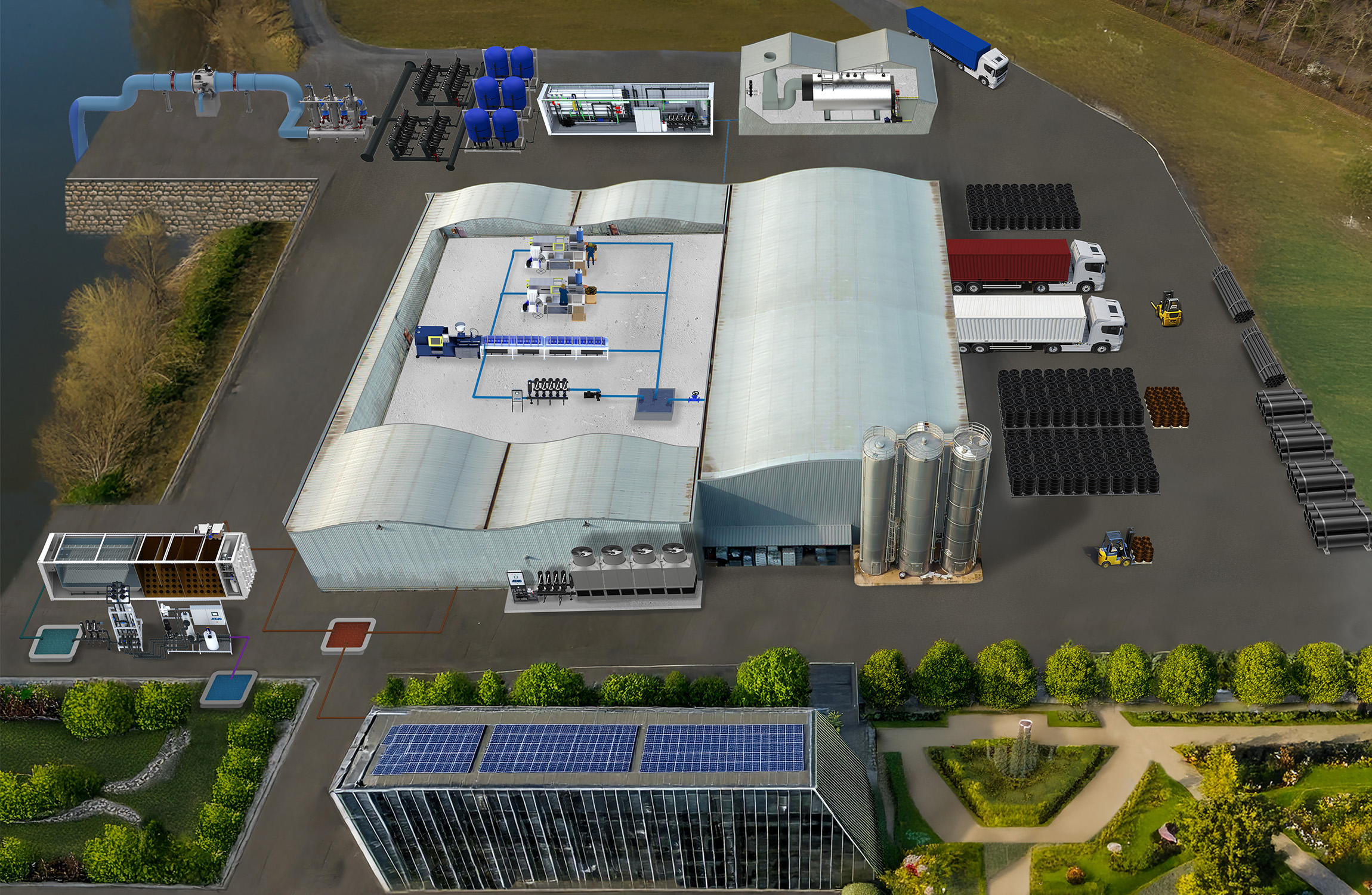
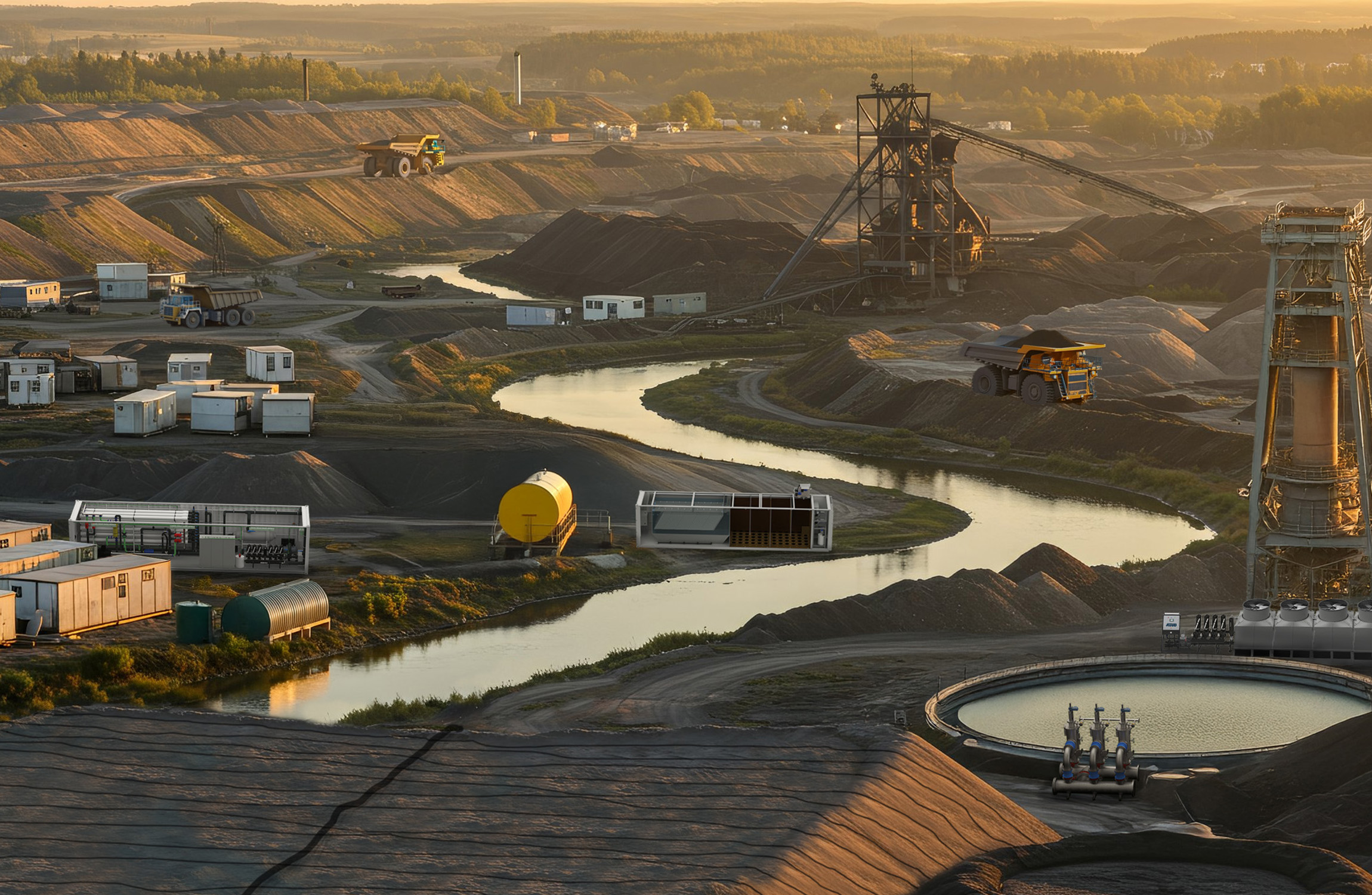
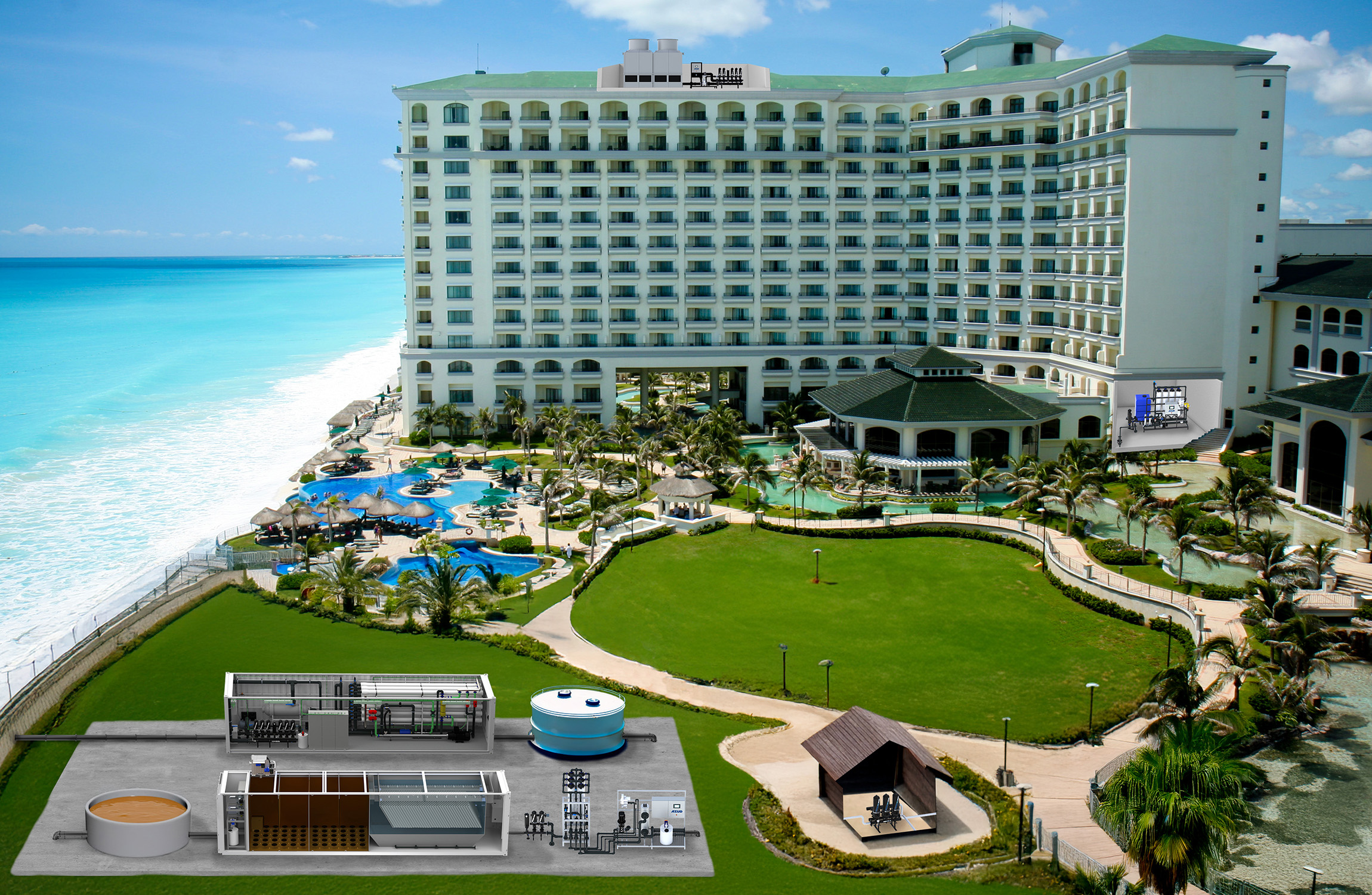
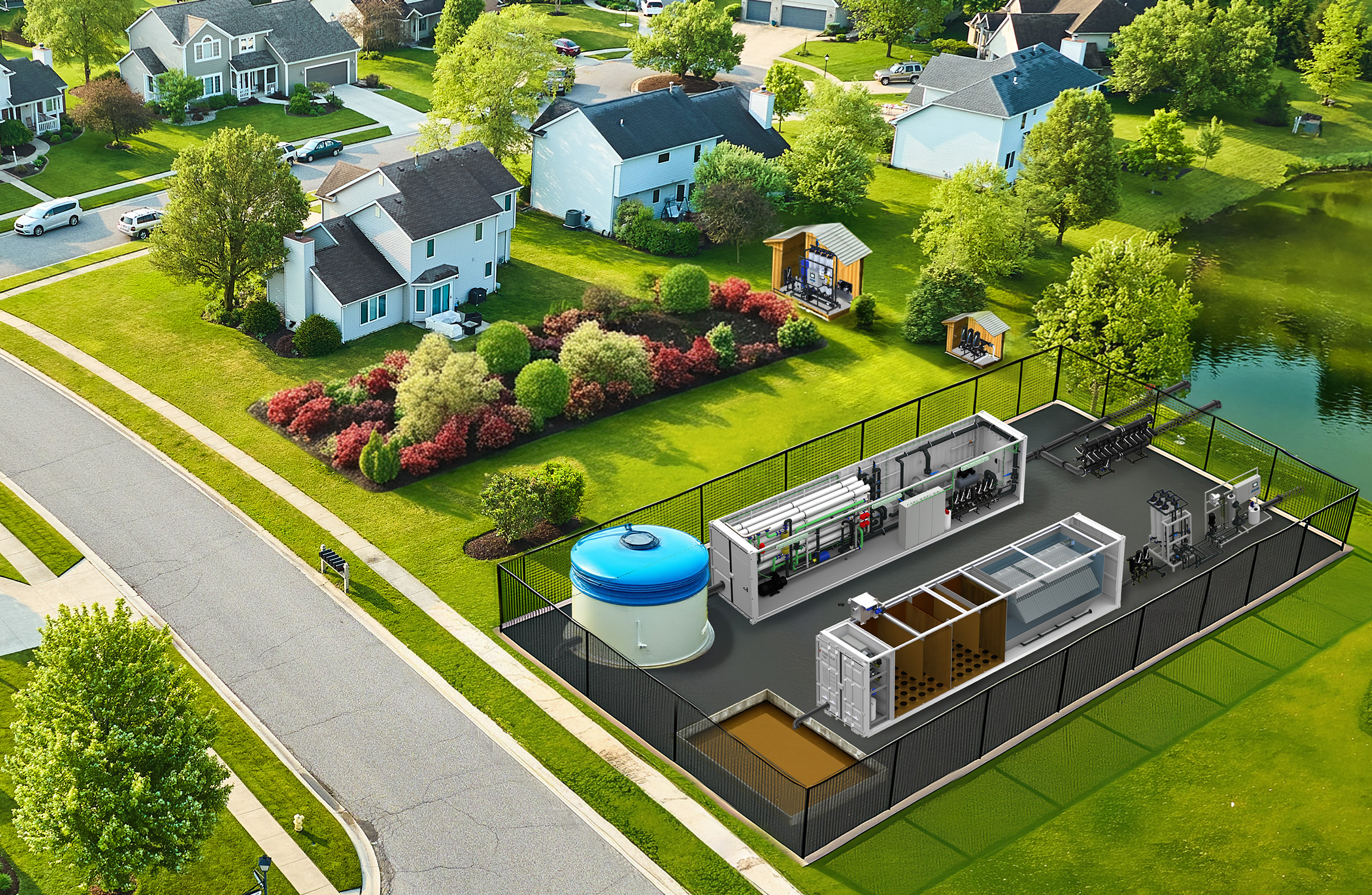




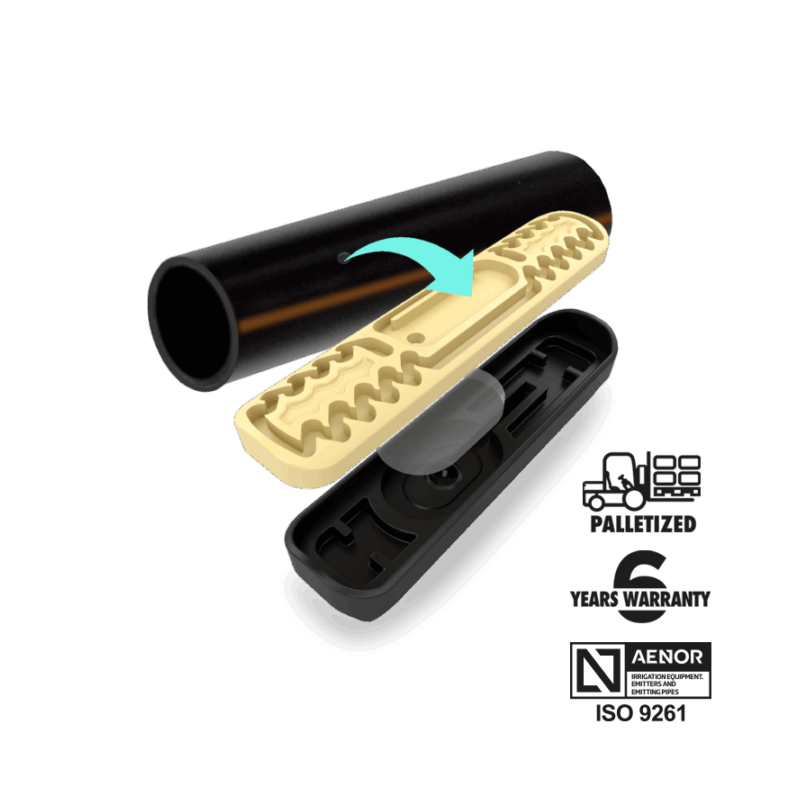





In 2025, global industries face unprecedented challenges to meet growing environmental requirements. Large buyers such as supermarkets (Mercadona, Lidl) and large retailers (Decathlon, Leroy Merlin) are demanding stricter sustainability standards, including responsible water use practices that are both environmentally sustainable and economically viable.
The water crisis and the industrial sector
The growing water crisis has highlighted the need for more efficient and responsible water management in all sectors. For industries, this means approaching the water problem with a systemic view that considers thesustainability along the entire value chain. Science and technology play a key role in this transition, especially in areas such as desalination and reuse, but these advances require an innovative leap to mitigate water scarcity in critical regions. However, these advances require an innovative leap to mitigate water scarcity in critical regions. In Spain, sectors such as distribution, agribusiness and component production are making concrete commitments to reduce their water footprint in the supply chain. This includes setting clear time-bound targets and working closely with suppliers to create more sustainable supply chains. However, the challenge lies in achieving these goals without increasing production costs or negatively impacting end prices
Water optimization in industrial production
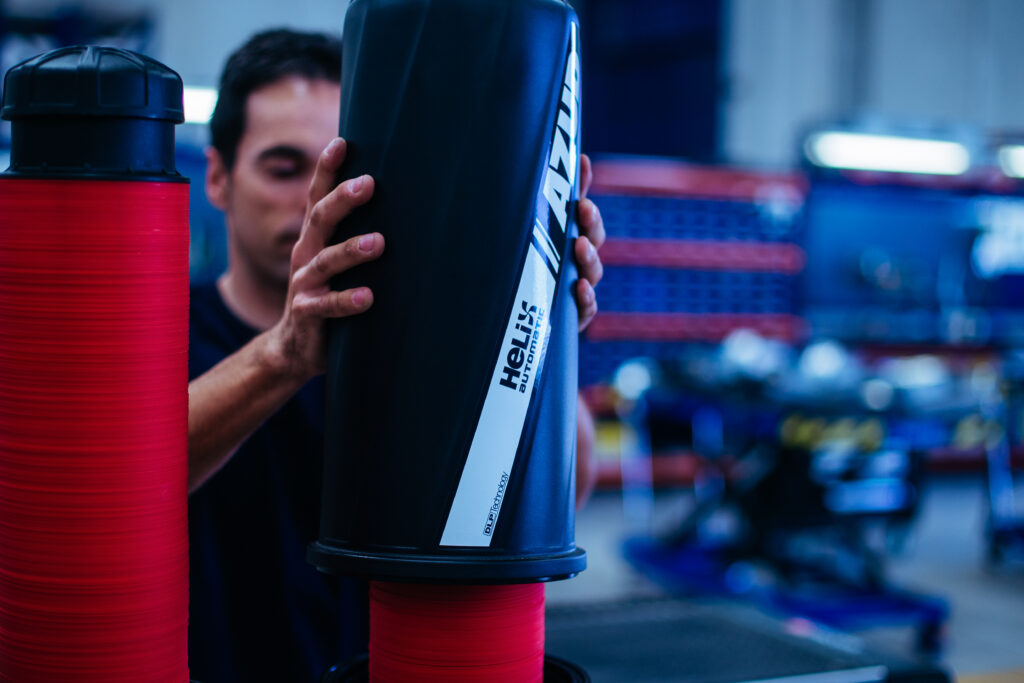
Reducing the water footprint is a priority for industries seeking to remain competitive and meet the expectations of their customers and consumers. Key strategies to achieve this include
- Improvement of production systems: optimize processes to reduce water consumption.
- Waste minimization: reduce the generation of sludge and by-products.
- Waste minimization: reduce the generation of sludge and by-products.
- Investment in R&D: develop technologies to achieve these goals more efficiently and cost-effectively.
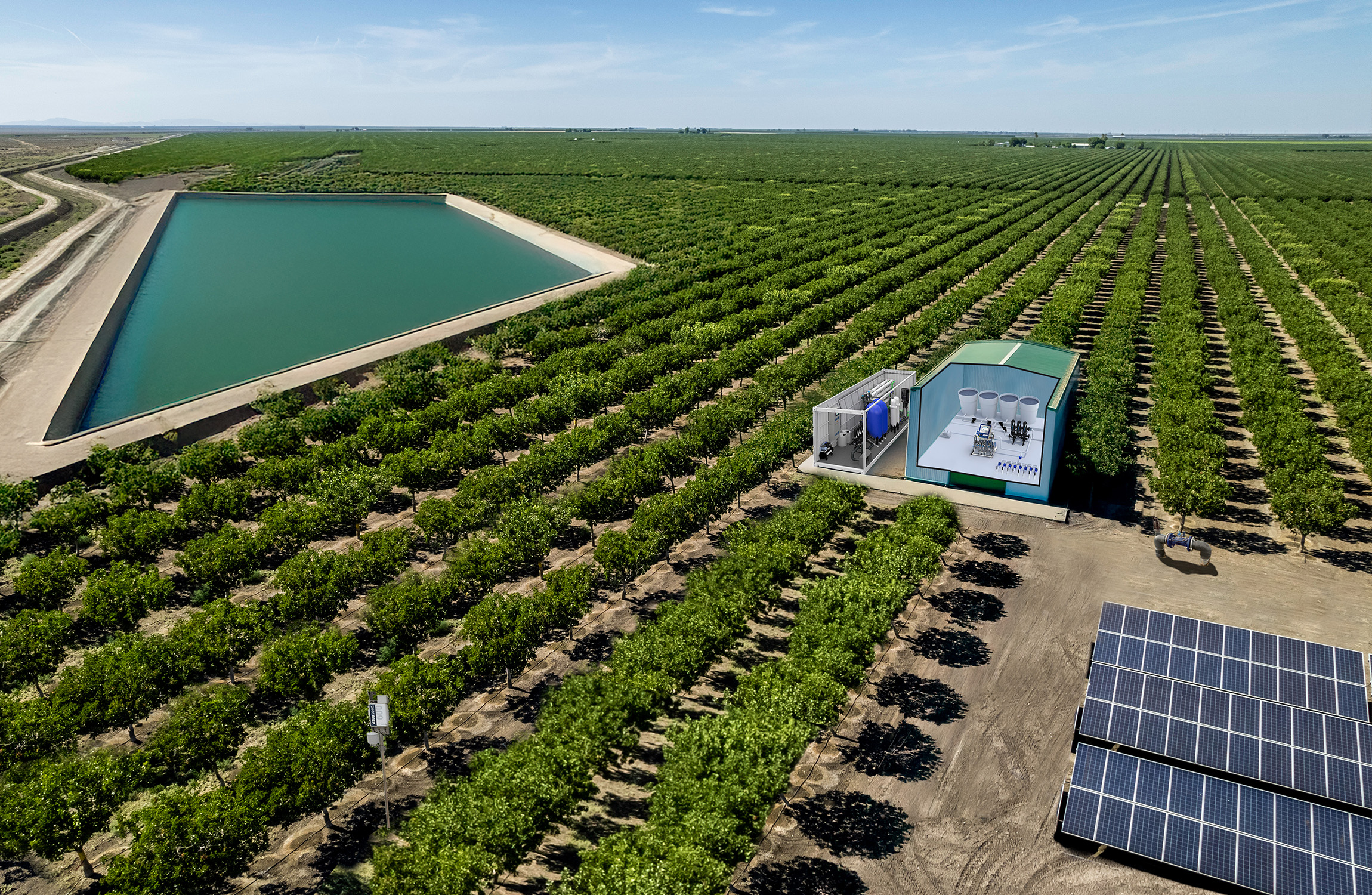
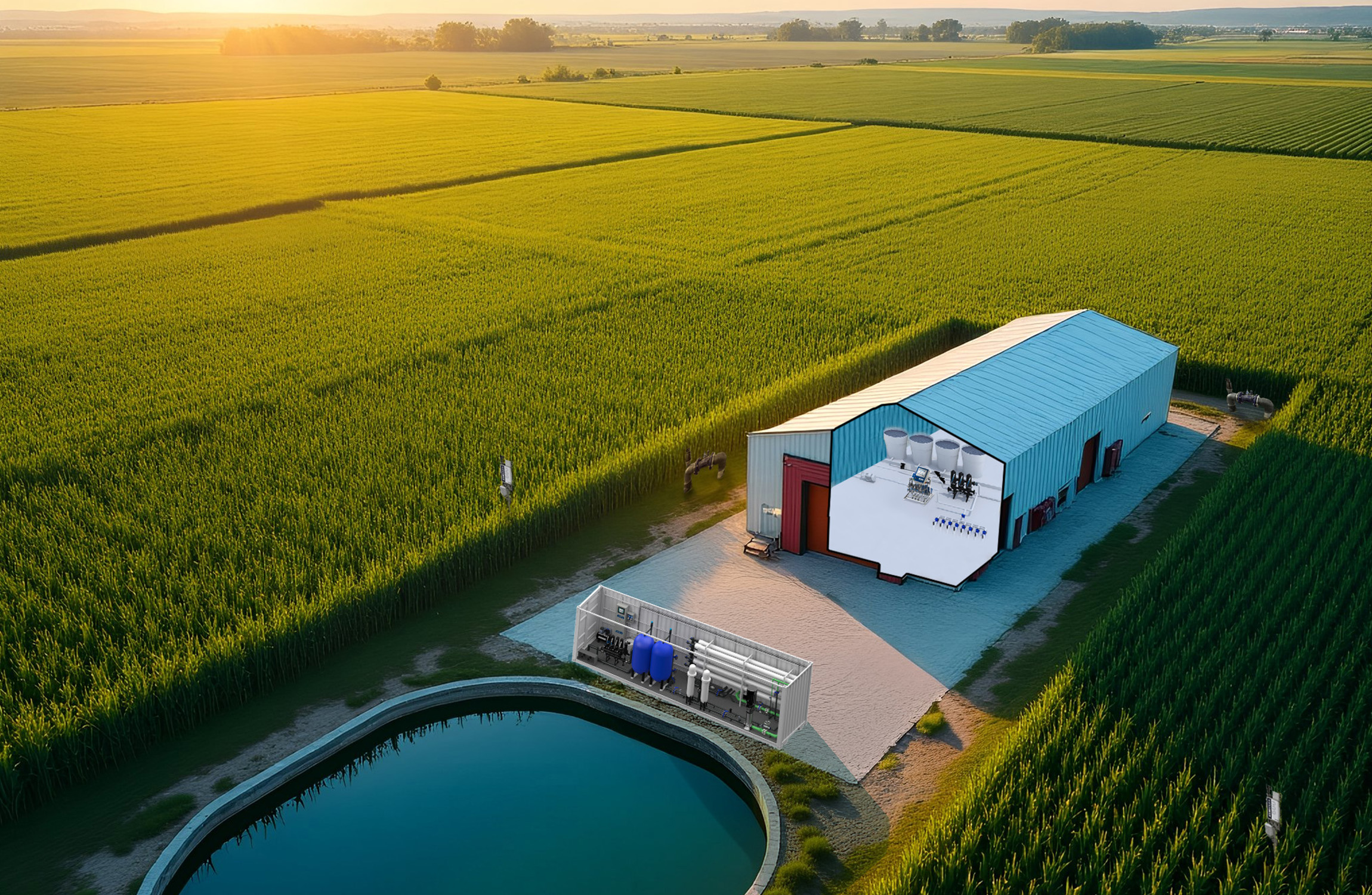
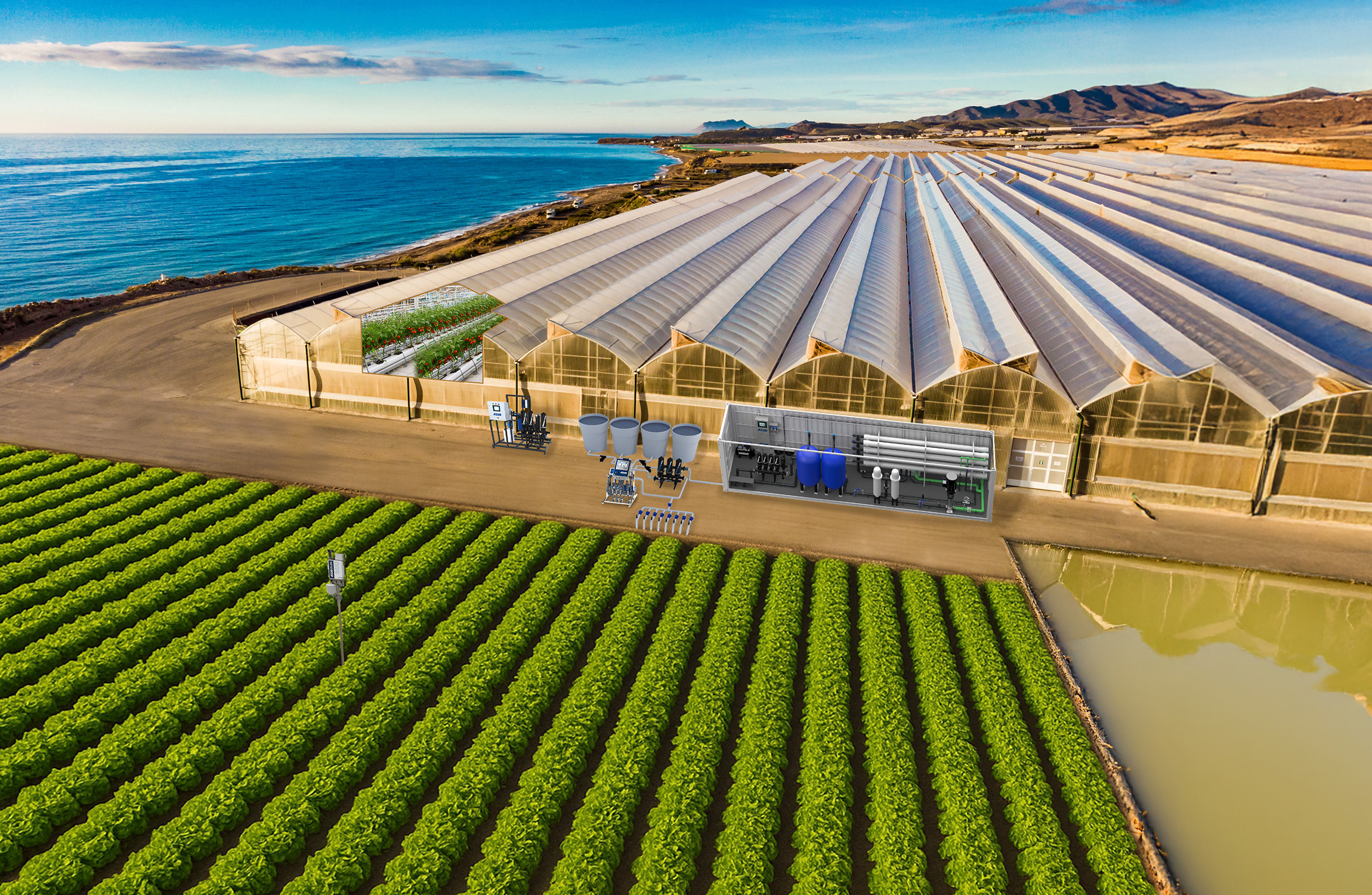
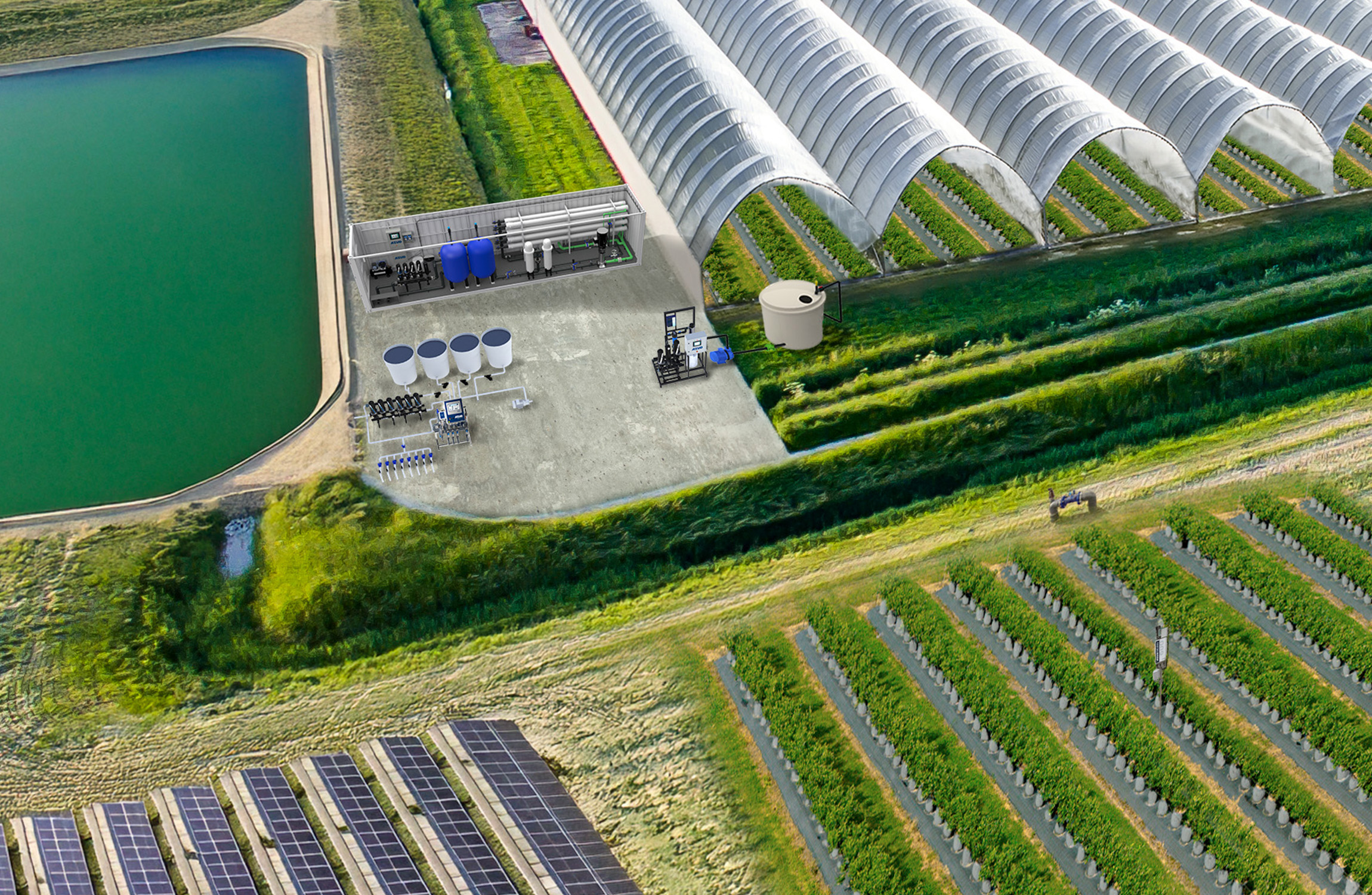
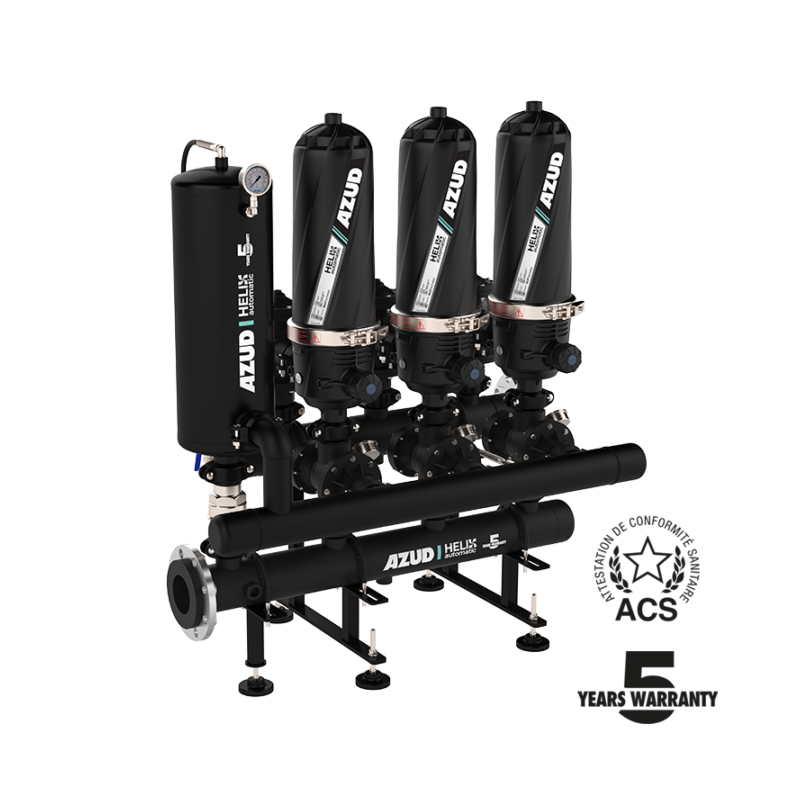
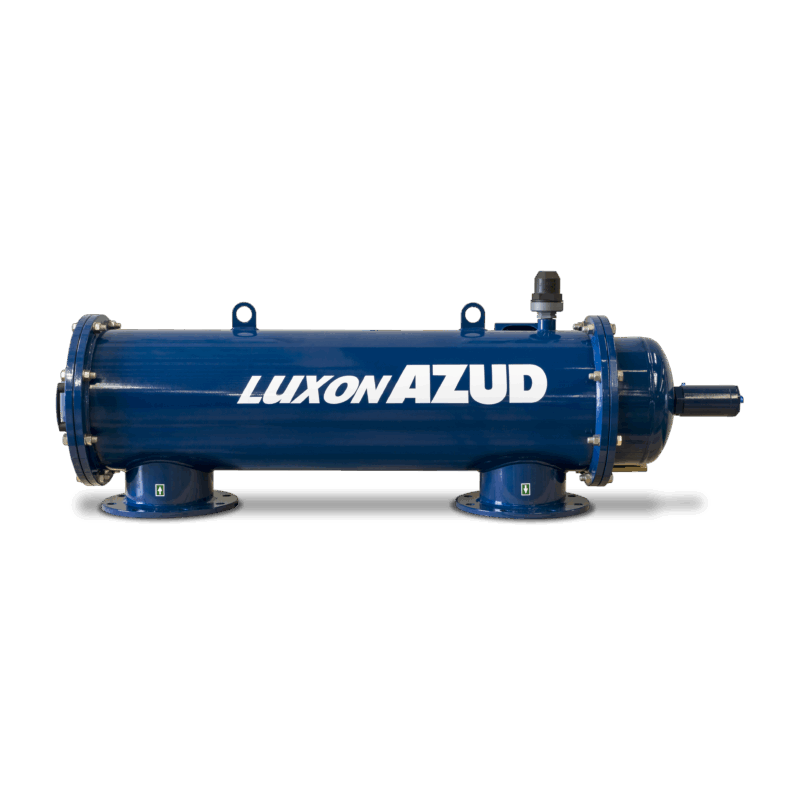
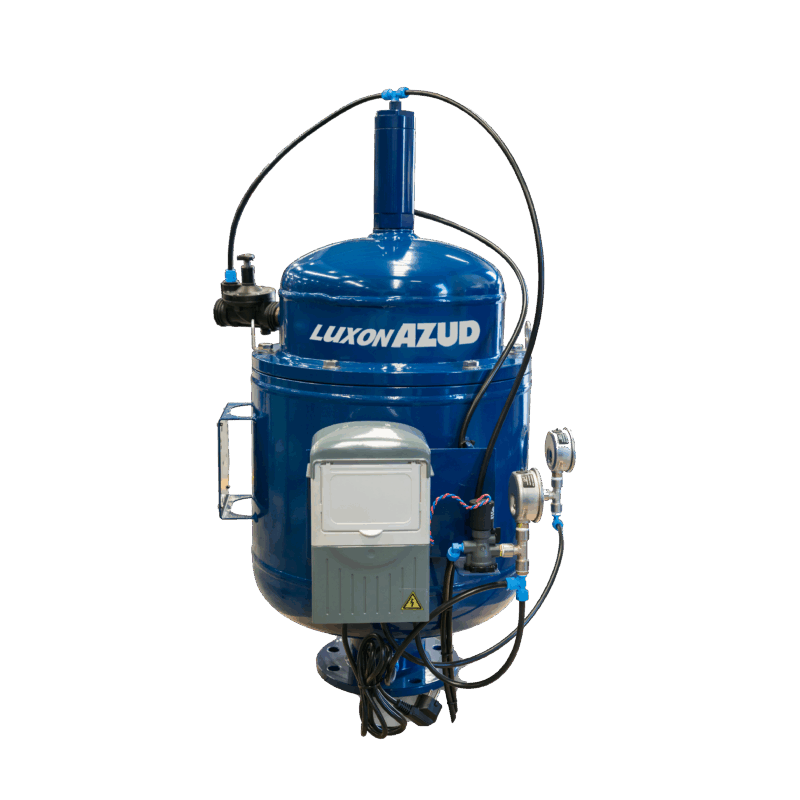
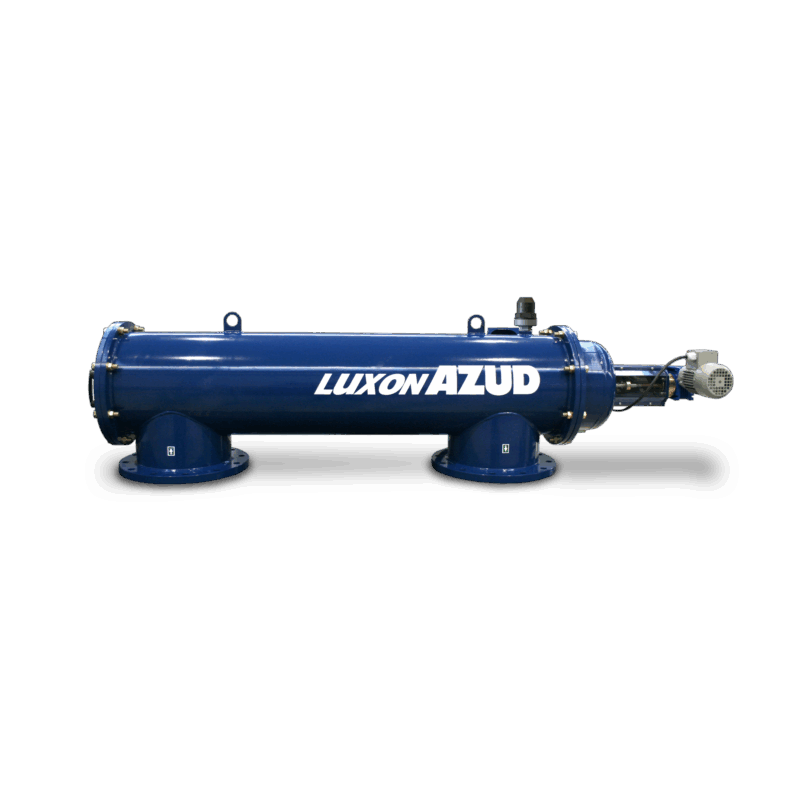
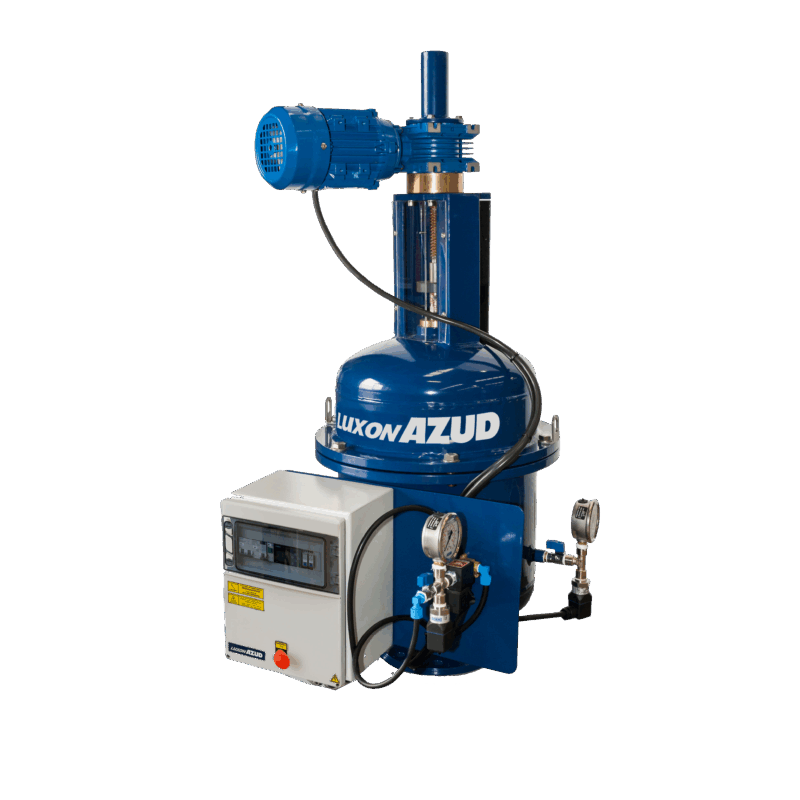
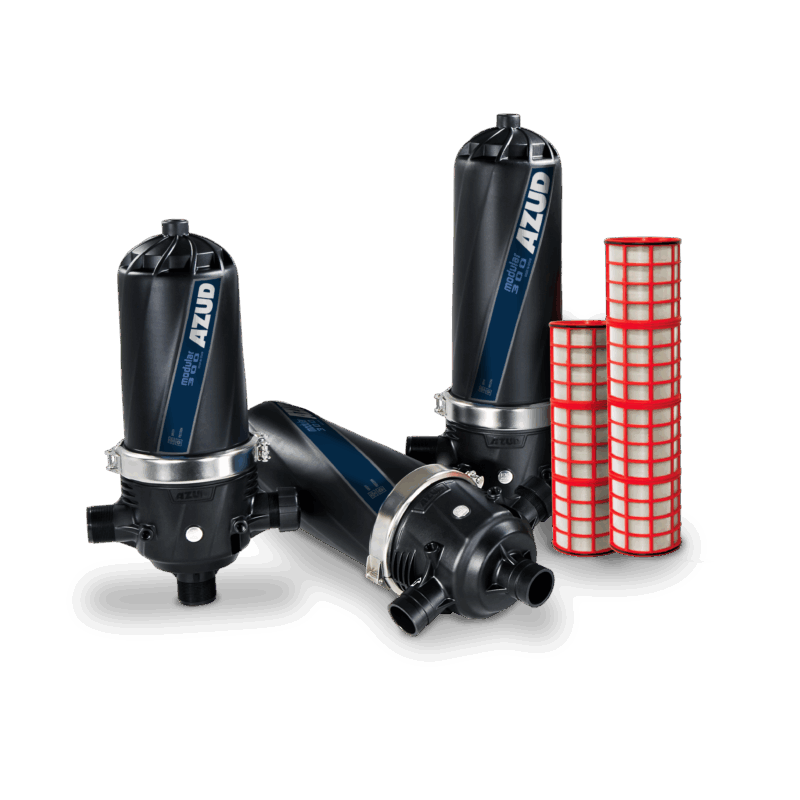
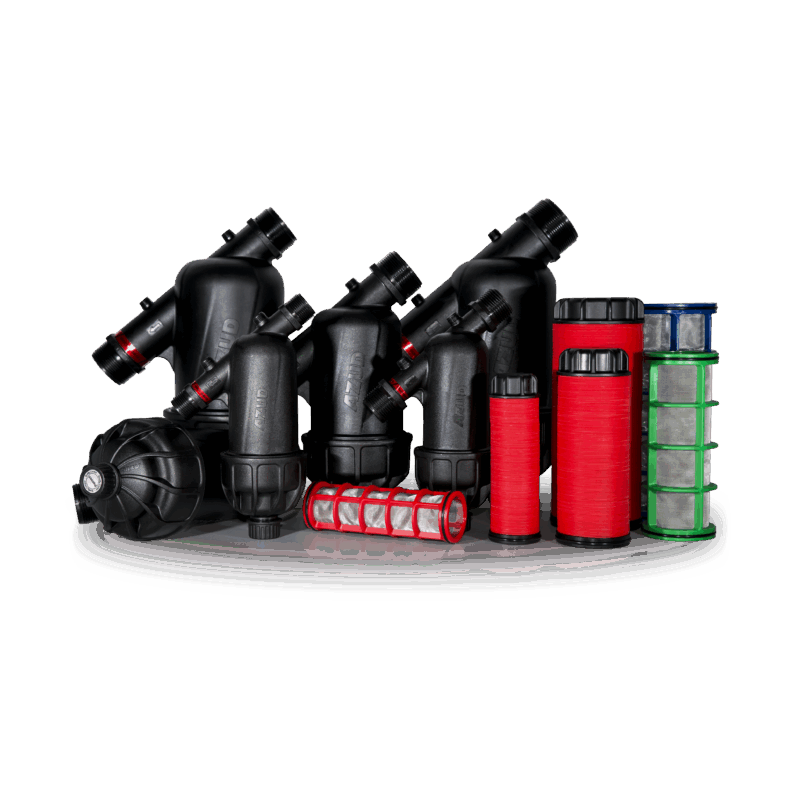
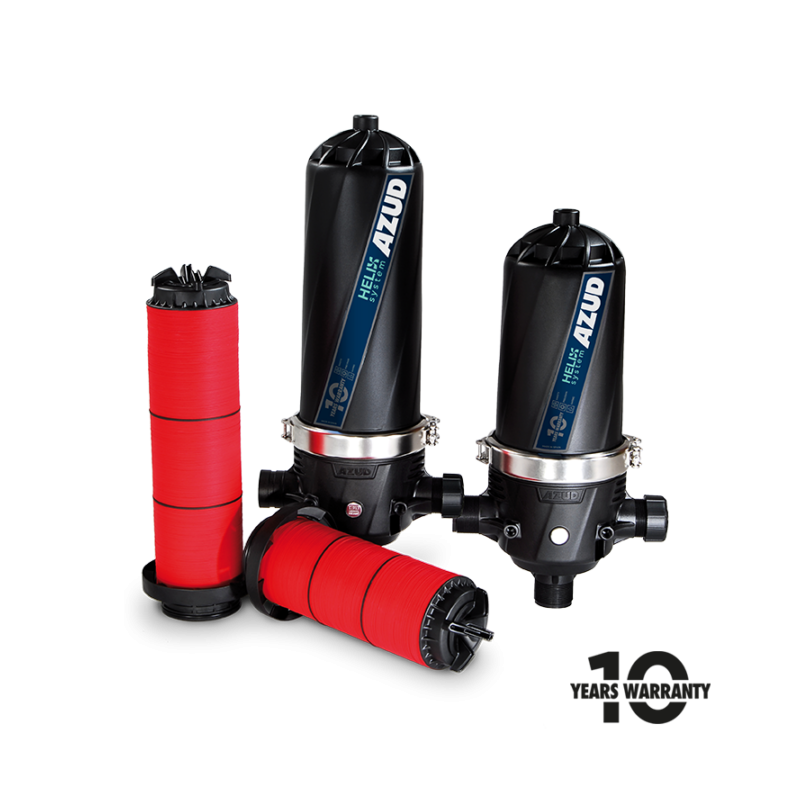
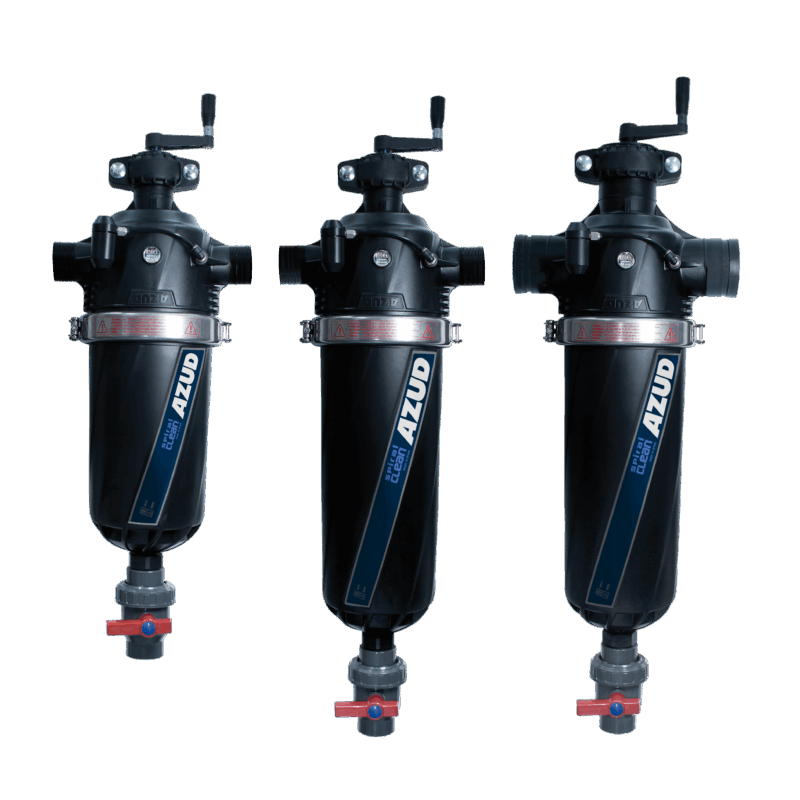
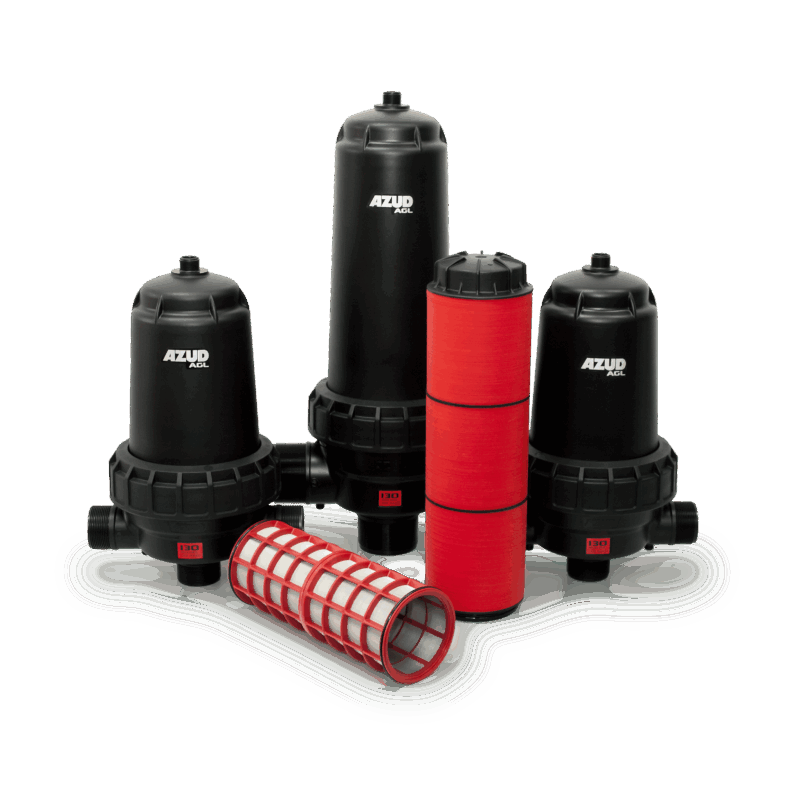
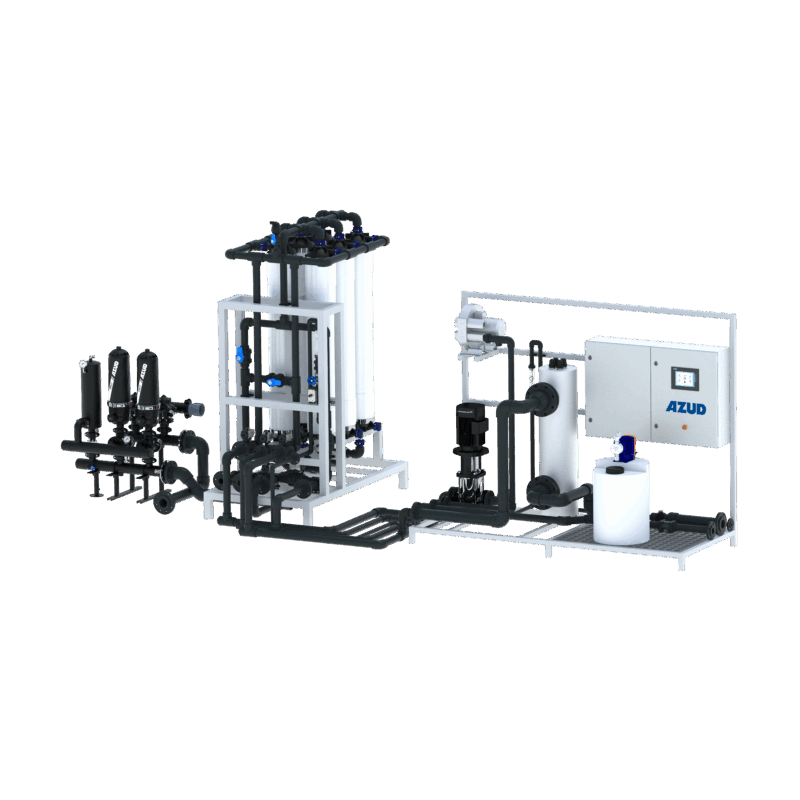
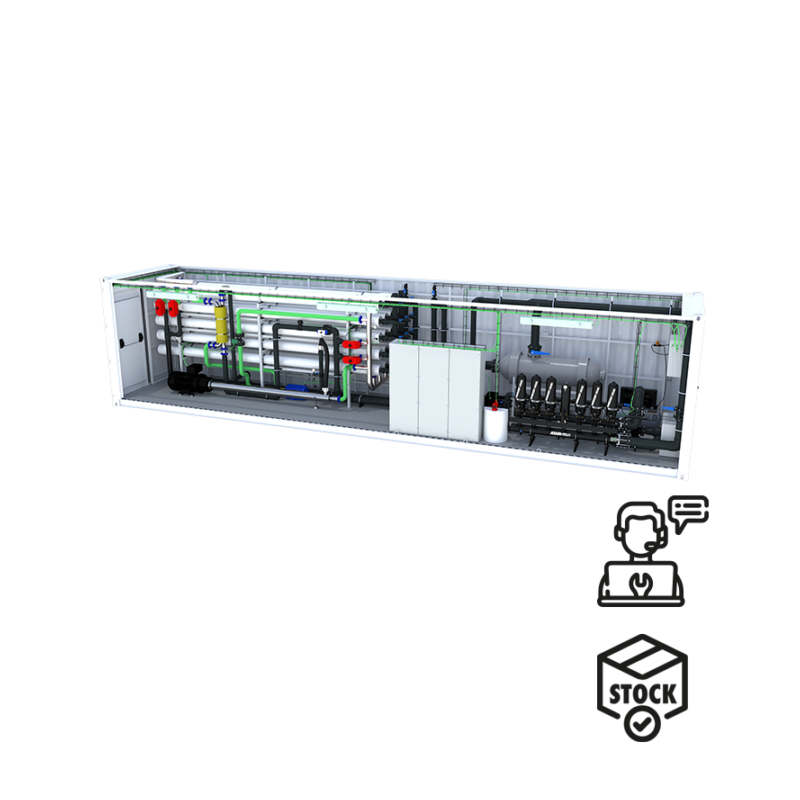
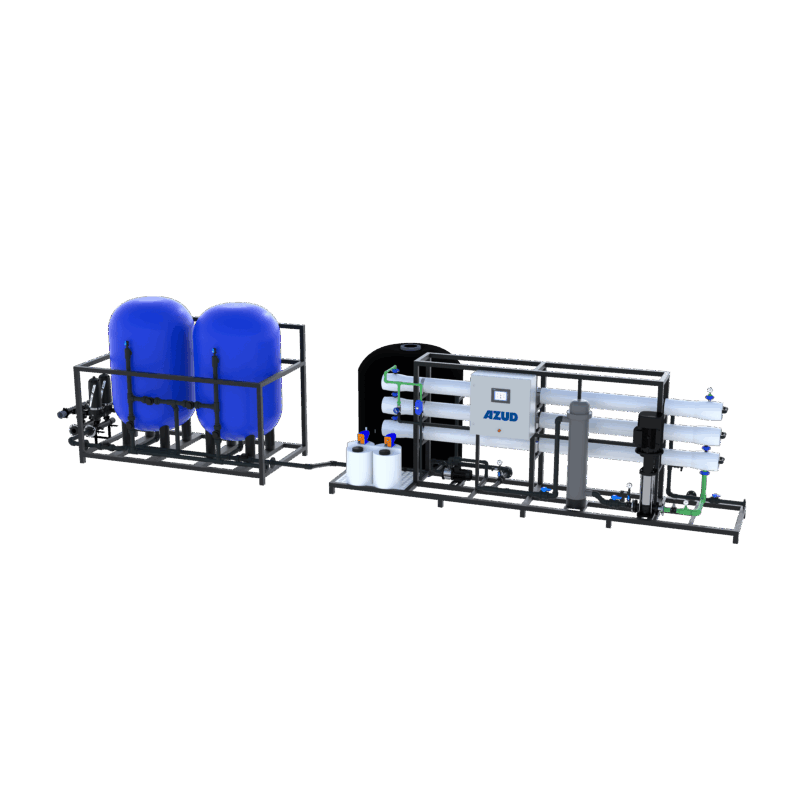
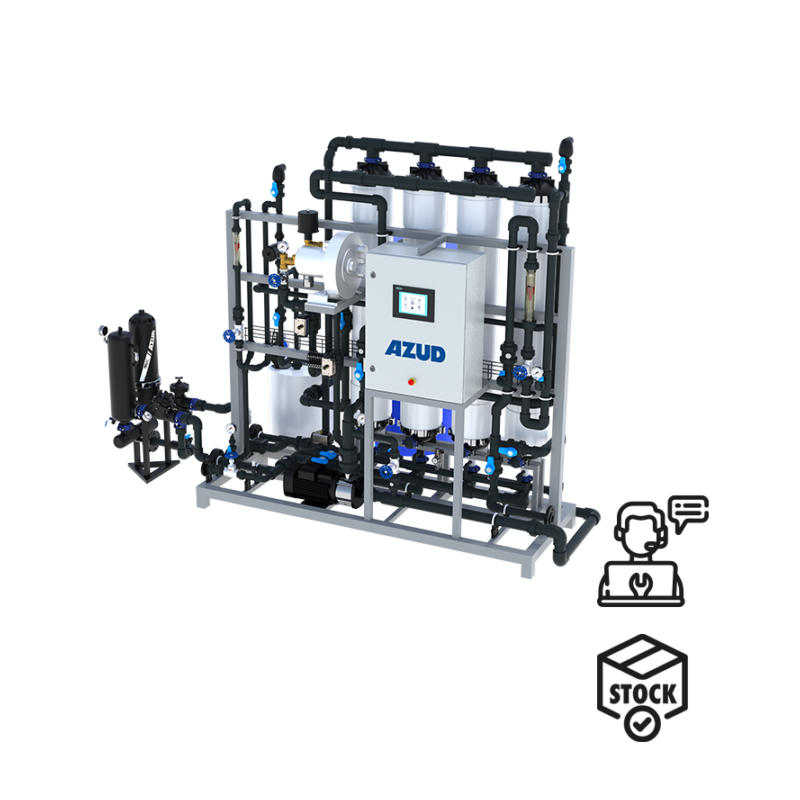
In this context, companies that develop water treatment technology, such asAZUDplay an essential role. Innovation and the development of advanced solutions for desalination and water reuse are essential to ensure that industries can operate sustainably
Desalinated water: a viable alternative
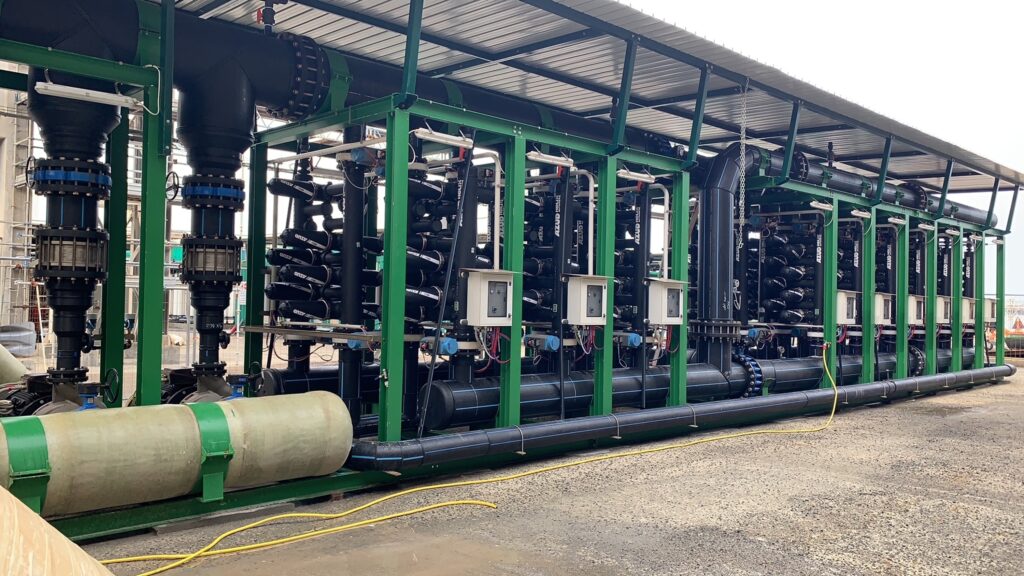 While significant resources are devoted to the search for water on other planets, serious problems of access persist on Earth due to inequalities in its distribution and use. Seawater is emerging as an increasingly viable alternative to meet industrial needs. Expanding the use of desalinated water, combined with reuse technologies, represents a crucial opportunity to address the water crisis in a sustained manner
Public-private partnerships as a catalyst
Successful transition to more efficient water use requires collaboration between the public and private sectors. Incentives and regulations are needed to drive innovation and the adoption of water efficiency practices. This approach not only benefits the environment, but also ensures that industries can meet the expectations of large buyers and consumers
Towards a Water + industry
The objective is not only to reduce water consumption, but to achieve a positive net balance: a model in which industries generate more water than they consume. This concept of“Water + industry” the new water efficiency policy positions companies not only as responsible consumers, but also as active generators of water solutions for their communities. Industries that do not adapt to this new reality will face penalties and lose competitiveness in a market that is increasingly oriented toward sustainability. On the other hand, those that bet on innovation and adopt sustainable models will not only meet the required standards, but will also lead the way to a more responsible and prosperous futureAt AZUD Industrial, we are committed to driving the transition to water sustainability through innovative technological solutions that transform challenges into opportunities.