


The Mediterranean regions, as well as other areas of the world, are currently facing an increasingserious water stress problem.
The very low rain gauge, coupled with prolonged periods of drought, significantly limits water availability. In addition, extreme weather events alter agricultural production and generate soil erosion. This, together with the increasingly common presence of soils with high Salinity and low fertility,severely hampers the development of many crops.
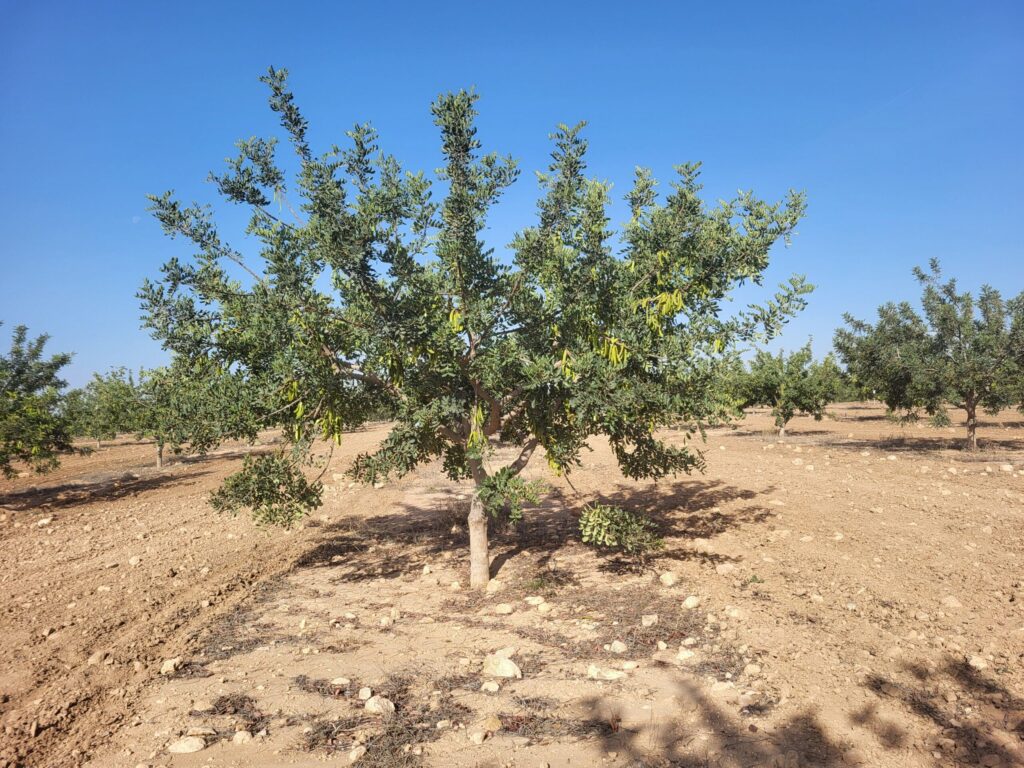
However, there are some crops, such ascarobwhich have proven for decades to be particularly suitable for combating desertification and stabilizing degraded soils thanks to their resistance to drought. Also its capacity to grow in impoverished soils. Furthermore, the potential of this tree to capture carbon makes it a very suitable tool to favor climate change mitigation.
However, at present, it is stillthere is a wide range of productivity improvement.
Although it has traditionally been a rainfed crop, the impact of implementing the Weigth has been studied SUB-SURFACE DRIP IRRIGATION (RGS) as an effective Irrigation method to maximize water efficiency and improve its production, without compromising natural resources. RGS represents a paradigm shift and a transformation of agricultural management of this crop.
The RGS allows the application of water directly to the root zone, which reduces evaporation losses and ensures the most efficient use of water resources.
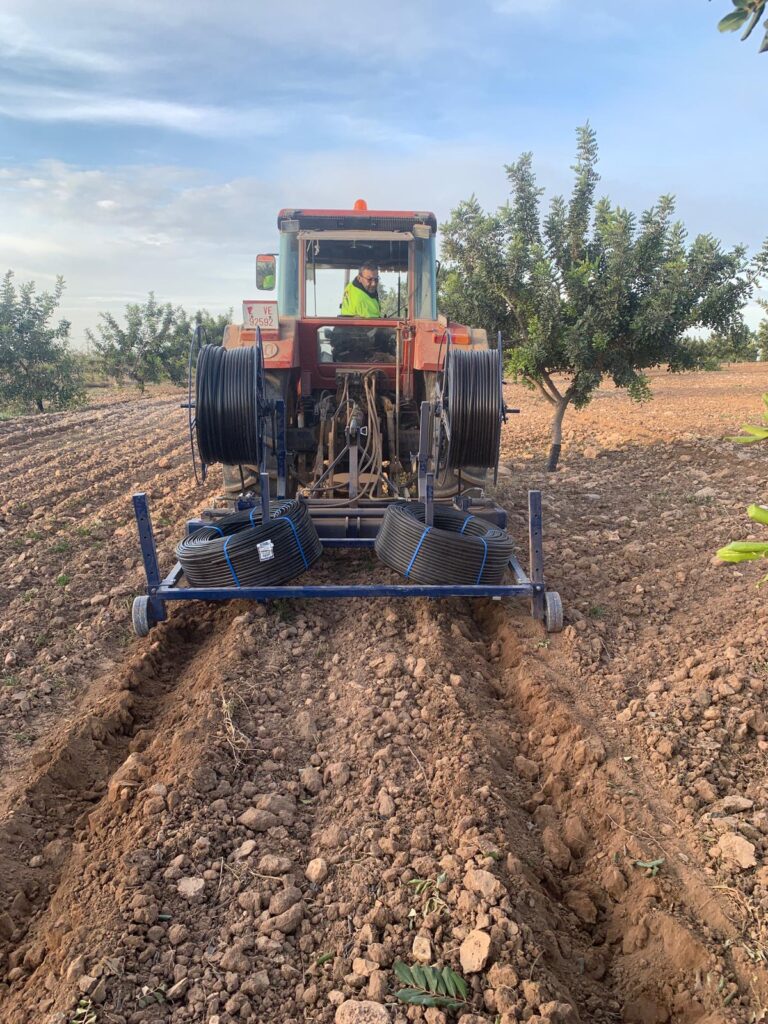
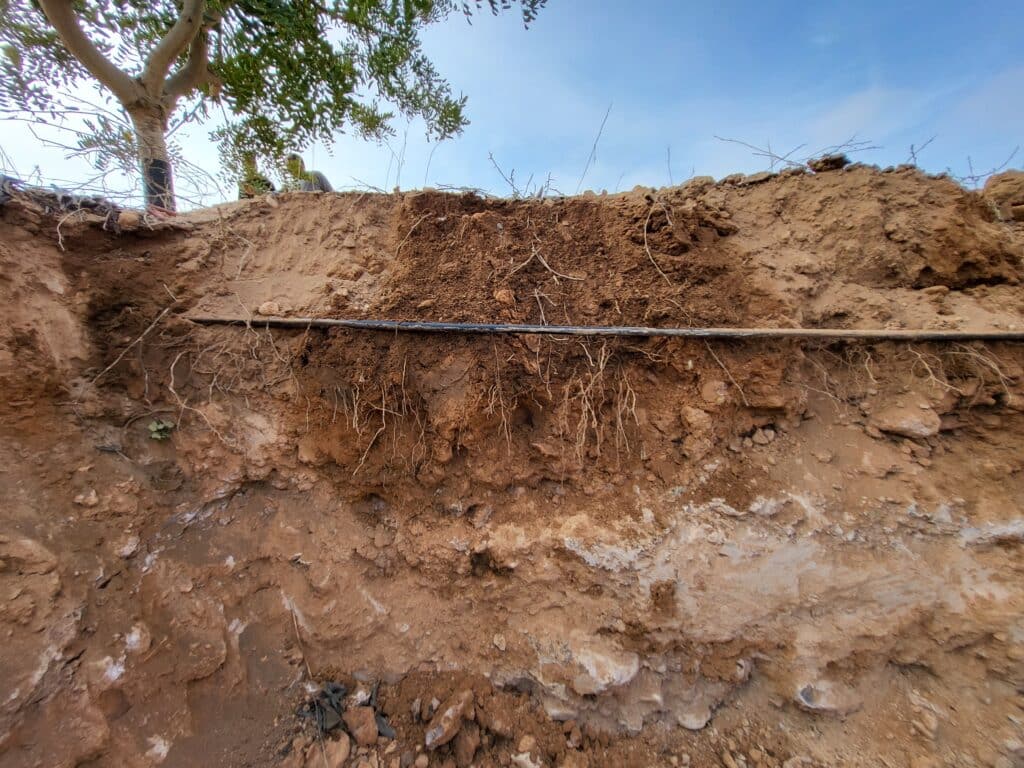
Implantation of RGS in carob cultivation
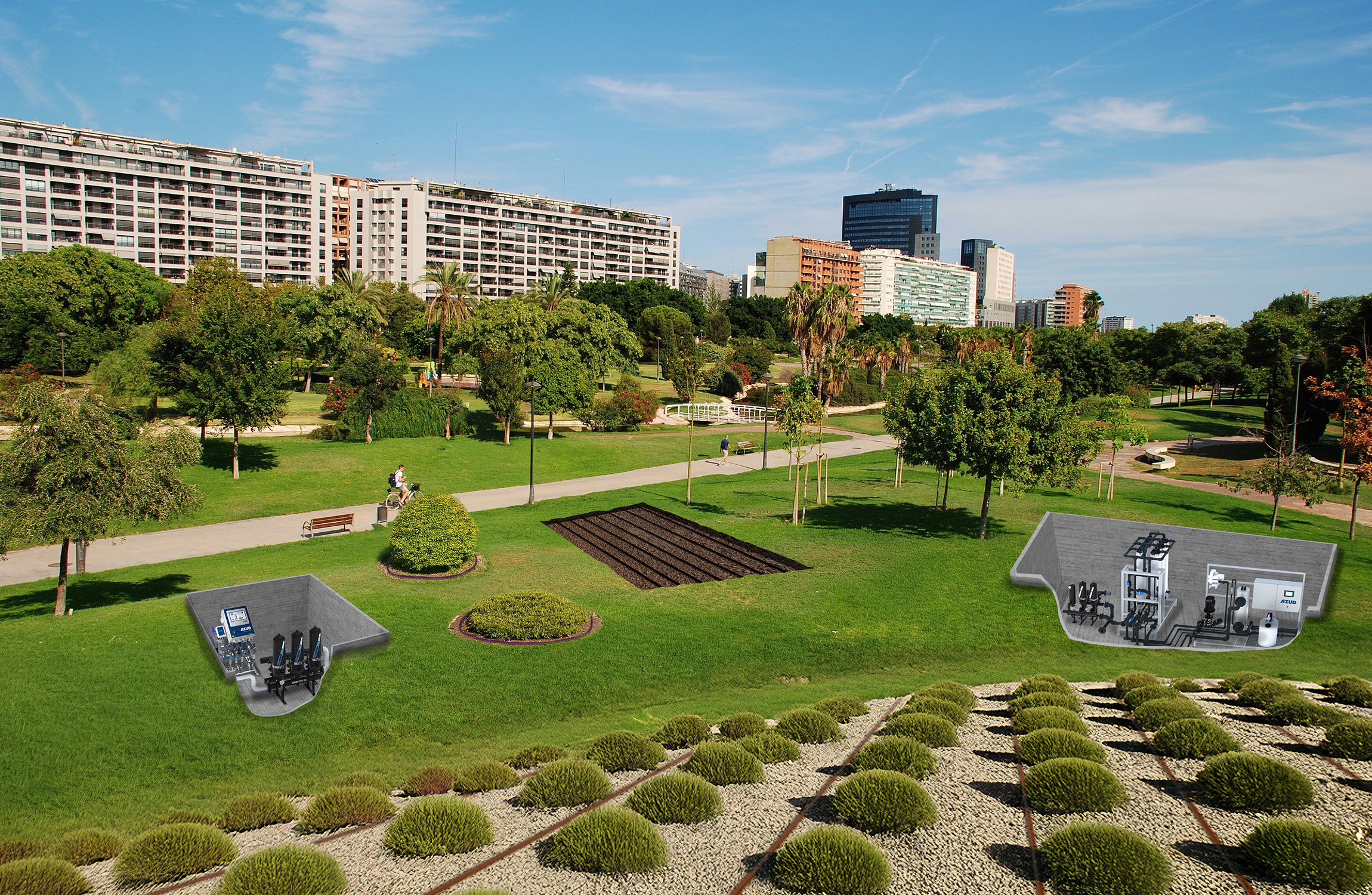
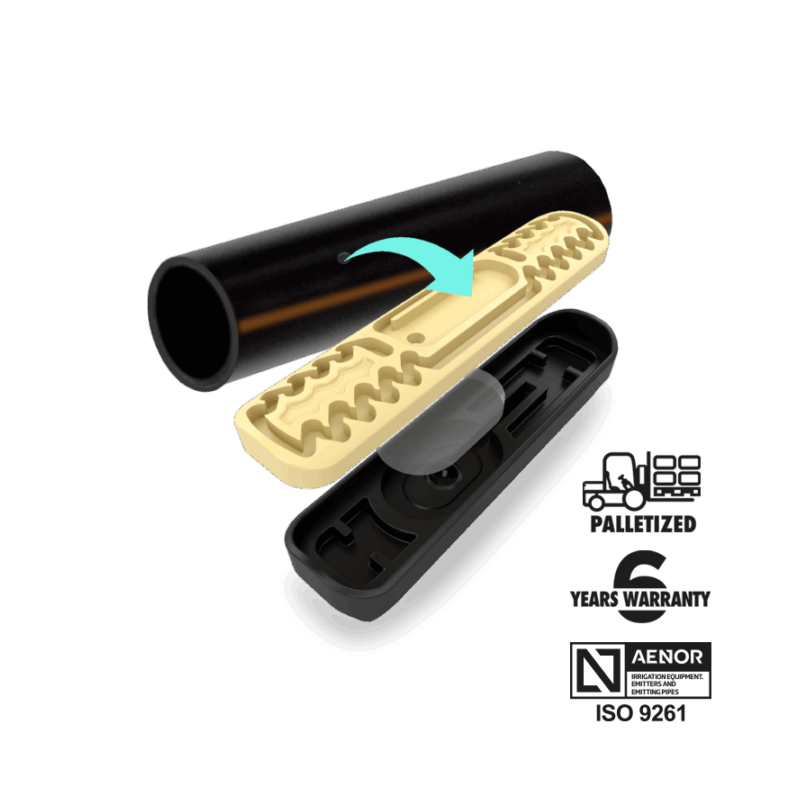
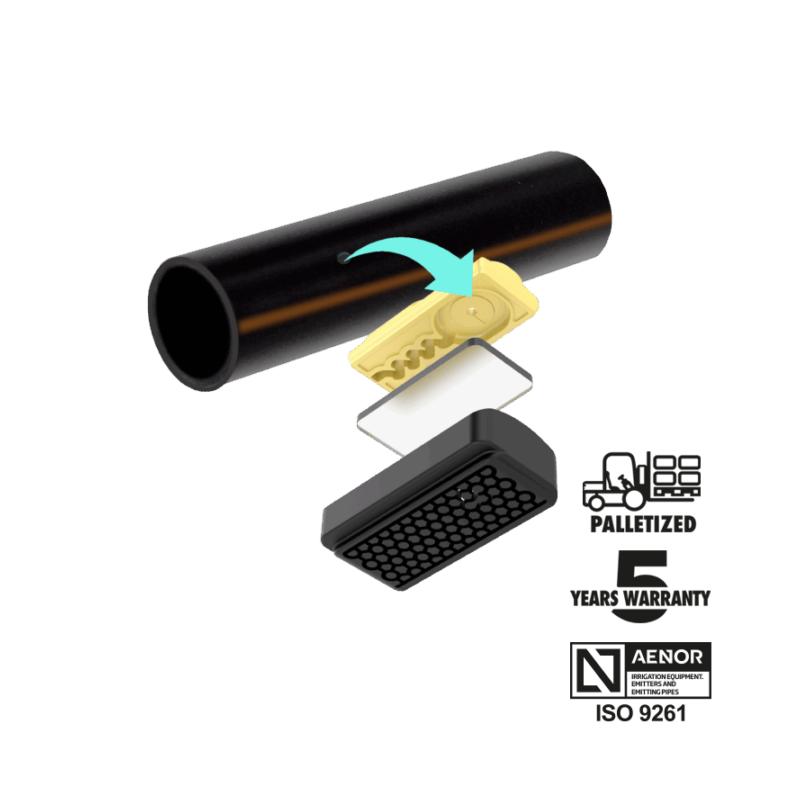
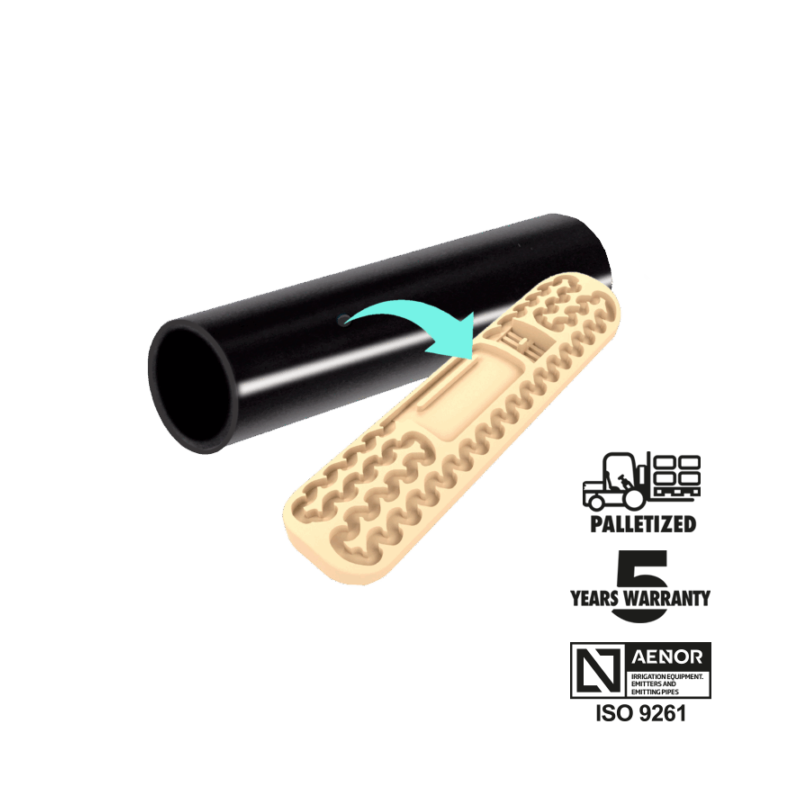
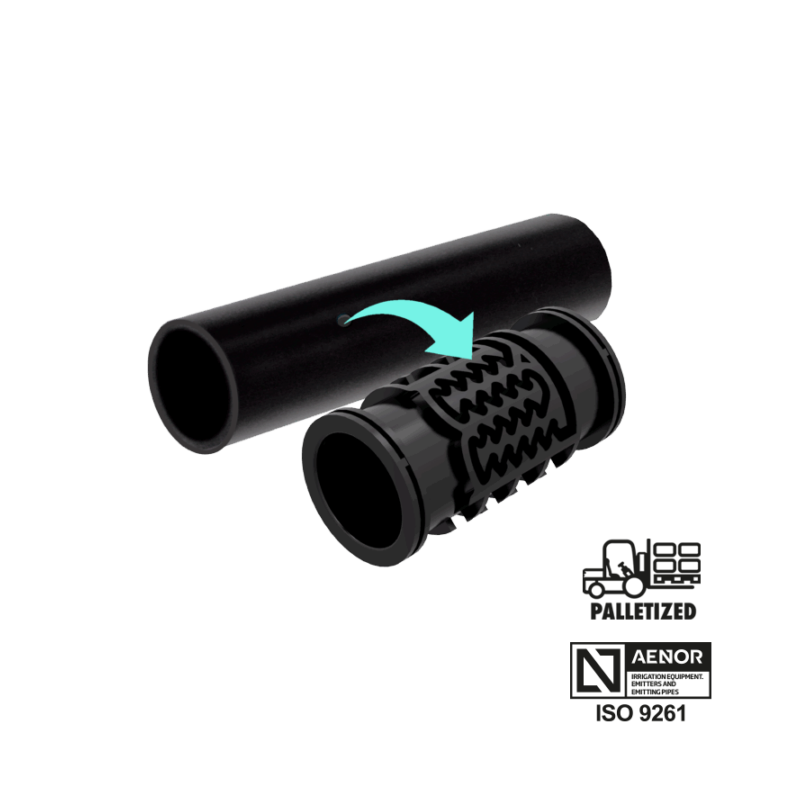
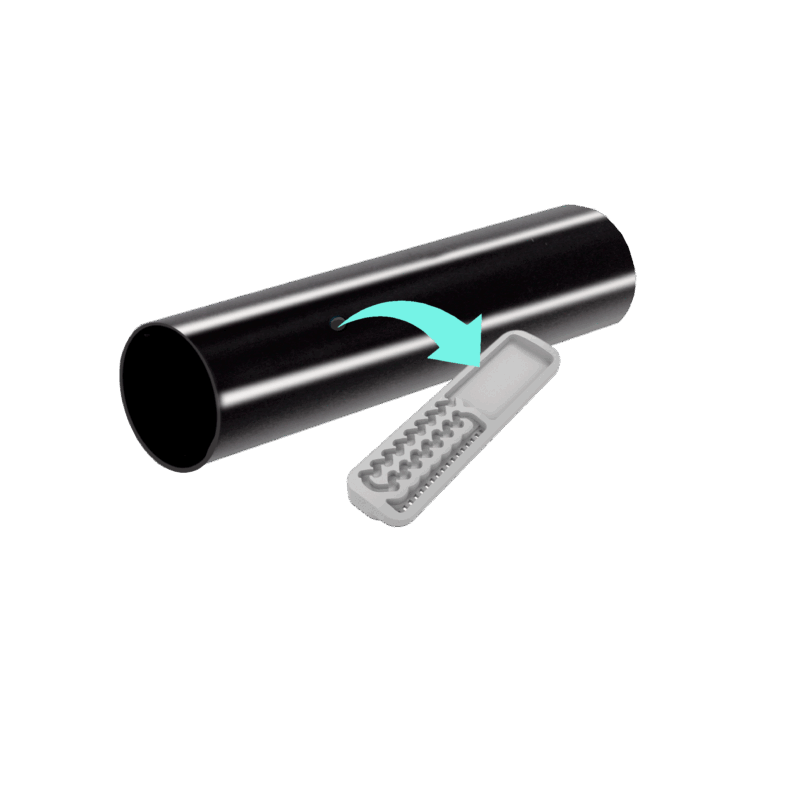
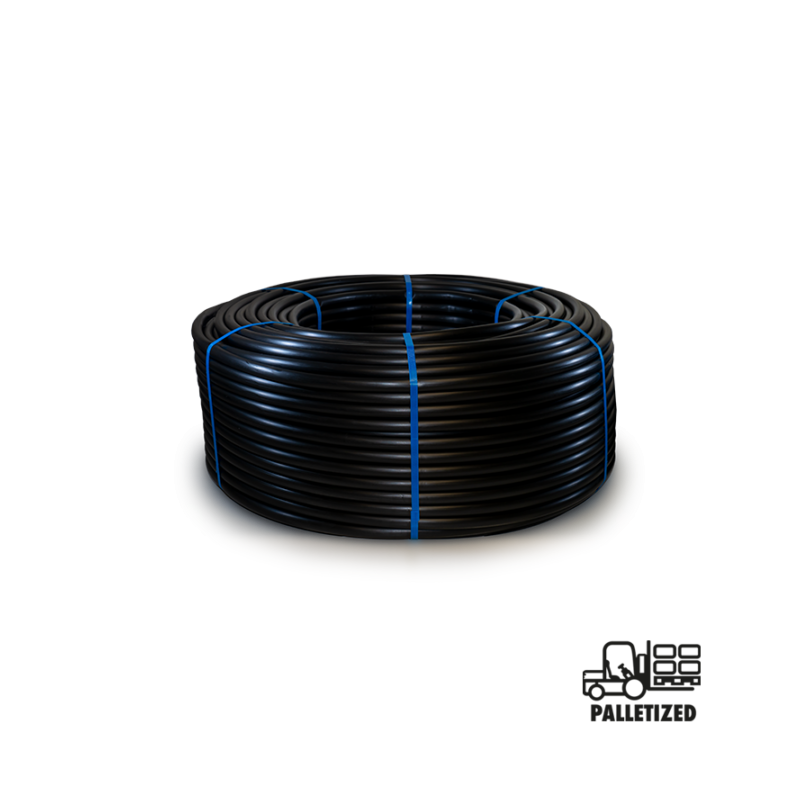
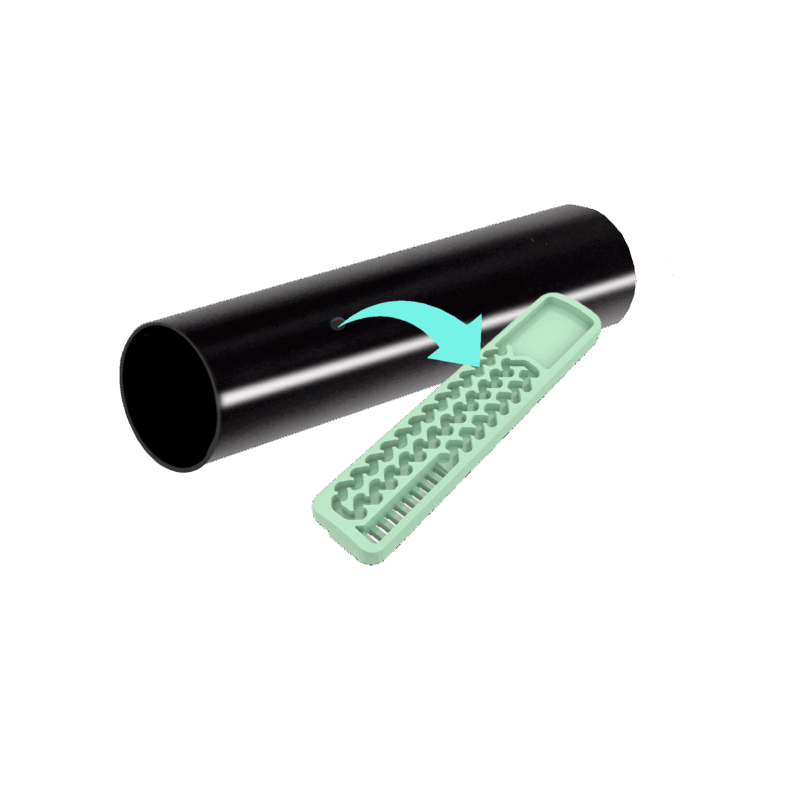
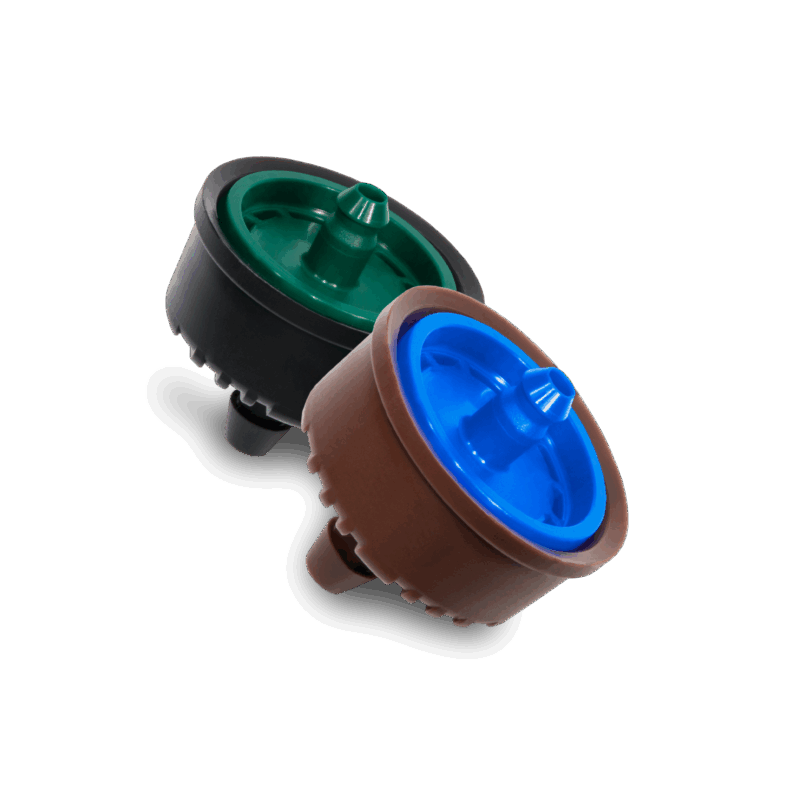
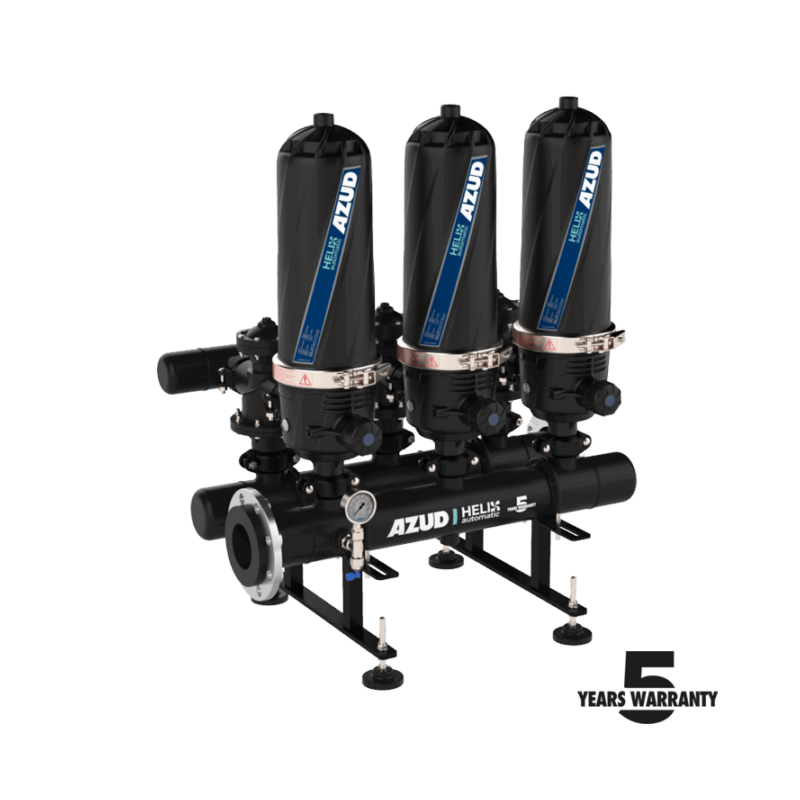
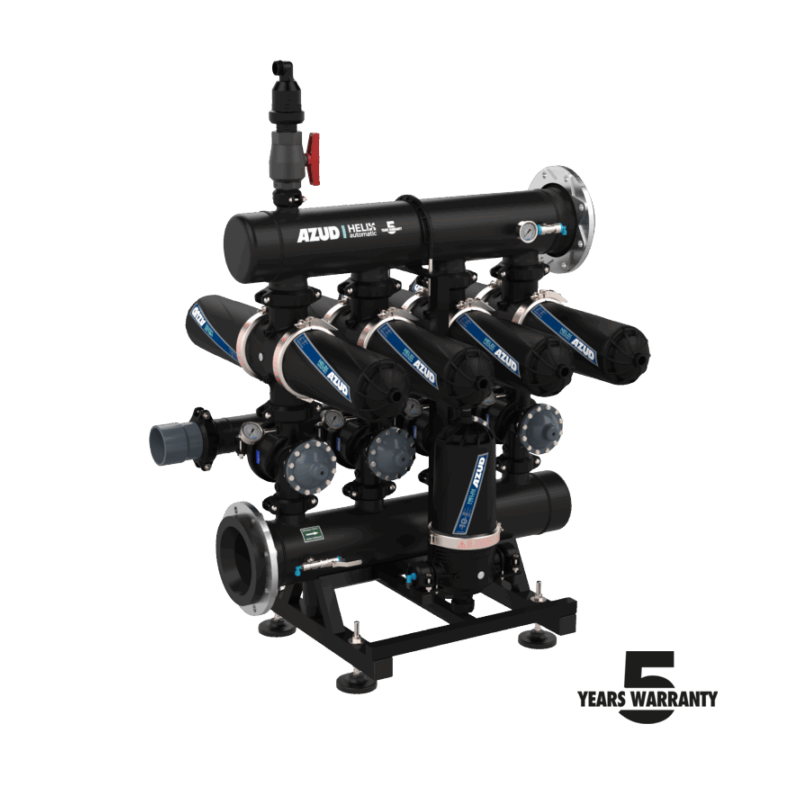
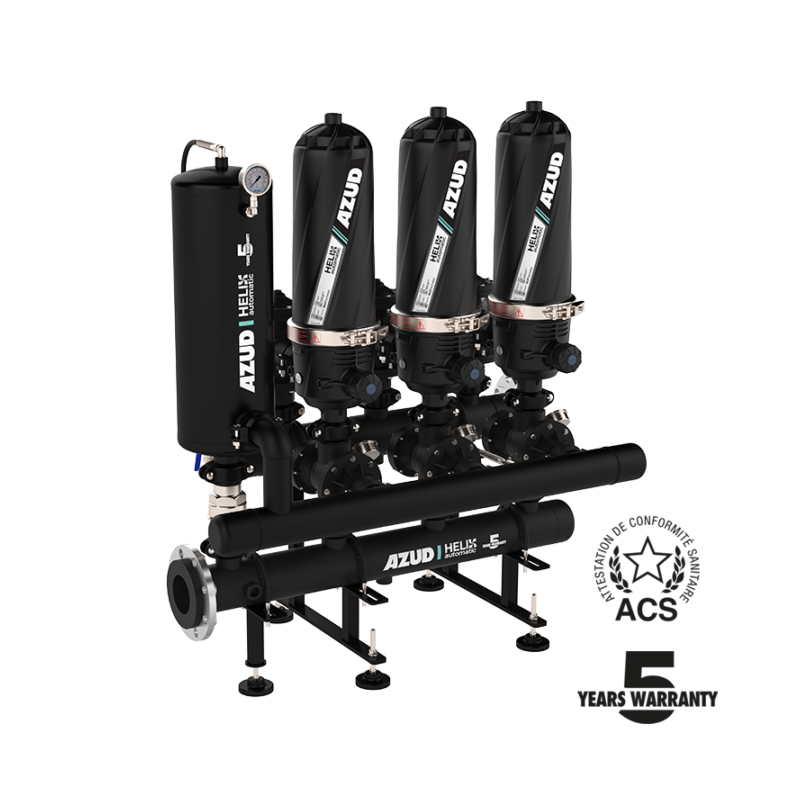
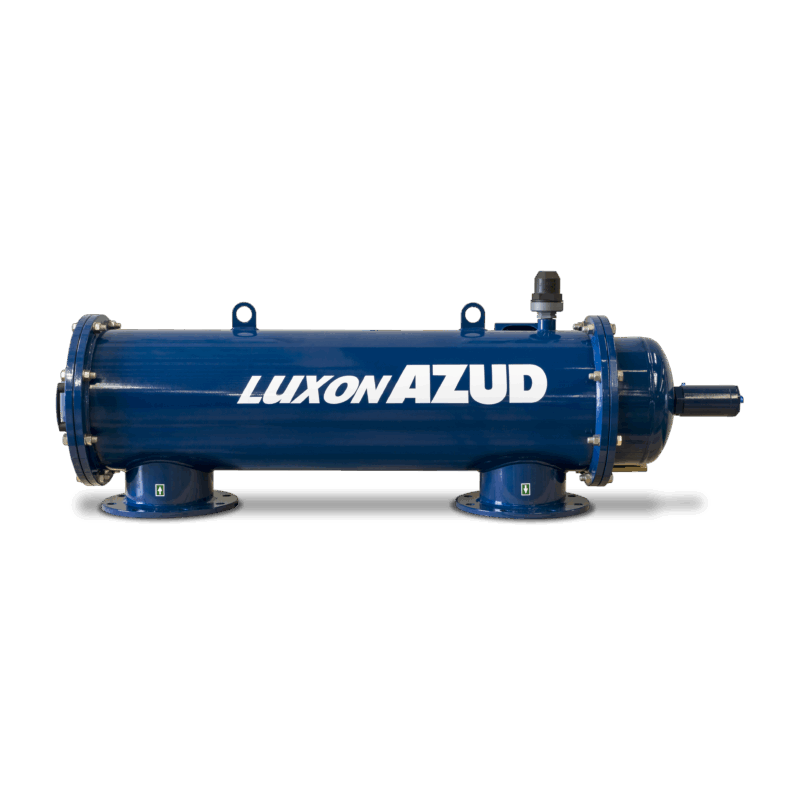
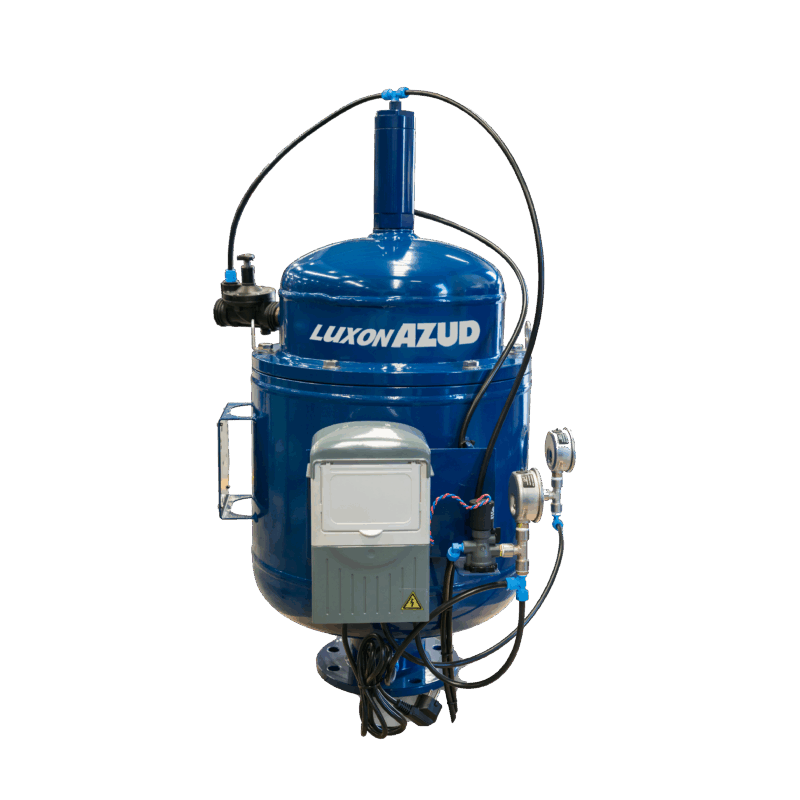
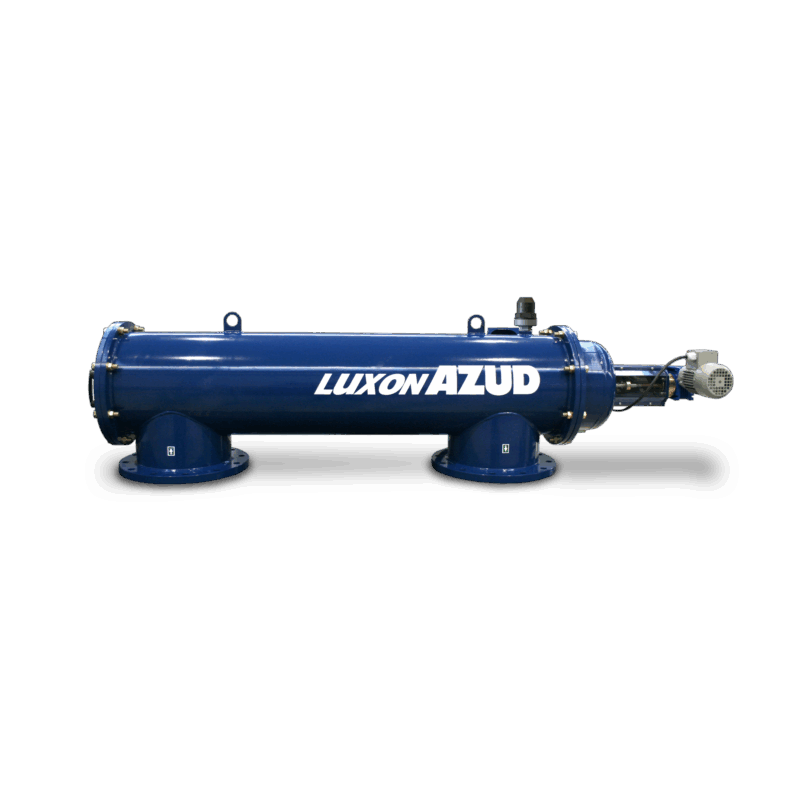
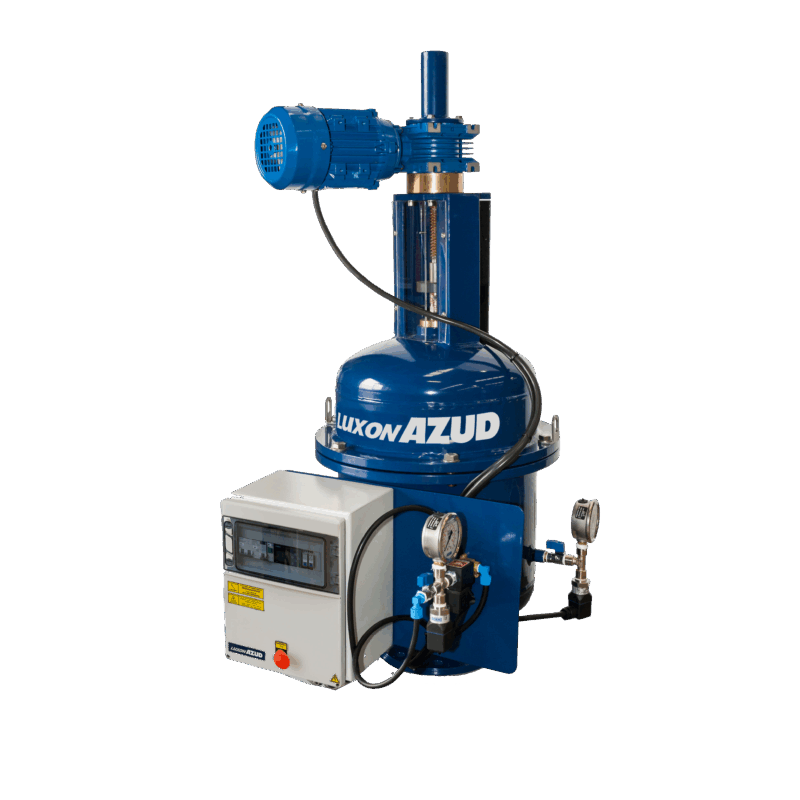
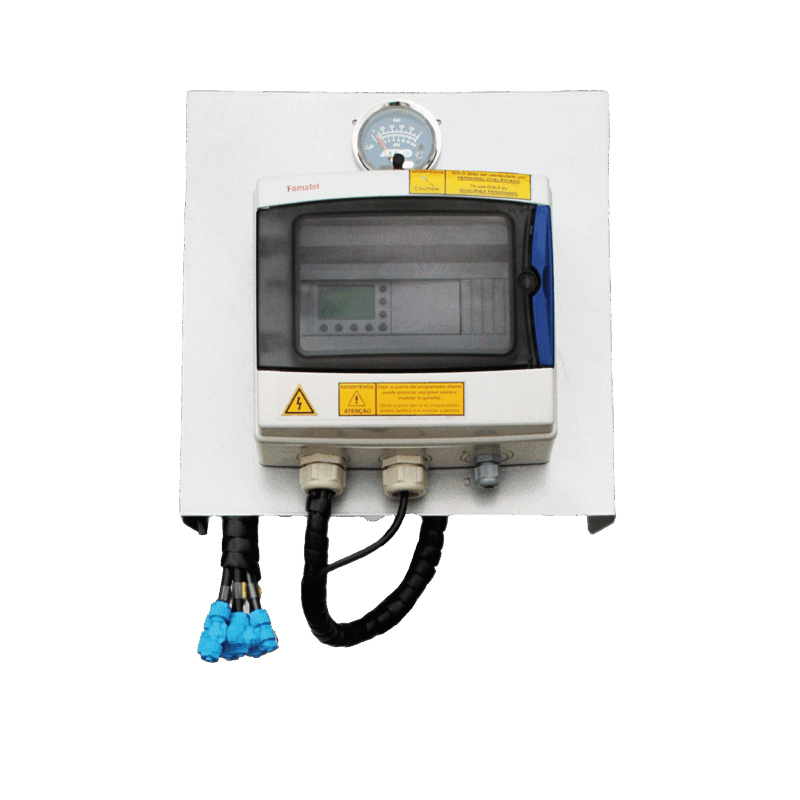
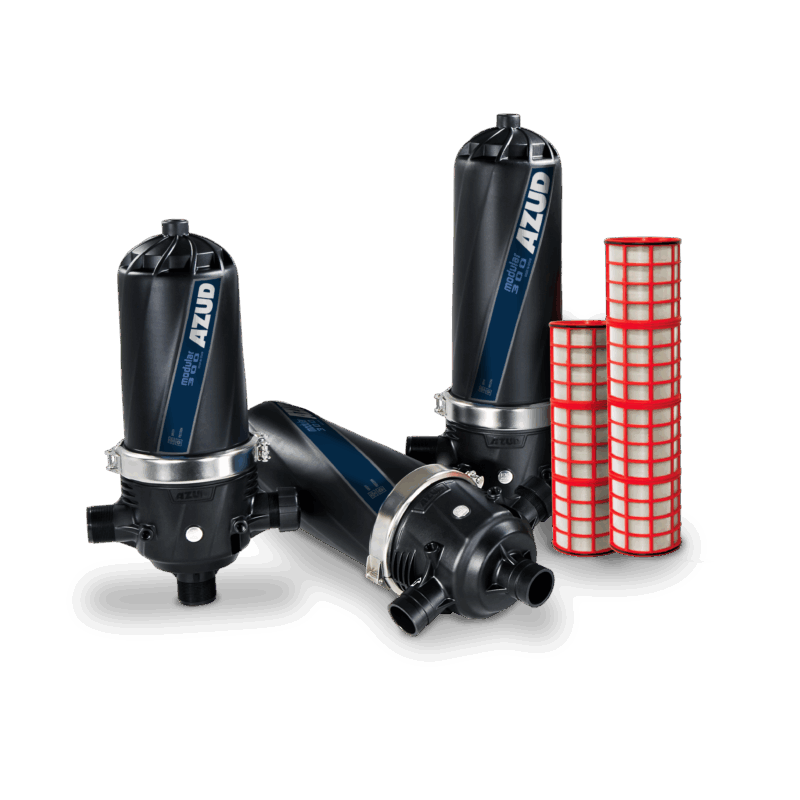
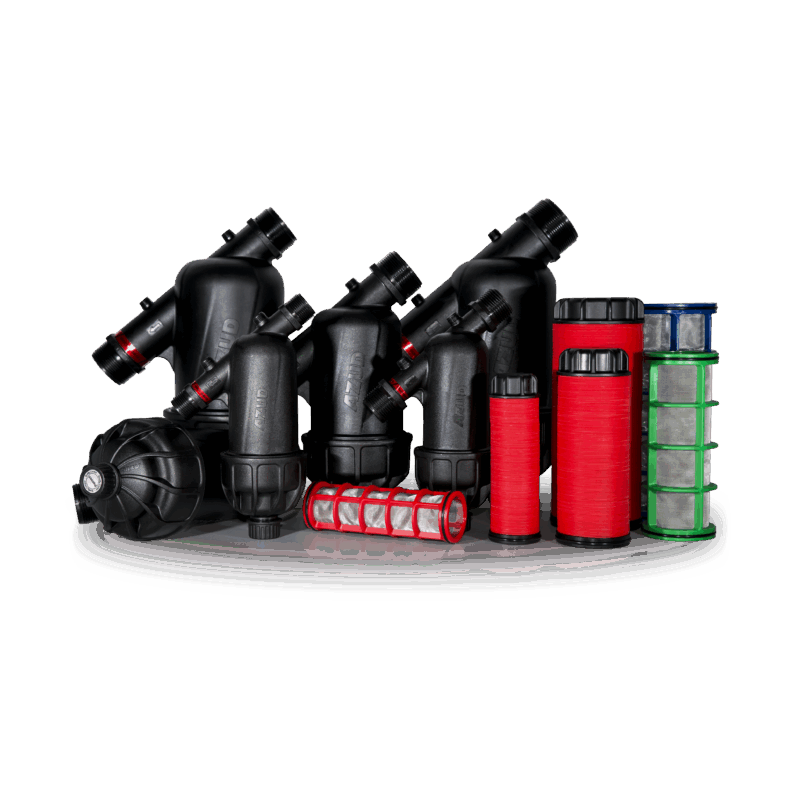
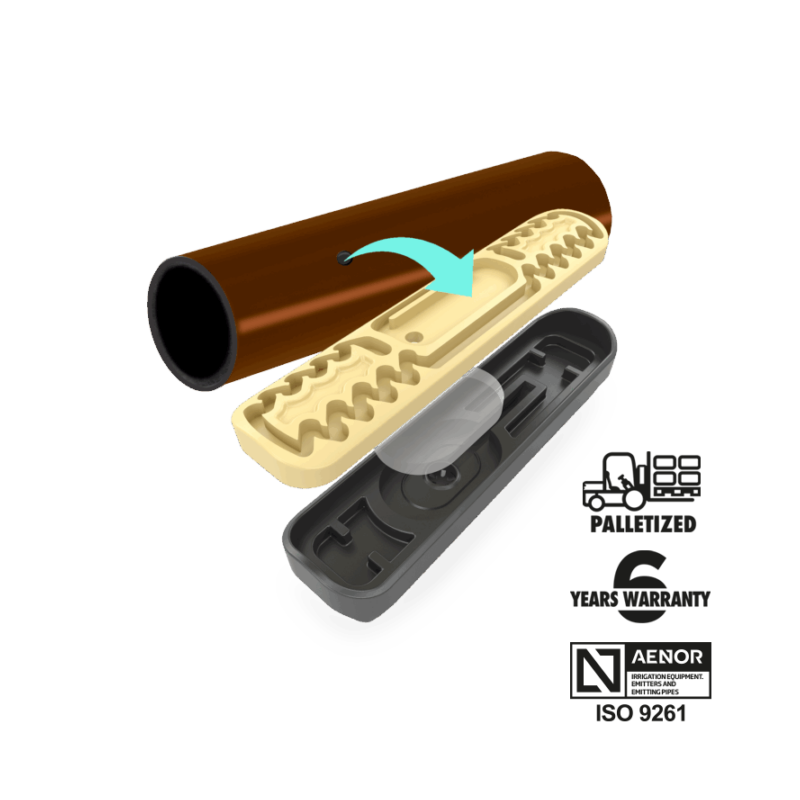
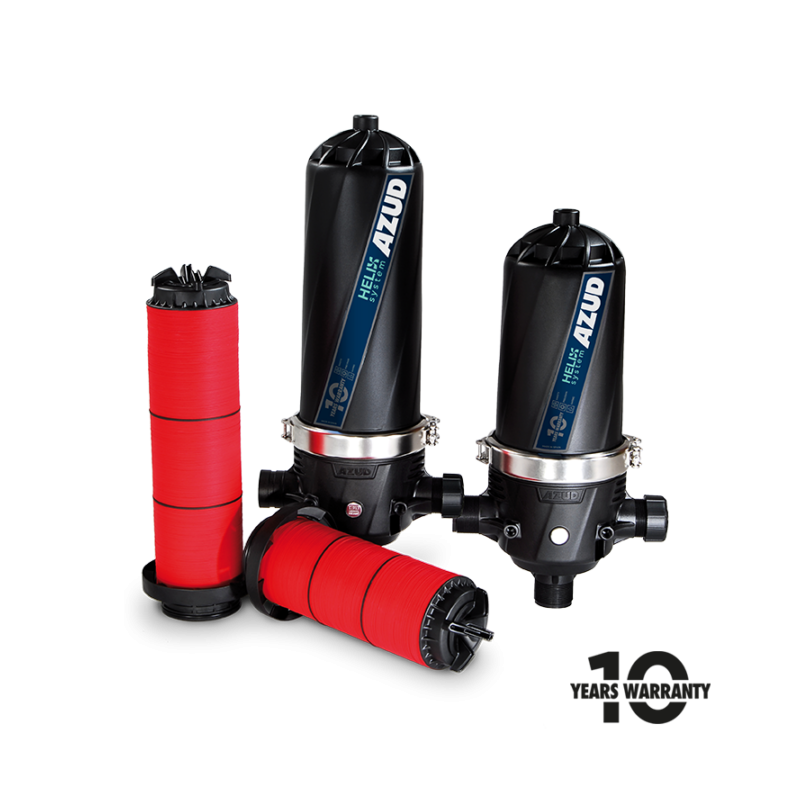
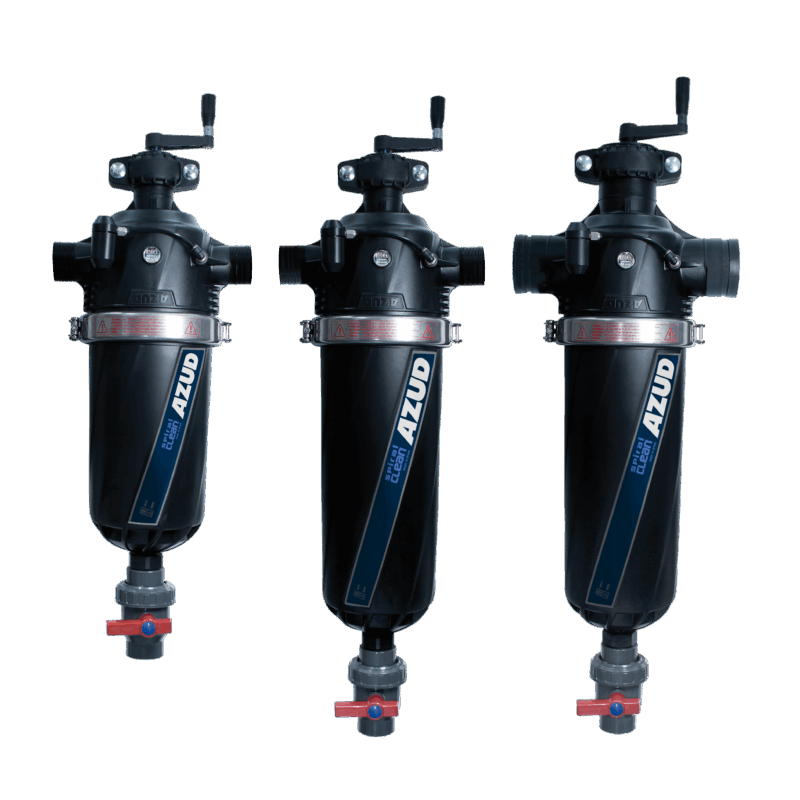
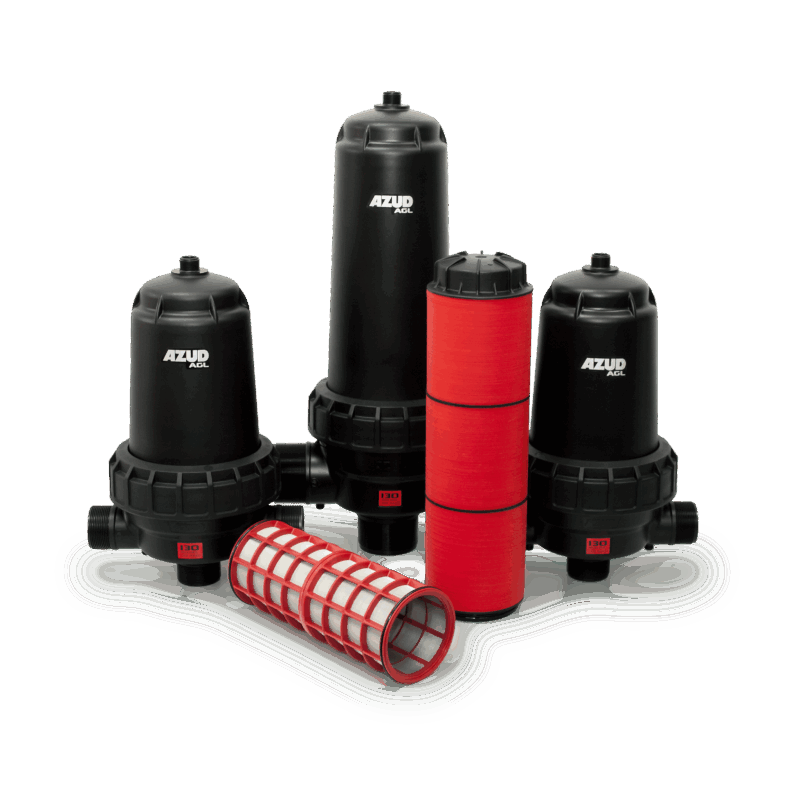
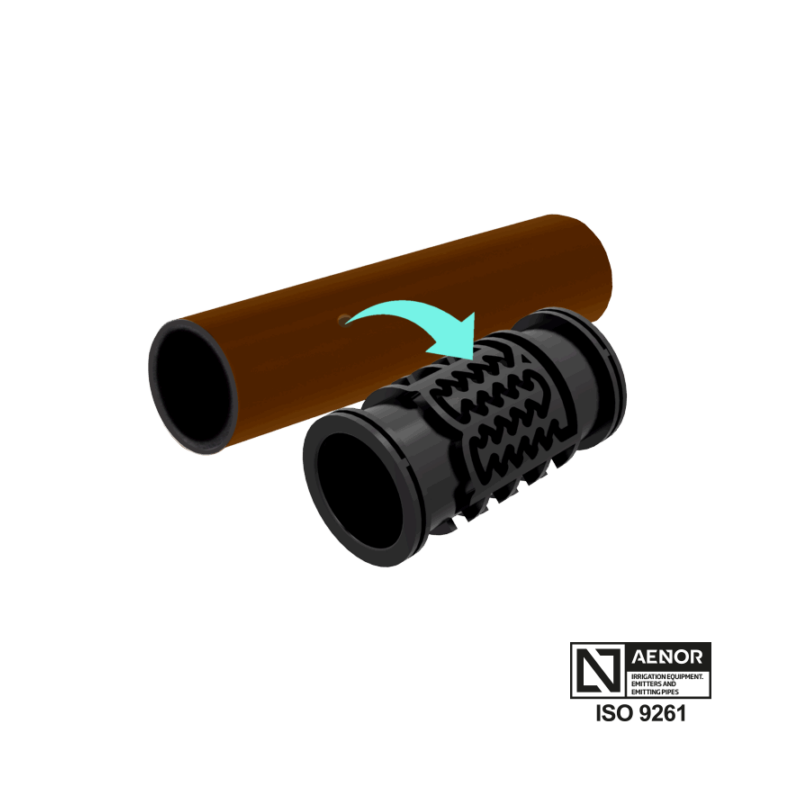
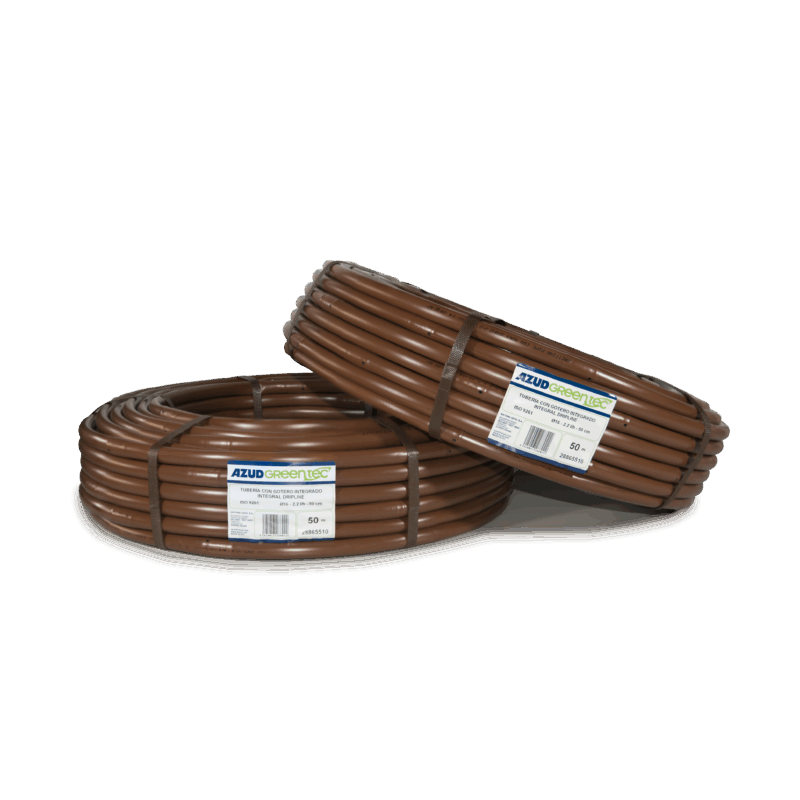
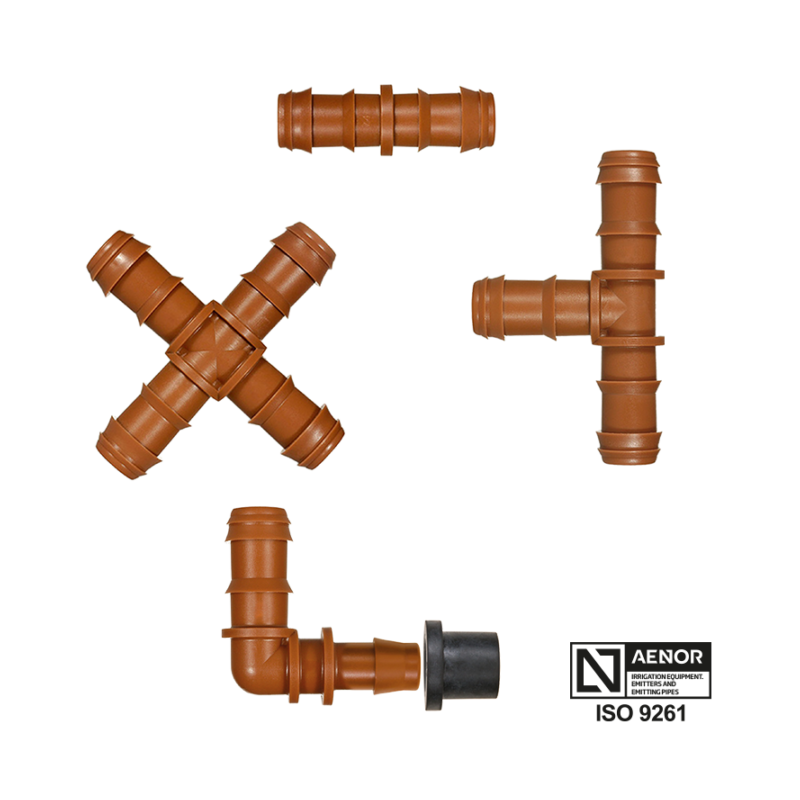
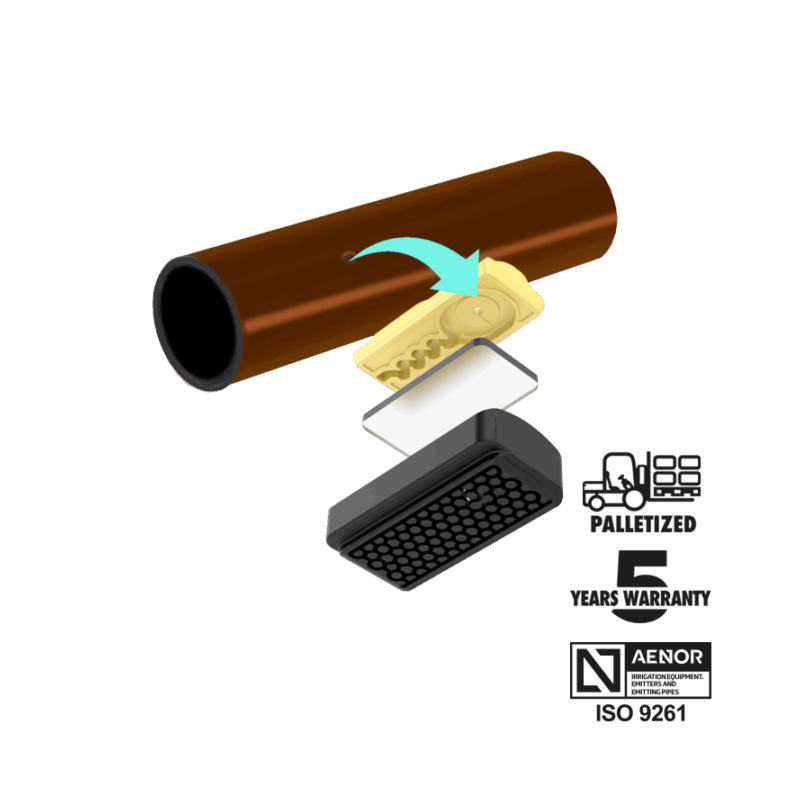
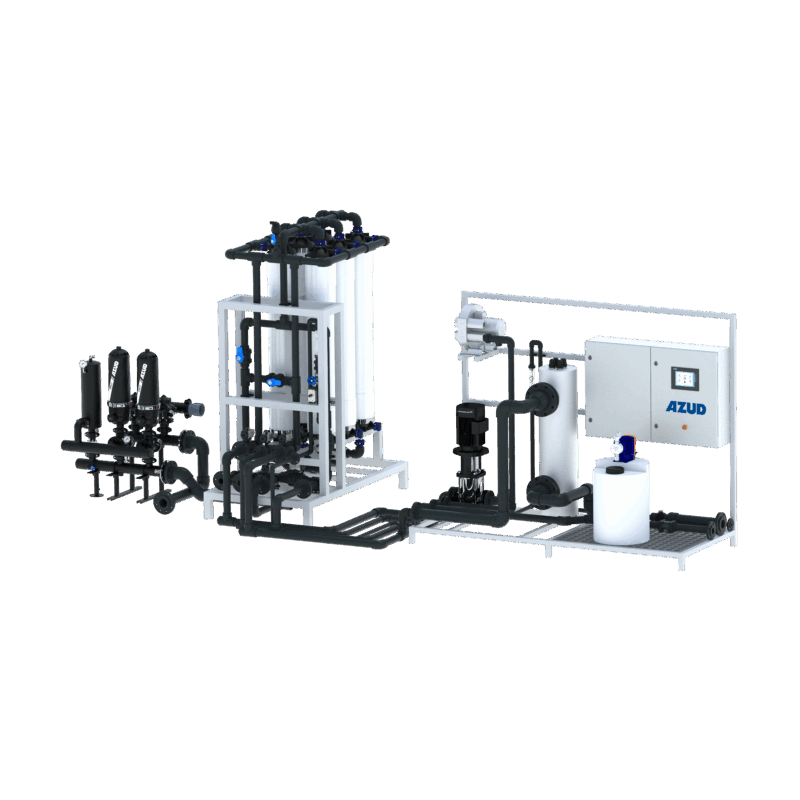
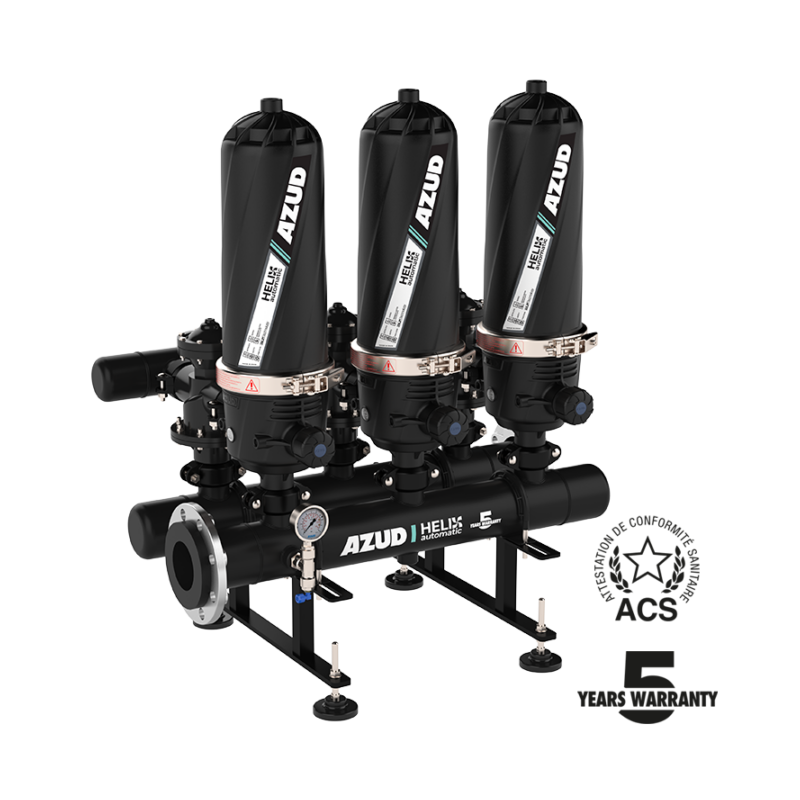
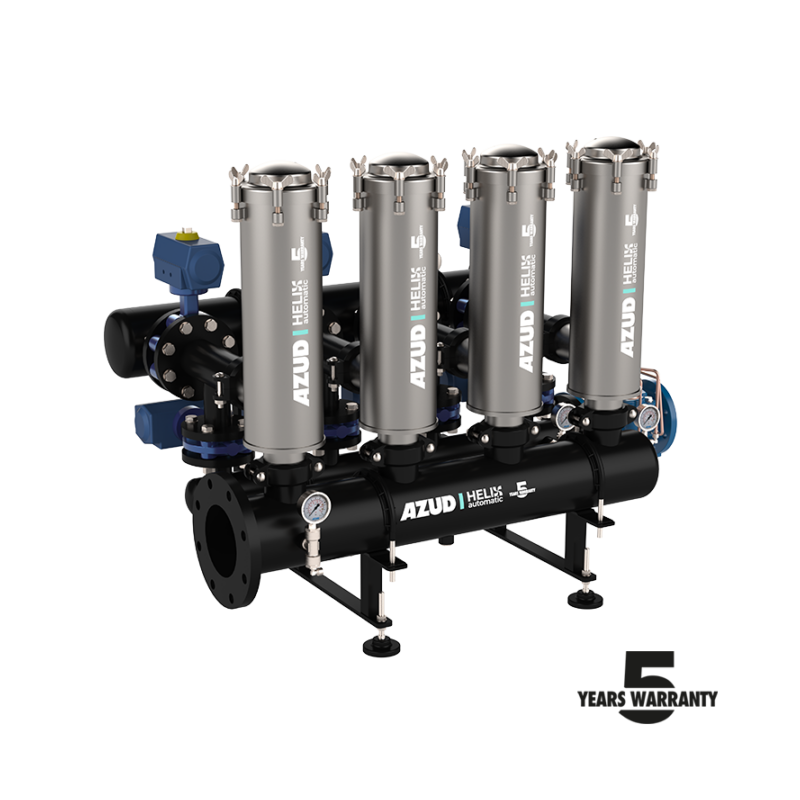
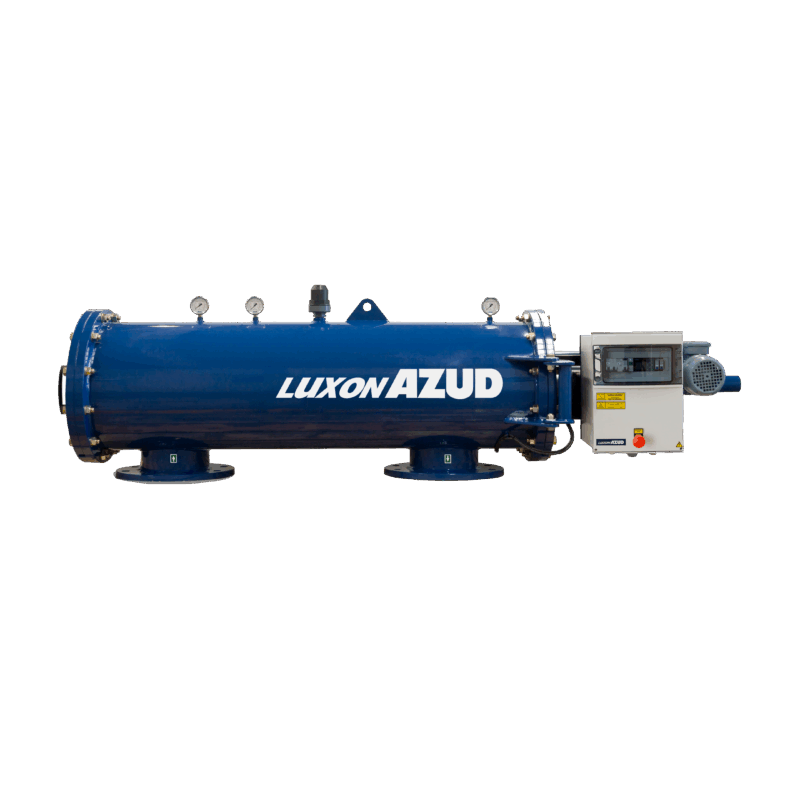
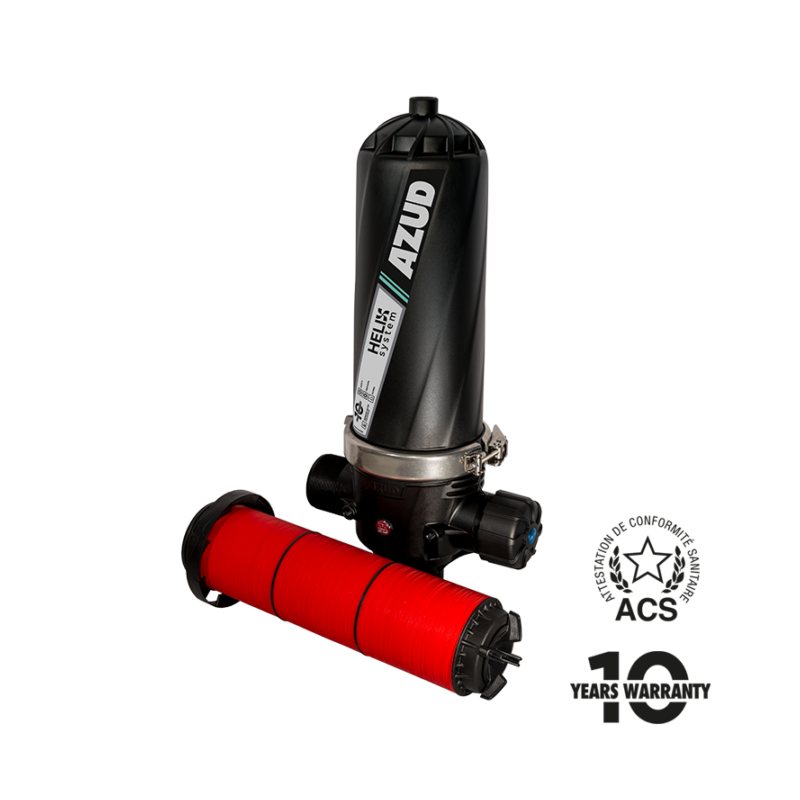
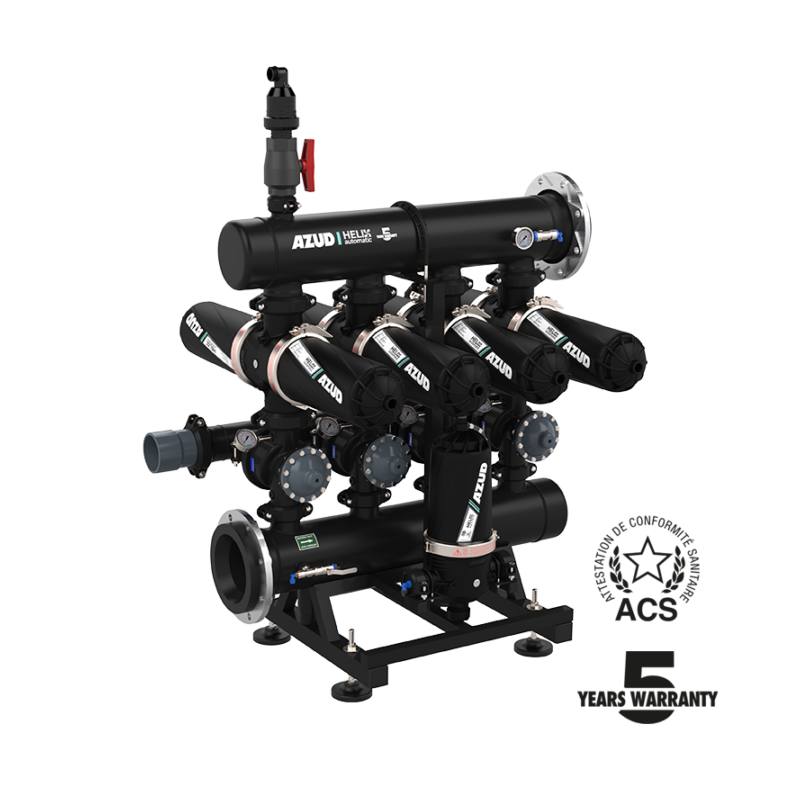
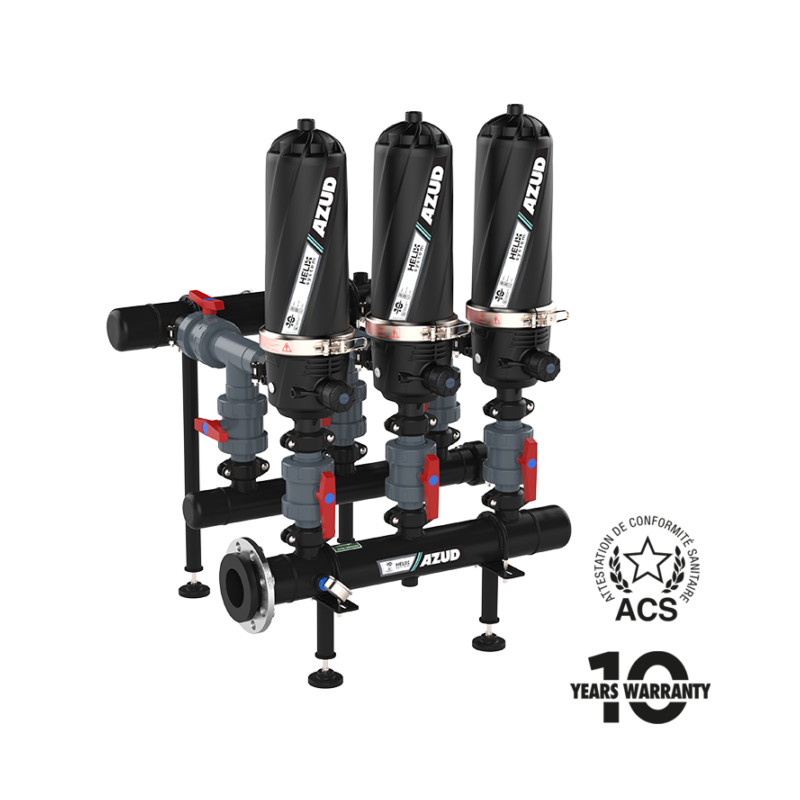
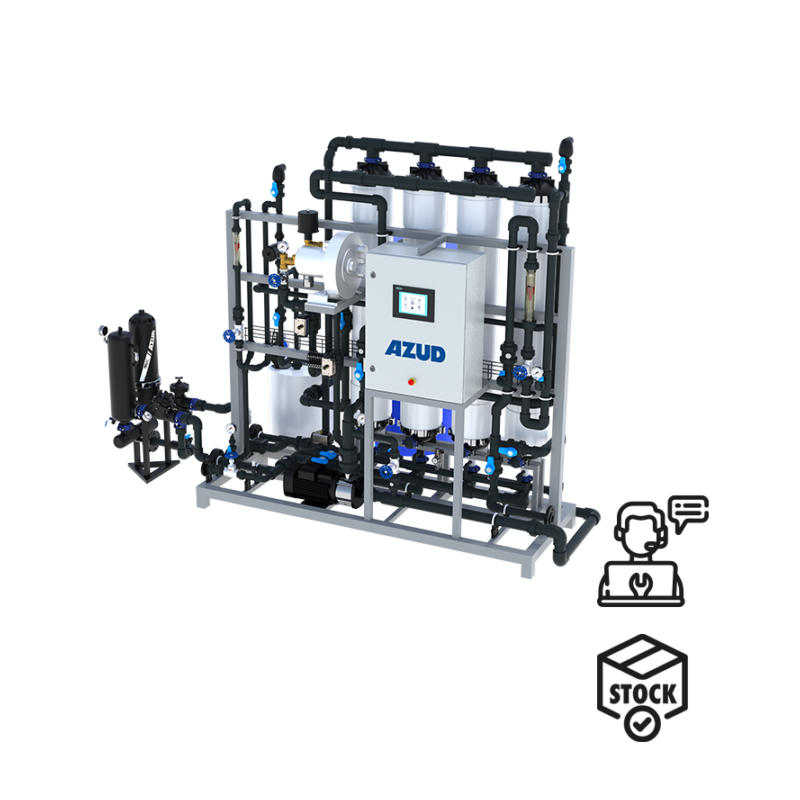
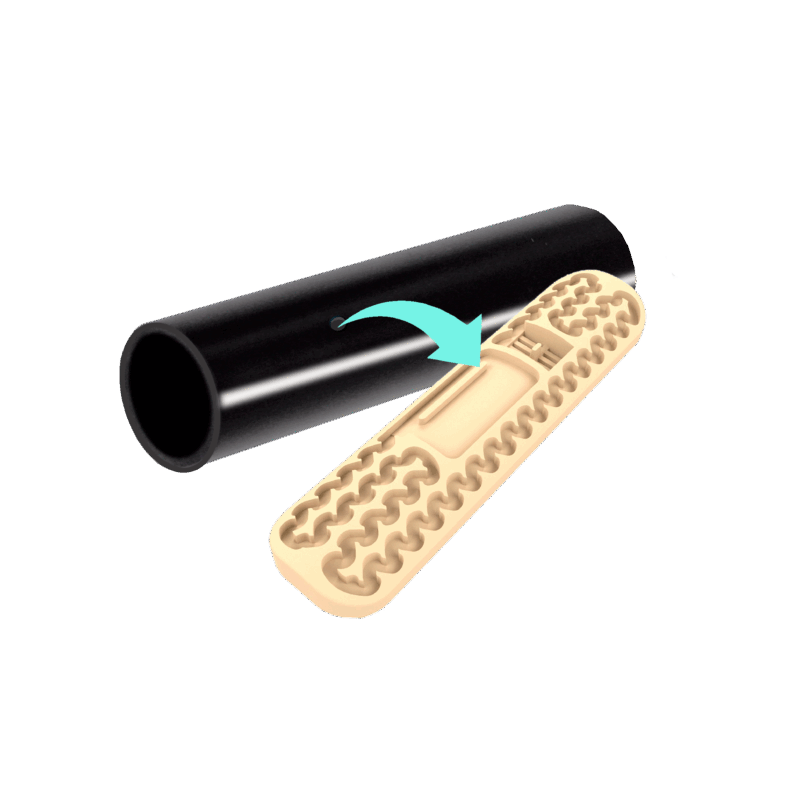
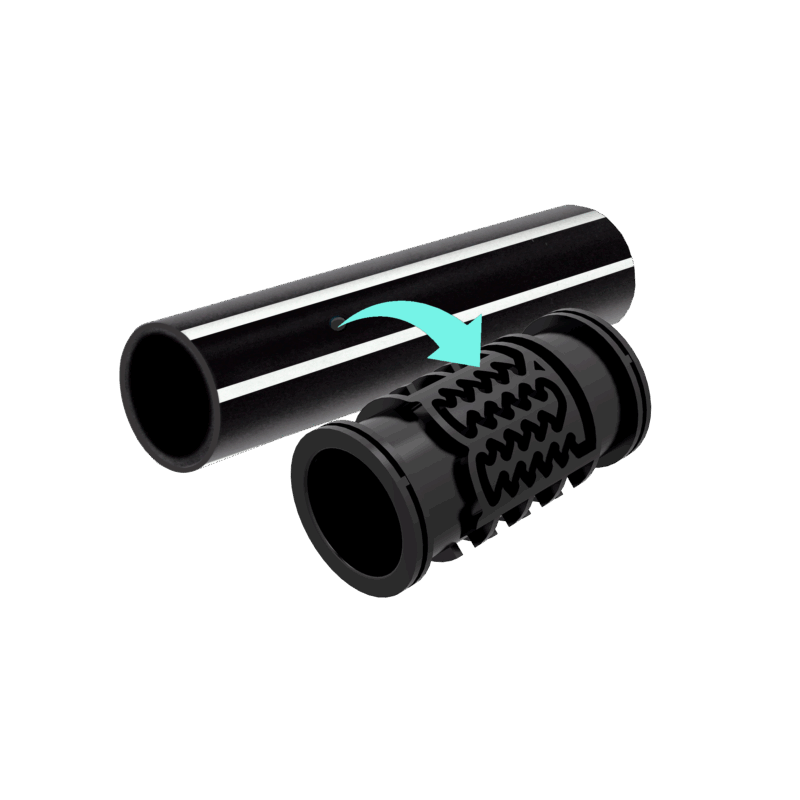
Within the framework of the research projectPRIMA CYCLICSin 2021, work was carried out on the transformation of an 8-hectare commercial plot of dry-farmed carob trees that was 7 years old. The transformation was based on the implementation of a system ofSUB-SURFACE DRIP IRRIGATION with Dripline emitting pipeAZUD PREMIER PC AS 16 to a depth of 30 cm. A filtering equipment was also incorporatedAZUD LUXON to ensure the quality of the nutrient solution supplied and prevent clogging of the irrigation emitters.
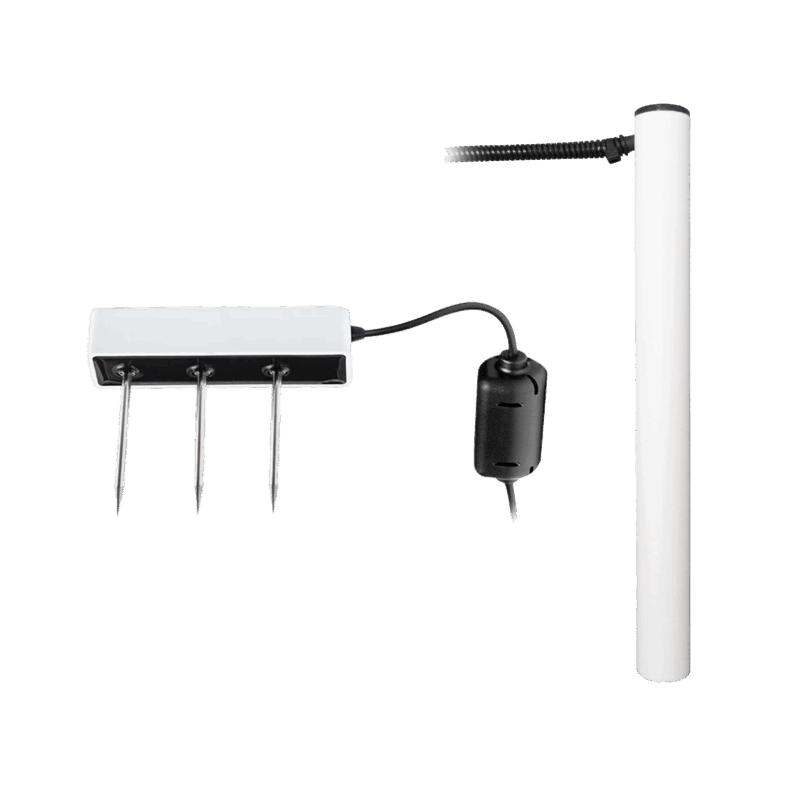
For the experimental monitoring of this plot, soil probes were implemented to measure the moisture, temperature and conductivity of the substrate; plant sensors to measure the physiological response of the trees; and a weather station to know in detail the environmental conditions of the plot.
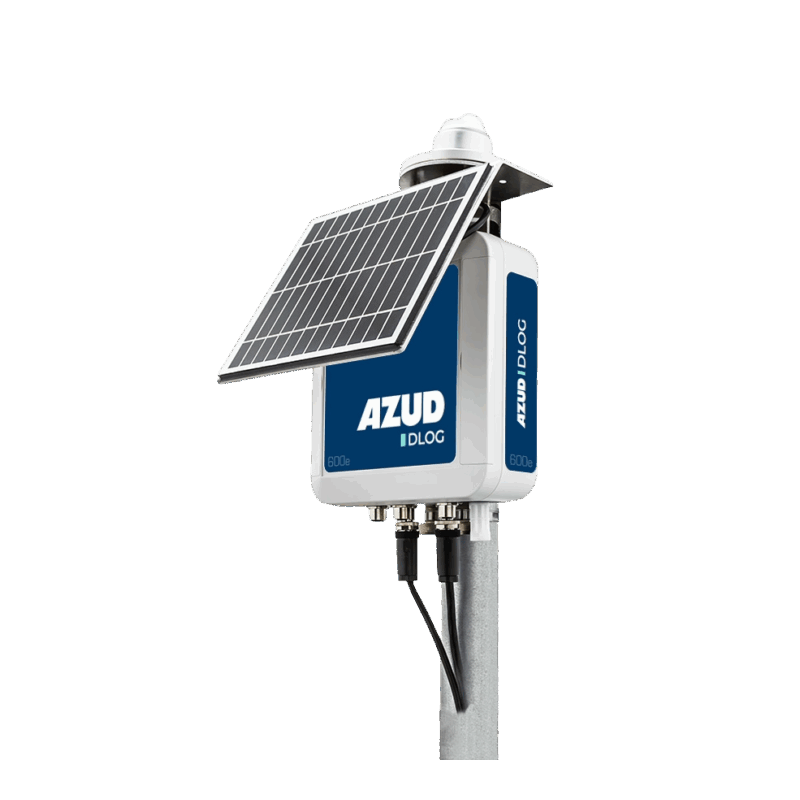
All these sensors were connected to a computerAZUD DLOG 600 which allowed the integral and continuous monitoring of climatic conditions and the entire crop environment to be tracked from any device and in real time.
Under these conditions,the RGS proved to be an appropriate strategy to ensure efficient water use and allow for water supply without evaporation and runoff losses.
The RGS made the crop more resilient to drought. It also contributed to minimize the negative effects of the Salinity of the Irrigation water, allowing the carob tree to tolerate water up to 4 dS/m.
Under conditions of very low rainfall (< 200 mm of annual precipitation), the RGS helped to improve the vegetative development of the carob tree and increase the Weigth of its fruits. It also allowed maintaining a more stable production, even increasing the productive yield in some cases.
Under moderate rainfall conditions (400-550 mm annual rainfall), the RGS helped improve crop production and stabilization allowing for more predictable and consistent yields, which consequently reduced the financial risks associated with the crop.
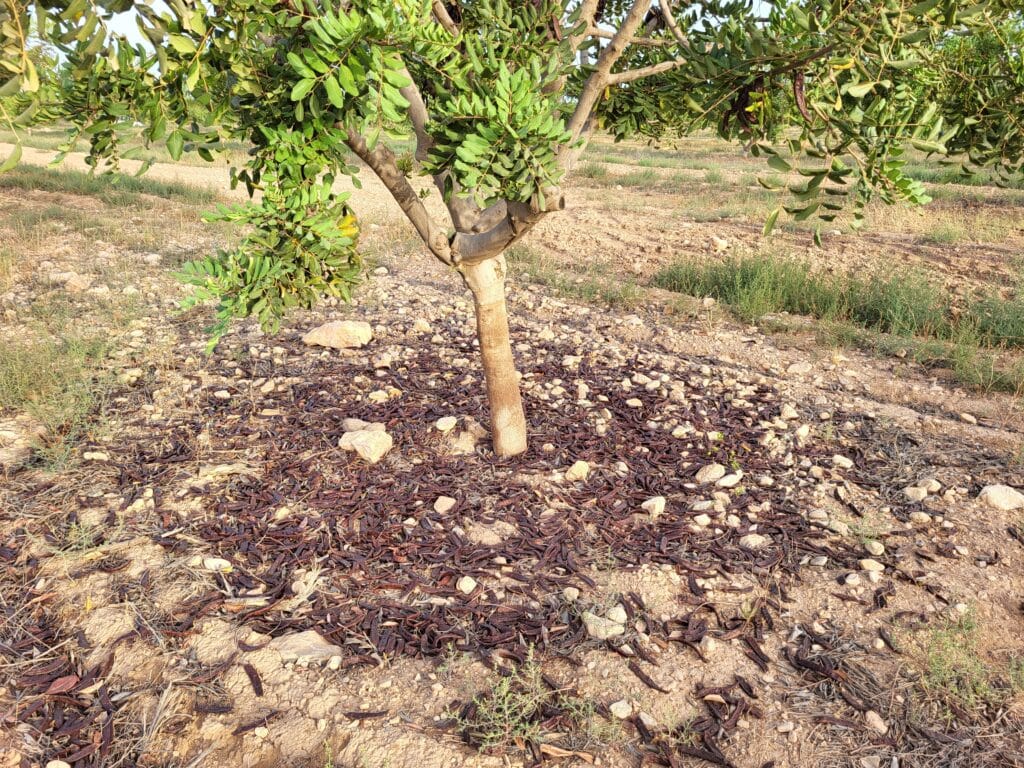
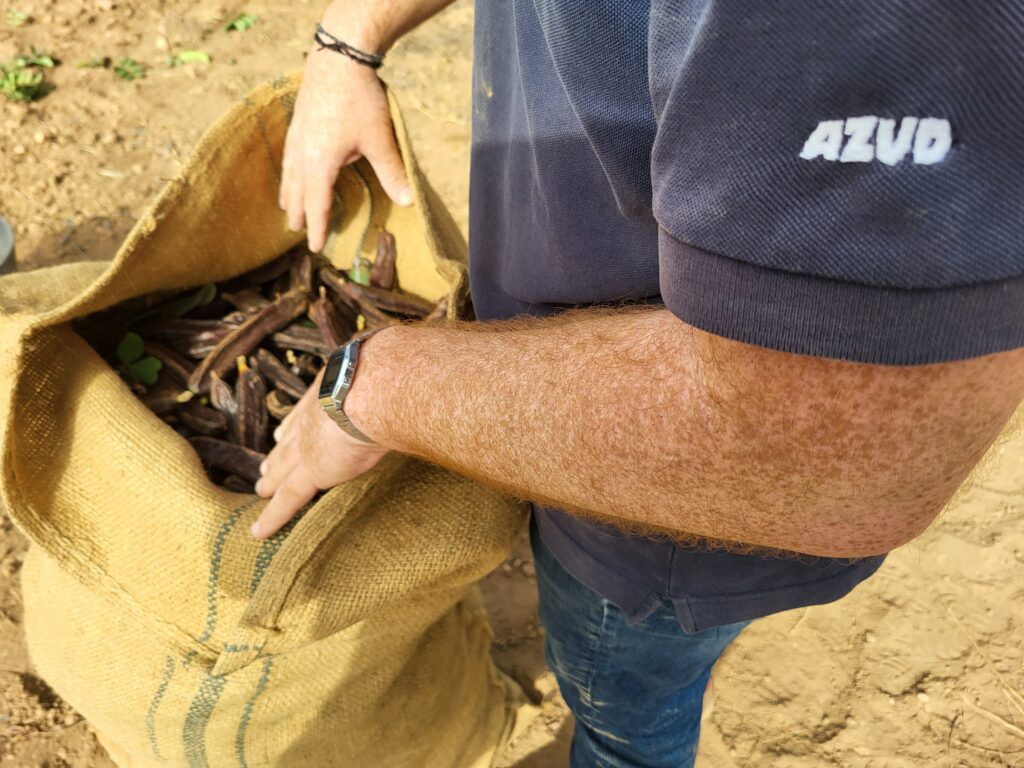
Impact of SUB-SURFACE DRIP IRRIGATION
As a consequence of this transformation from rainfed carob cultivation to irrigated cultivation using SUB-SURFACE DRIP IRRIGATION, the results obtained were as follows:
- Optimization of Water UserGS allows highly efficient water application without evaporation losses.
- Increased water stabilityrGS allowed for better hydrated trees with less water stress.
- Weed reductionrGS prevented the growth of unwanted weeds.
- Better adaptation to SalinityrGS increased the resilience of the carob tree to Irrigation water with high electrical conductivity.
- Positive environmental impactrGS allowed the application of Irrigation with limited and reduced water consumption, which resulted in the optimization of the crop’s water footprint.
- Increased profitabilitythe RGS ensured a more stable and higher quality production, which resulted in a lower financial risk.
The use of soil, plant and climate sensors, on the other hand, made it possible toensure more efficient management of resources through continuous and accurate monitoring of the climatic and environmental conditions of the system. This information allows real-time decision making, which directly impacts on the optimization of the volumes of water applied, guaranteeing that the crop receives the adequate resources based on its real needs.
In short, RGS has proven to be an effective and sustainable solution to increase carob crop productivity in a context of climate change and limited water resources.
Therefore, the adoption of efficient Irrigation technologies is key to the future of the agricultural sector.
The CICLICA project is part of the PRIMA program, funded by the European Union and the Center for the Development of Industrial Technology (CDTI).