

Digital management in agriculture to improve the health of mandarin crops

Digital management in agriculture to improve the health of mandarin crops

Mandarin growing in Castellón

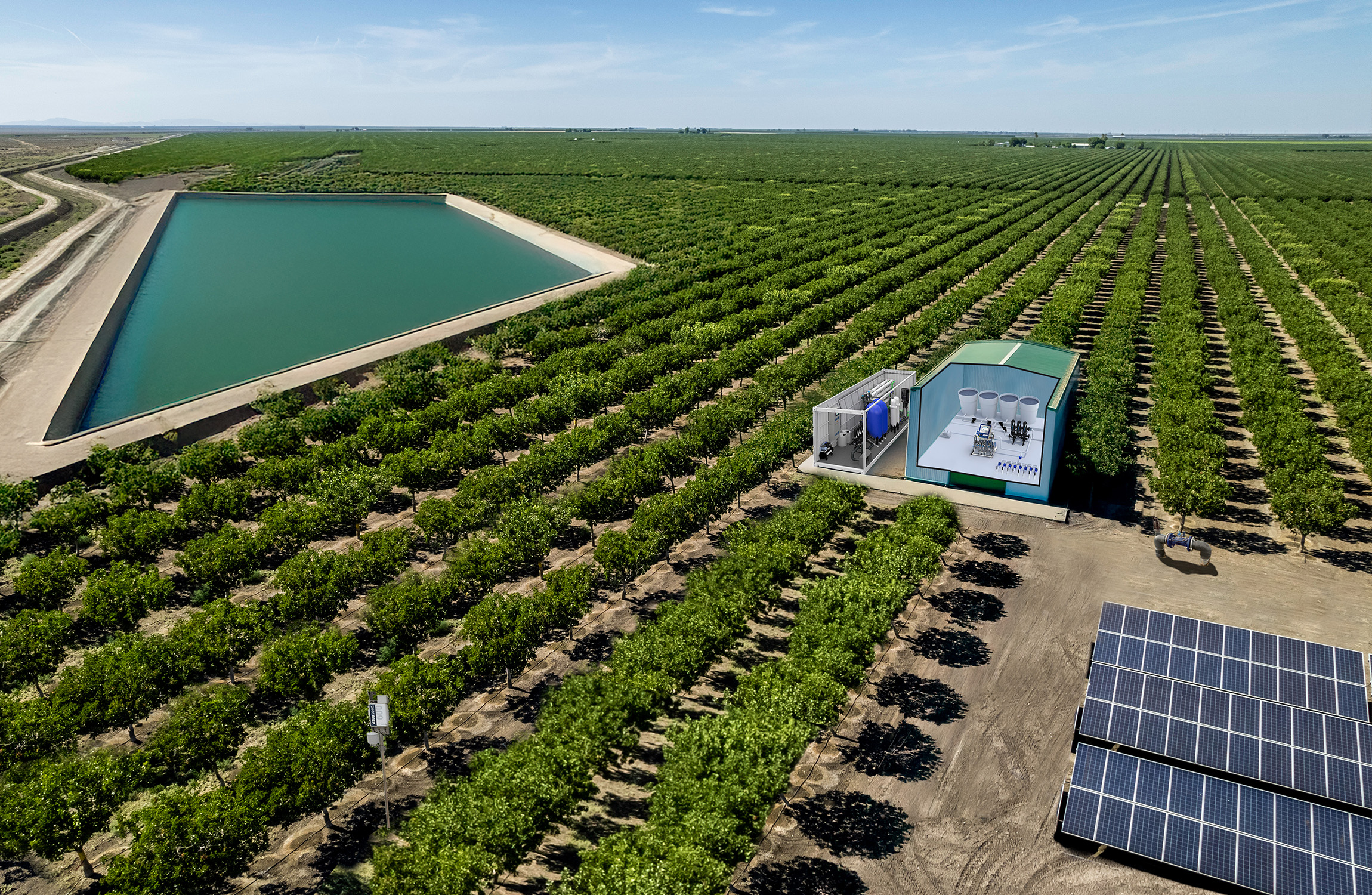
This farm is located in Castellón, to the east ofSpainwith a surface area of20 hectares dedicated to the cultivation oftangerine in an intensive frame with Orri variety.
In this success story, our client was an agronomic consultant working on several citrus farms in the area.

Locationcastellón, Castellón
Cultivation: Tangerine

The challenge

The farm in particular hadroot asphyxia problems the waterlogging of the trees during the spring-summer season, which negatively affected the health of the crop, especially the Orri variety of mandarins.

The main challenge was to solve the root asphyxia problem caused by traditional and excessive Irrigation, as well as the clay soil of the farm which was close to a seasonal watercourse.

Symptoms observed on the trees, such as small leaves, yellowing and defoliation, indicated the need forrestoring health of the plantation.

The solution

The solution was to improve Irrigation practices to solve these problems and improve crop health through the implementation of advanced technology.

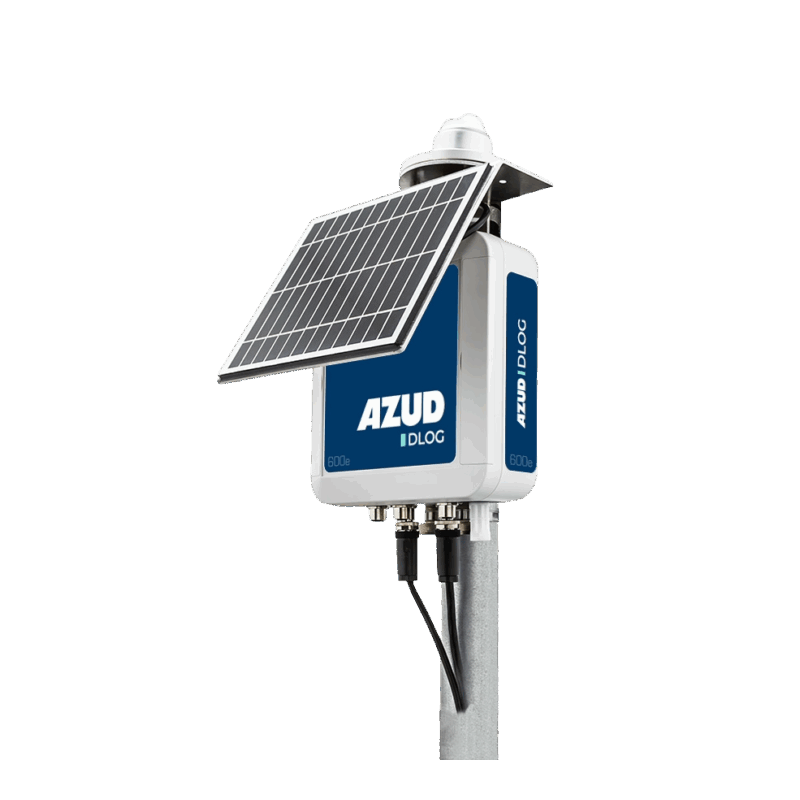
Amonitoring station equipped with a temperature and humidity sensor and a Rain gauge for ultra-localized monitoring of thermal evolution and rainfall.

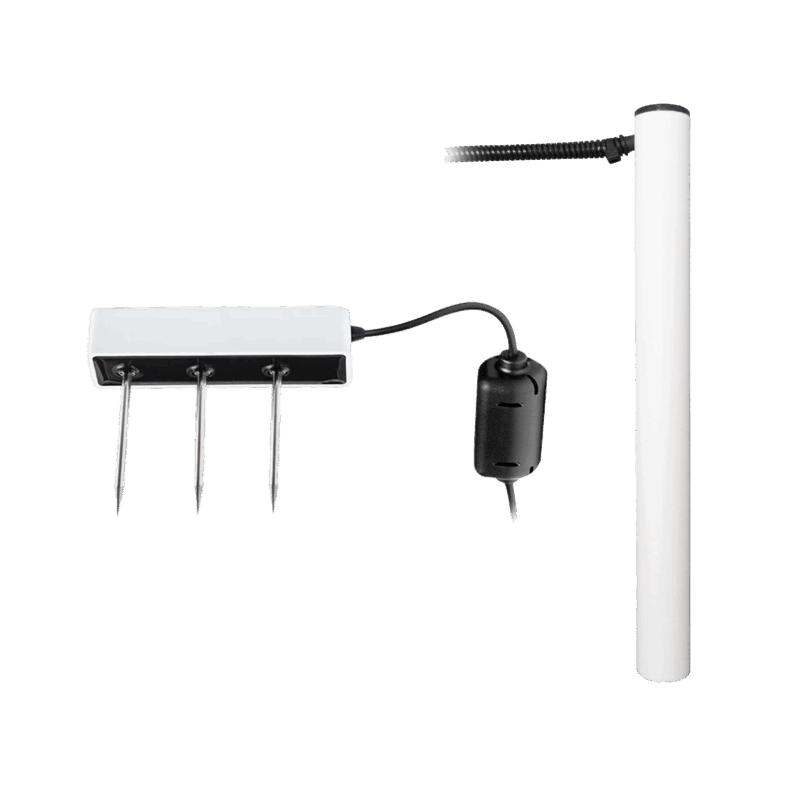
In addition, the company installed a90 cm length capacitive humidity probe to monitor volumetric soil moisture along the profile. This probe also provided information on soil electrical conductivity and temperature at different depths.

The approach used by the technicians consisted of adjusting the Irrigation interval and timing according to the behavior of the water in the 90 cm soil profile, where the mandarin tree roots were located. In addition, pre-fertilization, fertilization and post-fertilization times were adjusted using soil electrical conductivity information, maintaining optimal values for crop health.

Soil Temperature and weather data were also used to determine the most appropriate time to start Irrigation and fertilization, responding to plant needs in real time.

Solution benefits

The solution was to improve Irrigation practices to solve these problems and improve crop health through the implementation of advanced technology.

Amonitoring station equipped with a temperature and humidity sensor and a Rain gauge for ultra-localized monitoring of thermal evolution and rainfall.

In addition, the company installed a90 cm length capacitive humidity probe to monitor volumetric soil moisture along the profile. This probe also provided information on soil electrical conductivity and temperature at different depths.

The approach used by the technicians consisted of adjusting the Irrigation interval and timing according to the behavior of the water in the 90 cm soil profile, where the mandarin tree roots were located. In addition, pre-fertilization, fertilization and post-fertilization times were adjusted using soil electrical conductivity information, maintaining optimal values for crop health.

Soil Temperature and weather data were also used to determine the most appropriate time to start Irrigation and fertilization, responding to plant needs in real time.

More success stories

Quarry reduces production stoppages by protecting washing machines

Learn more

DANGOTE minimizes the biofilm in your facility

Learn more

SHANGHAI HUANYANG optimizes UV disinfection

Learn more

KIA reduces water footprint by regeneration

Learn more

SOMACYL will regenerate wastewater using pre-filtration to protect the tertiary sector

Learn more
Related products
No data was found