

With more than 30 years of experience,Agricultural Supplies Latorre Aparicio has established itself as a benchmark in the agricultural sector.
Located in the town of Godelleta, in theprovince of Valenciathe company is dedicated to technical advice, sale of phytosanitary products and Fertilizers, hydraulic installations, drinking water and drip irrigation. It has a backhoe and rotating machine service for trenching and earth moving.
In addition to all this, the company is also a producer and has farms of the predominant crop in the area such as oranges. Its main customers are the irrigation communities and producers of these crops.
The company is not only recognized in Spain, but also internationally, thanks to the experience of Enrique Latorre, Agronomist Engineer and co-manager of the company. Enrique, specialized in citrus and more specifically in the fattening of citrus fruit varieties such asNadorcott and Tangohas raised quality and production standards. Its knowledge and advice extends beyond the Spanish borders, reaching citrus producers in South America, with special presence in countries such as Chile and Peru, among others.
Located in a region traditionally dedicated to the cultivation of orange trees, this estate of5 hectaresthe company, with a planting frame of 6×6 meters, faced unique challenges in its Irrigation system.
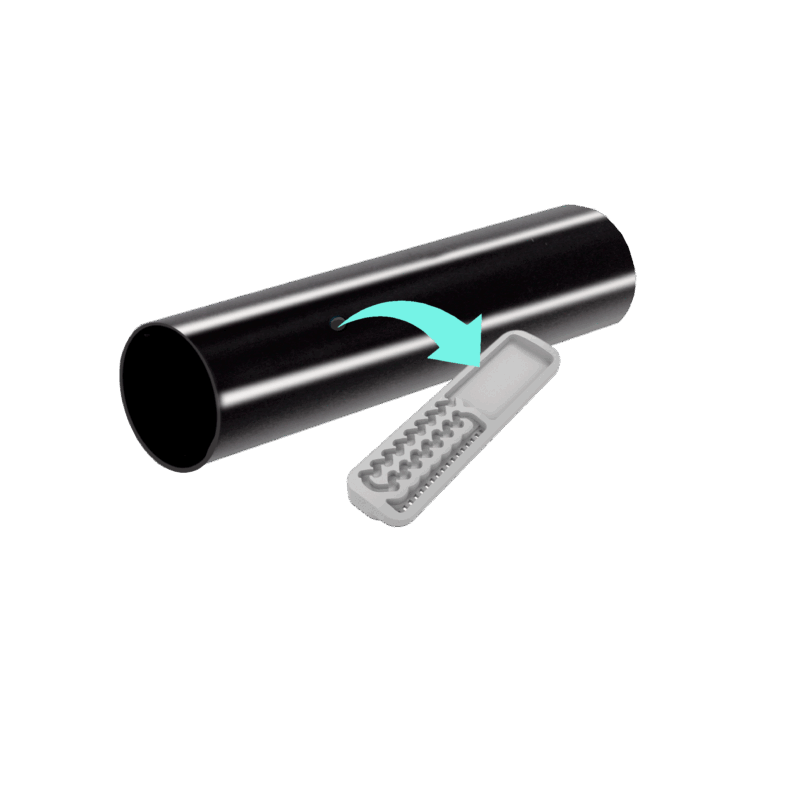
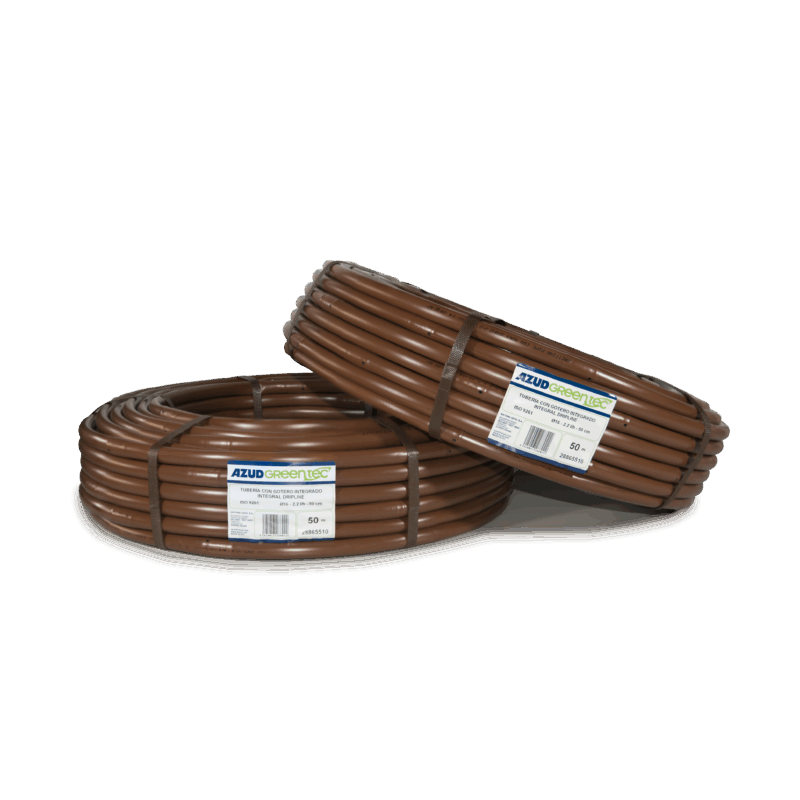
In this area, the traditional preference has always been for surface Irrigation systems, with the use of 3.5 liter cylindrical Drippers at 1 meter spacing as standard. However, this method presented multipleproblems on the farmthe water consumption was very high, ranging from frequent breakdowns to difficulties in weed management and high water consumption. In addition, the presence of horses on the farm caused constant breaks in the exposed Driplines.
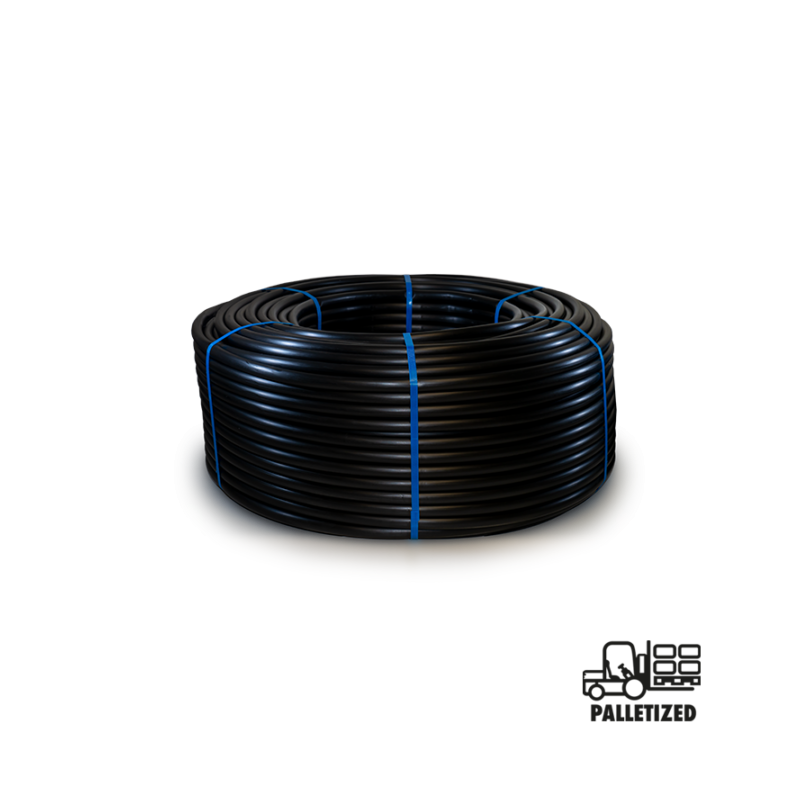
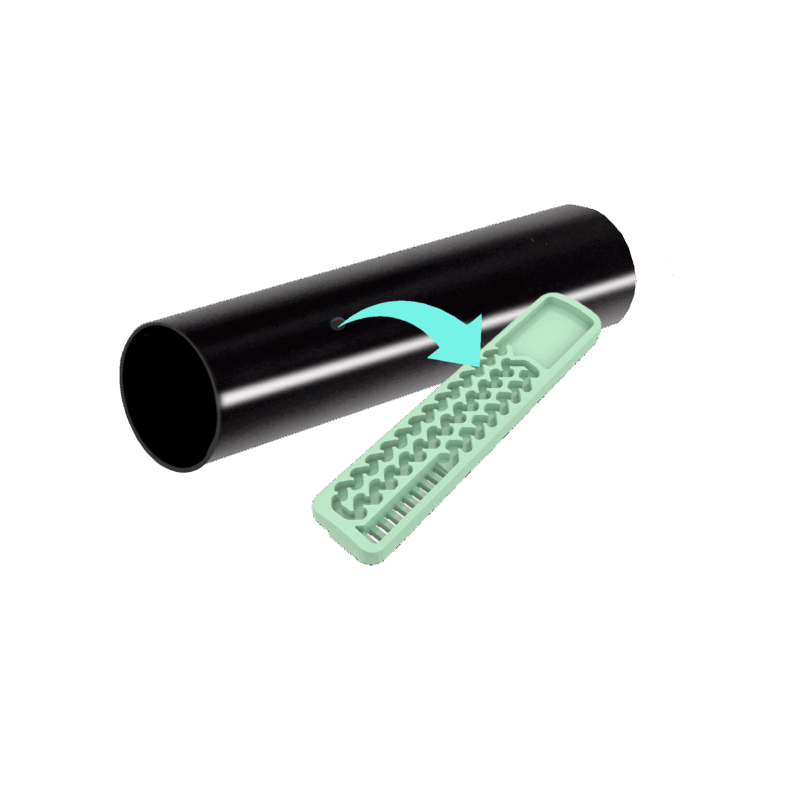
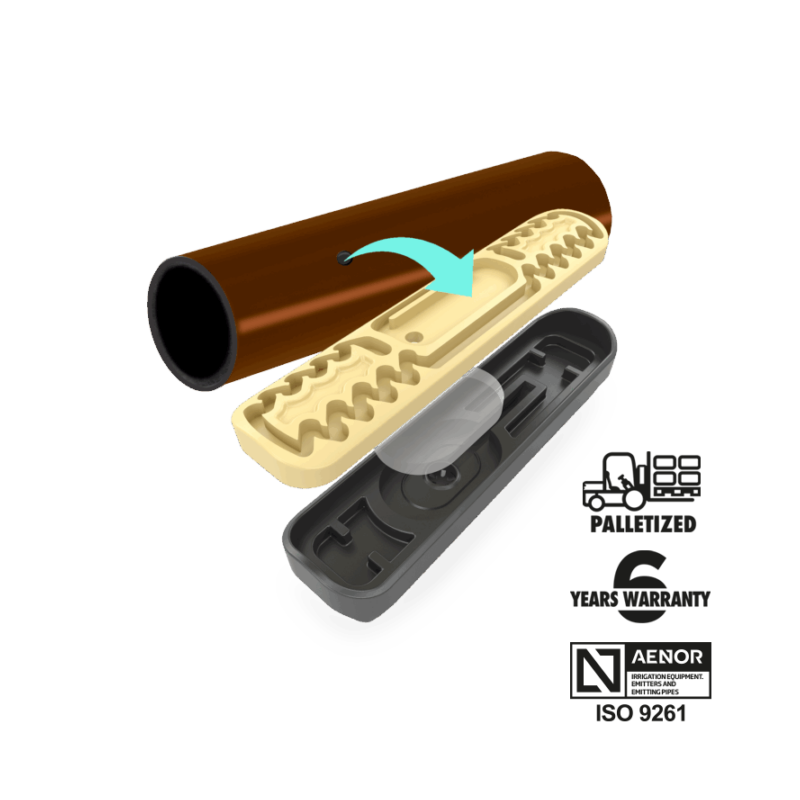
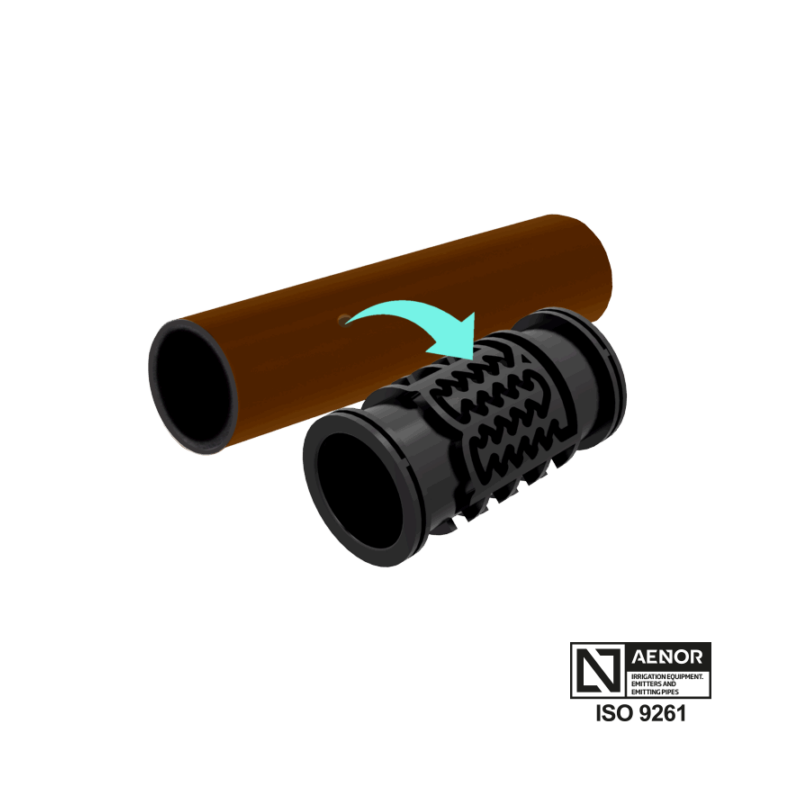
The implementation of theSUB-SURFACE DRIP IRRIGATION (RGS) was seen not only as a solution to existing problems, but also as a step towards modernization and efficiency in water use. This system not only eliminates the drawbacks of having aboveground Driplines, such as accidental displacement by operators and damage caused by wildlife, but also promises a significant reduction in water consumption and better weed control.
Given the specific challenges and problems faced by our client, a strategic decision was made to implement a system ofSUB-SURFACE DRIP IRRIGATION (RGS).
First, the soil texture of the farm was ideal for this type of Irrigation system, a crucial factor for the effectiveness of the RGS. In addition, we had the advantage of having an end customer with solid technical knowledge and a firm commitment to the proper maintenance of the installation. In addition, the installer’s vast experience with RGS systems gave us high confidence in the positive results of the installation.
Theroot system the Dripline was already developed, so by performing a test to see where the roots were, it was decided to bury the Dripline under the canopy and always carrying out the operation in vegetative stop. Not having the crop in ridge, the installation was simpler because the farm was flat, in case of having a project in ridge, it should be studied where to place the Dripline and at what time to make the installation, for greater efficiency of water application and to develop the root system.
The implementation of RGS in citrus has resulted in multiple benefits: more efficient and optimized location of water use, reduced labor requirements, easier canopy management and, most importantly, a significant extension of system life.
In addition, a detailed study of the cultural tasks that the producer would carry out on the farm was carried out. Considering the soil texture, the depth and the specific characteristics of the crop, it was decided to bury the Dripline at a depth of approximately 25 cm. This strategic decision guarantees themaximum efficiency in water application and promotes optimal development of the root system.
Given the specific challenges and problems faced by our client, a strategic decision was made to implement a system ofSUB-SURFACE DRIP IRRIGATION (RGS).
First, the soil texture of the farm was ideal for this type of Irrigation system, a crucial factor for the effectiveness of the RGS. In addition, we had the advantage of having an end customer with solid technical knowledge and a firm commitment to the proper maintenance of the installation. In addition, the installer’s vast experience with RGS systems gave us high confidence in the positive results of the installation.
Theroot system the Dripline was already developed, so by performing a test to see where the roots were, it was decided to bury the Dripline under the canopy and always carrying out the operation in vegetative stop. Not having the crop in ridge, the installation was simpler because the farm was flat, in case of having a project in ridge, it should be studied where to place the Dripline and at what time to make the installation, for greater efficiency of water application and to develop the root system.
The implementation of RGS in citrus has resulted in multiple benefits: more efficient and optimized location of water use, reduced labor requirements, easier canopy management and, most importantly, a significant extension of system life.
In addition, a detailed study of the cultural tasks that the producer would carry out on the farm was carried out. Considering the soil texture, the depth and the specific characteristics of the crop, it was decided to bury the Dripline at a depth of approximately 25 cm. This strategic decision guarantees themaximum efficiency in water application and promotes optimal development of the root system.