About growing strawberries

The strawberry (Fragaria × ananassa) is a horticultural crop of great commercial value, prized for its flavor, nutritional value, and demand in both fresh and processing markets. Its origins can be traced back to natural crosses between wild species native to the Americas, which gave rise to the modern strawberry as we know it today.

Since its introduction to Europe, strawberry cultivation has spread rapidly, adapting to different production systems and climatic zones. Currently, it is one of the most representative crops of intensive horticulture, especially in regions with a temperate climate.

Strawberries thrive best in mild climates with moderate temperatures and ample sunlight. They prefer light, well-drained soils rich in organic matter and are particularly sensitive to salinity and excess moisture in the root zone.

Irrigation and management of the strawberry crop

Strawberry cultivation is highly sensitive to water stress, so irrigation plays a crucial role throughout the entire production cycle. Both water deficits and excess water can negatively affect plant development and fruit quality.

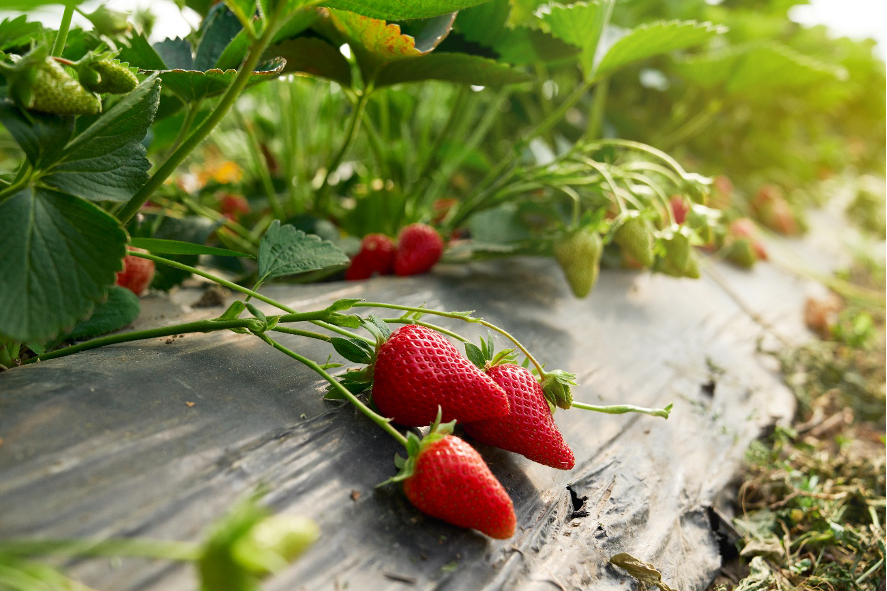
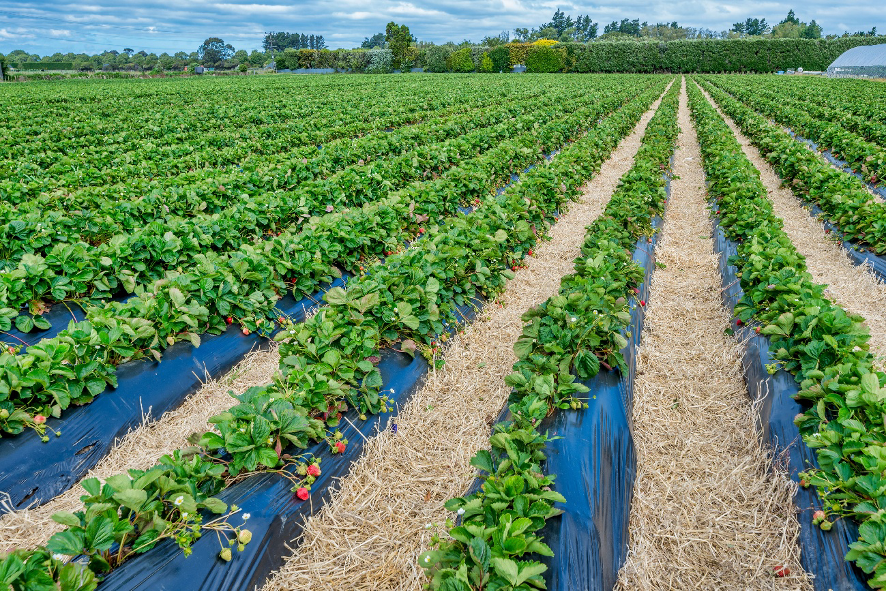
The flowering, fruit set, and ripening stages are particularly critical, requiring precise control of water supply. In many production systems, strawberries are grown on ridges with plastic mulch, which facilitates irrigation control and crop health.


Proper irrigation management helps produce larger, firmer fruit and ensures greater uniformity in the harvest.

Find the ideal irrigation system for strawberries

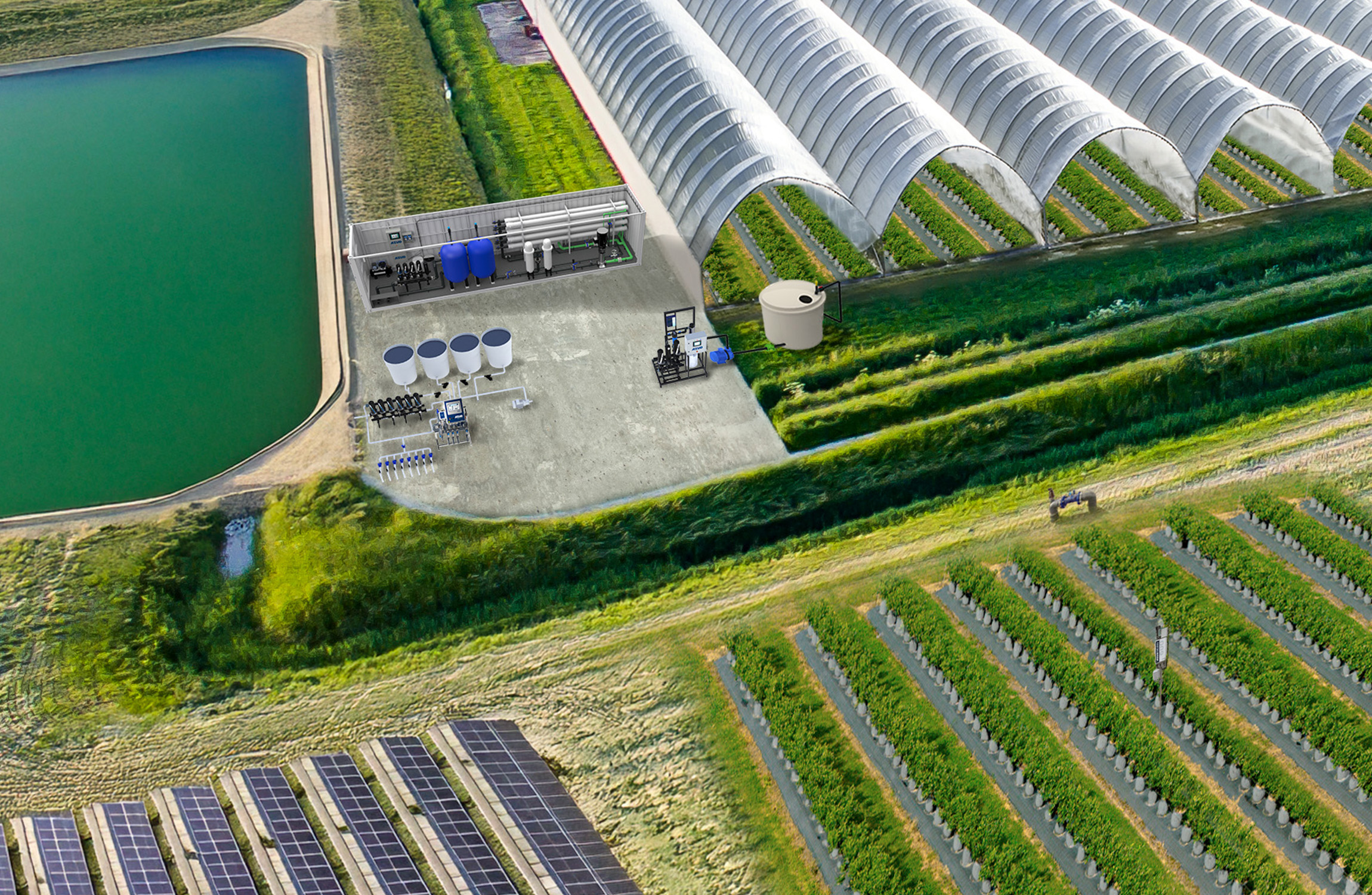
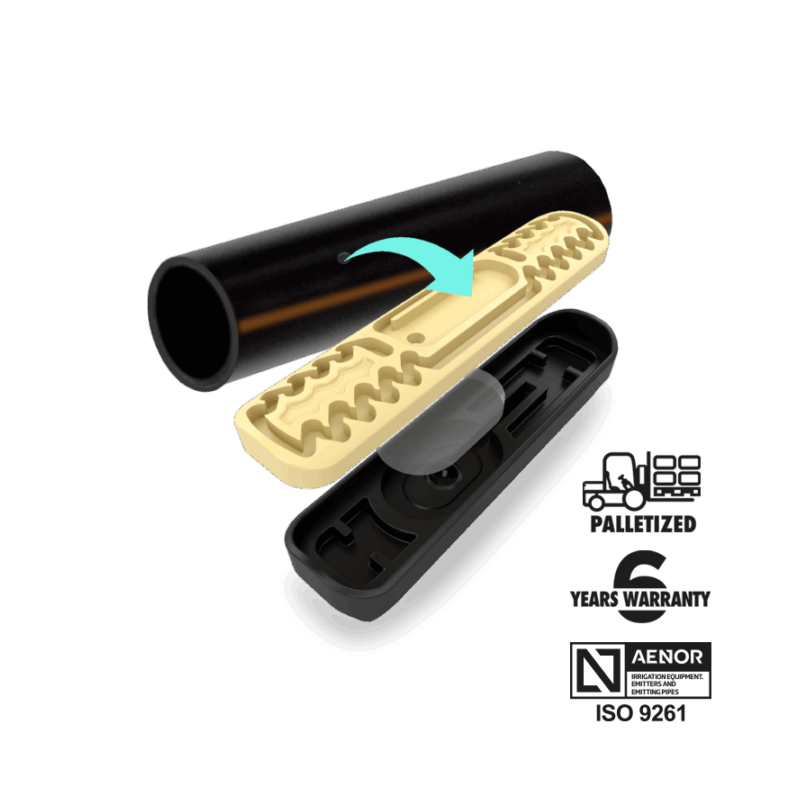
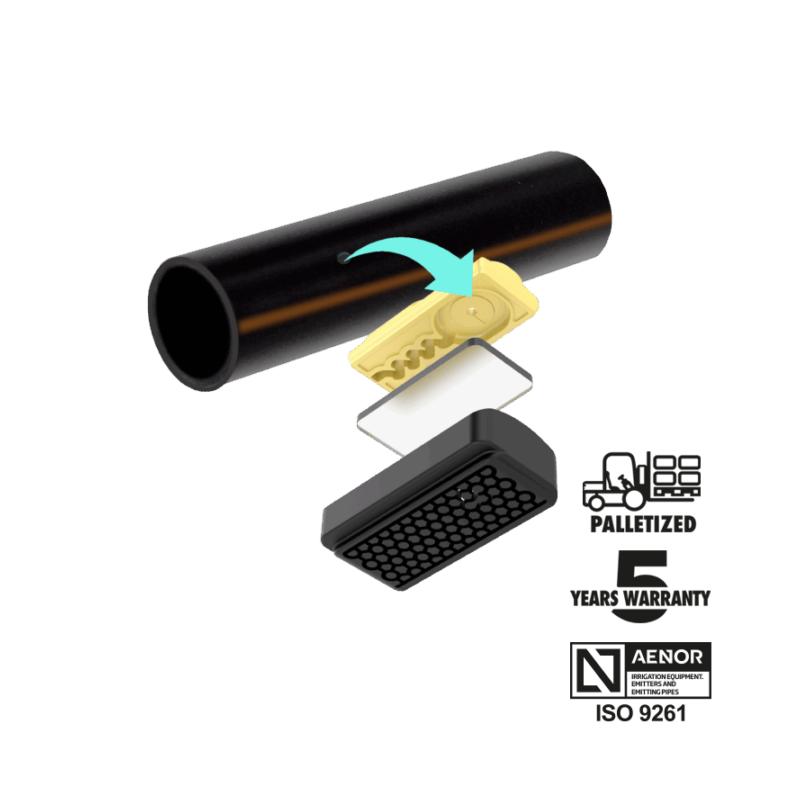
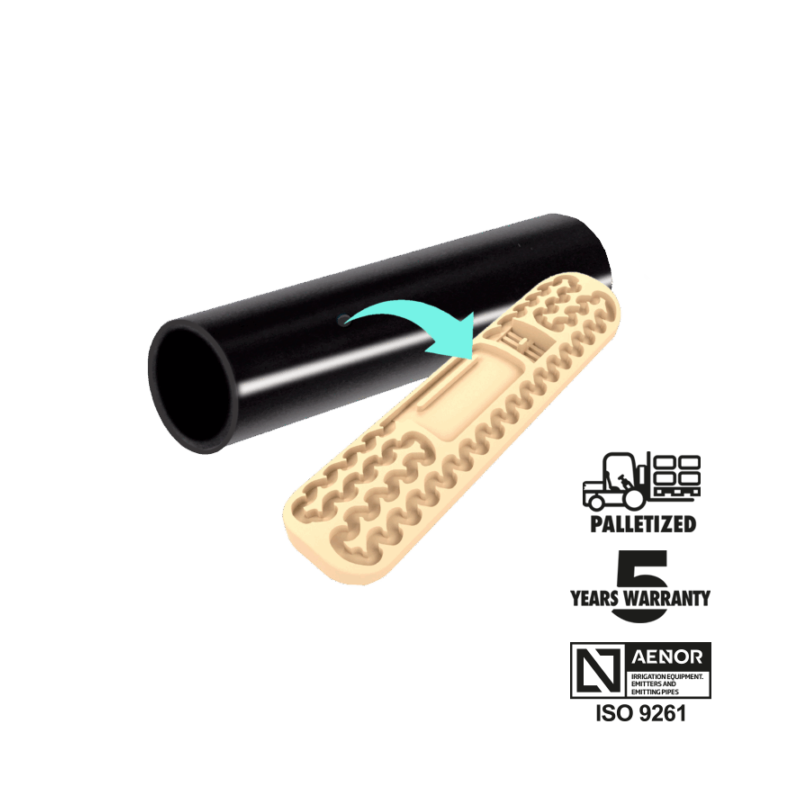
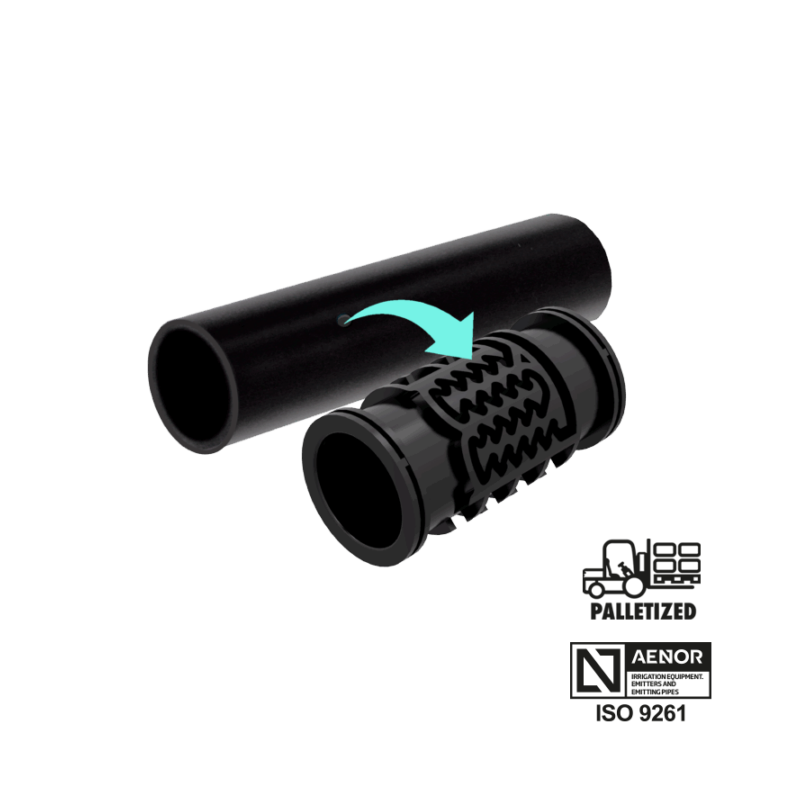
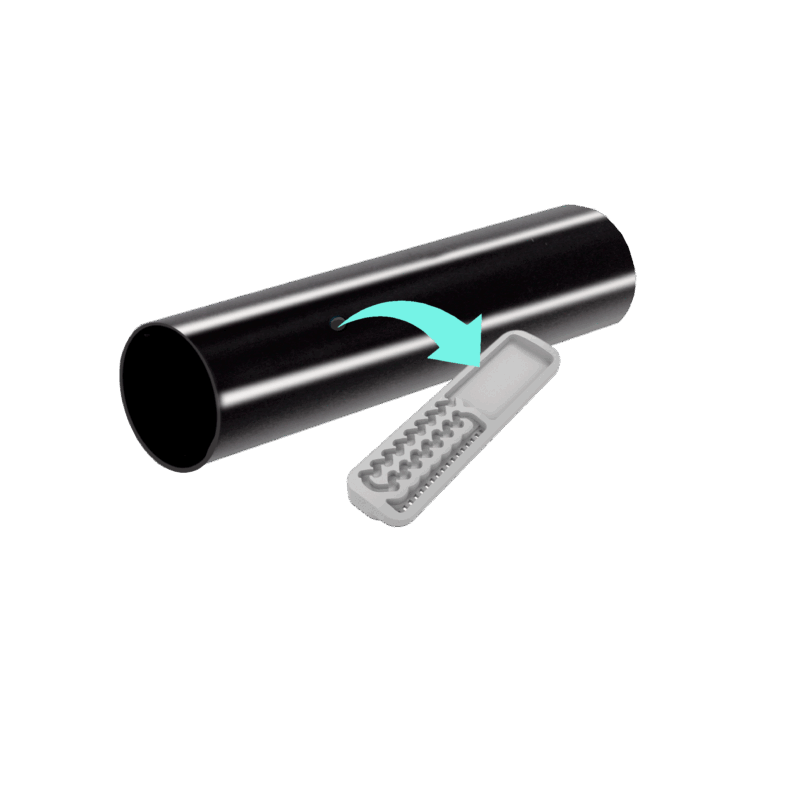
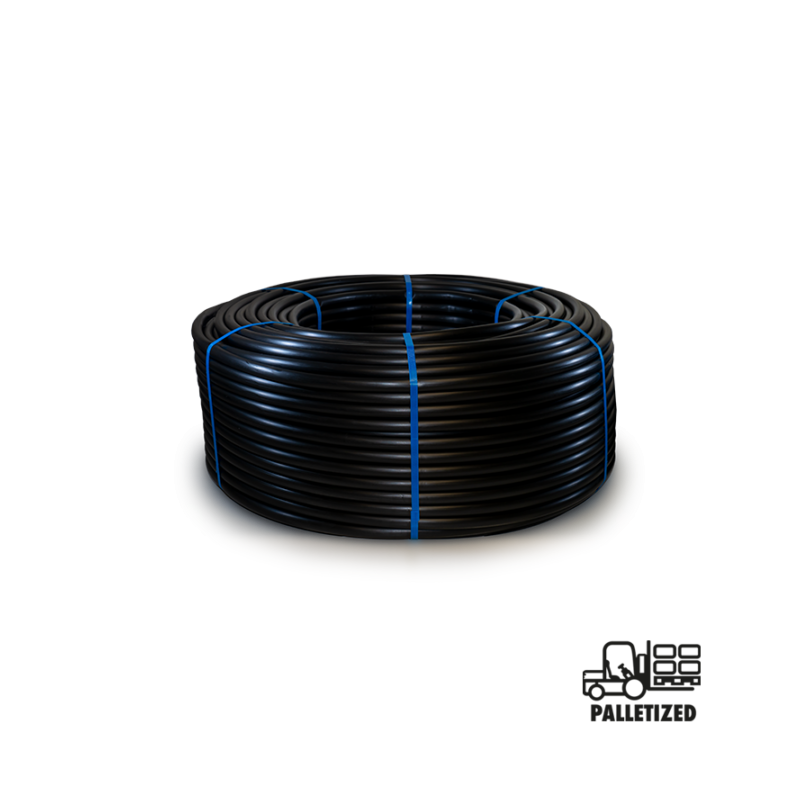
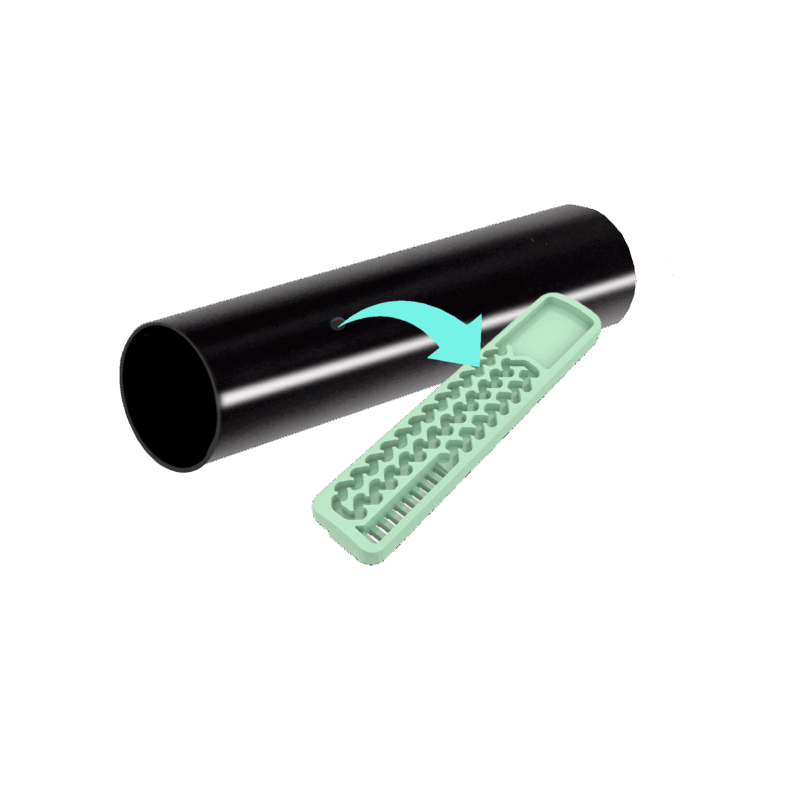
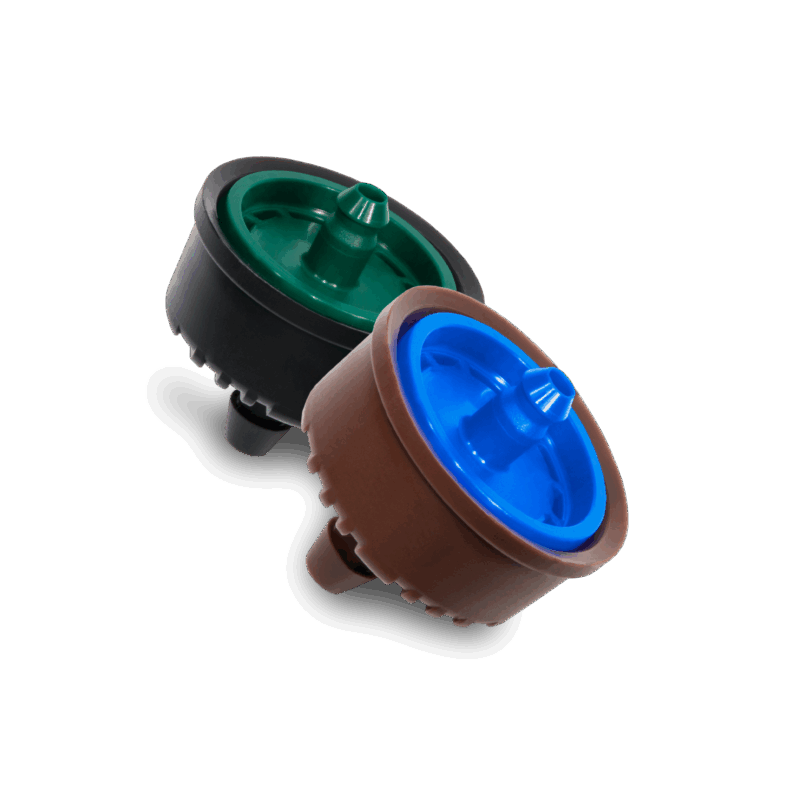
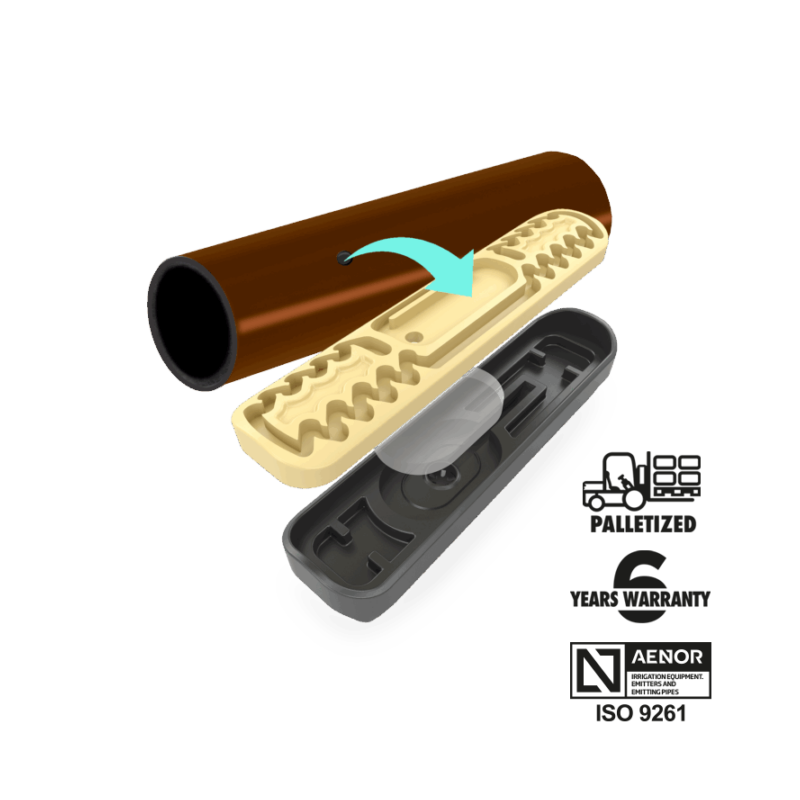
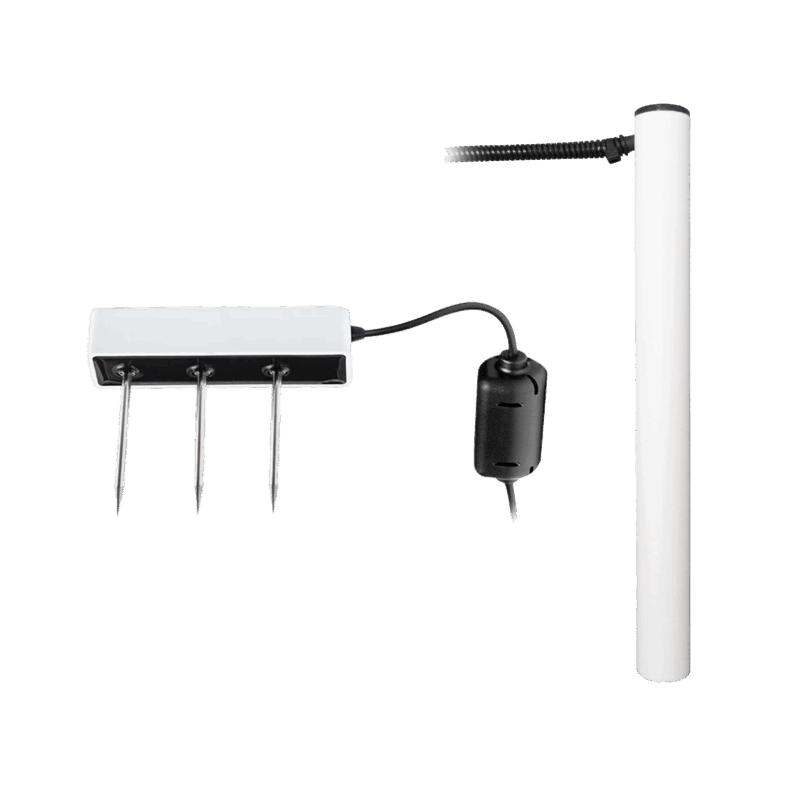
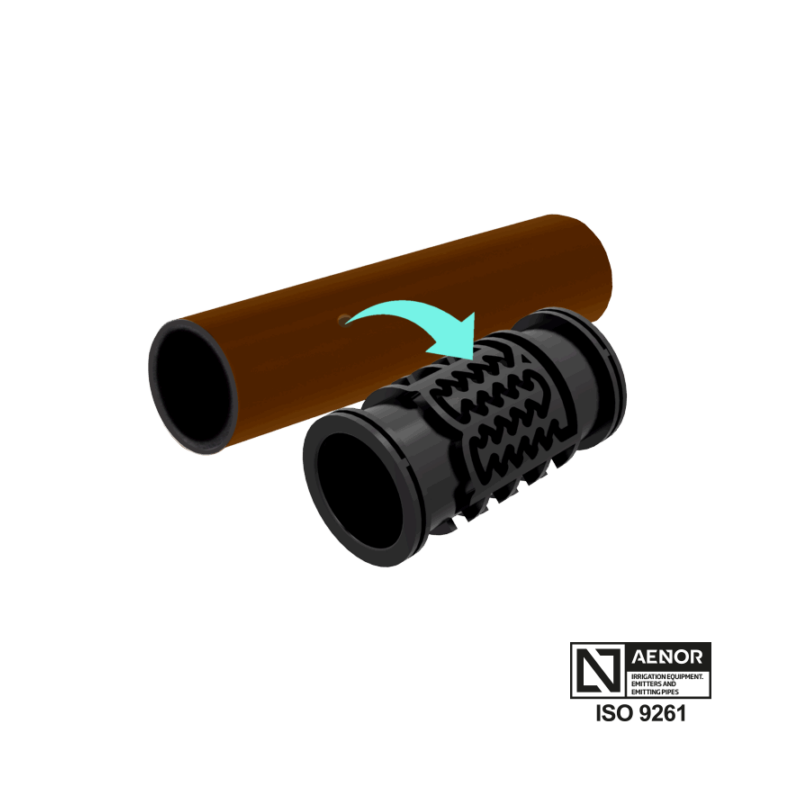
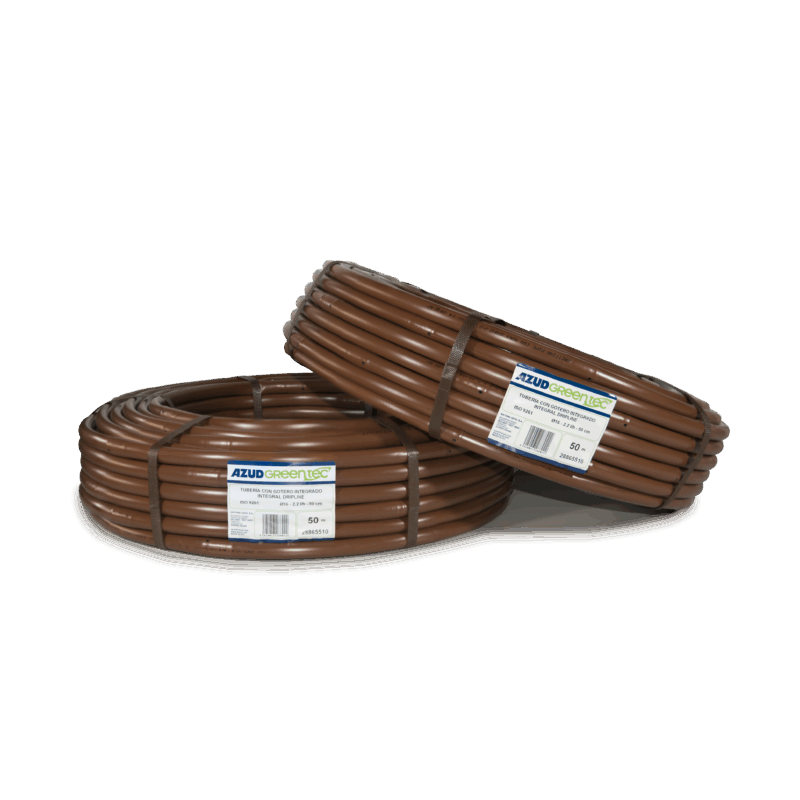
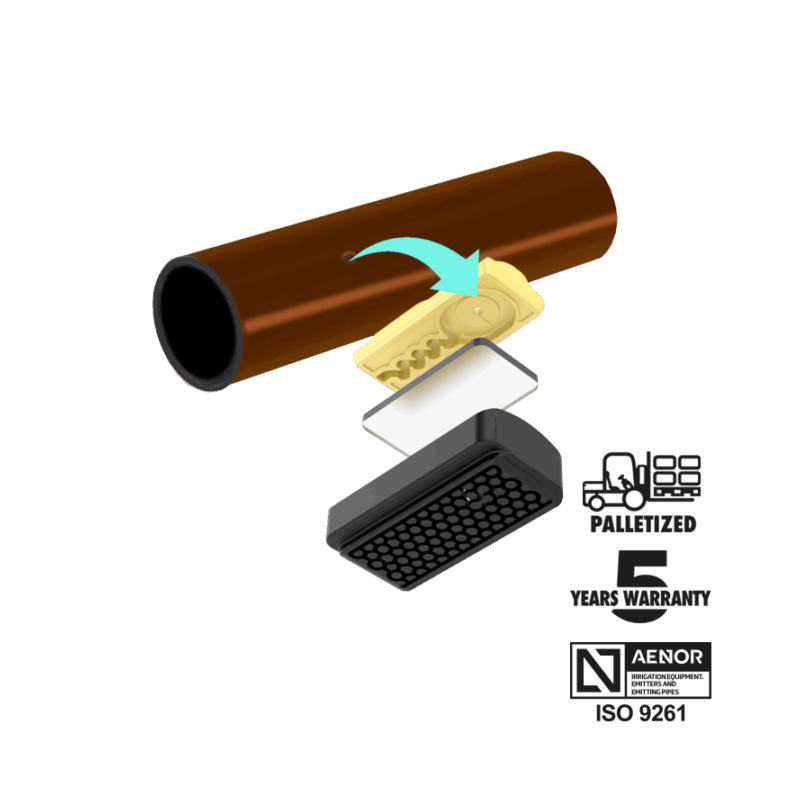
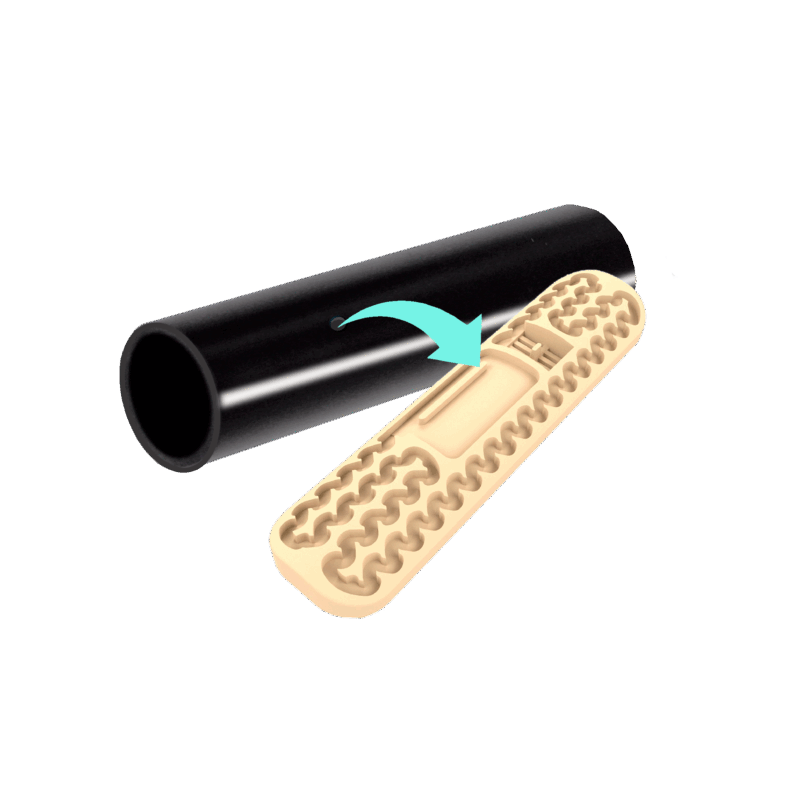
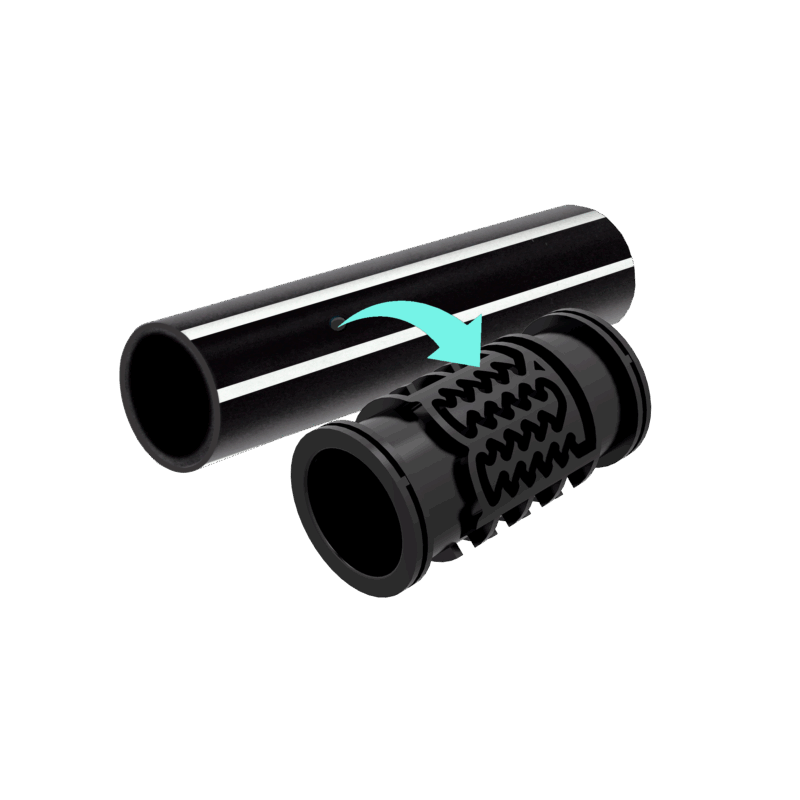
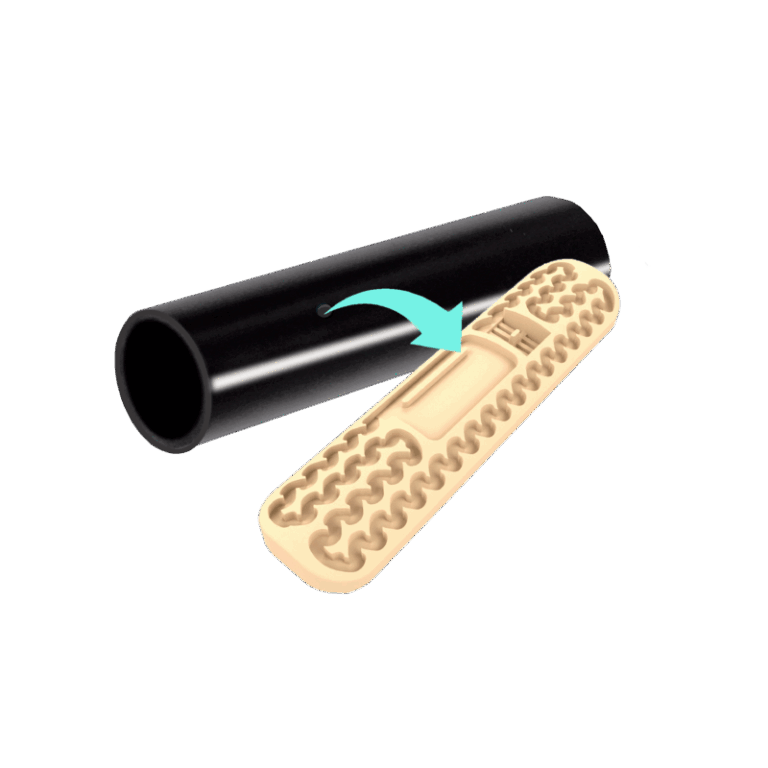
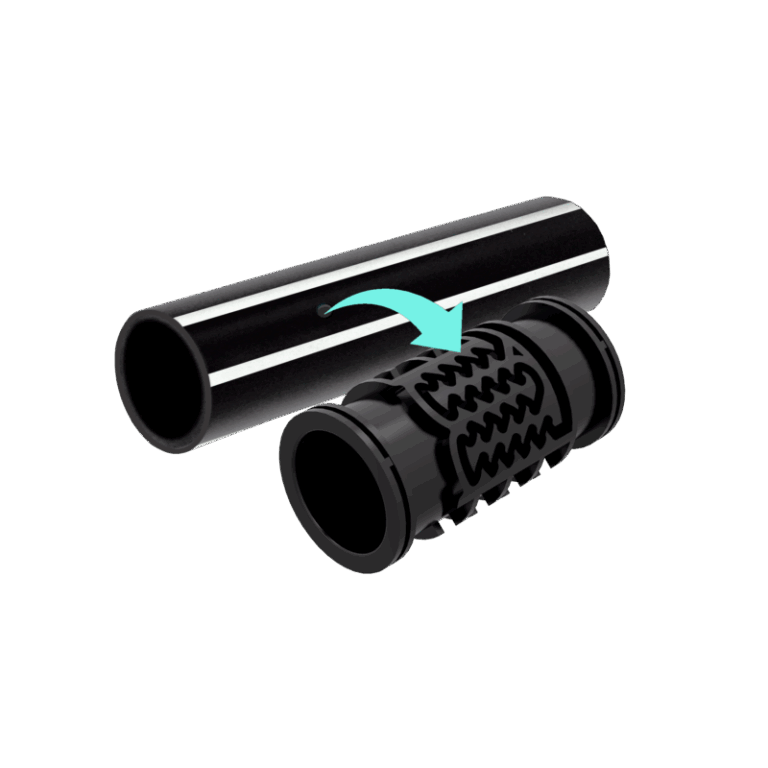
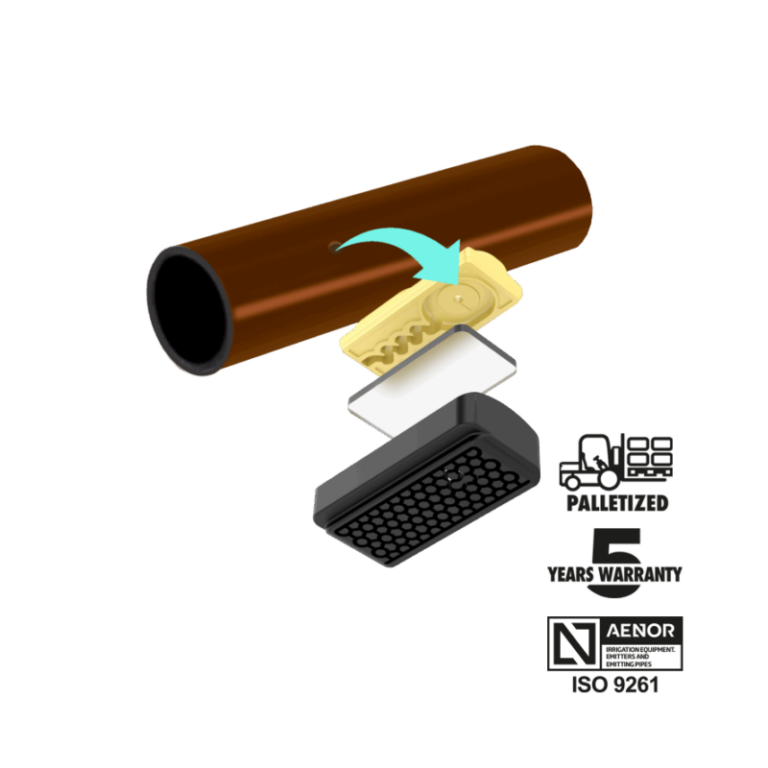
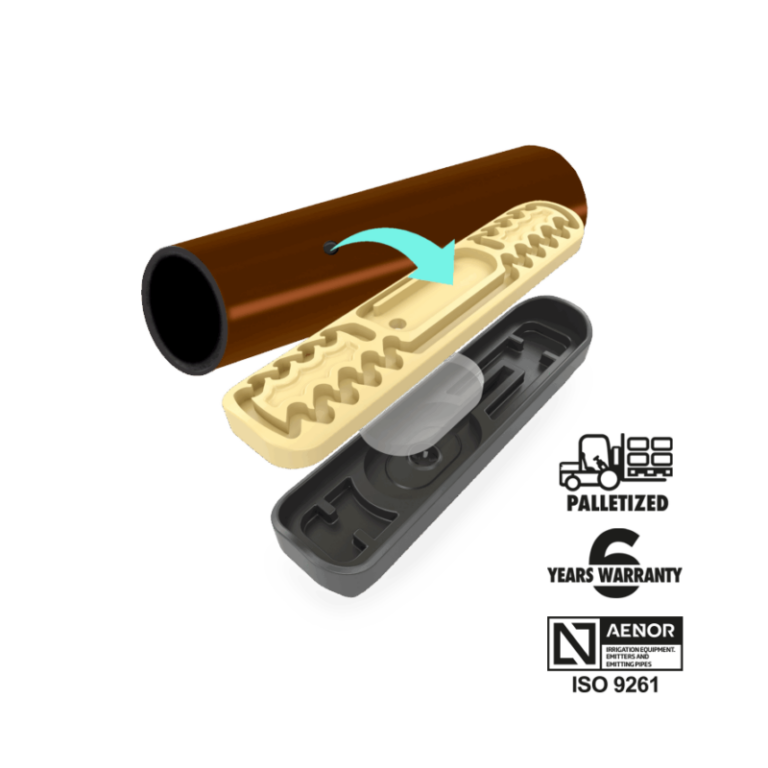
Drip irrigation is the most widely used system in strawberry cultivation, as it allows water to be applied in a localized and controlled manner directly to the root zone, reducing losses and improving water efficiency.

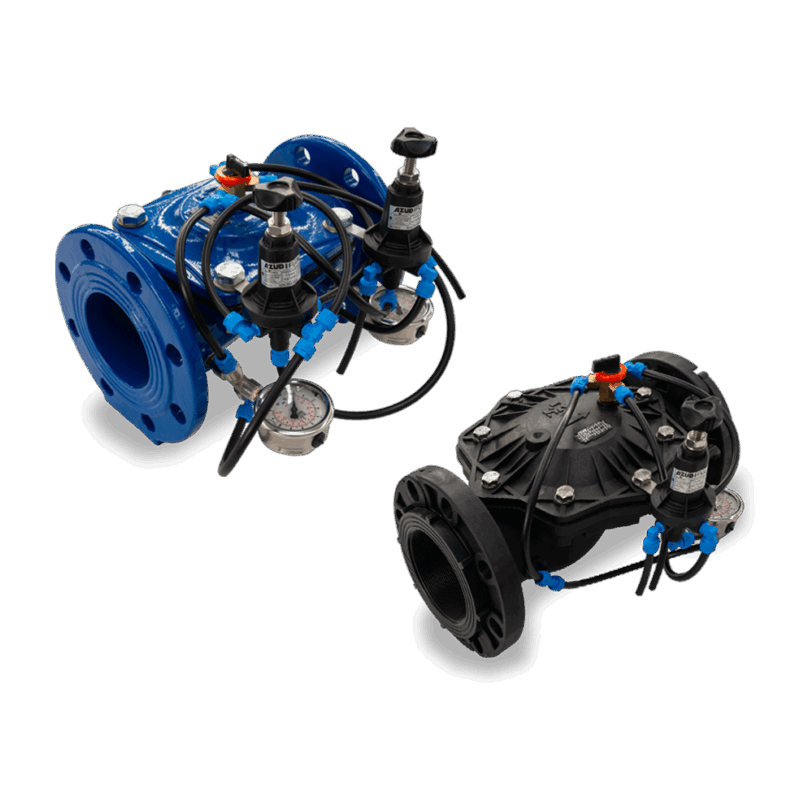
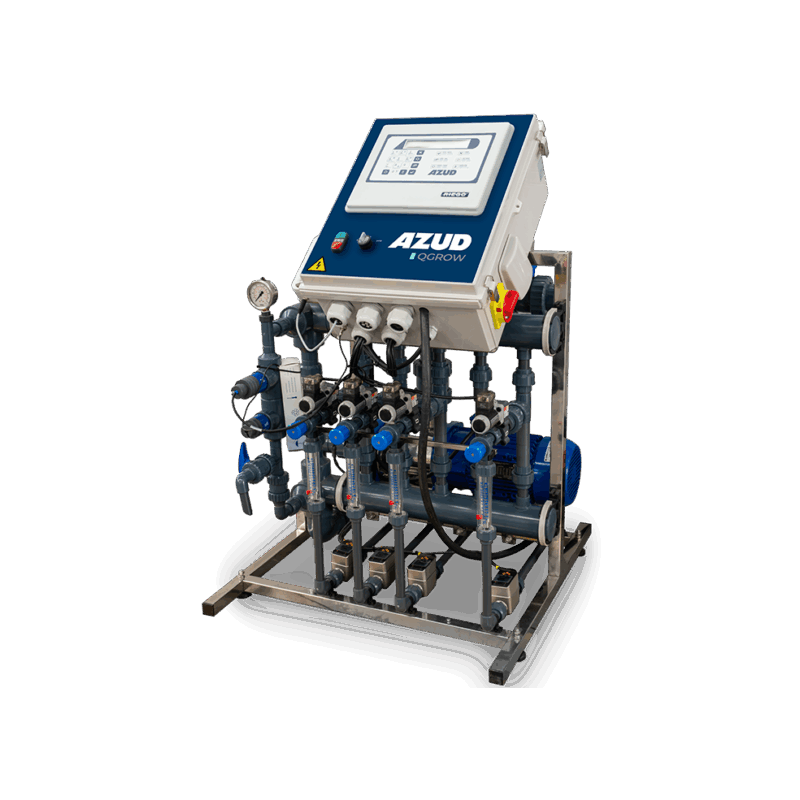
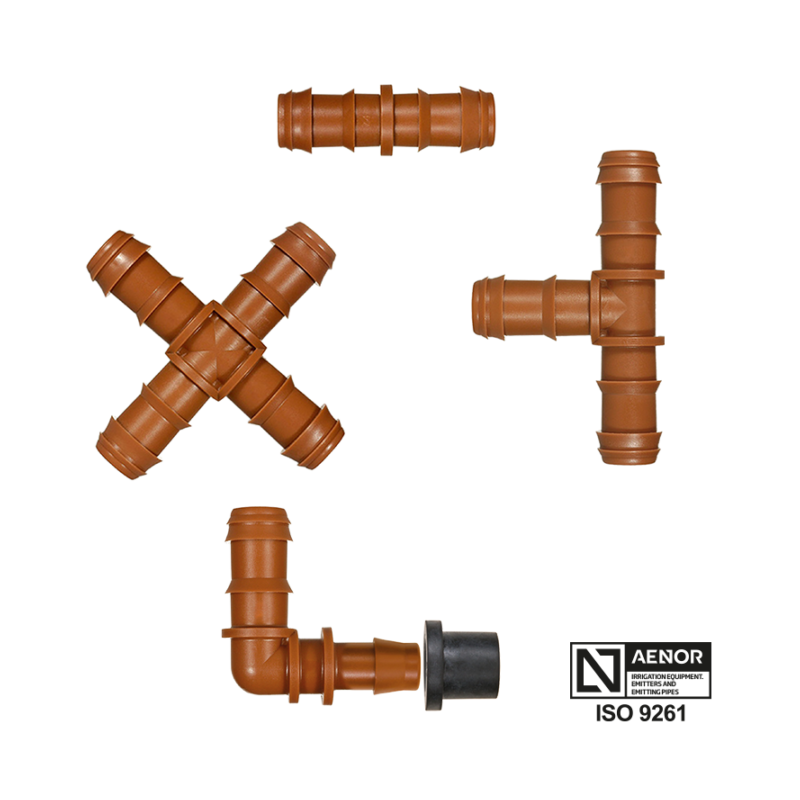
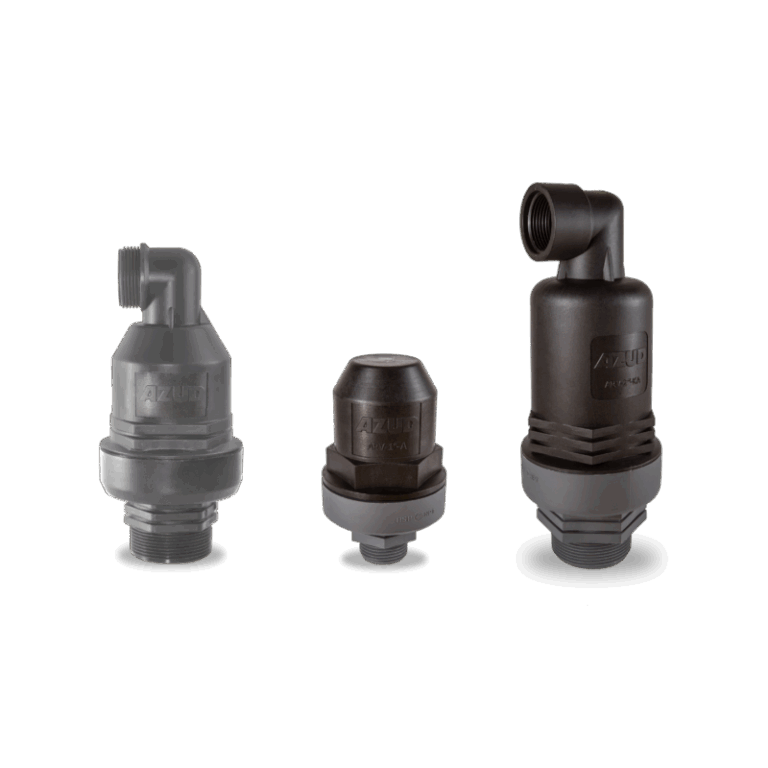
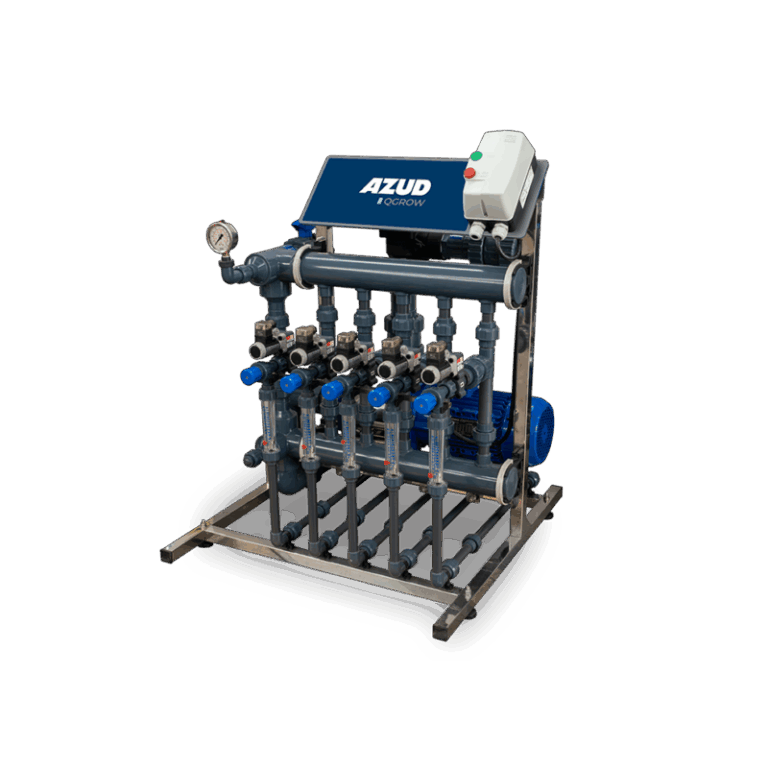
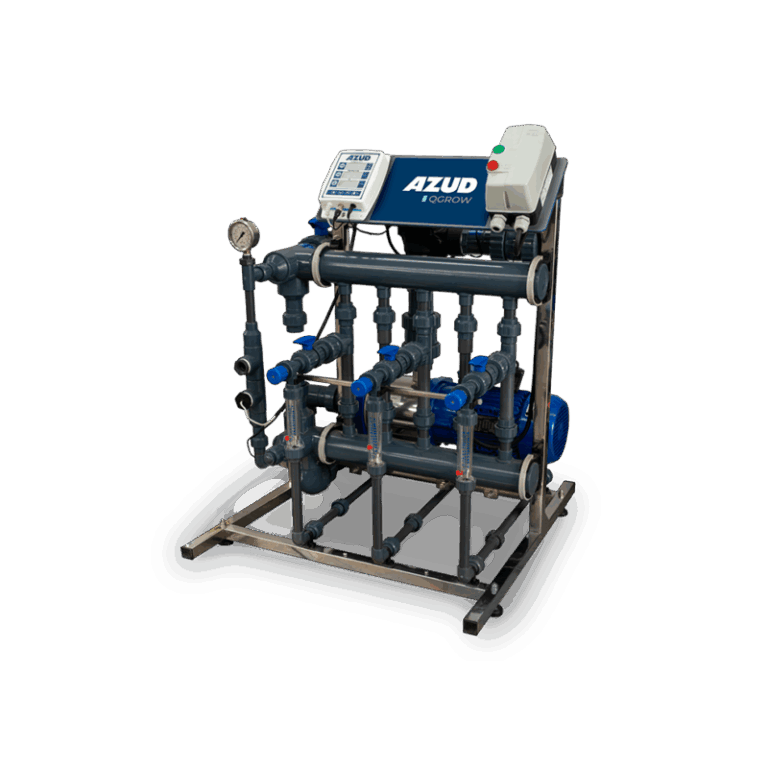
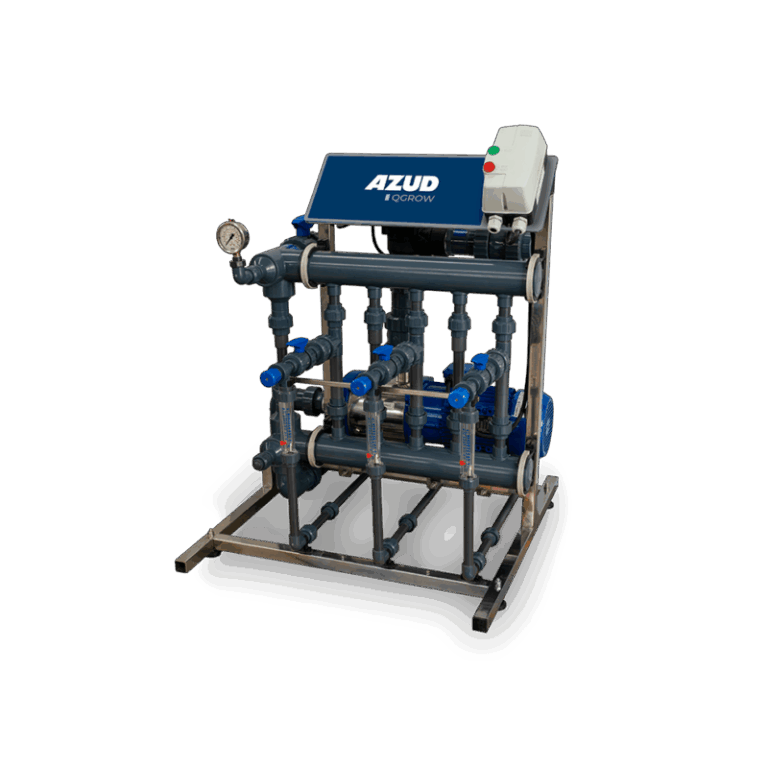
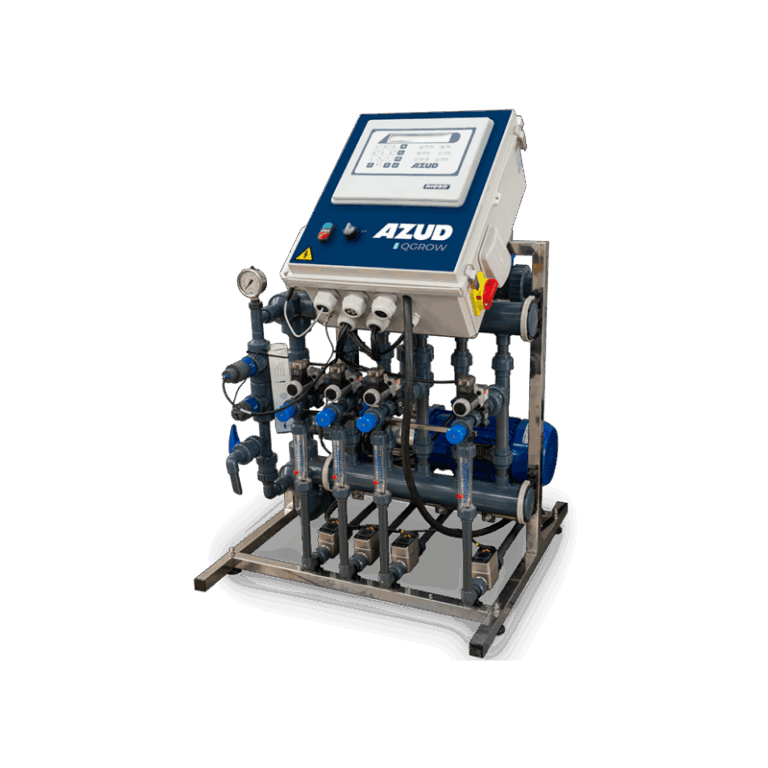
AZUD’s irrigation solutions allow the system to be adapted to different planting patterns and soil types, ensuring uniform water distribution along the entire crop row.

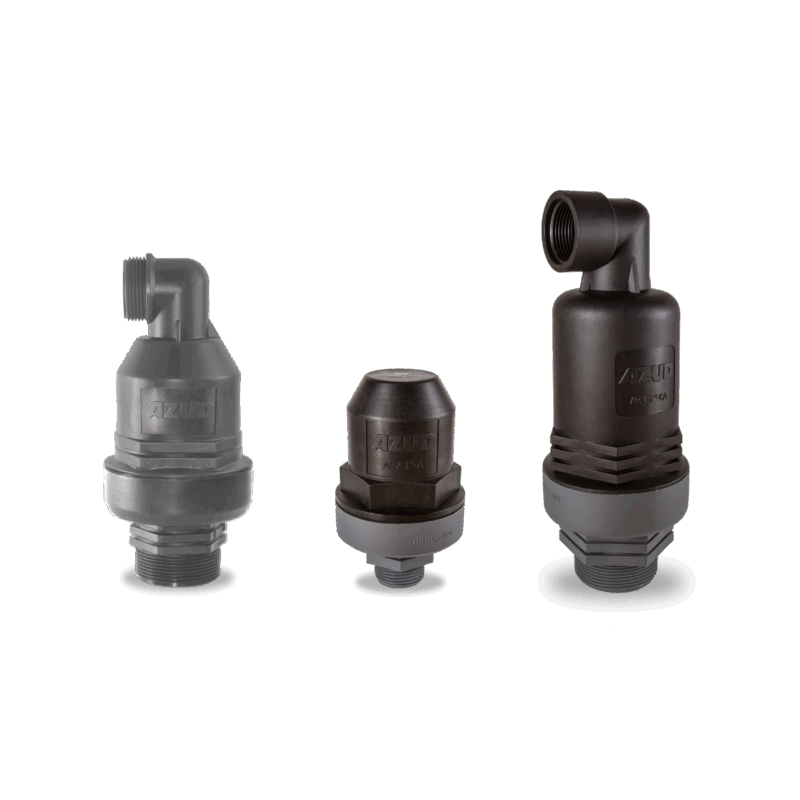
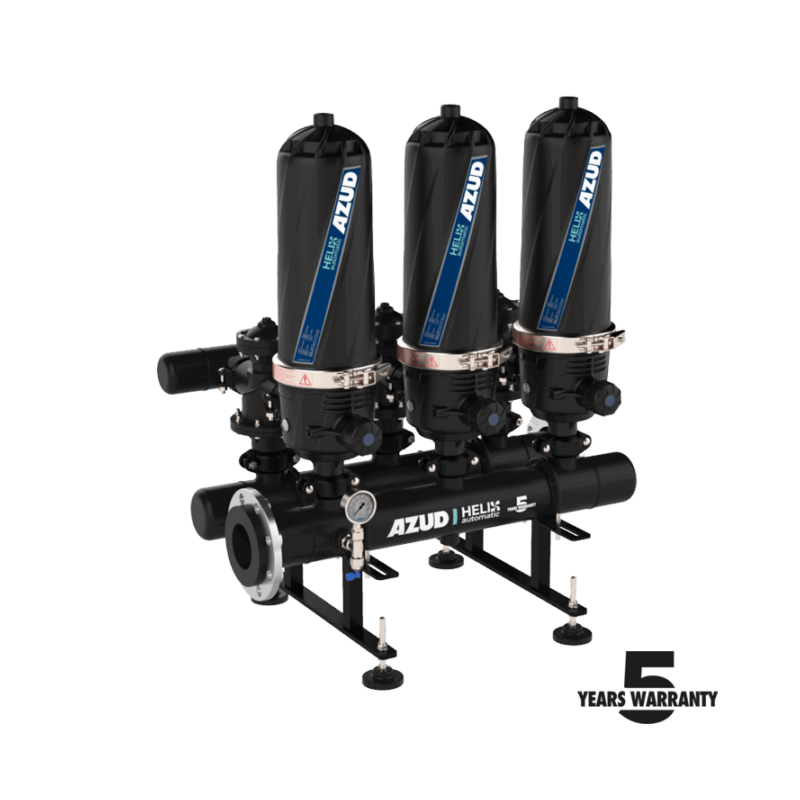
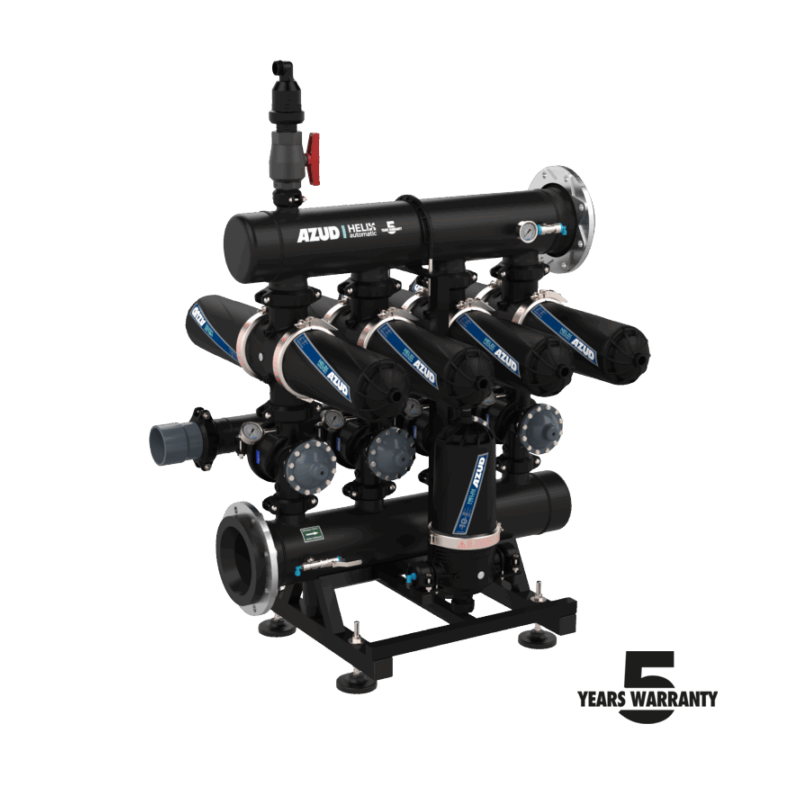
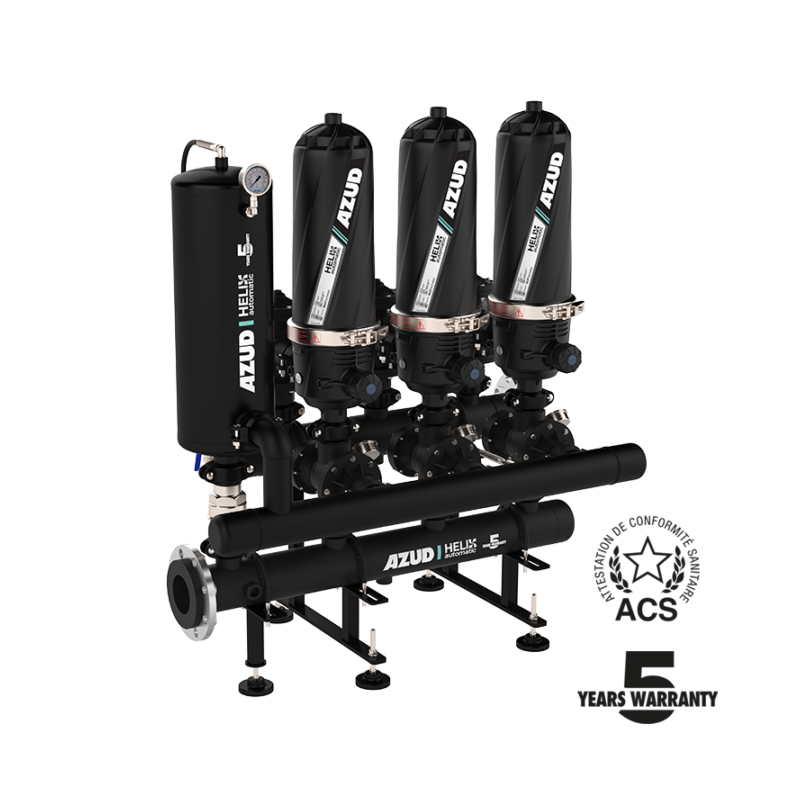
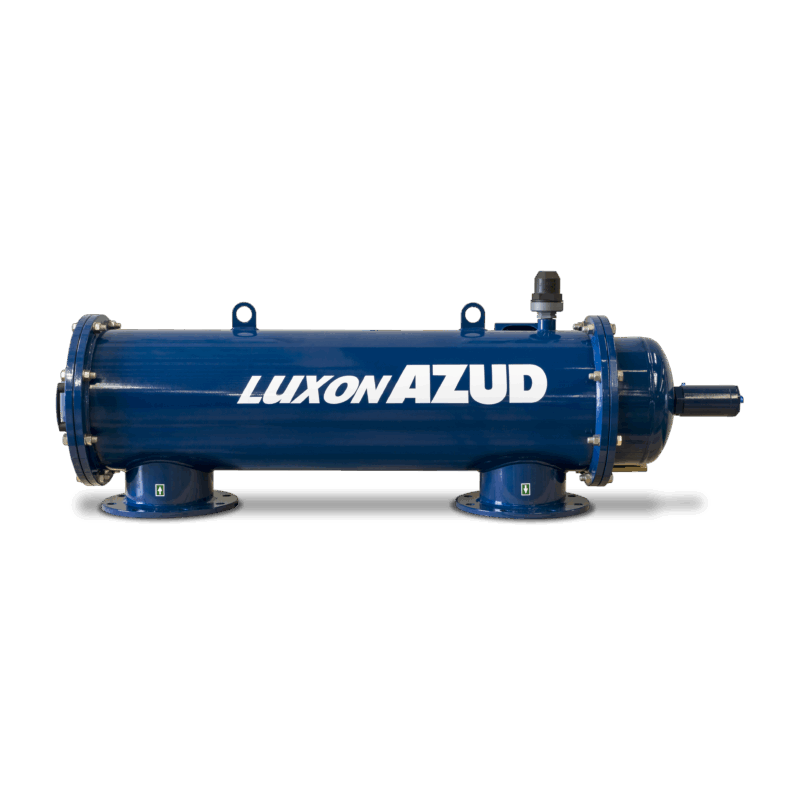
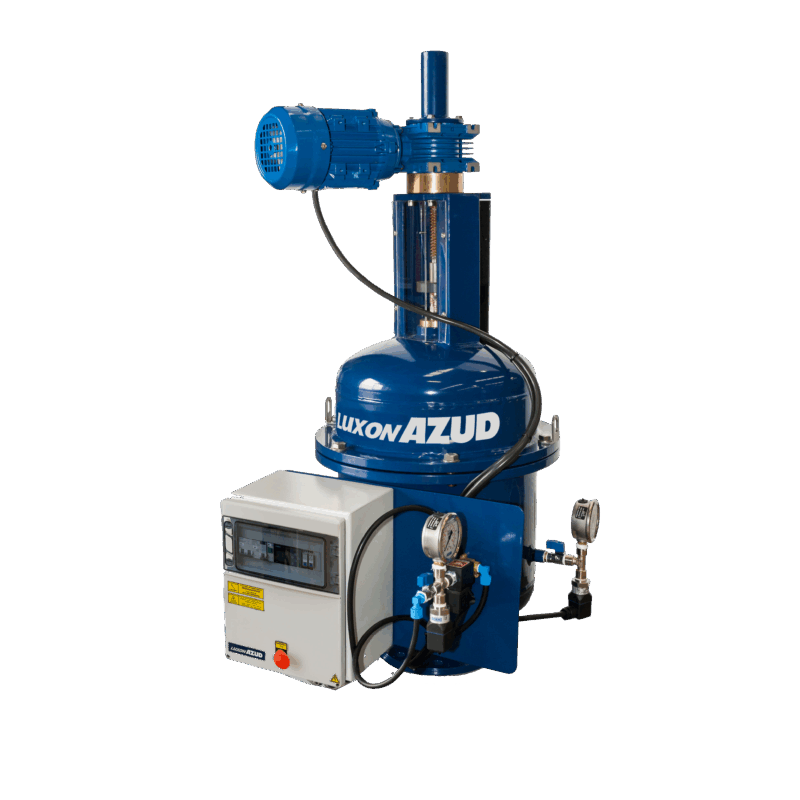
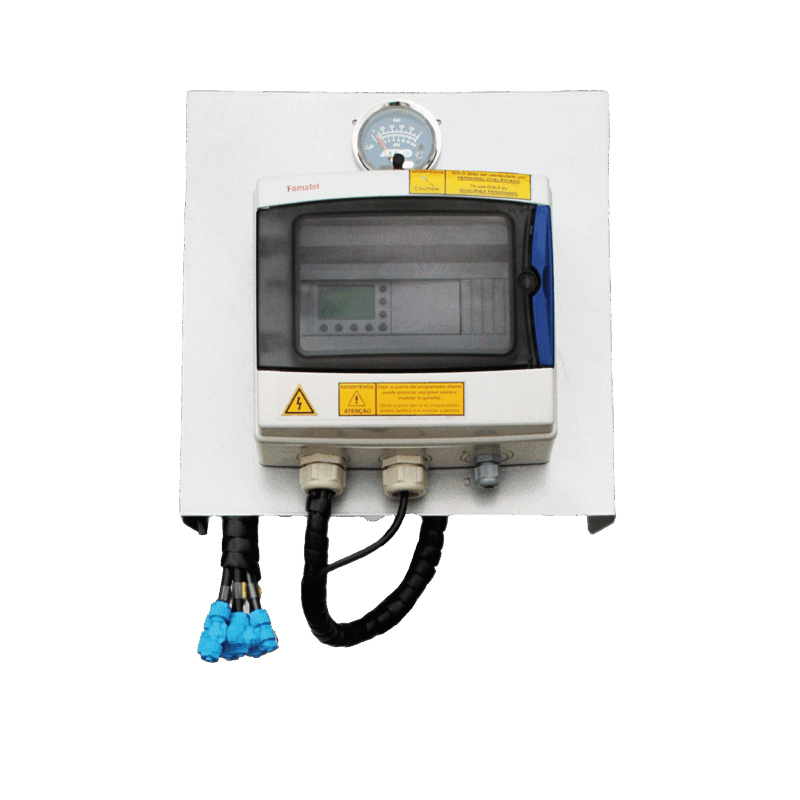
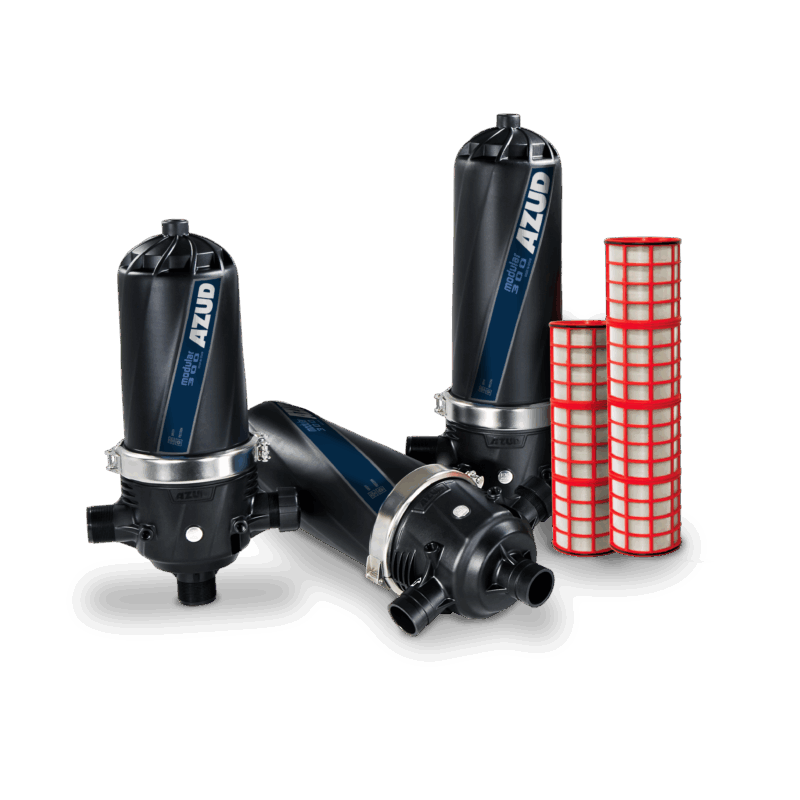
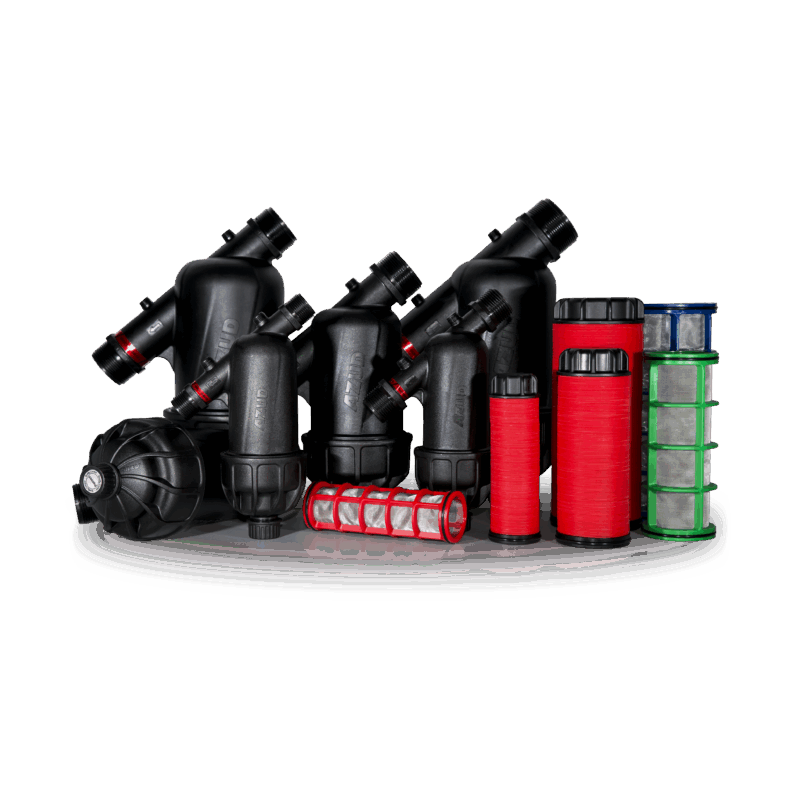
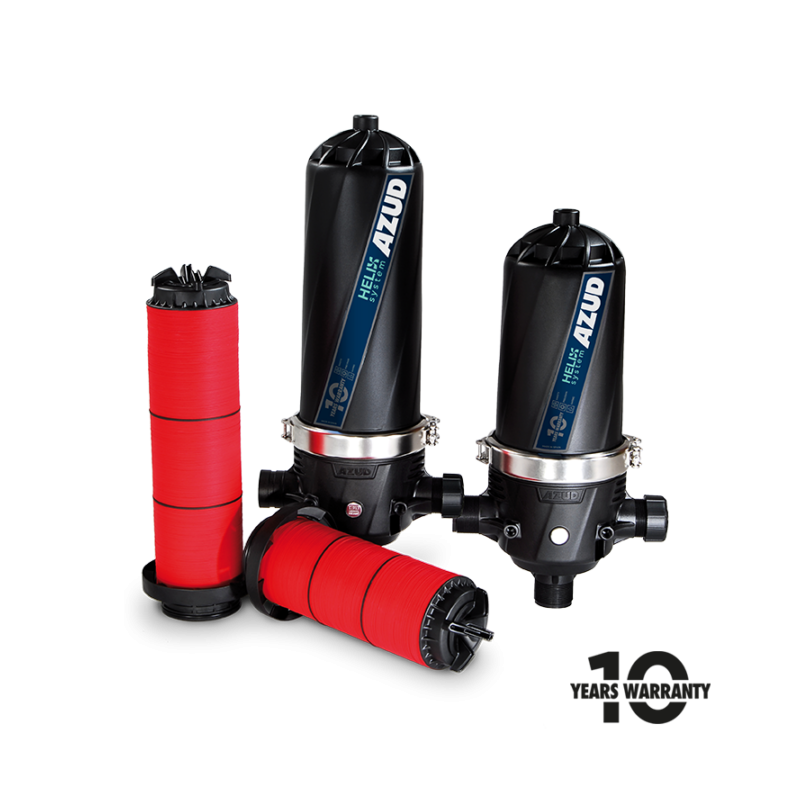
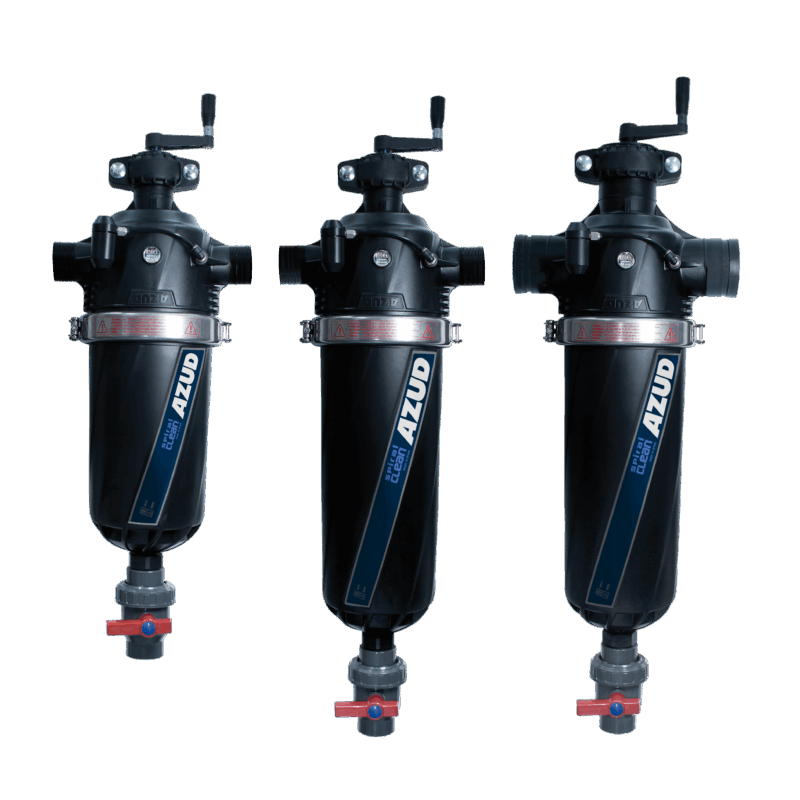
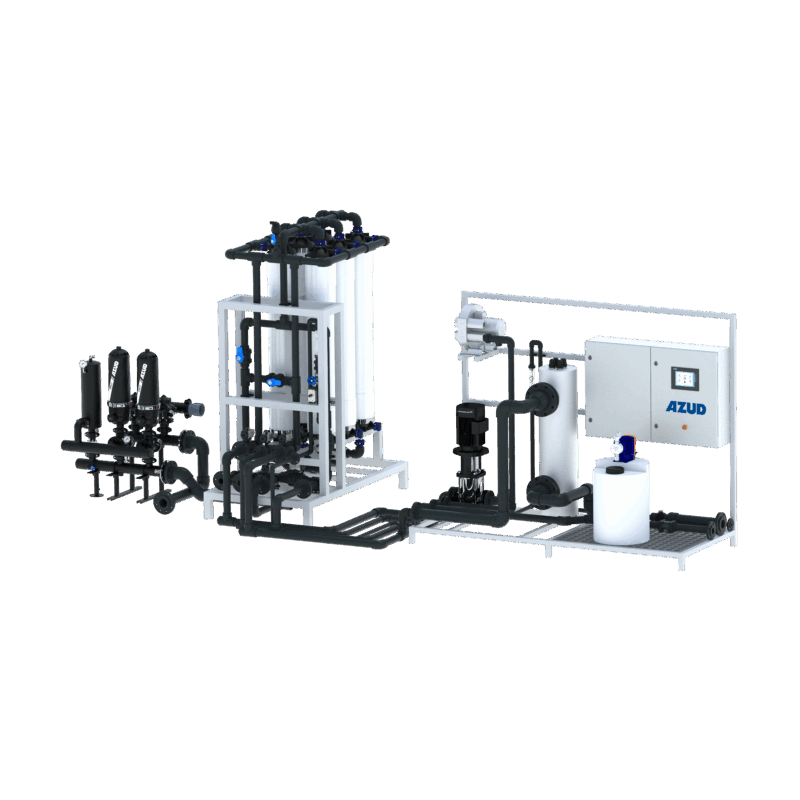
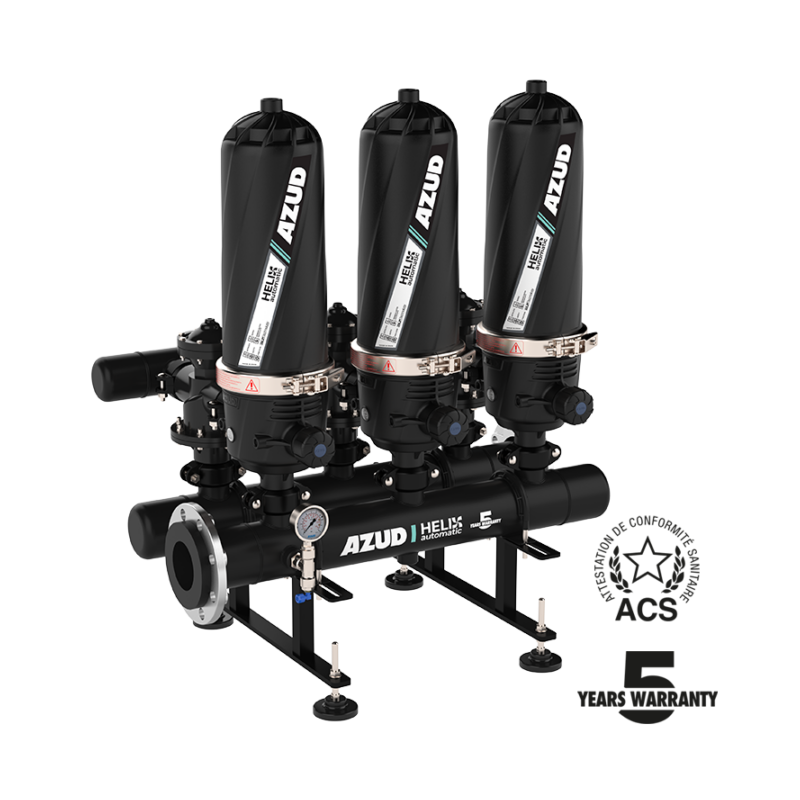
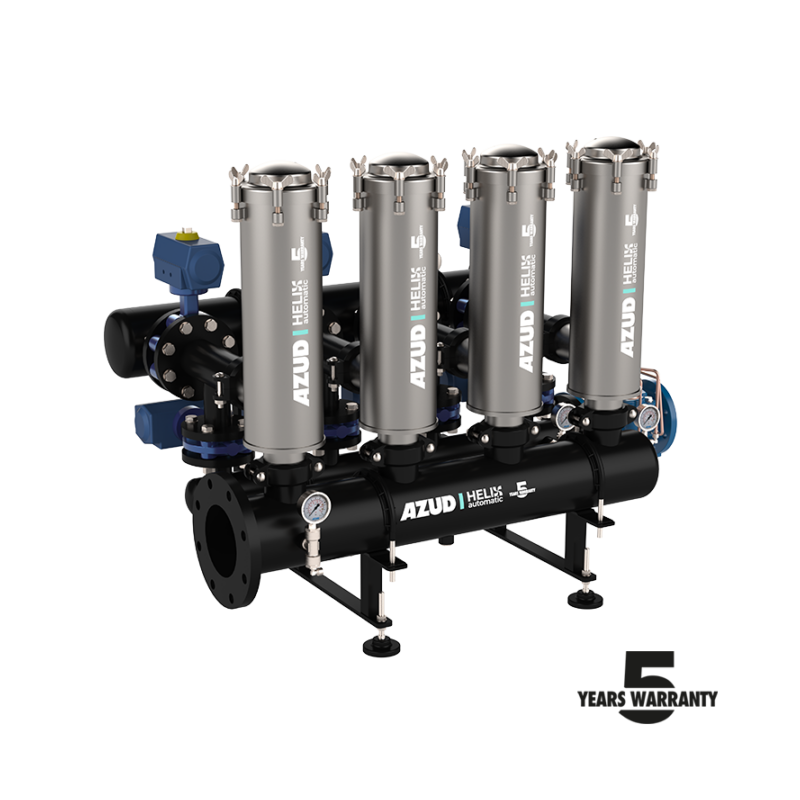
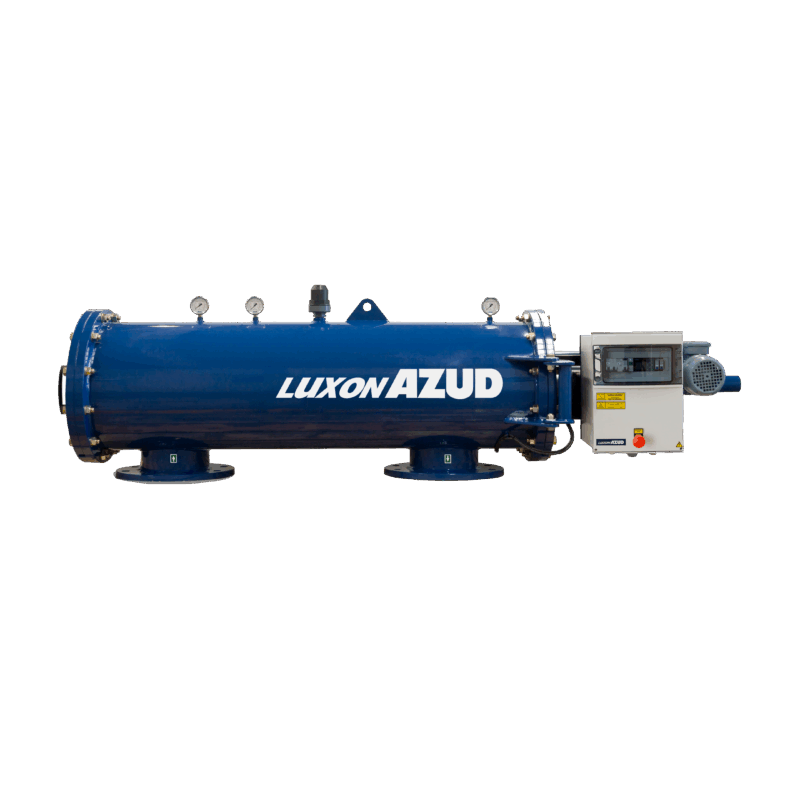
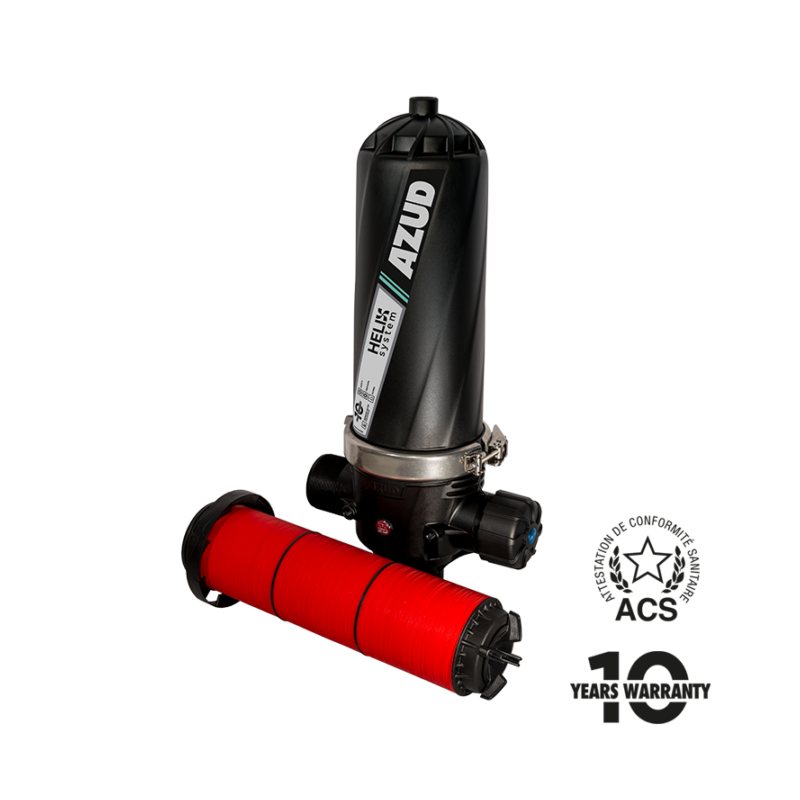
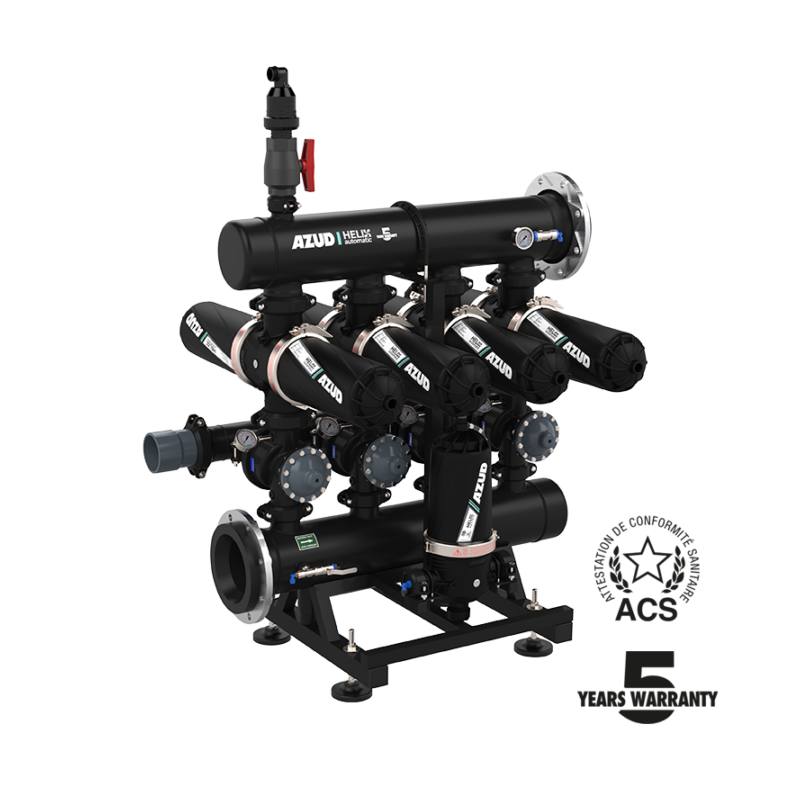
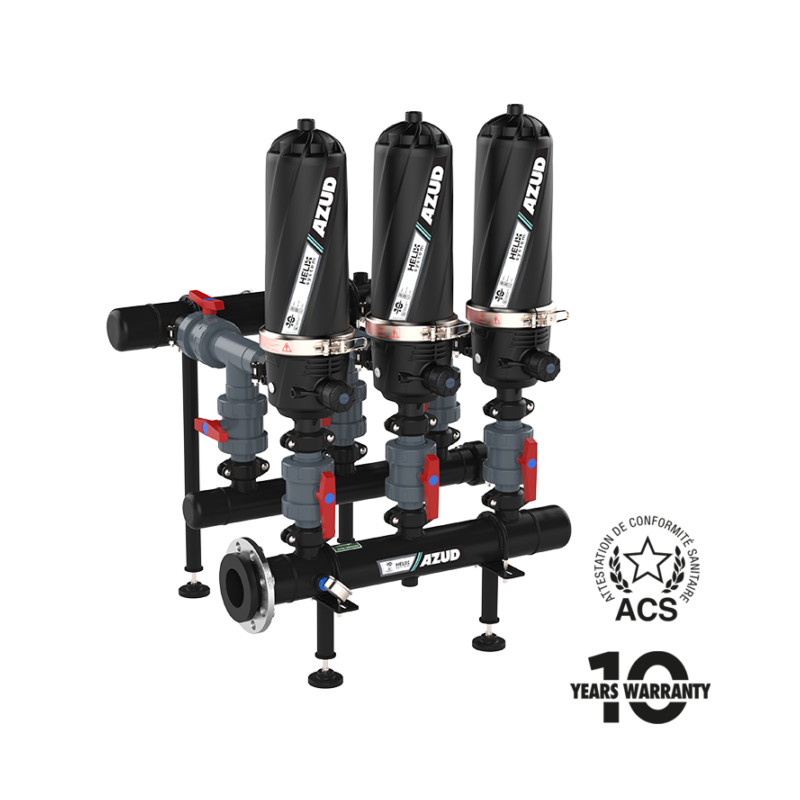
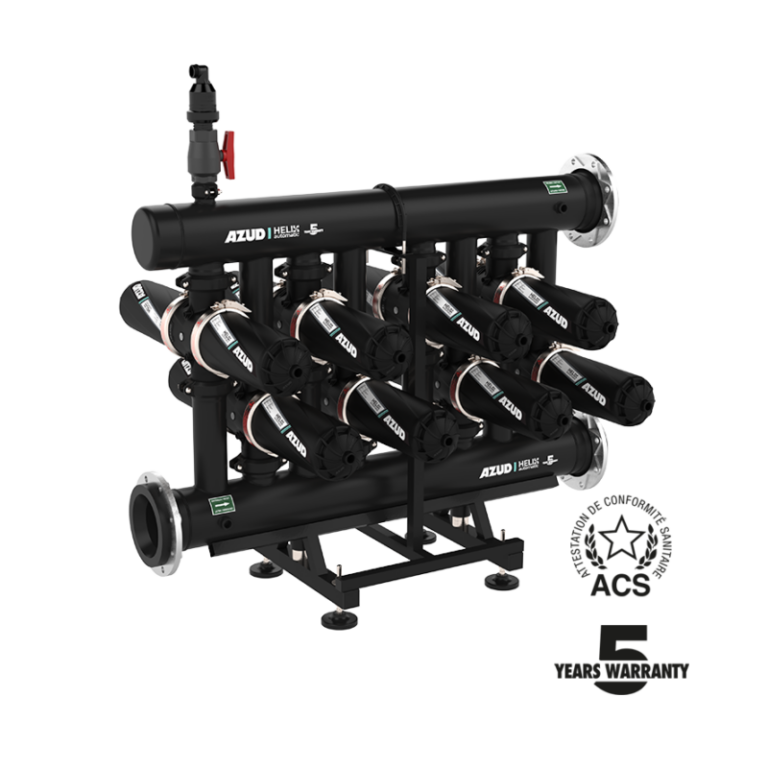
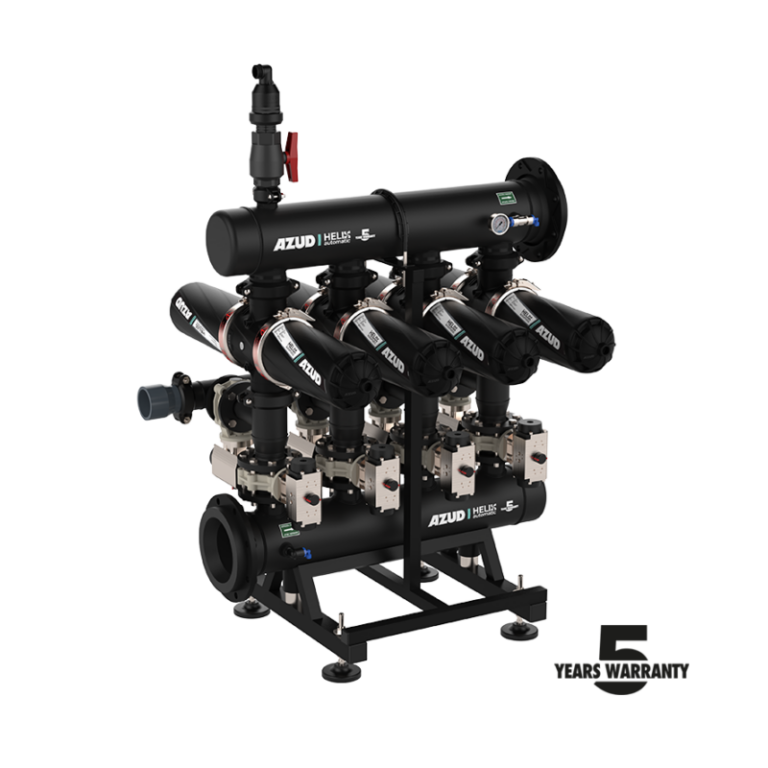
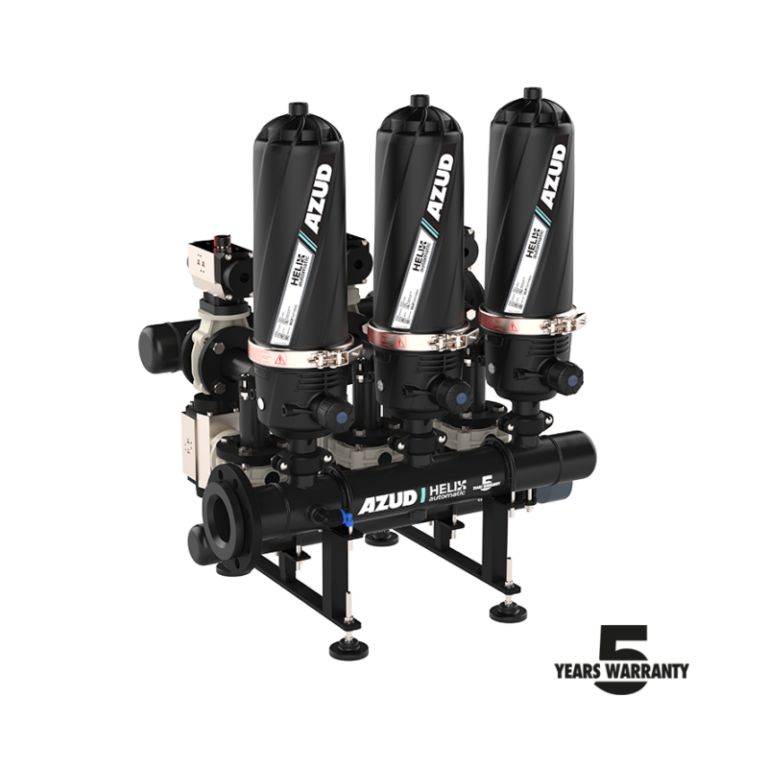
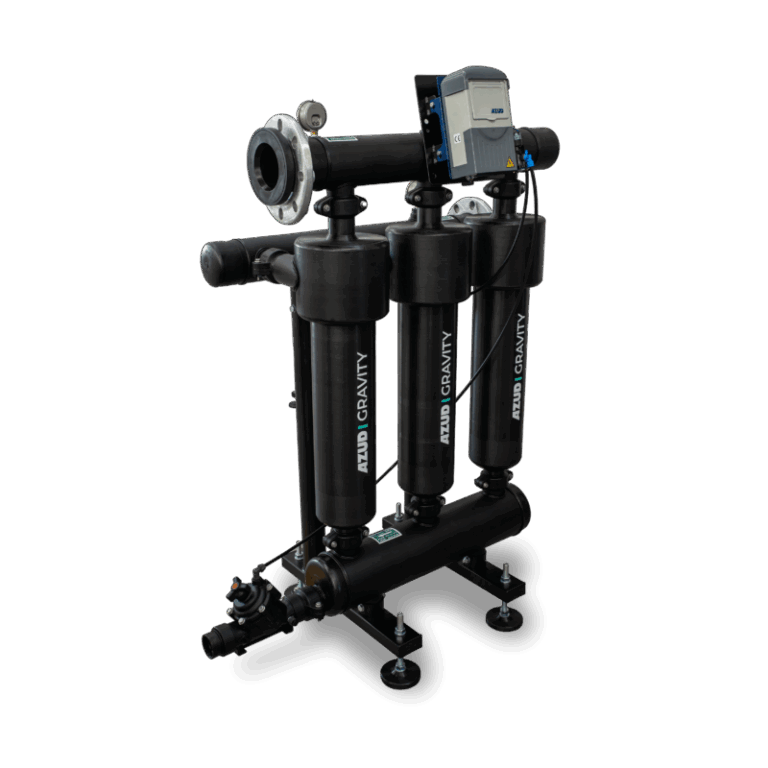
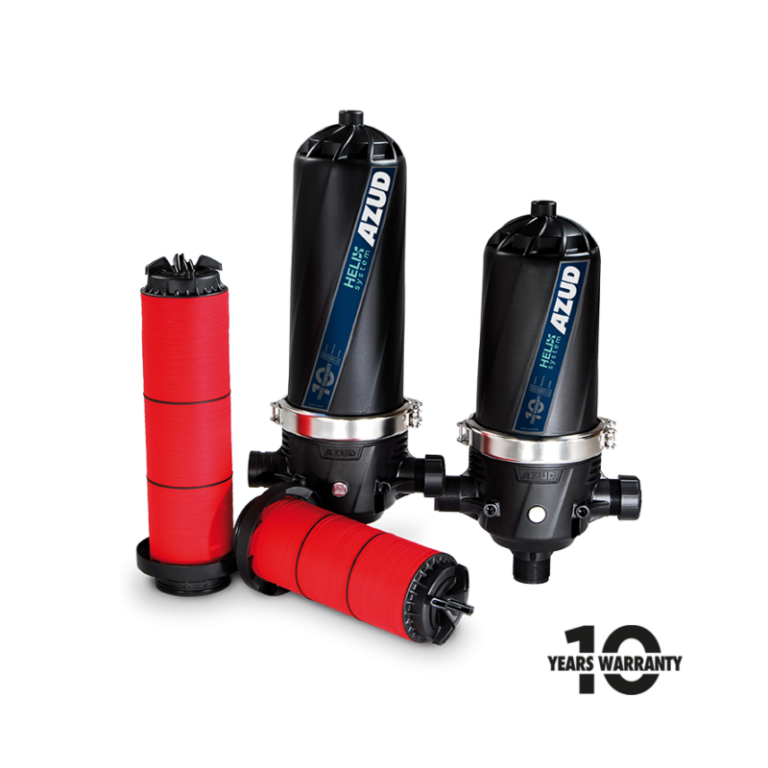
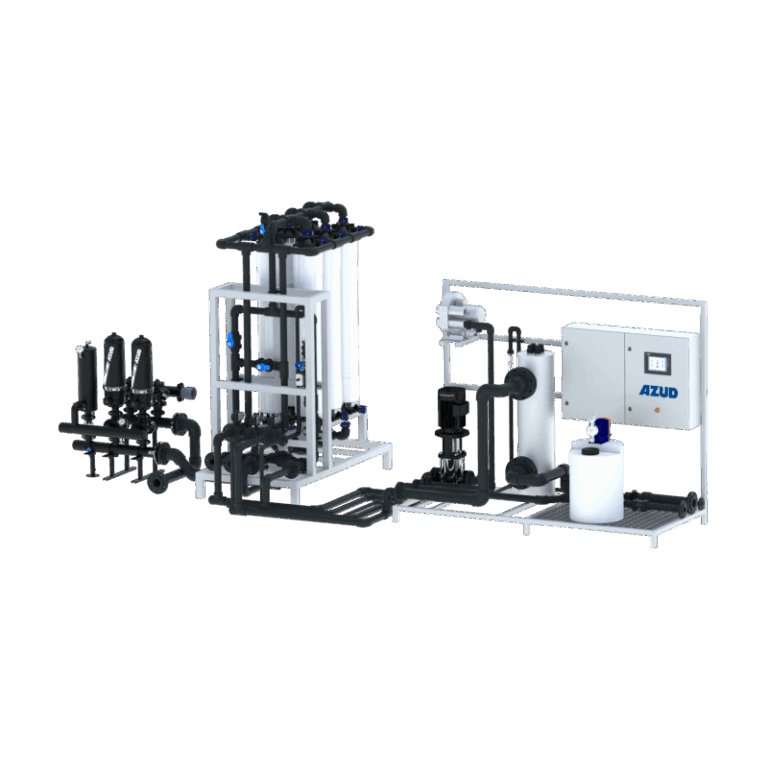
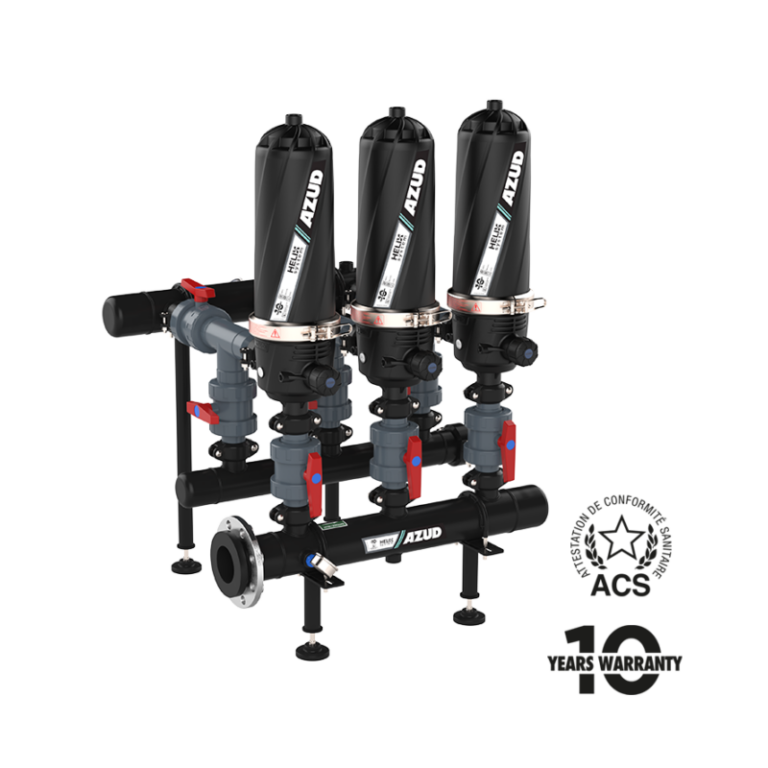
AZUD’s filtration systems are key to protecting the irrigation system and ensuring its reliability, especially in a crop as sensitive to water imbalances as strawberries.


Direct benefits of strawberry harvesting

  • Greater control over irrigation in a crop that is highly sensitive to water stress.
  • Improved fruit size, firmness, and uniformity.
  • Reduction of health problems associated with excess moisture.
  • Optimization of water use in intensive production systems.
  • Greater harvest stability and quality.

Frequently Asked Questions

Drip irrigation is the most recommended system, as it allows for precise water control and reduces the risk of disease.

The flowering, fruit set, and ripening stages are the most sensitive to irrigation management.

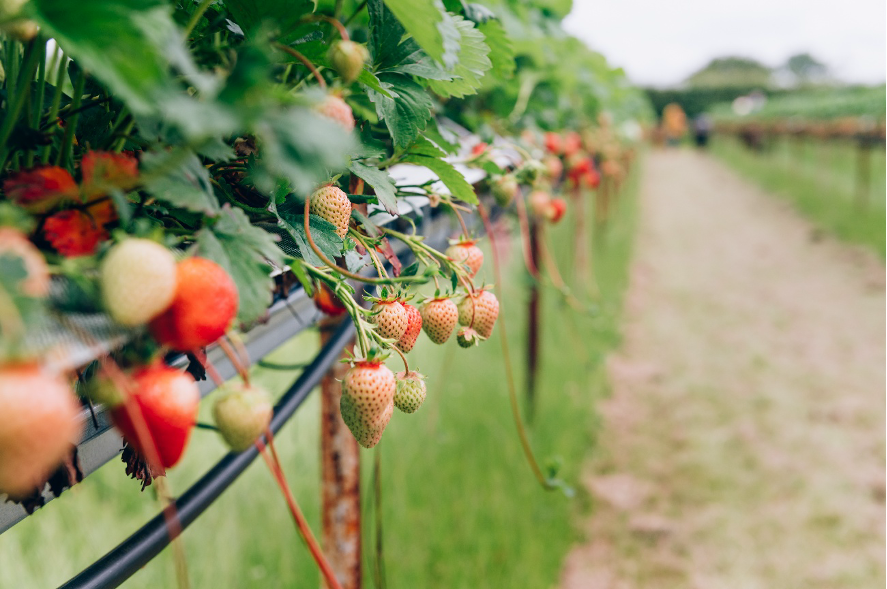
Yes, strawberries grow well in soilless crops or hydroponic systems, where controlling irrigation and nutrition is even more critical.

Success stories

Quarry reduces production stoppages by protecting washing machines

Learn more

DANGOTE minimizes the biofilm in your facility

Learn more

SHANGHAI HUANYANG optimizes UV disinfection

Learn more

KIA reduces water footprint by regeneration

Learn more

SOMACYL will regenerate wastewater using pre-filtration to protect the tertiary sector

Learn more
Related products