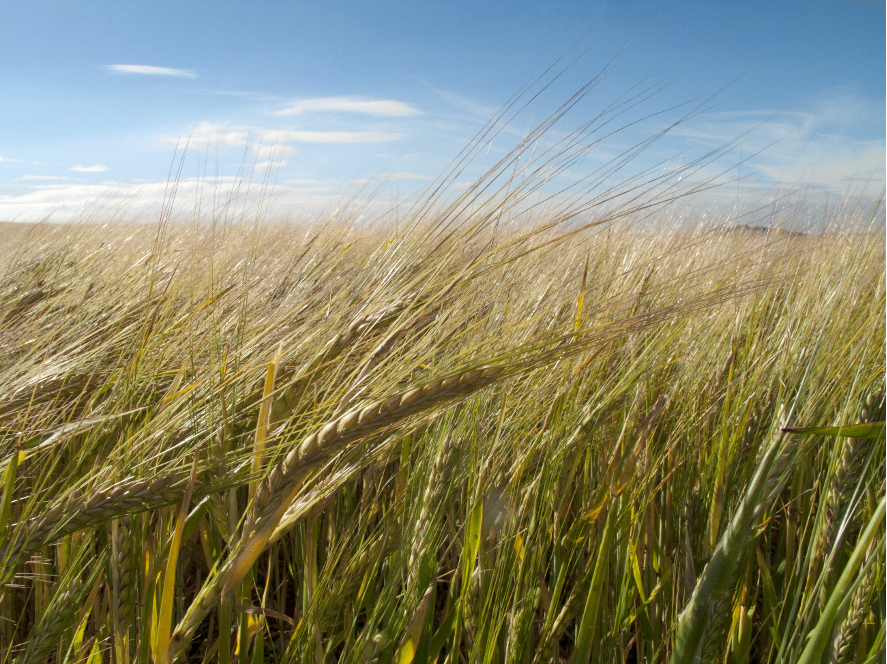
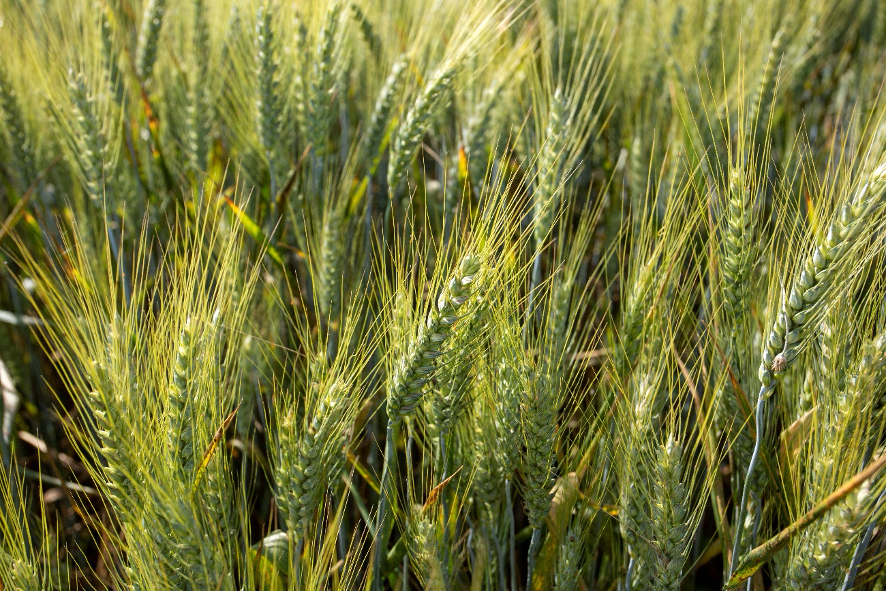
Barley (Hordeum vulgare) is one of the oldest cereals cultivated by humans. It originated in the Near East, where it began to be cultivated thousands of years ago, becoming one of the first crops used for both human and animal consumption.
Throughout history, barley spread across Europe, Asia, and North Africa, adapting to a wide range of climatic conditions. This adaptability has established it as a key crop in extensive agricultural systems, particularly in areas with water constraints.
Today, barley is grown mainly in temperate and semi-arid regions. It thrives in well-drained soils of moderate fertility, showing greater tolerance to less favorable conditions than other cereals, provided that water management is adequate.
Traditionally, barley has been grown as a rain-fed crop. However, irrigation can play an important role in improving production stability in areas with irregular rainfall or during dry seasons.
The stages most sensitive to water stress are tillering, heading, and grain filling. A balanced water supply during these periods helps improve crop development and the final quality of the harvest.
Irrigation management must be adapted to soil and climate conditions, avoiding excess moisture that could negatively affect the root system and crop yield.
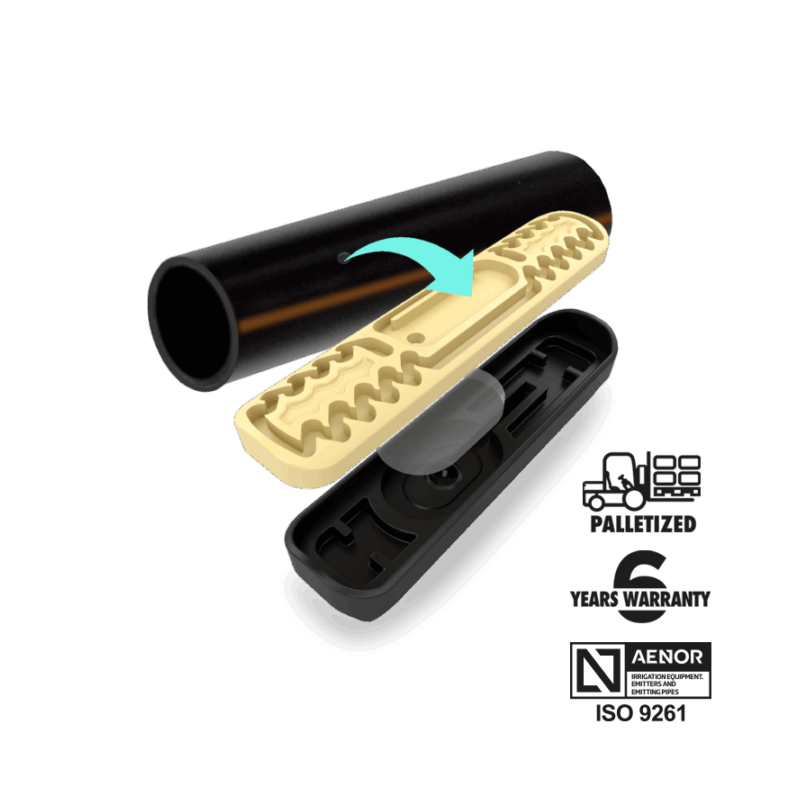
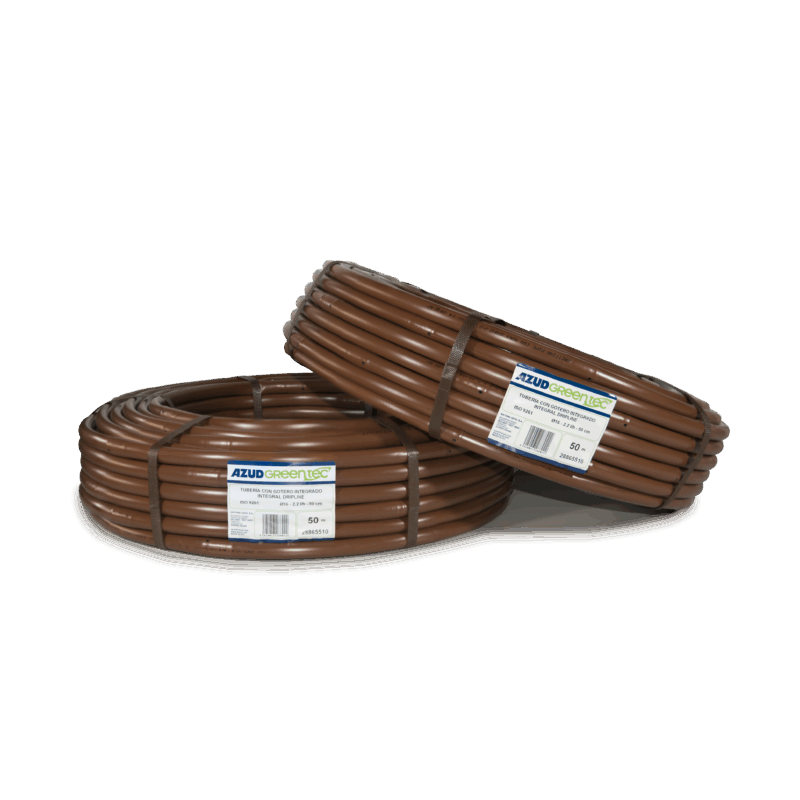
For extensive crops such as barley, irrigation systems must prioritize efficiency and uniformity across large areas. Sprinkler irrigation has historically been the most widely used system, although drip irrigation offers an alternative for optimizing water use and improving crop management.
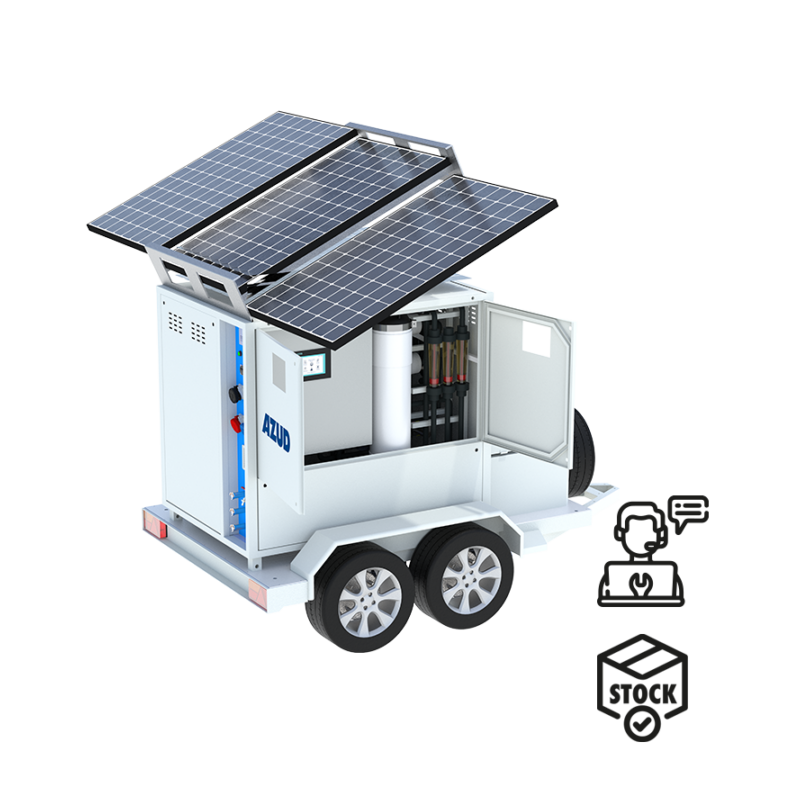
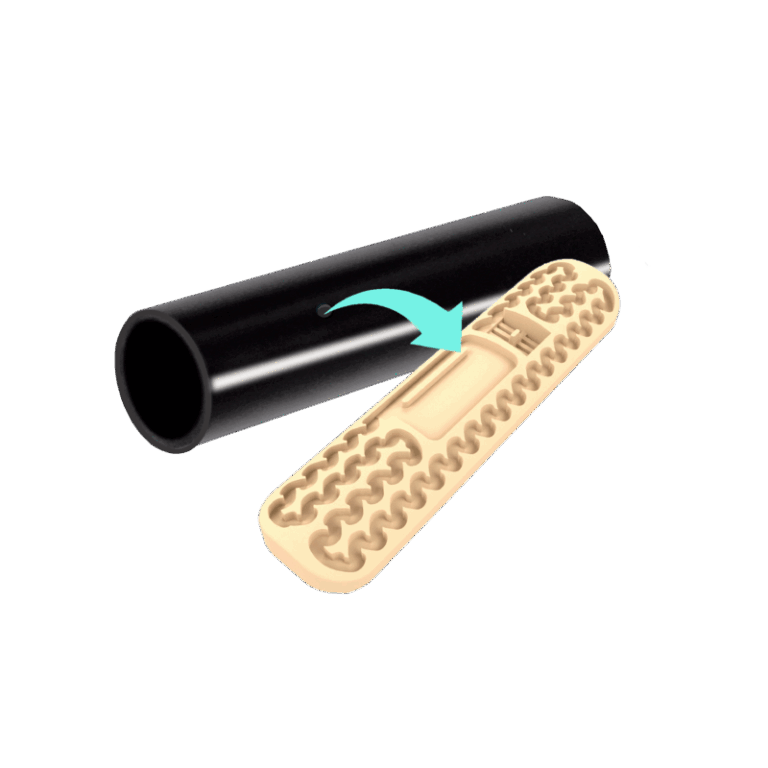
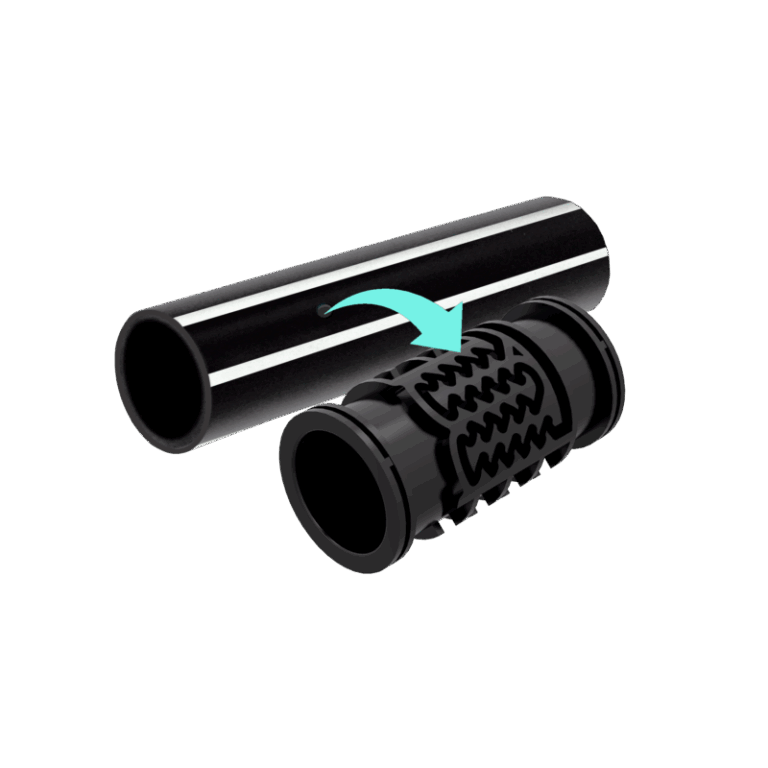
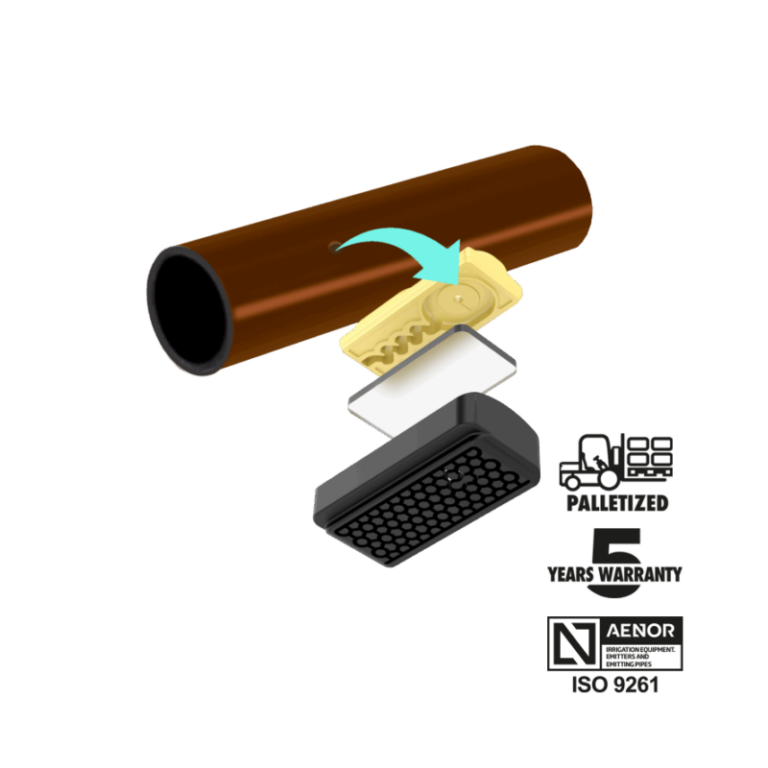
AZUD’s irrigation solutions enable the design of water management strategies tailored to each farm, promoting uniform water distribution and more efficient management of available resources.
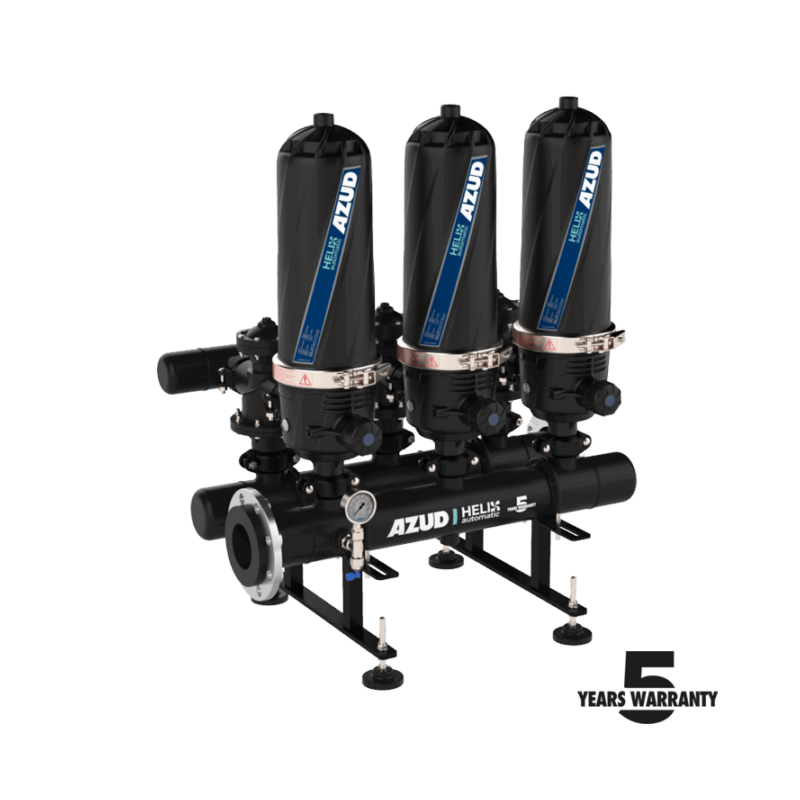
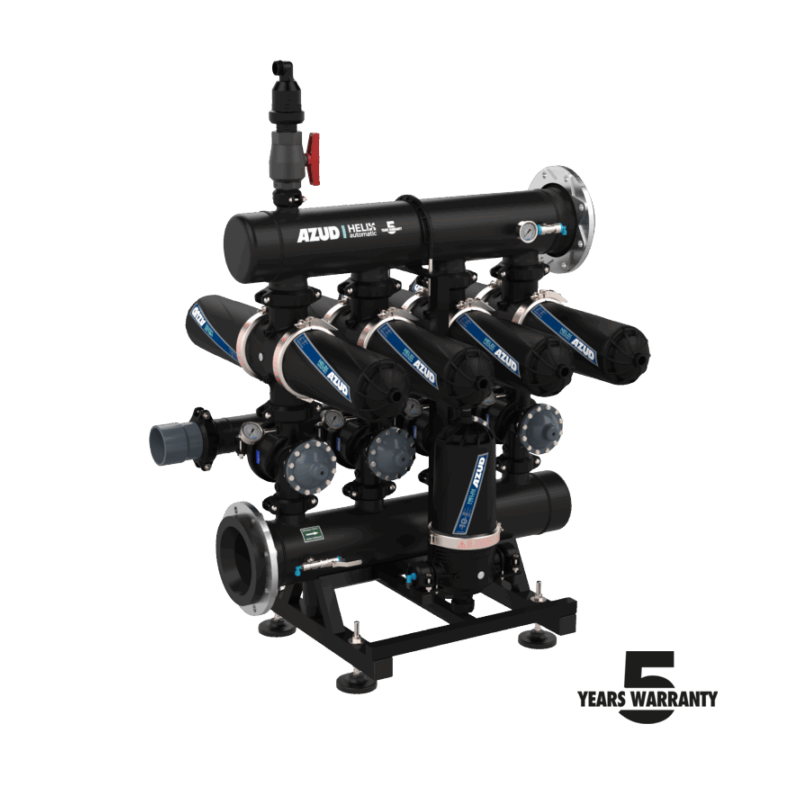
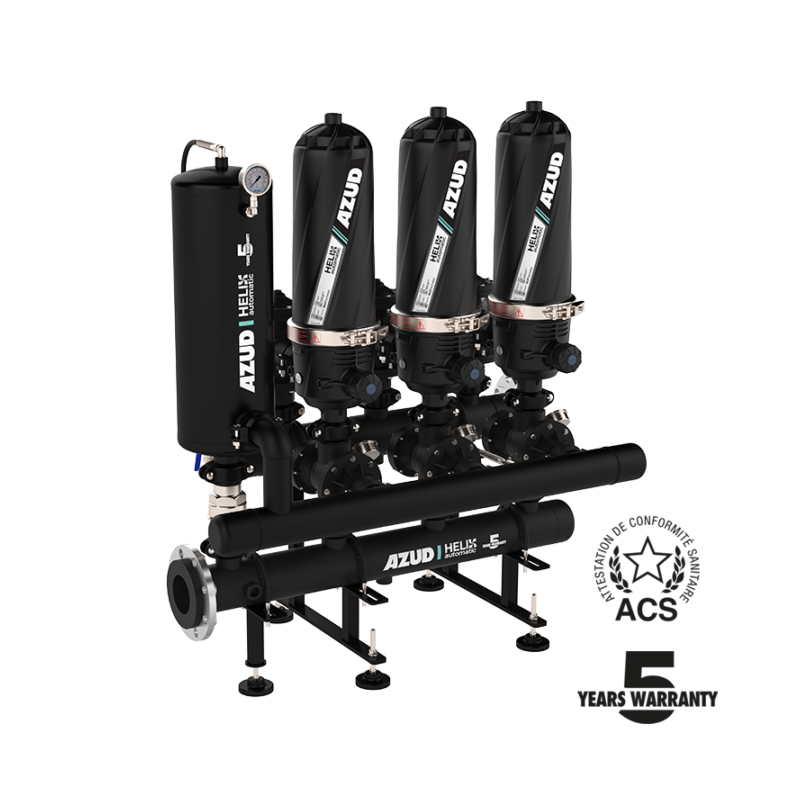
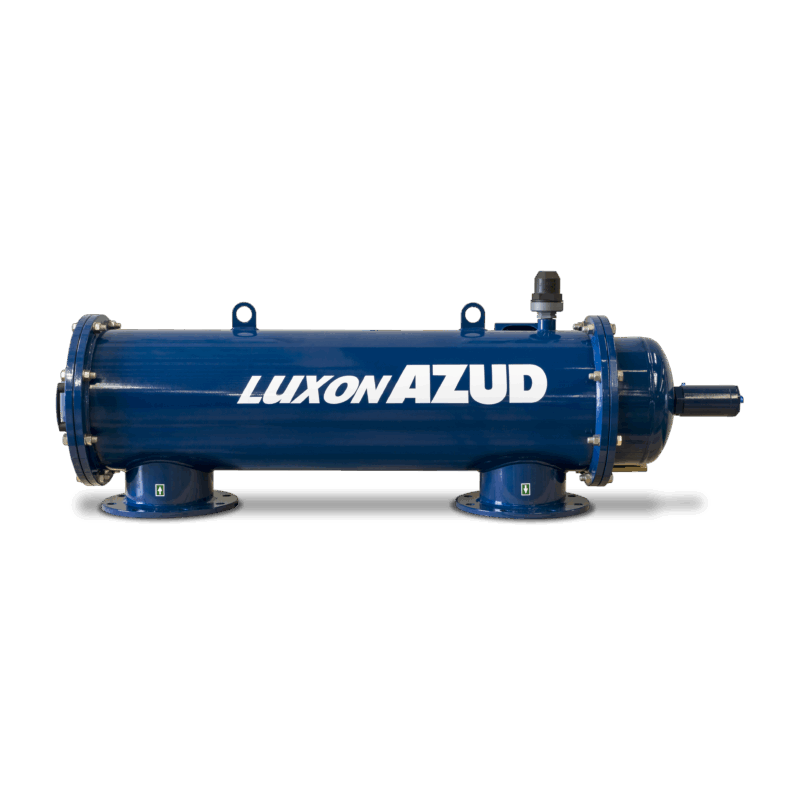
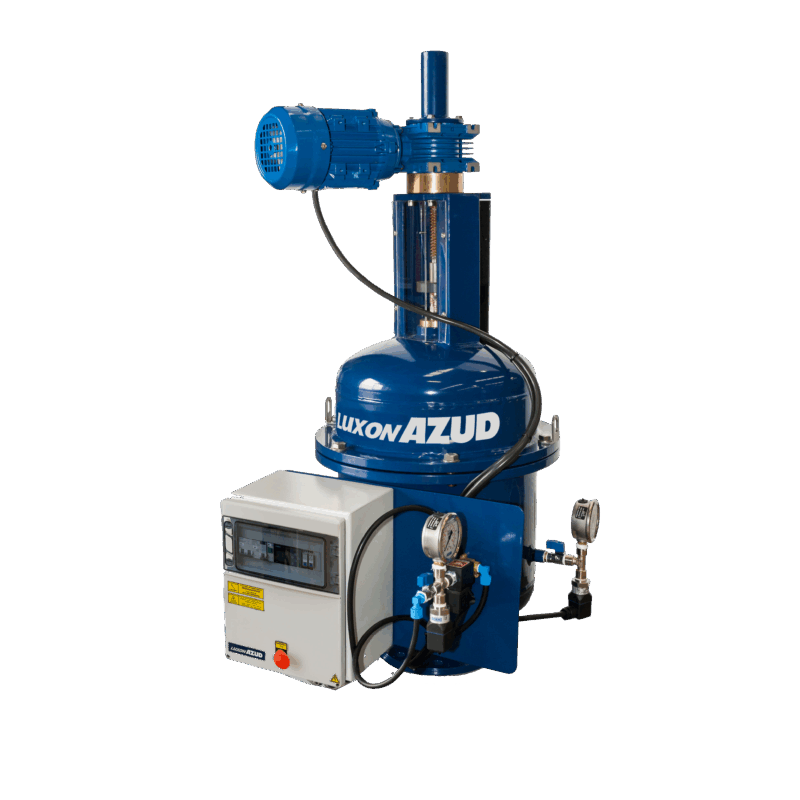
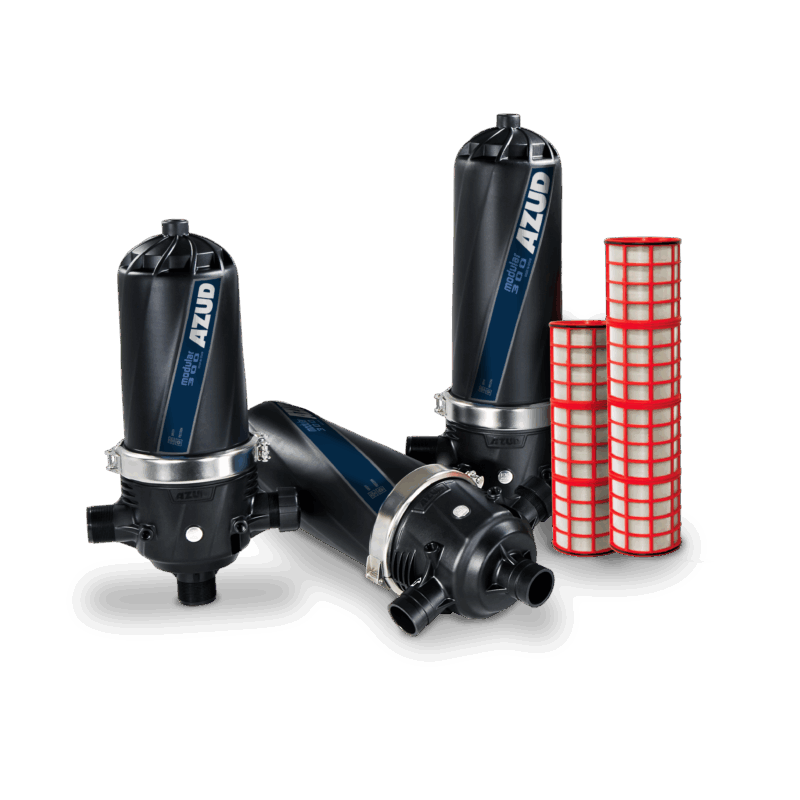
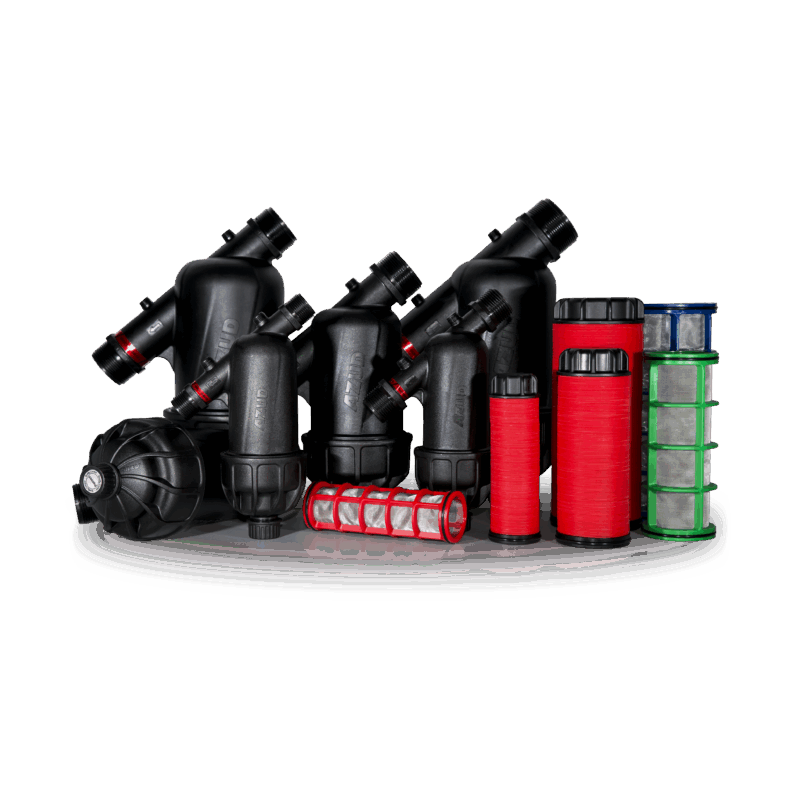
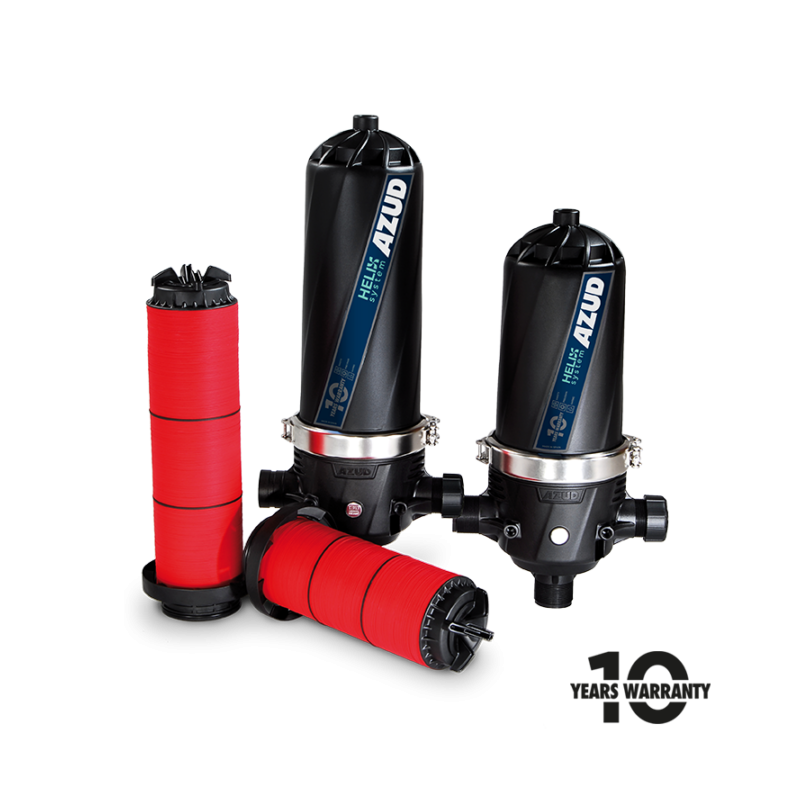
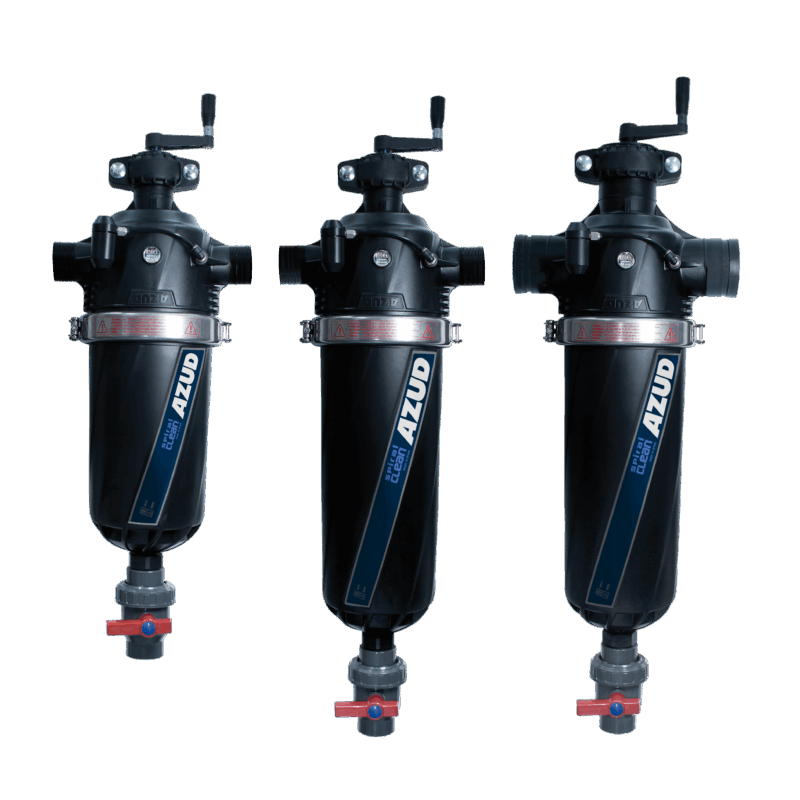
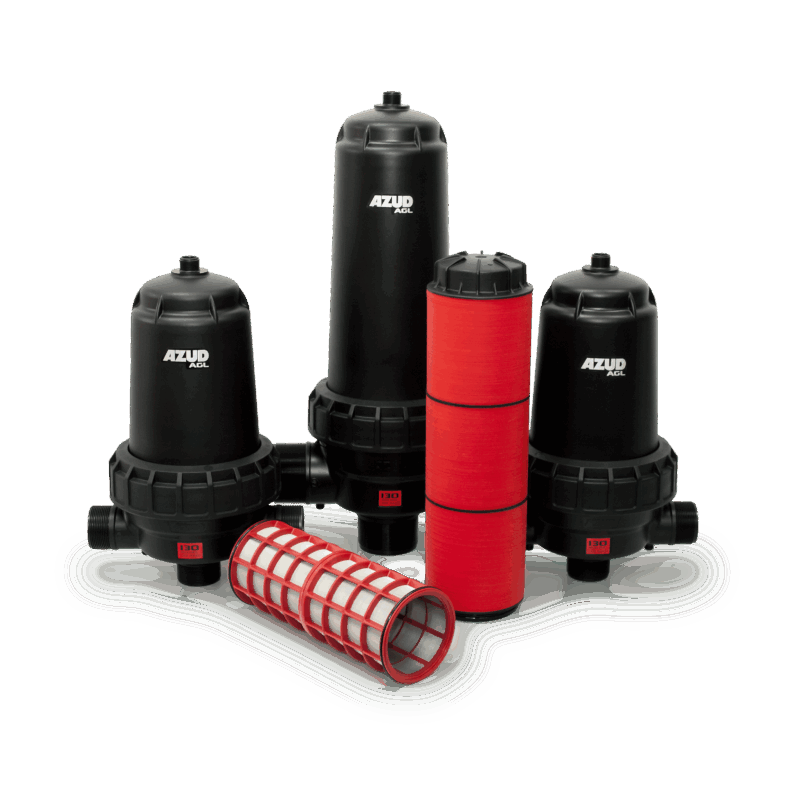
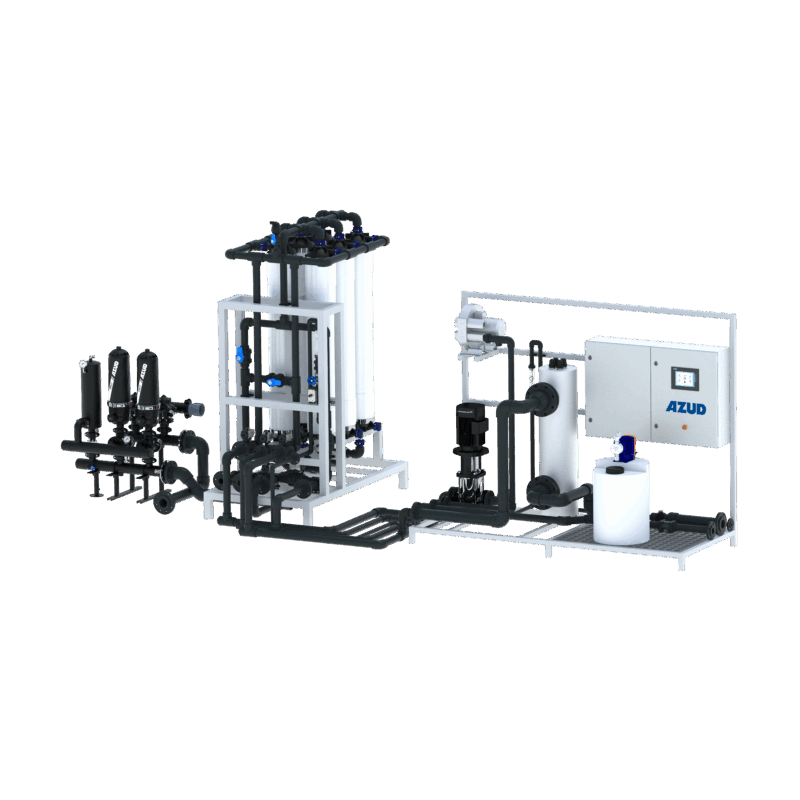
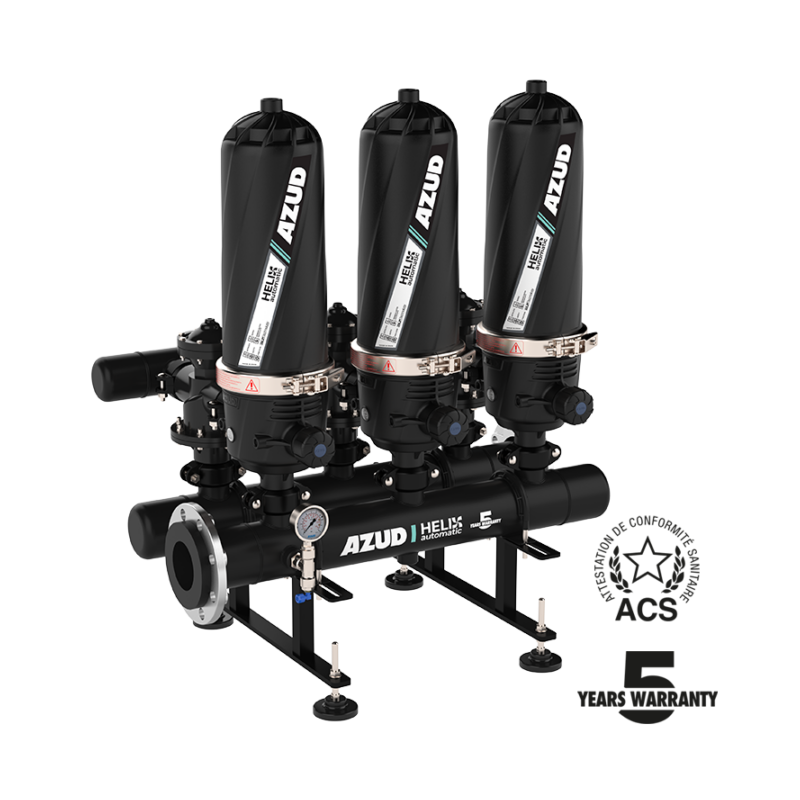
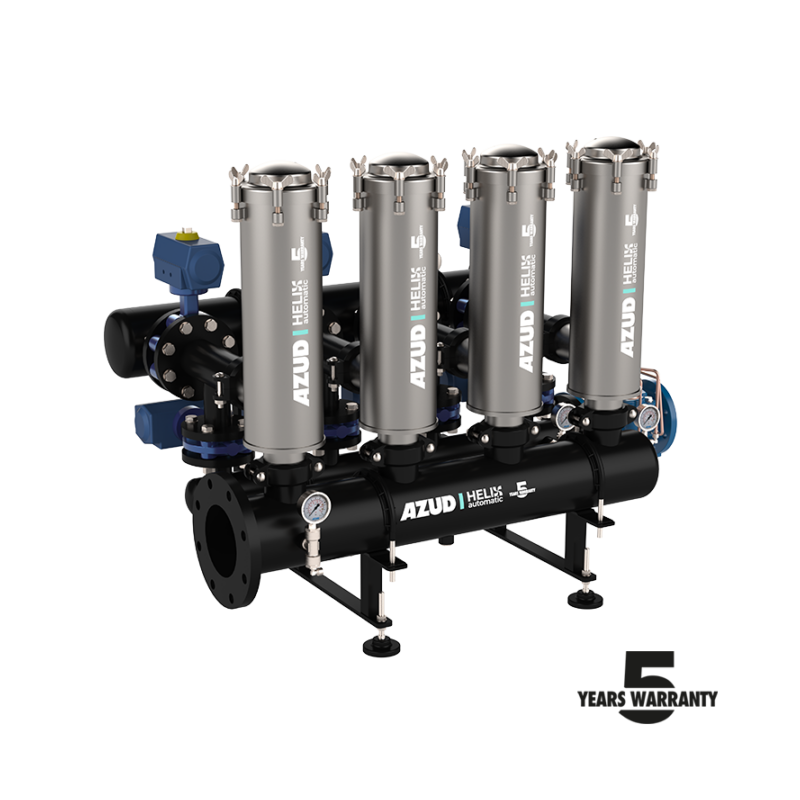
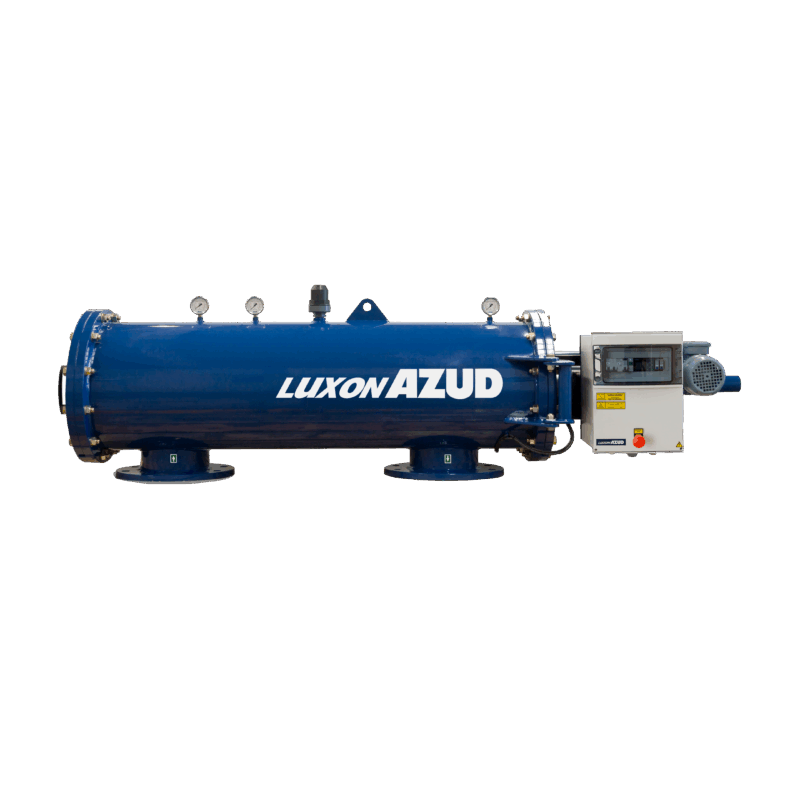
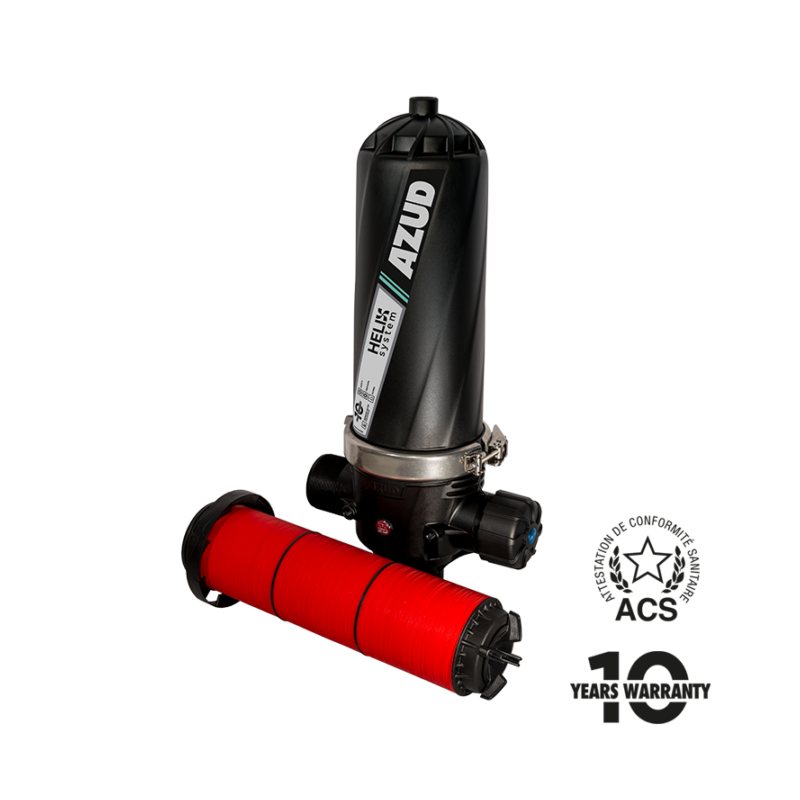
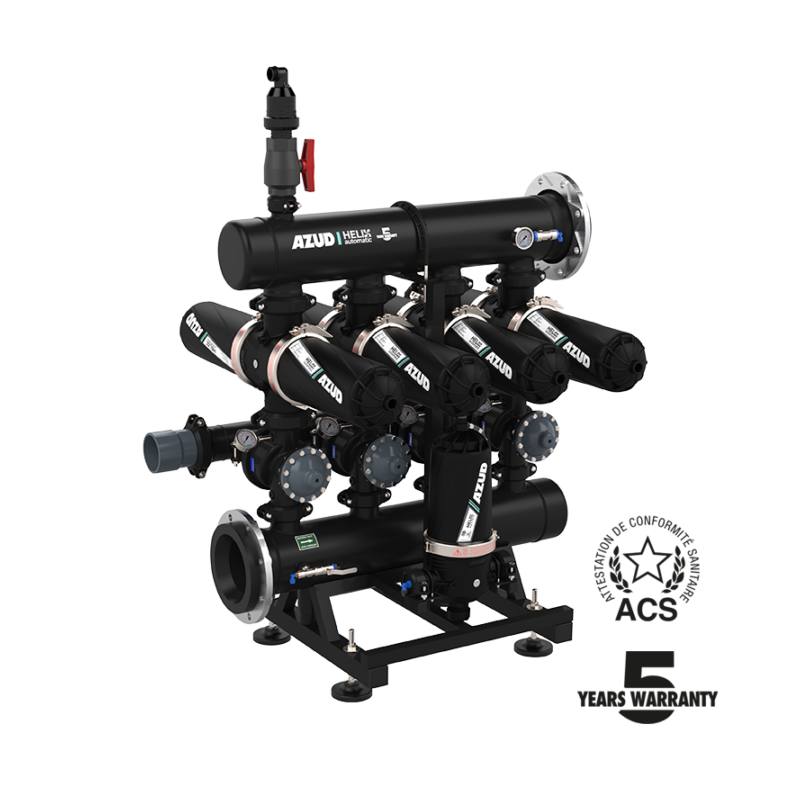
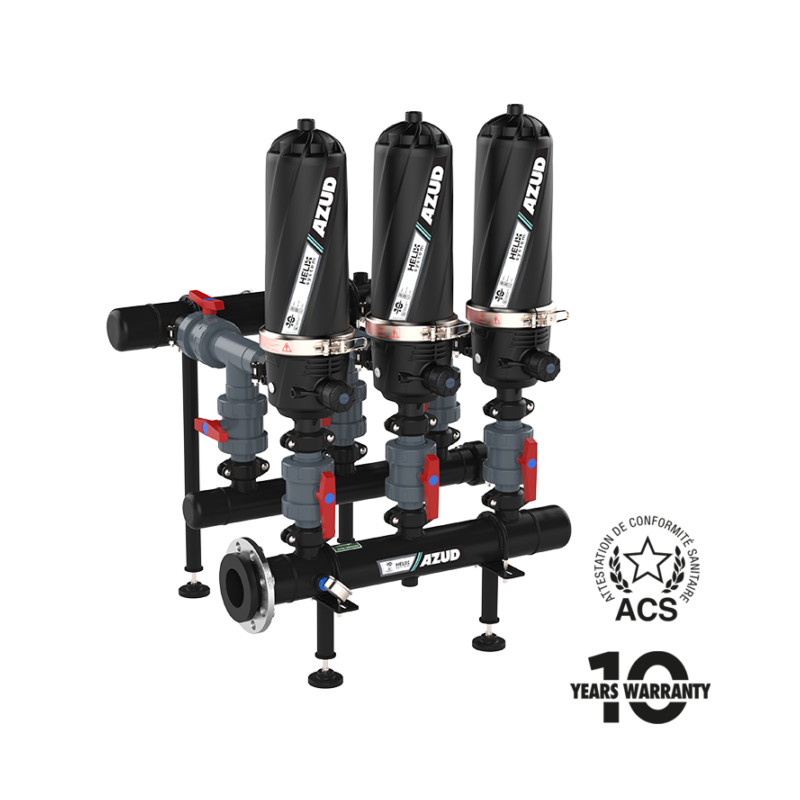
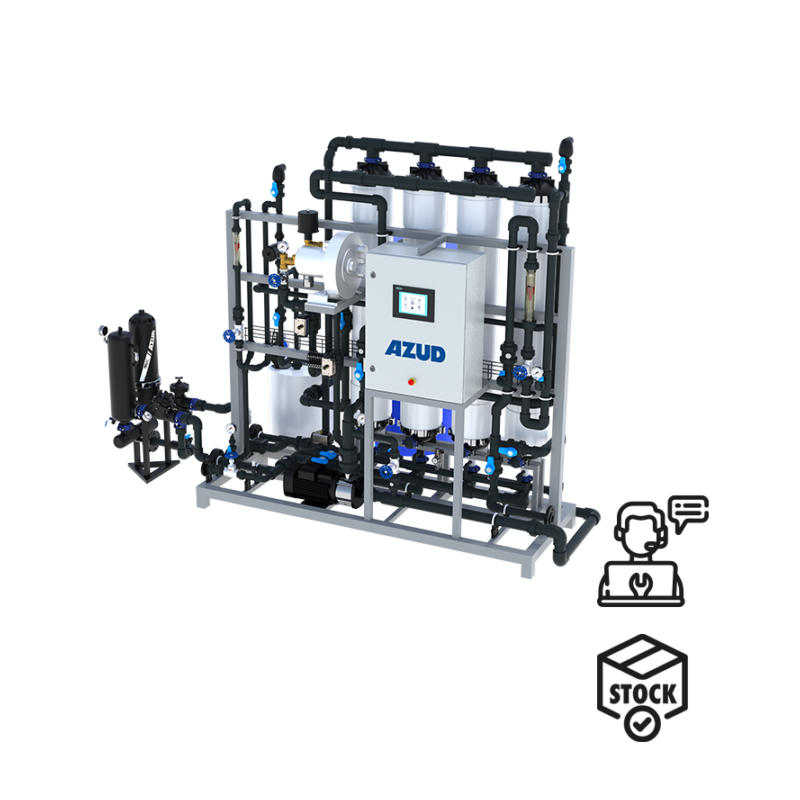
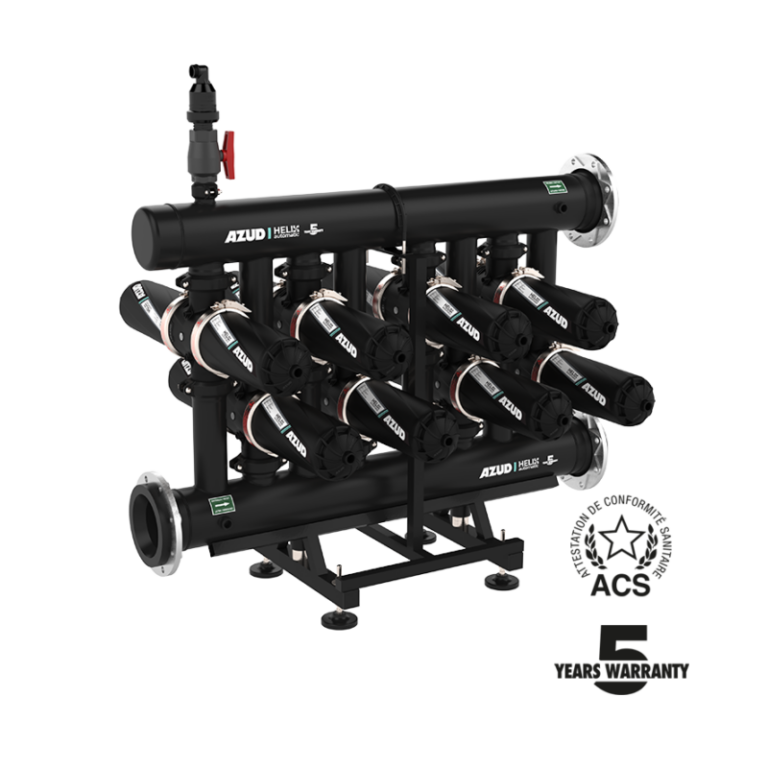
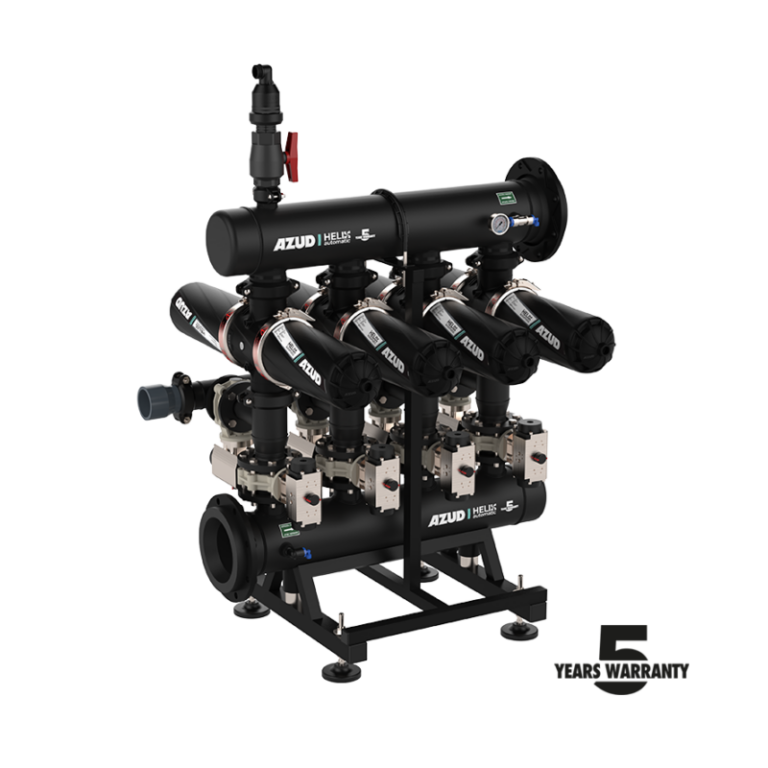
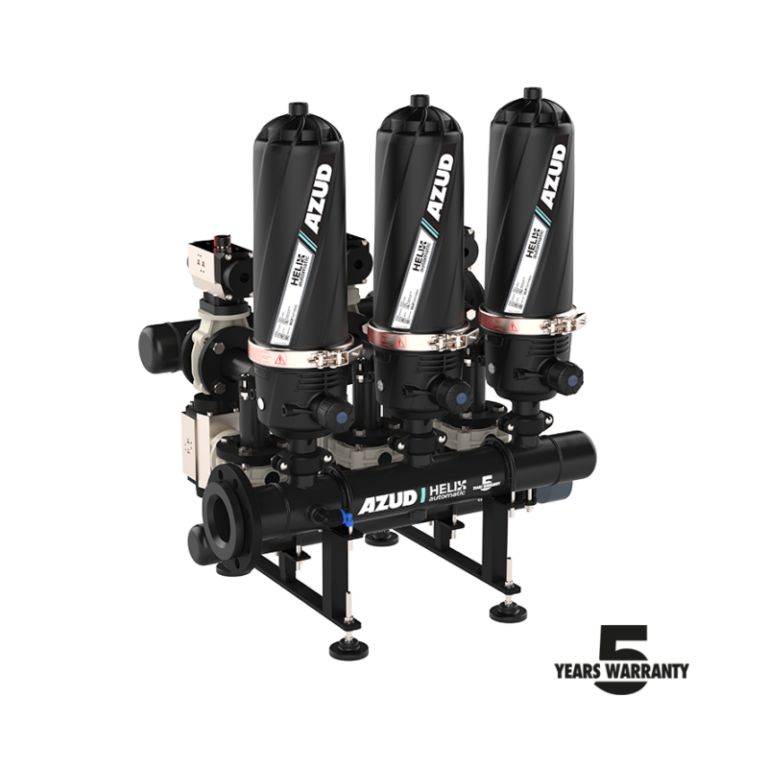
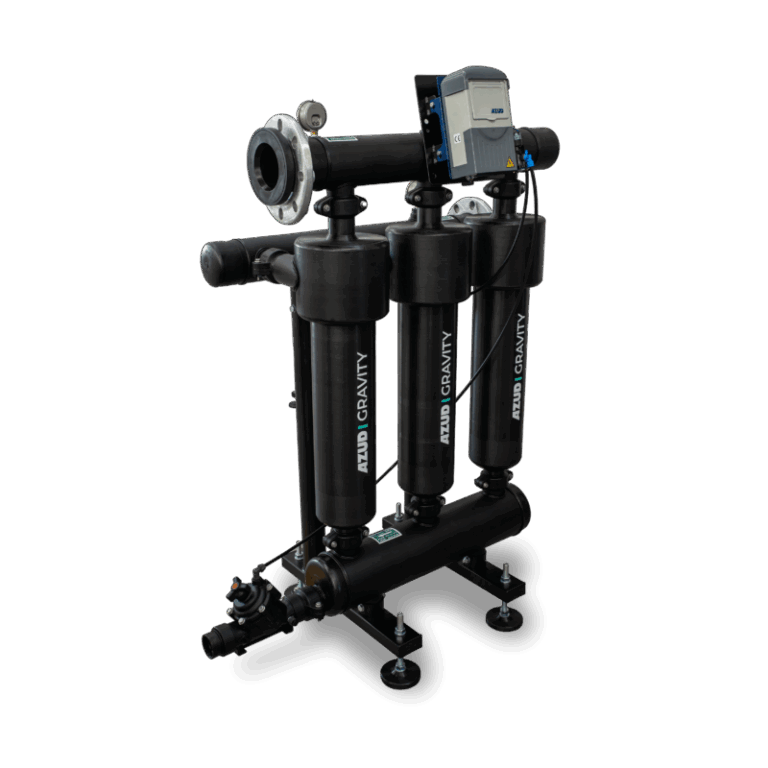
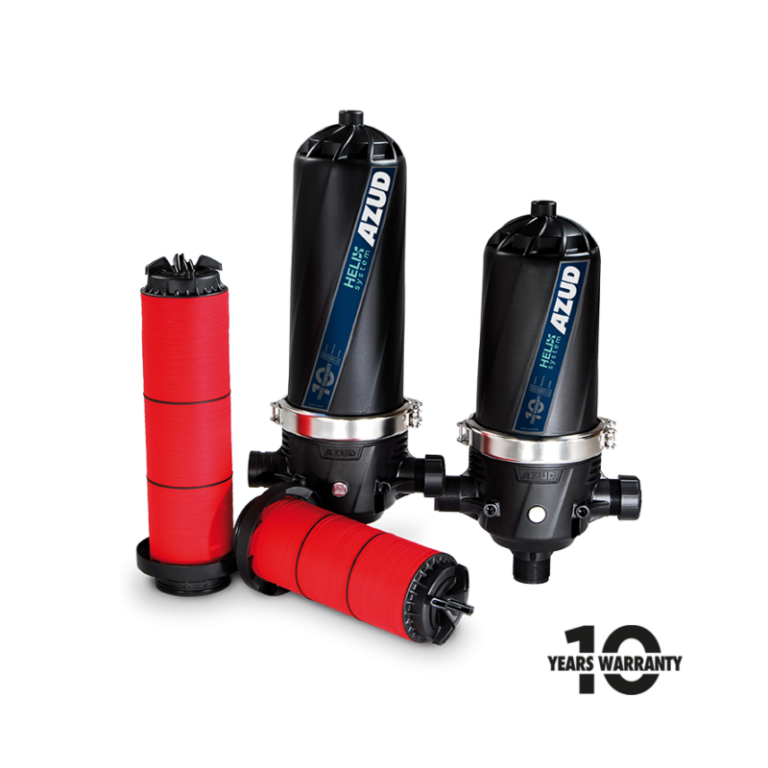
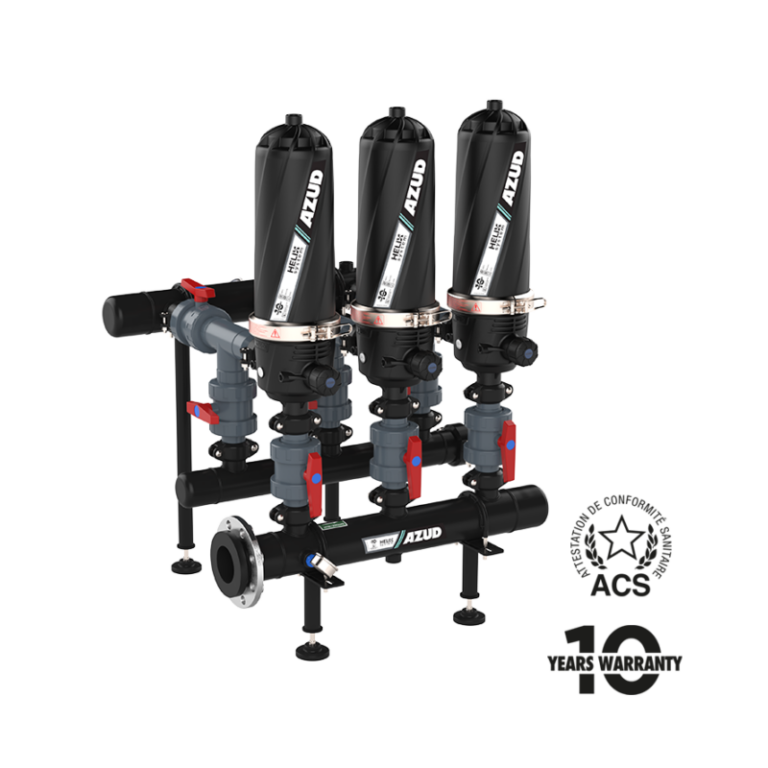
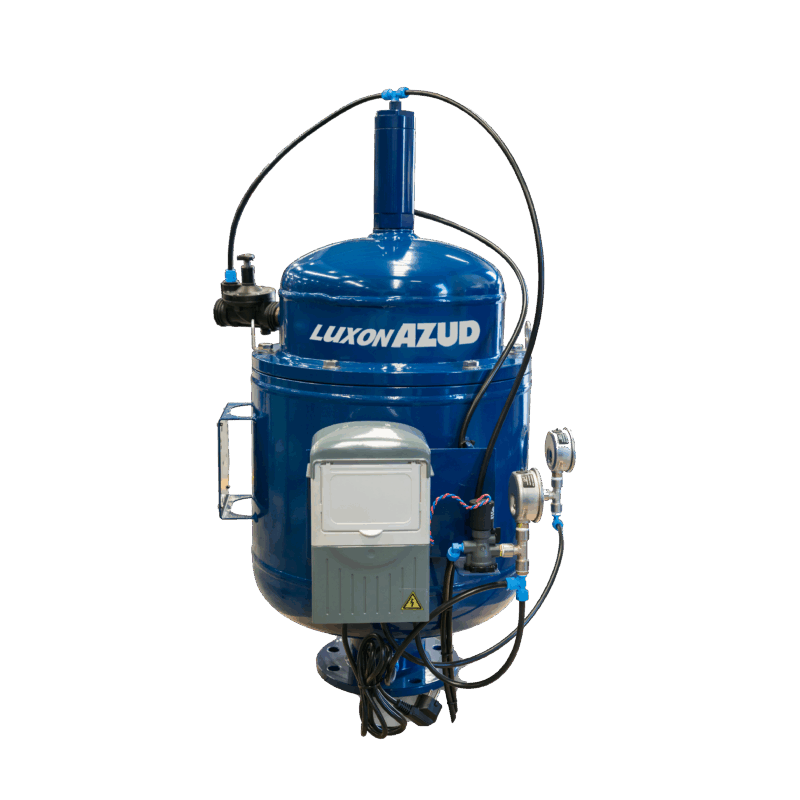
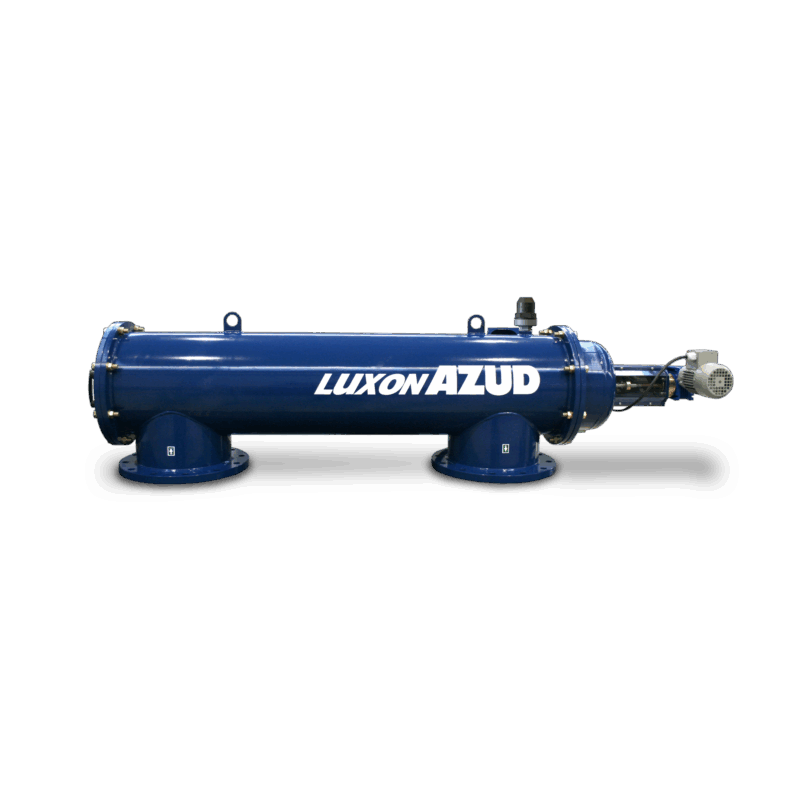
AZUD’s filtration systems contribute to the reliability and durability of the installation, ensuring the proper operation of the irrigation system throughout the entire crop cycle.
It will depend on the local weather conditions. Irrigation can help reduce production risks in particularly dry years.
The tillering, heading, and grain-filling stages are the most sensitive to water stress.
The system will depend on the farm and water availability. Both sprinkler irrigation and drip irrigation can be viable options if managed properly.