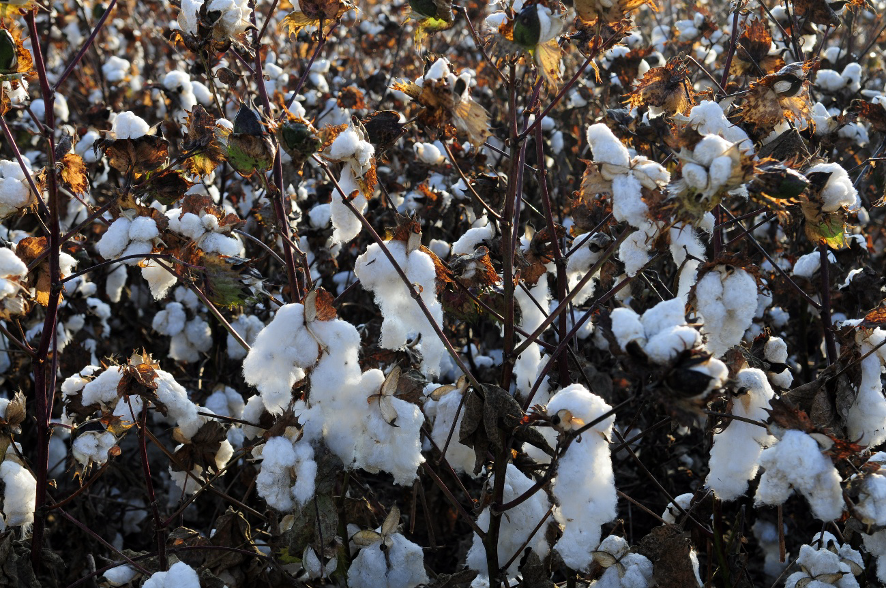
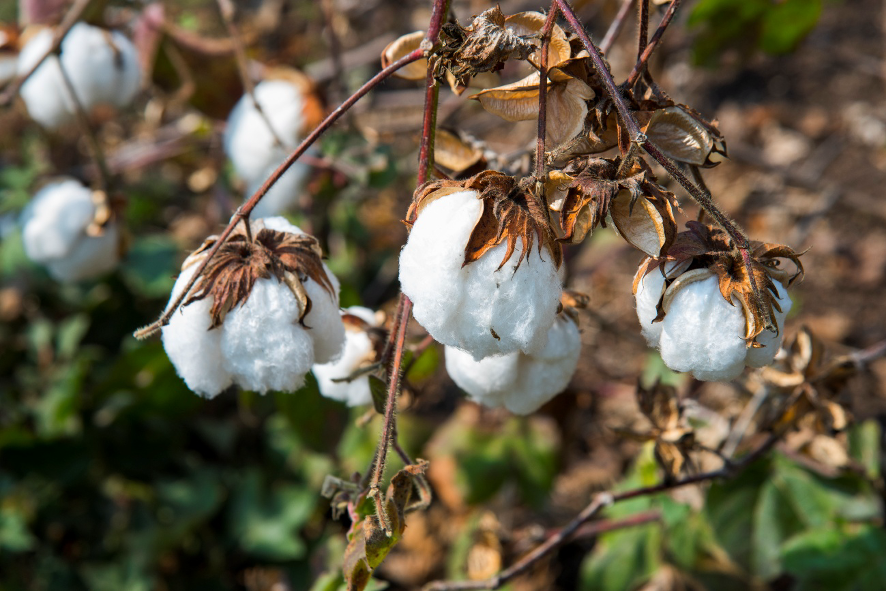
Cotton (Gossypium spp.) is one of the world’s oldest industrial crops. It originated in various tropical and subtropical regions, where it began to be cultivated independently thousands of years ago in Asia, Africa, and the Americas, in conjunction with the development of the earliest textile industries.
Over time, cotton cultivation spread to numerous regions due to the value of its natural fiber, becoming a strategic crop for the textile industry and a key source of income in many agricultural economies.
Today, cotton is grown mainly in warm-climate areas with good sunlight and well-defined seasons. It adapts to different soil types, provided they have good drainage, although proper water management is crucial for achieving high yields and high-quality fiber.
Cotton is a crop that is sensitive to irrigation management, especially during the flowering, boll formation, and fiber filling stages. Water stress during these periods can reduce yield and negatively affect the quality of the final product.
Water supply must be adjusted to crop development and weather conditions, avoiding both water stress and excess moisture, which can lead to disease problems and unbalanced vegetative growth.
A well-planned irrigation strategy contributes to uniform crop development and greater yield stability throughout the growing season.
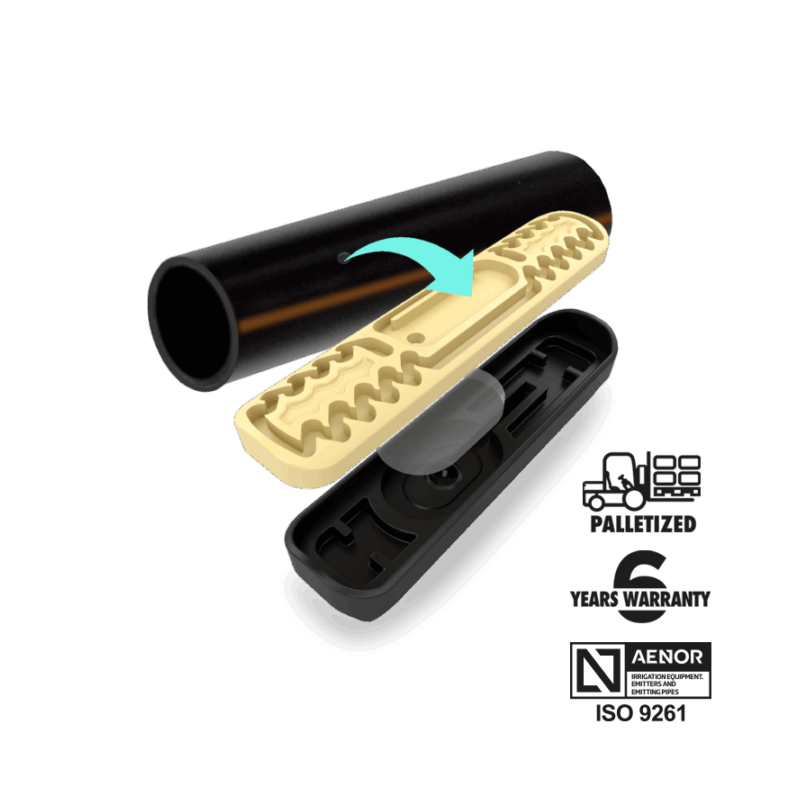
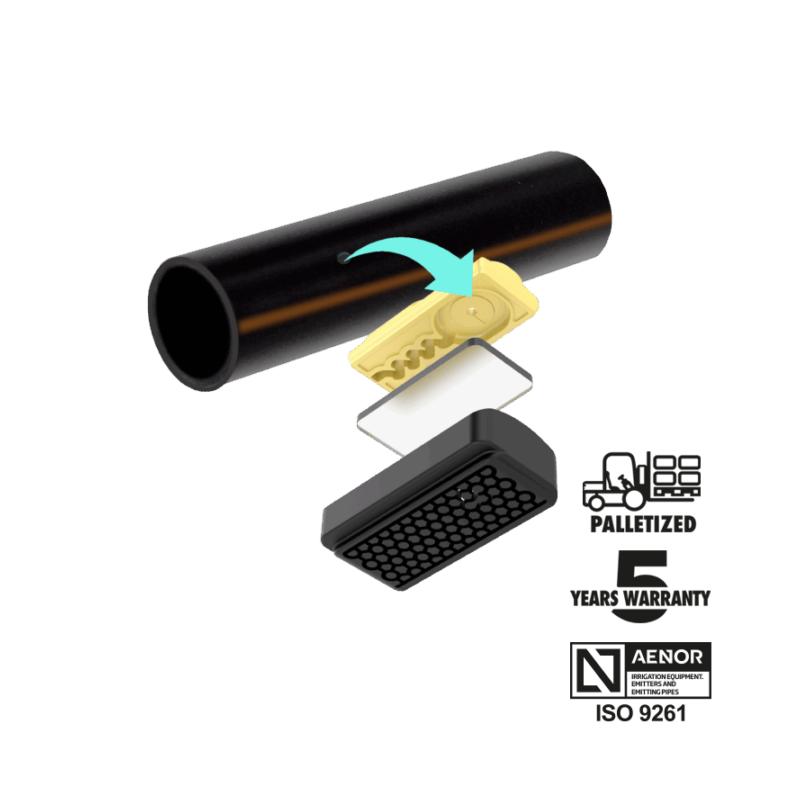
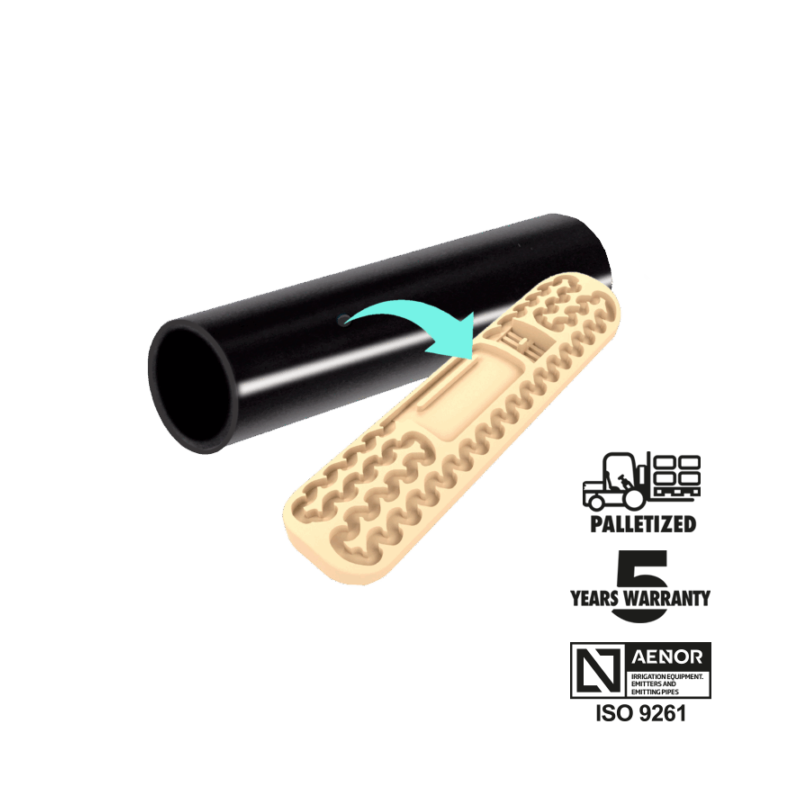
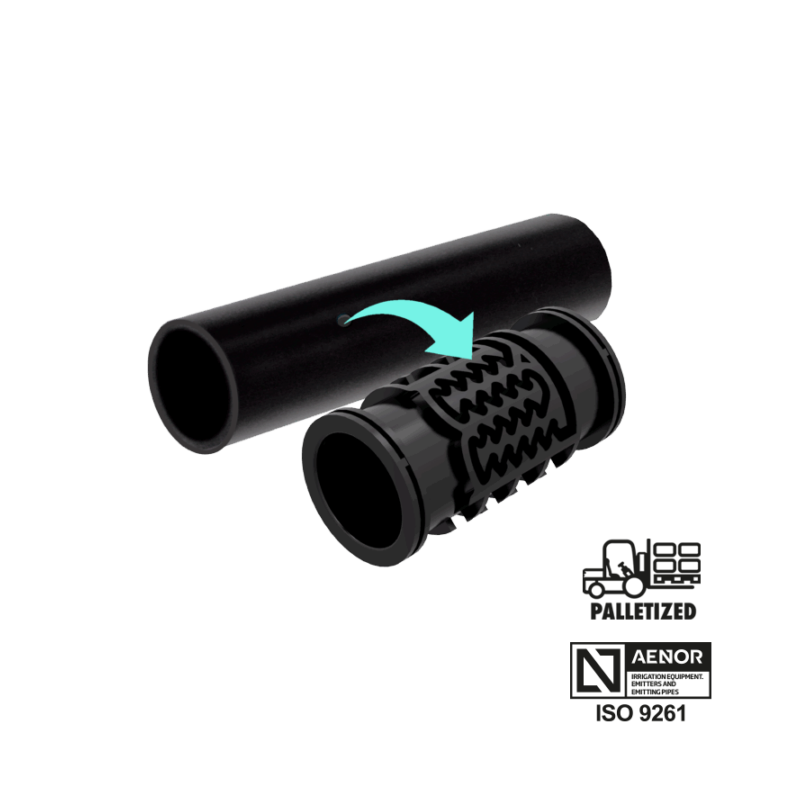
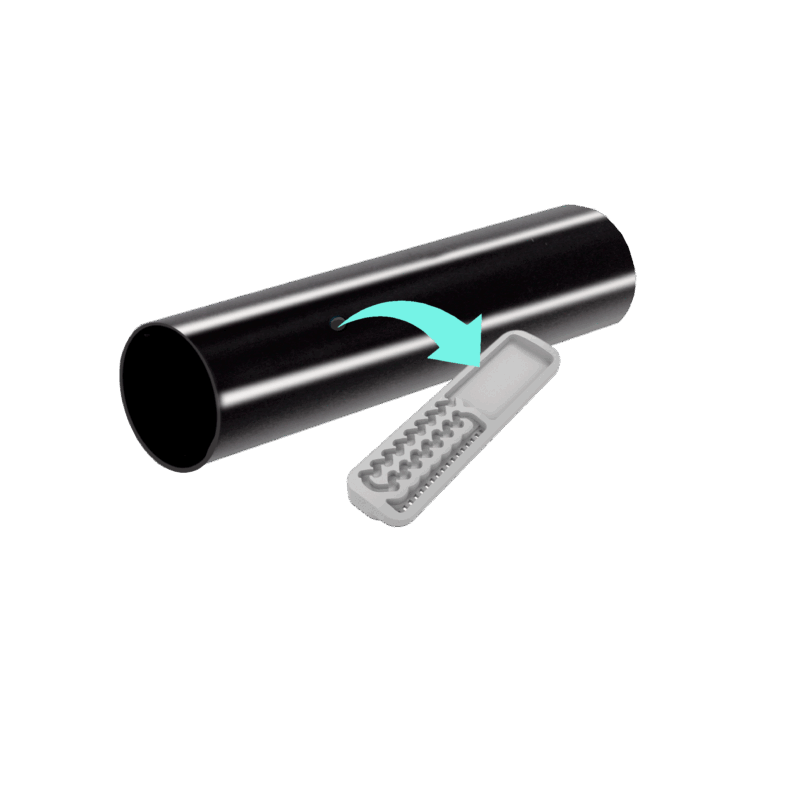
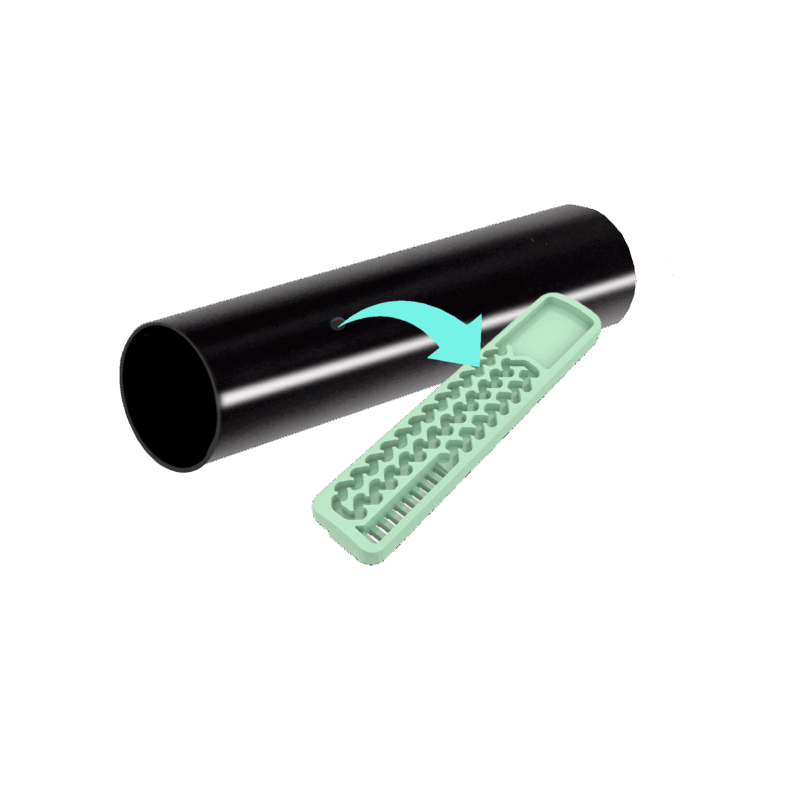
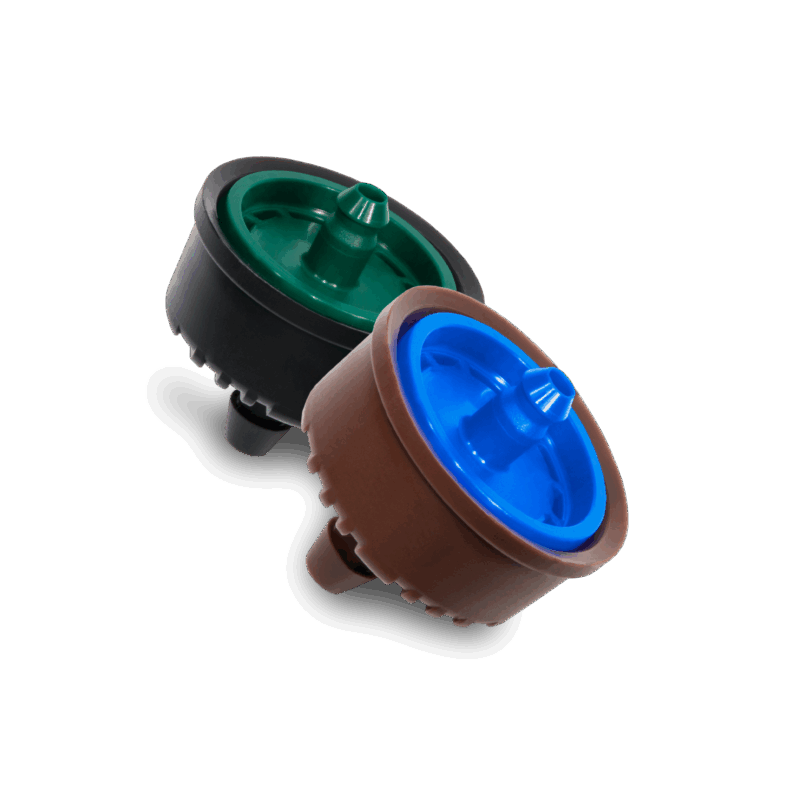
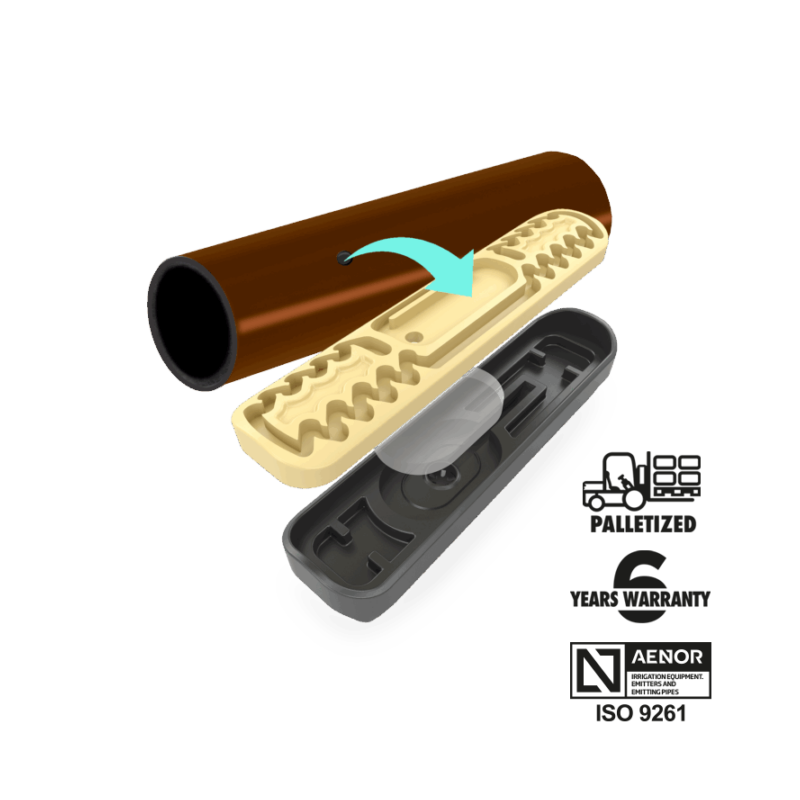
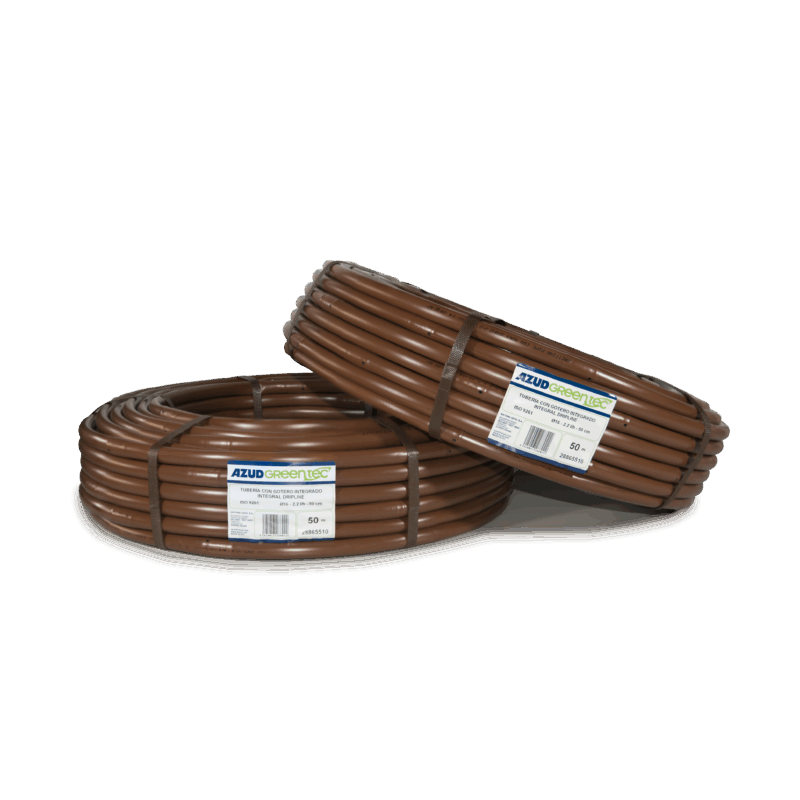
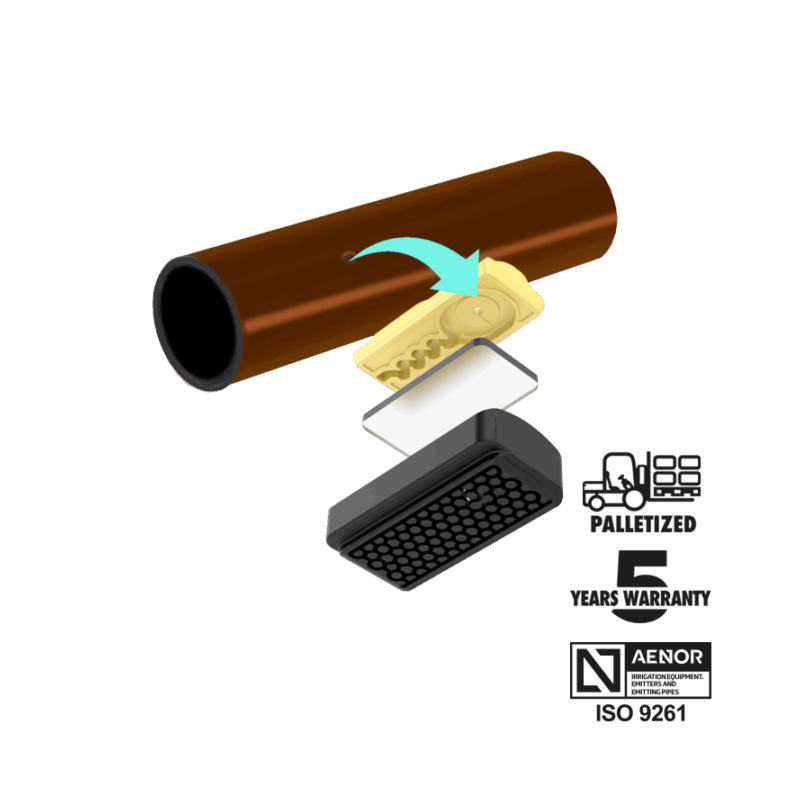
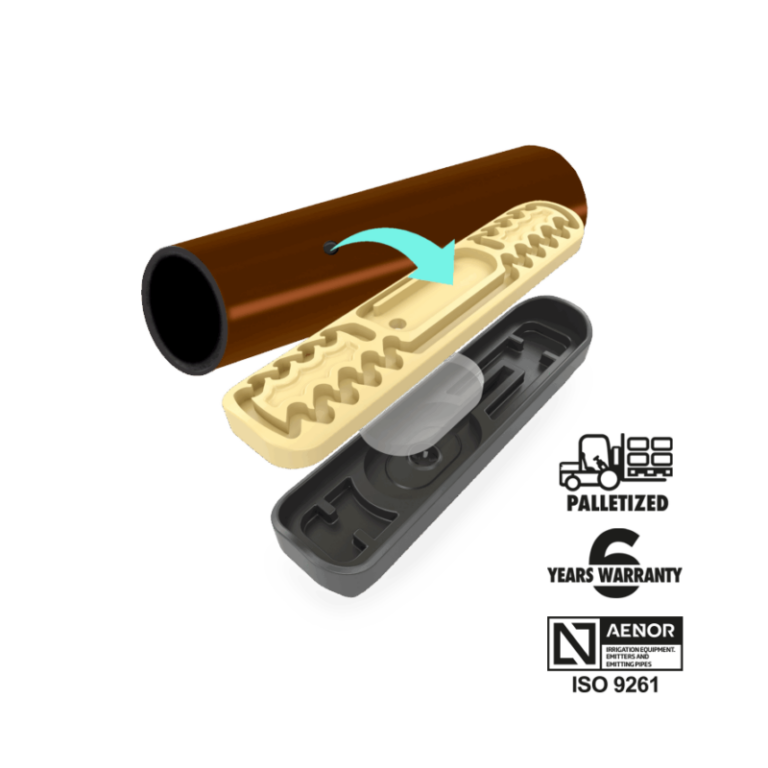
In cotton cultivation, the irrigation system must allow for precise control of water application throughout the growing cycle. Surface and sprinkler irrigation systems have traditionally been used, although drip irrigation has established itself as an efficient alternative for optimizing water use.
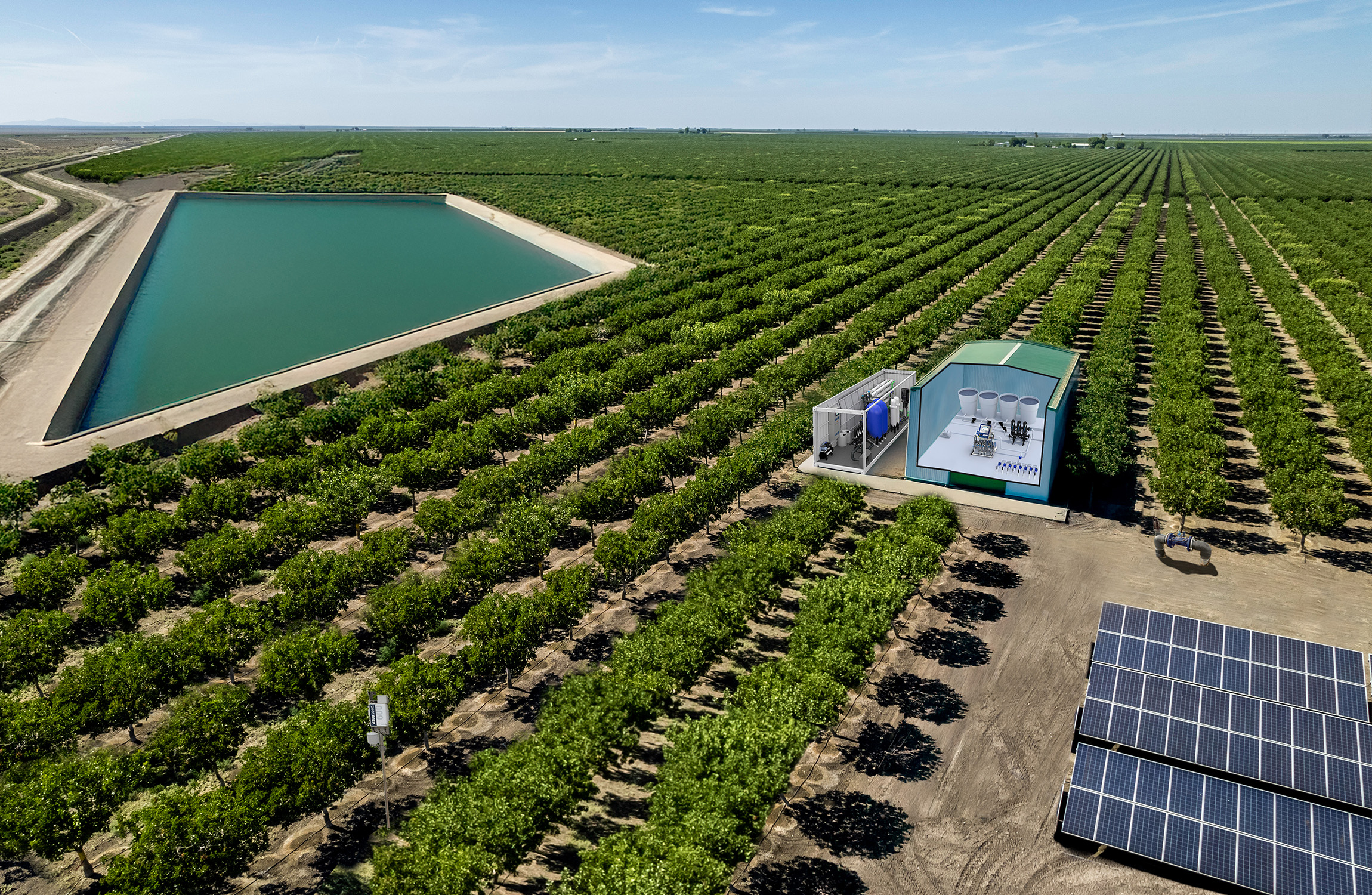
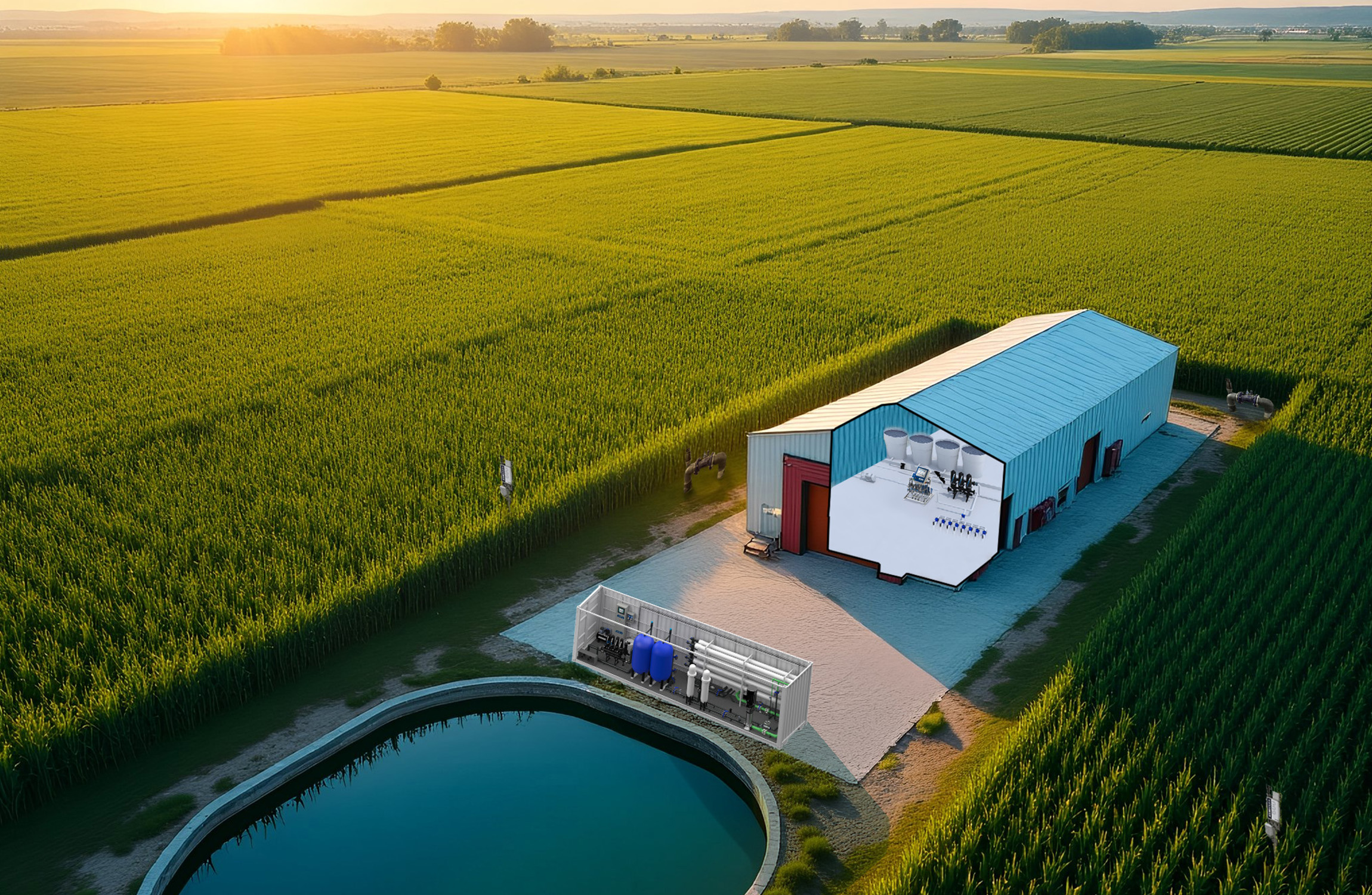
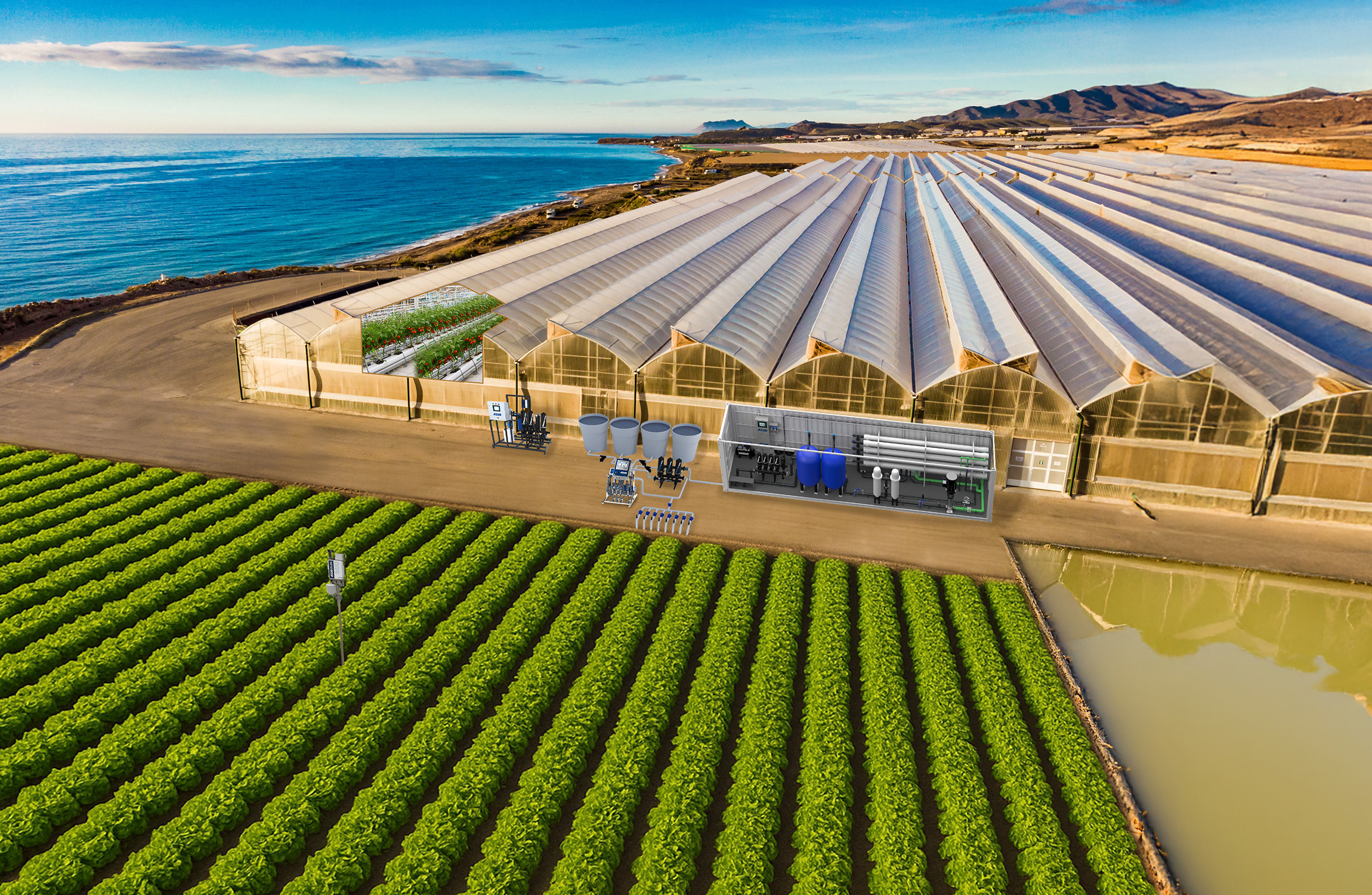
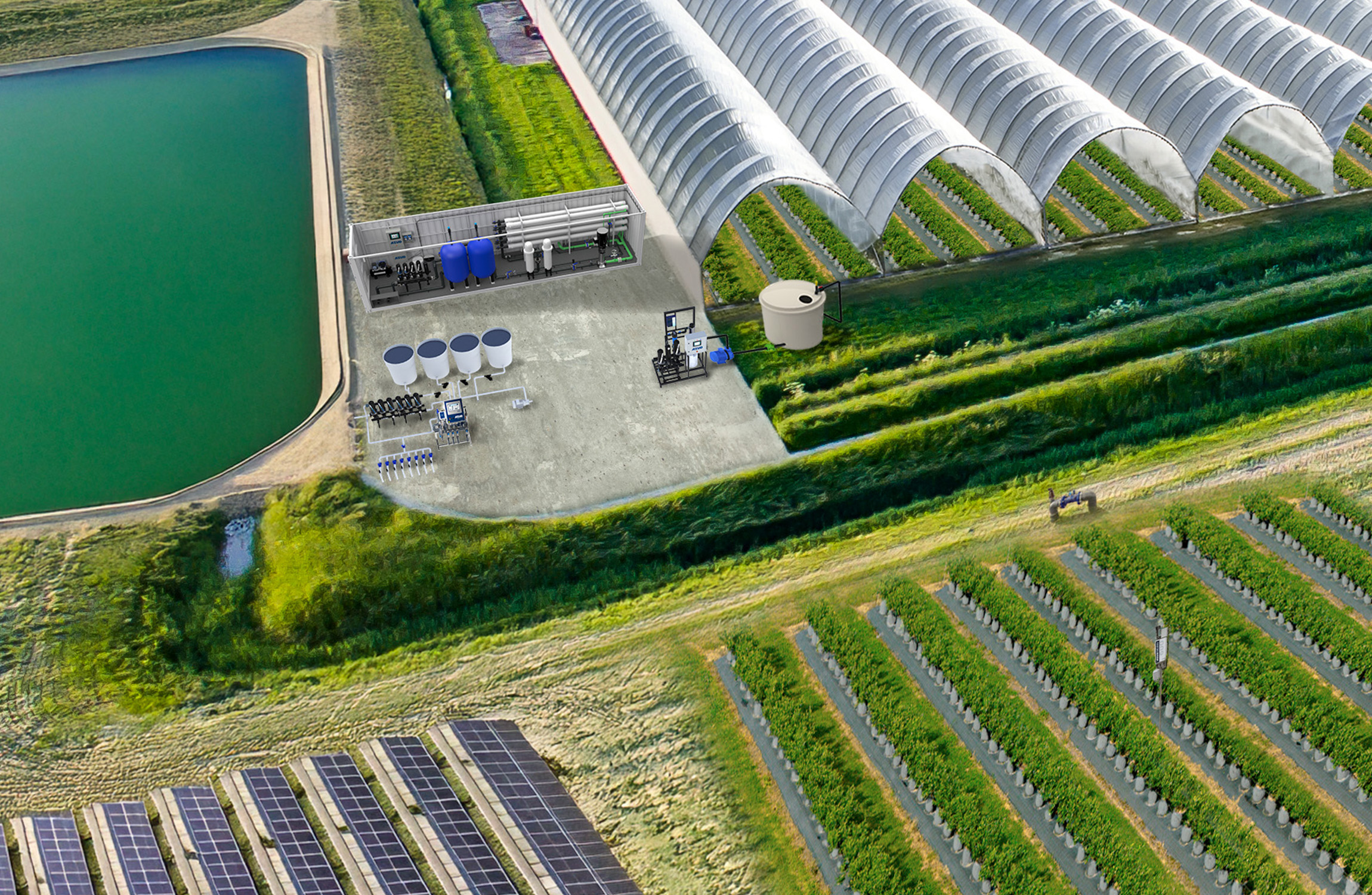
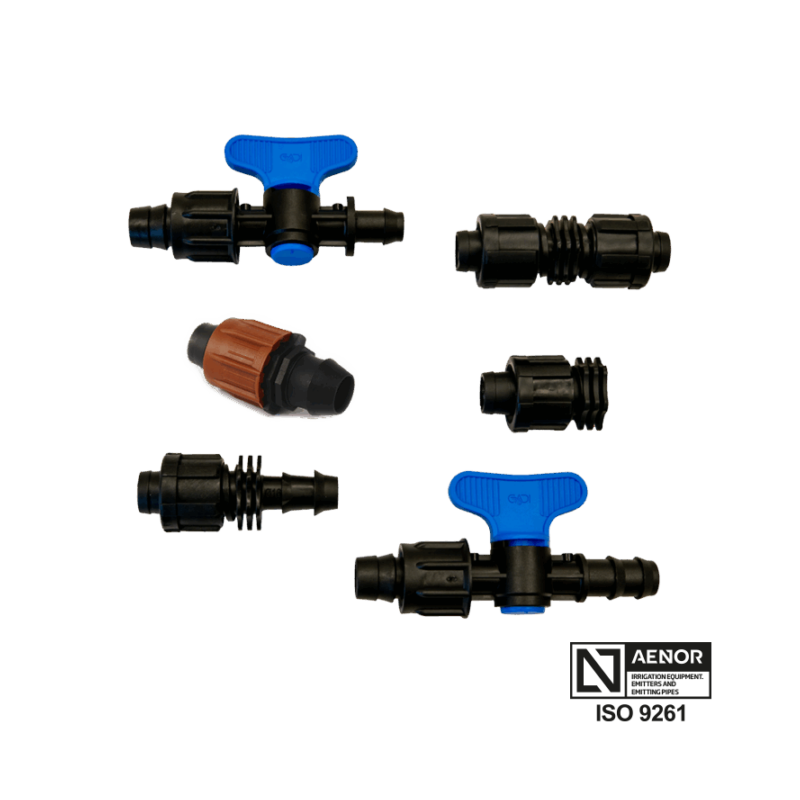
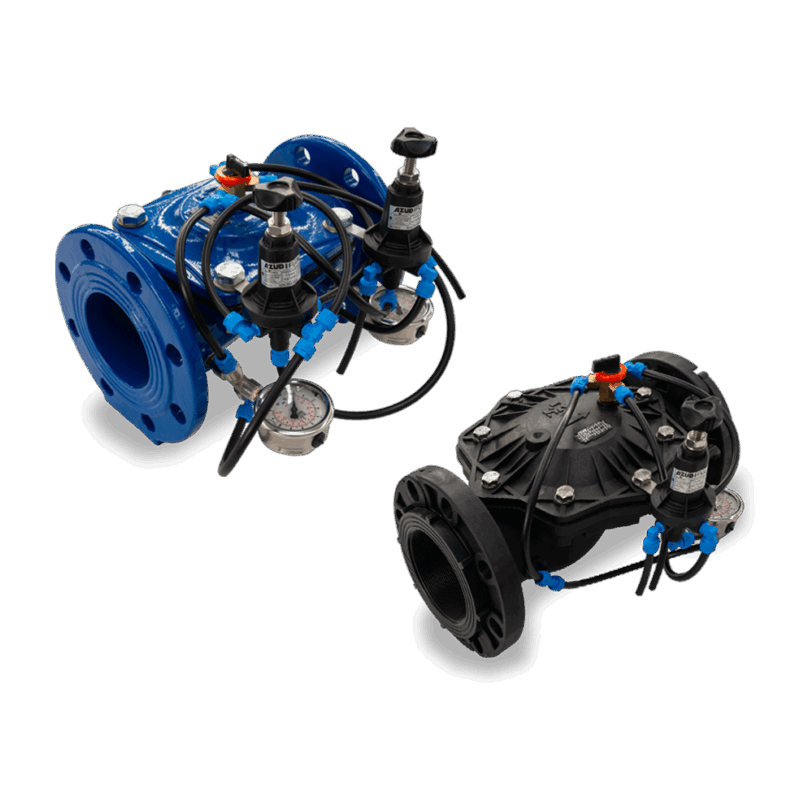
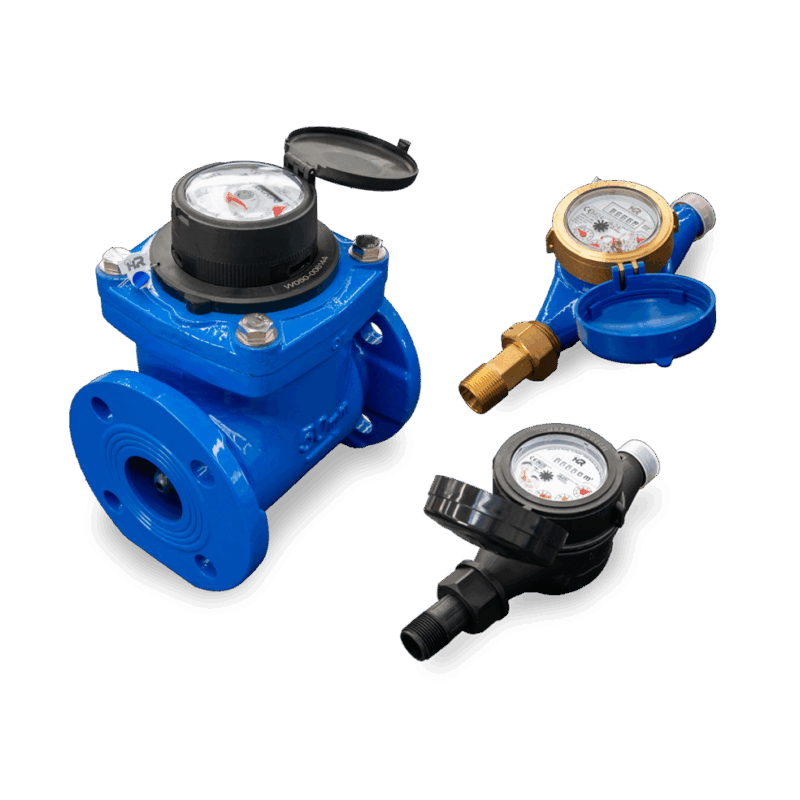
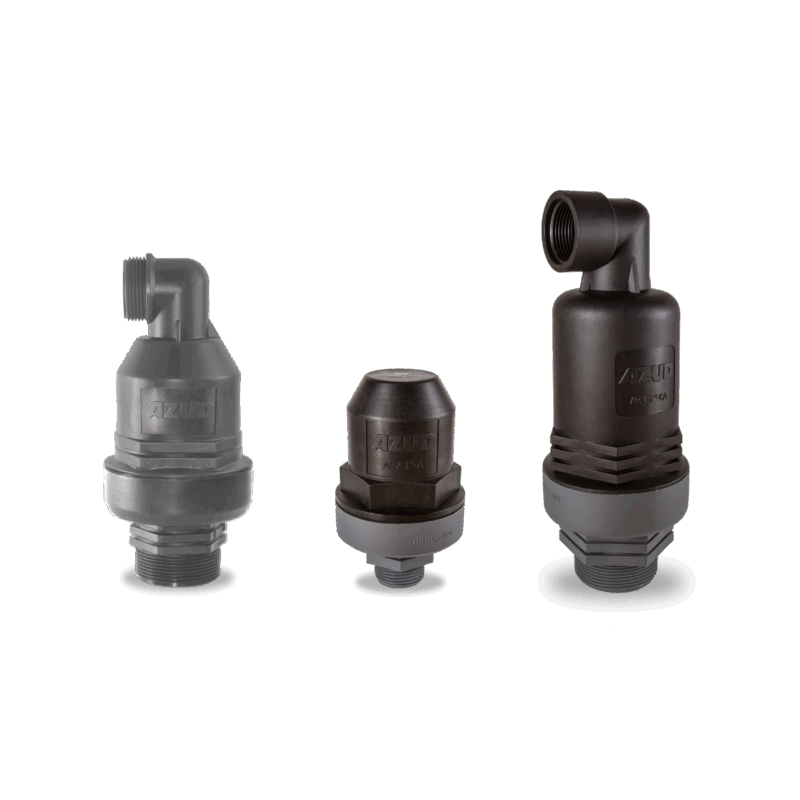
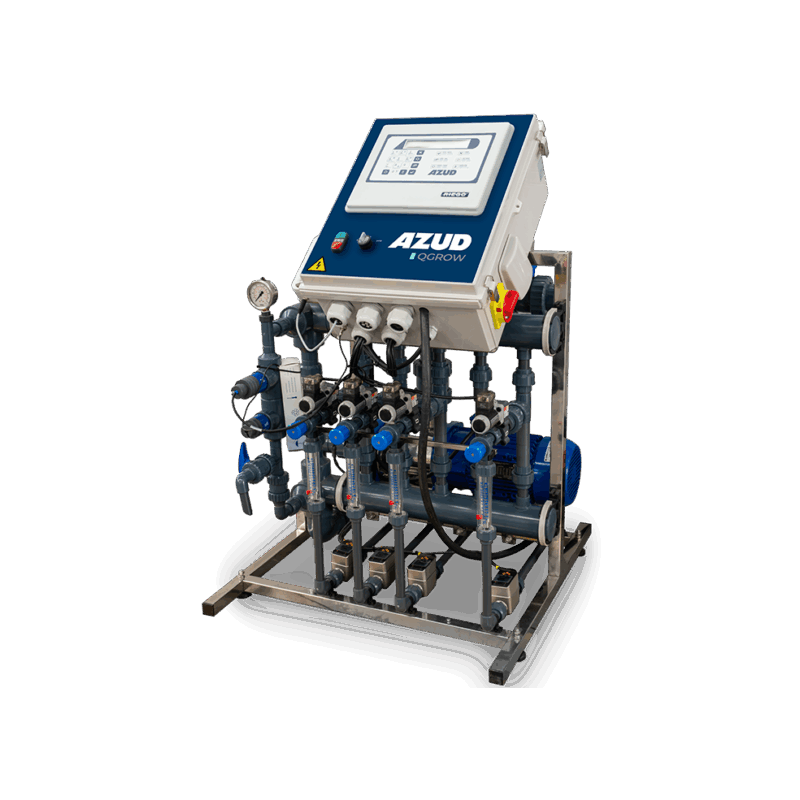
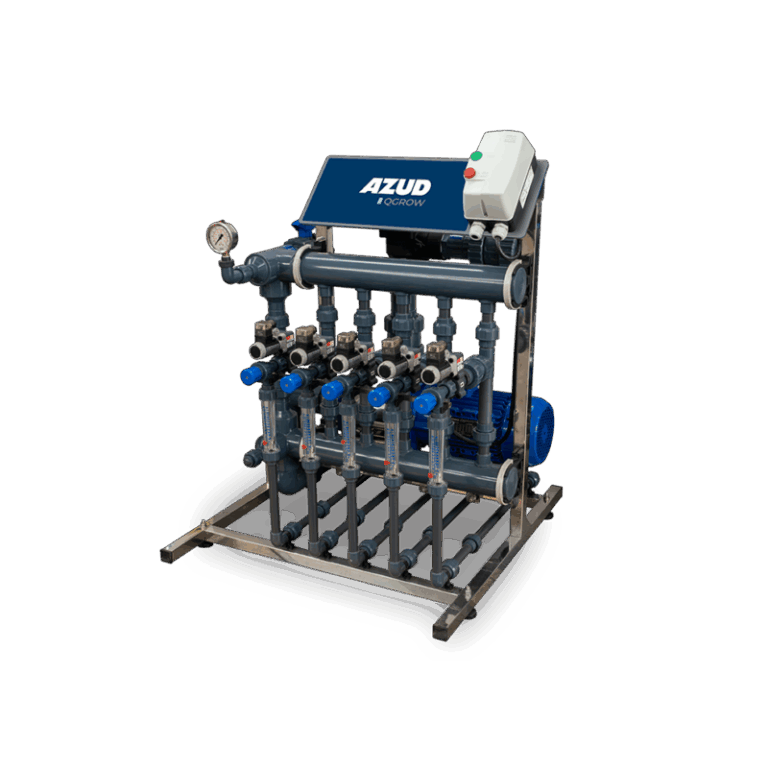
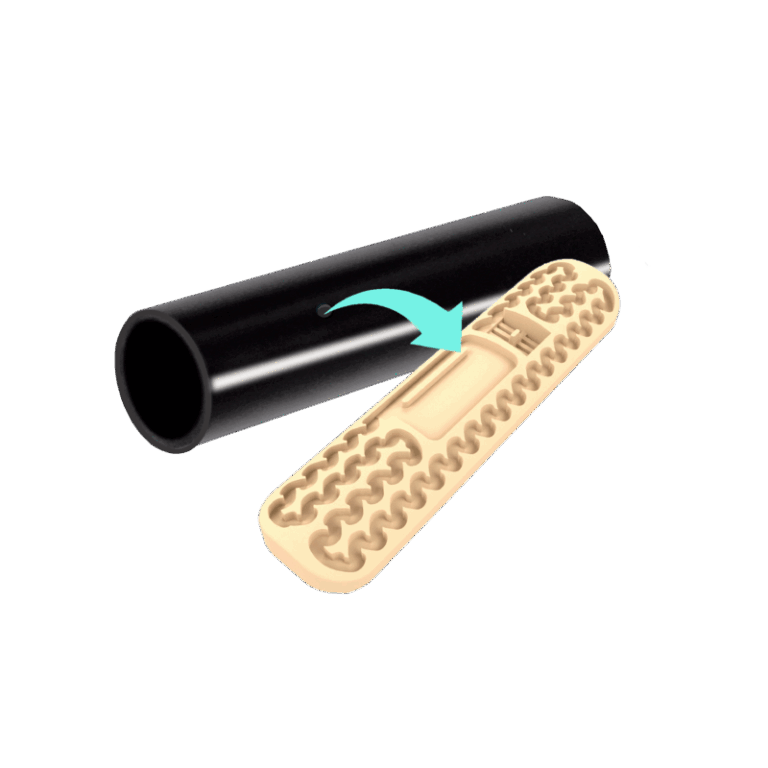
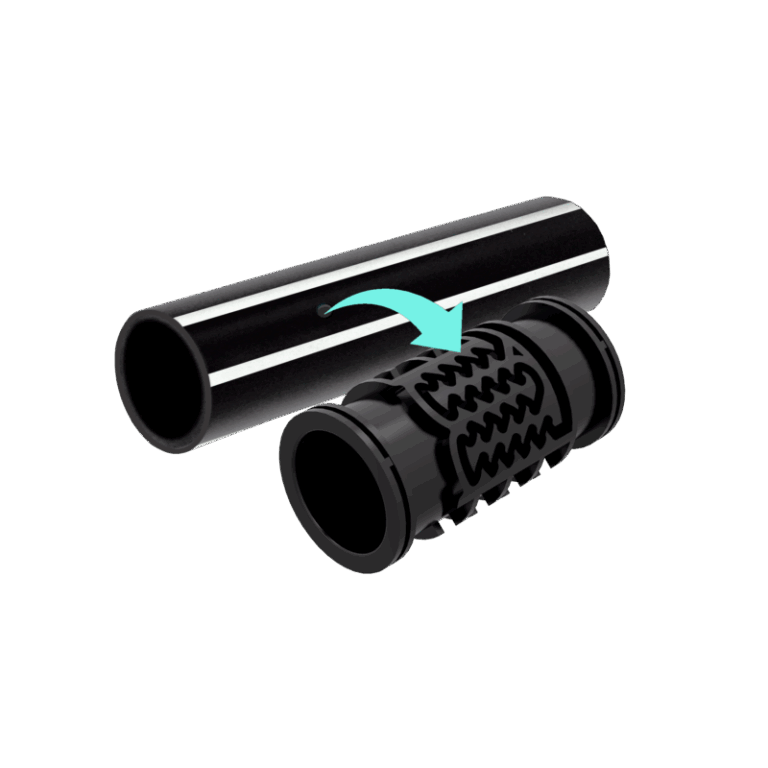
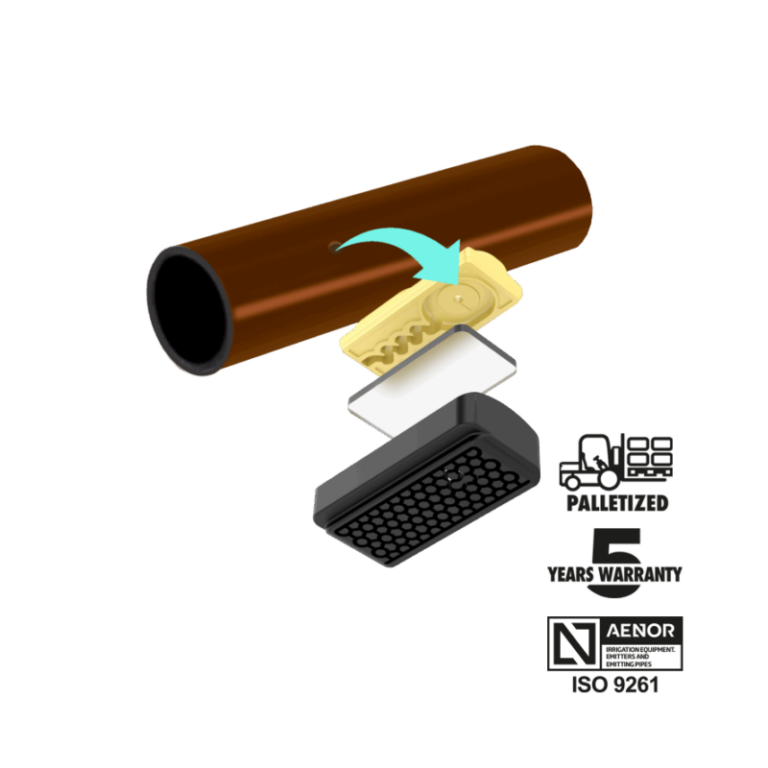
AZUD’s irrigation solutions allow the system to be adapted to the characteristics of each farm, promoting uniform water distribution and greater control during the most critical stages of the crop cycle.
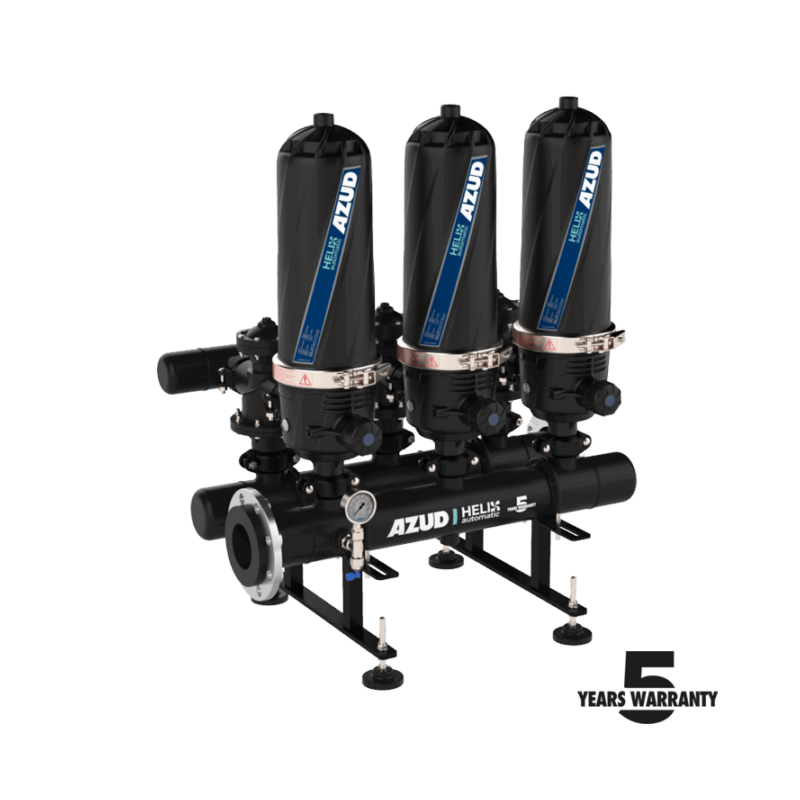
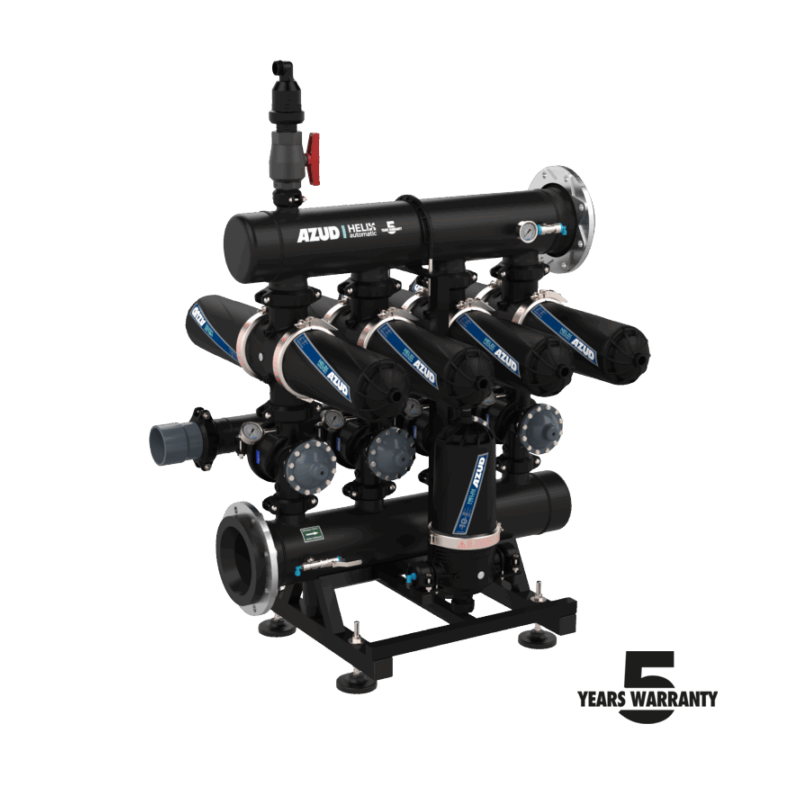
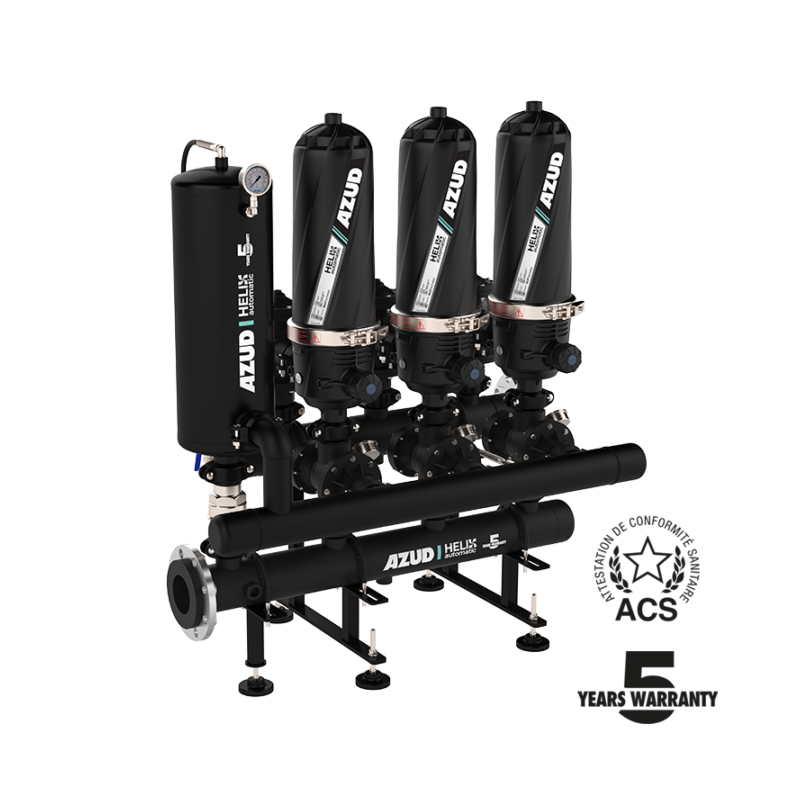
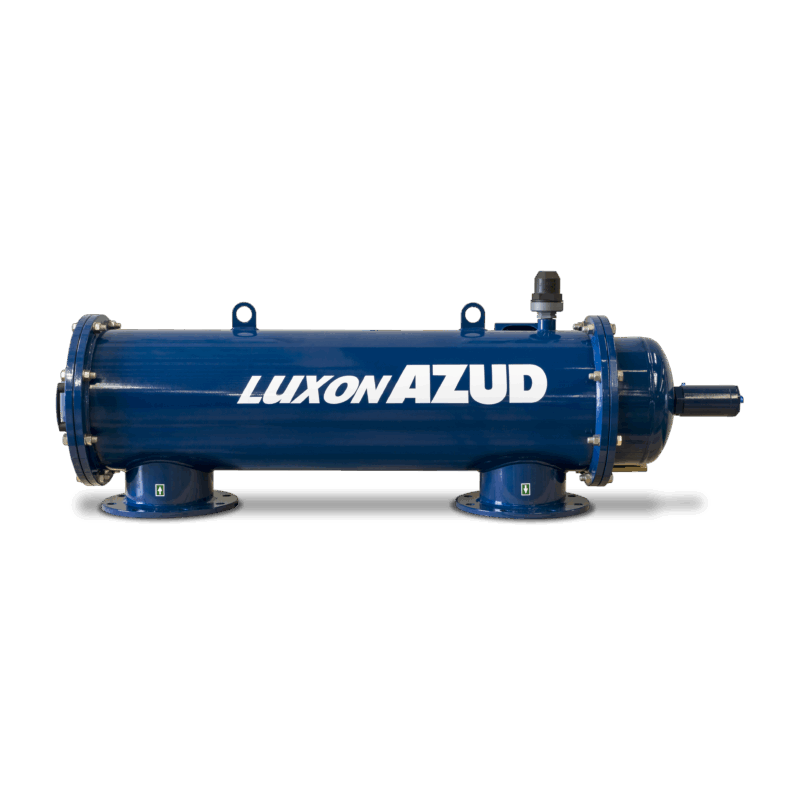
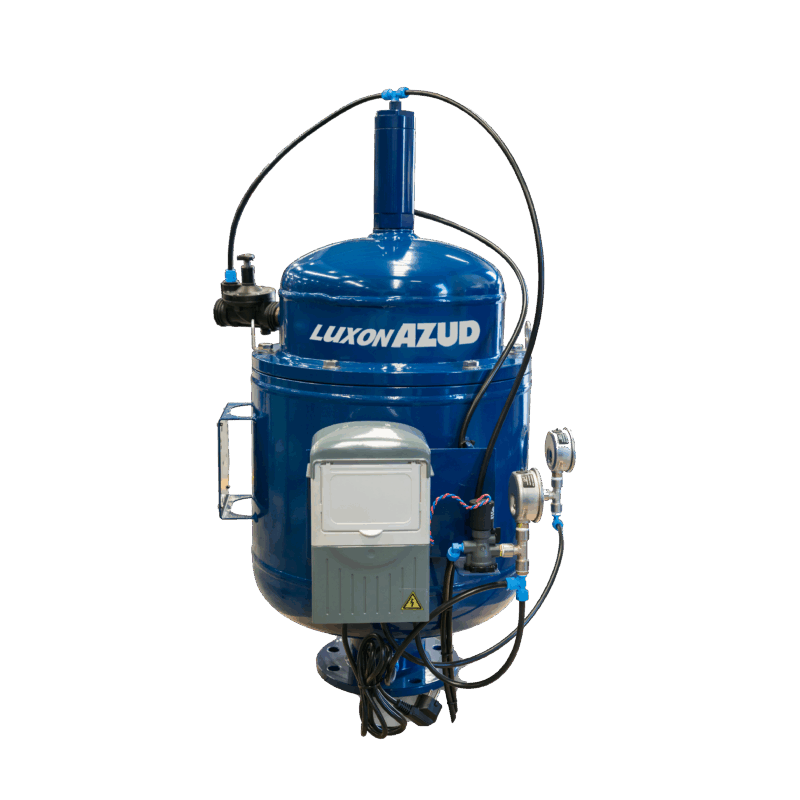
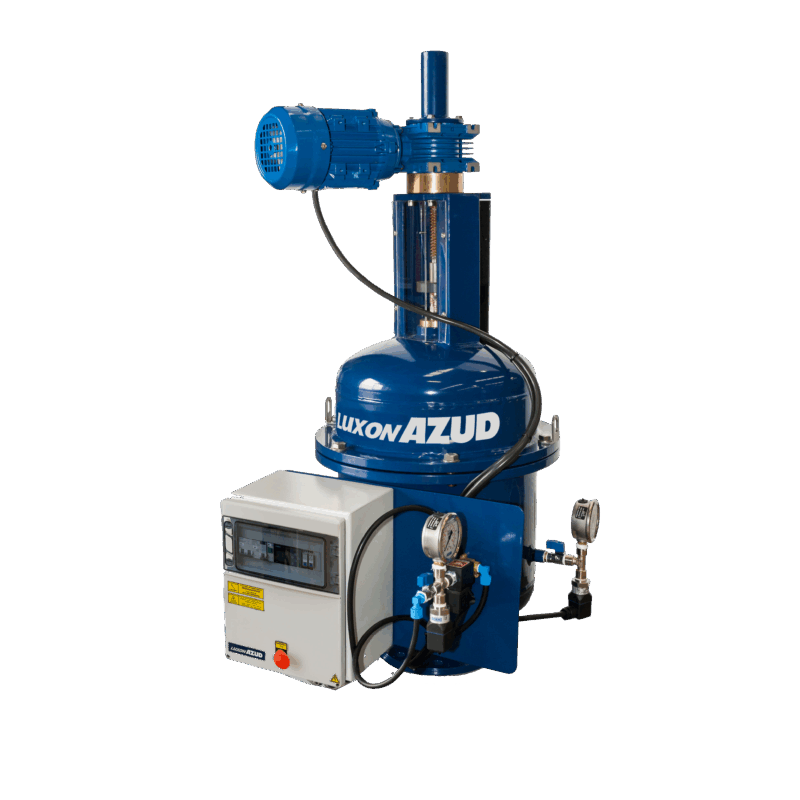
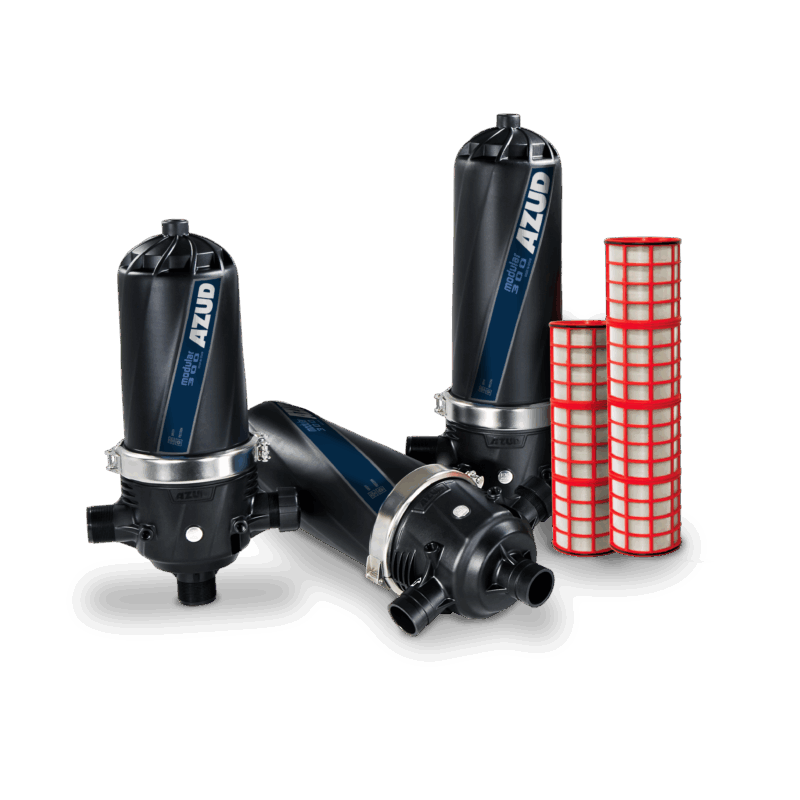
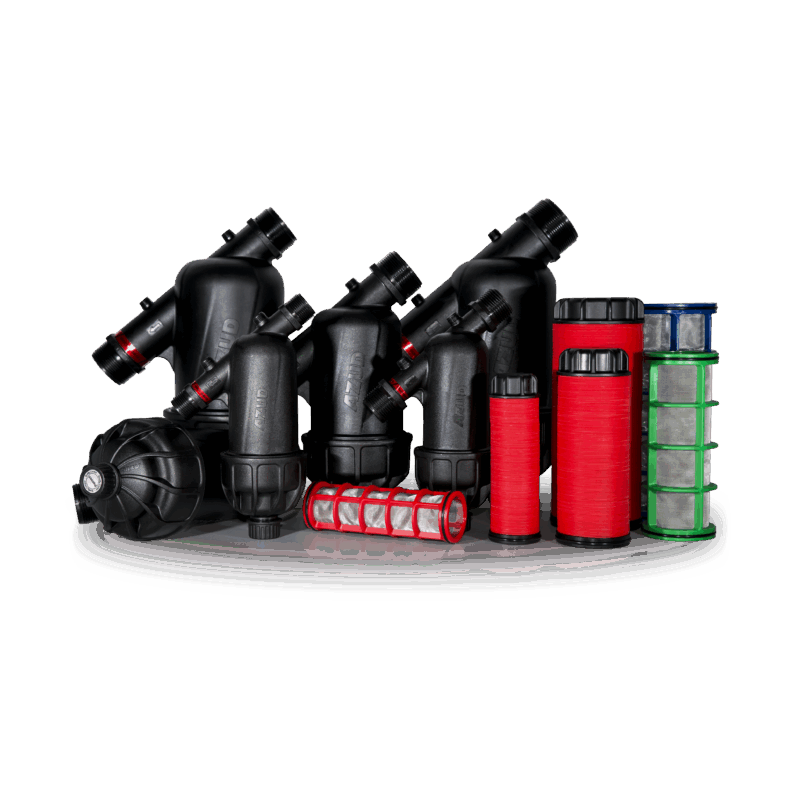
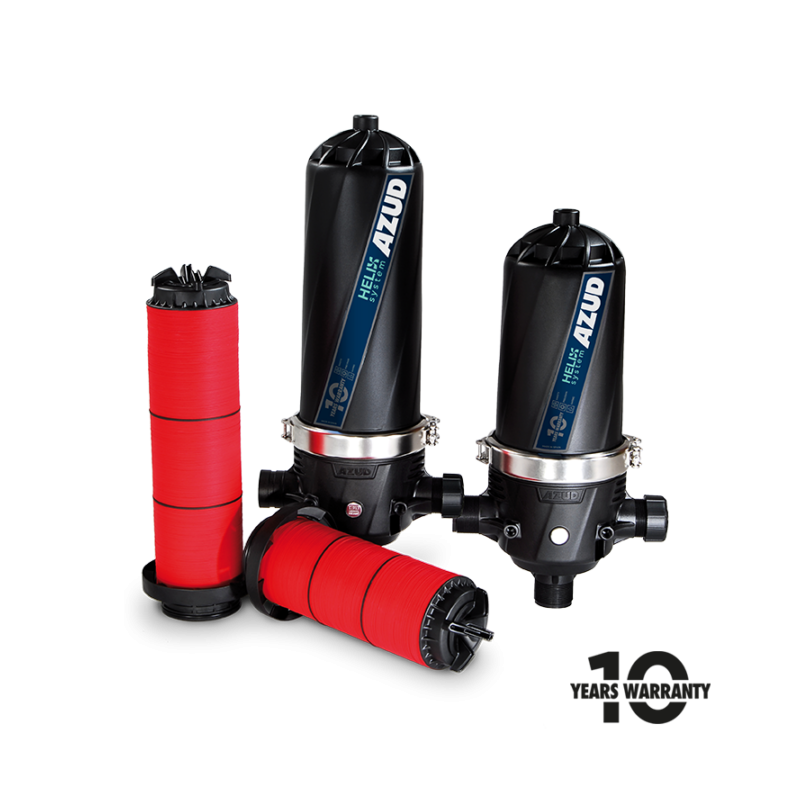
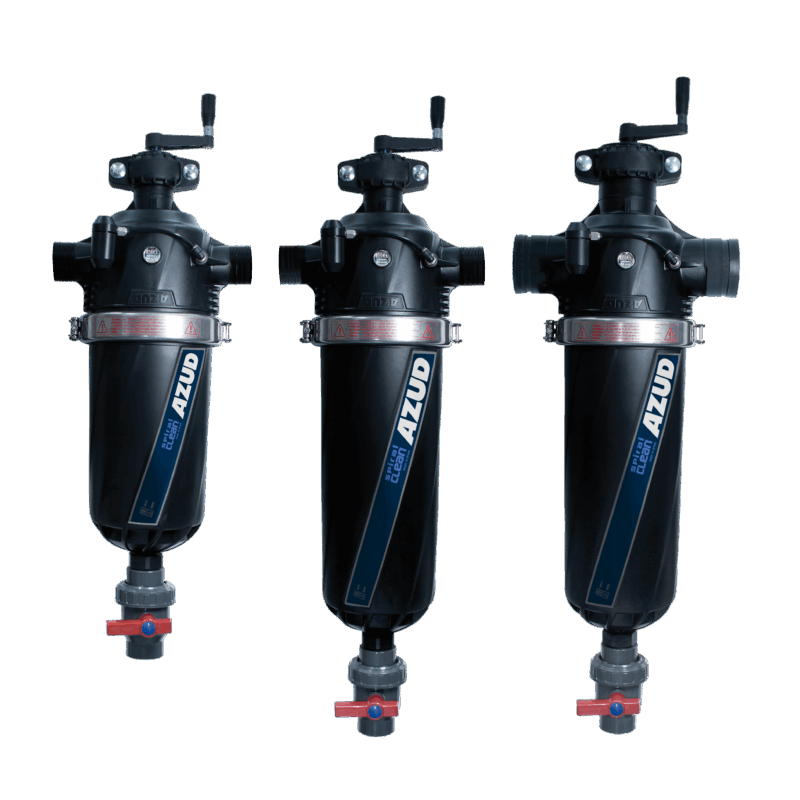
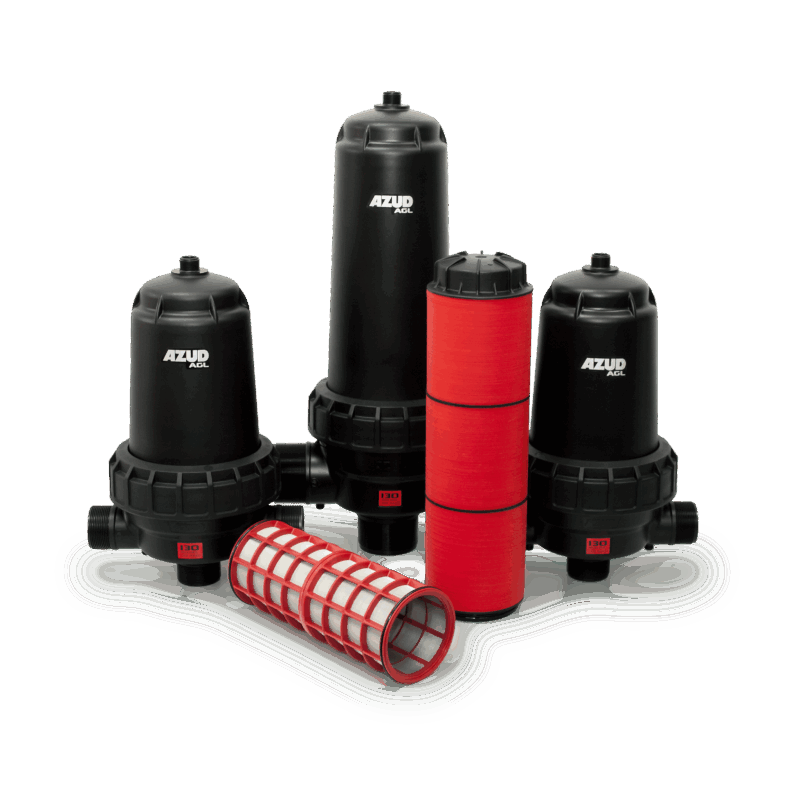
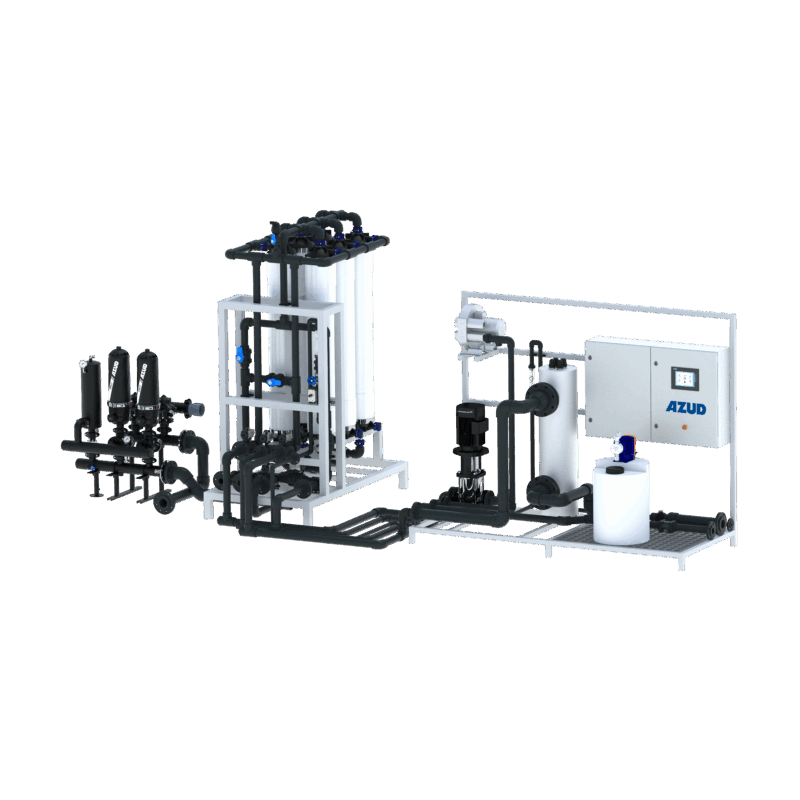
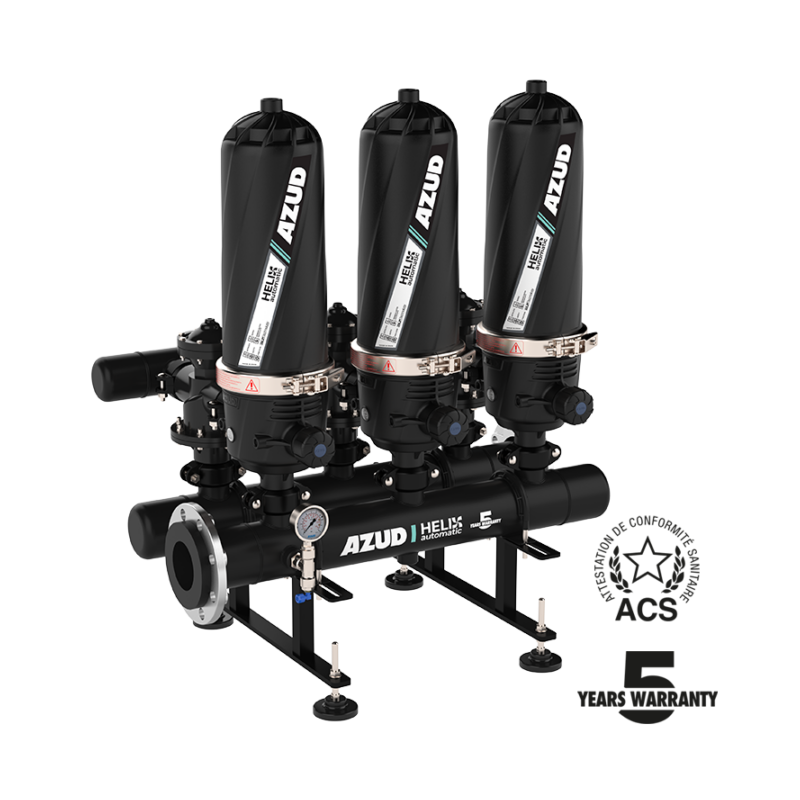
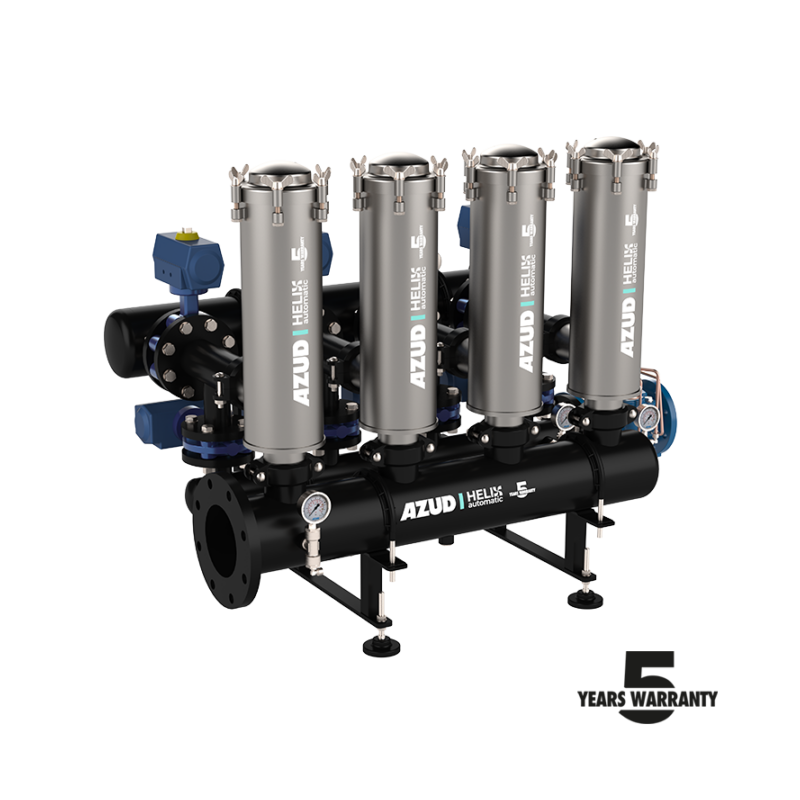
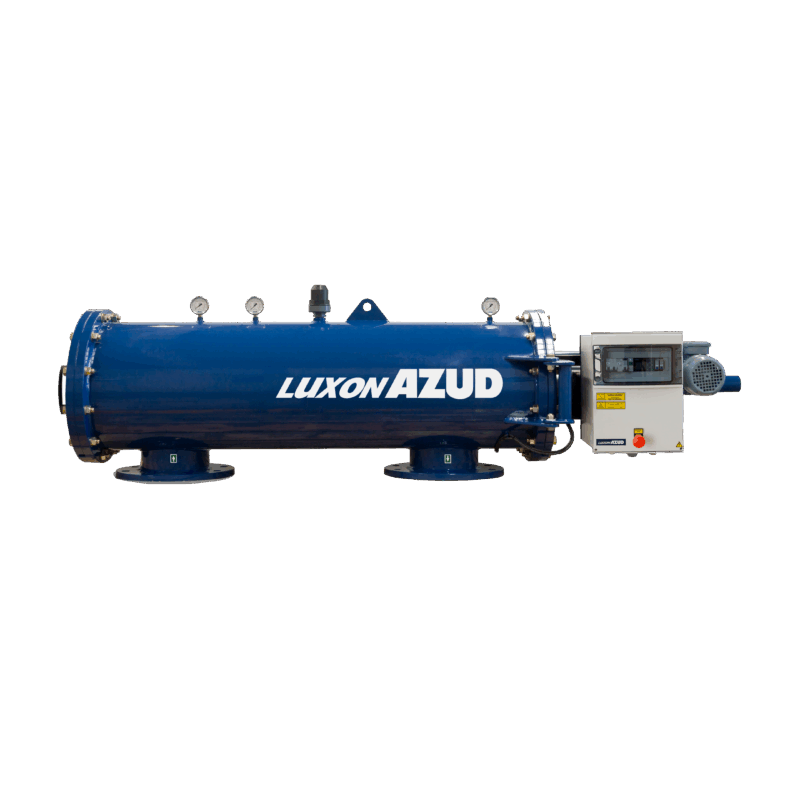
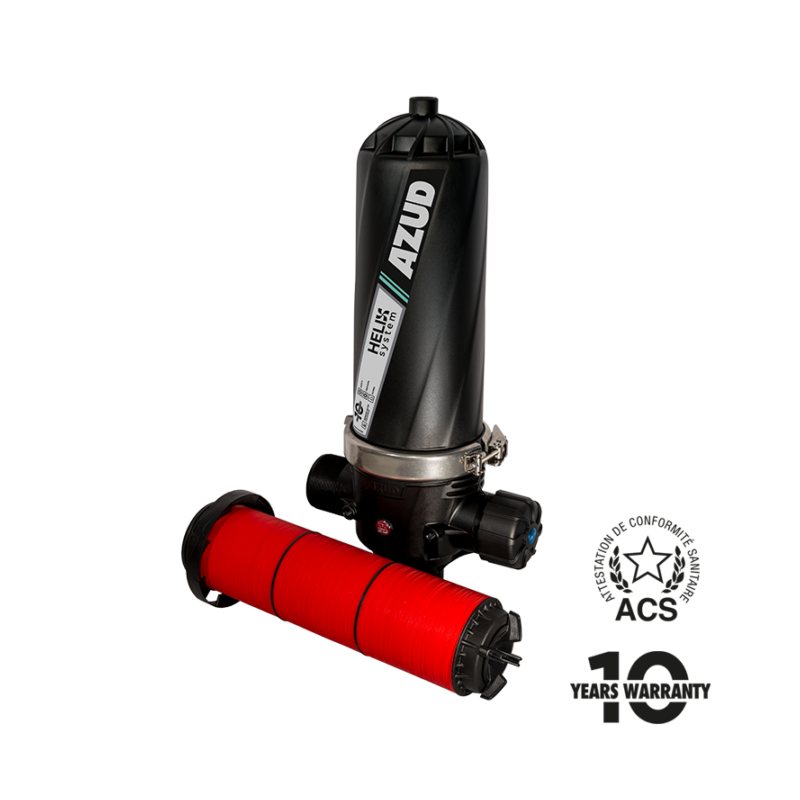
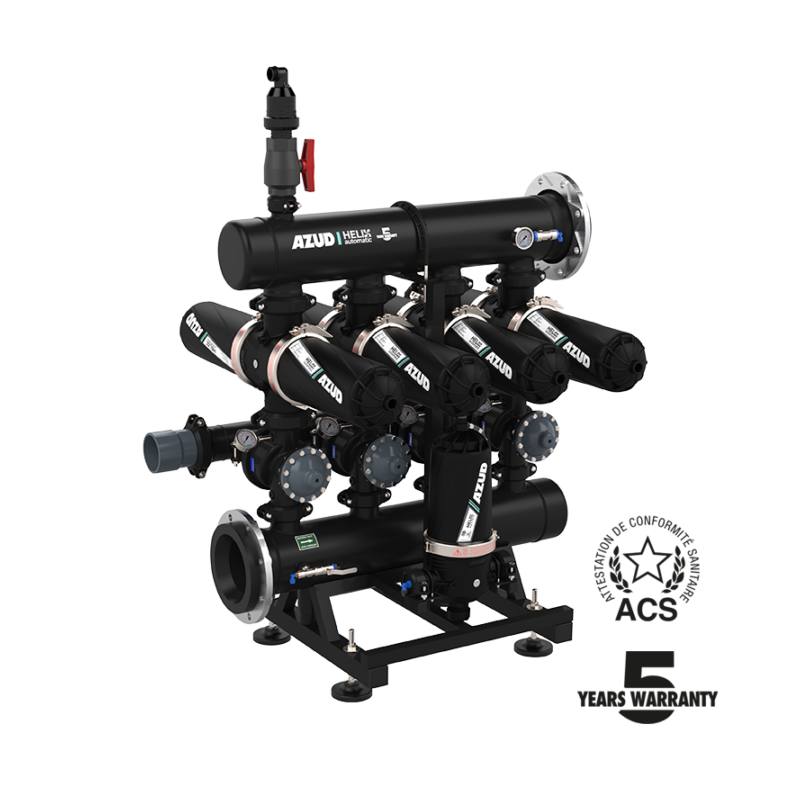
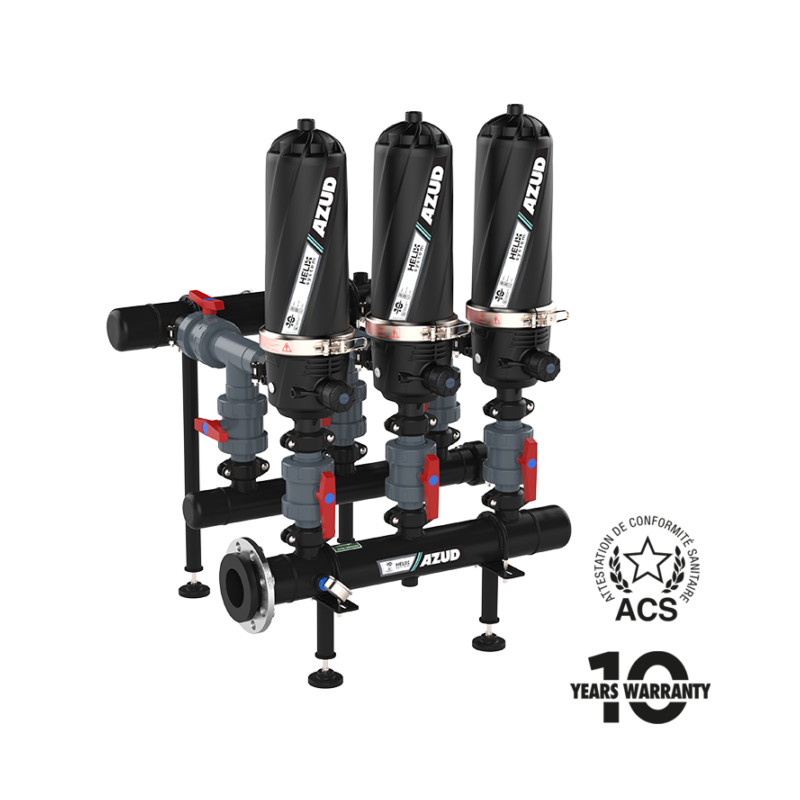
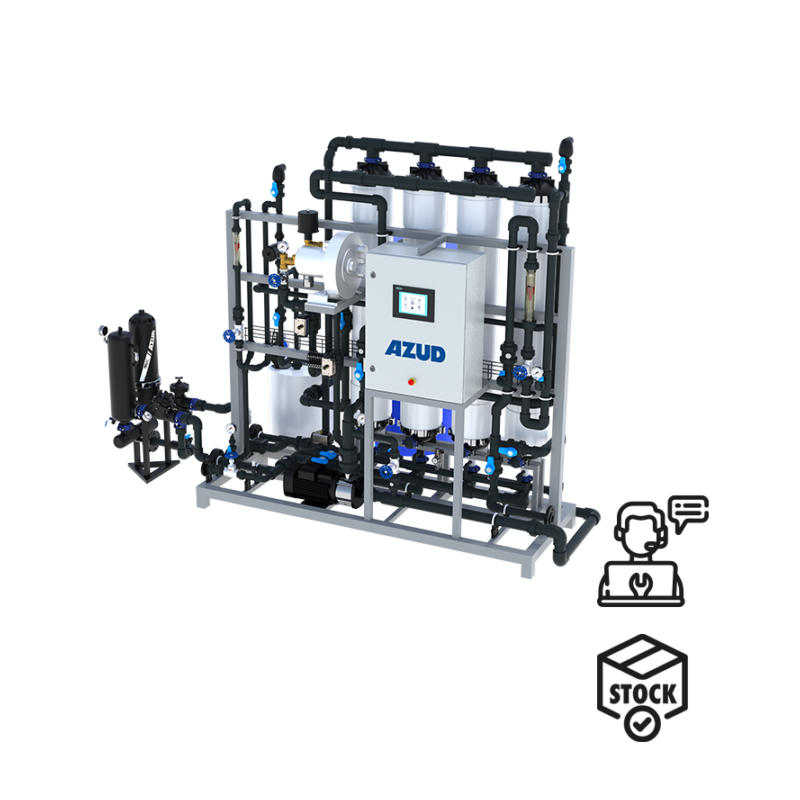
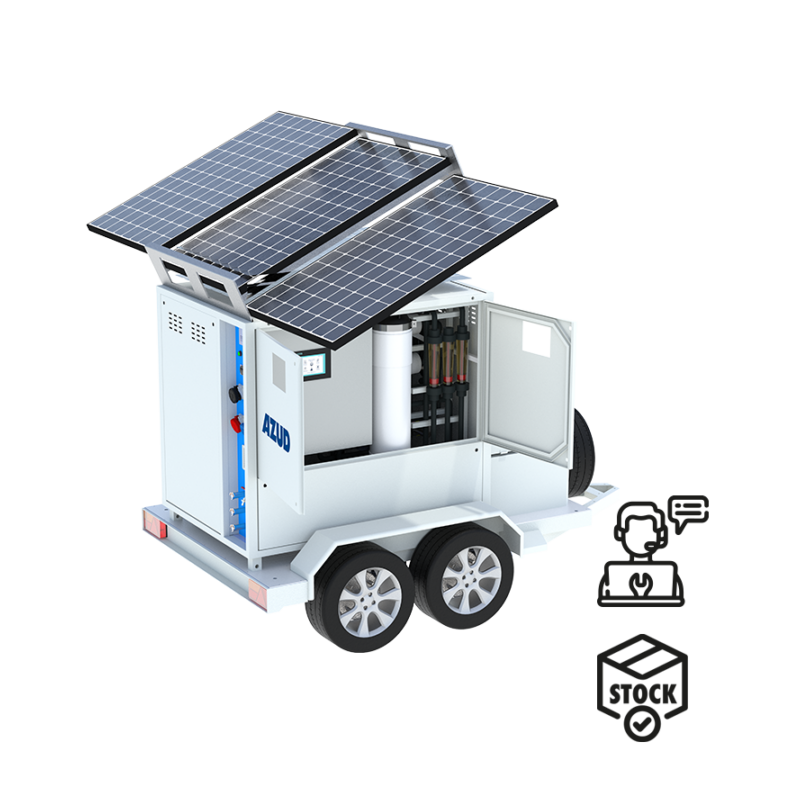
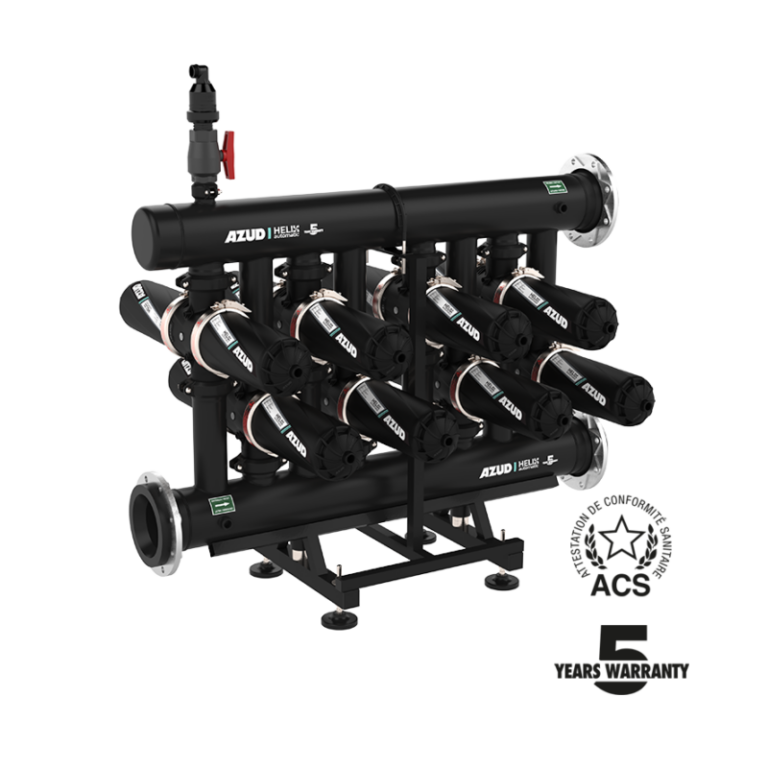
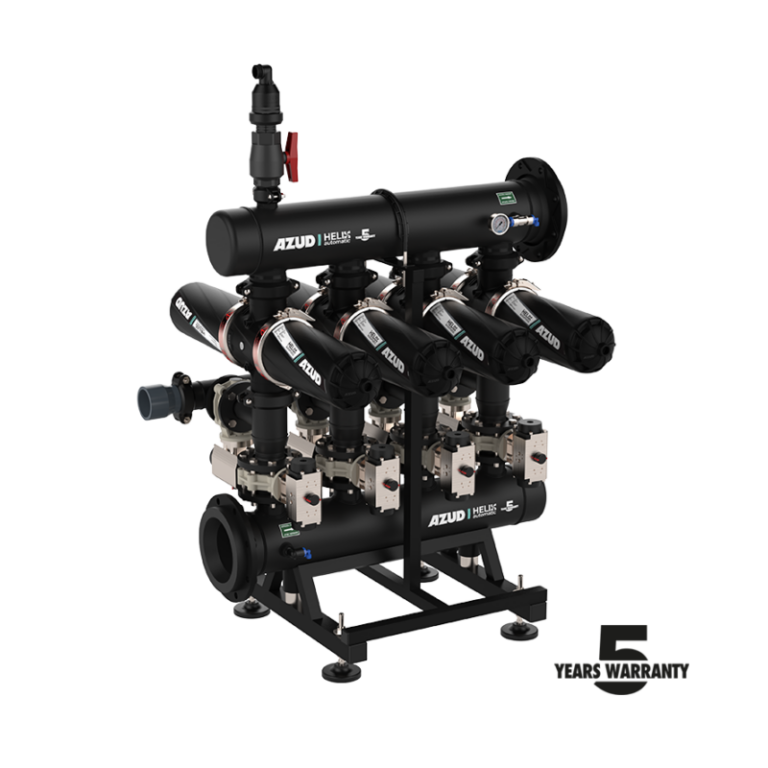
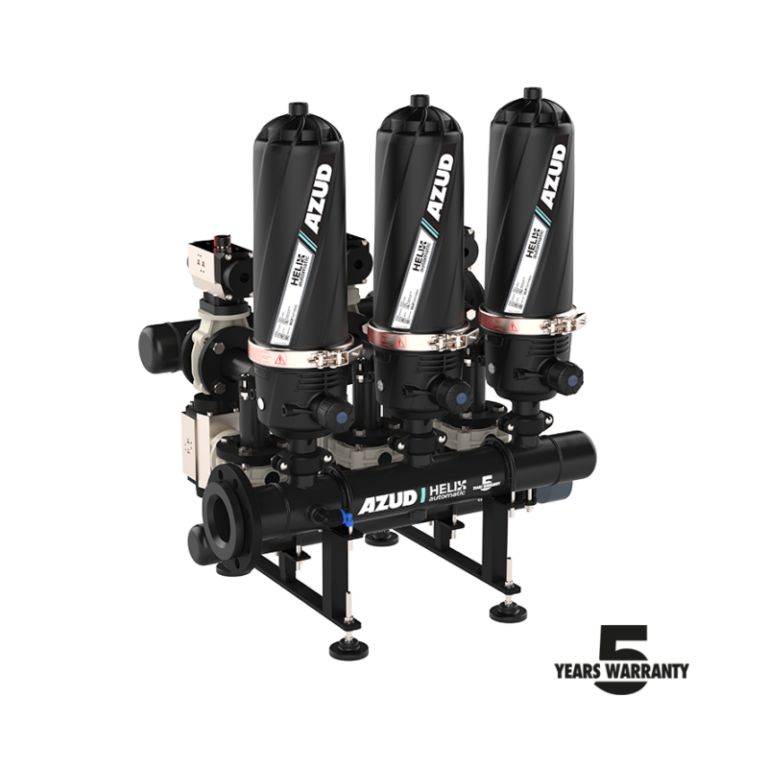
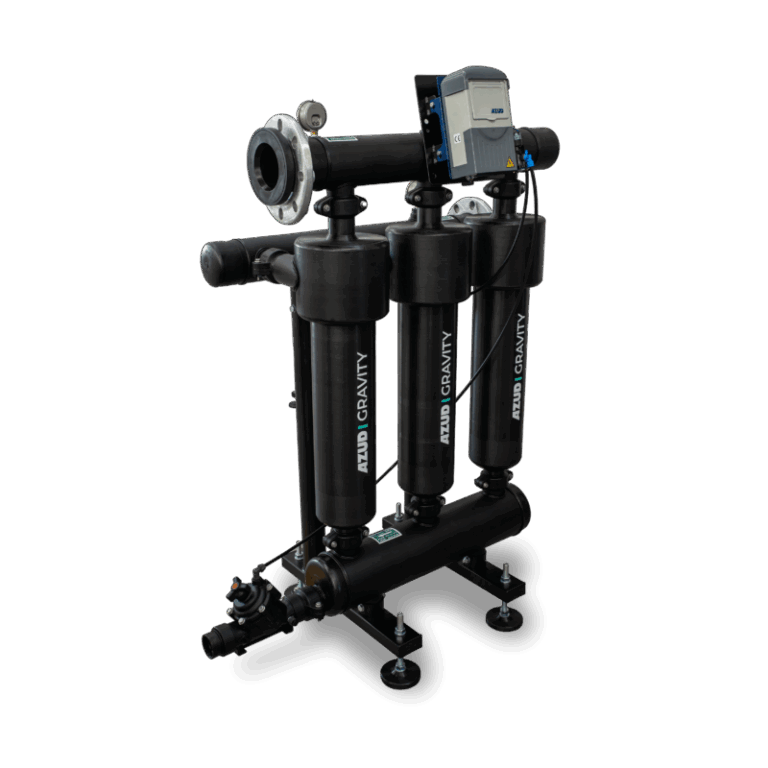
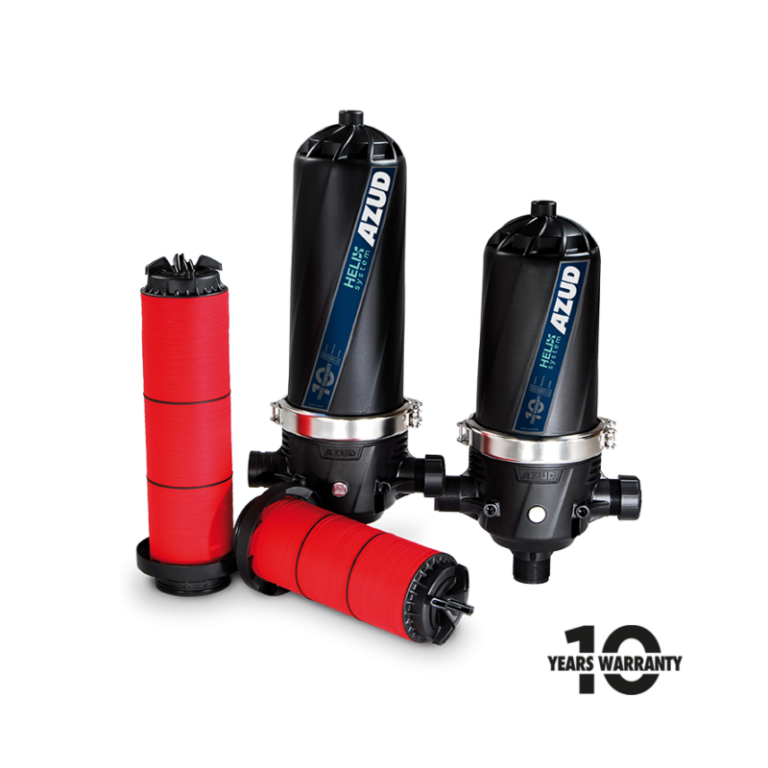
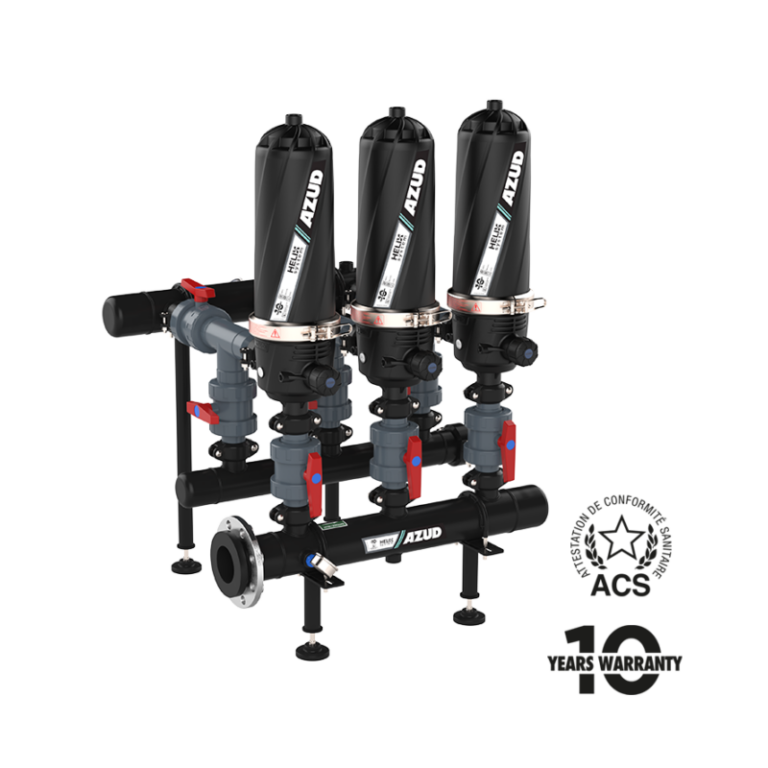
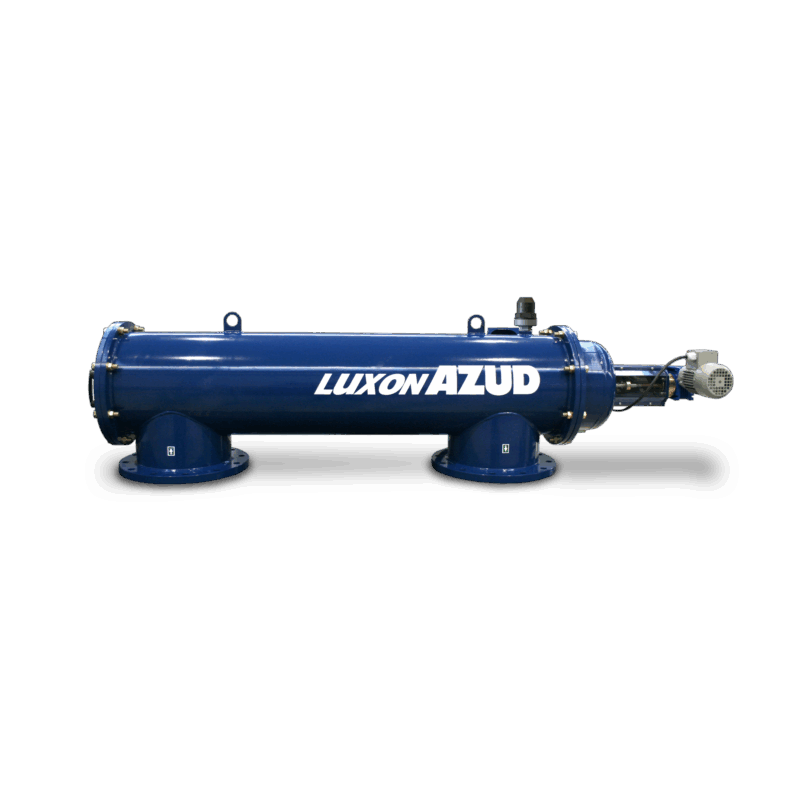
AZUD’s filtration systems help ensure irrigation reliability, protecting the installation and ensuring its proper operation throughout the growing season.
Yes, irrigation is a key factor in achieving good yields and ensuring fiber quality, especially in areas with limited rainfall.
The flowering, capsule formation, and fiber filling stages are particularly sensitive to water stress.
The system will depend on the farm and water availability. Drip irrigation improves water efficiency and crop management.