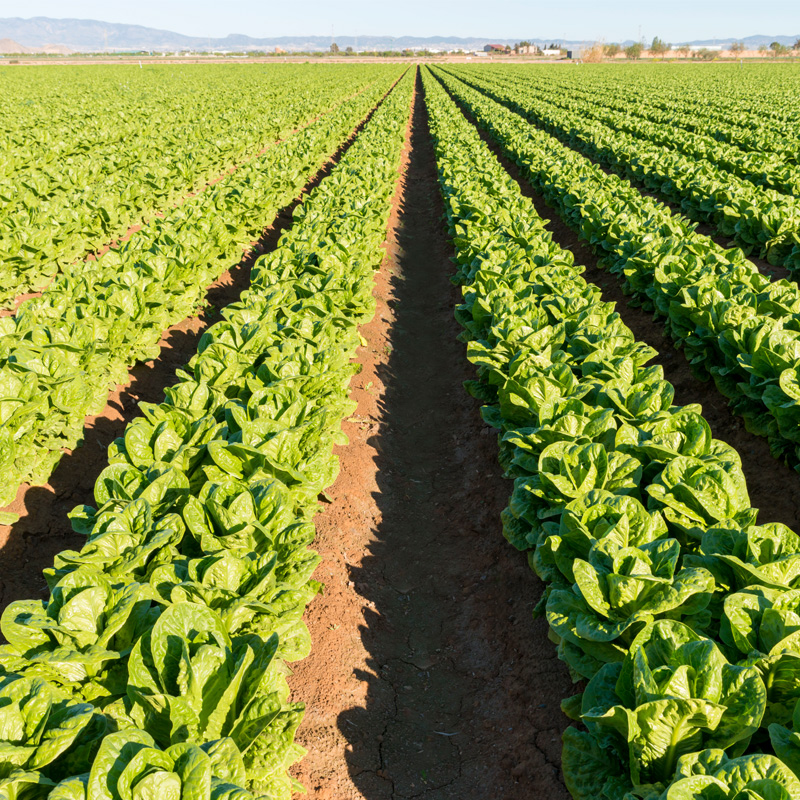

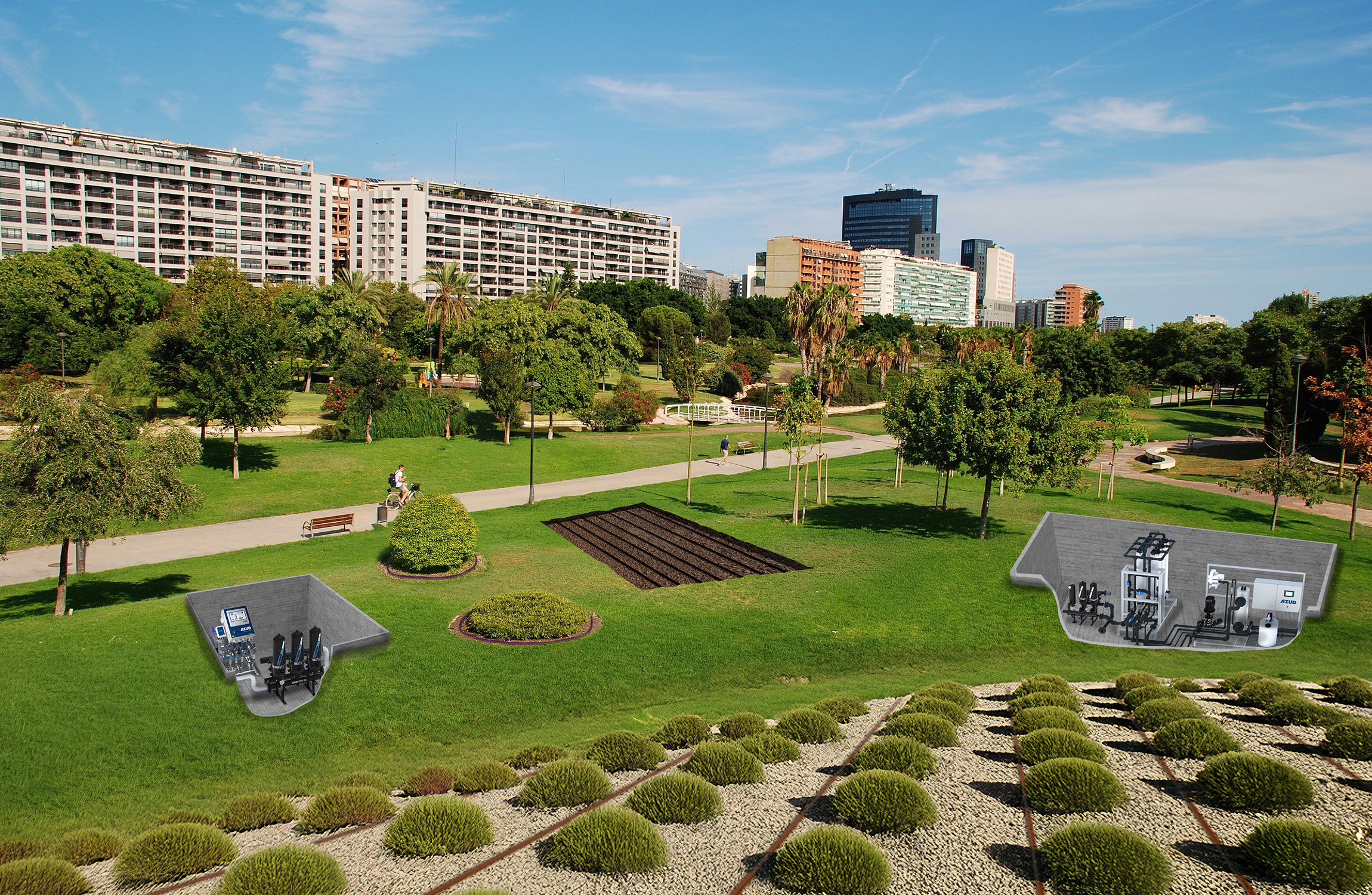
Lettuce is a seasonal vegetable native to India that has been cultivated for over 2,000 years. The world’s largest producers are China and the United States. Depending on the variety, the leaves vary in shape and color. Two of the most popular varieties are romaine and iceberg. Romaine lettuce is large and upright, while iceberg lettuce is round and smaller in size.
Lettuce grows well in warm climates, with an ideal growing temperature between 15 and 20°C. High temperatures can cause premature bolting. The plant can withstand short-lived moderate frosts, and frequent rains can lead to fungal attacks.
The optimal soils for lettuce cultivation are non-saline, well-drained, and neutral. It is typically grown in greenhouses and hydroponically, thereby achieving high yields per square meter and very clean produce. Consistent environmental conditions throughout the entire production cycle will result in very high-quality lettuce.
Planting patterns vary depending on the lettuce variety. Each variety reaches different dimensions when mature. Planting density can range from 10 to 40 plants per square meter. The planting layout should ensure spacing that minimizes contact between plants and allows for easy access to perform cultivation tasks. In soil, they are usually planted in a staggered pattern, while in hydroponic systems, planting is adjusted to the system’s design.
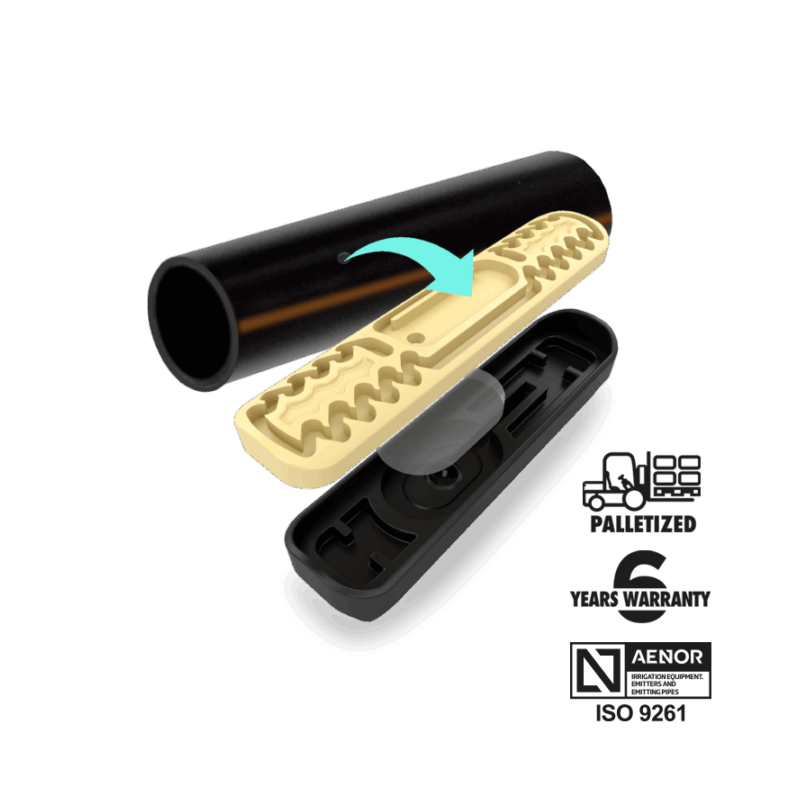
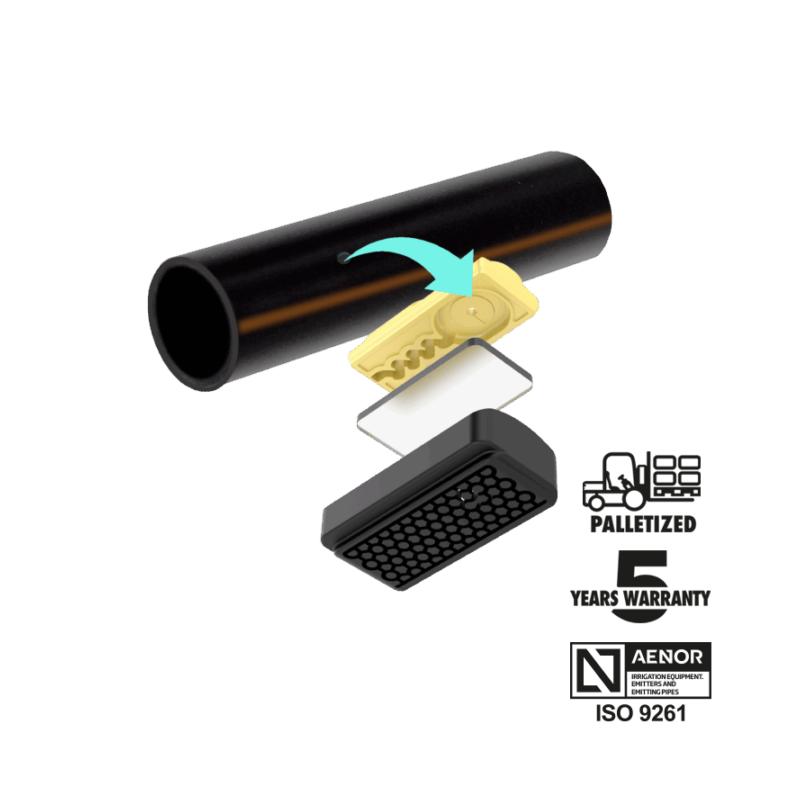
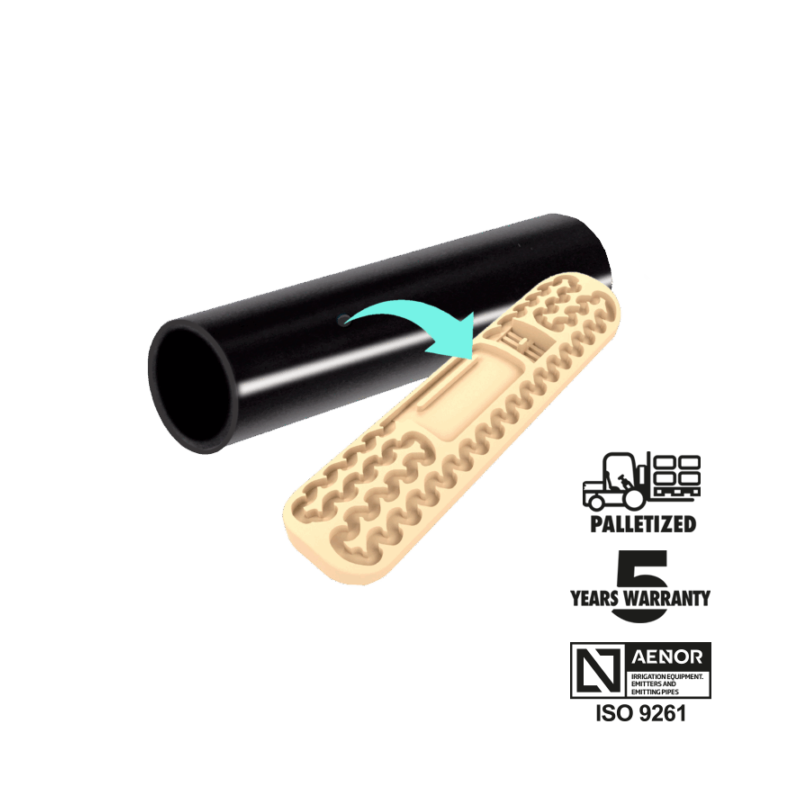
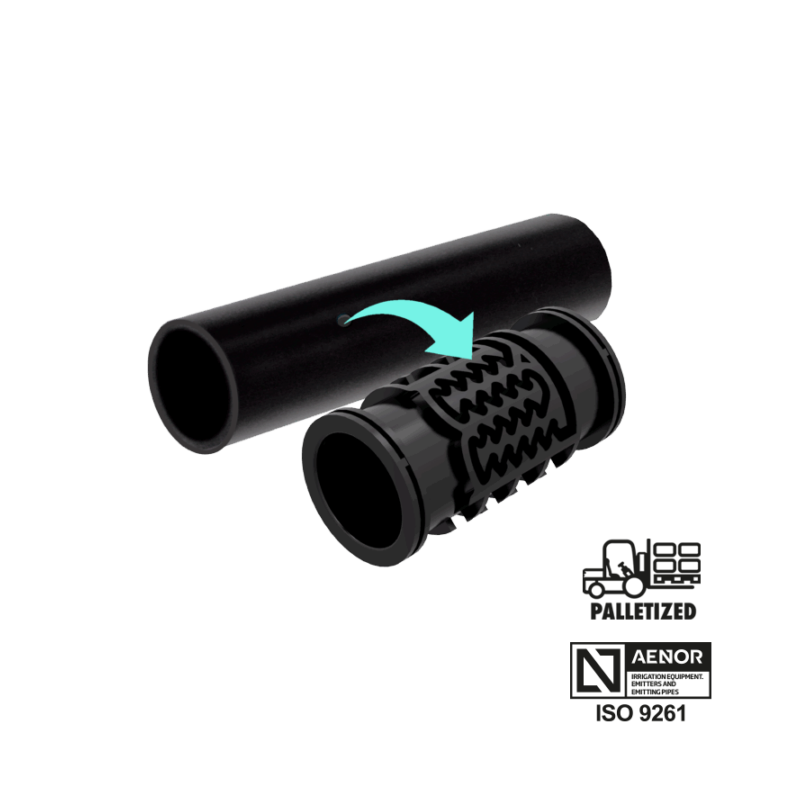
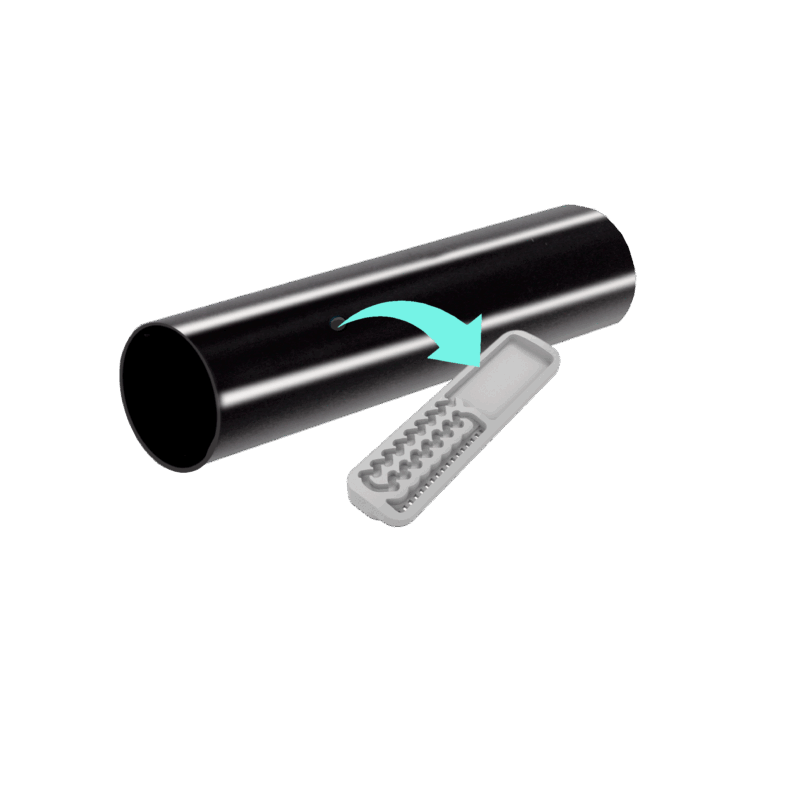
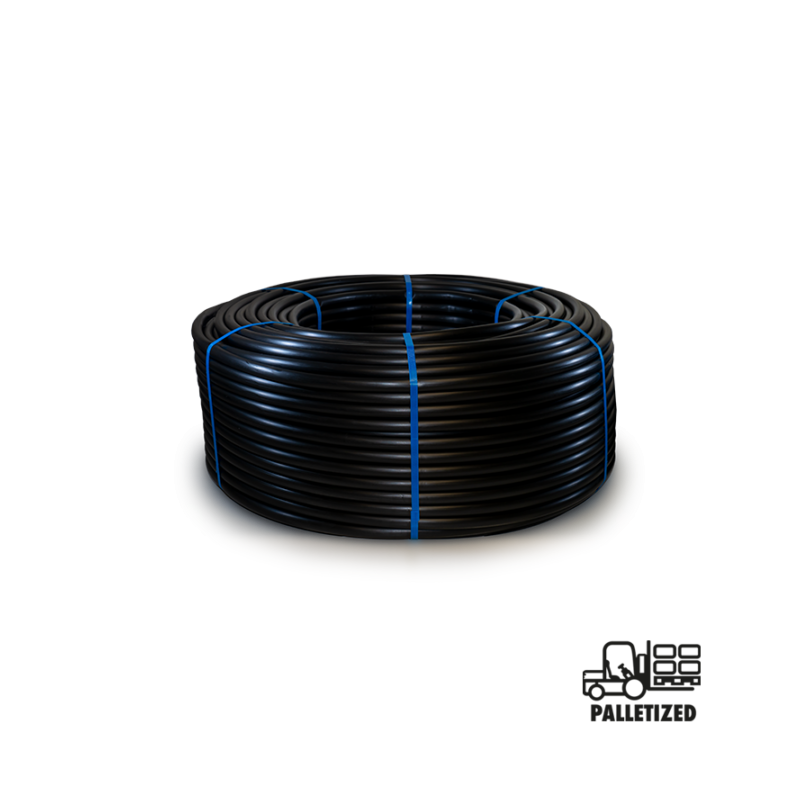
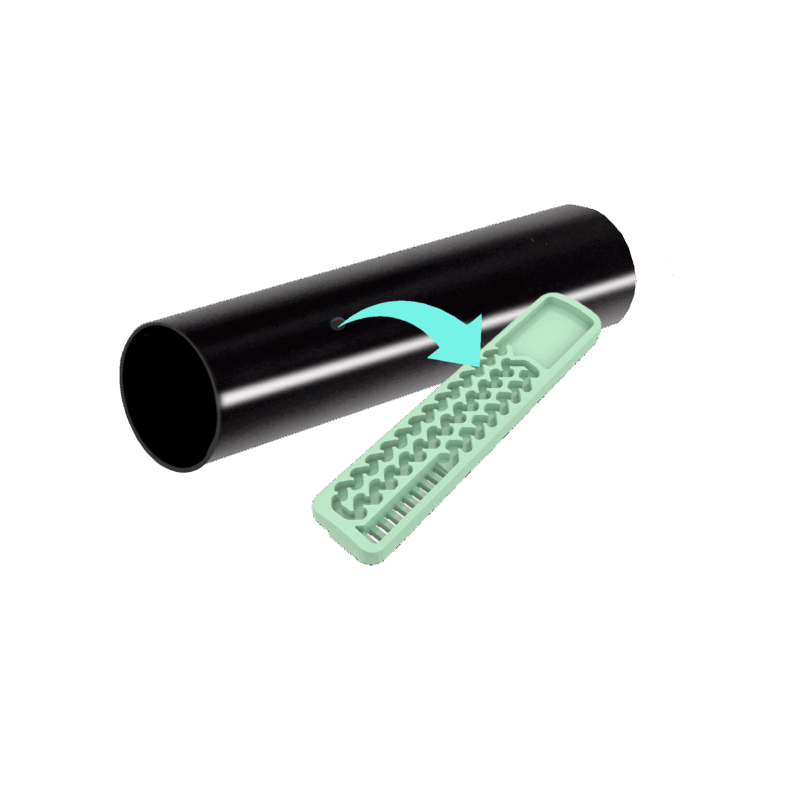
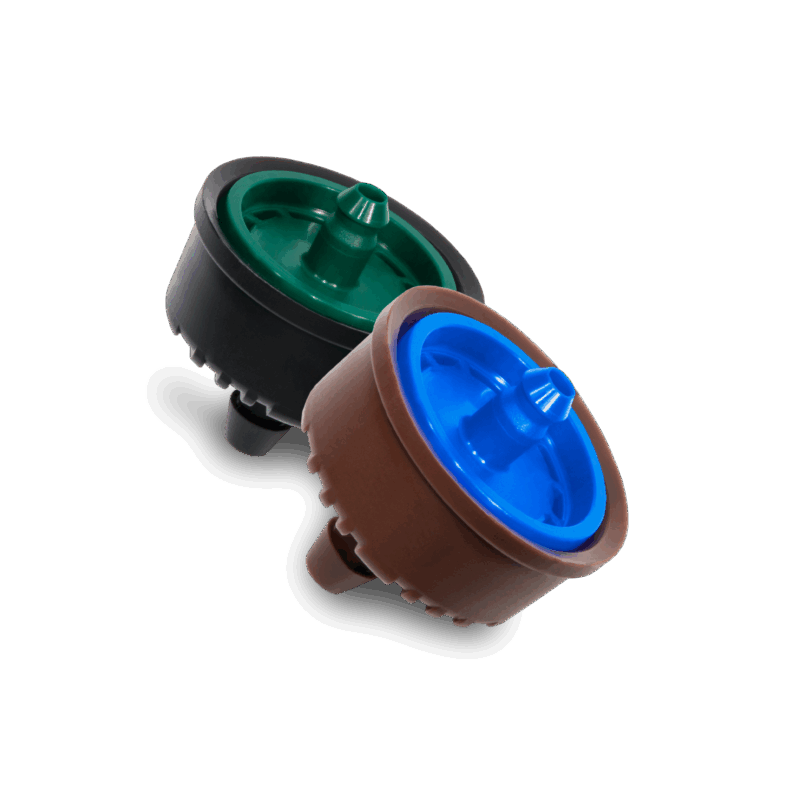
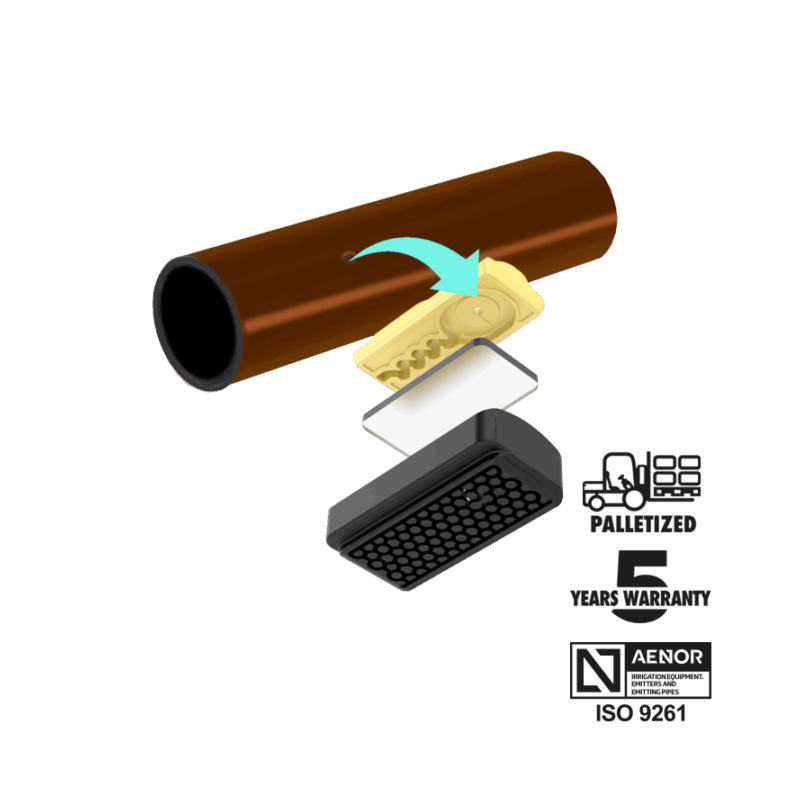
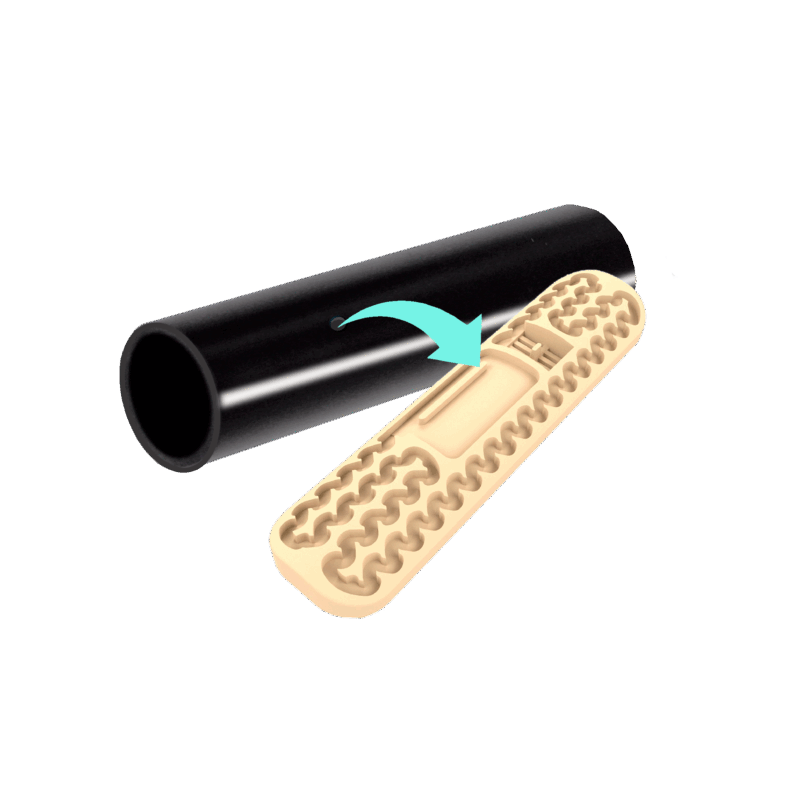
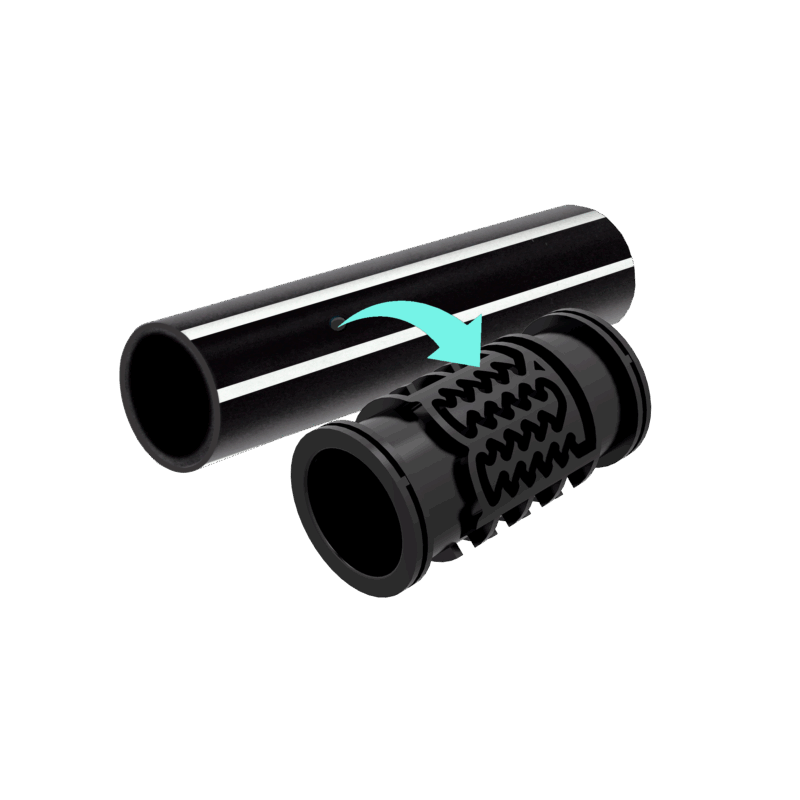
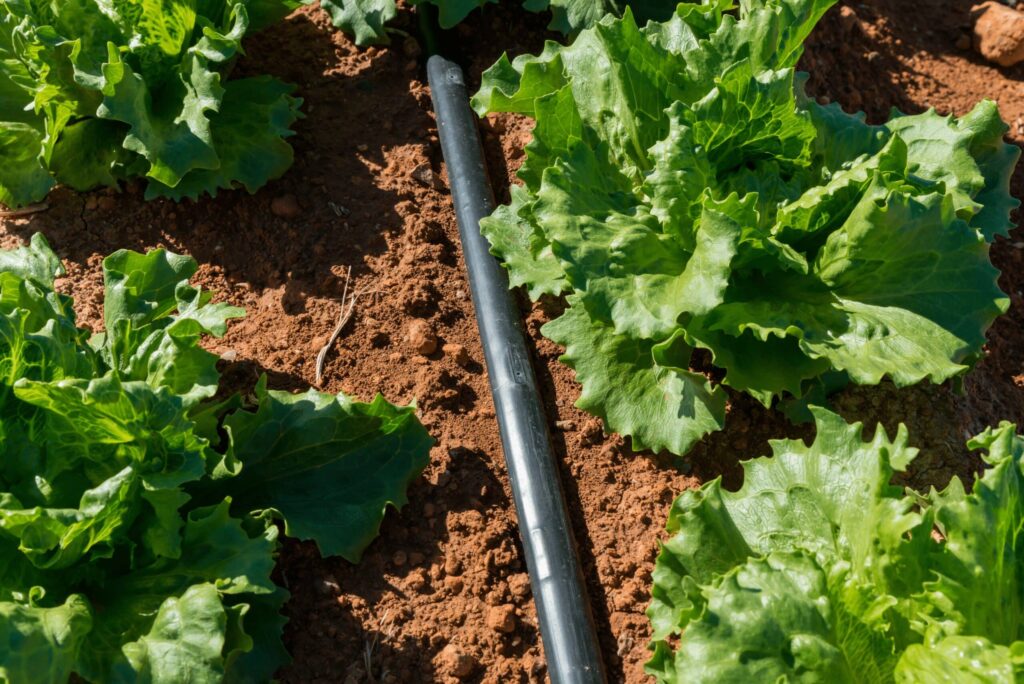
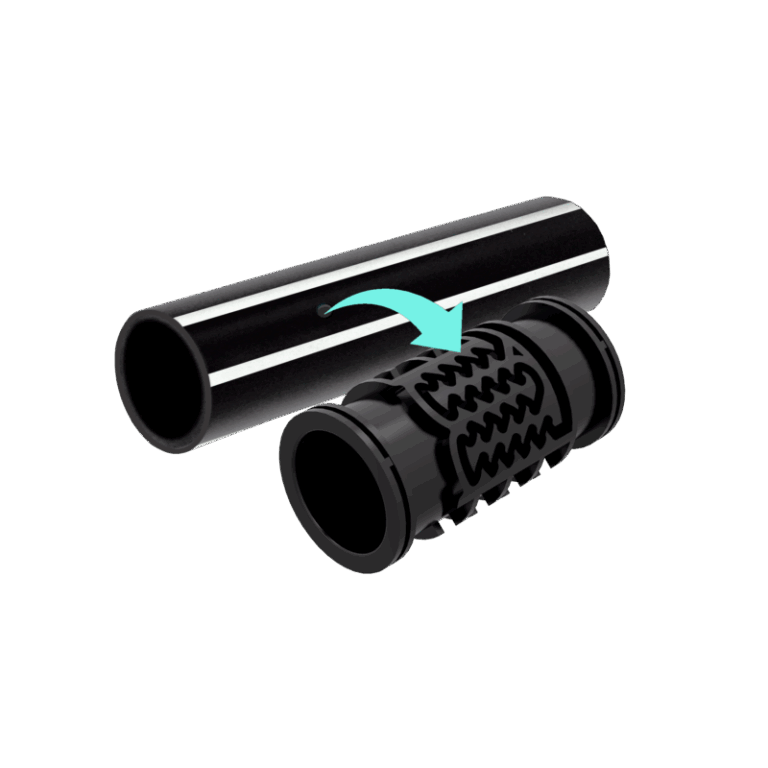
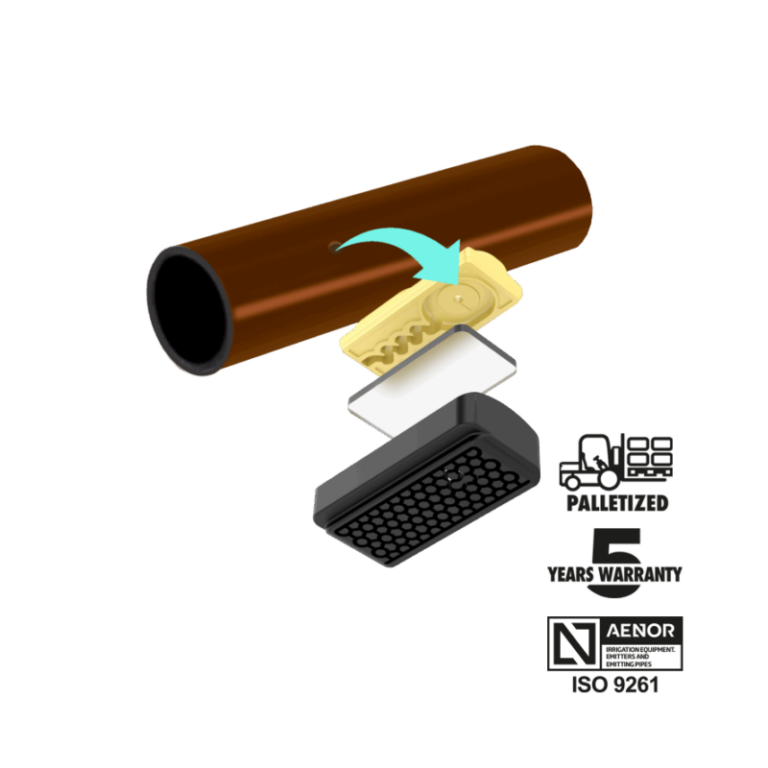
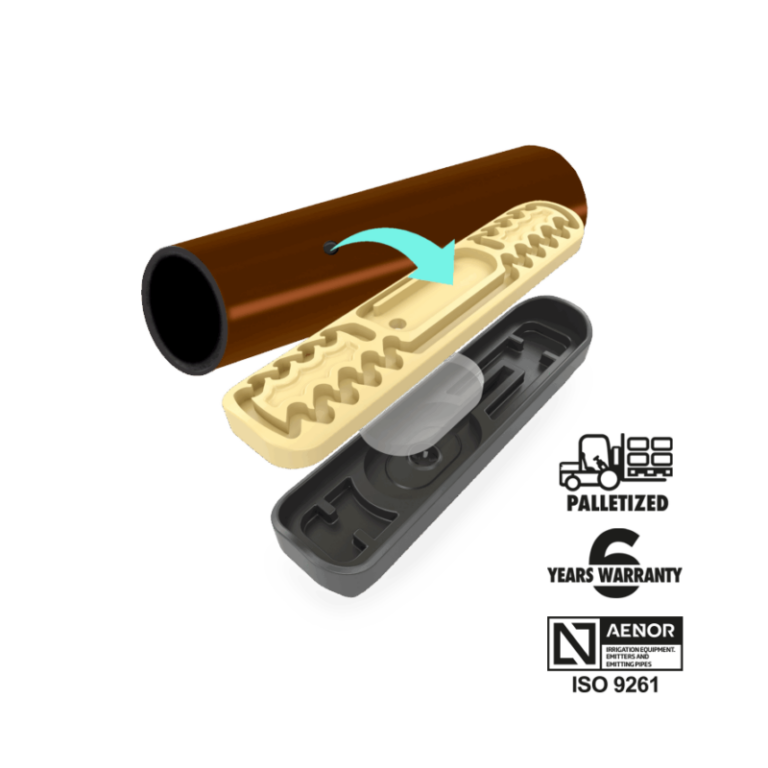
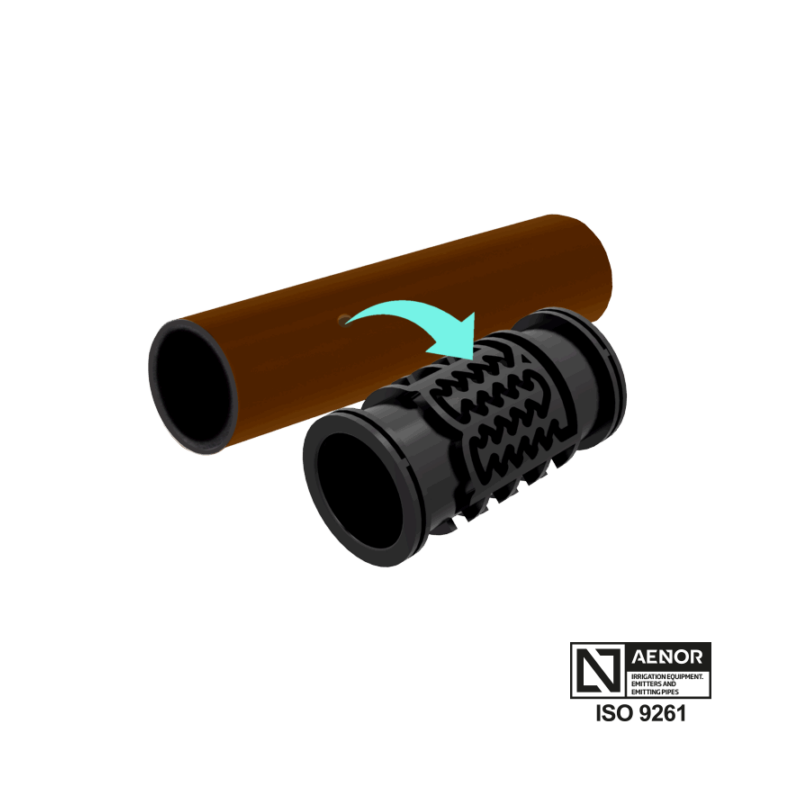
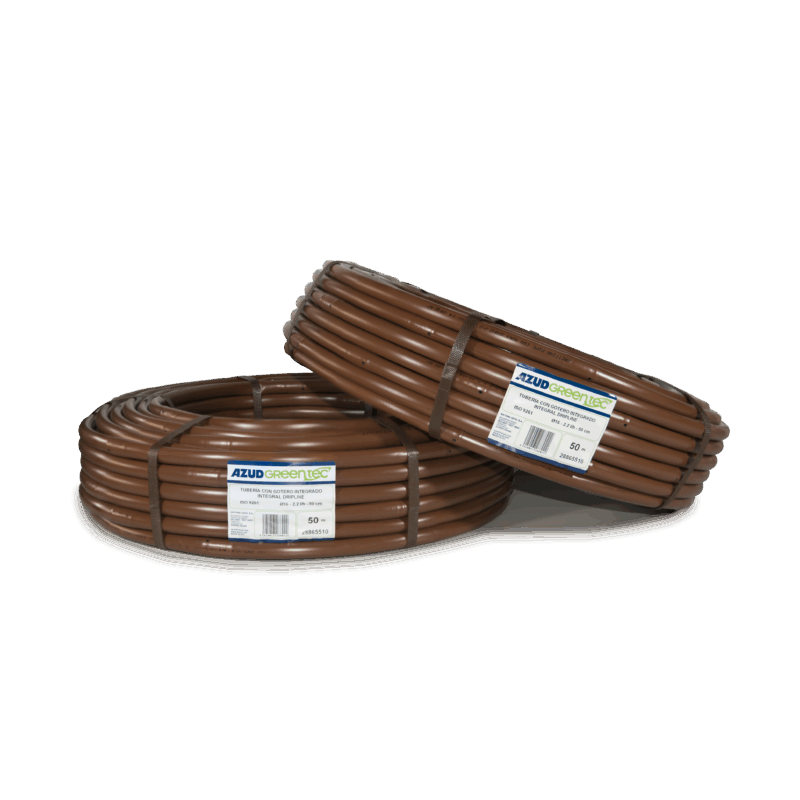
Drip irrigation is the most commonly used system for watering lettuce, although other systems such as sprinkler and gravity irrigation exist. Drip irrigation allows for continuous irrigation throughout the growing season, maintaining the soil at field capacity throughout the entire production cycle. The irrigation system must be designed so that all plants in the same row receive the same amount of water.
To prevent the base of the stem from rotting, irrigation should be frequent and with small amounts of water, ensuring that the soil appears dry on the surface.
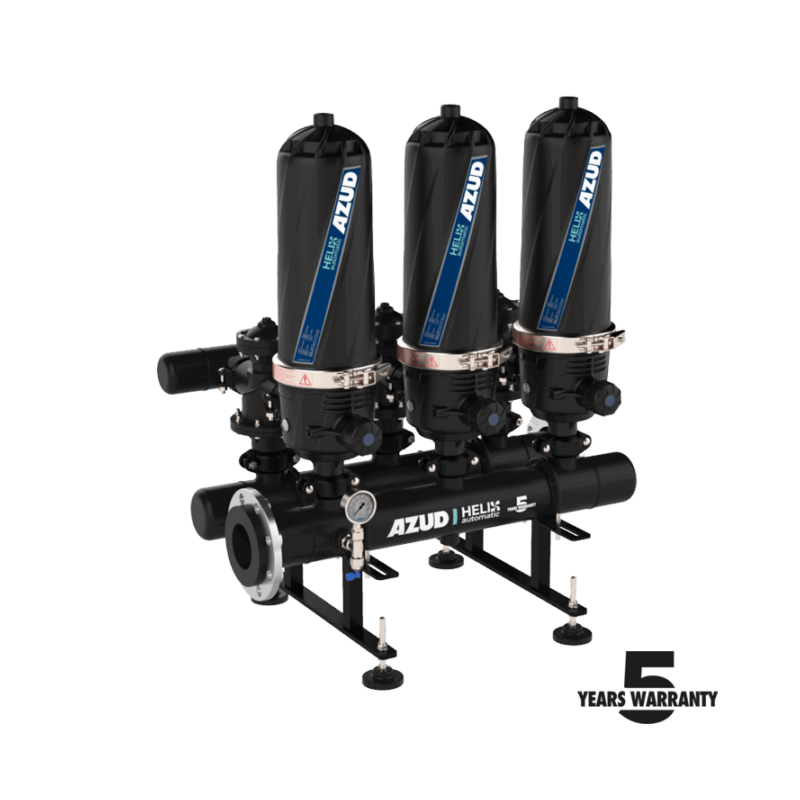
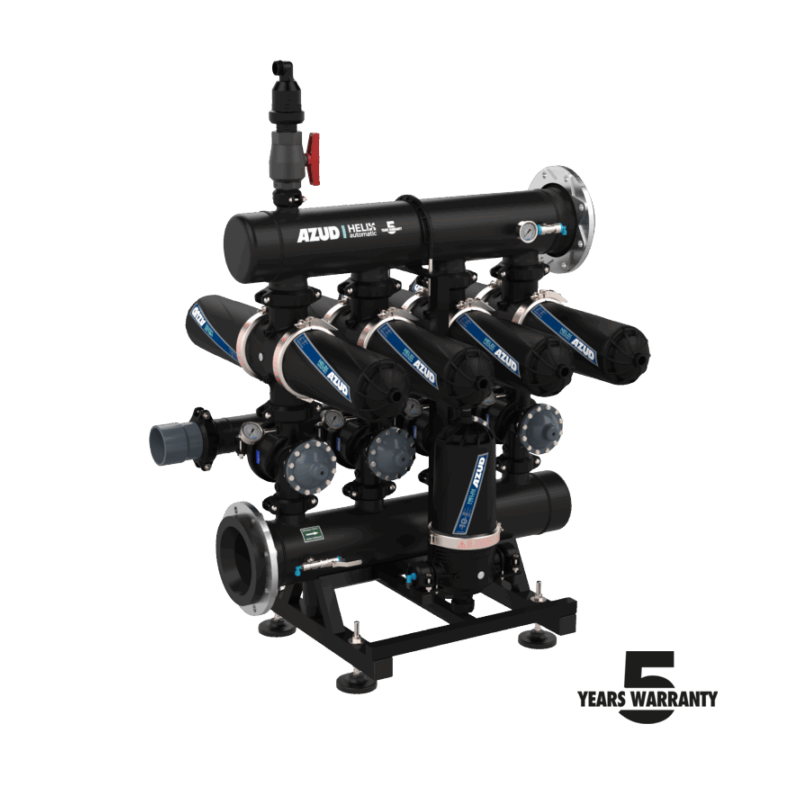
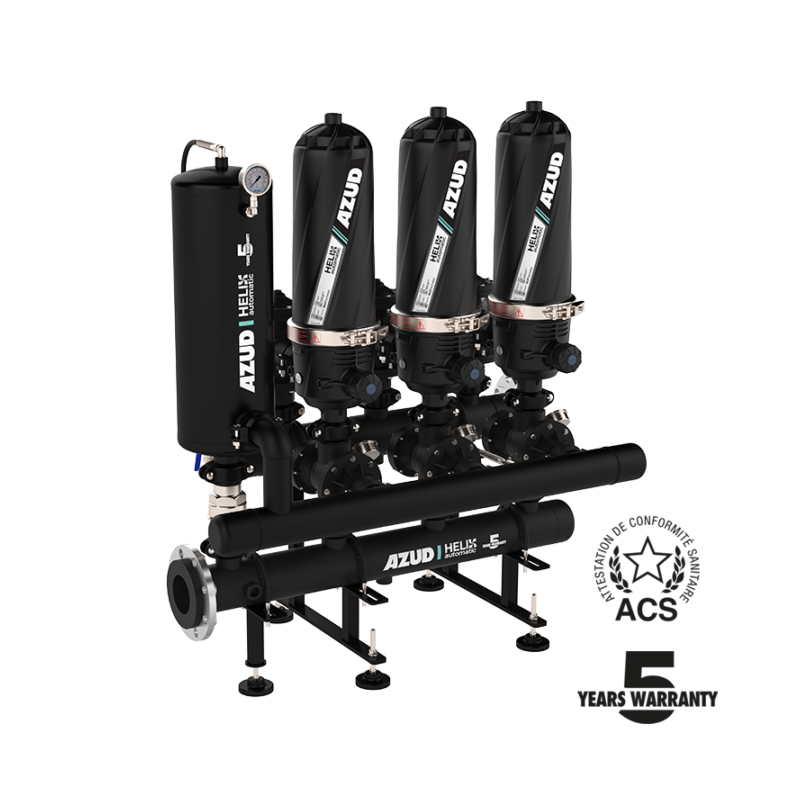
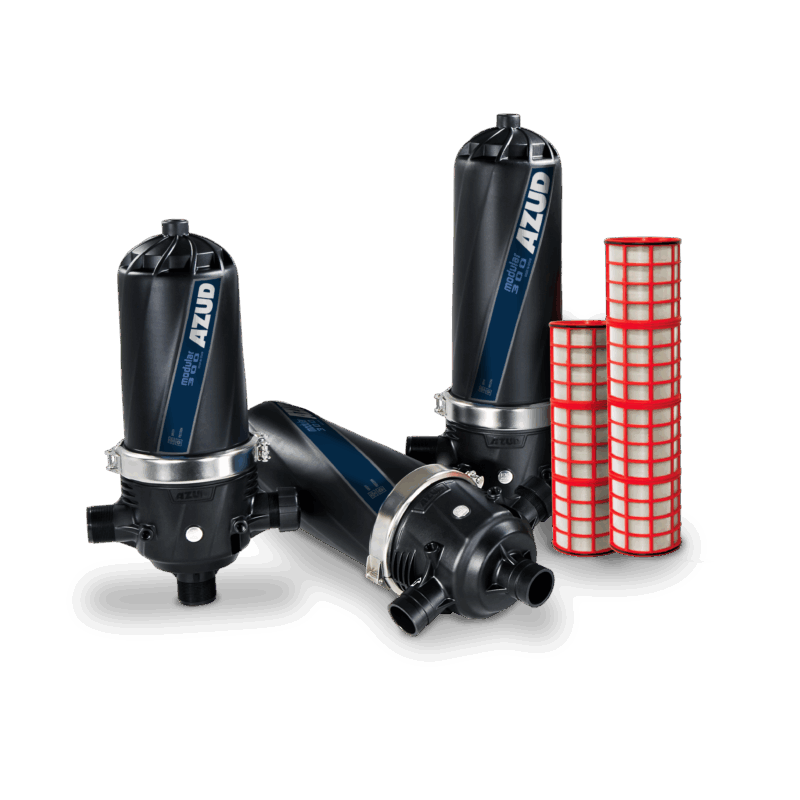
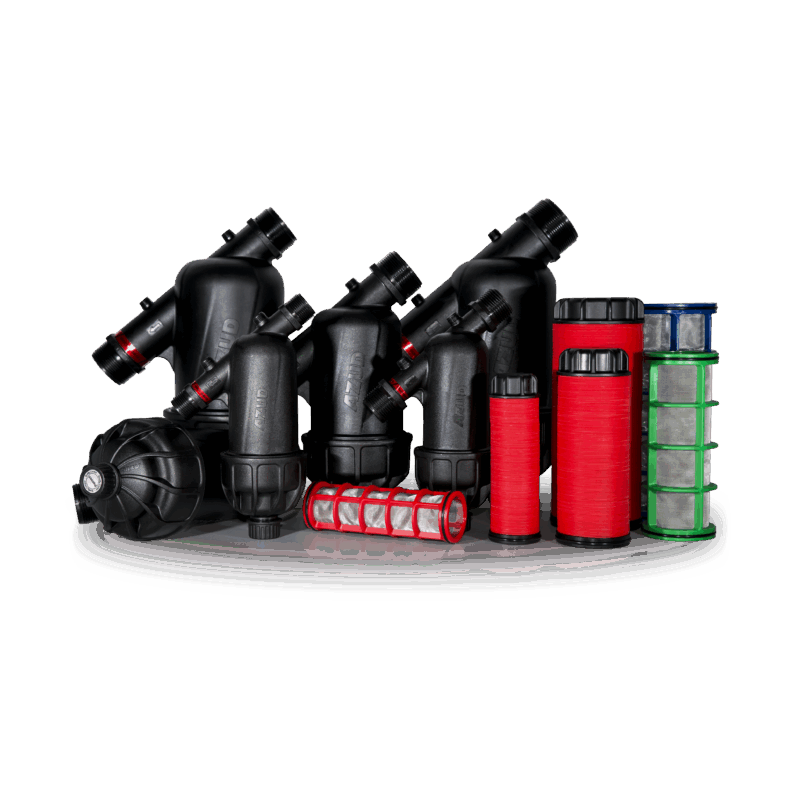
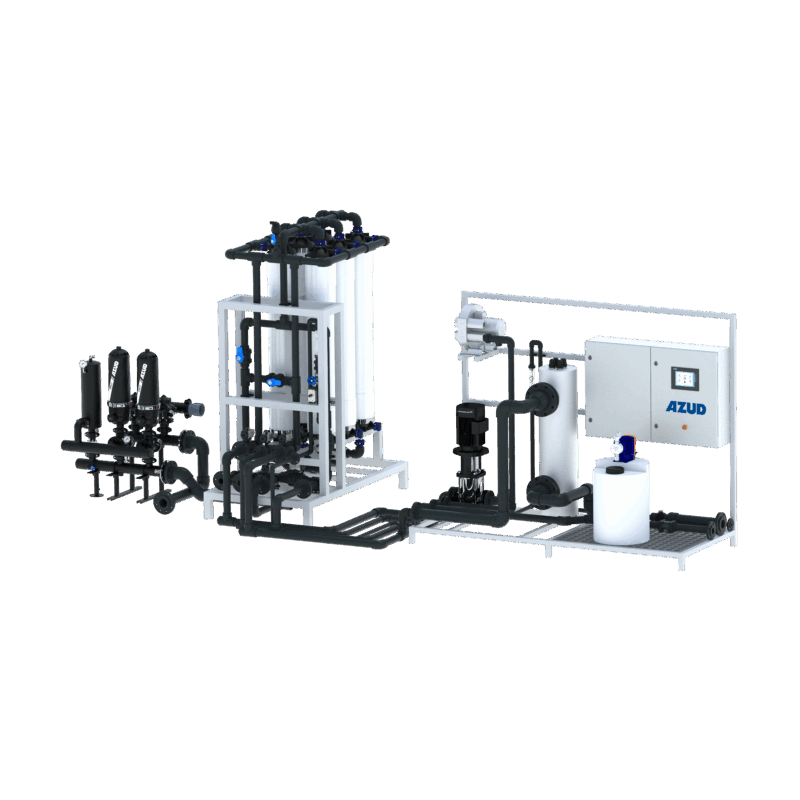
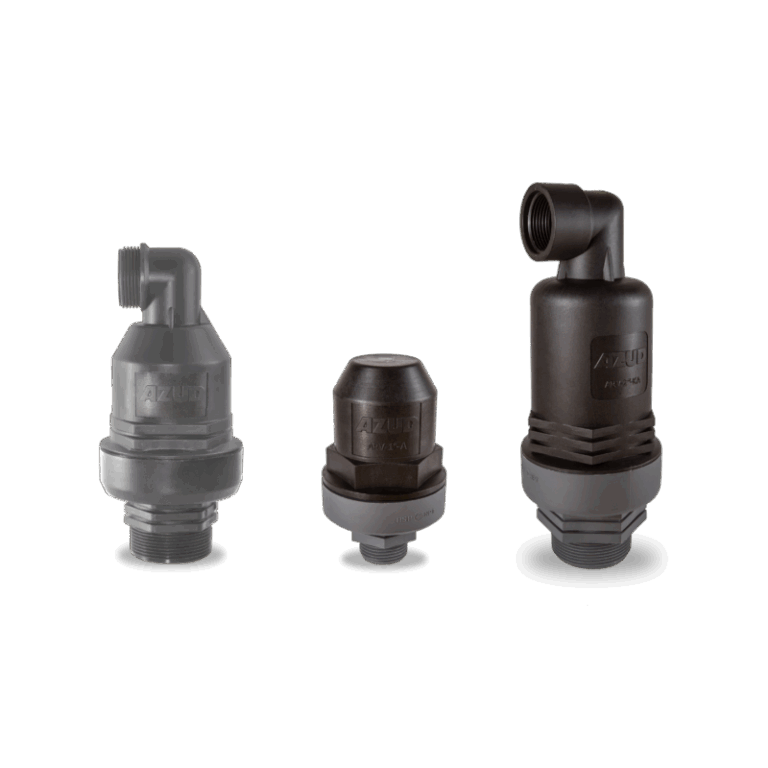
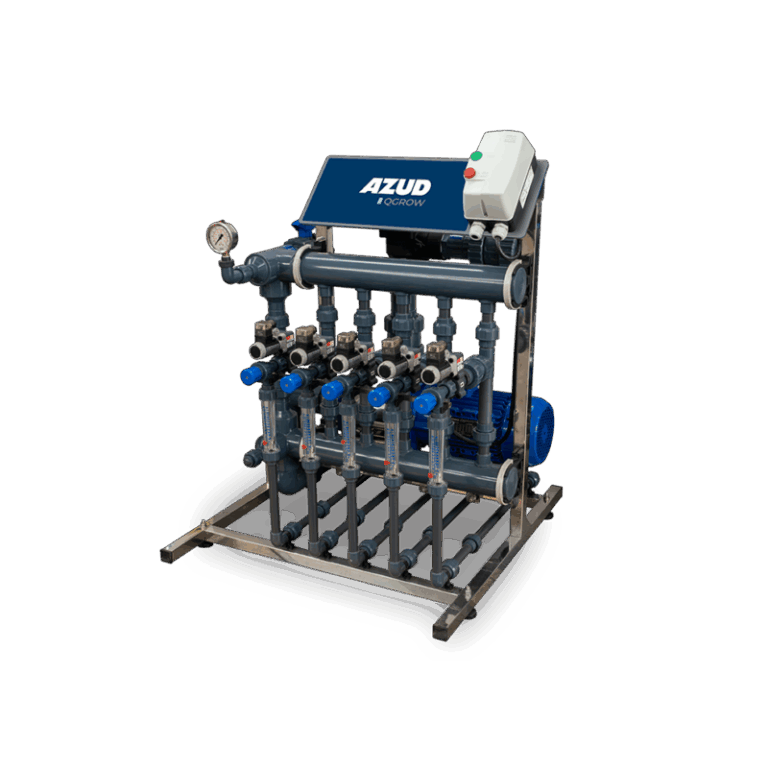
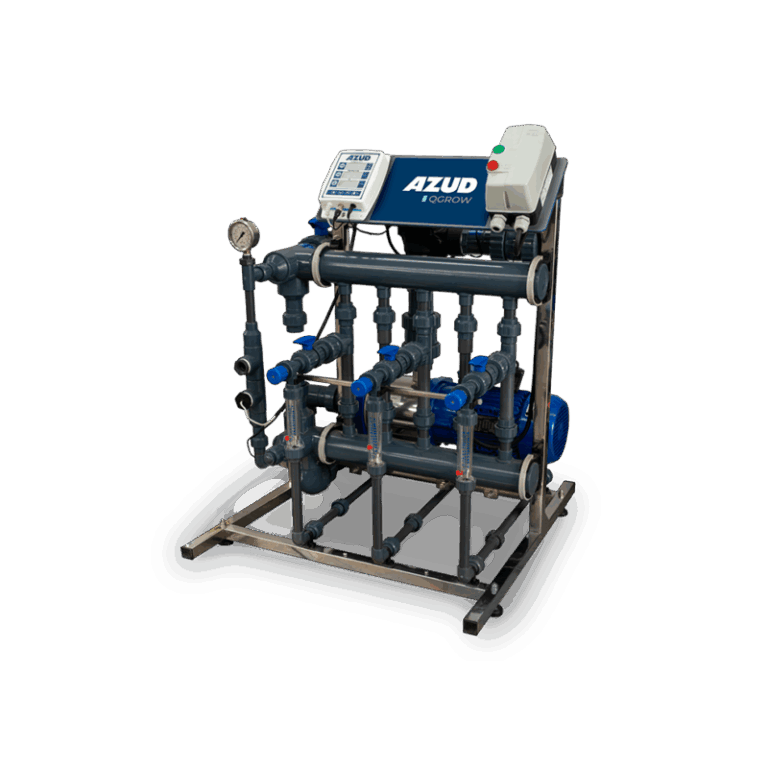
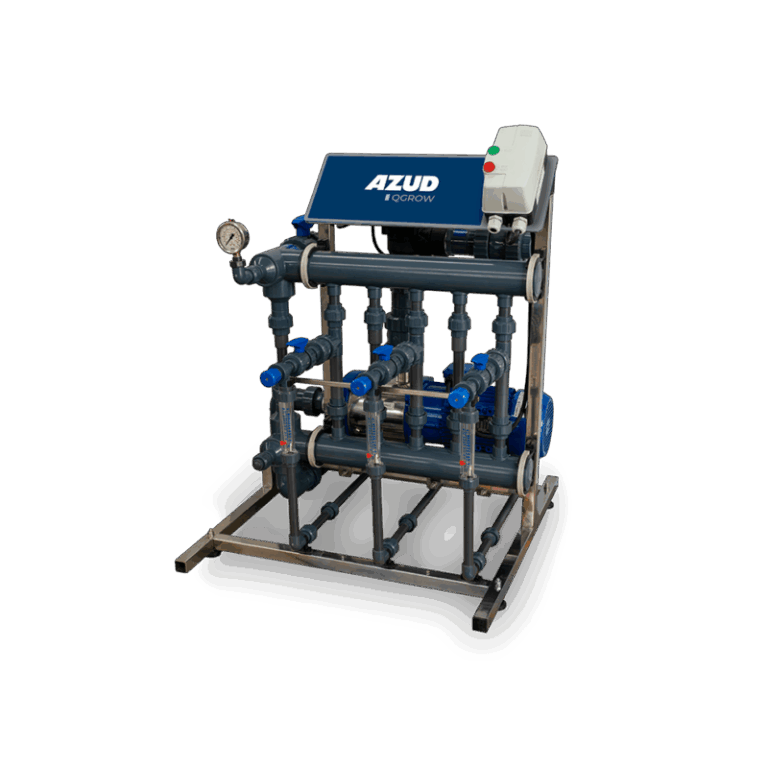
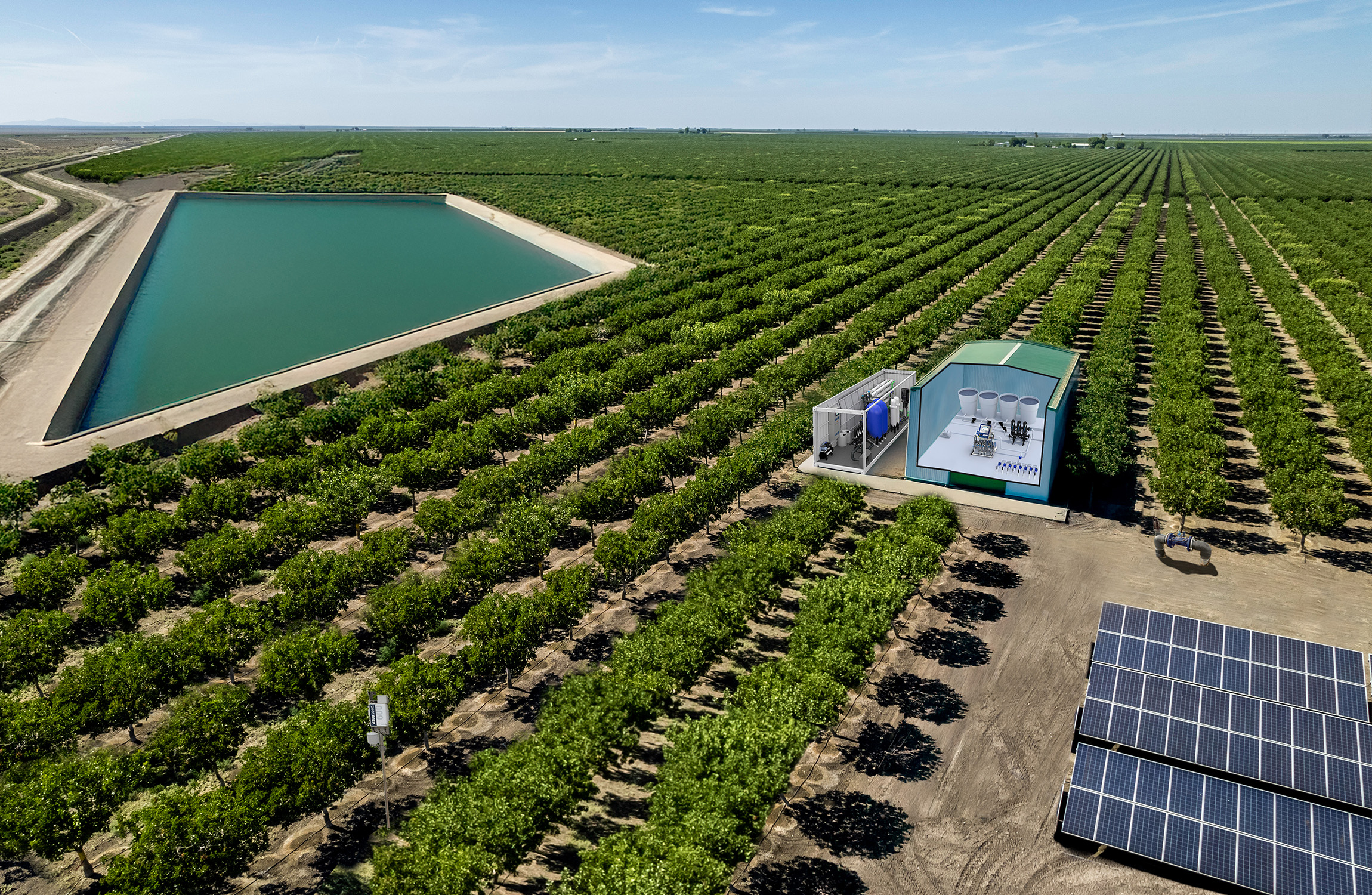
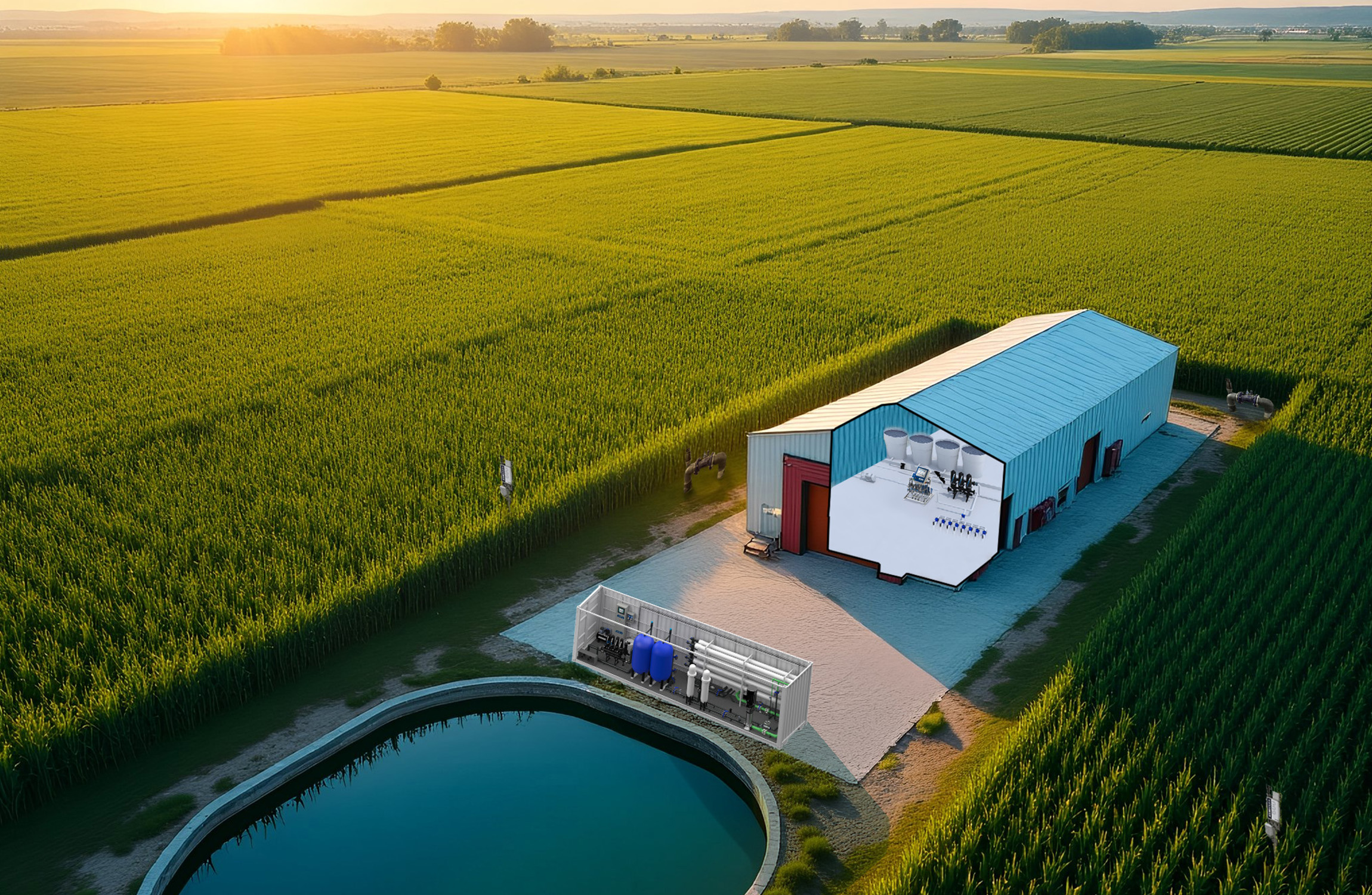
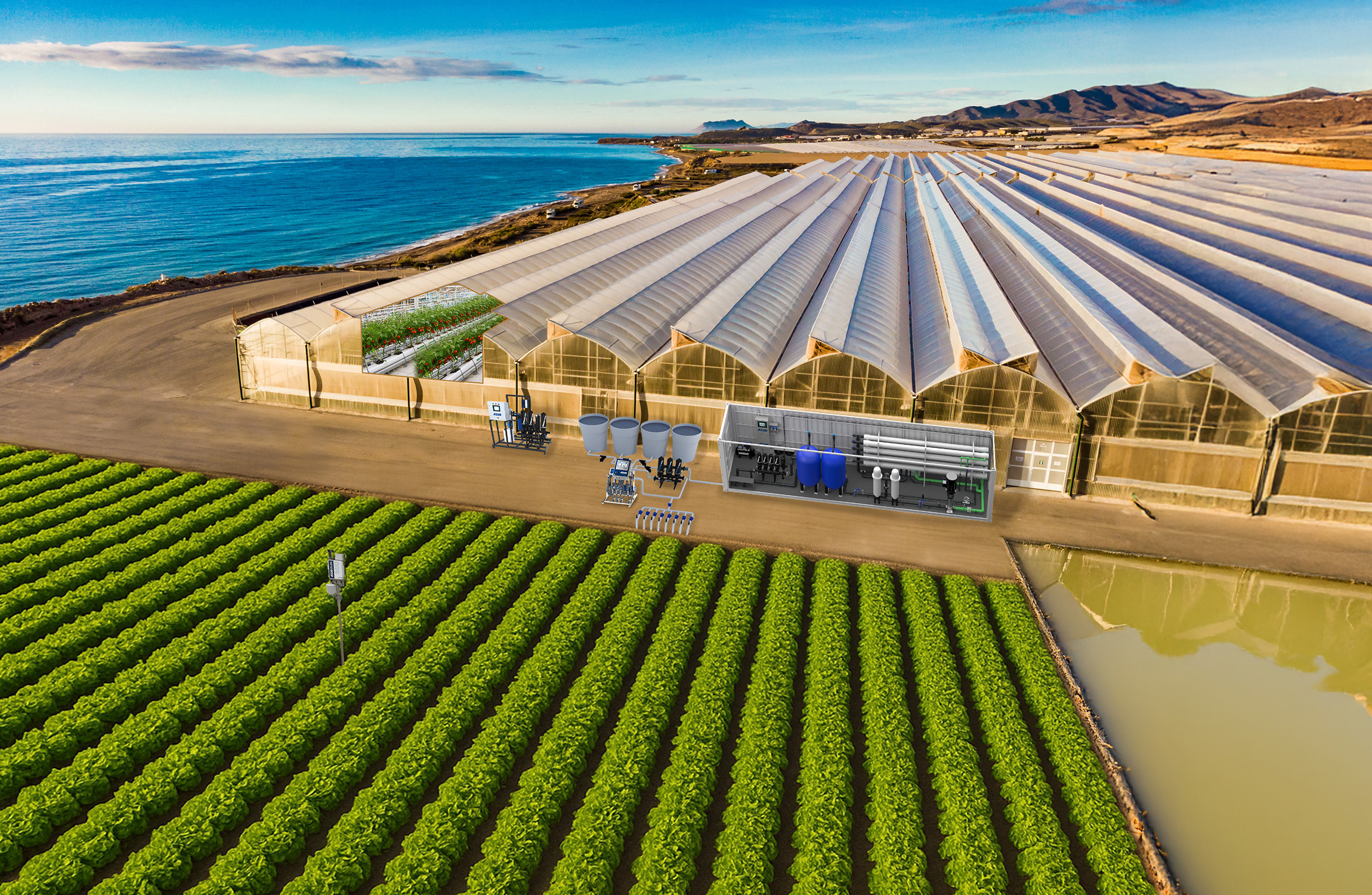
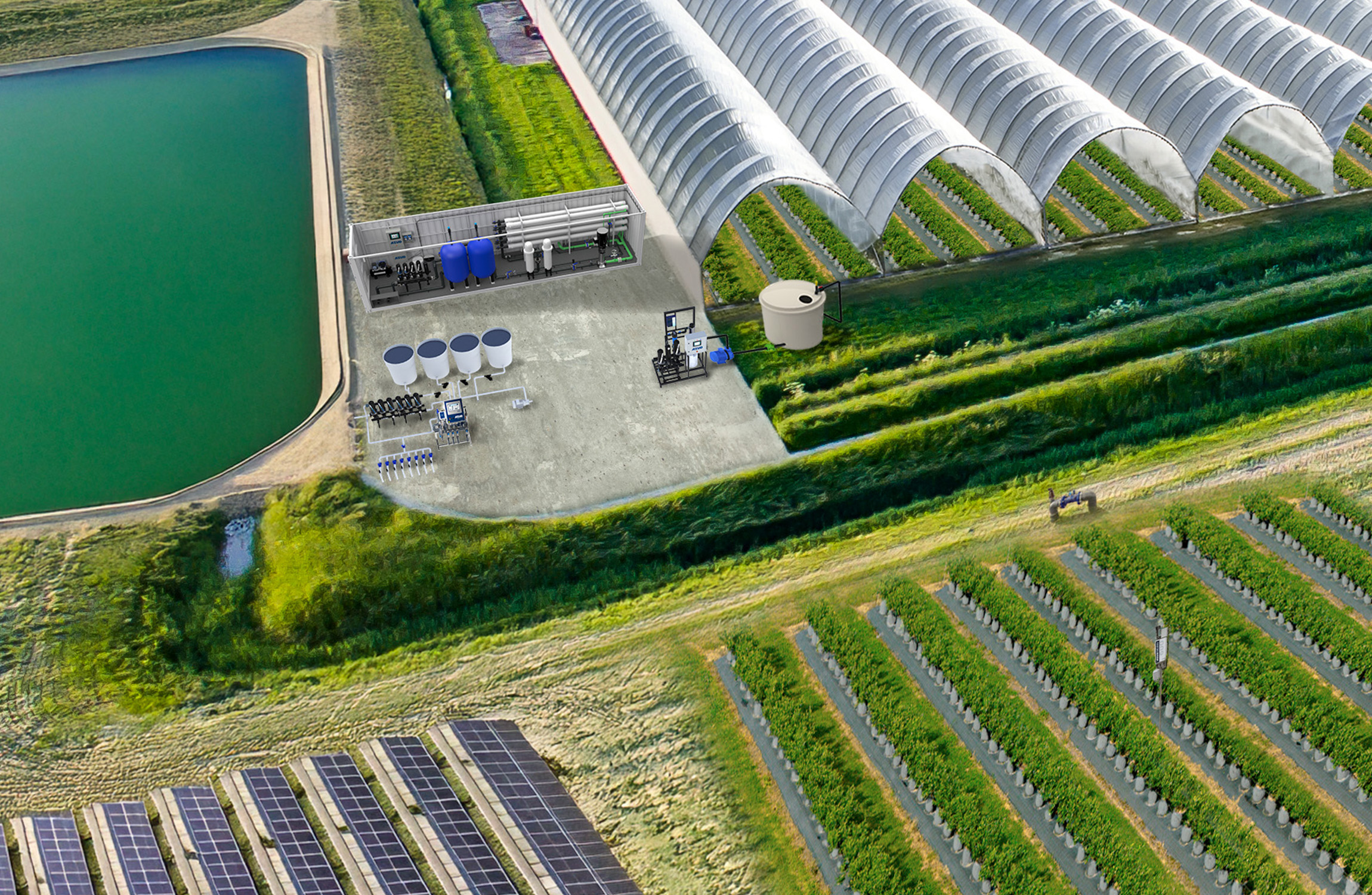
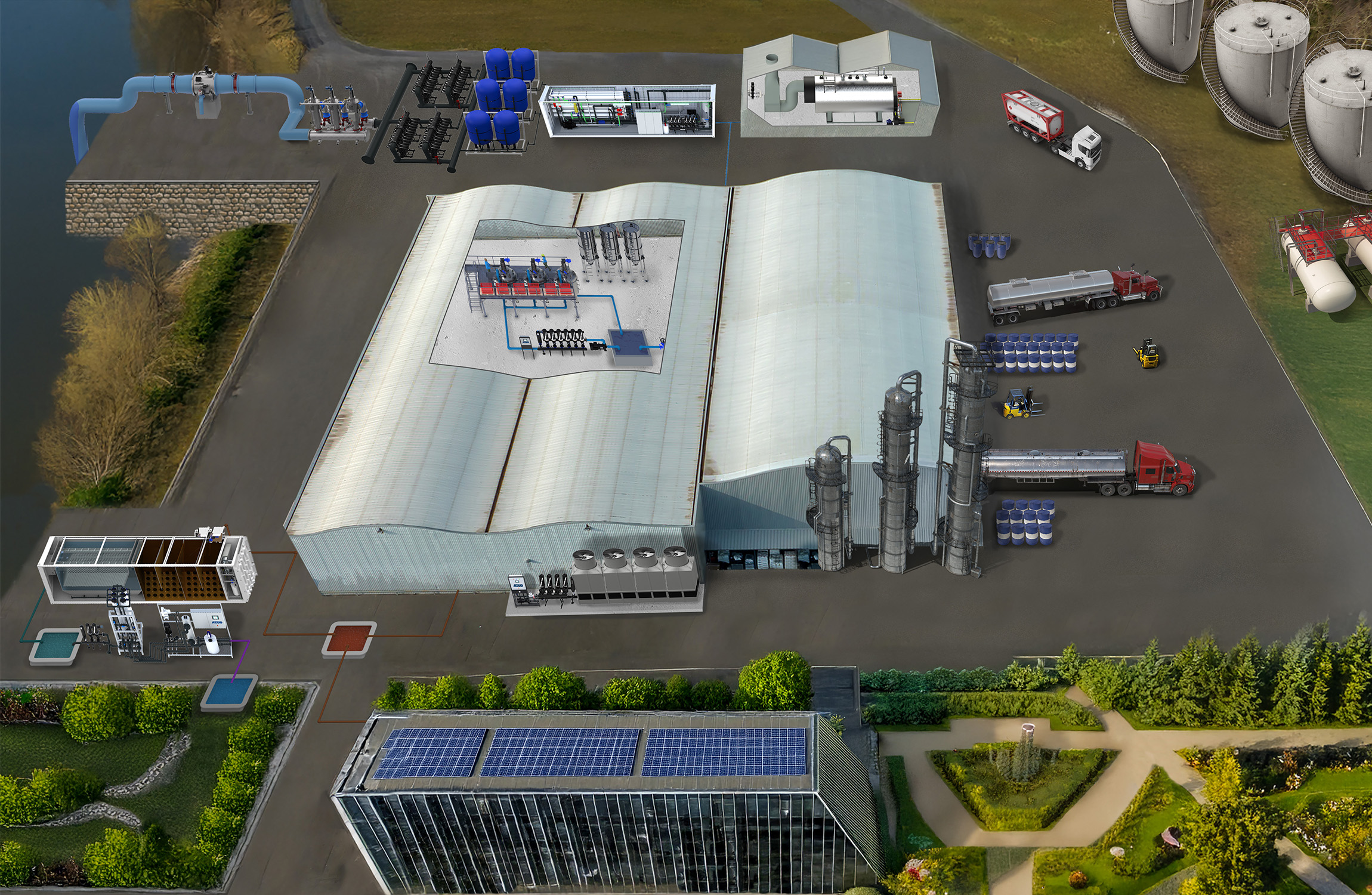
AZUD specializes in efficient irrigation solutions that boost productivity in lettuce cultivation by optimizing water use.
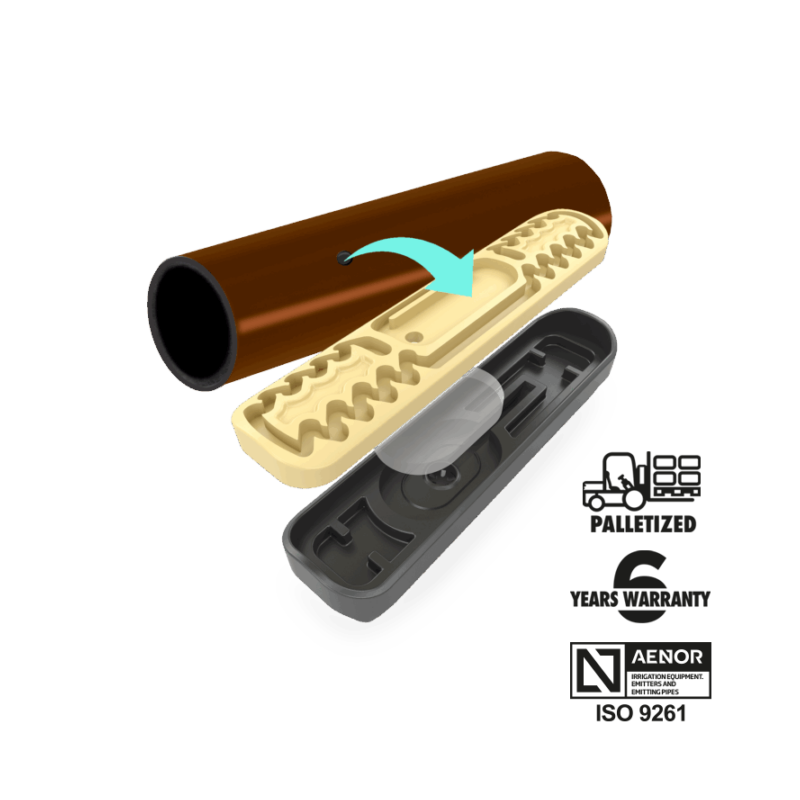
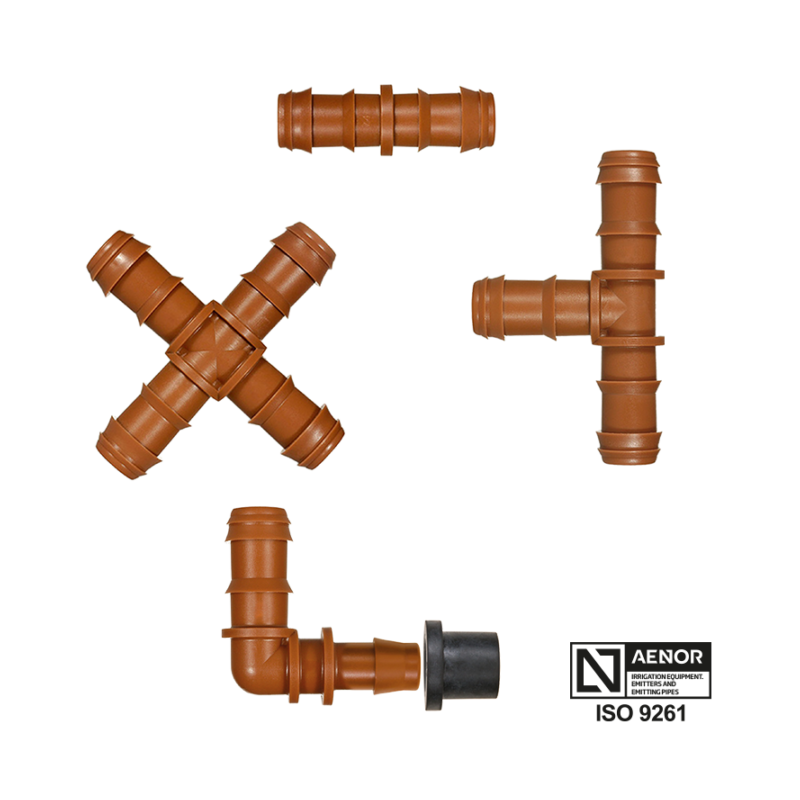
We offer drip irrigation systems tailored to different soil types, ensuring uniform water distribution and reducing evaporation.
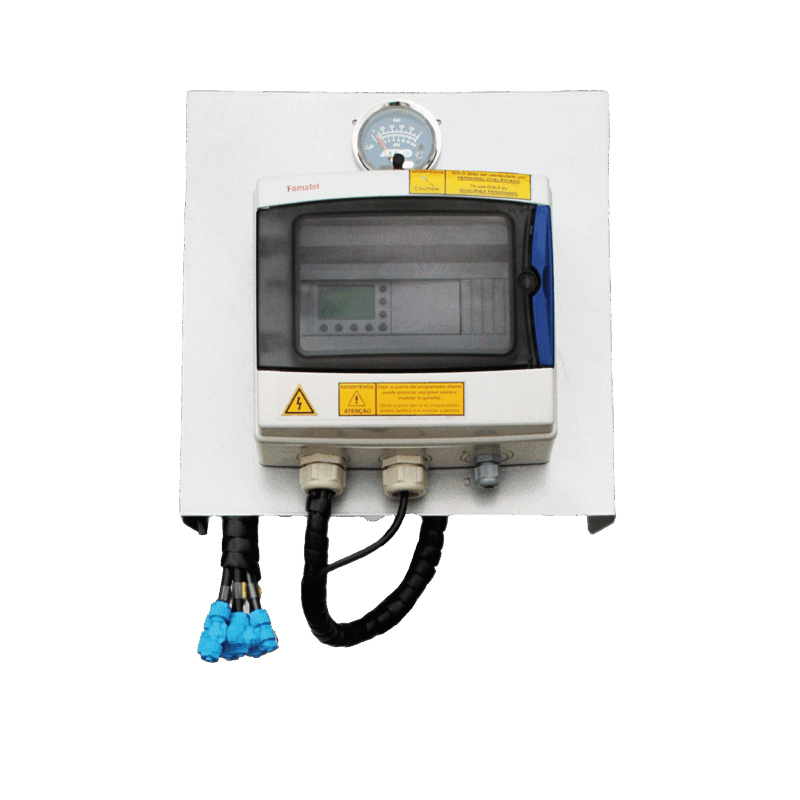
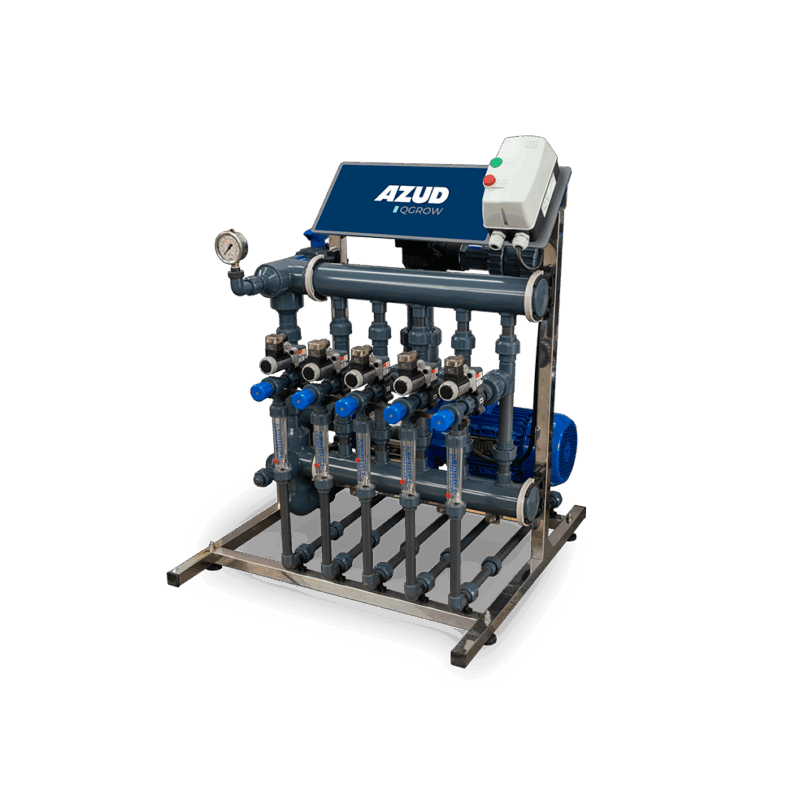
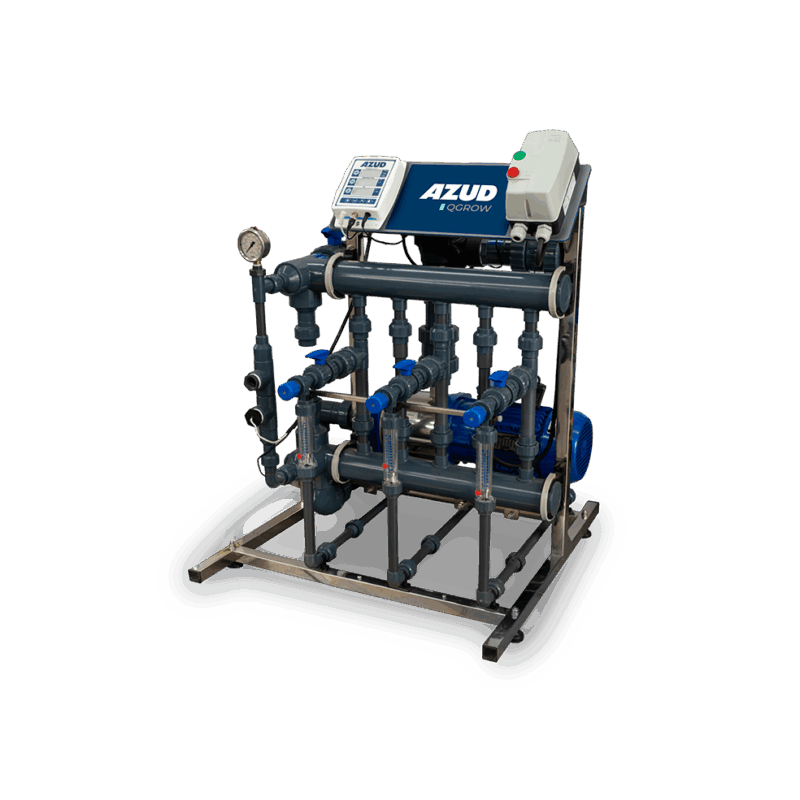
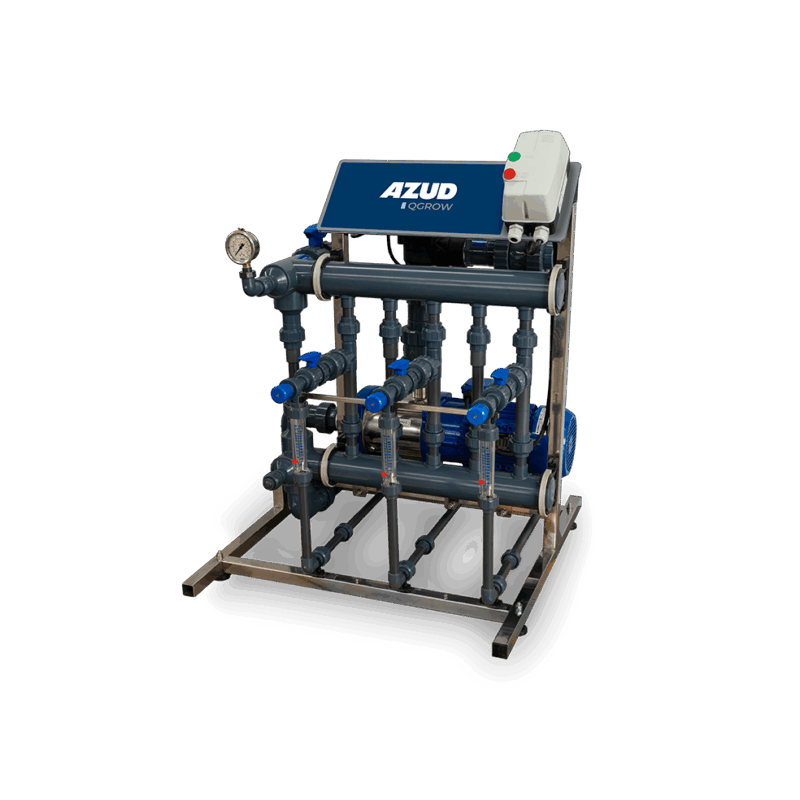
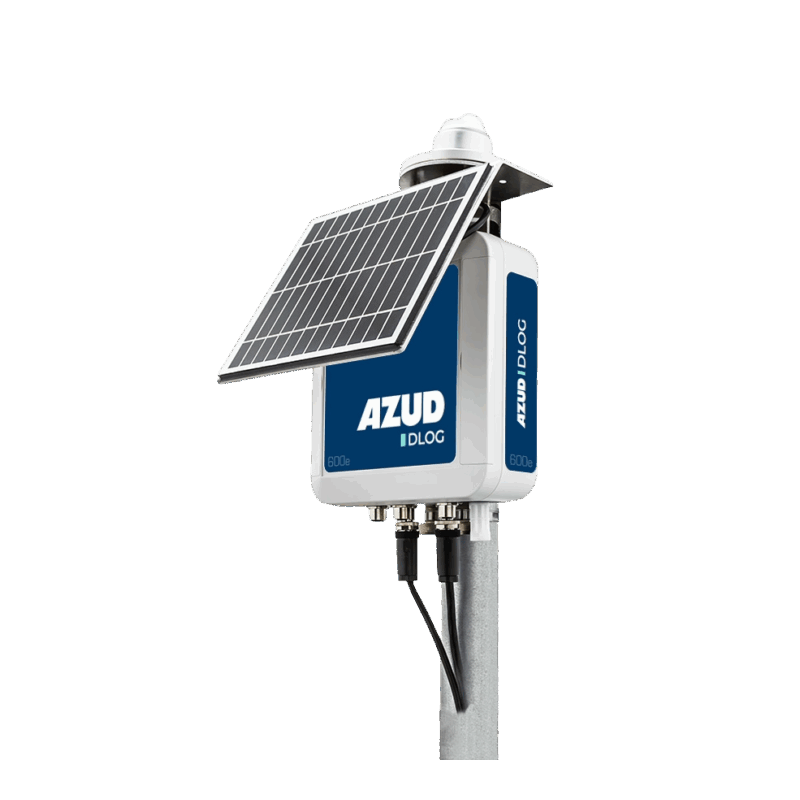
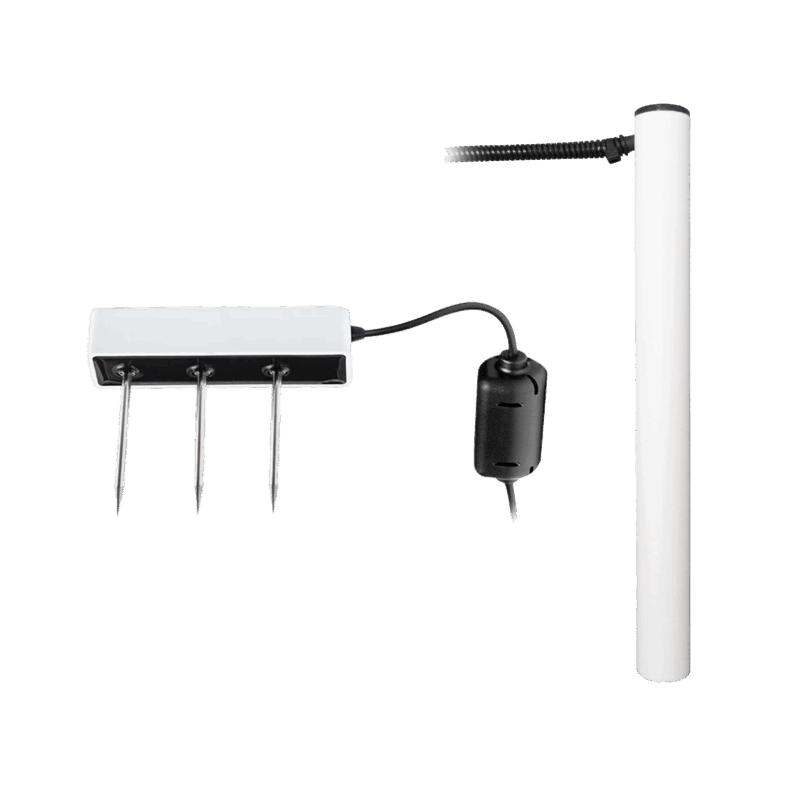
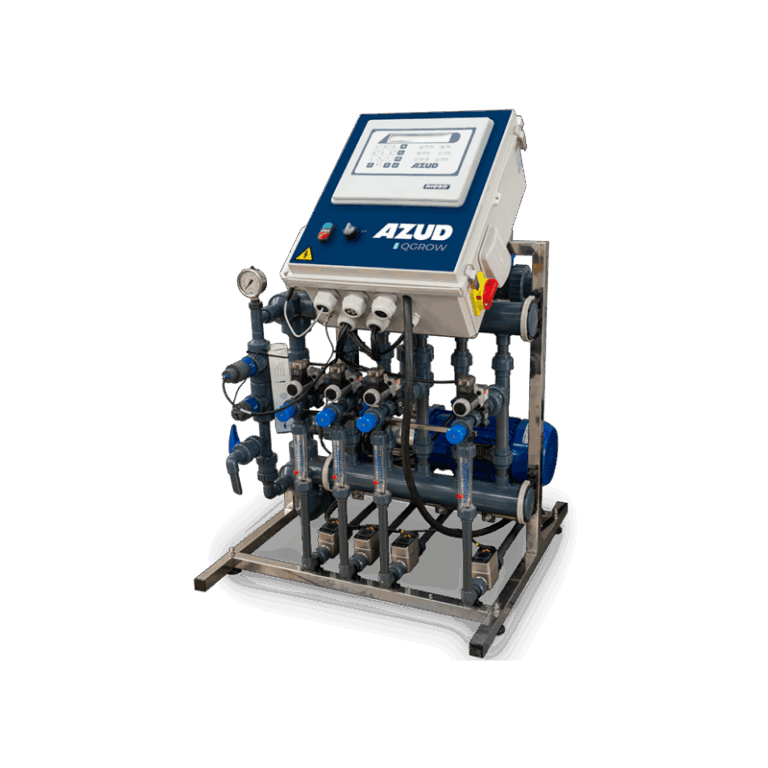
Our automated systems adapt to the needs of lettuce crops, integrating with moisture sensors and weather data for optimal Irrigation.
To grow lettuce successfully, it is crucial to use irrigation techniques that keep the soil evenly moist without saturating it. Fertilization should be balanced, with an emphasis on nitrogen, potassium, and phosphorus to promote vigorous growth and healthy leaves. The right combination of irrigation and fertilization can prevent diseases and maximize the quality of your harvest.
Yes, we offer customized irrigation systems tailored to all types of farmers, from small-scale growers to large commercial operations. Our experts can design a system that perfectly fits your specific needs in terms of space, crop type, and available resources, ensuring that every plant receives the care it deserves.
Customized irrigation systems offer several key benefits, such as optimizing water use, reducing labor requirements, and improving plant health and yield. By tailoring the irrigation system to the specific conditions of your crop, you can ensure optimal distribution of water and nutrients, resulting in higher-quality lettuce and a more abundant harvest.