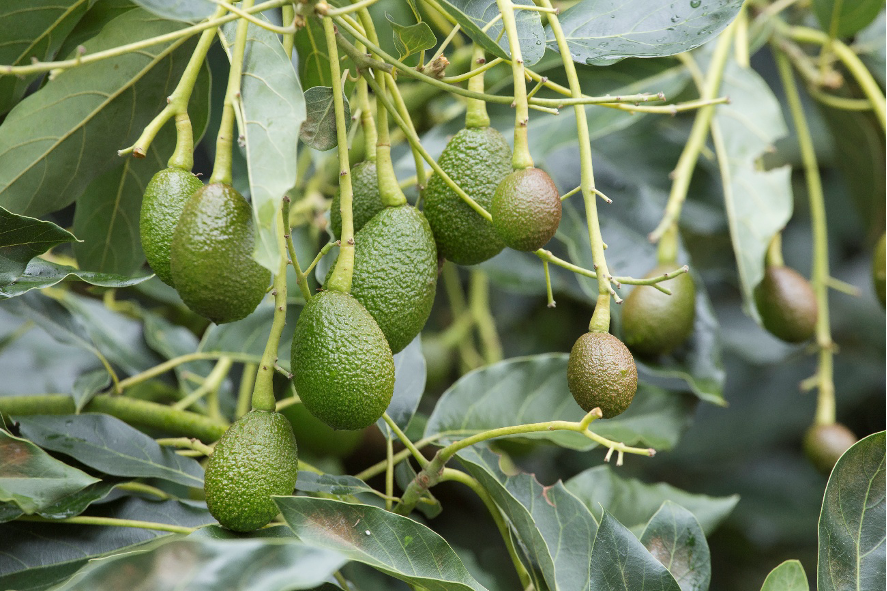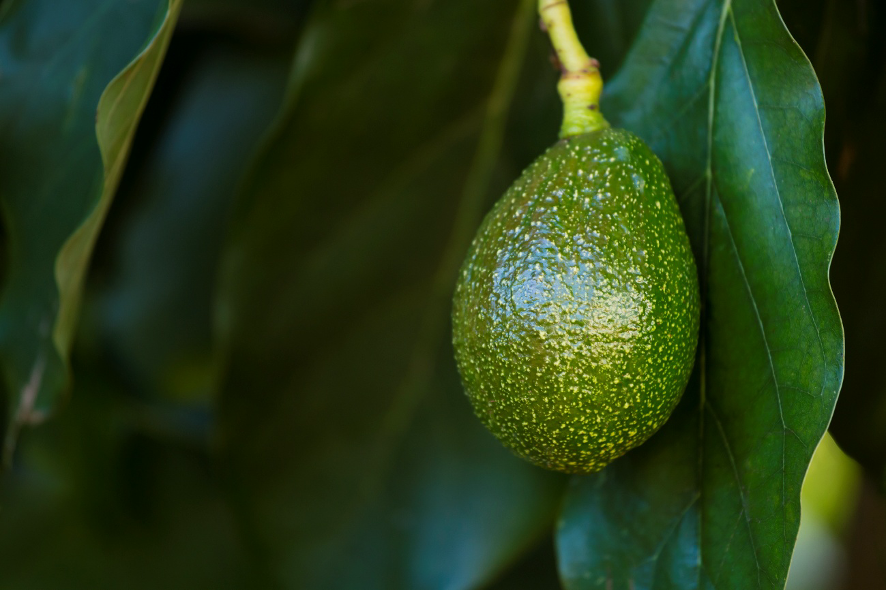


The avocado (Persea americana) is a woody crop native to Mesoamerica, where it has been cultivated for centuries due to its high nutritional value and culinary versatility. Over time, its cultivation spread to other regions of the world, establishing itself as one of the fastest-growing tropical and subtropical fruit crops in international markets.
In recent decades, demand for avocados has driven the expansion of new plantations in areas with a mild Mediterranean climate, provided that proper agronomic management is in place, especially regarding Irrigation.
Avocados thrive best in temperate and subtropical climates without severe frosts. They require deep, well-drained, and aerated soils, being particularly sensitive to excess moisture and root asphyxiation.
Avocados are a crop that is highly sensitive to irrigation management. Both water shortages and excess water can lead to growth problems, fruit drop, and root diseases.
The flowering, fruit set, and fruit growth stages are particularly critical from a water management perspective. Precise irrigation management allows for maintaining an appropriate balance between vegetative and reproductive growth.
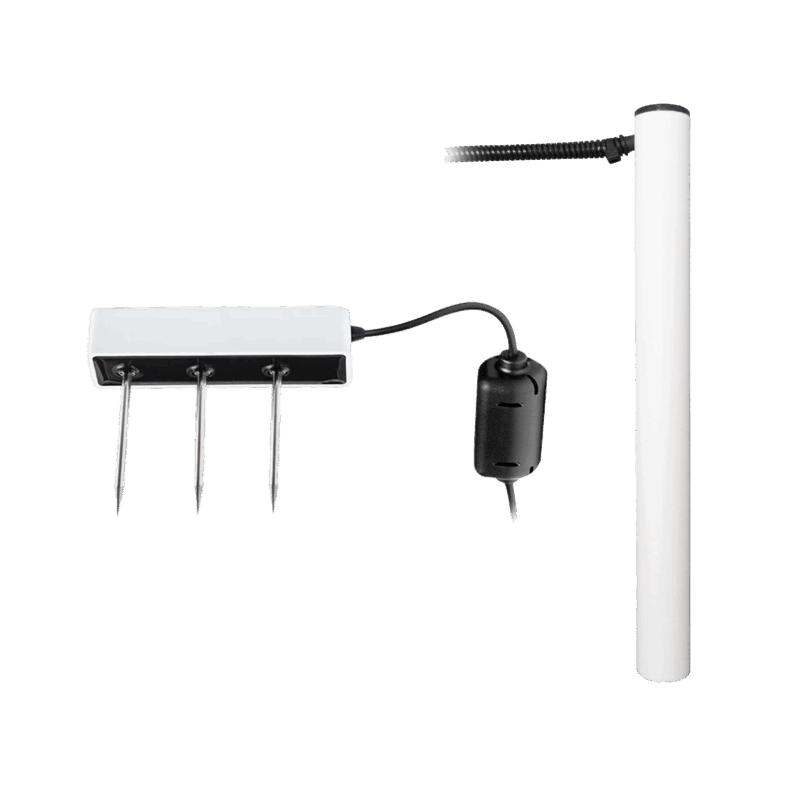
Irrigation must be carefully adjusted to soil texture and climatic conditions, avoiding prolonged waterlogging and maintaining constant moisture in the root zone.
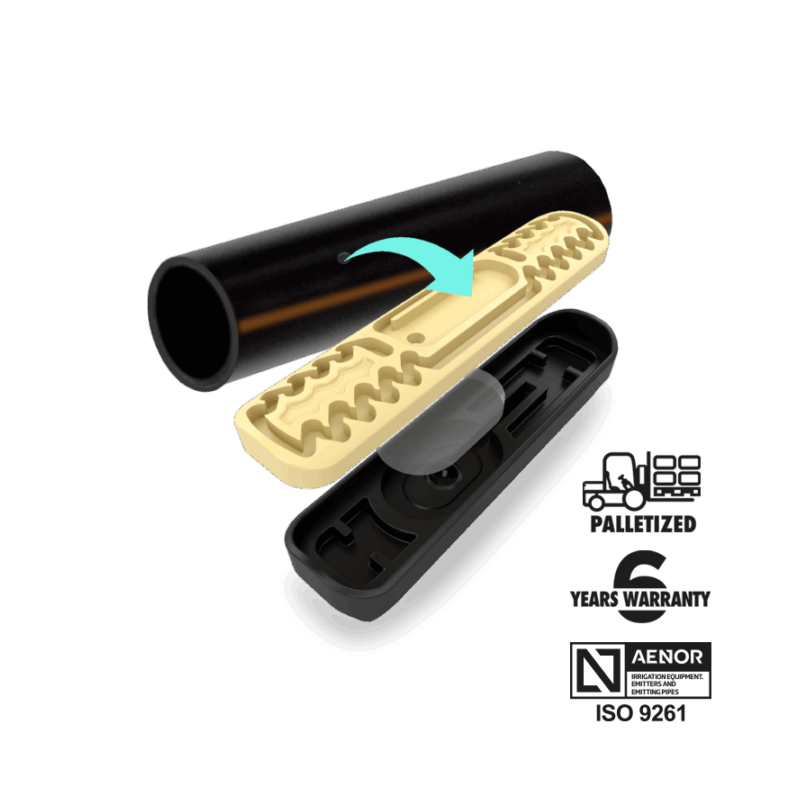
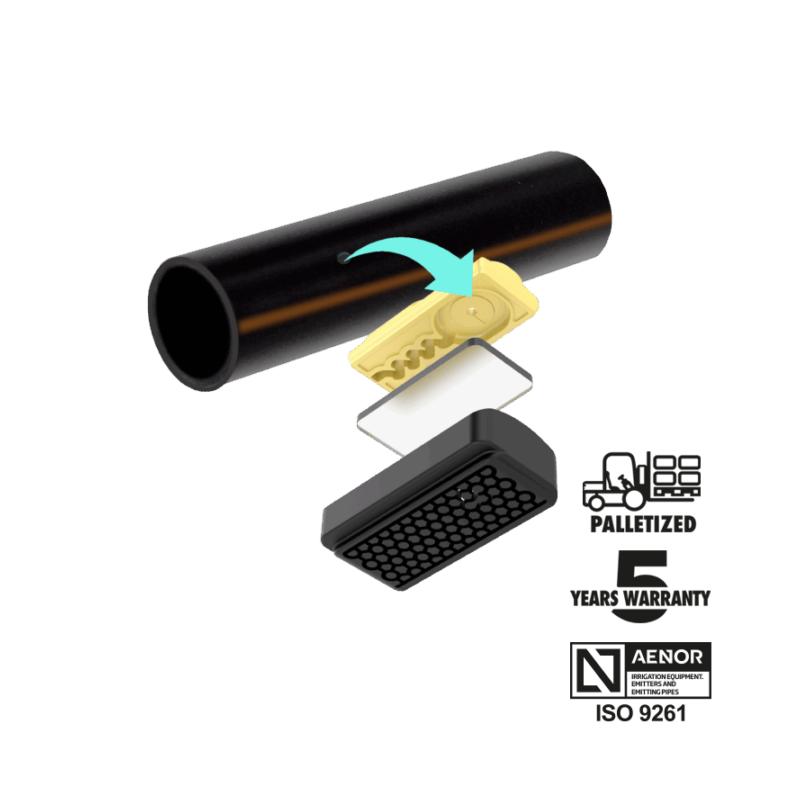
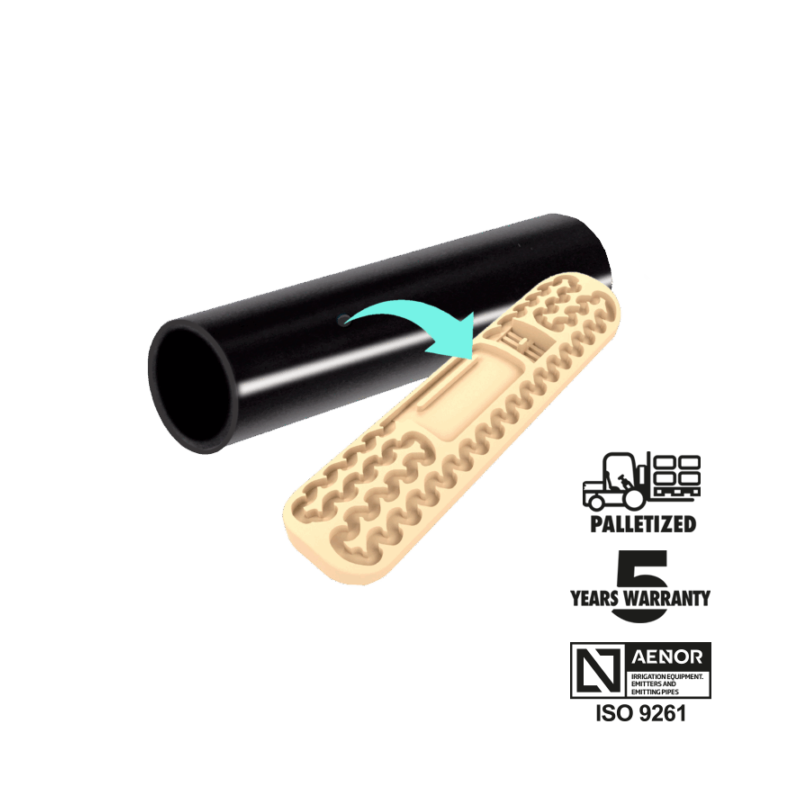
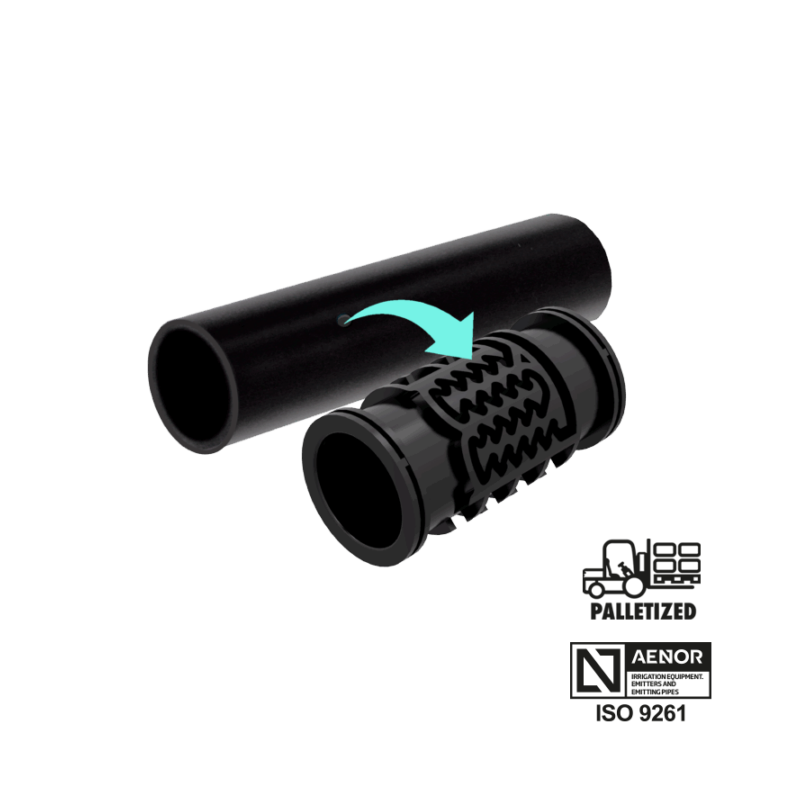
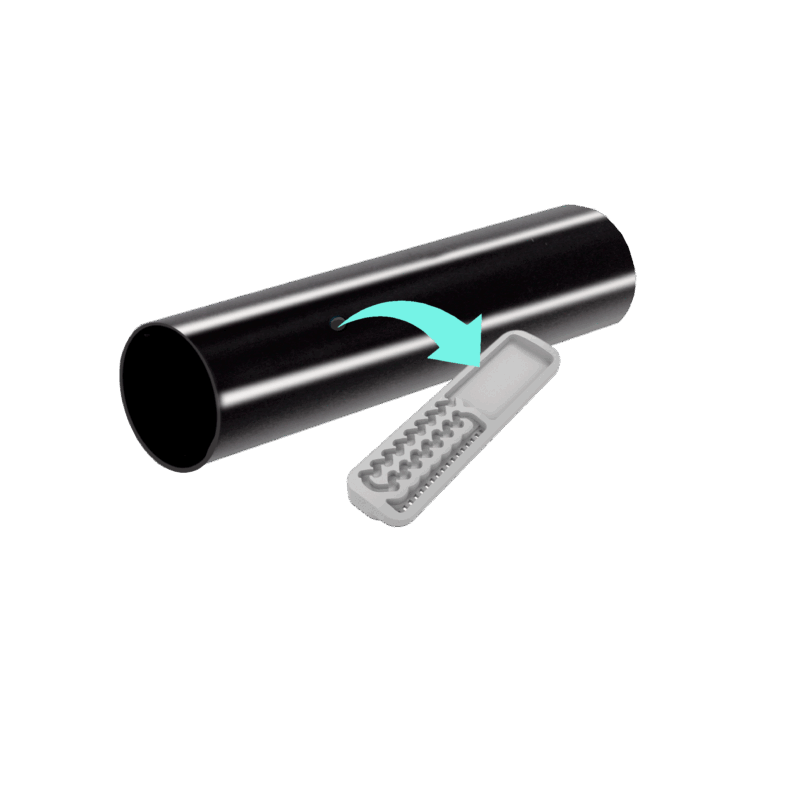
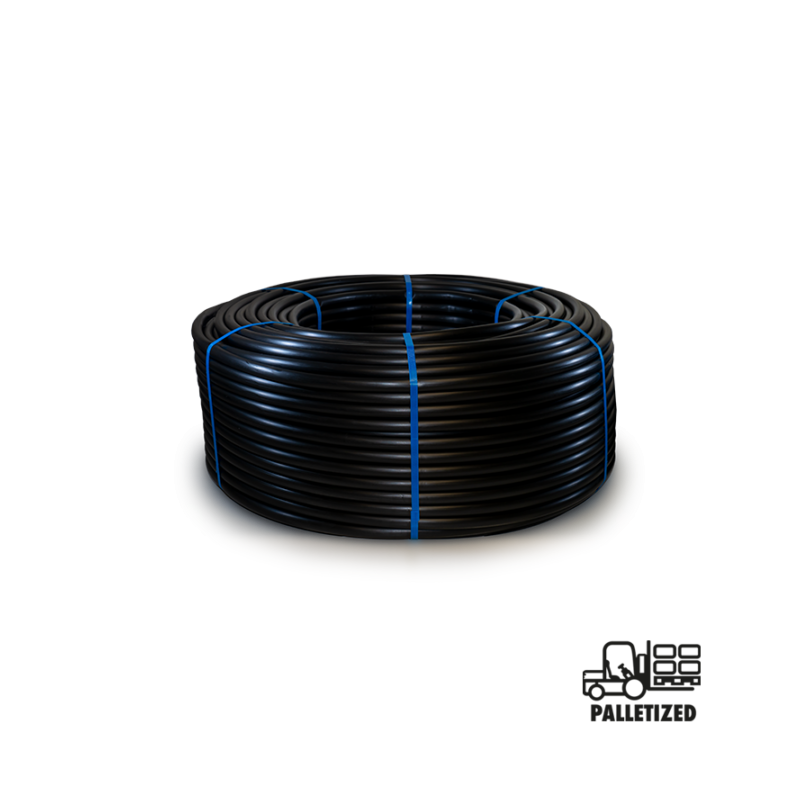
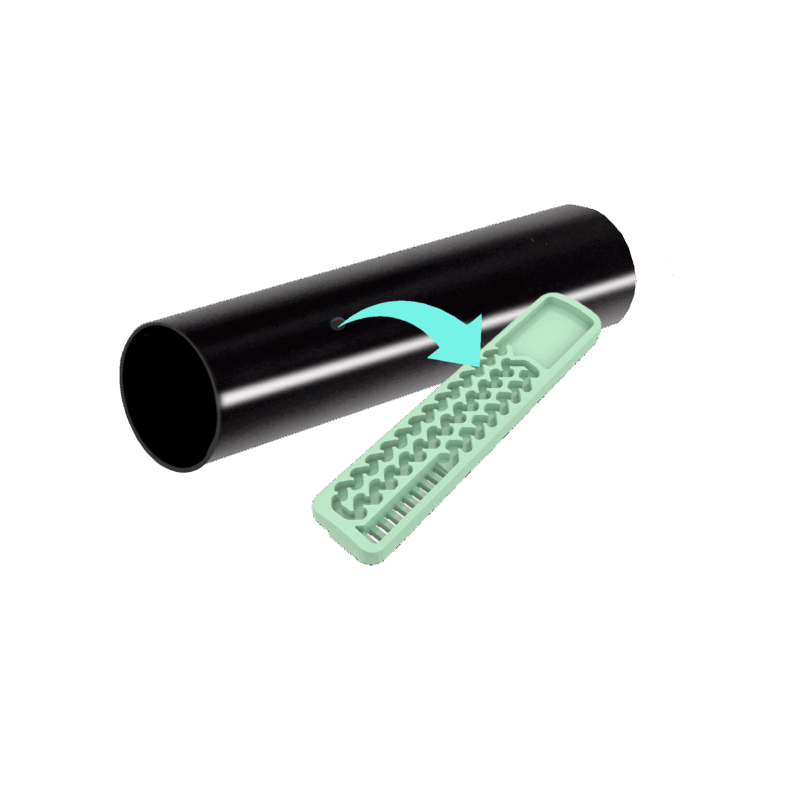
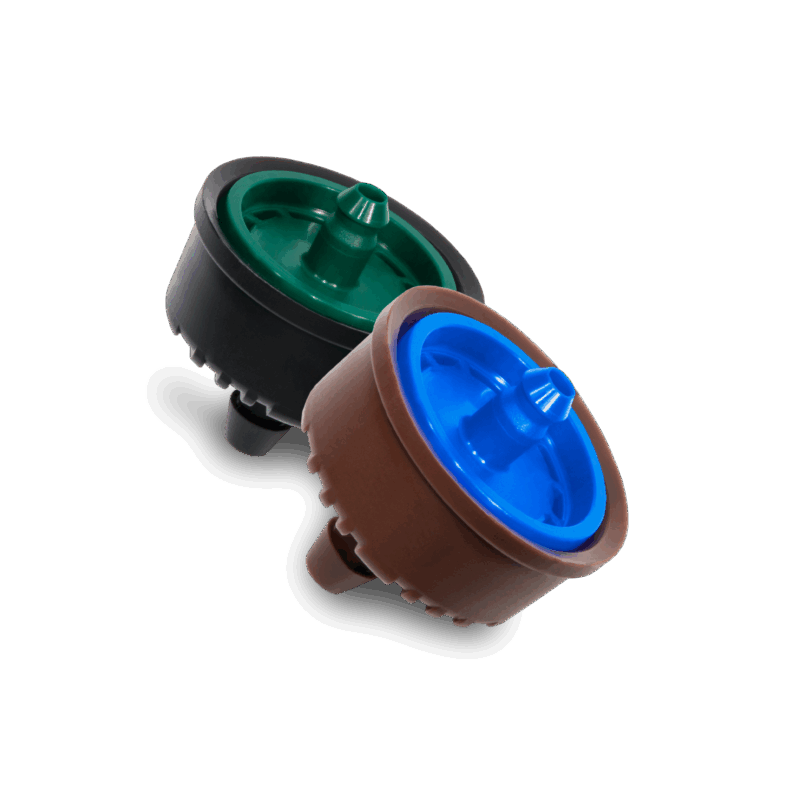
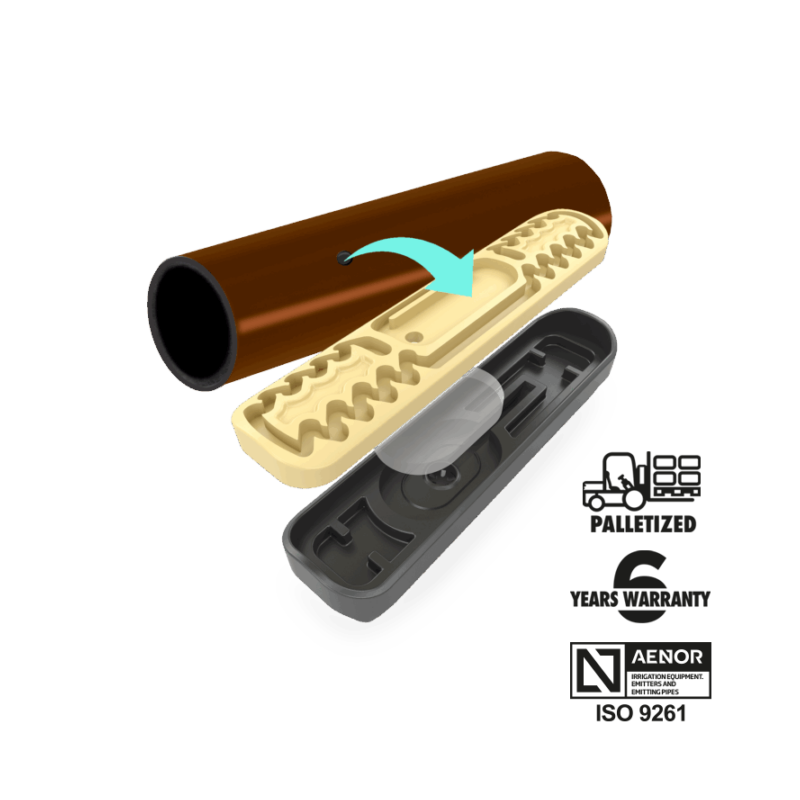
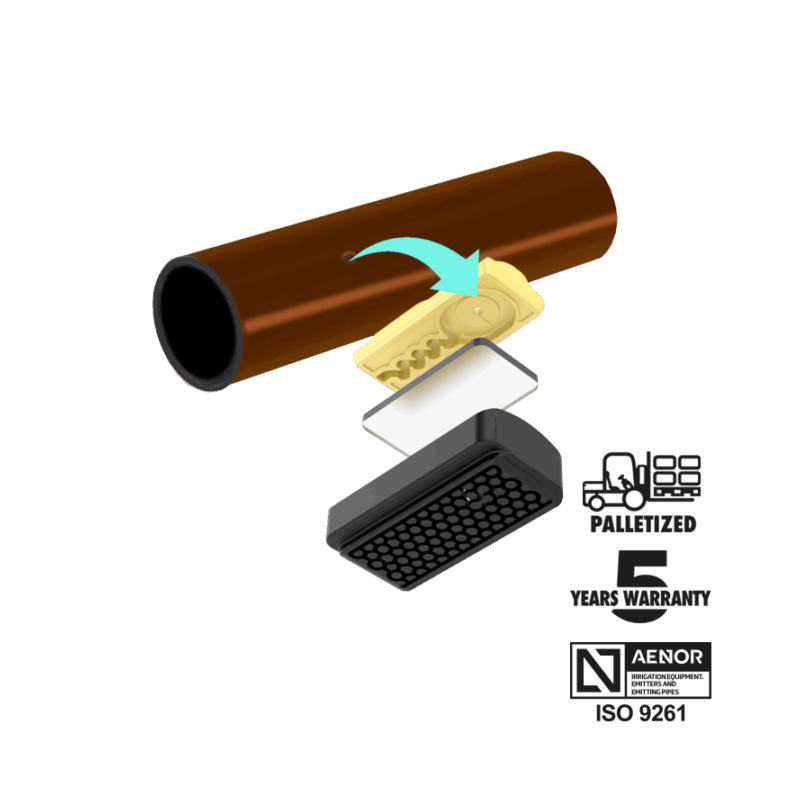
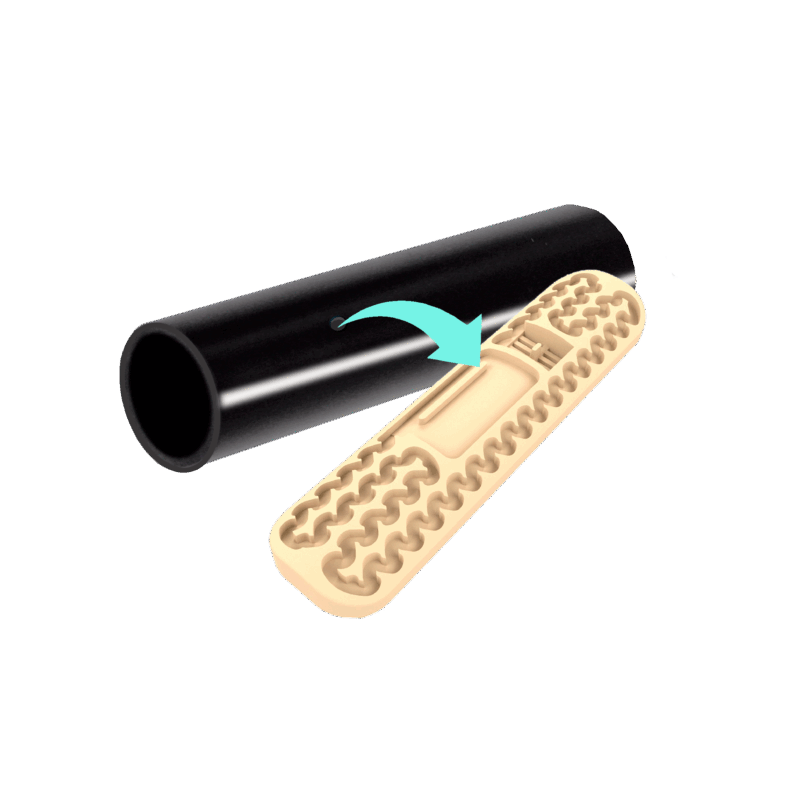
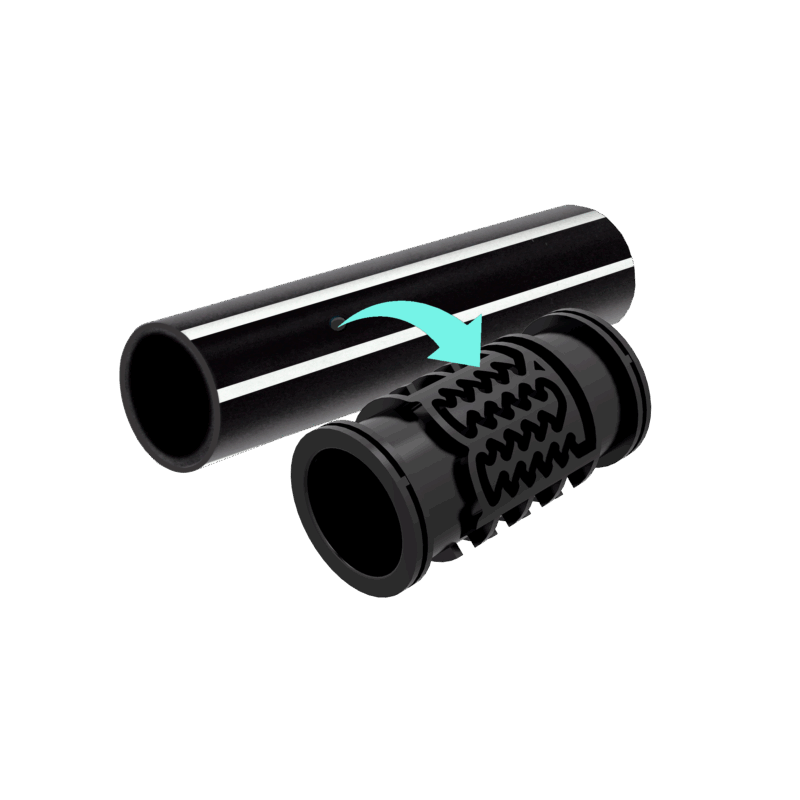
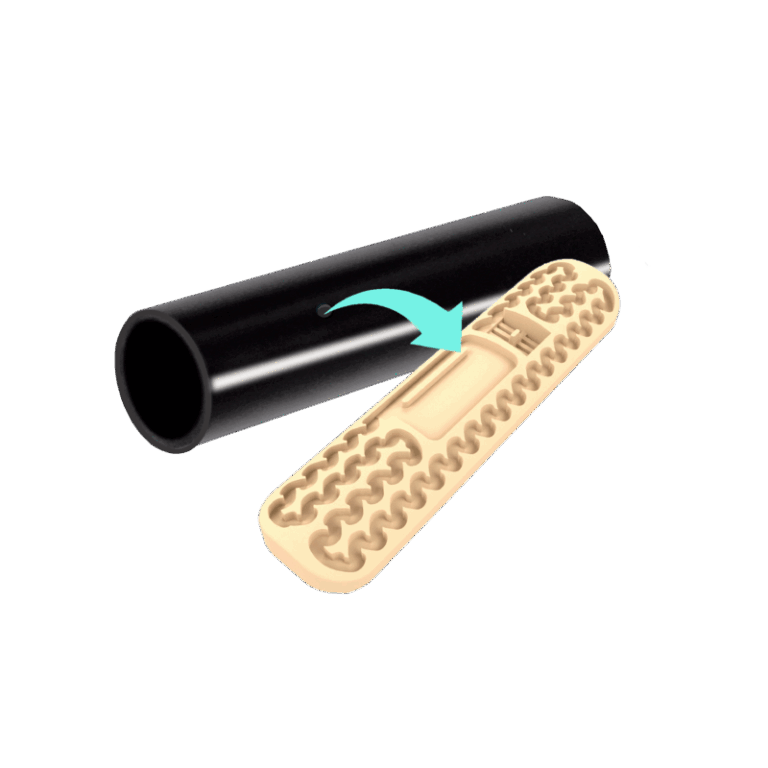
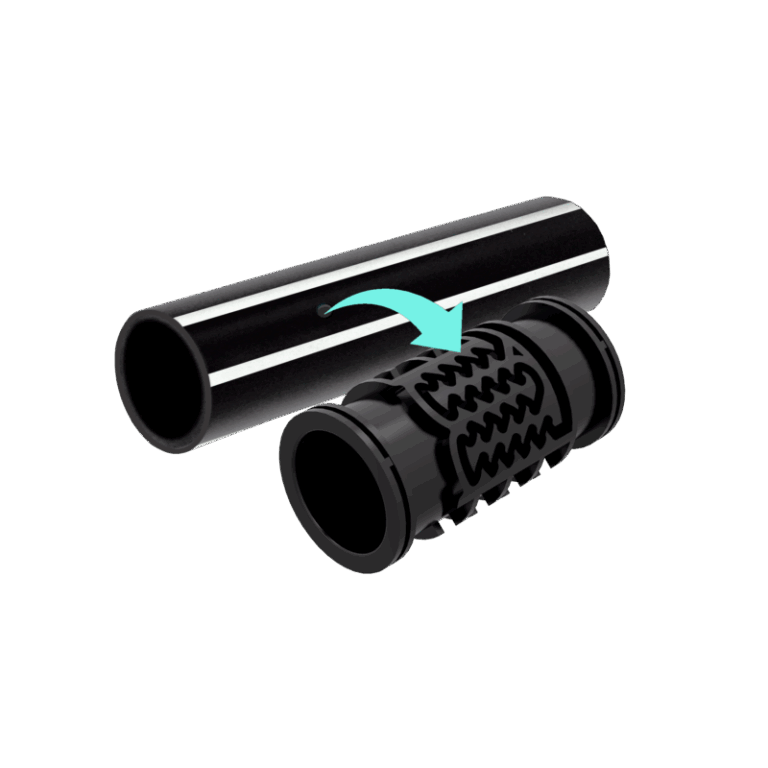
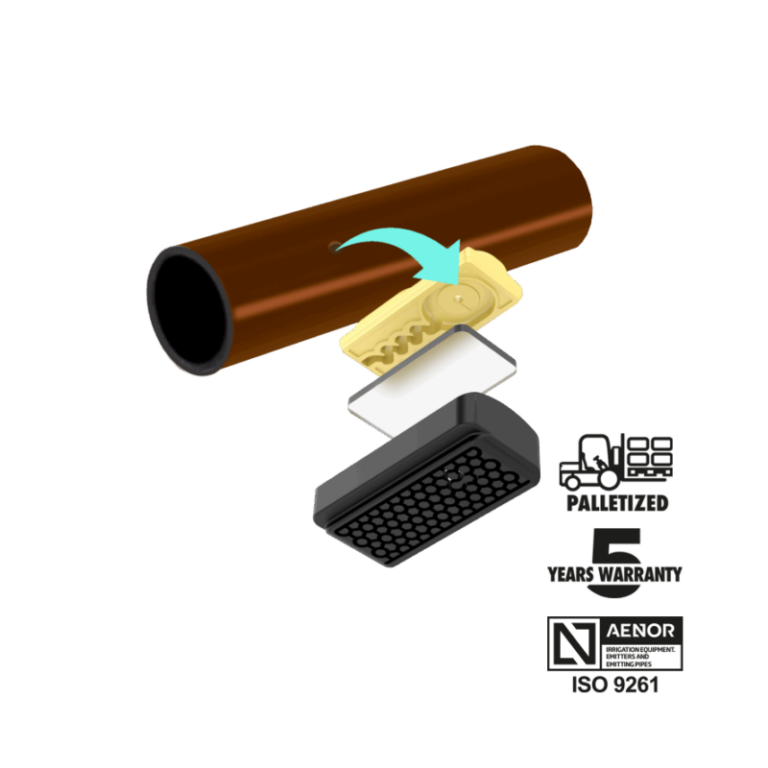
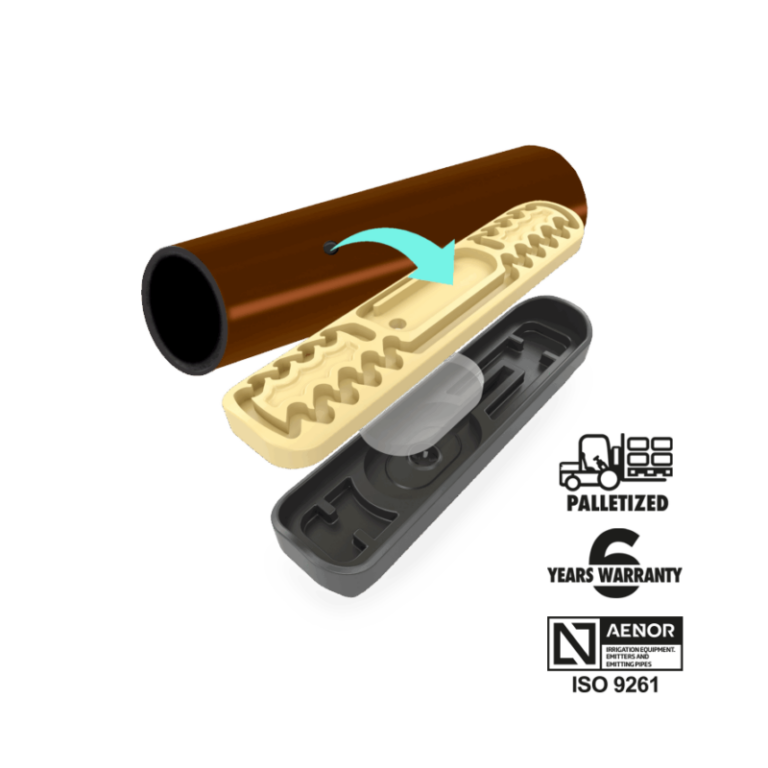
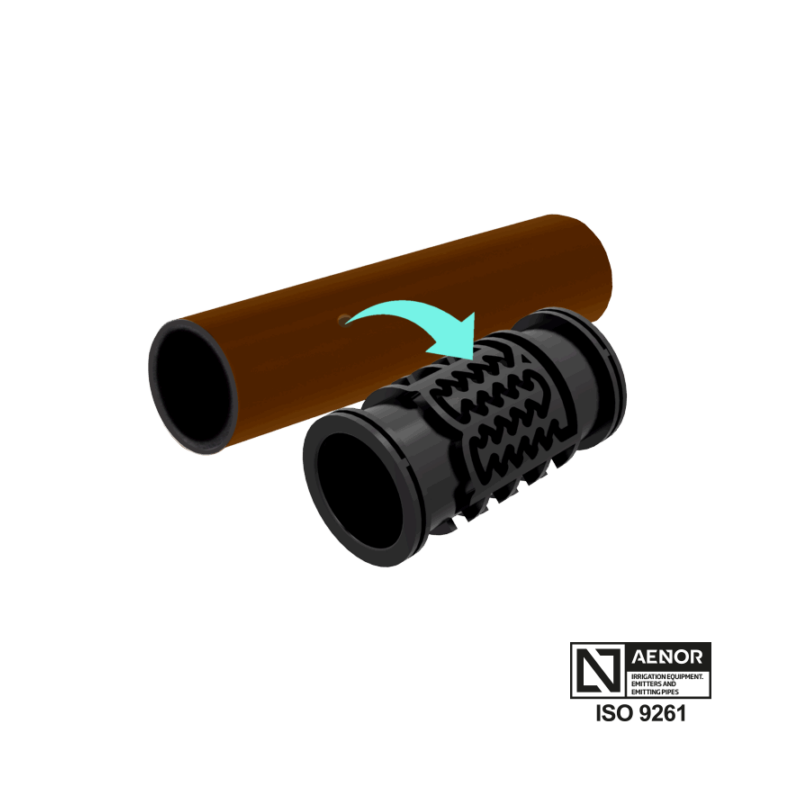
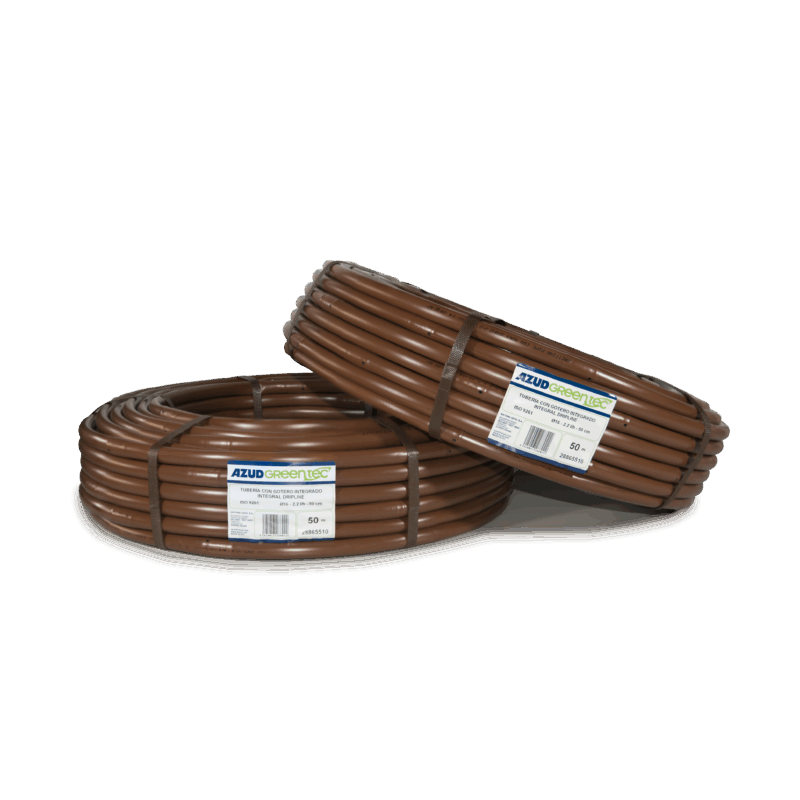
Drip irrigation is the most widely used system in avocado cultivation, as it allows for localized and controlled water application, adapting to the tree’s needs at each stage of its growth cycle.
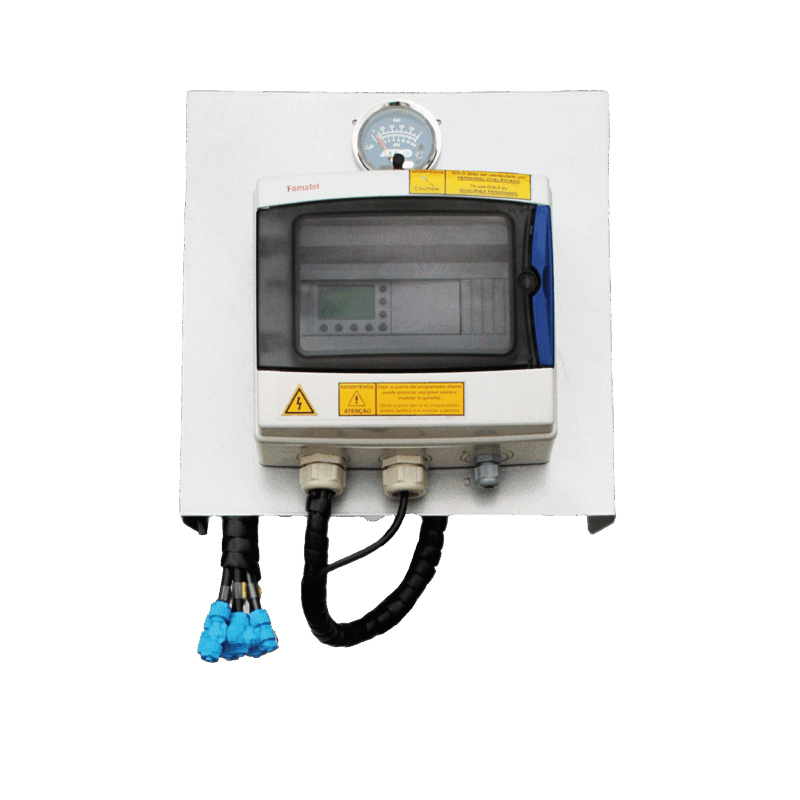
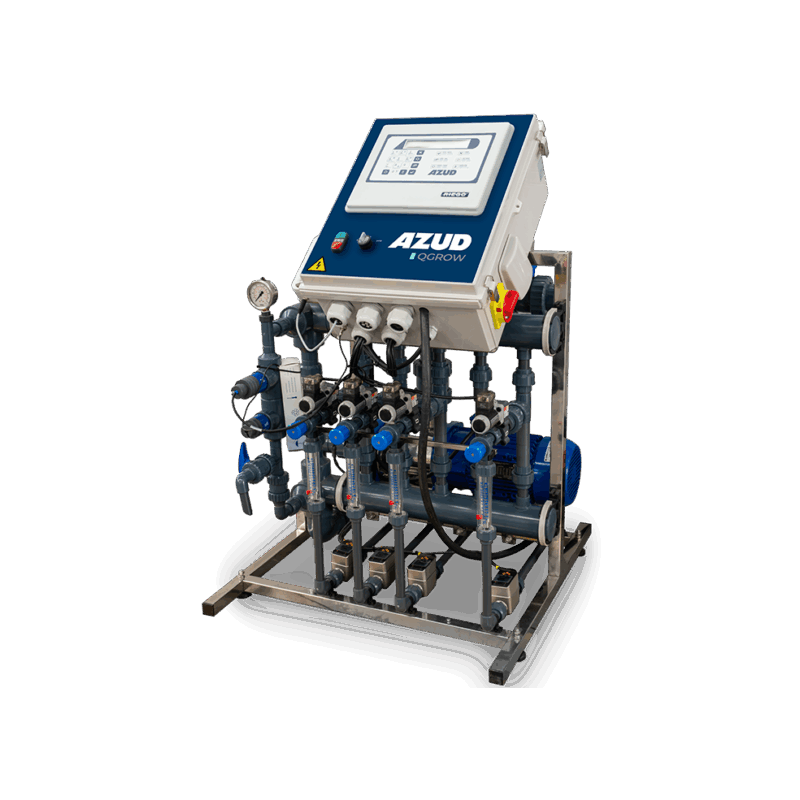
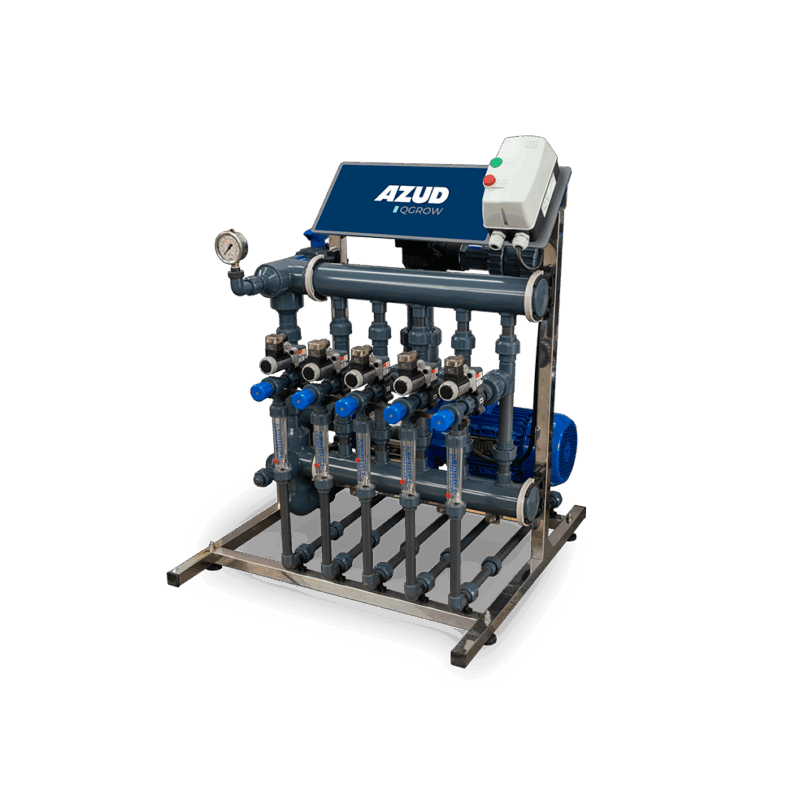
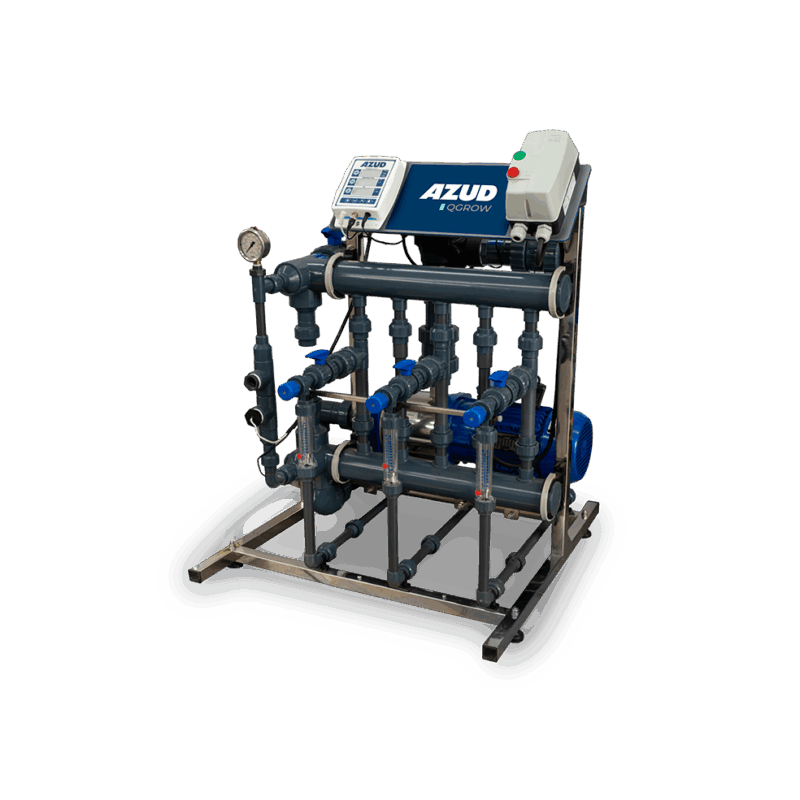
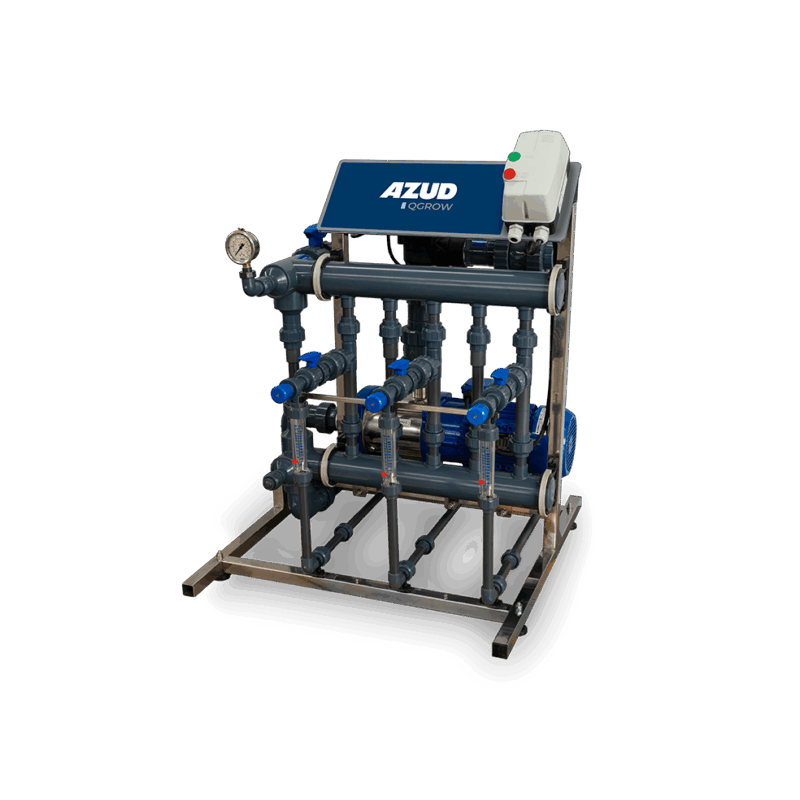
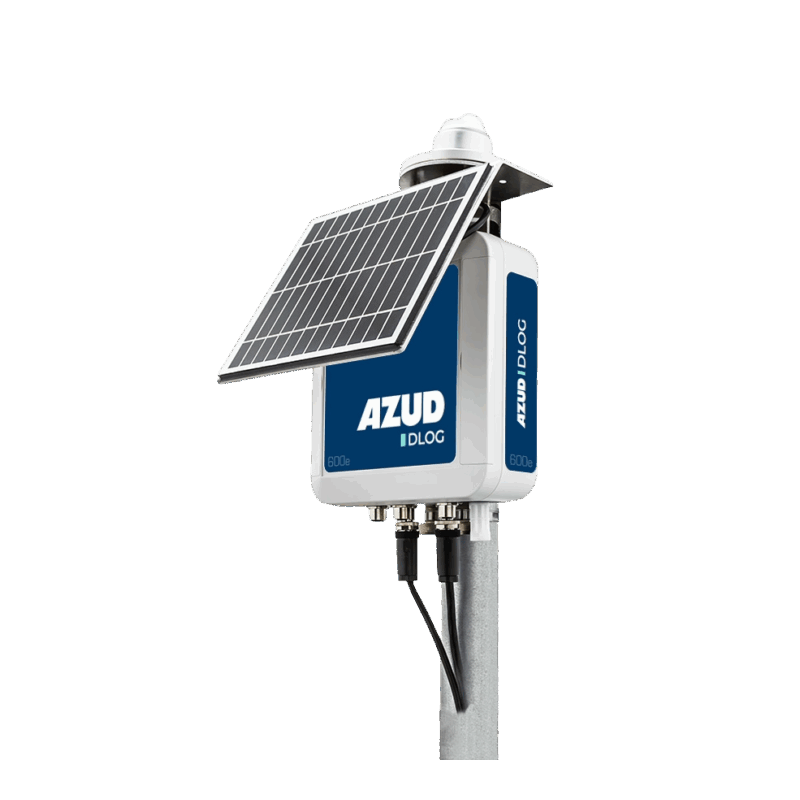
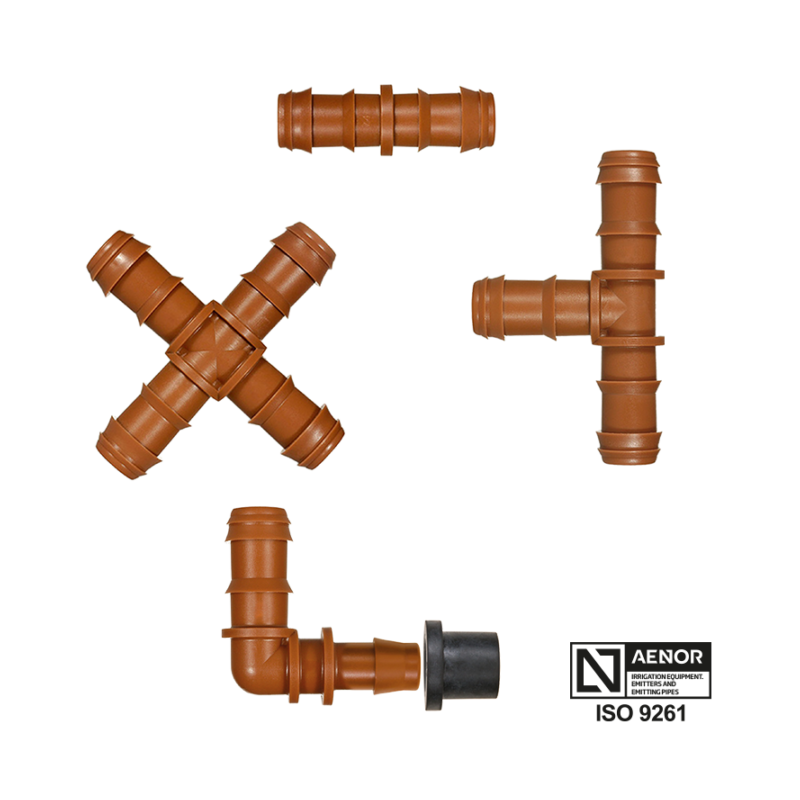
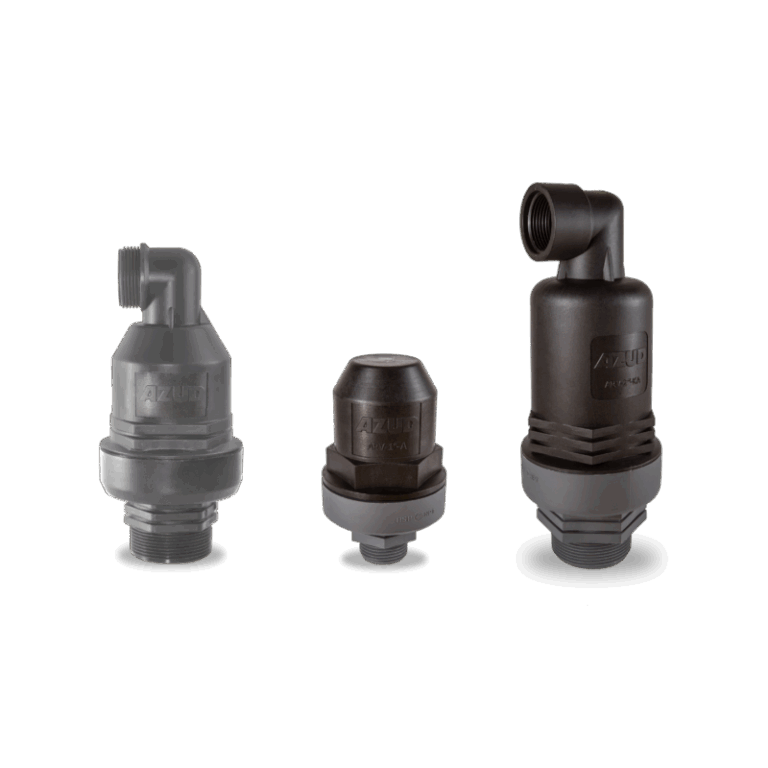
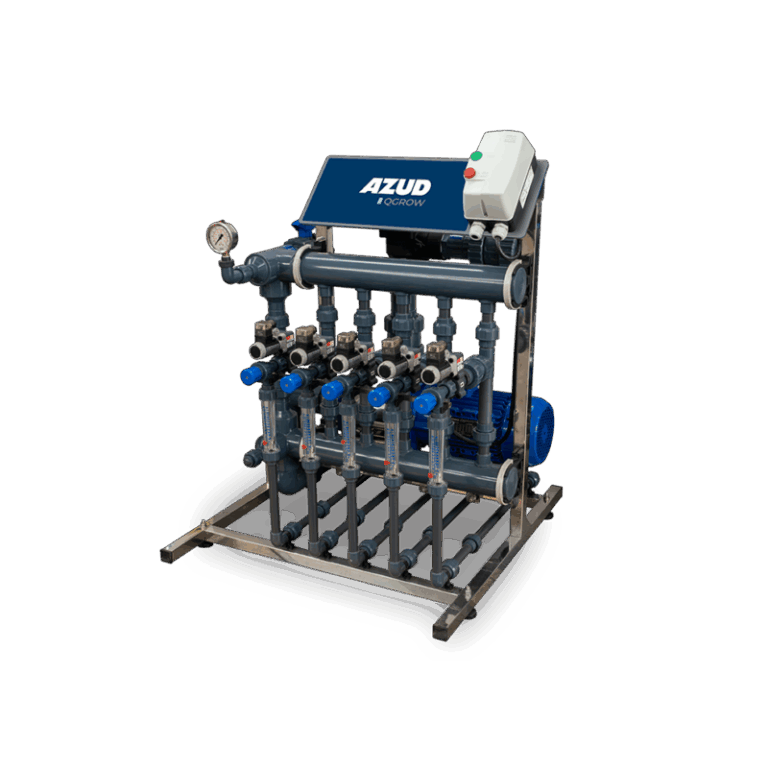
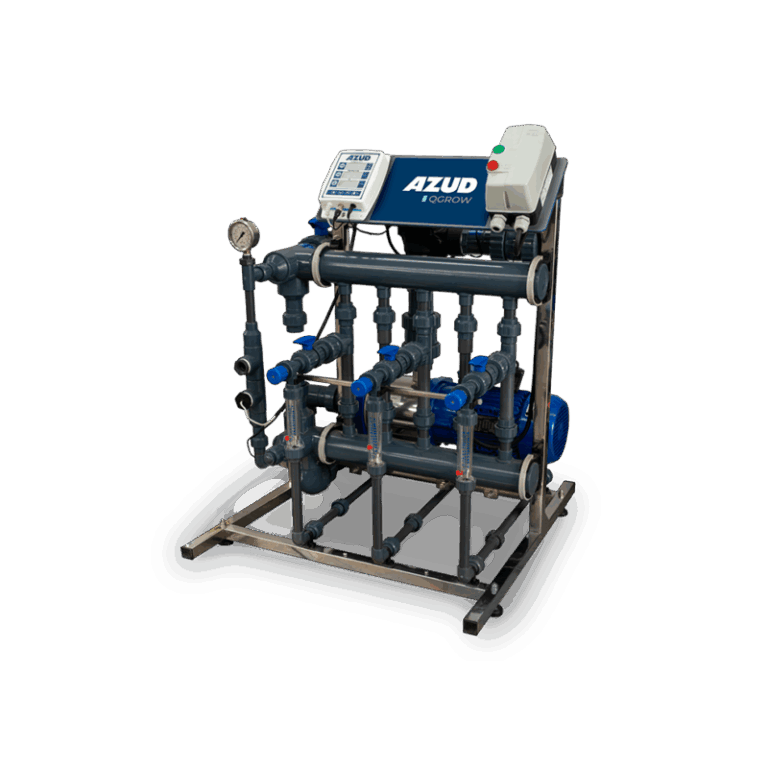
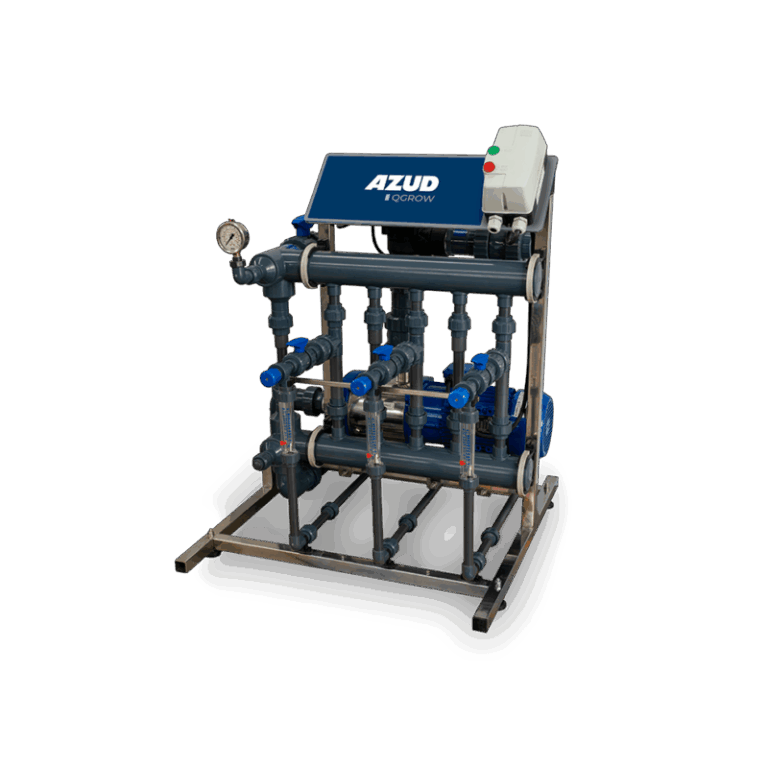
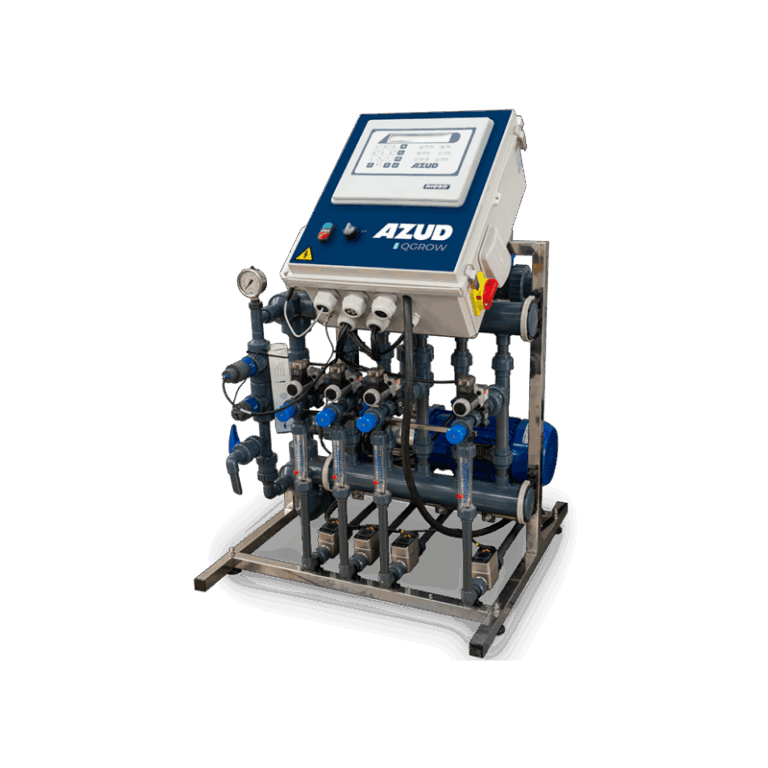
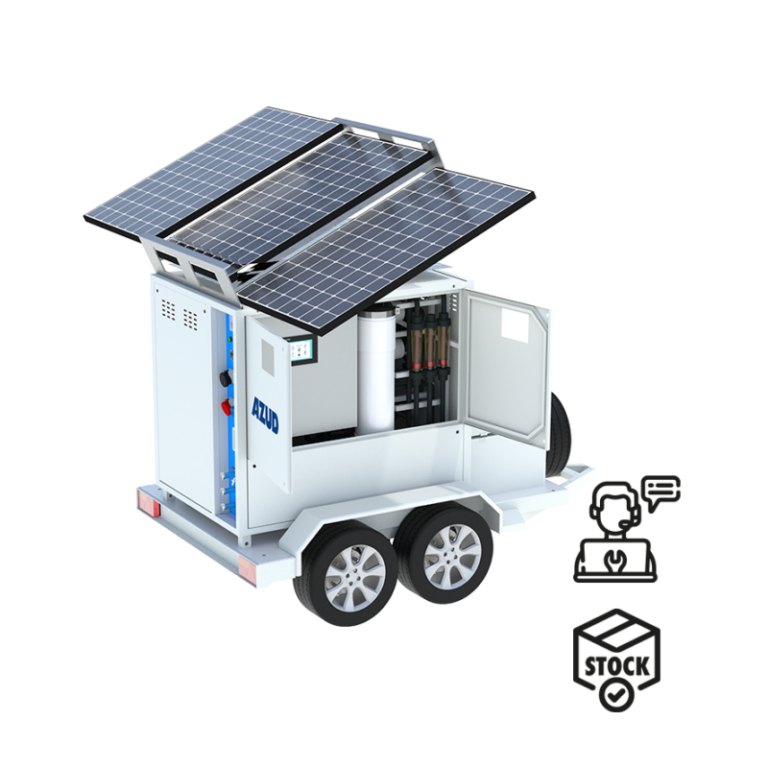
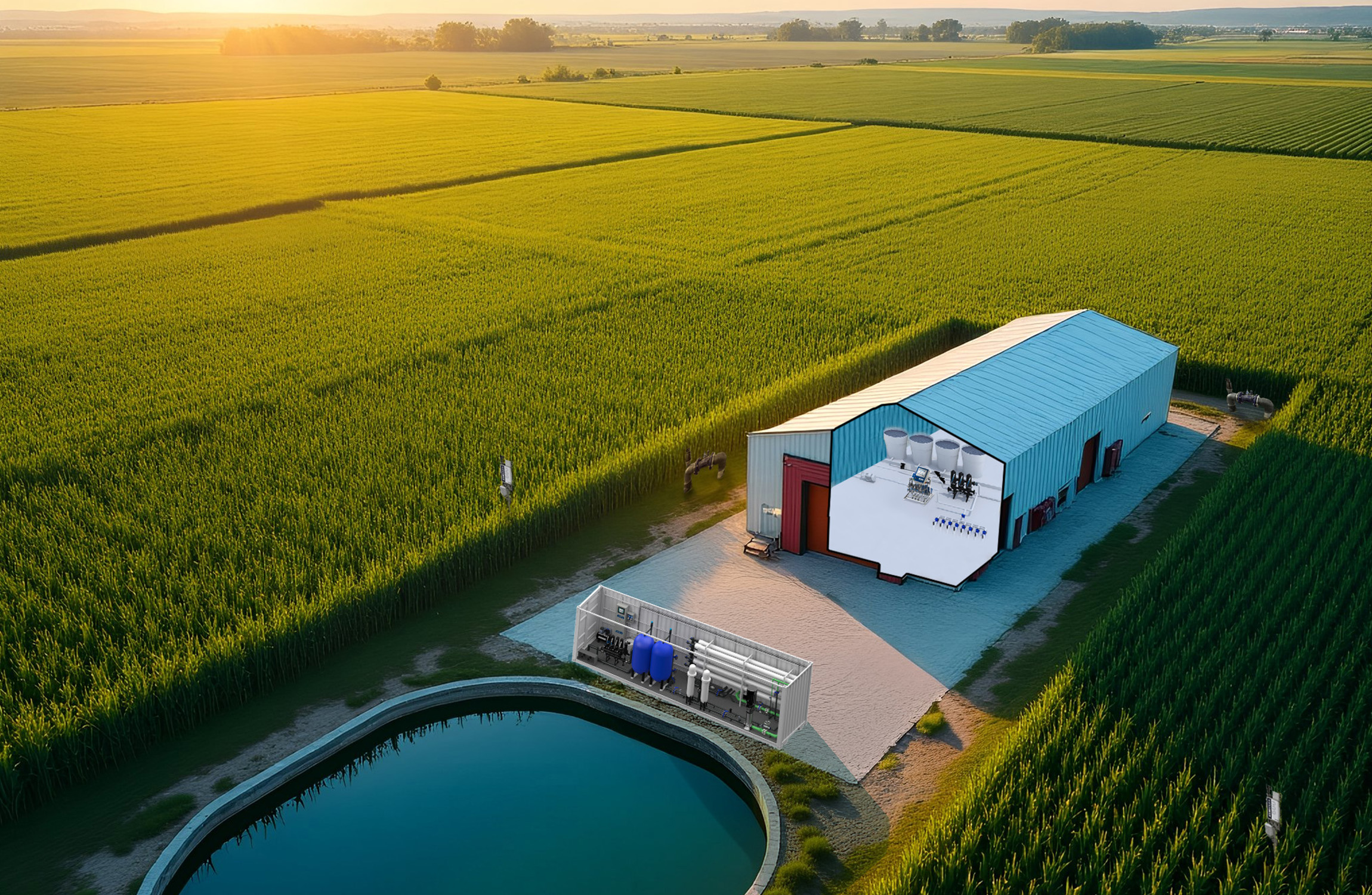
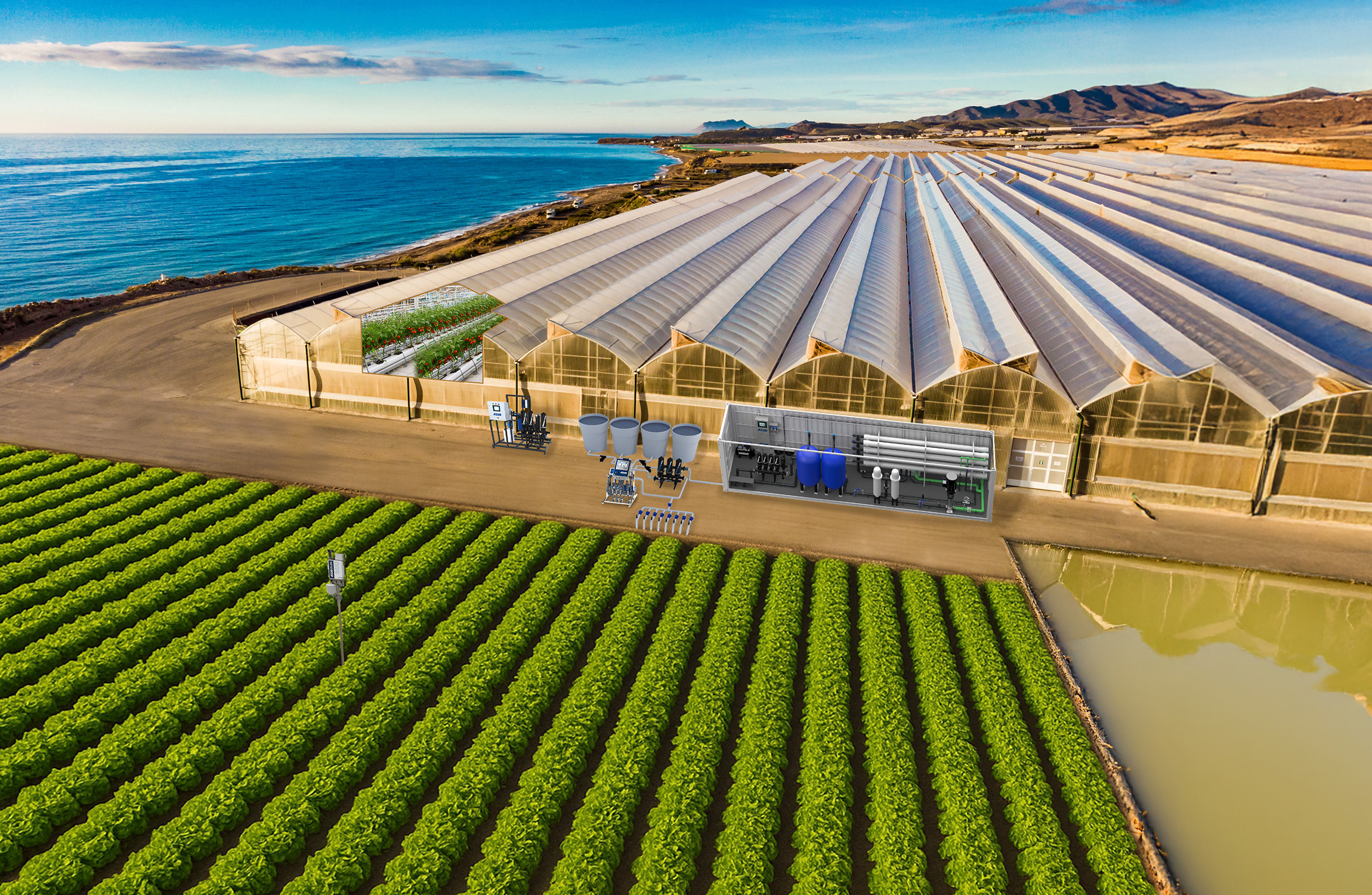
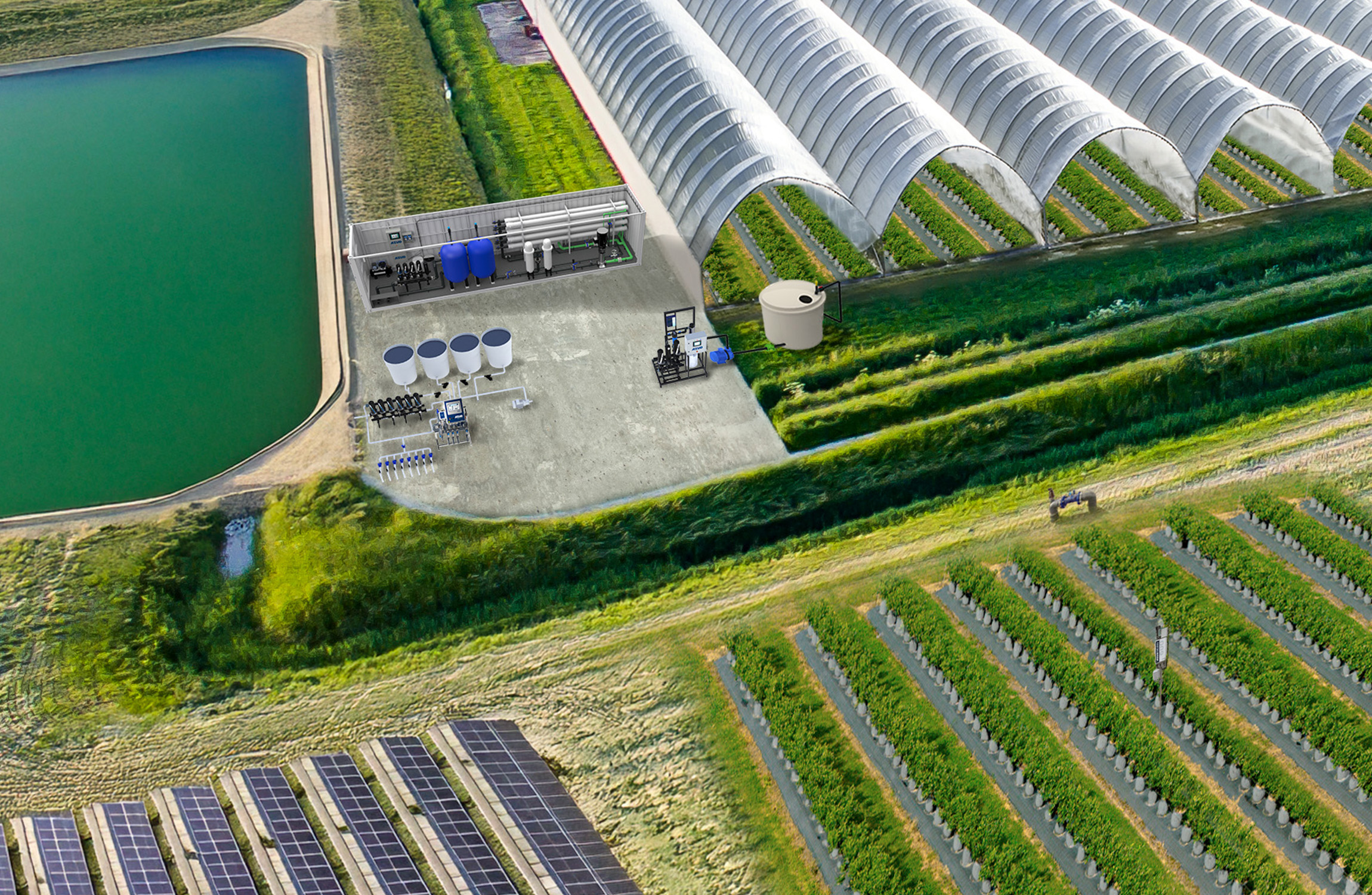
AZUD’s irrigation solutions facilitate uniform water distribution and greater control over water supply, key factors in a crop that is particularly sensitive to moisture imbalances.
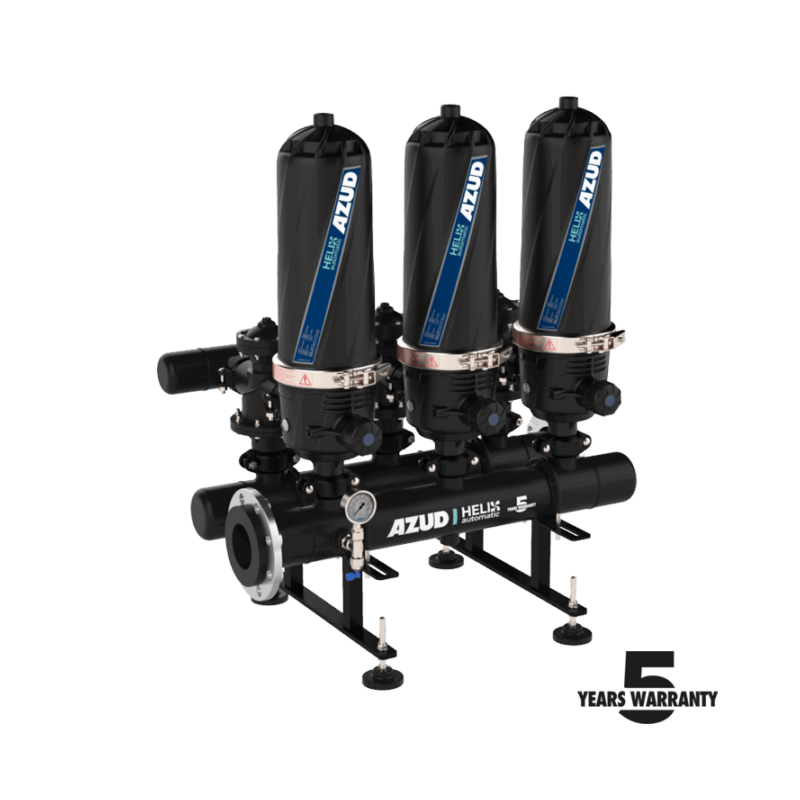
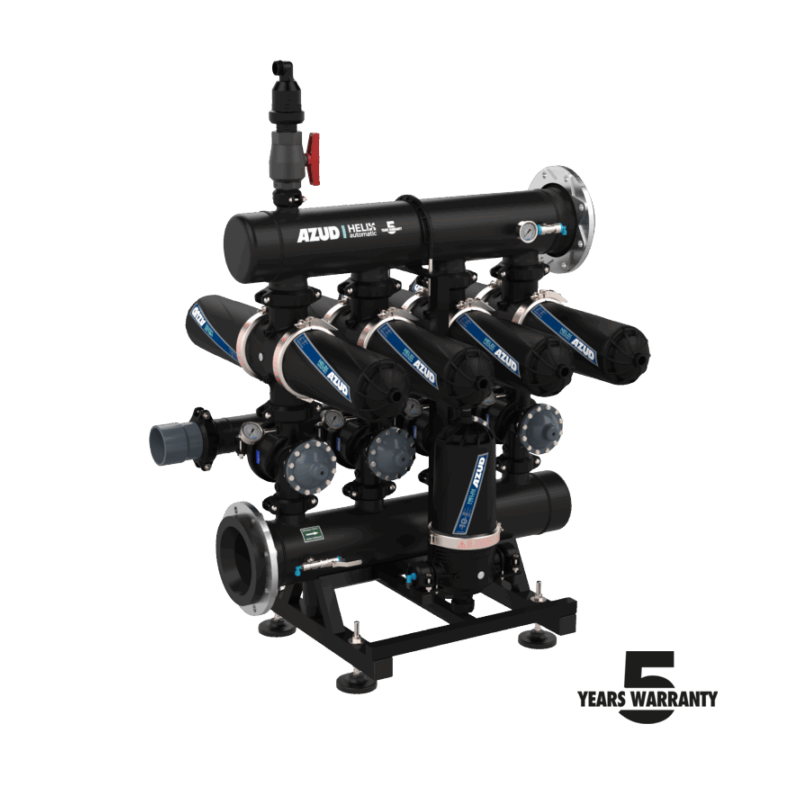
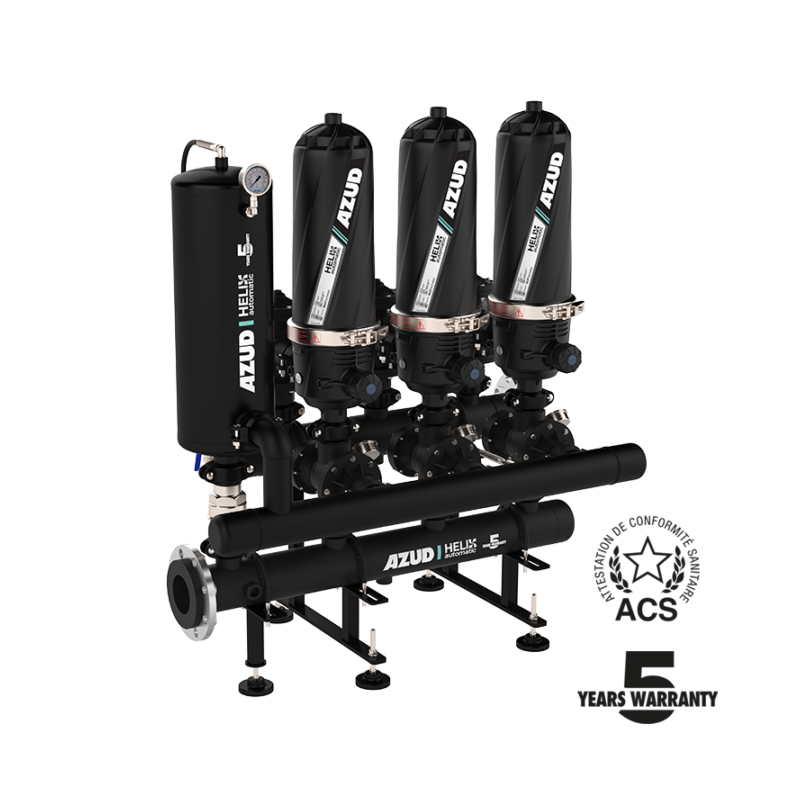
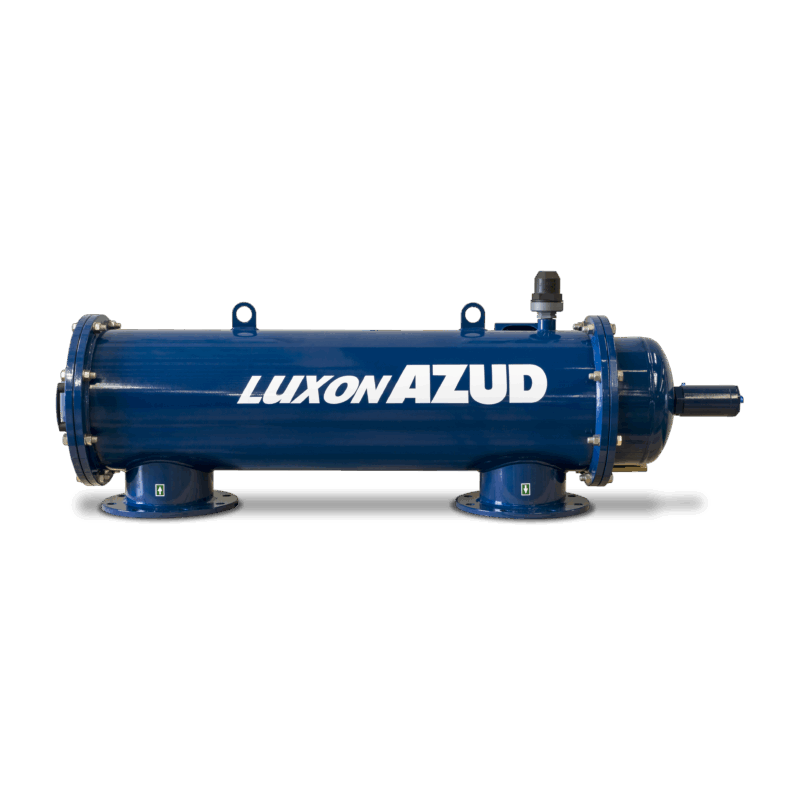
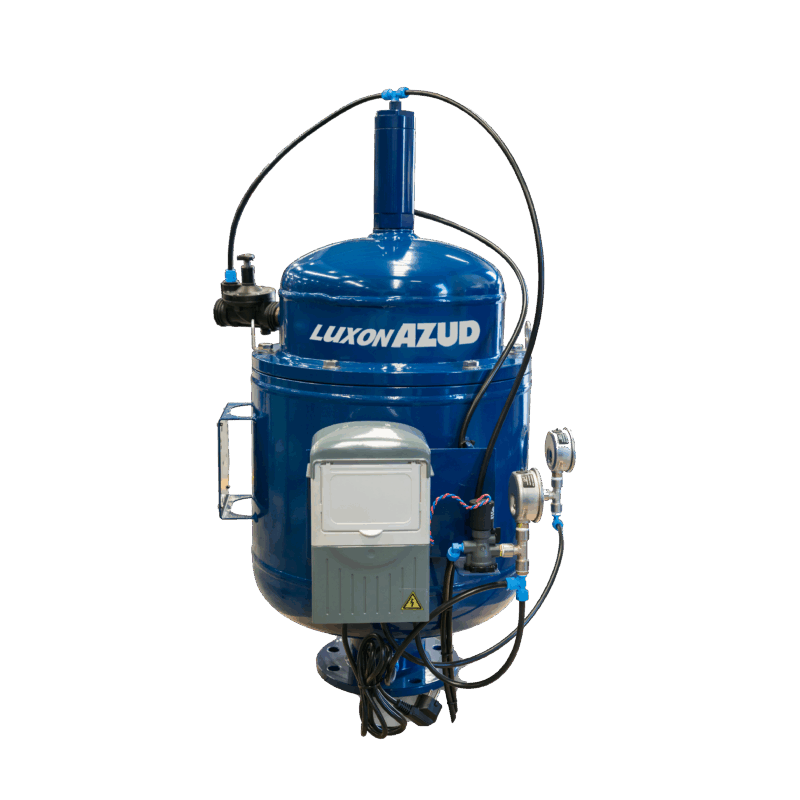
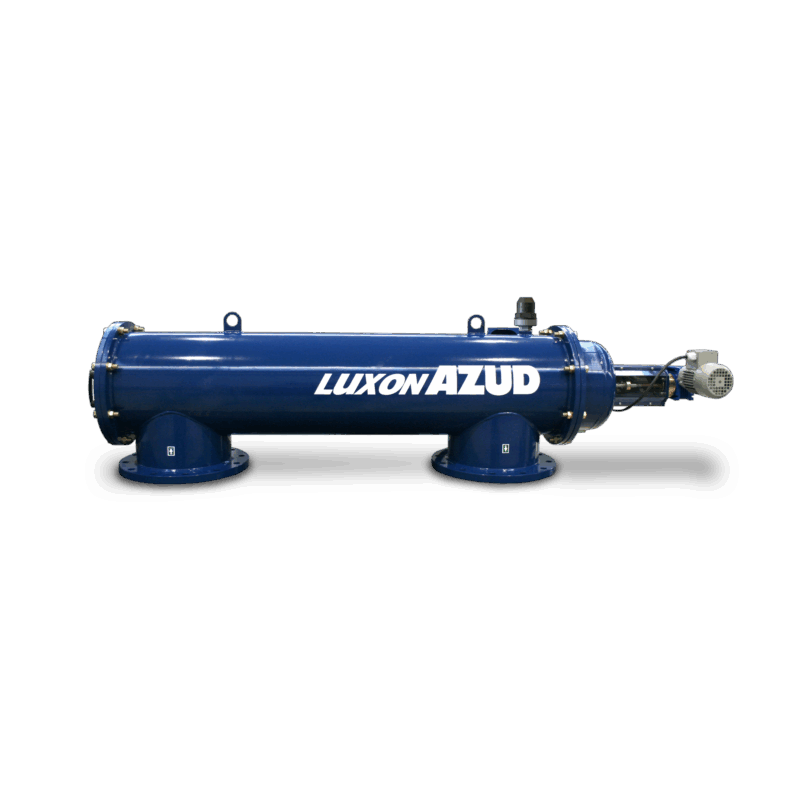
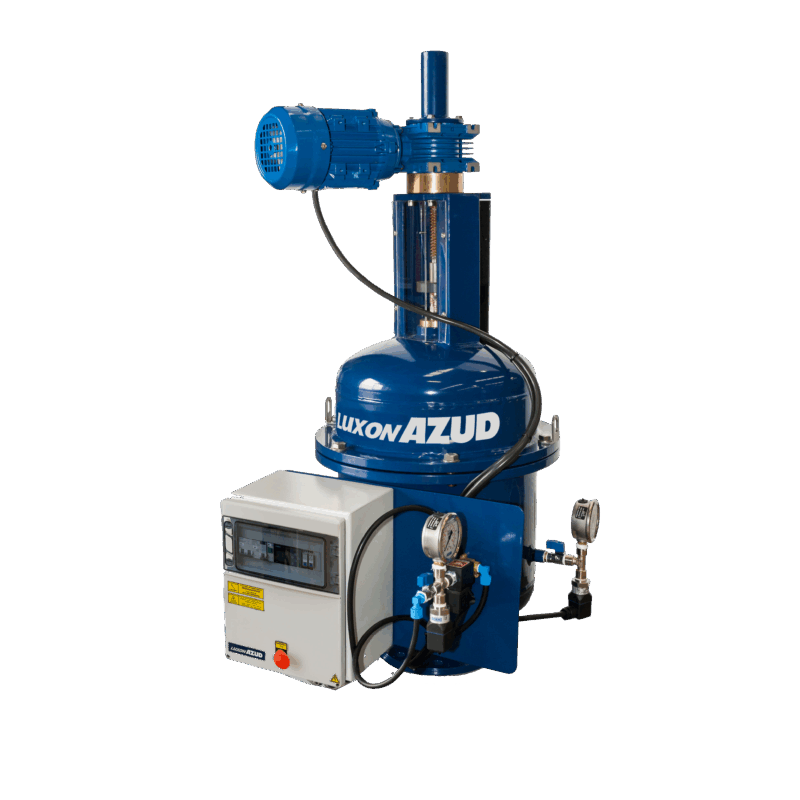
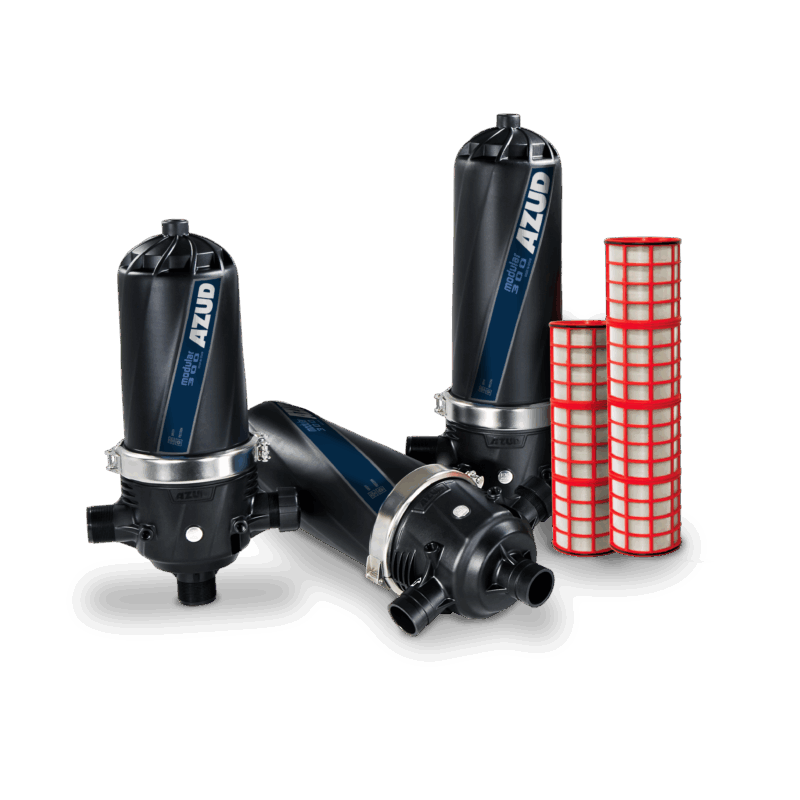
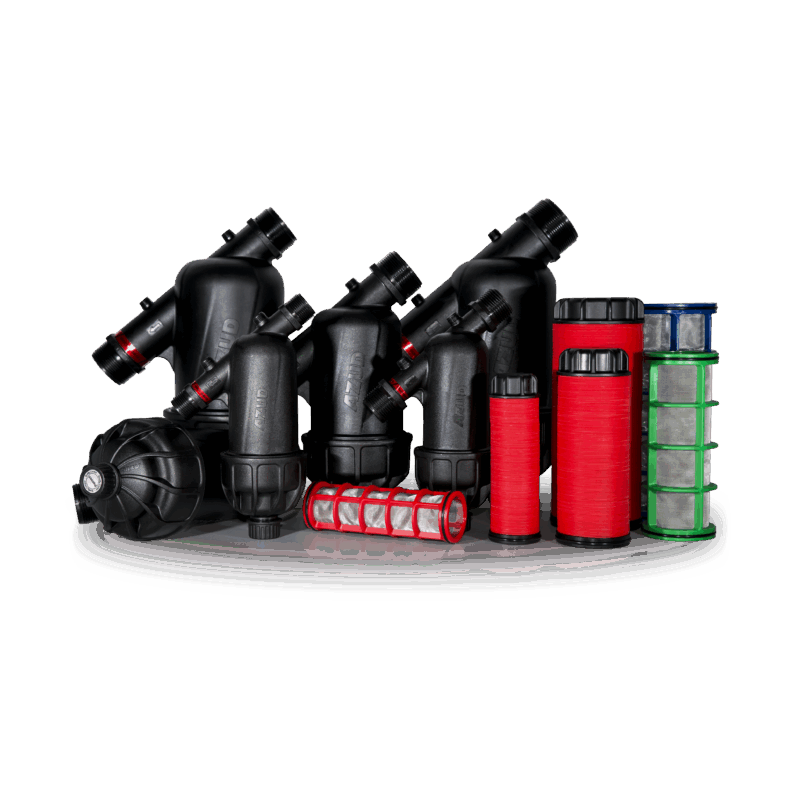
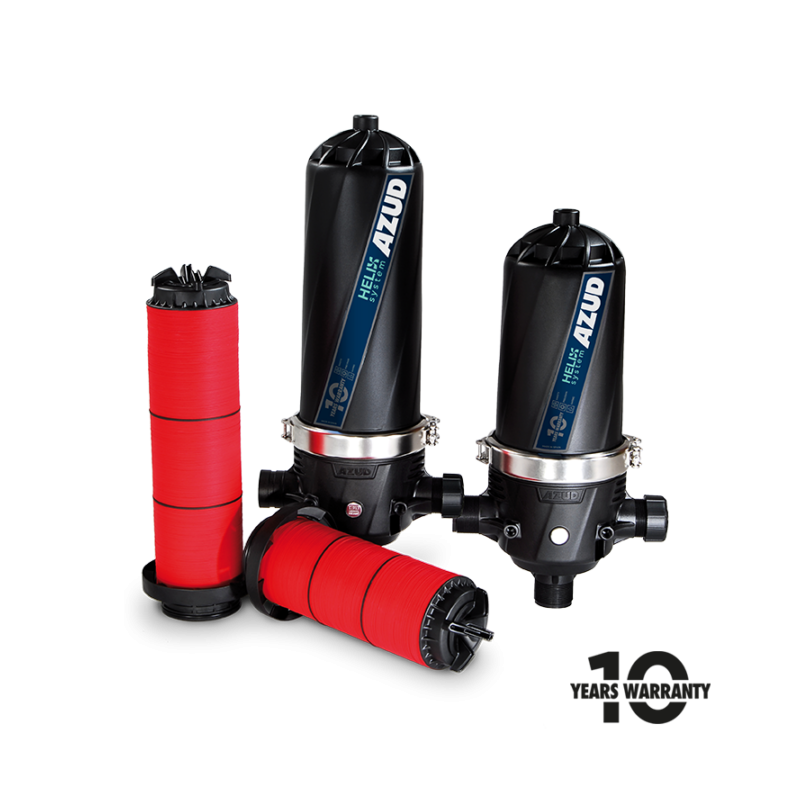
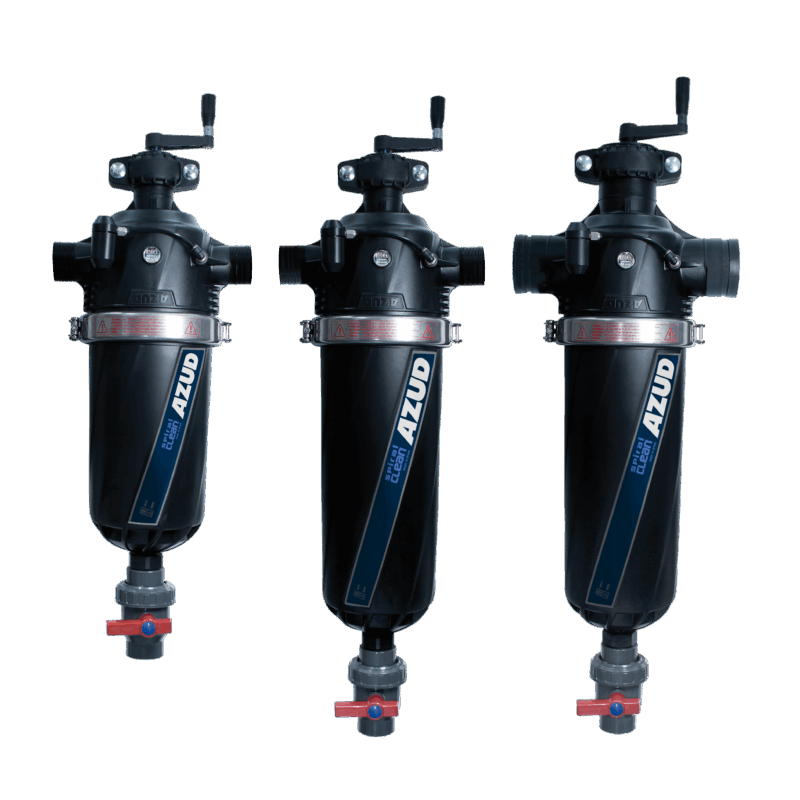
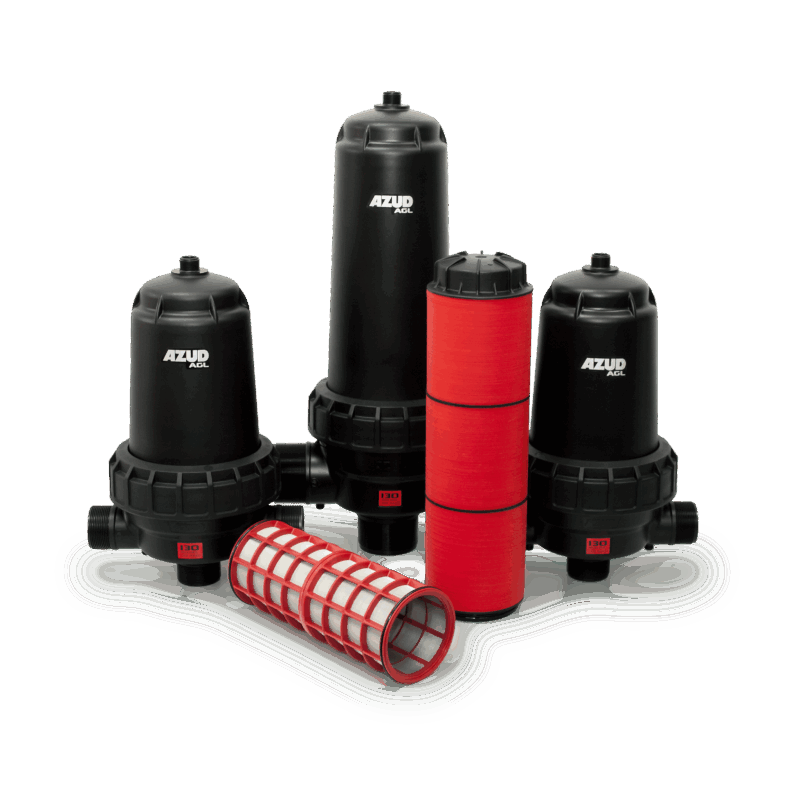
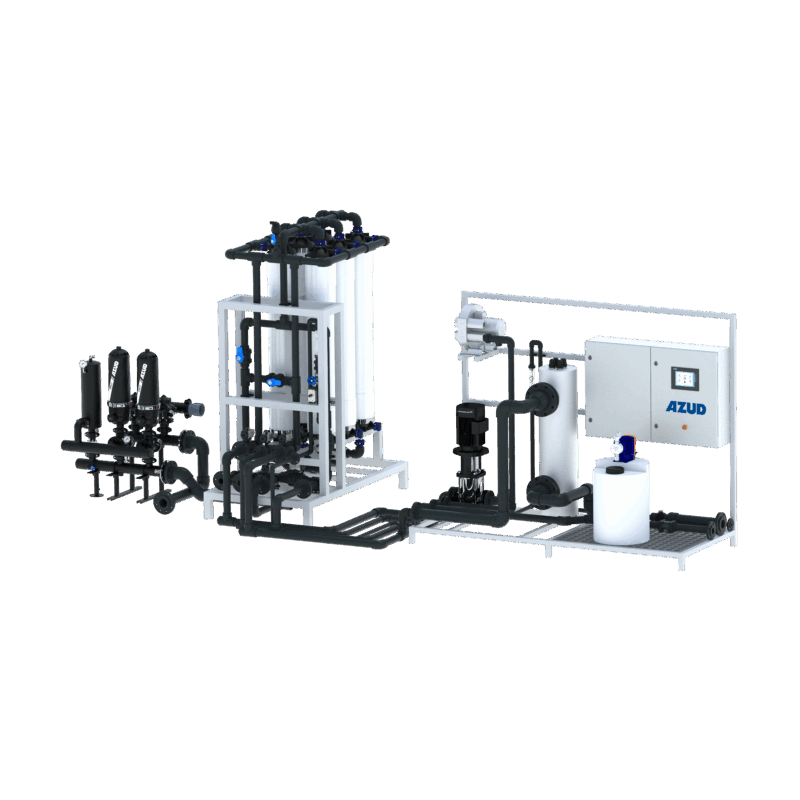
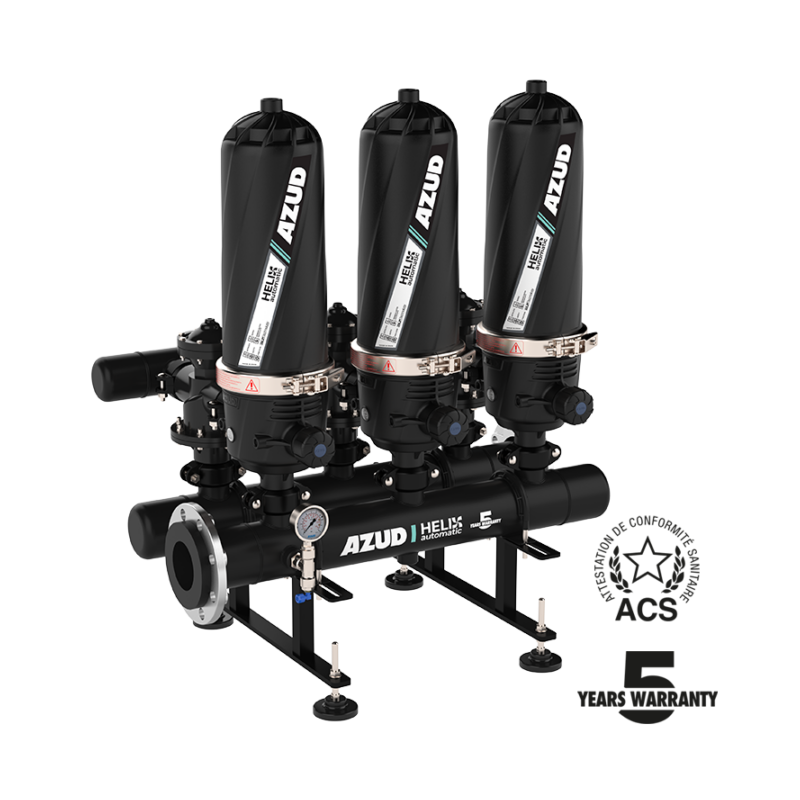
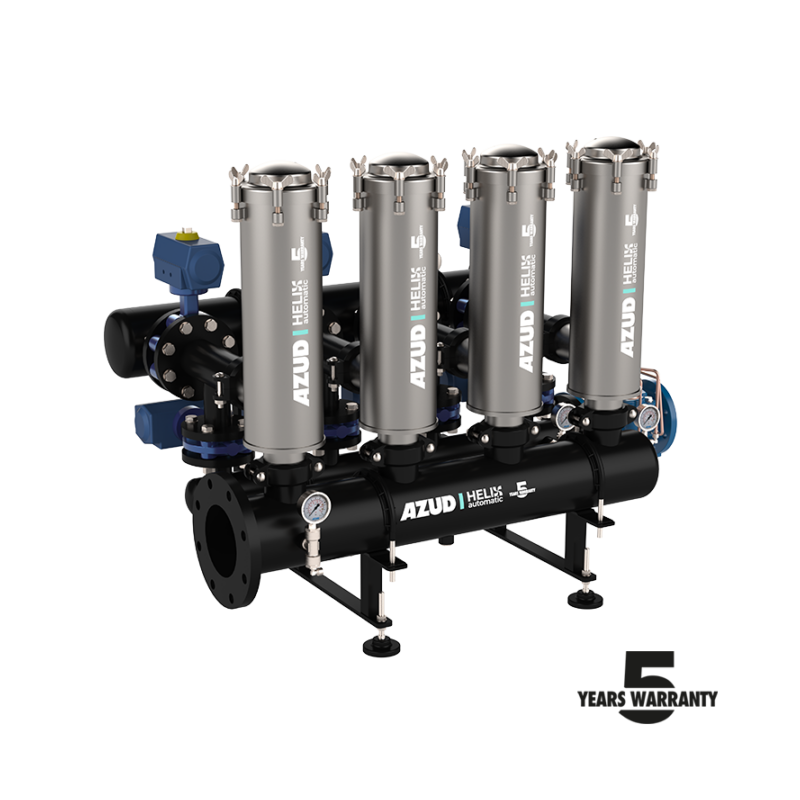
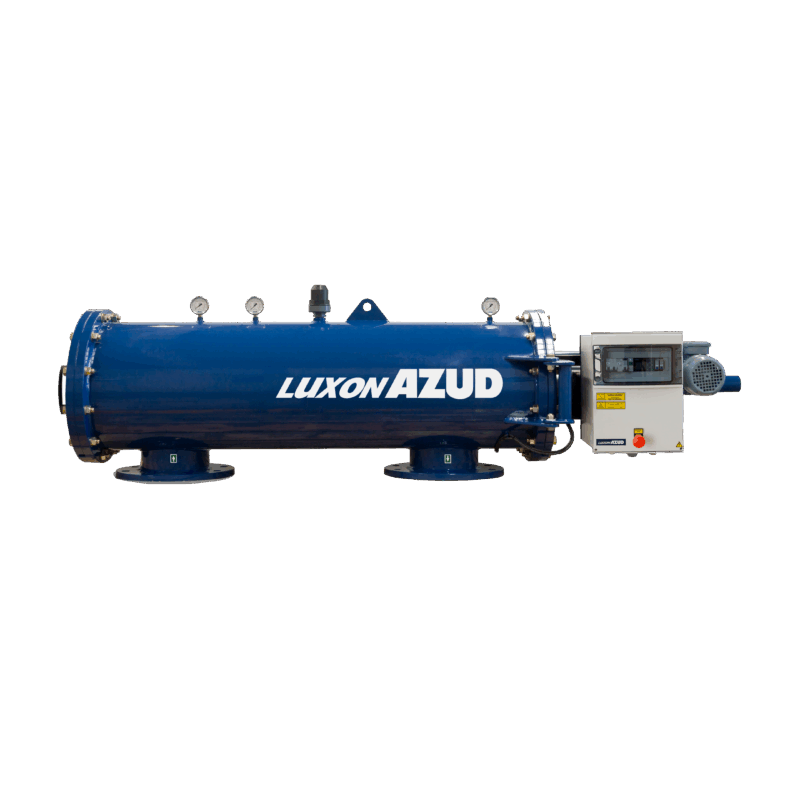
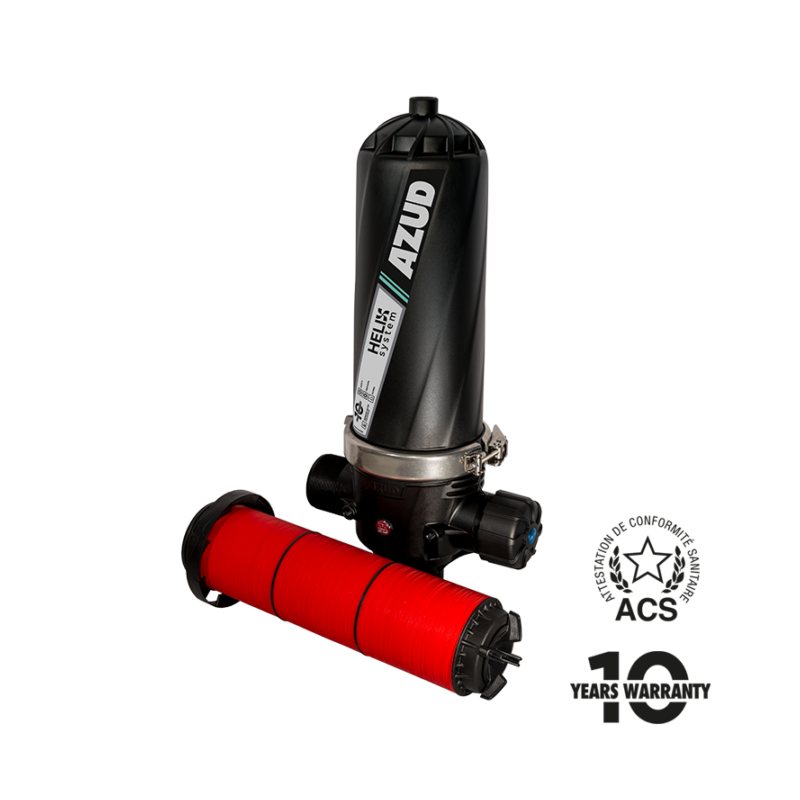
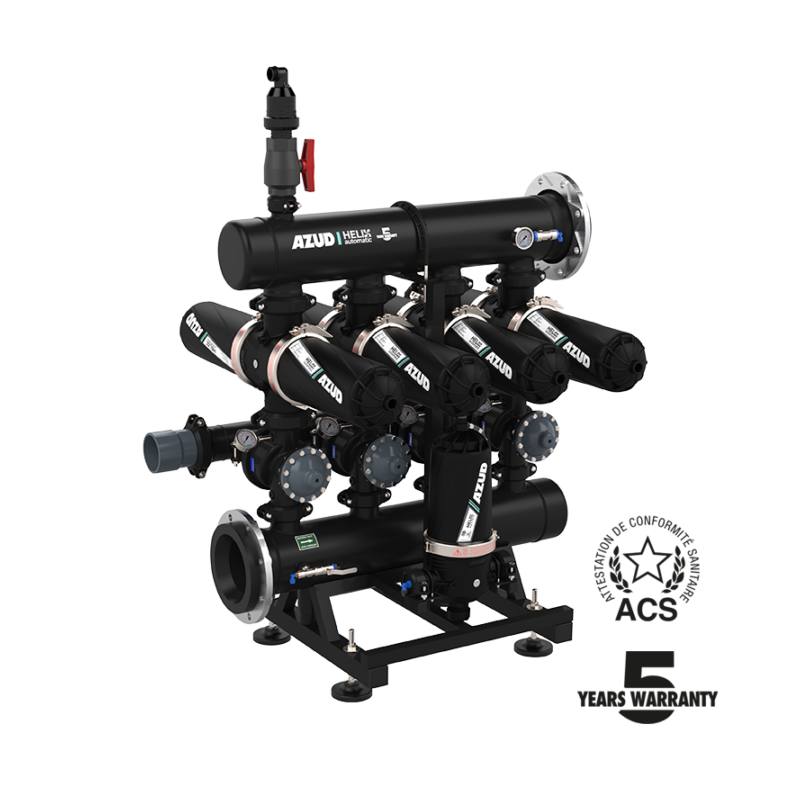
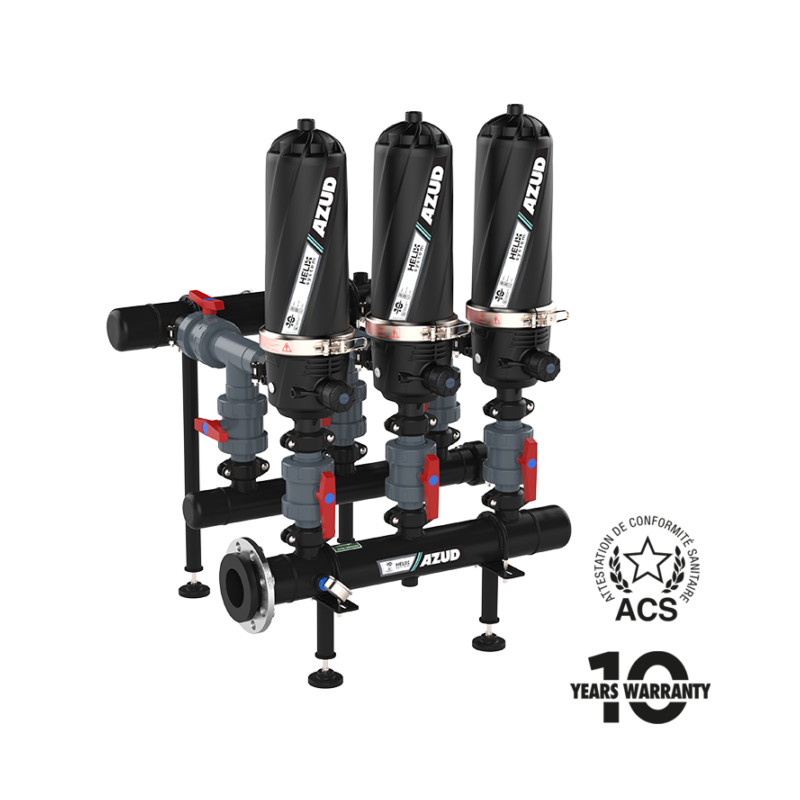
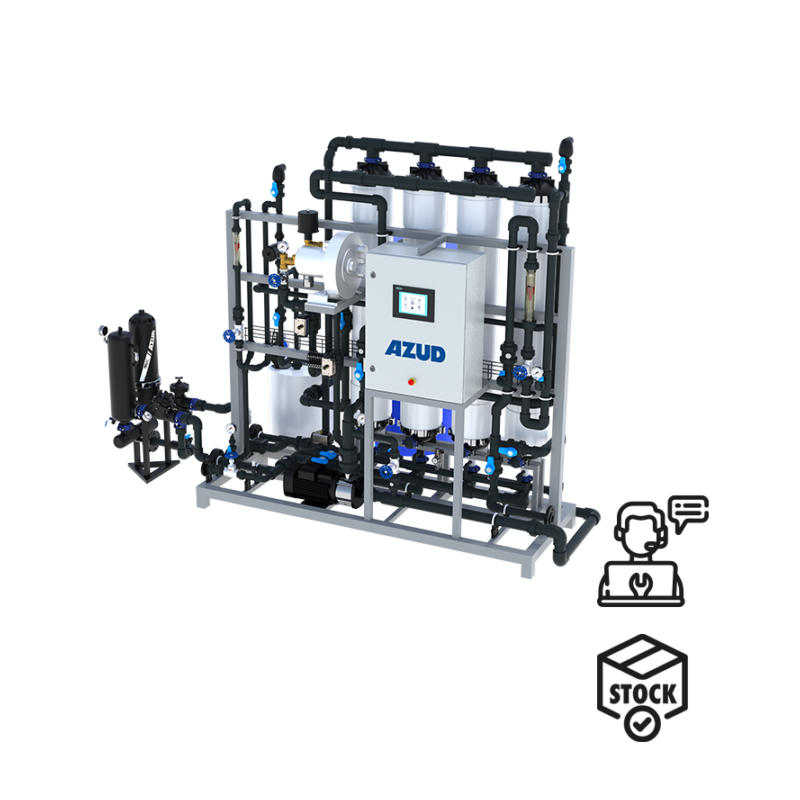
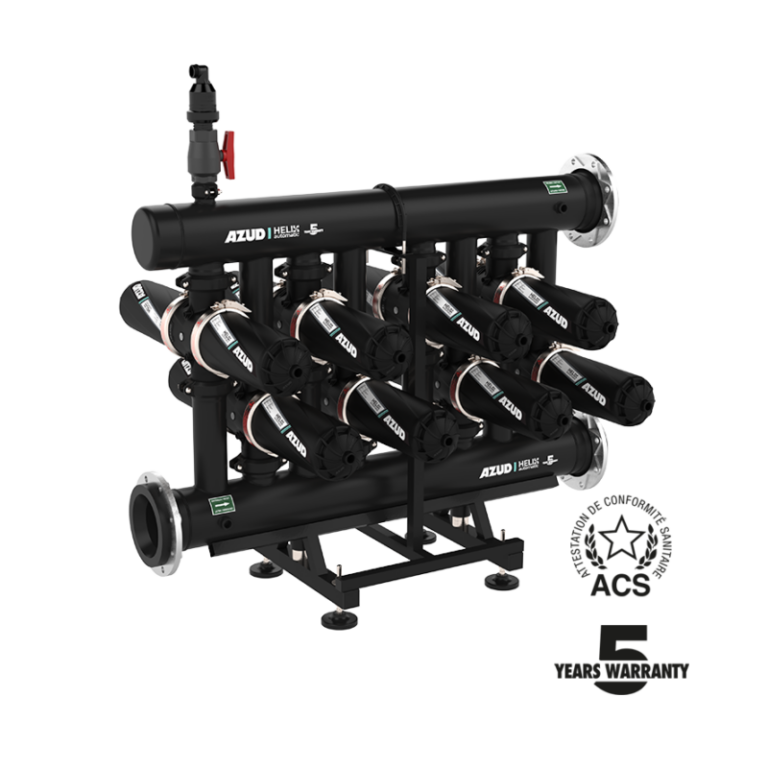
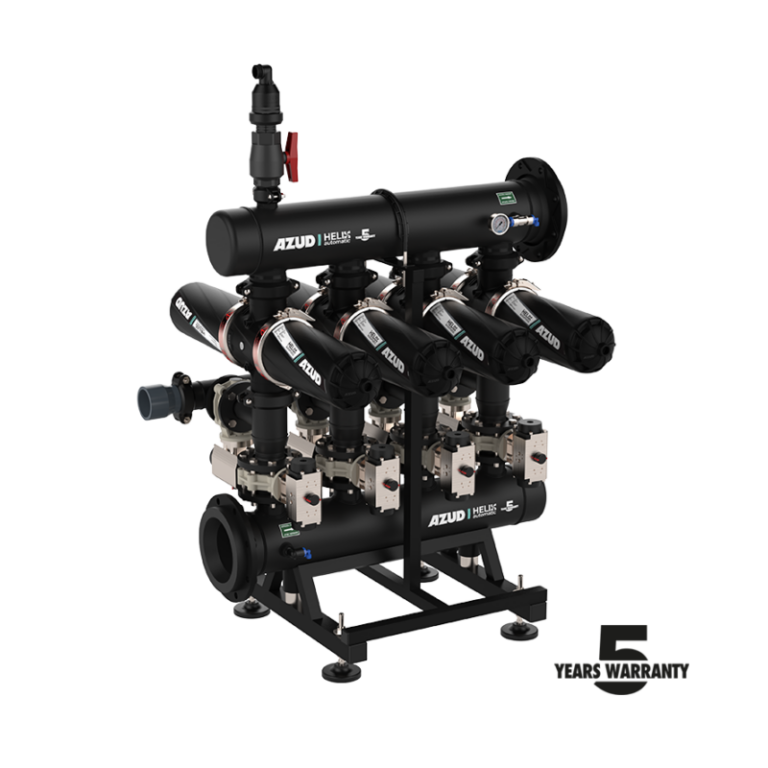
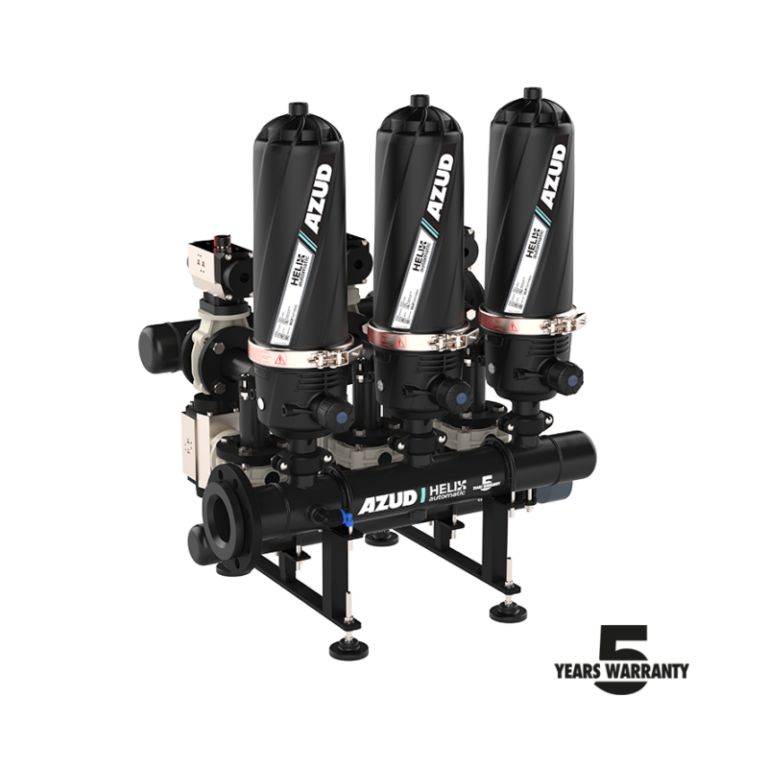
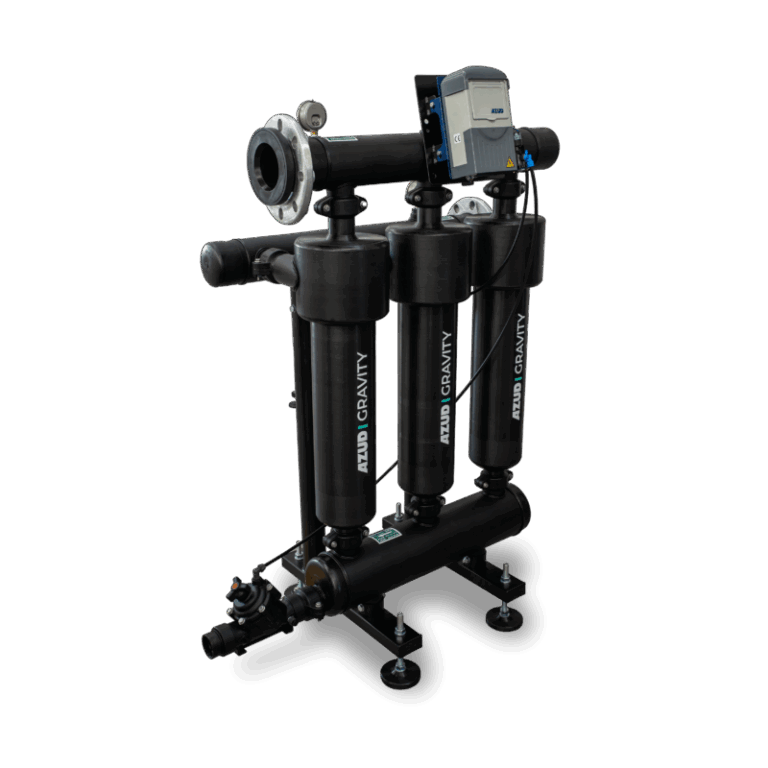
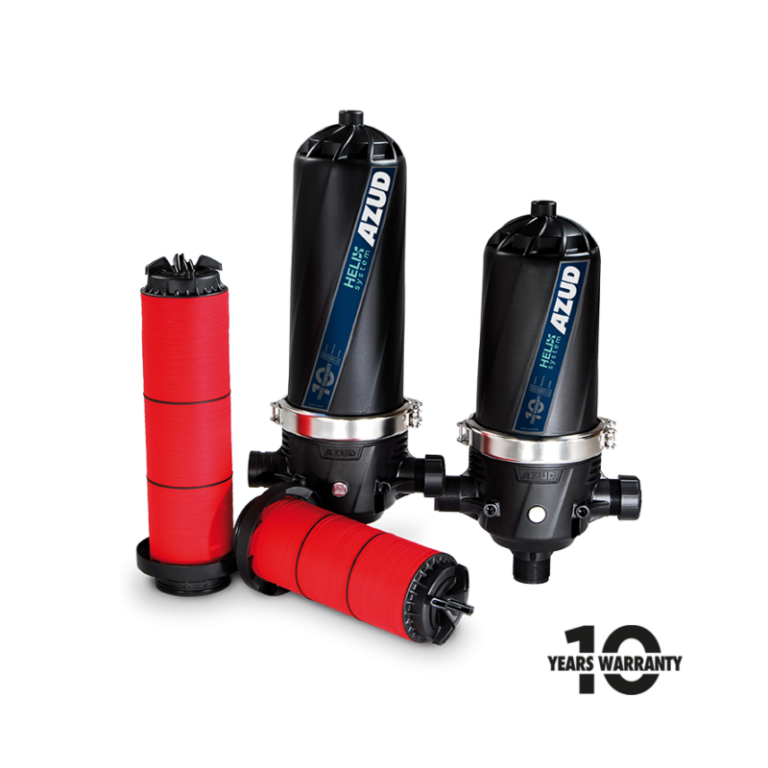
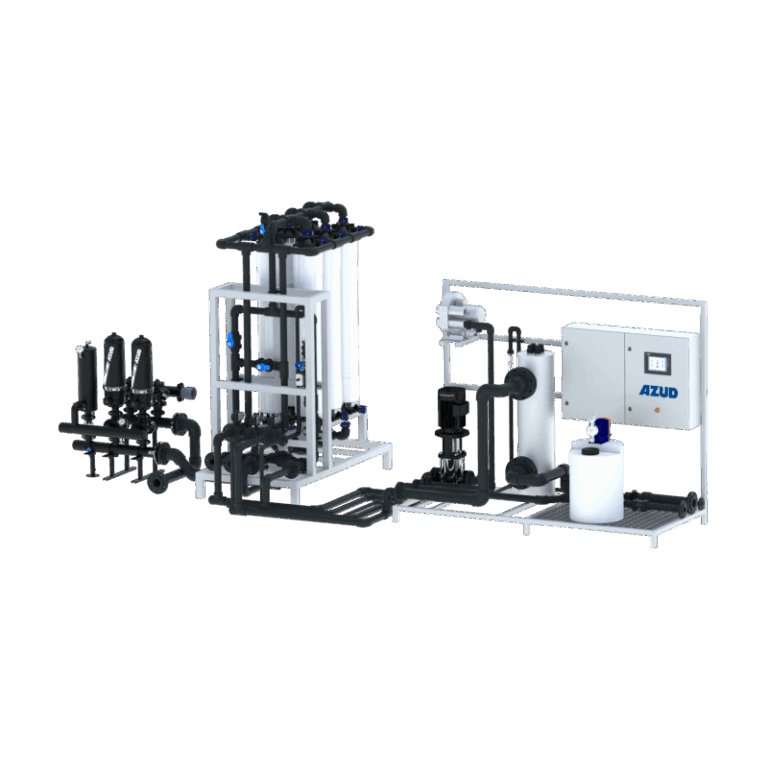
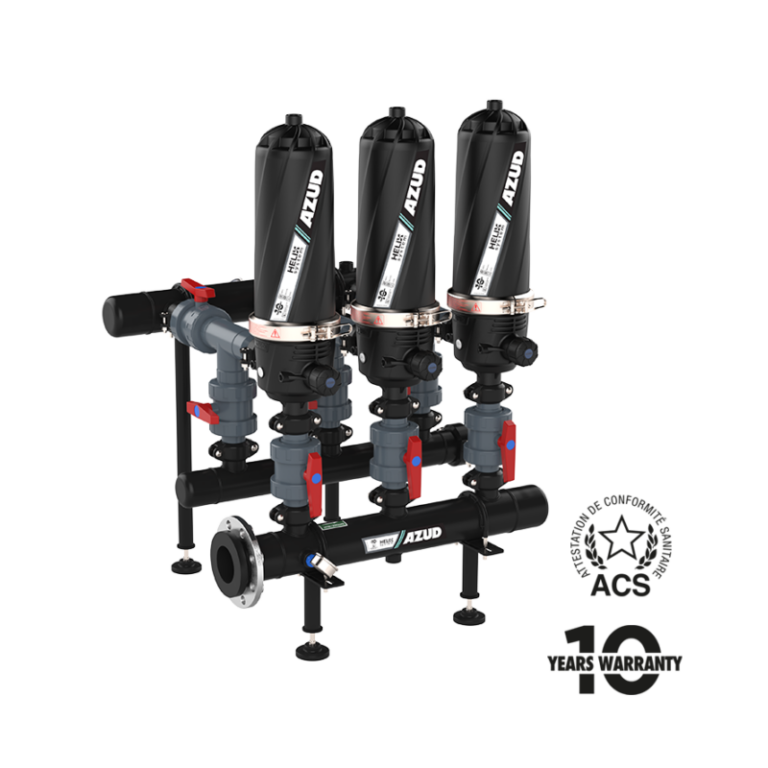
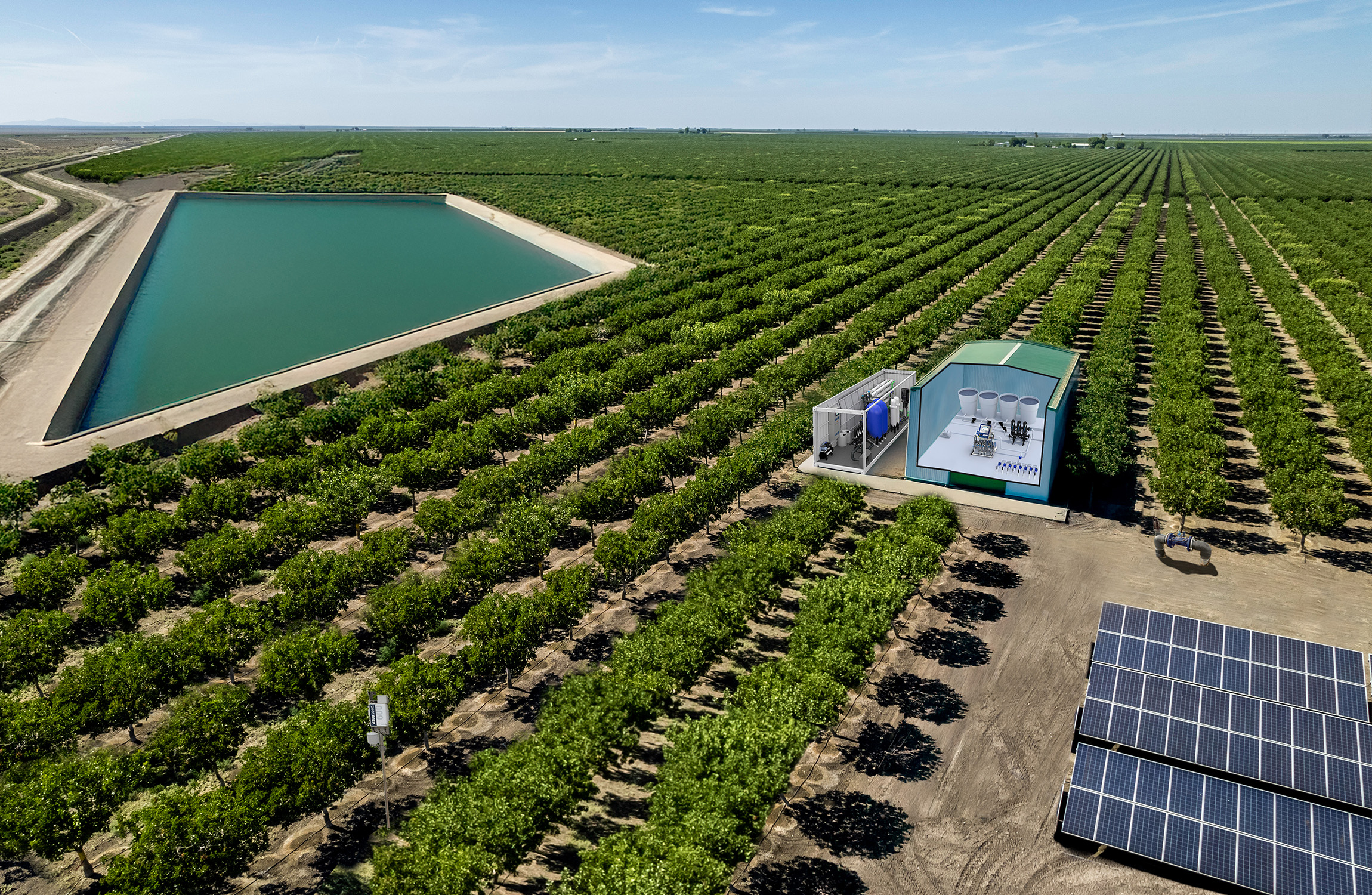
AZUD’s filtration systems help protect the installation and ensure irrigation reliability, reducing the risk of clogs and system failures.
Yes, avocados are particularly sensitive to both water shortages and waterlogging, so careful irrigation management is key.
Drip irrigation is the most recommended system, as it allows you to control water intake and prevent waterlogging.
The type of soil determines the frequency and duration of irrigation. Heavy soils require even more careful monitoring to prevent root asphyxiation.