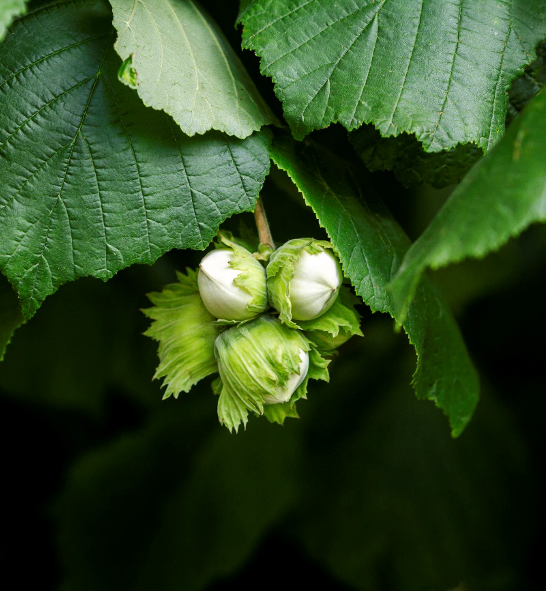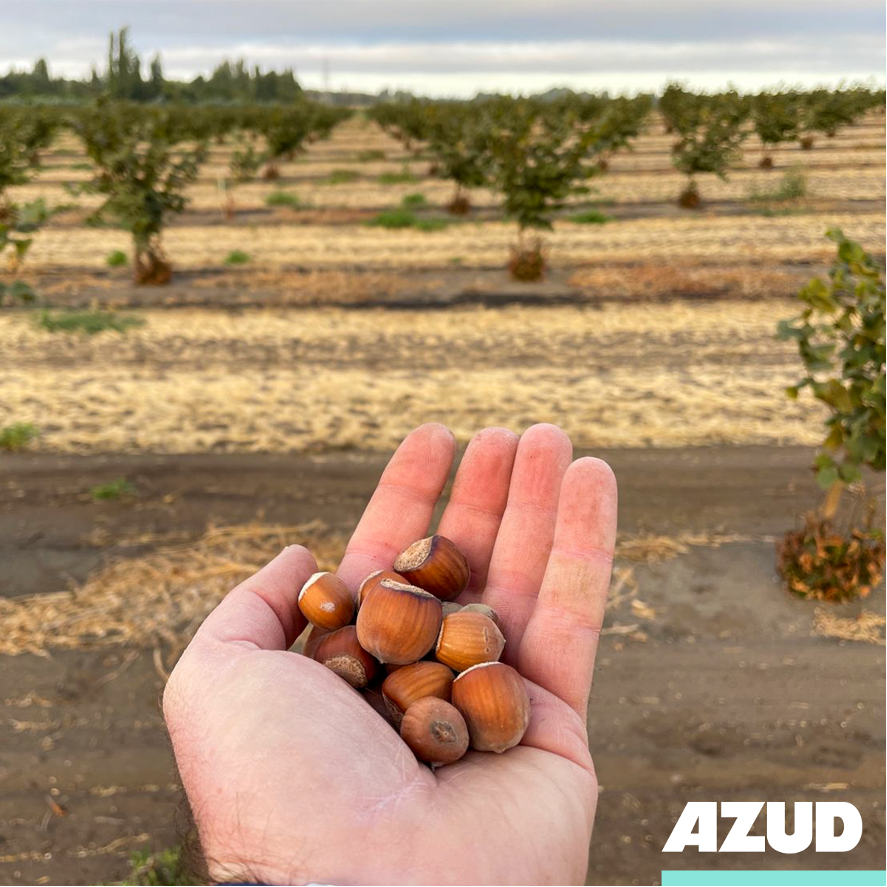



The hazelnut tree (Corylus avellana) is a woody crop with a long tradition in Europe and Asia Minor, where it has been cultivated since ancient times for the nutritional and commercial value of its nuts. Over the centuries, its cultivation has spread to various temperate regions, establishing itself as a fruit tree of interest both for fresh consumption and for the food industry.
Today, the hazelnut tree is a strategic crop in certain producing areas, driven by demand from the processing industry and improvements in cultivation techniques. Its adaptability and long lifespan make it an attractive option within woody agricultural systems.
The hazelnut tree thrives best in temperate, humid climates with cold winters and moderate summers. It prefers deep, well-drained soils with good moisture retention capacity and is sensitive to prolonged waterlogging.
The hazelnut tree has moderate water requirements, but Irrigation is crucial for ensuring consistent, high-quality yields, especially in areas with dry summers or irregular rainfall.
The stages of bud break, flowering, fruit set, and fruit filling are particularly sensitive to water stress. A water deficit during these periods can affect fruit size and the uniformity of the harvest.
Proper irrigation management helps maintain a balance between vegetative and productive growth, promoting crop stability throughout the growing season.
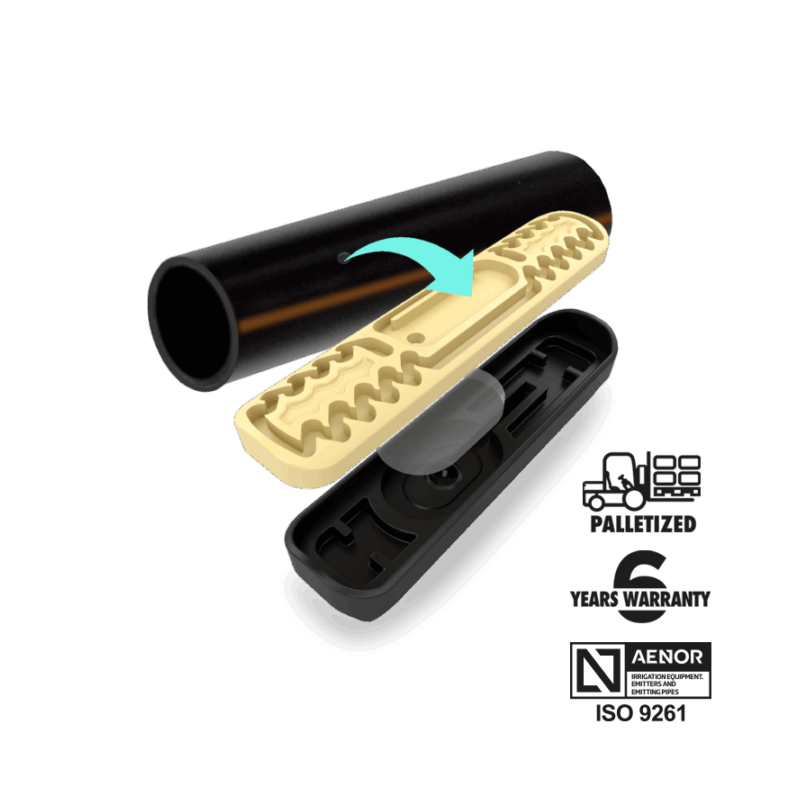
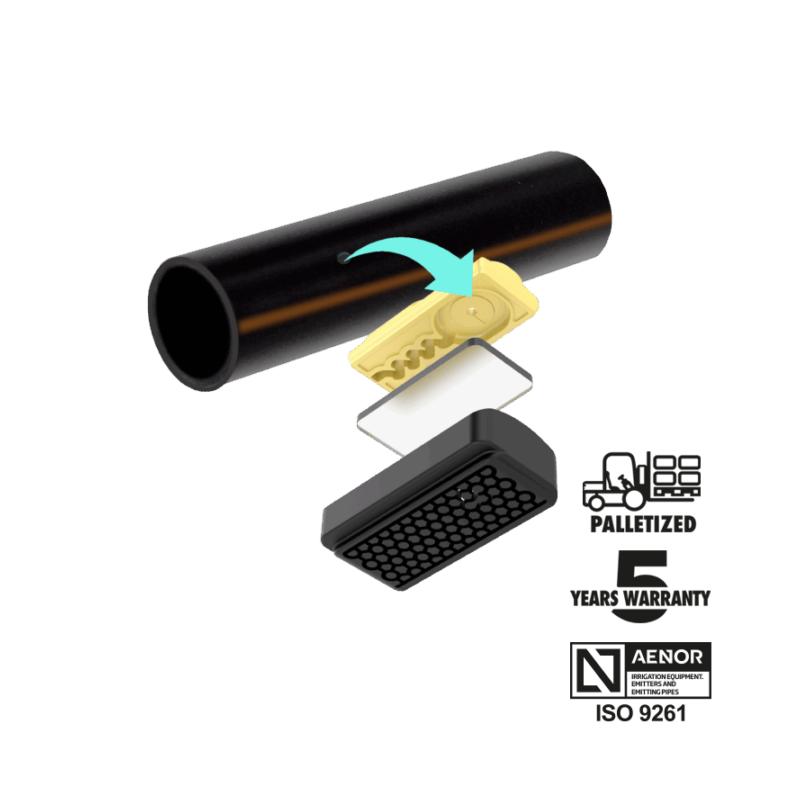
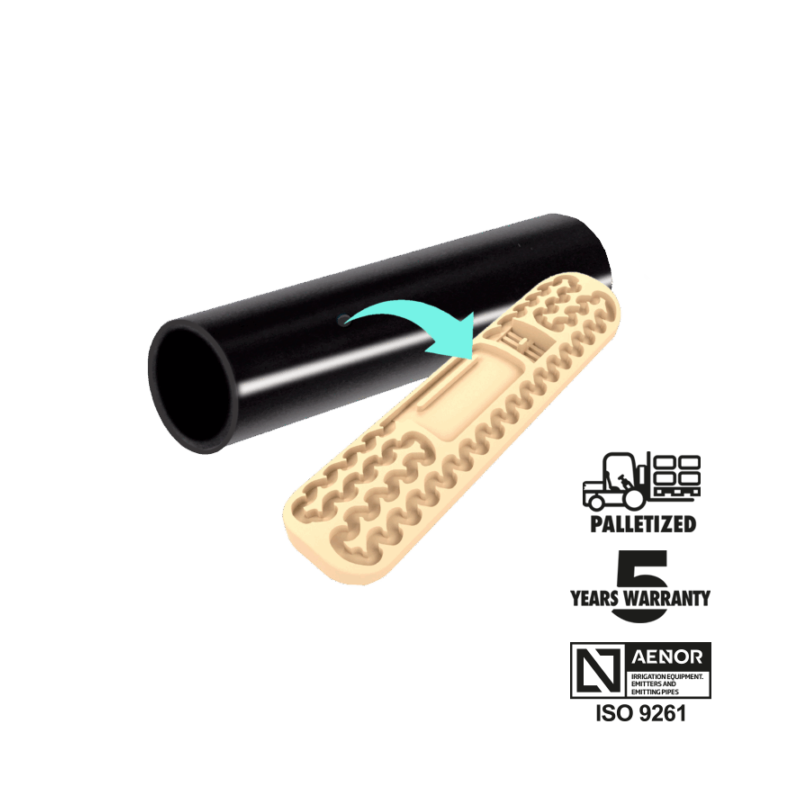
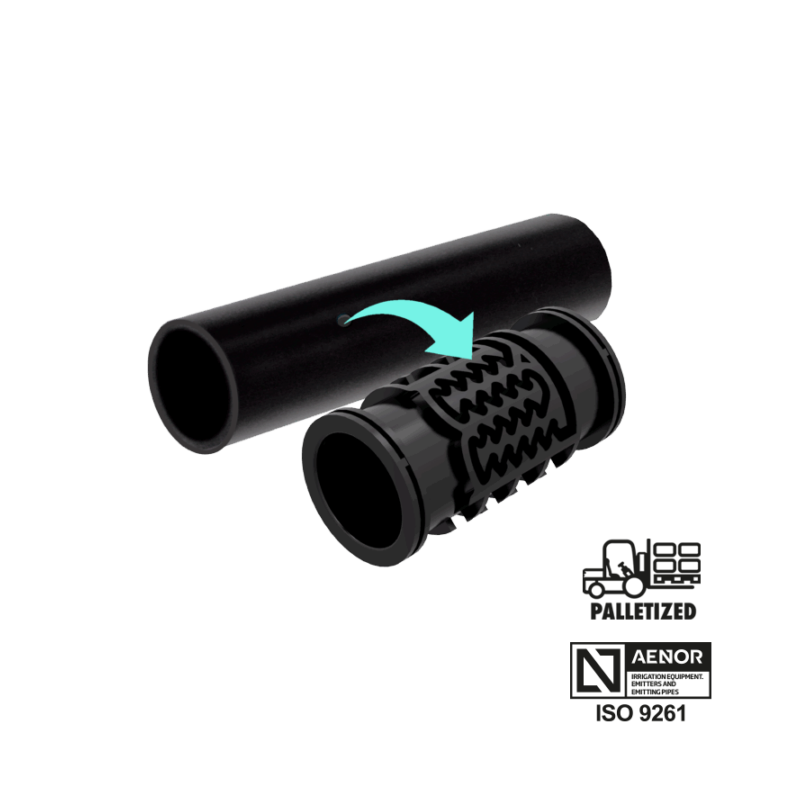
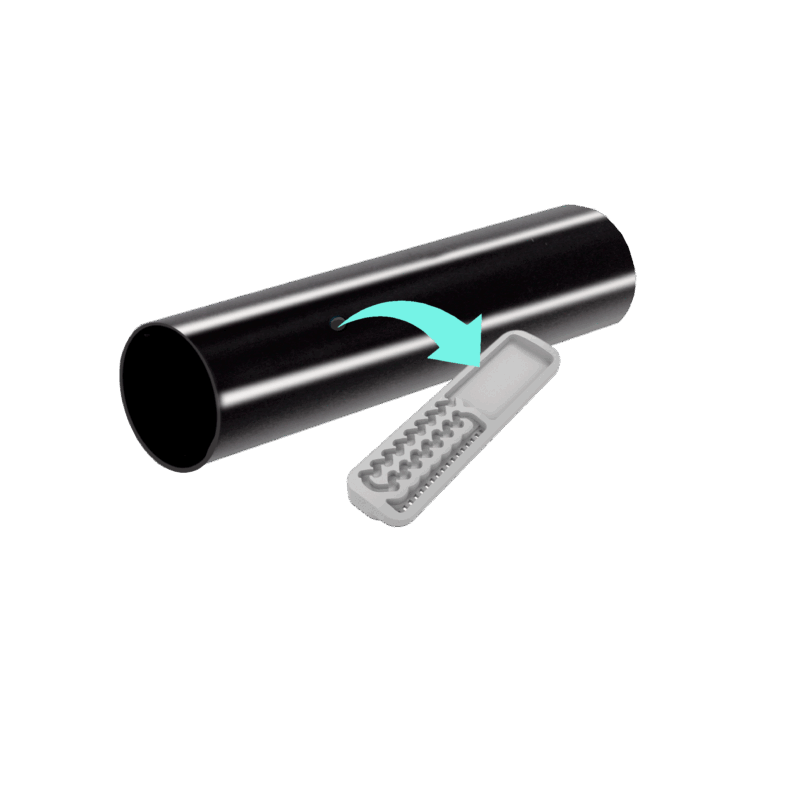
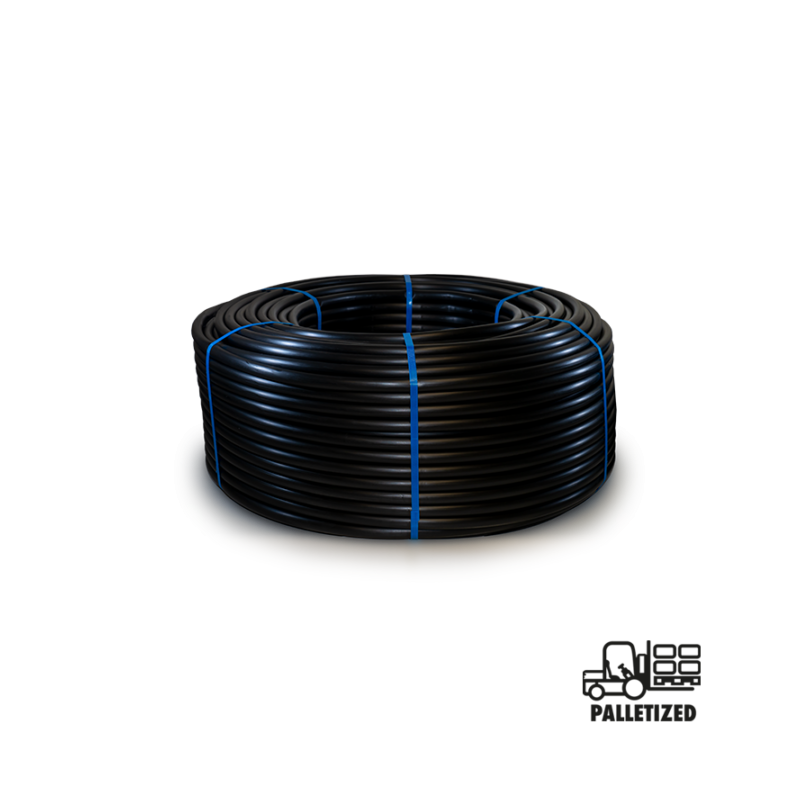
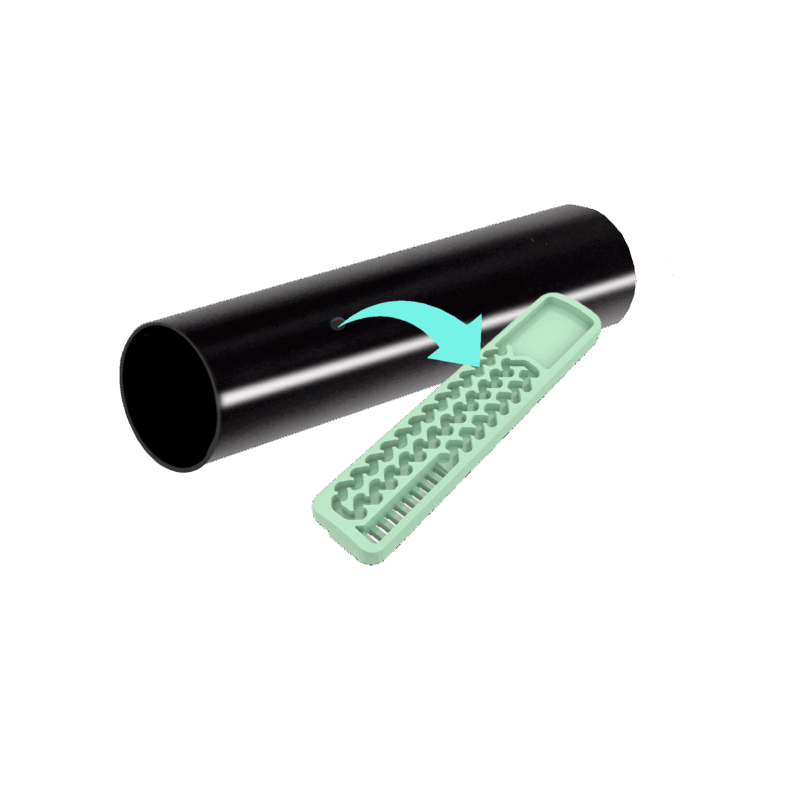
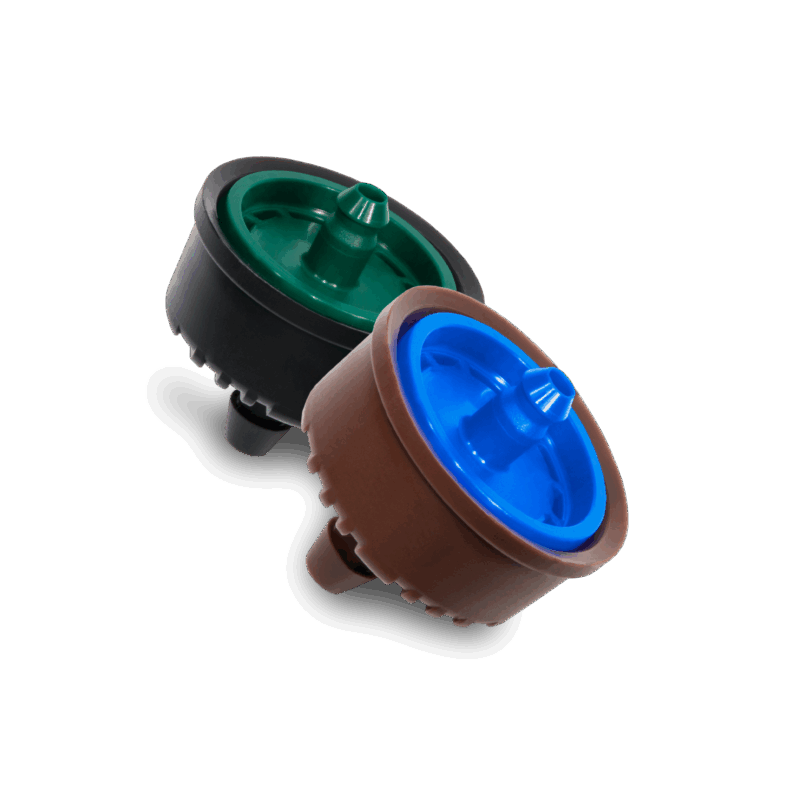
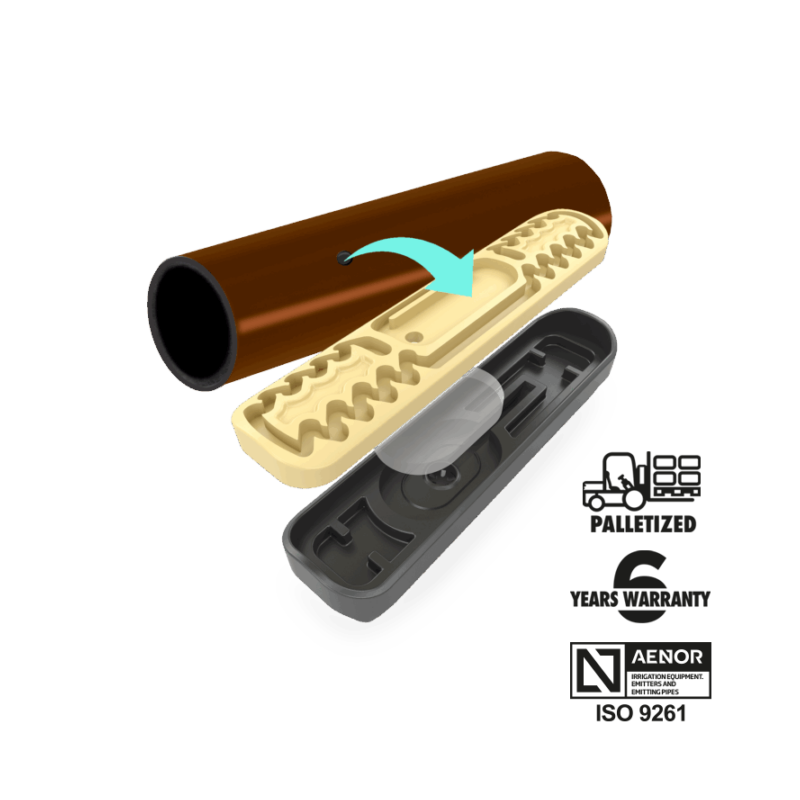
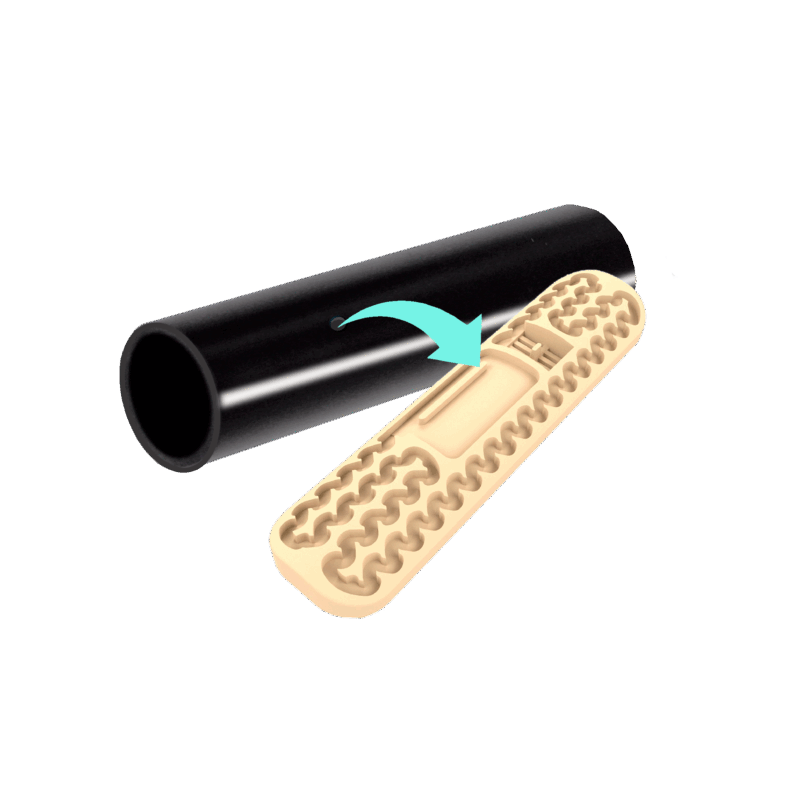
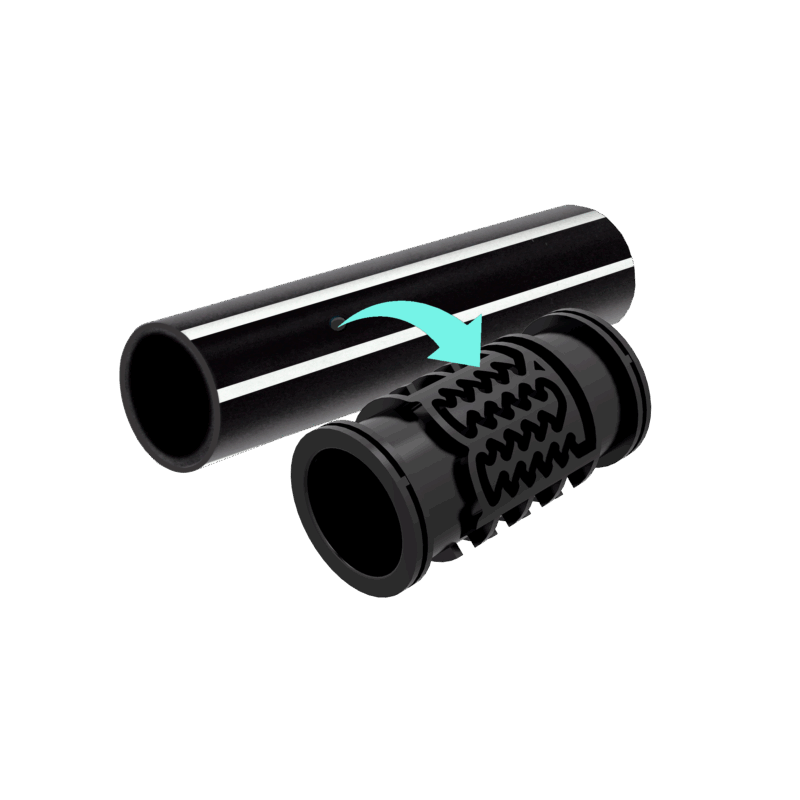
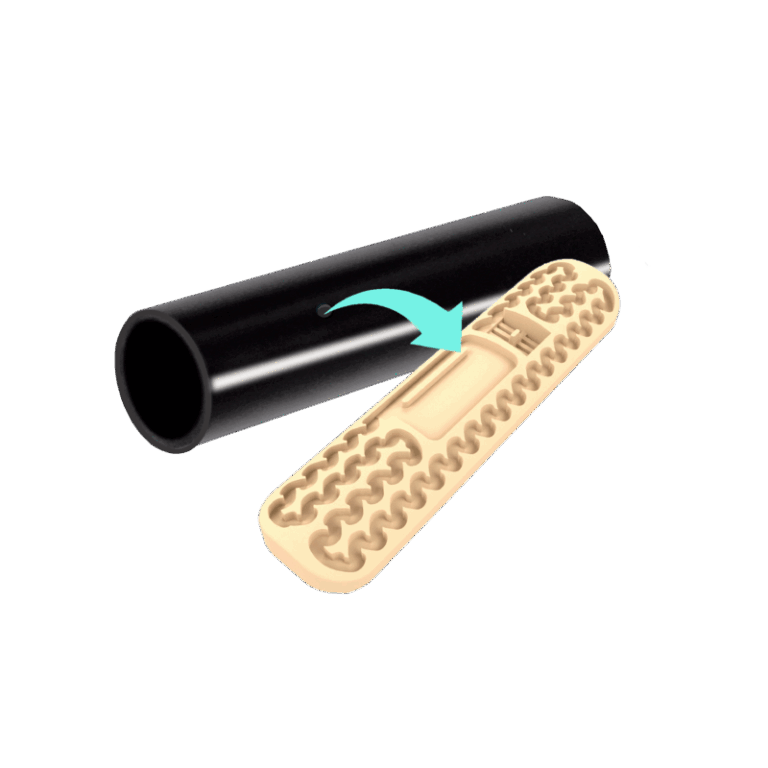
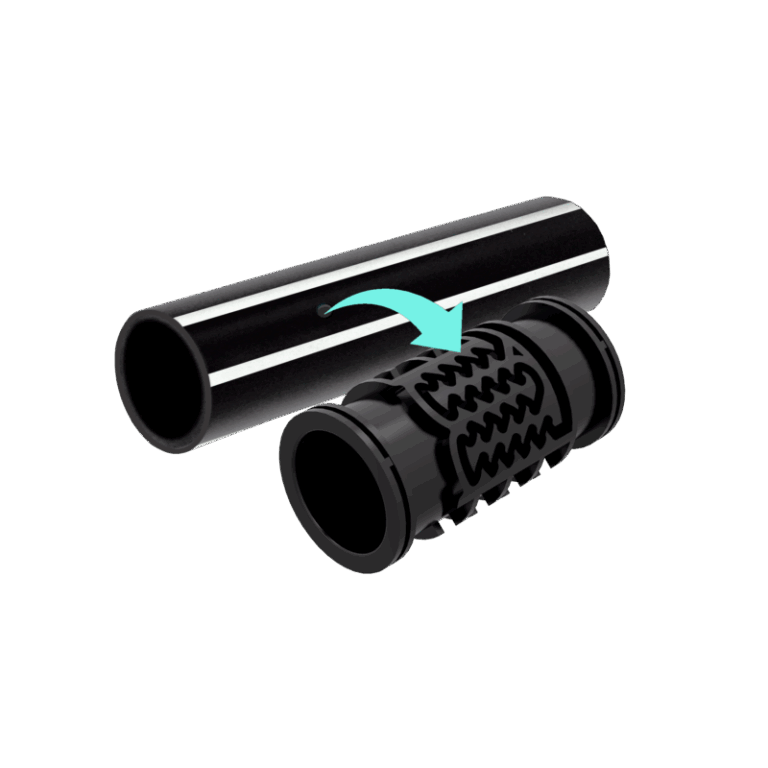
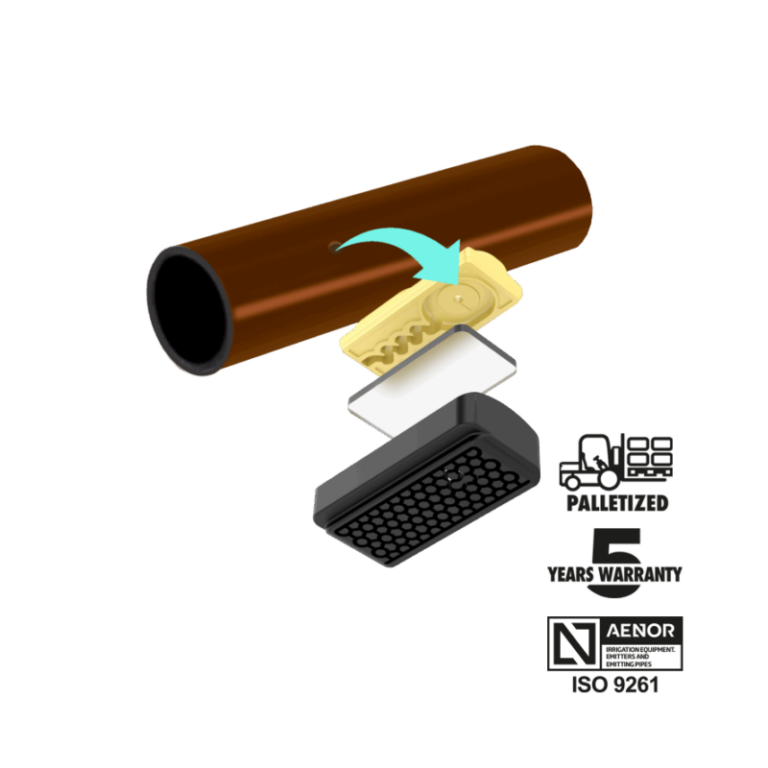
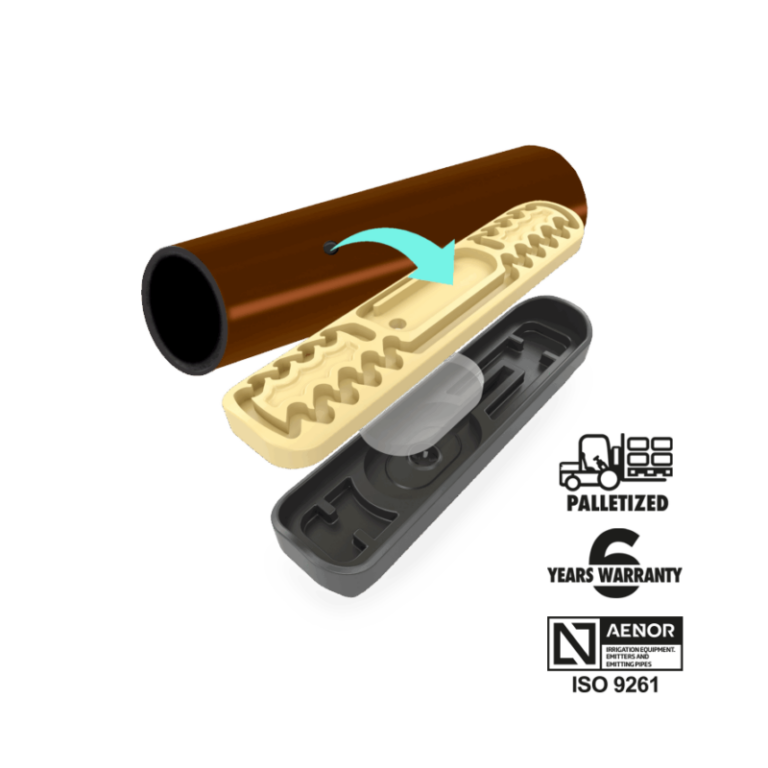
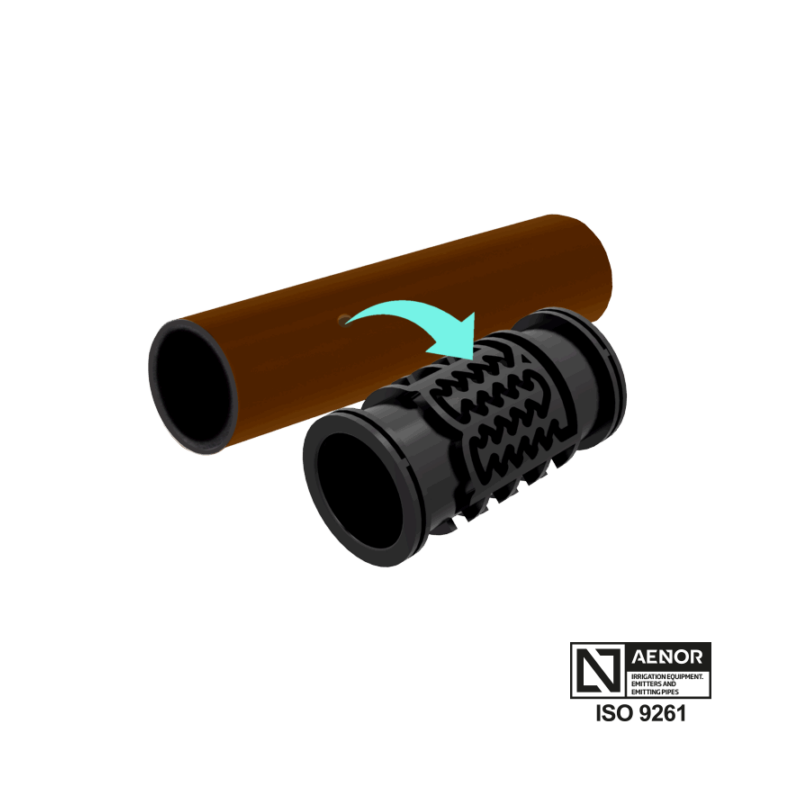
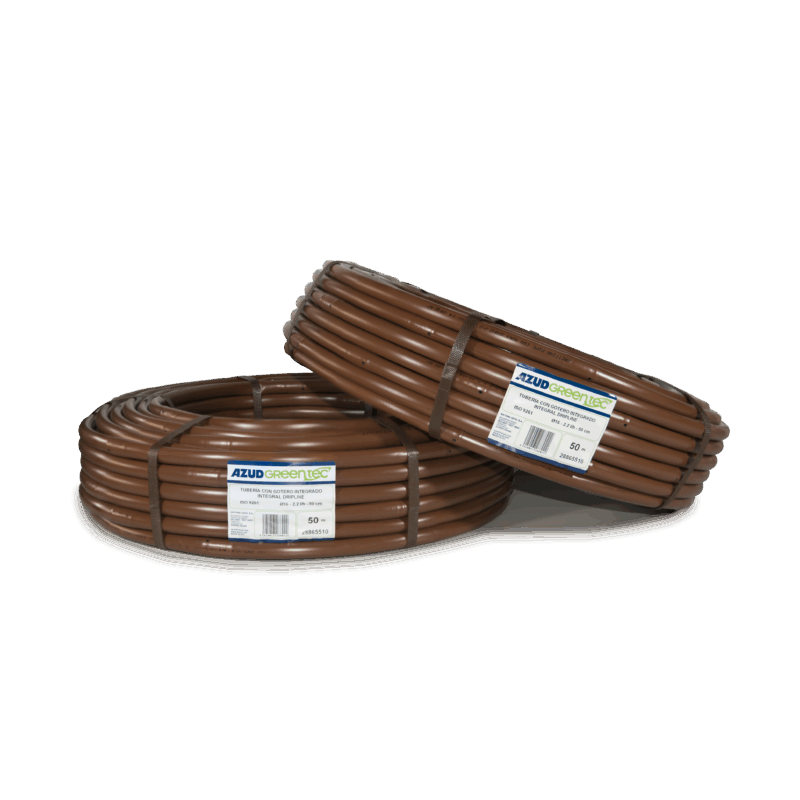
Drip irrigation is the most widely used system in hazelnut cultivation, as it allows for precise water application to the root zone, optimizing water use.
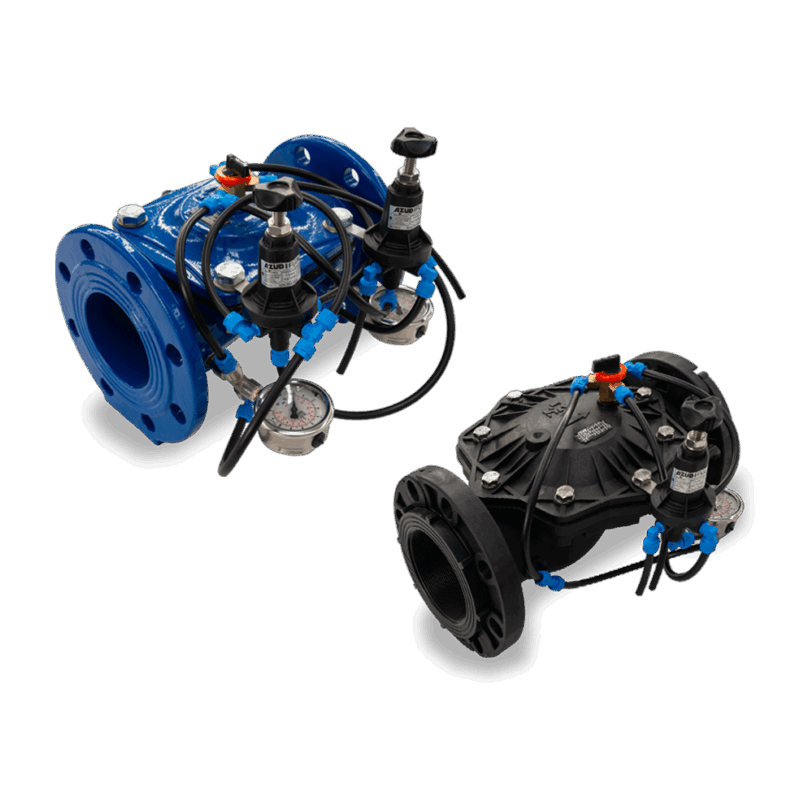
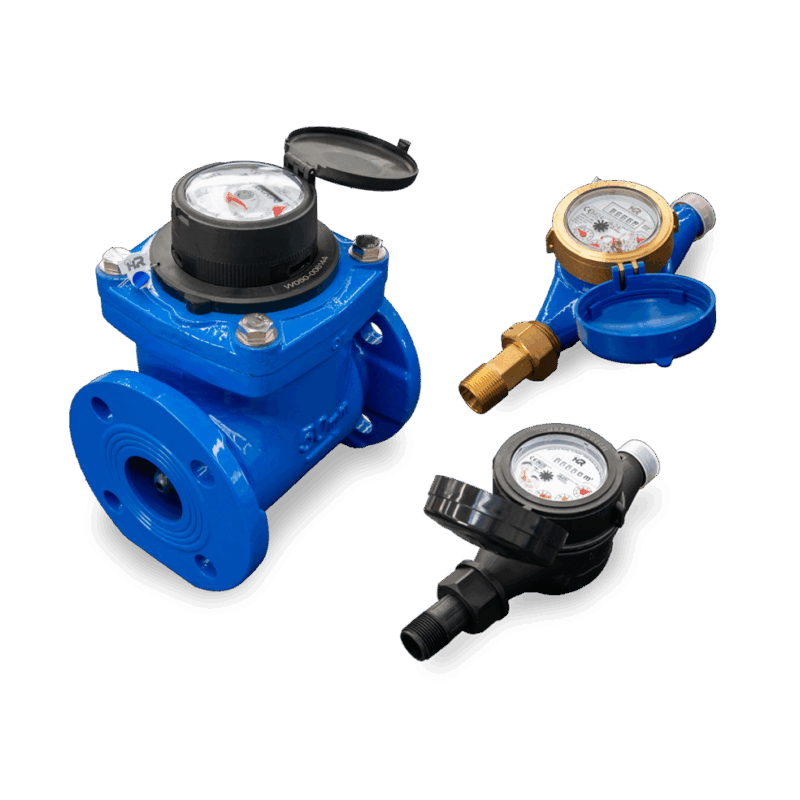
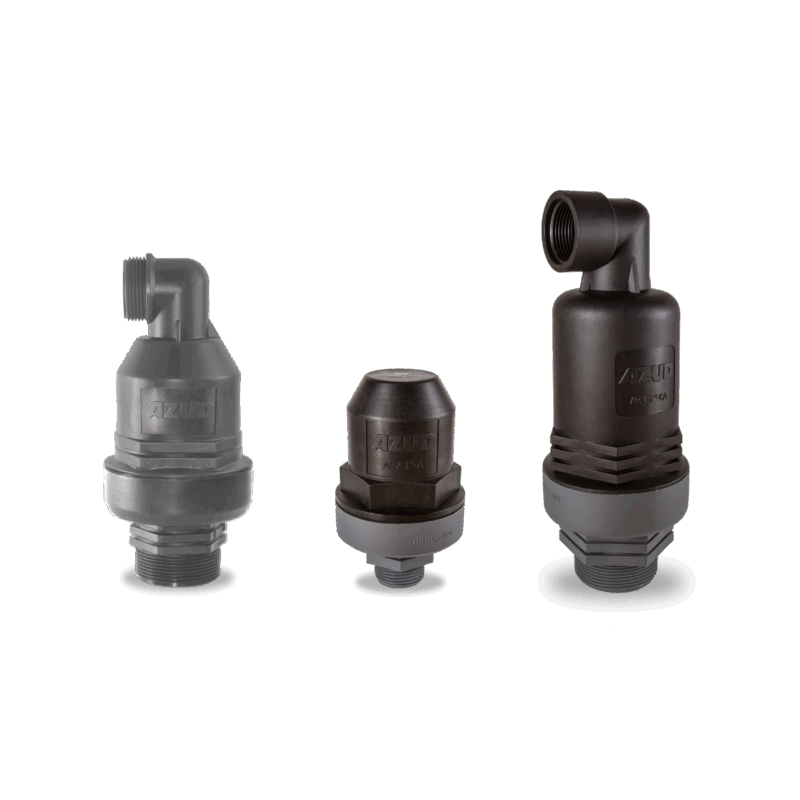
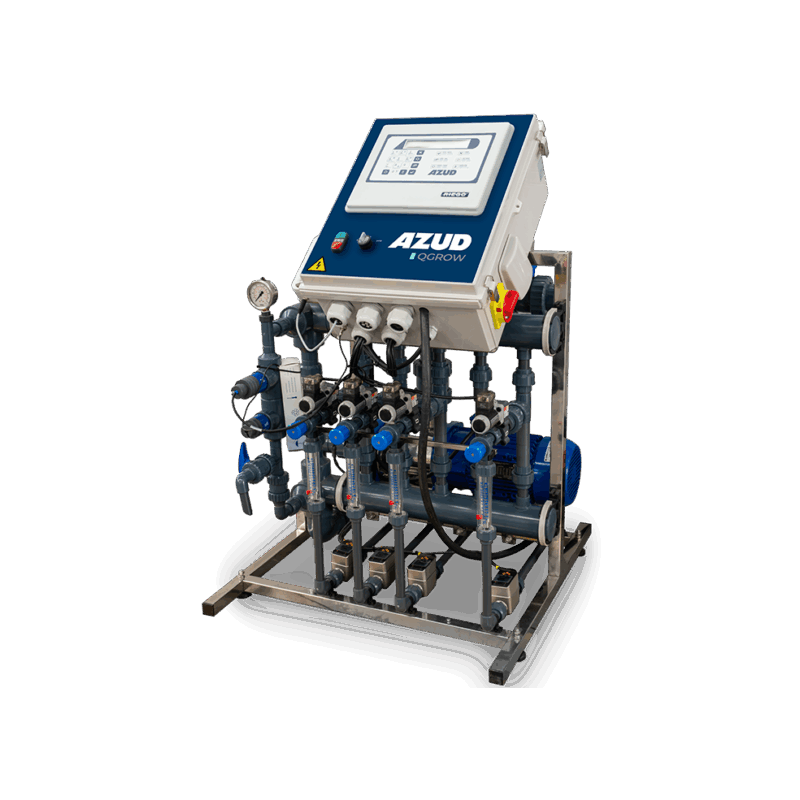
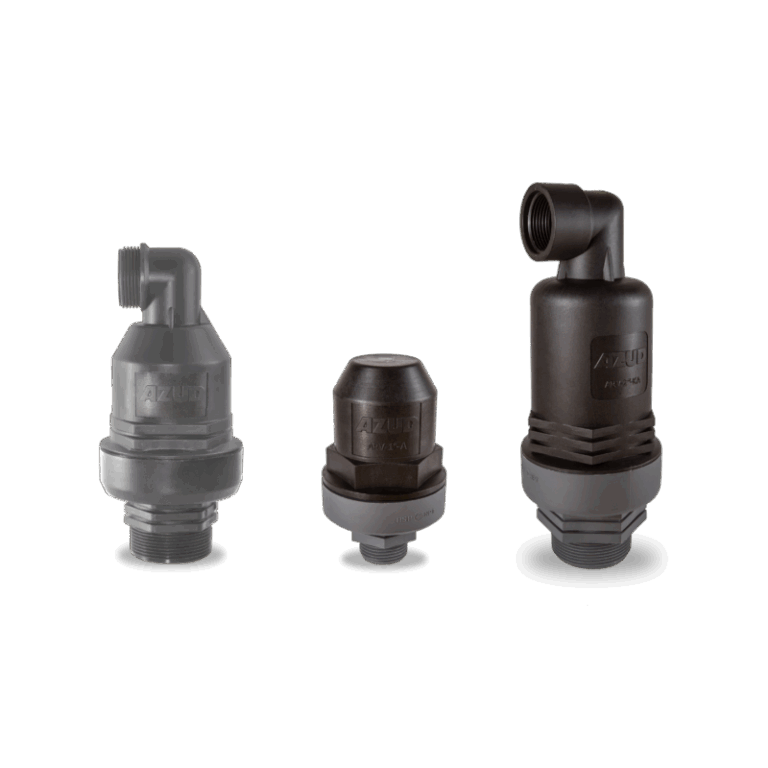
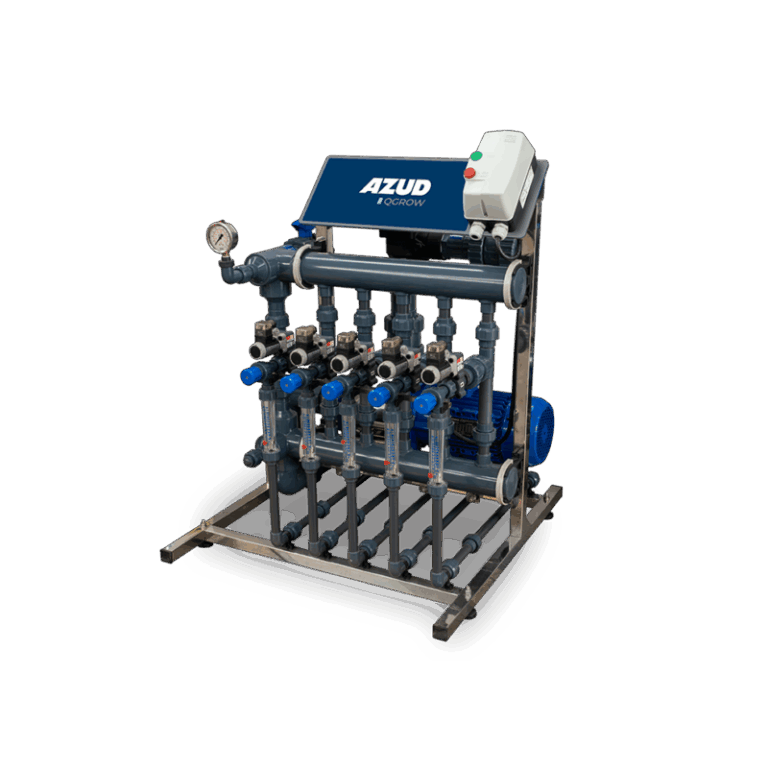
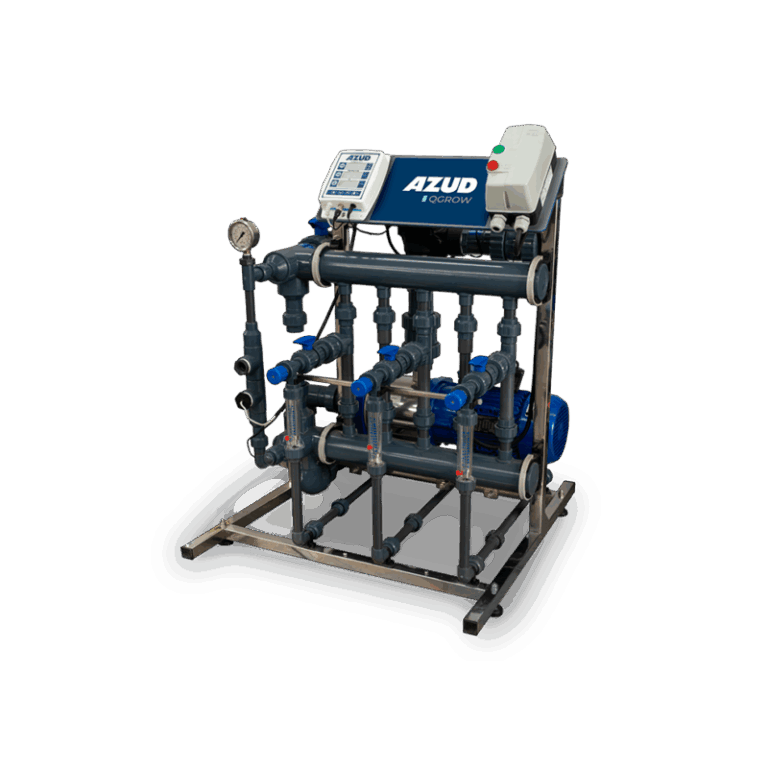
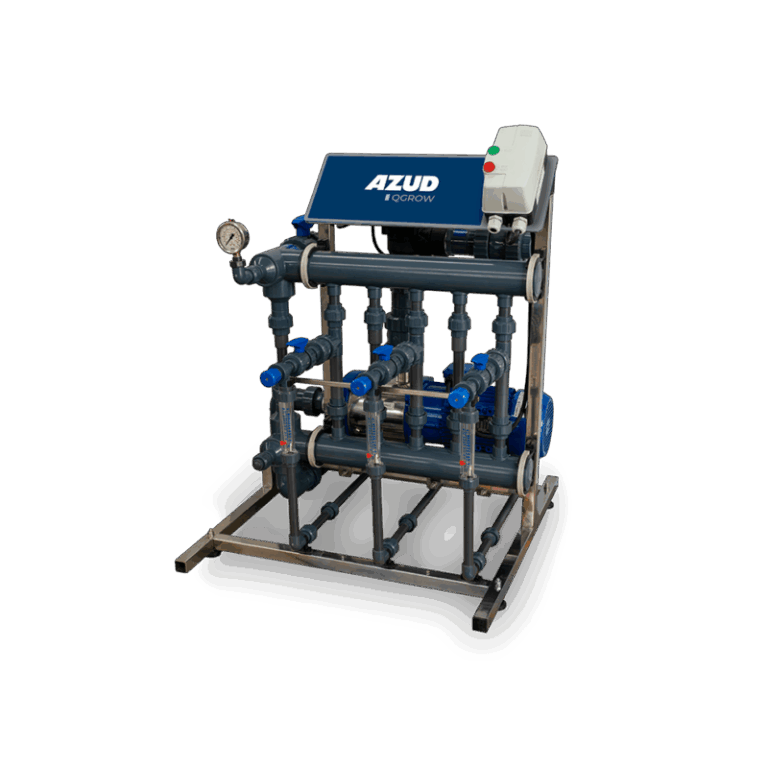
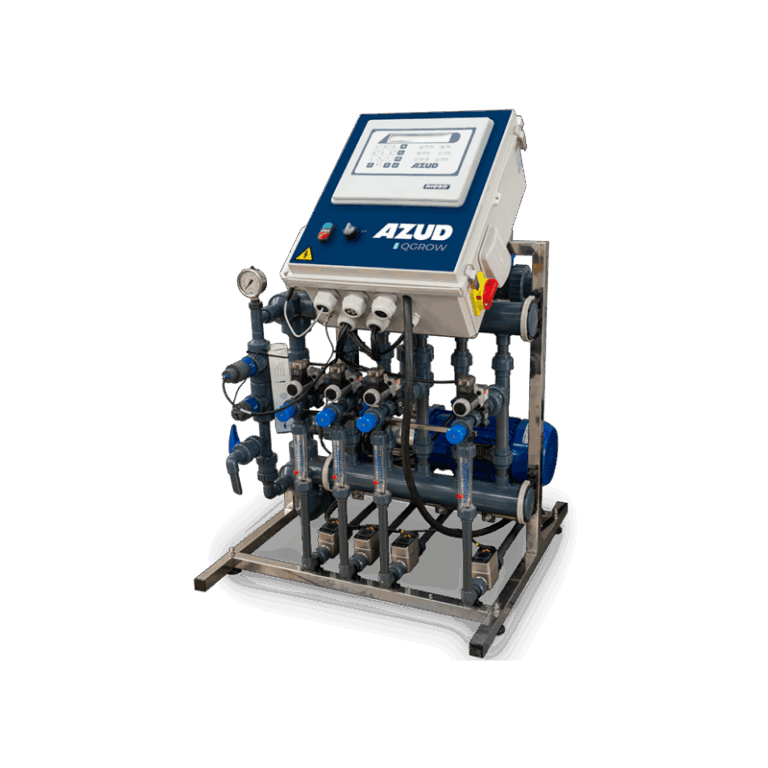
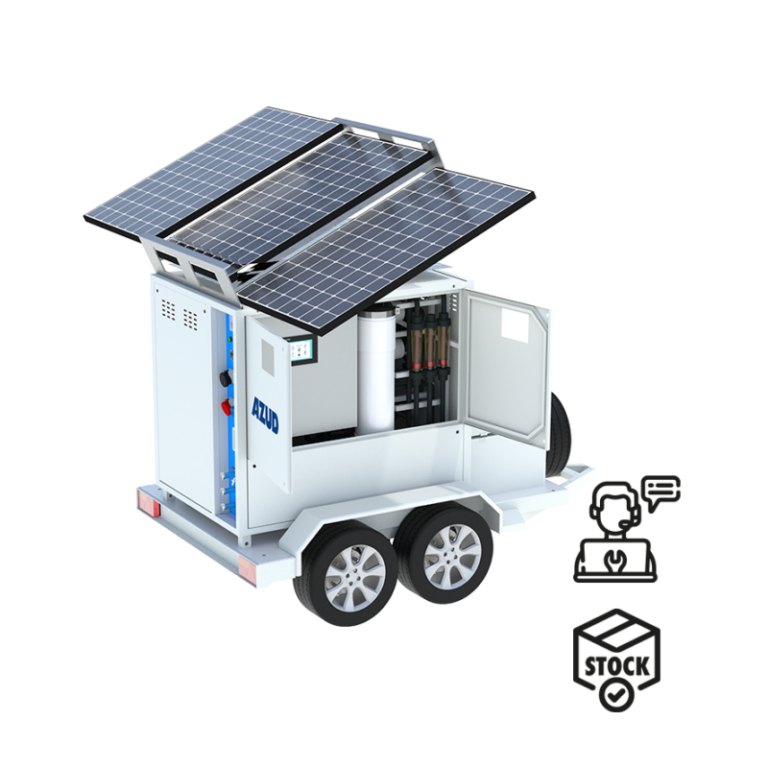
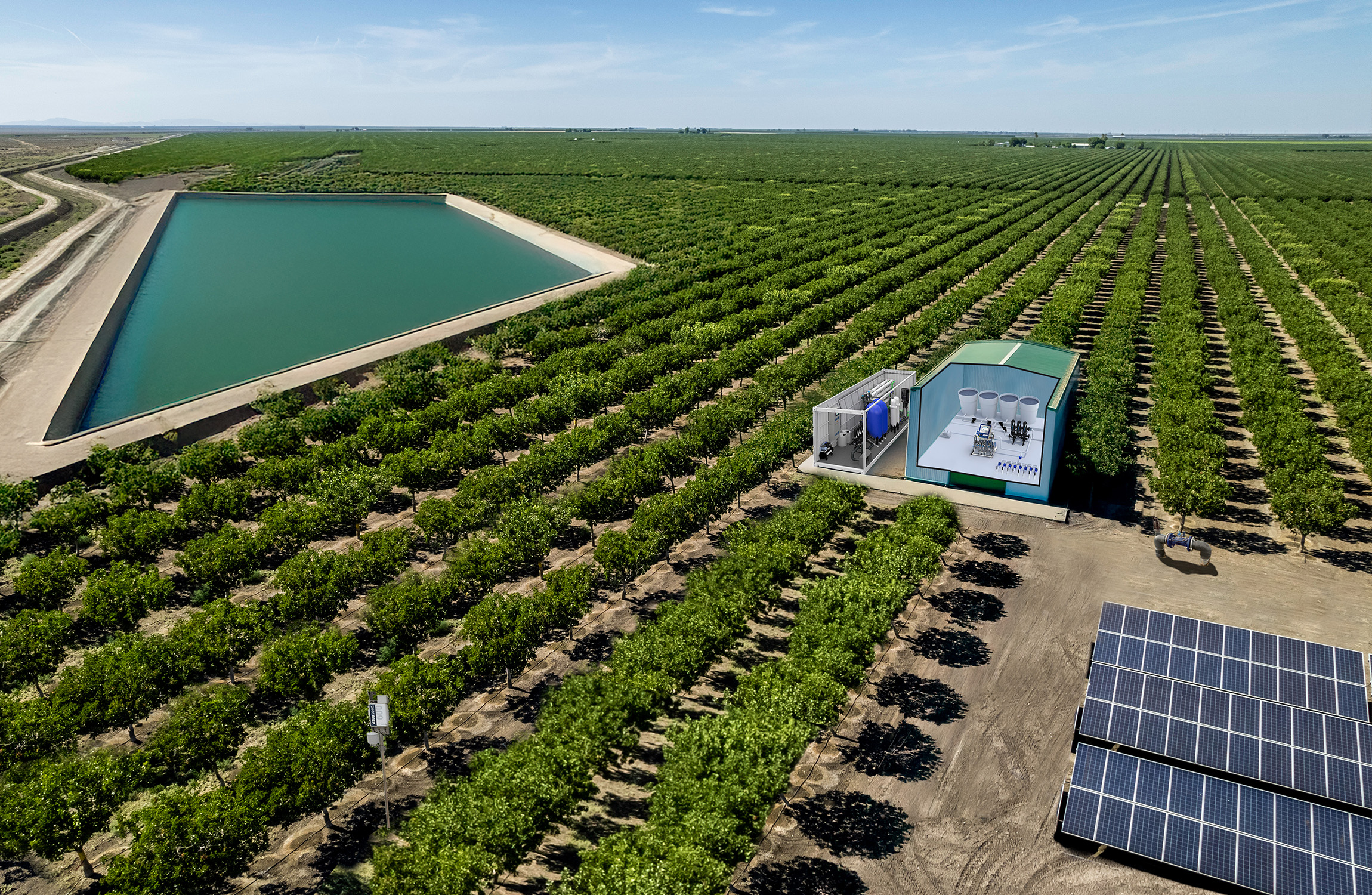
AZUD’s irrigation solutions facilitate the design of systems tailored to hazelnut orchards, ensuring uniform water distribution and greater control over water application throughout the growing cycle.
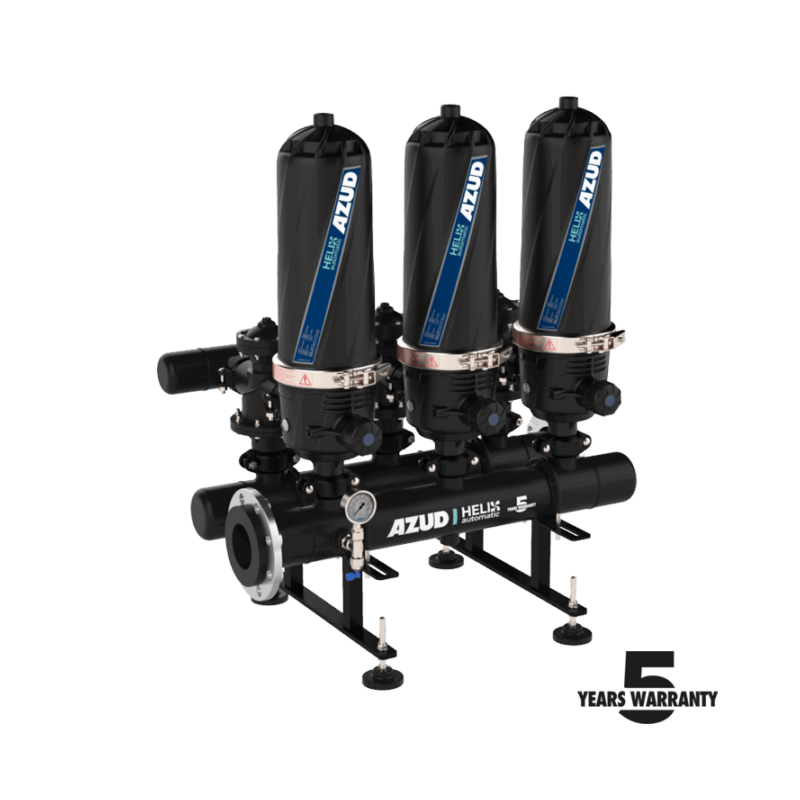
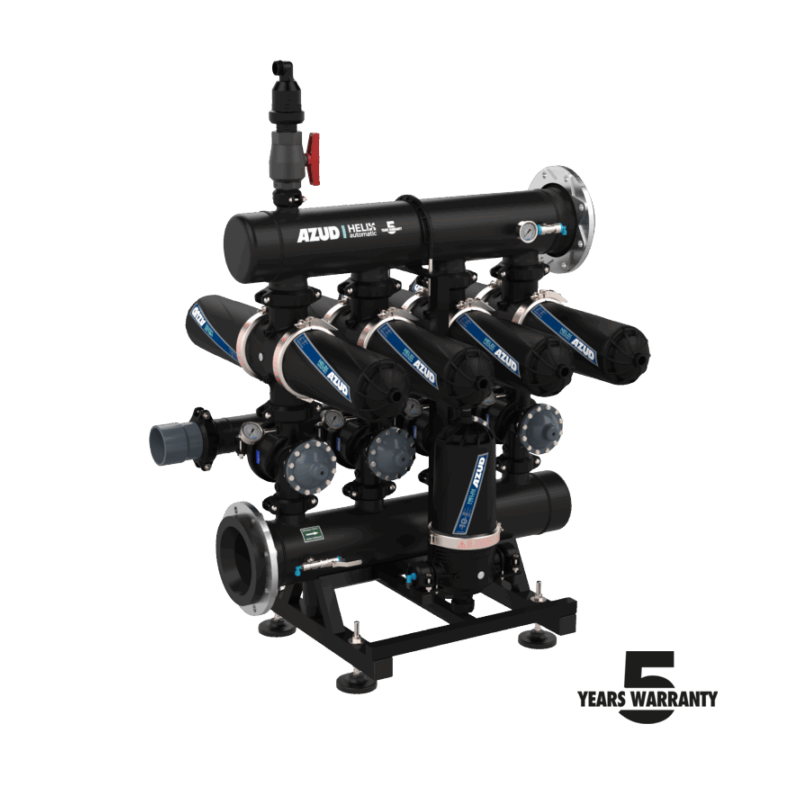
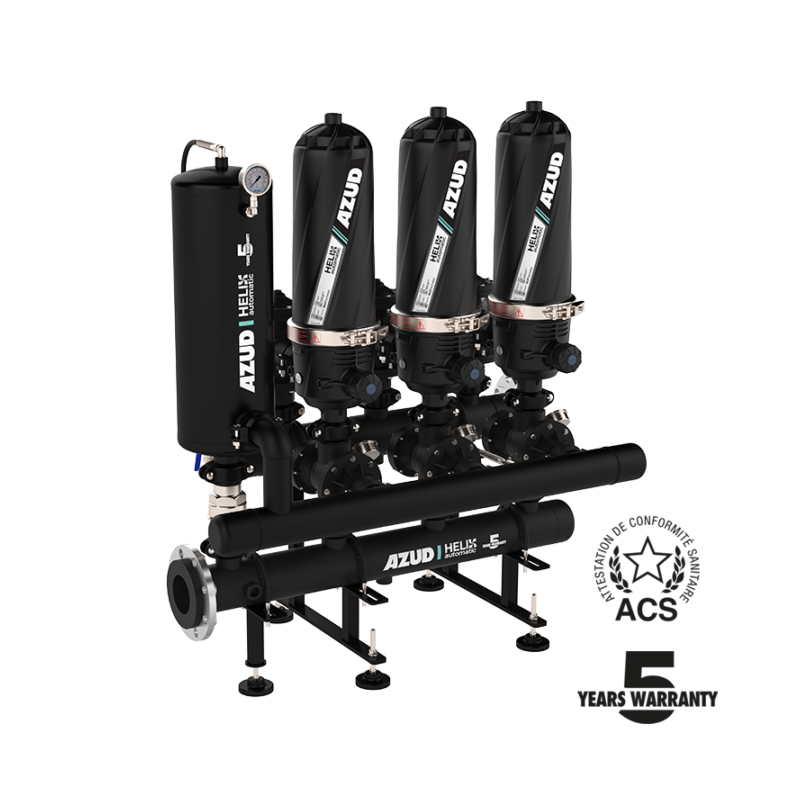
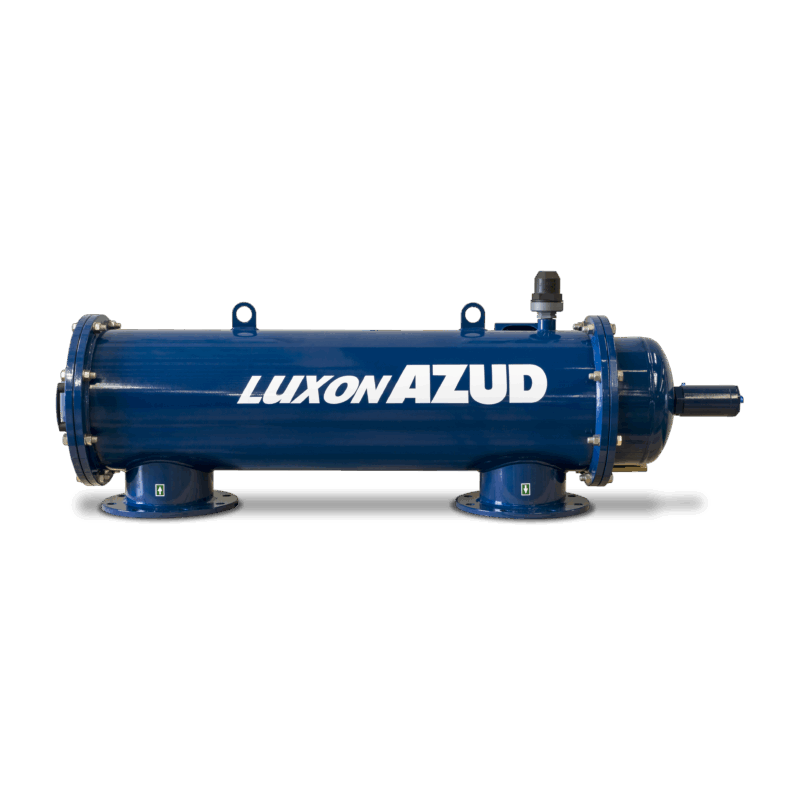
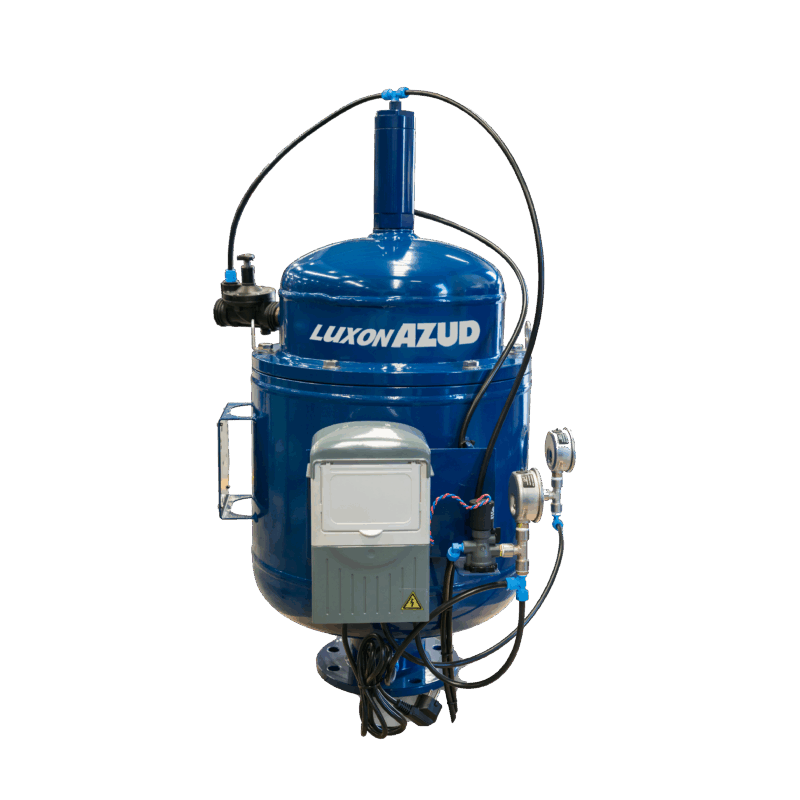
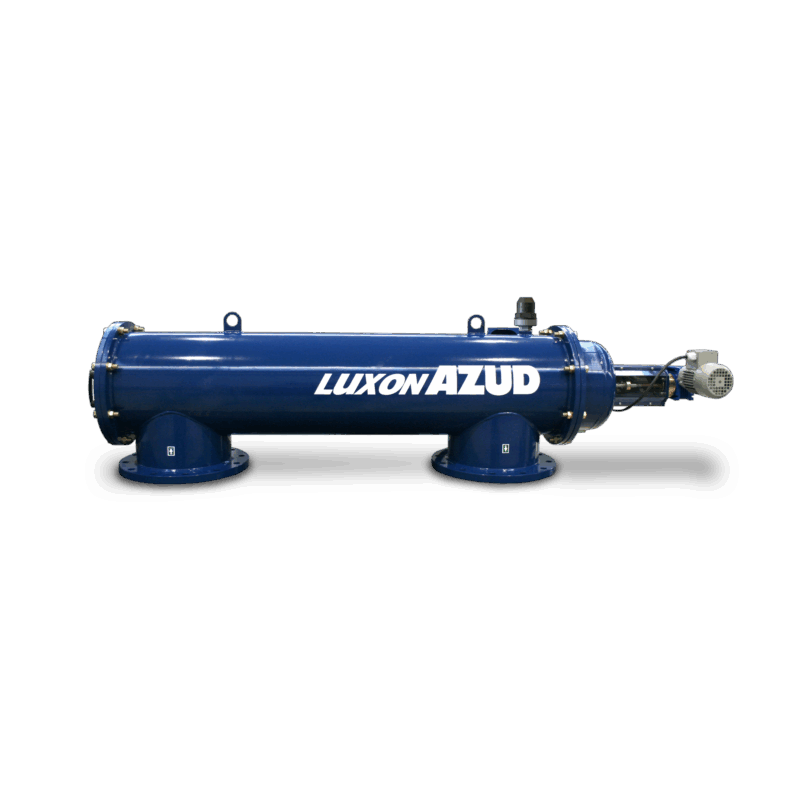
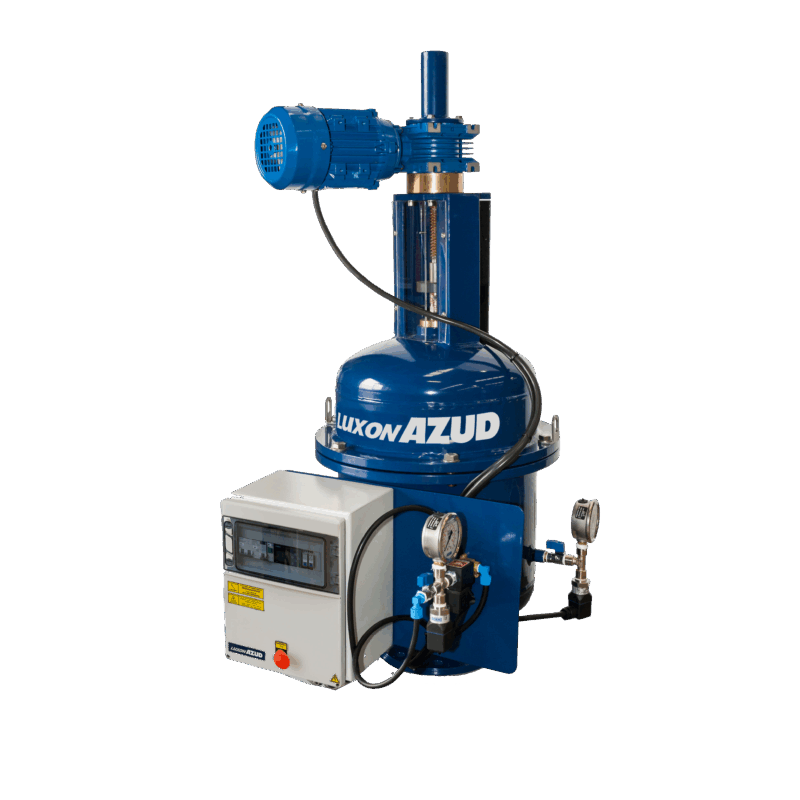
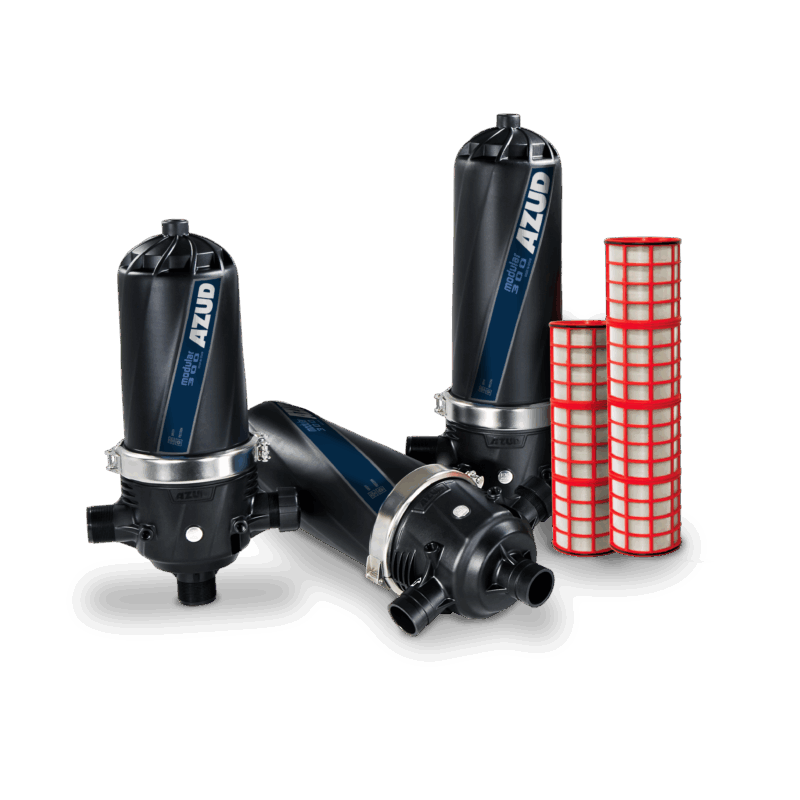
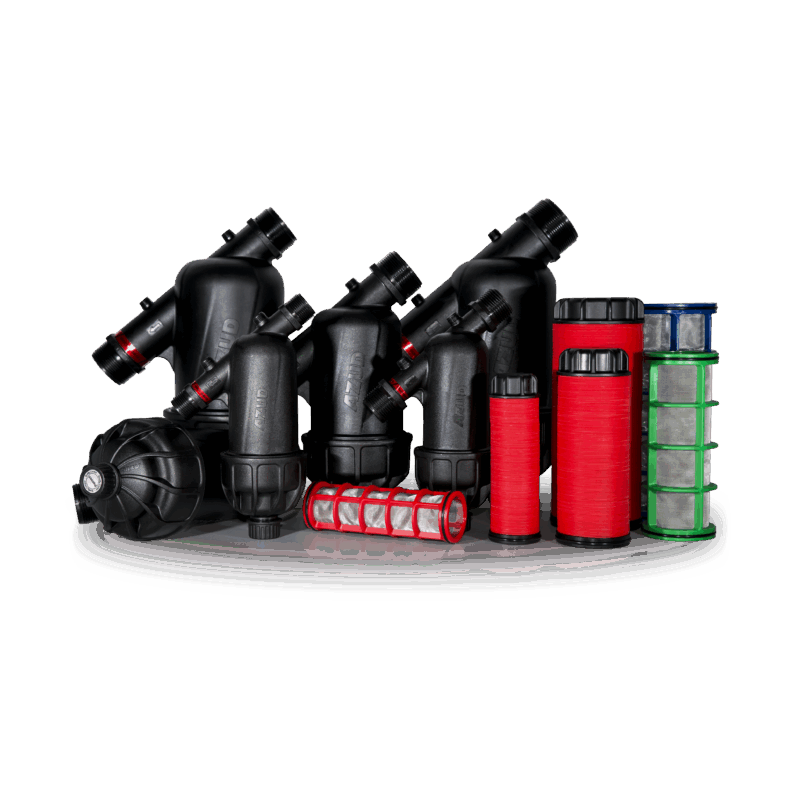
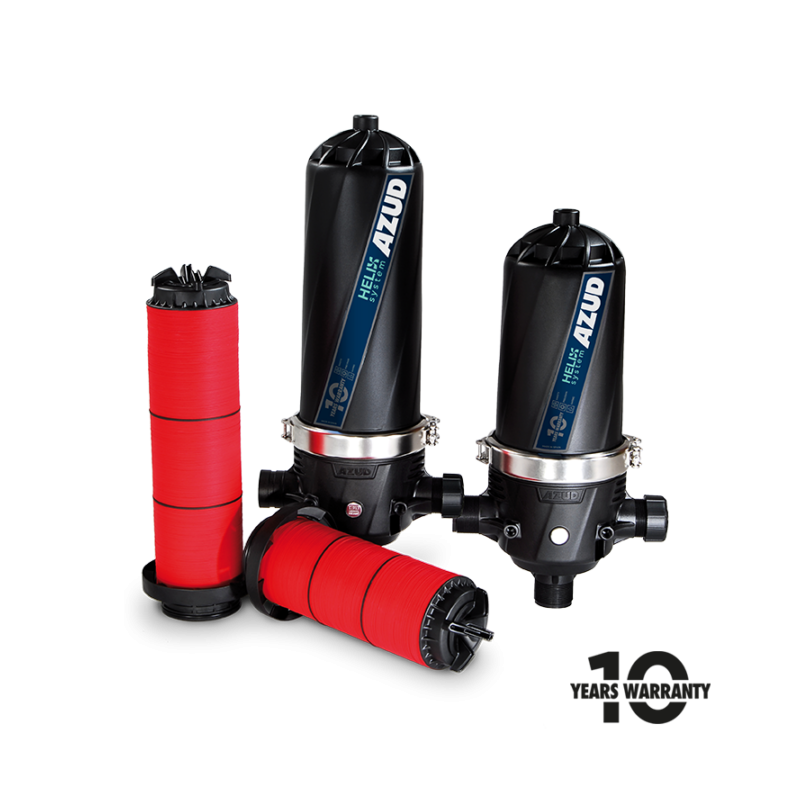
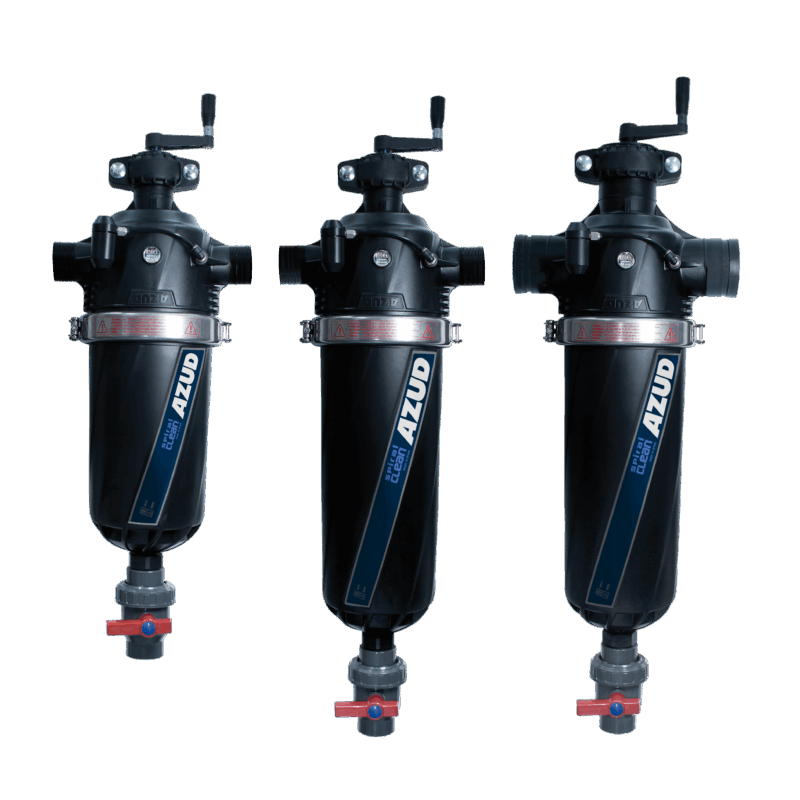
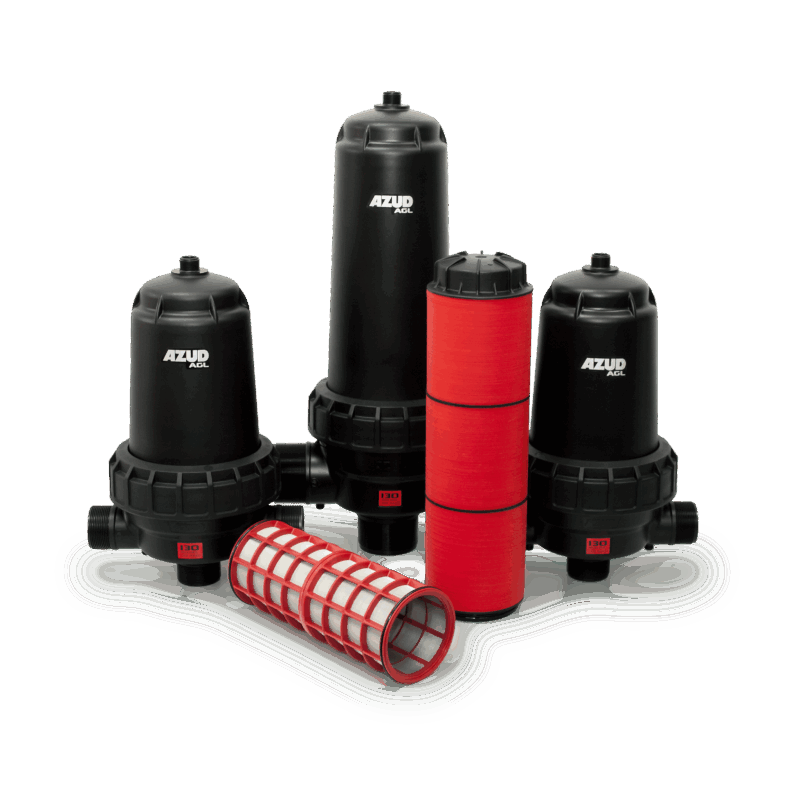
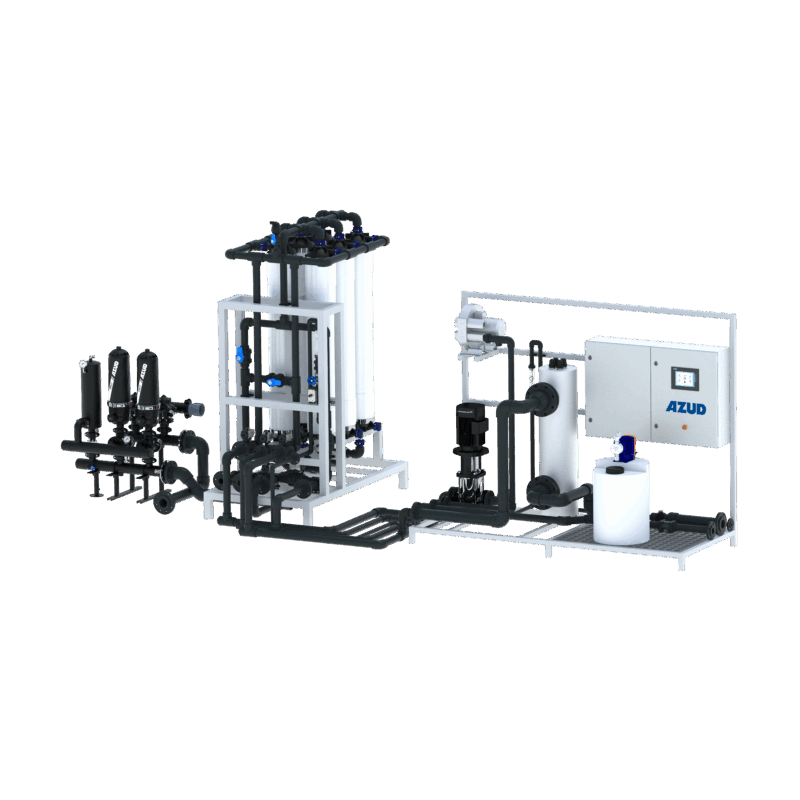
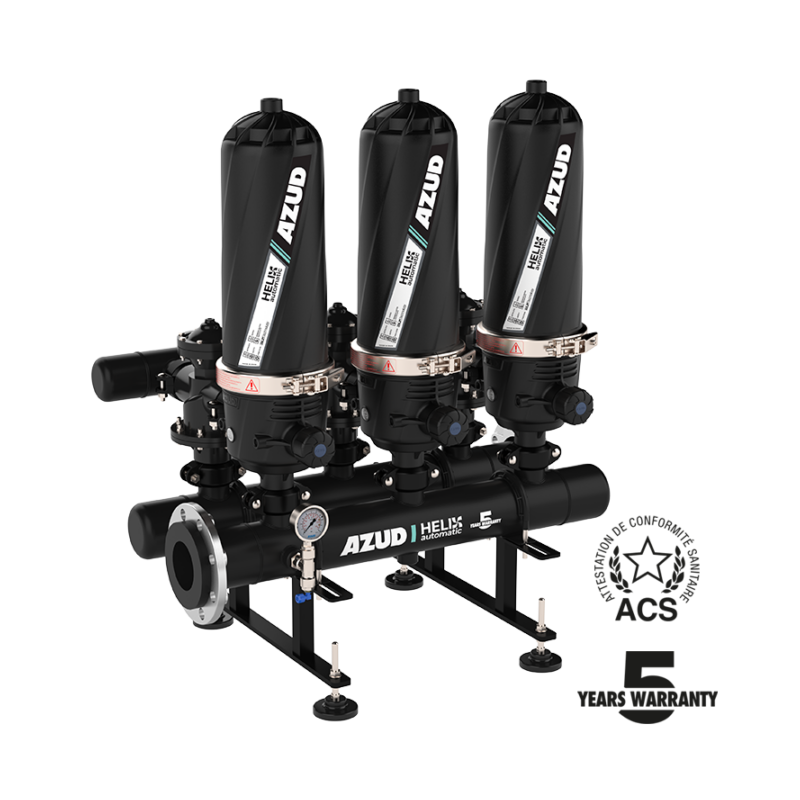
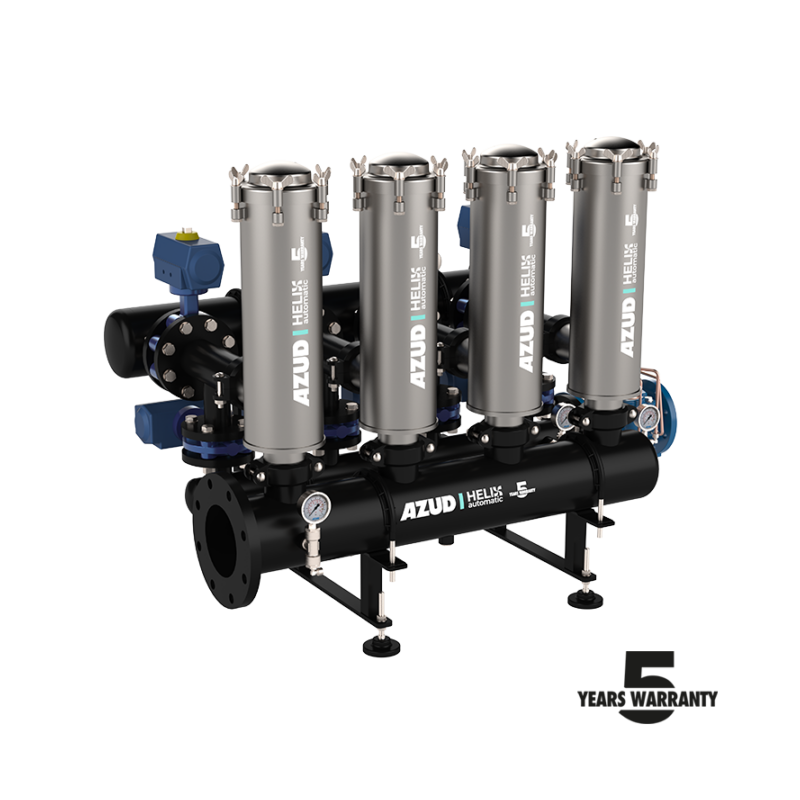
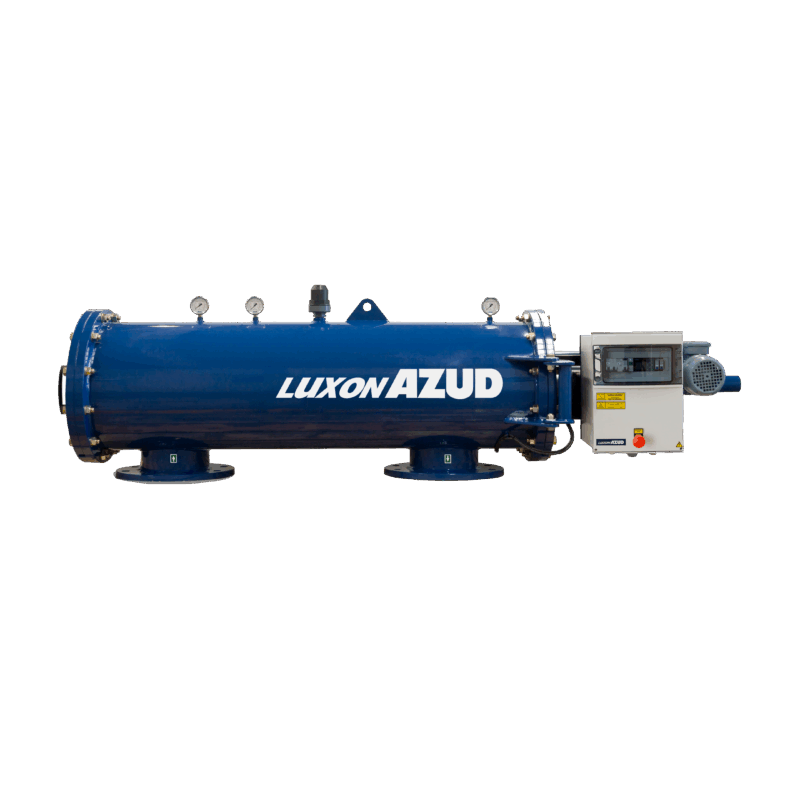
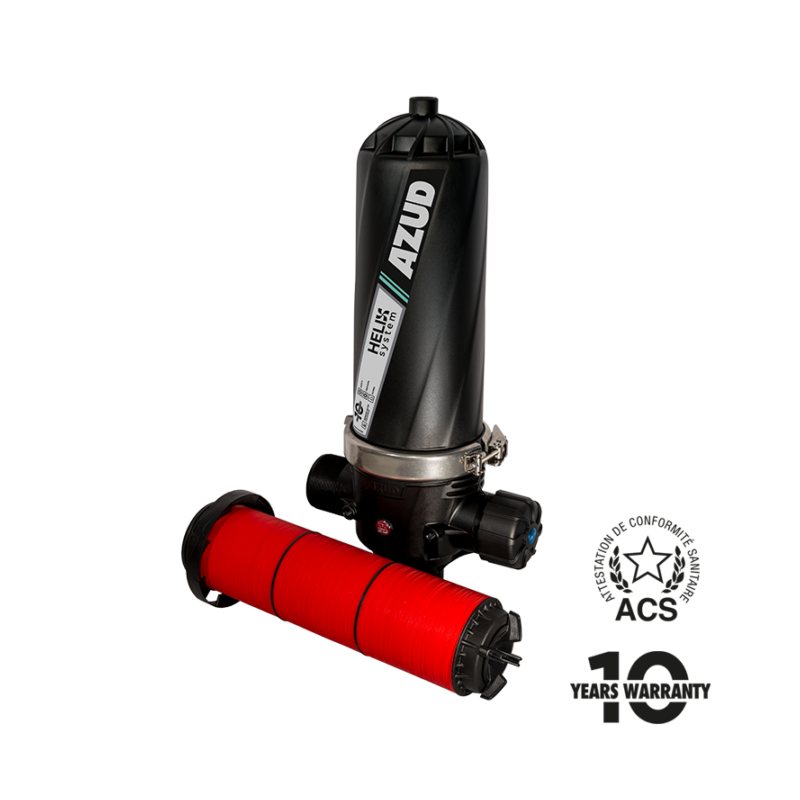
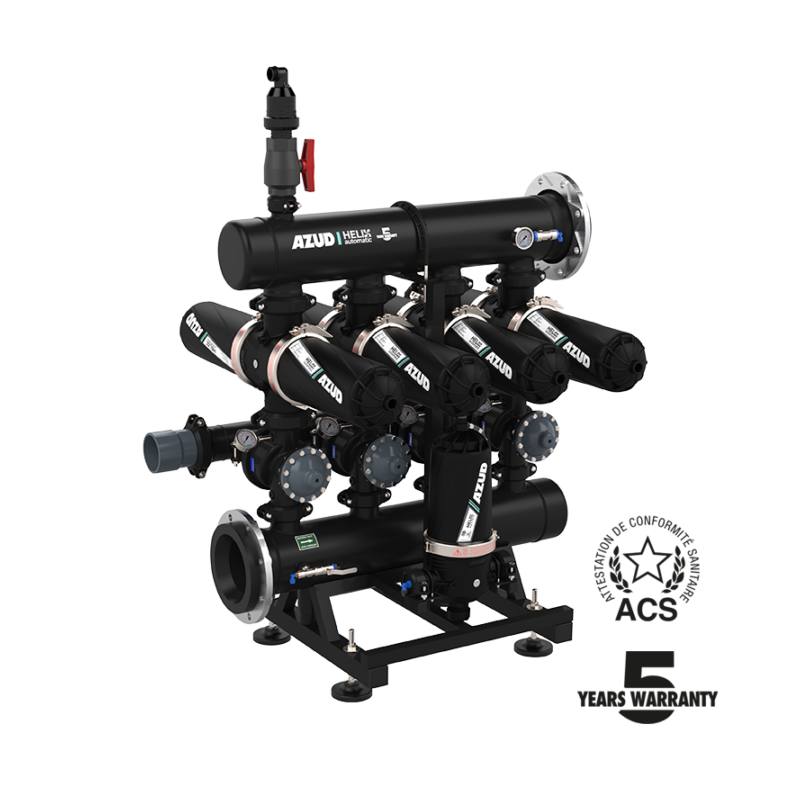
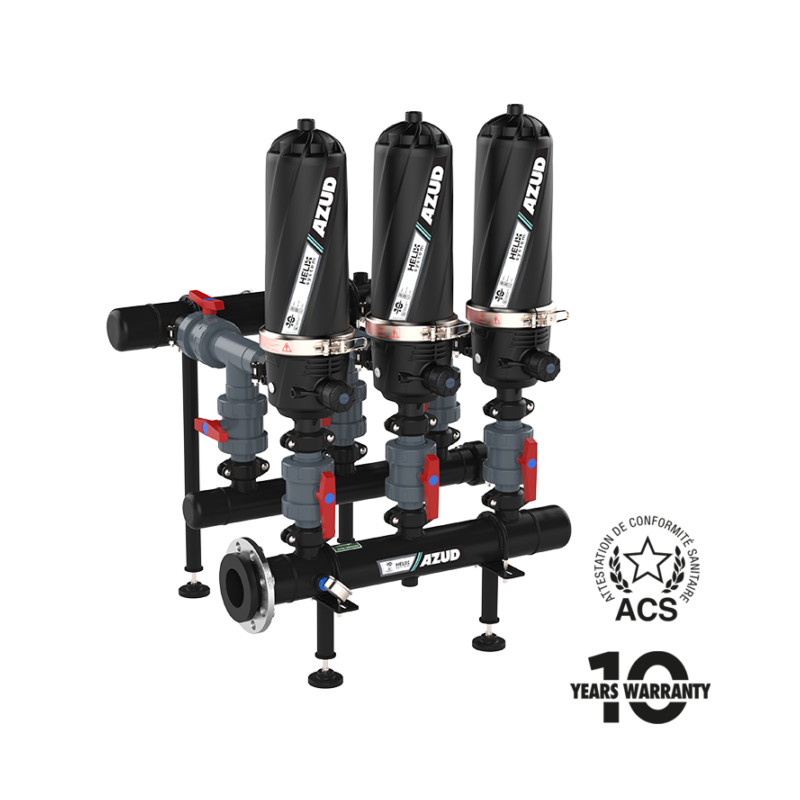
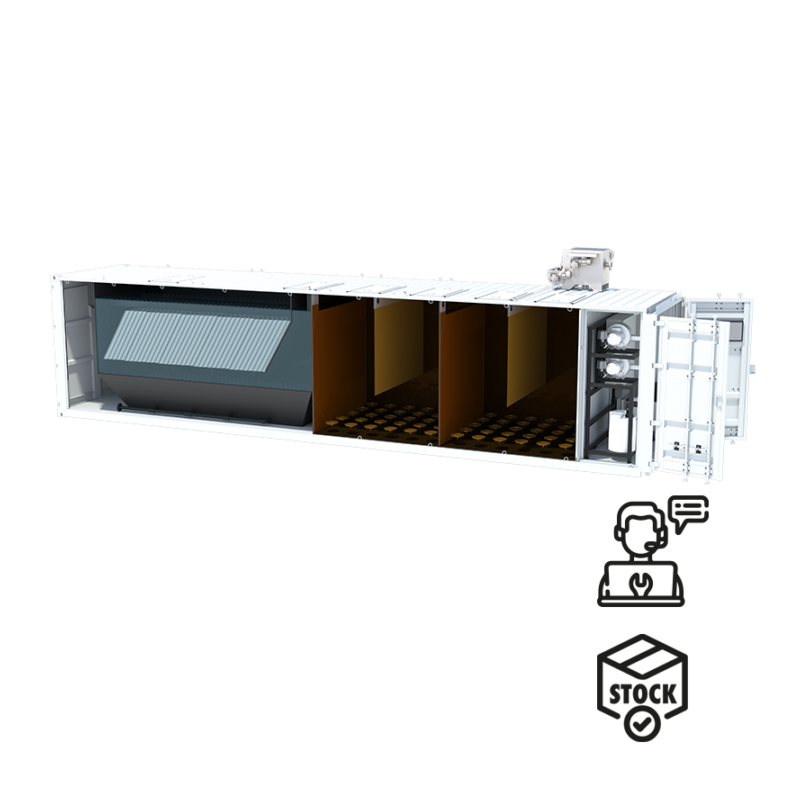
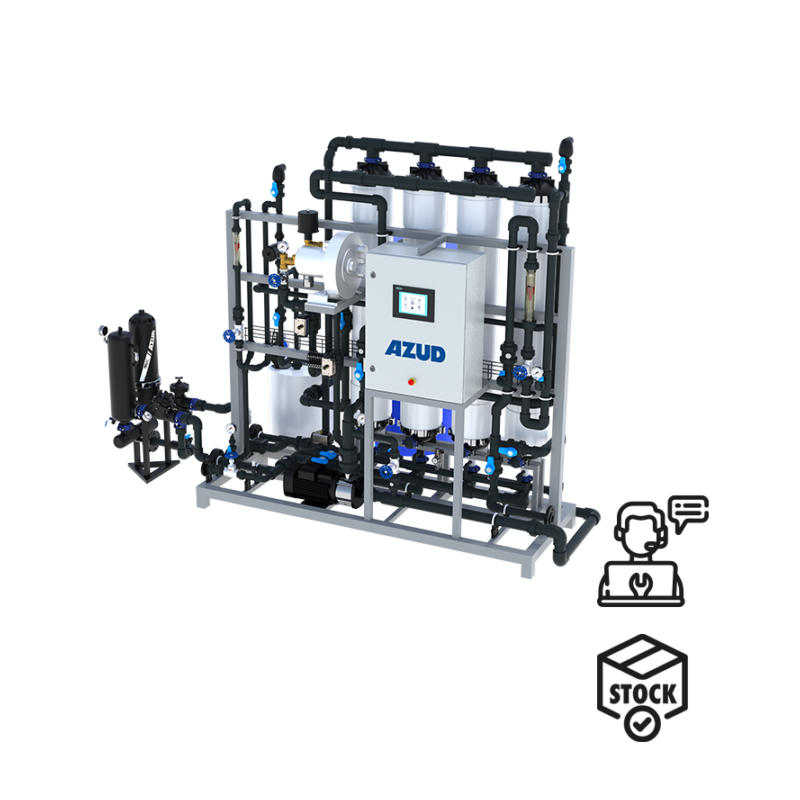
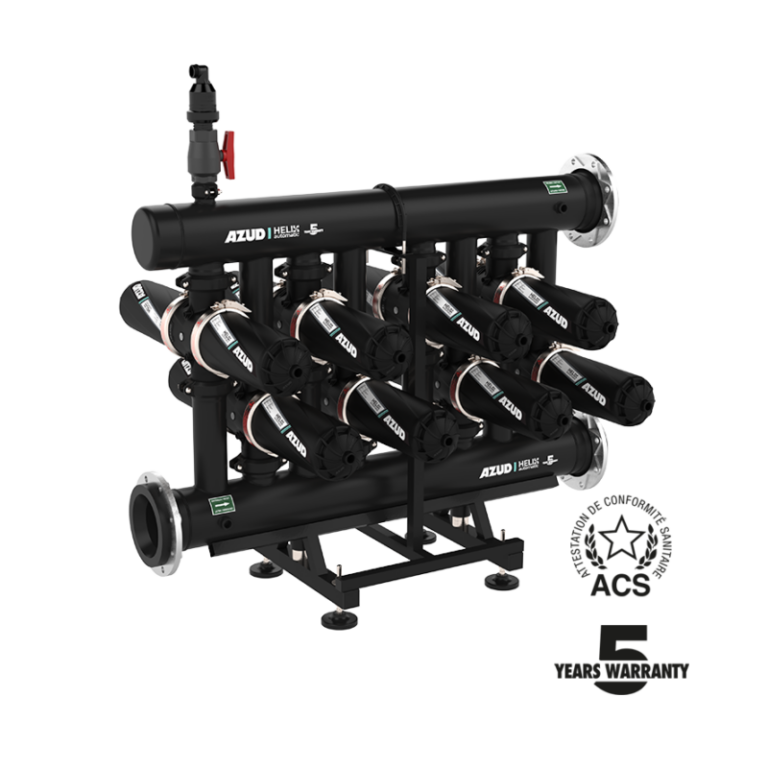
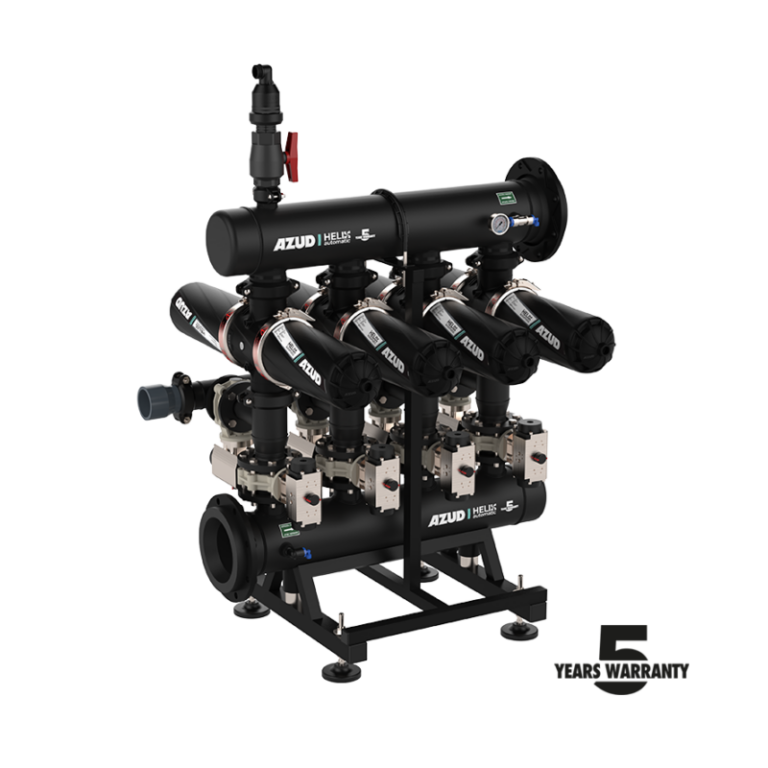
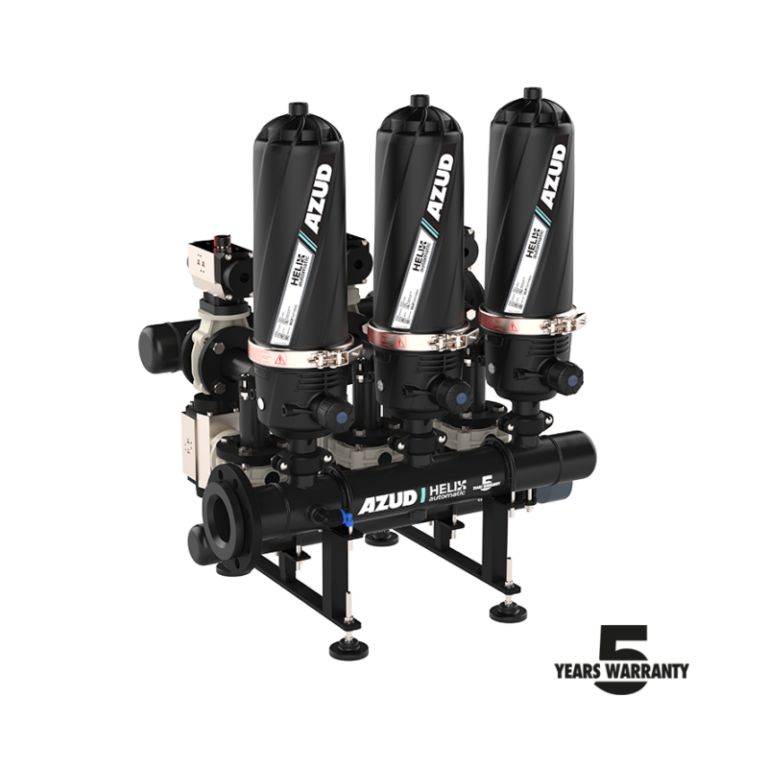
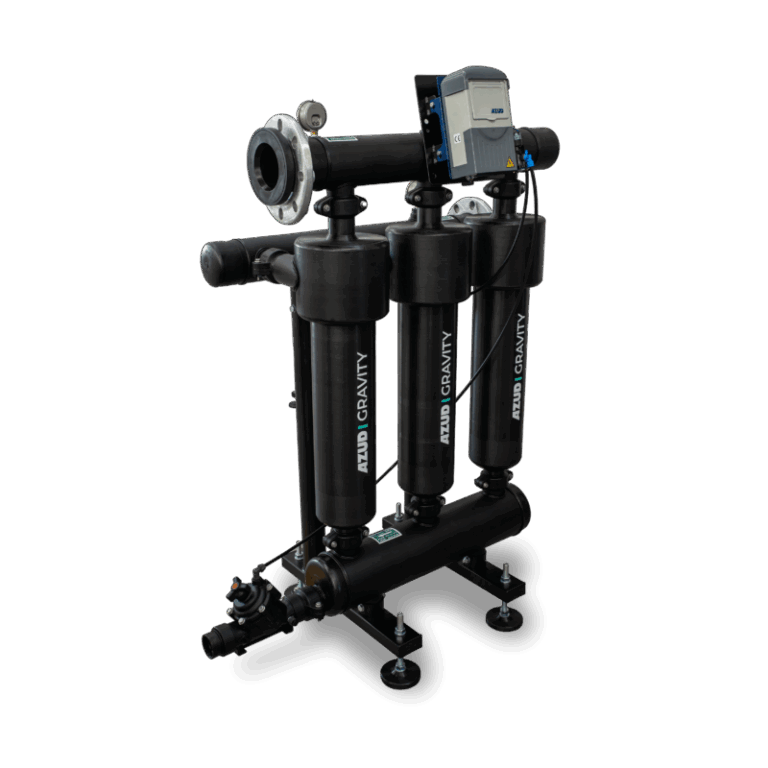
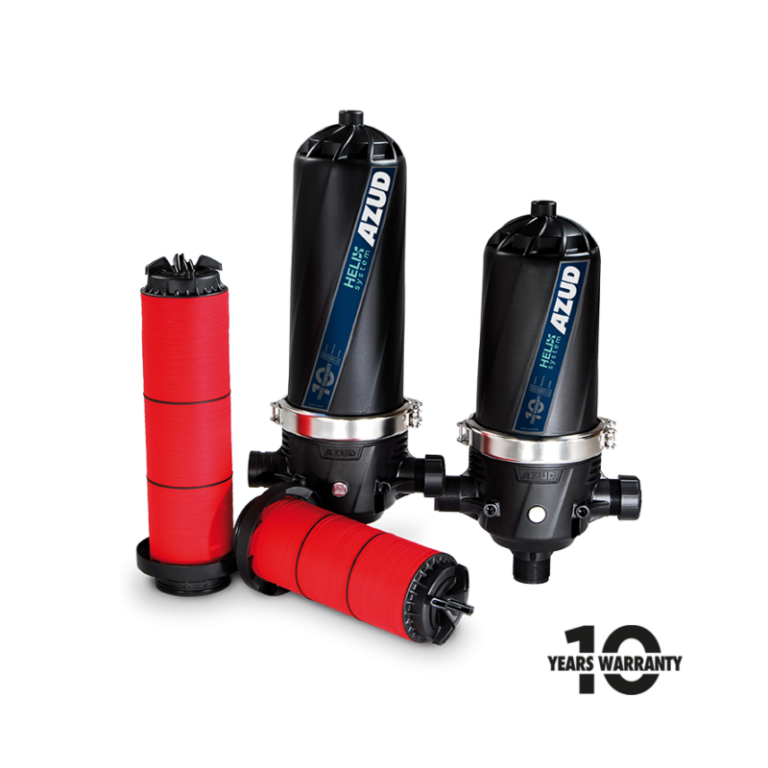
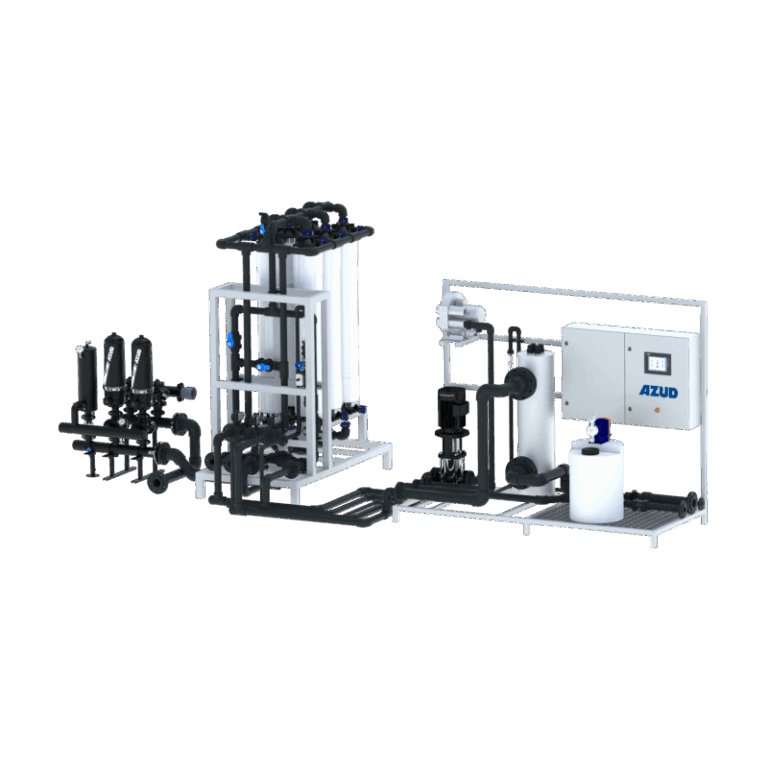
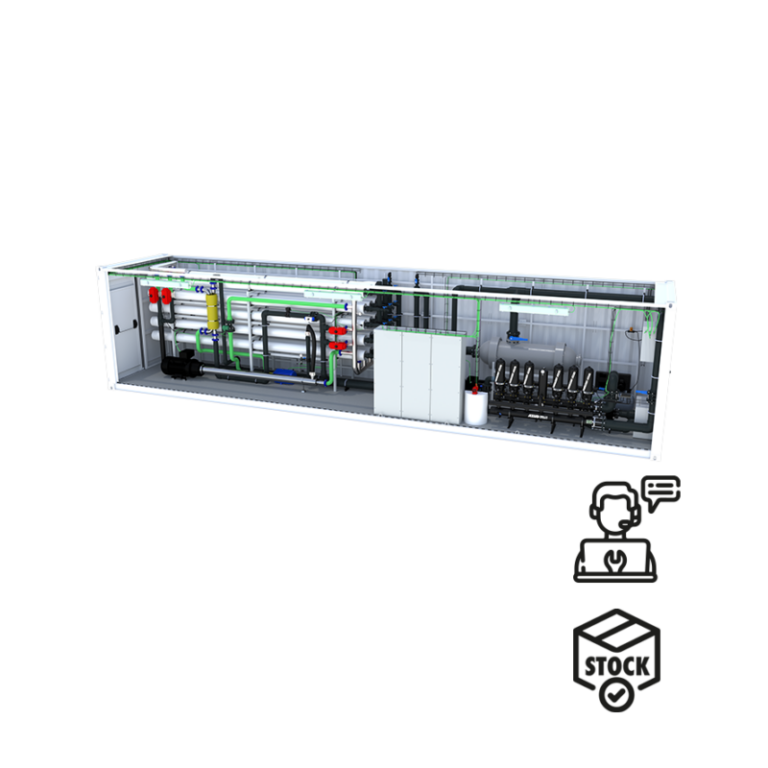
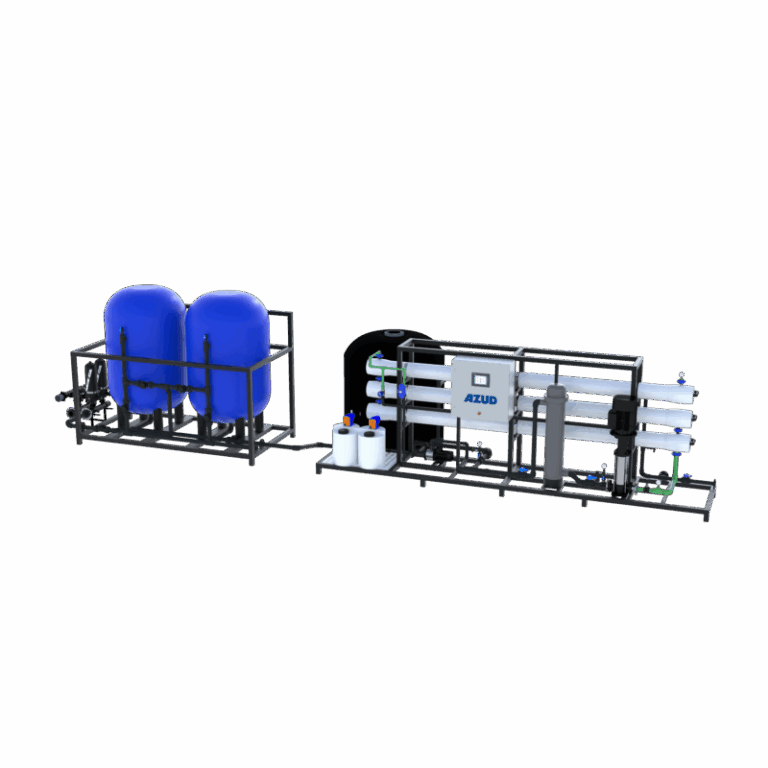
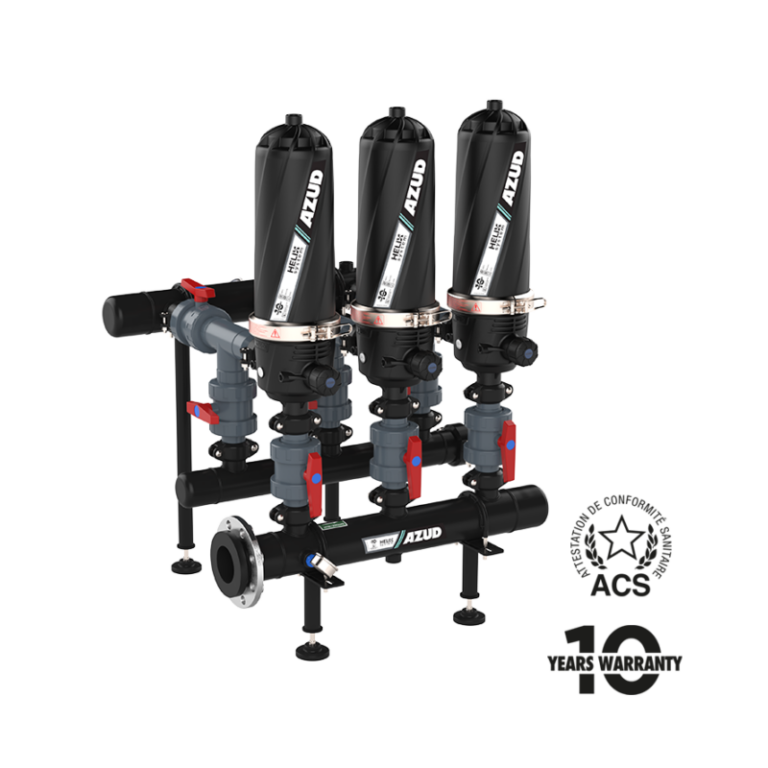
AZUD’s filtration systems are essential for ensuring irrigation reliability and the durability of the installation in long-term tree farms.
Direct benefits for your hazelnut crop
Yes, although it has moderate water requirements, Irrigation is key to ensuring consistent yields and high-quality fruit.
The stages of bud break, flowering, fruit set, and fruit filling are the most sensitive to water stress.
Drip irrigation is the most recommended system because of its efficiency and its ability to provide precise control over water application.