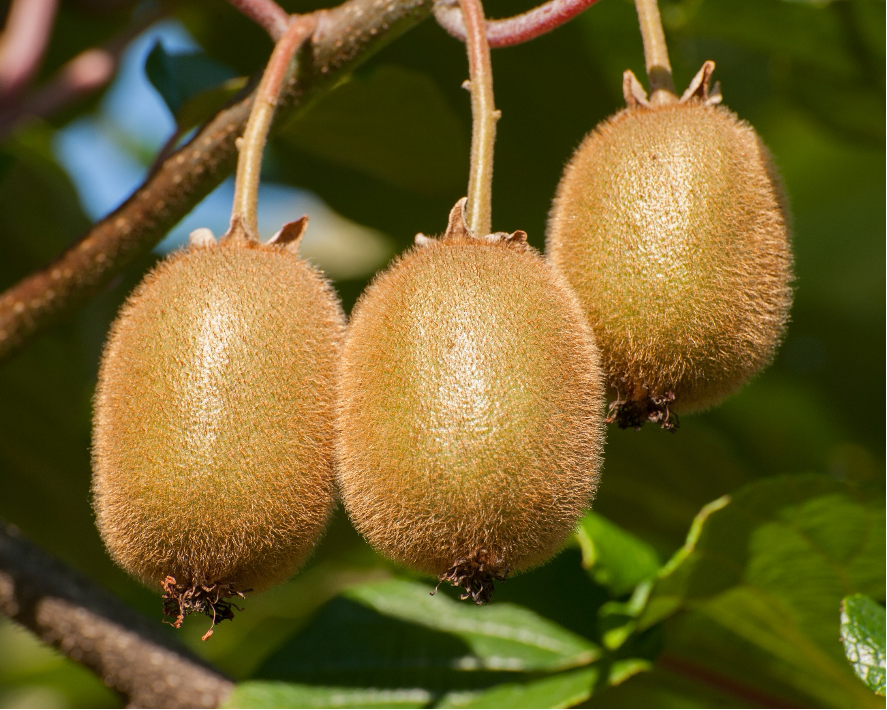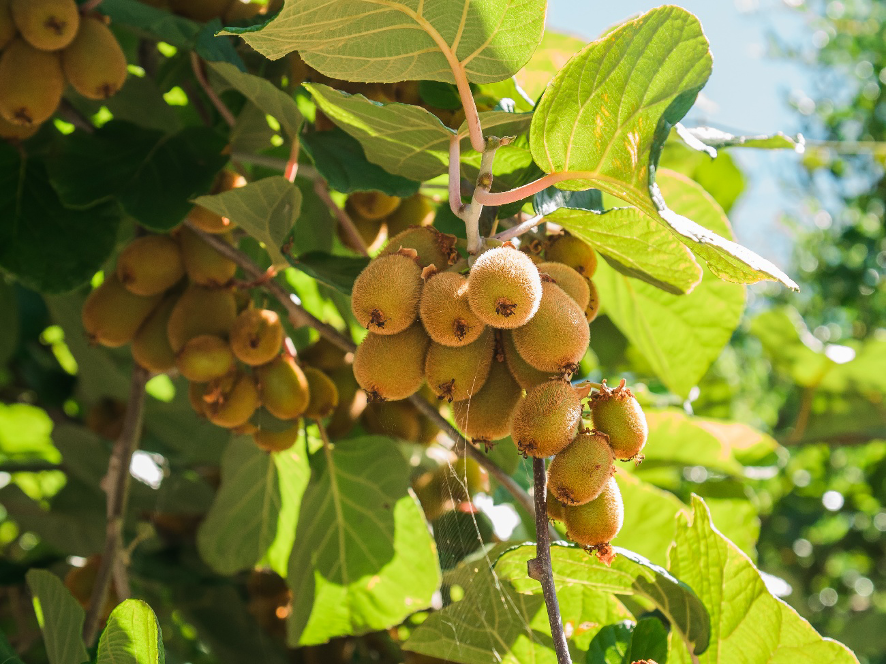





The kiwi (Actinidia deliciosa and Actinidia chinensis) is a woody plant native to China, where it was traditionally cultivated for its nutritional and medicinal value. In the early 20th century, its cultivation was introduced to other countries, particularly New Zealand, from where it gained international popularity.
Over time, the kiwi has established itself as a high-value fruit in fresh markets, thanks to its vitamin C content, distinctive flavor, and good postharvest shelf life. Its cultivation has spread to temperate regions with good water availability.
Kiwi grows best in temperate, humid climates without severe frosts. It requires deep, well-drained soils rich in organic matter and is particularly sensitive to water stress and root asphyxia.
Kiwi cultivation has high water requirements compared to other woody fruit crops, due to its vigorous vegetative growth and extensive leaf area. Inadequate irrigation management can affect both plant growth and fruit quality.
The stages of bud break, flowering, and fruit growth are particularly sensitive to water stress. A regular and balanced water supply ensures proper vegetative growth and consistent production.
Irrigation must be carefully adjusted to the soil type, avoiding prolonged waterlogging that can cause root problems in a crop highly sensitive to excess moisture.
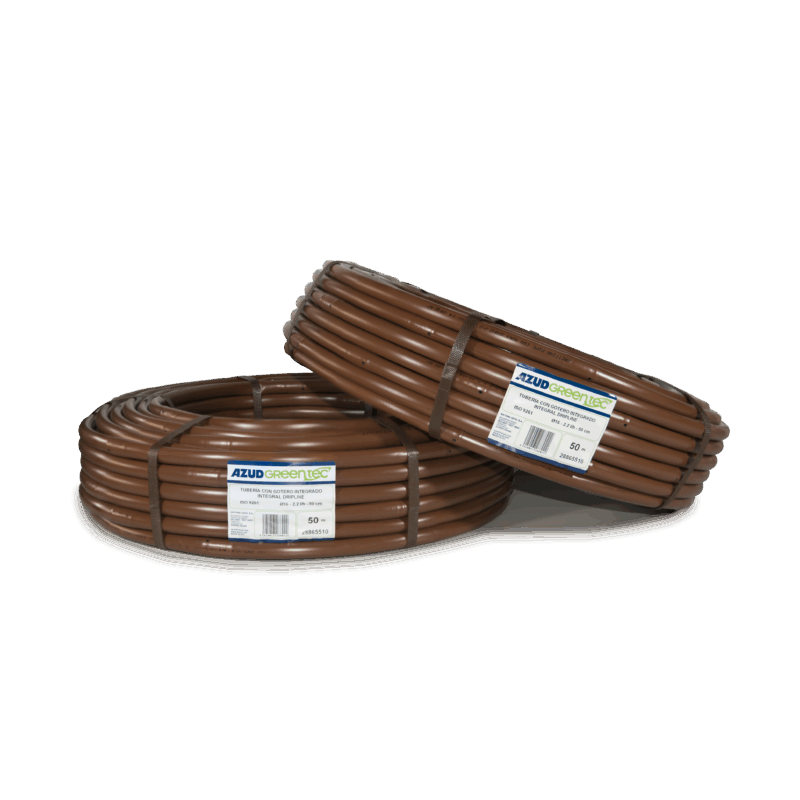
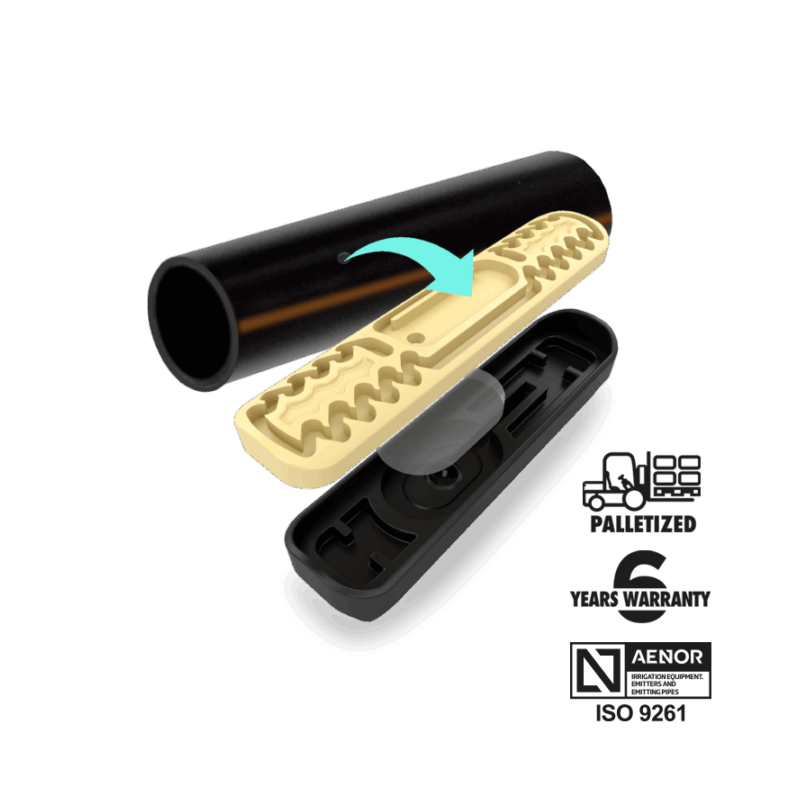
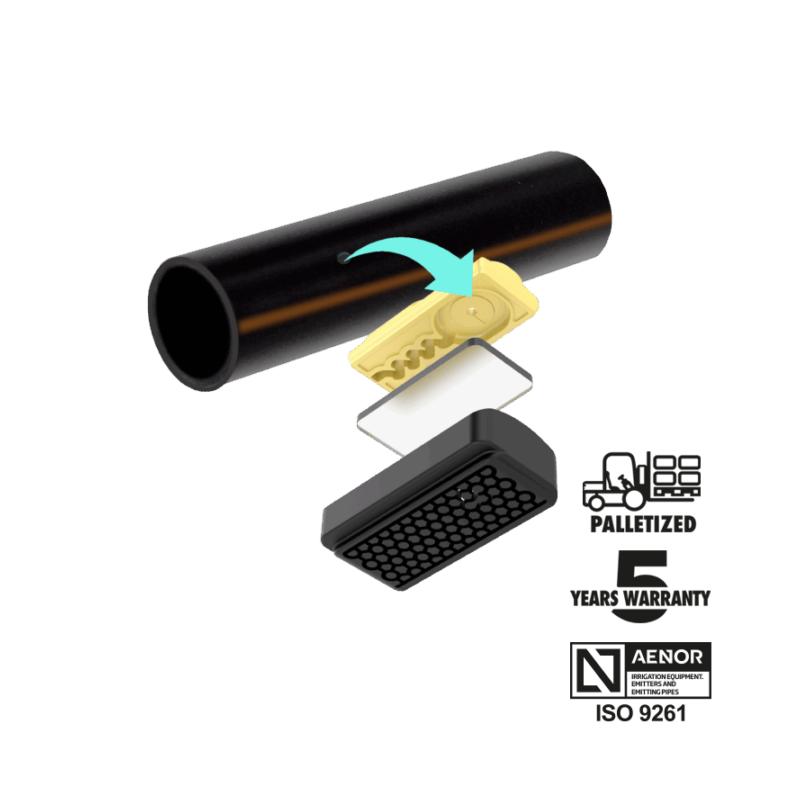
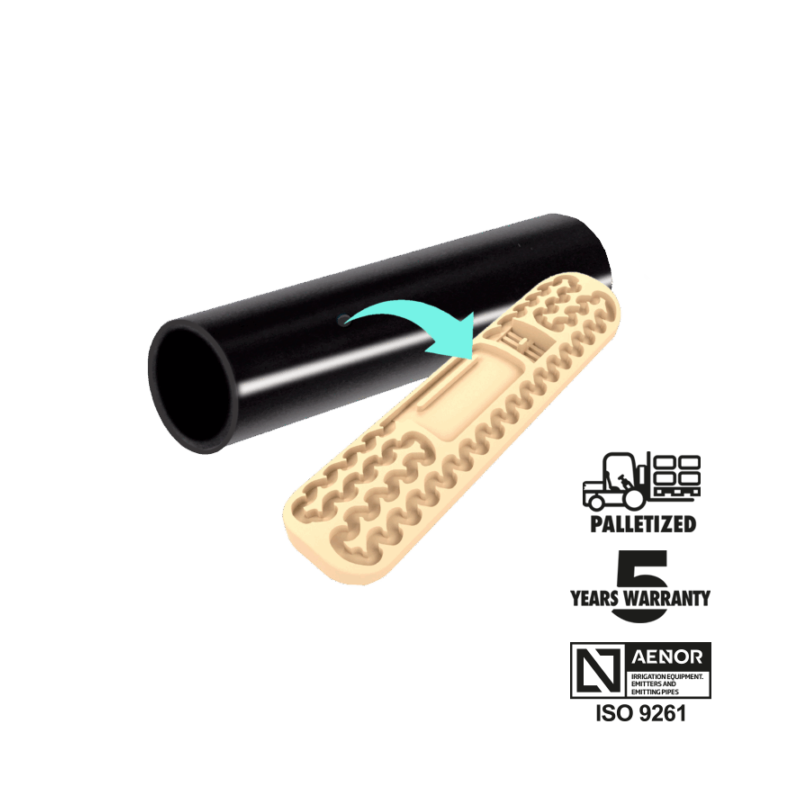
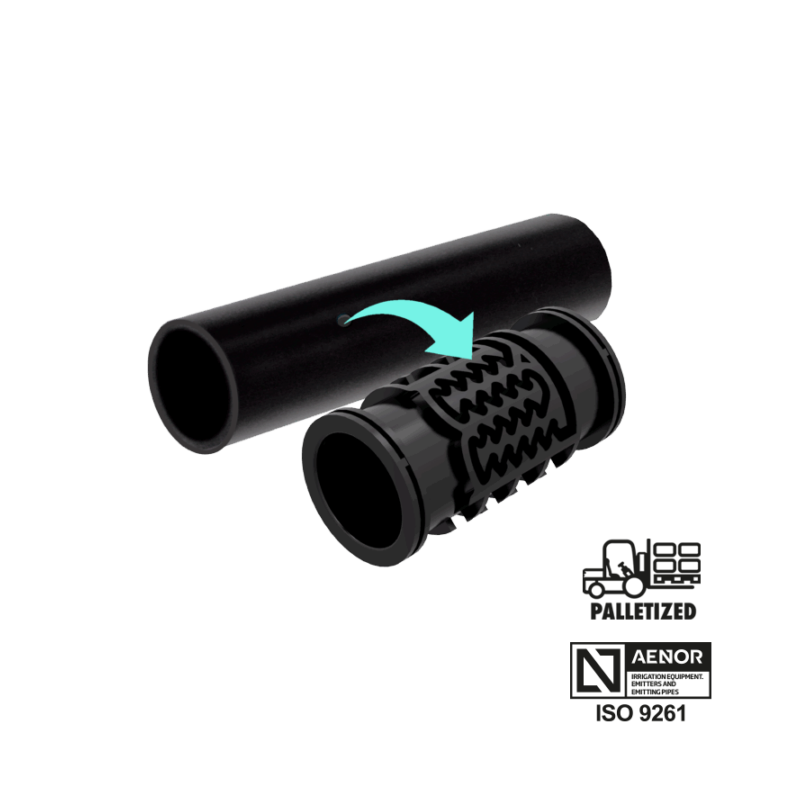
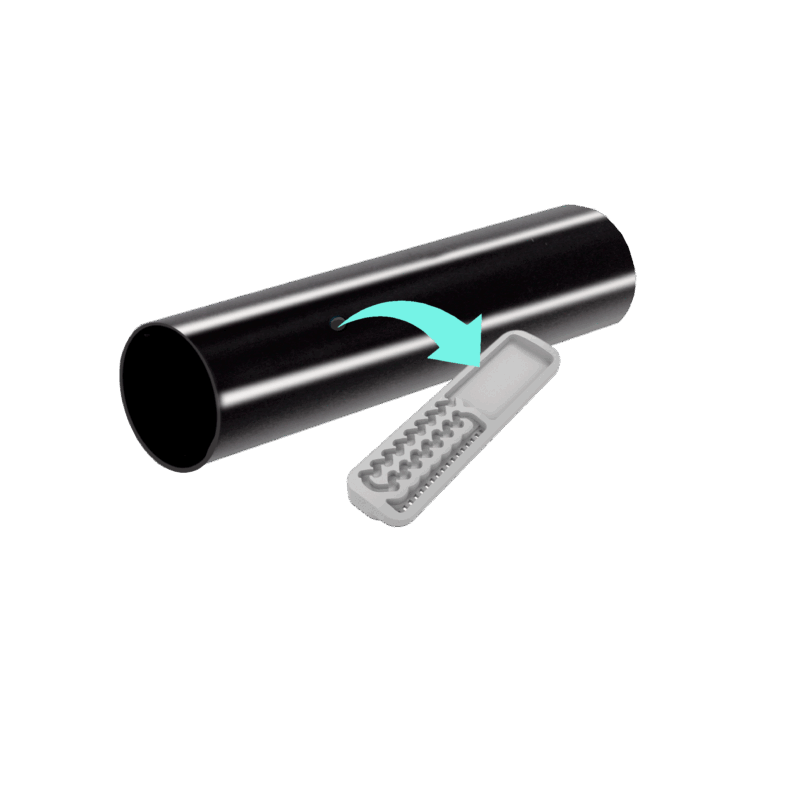
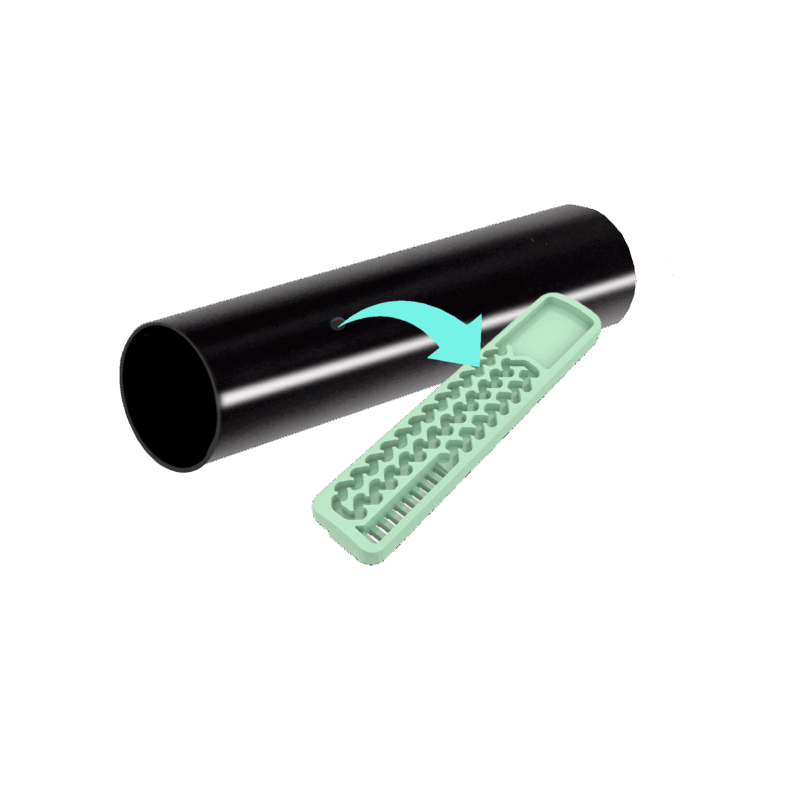
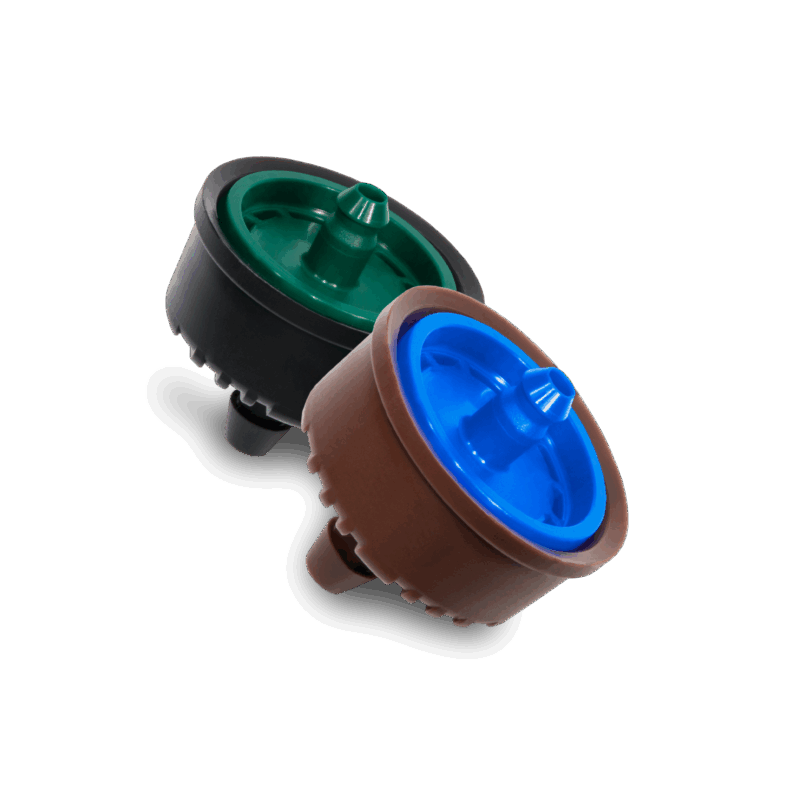
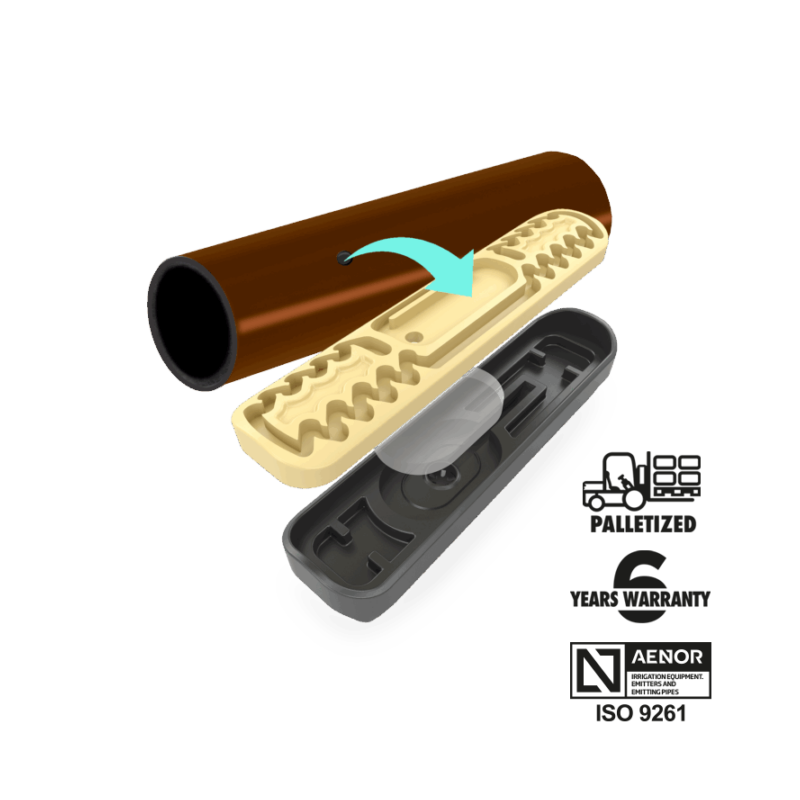
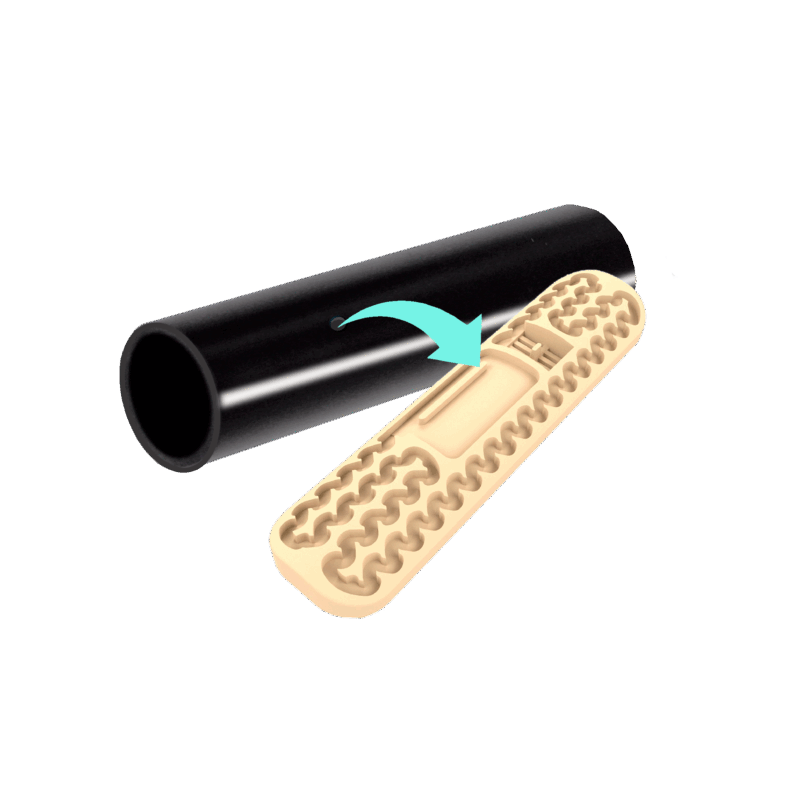
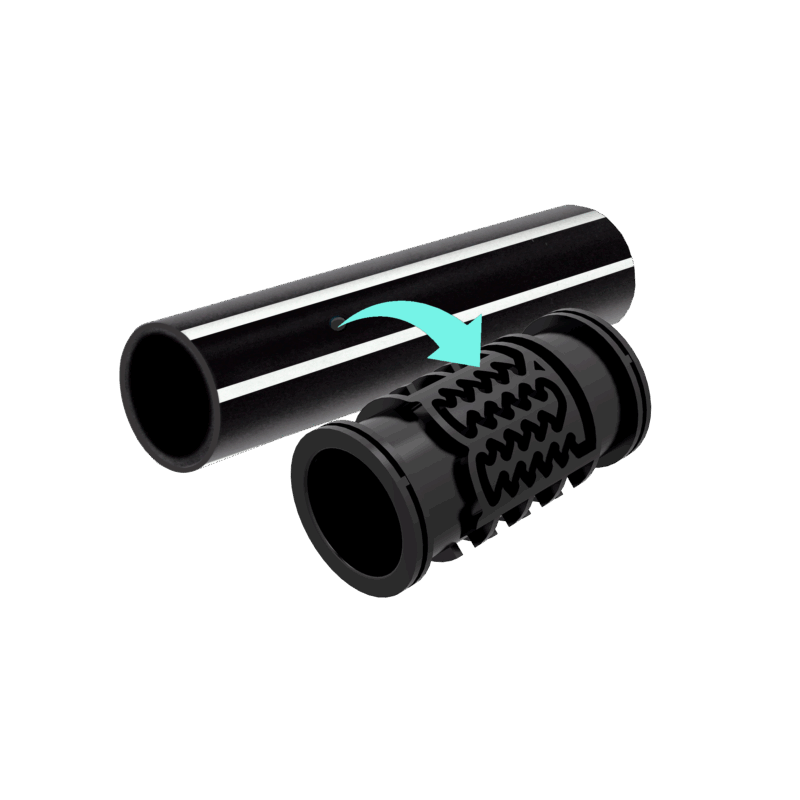
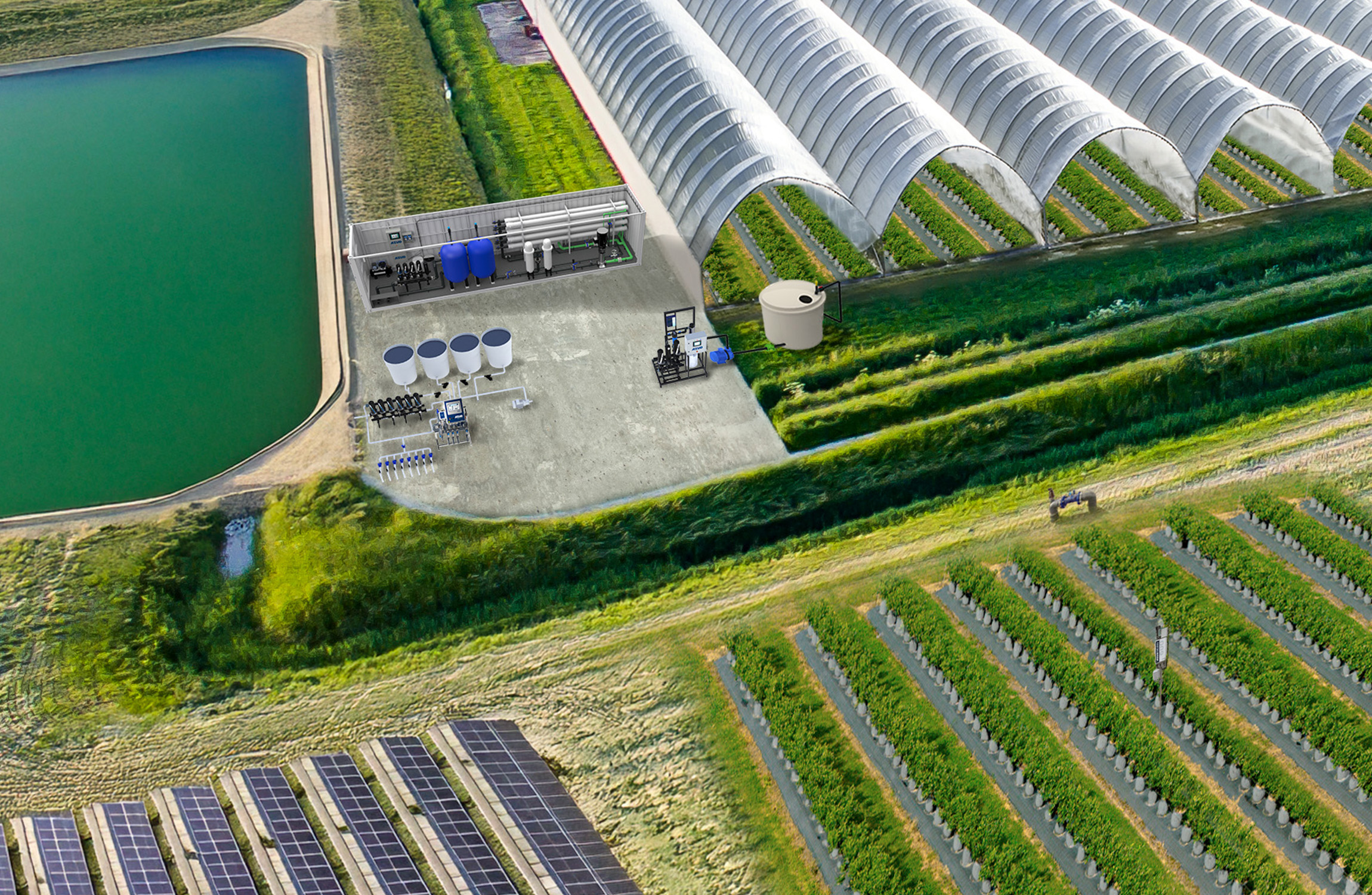
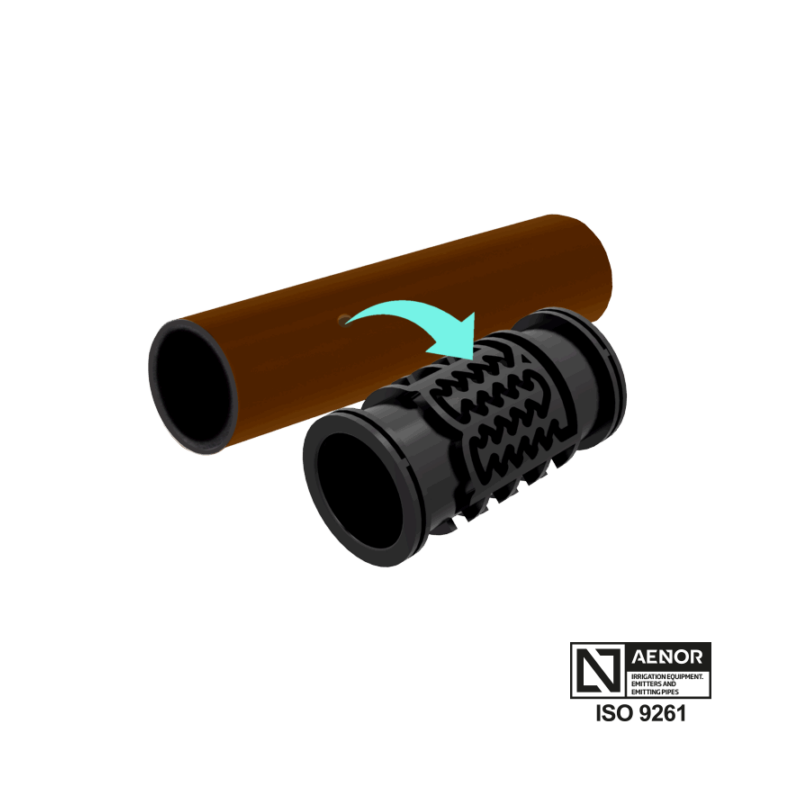
Drip irrigation is the most widely used system in kiwi cultivation, as it allows for localized and controlled water application, meeting the crop’s high water requirements.
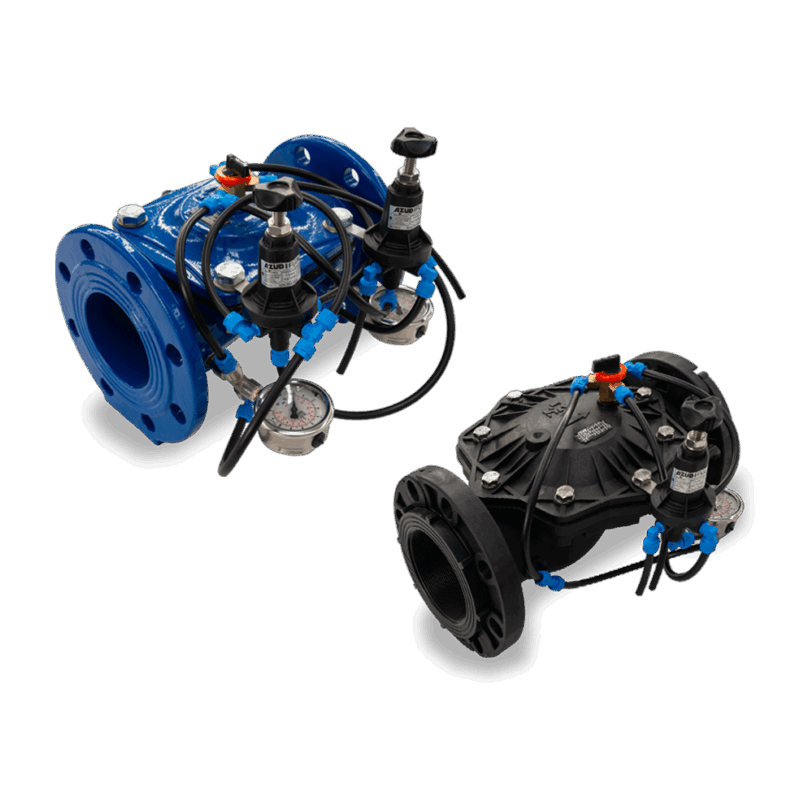
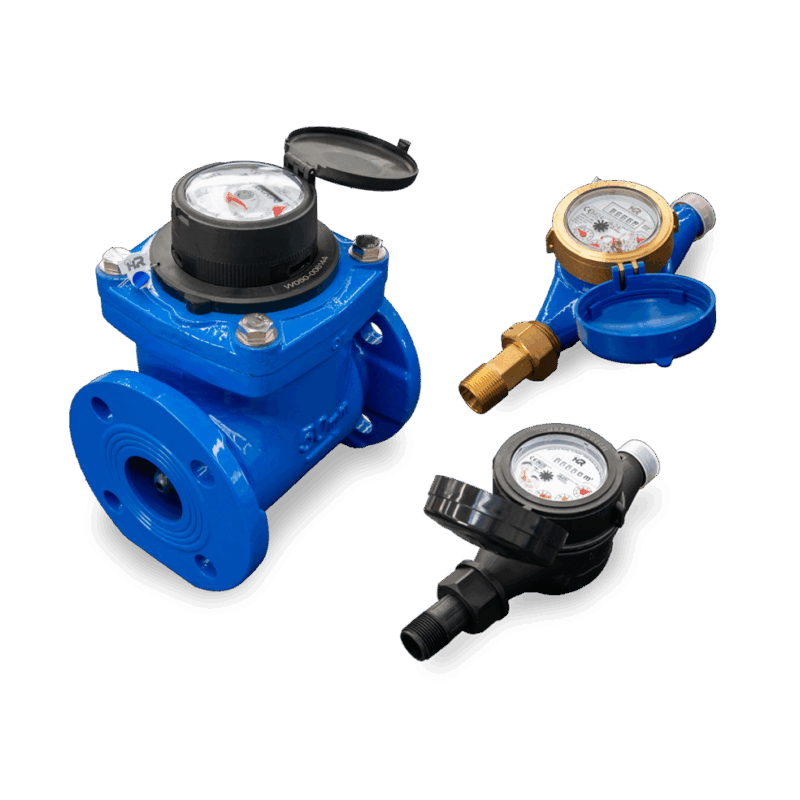
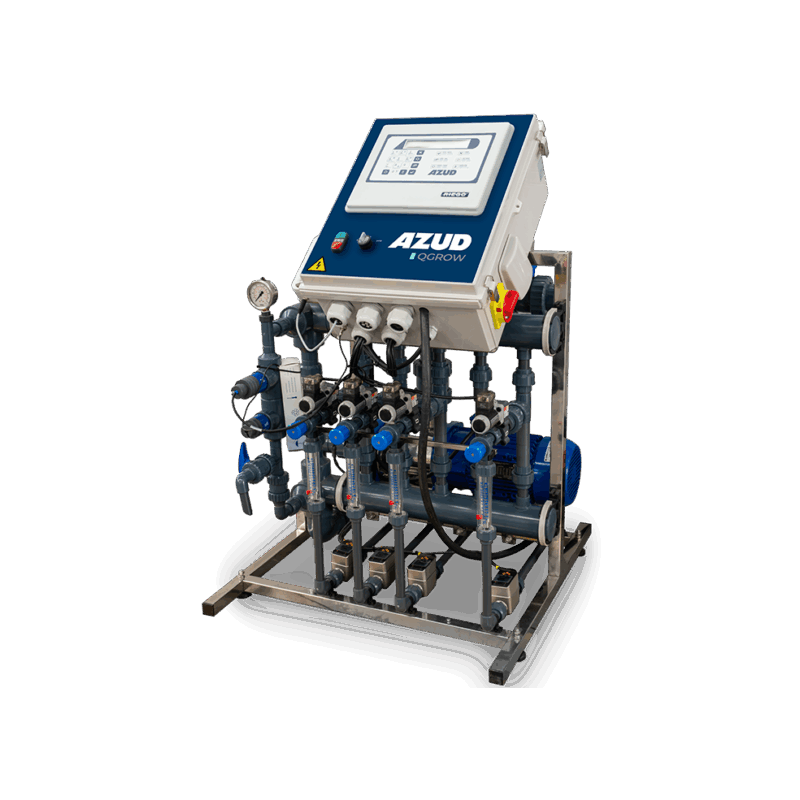
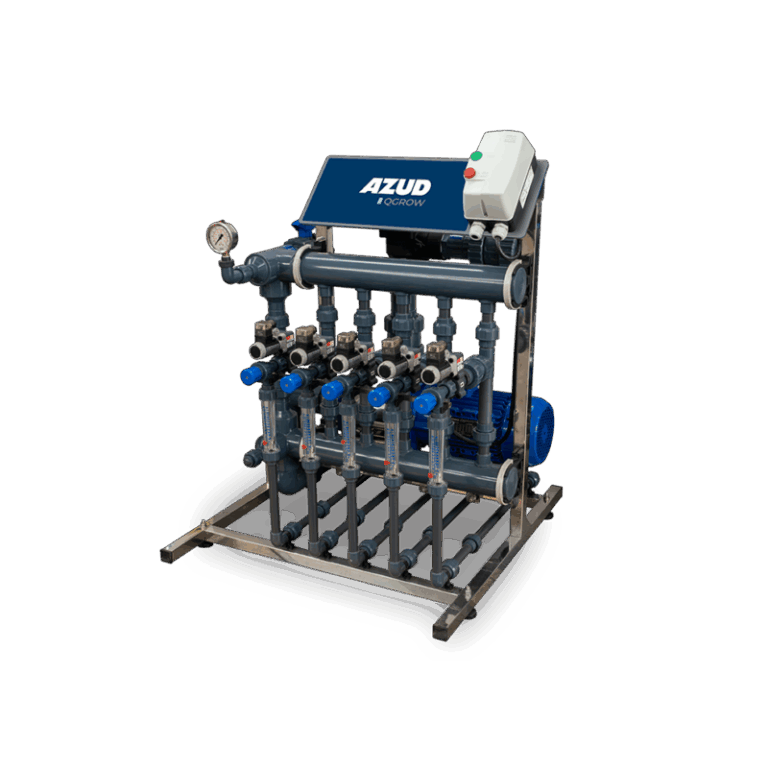
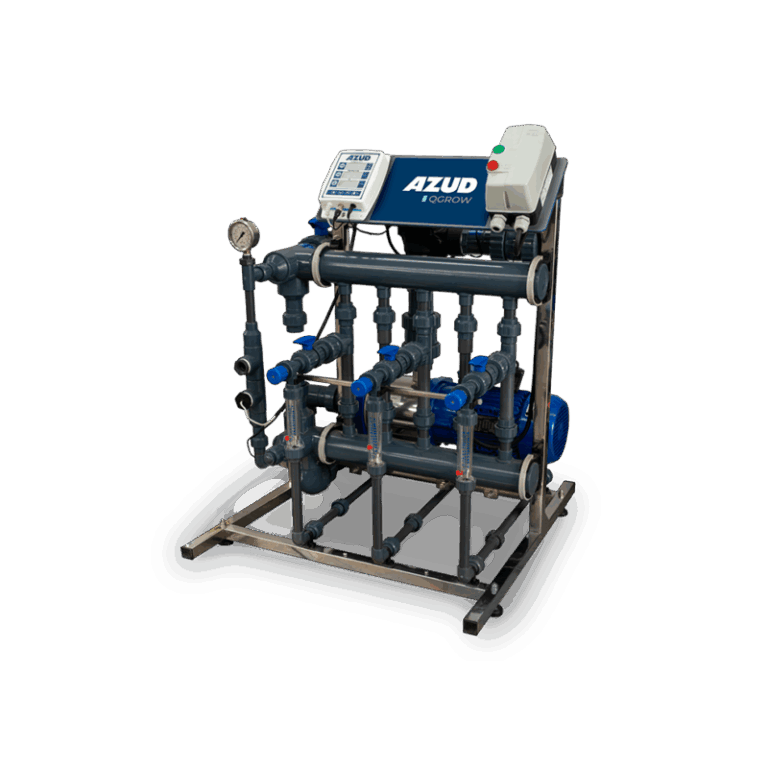
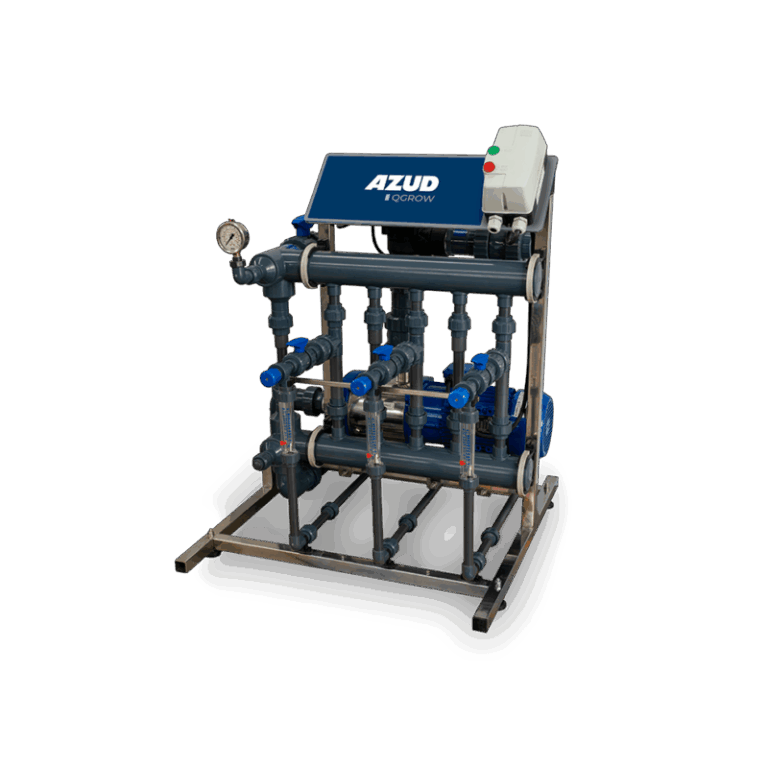
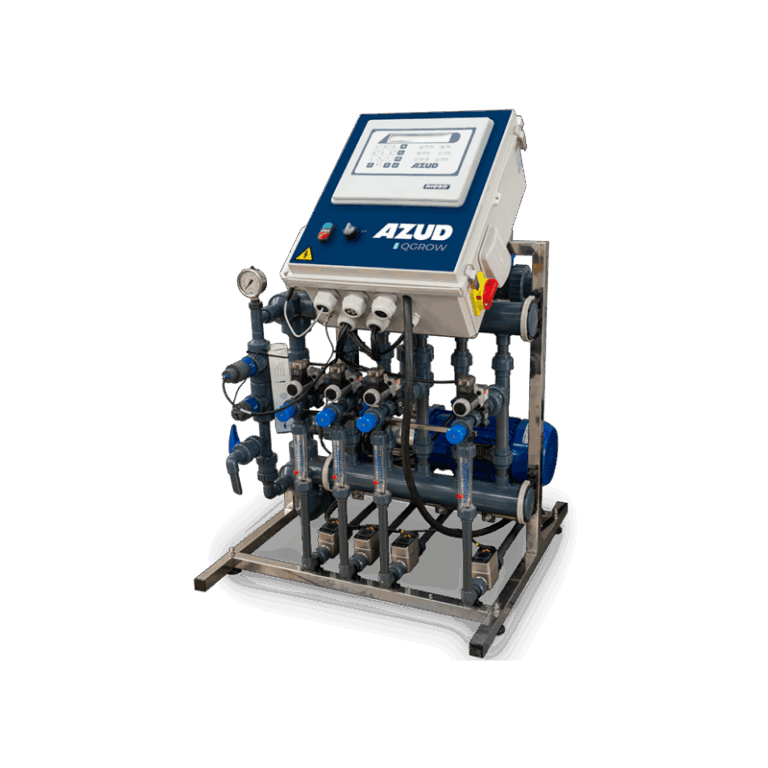
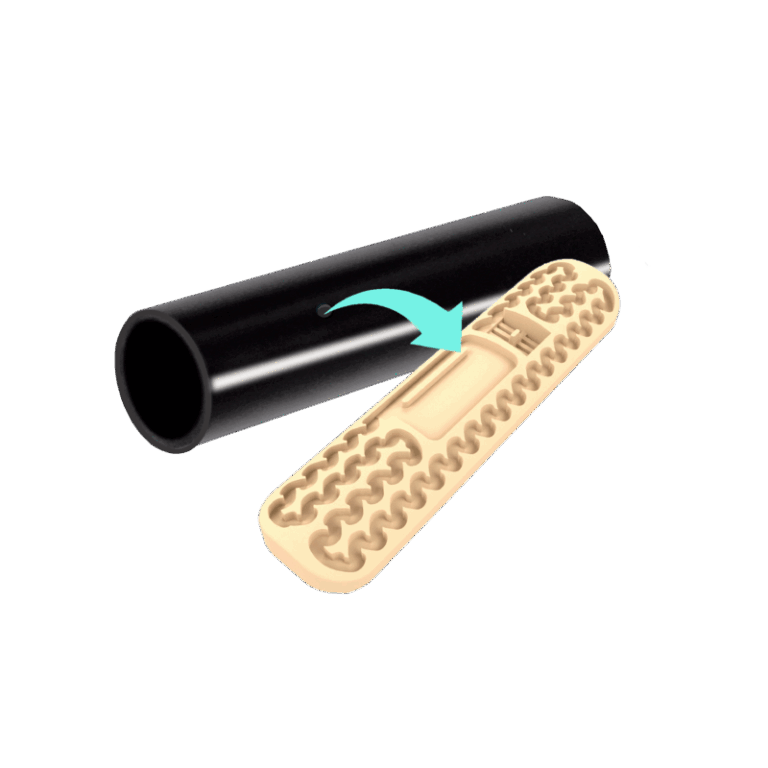
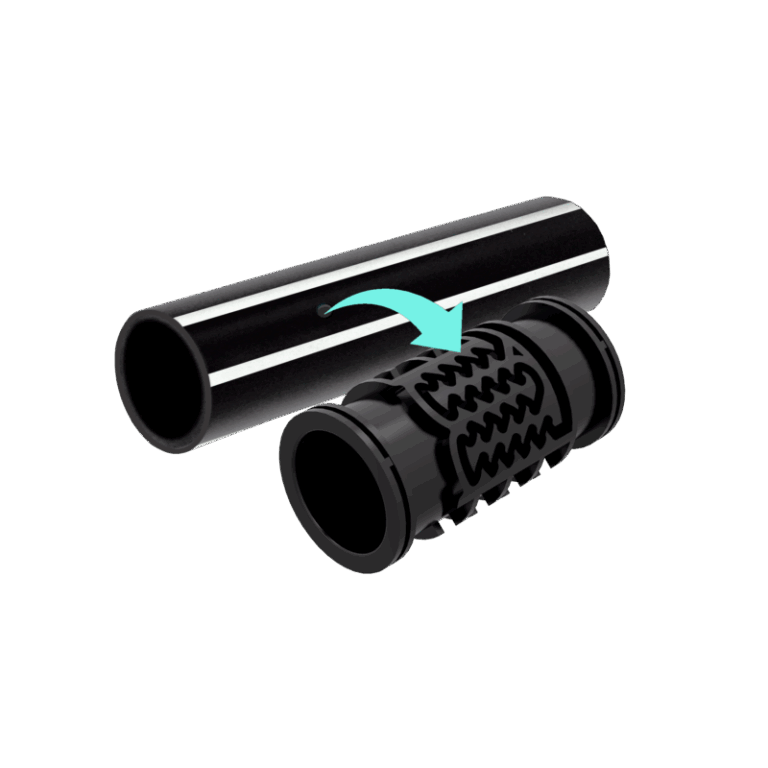
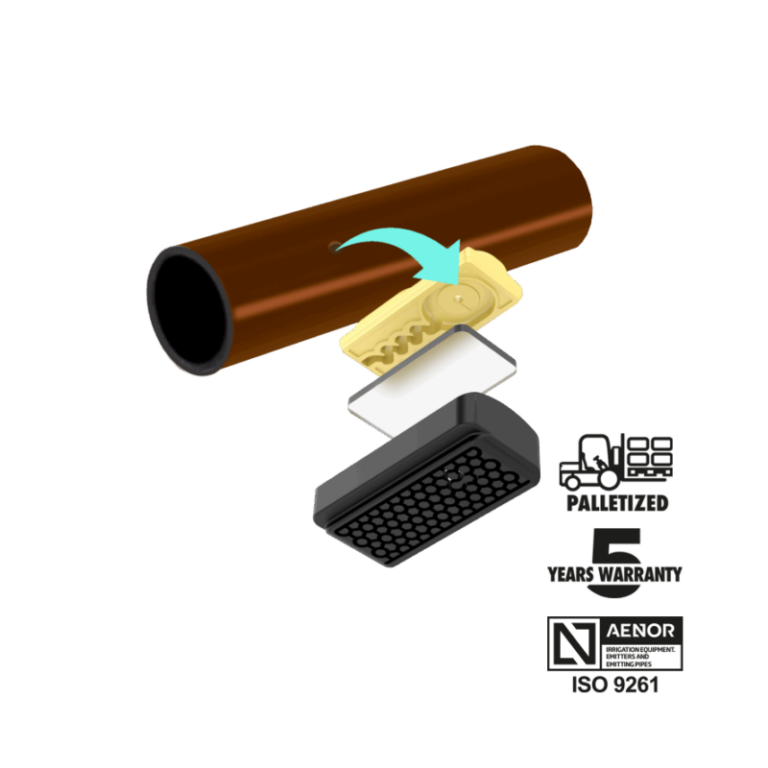
AZUD’s irrigation solutions ensure uniform water distribution throughout the orchard, contributing to greater water efficiency and better control over crop development.
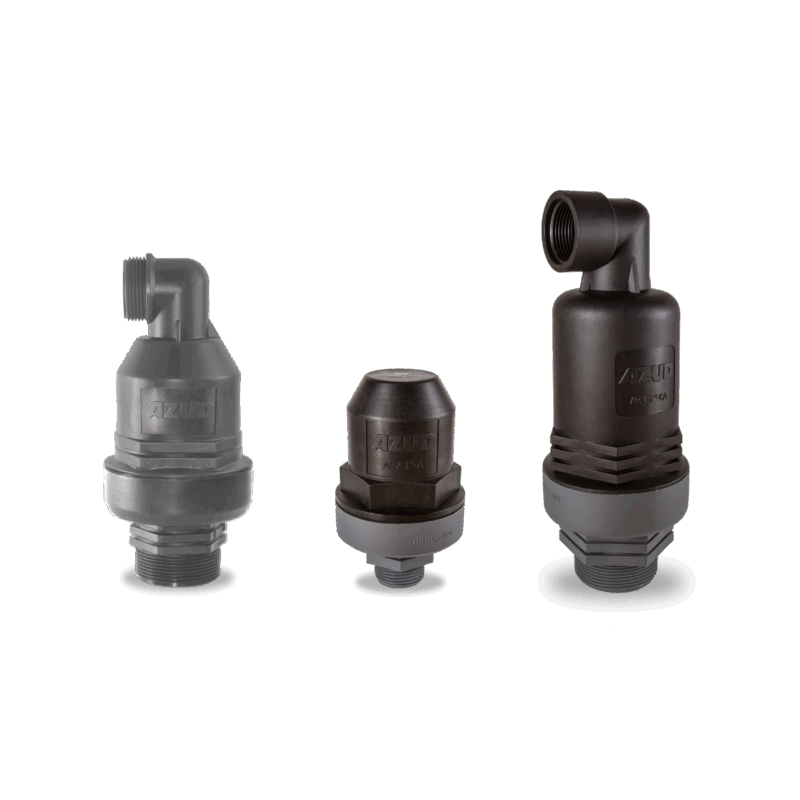
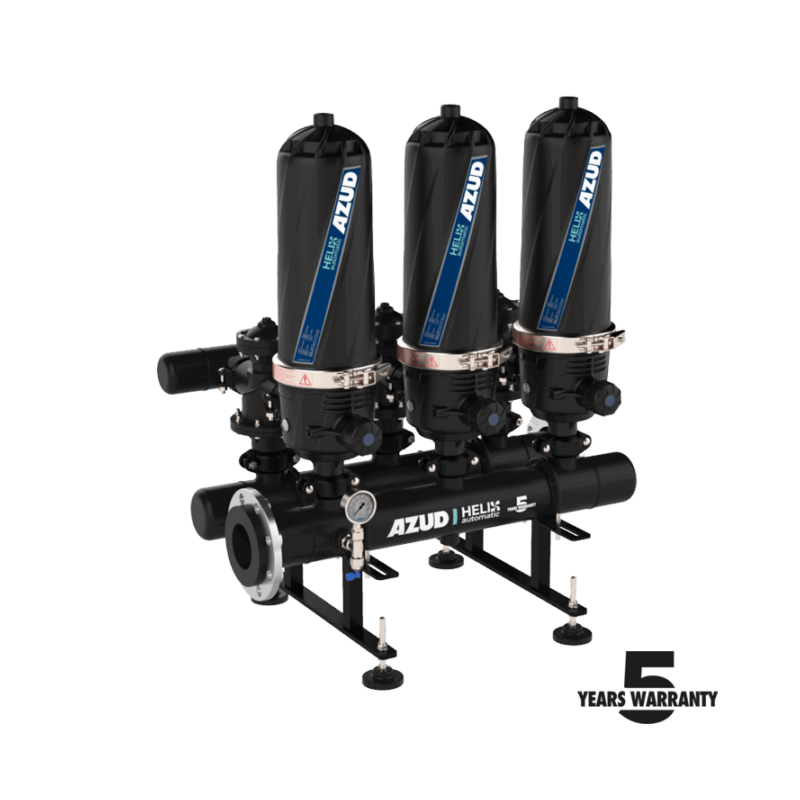
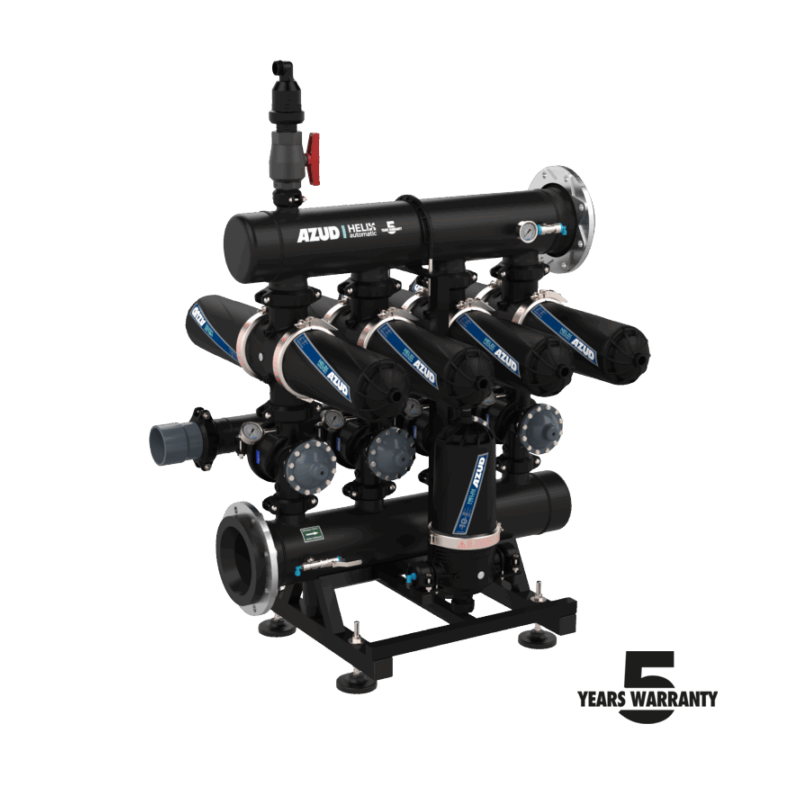
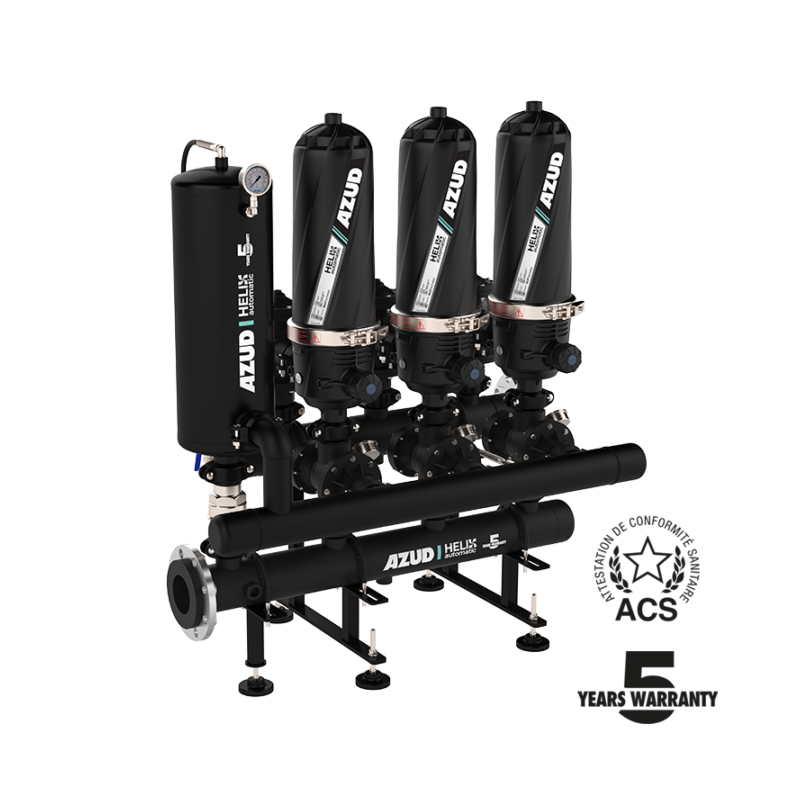
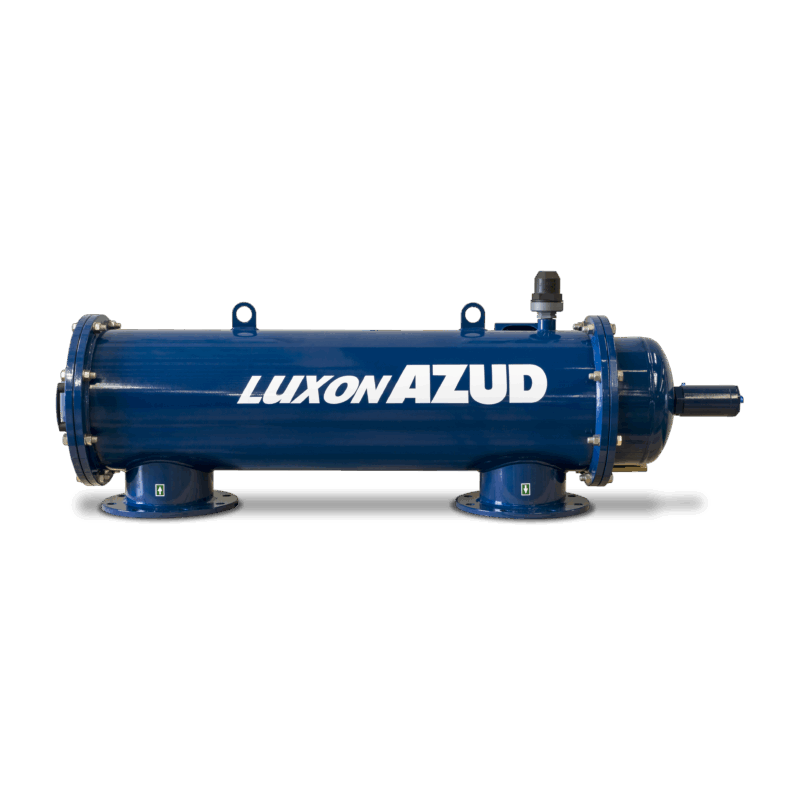
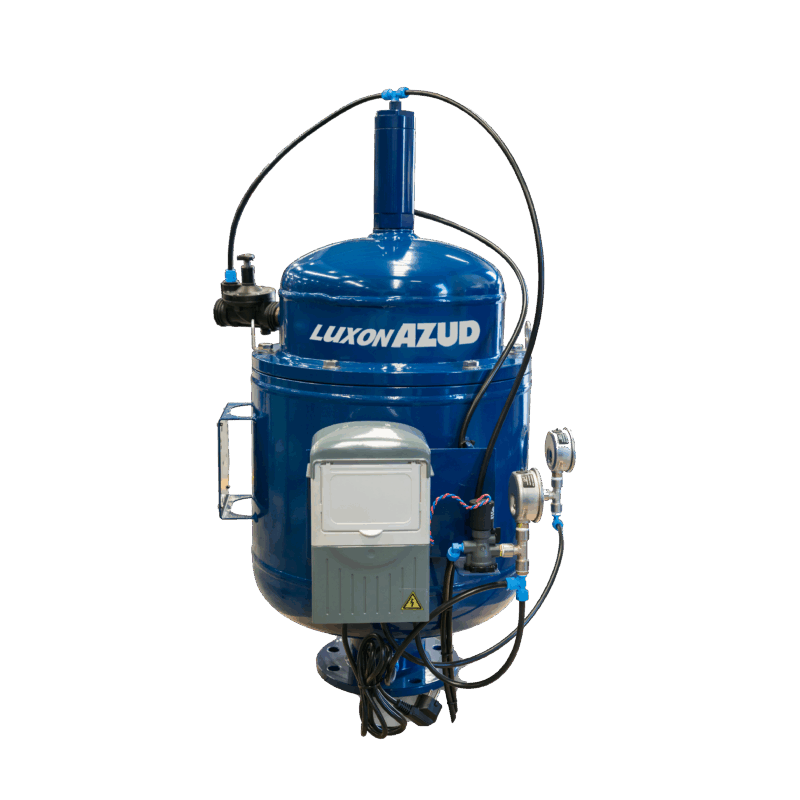
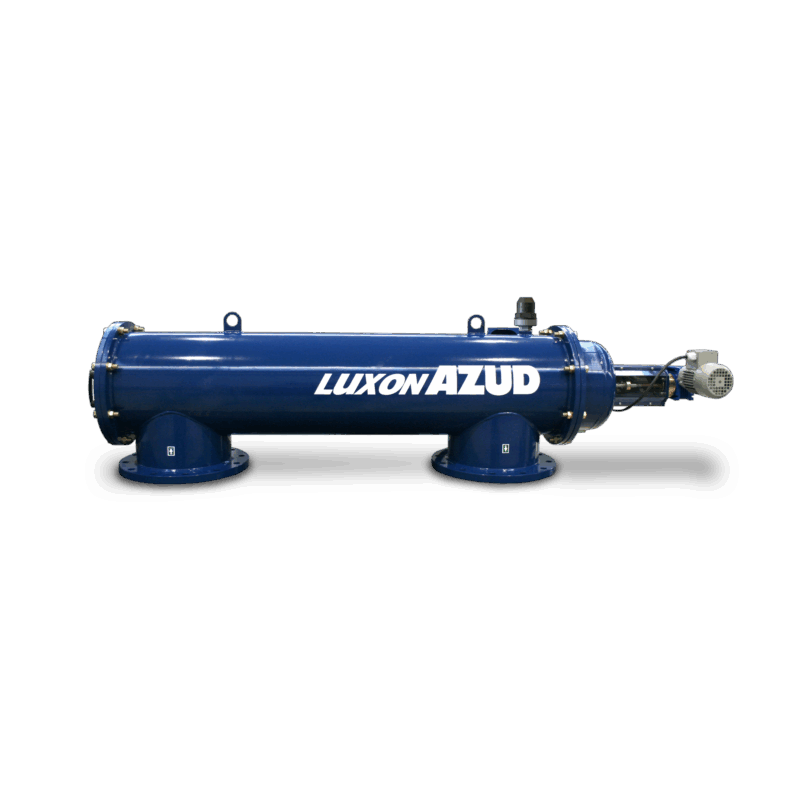
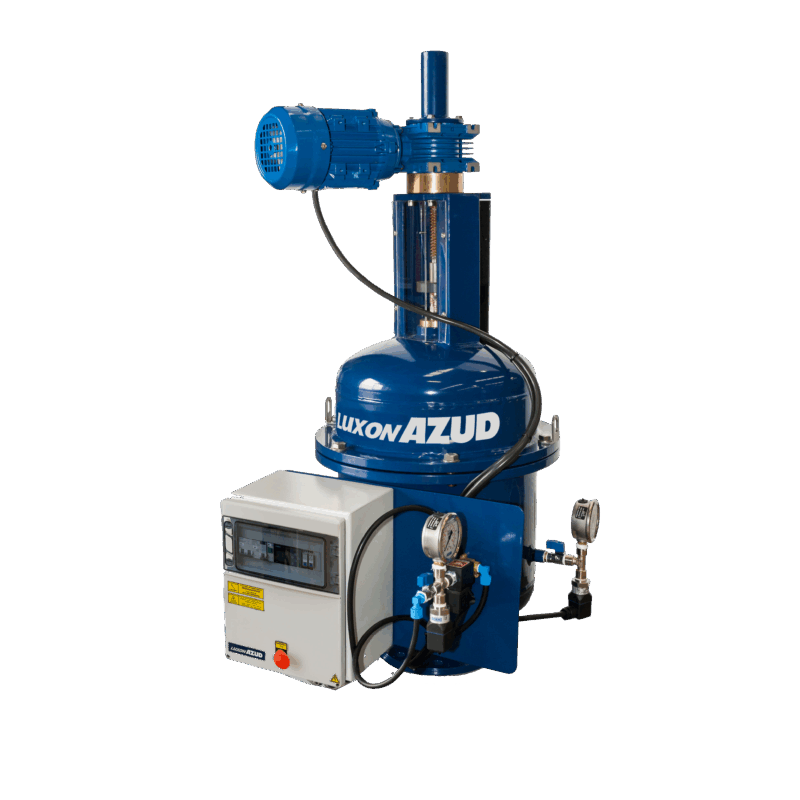
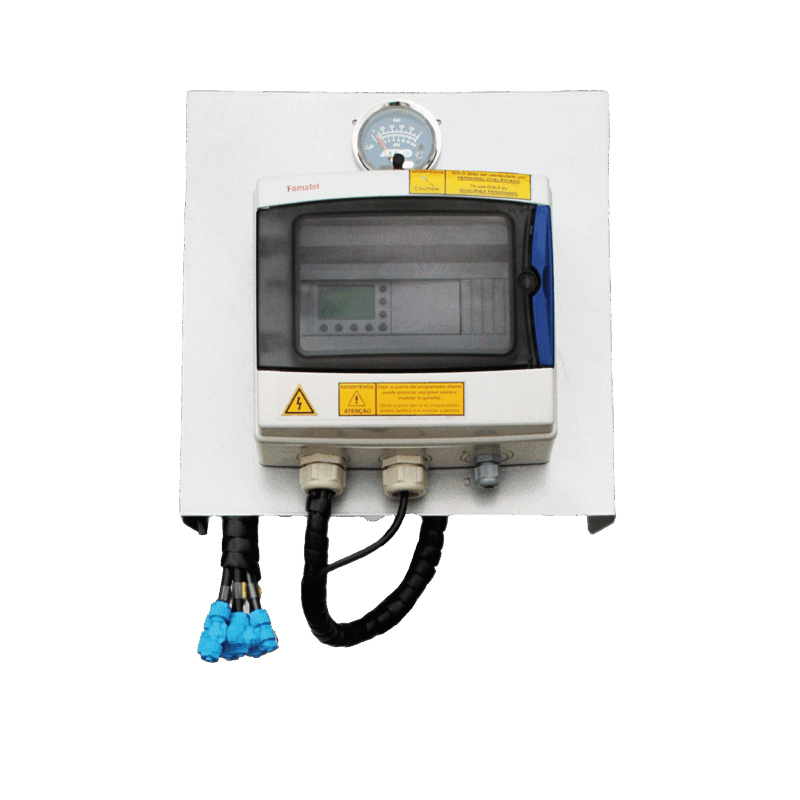
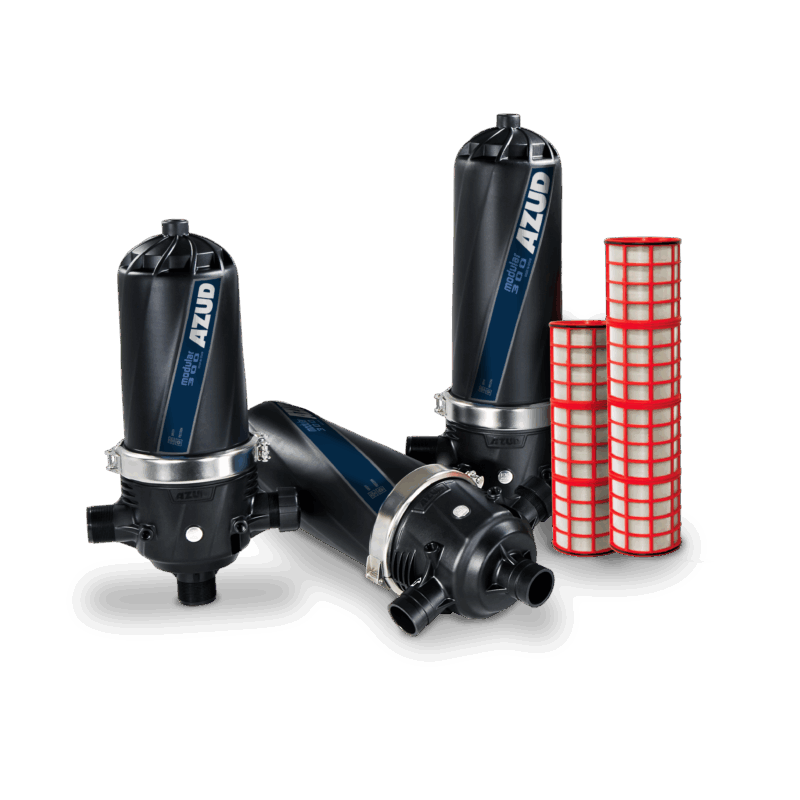
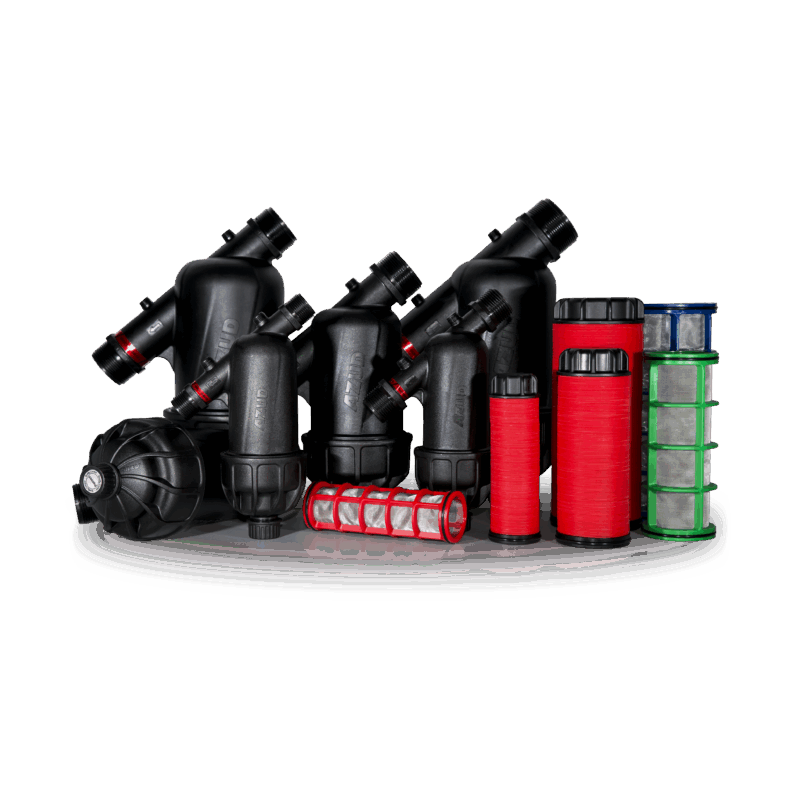
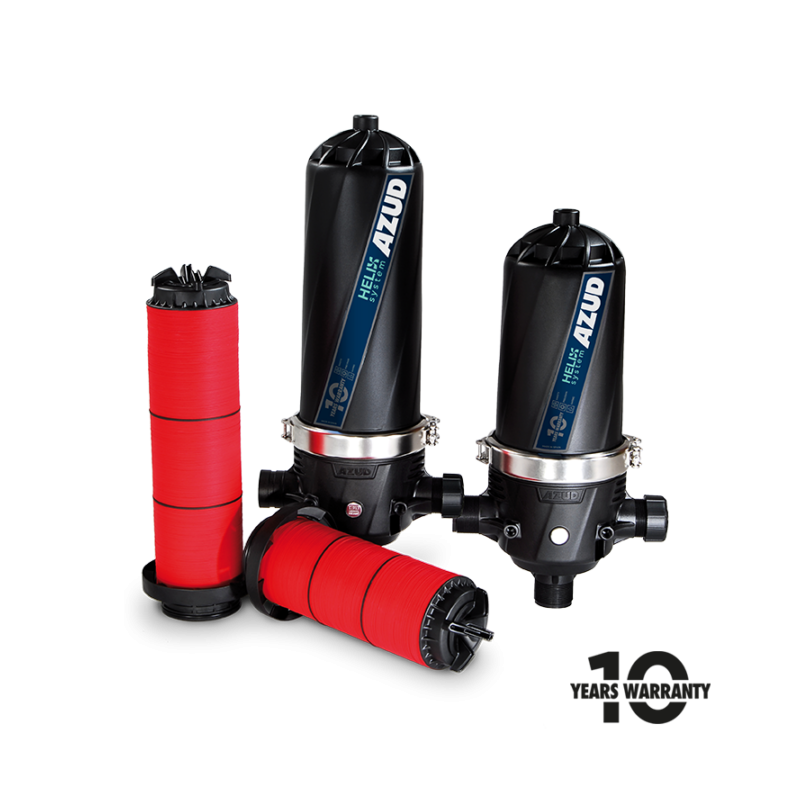
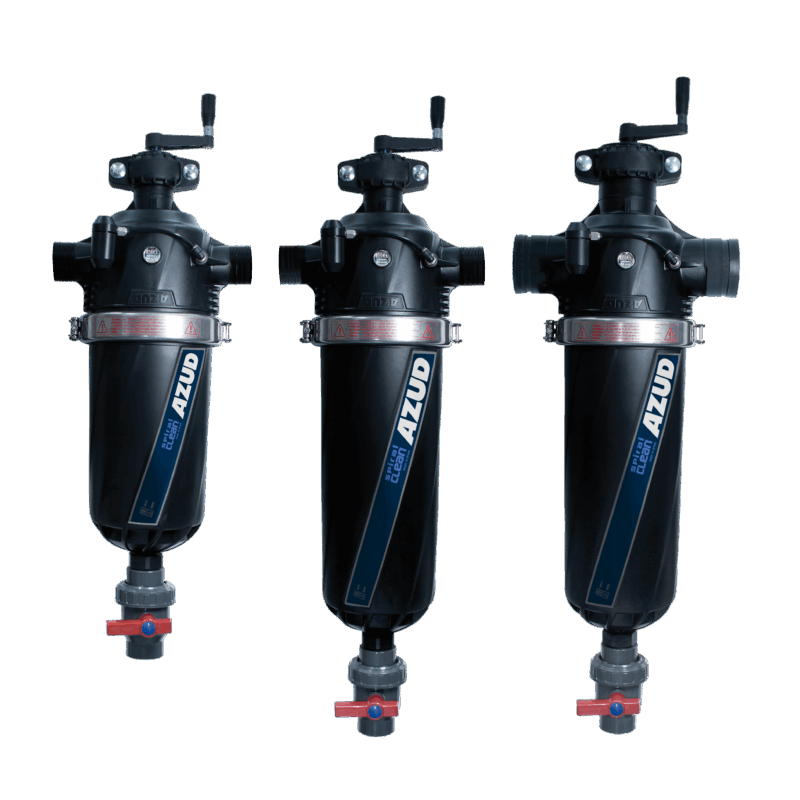
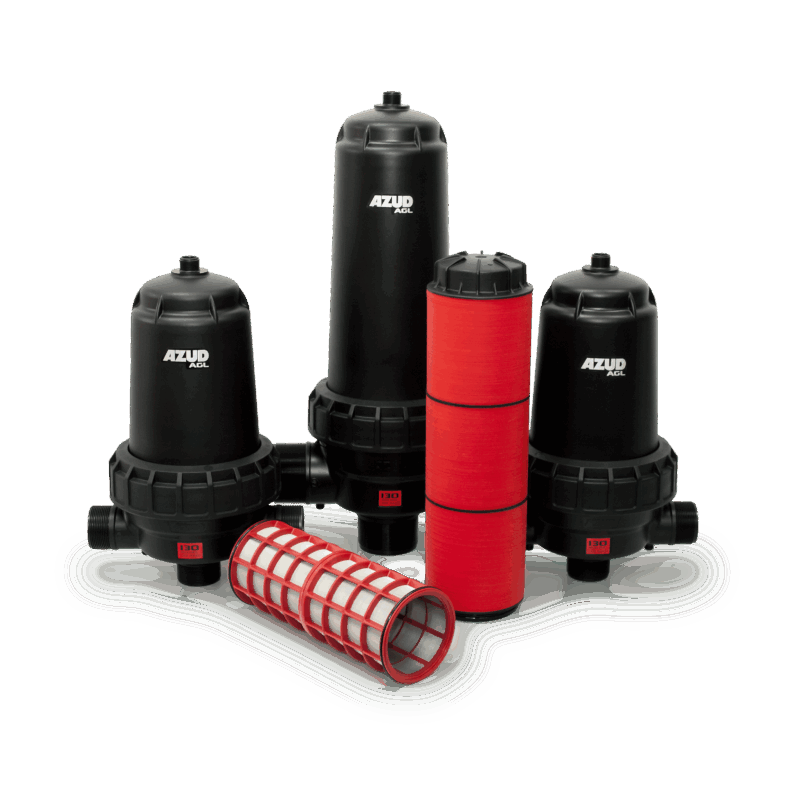
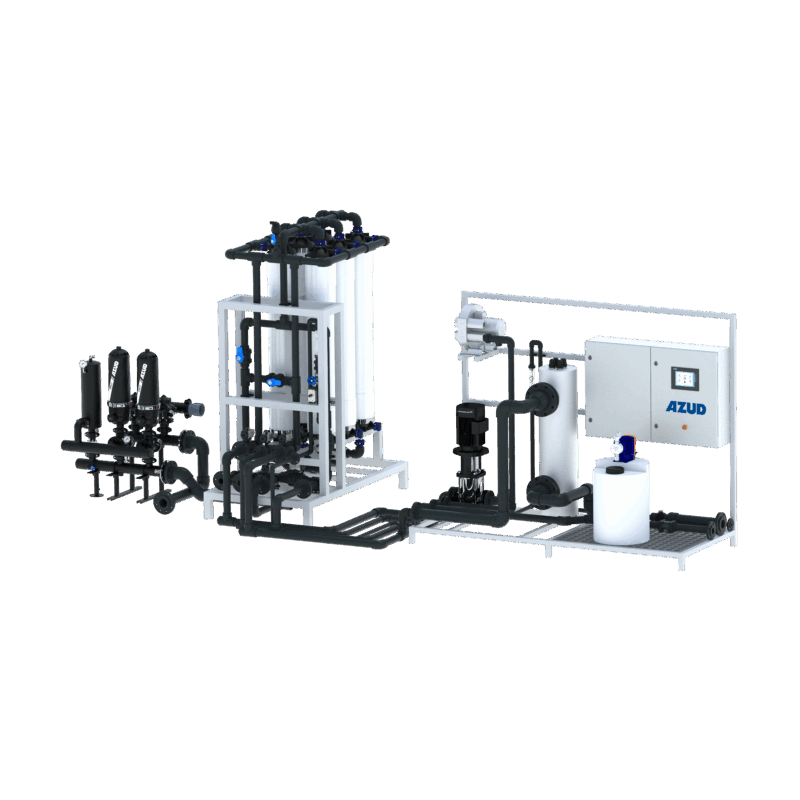
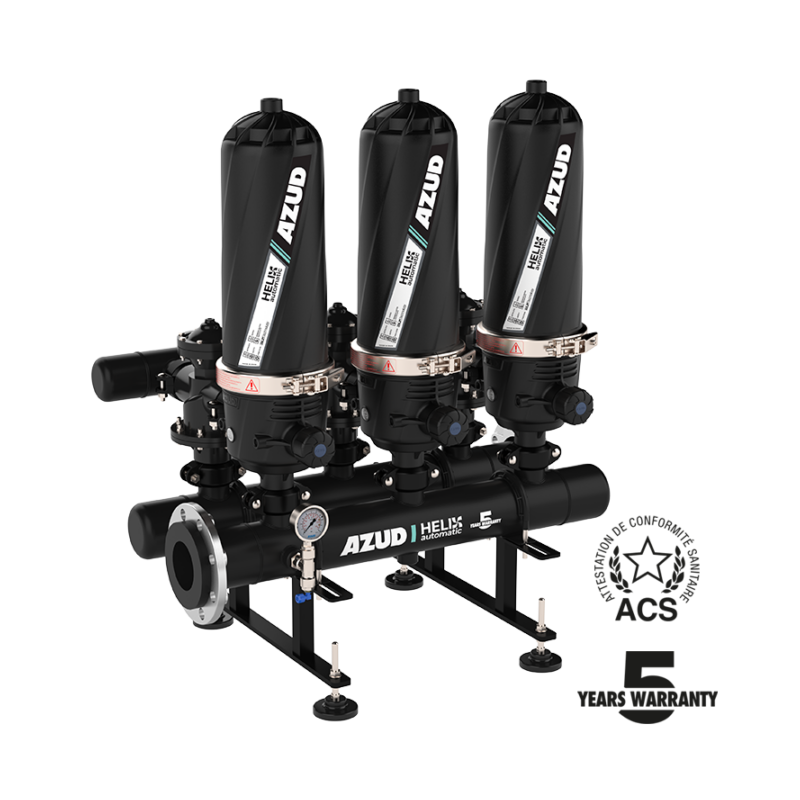
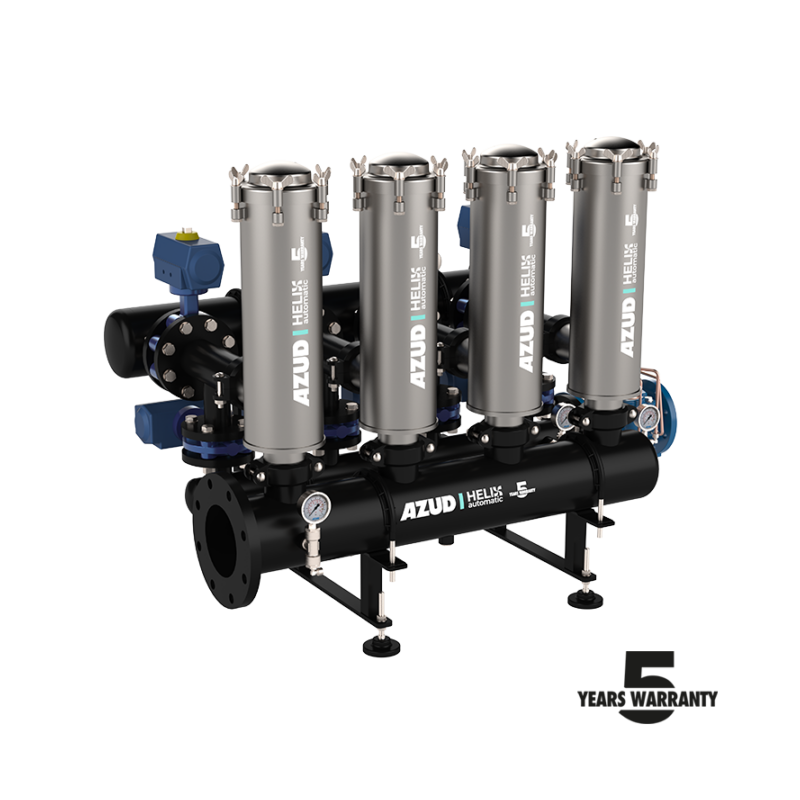
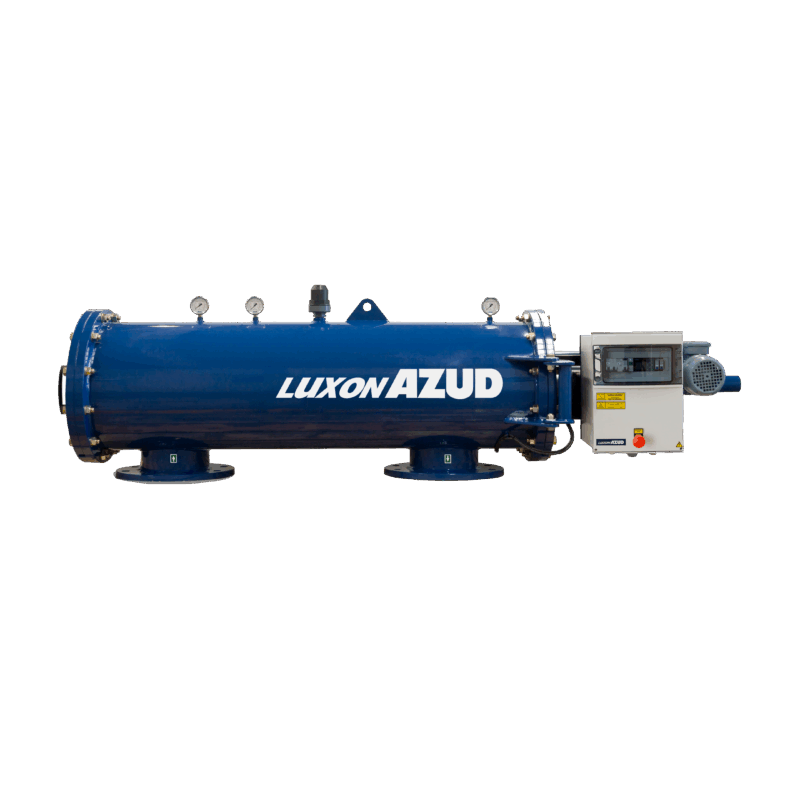
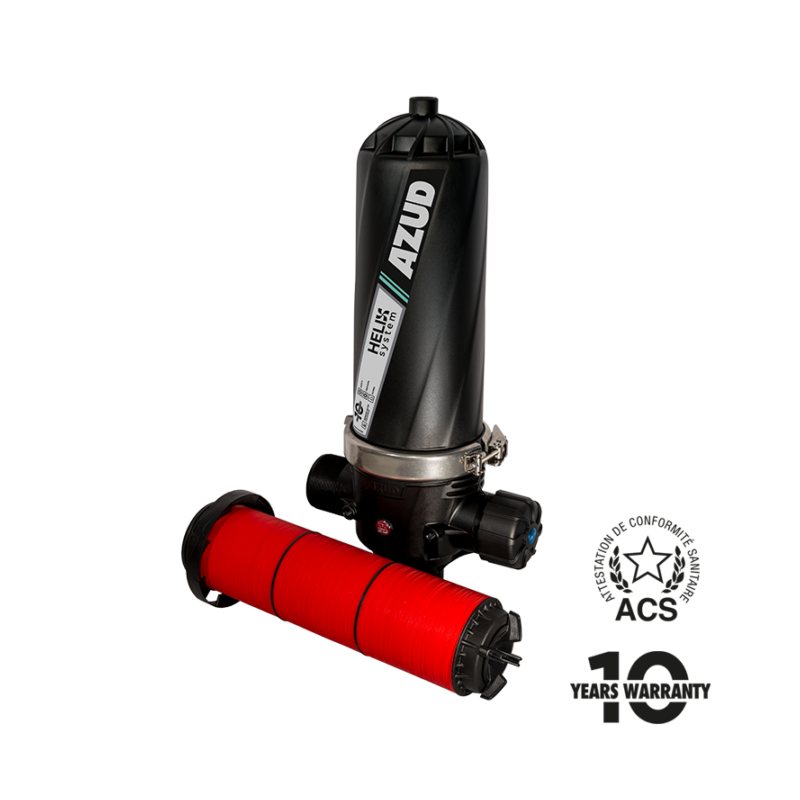
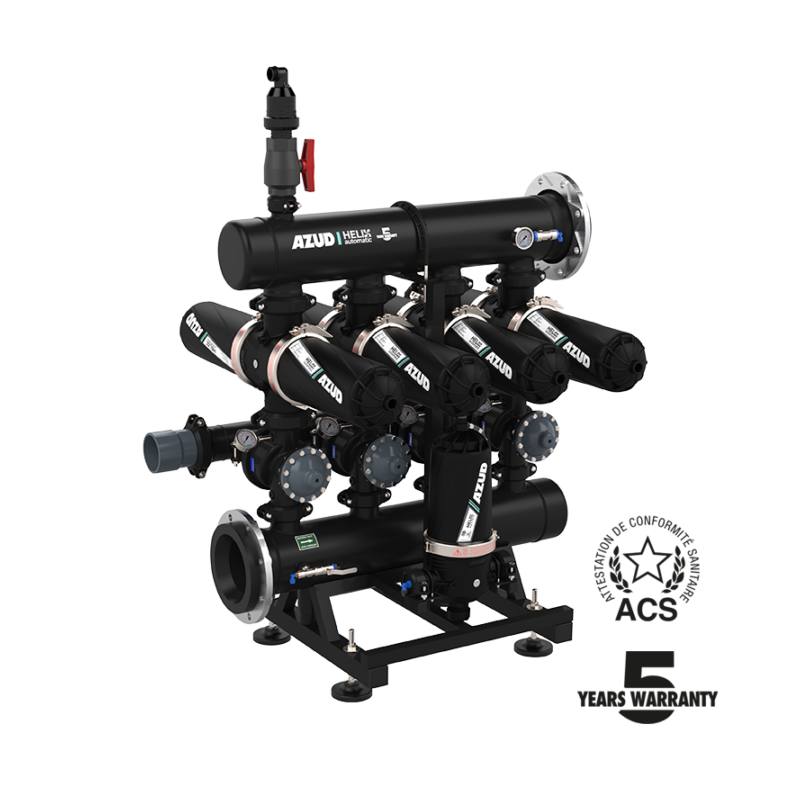
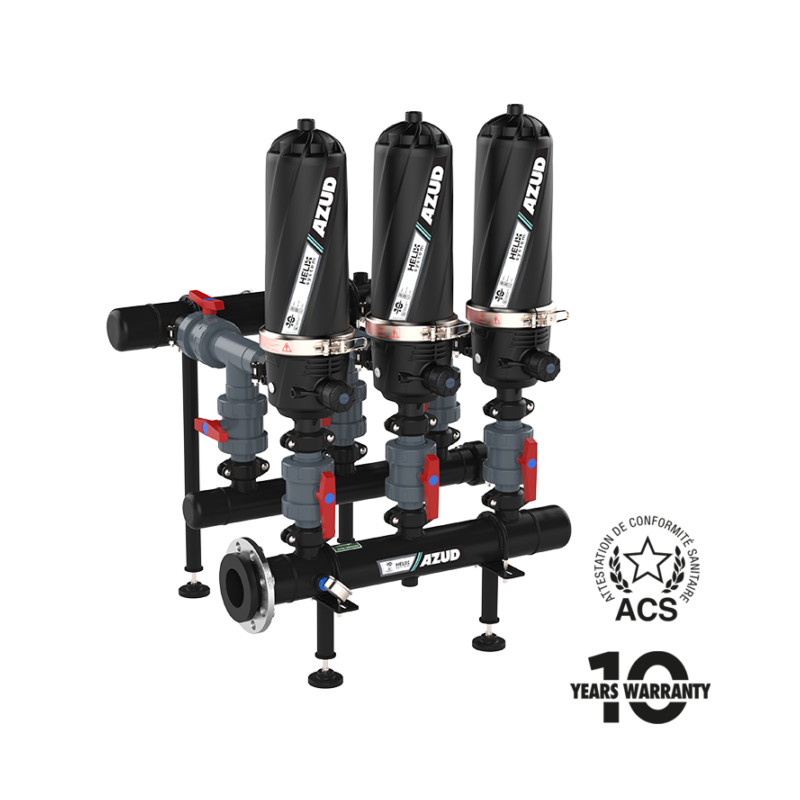
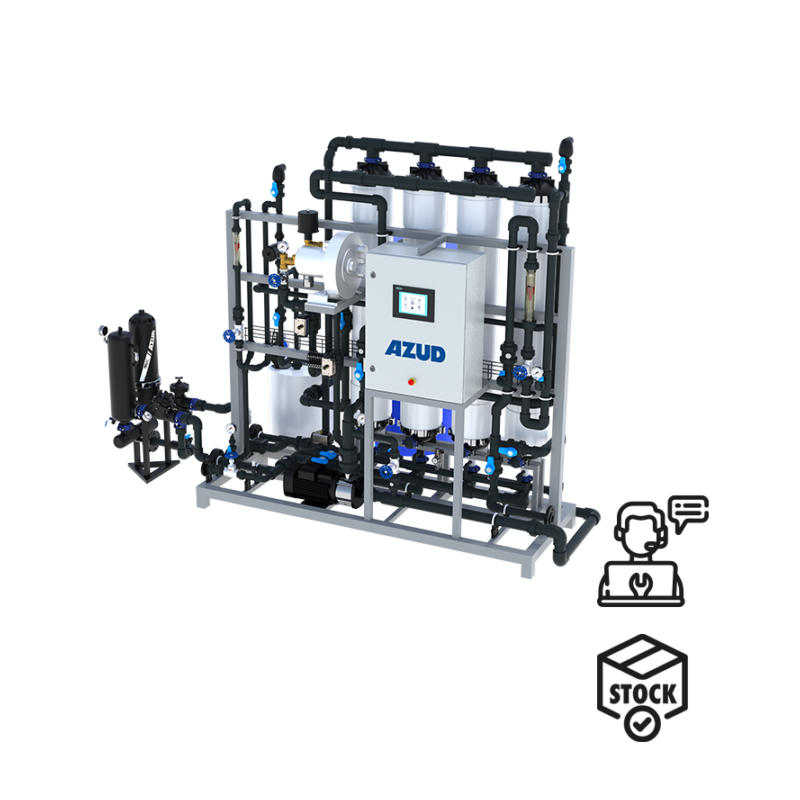
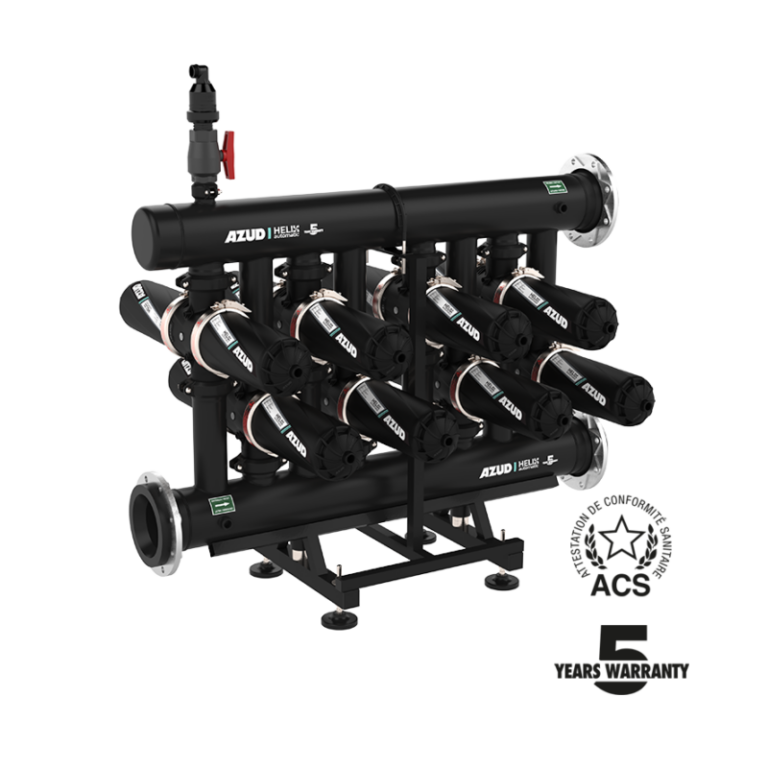
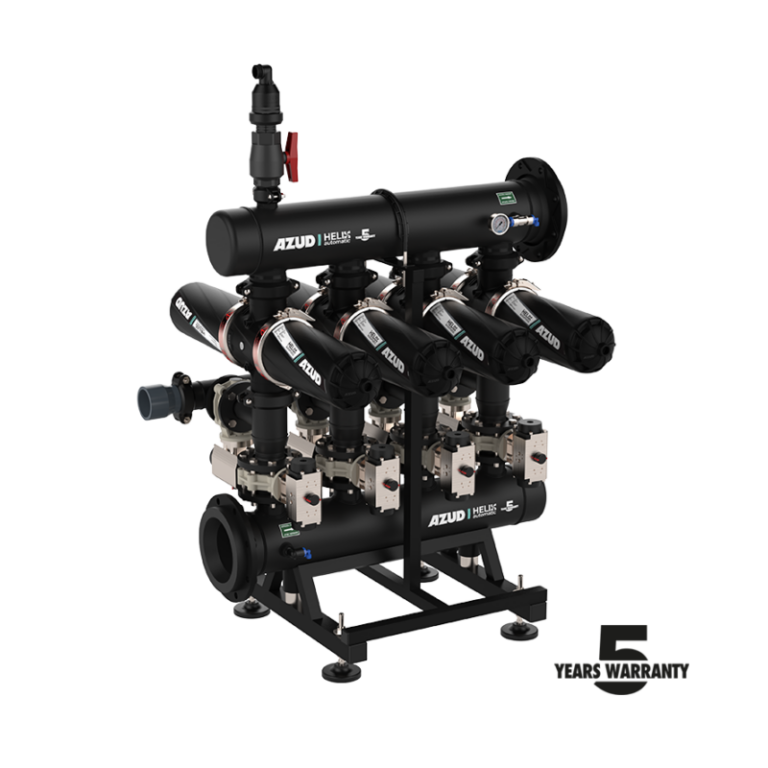
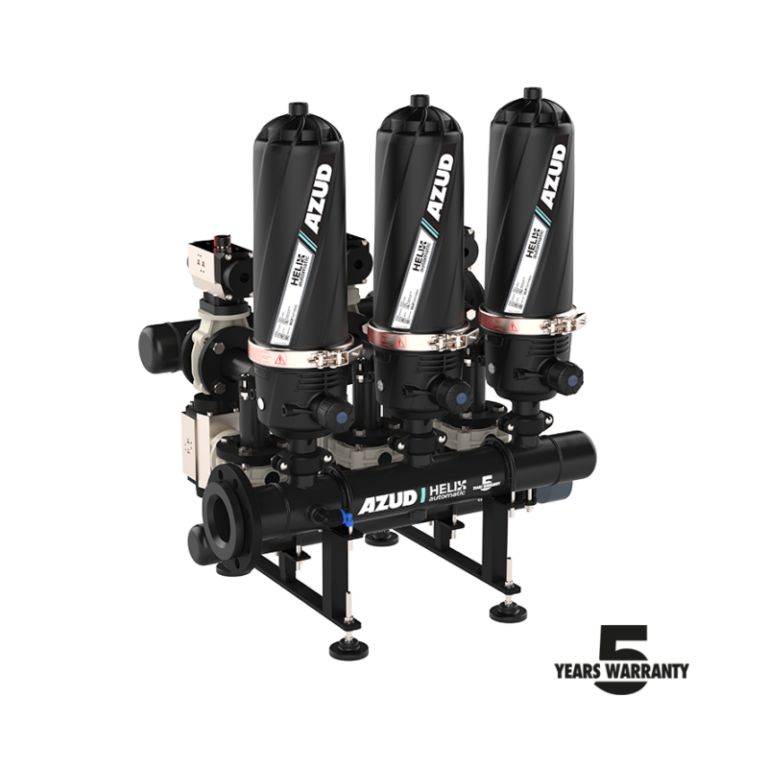
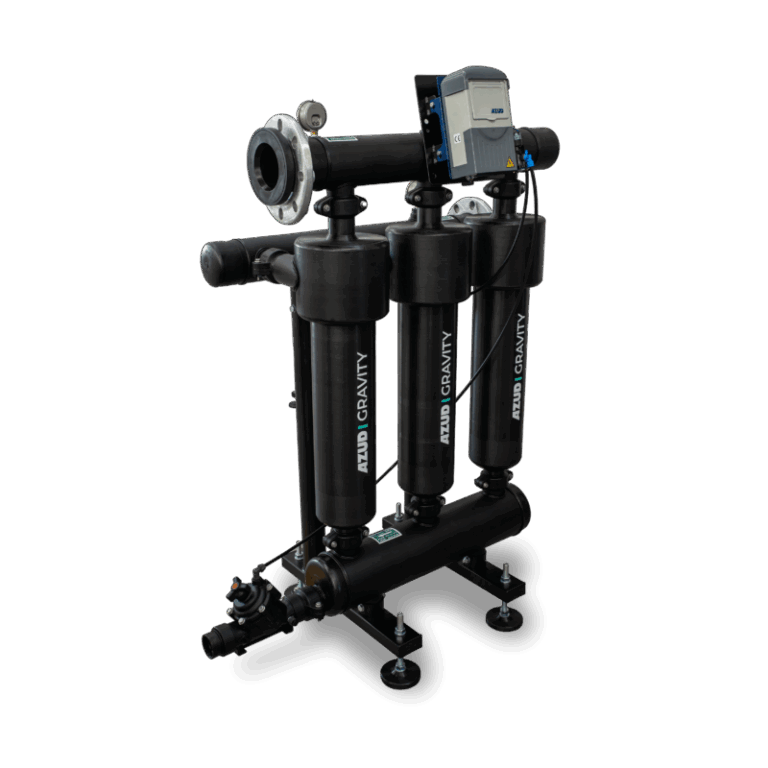
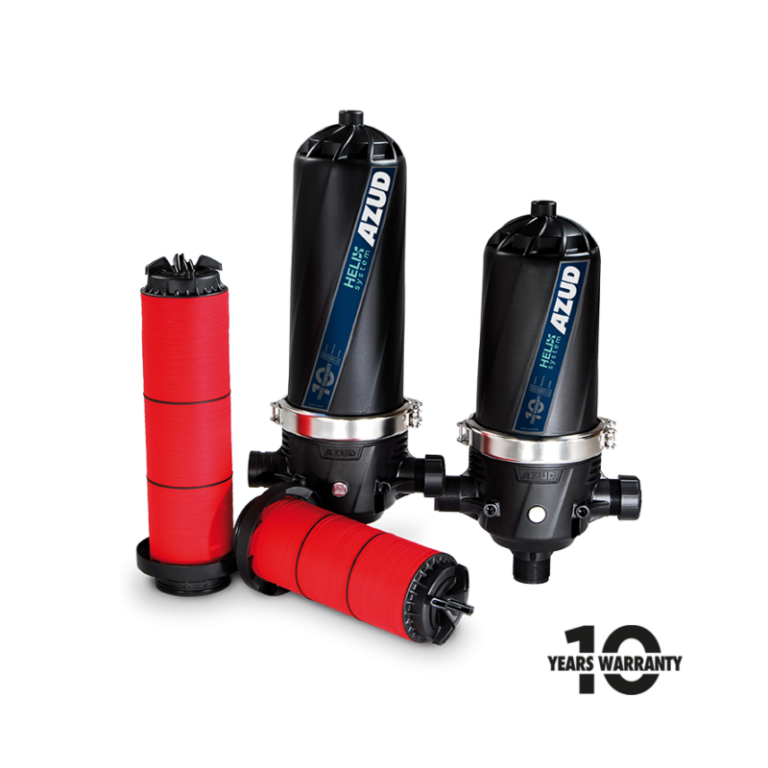
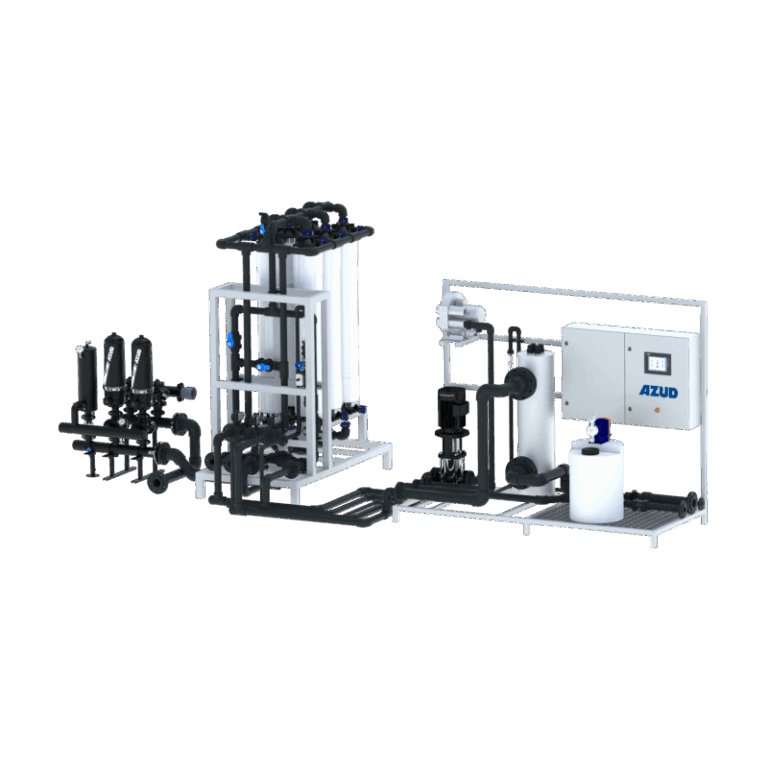
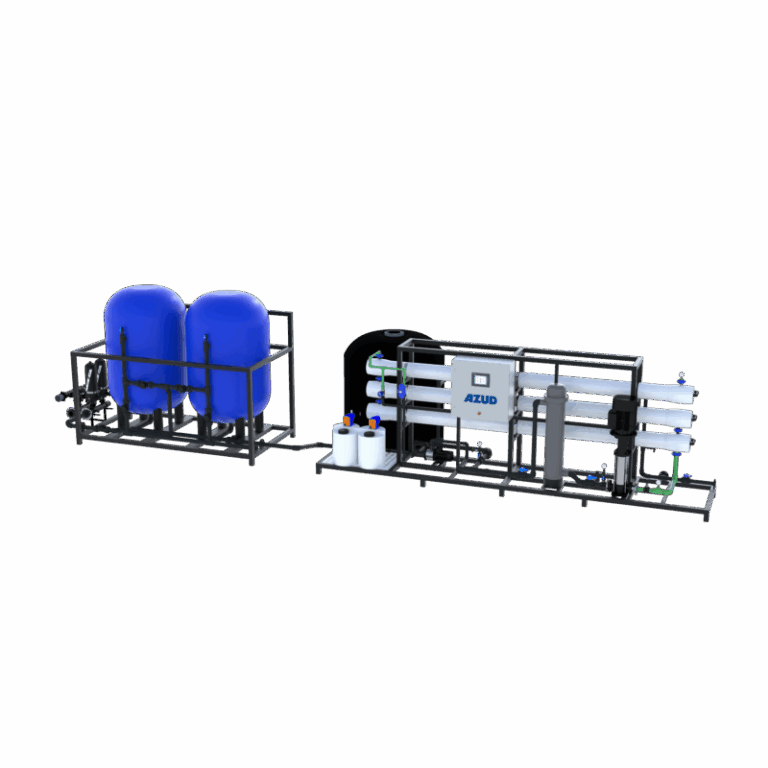
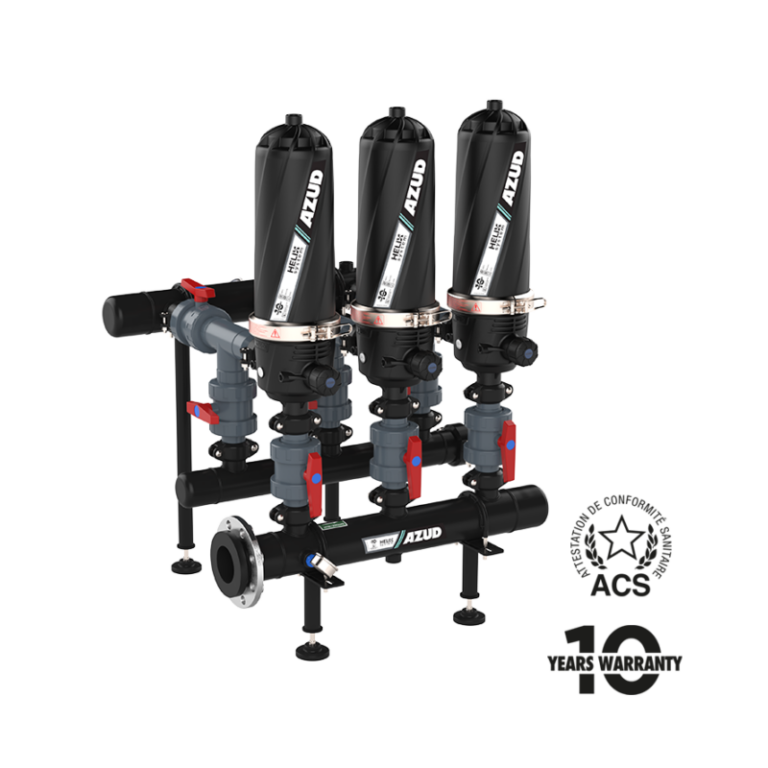
AZUD’s filtration systems are essential for ensuring irrigation reliability and the durability of the installation, especially in intensive plantations with a long lifespan.
Direct benefits for your kiwi crop
Yes, kiwifruit requires regular watering to ensure proper vegetative and productive growth
The stages of bud break, flowering, and fruit development are the most sensitive to irrigation management.
Drip irrigation is the most recommended system because of its efficiency and its ability to provide precise control over water application.