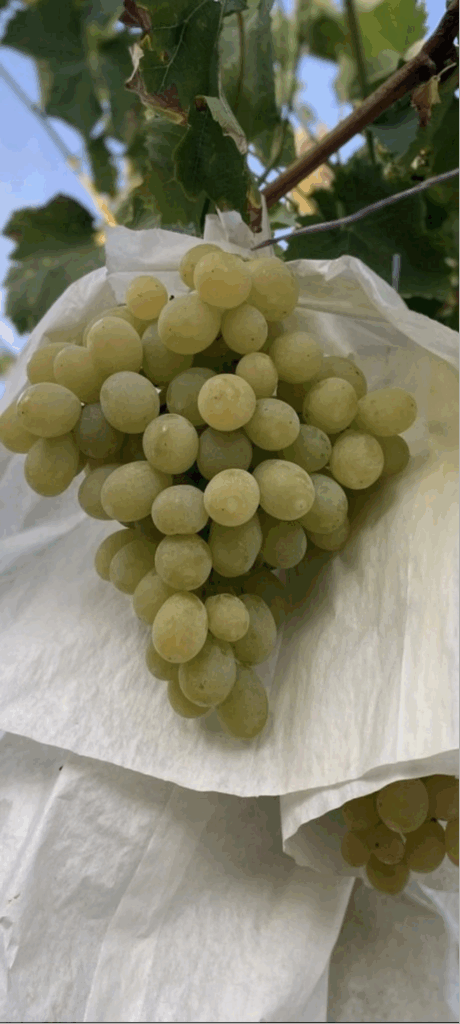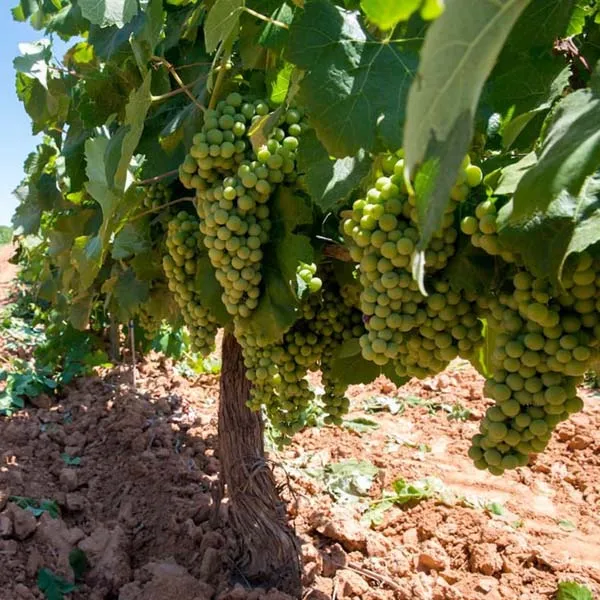
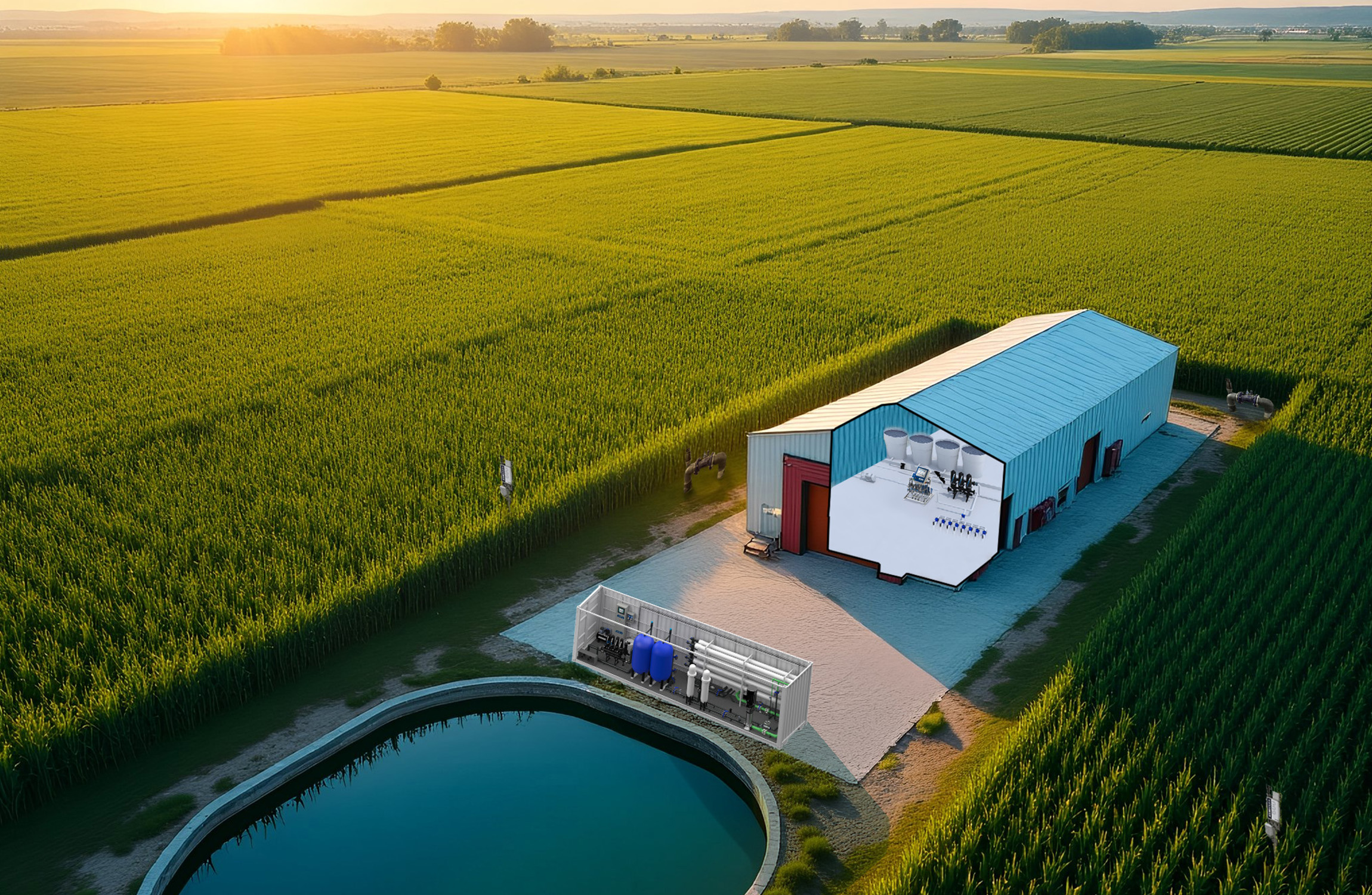
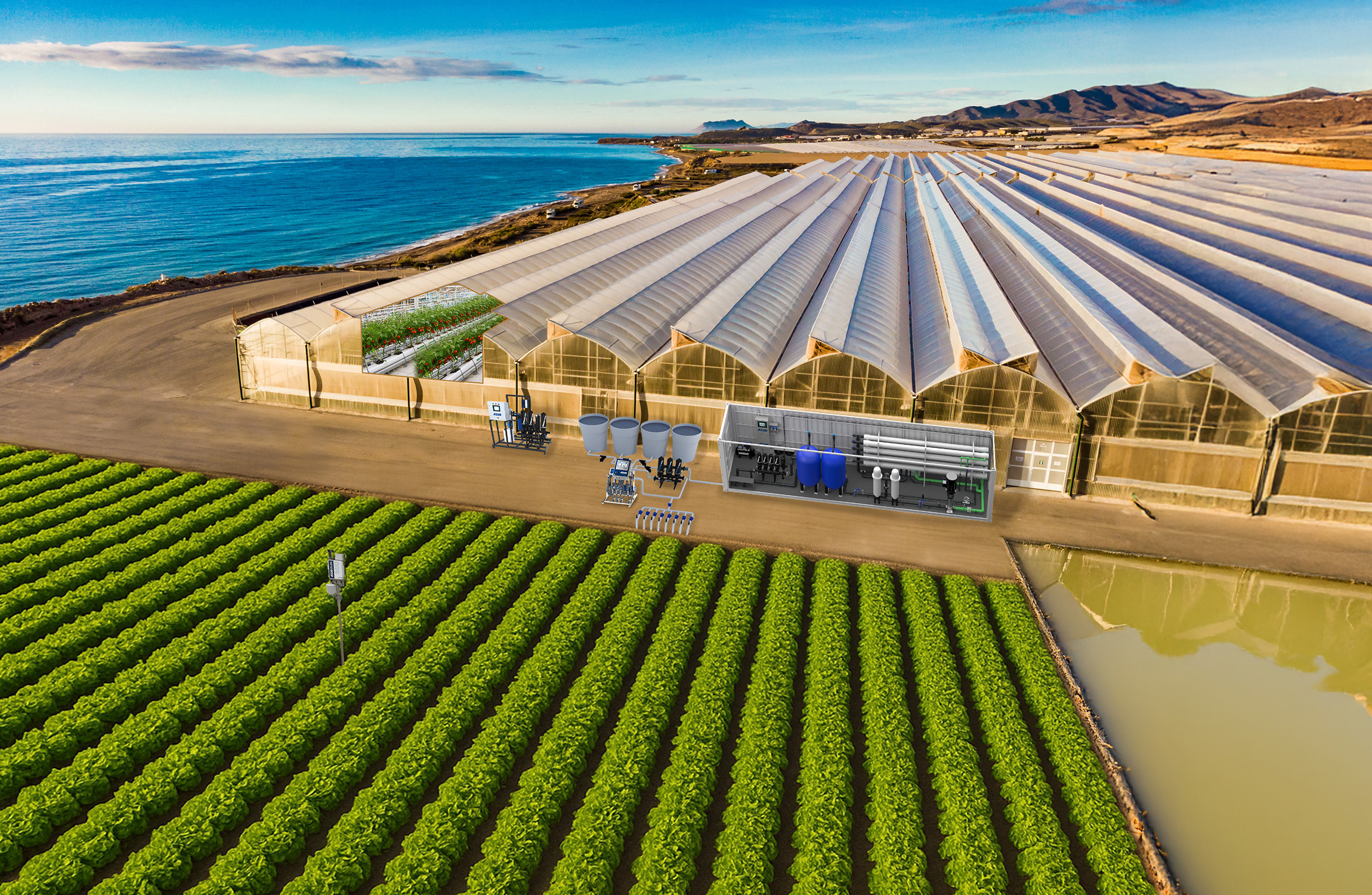
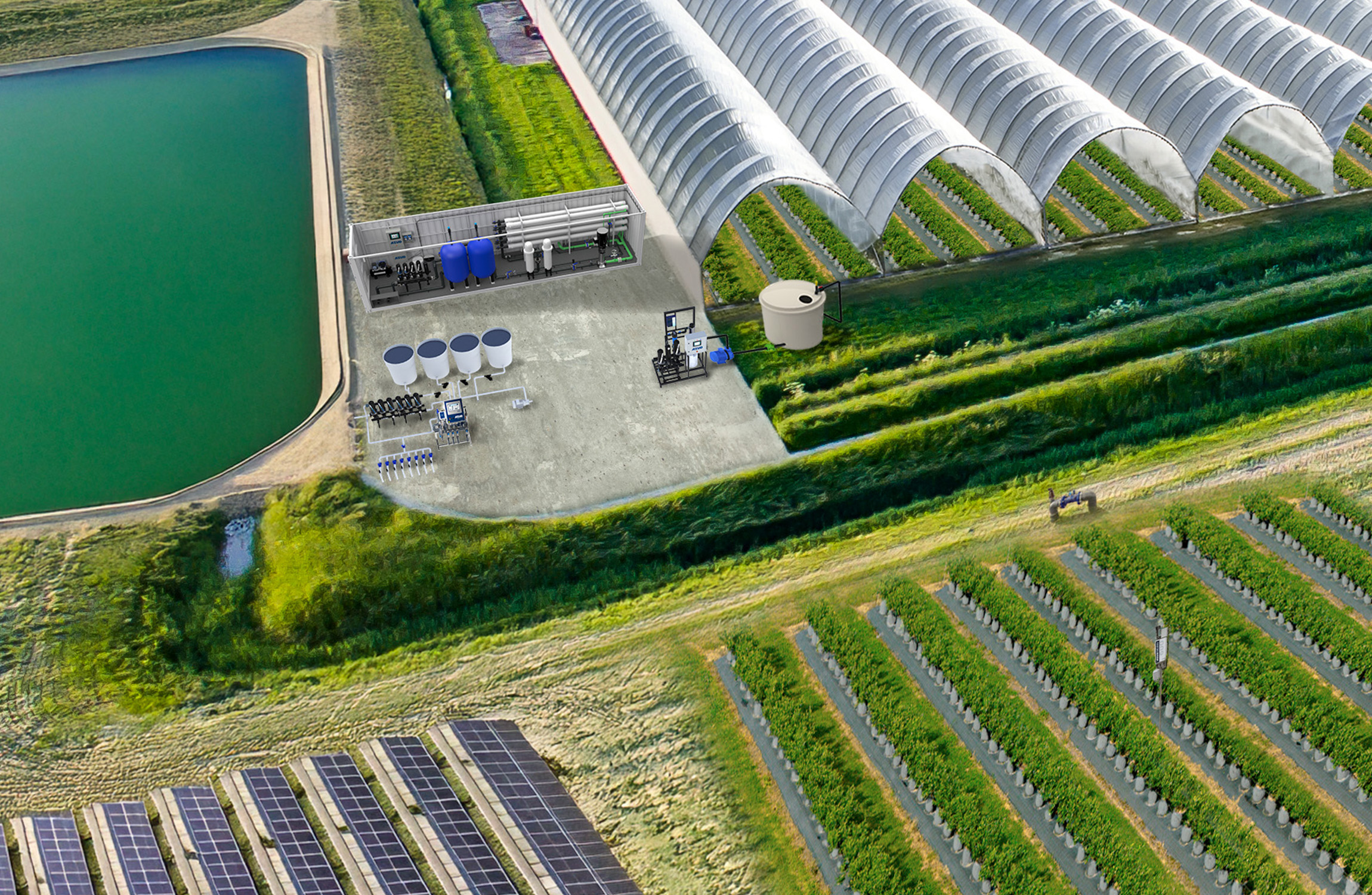
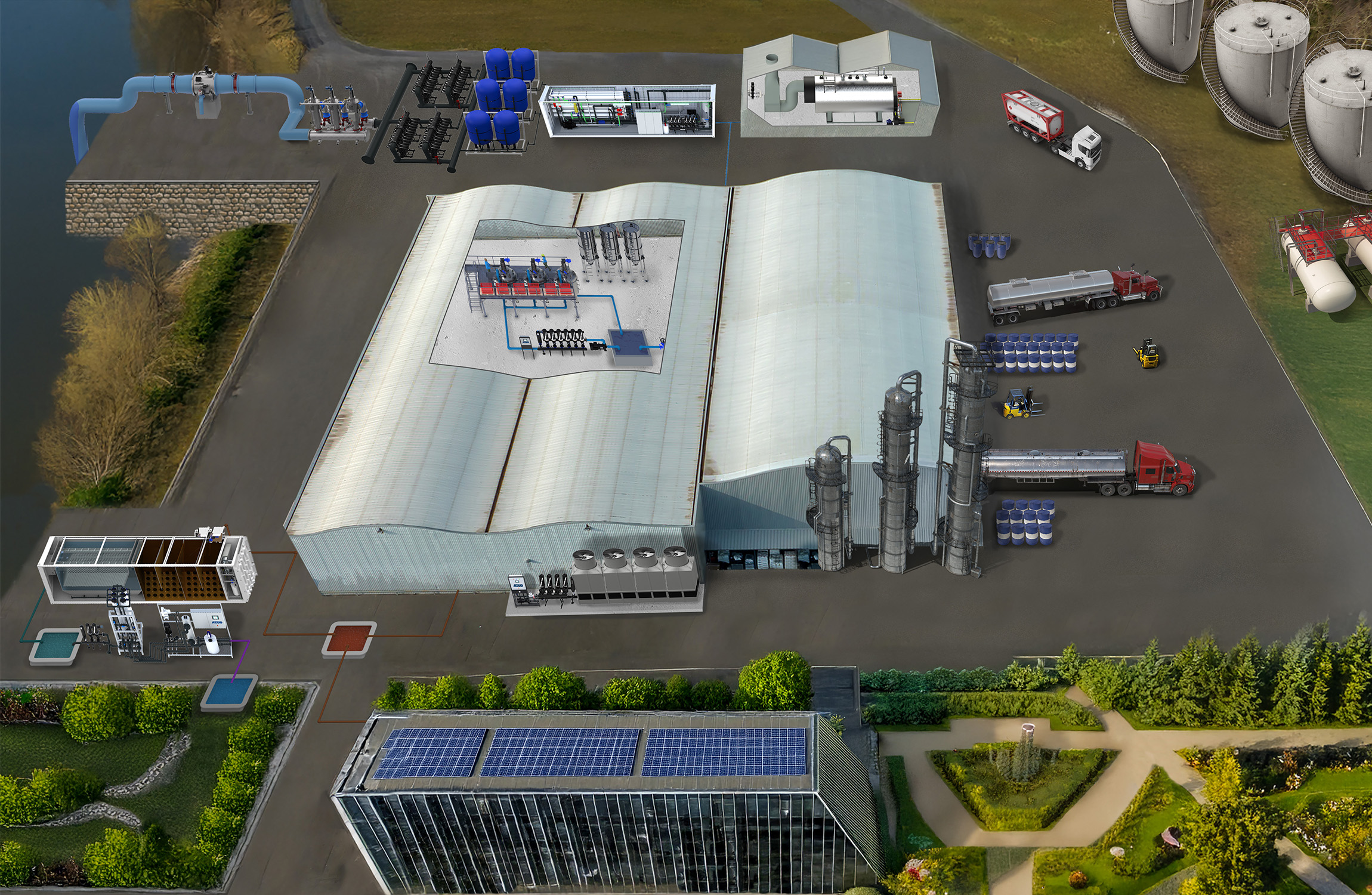


Table grapes

About Table Grape Cultivation

The table grape (Vitis vinifera) is one of the oldest and most widespread woody crops in the world. It originated in the Mediterranean basin and regions of the Near East, where it has been cultivated since ancient times, both for fresh consumption and for culinary and cultural uses.
Over the centuries, grapevine cultivation expanded to numerous regions thanks to the plant’s great adaptability and varietal diversity. In the case of table grapes, genetic improvement has led to the development of varieties with better organoleptic characteristics, larger fruit size, seedlessness, and a longer post-harvest life.

Table grapes thrive best in temperate and warm climates, with ample sunlight and well-defined seasons. They prefer well-drained, medium-textured soils and are particularly sensitive to excess moisture in the root zone.

Irrigation and management of the table grape crop

Irrigation is a key factor in table grape cultivation, as it directly influences the size, firmness, and final quality of the fruit. Improper water management can lead to cracking, lack of uniformity, or vegetative imbalances.

The stages of budbreak, flowering, fruit set, and berry enlargement are particularly sensitive from a water management perspective. During ripening, irrigation must be carefully adjusted to maintain fruit quality without compromising its shelf life.

A well-planned irrigation strategy balances vegetative and productive development, promoting a uniform, high-quality harvest.

Find the ideal irrigation system for table grapes

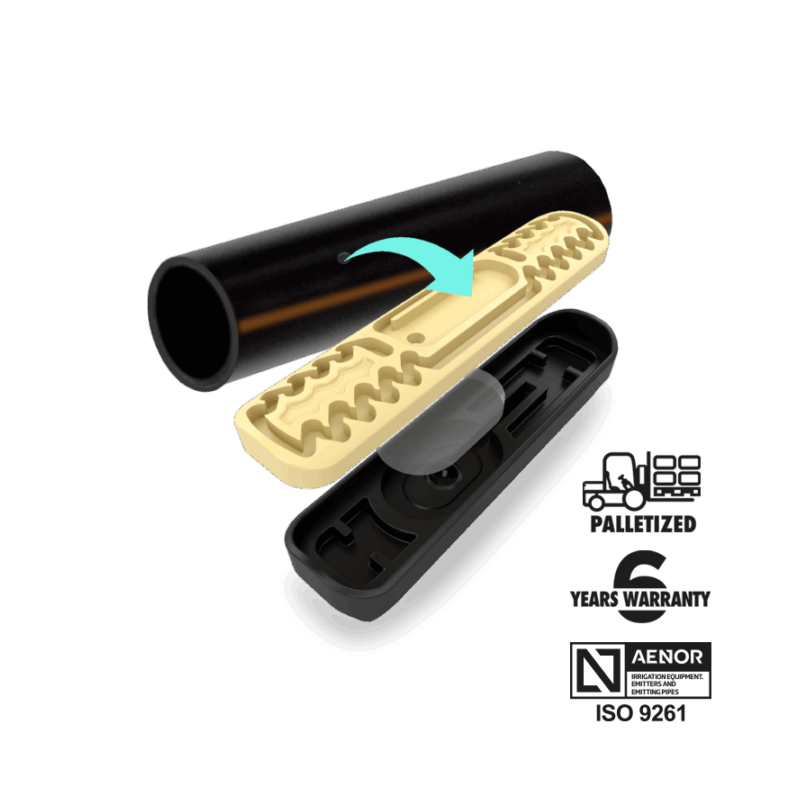
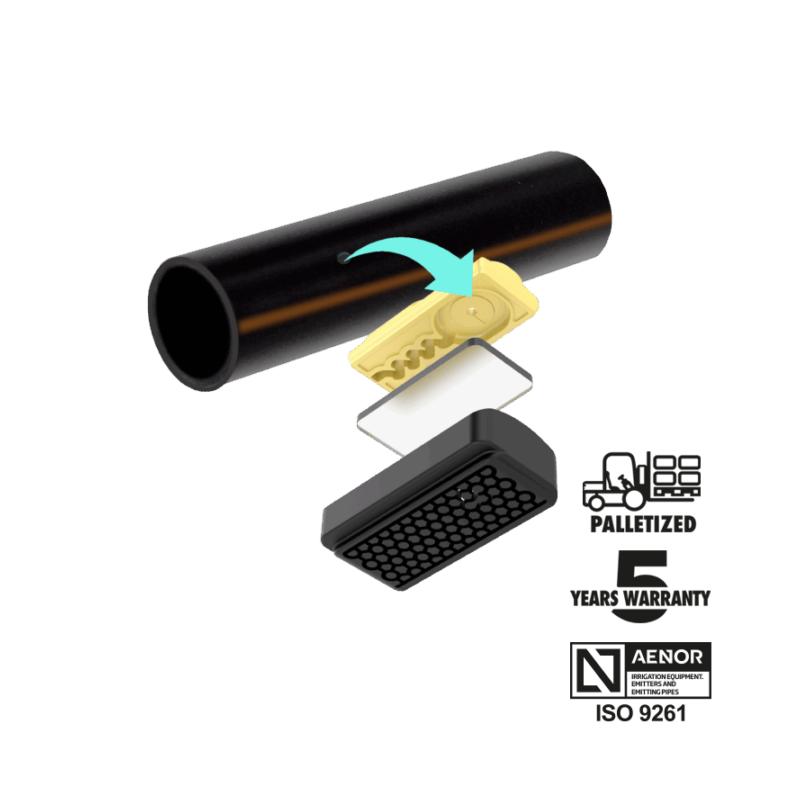
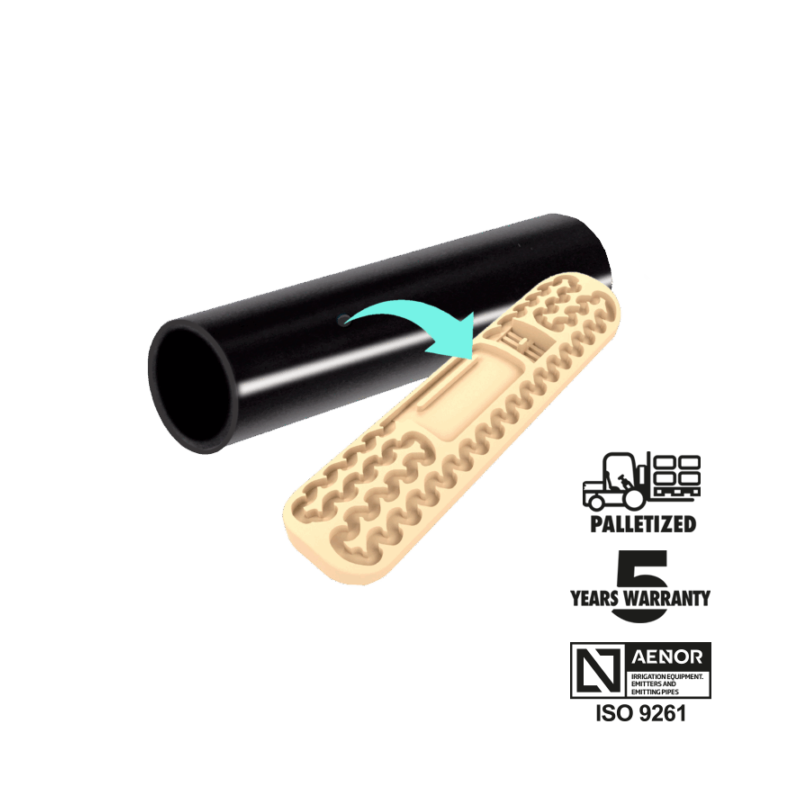
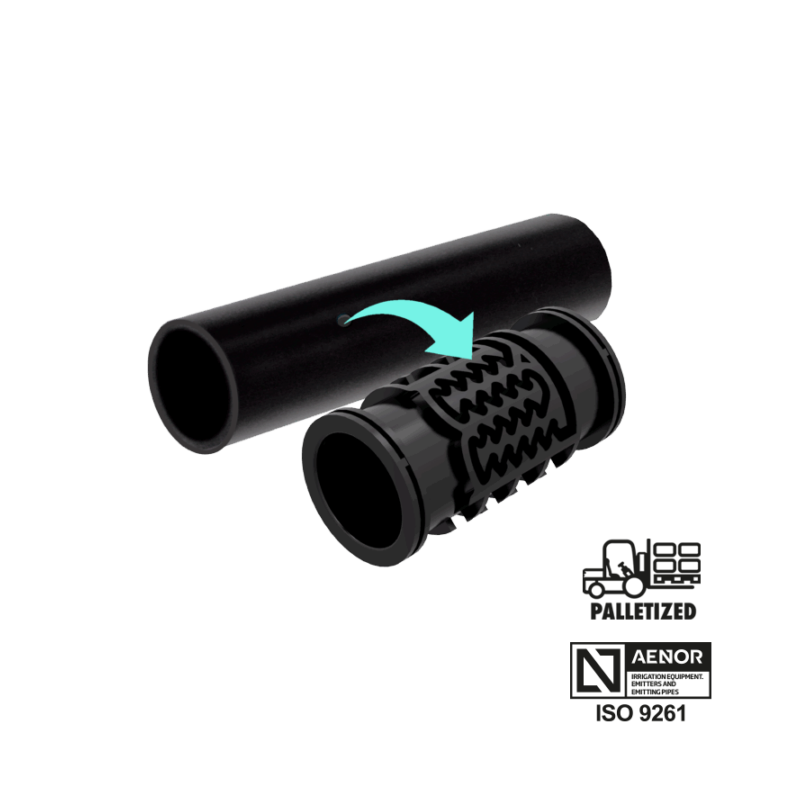
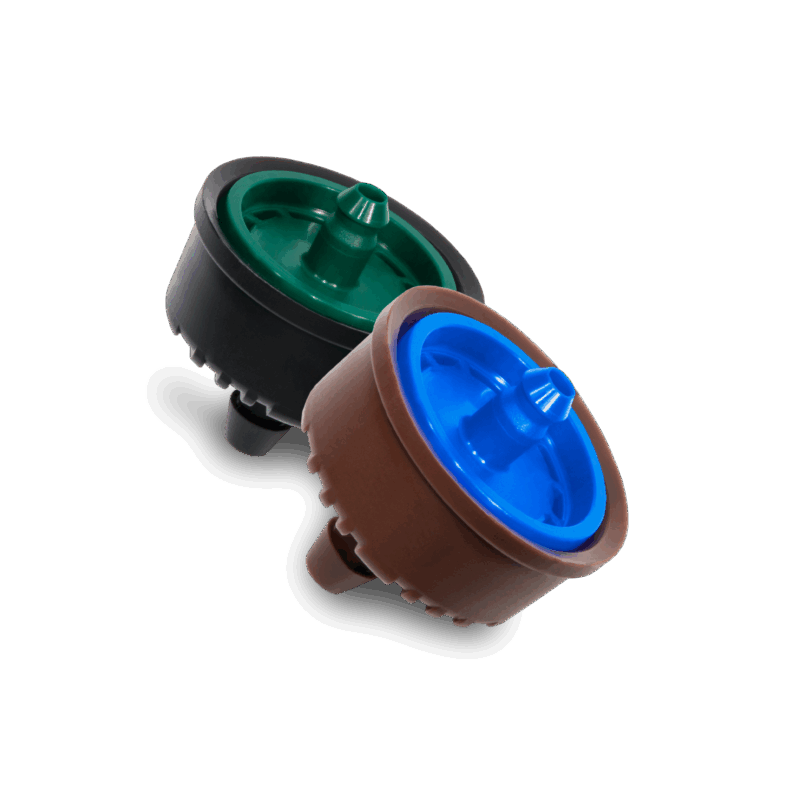
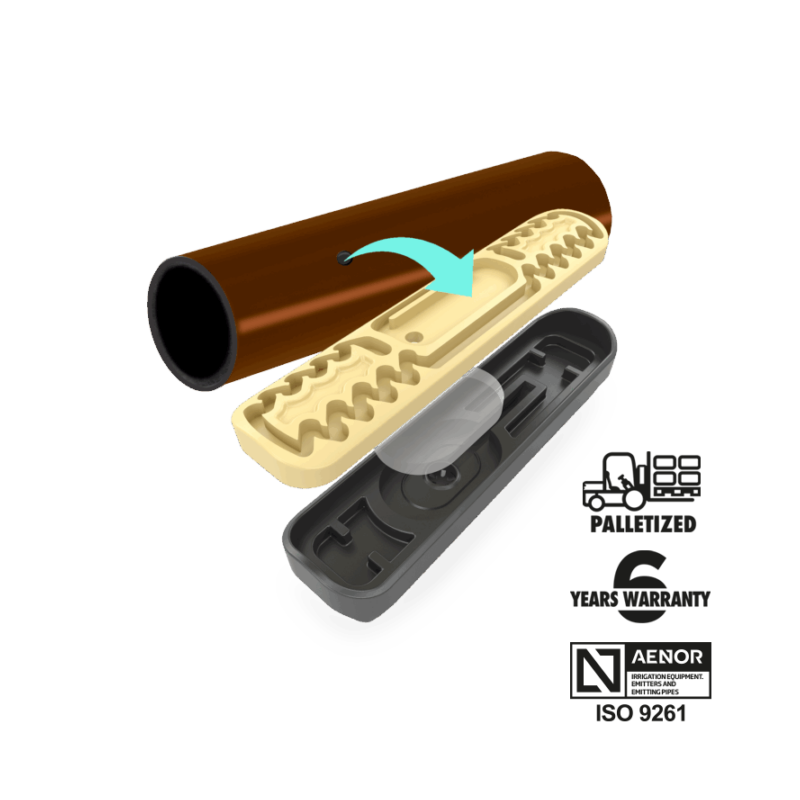
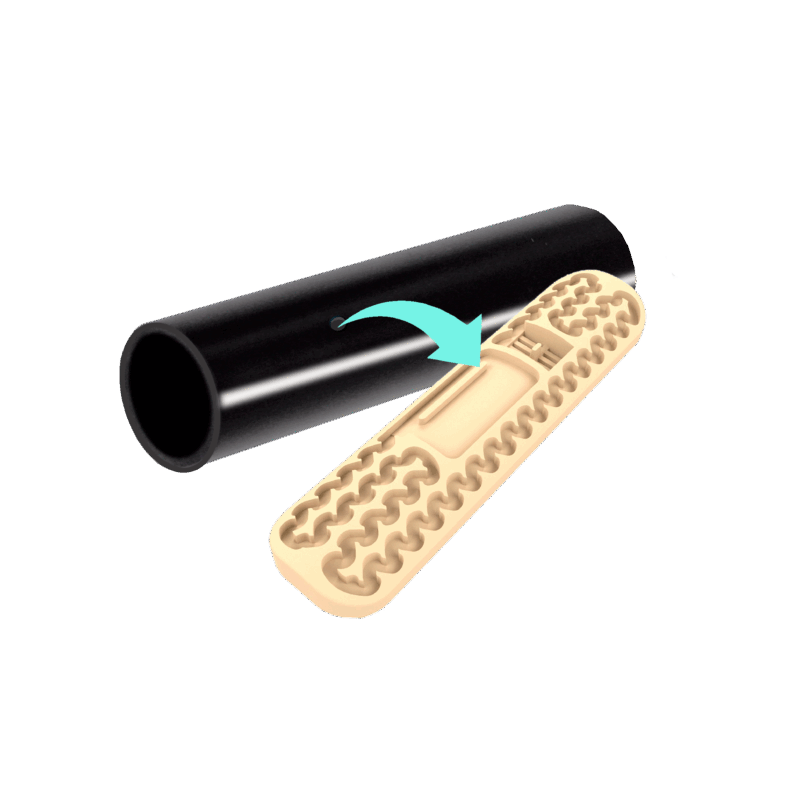
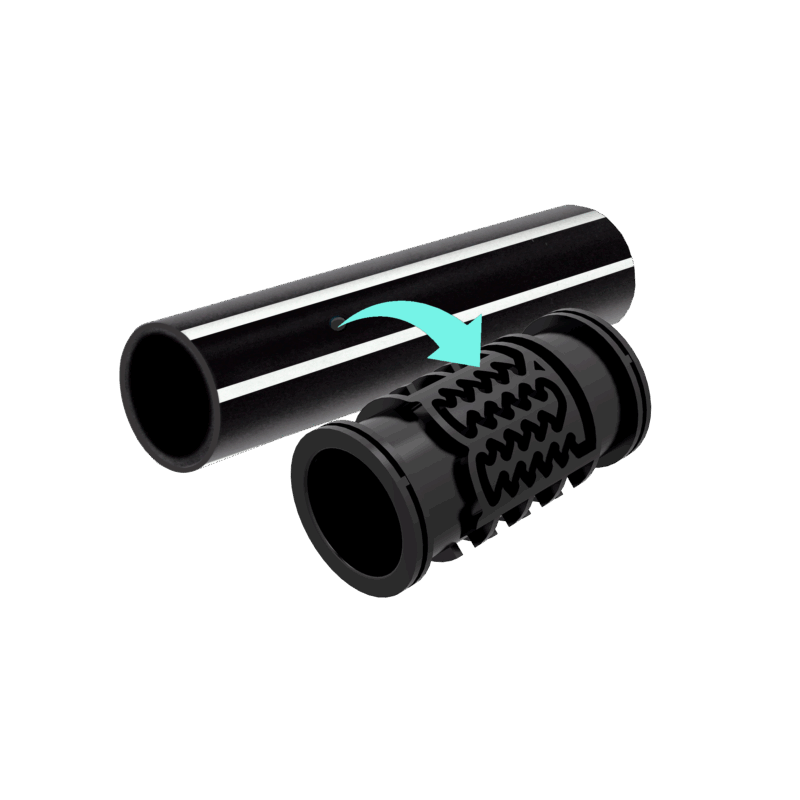
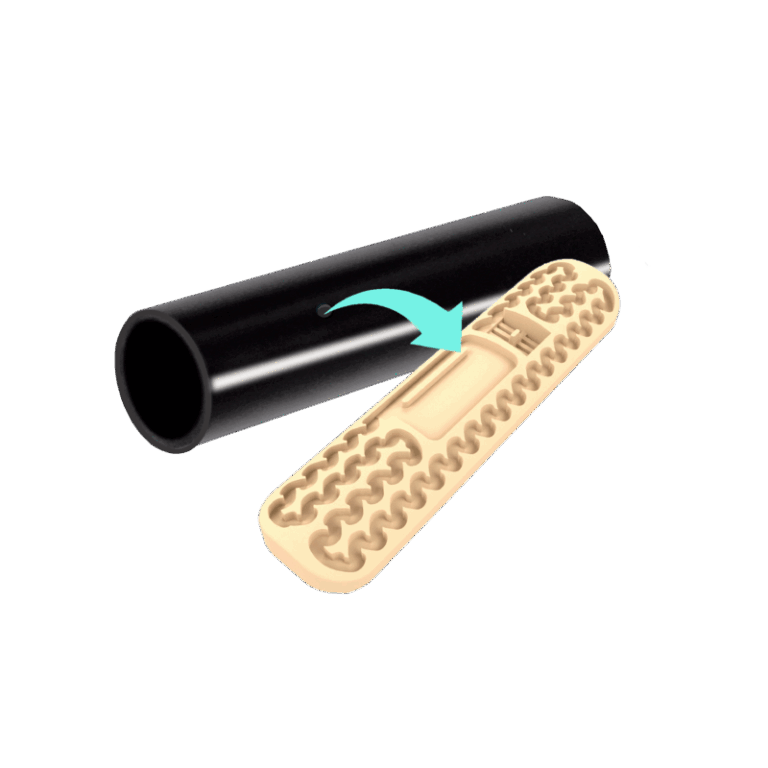
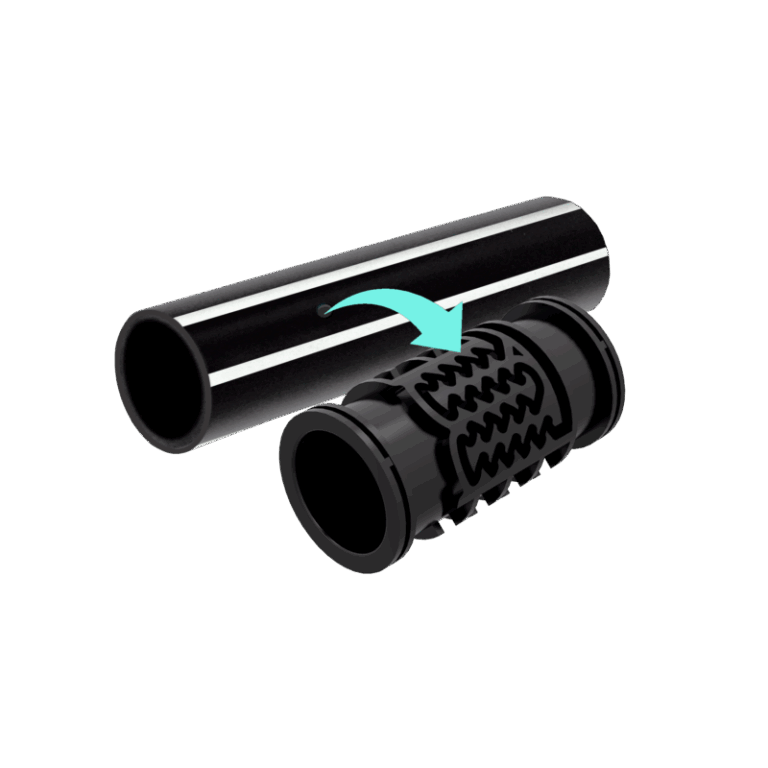
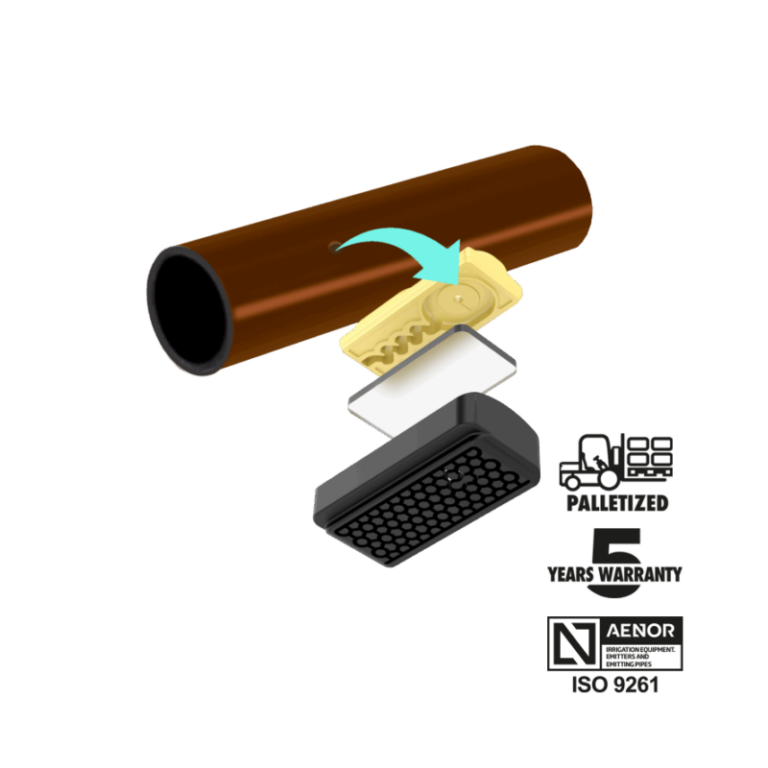
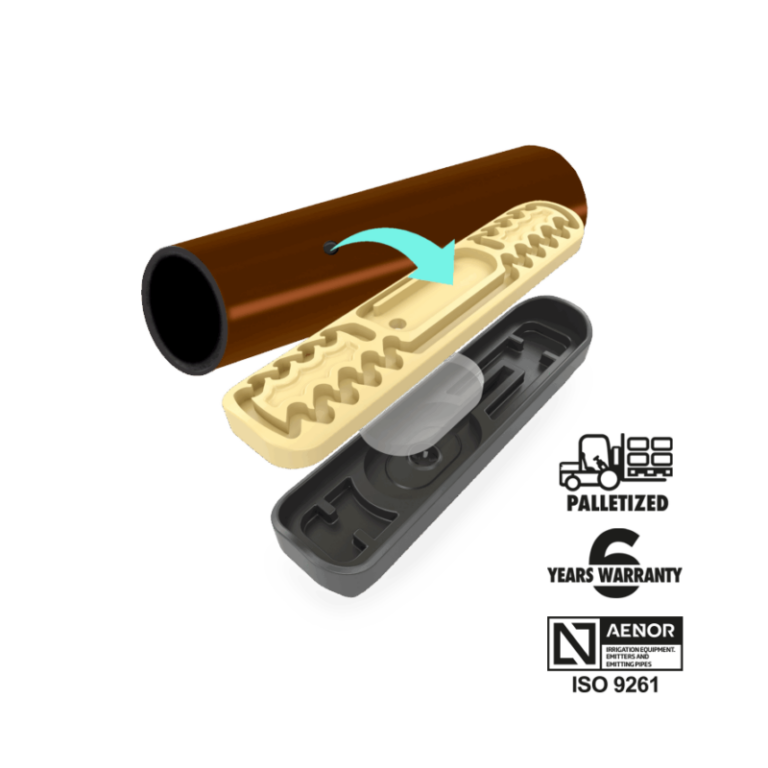
Drip irrigation is the most widely used system in table grape cultivation, as it allows for precise and controlled water application, adapting to the crop’s needs at each stage of the growth cycle.

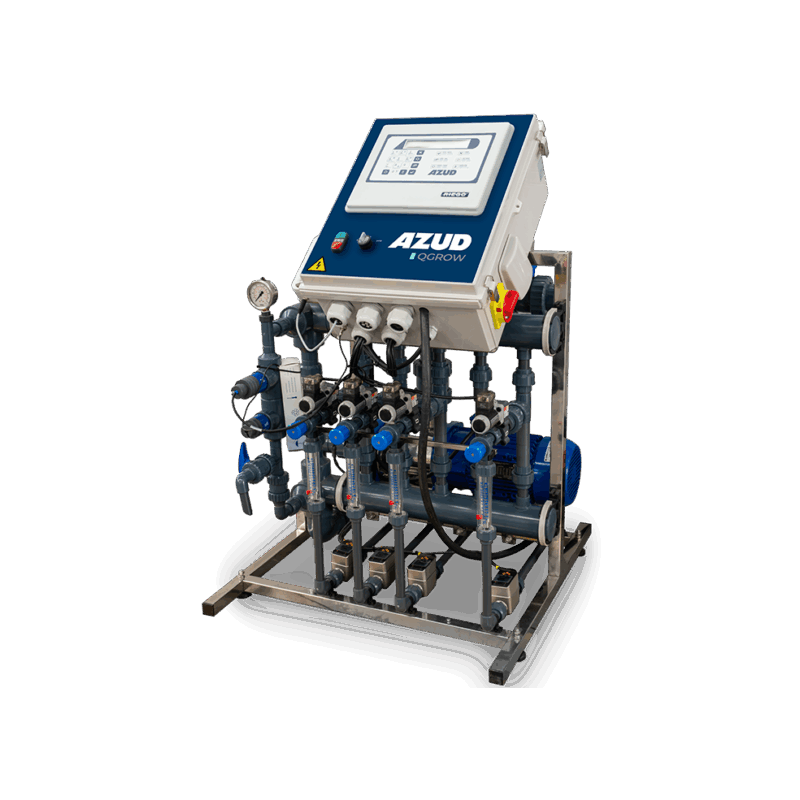
AZUD’s irrigation solutions facilitate uniform water distribution along the crop row, contributing to greater water efficiency and better control of vineyard development.

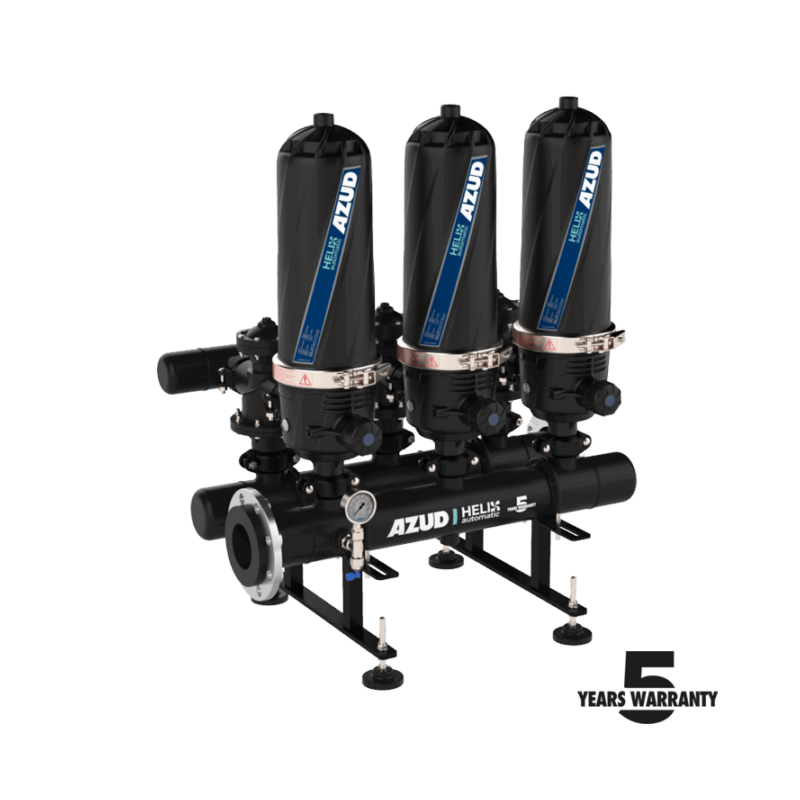
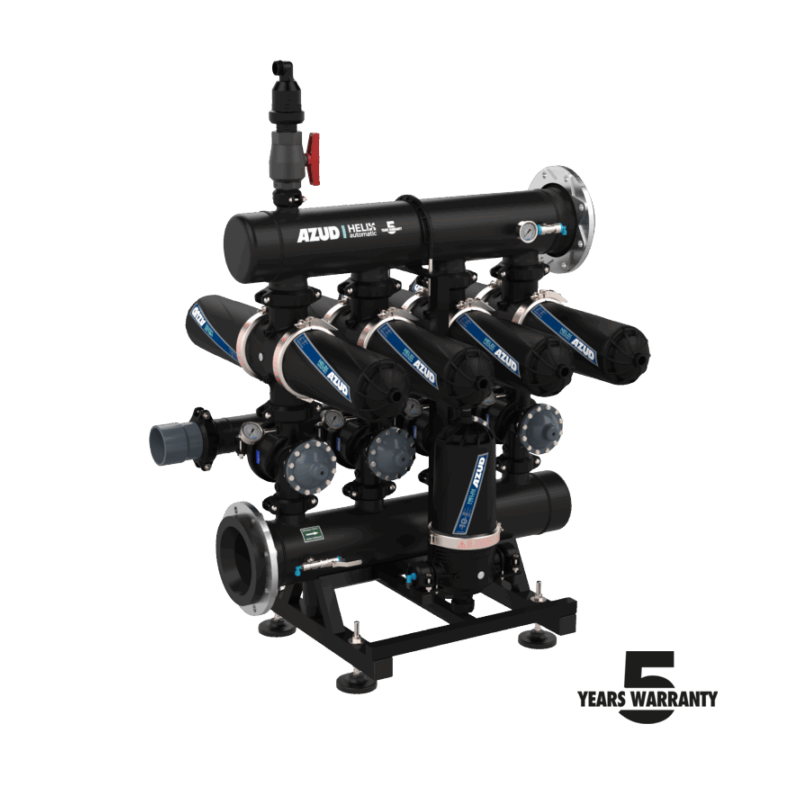
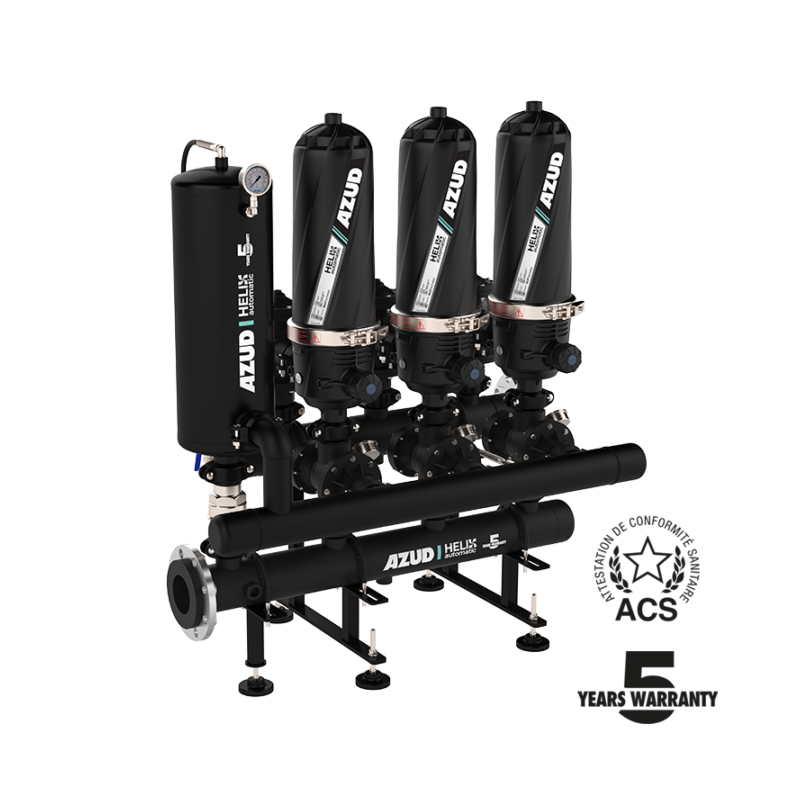
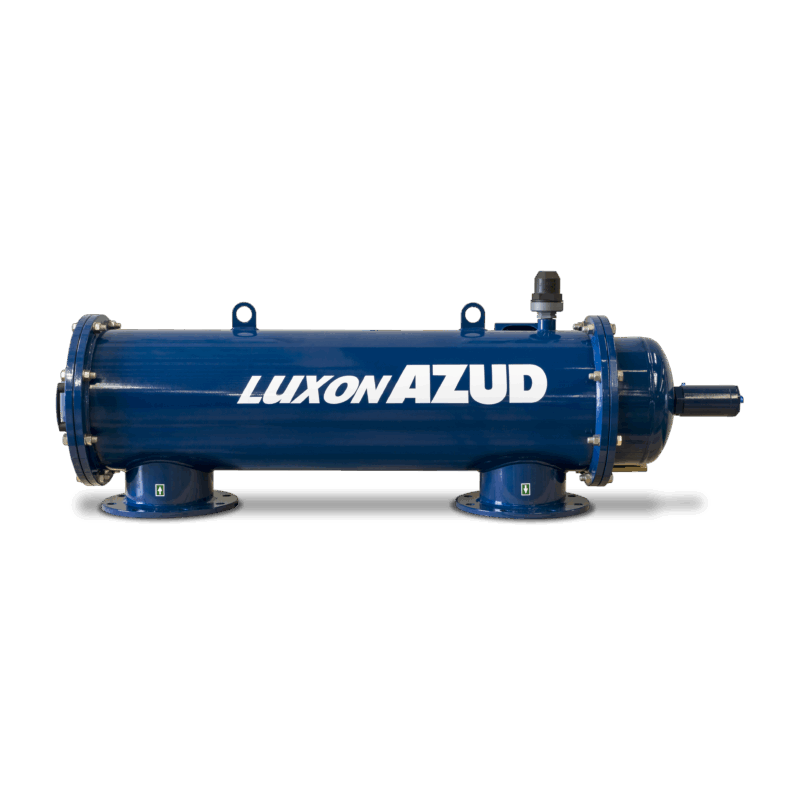
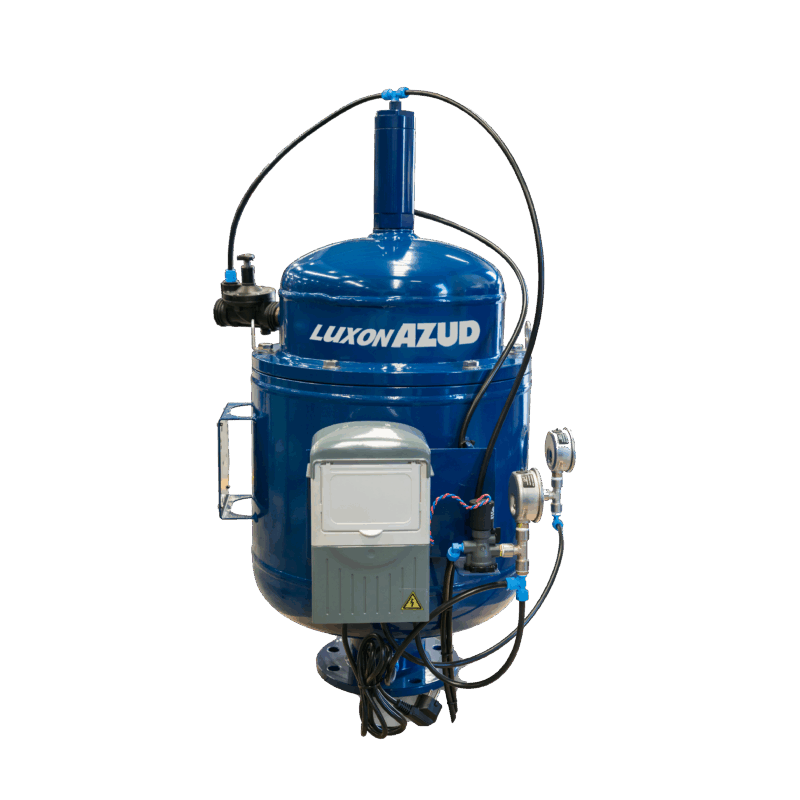
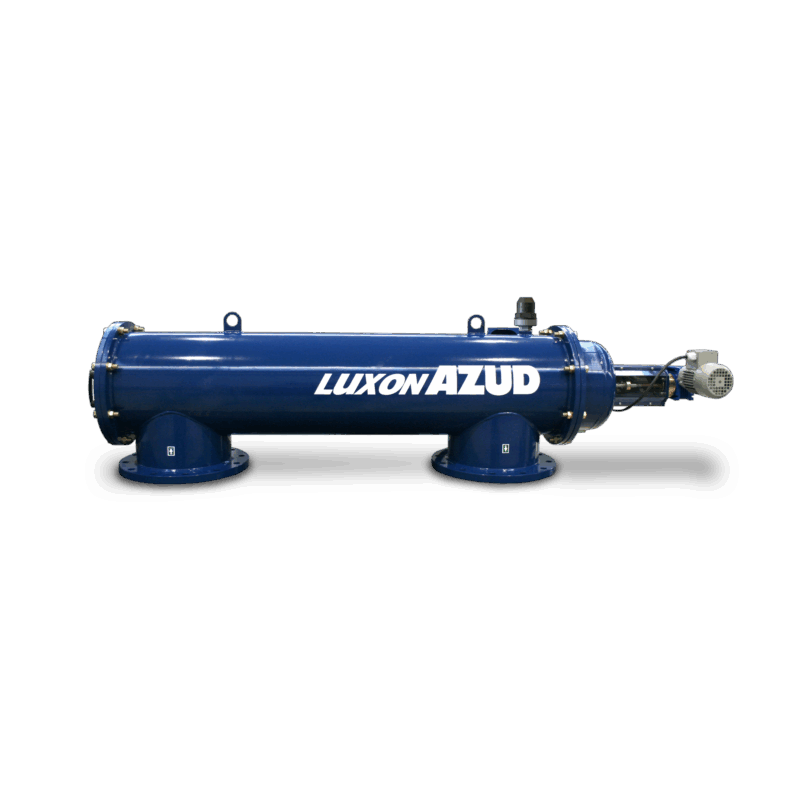
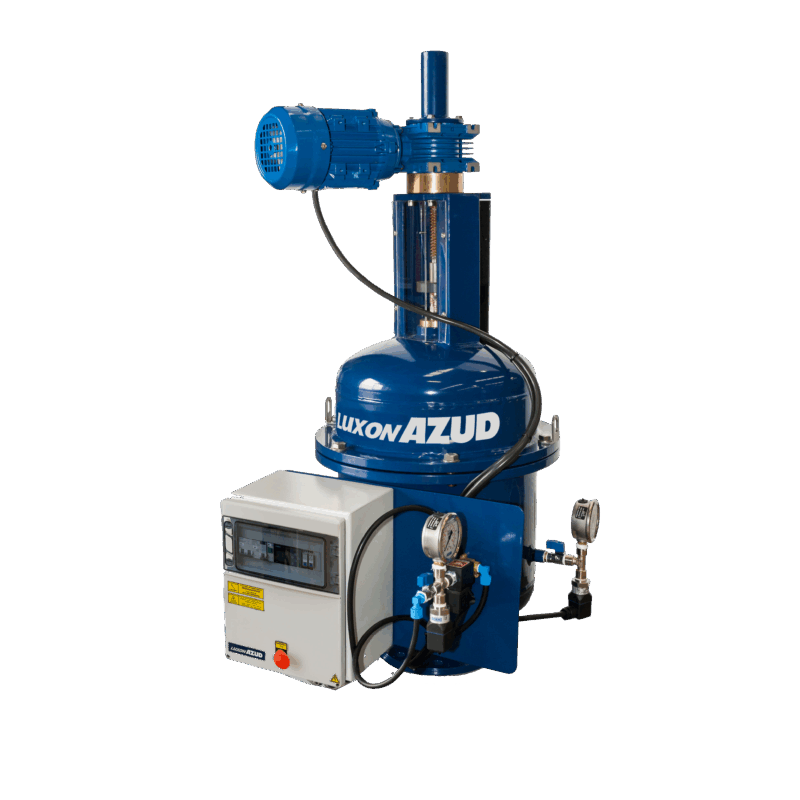
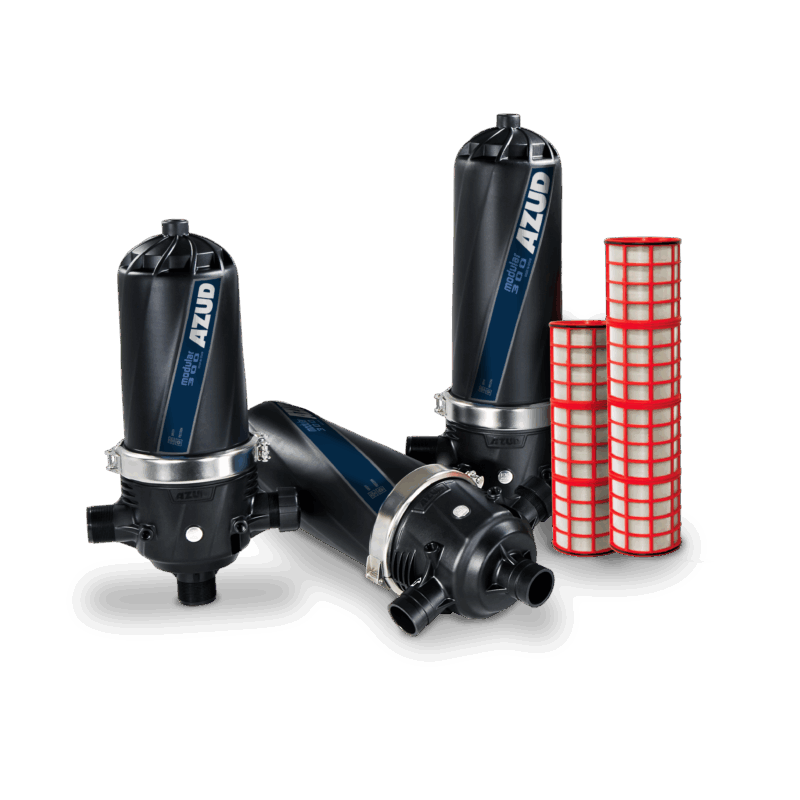
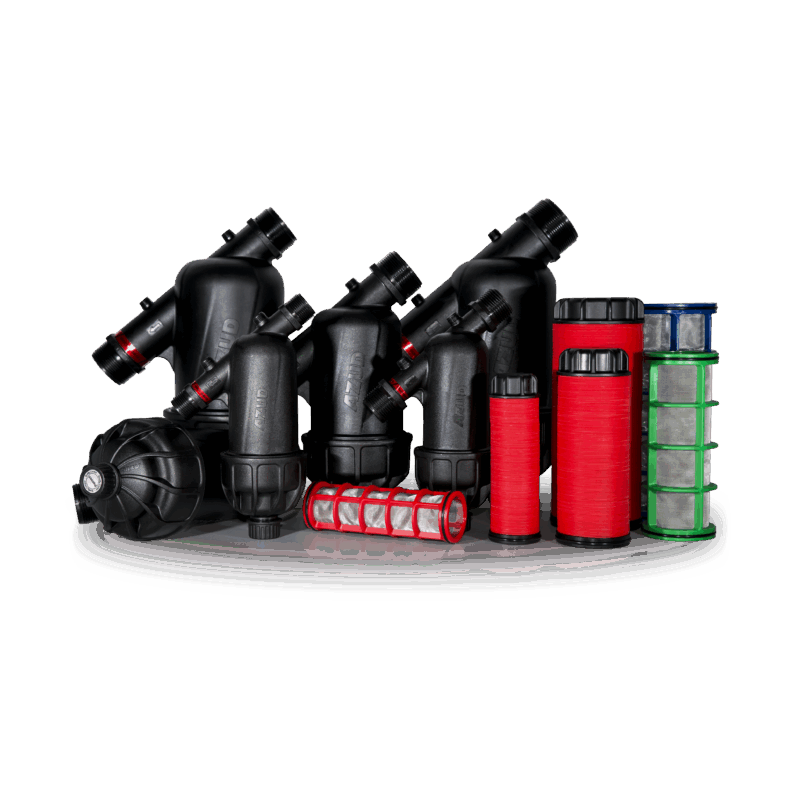
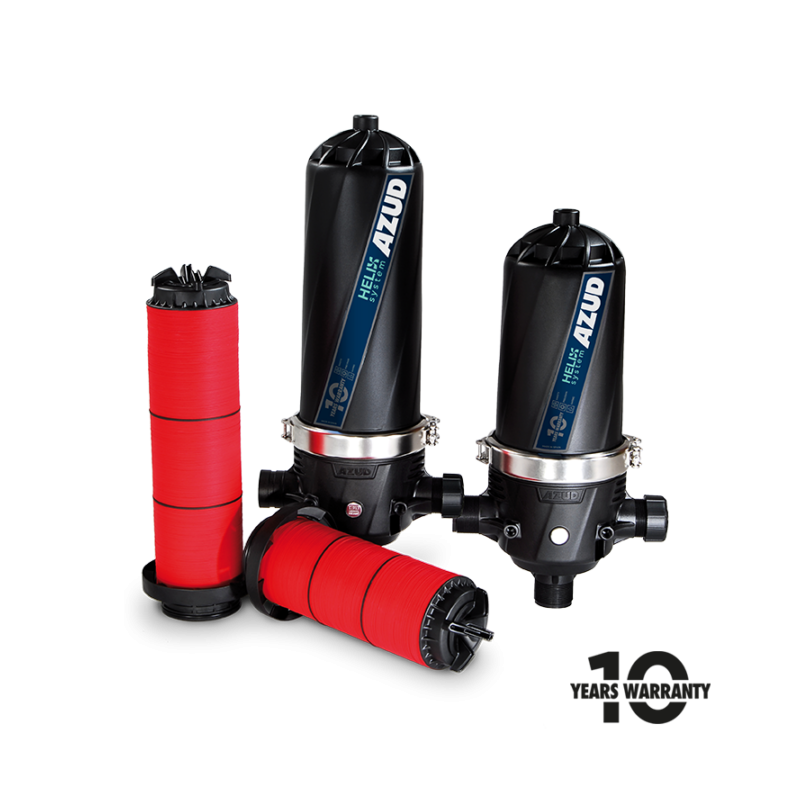
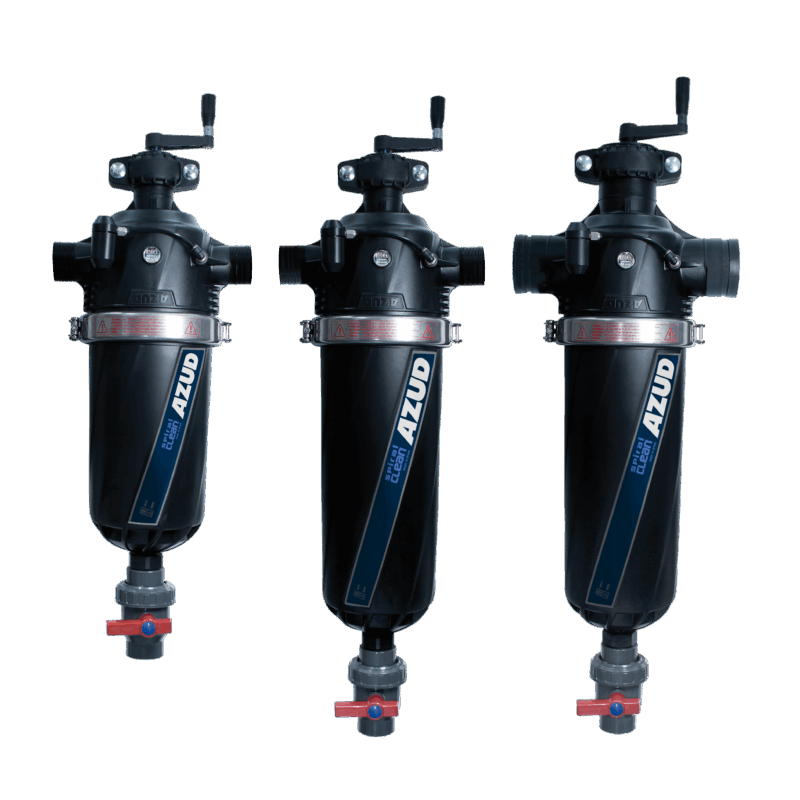
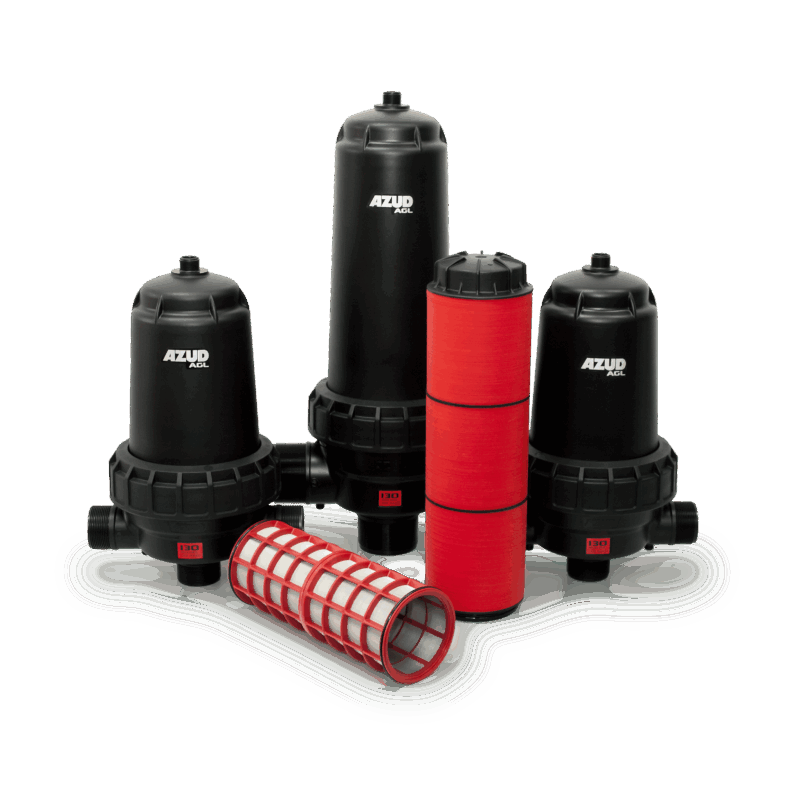
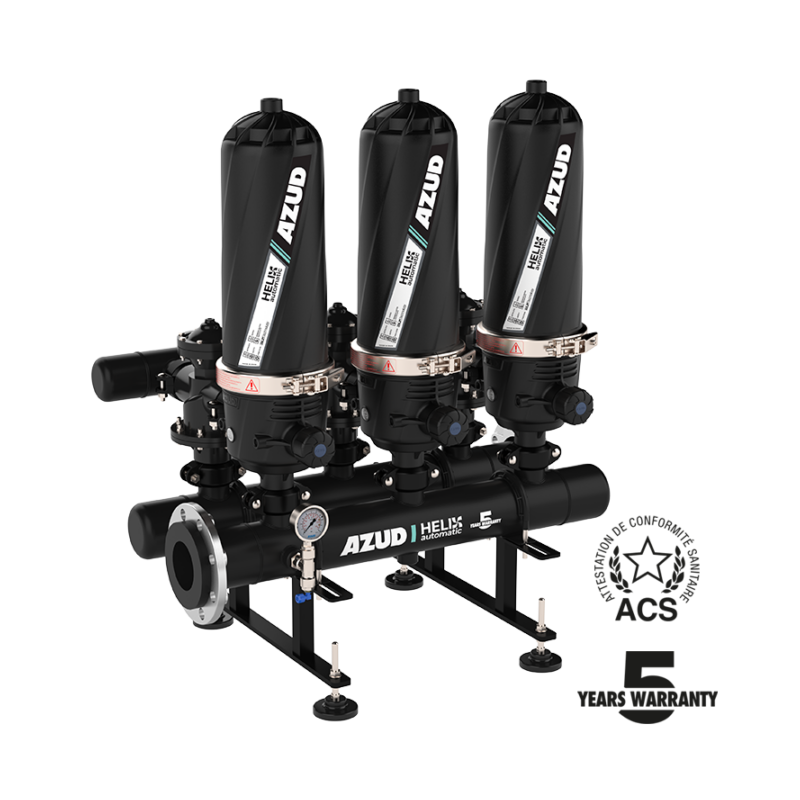
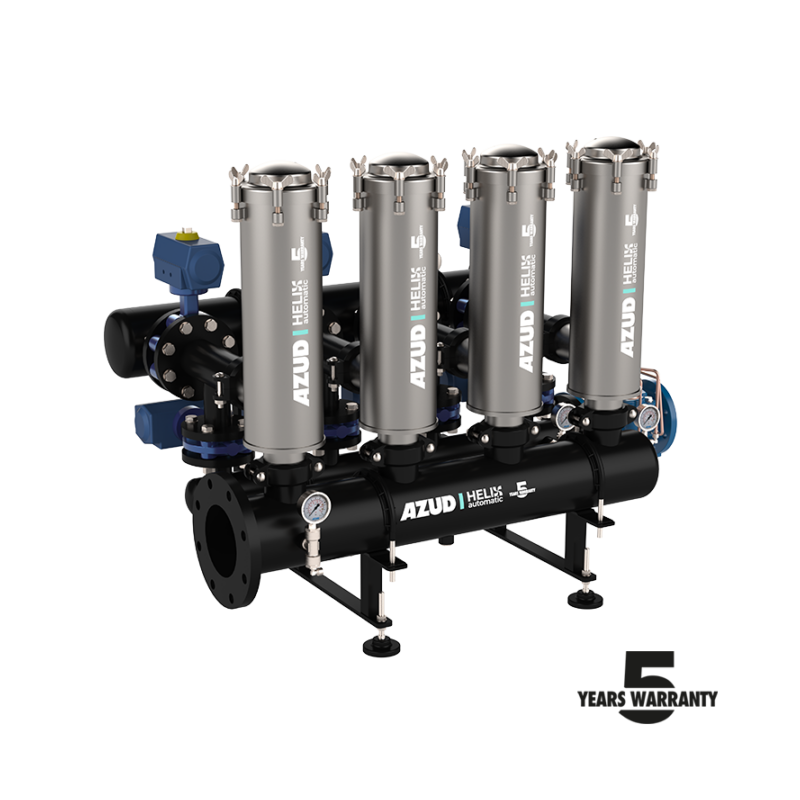
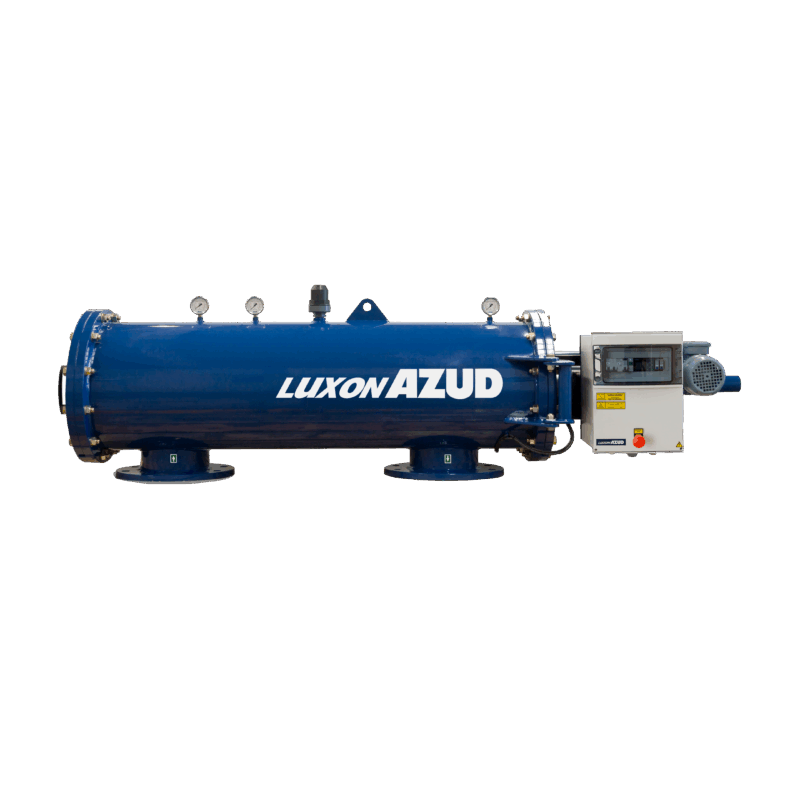
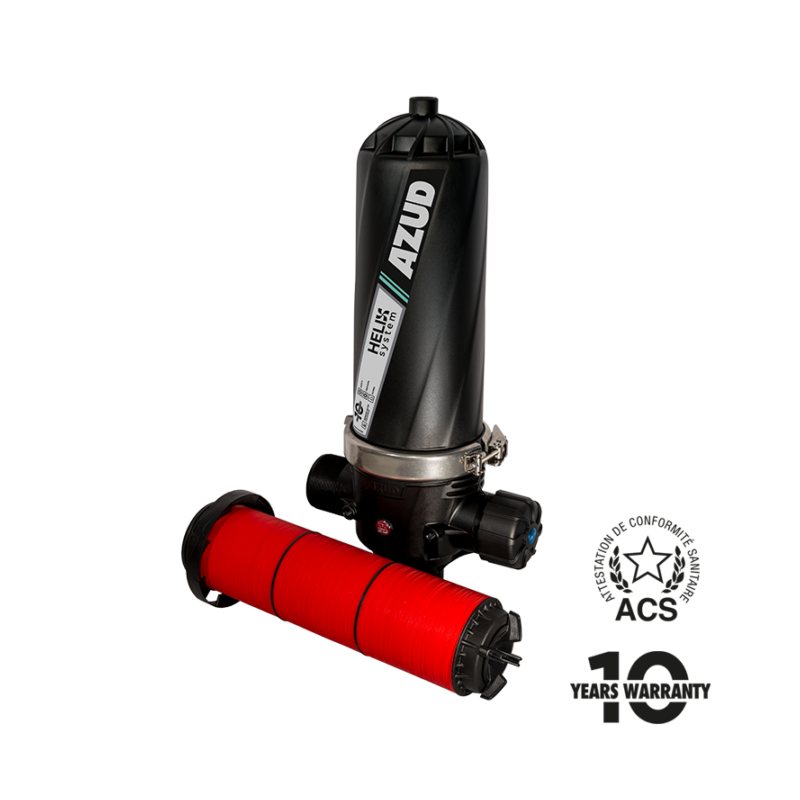
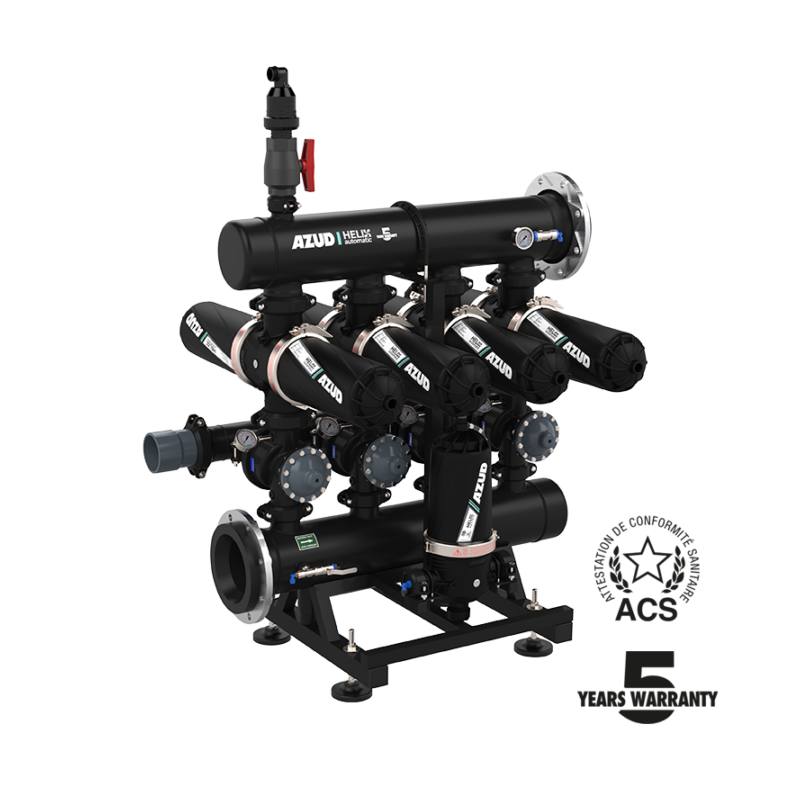
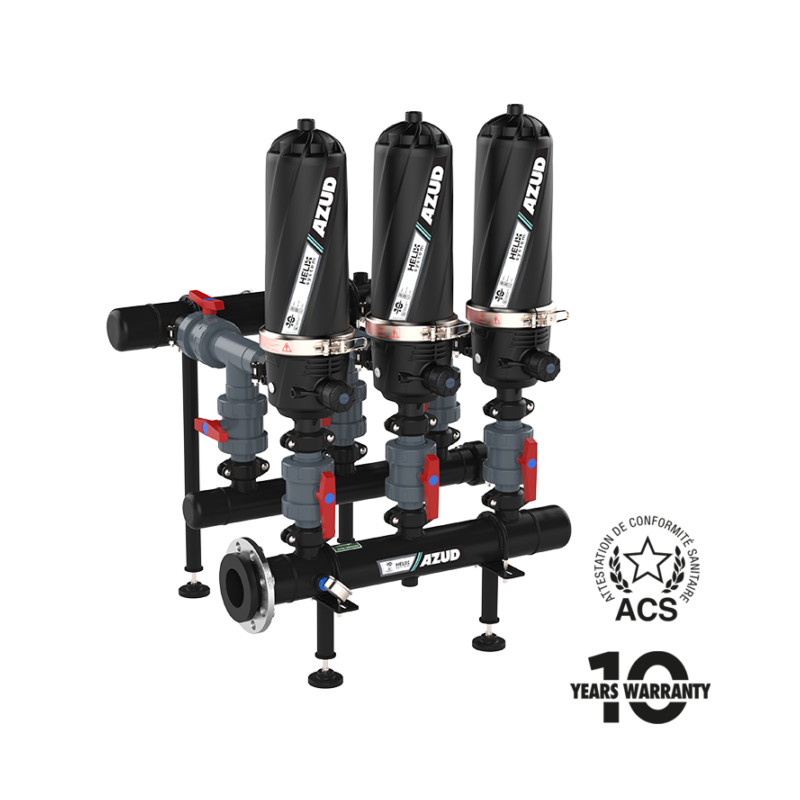
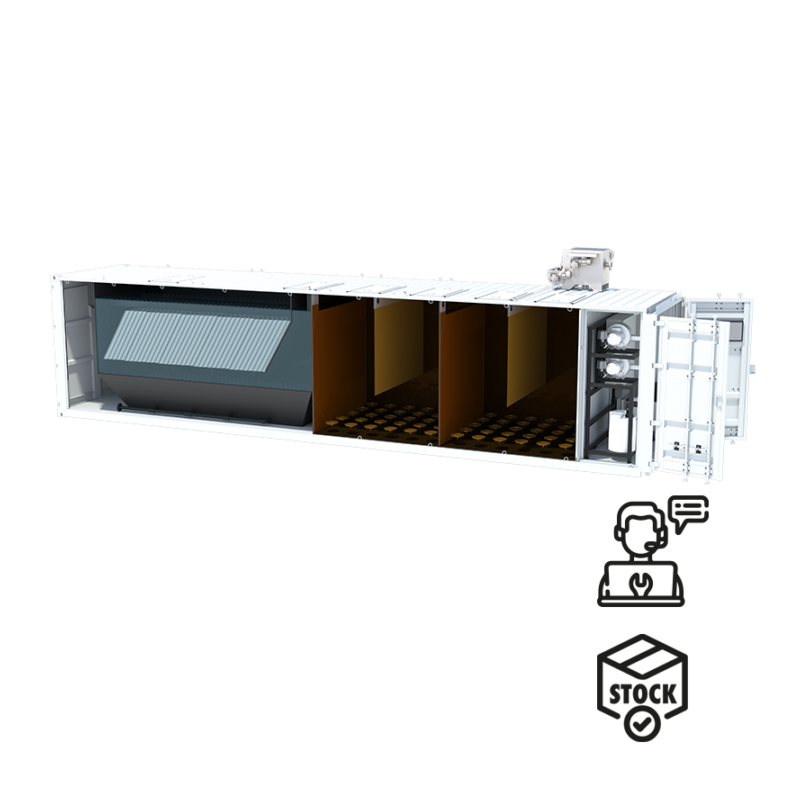
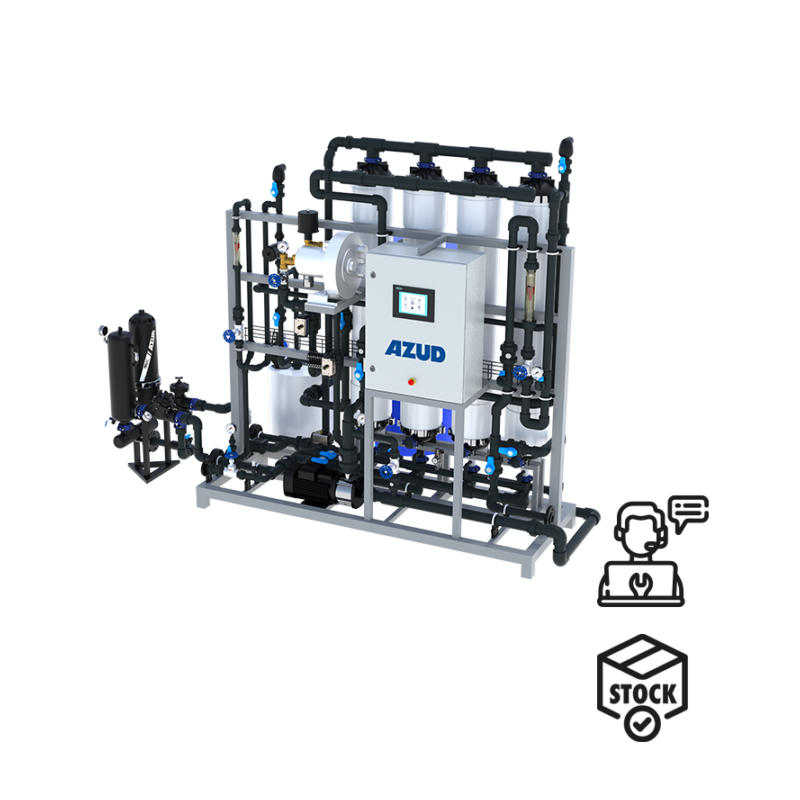
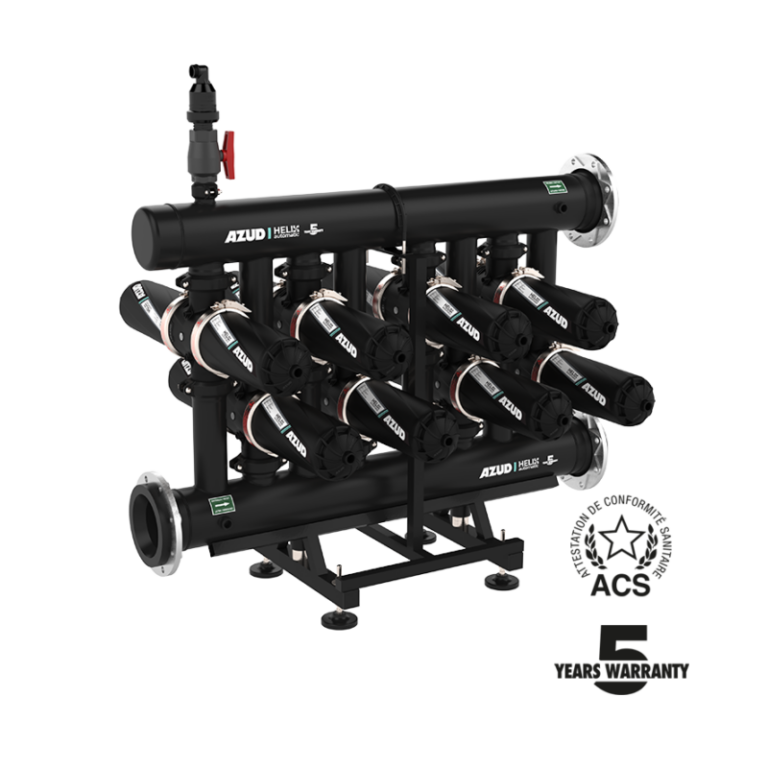
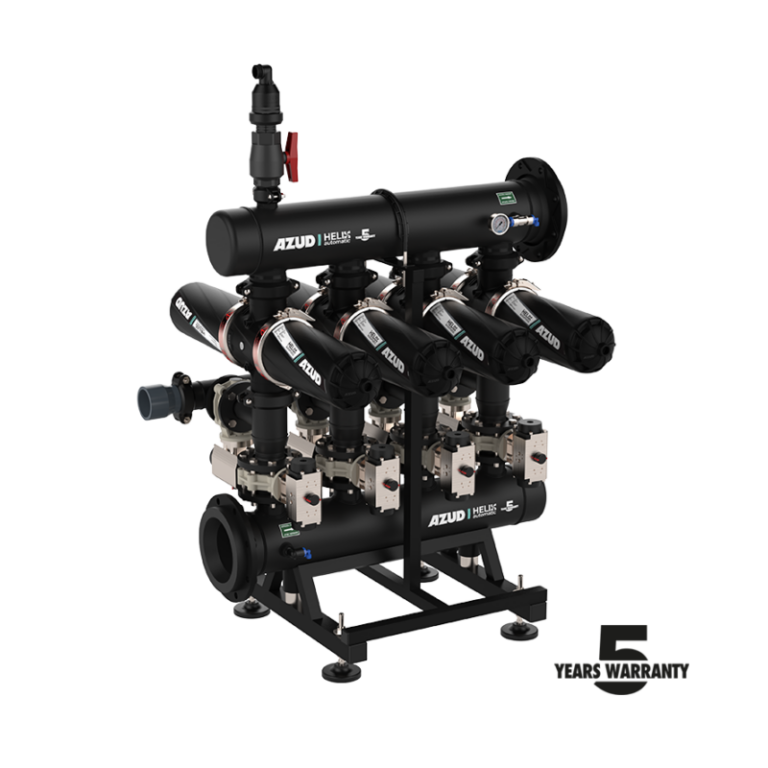
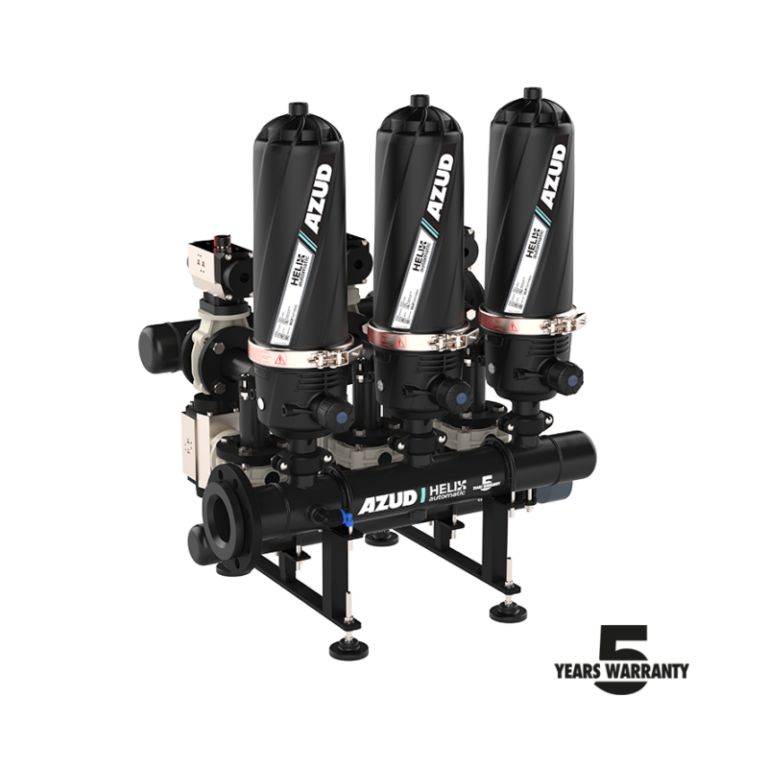
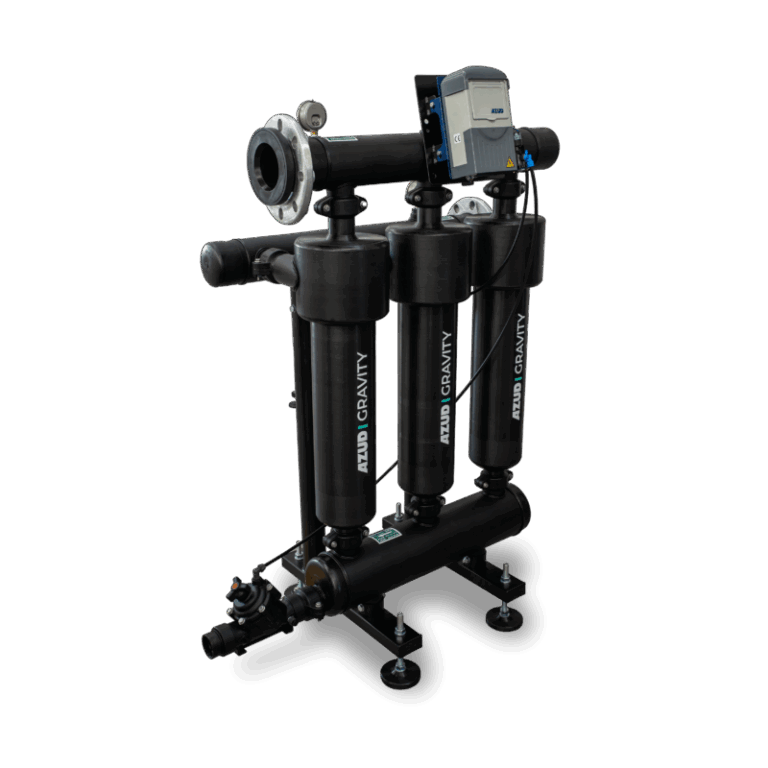
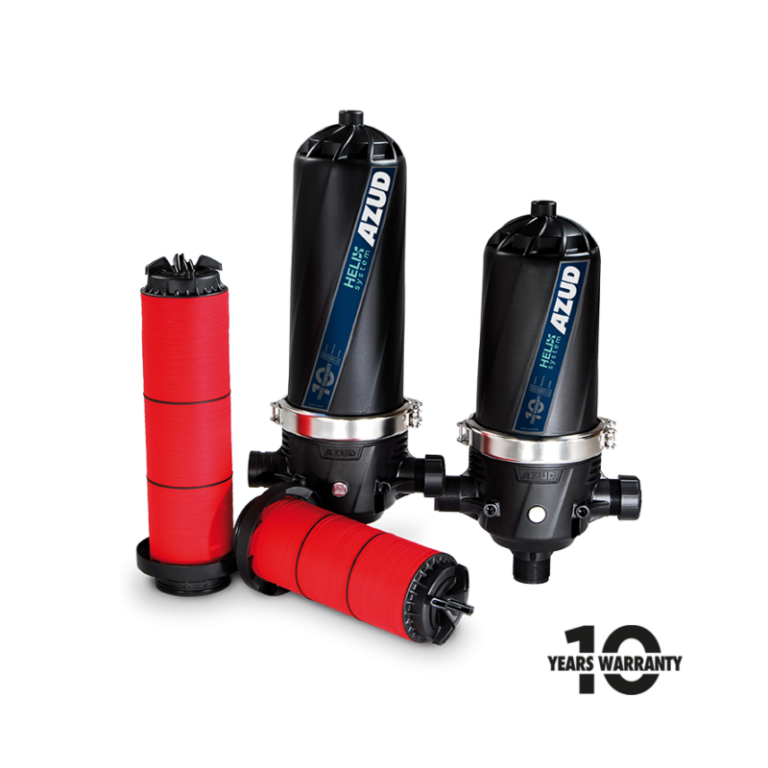
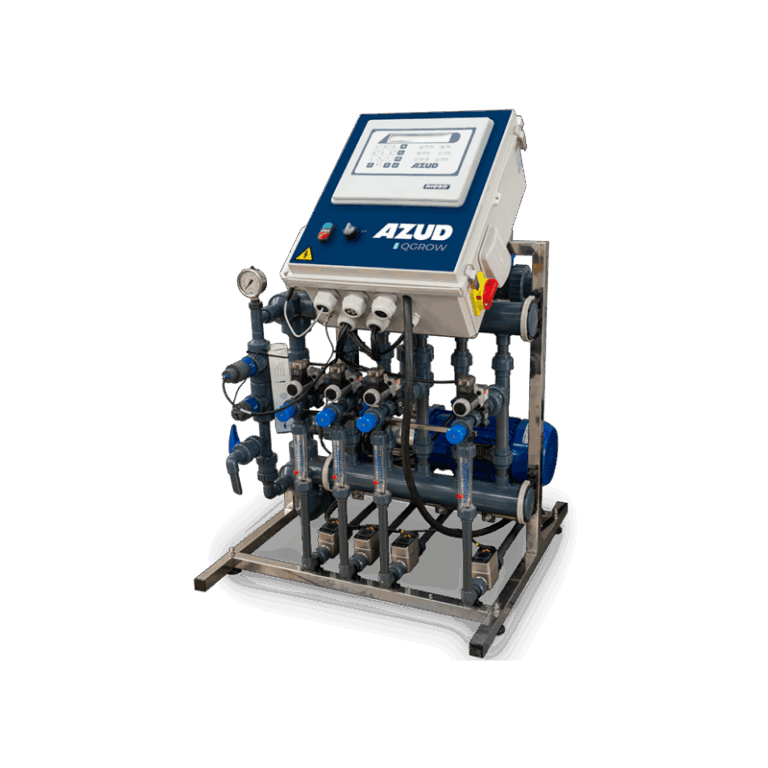
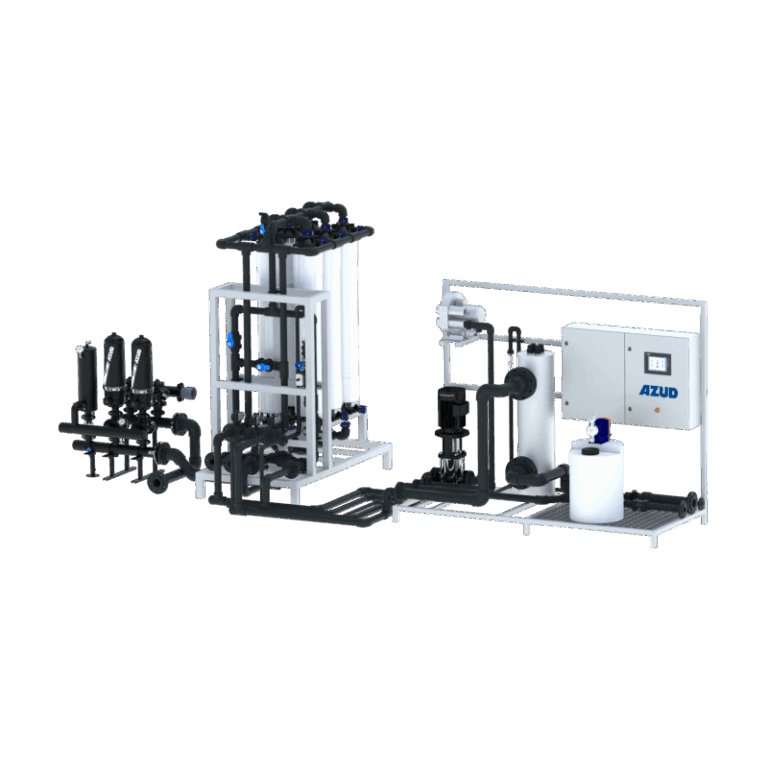
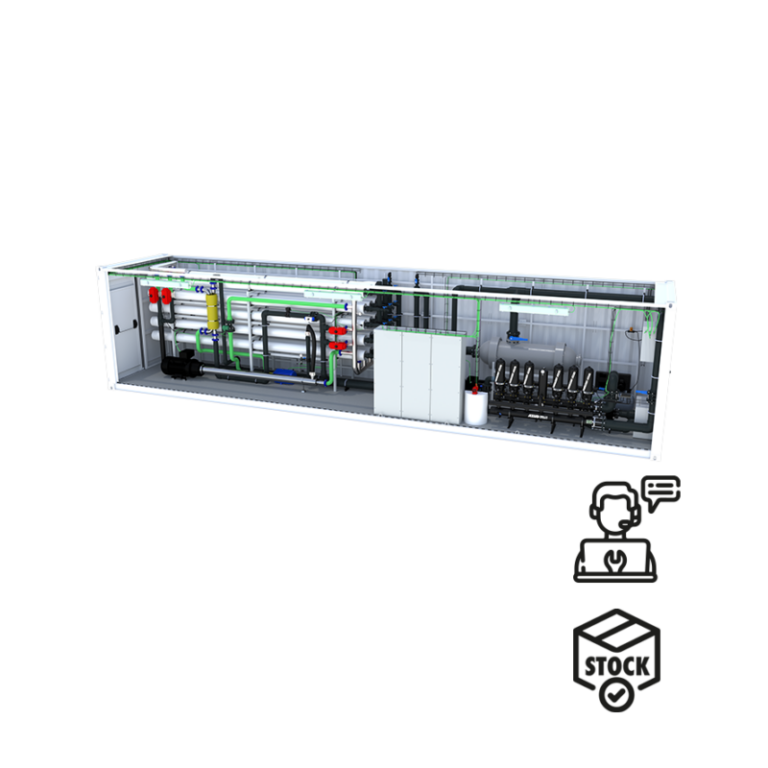
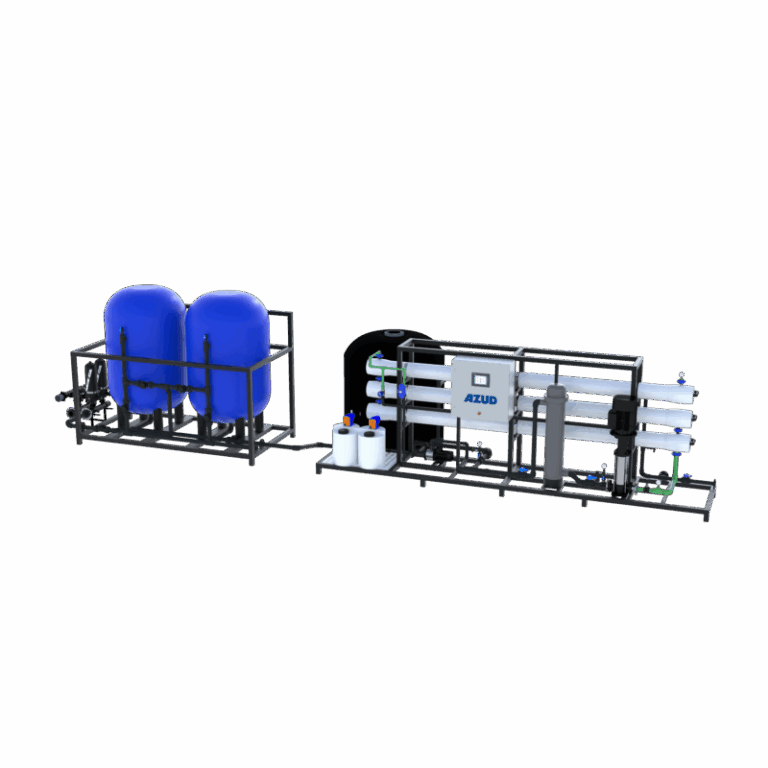
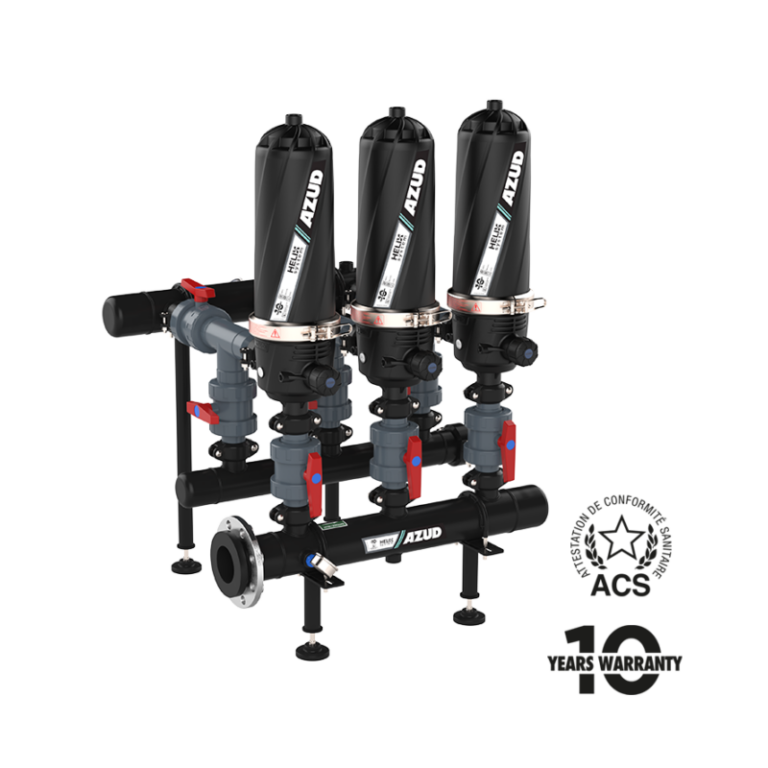
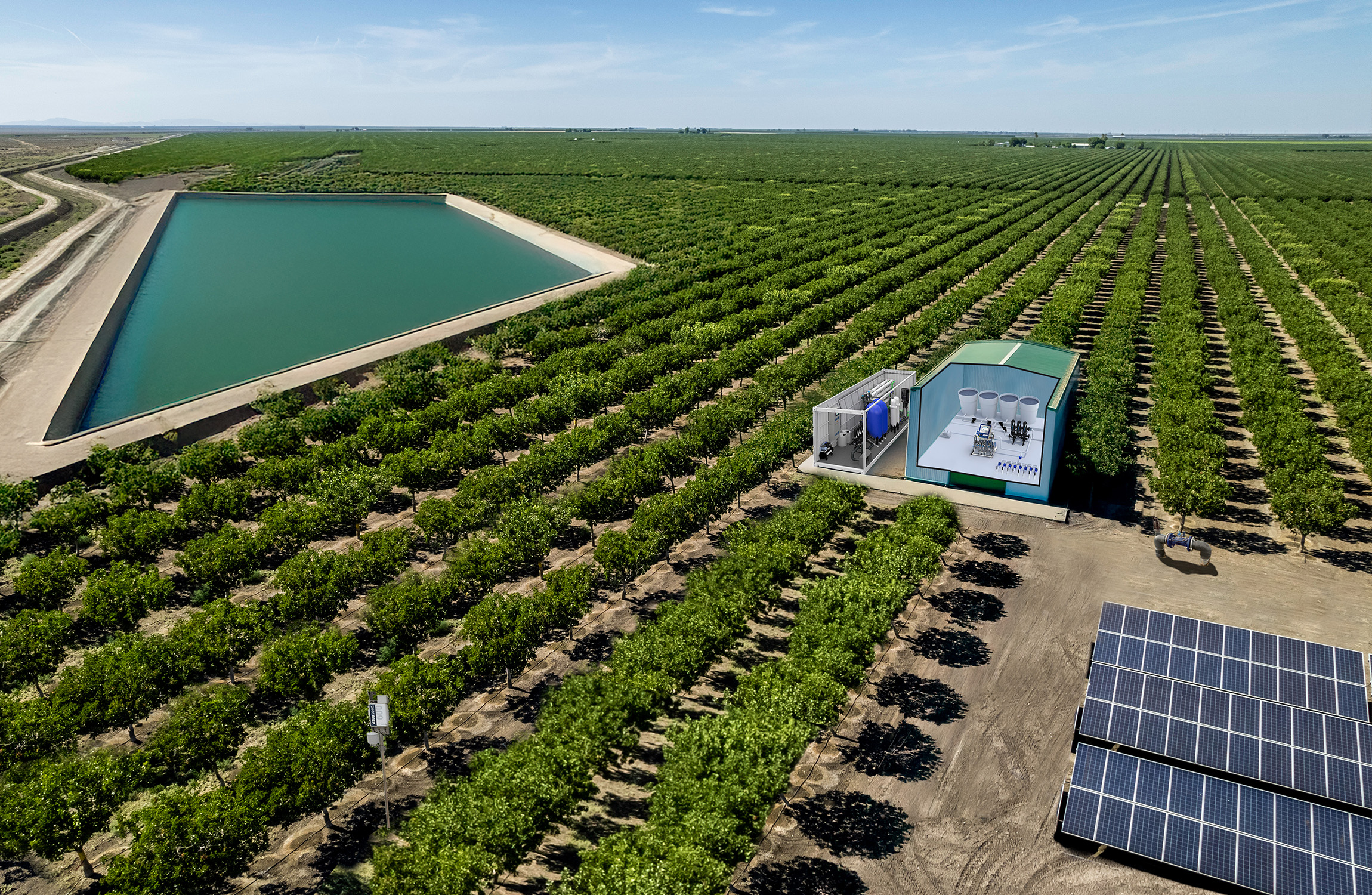
AZUD’s filtration systems are essential for ensuring irrigation reliability and protecting the installation, especially in intensive operations where uniformity is key.

Direct benefits for your table grape harvest

  • Improved berry size and cluster uniformity.
  • Greater control over vegetative vigor and fruit development.
  • Reduction of problems associated with excess moisture.
  • Optimized use of water in high-value crops.
  • Greater yield stability and market quality.
  • Ensure that water and nutrient inputs are sufficient to achieve the intended production goal under existing soil and climate conditions.
  • Precise management of inputs with clearly defined strategies for each period to achieve an appropriate balance between quantity and quality throughout the growing cycle. Precise management of inputs allows for the achievement of the appropriate balance between vegetative growth, berry size and number, and sugar content.
  • Implement specific irrigation practices independently, tailored to the type of irrigation (surface drip irrigation or RGS) and in response to reduced water availability (supplemental irrigation, Controlled Deficit Irrigation, etc.).

Frequently Asked Questions

Absolutely. Our systems can be adjusted to accommodate different weather patterns, ensuring the right amount of water for the vines in all conditions.

The stages of bud break, flowering, fruit set, and berry development are particularly sensitive to irrigation management.

Yes, provided it is applied in a controlled manner and with a good understanding of the crop's condition, it can be used to improve fruit quality at certain stages.

Success stories

Quarry reduces production stoppages by protecting washing machines

Learn more

DANGOTE minimizes the biofilm in your facility

Learn more

SHANGHAI HUANYANG optimizes UV disinfection

Learn more

KIA reduces water footprint by regeneration

Learn more

SOMACYL will regenerate wastewater using pre-filtration to protect the tertiary sector

Learn more
Related products