




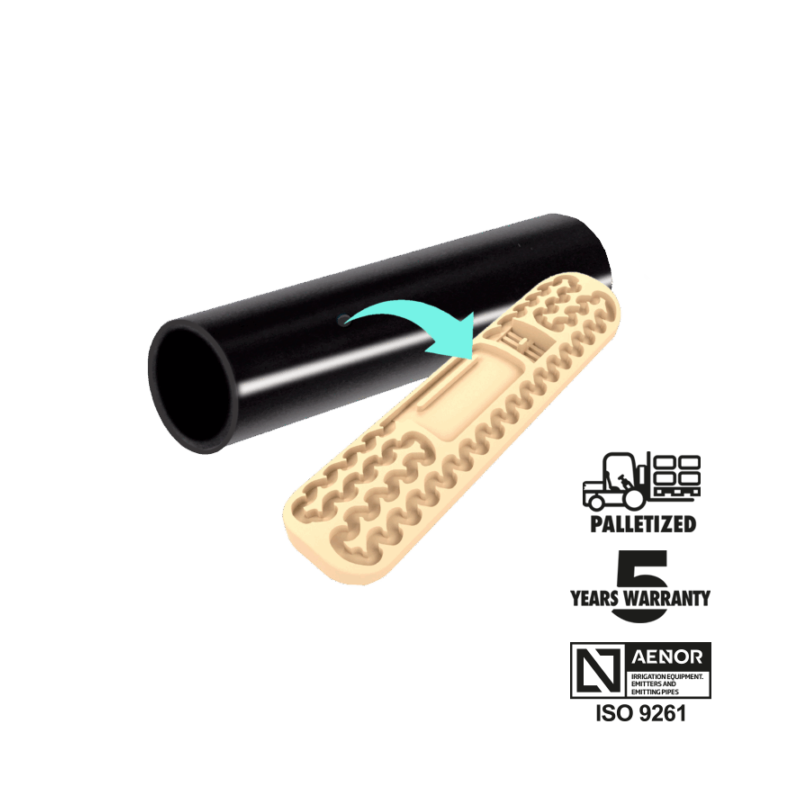
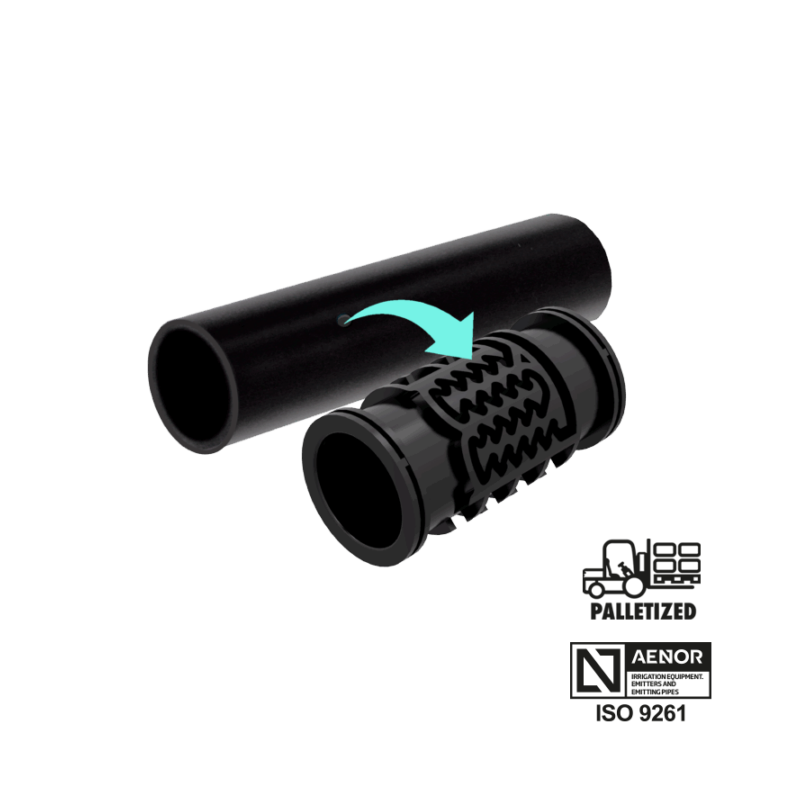
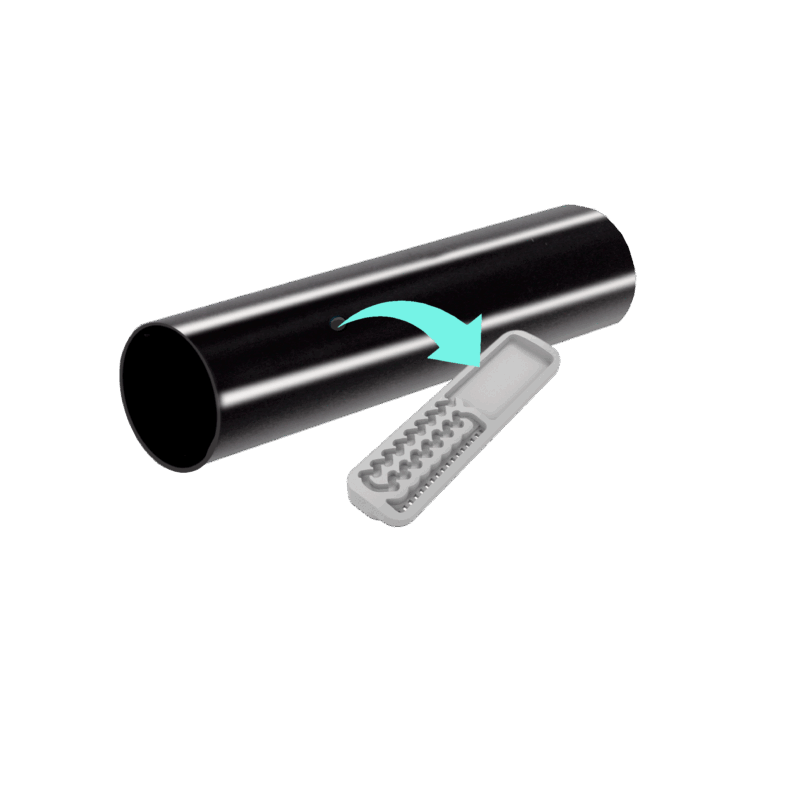
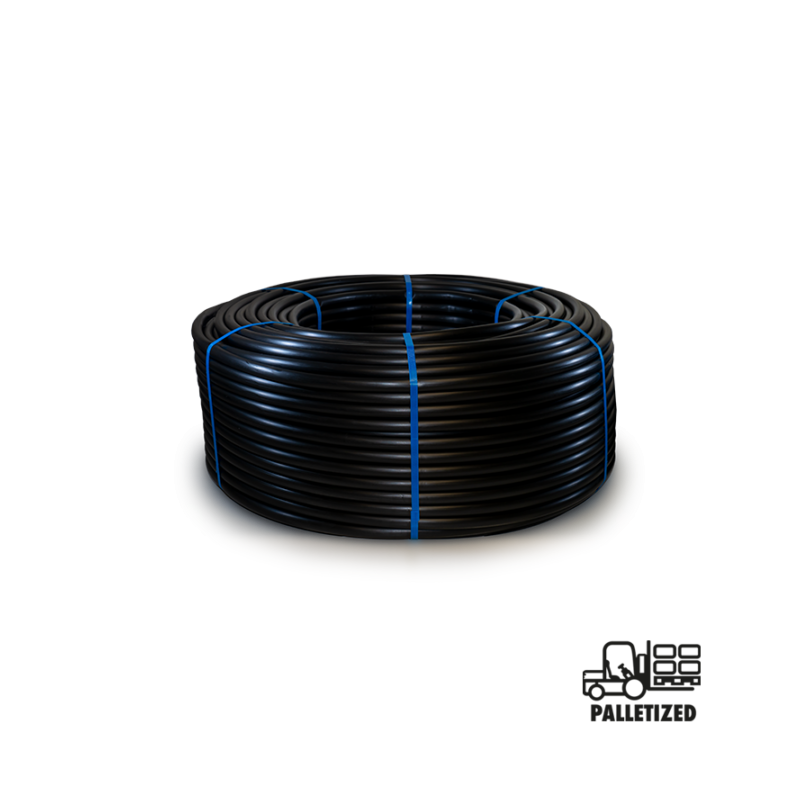
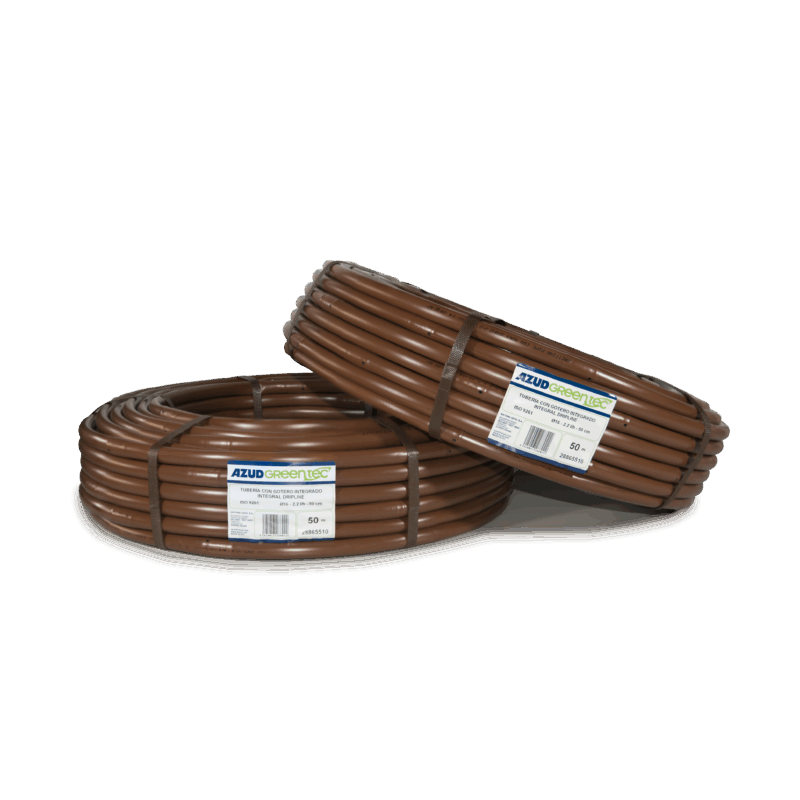
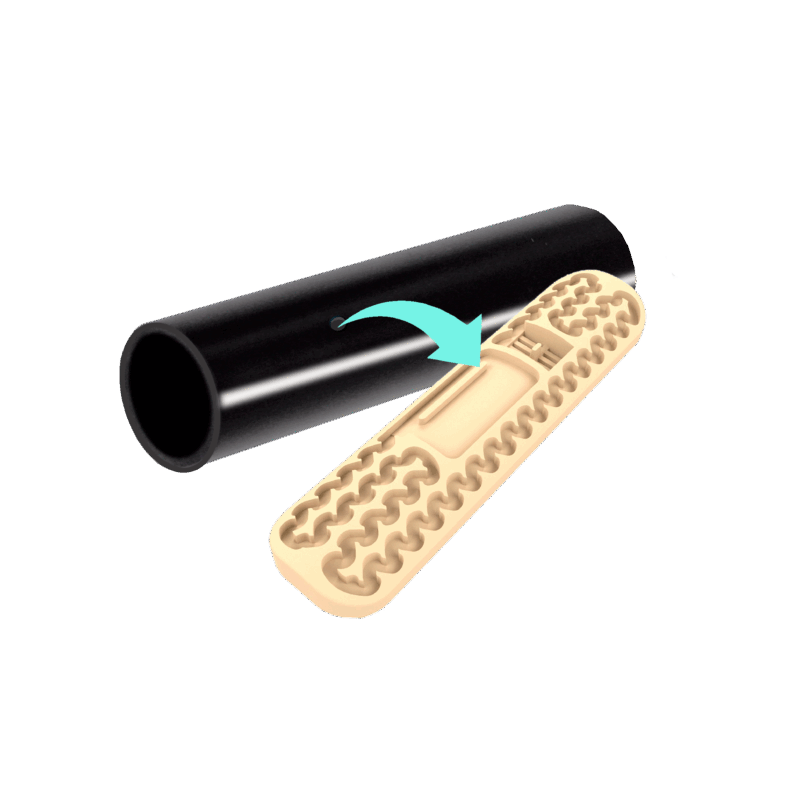
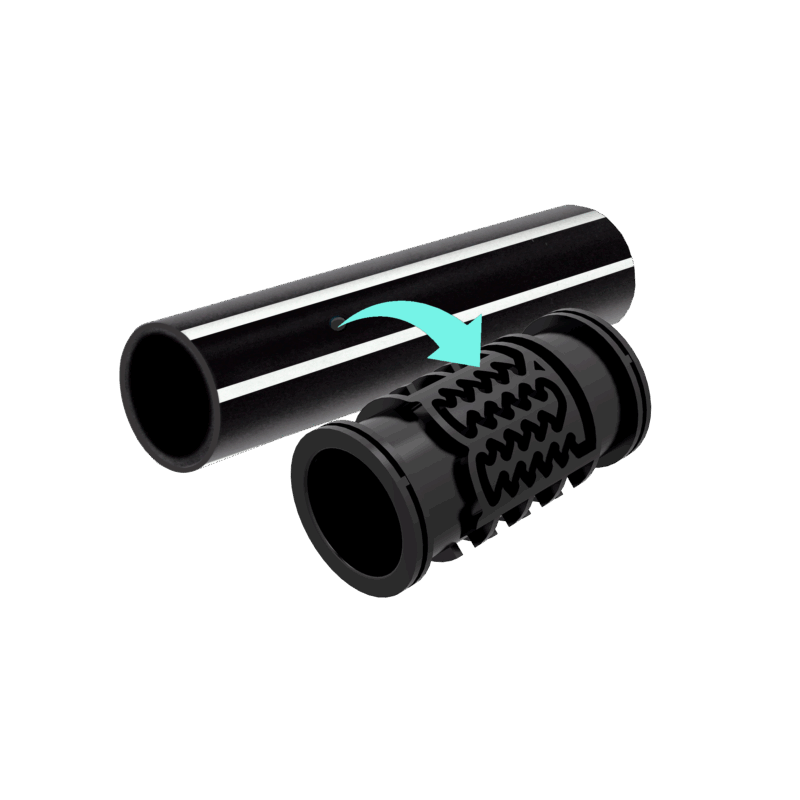
In a world that demands more sustainable solutions, agriculture faces the challenge of efficiently managing the plastic waste generated in its operations. In this context, AZUDhas joined the initiative;ERDE (Erntekunststoffe Recycling Deutschland)a leading program in Germany that facilitates the collection and recycling of agricultural plastics, including irrigation tapes.
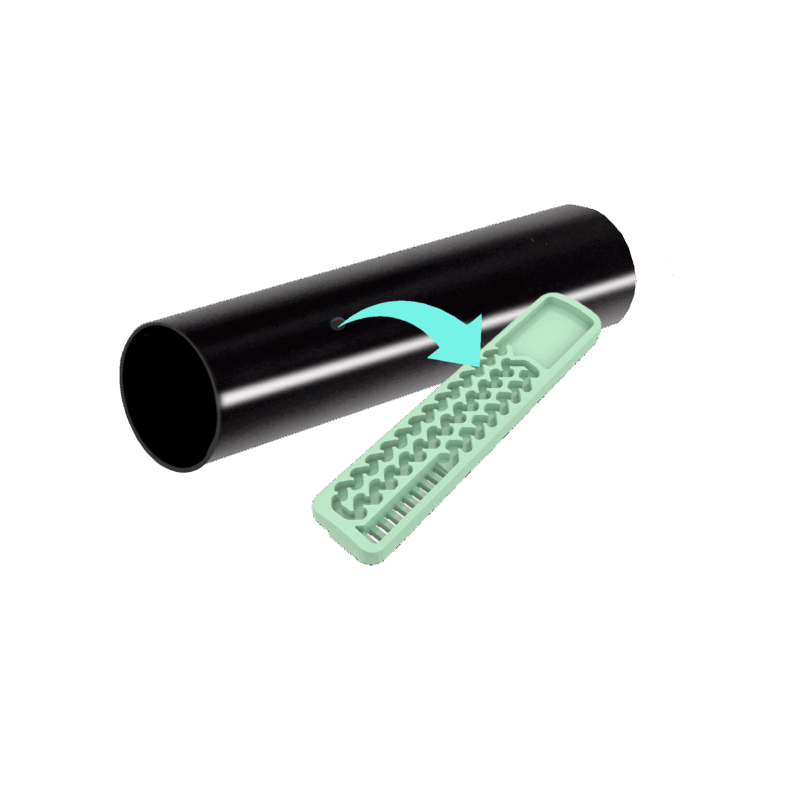
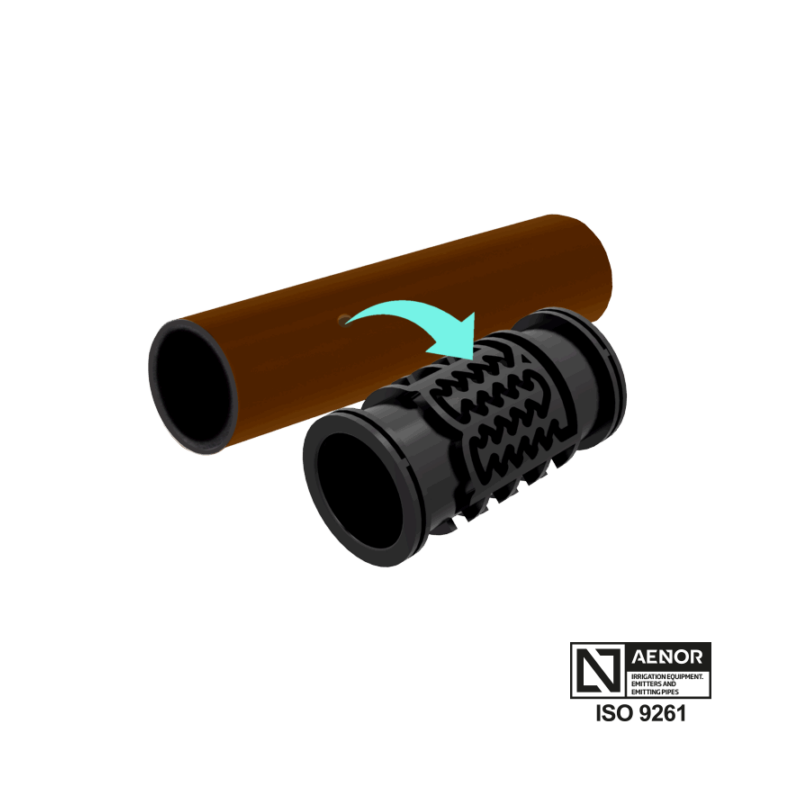
ERDE, under the umbrella of IK Industrievereinigung Kunststoffverpackungen e.V. and managed by RIGK, is dedicated to creating a closed loop for used agricultural plastics. This system not only ensures the recycling of materials such as silage films, nets and Irrigation driplines, but also drastically reduces the carbon footprint of agriculture. The initiative is supported by a nationwide network of collection points where farmers and distributors deliver these materials, which are then processed into new raw materials.
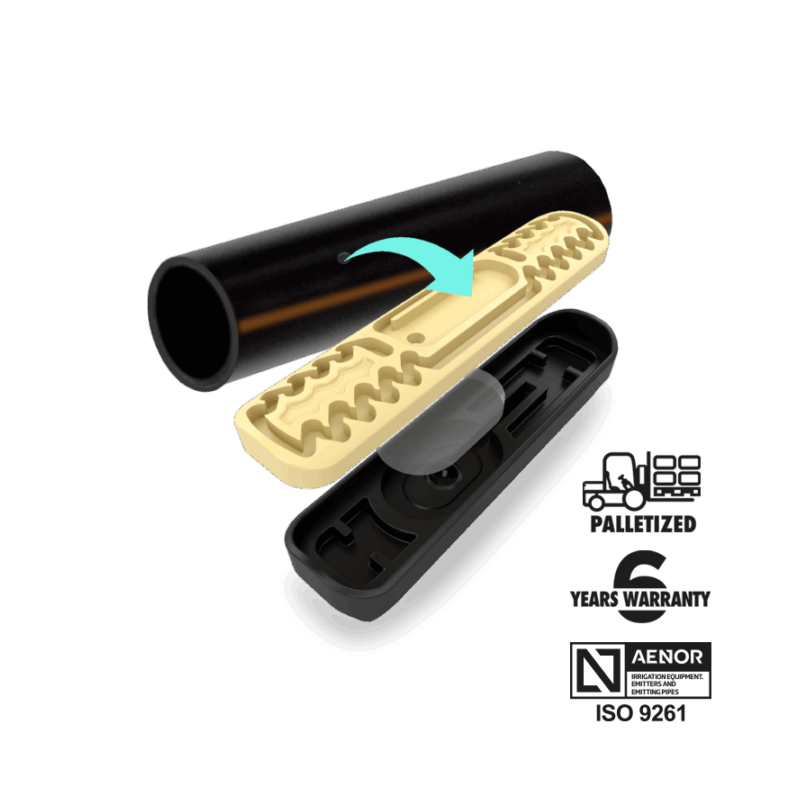
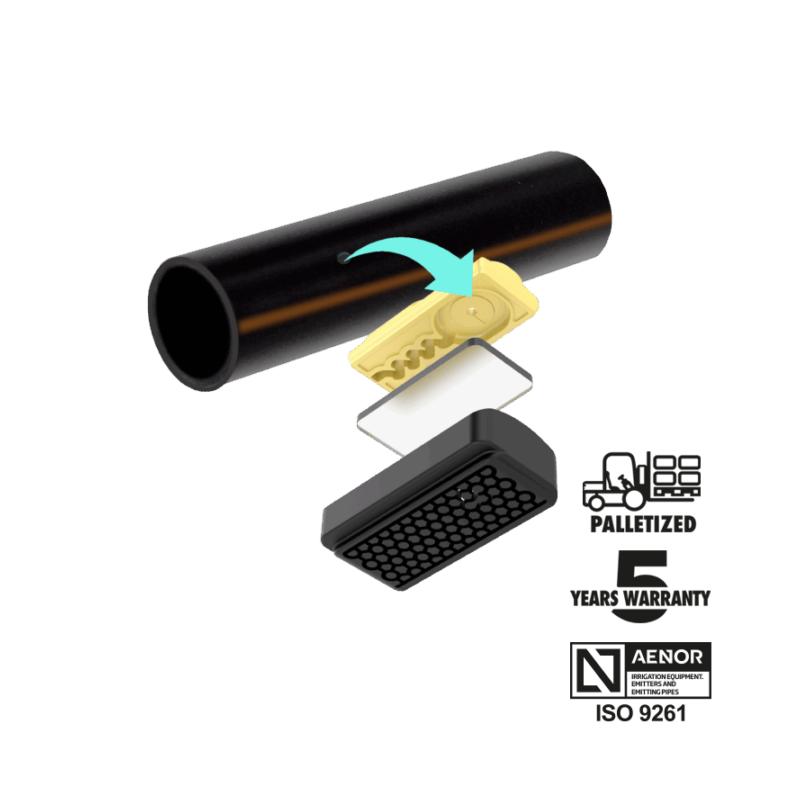
AZUD, internationally recognized for its High precision Irrigation systems, has been one of the first companies to collaborate with ERDE in the inclusion of Irrigation tapes as a category within the program.
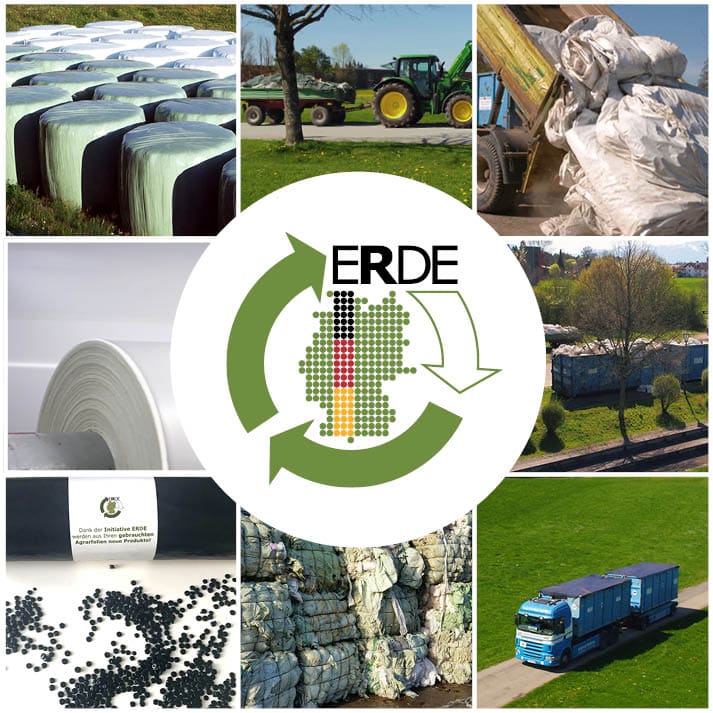
This effort reinforces AZUD’s commitment to sustainability, ensuring that end-of-life products do not become waste, but are properly recycled. Through this initiative, AZUD offers its partners and customers in Germany a practical and efficient solution for managing agricultural plastic waste, facilitating their access to a specialized recycling network. In addition, this collaboration not only contributes to reducing the environmental impact of the products, but also fosters the transition to a more sustainable agriculture, based on circular economy principles.
The inclusion of Irrigation tapes in the ERDE system allows the transformation of these plastics into new materials, thus closing the product life cycle. This approach not only minimizes waste, but also significantly reduces the carbon footprint of agricultural operations.
at AZUD, we are very pleased to be part of this important initiative, contributing to a more sustainable agriculture,” says Ramón Alcaraz, international sales manager at AZUD.
A step towards integral sustainable development
AZUD’s participation in the ERDE project not only addresses the immediate need to manage plastic waste, but also aligns with a global vision of sustainability, framed in the Sustainable Development Goals (SDGs) promoted by the United Nations. In particular, this collaboration highlights the fulfillment of the SDGs;SDG 12: Responsible Production and Consumptionwhich advocates waste reduction and the efficient use of natural resources.
By promoting a circular economy model, AZUD helps create a system where materials are not discarded, but recycled and reused, minimizing their environmental impact. This approach not only benefits the environment, but also offers economic advantages for farmers, who can significantly reduce the costs associated with the disposal of plastic waste through recycling.
In addition, the initiative reinforces AZUD’s commitment to sustainability, ensuring that each stage of the life cycle of its products, from production to final disposal, complies with the principles of environmental responsibility.
José Giné s, head of quality and environment at AZUD, highlights: “Our collaboration with ERDE not only reflects our ongoing commitment to sustainability and environmental responsibility, but is also a key step within our overall sustainability strategy. This initiative reinforces our alignment with the Sustainable Development Goals, especially with regard to responsible production and consumption (SDG 12), promoting more responsible and environmentally friendly agricultural practices;
The recycling of Driplines, now integrated into ERDE, has proven to be an efficient solution for both farmers and the environment. According to recent studies, recycling costs are up to 50% lower compared to traditional methods such as incineration. In addition, the initiative contributes significantly to the reduction of CO₂ emissions and the use of resources.
With this collaboration, AZUD takes a firm step towards sustainability, demonstrating that innovation in agriculture is not only in the fields, but also in shared responsibility for the environment.