


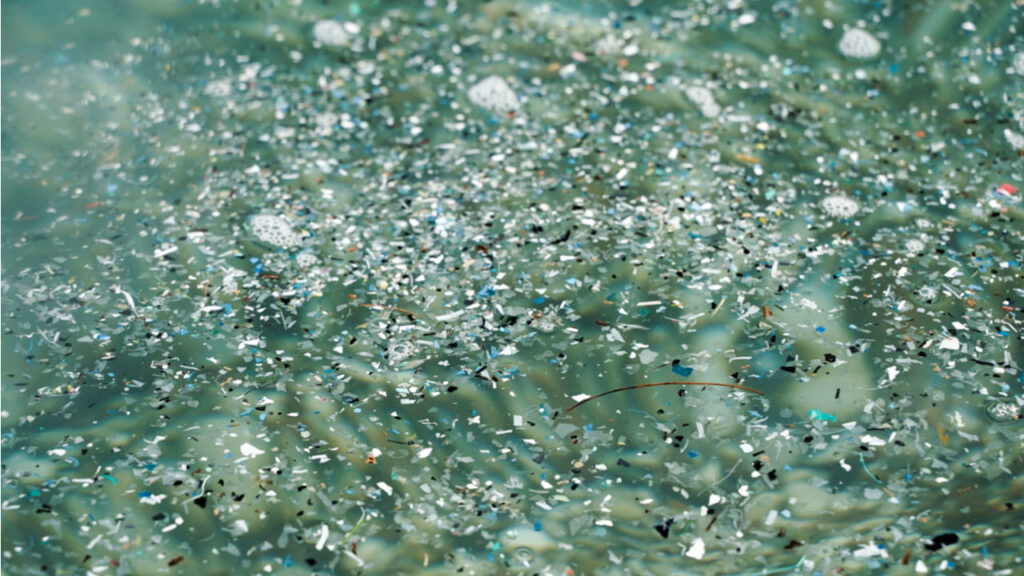
Microplastics in water have become a major environmental problem over the past decade. These tiny plastic particles are invading our oceans, rivers and lakes, and their presence raises serious concerns for marine life, human health and the balance of our aquatic ecosystems
what are Microplastics?
Microplastics aresmall plastic particles no larger than 5 millimeters in diameter. They originate from the decomposition of larger plastic objects or are intentionally manufactured for use in household products such as detergents, toothpaste, skin care products, among many others. Since these products are part of our daily lives and are often in contact with water, the microplastics they contain are constantly being released into our wastewater
Impact of microplastics
The impact of microplastics on marine life and the food chain is a major problem that encompasses both human health and the ecological balance of our aquatic ecosystems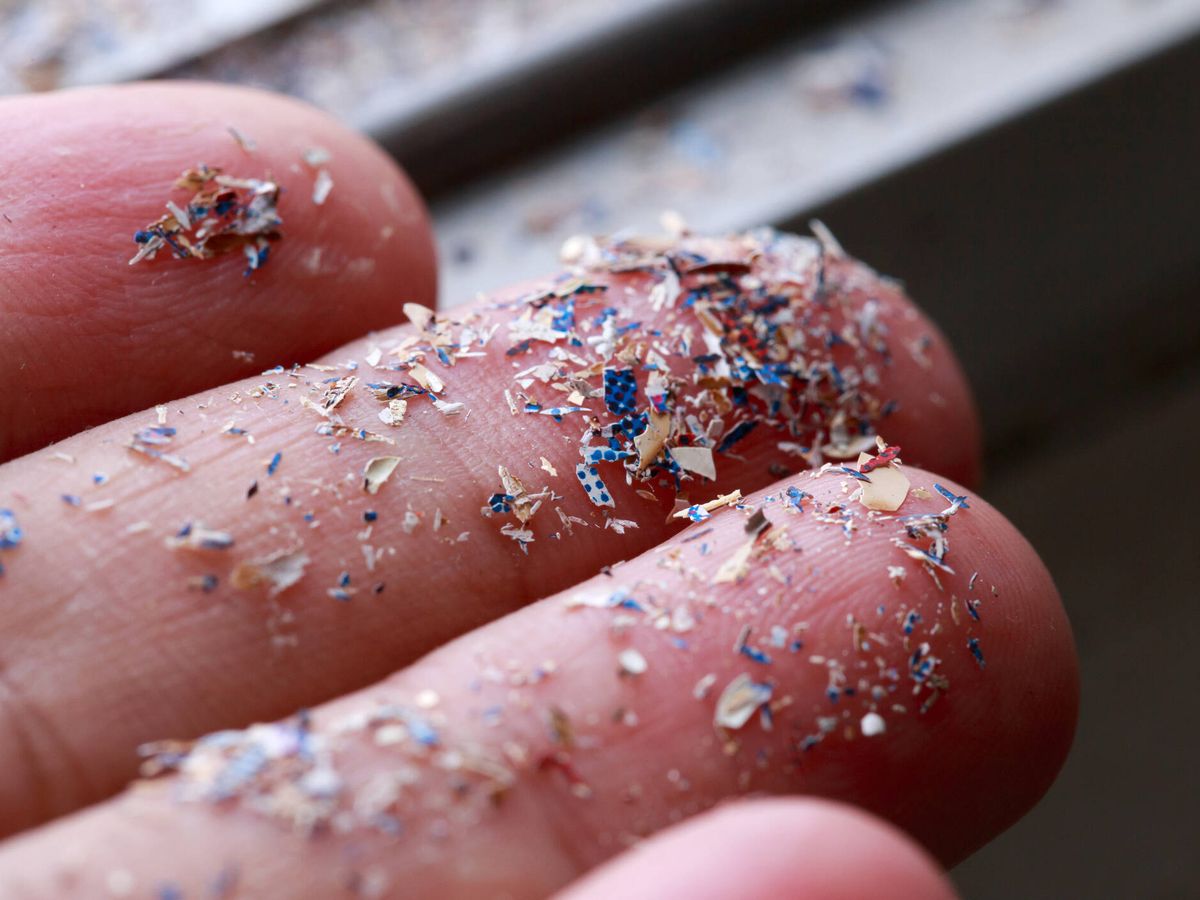
Impact of microplastics on human health
From a human health perspective, concern regarding the ingestion of microplastics through contaminated food and water is steadily increasing. This phenomenon could expose people to toxic chemicals that attach to these tiny particles, raising concerns about the safety of the food and water we consume
Impact of microplastics on marine life
In the natural environment, microplastics represent a tangible threat to our aquatic ecosystems. These tiny particles pollute rivers, lakes and oceans, severely disrupting marine life and affecting biodiversity. Marine organisms, from the smallest to the largest, ingest these microplastics, which can cause significant damage to their digestive systems and alter their feeding patterns. This also results in microplastics entering our food chain when we consume these fish, and microplastics accumulate in sediments, disrupting life in rivers, lakes and oceans and affecting biodiversity
Water Filtration as Solution
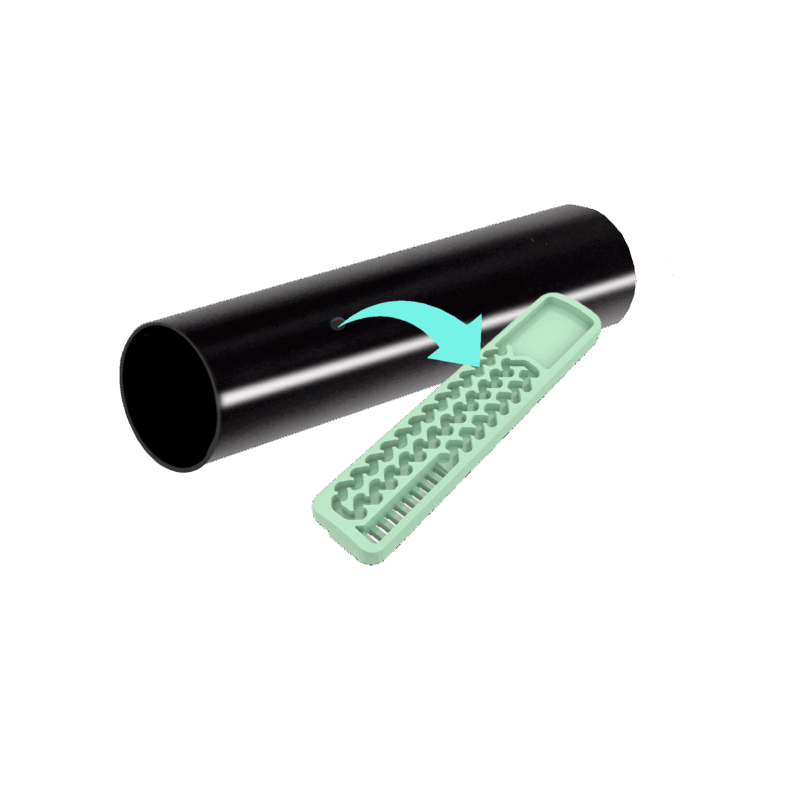
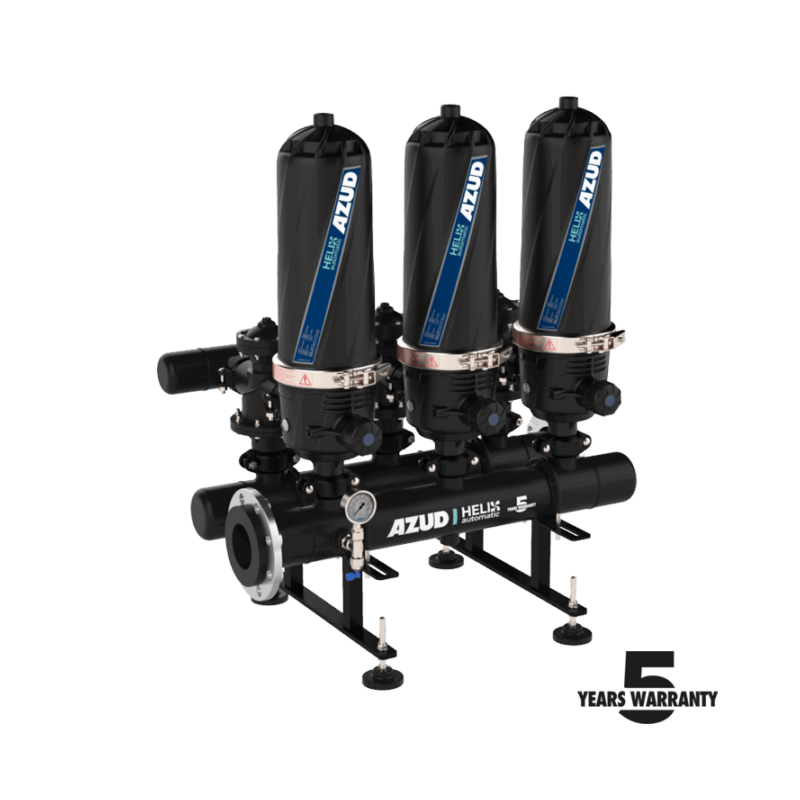
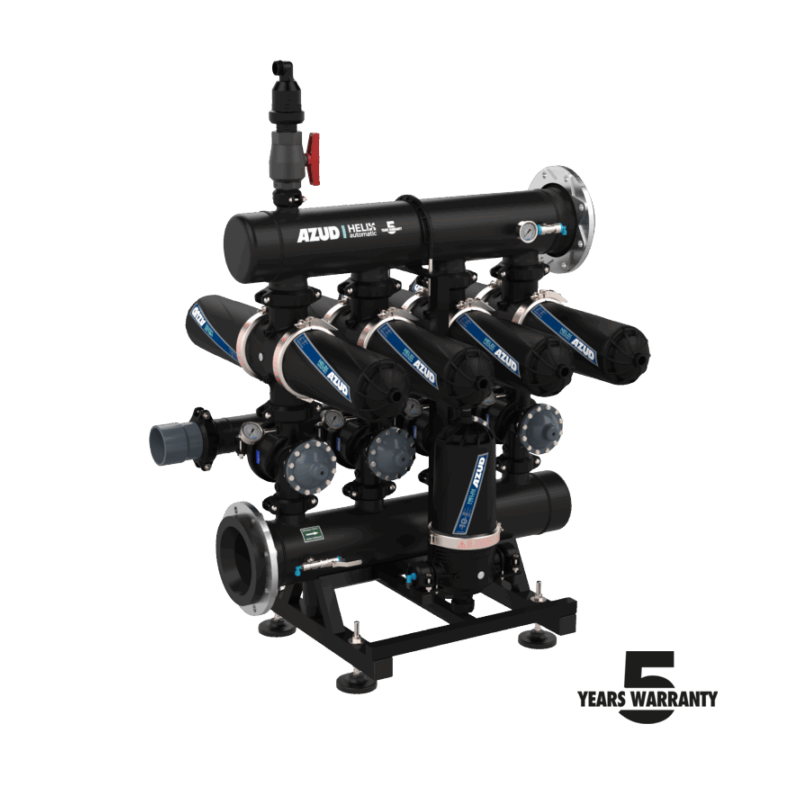
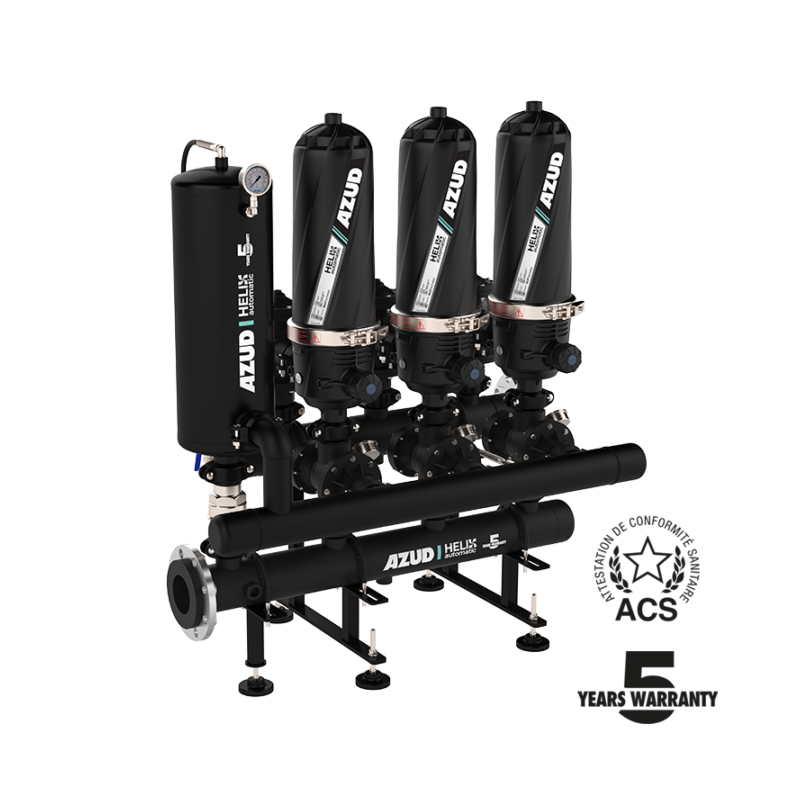
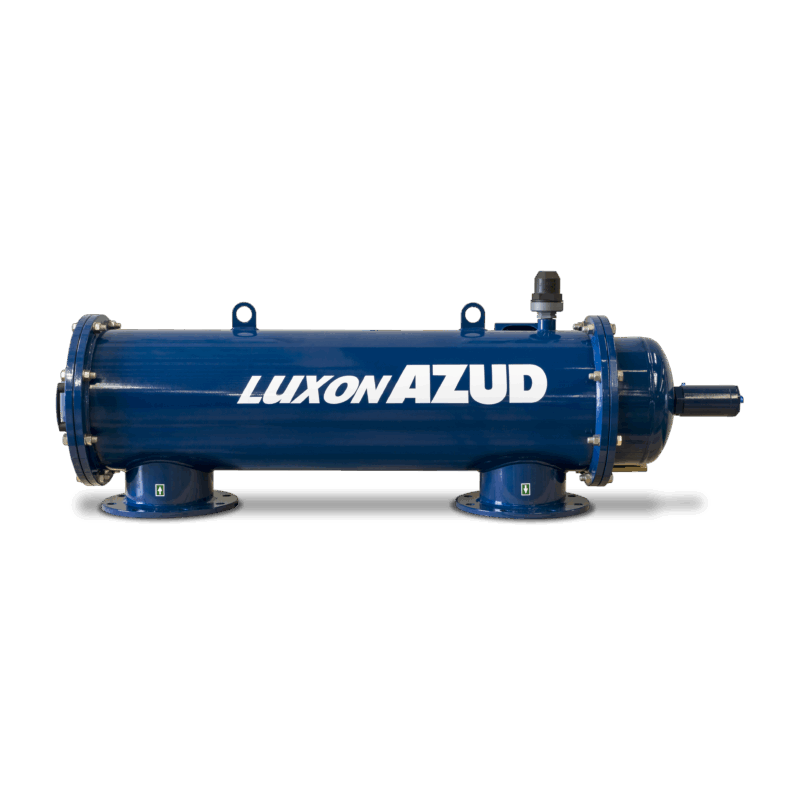
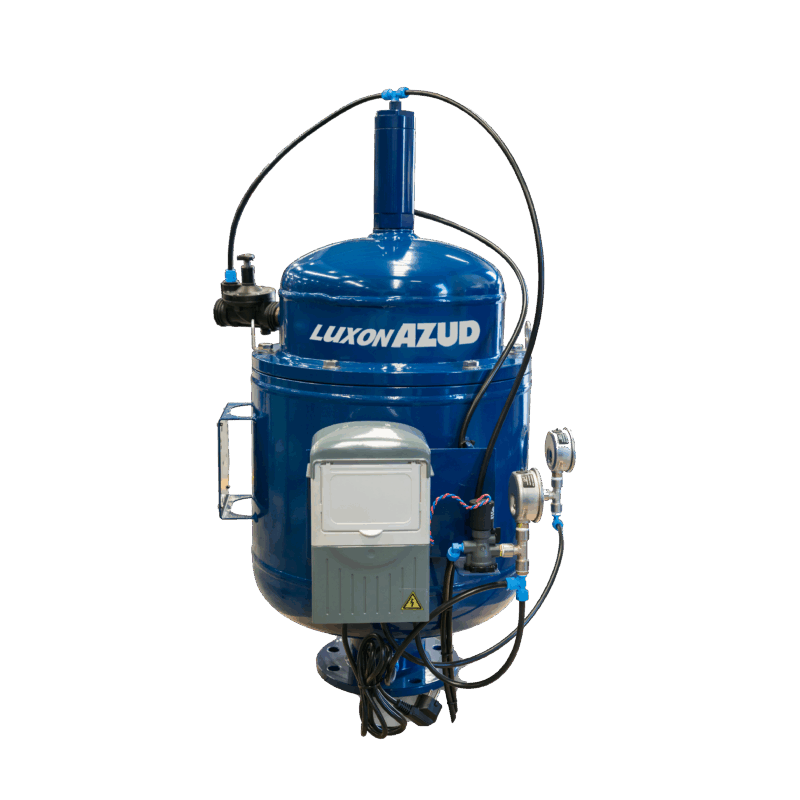
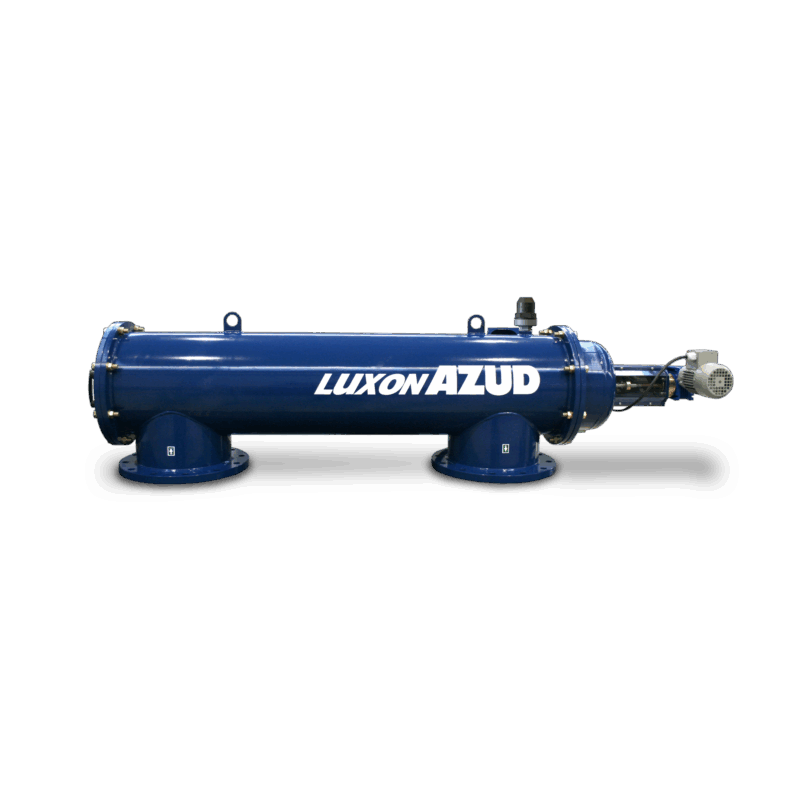
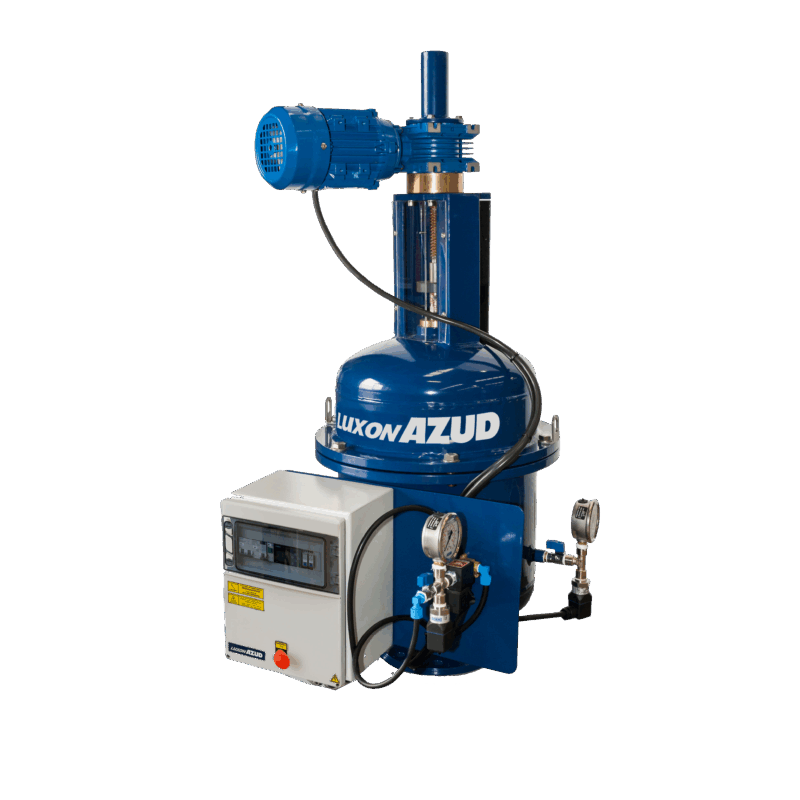
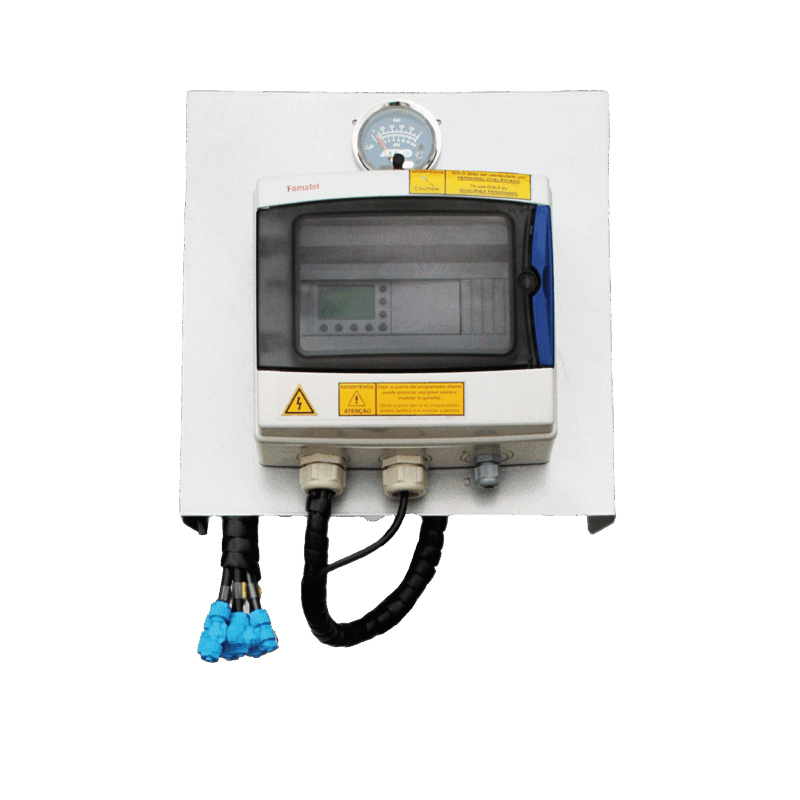
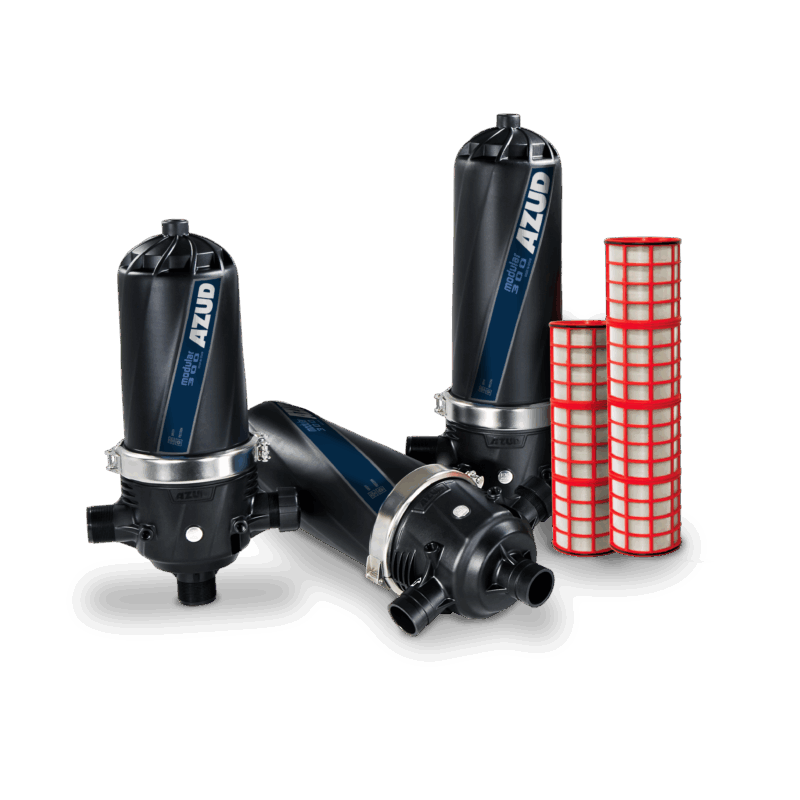
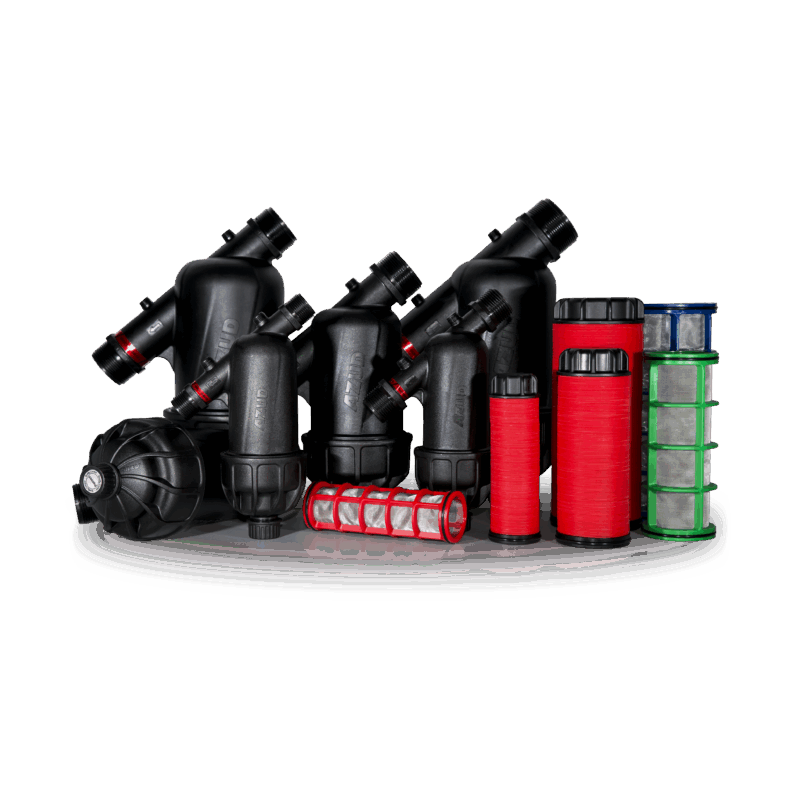
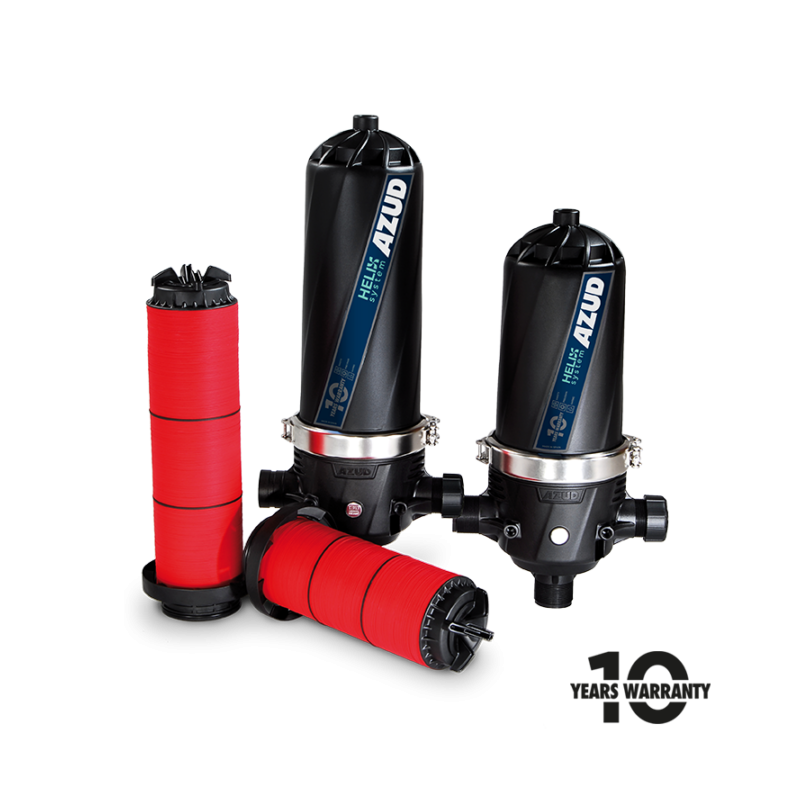
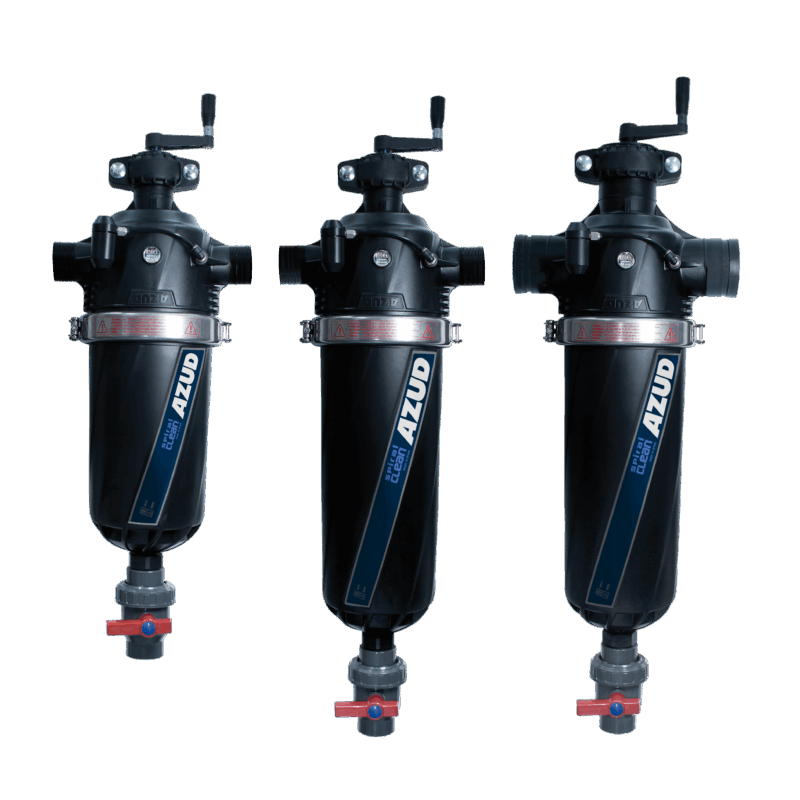
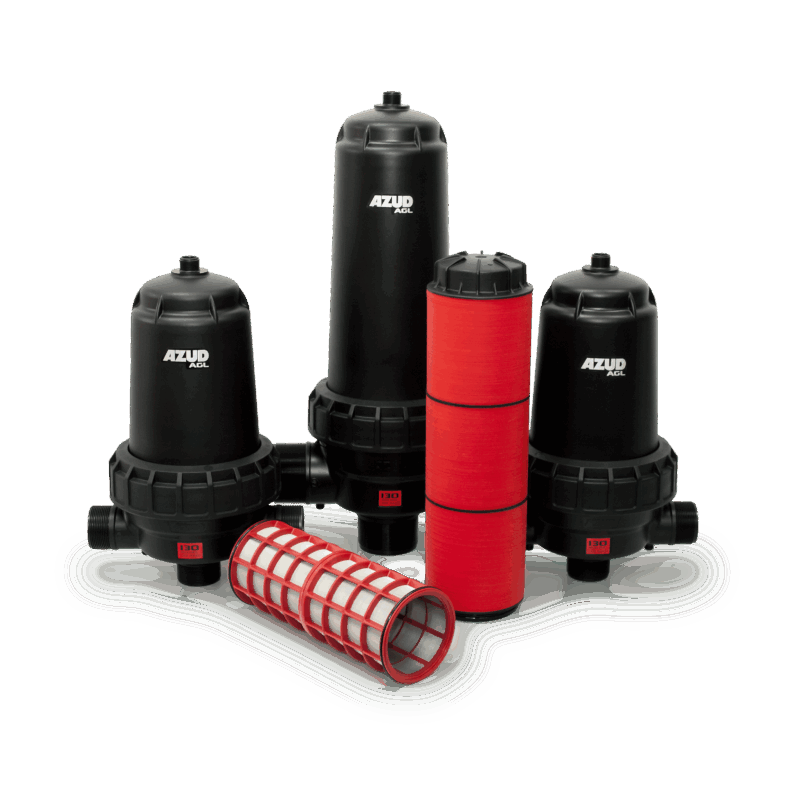
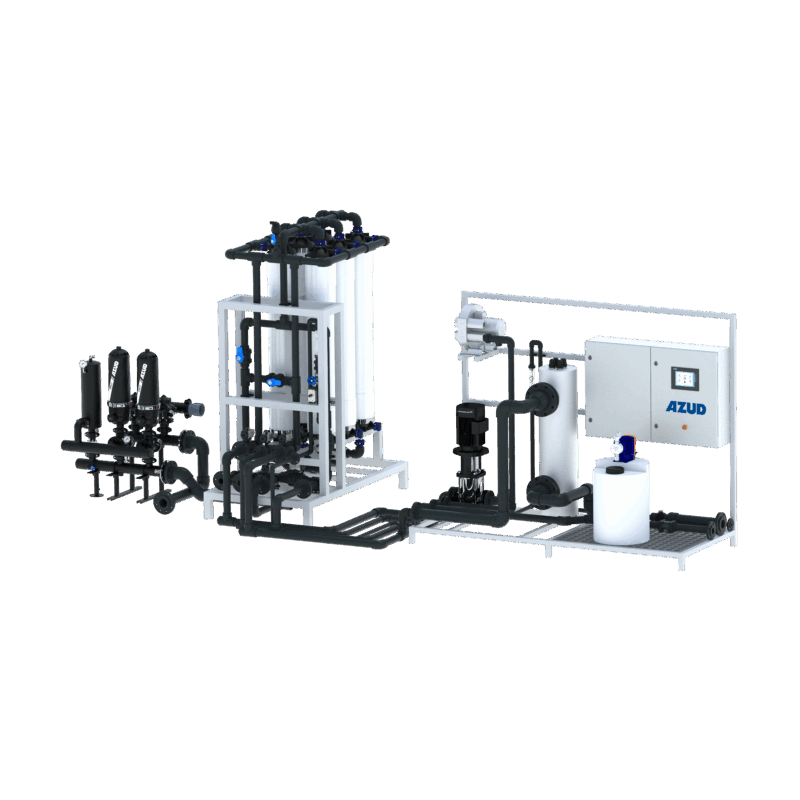
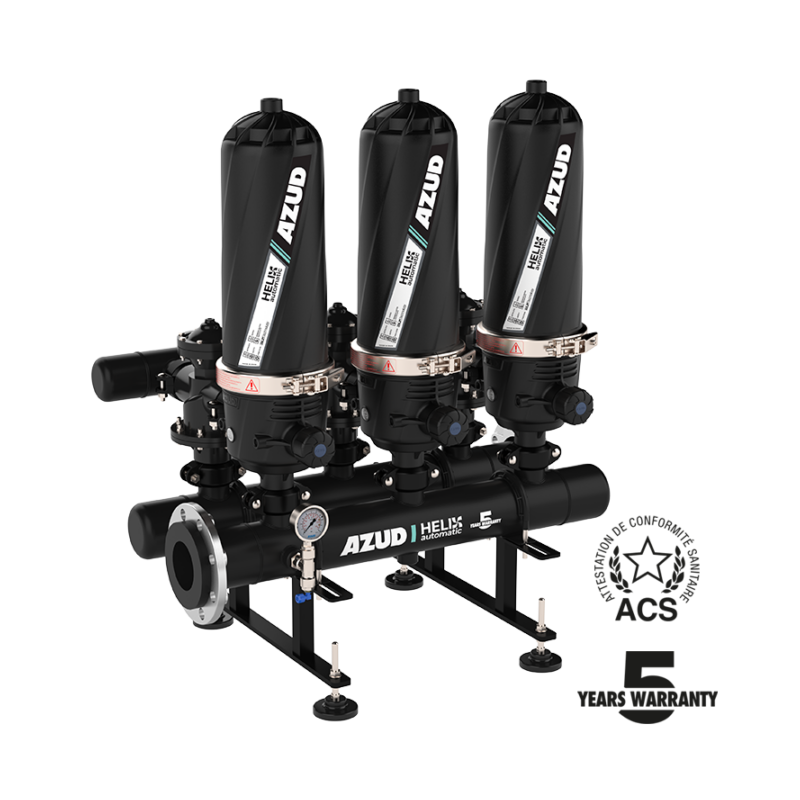
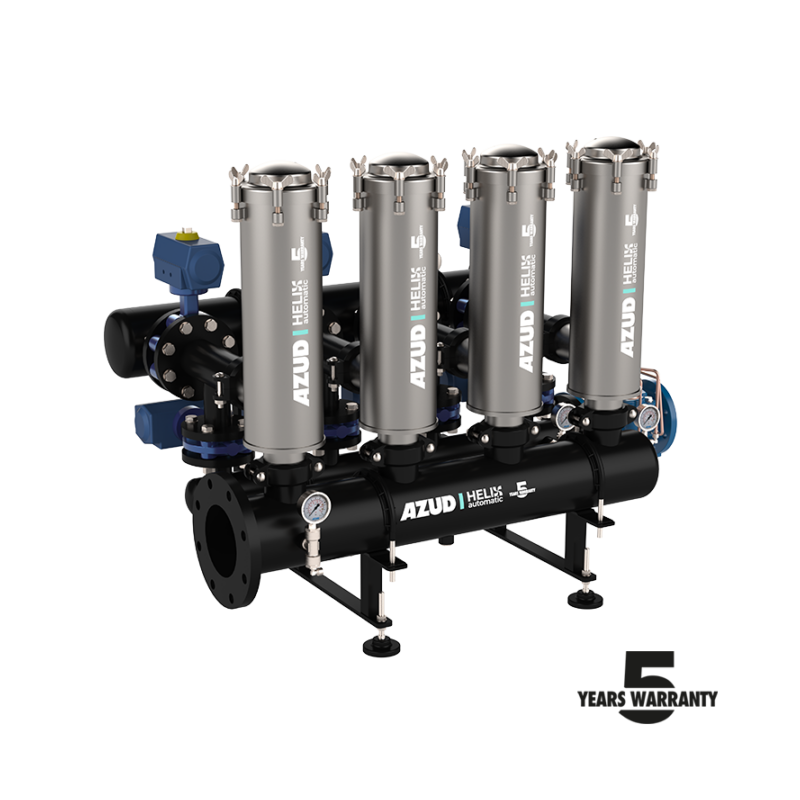
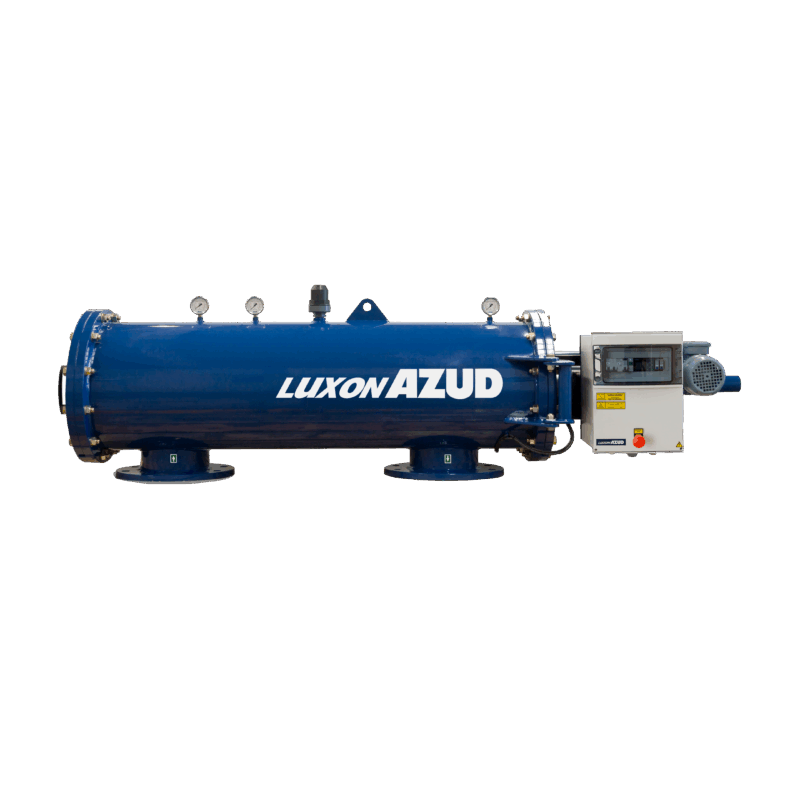
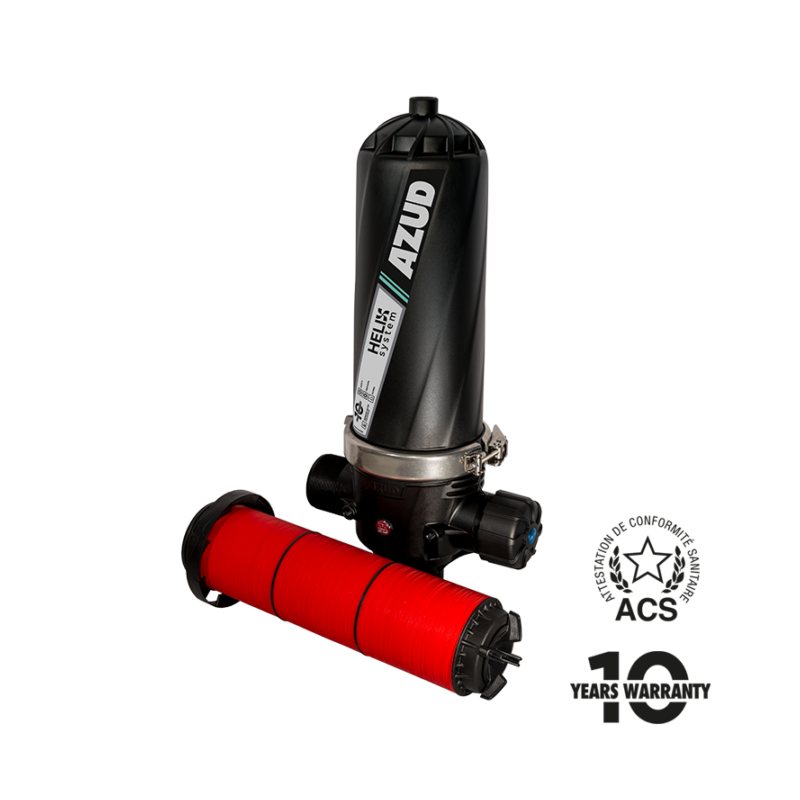
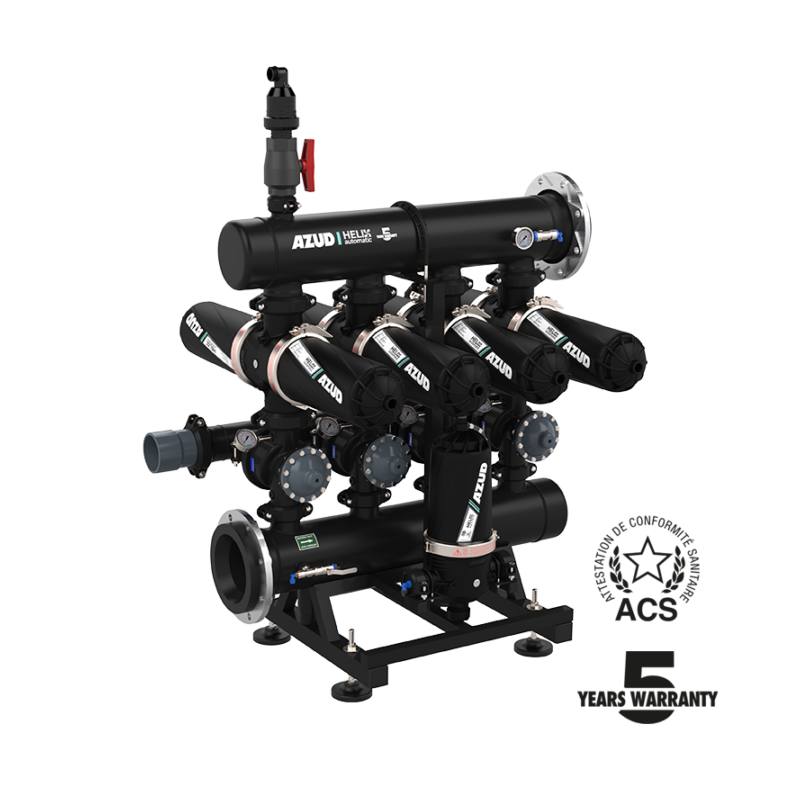
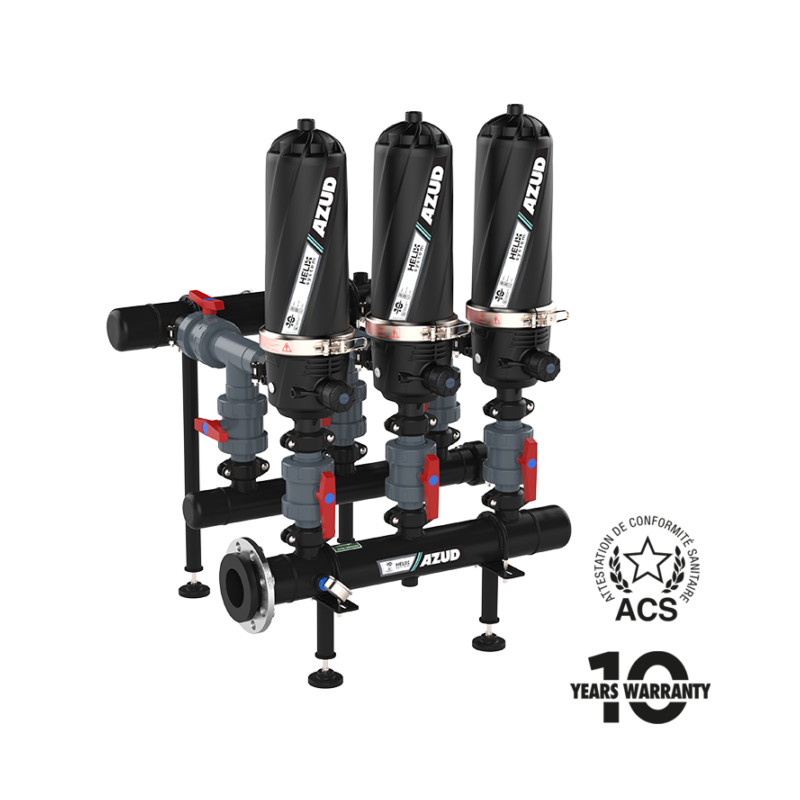
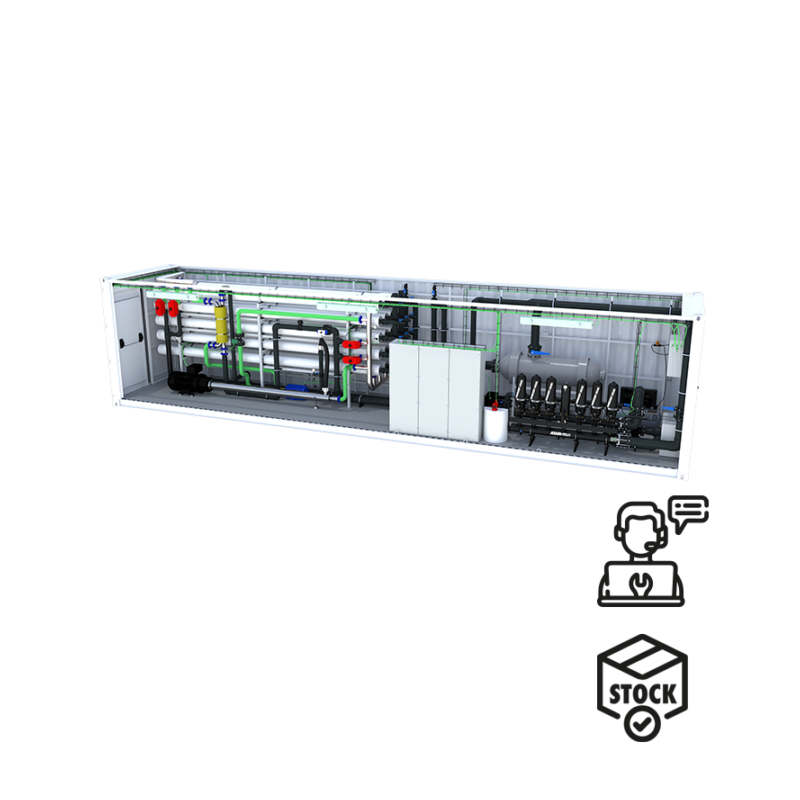
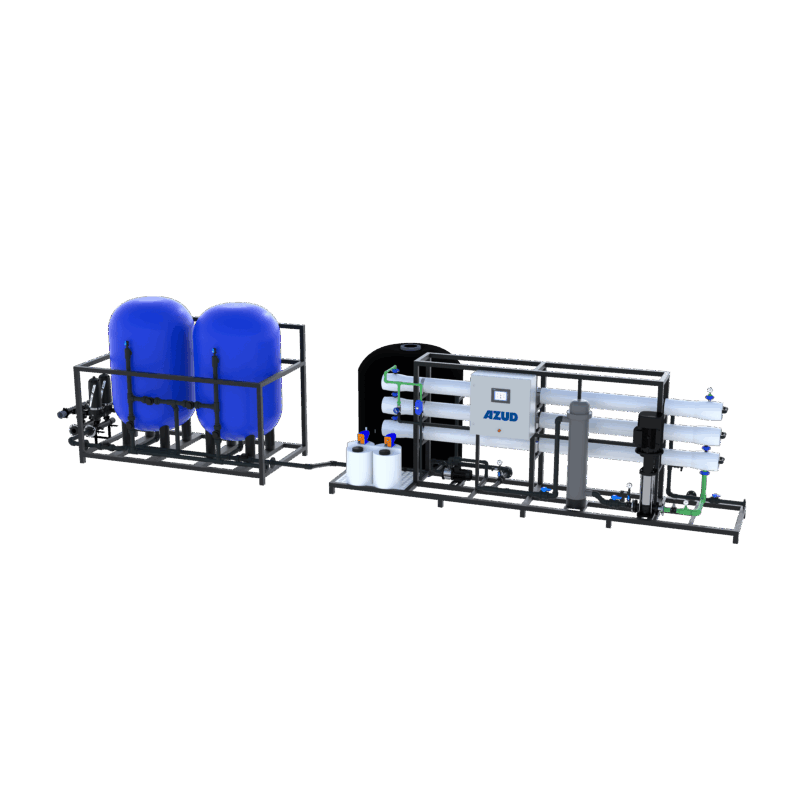
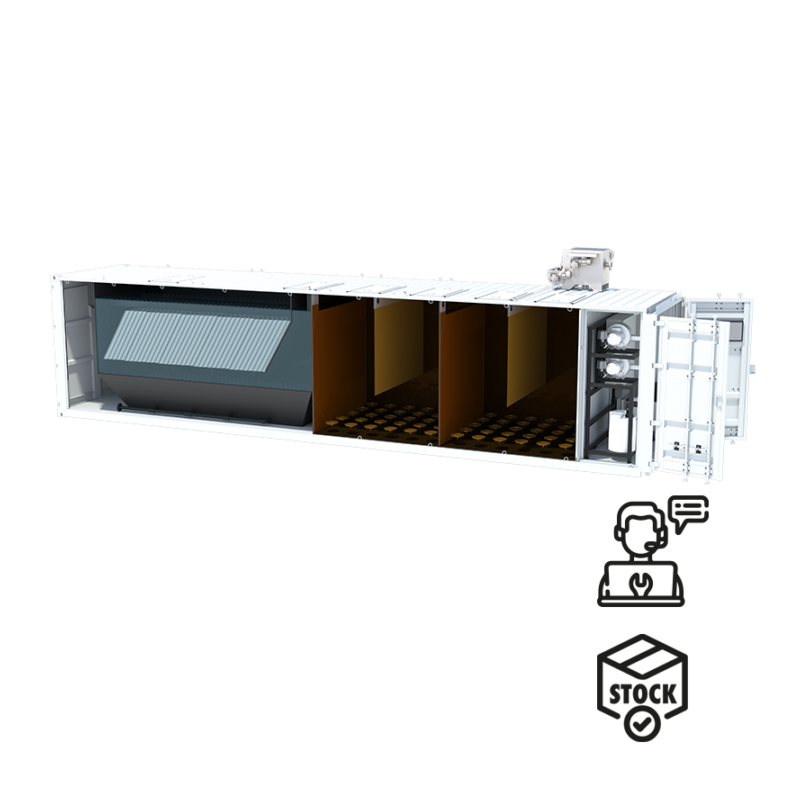
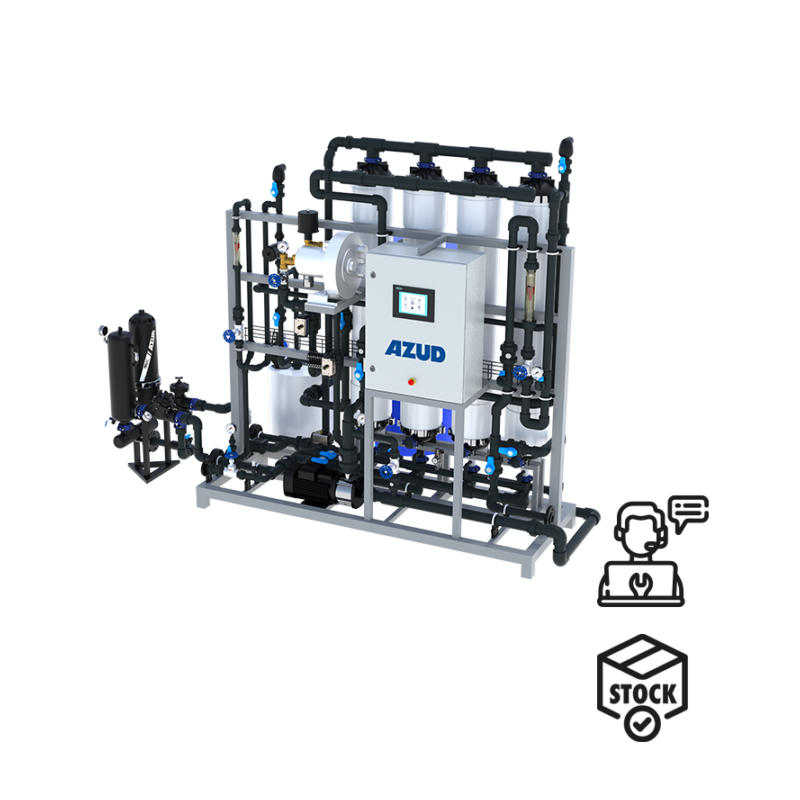
Thewastewater treatment is a crucial area in the management of microplastics. However, even these efficient facilities often fail to completely eliminate microplastics due to their size and nature. This is where thefiltration Systems Integrationsuch as the automatic Filtration equipment with disc technologyHELIX AUTOMATIC WEIRwith a capacity to remove particles down to 5 microns in size, by incorporatingfiltration technologies as an additional step in wastewater treatment processin addition, we can ensure that any microplastics that may have previously passed through are captured before the water is released into the environment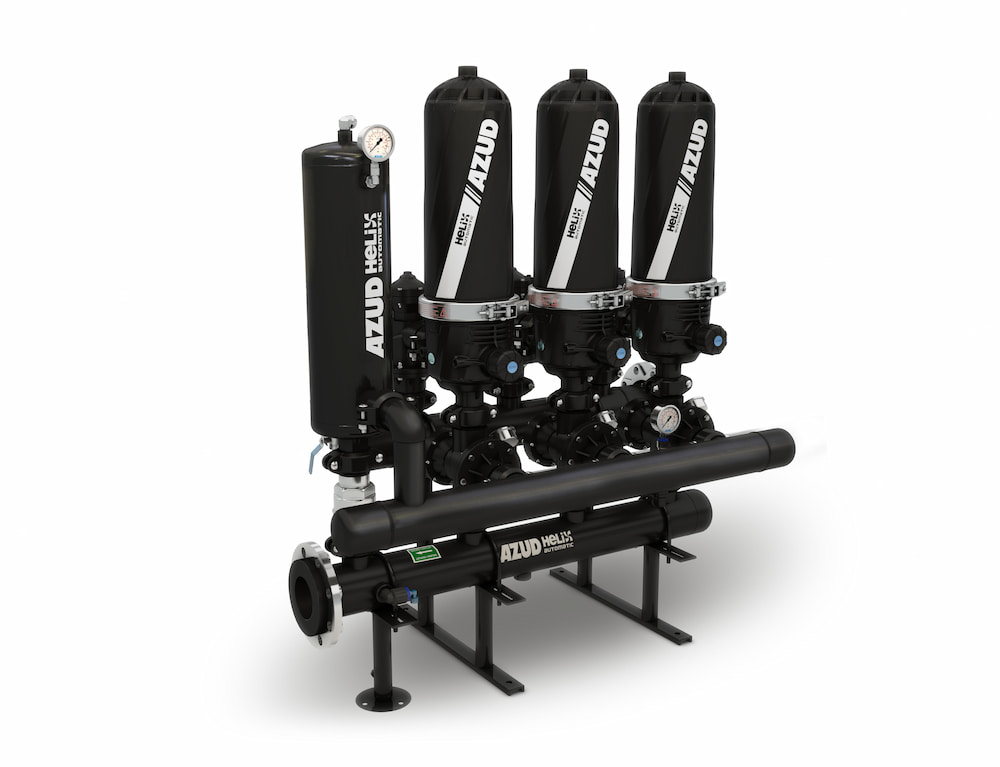
Furthermore, the fight against microplastic pollution is not only limited to the elimination of microplastics, but also theprevention. We are committed to raising awareness of the importance of reducing plastic consumption and adopting more sustainable practices.