


Development of subsurface irrigation systems with controlled release capacity of root growth inhibitor substances RTC-2015-3321-2.
RTC-2015-3321-2.
Irrigated agriculture is central to the world’s food supply, occupying only 17% of the world’s cultivated area, but producing 40% of the world’s food.
The need to increase water productivity is a necessity.
Irrigated agriculture is central to the world’s food supply.
The need to increase water productivity is a necessity.
For this, using localised underground irrigation, where the irrigation pipes are buried in the soil, is an efficient solution because underground irrigation has many advantages. Primarily, it makes better use of the water and nutrients applied, resulting in better quality agricultural products.
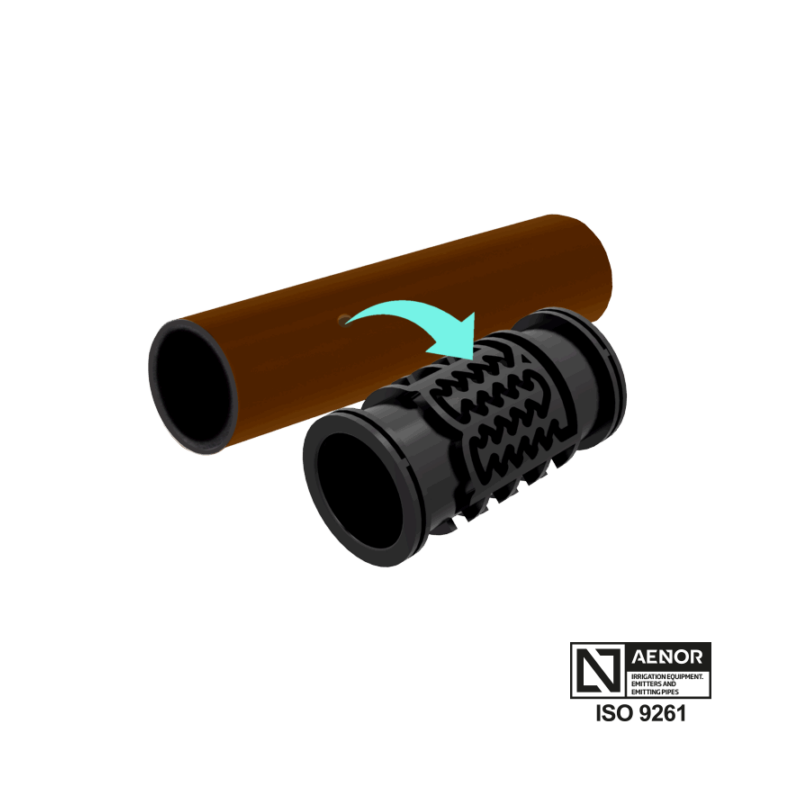
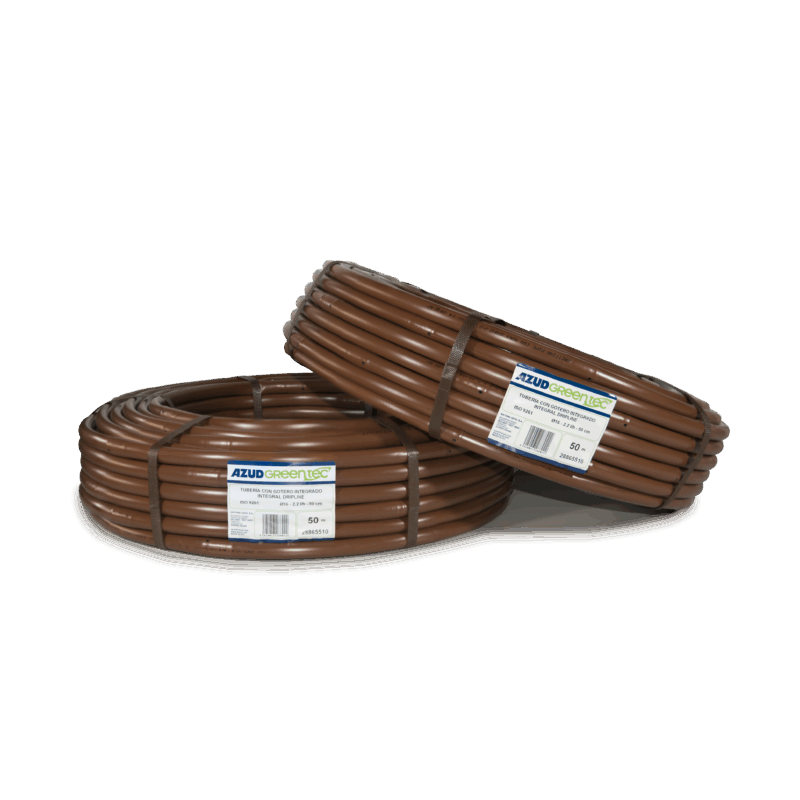
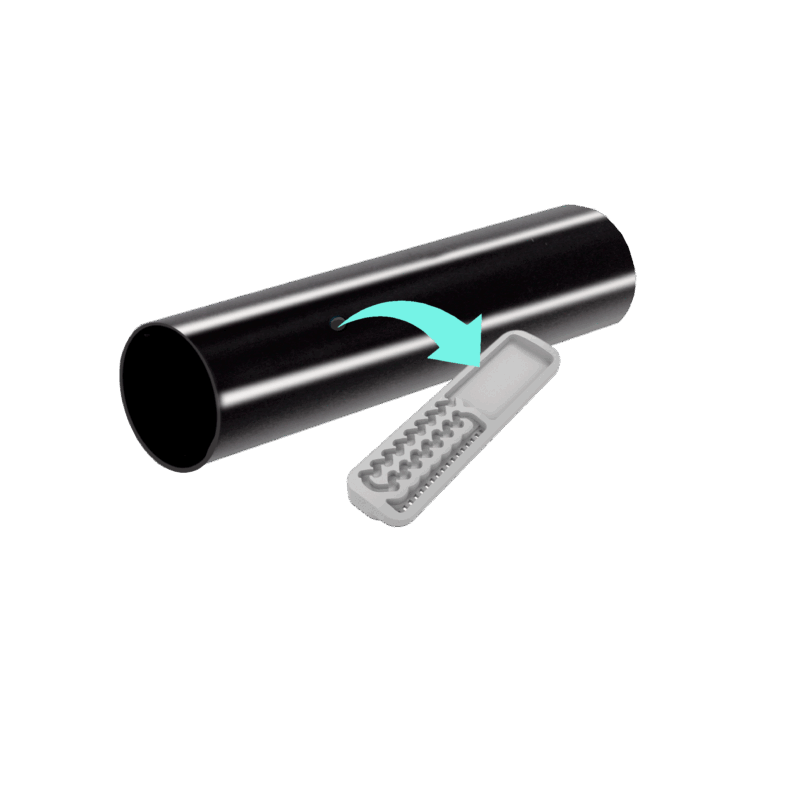
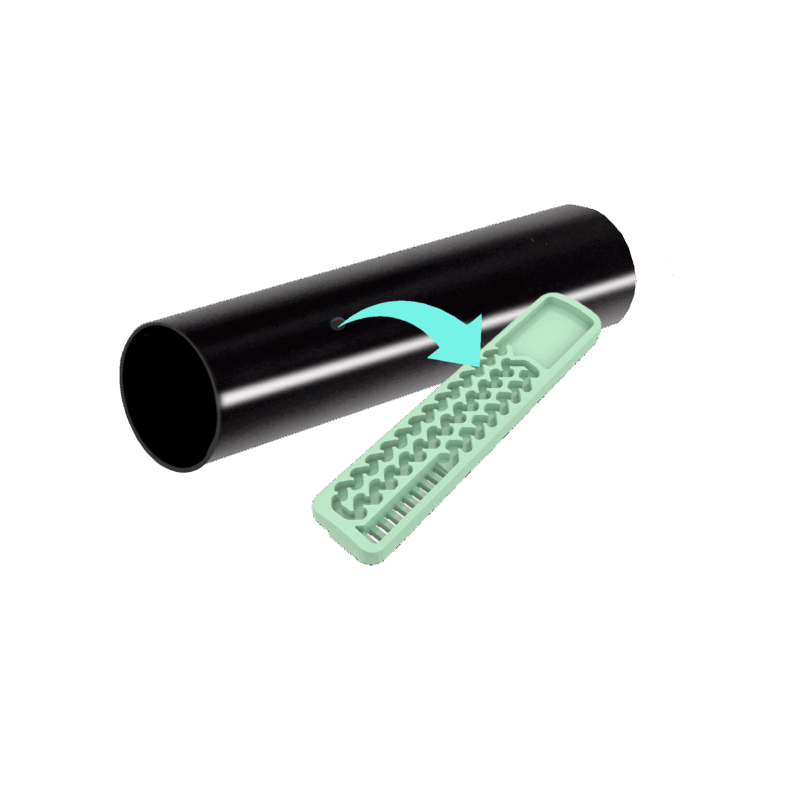
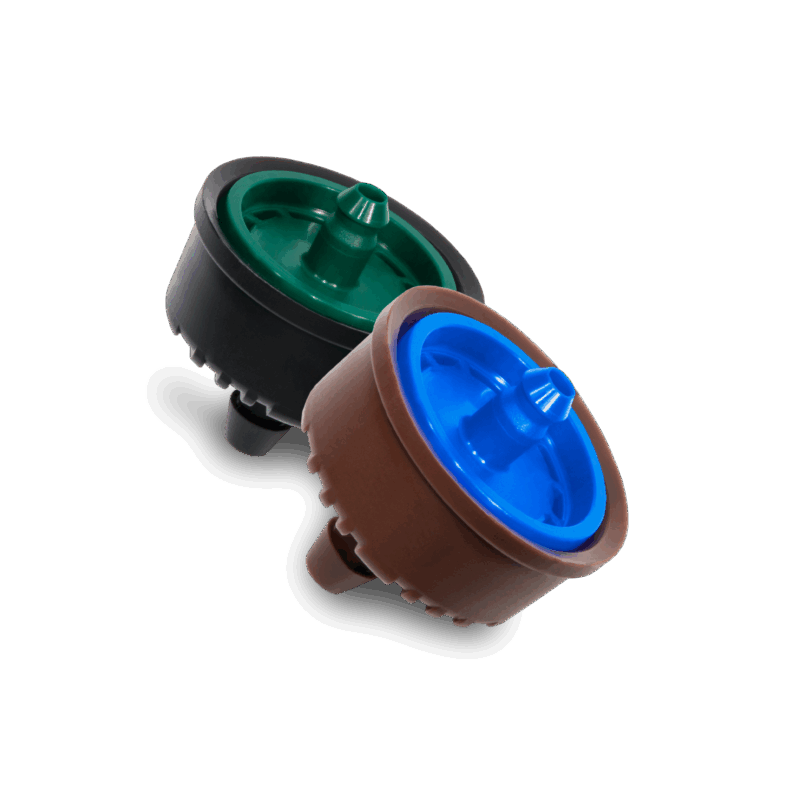
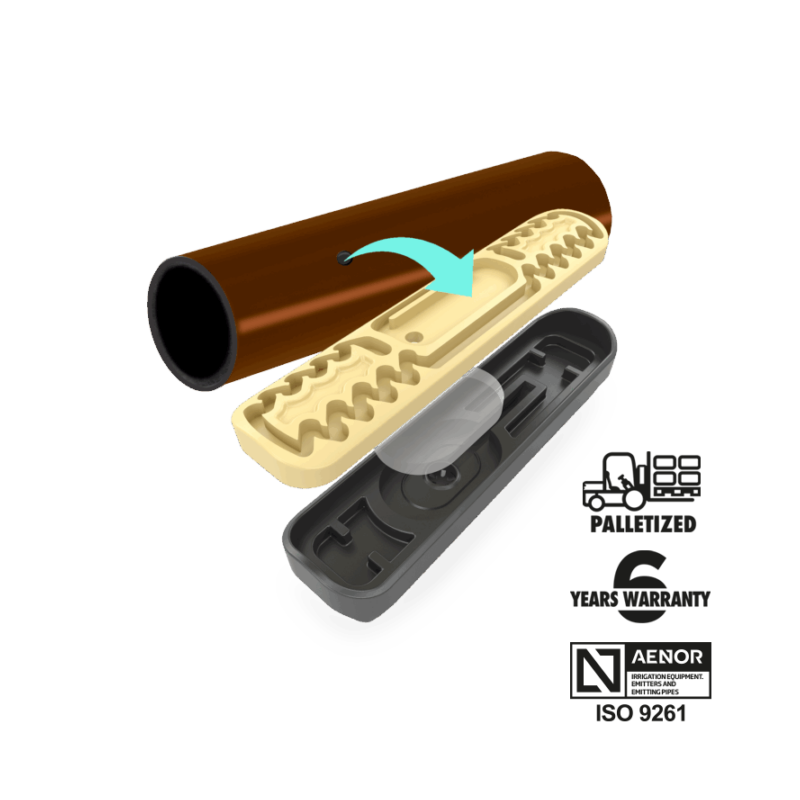
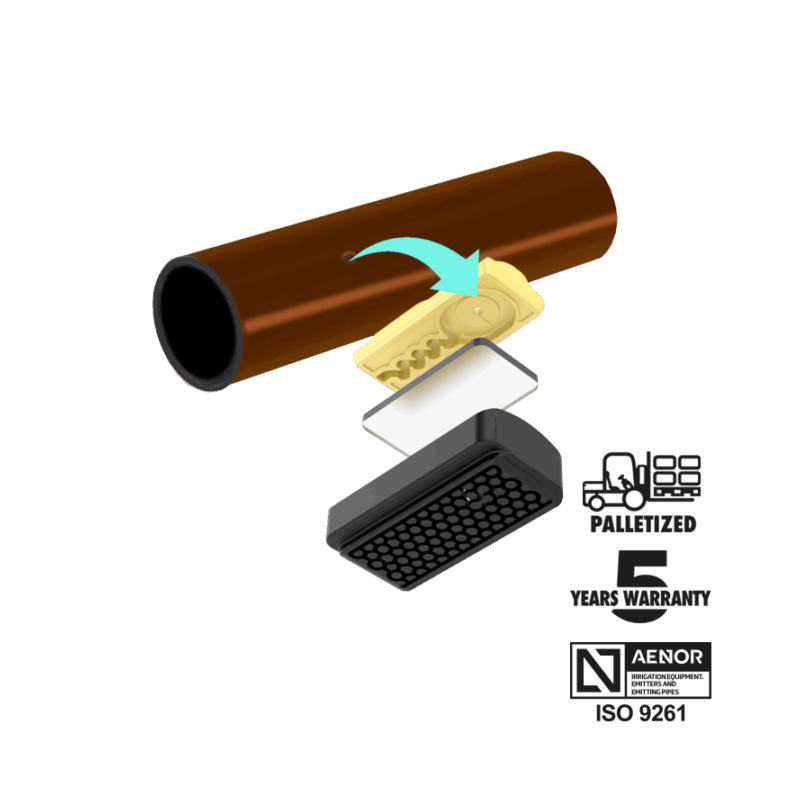
However, it does present a challenge: avoiding root intrusion, i.e. preventing roots from entering the distribution network emitters and rendering it unusable.
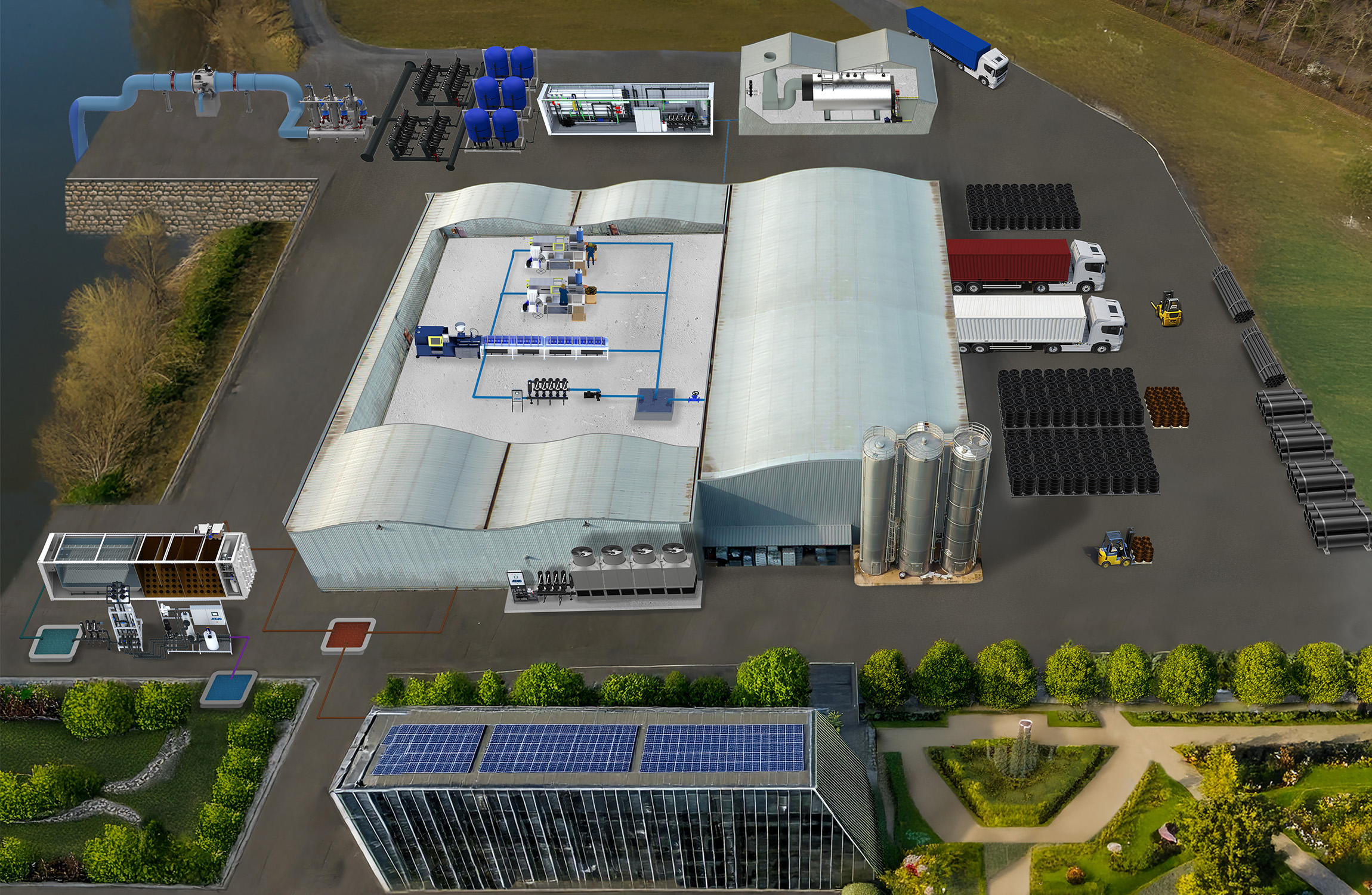
CPLAST has been developed to meet the requirements of the market.
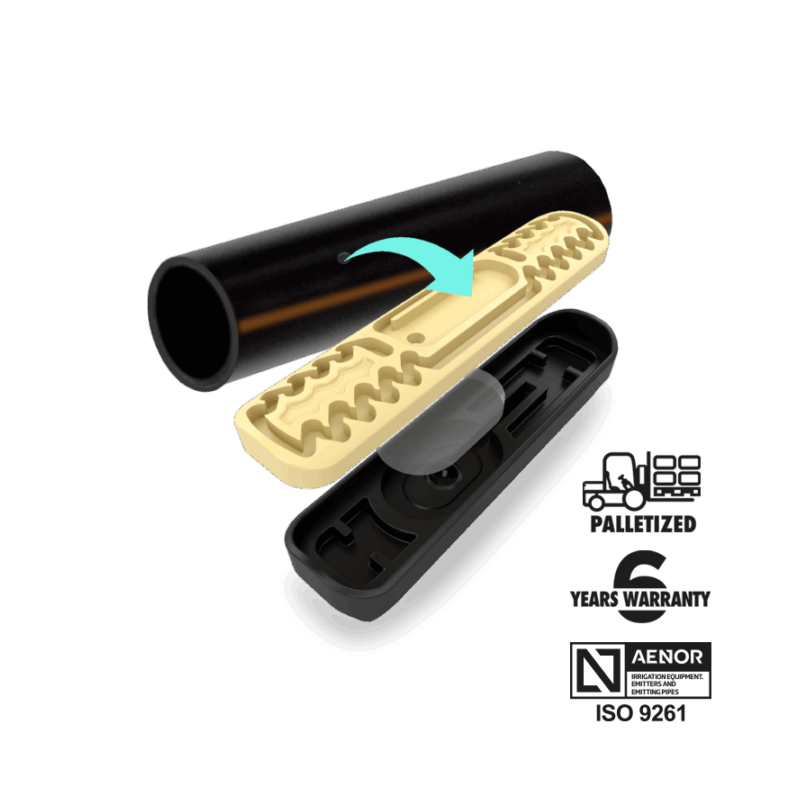
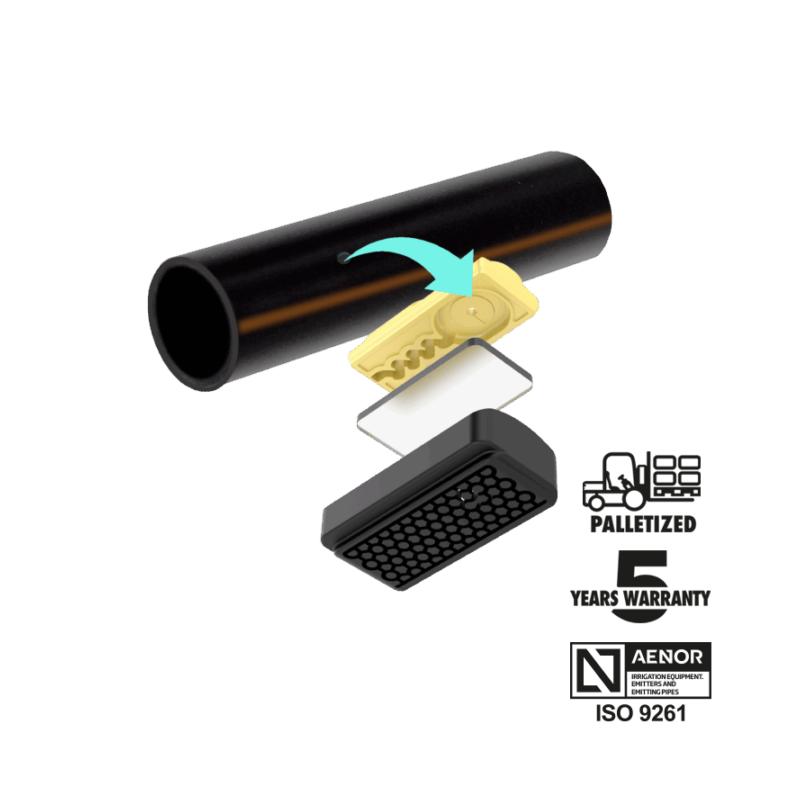
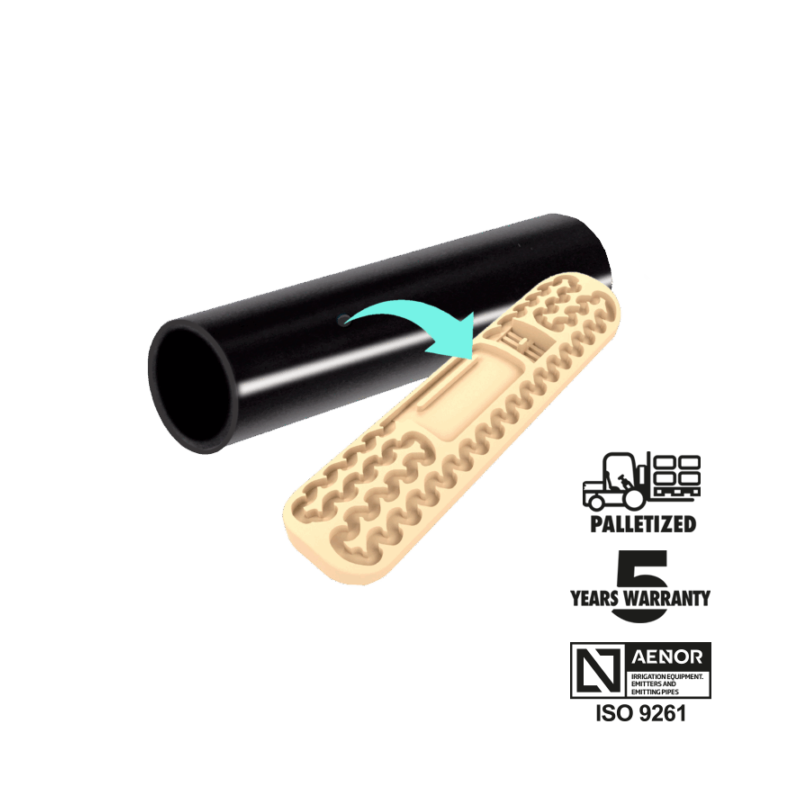
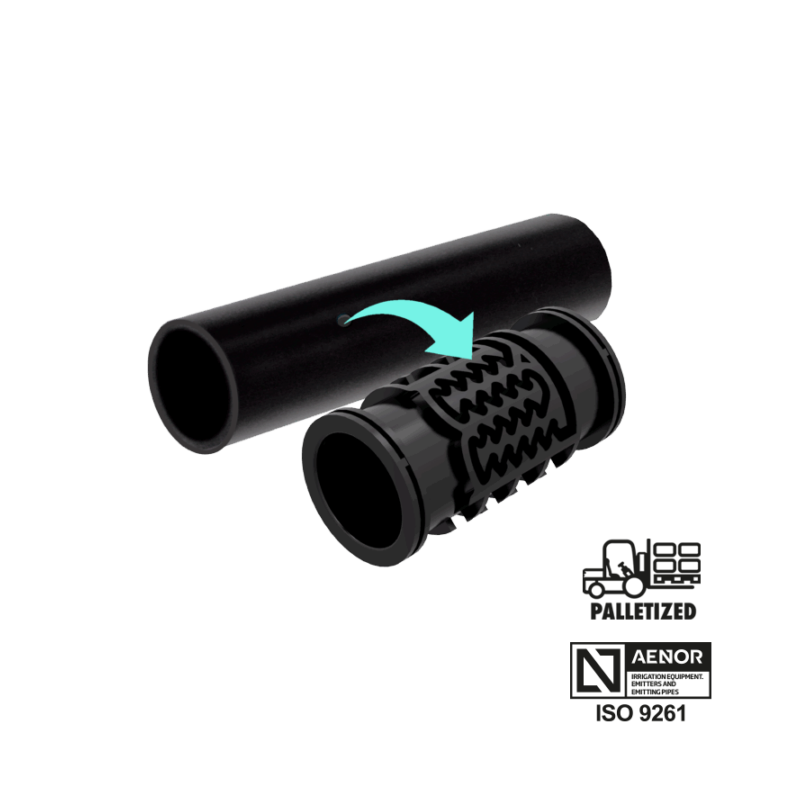
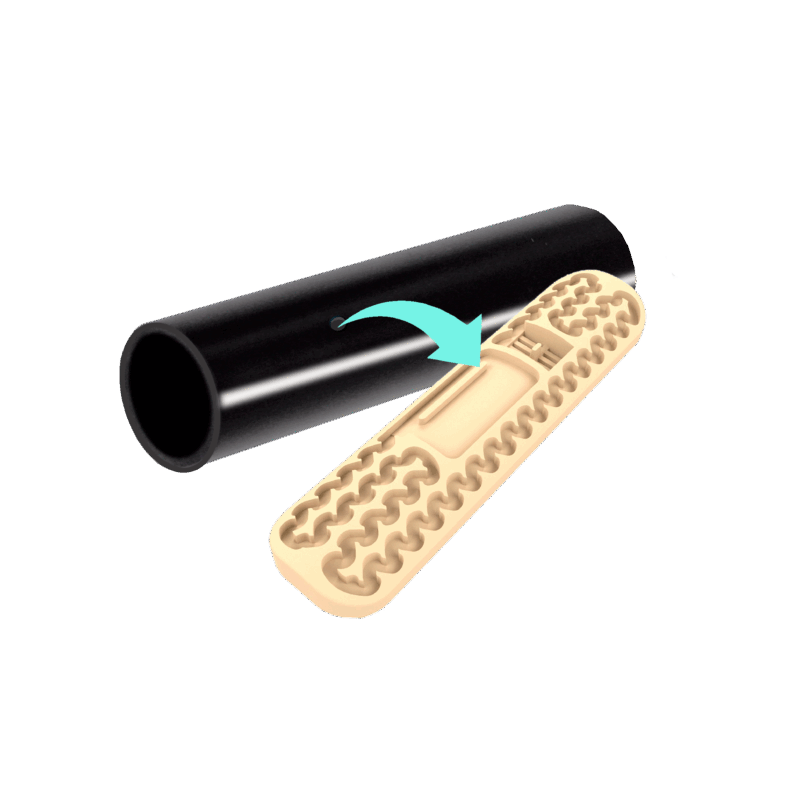
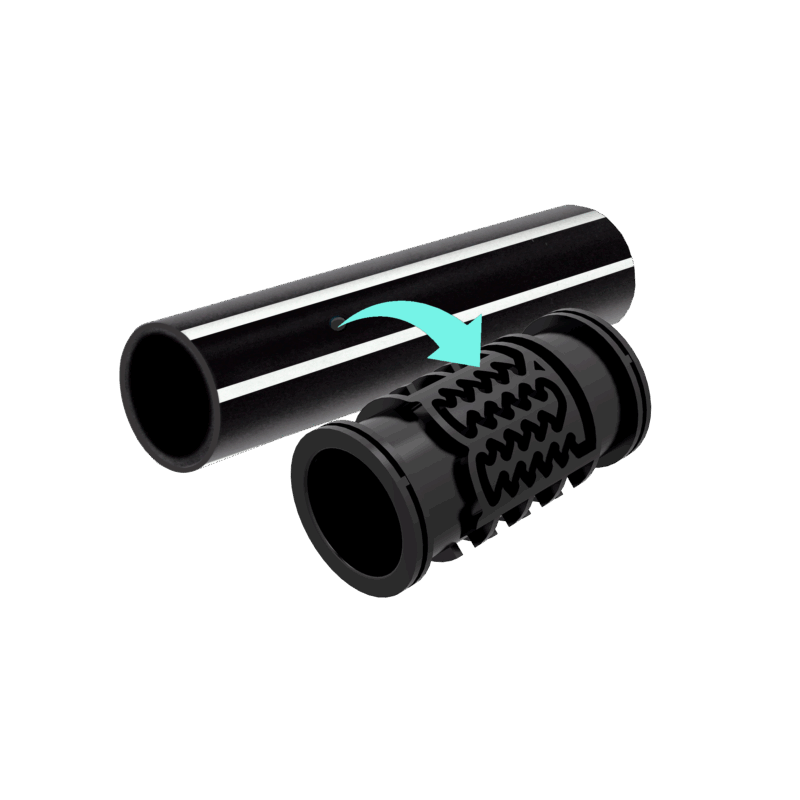
CPLAST’s main objective is to develop a solution that prevents the penetration of roots into underground irrigation systems and, therefore, their clogging. In this way, it is possible to increase not only water efficiency with respect to the conventional system, but also agricultural and energy sustainability. In addition, this solution is compatible with underground irrigation systems, allowing a high resistance to clogging.
Jointly with AZUD they participate in the CPLAST project:
CPLAST (RTC-2015-3321-2) has received support from the expenditure budget of the Ministry of Economic Affairs and Competitiveness (MINECO) and has been co-funded by the European Union as part of the Challenges-Collaboration call of the State Programme for Research, Development and Innovation Oriented to the Challenges of Society, within the framework of the State Plan for Scientific and Technical Research and Innovation 2013-2016.
CPLAST (RTC-2015-3321-2) has received support from the Ministry of Economic Affairs and Competitiveness (MINECO) and has been co-funded by the European Union within the framework of the State Plan for Scientific and Technical Research and Innovation 2013-2016.