Fruit farming, the main challenge it faces is to continue to provide quality and safe produce in the face of decreasing water availability to meet crop needs.
Due to climate change and competition with other economic sectors, the water resources available to agriculture are expected to become scarcer and more expensive in the coming years.
Due to climate change and competition with other economic sectors, it is expected that water resources available for agriculture will become scarcer and more expensive in the coming years.
Water resources for agriculture are expected to become scarcer and more expensive in the coming years.
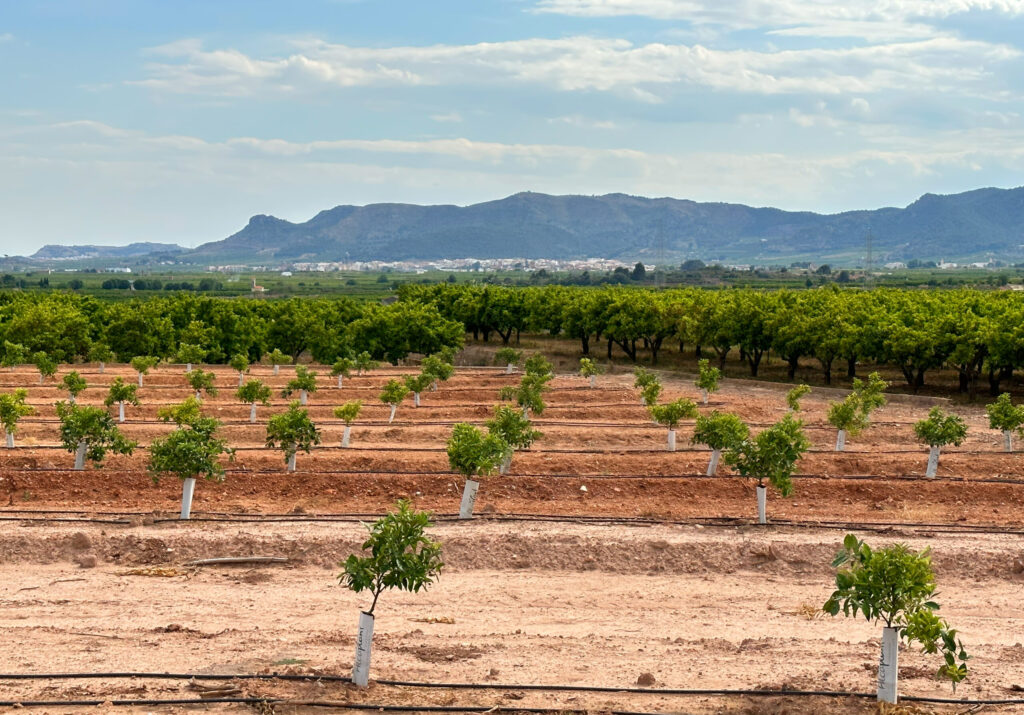
To address this situation, in addition to continuing the modernisation of irrigation, it is increasingly important to increase the efficiency of water use on plots. Localised irrigation is the most efficient irrigation system, however, it is a technology that is currently not fully adapted to the needs and peculiarities of woody crops, given that their water requirements increase as the tree’s vegetative development increases.
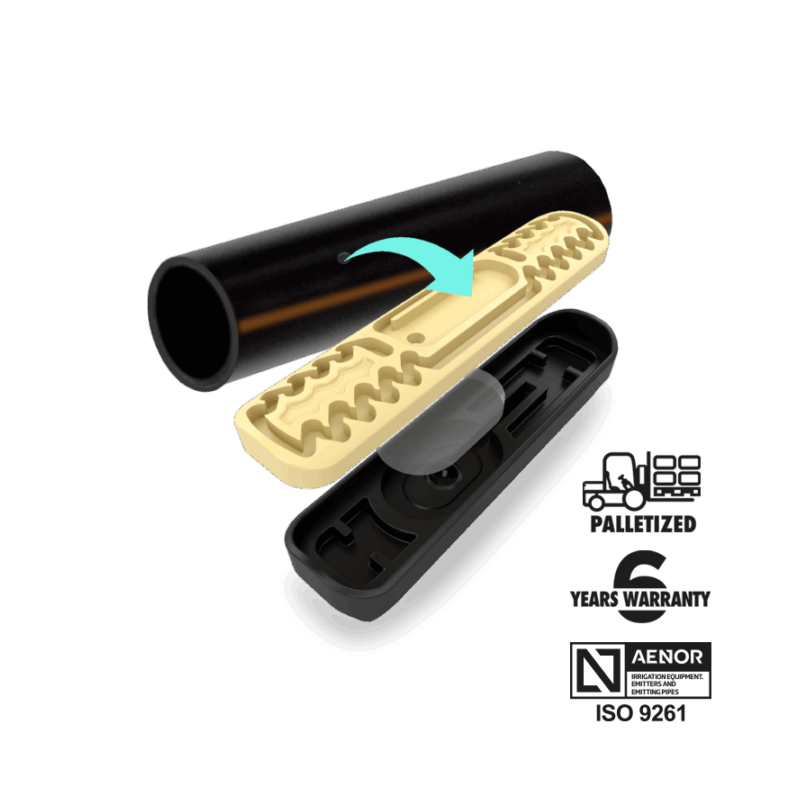
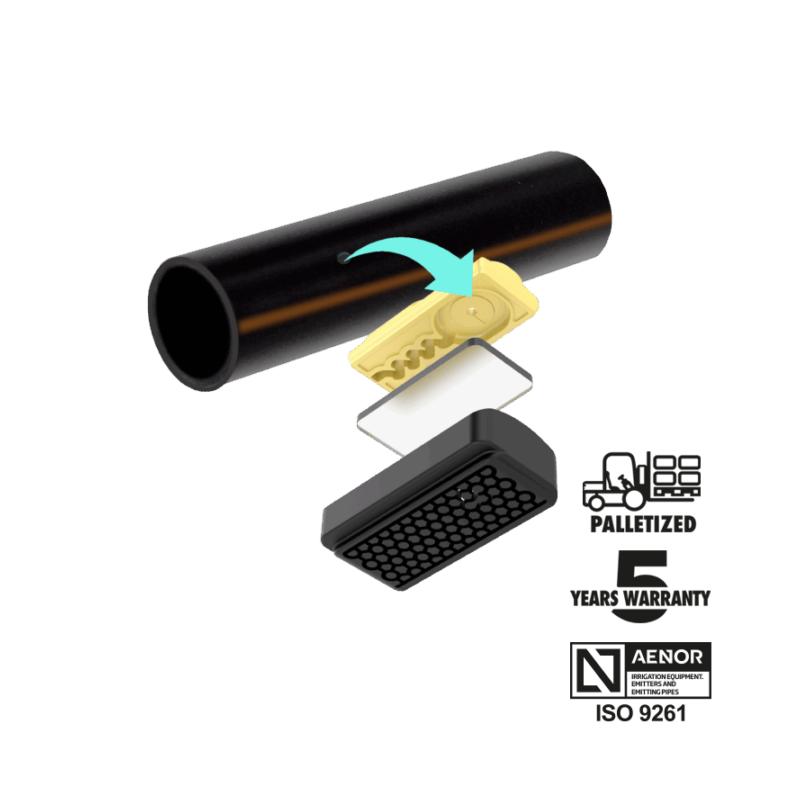
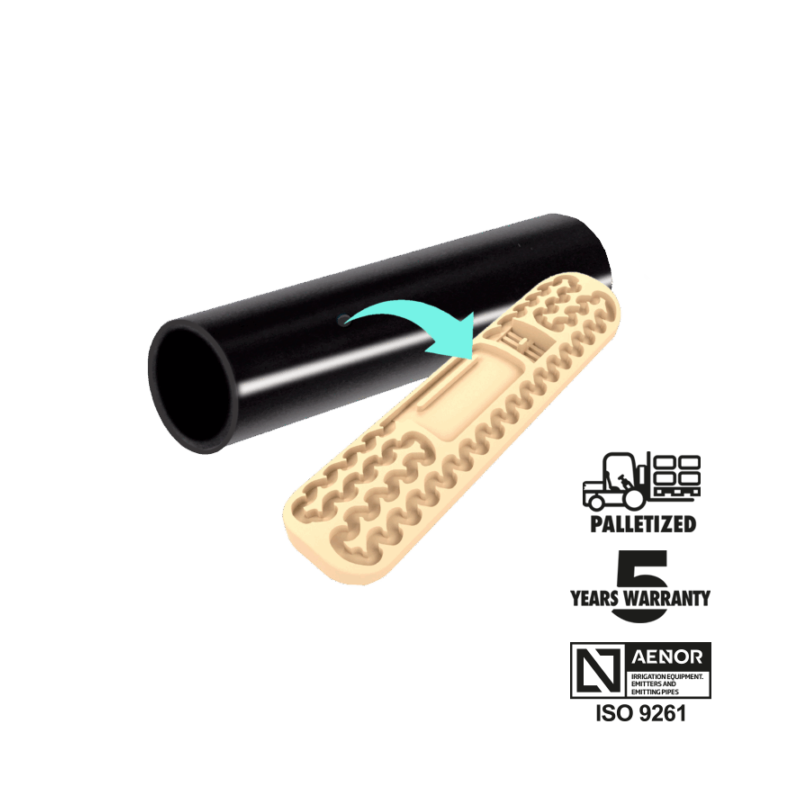
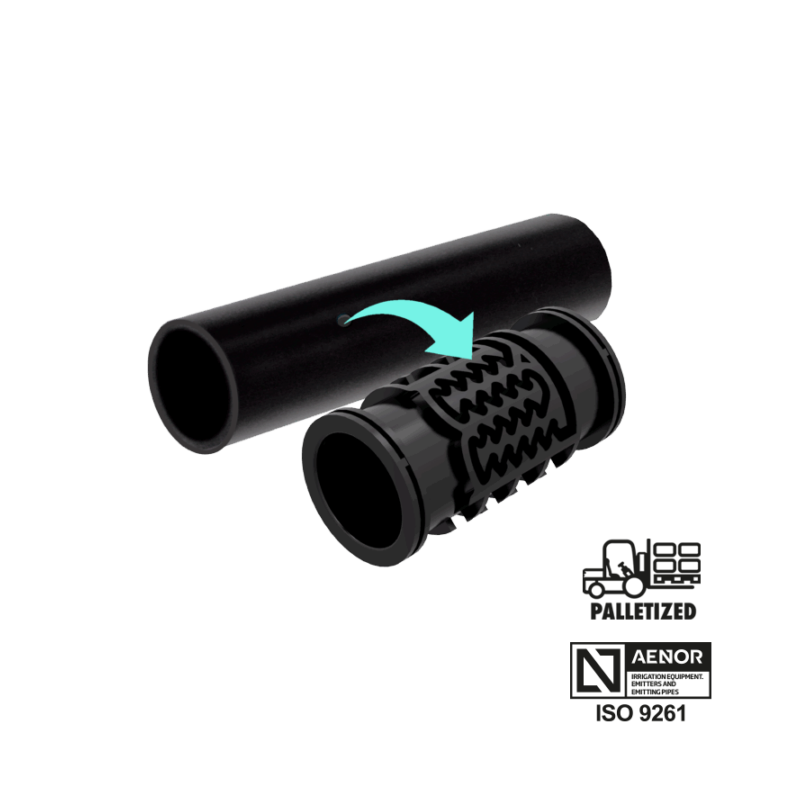
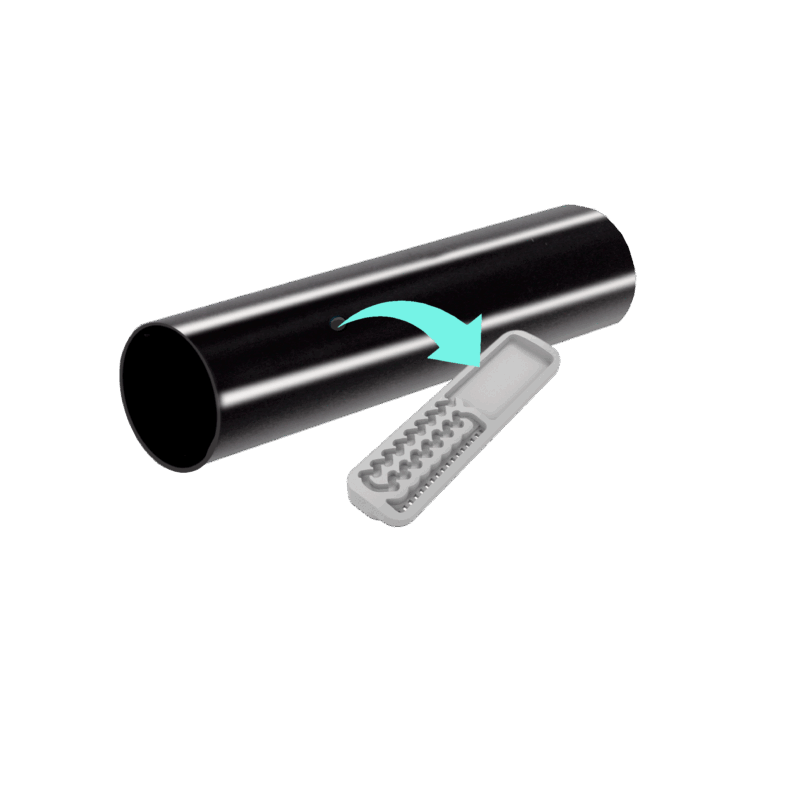
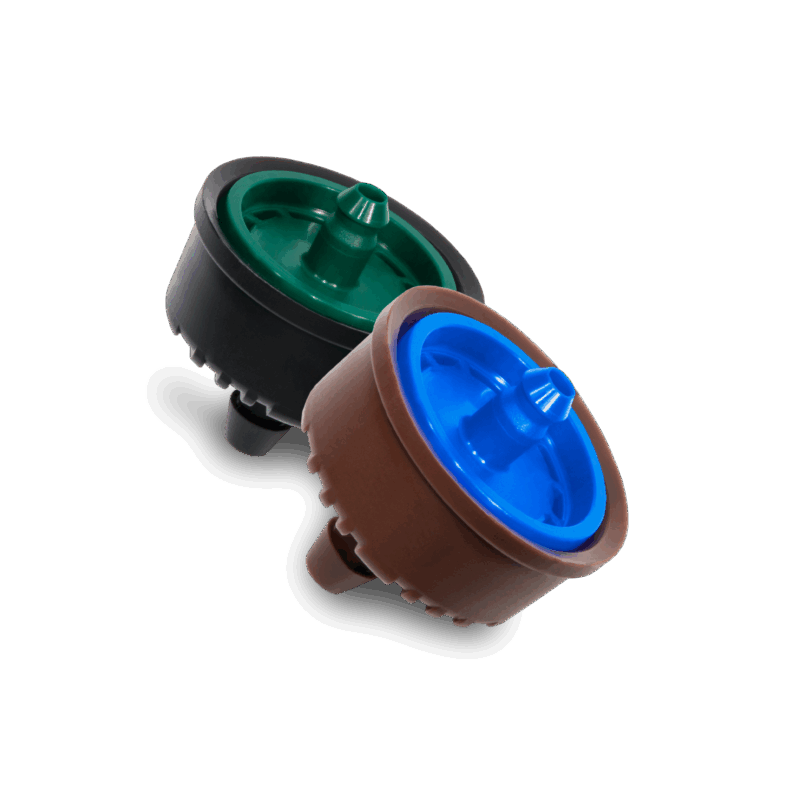
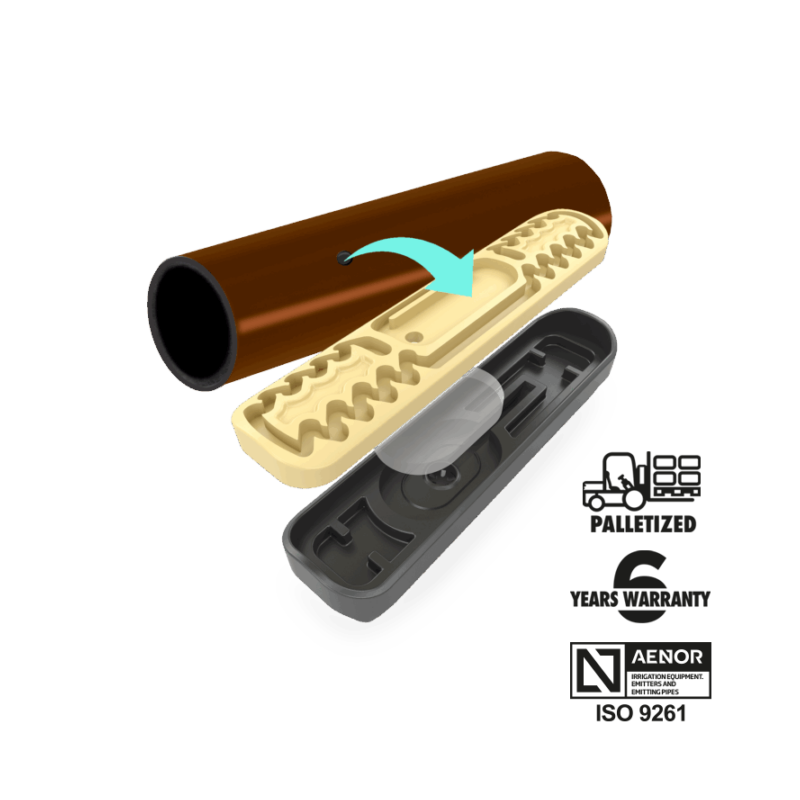
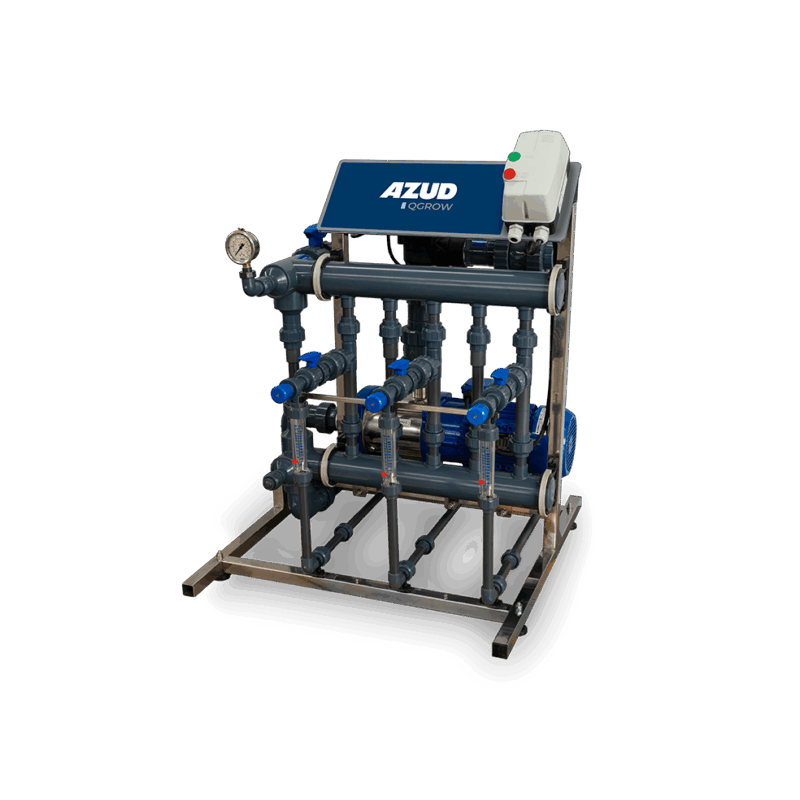
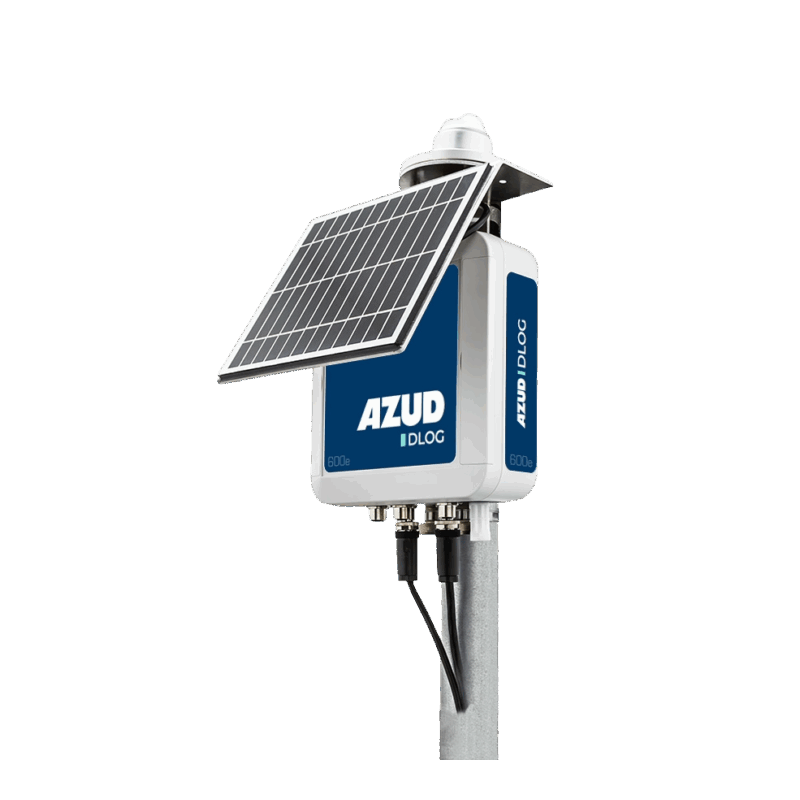
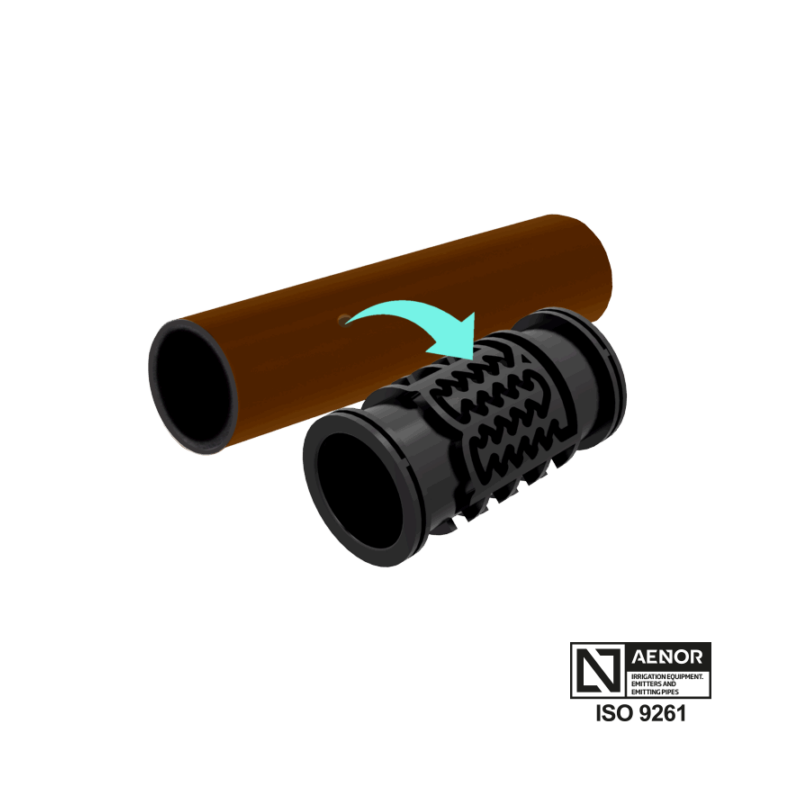
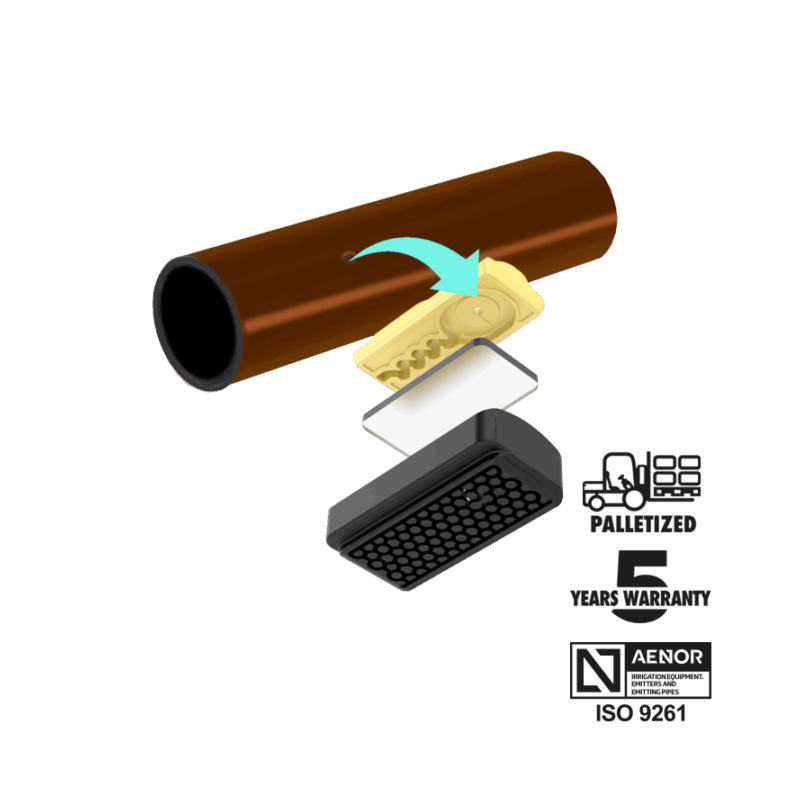
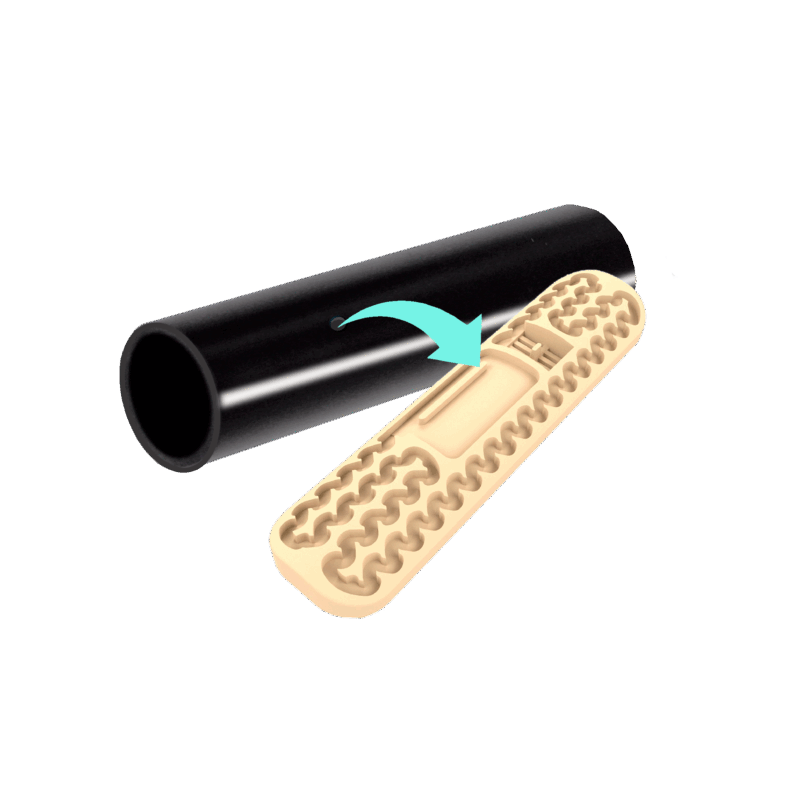
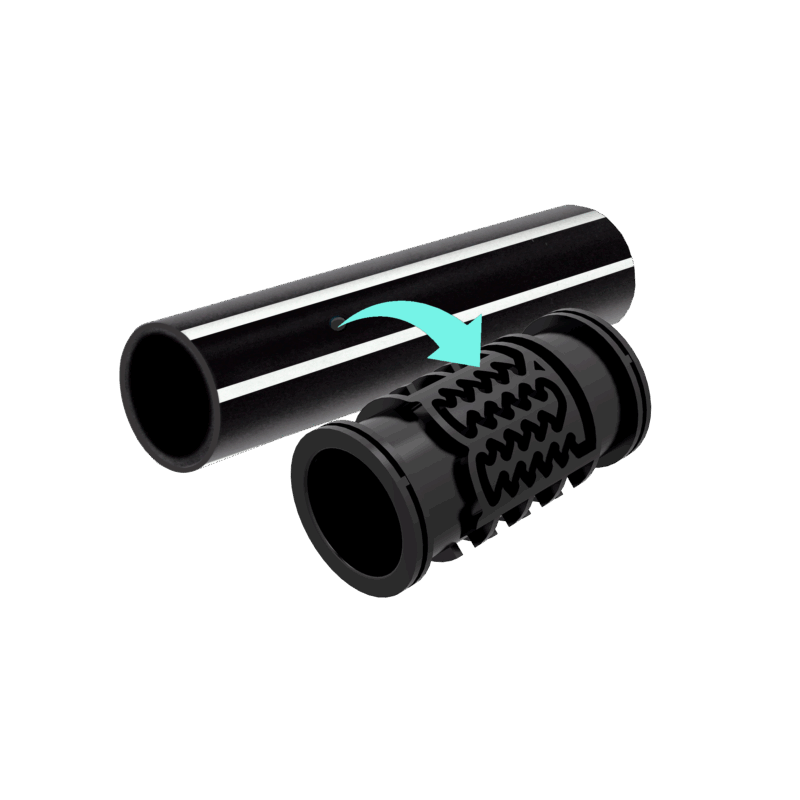
With this framework, AZUD’s main objective in the RIEGOTEL project is the development of new emitter management systems, allowing the controlled release of water depending on the crop’s water demand.
This solution favours the reduction of energy costs in irrigation, thus contributing to guaranteeing the economic sustainability of the sector.
In parallel, new drip irrigation agronomic designs are being defined in order to determine the volume of wet soil necessary to optimise the water status of the plantation, without increasing the evaporative component, thus improving the efficiency of water use and meeting the challenge of food safety and quality.