


The fundamental role of fish egg hatcheries
The hatcheries, known as fish egg hatcheriesthe fish hatcheries play a crucial role in aquaculture, where the future of fish stocks is forged. They are the places where fish eggs begin their transformation into juveniles, andits success depends to a large extent on water treatmentthe fish hatching and growth conditions are optimal
Specialization and purposes of a hatchery
A hatchery specializes in the breeding, hatching and artificial reproduction of early life stages of fish and crustaceans, serving several purposes
- Food Production: The main focus is the production of fish for human consumption.
- Ecosystem conservation and regeneration: Some hatcheries specialize in breeding and releasing endangered or declining fish, thus contributing to the preservation of their populations in the wild.
- Research: They are also scientific research centers where aspects such as fish life cycle, genetics and reproduction are studied.
Process in a hatchery facility
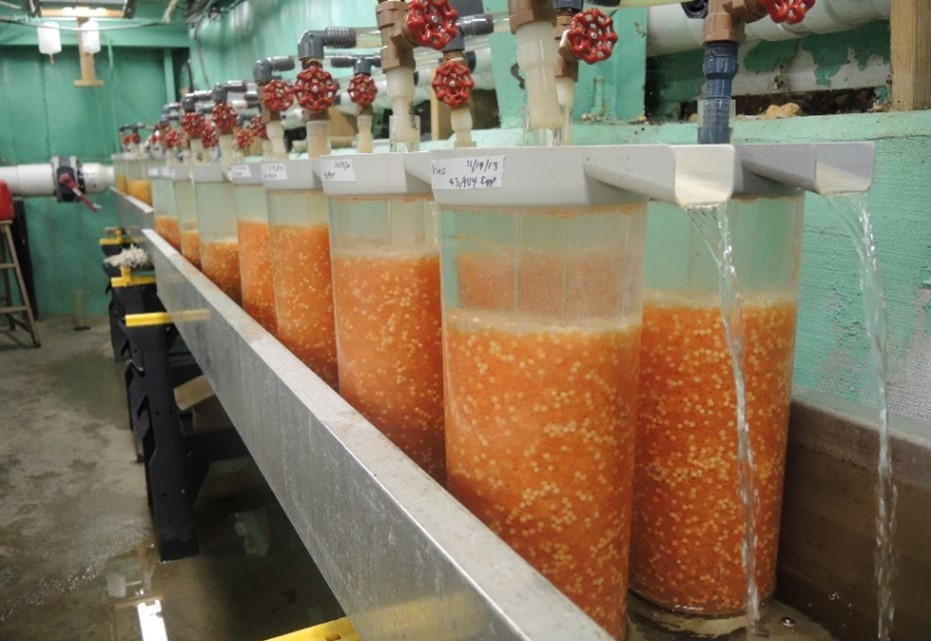
The process in a hatchery facility is a cycle thatthe process covers the period from receipt of the fertilized eggs to hatching and subsequent transfer of the eggs of the fry to pools for their continued development. It all starts with thereceipt of fertilized eggswhich are generally obtained from brood fish kept in controlled environments. These eggs are transferred to hatchery units designed specifically for this stage. These units may consist of tanks, trays or baskets that are filled with water carefully controlled in terms of Temperature and water quality.Thewater Temperature in these hatchery units is maintained within a specific range, optimal for the fish species in question. In addition, to ensure that the embryos receive the necessary oxygen, oxygenation systems are employed that may include air diffusers to introduce oxygen into the water.Throughout the process, sensors and monitoring systems are installed to constantly monitor water conditions, including measuring temperature, dissolved oxygen levels and other critical parameters.As the fry emerge from the eggs and begin to grow, they are provided with aspecial diet and appropriate to their stage of development. Finally, when these fry reach an appropriate size and become robust enough, they are transferred to larger pools to continue their growth
Critical points in the hatchery operation: water
In these facilities,water is recirculated to reduce the consumption of this resourcehowever, this presents a major challenge. During the recirculation process, the water tends to accumulatesuspended solids and organic matter, which results in an increase in water turbidity that can be detrimental to egg development. There are also other critical variables that need attention, such as theoxygen concentration and Temperature. Oxygen is essential for the respiration of developing species, and these levels can be affected if excessive algae growth occurs, as algae consume the oxygen available in the environment. To ensure healthy oxygen levels, aeration systems are used to ensure that the water is well oxygenated.Thewater Temperature also plays a crucial role, as it must be maintained within a specific range for each type of fish being reared. To achieve this, heating and cooling systems are used to maintain the water temperature at the optimum point for hatching and egg growth.In addition to these considerations, the following are also applieddisinfection methods to prevent diseases and eliminate harmful microorganisms that may affect developing fish
The Importance of Water Quality in Hatcheries
In short, it is clear that water quality plays a key role in the successful incubation and growth of species in hatchery facilities. To achieve these optimum standards, AZUD offers a range of solutions designed to suit each specific case
AZUD solutions to ensure water quality in hatcheries
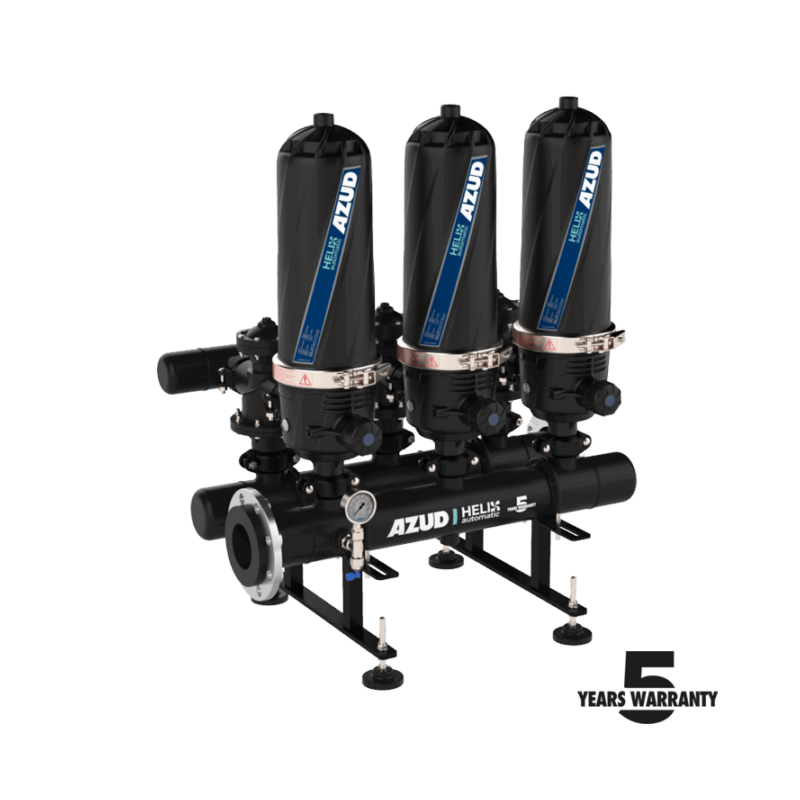
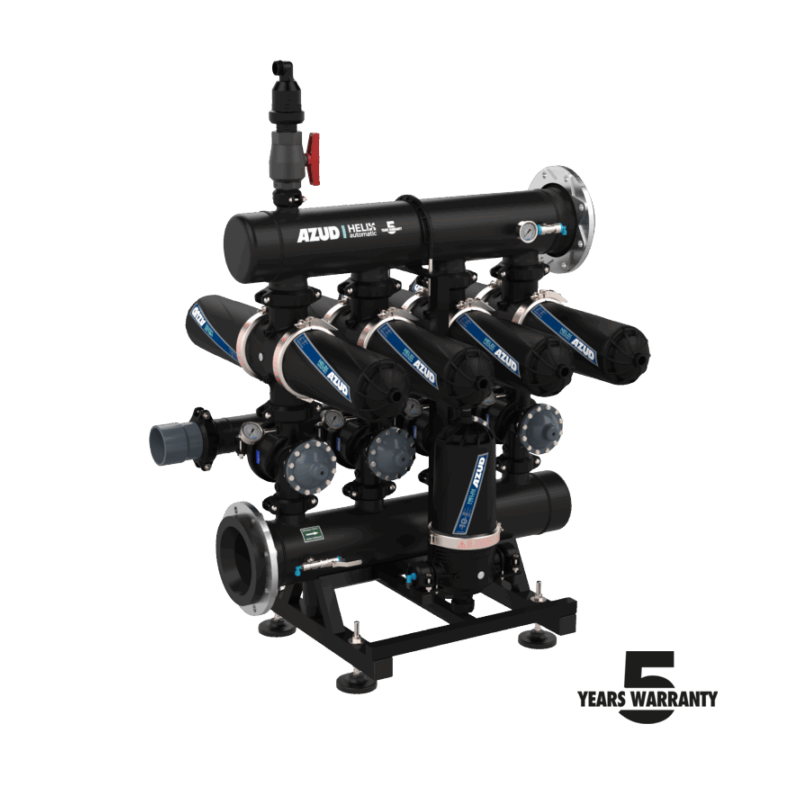
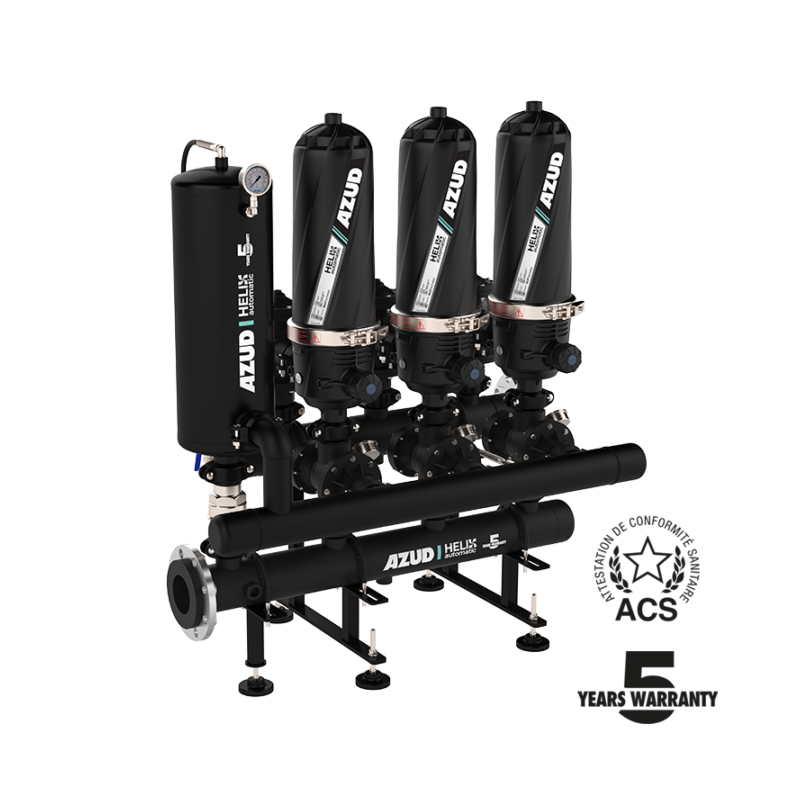
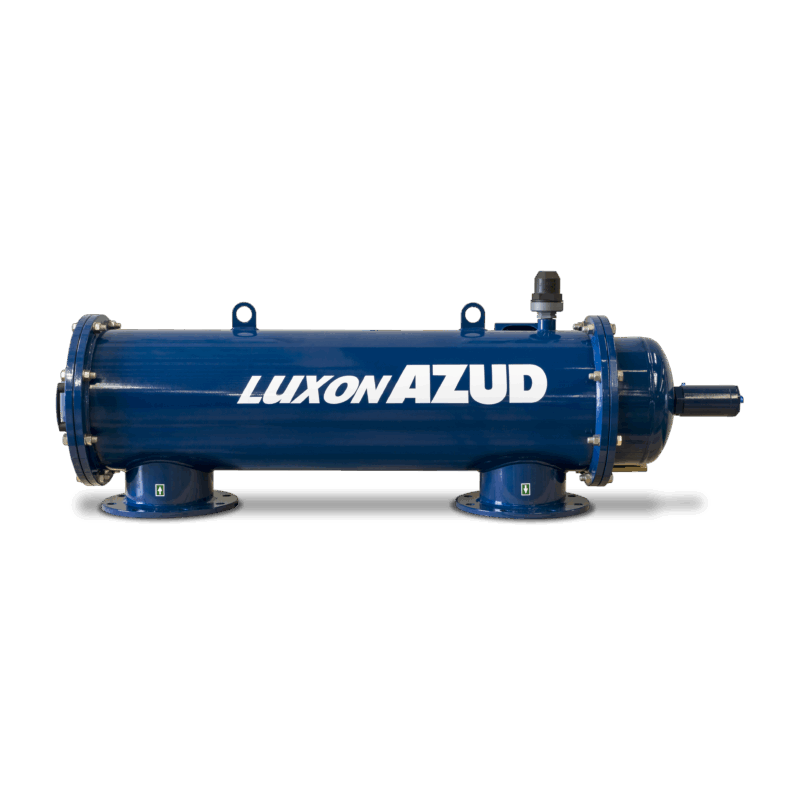
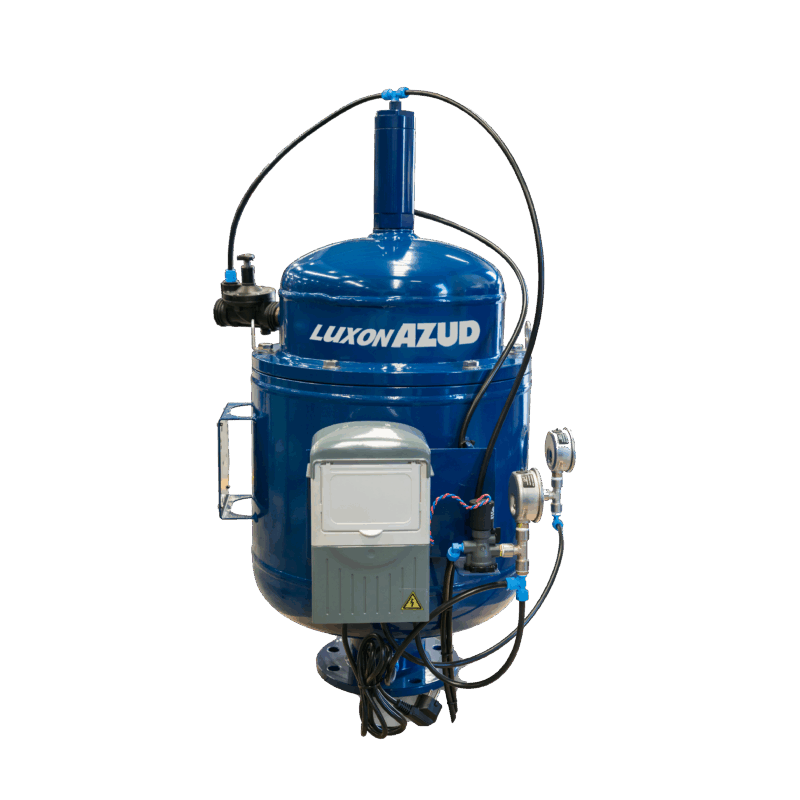
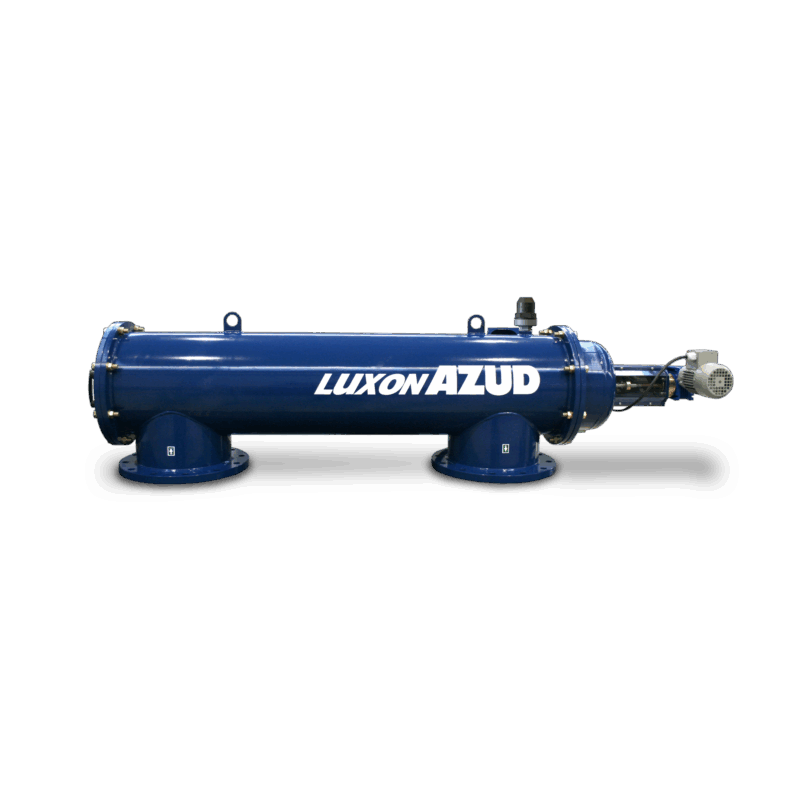
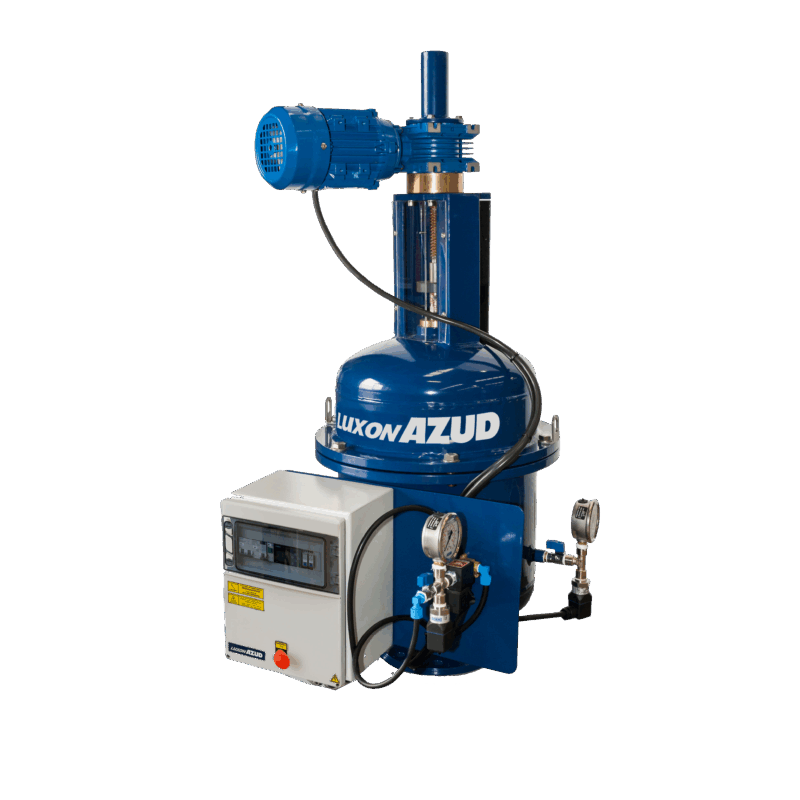
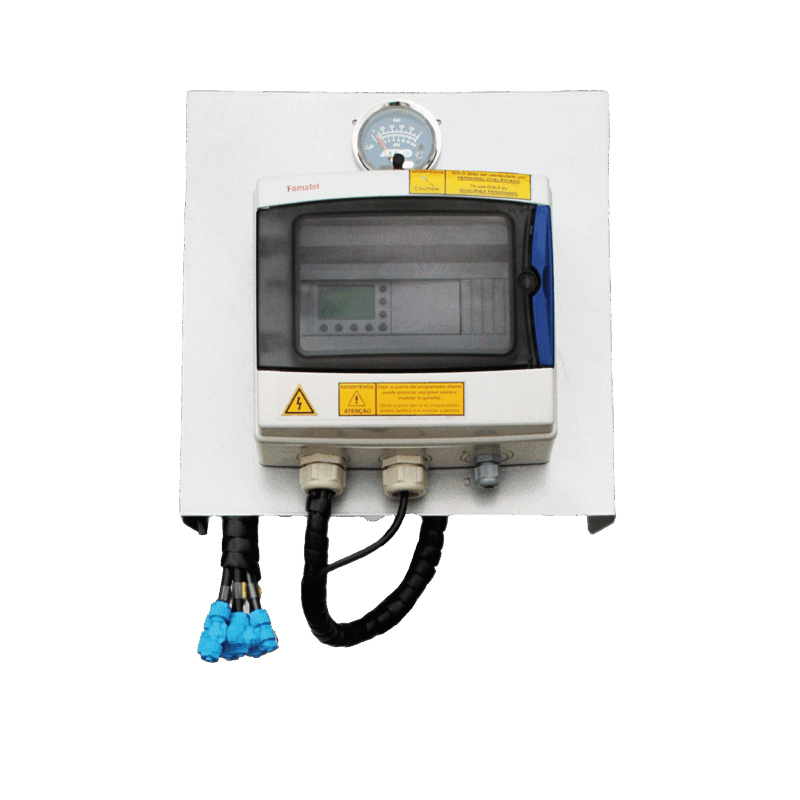
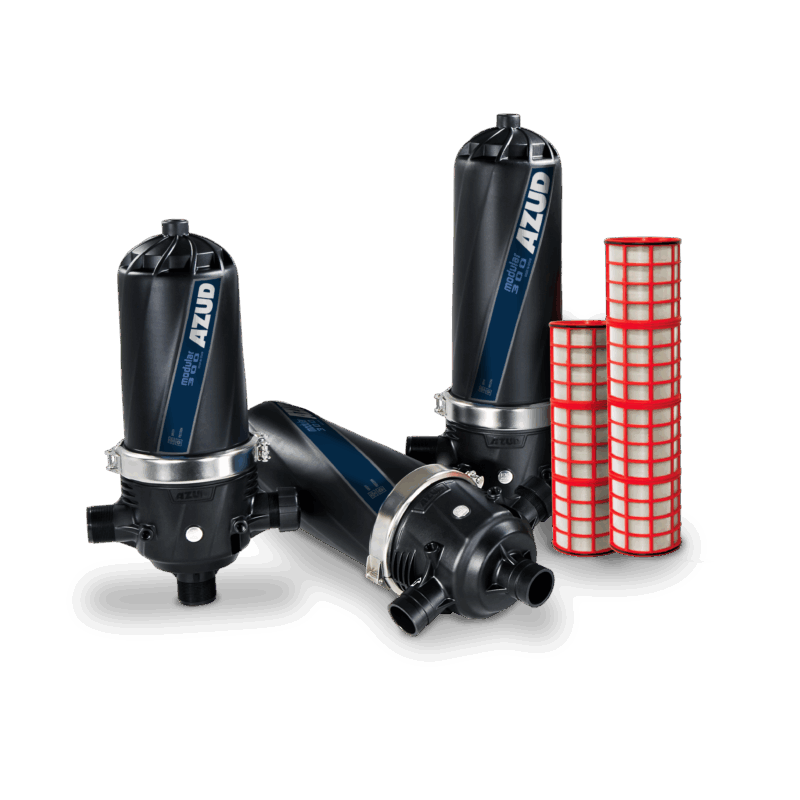
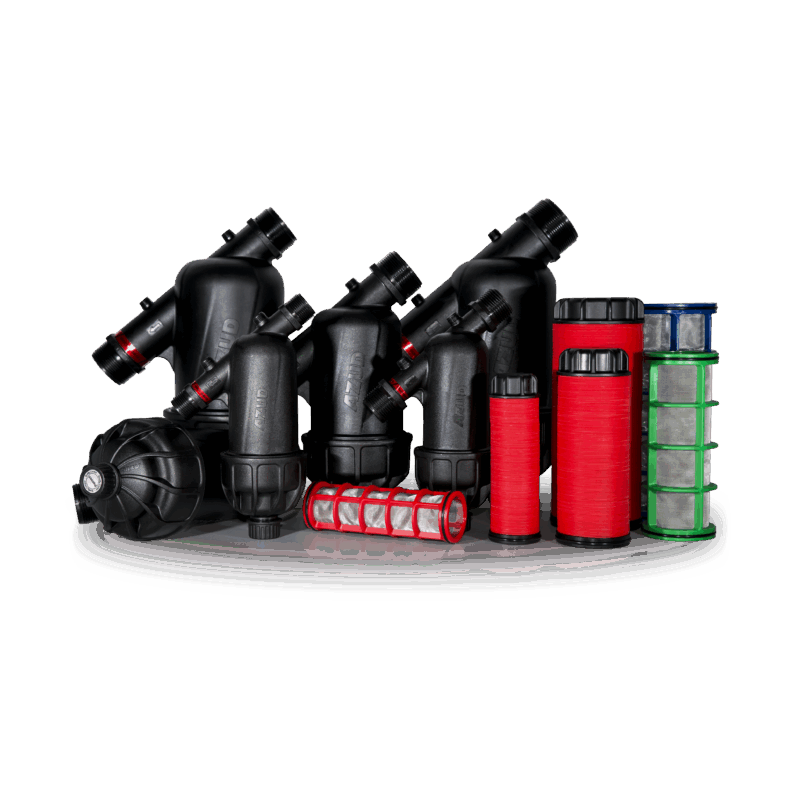
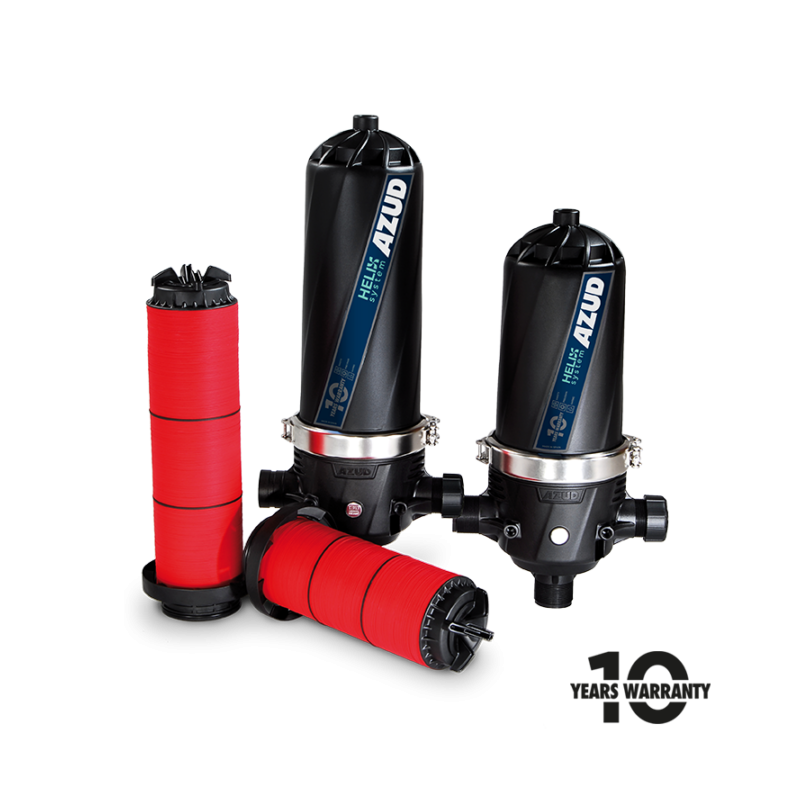
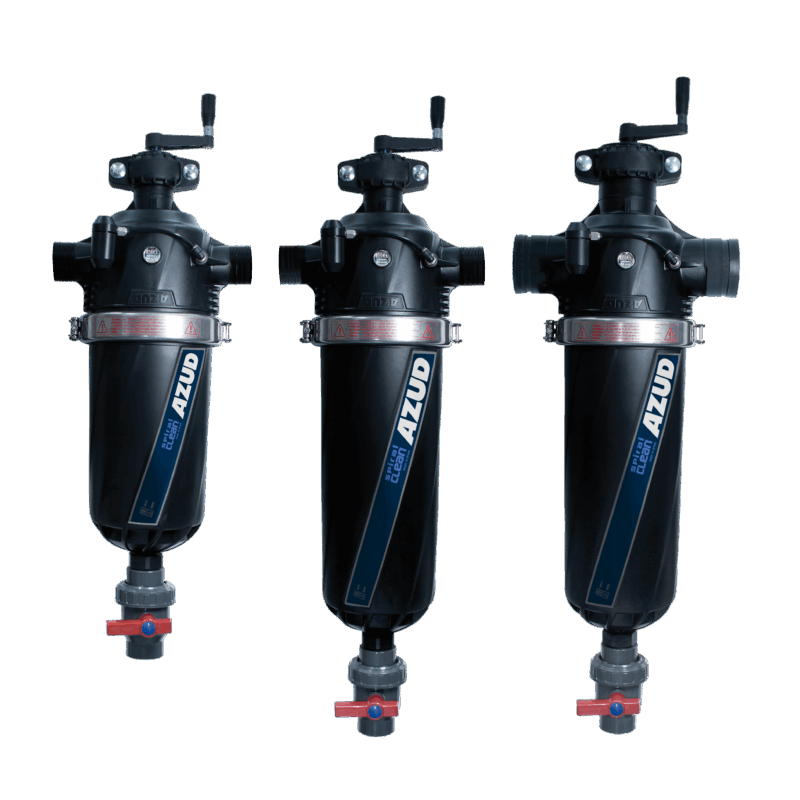
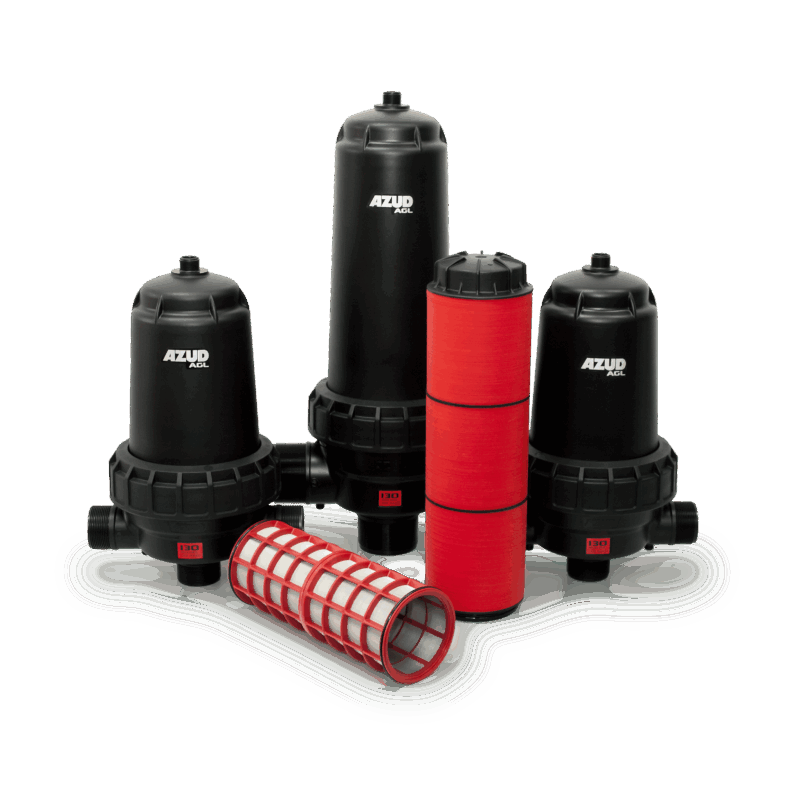
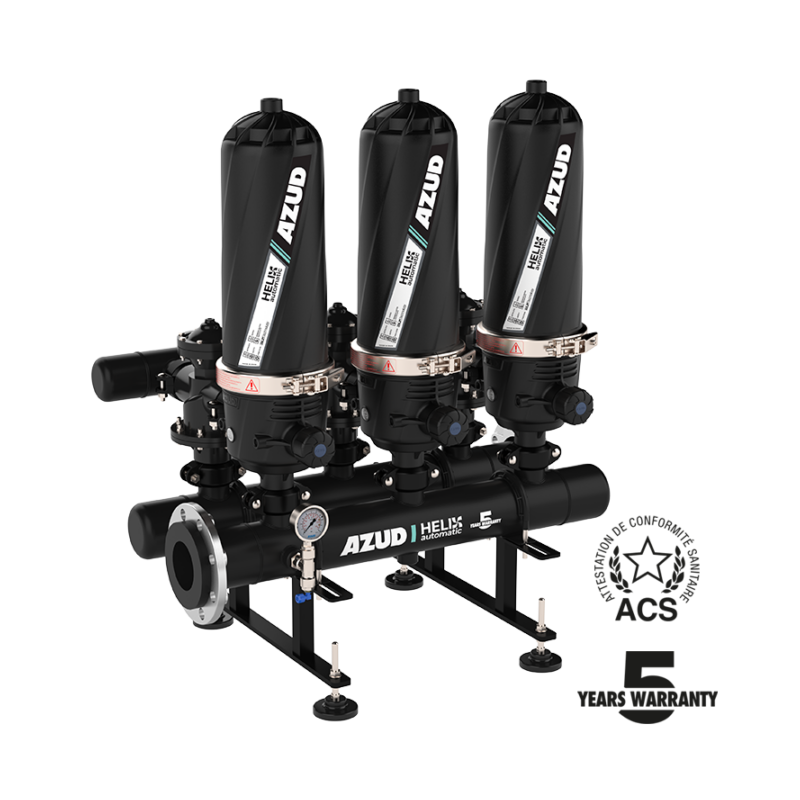
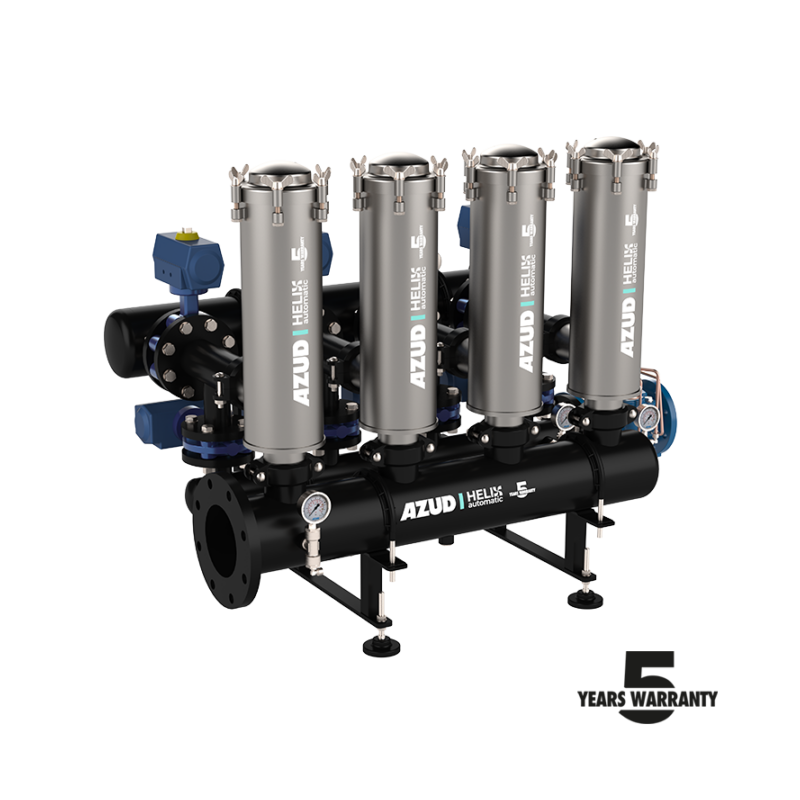
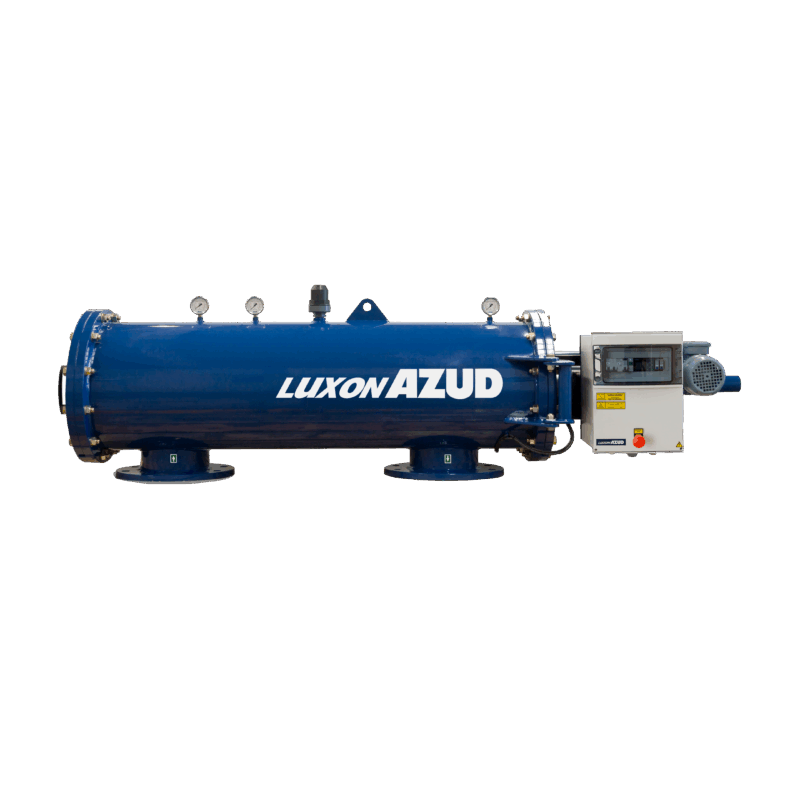
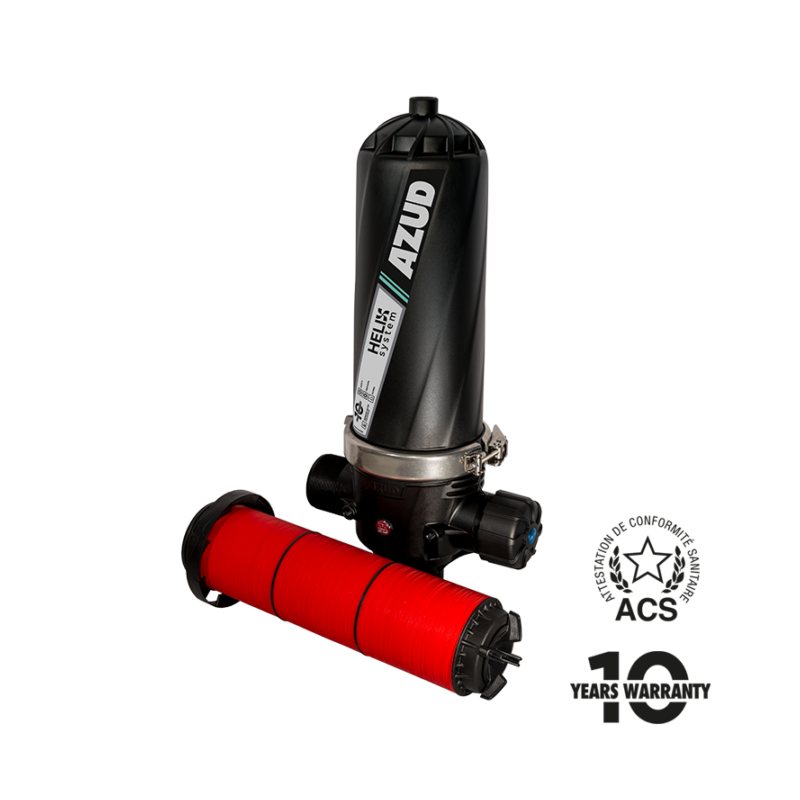
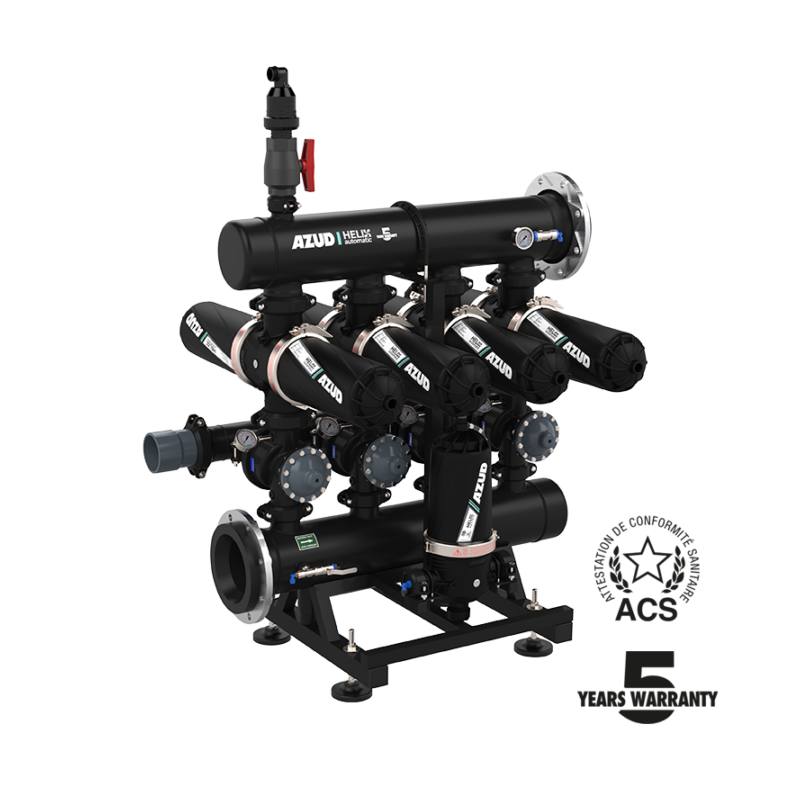
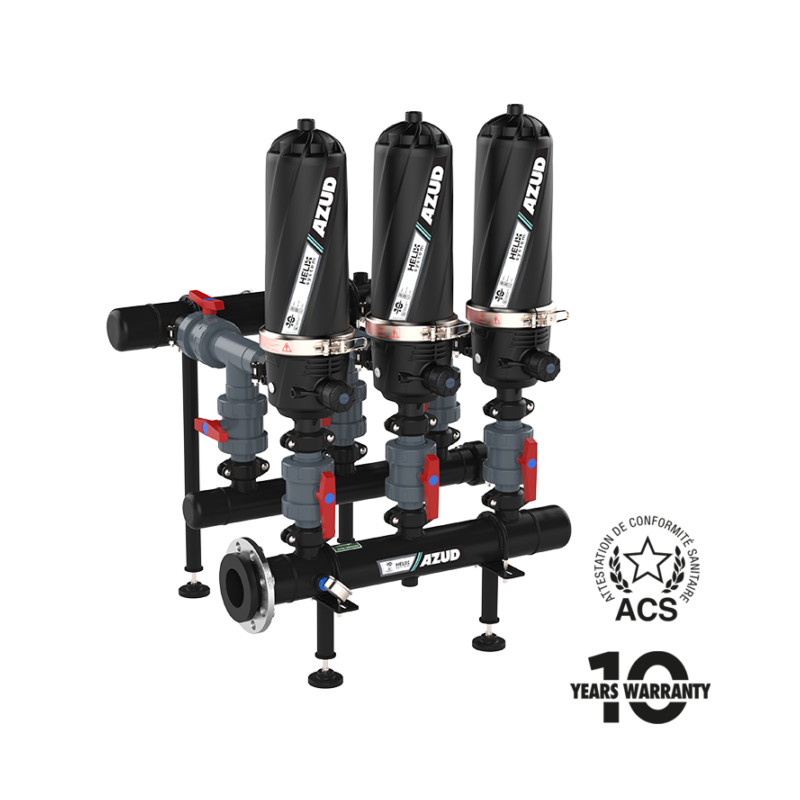
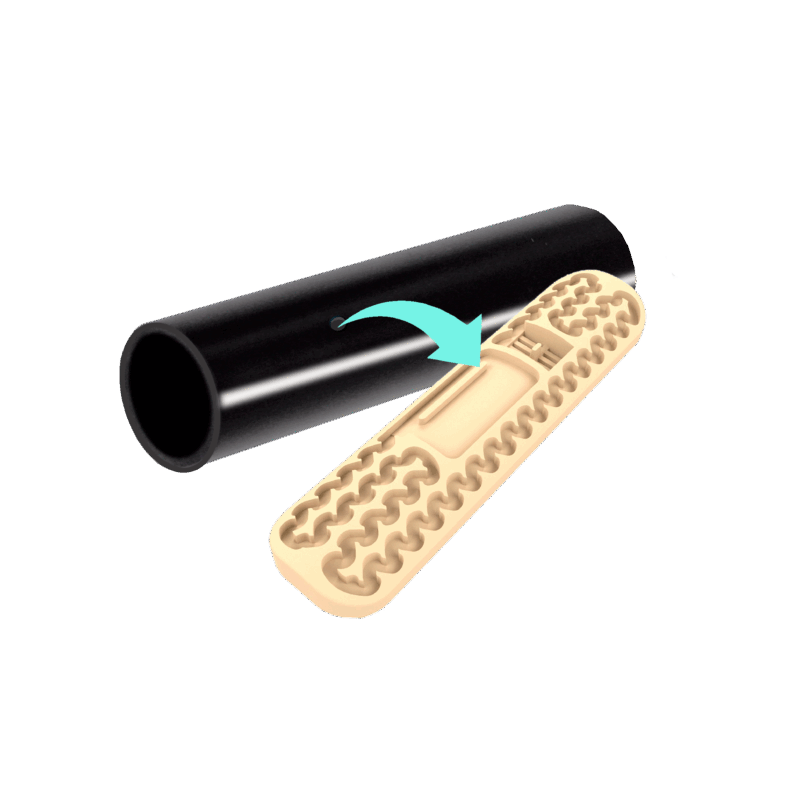
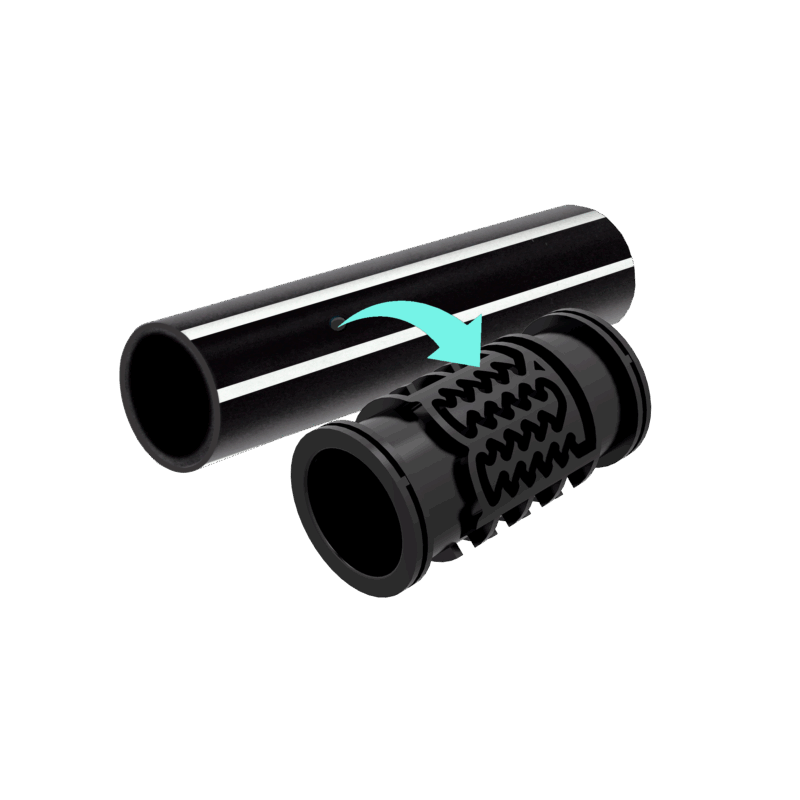
For the removal of both organic and inorganic particles of very small micronage, AZUD offers thedisk Filtration SystemsAZUD HELIX AUTOMATIC AA. These Filtration technologies can be combined in several stages with different micronage levels, ensuring thorough water cleaning. In a first stage, they can beremove suspended solidsthe process is then followed by a finer cleaning stage, which allows the complete removal of algae and smaller particles. Then, in a next stage, a finer cleaning is achieved, allowing the complete removal of algae and smaller particles. In addition, it has aautomatic air-assisted cleaning which not only optimizes process efficiency, but also significantly reduces water consumption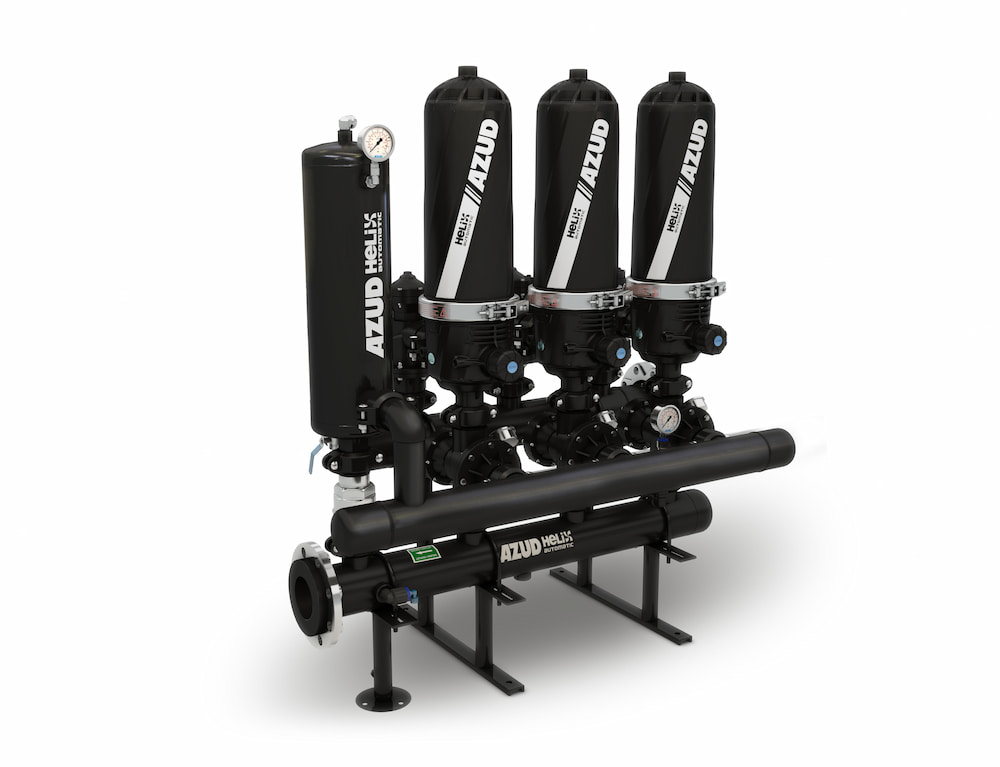
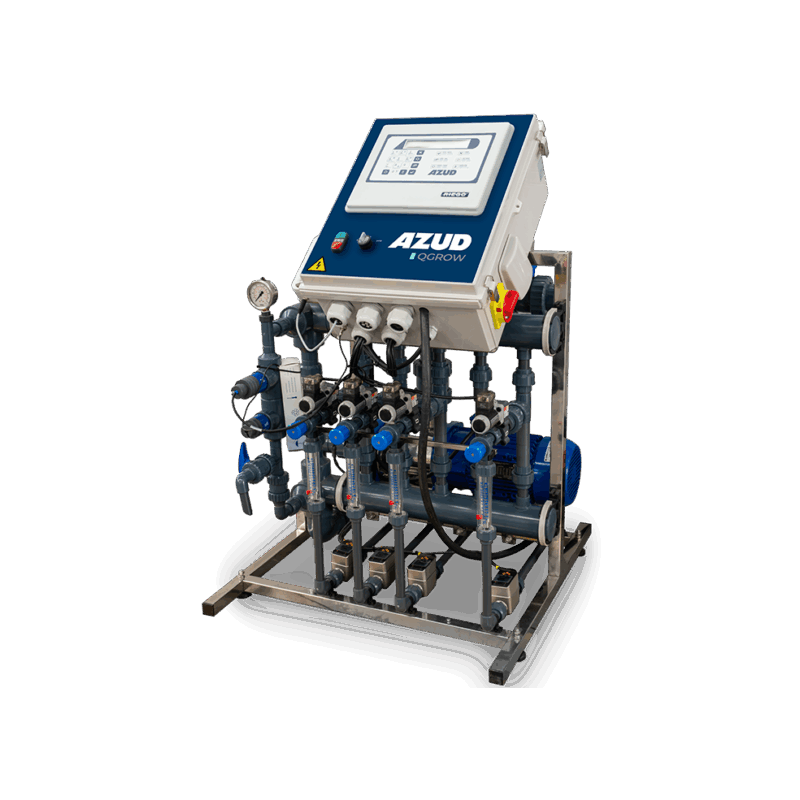
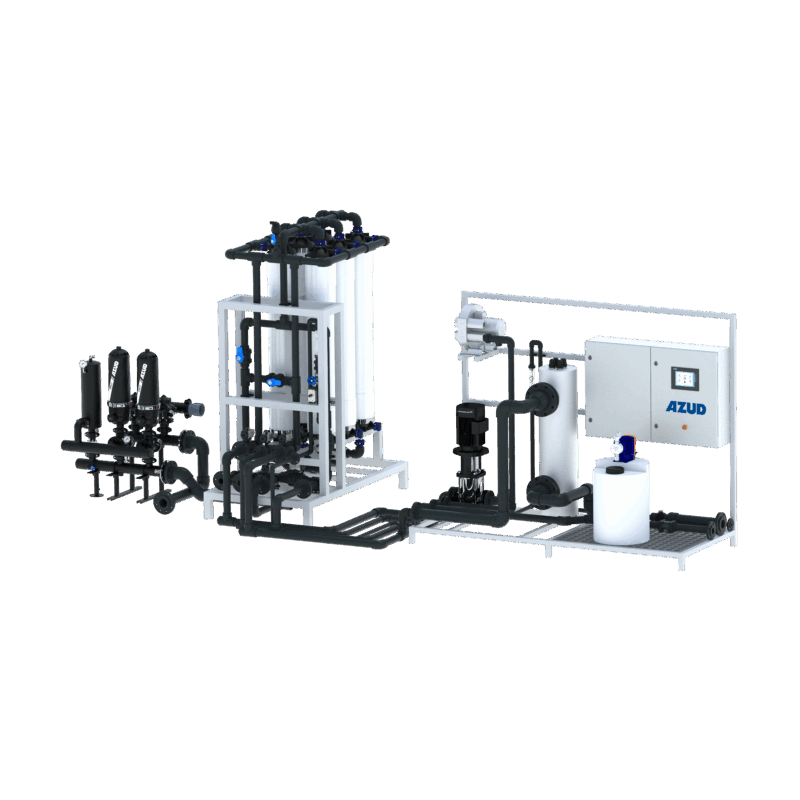
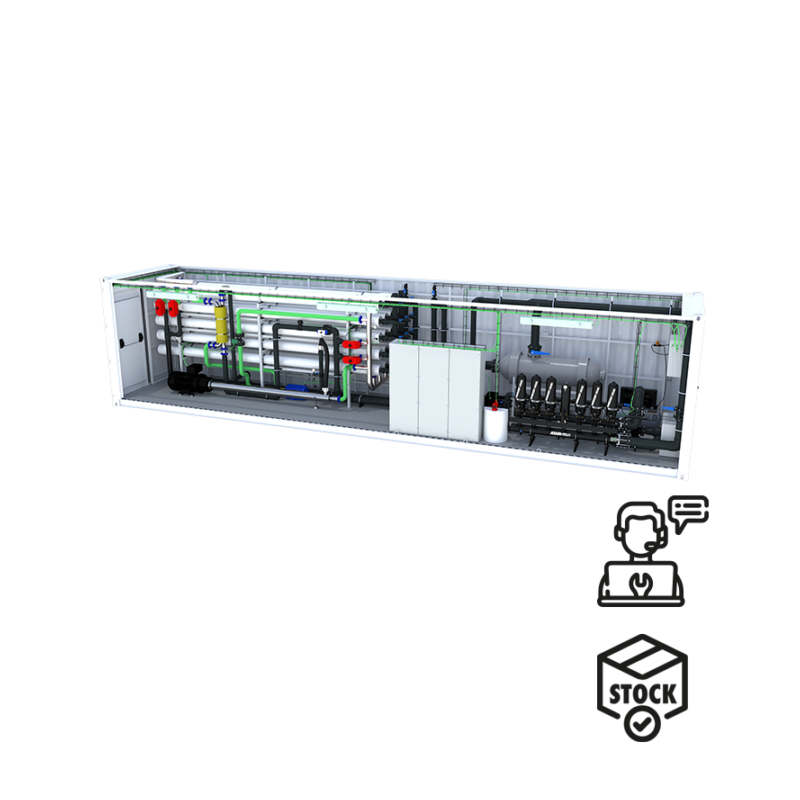
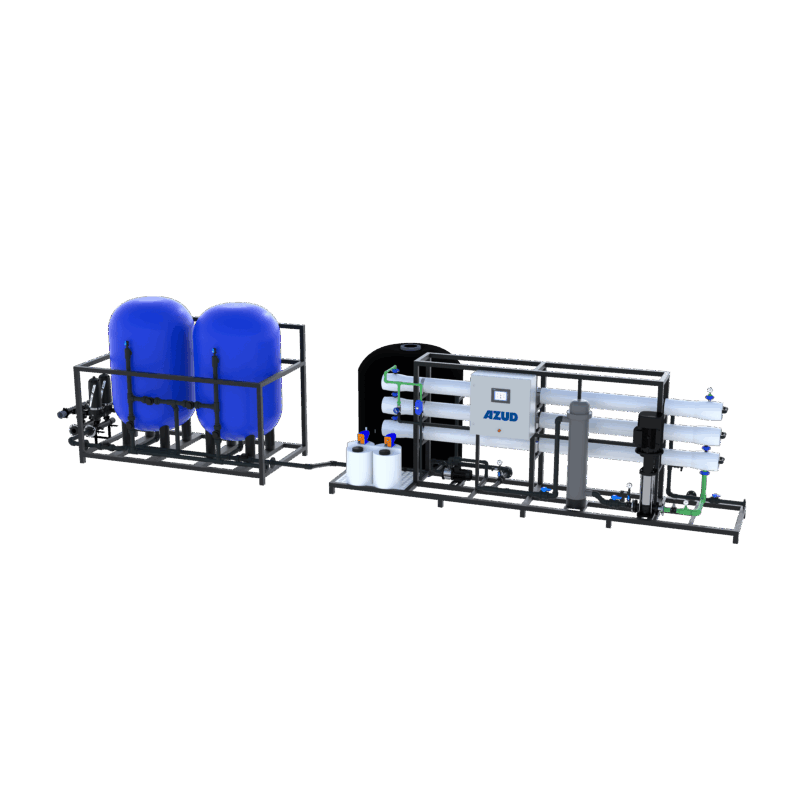
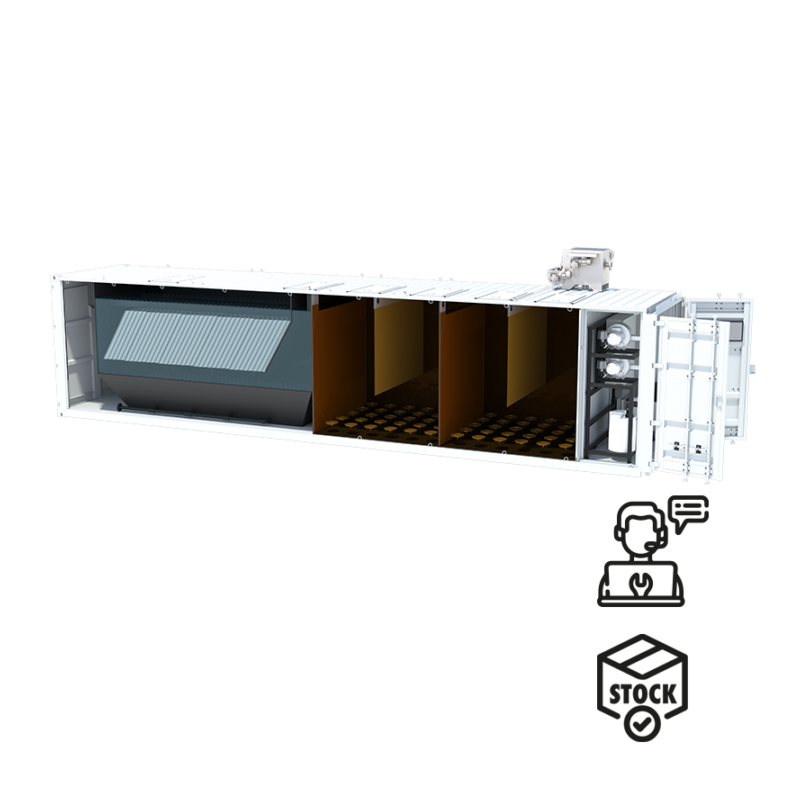
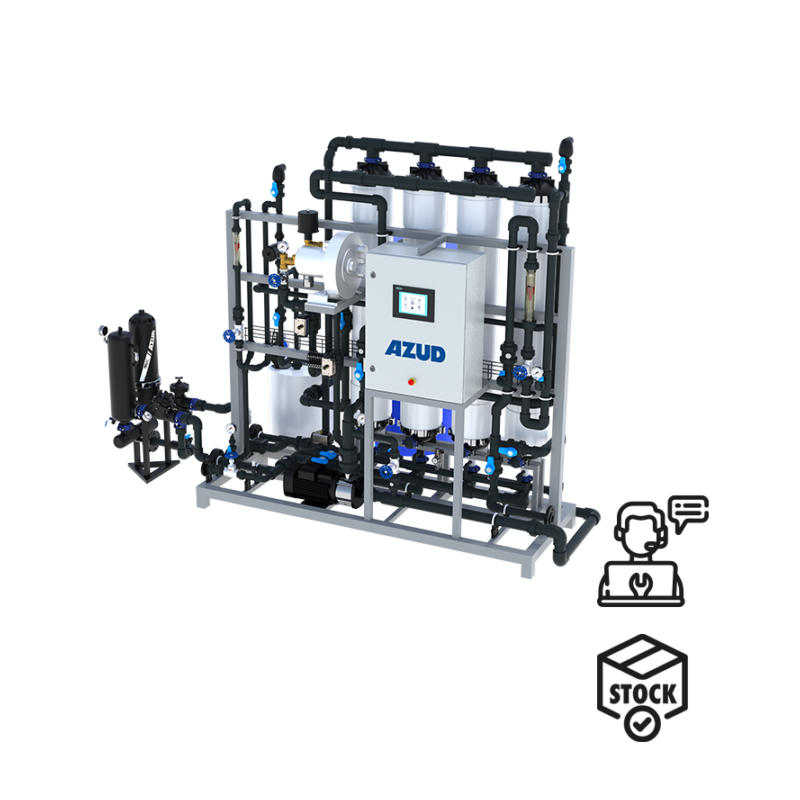
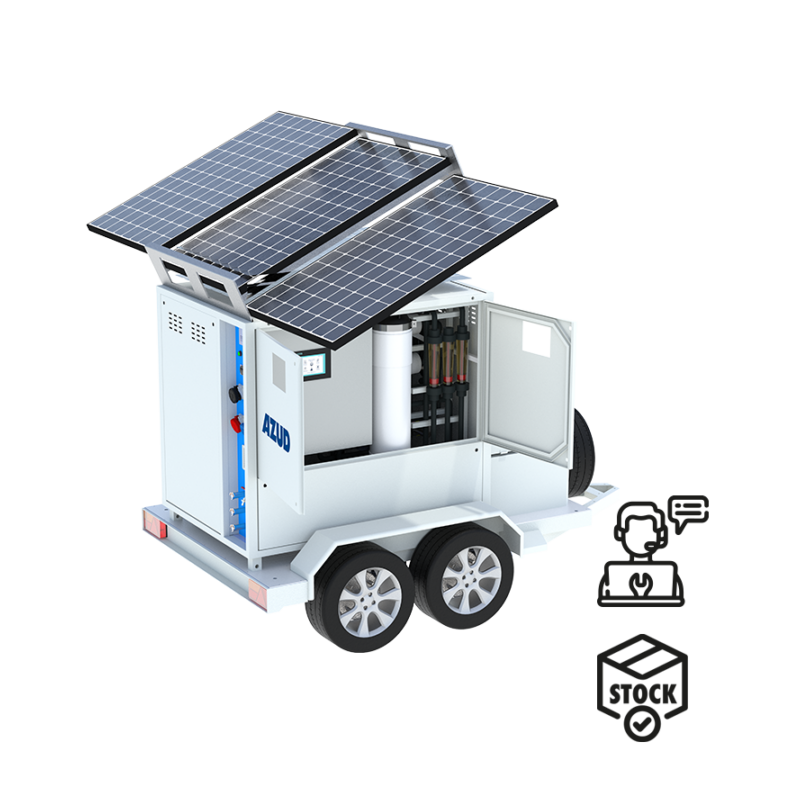
The combination of these technologies, together with other solutions, makes up aintegral solution to ensure that the water meets ideal conditions. By incorporating Disc filtration systems and supplementing them with bed filters or ultrafiltration systems in a water treatment process, a highly efficient plant is obtained. Theseplants, designed in containersthe compactness and modularity of the systems allow them to be adapted and conditioned according to the specific needs of each installation. This not only facilitates plant operation, but also protects the equipment involved.