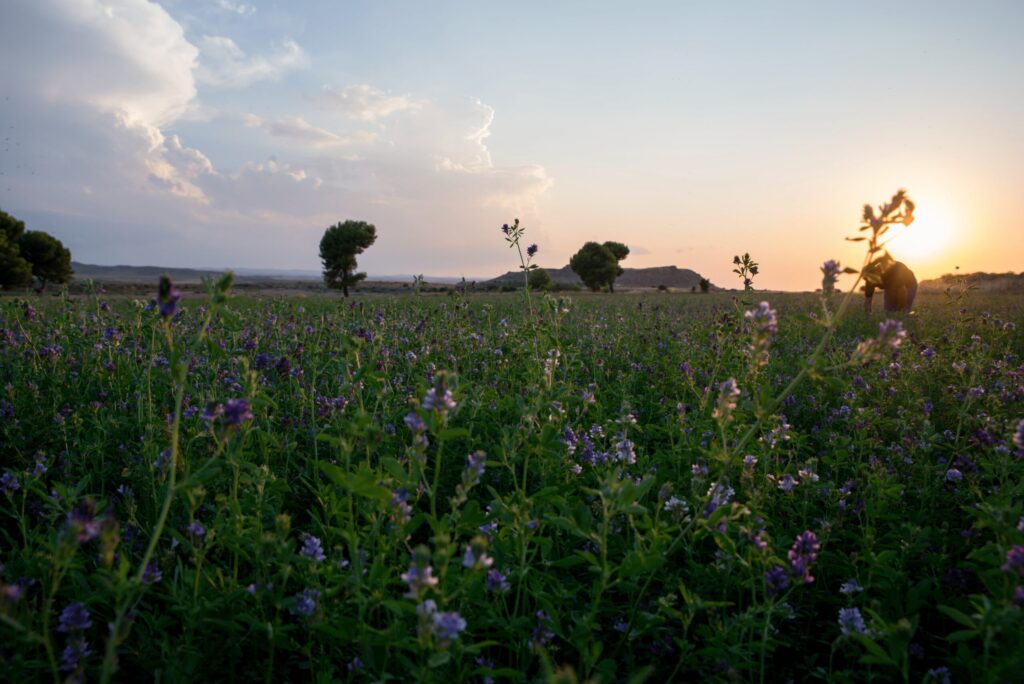
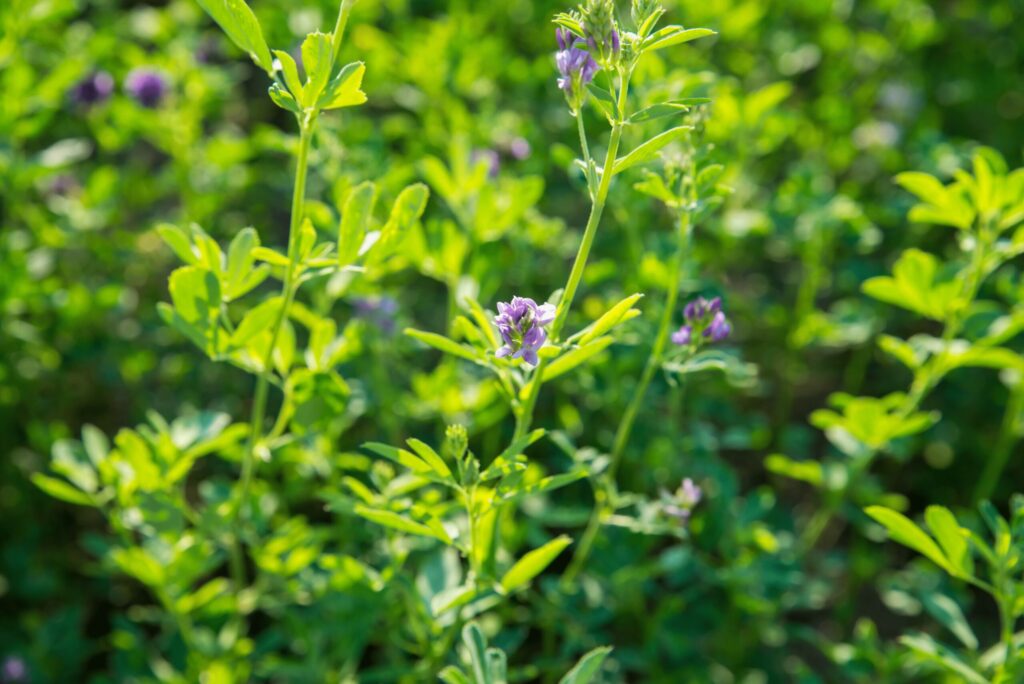
Alfalfa belongs to the legume family, and its scientific name is Medicago sativa. It is a perennial, hardy plant with an upright growth habit. It is one of the most widely grown forage crops in temperate climates.
Intensive livestock farming, due to its consistently high demand for feed, has created a significant need for the industrial-scale cultivation of this crop, driving its further development, primarily to supply the feed industry. It is also used in other areas and applications, such as landscaping or as a conservation crop for wildlife. The main importers of alfalfa are Japan, the United Arab Emirates, China, and South Korea.
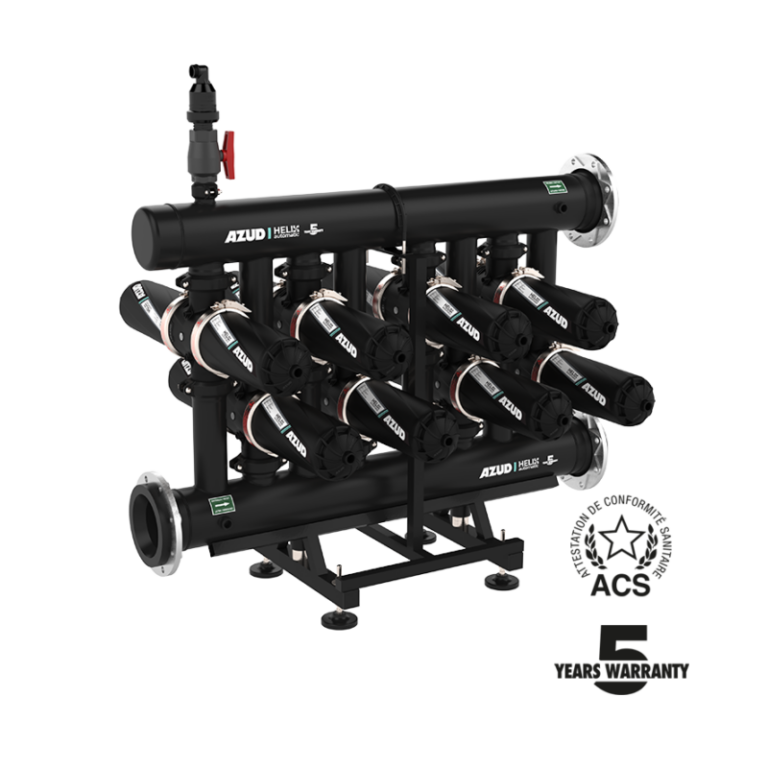
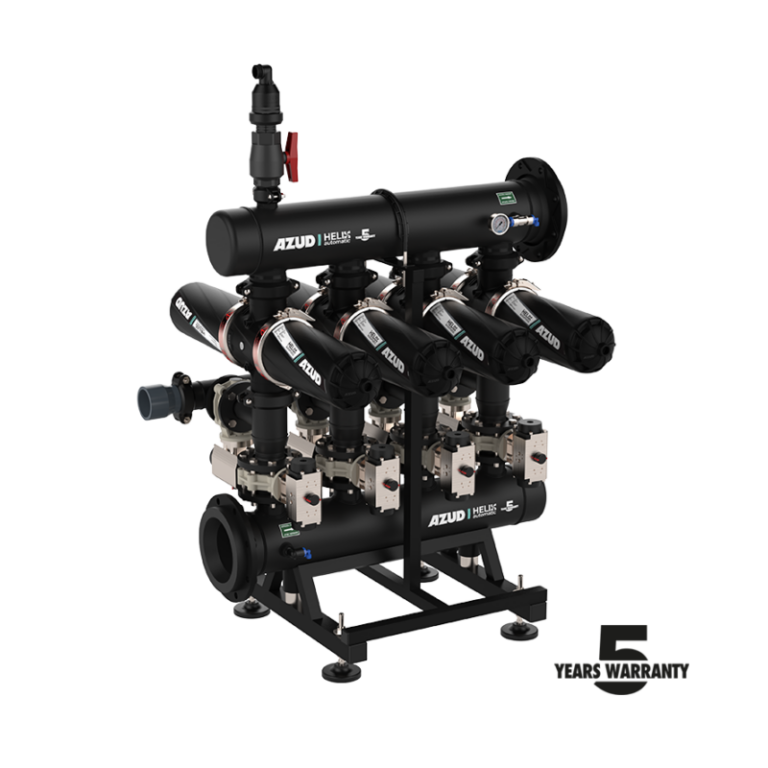
Thanks to its extensive experience, AZUD offers farmers the most efficient agronomic solution to ensure higher productivity in alfalfa cultivation, taking into account the specific needs and available resources in each case.
Alfalfa is a highly adaptable species that thrives in regions ranging from semi-arid to humid. Solar radiation is a very important factor that positively influences alfalfa cultivation.
Alfalfa adapts to a wide range of temperatures; some varieties can withstand temperatures as low as 10°C below zero. Production begins to increase at 10°C, with the most favorable range falling between 15 and 28°C depending on the variety.
It requires deep, well-aerated soils. Although it is grown in a wide variety of soils, it is very sensitive to waterlogging. Soils less than 60 centimeters deep are not recommended for this crop. The optimal soil should have high moisture-holding capacity, good drainage, and be free of compacted layers.
The limiting soil factor in alfalfa cultivation is acidity. It performs best at pH levels above 6.5. It is demanding in terms of calcium, sulfur, and phosphorus. This legume does not grow well in soils with high levels of salinity or alkalinity and electrical conductivities exceeding 8 mmhos/cm, which reduce production by 50 to 65%.