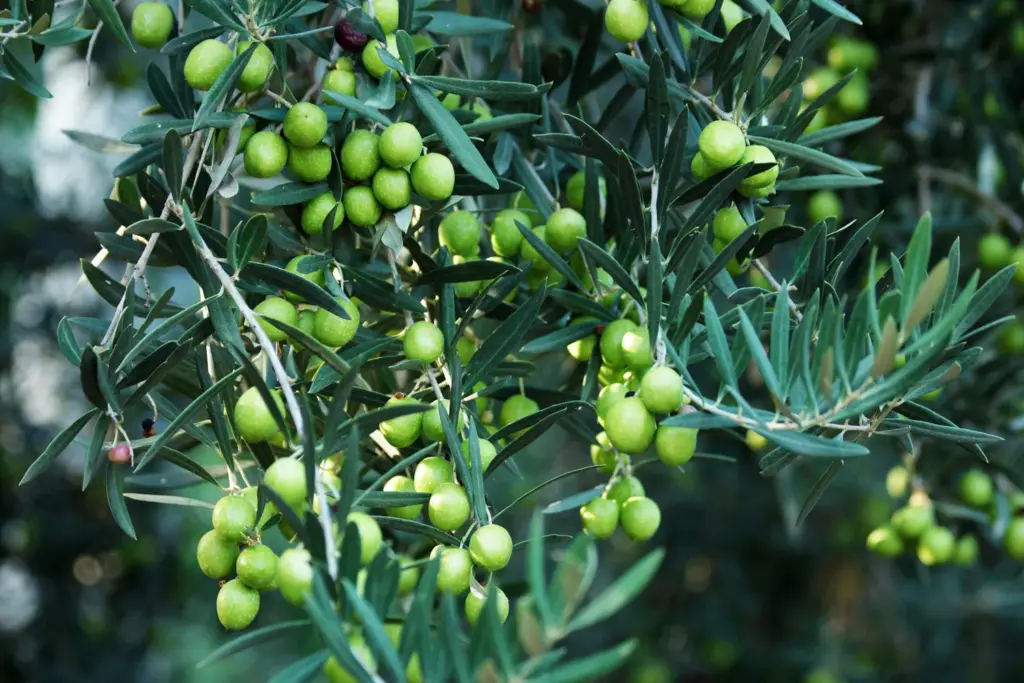

The olive tree is one of the oldest traditional crops in the Mediterranean region. The oil extracted from its fruit has been used for centuries as a food source and for applications such as a raw material for lighting and medicinal products.
The olive grove’s current status is exceptional due to high demand and profitability, thanks to a successful food campaign highlighting its therapeutic and nutritional properties. It has a promising future and a growing cultivation area. Spain and Italy are the world’s leading producers, followed by Greece, Turkey, and Tunisia.
It requires few hours of cold and many hours of heat for its development (3–4 months elapse between budbreak and flowering, and 6–7 months from flowering to harvest). The most severe weather conditions are dry winds and high temperatures during flowering, which cause widespread ovary abortion, leading to reduced production.
It is resistant to calcareous soils, although there are varietal differences (the Hojiblanca variety performs very well). It is highly tolerant of Salinity. It is a light-loving plant; thus, a lack of light reduces flower formation or causes the flowers to be non-viable due to insufficient assimilates in the leaf axils.
Traditionally, unnecessarily wide planting patterns have been used; the average planting density used to be 72 trees per hectare, although values of 312 trees per hectare are now recommended, reaching up to 400 in irrigated systems. In rainfed systems, the density should not exceed 300 trees per hectare. Planting patterns are rectangular, measuring 7 X 5 or 6 X 4.
Yields increase with irrigation, as irrigation becomes necessary when rainfall falls below 800 mm; the most suitable system is localized drip irrigation at a rate of 1,800–1,900 liters per tree per year, distributed during the months of April, May, June, July, August, and September at a rate of 100 liters per tree per day.
Another, perhaps more effective alternative is to concentrate irrigation during the hottest months, resulting in 70 liters per day per tree in April, 90 liters per day per tree in May, 110 liters per day per tree in June, 130 liters per day per tree in July, 110 liters per day per tree in August, and 90 liters per day per tree in September.
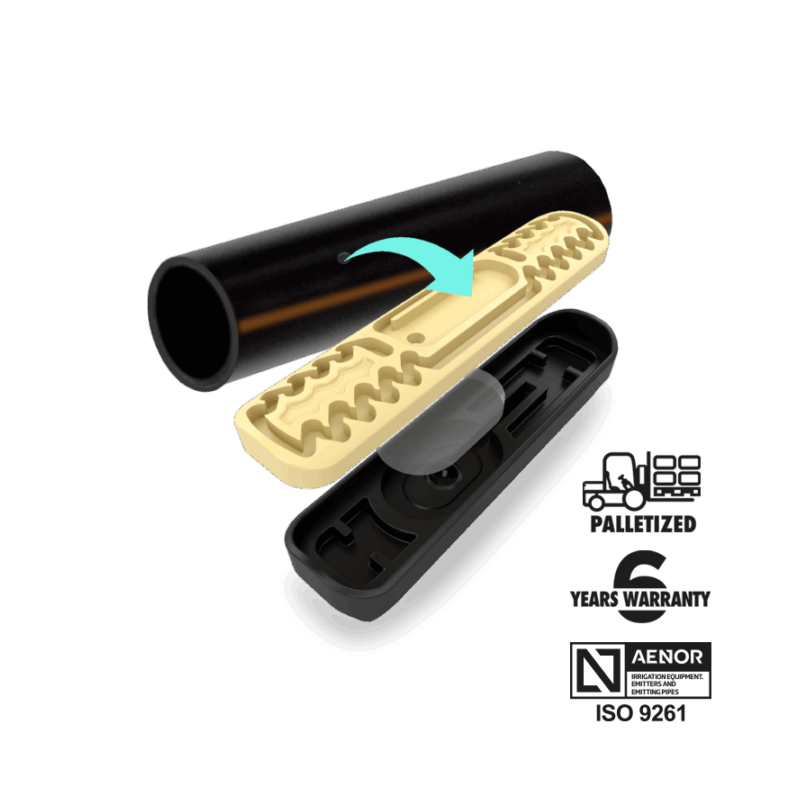
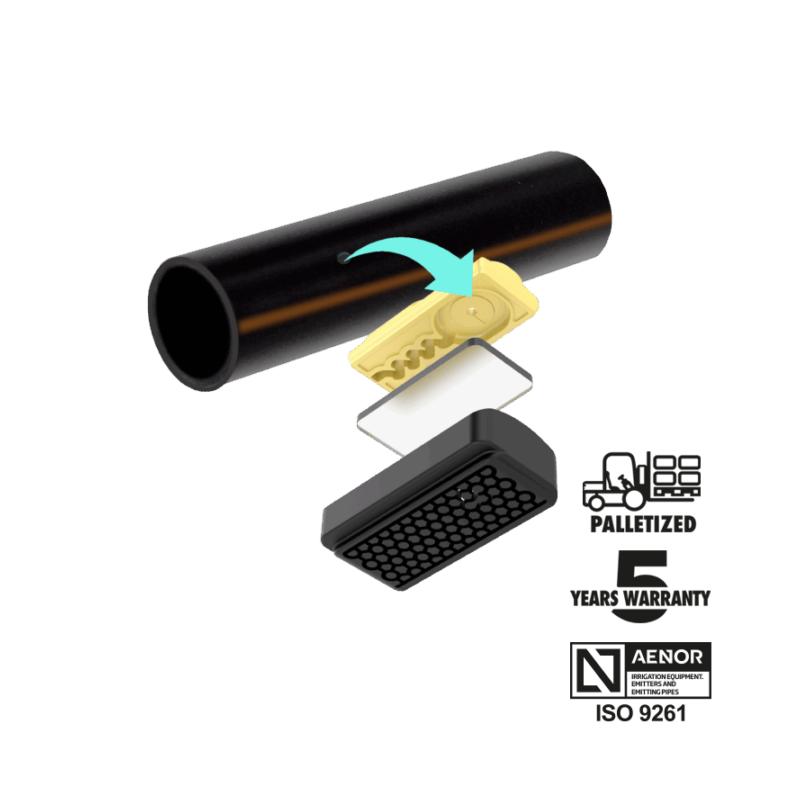
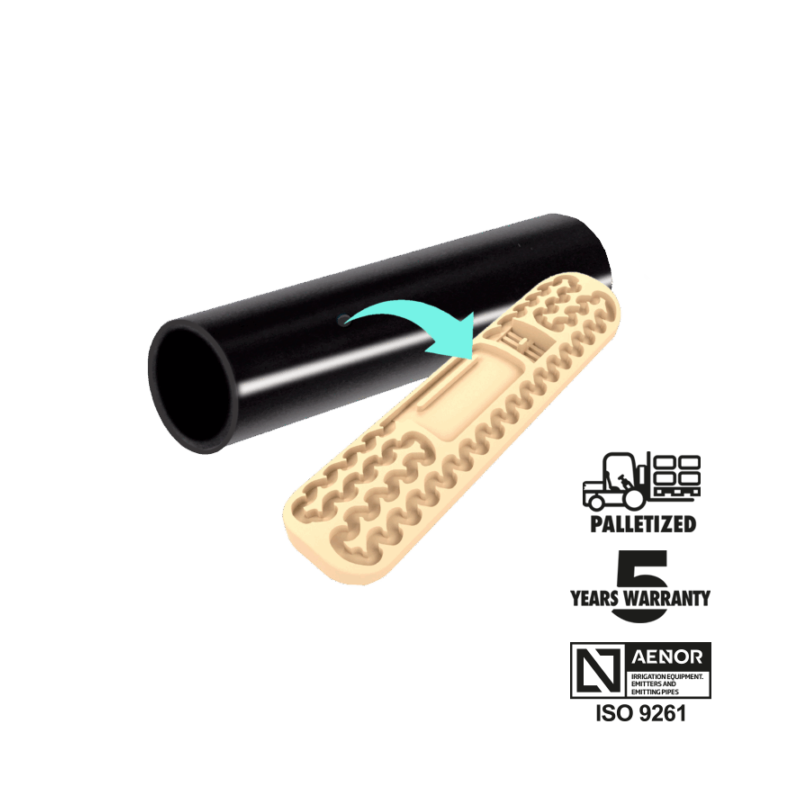
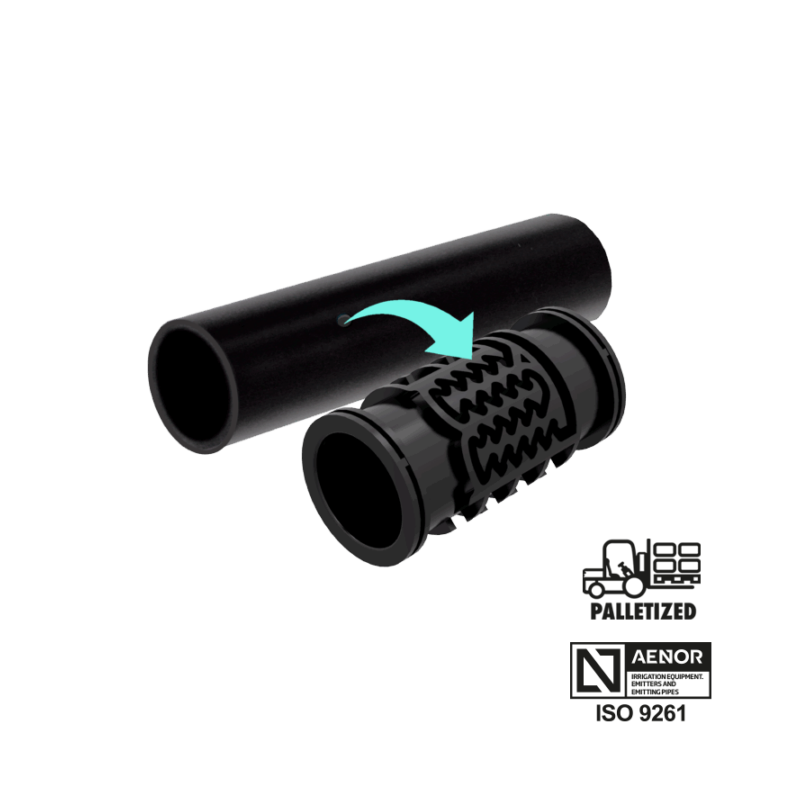
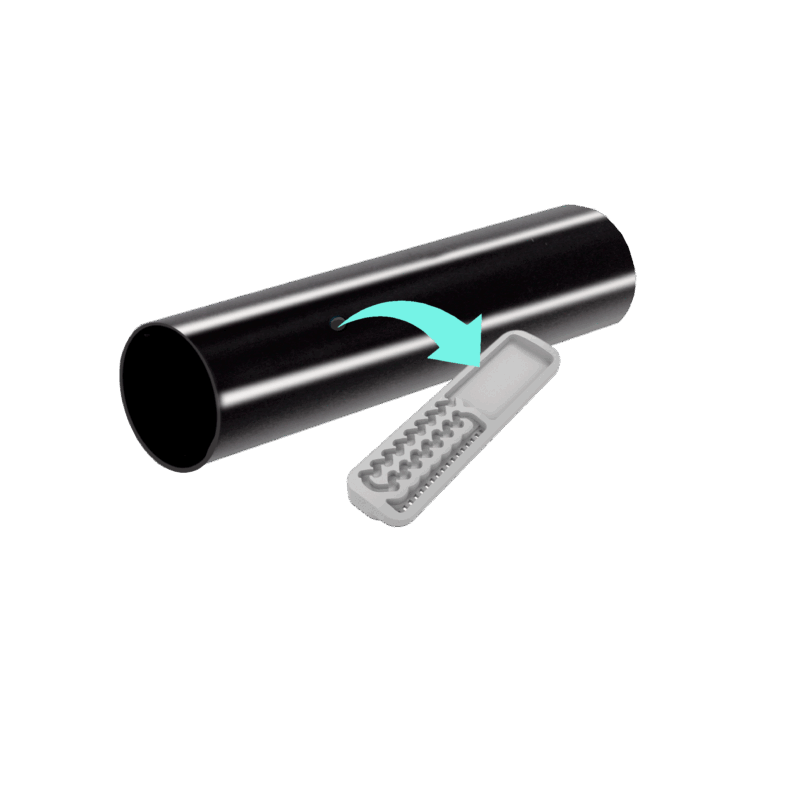
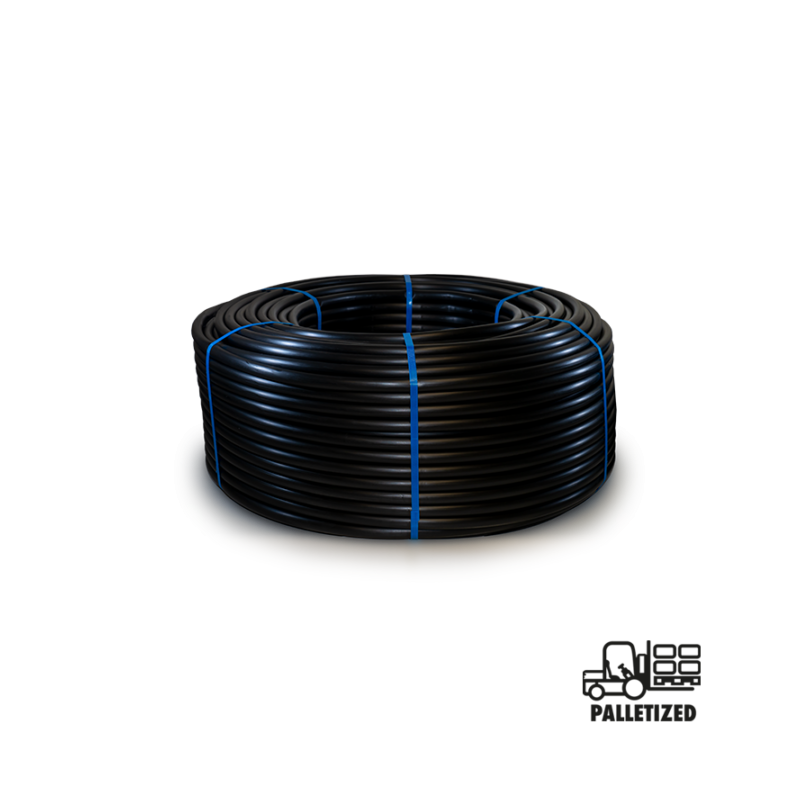
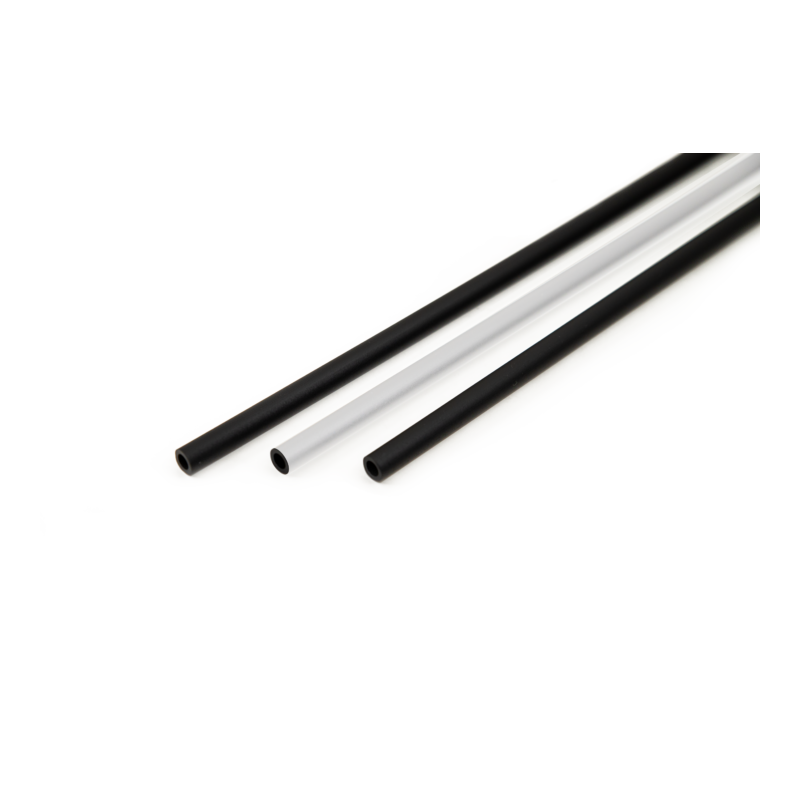
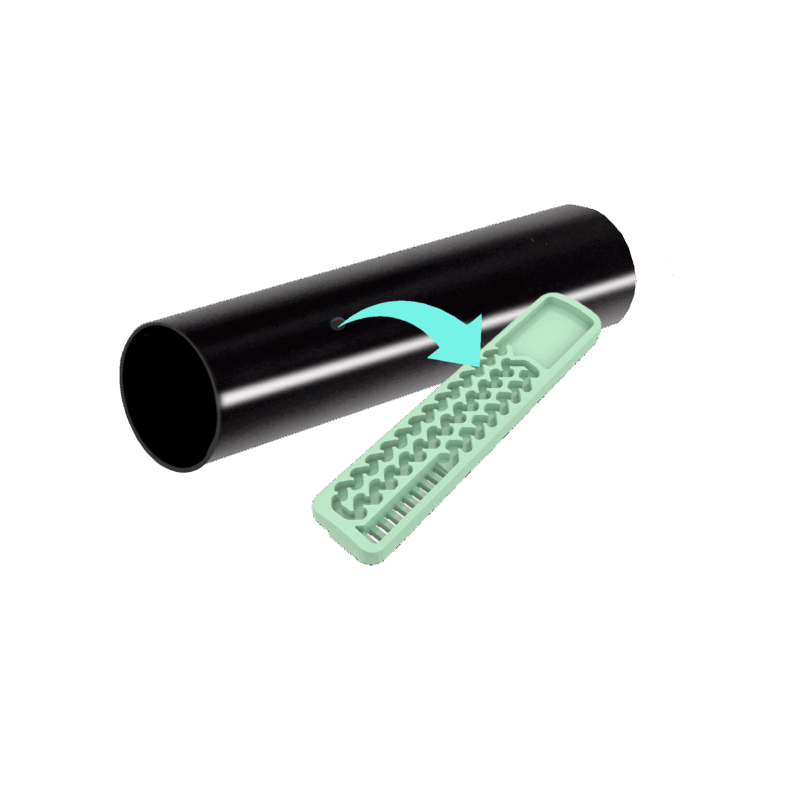
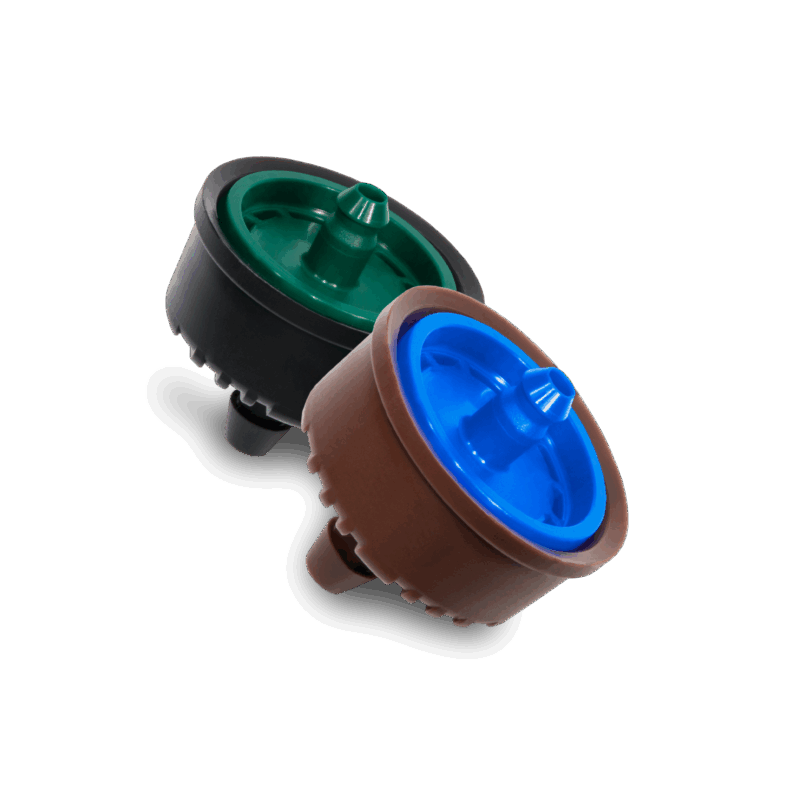
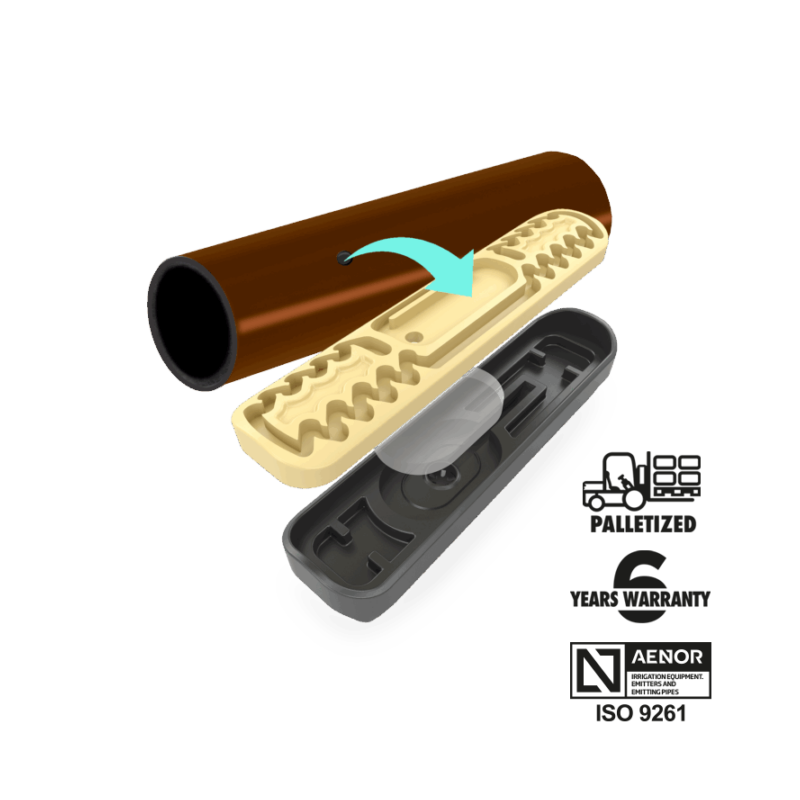
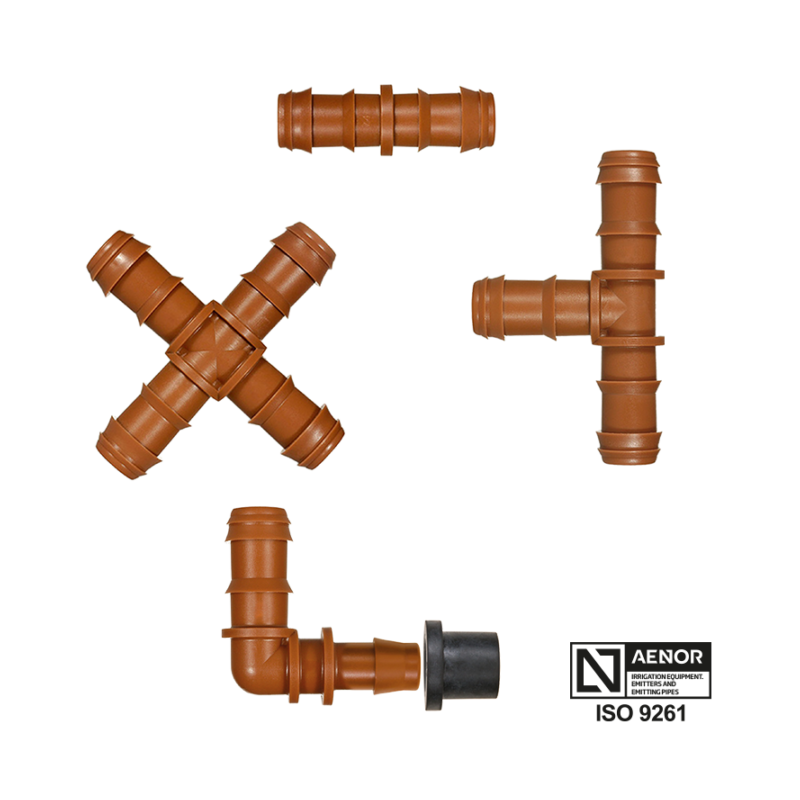
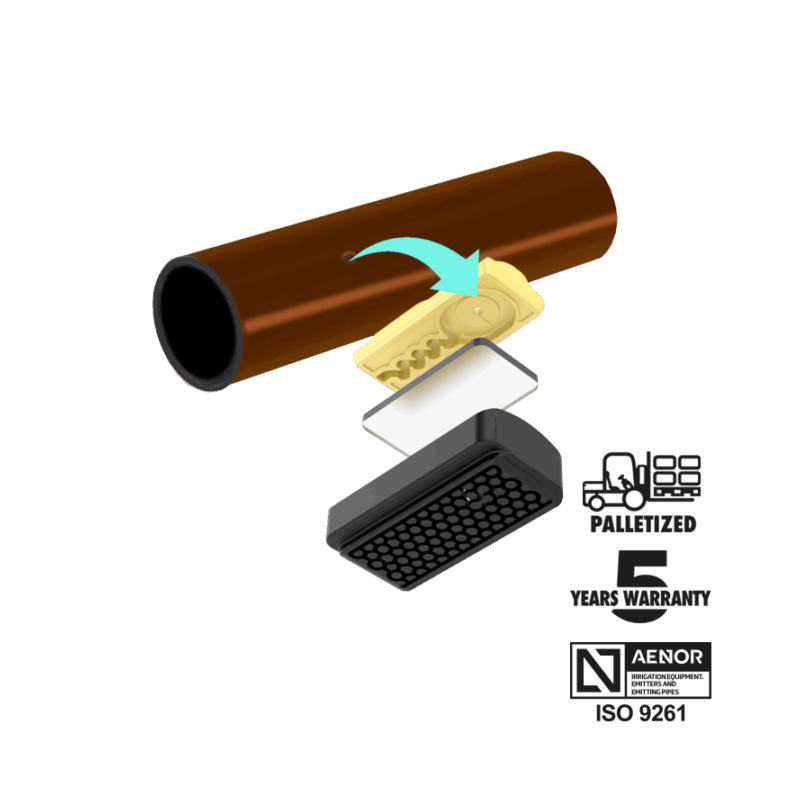
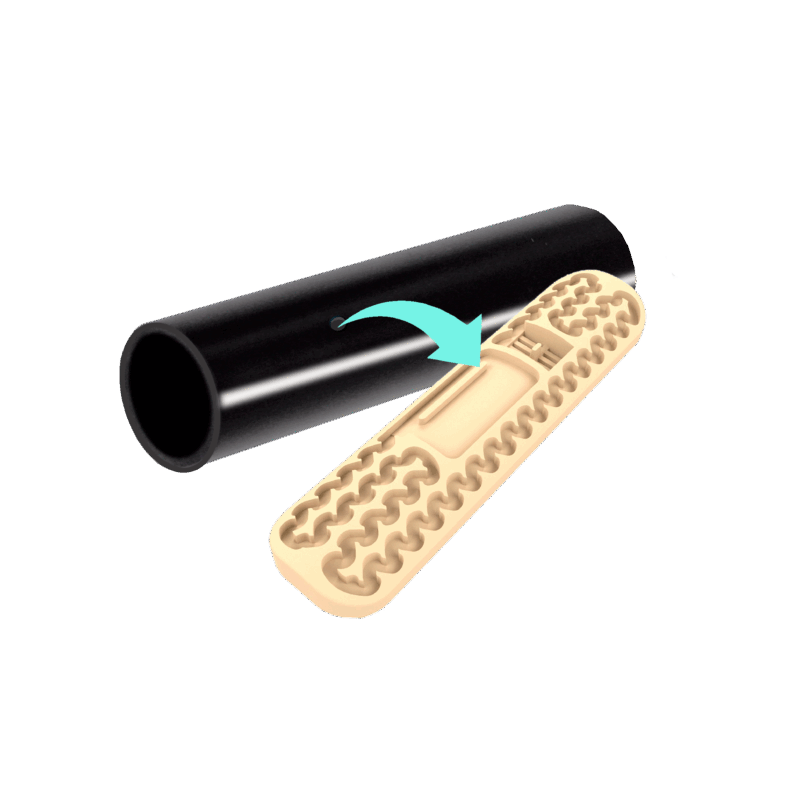
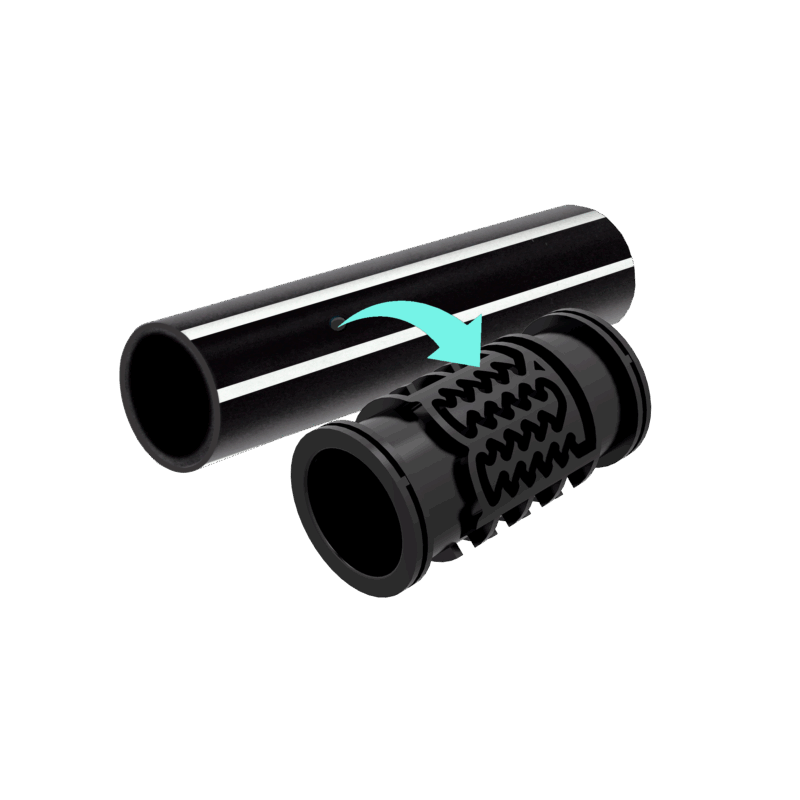
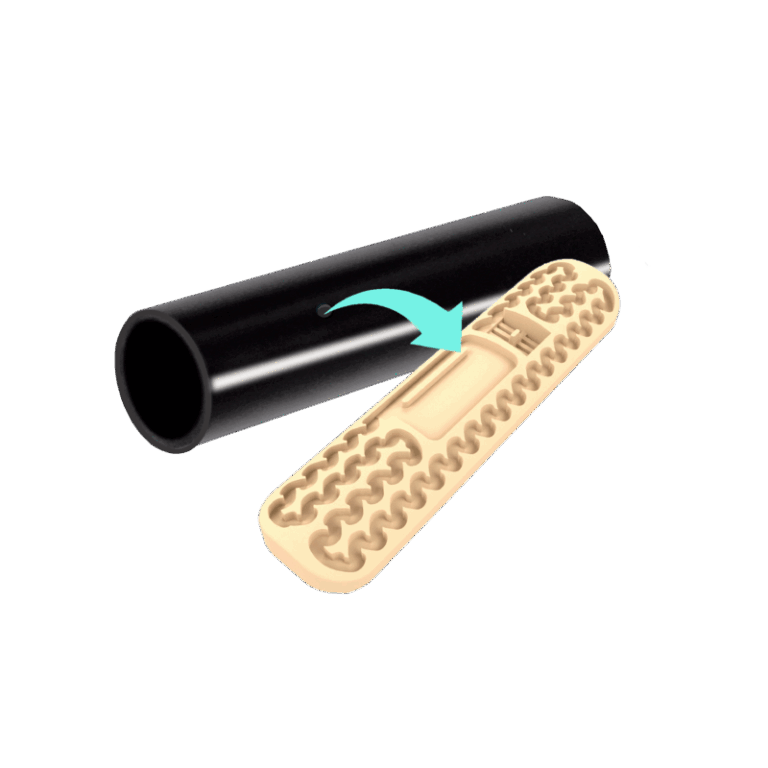
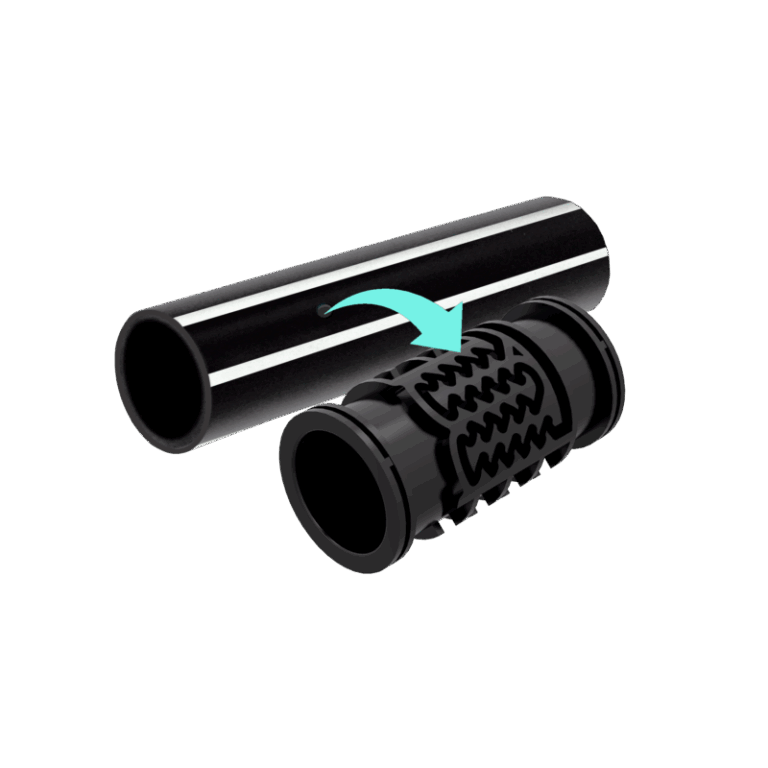
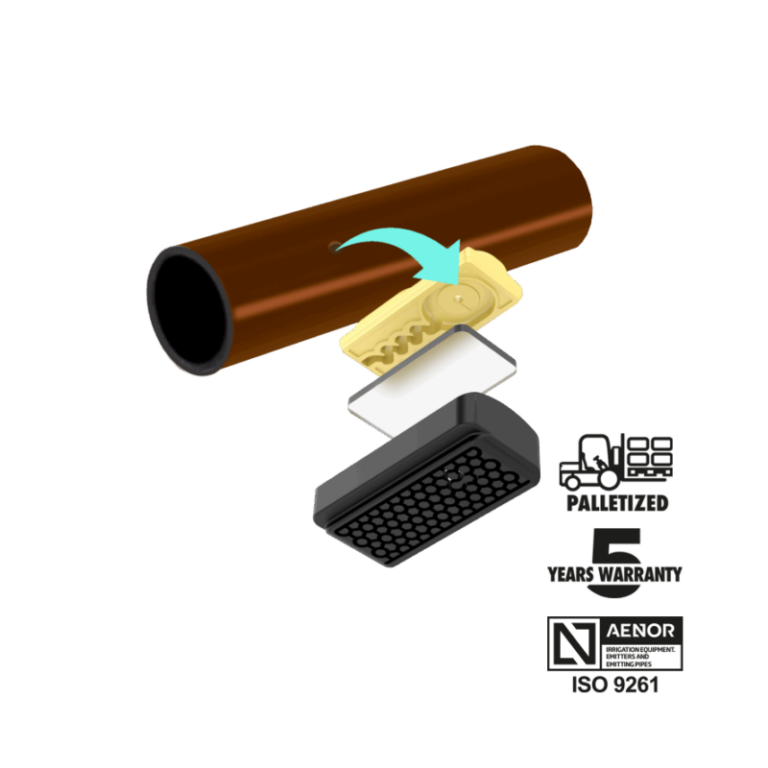
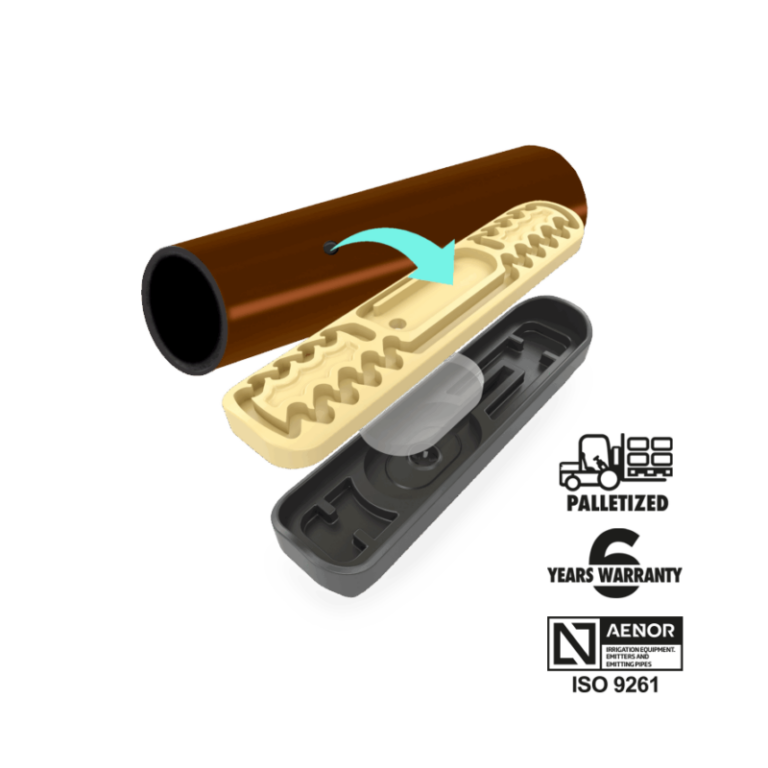
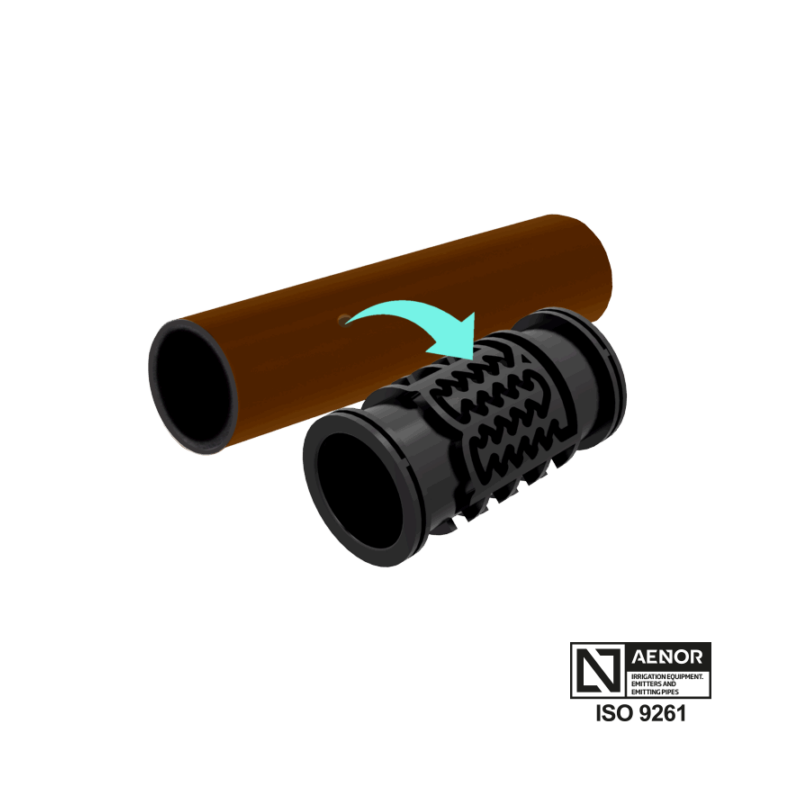
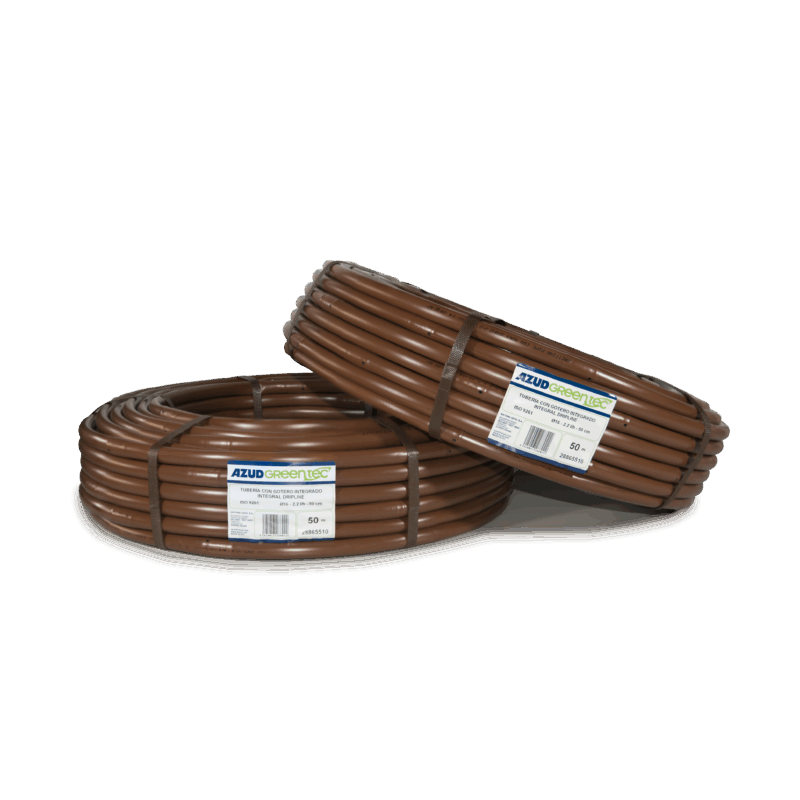
Selection of emitter dripline: A wide range of options ensures the selection of the most appropriate emitter dripline. The combination of emitter model, flow rate per emitter, and spacing between emitters not only ensures the delivery of the water rates specified in the irrigation strategy but also guarantees a large volume of moist soil available for root development in both surface drip irrigation and subsurface drip irrigation.
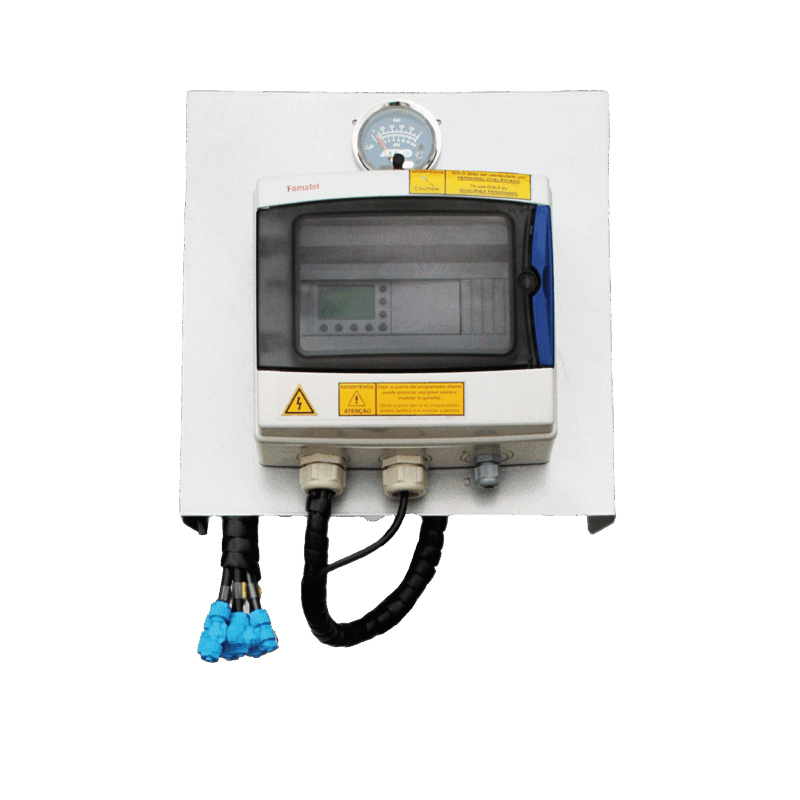
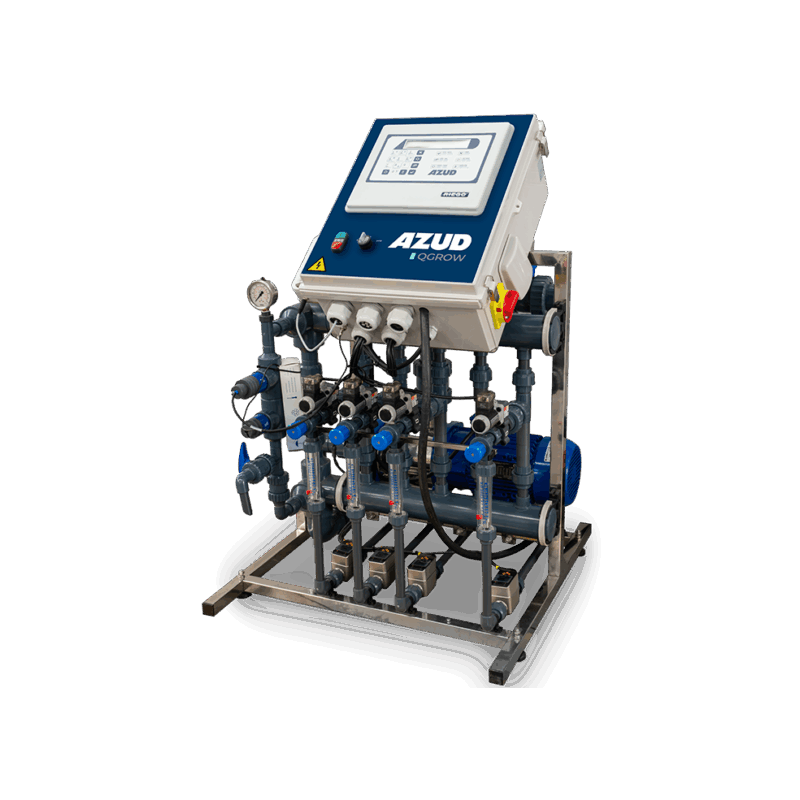
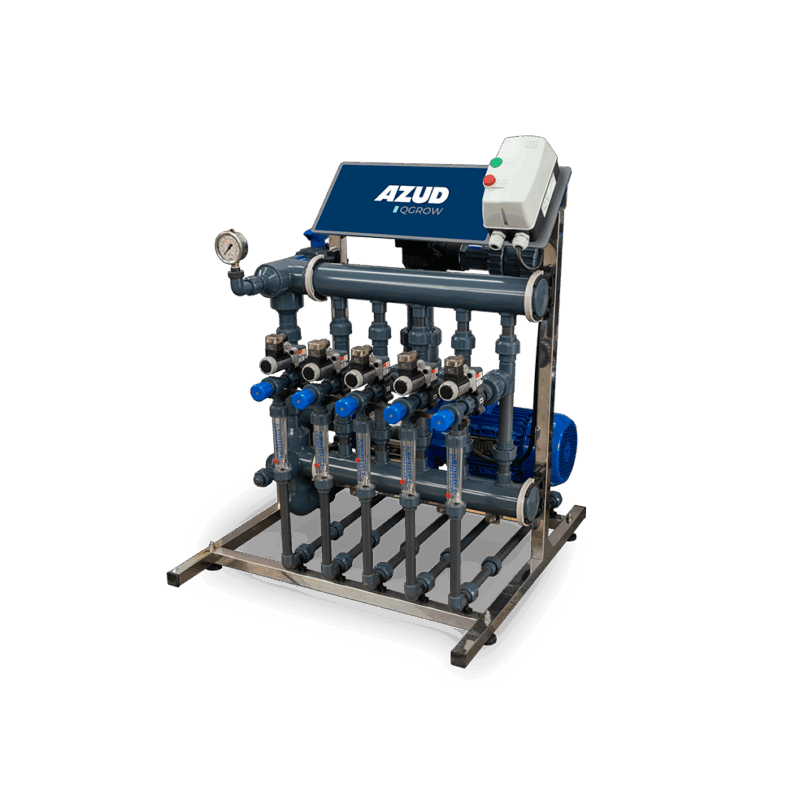
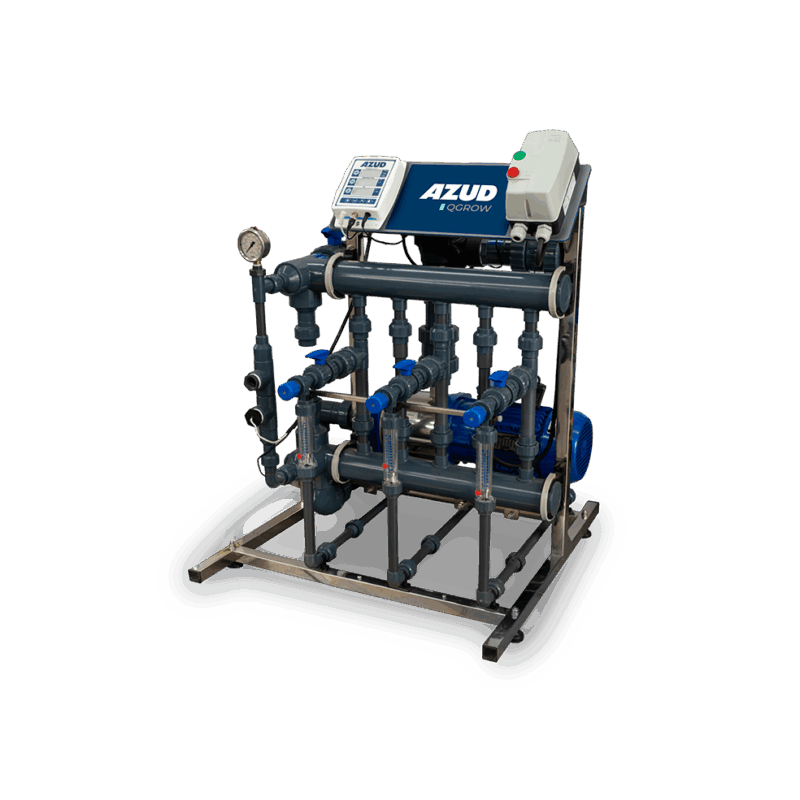
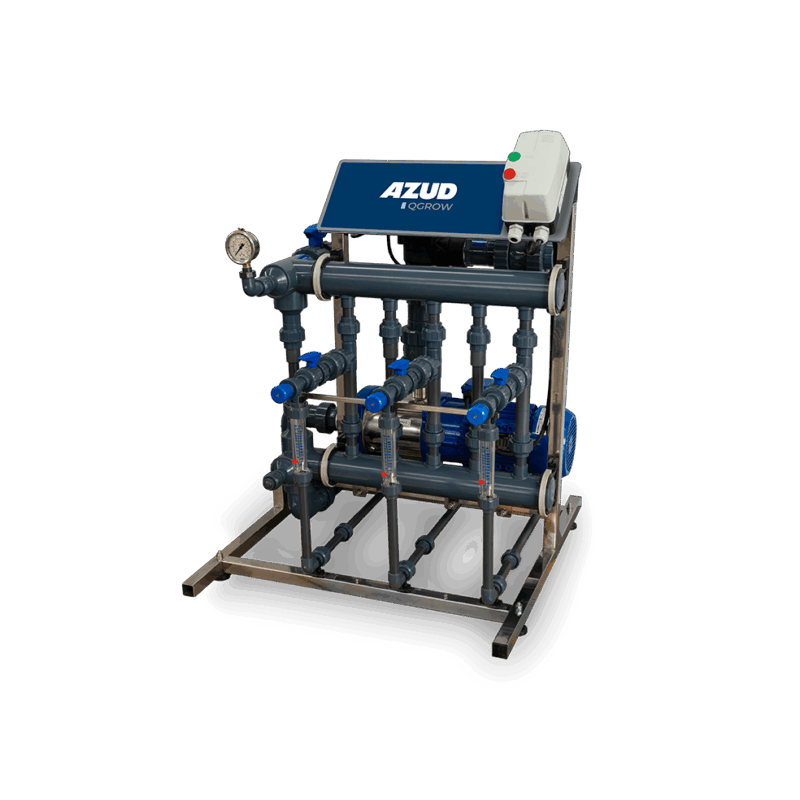
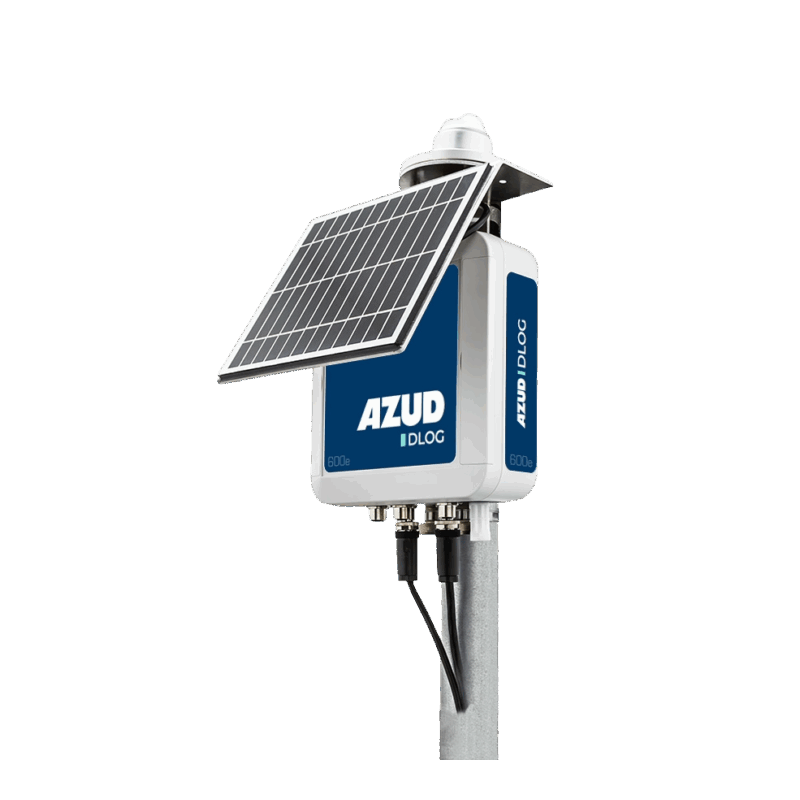
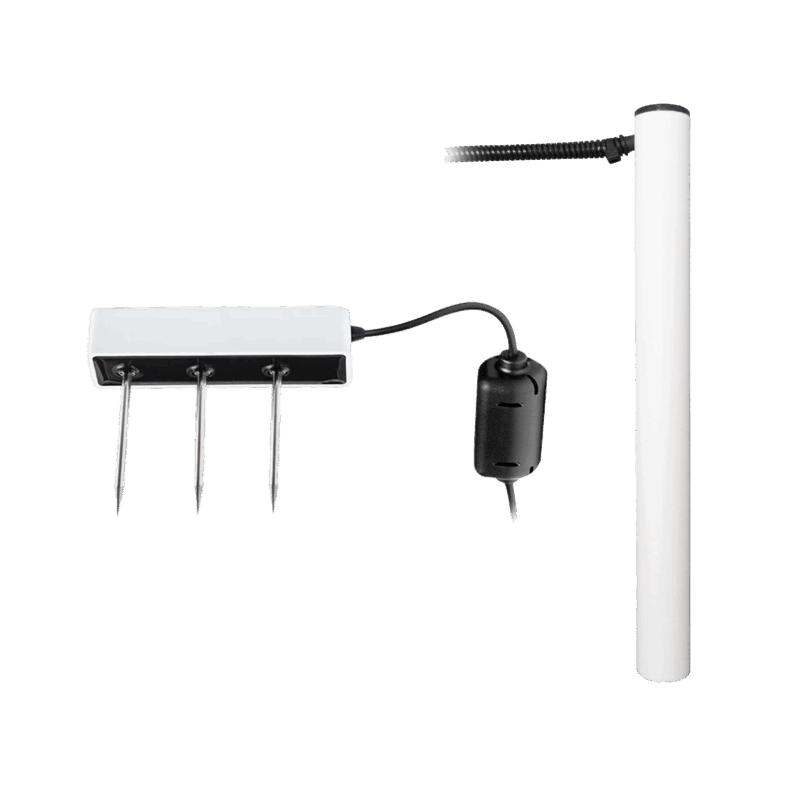
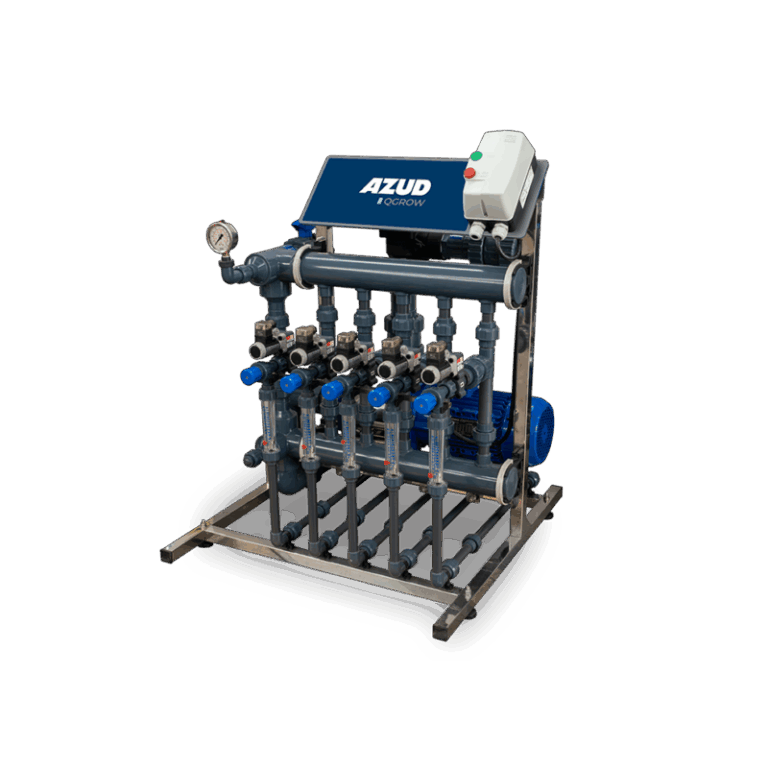
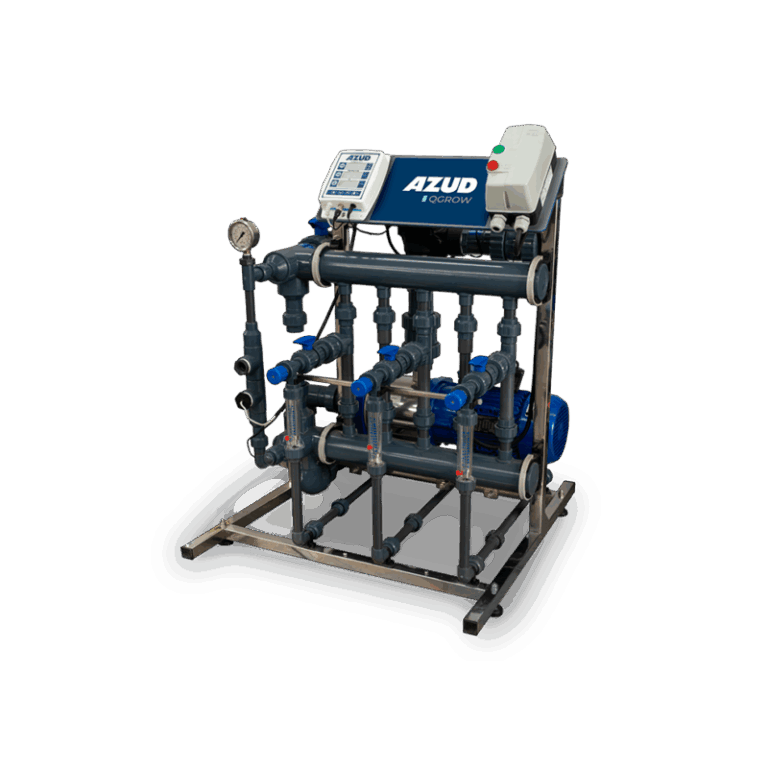
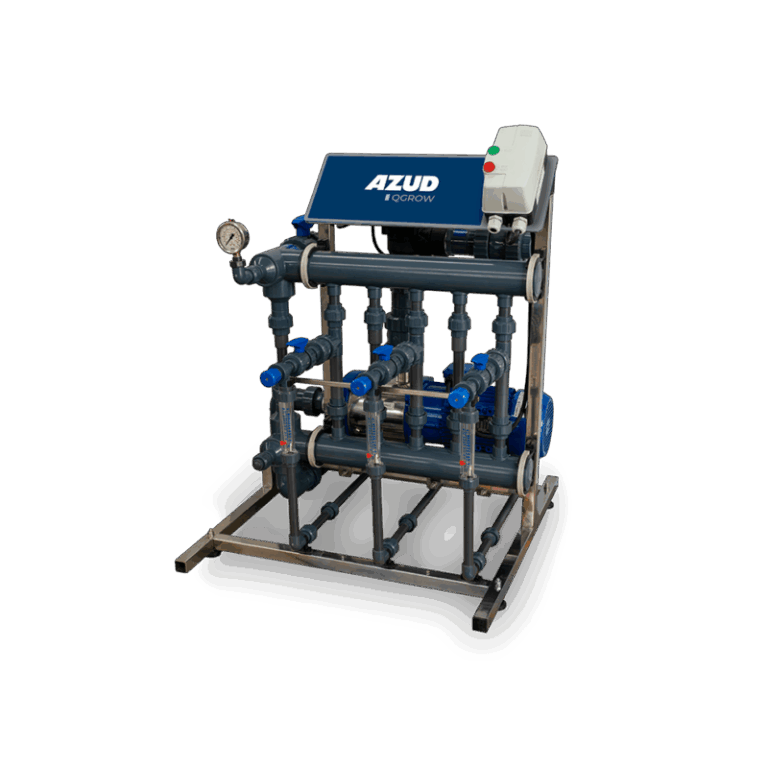
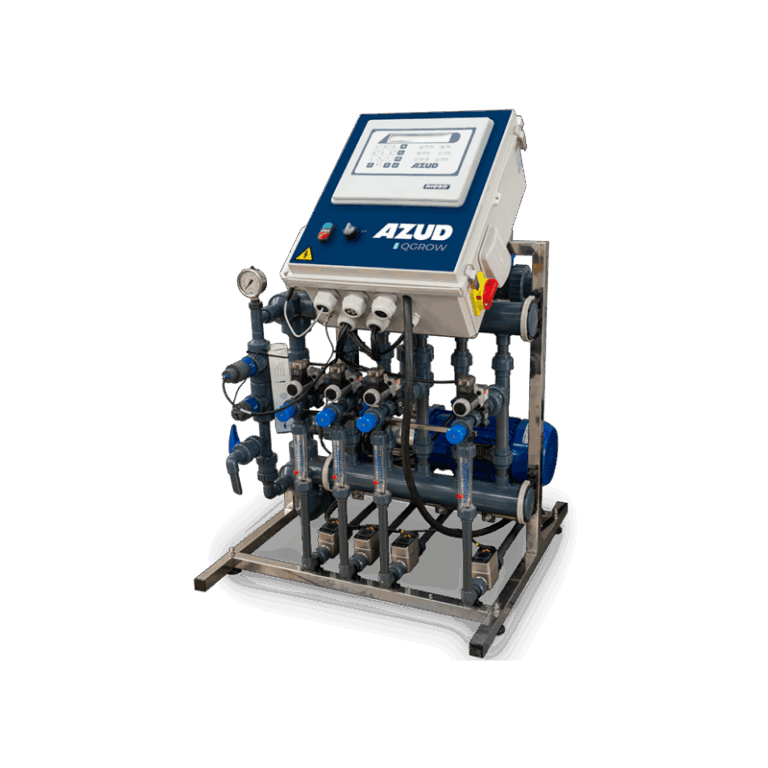
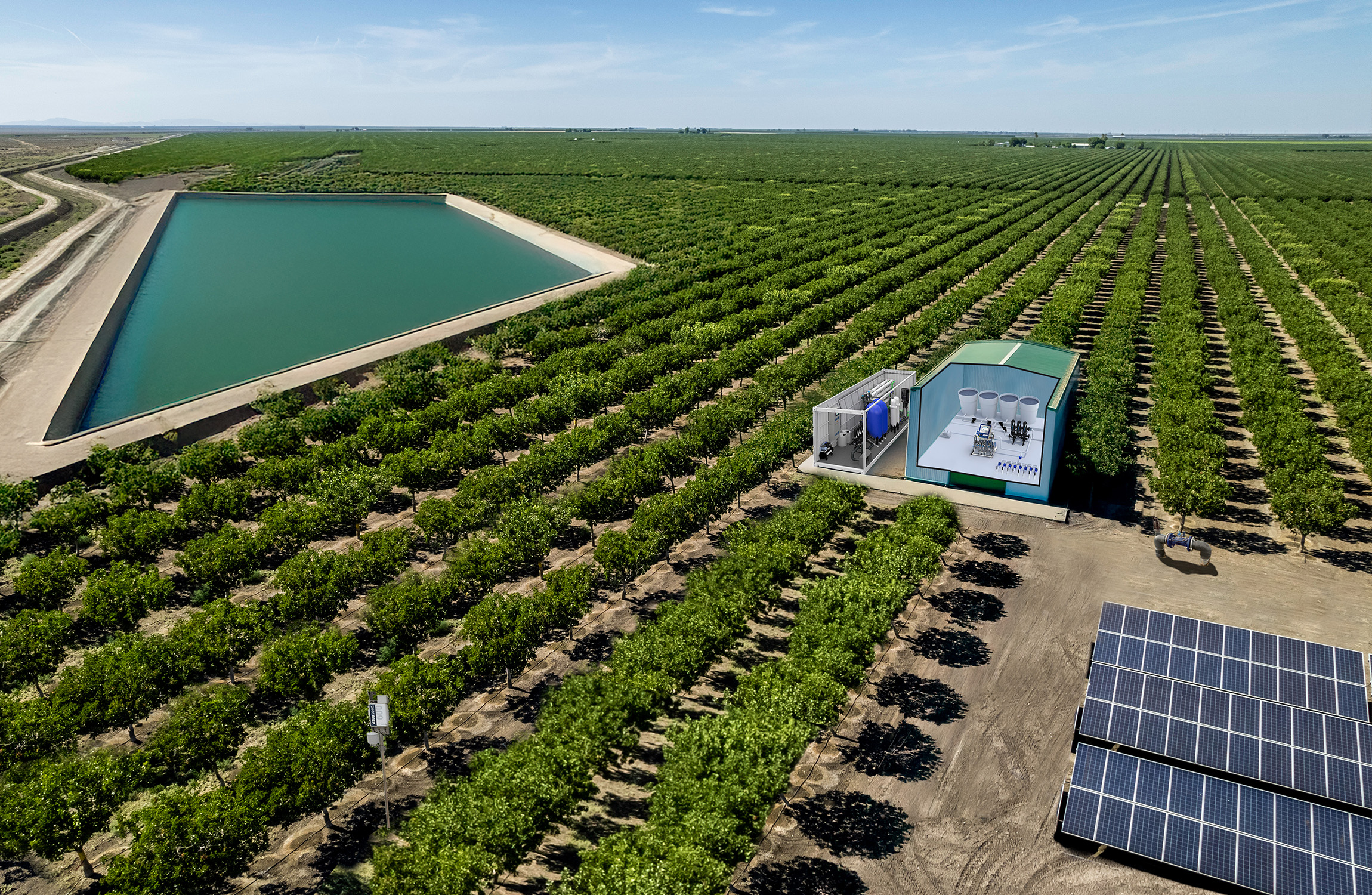
Digital Farming: Along with the proper selection of dripline tubing, the use of AZUD QGROW equipment for the precise management of water and nutrient inputs, using data from soil, plant, and weather sensors, enables: