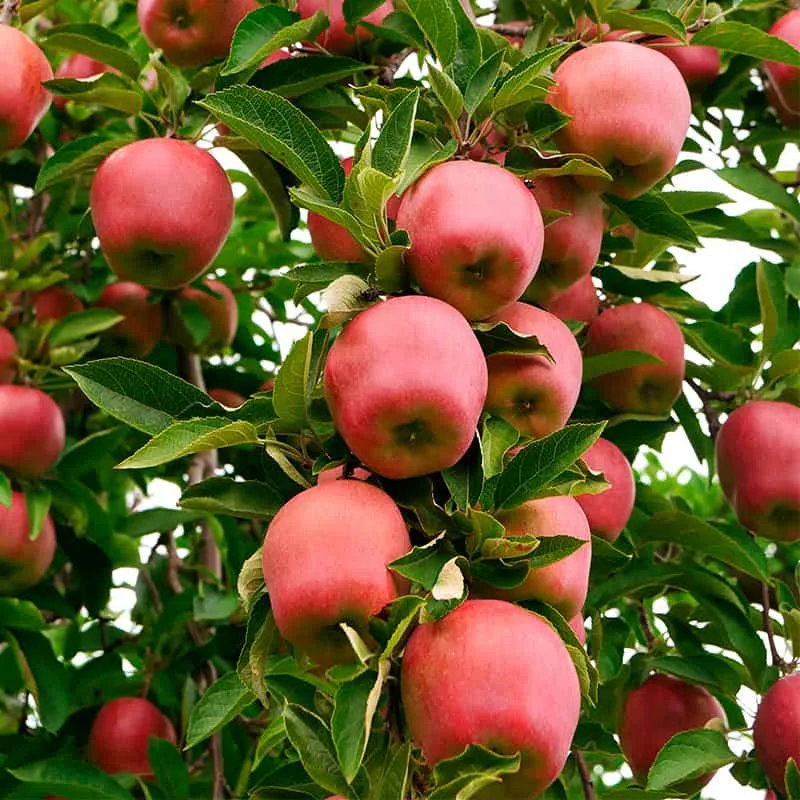

It is a tree belonging to the Rosaceae family and native to Southeast Asia. It is one of the most widespread and widely cultivated fruit trees worldwide, due to its nutritional value, ability to adapt to different climates, and the quality of the products obtained in the processing industry: the production of juices, cider, unfermented musts, spirits, jams, preserves, and jellies.
The world’s largest apple production occurs in China, the United States, France, Italy, and Turkey.
The apple adapts to a wide variety of climates, with the best conditions being warm days, cool nights, and high solar radiation. It requires about 1,000 degree-days and approximately 150 frost-free days. This is the limiting factor for apple cultivation in southern regions: the lack of cold. They are frost-resistant but suffer fruit damage when temperatures drop below -3 °C. Since they bloom later than other deciduous crops, the risk of freezing is lower.
It is less demanding than the pear tree, as it adapts to a wide variety of soils, though well-drained, medium-textured soils with a pH around 6 are ideal. It has a relative tolerance for calcareous soils, and the wide range of rootstocks makes it suitable for planting in many different soil types.
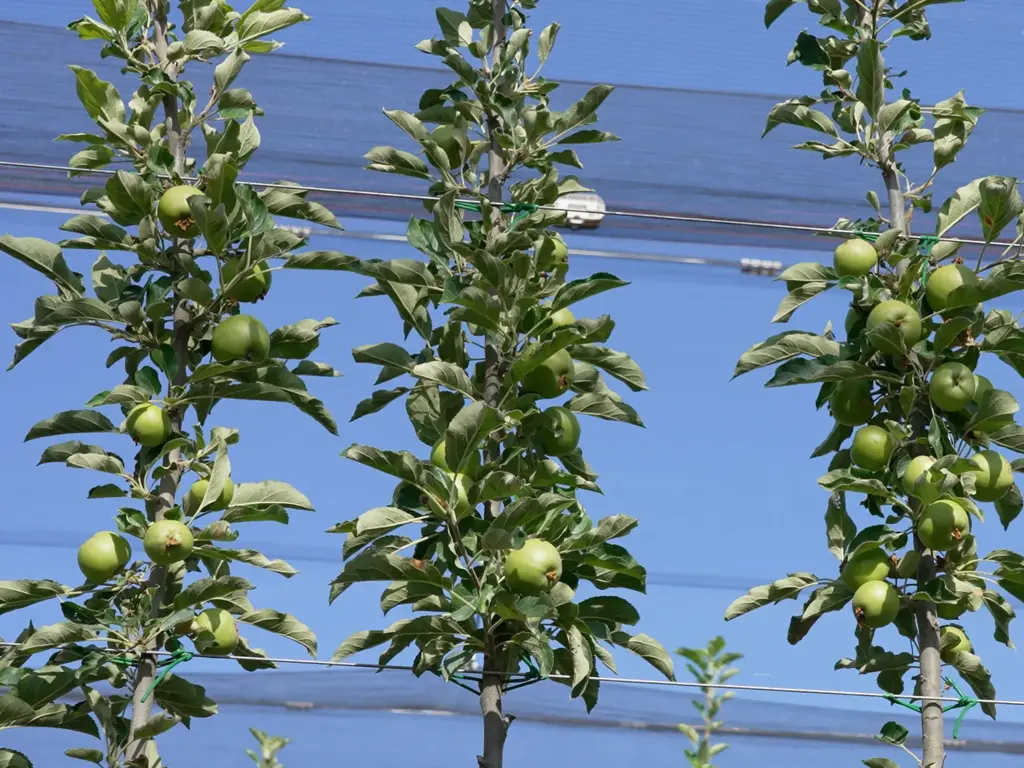
Planting spacing varies depending on the variety; the most common spacing for traditional varieties is 5 X 6 m or 6 X 7 m, while for modern, compact varieties, the spacing is typically 2.5 X 4.0 m, with 1,000–2,300 trees per hectare.
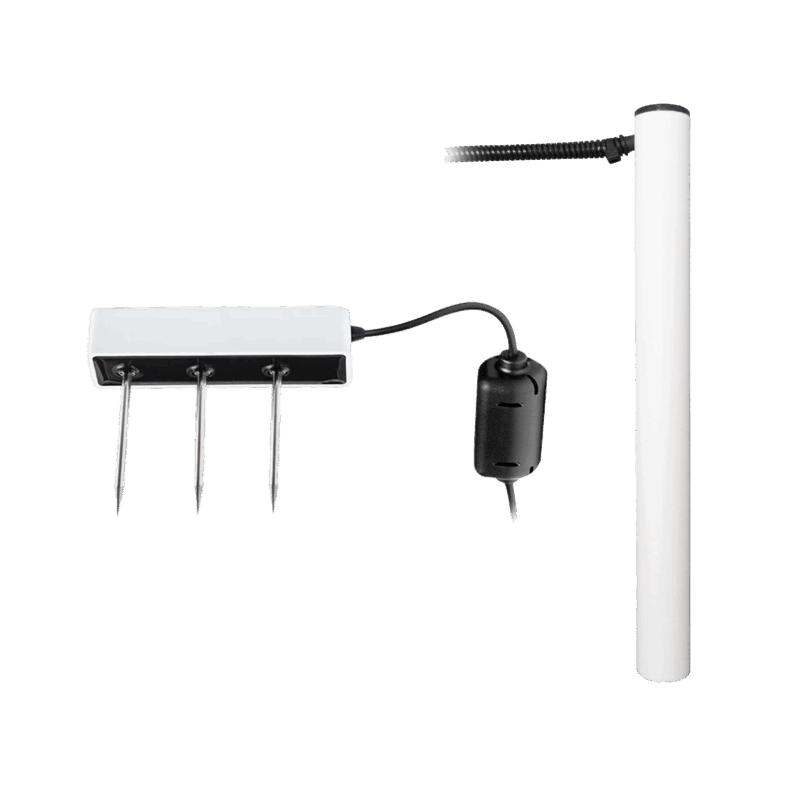
There are several methods for estimating water demand: Soil moisture, sap flow
, and growth rate are typically measured to determine the crop’s water requirements. Water deficiency during fruiting results in smaller fruit size, while a water deficit during the fruit-setting stage causes fruit drop.
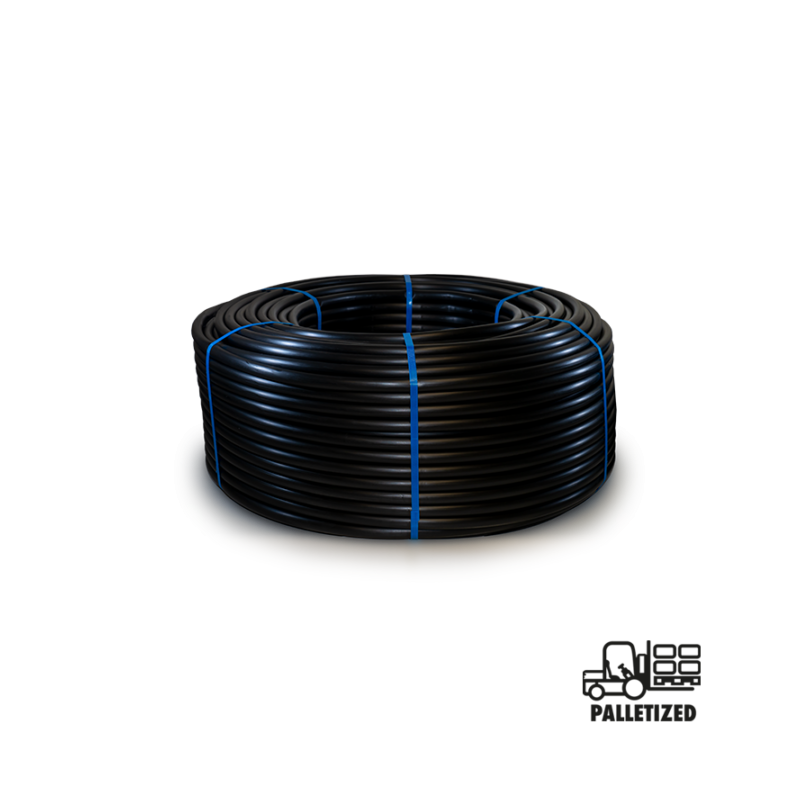
For small-sized tree crops, drip irrigation is used with one or two laterals per row and a 0.6 m spacing between drippers. For larger tree crops, where the spacing between trees is greater, sprinklers or mini-sprinklers may also be used. Irrigation should be abundant once the tree begins growing, and sprinklers are often used to prevent frost damage.
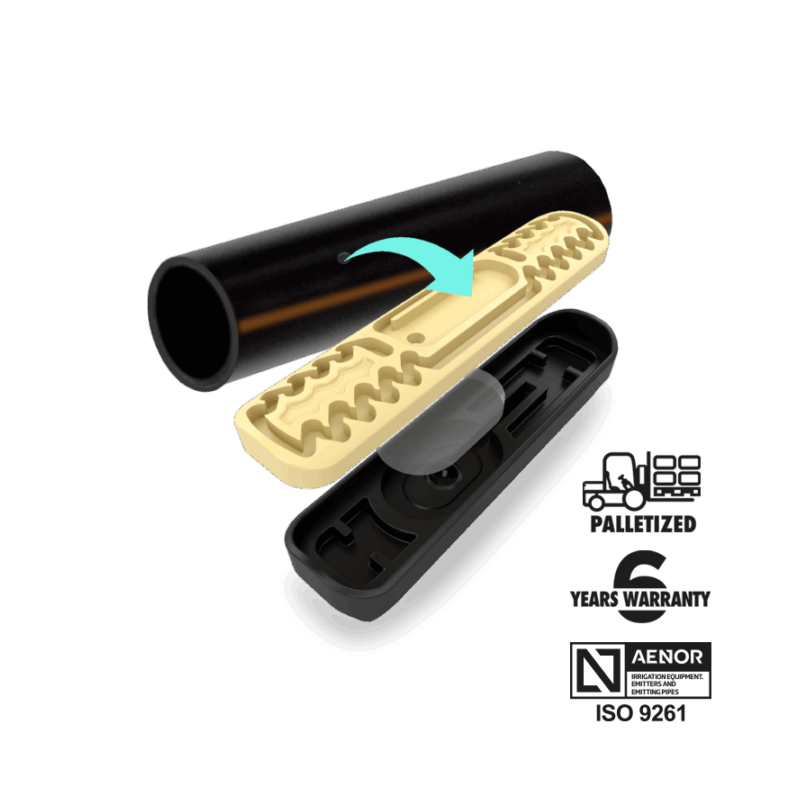
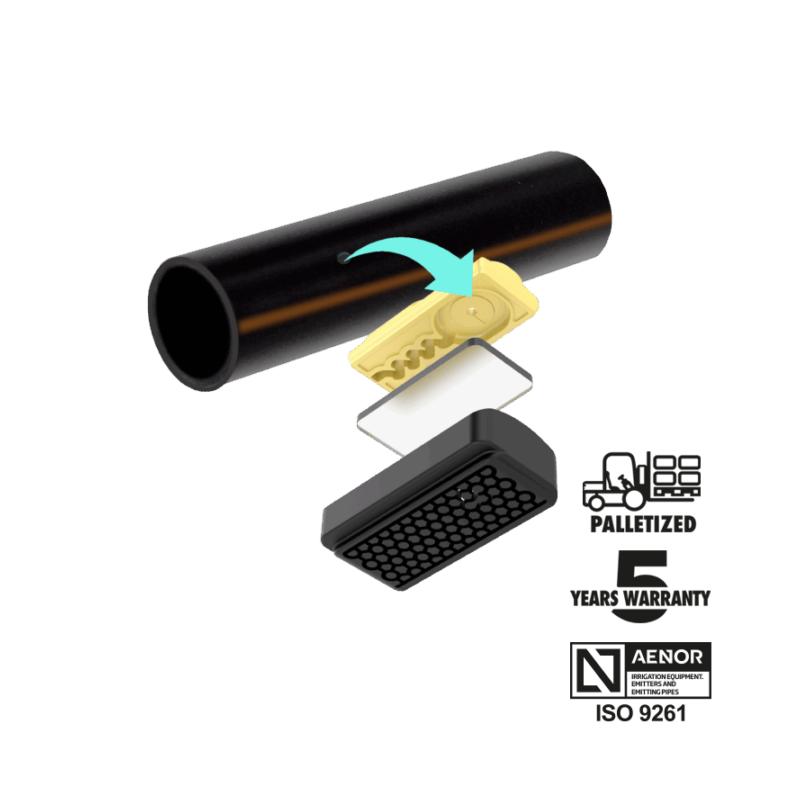
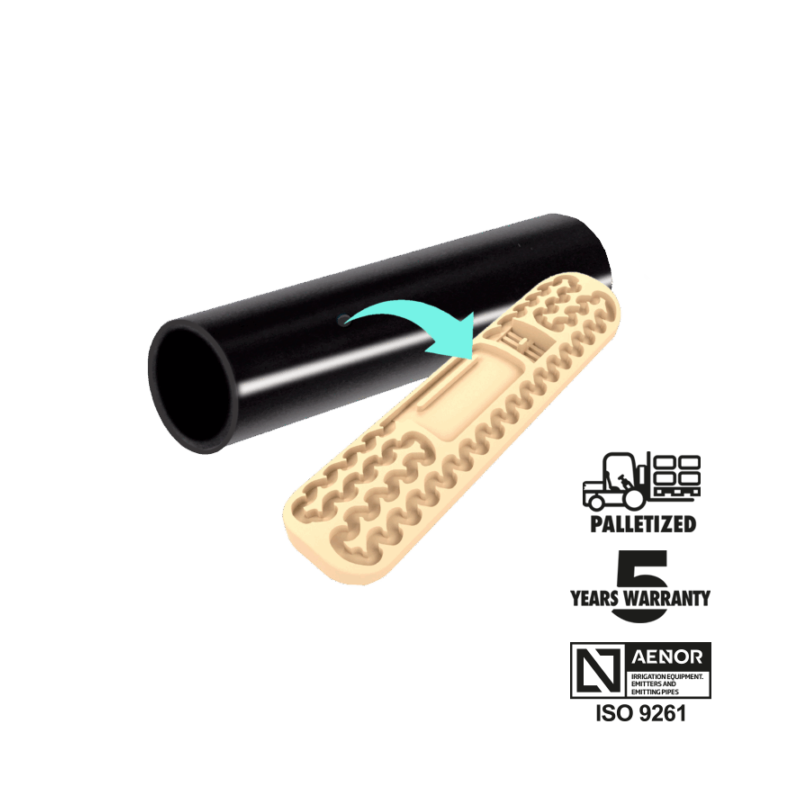
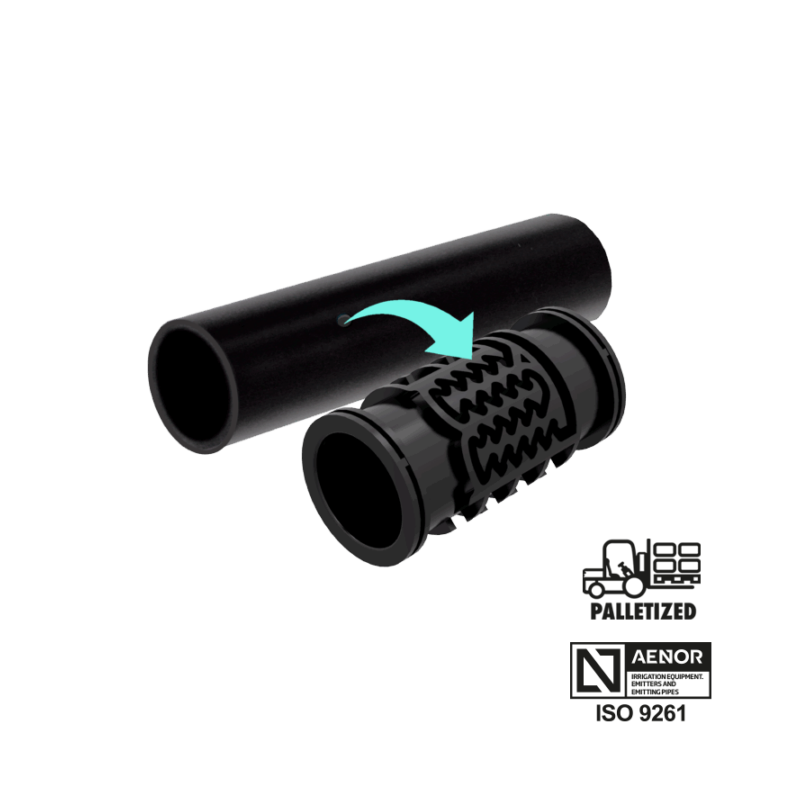
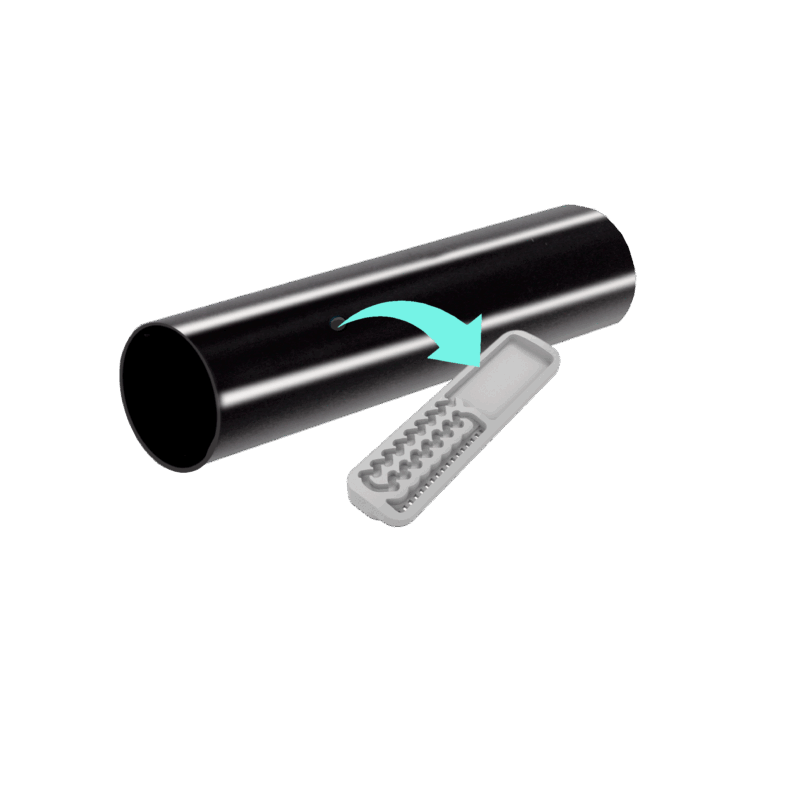
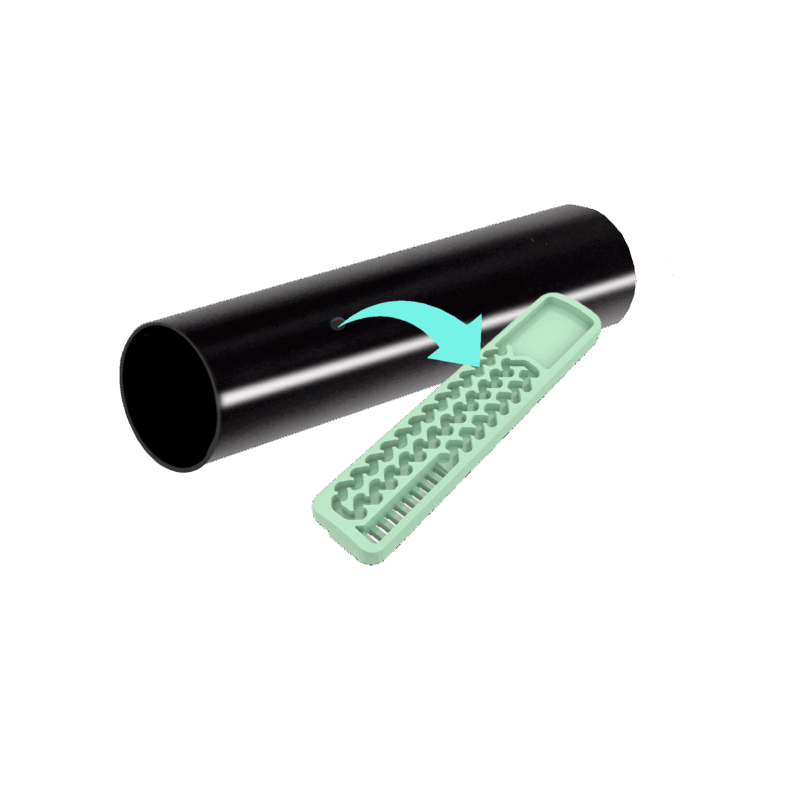
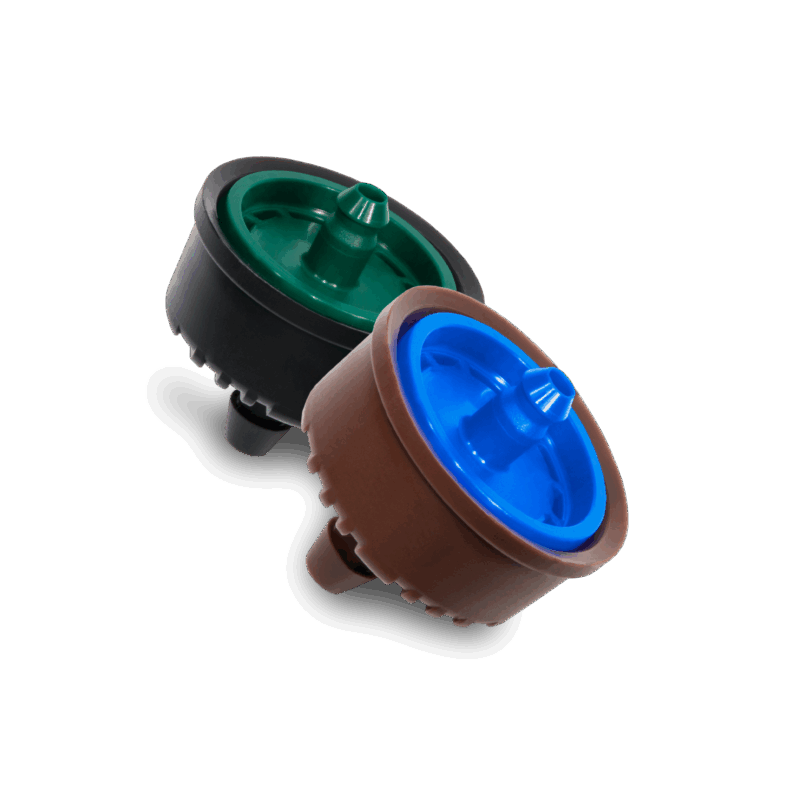
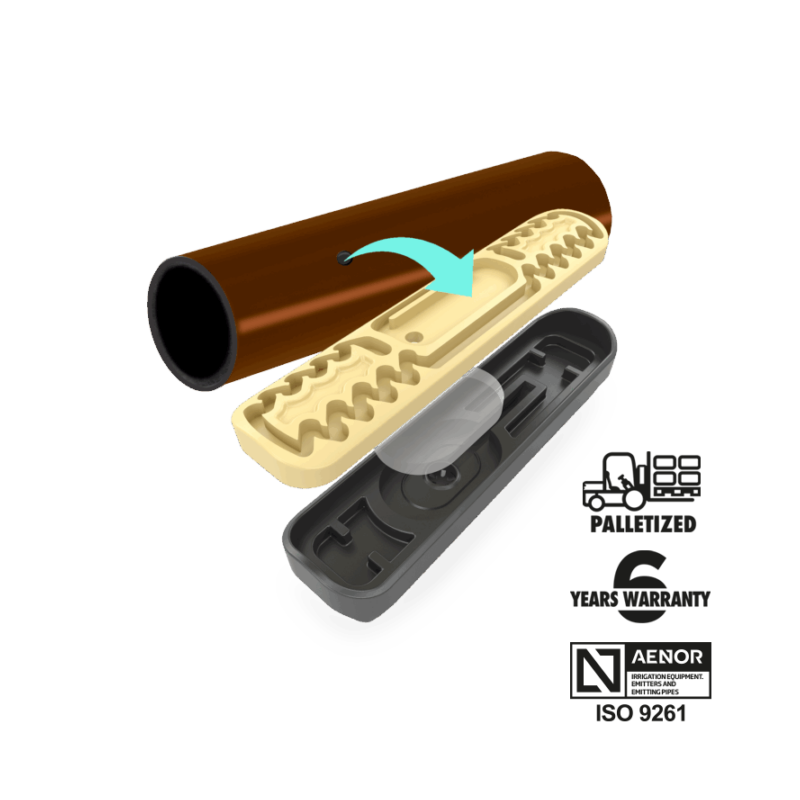
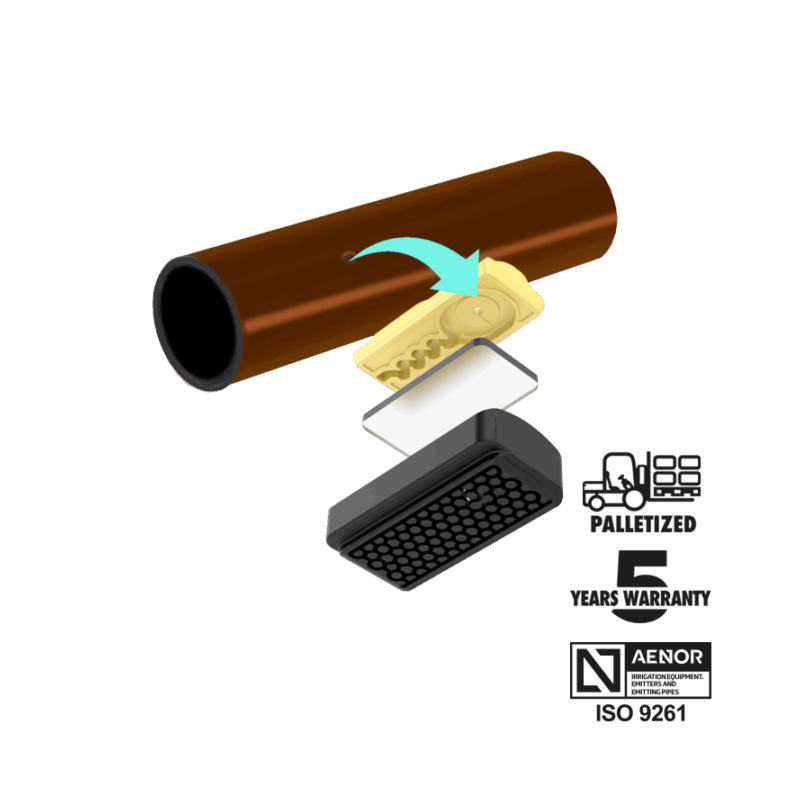
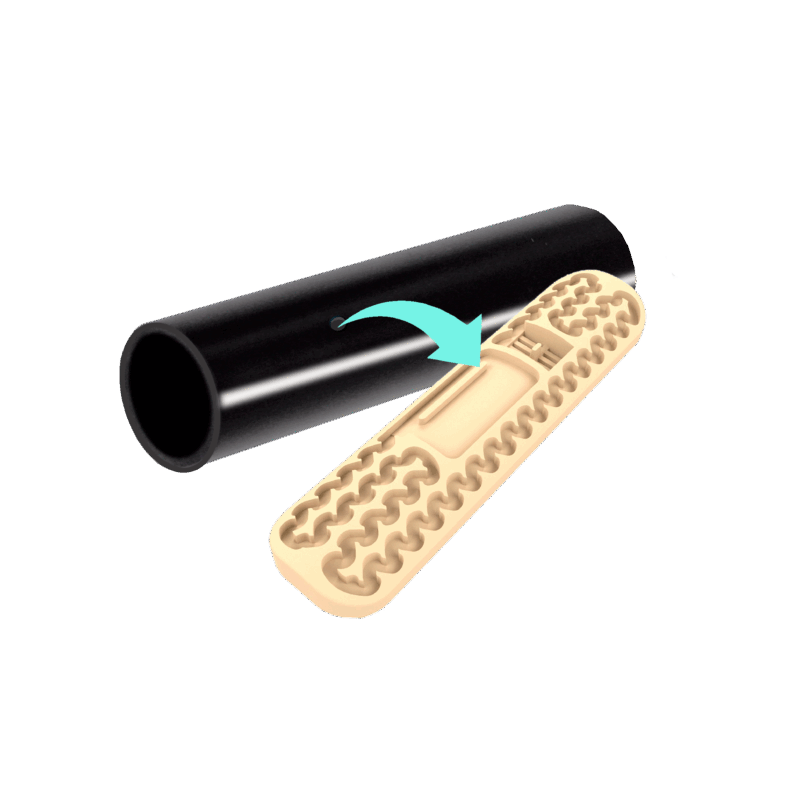
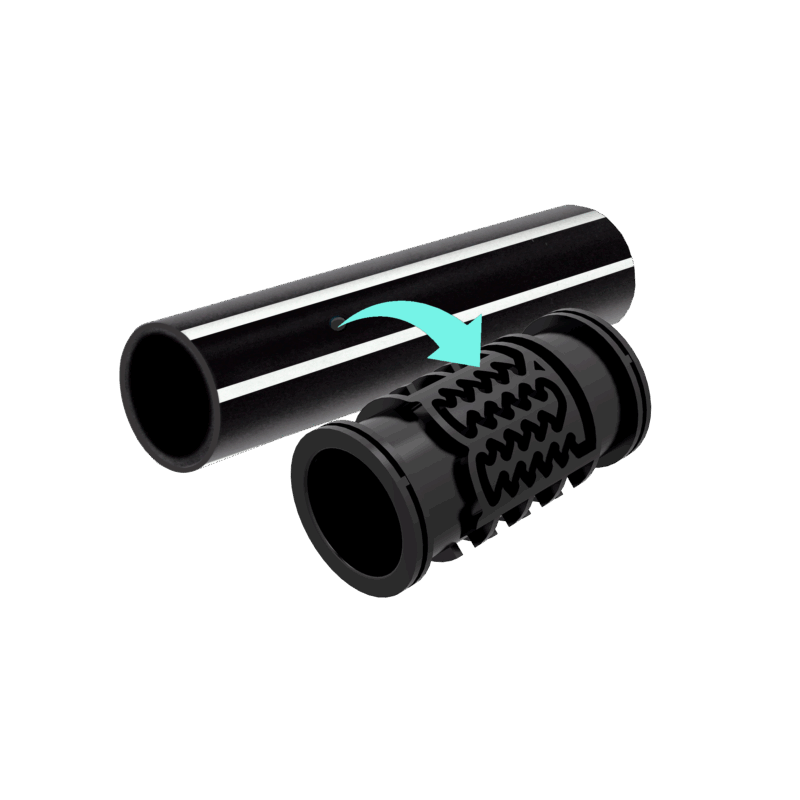
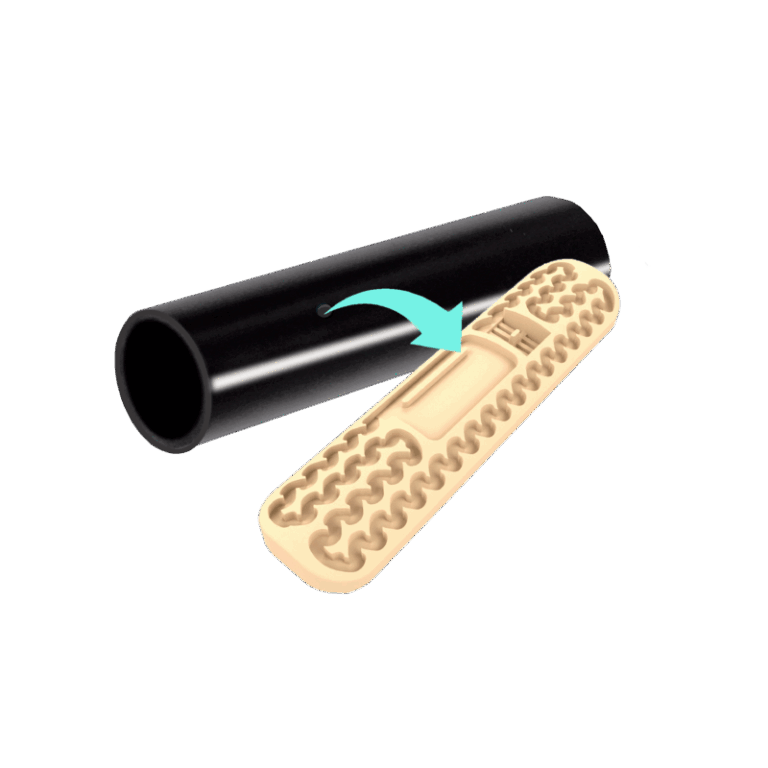
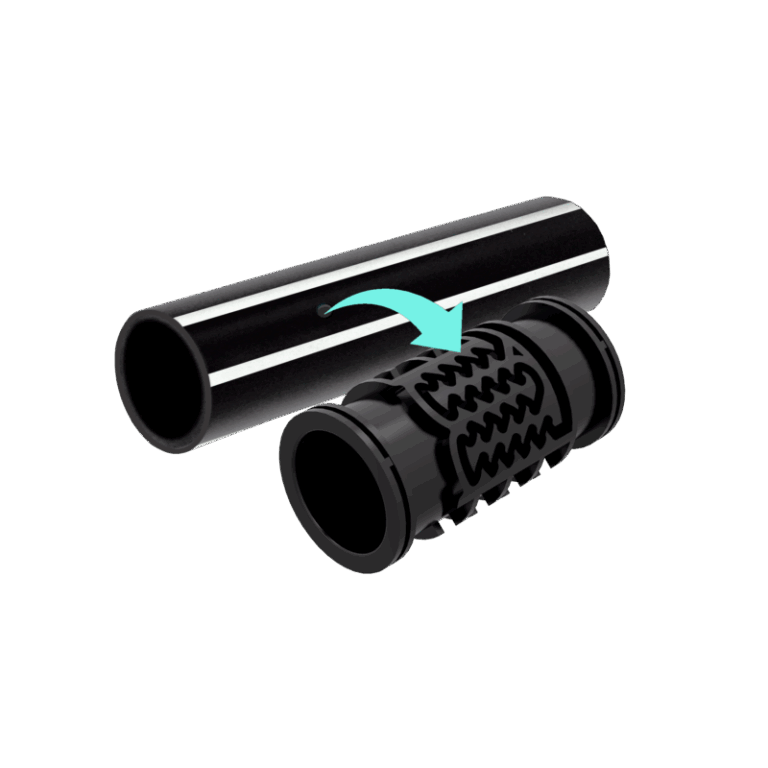
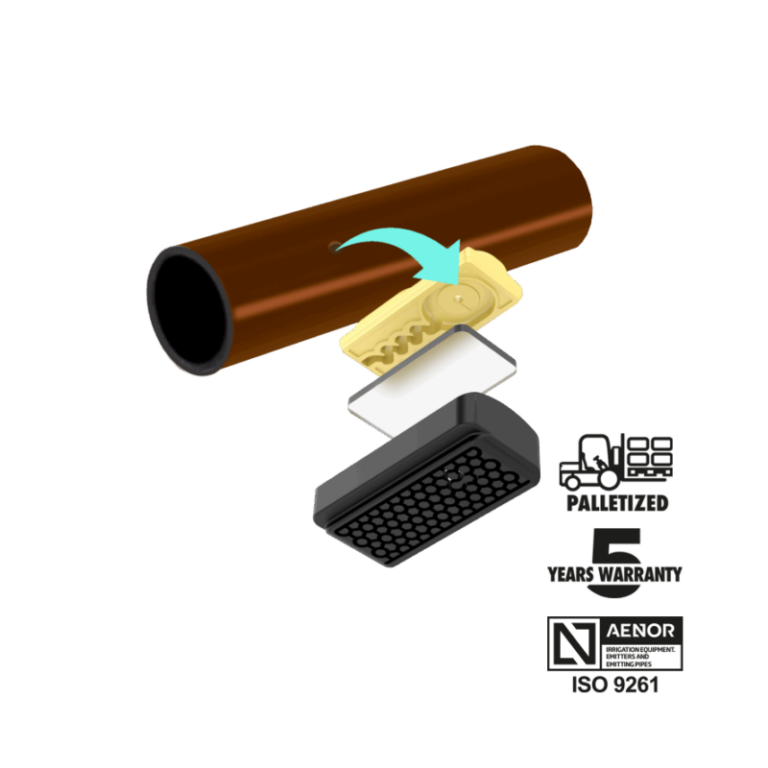
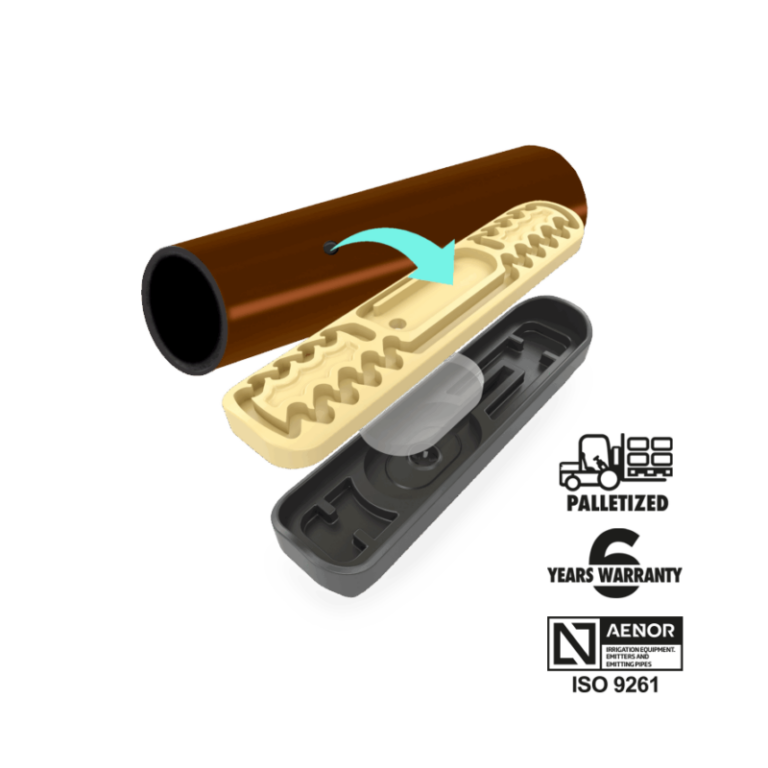
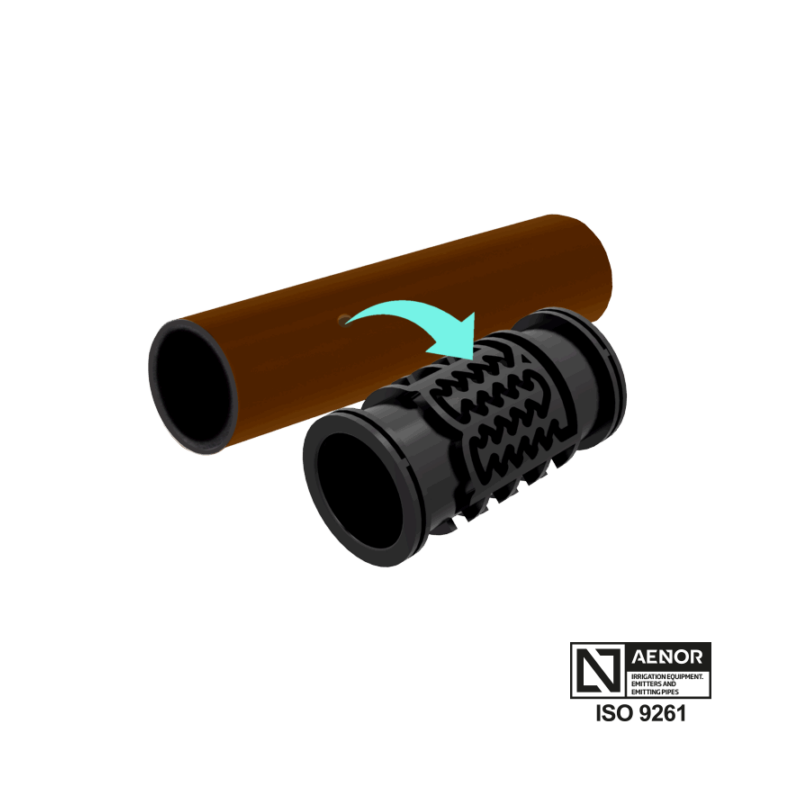
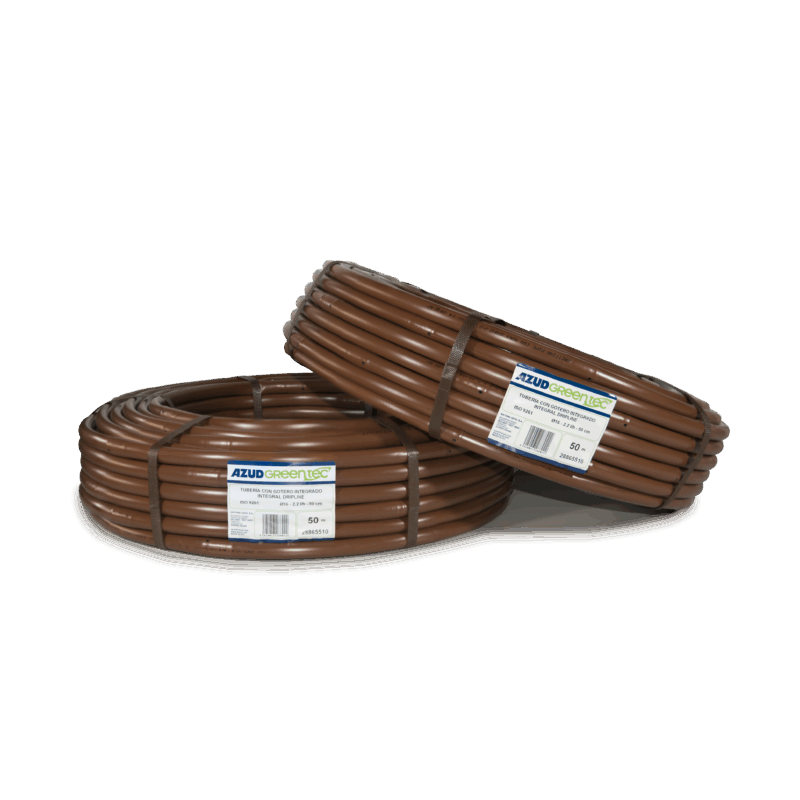
Selection of emitter dripline: A wide range of options ensures the selection of the most appropriate emitter dripline. The combination of emitter model, flow rate per emitter, and spacing between emitters not only ensures the delivery of the water rates specified in the irrigation strategy but also guarantees a large volume of moist soil available for root development in both surface drip irrigation and subsurface drip irrigation.
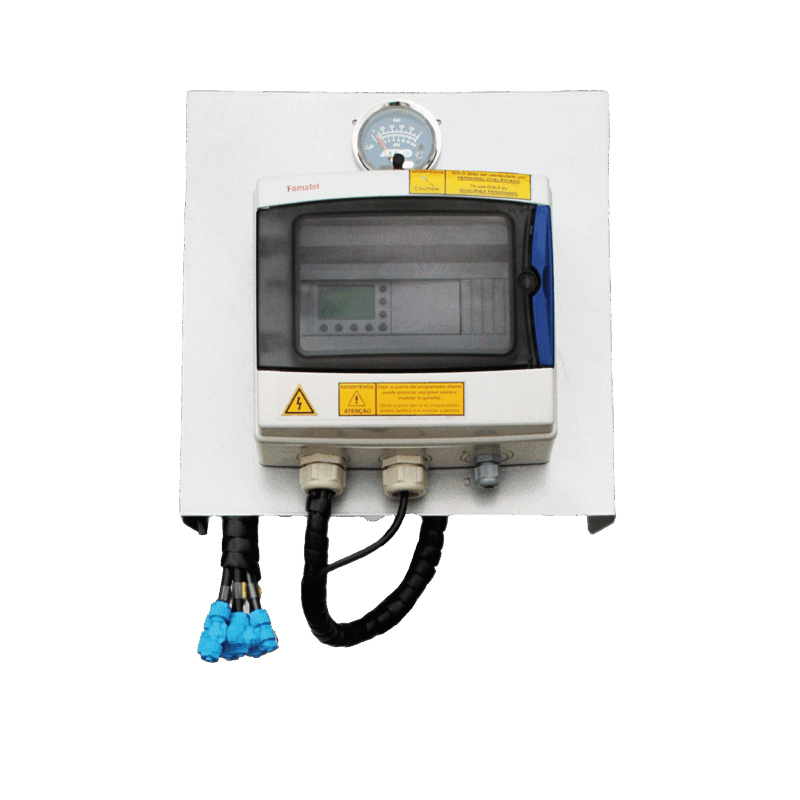
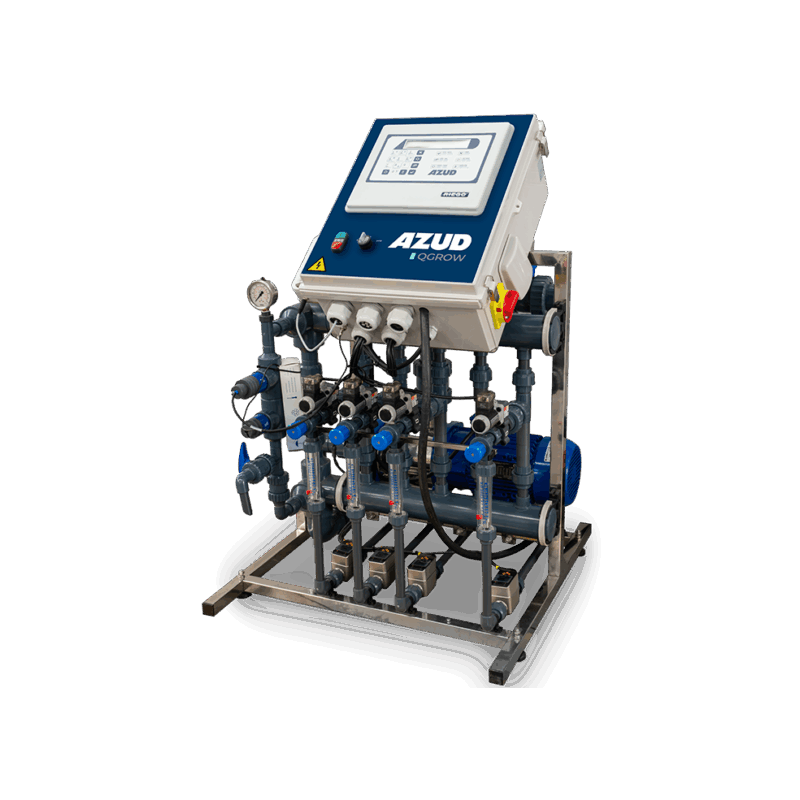
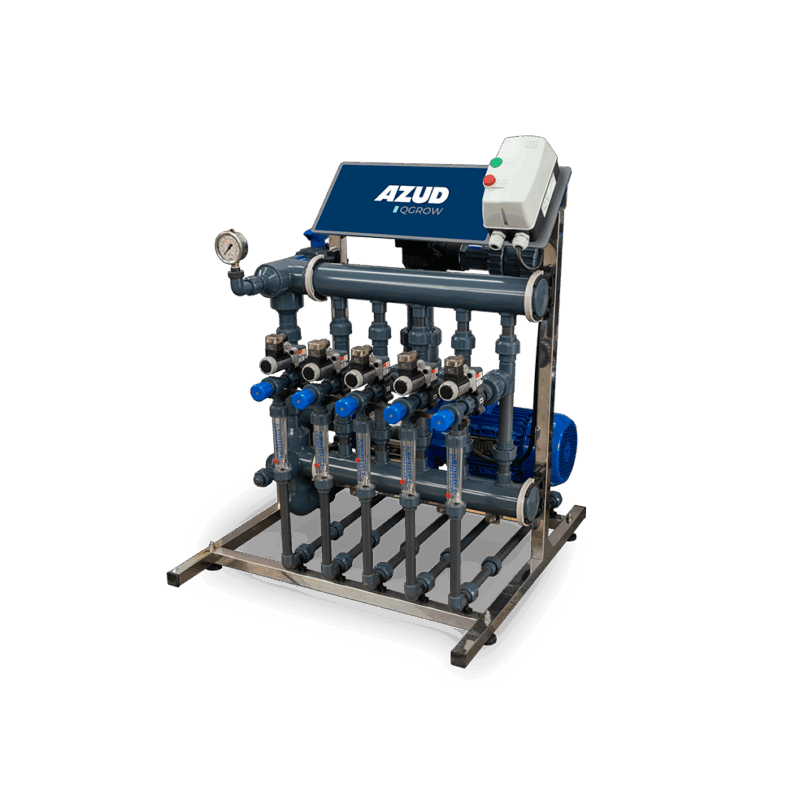
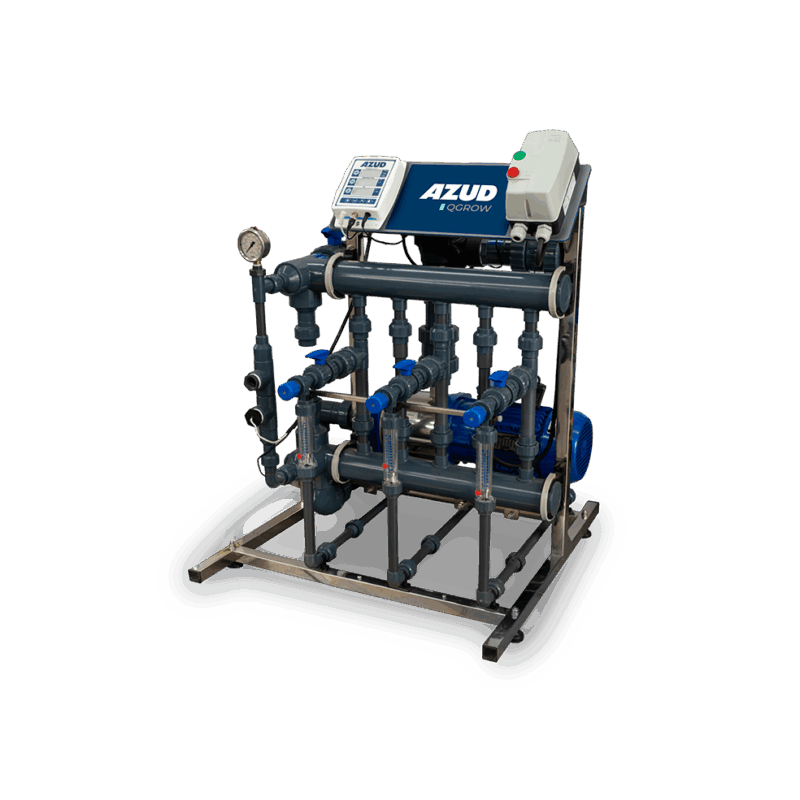
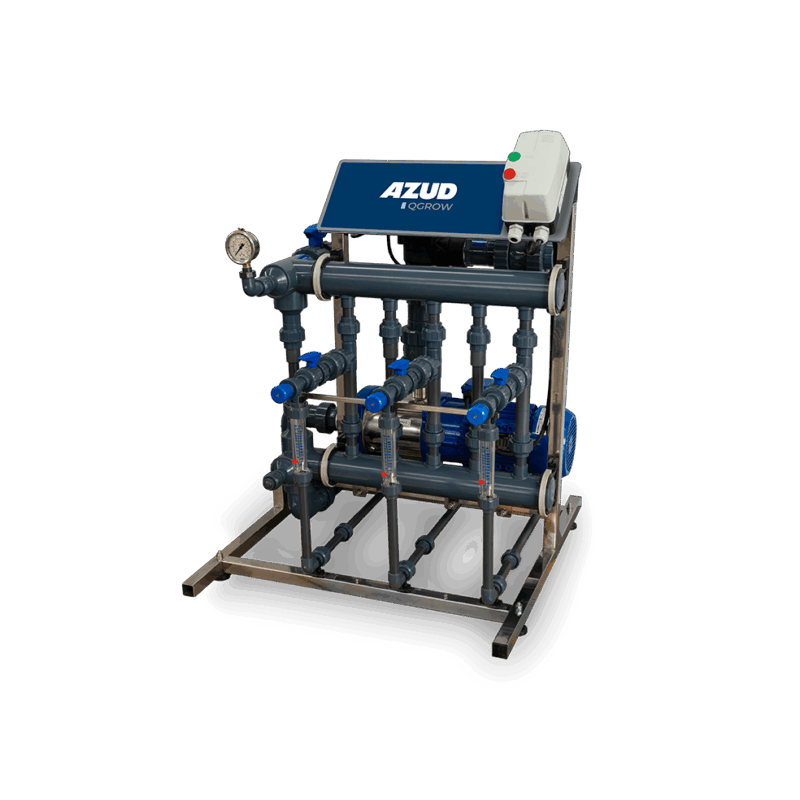
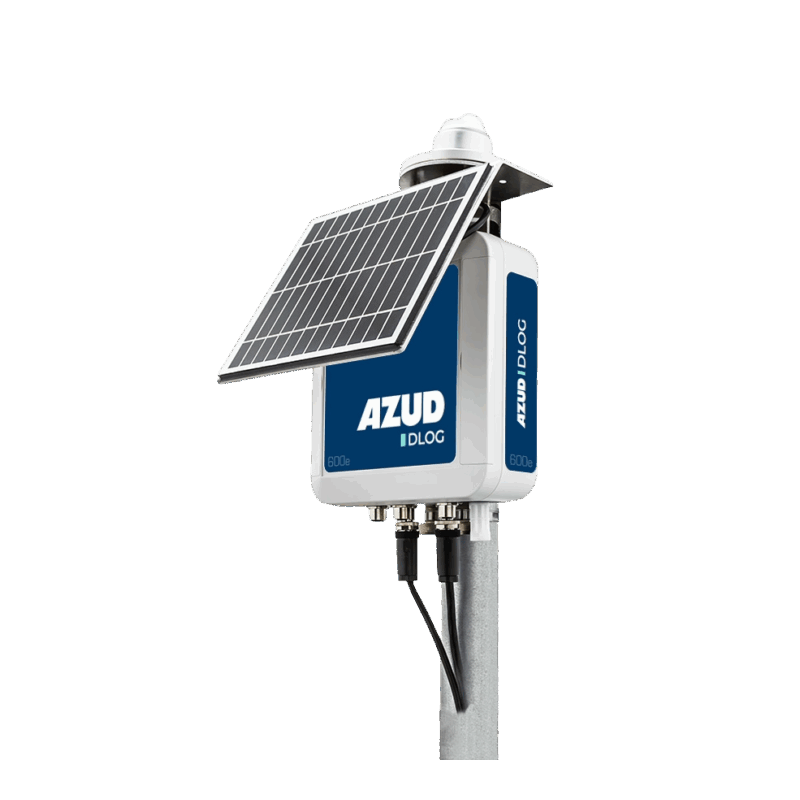
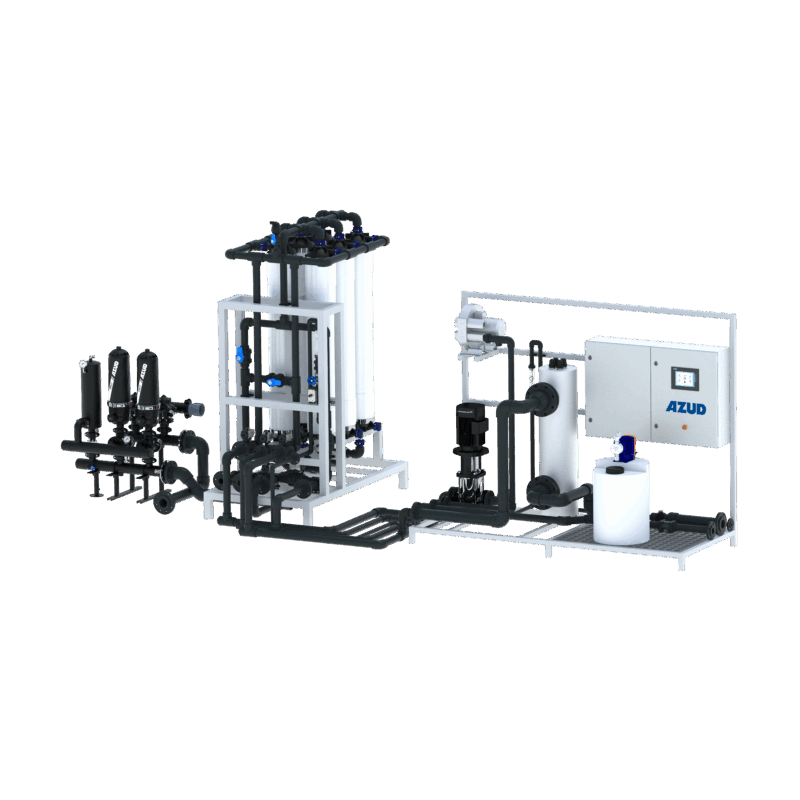
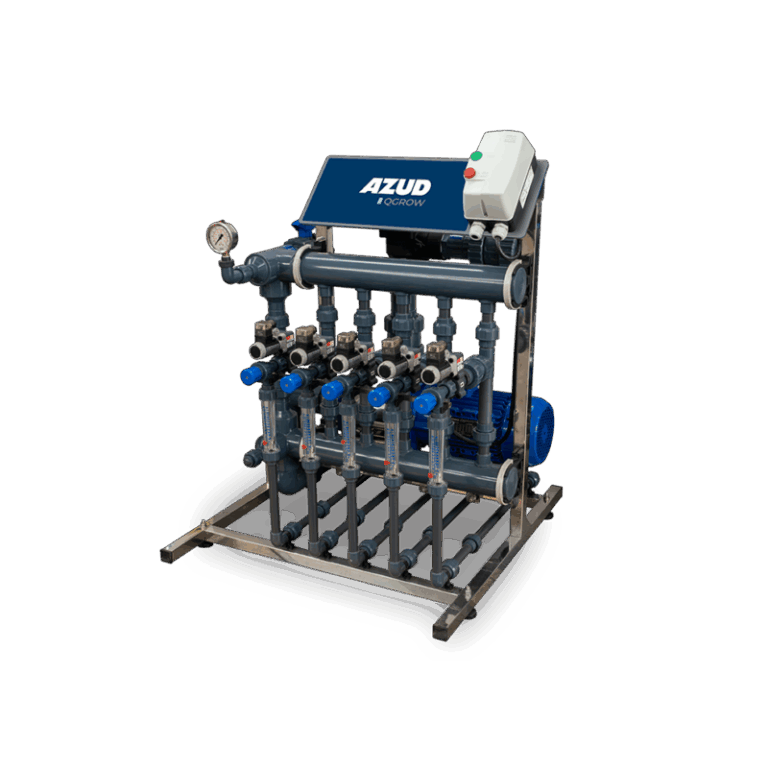
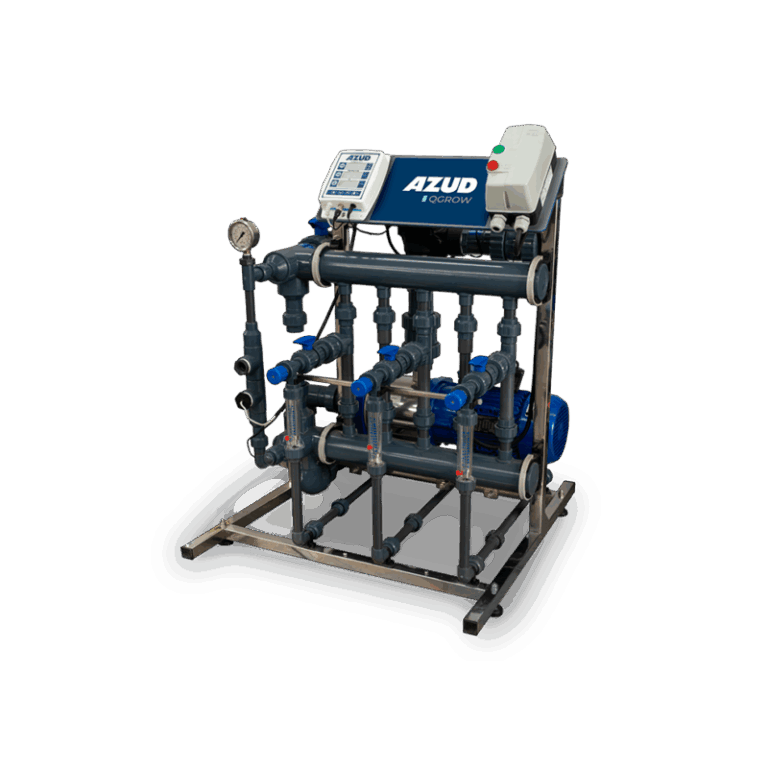
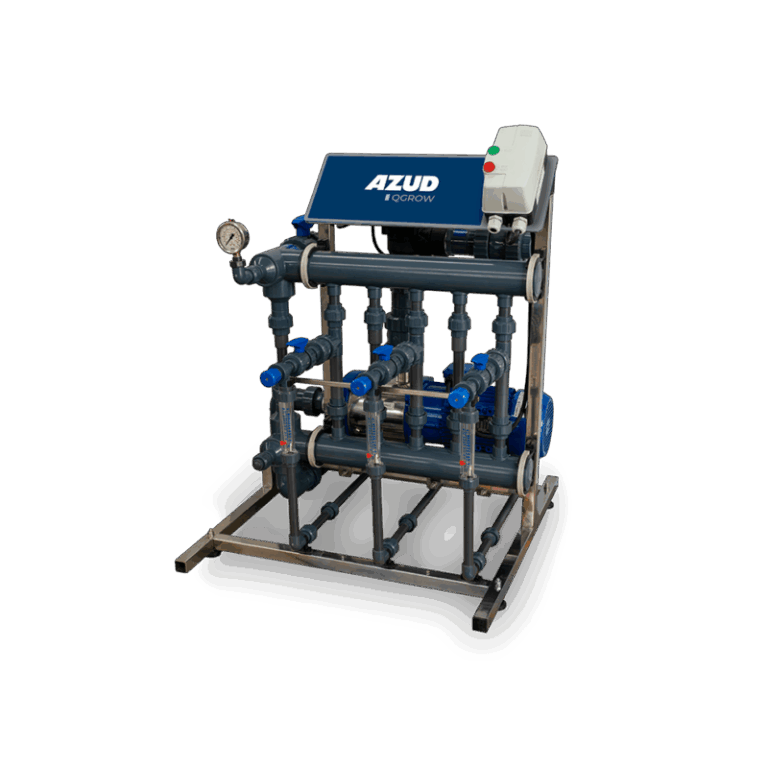
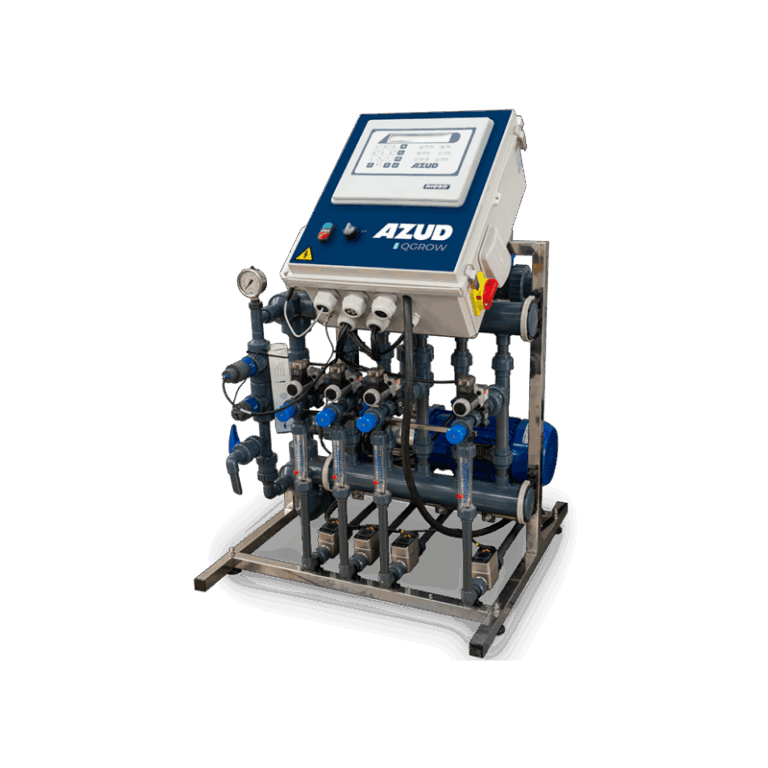
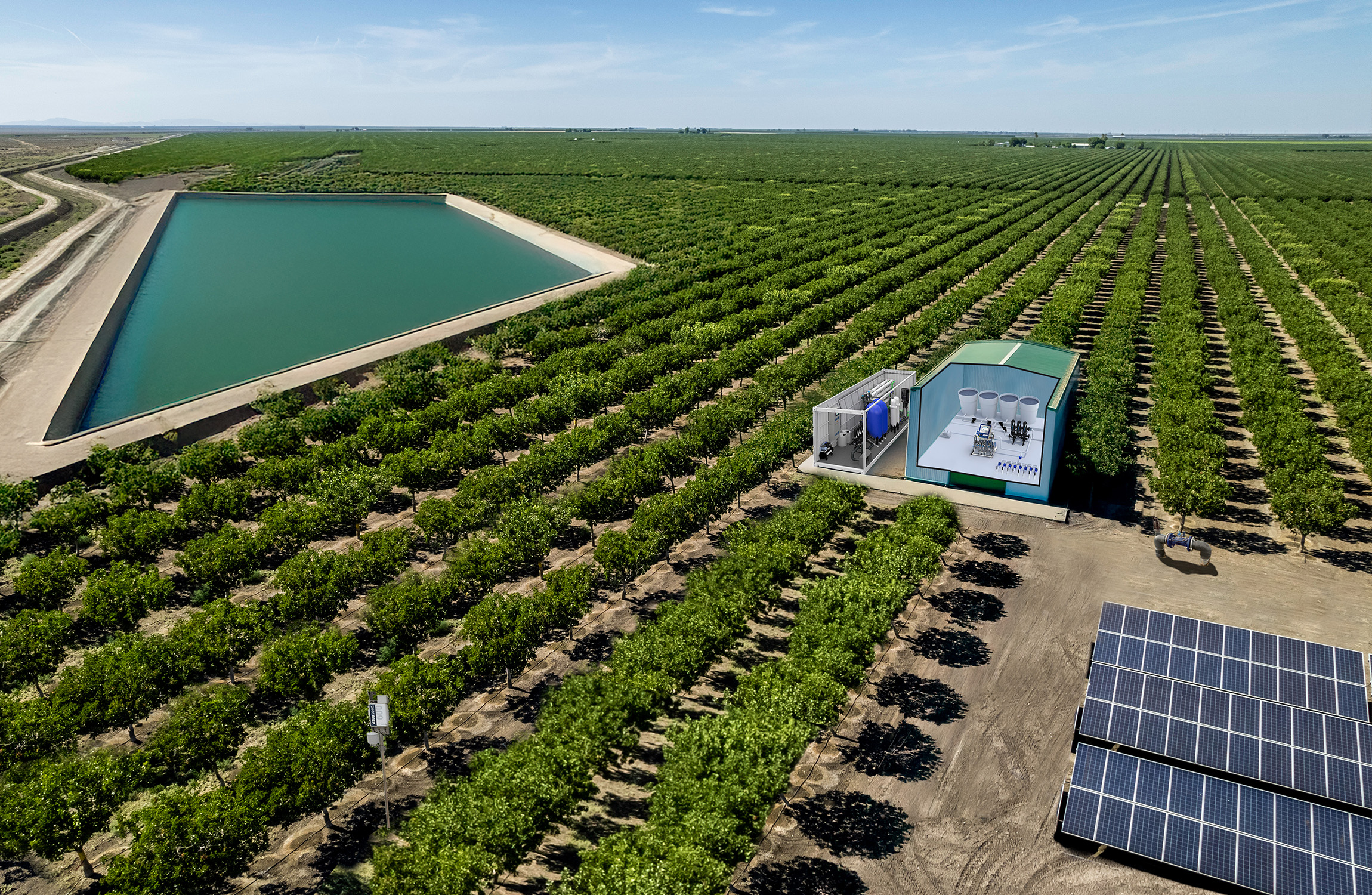
Digital Farming: Along with the proper selection of dripline tubing, the use of AZUD QGROW equipment for the precise management of water and nutrient inputs, using data from soil, plant, and weather sensors, enables: