


About the Palm Trees

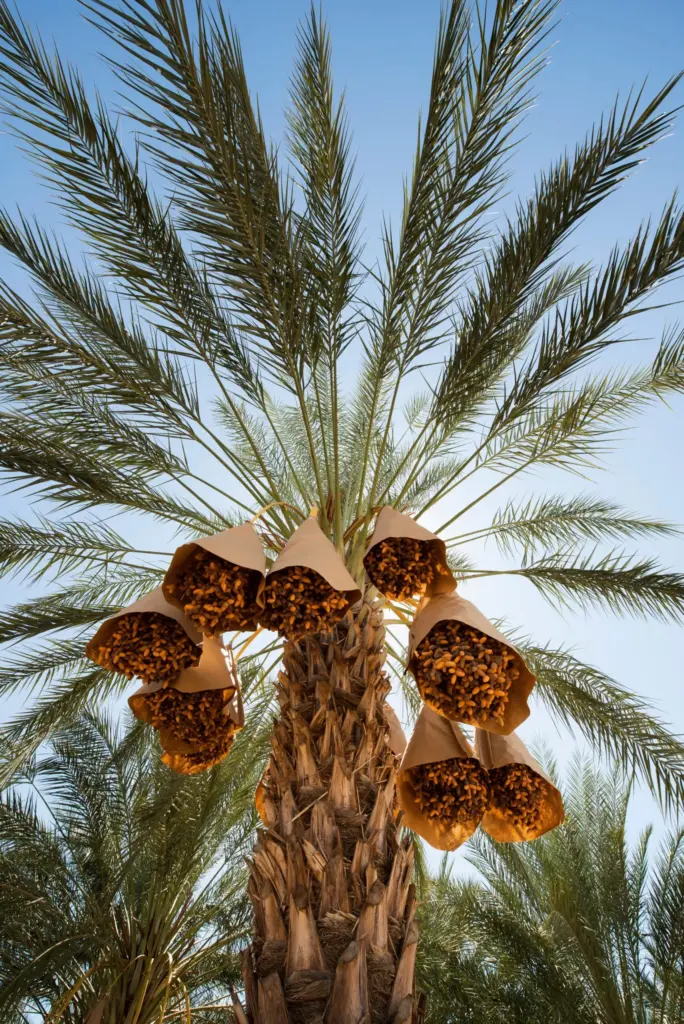
Date palms belong to the Palmaceae family; they are native to the Persian Gulf and grow in arid and subtropical regions. The world’s leading producers are Egypt, Iran, Saudi Arabia, Pakistan, Iraq, and Algeria (source: FAO). Their fruit, the date, forms clusters weighing up to 25 kg of ripe fruit and takes several months to fully develop. It is oval-shaped, smooth, and contains a long, grooved seed. In many countries, the clusters of fruit are covered with paper bags to protect them from the elements (rain, dust) and rodents.
Date palms tolerate wide climatic variations; the optimal temperature for growth is 30°C, though they can withstand temperatures ranging from 8 to 45°C. From a commercial standpoint, it is important to keep humidity low during the ripening and harvesting periods, as high humidity could cause problems for most varieties.
The date palm thrives in almost any type of soil, but it does particularly well in sandy loam with good drainage. It is highly drought-resistant and has maximum resistance to salinity. The date palm grows in almost any type of soil: light, medium, and heavy, provided there is good drainage and ventilation. The date palm is resistant to drought and alkaline soils. When saline water is used for irrigation, there are declines in yield and quality.
Effective Irrigation and Nutrition Techniques for Palm Trees

Depending on the variety, planting distances vary. The most common planting patterns are 10x10m, with densities of approximately 100 trees per hectare. In small palm plantations, the density is about 200 trees per hectare.

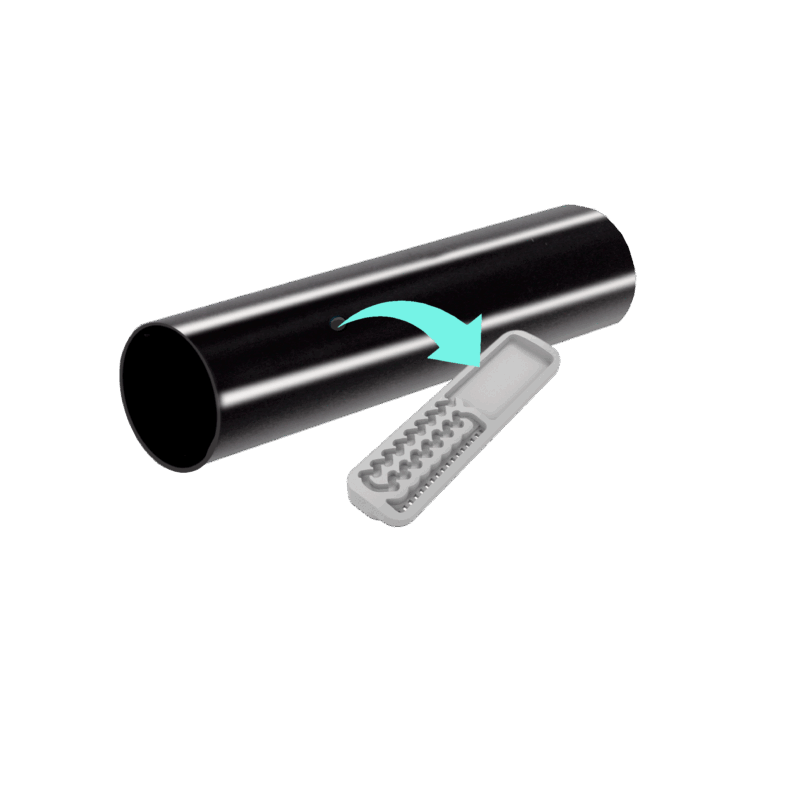
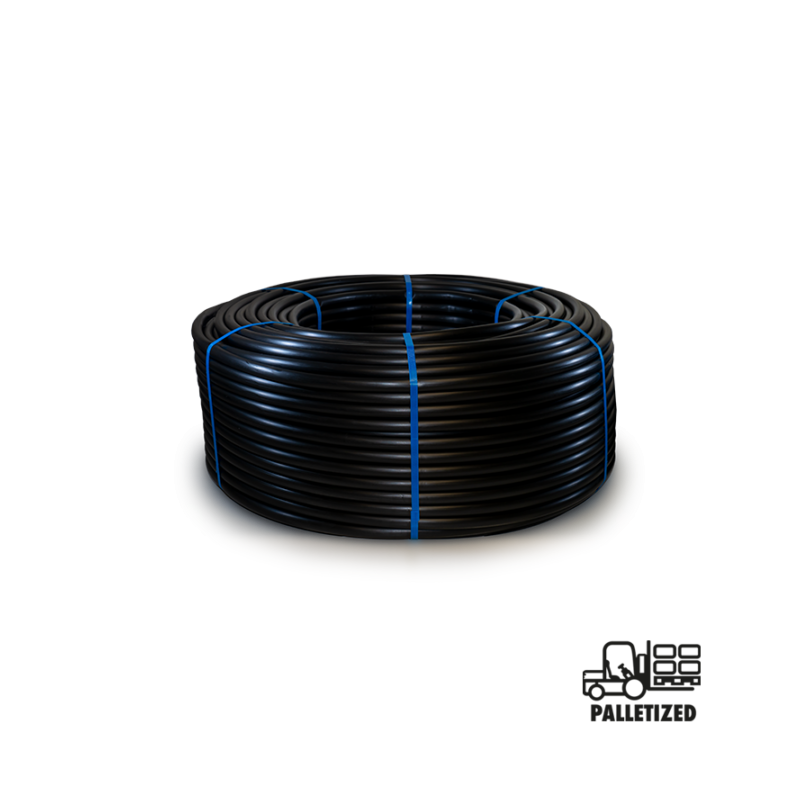
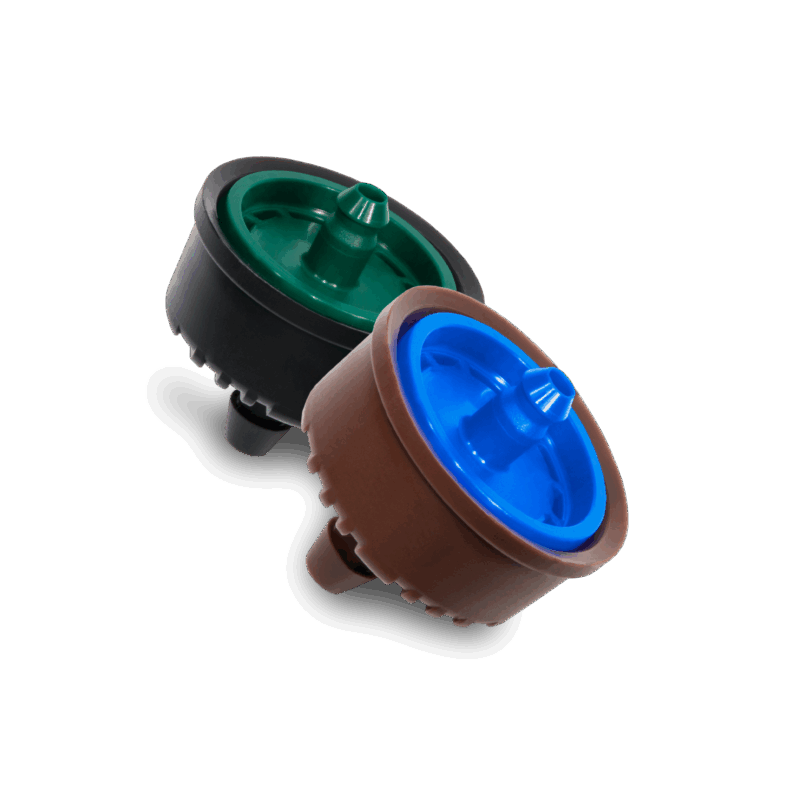
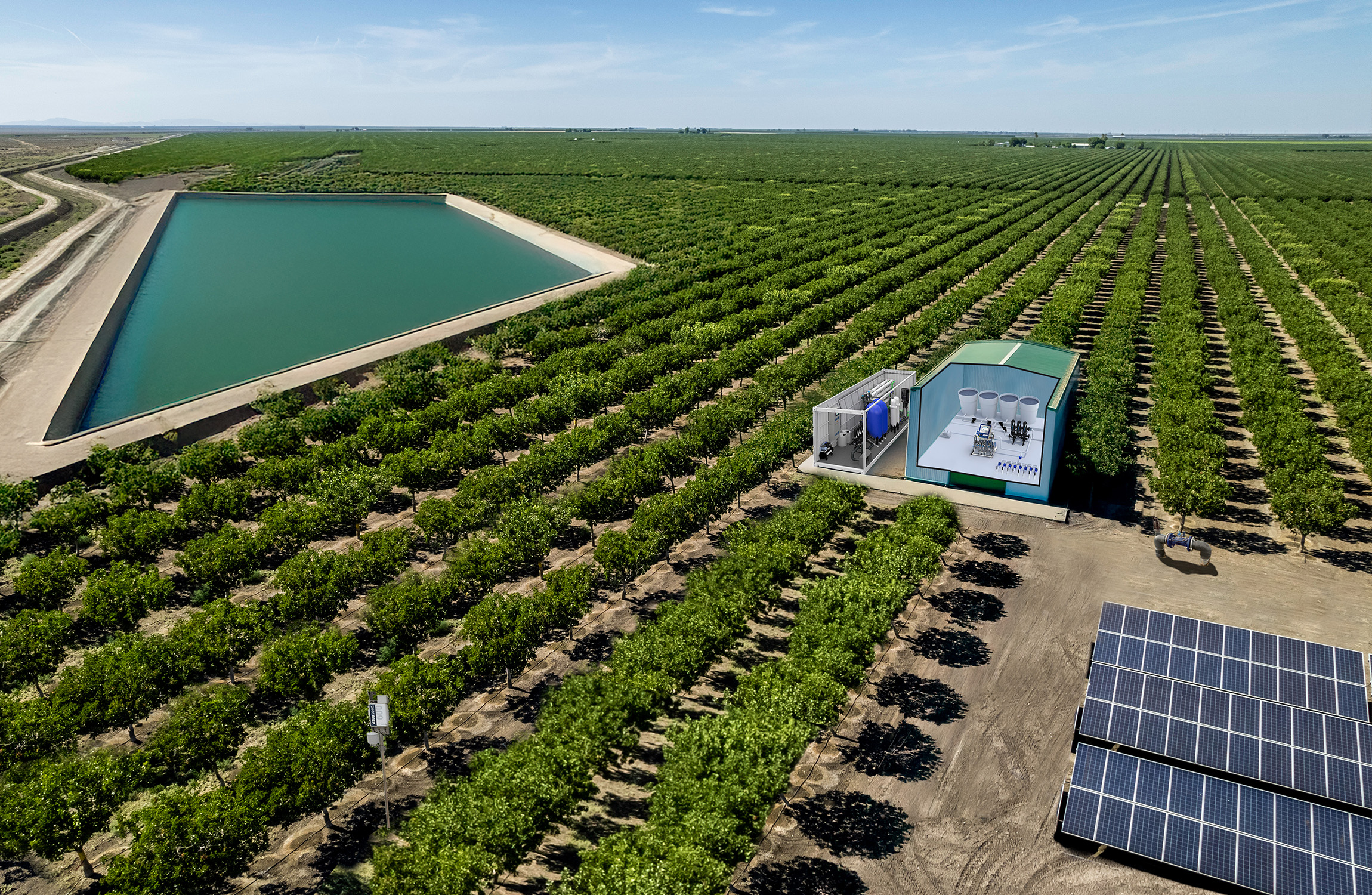
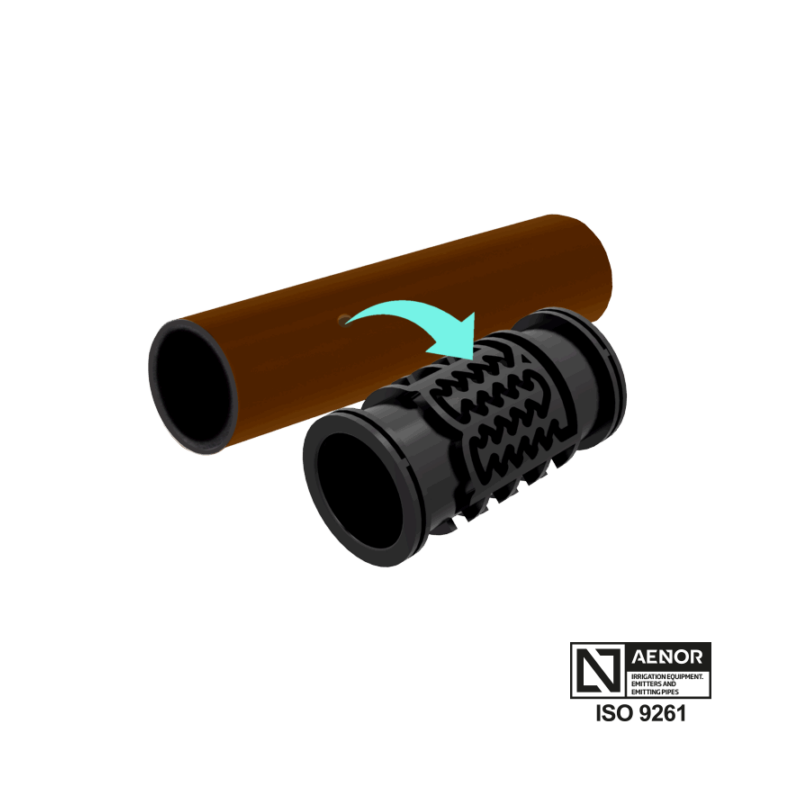
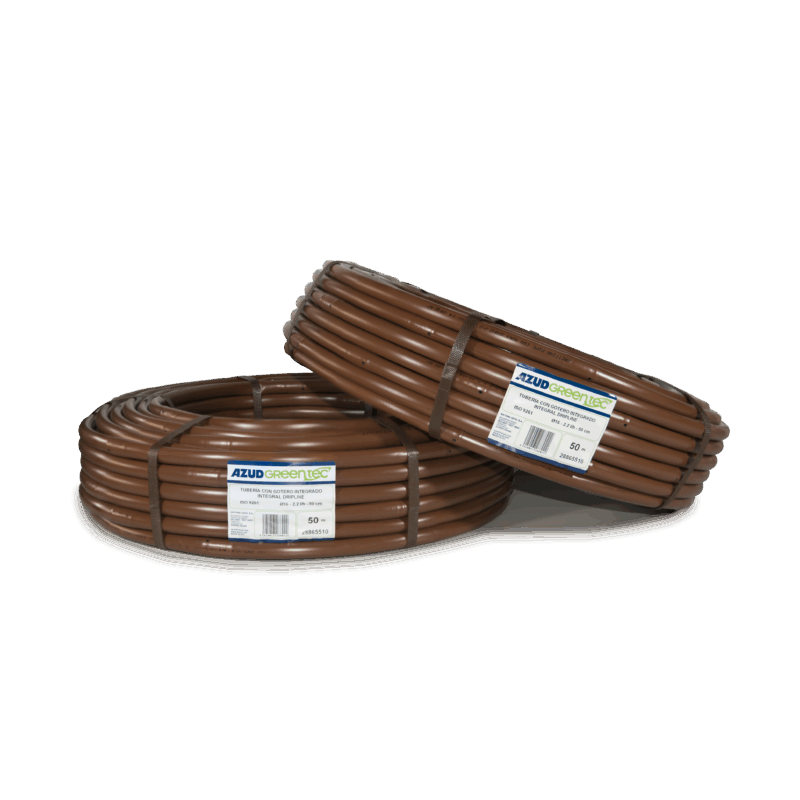
Most modern date palm plantations are irrigated using drip irrigation systems, although many traditional plantations are still irrigated using furrow or flood irrigation. Date palms require a continuous supply of water; in some regions, they are irrigated up to twice a day. Irrigation constitutes the largest cost in a date palm plantation, as the roots must have a constant supply of moisture.

Frequently Asked Questions

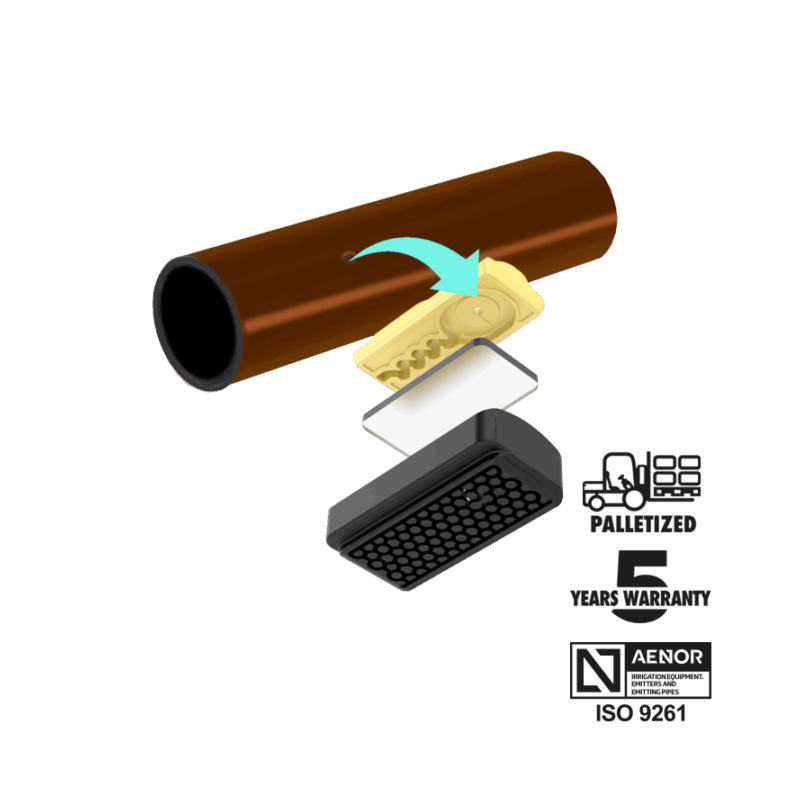
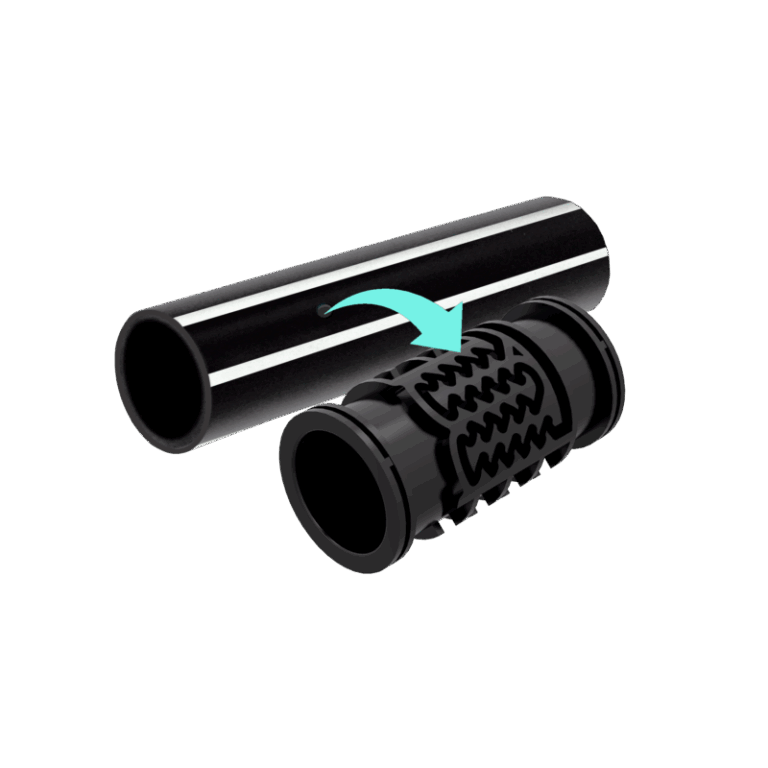
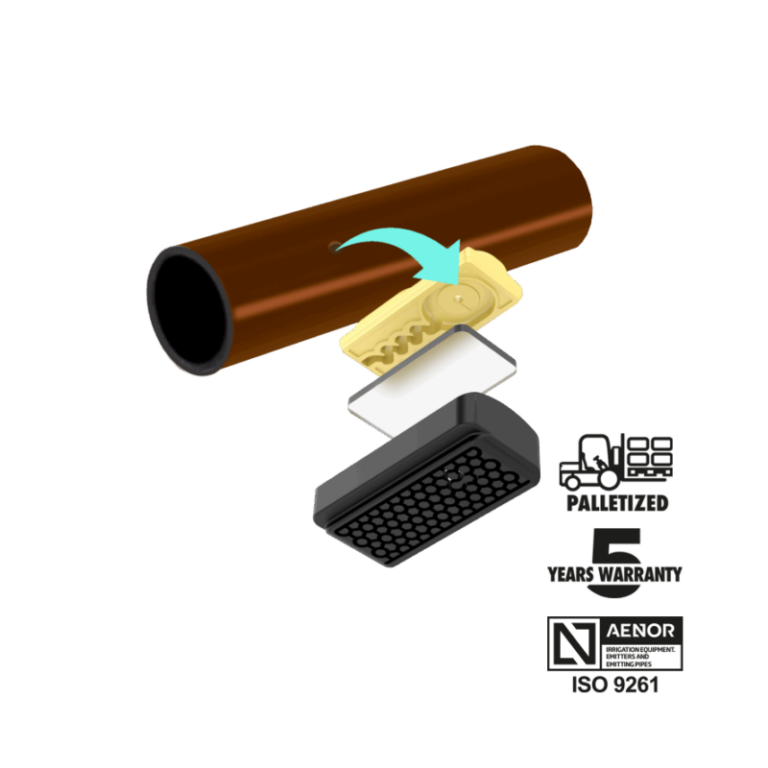
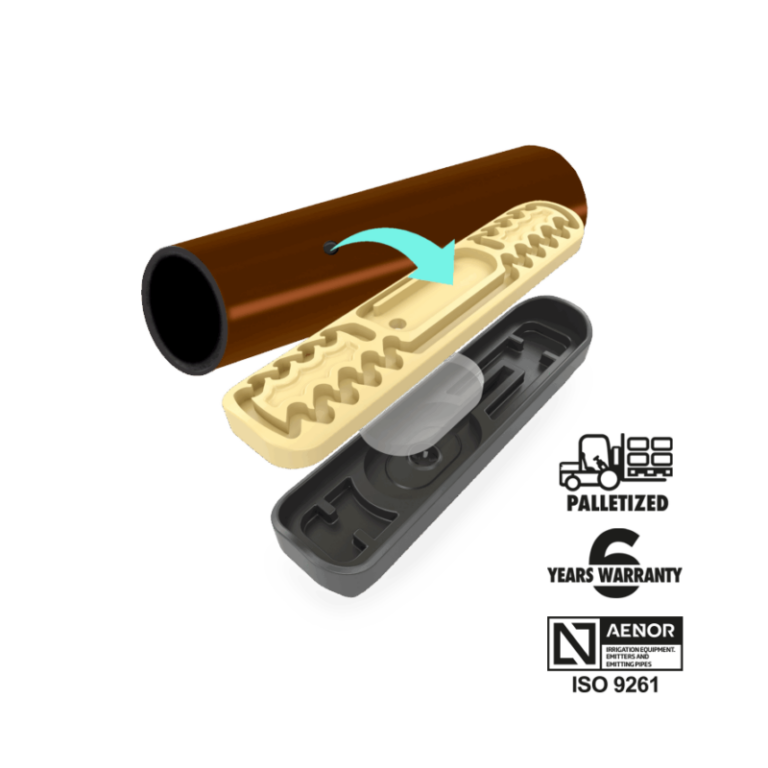
Drip and Micro-sprinklers Irrigation systems are the most suitable for palm tree cultivation. These systems provide efficient and uniform hydration, ensuring that the roots receive the right amount of water without waste.
A proper Irrigation system helps avoid common problems such as water stress, dehydration, overwatering and fungal diseases. It also ensures uniform and healthy growth, improving the palms’ resistance to adverse conditions.
Yes, you can combine different types of Irrigation to optimize hydration of your palms. For example, you can use drip Irrigation for the main root zone and Micro-sprinklers for larger areas of the soil, ensuring complete coverage.
Success stories

Quarry reduces production stoppages by protecting washing machines

Learn more

DANGOTE minimizes the biofilm in your facility

Learn more

SHANGHAI HUANYANG optimizes UV disinfection

Learn more

KIA reduces water footprint by regeneration

Learn more

SOMACYL will regenerate wastewater using pre-filtration to protect the tertiary sector

Learn more
Related products