Blueberries

Blueberry Cultivation

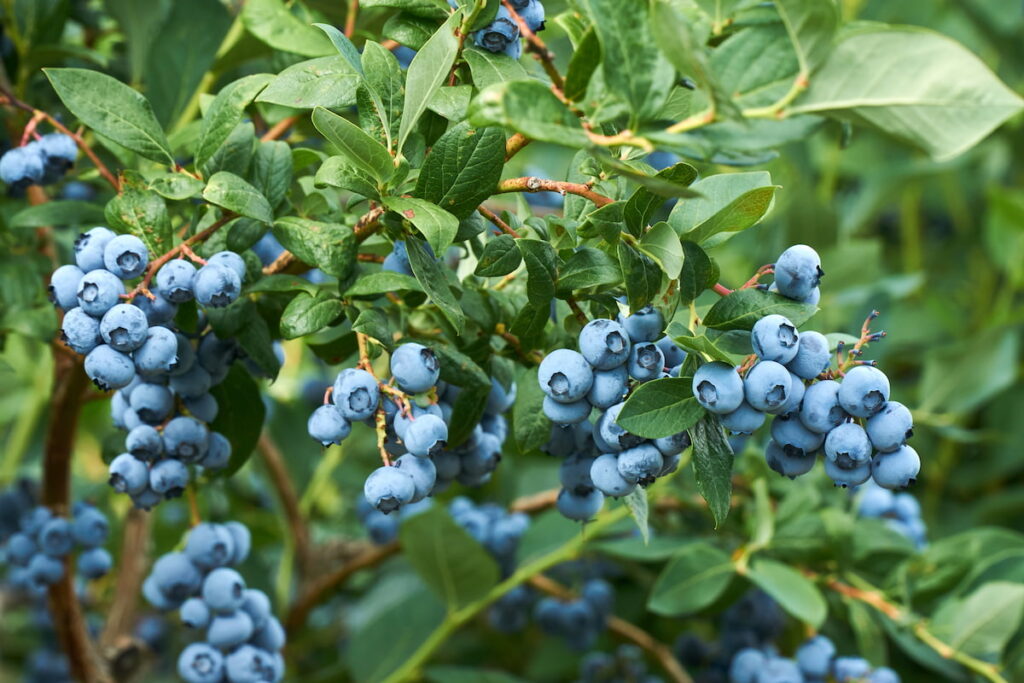
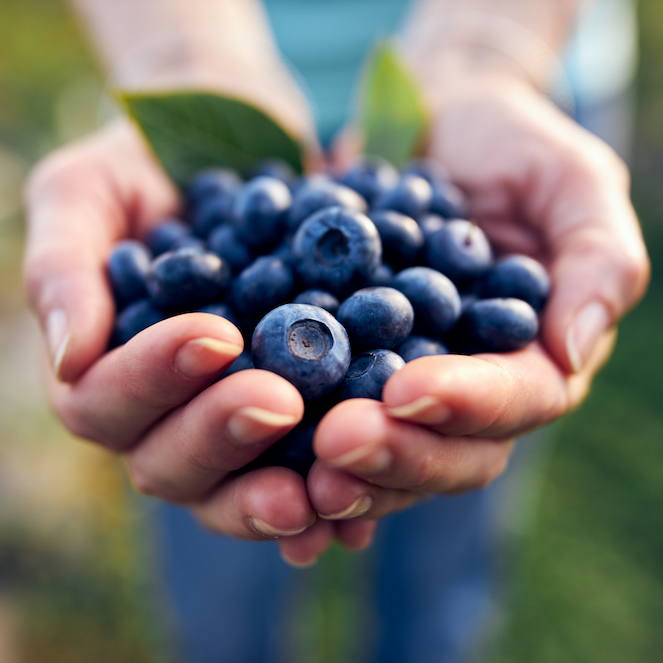
Blueberries have become a very popular crop in recent years, gaining popularity thanks to the return on investment offered by this crop, which is in high demand worldwide due to its organoleptic and health benefits. The immense market interest in this crop has made it a leader in terms of technology and genetic modifications.

The challenges of growing blueberries stem from the crop’s demands, its high sensitivity to water stress, low tolerance for Salinity, and the desired soil acidity levels. The initial investment will depend on the type of cultivation system established (soil-based or hydroponic), and the most significant variable is harvesting, since most varieties must be picked by hand.

Blueberries are native to North America and prefer cold climates, with certain varieties requiring up to 1,200 hours of chill time. Thanks to advances in genetics, we now have varieties that adapt to milder conditions, with an earlier onset of production (we can harvest within 1 to 3 years) and production beginning in May in the Northern Hemisphere, which can be staggered with good management until November.

The varieties demanded by the market always depend on the market itself; it should not be forgotten that the Canadian market is more oriented toward wilder varieties, with lower yields but extraordinary flavor for baking. Meanwhile, the European market prefers fresh fruit.

The varieties most in demand on the global market are Highbush:

  • Elliot
  • Ventura
  • Snowchaser
  • Duke
  • Biloxy
 

Blueberries are native to cold climates, but today, we can find different varieties that require anywhere from 1,200 hours of cold to bloom, as in the United States and Canada, to varieties that need as few as 24 hours of cold to bloom, in warmer climates such as Mexico and the Mediterranean region (southern Spain and Morocco).

Blueberries prefer slightly acidic, well-drained soils with high humus content.


Optimize Irrigation of your blueberry crop

Blueberries can be planted in the ground, in raised beds 15–20 cm high and 40–60 cm wide, with a planting spacing of 1.5 x 2.5 meters.

In soilless crops or hydroponic systems, they are grown in pots or bags ranging from 27 to 40 liters, using a mixture of peat and perlite with a pH of 4.5–5.5. In this type of cultivation, we can increase planting densities. Planting spacing would range from 0.5×2.5 meters for 9,000 plants/ha to 0.5×2 meters for 10,000 plants/ha.


Blueberries are extremely sensitive to water stress, with very specific water requirements depending on their phenological stage. Special emphasis should be placed on water calculations for our new plantation during flowering, fruit set, and fruit ripening.


Although micro-sprinklers or sprinkler irrigation are practices used for this crop, particularly in regions of Peru and Chile, growers are now opting to convert their systems to localized irrigation, whether for soil-based cultivation or hydroponics. We must remember that this is a crop with a long shelf life, and we need to get the most out of it with the lowest possible additional costs and the resulting losses that inefficient irrigation can cause (fruit rot, flower drop, neck rot, etc.).

Find the ideal irrigation system for blueberries

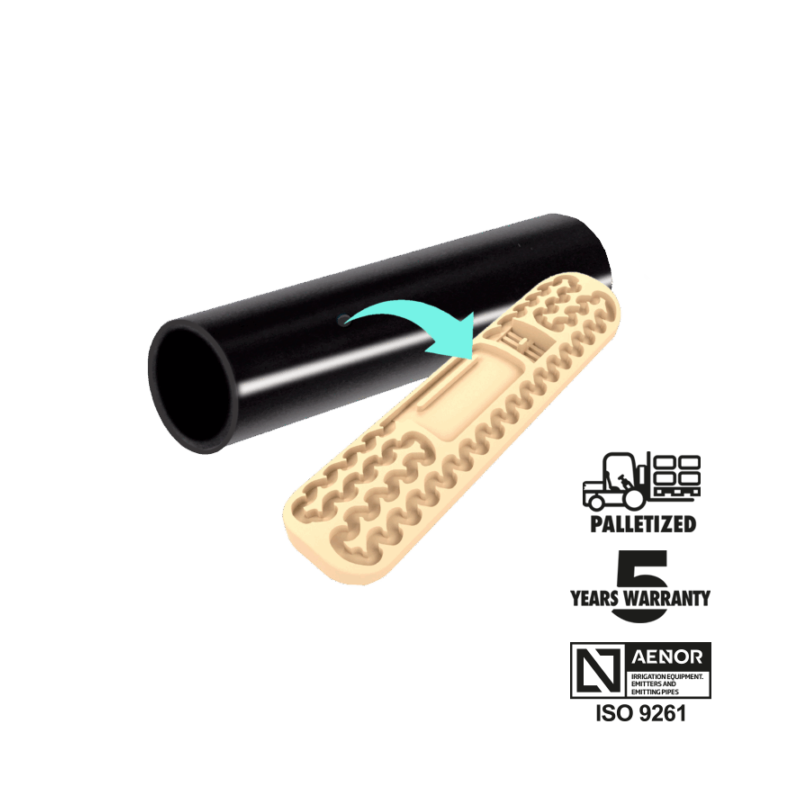
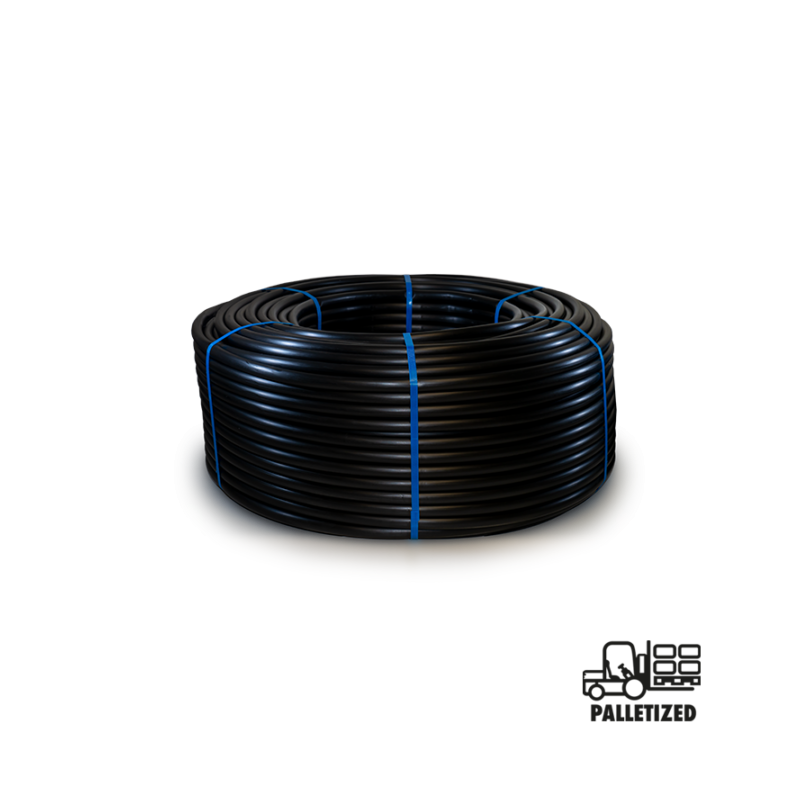
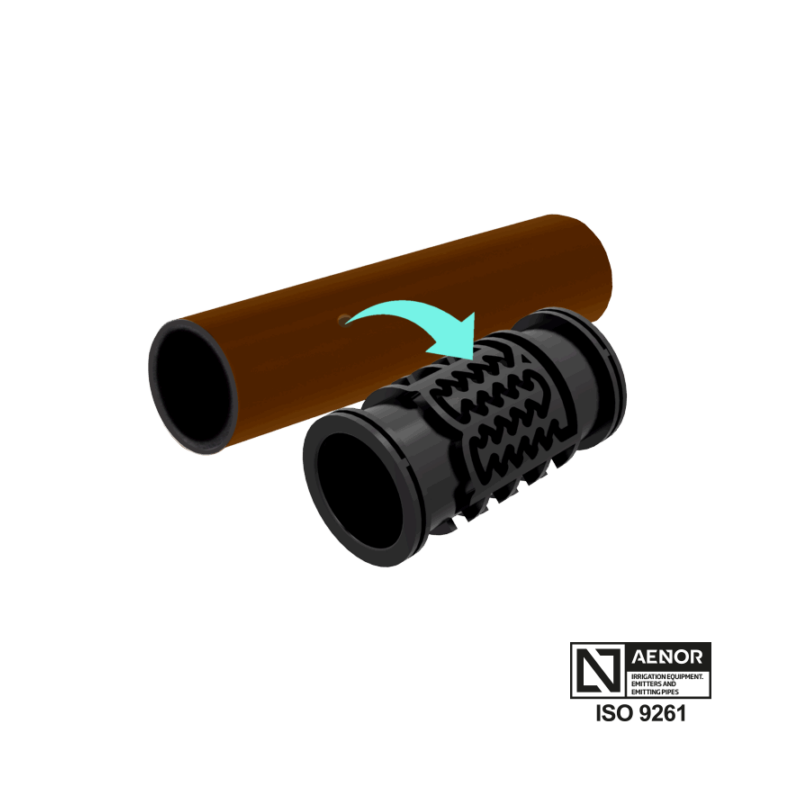
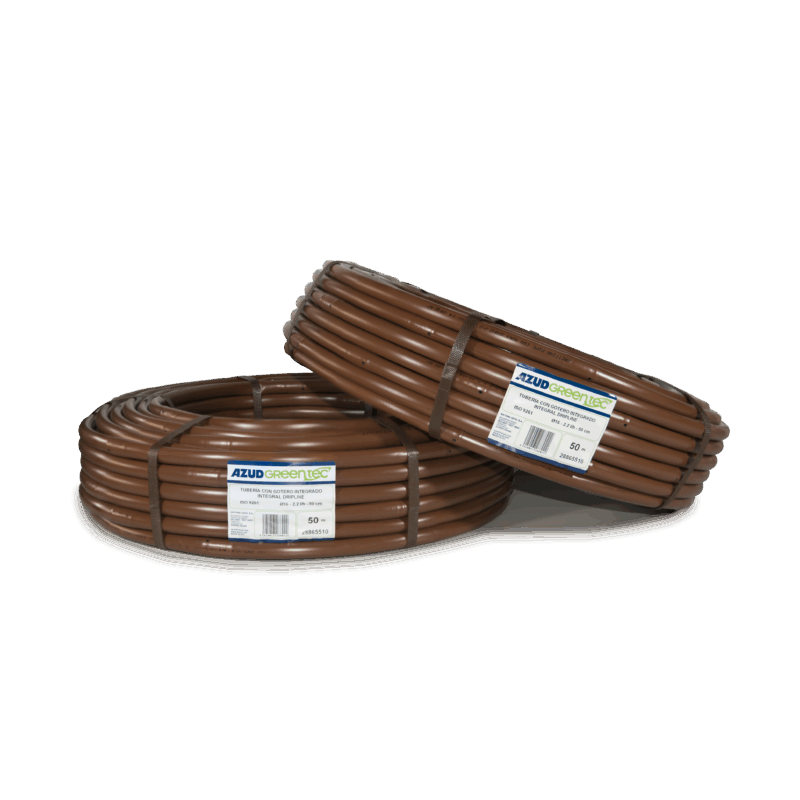
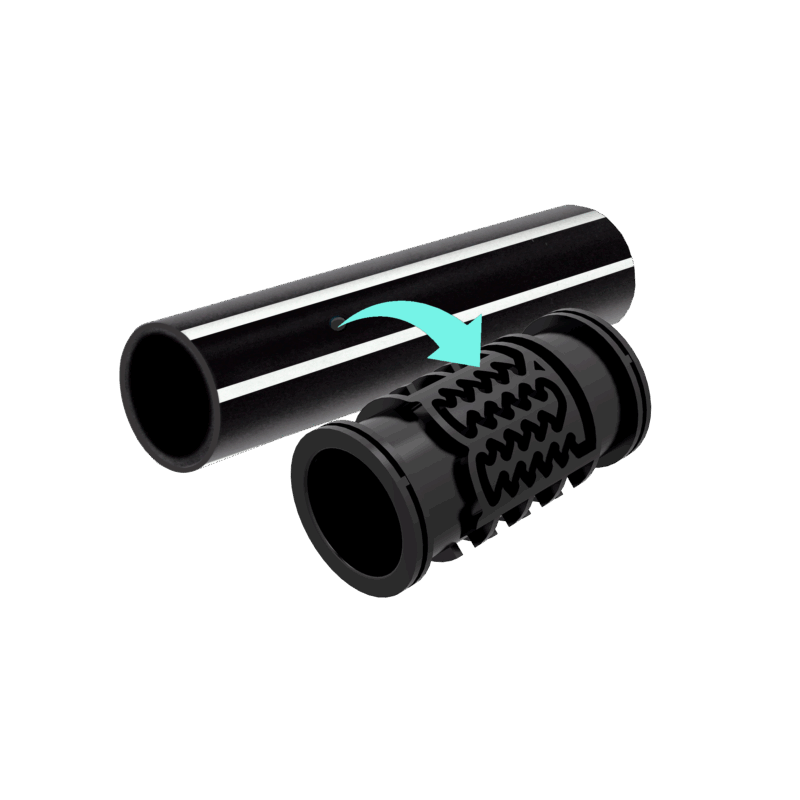
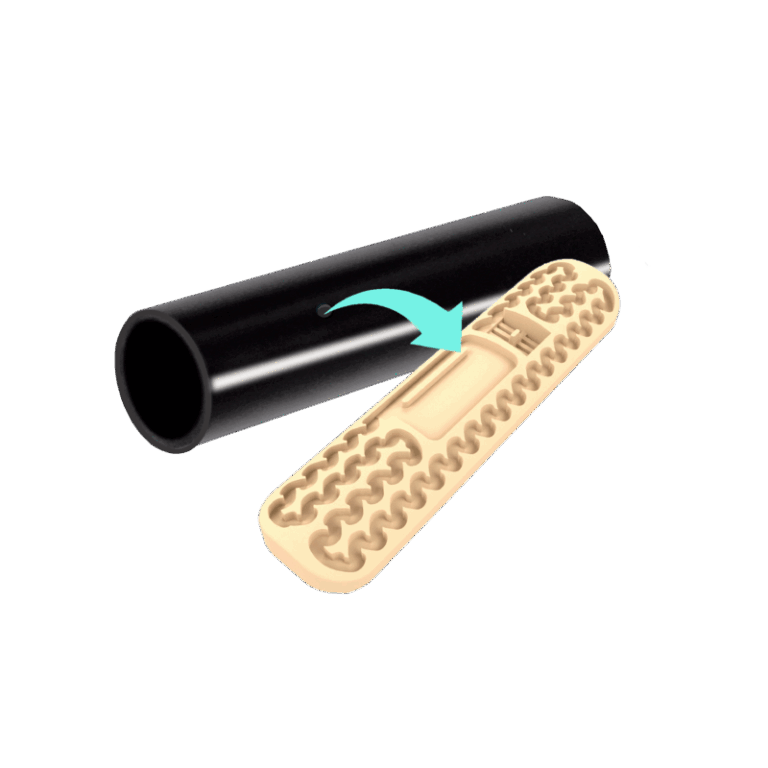
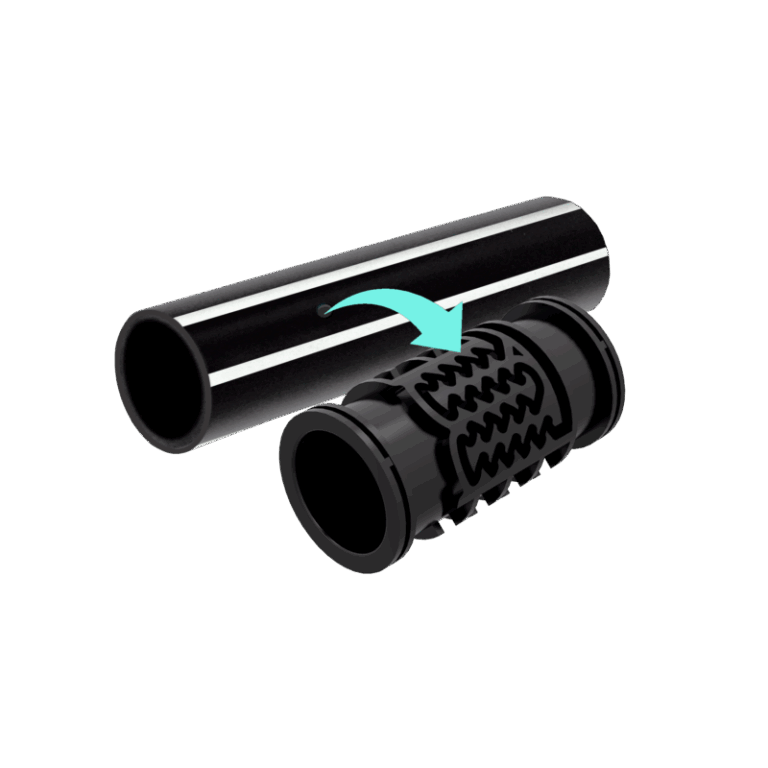
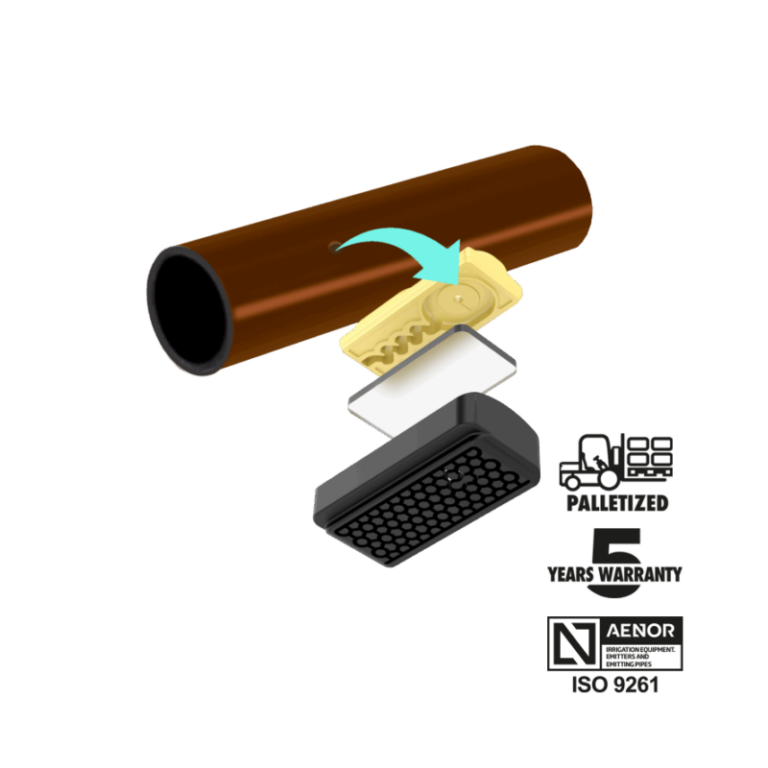
Currently, the most common method is row irrigation, using two lines of drip tubing—one on each side of the bed—preferably with self-compensating drippers to compensate for flow loss on farms with uneven terrain, ensuring that all our blueberries receive the correct and consistent flow rate.

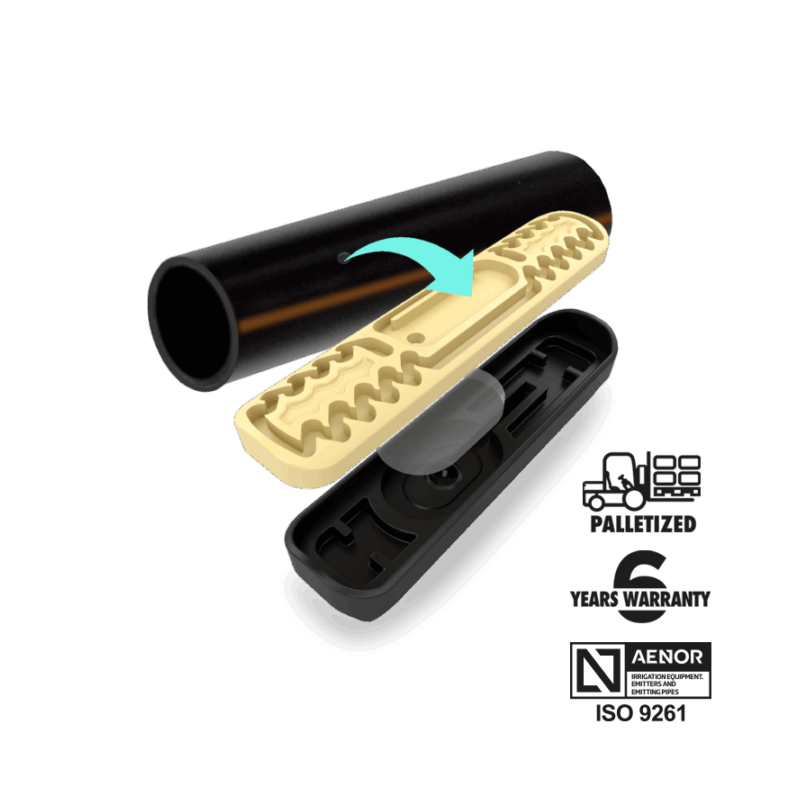
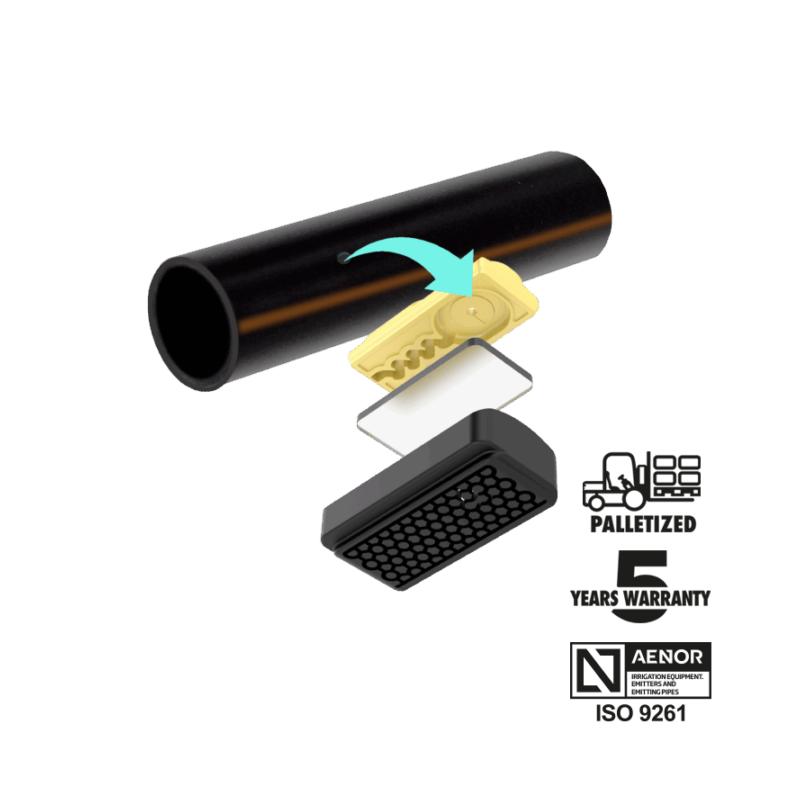
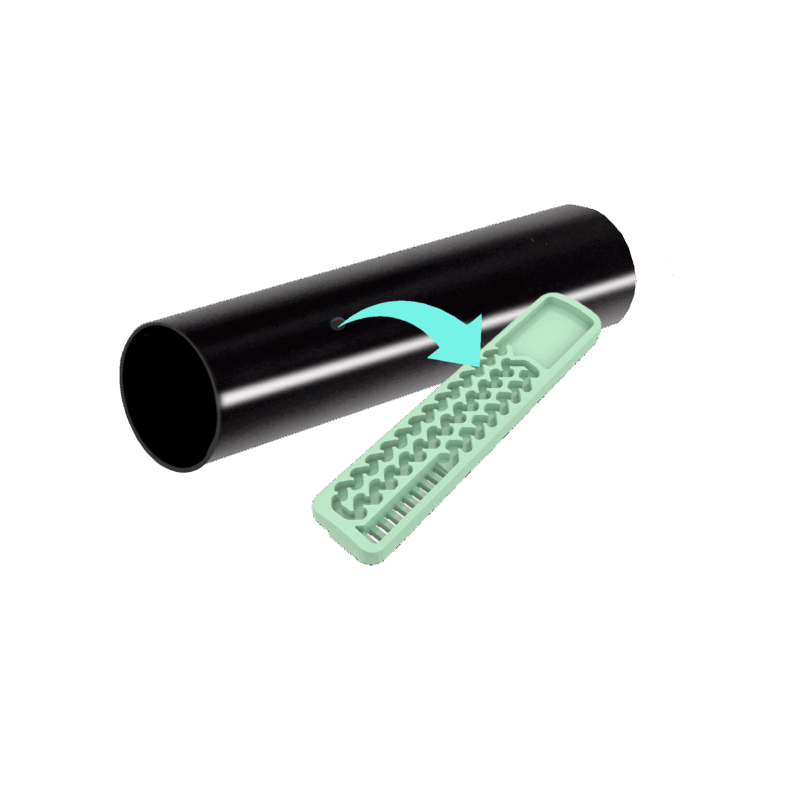
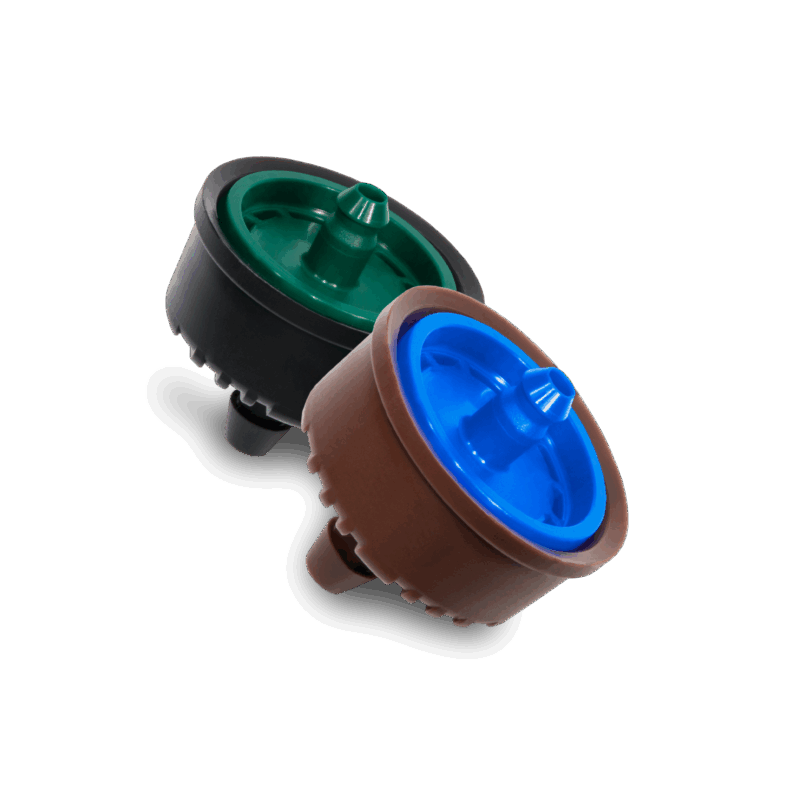
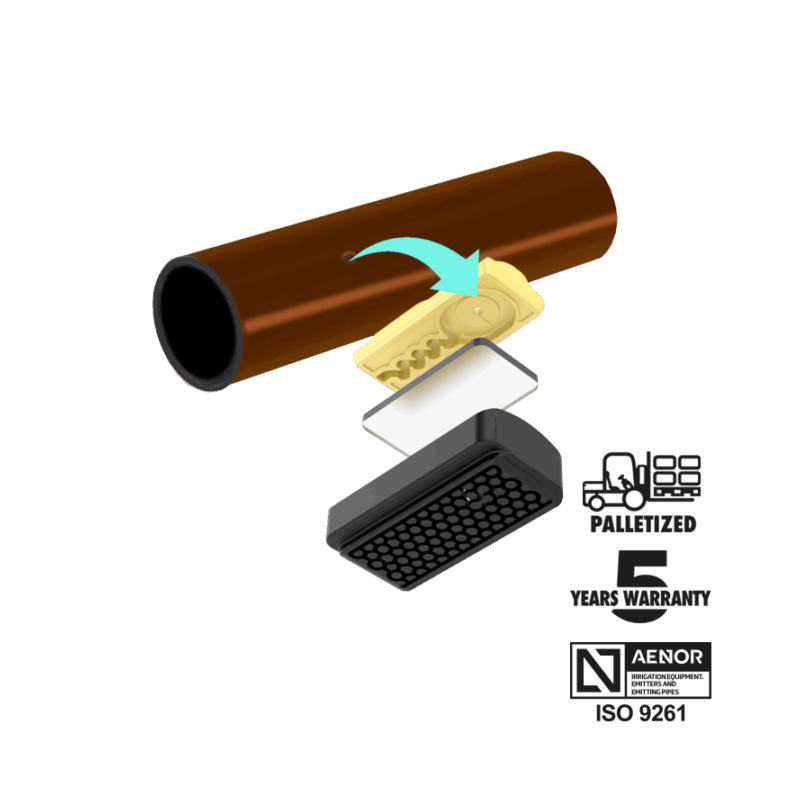
For example, the AZUD PREMIER PC AS model, with a flow rate of 1.6 to 2.3 l/h and a 33 cm spacing between drippers, or the CNL model, which not only regulates pressure but also prevents the dripline from emptying, ensuring uniformity from the very first second. Irrigation duration will vary depending on periods of peak water demand throughout the day.

Hydroponic blueberry cultivation is gaining popularity, especially in regions where blueberries are not native, such as Peru, Mexico, Morocco, and southern Spain.

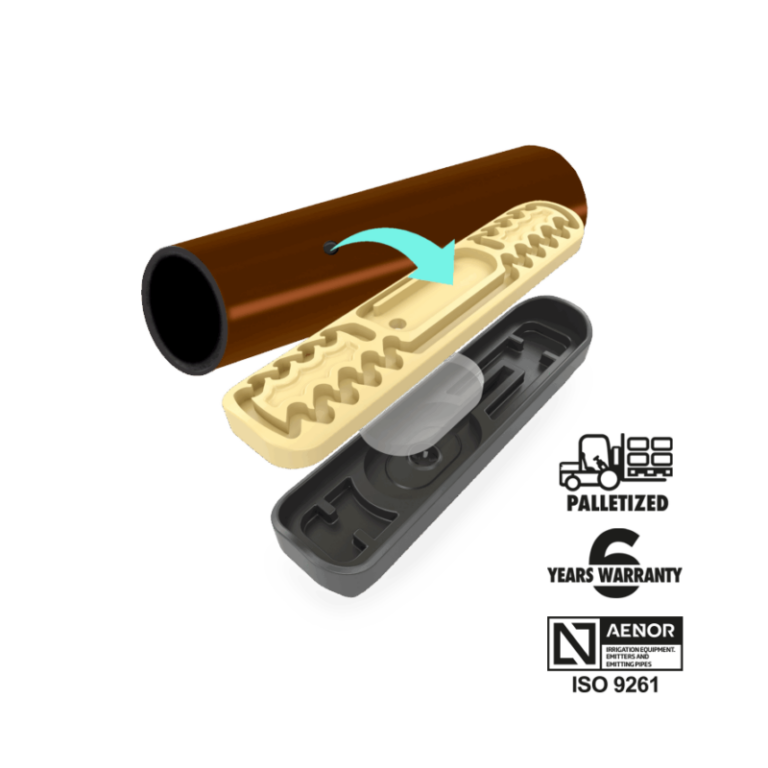
Irrigation emitters play a key role in hydroponic irrigation, since the flow rates are regulated by pulses lasting 2 to 5 minutes. It must be a self-compensating, anti-drain dripper (CNL) because this irrigation method requires a constant flow to all plants in the sector simultaneously. If the dripline empties every time irrigation stops, there will be no uniformity across all sectors.

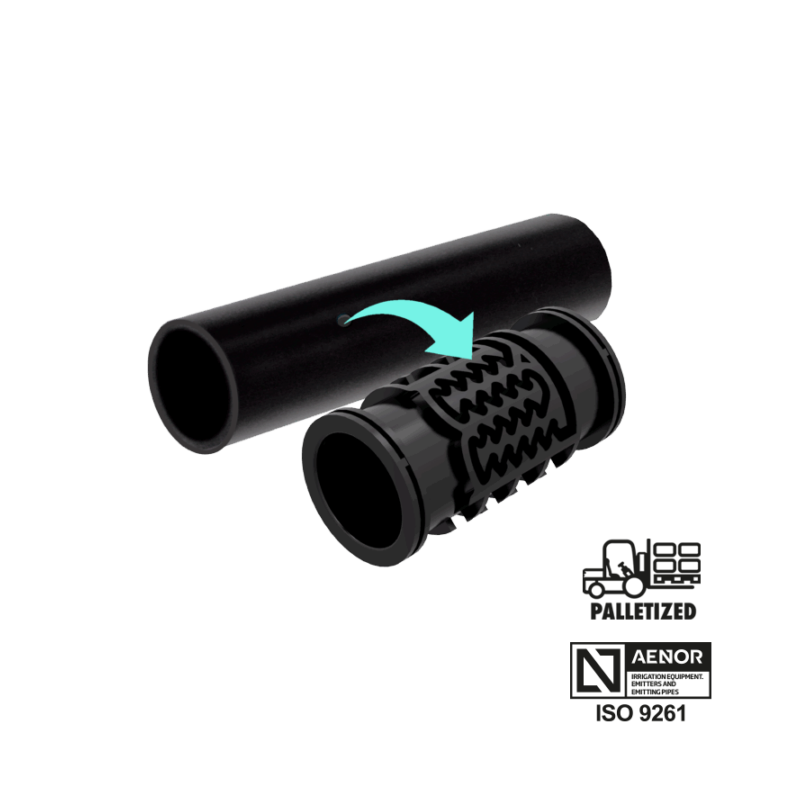
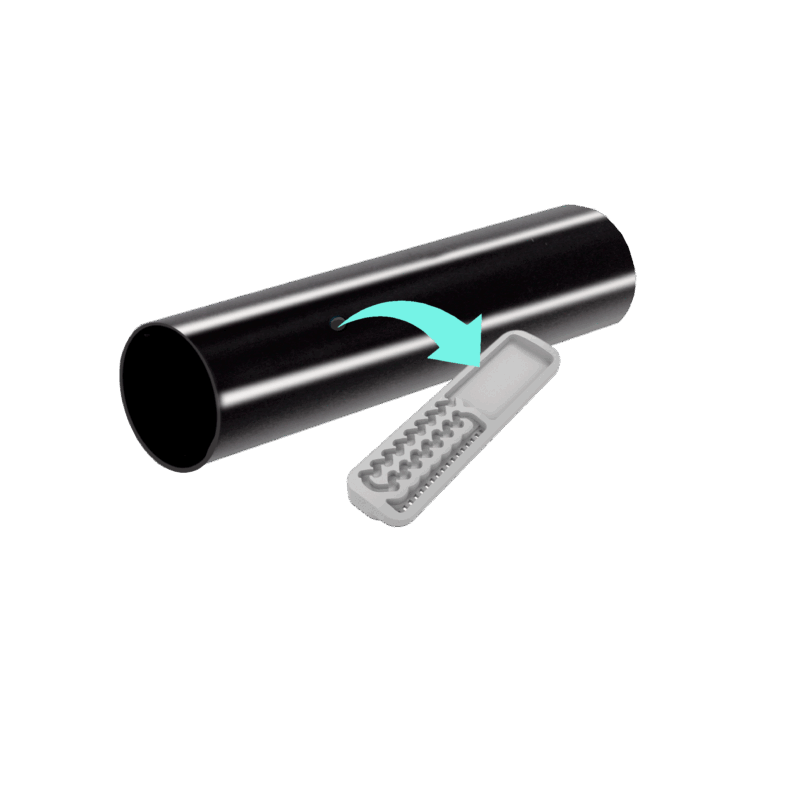
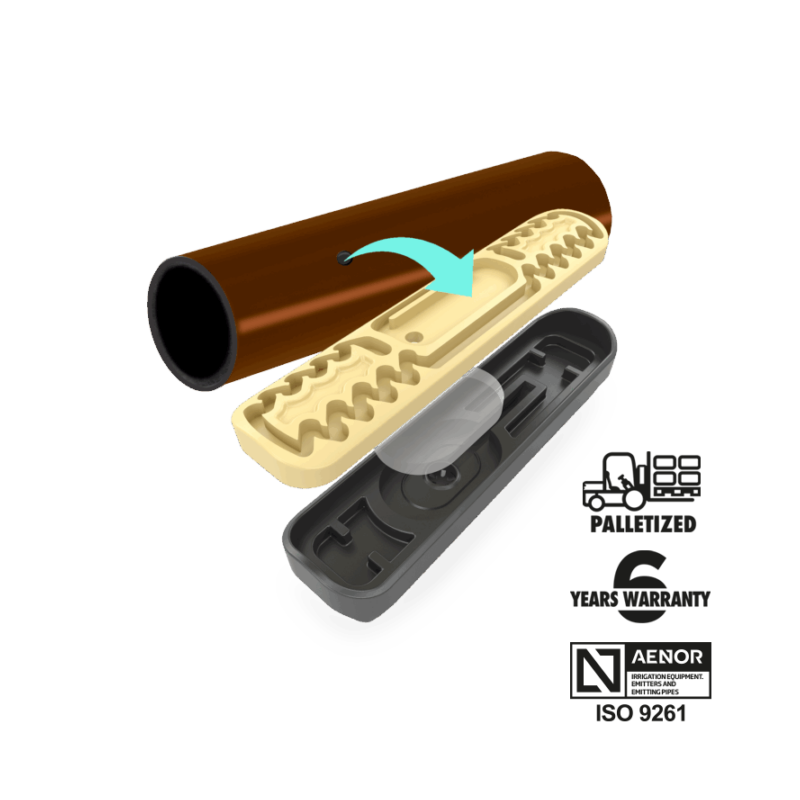
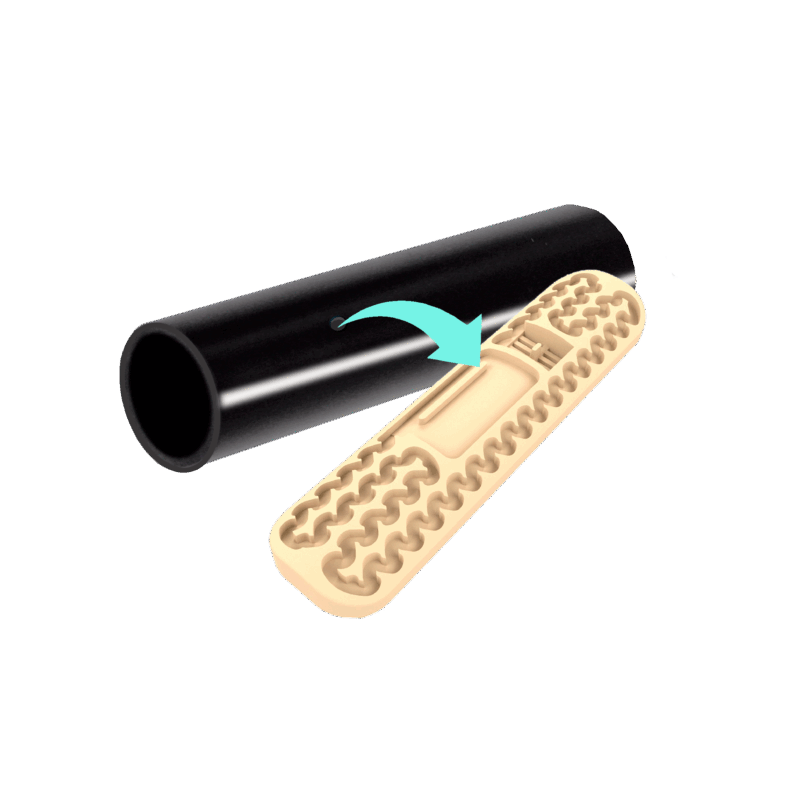
Only PC CNL drippers offer these qualities, with a labyrinth large enough to prevent clogging and a rapid self-cleaning flow rate of 2–4 L/h.

Direct benefits for your blueberry crop

Dripline Selection: A wide range of options ensures the right dripline is selected. The combination of emitter model, flow rate per emitter, and spacing between them not only ensures the supply of water as planned in the irrigation strategy but also guarantees a large volume of moist soil available for root development in both surface drip irrigation and RGS.

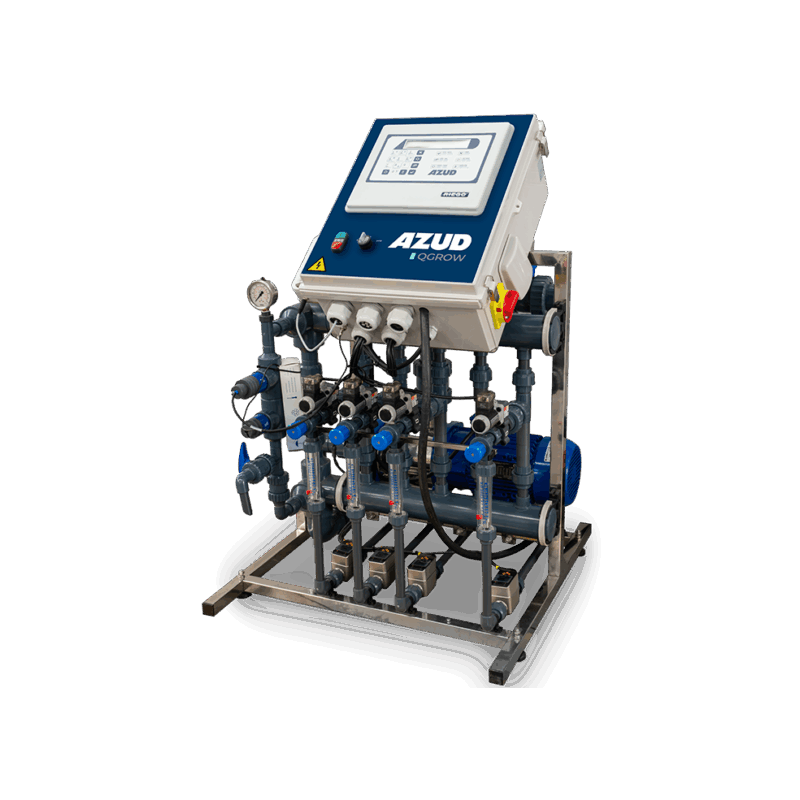
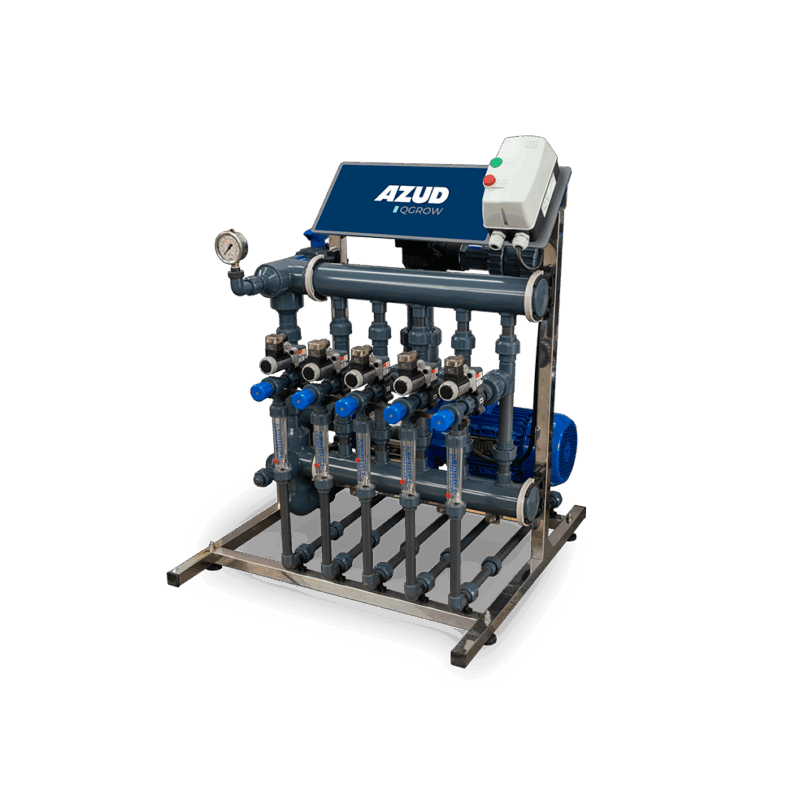
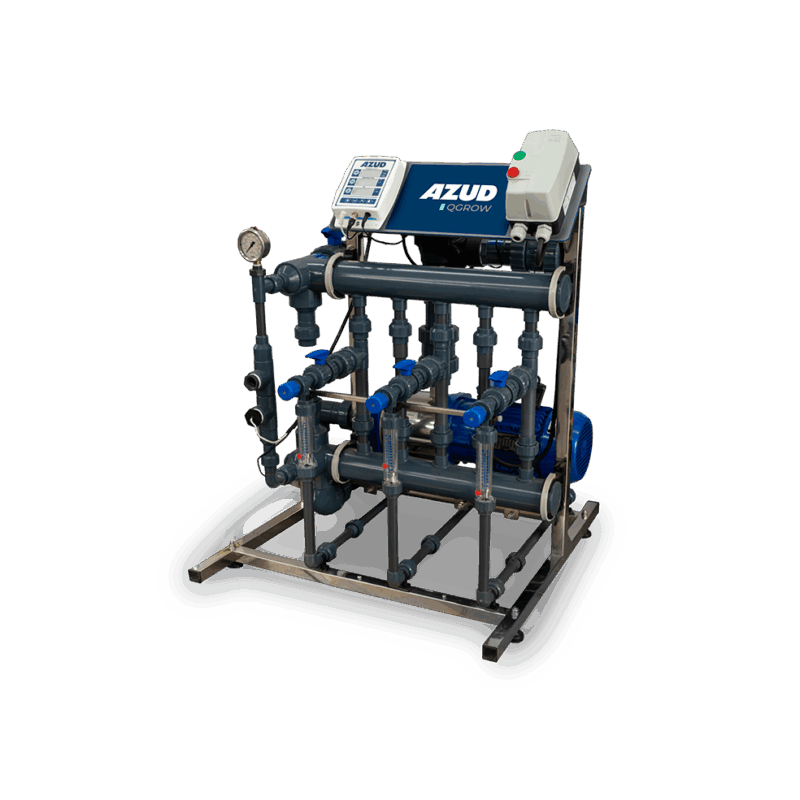
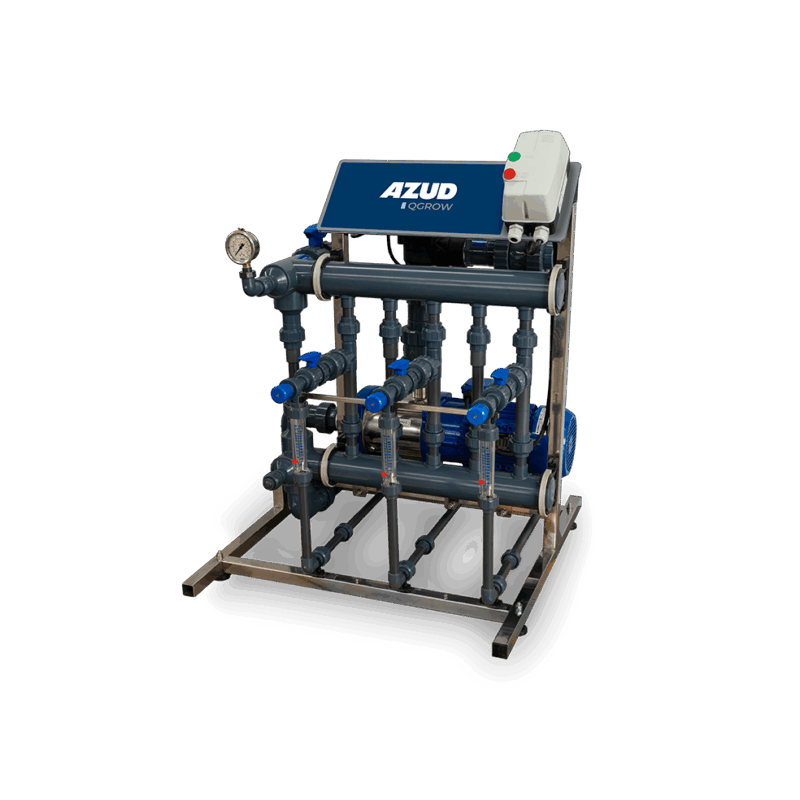
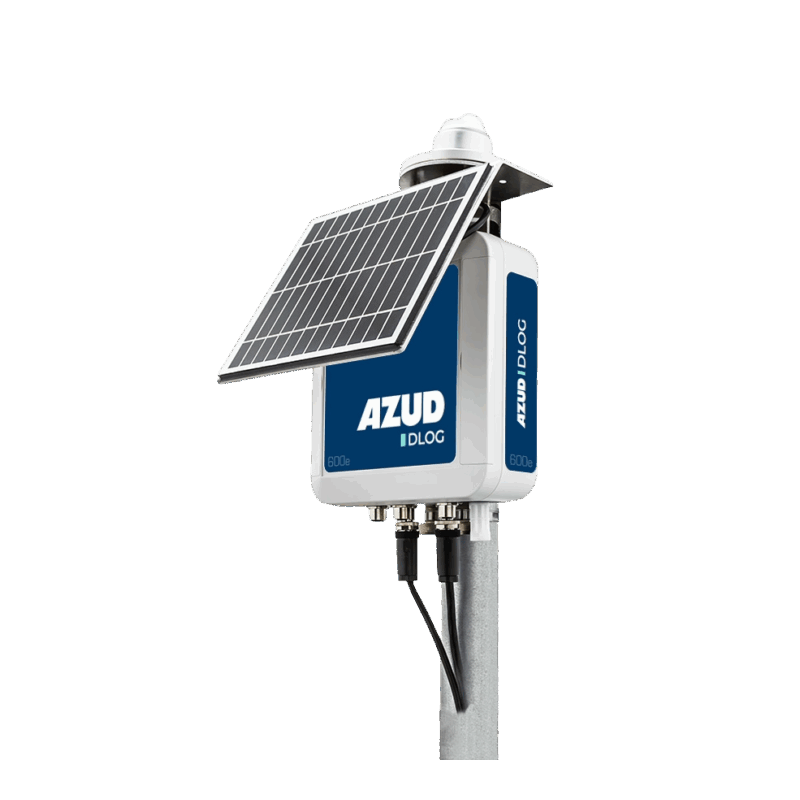
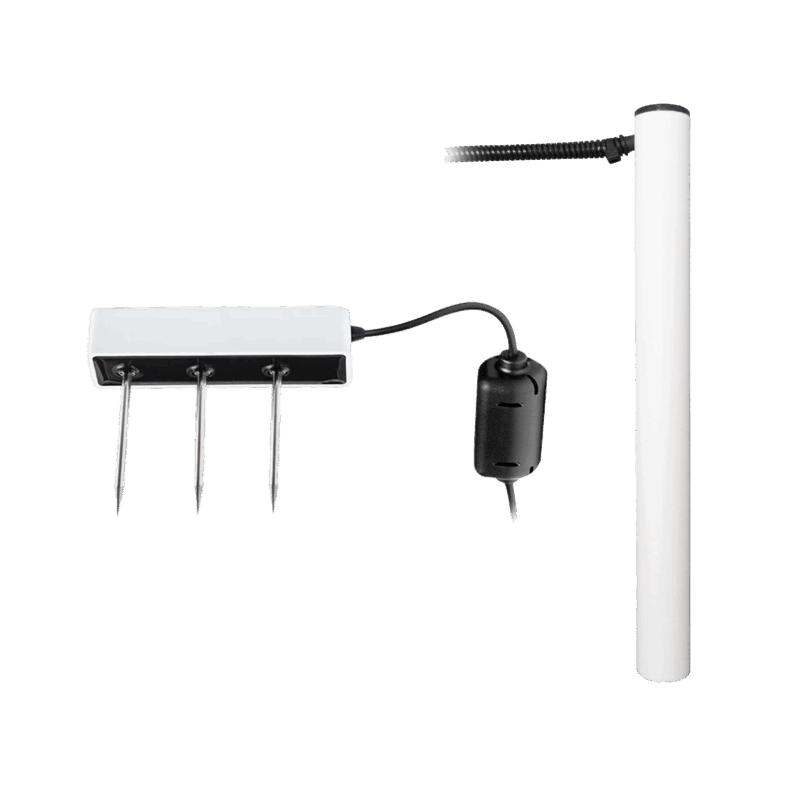
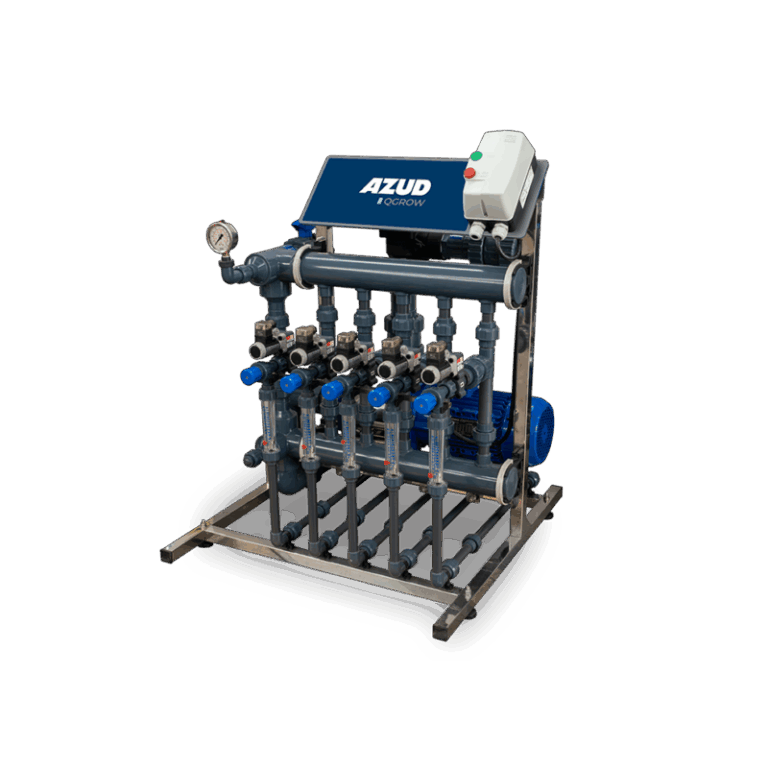
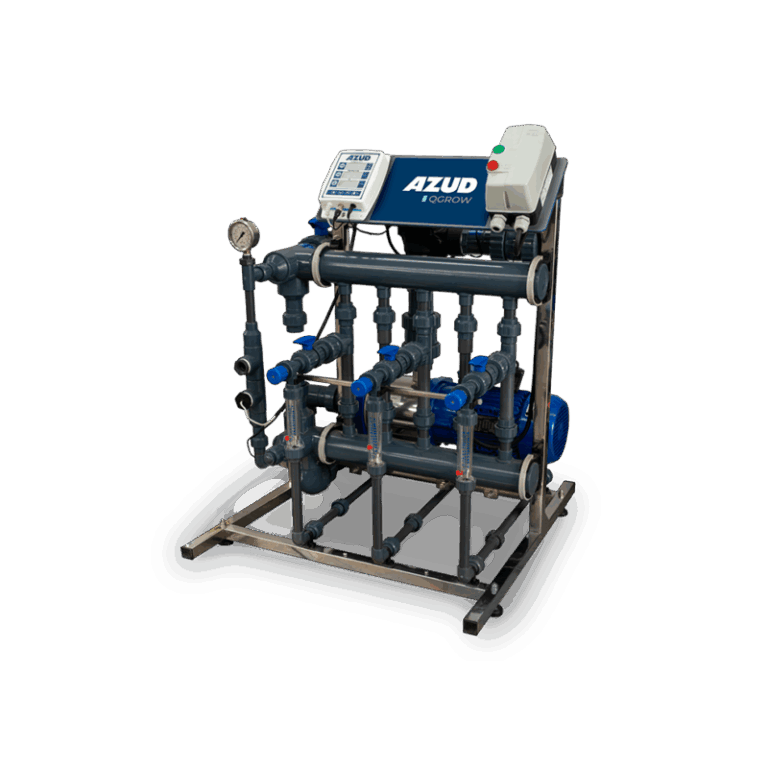
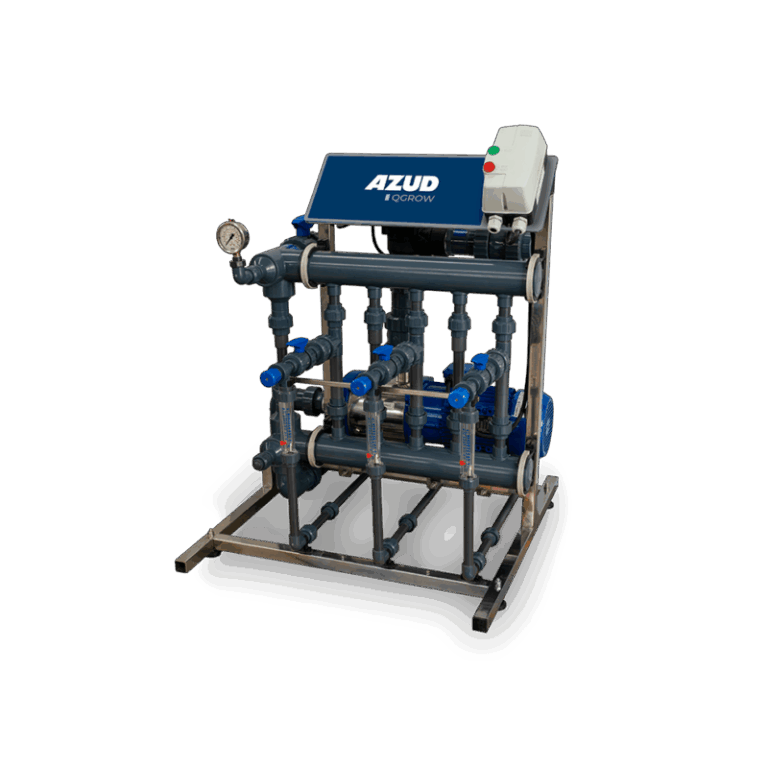
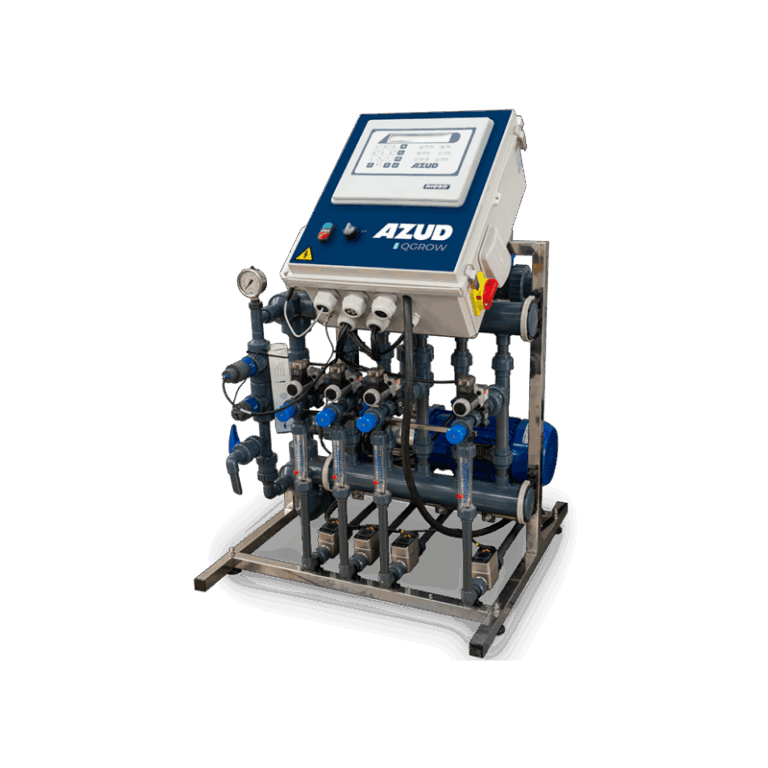
Digital Farming: Along with the appropriate selection of dripline tubing, the use of AZUD QGROW equipment for the precise management of water and nutrient inputs, using data from soil, plant, and climate sensors, enables:

  • Continuous development of young roots (RBNS) for water and nutrient uptake.
  • Avoidance of conditions unfavorable to proper crop development: high soil moisture content.
  • Precise management of nutrient inputs and Irrigation practices designed to avoid high EC values in the water within the root zone. Values above 1.2 dS/m reduce its productive potential.
  • Precise management of pH changes in the water within the root zone. pH values outside the 5–6 range reduce yield potential.

Frequently Asked Questions

Blueberries thrive with drip irrigation systems, as they efficiently deliver water directly to the roots, reducing waste and ensuring that the plant receives the necessary moisture without saturating the soil.

A proper irrigation system ensures that blueberries receive the right amount of water, which is crucial for fruit development, disease prevention, and the avoidance of water stress. This results in a more abundant harvest, higher-quality fruit, and more efficient use of water resources.

Blueberries require acidic soil with a pH between 4.5 and 5.5. A pH outside this range can hinder the absorption of essential nutrients and negatively affect growth and fruit production. It is crucial to adjust the soil pH before planting and to monitor it regularly.

Success stories

Quarry reduces production stoppages by protecting washing machines

Learn more

DANGOTE minimizes the biofilm in your facility

Learn more

SHANGHAI HUANYANG optimizes UV disinfection

Learn more

KIA reduces water footprint by regeneration

Learn more

SOMACYL will regenerate wastewater using pre-filtration to protect the tertiary sector

Learn more
Related products