About the Industrial Tomato

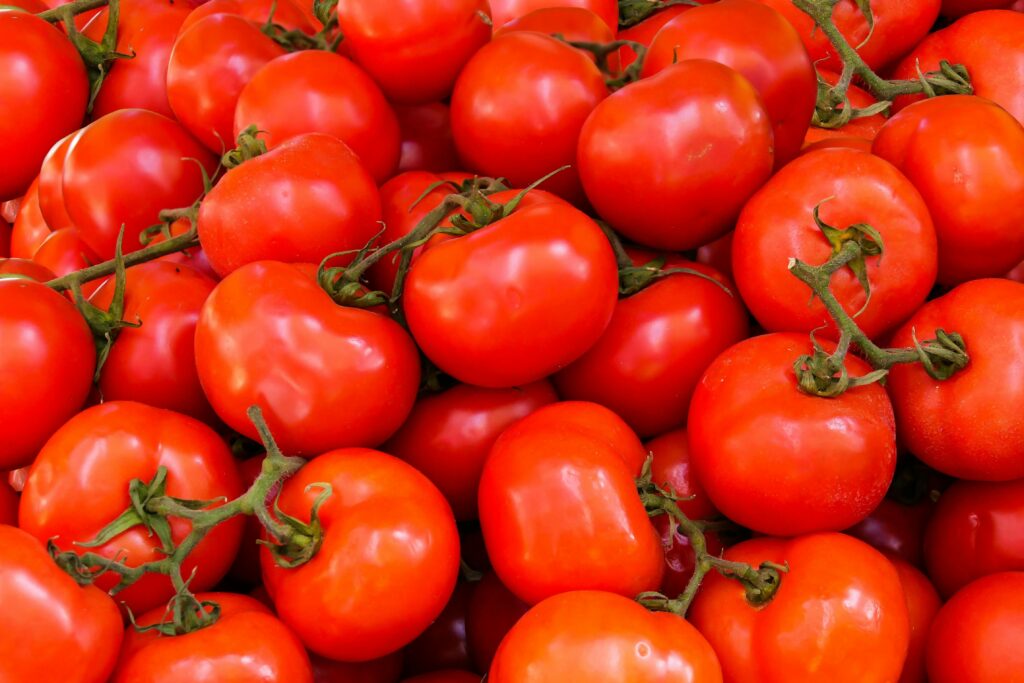
The tomato is one of the most widely grown horticultural crops worldwide and the one with the highest economic value. Demand for tomatoes is constantly increasing, and with it, their cultivation, production, and trade.

Global production stands at 85 million tons (FAO 2007), and the world’s top producers are China, Mexico, the United States, Turkey, Spain, Italy, and Egypt. At the continental level, according to FAO data, Asia accounts for just over 50%, followed by the Americas with 20%, Europe with 15%, and the remainder coming from Oceania and Africa.

Temperatures above 35°C affect fruit development due to poor ovule development and the plant’s overall growth. Fruit ripening is highly influenced by temperature, such that temperatures close to 10°C as well as those above 30°C cause yellowish hues.

The tomato plant is not very demanding in terms of soil. The crop grows well in both well-drained soils (loose and rich in organic matter) and sandy-clay soils. Tomatoes are a crop that tolerates salinity conditions in both the soil and irrigation water better than most.

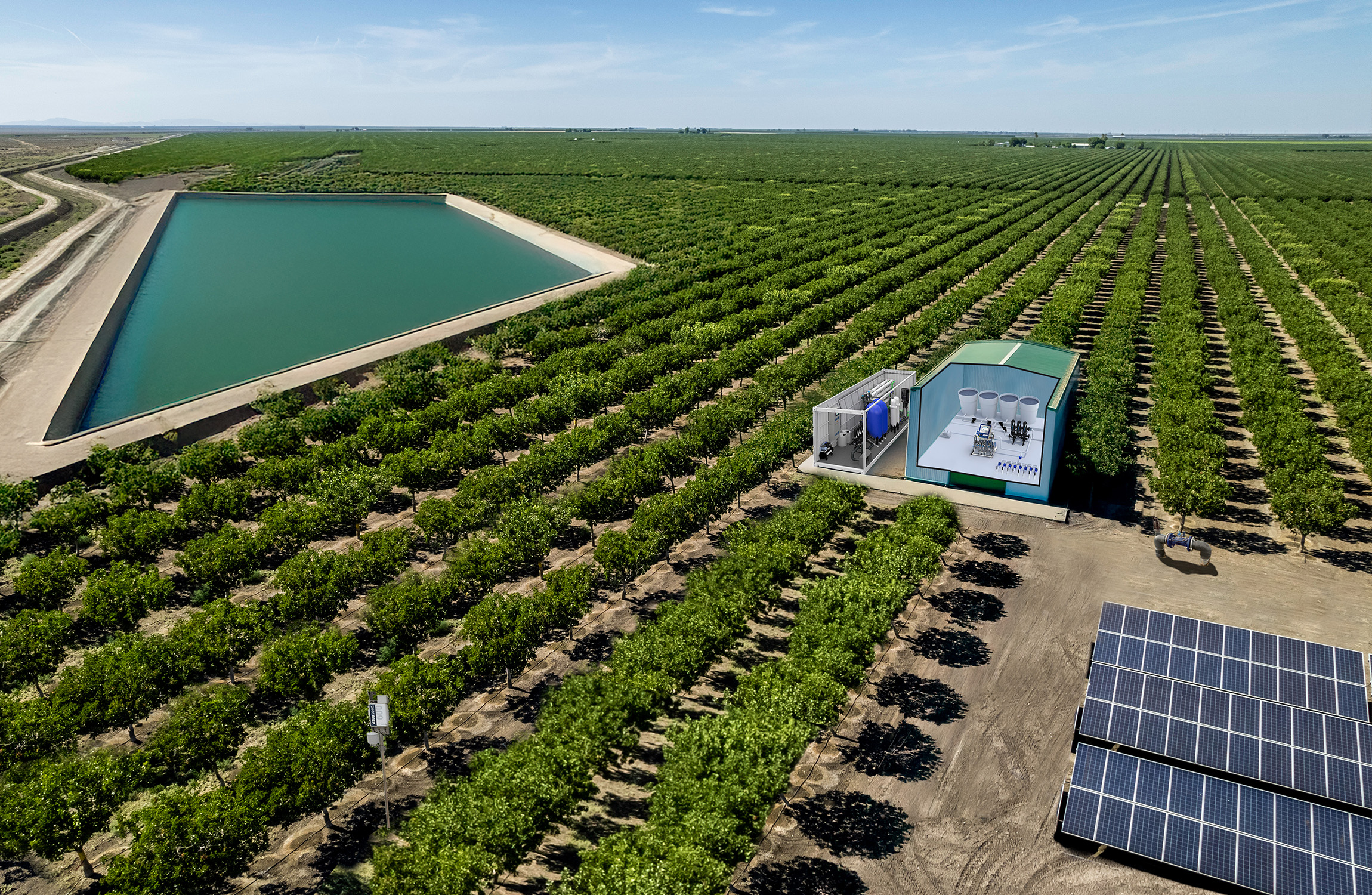
 

Effective Irrigation and Nutrition Techniques for Commercial Tomatoes

The planting pattern is determined by the plant’s growth habit, which in turn depends on the commercial variety being grown. The most commonly used pattern is 1.5 meters between rows and 0.5 meters between plants; however, for medium-sized plants, it is common to increase planting density to 2 plants per square meter using a 1 m × 0.5 m pattern.
Not only does the amount of water determine production, but also the optimal timing of application dictated by the crop’s physiology. It is necessary to understand the water requirements at each phenological stage of the crop in order to achieve maximum economic yield.

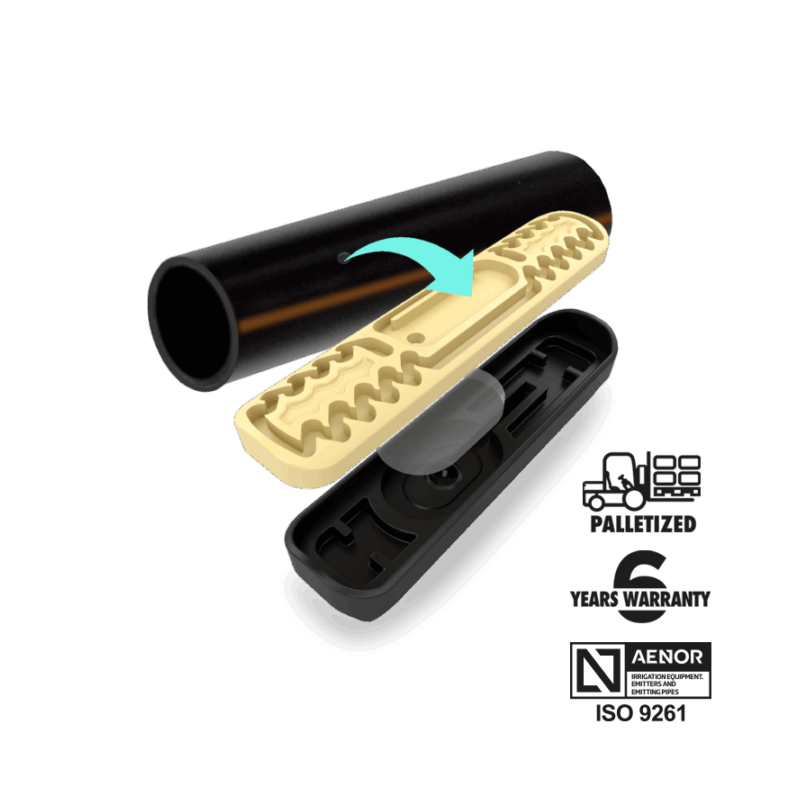
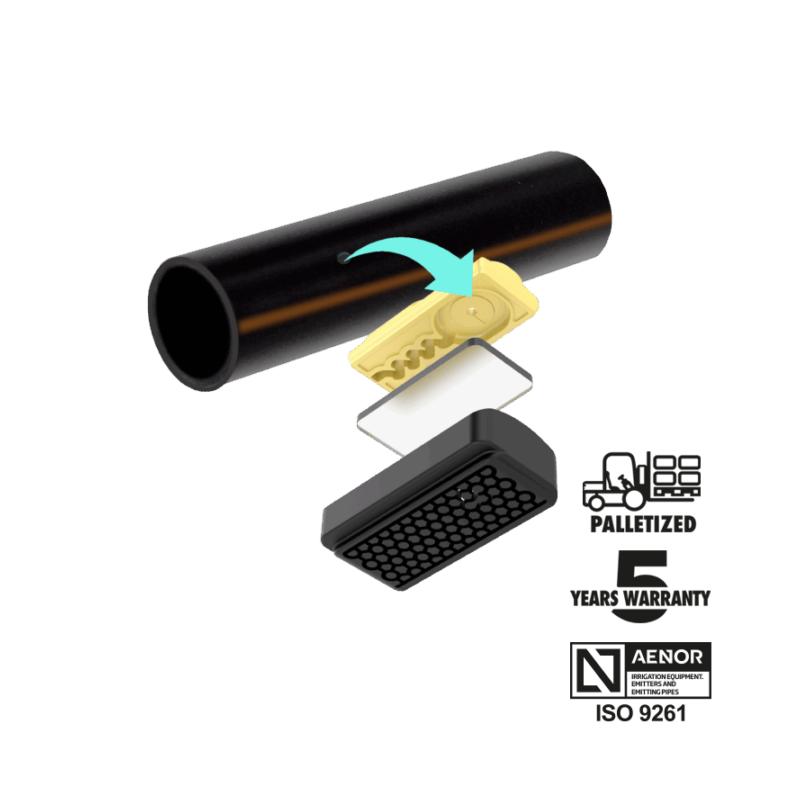
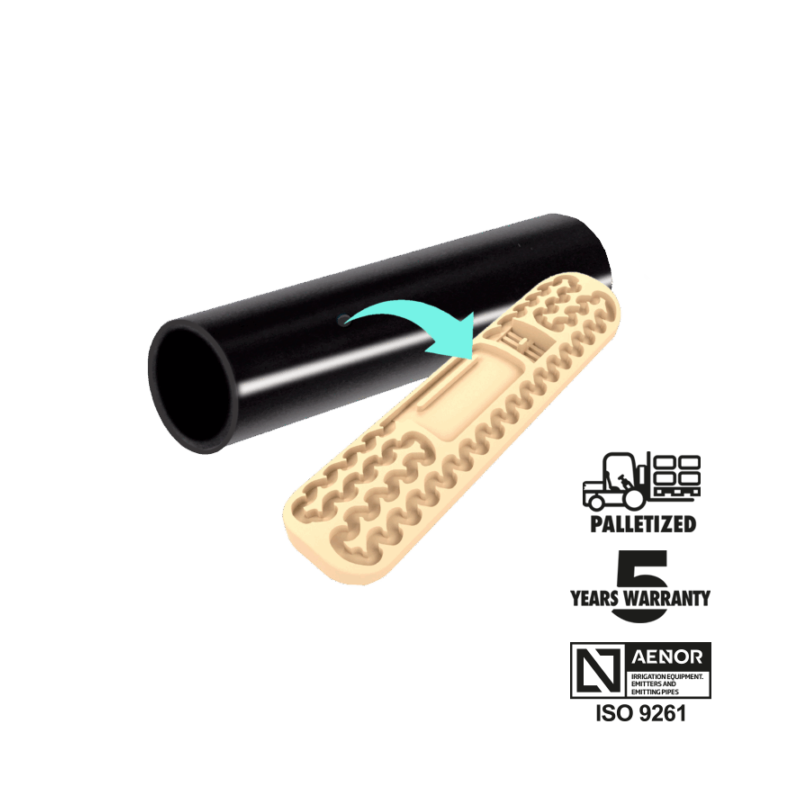
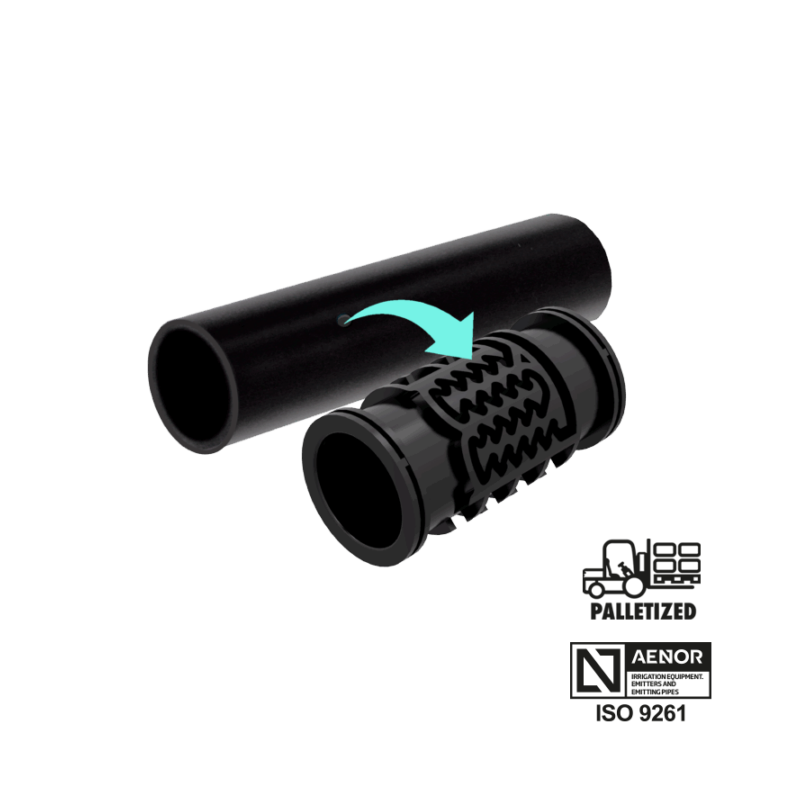
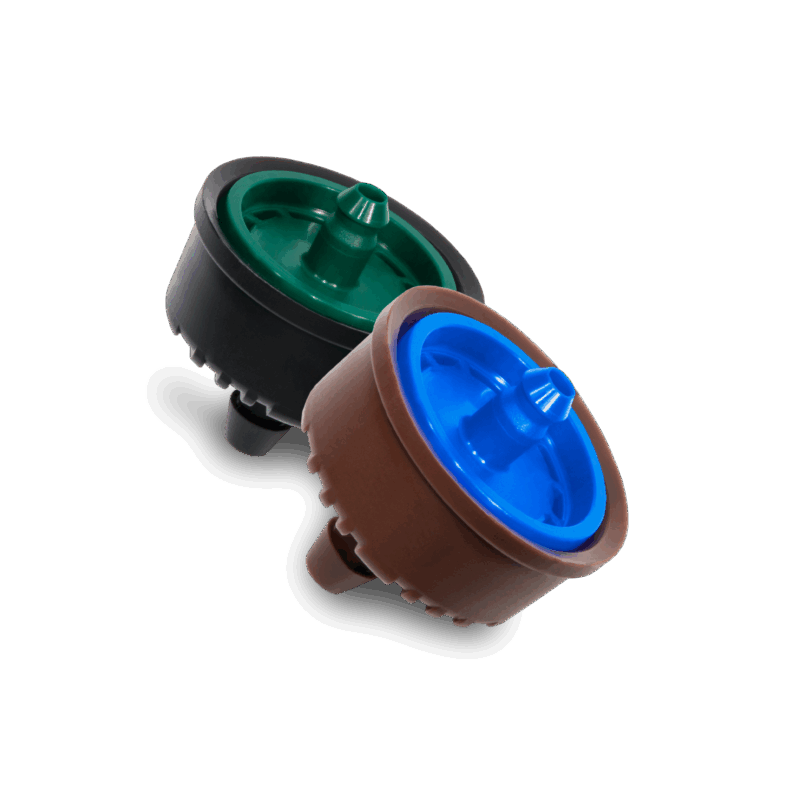
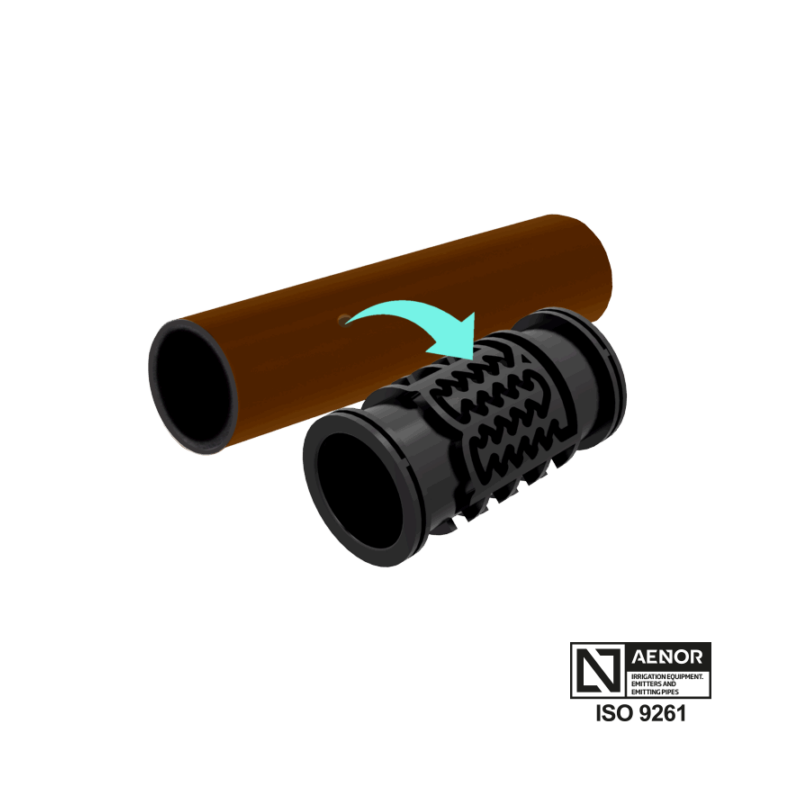
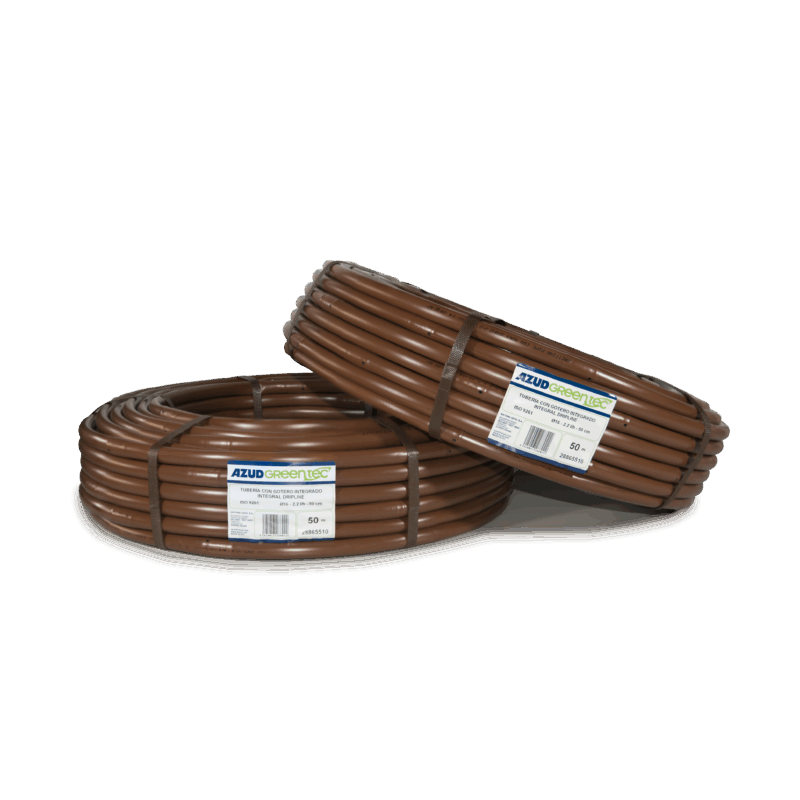
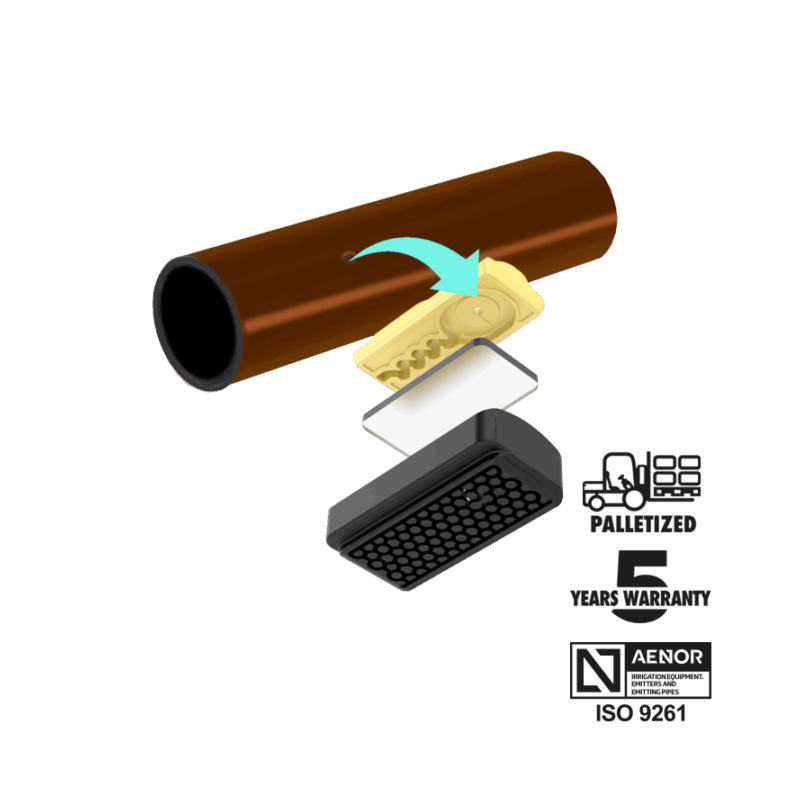
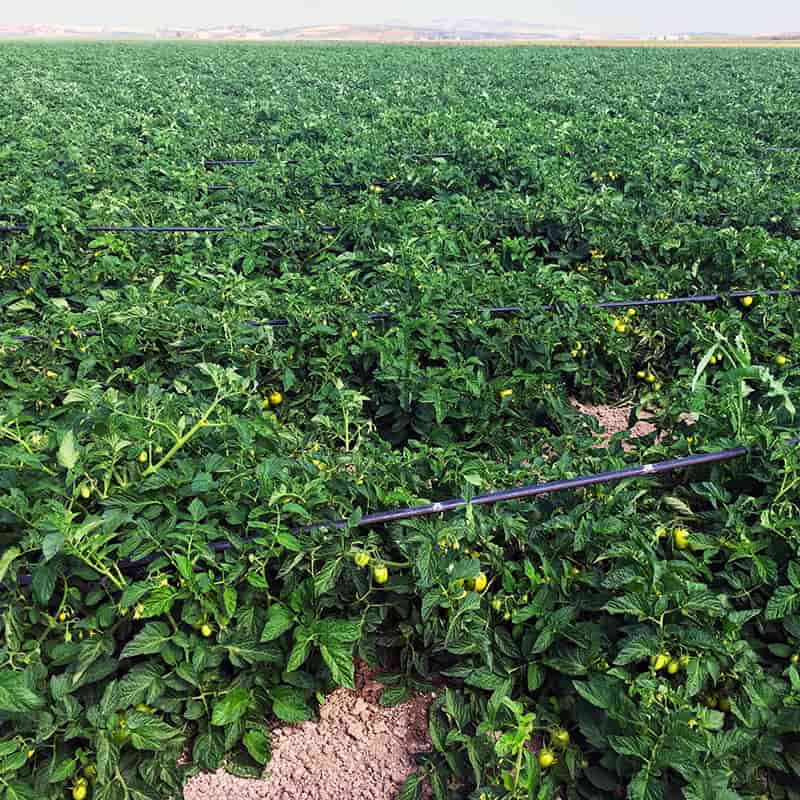
In protected tomato crops, water and most nutrients are generally supplied via drip irrigation and depend on the plant’s phenological stage as well as the environment in which it grows (soil type, climatic conditions, irrigation water quality, etc.).

In soil-based and sand-based cultivation, the timing and volume of irrigation will be determined primarily by the following parameters:

  • Soil water potential (matrix potential), which is determined through proper use of tensiometers; it is advisable to irrigate before reaching 20–30 centibars.
  • Soil type (field capacity, saturation percentage).
  • Crop evapotranspiration.
  • Irrigation efficiency (uniformity of dripper flow rate).
  • Irrigation water quality (the poorer the quality, the greater the volumes of water required, as it is necessary to displace the salt front from the moisture bulb).
Success stories

Quarry reduces production stoppages by protecting washing machines

Learn more

DANGOTE minimizes the biofilm in your facility

Learn more

SHANGHAI HUANYANG optimizes UV disinfection

Learn more

KIA reduces water footprint by regeneration

Learn more

SOMACYL will regenerate wastewater using pre-filtration to protect the tertiary sector

Learn more
Related products